History’s most feared lawmen didn’t just wear badges; they waged chess matches with outlaws who wrote their own brutal rules. From Pinkerton masterminds and Texas Rangers to Scotland Yard sleuths and Mounties, these pursuers (and the quarry that kept them up at night) forged the legends we talk about to this day.
The 17 photos below put the spotlight on the people behind the myths, offering brief, punchy snapshots of the lawmen and the individuals who made their reputations.
1. Allan Pinkerton & the James-Younger Gang
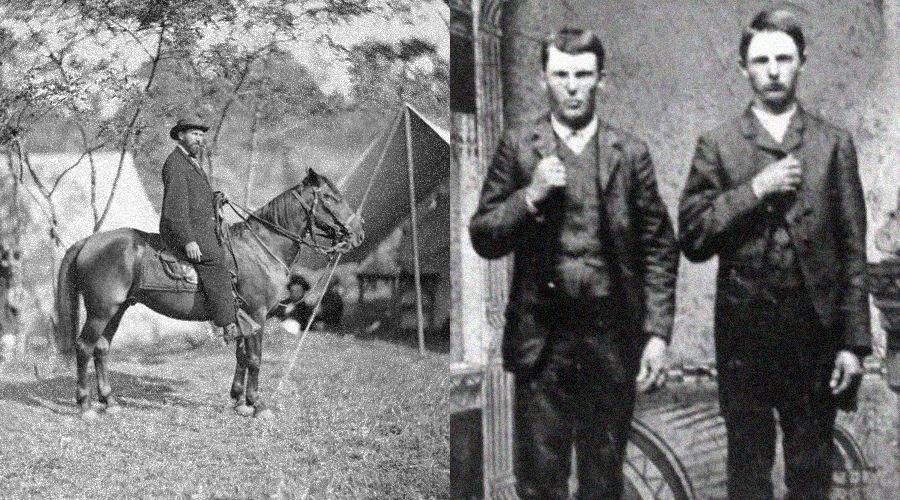
Pinkerton built America’s first great detective agency and turned organized manhunting into a profession. His operatives shadowed Jesse and Frank James across the Midwest, squeezing informants and staking rail depots. The feud got personal after a botched raid on the James farm, proof that even a strategist could be drawn into an outlaw’s orbit.
2. Wyatt Earp & the “Cowboys” of Tombstone

Earp was methodical rather than flashy, a lawman who preferred paperwork before pistols. The O.K. Corral gunfight and the vendetta ride that followed cemented his legend against rustlers like Ike Clanton and Curly Bill Brocius. He spent decades afterward curating his story because even lawmen know image is evidence.
3. Eliot Ness & Al Capone
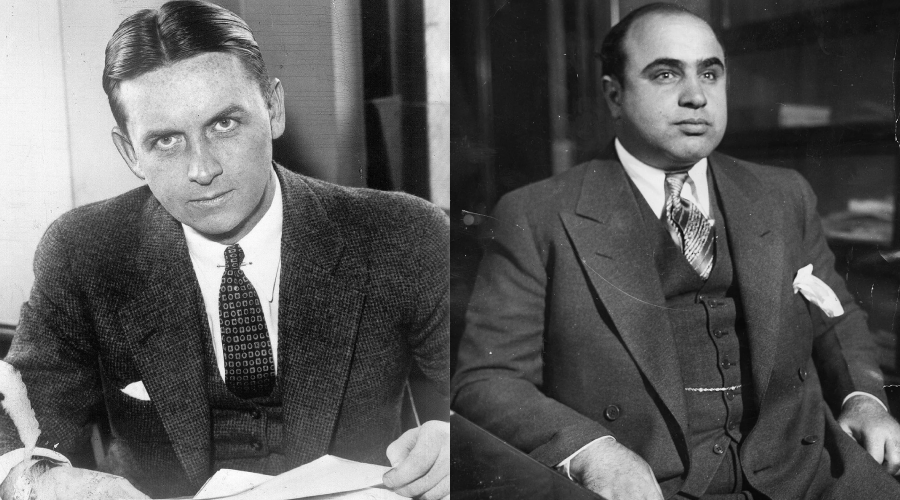
Ness and his “Untouchables” targeted Capone’s empire by following ledgers instead of tommy guns. The strategy (raids, record-keeping, and relentless audits) paved the way for Capone’s tax convictions. It was a lesson in modern policing: beat the myth by cornering the money.
4. Melvin Purvis & John Dillinger (and Pretty Boy Floyd)
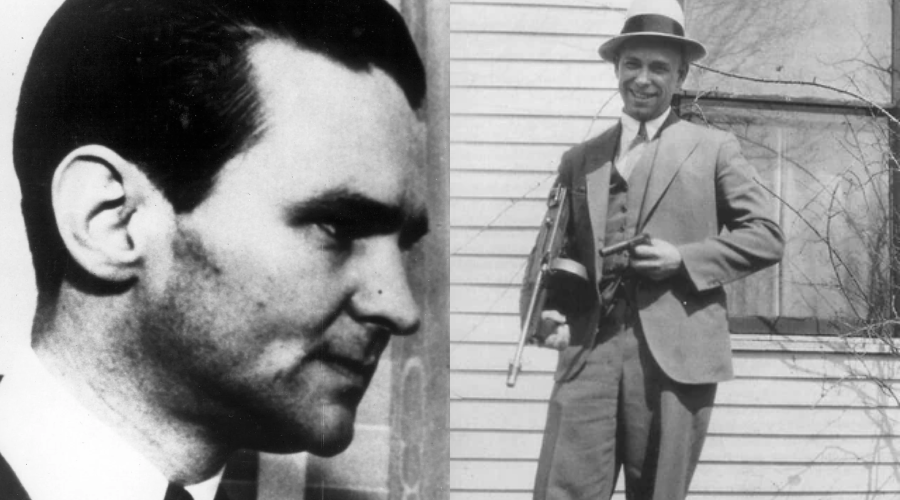
The square-jawed G-man became a household name in 1934, fronting the Bureau’s public hunt for headline bandits. Purvis cultivated informants, memorized habits, and pushed interagency coordination at a time when it was rare. His brief, blazing fame shows how quickly the public can crown -and question- its heroes.
5. Frank Hamer & Bonnie and Clyde
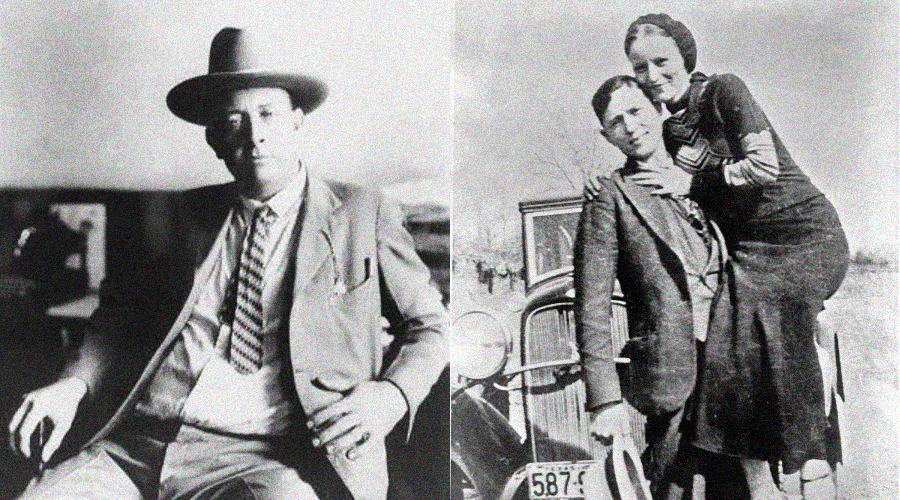
A Texas Ranger with an investigator’s patience, Hamer studied the duo’s travel loops and safe-house patterns. He built a small, trusted posse and let routine do the heavy lifting: routes, fuel stops, and a rhythm Bonnie and Clyde couldn’t break. Meticulous homework, not bravado, ended the spree.
Trending on The Scroller


6. Bass Reeves & Indian Territory Outlaws
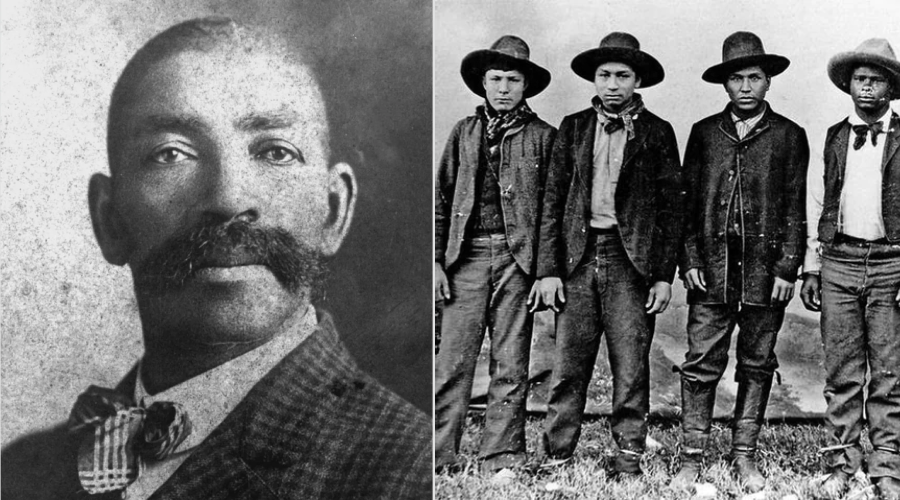
One of the first Black deputy U.S. marshals west of the Mississippi, Reeves is credited with thousands of arrests. He worked disguised, bilingual, and fearless, sometimes riding weeks to serve a single warrant. The ultimate professional, he even brought in his own son when duty demanded it.
7. Pat Garrett & Billy the Kid
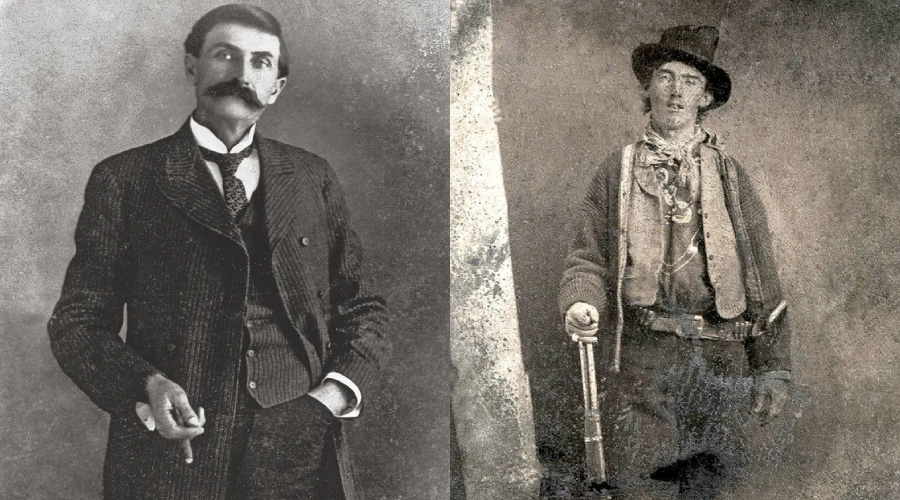
Garrett’s pursuit of the Kid was part tracking, part psychology: friends, food, and hideouts mapped like a second skin. Their cat-and-mouse ended in a dark room in Fort Sumner, where legend and reality still wrestle. Garrett spent the rest of his life defending the story as much as the shot.
8. Bill Tilghman & the Doolin Gang
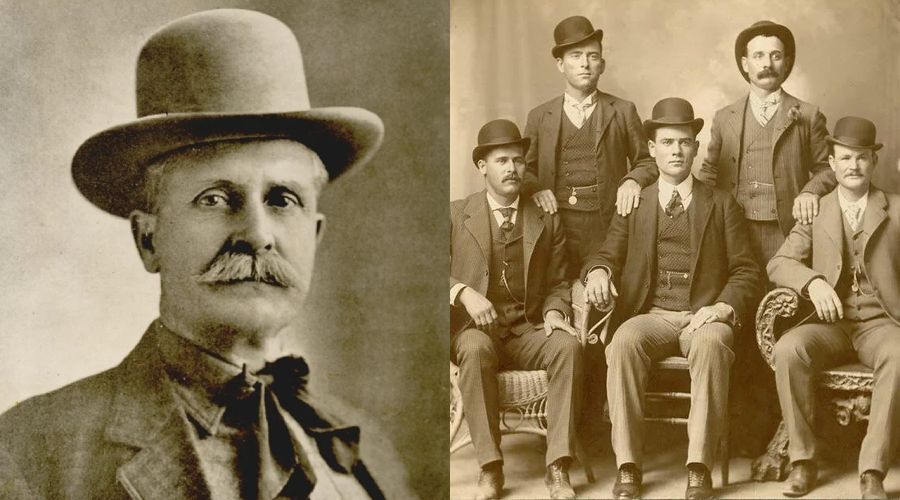
A gentleman sheriff with a flinty center, Tilghman hunted Bill Doolin’s Wild Bunch across the Territory backroads. He prized clean arrests and airtight cases, a lawman’s lawman in an era of shortcuts. His long career bridged the rowdy frontier and the age of procedure.
Sign up for our newsletter
9. “Bear River” Tom Smith & Abilene’s Toughs
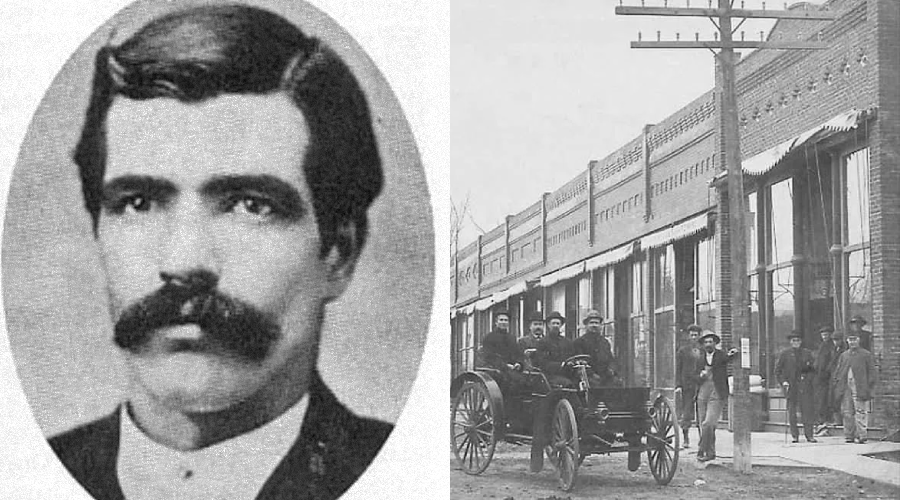
Smith tried something radical for a cattle town: enforce order with fists, not firearms. By sheer presence and a boxer’s clinch, he cooled saloon tempers and kept cattle money flowing. His brutal death only deepened his legend as the marshal who wrestled chaos without a trigger.
10. Inspector Frederick Abberline & “Jack the Ripper”
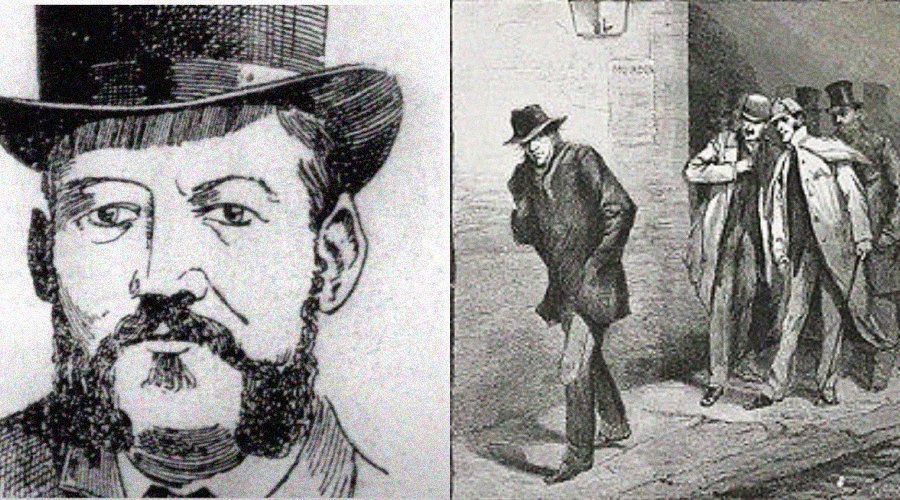
The Whitechapel murders made Abberline the face of Victorian detection; maps, witness statements, and endless footwork. He chased rumors and red herrings through fog and press frenzy, documenting everything with a clerk’s precision. The failure to catch the killer haunts the file and shaped modern homicide work.
11. Eugène-François Vidocq & the Paris Underworld

An ex-con who founded the Sûreté, Vidocq turned street cunning into institutional method: informant networks, disguises, and paper trails. He cultivated reform alongside rigor, believing criminals could teach the state to catch criminals. The blueprint he drew still underlies detective bureaus worldwide.
12. Commissioner Sam Steele & Klondike Claim-Jumpers
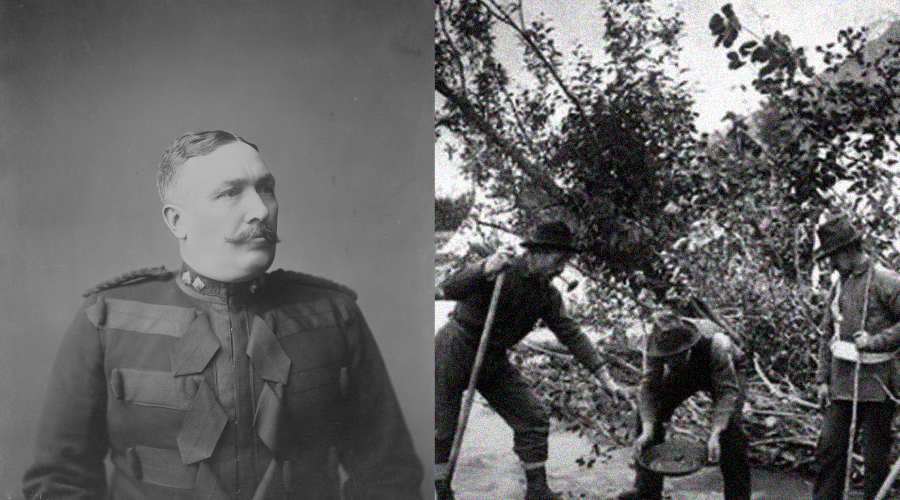
The iconic Mountie brought order to a gold rush that could have eaten itself. Steele enforced permits, calmed crowds, and insisted on civility in a landscape built for greed. His quiet discipline made the Yukon a rare frontier where law arrived before the fires went out.
13. Sir Percy Sillitoe & Glasgow’s Razor Gangs
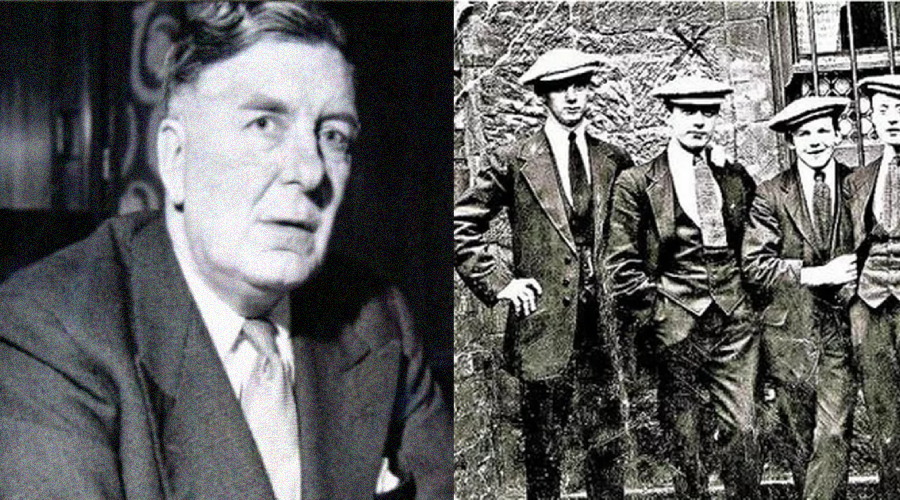
As chief constable in the 1930s, Sillitoe modernized beats, turned informants, and targeted gang finances—not just their swagger. He broke up street theaters of violence with patient, unglamorous casework. The “Sillitoe tartan” check on police caps is a sartorial echo of those reforms.
14. Izzy Einstein & Moe Smith vs. Prohibition Bootleggers
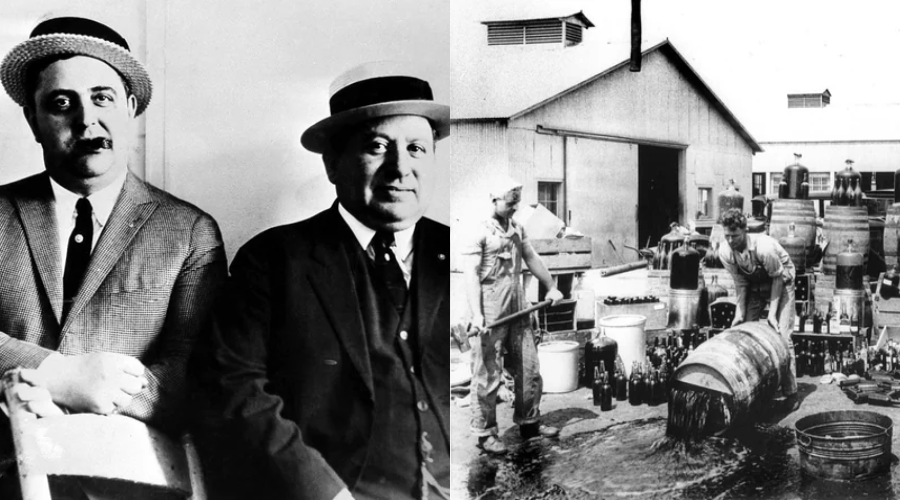
The federal duo made arrests in disguises -rabbi, gravedigger, opera singer- and logged thousands of cases. Their trick was simple: blend in, then bring receipts. By turning stakeouts into theater, they outfoxed speakeasies without firing a shot.
15. Texas Ranger John B. Armstrong & John Wesley Hardin
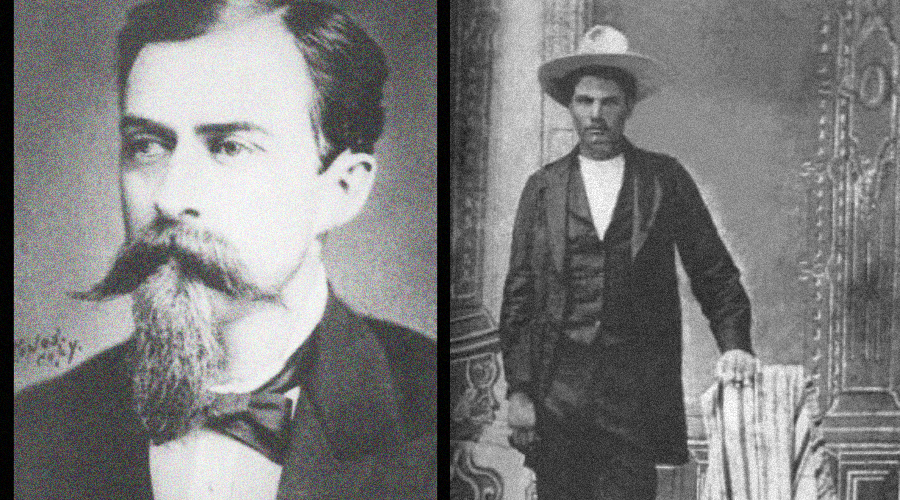
Armstrong tracked the notorious gunman across state lines, keeping calm when tips went cold. The takedown on a train platform was swift and controlled, a textbook collar in a volatile age. It showed what a small team with good intel can do against a big reputation.
16. Pinkerton Cowboy-Detective Charlie Siringo & the Wild Bunch
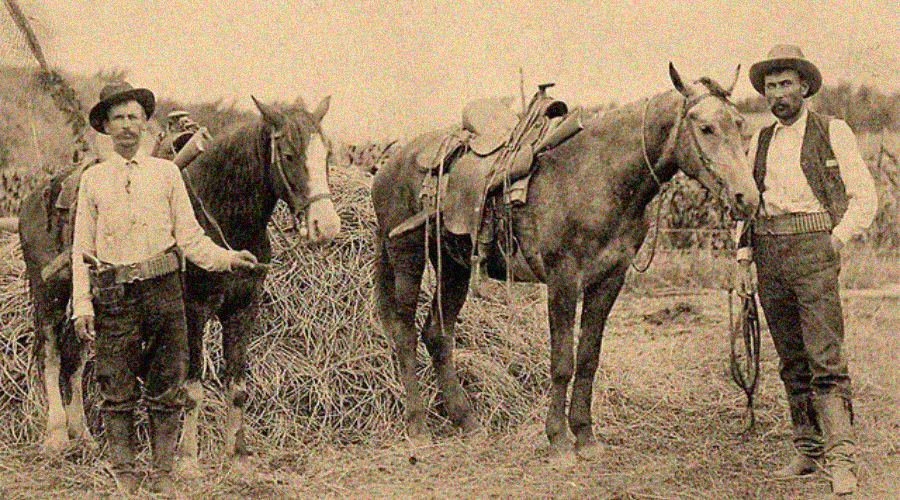
Siringo infiltrated robber circles with ranch-hand ease, filing long, literate reports that read like frontier novels. Patient and stubborn, he nipped supply lines and shadowed camps rather than chasing headlines. His pen helped corral men who preferred dynamite to dialogue.
17. Superintendent Francis Hare & Ned Kelly’s Gang
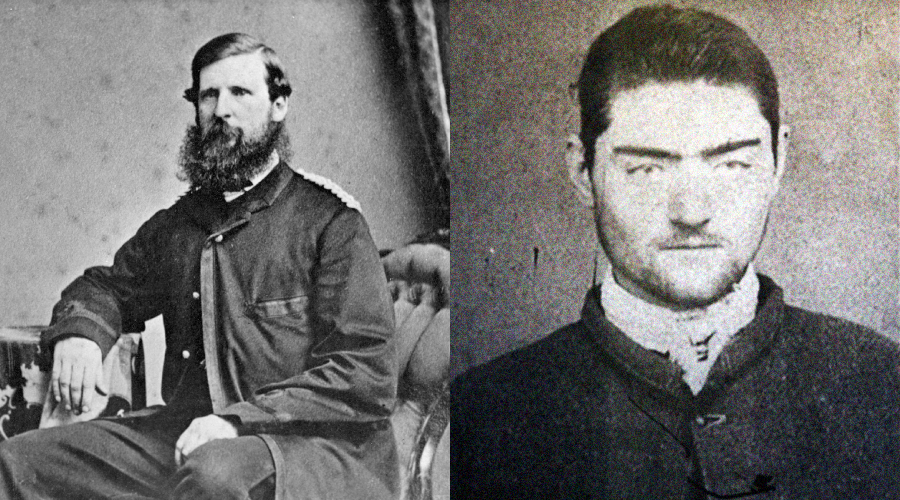
The armored bushrangers captured Australia’s imagination, but Hare’s long pursuit boxed them in at Glenrowan. Wounded early in the siege, he still helped steer the dragnet that closed around the gang’s last stand. The episode turned colonial policing into national folklore.
Explore more historical content:
Badges, warrants, disguises, ledgers; the tools change, but great lawmen still win with time, patience, and a nose for patterns. If you liked this rogues’ gallery of pursuers and pursued, keep exploring these 25 Photos That Show the Real Wild West, or these 15 Firearms That Changed Wild West History. You can also check these 15 Things Overlooked About The Wild West’s Gold Rush.