The Titanic first and third class experience could hardly have been more different. On the same ship, some passengers enjoyed elegant dining rooms, luxurious lounges, and private accommodations, while others traveled in simpler quarters with fewer comforts. Yet the contrast wasn´t always as straightforward as luxury versus hardship. Third-class accommodations were considered impressive for being separated by wealth. These 15 images offer a fascinating glimpse into what life aboard the world´s most famous ocean liner actually looked like.
1. The Menus Reveal Two Different Dining Worlds
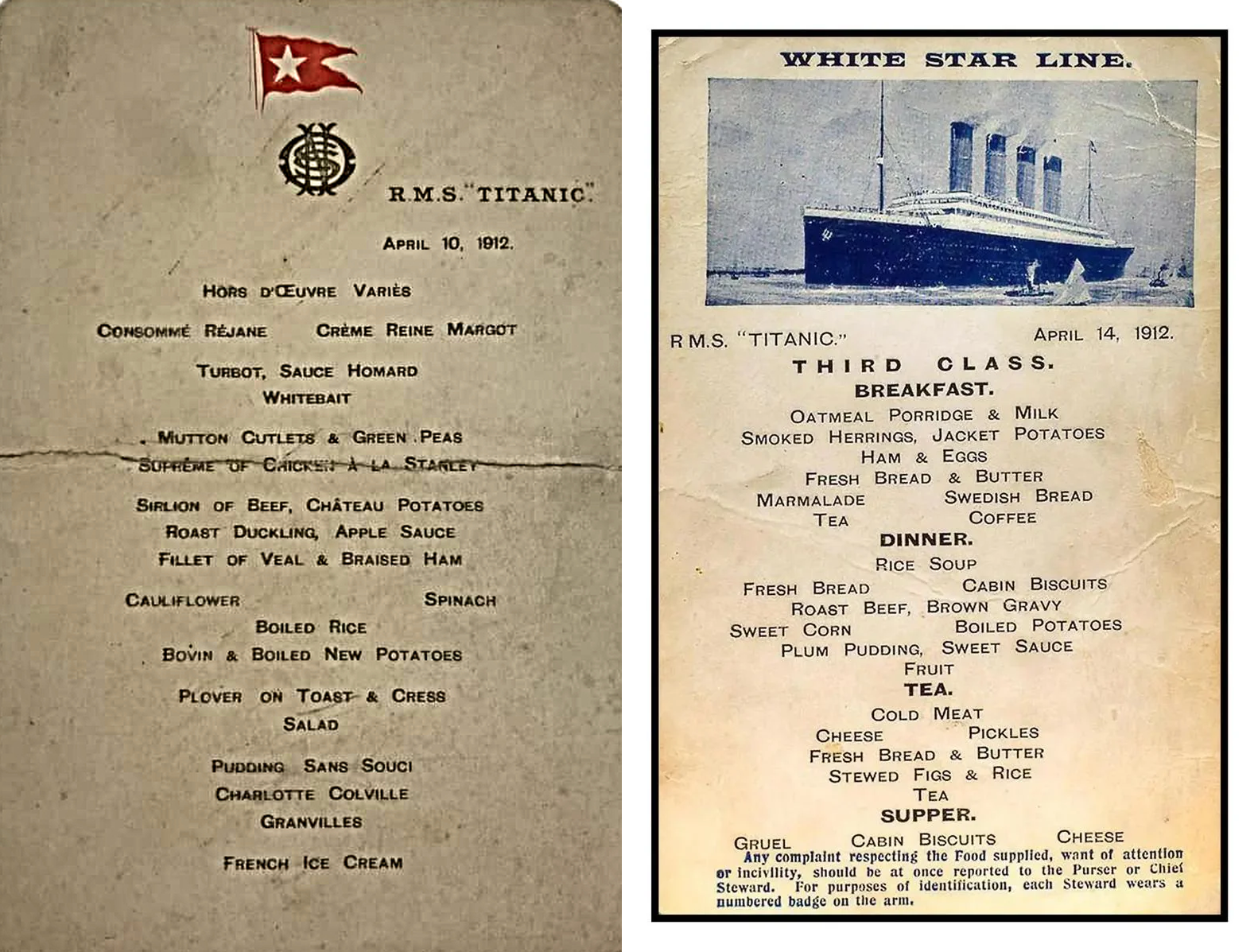
Perhaps nothing captures the difference more clearly than what passengers were served. The first-class menu lists elaborate dishes such as roast duckling, filet of veal, and French ice cream. The third-class menu features more familiar fare, including oatmeal, ham and eggs, roast beef, potatoes, and plum pudding. The contrast is obvious, but the simpler menu still offered substantial meals. Which would you have chosen: the elaborate first-class dinner or the hearty third-class spread?
2. Two Very Different Places to Dine
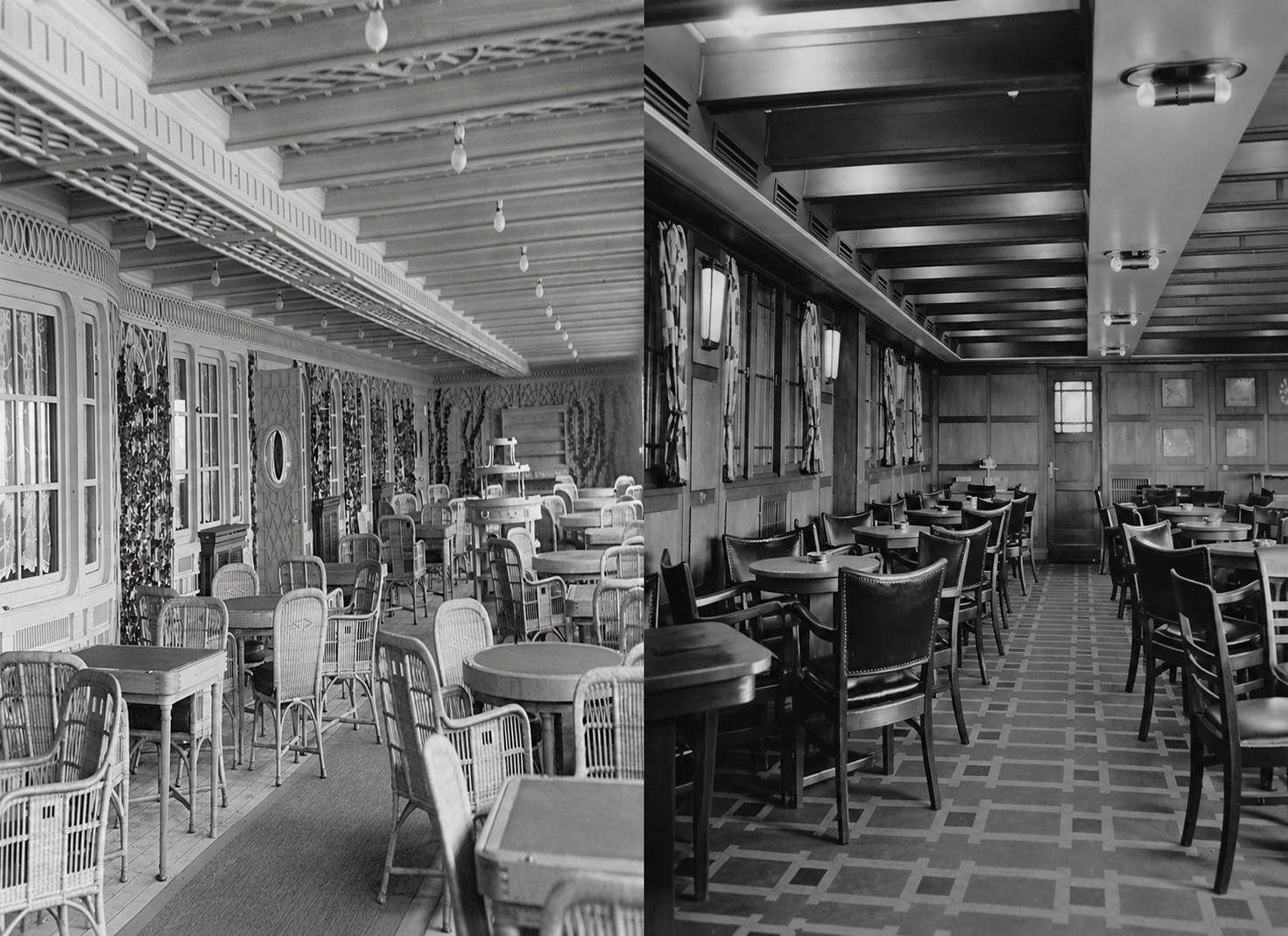
The difference begins with the furniture. On one side, delicate wicker chairs, decorative windows, and a bright, airy atmosphere create a setting designed for leisurely meals. On the other, sturdy wooden chairs and simpler finishes give the dining space a more practical appearance. Both offered passengers somewhere to gather, but the surroundings made the distinction between classes unmistakable.
3. A Third-Class Promenade Without the Frills
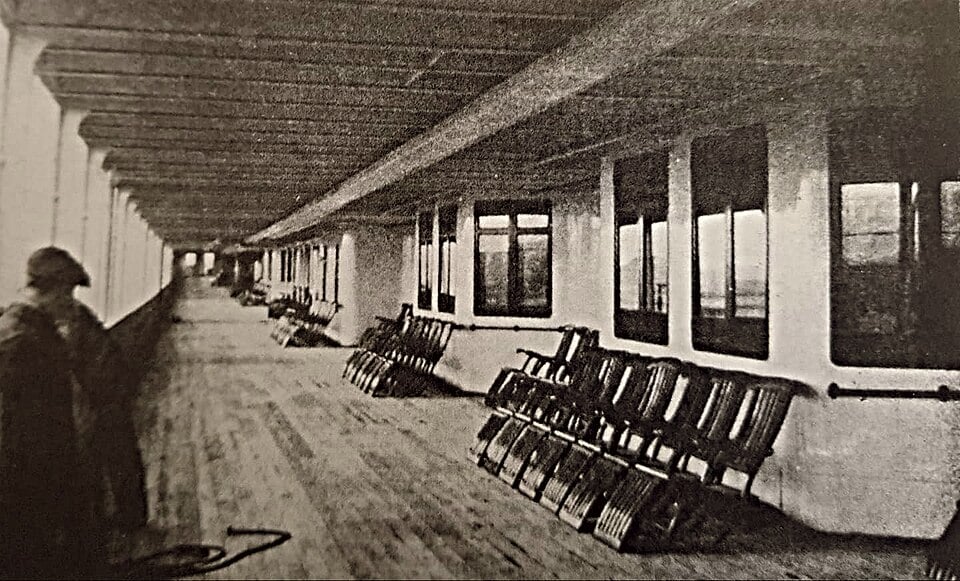
Long rows of deck chairs stretch along this covered promenade, offering a glimpse of the quieter side of ocean travel. Third-class passengers had access to designated outdoor areas, though their spaces were generally more limited than those reserved for wealthier travelers. Even without elaborate furnishings, a place to sit, enjoy the sea air, and watch the horizon must have been a welcome escape from the bustle inside.
4. A Gymnasium Reserved for First Class
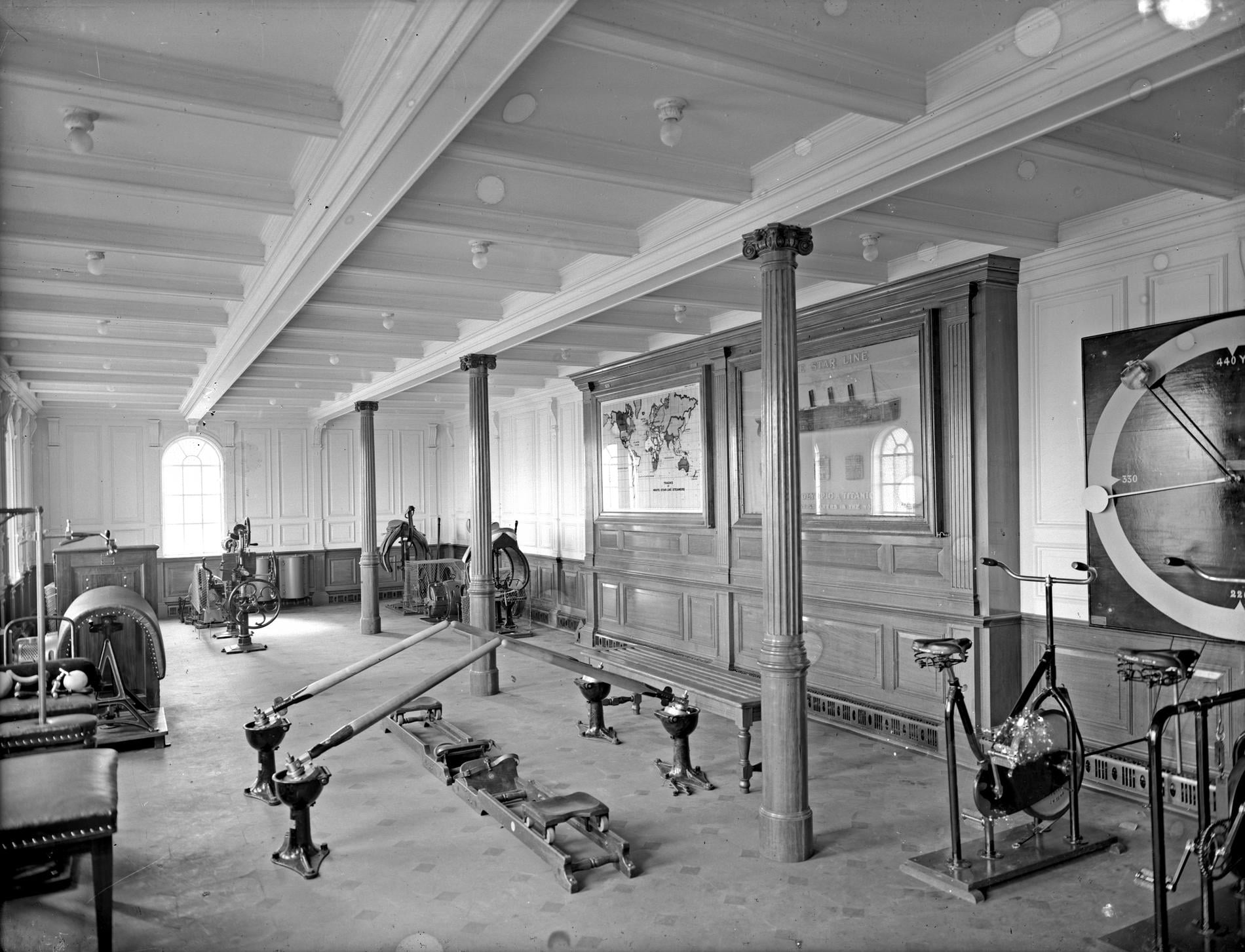
Exercise was apparently part of the luxury experience, too. The Titanic’s first-class gymnasium featured equipment that looks surprisingly familiar, including stationary bicycles, rowing machines, and mechanical exercise devices. Imagine stepping aboard in 1912 and discovering that your ocean voyage came with something resembling a private fitness club. For first-class passengers, even recreation was an opportunity to enjoy the latest modern conveniences.
5. Fine Dining Was Part of the First-Class Experience
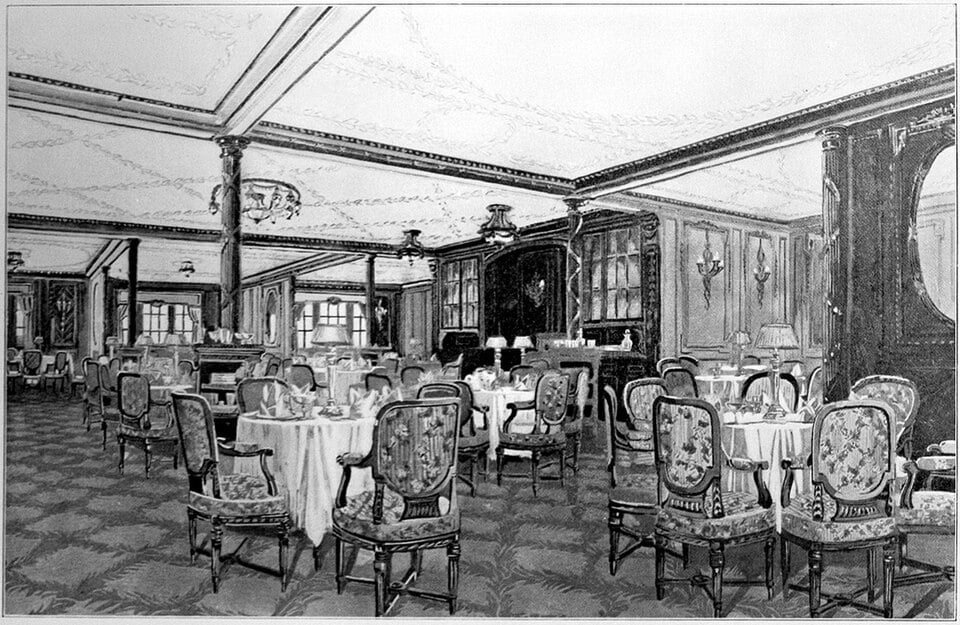
Look closely at this illustration of an elegant first-class dining space. Upholstered chairs, carefully arranged tables, decorative columns, and elaborate interior details suggest an atmosphere closer to an upscale hotel than a ship crossing the Atlantic. Meals weren’t simply about eating. They were social occasions, complete with formal service and surroundings designed to impress. Would you have enjoyed dressing up for dinner every evening?
Trending on The Scroller


6. The Difference Between First- and Third-Class Cabins
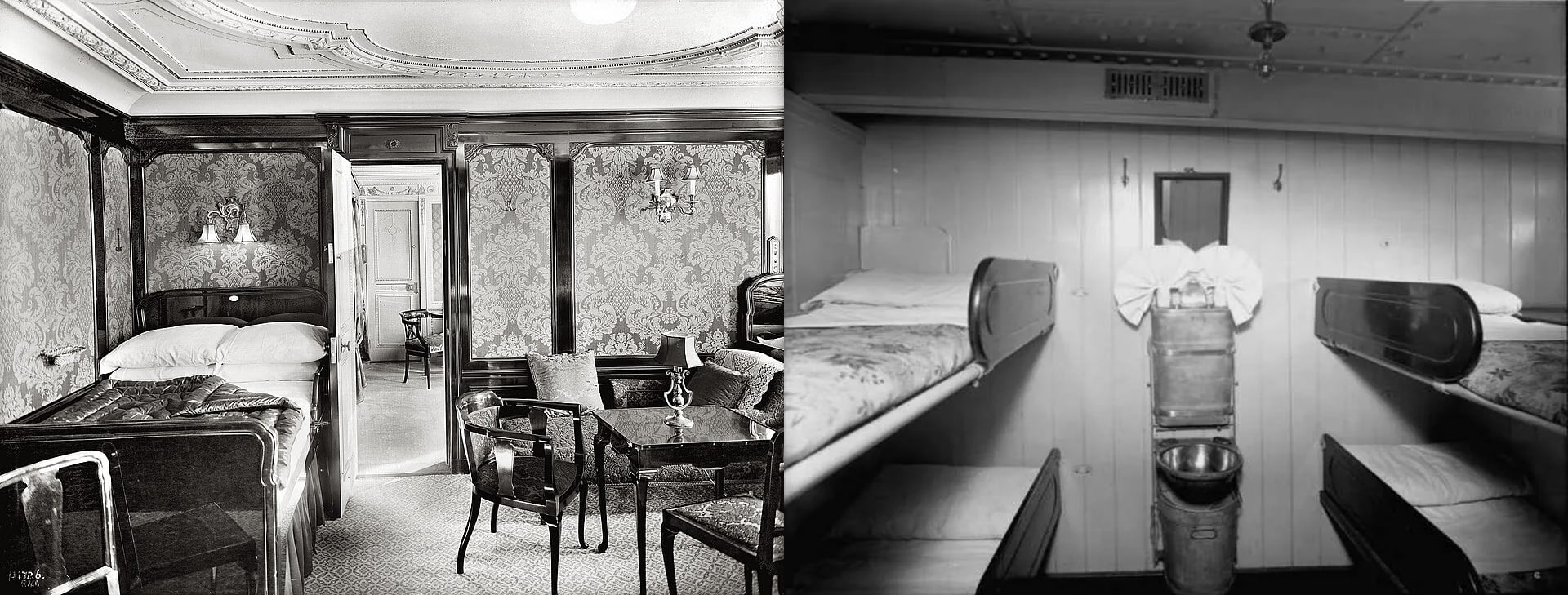
Here’s where the contrast becomes especially personal. The first-class cabin on the left features patterned wallpaper, comfortable furnishings, and space to sit and relax. The third-class cabin on the right is much simpler, with bunk beds and a compact washstand. Both provided somewhere to sleep, but the experience of returning to these rooms at the end of the day would have been remarkably different.
7. The Promenade Decks Offered Different Experiences
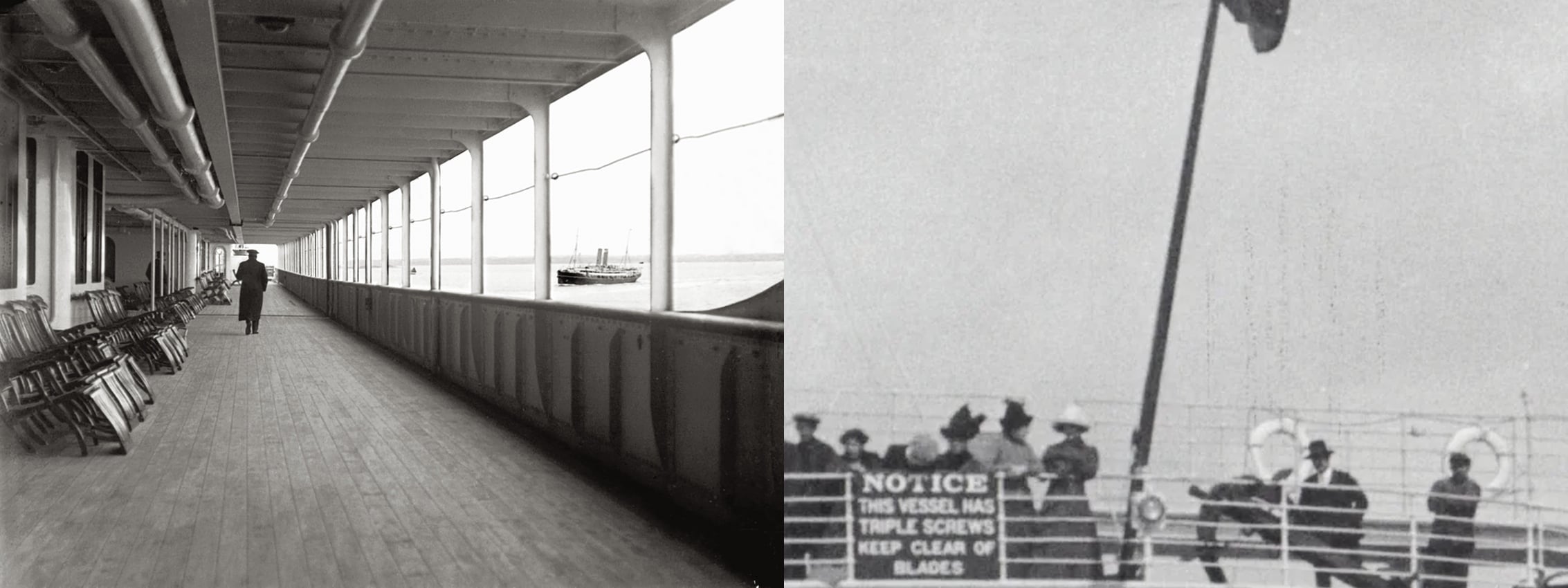
Fresh ocean air was available to passengers across the ship, but not necessarily in the same surroundings. The first-class promenade pictured on the left has a long, sheltered walkway lined with deck chairs. The image on the right shows passengers gathered on a more exposed deck area, with a notice emphasizing that the vessel’s spaces were separated by class. Would you have preferred a quiet chair overlooking the sea or a livelier spot among fellow travelers?
8. The Turkish Baths Took Luxury Even Further
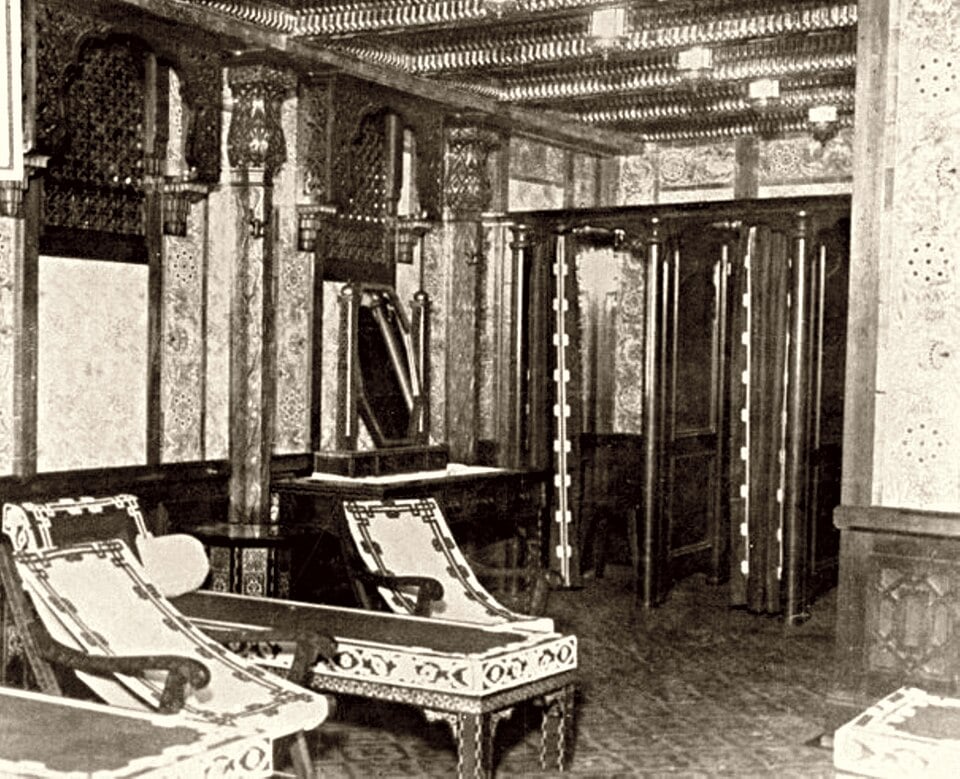
A steam bath aboard an ocean liner in 1912? The Titanic offered exactly that to its first-class passengers. Its Turkish baths featured ornate decorative details, reclining chairs, and spaces designed for relaxation. The elaborate interiors reflected the era’s fascination with luxurious wellness experiences. Meanwhile, passengers in third class had access to much simpler washing facilities, making this one of the ship’s more striking differences in comfort.
Sign up for our newsletter
9. A First-Class Lounge That Felt Like a Grand Hotel
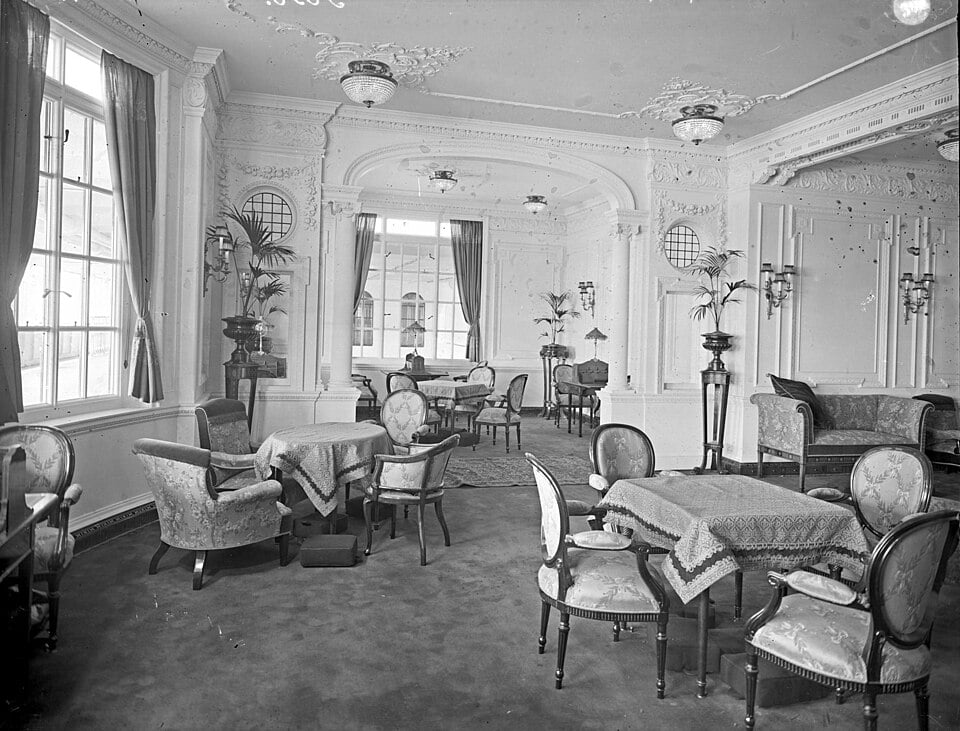
With its upholstered armchairs, delicate table coverings, decorative ceilings, and generous windows, this first-class lounge hardly resembles what most people picture when imagining life at sea. Passengers could relax, socialize, or simply enjoy the surroundings without leaving the ship. The room’s attention to detail reveals how much effort went into making wealthy travelers feel at home, provided their idea of home included exceptionally elegant furniture.
10. Different Passengers, Different Personal Stories
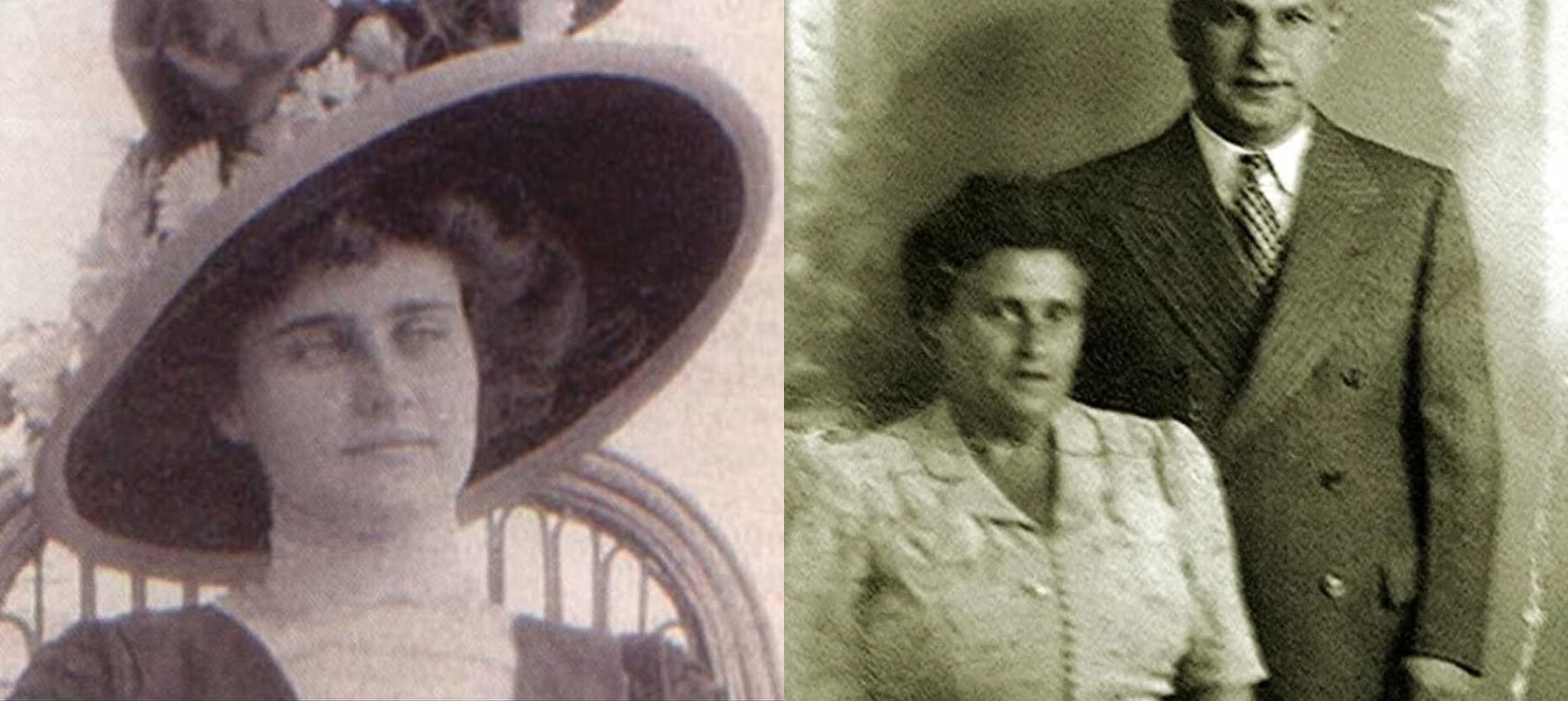
Behind the Titanic´s class divisions were thousands of individual lives. This paired image brings together historical portraits, reminding us that the ship´s passengers weren´t simply names on a list. They were people with families, ambitions, and reasons for making the crossing. Their clothing and portraits offer glimpses of the period, although the images alone cannot establish each person´s ticket class or personal circumstances.
11. The Ship’s Layout Revealed Its Social Divisions
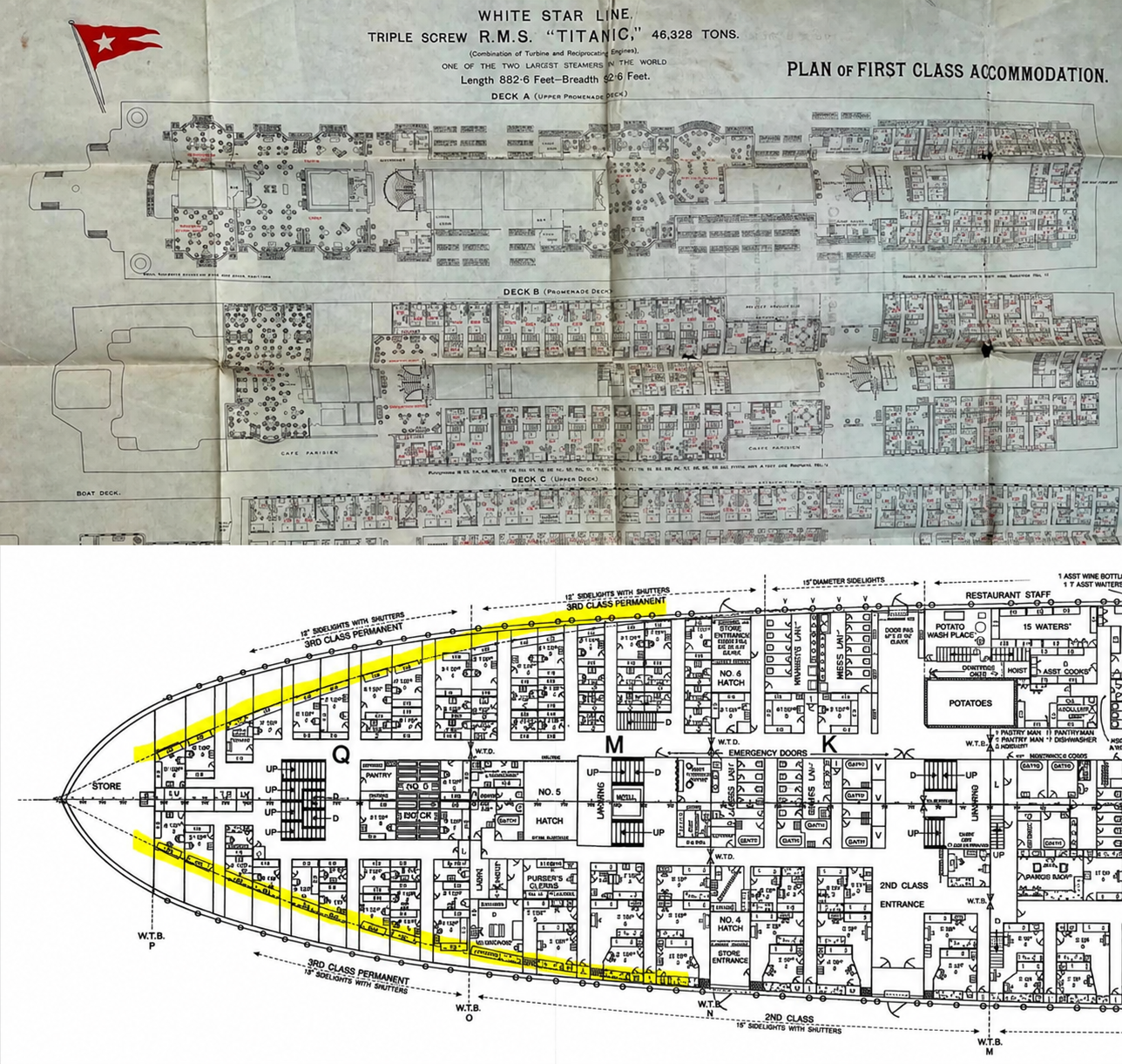
Sometimes a floor plan tells a bigger story than a photograph. These Titanic deck plans show how passenger accommodations and shared spaces were distributed throughout the vessel. First-class travelers occupied some of the most desirable areas, while third-class accommodations were concentrated elsewhere, including lower decks. The separation wasn’t merely decorative. It shaped how passengers moved around the ship and which facilities they could access.
12. Even Dogs Were Part of Life Aboard
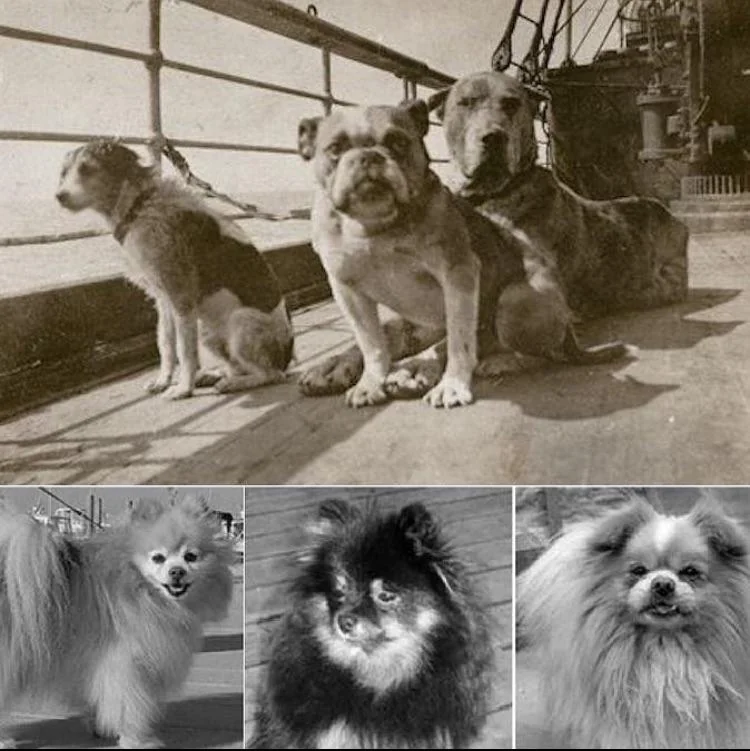
Not every Titanic passenger walked on two legs. The ship carried several dogs, including pets belonging to wealthy travelers. This collection of historical dog photographs offers a charming reminder that passengers brought pieces of their everyday lives aboard, even on a transatlantic voyage. While the images don’t establish a direct comparison between passenger classes, they reveal another side of the ship’s social world. Can you imagine traveling across the Atlantic with your favorite four-legged companion?
13. Third-Class Stairways Were Built for Practicality
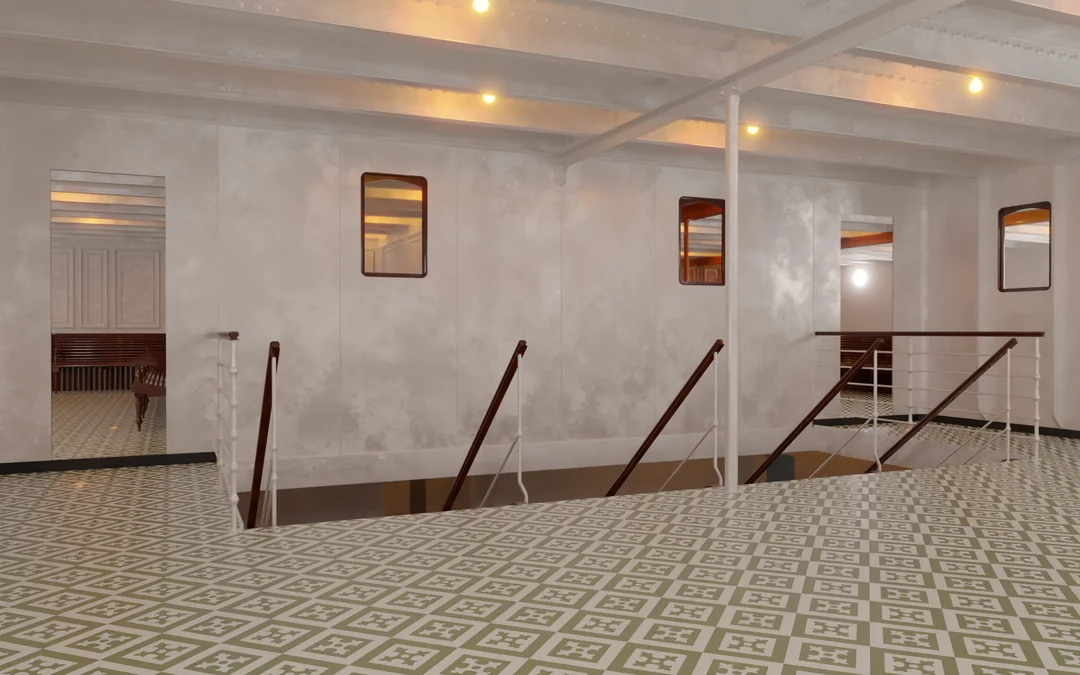
Forget sweeping staircases and elaborate decorative features. This modern recreation of a third-class stairway shows a much more straightforward approach, with painted walls, simple railings, and patterned flooring. The space was designed to move passengers between decks rather than make a grand impression. Still, the clean finishes suggest that practical accommodations didn’t necessarily mean an unpleasant environment.
14. A Closer Look at the Third-Class Interior
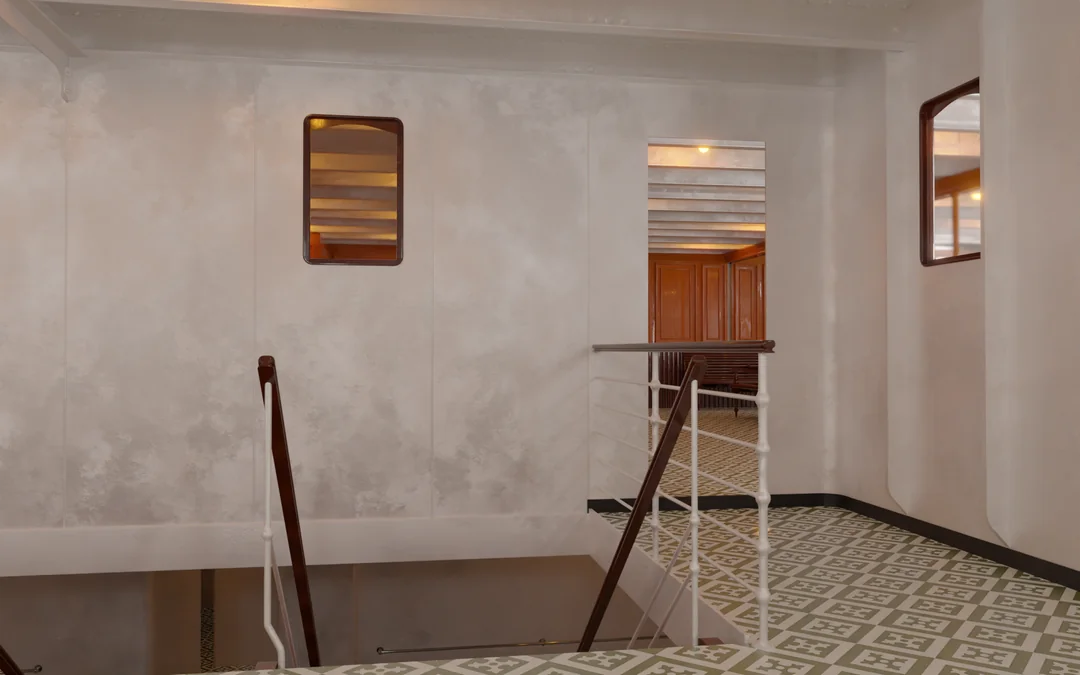
The Titanic first- and third-class divide becomes especially interesting when examining everyday spaces rather than the most luxurious rooms. This recreation shows a third-class stairway landing with plain walls, modest lighting, and uncomplicated architectural details. There is nothing particularly extravagant here, but the space looks orderly and functional. It’s a reminder that comfort could mean very different things depending on a passenger’s ticket.
15. Third-Class Passengers Had Their Own Gathering Spaces
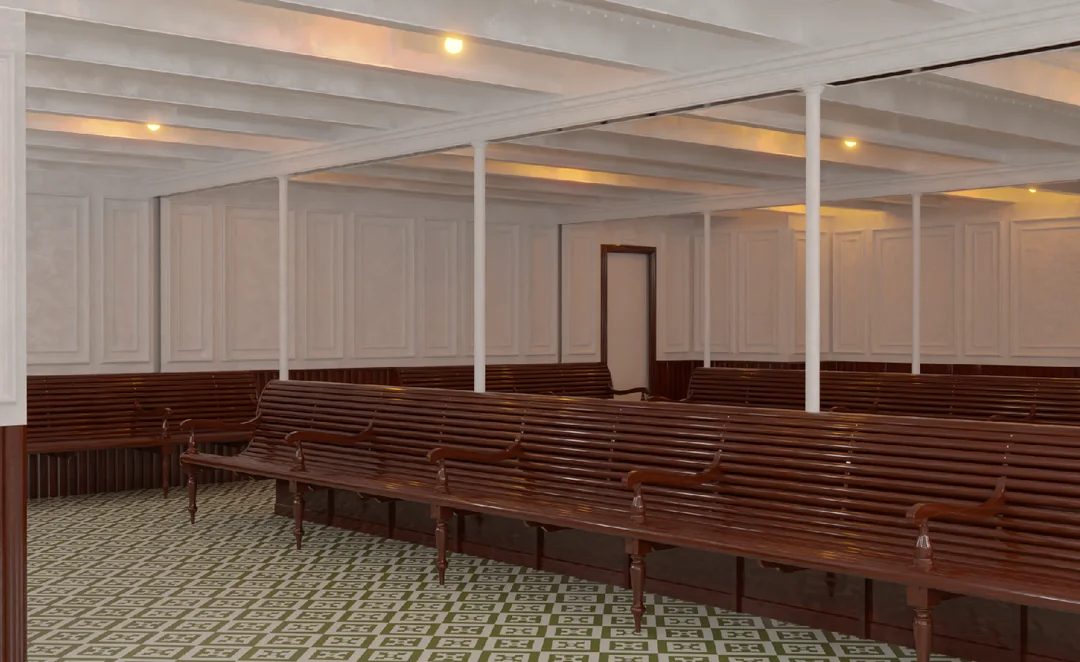
Rows of long wooden benches fill this recreated third-class common room, creating a setting very different from the upholstered lounges upstairs. These shared spaces gave passengers opportunities to sit together, talk, and spend time outside their cabins. There may have been fewer decorative touches, but the room served an important social purpose. After all, what better way to pass a long ocean crossing than by getting to know fellow travelers?
The Titanic’s interiors reveal a world in which social class influenced almost every part of a journey, from the place passengers slept to the meals they ate and the spaces where they relaxed. Yet these images also show that life aboard was more varied than the familiar contrast between extravagant luxury and modest accommodations. More than a century later, the smallest details still offer some of the most fascinating glimpses into the ship’s extraordinary history.
Keep Exploring The Scroller
History has a way of hiding its most interesting stories in everyday details. From forgotten luxury to surprising glimpses of life in another era, keep exploring The Scroller for more photographs that make the past feel unexpectedly close:
12 Objects Recovered From the Titanic That Tell Stories of Its Passengers
24 Rare Images of the Titanic — From Construction to Catastrophe