Historical eras have a way of making the present feel a little less exciting. Imagine strolling through ancient Athens while philosophers debate in the streets, spending an evening in a New York jazz club during the Roaring Twenties, or witnessing the internet transform from a curiosity into something that would change the world forever. Some moments in history seem almost too extraordinary to have been everyday life.
Of course, every era had its hardships, and visiting the past might be considerably more appealing than staying there permanently. But with a time machine, a comfortable pair of shoes, and the freedom to return whenever you please, these 14 periods would be awfully hard to resist.
1. The 1950s: America’s Golden Age
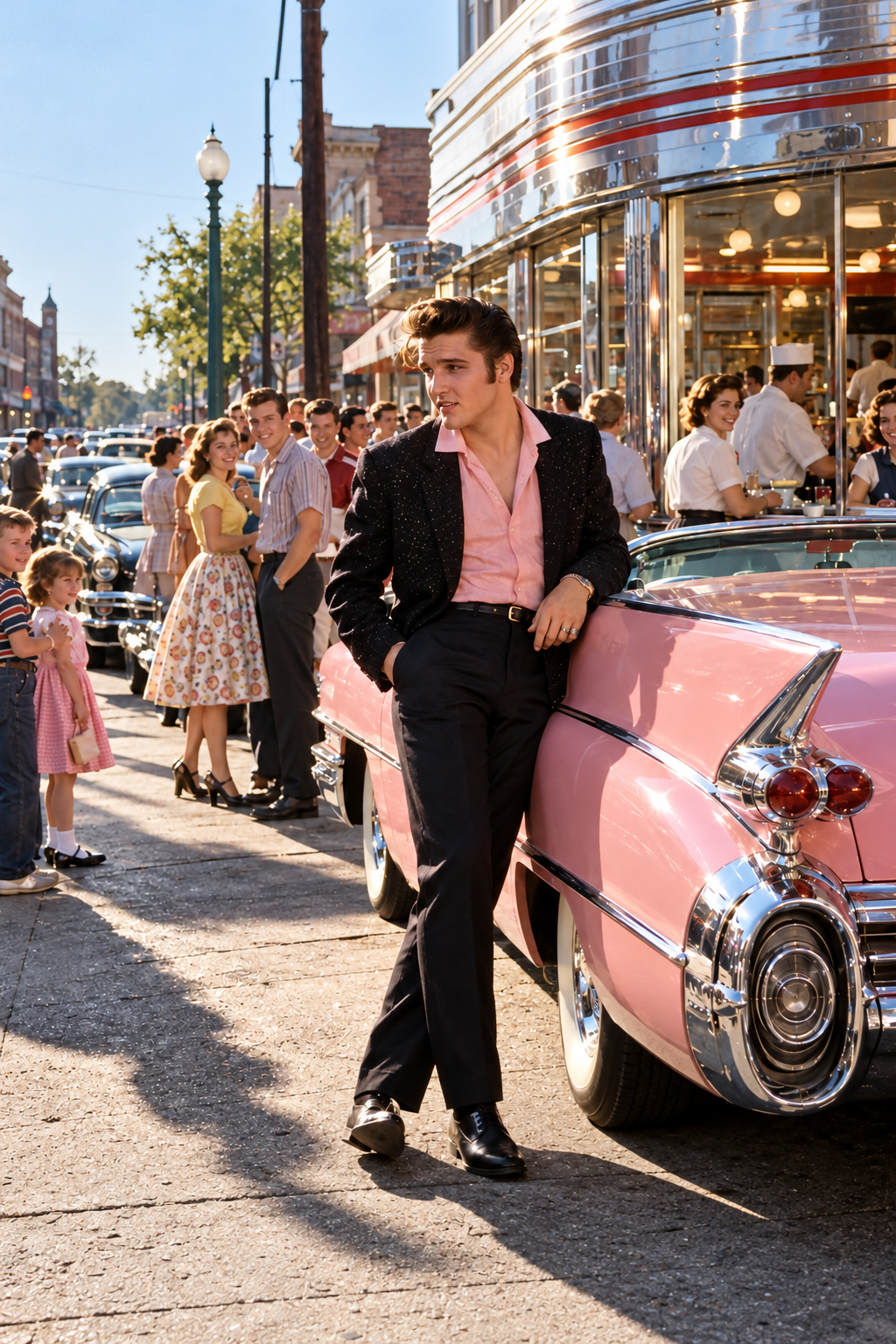
Picture pulling up to a chrome-trimmed diner in a pastel-colored Cadillac, ordering a milkshake, and hearing Elvis Presley playing on the jukebox. In 1950s America, rock ‘n’ roll was shaking up popular culture, television was becoming a household staple, and shiny new cars turned ordinary streets into automotive showrooms. Drive-in movies, neighborhood soda fountains, and full-skirted dresses gave the decade its unmistakable personality. The era’s prosperity certainly wasn’t shared equally, but experiencing its music, fashion, and infectious fascination with everything new would have been unforgettable.
2. Fifth-Century BC Athens: The Birthplace of Big Ideas
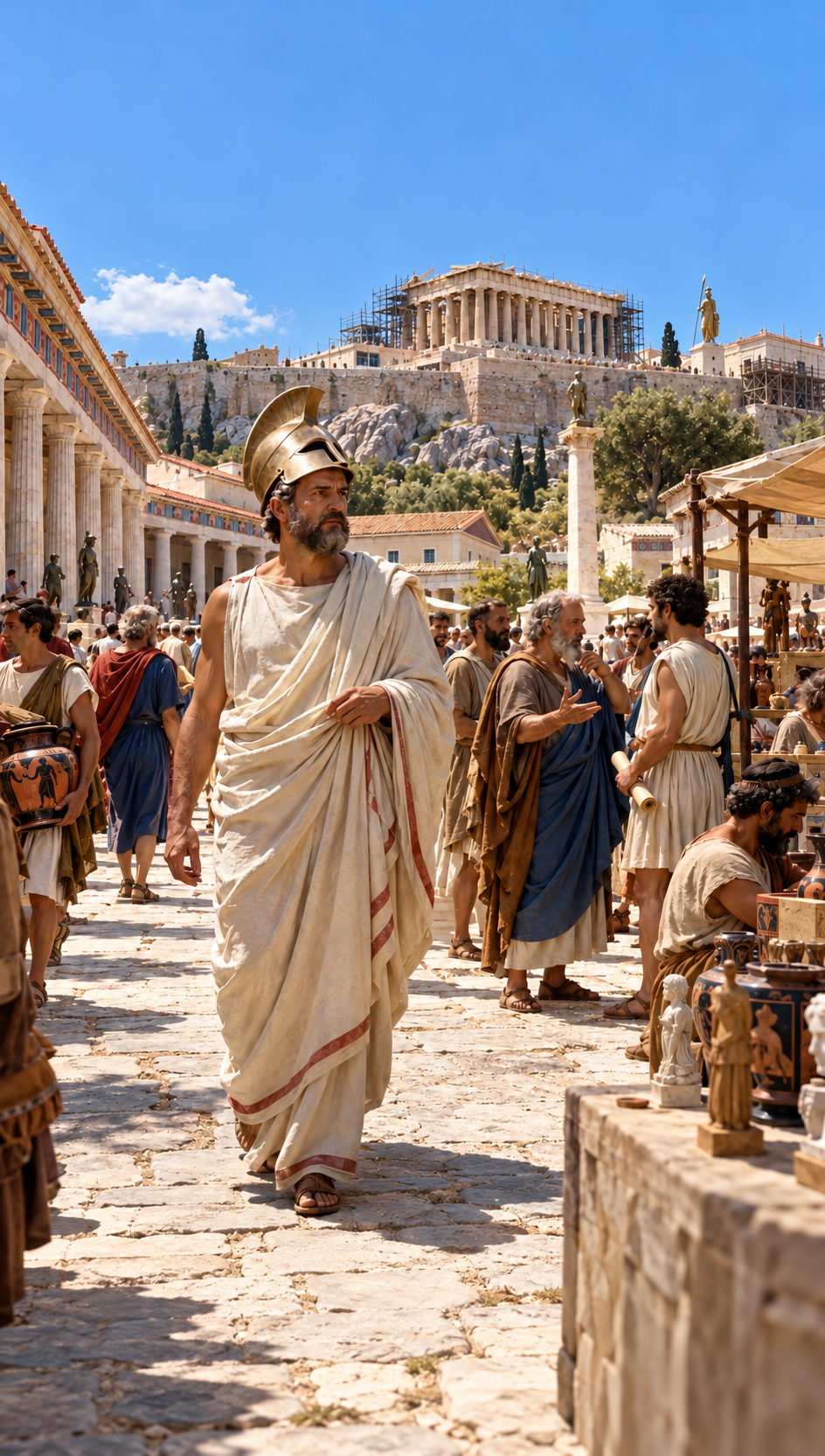
What if your afternoon entertainment involved watching a play by Sophocles and then wandering through a marketplace where Socrates might challenge everything you thought you knew? Athens during the fifth century BC was bursting with intellectual and artistic ambition. The Parthenon was rising above the city, theater was flourishing, and citizens were experimenting with a form of democracy that would influence civilizations for centuries. Political participation was restricted to a minority, but for someone able to experience the city’s cultural life, even a casual walk through the Agora could become a history lesson.
3. The Islamic Golden Age: Baghdad in the 800s
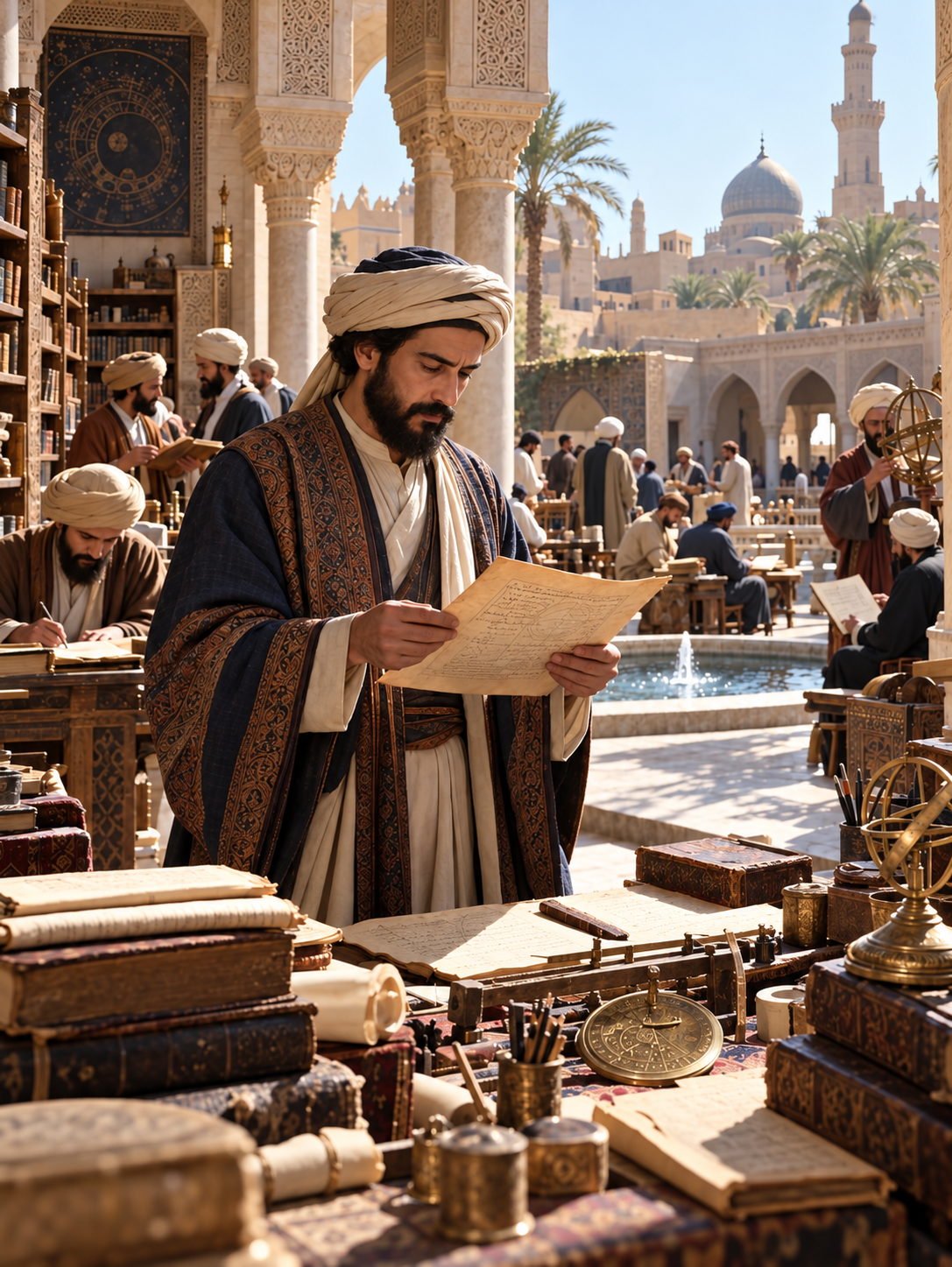
Forget scrolling through a library catalog. Imagine entering a city where scholars were translating ancient manuscripts, mathematicians were developing new ideas, and astronomical observations were helping expand humanity’s understanding of the universe. Ninth-century Baghdad was a major center of learning, commerce, and cultural exchange under the Abbasid Caliphate. Its bustling markets connected merchants from distant regions, while intellectual circles explored medicine, mathematics, philosophy, and literature. For anyone who loves discovering something new, the chance to witness this extraordinary exchange of knowledge firsthand would be difficult to pass up.
4. Pax Romana: Life at the Height of Ancient Rome
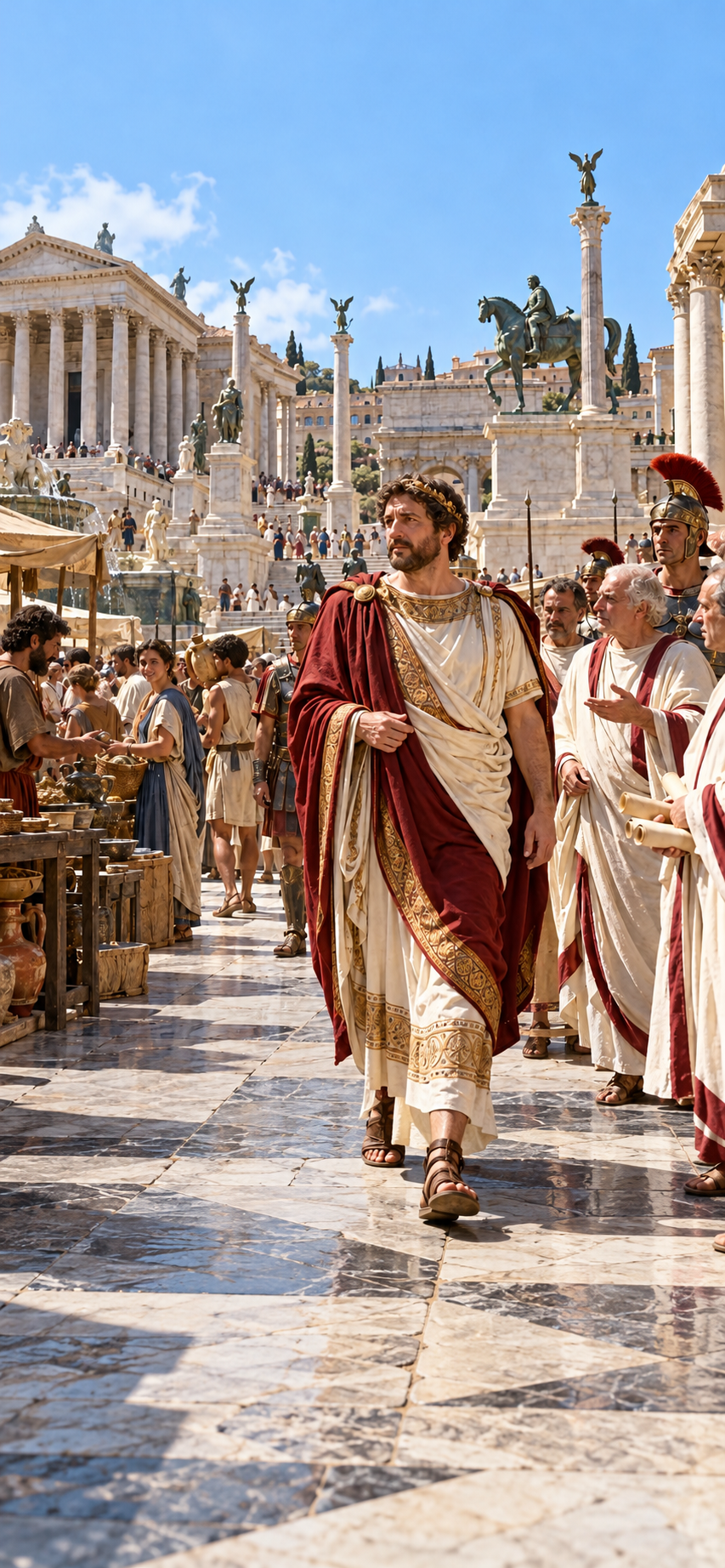
A morning at the public baths, an afternoon wandering through monumental forums, and an evening enjoying a theatrical performance. During the Pax Romana, roughly 27 BC to AD 180, Rome offered a remarkable variety of urban experiences. Aqueducts supplied water, roads connected faraway provinces, and enormous public buildings demonstrated the empire’s engineering ambitions. Markets overflowed with goods from across the Mediterranean, while grand spectacles drew enormous crowds. Imperial peace had its limits, especially for enslaved people and conquered populations, but seeing Rome at the height of its architectural and cultural splendor would have been quite a sight.
5. The 1990s: Life Before Smartphones Took Over

Remember making plans with friends and actually having to show up because nobody could text a last-minute cancellation? The 1990s had a particular kind of freedom that feels almost luxurious today. Friday nights meant wandering through video rental stores, listening to CDs, playing arcade games, or spending hours talking without a glowing screen demanding attention. Grunge, hip-hop, sitcoms, and blockbuster movies helped define the decade, while the early internet offered a glimpse of something exciting on the horizon. Wouldn’t it be wonderful to spend one more weekend in a world where being unreachable was perfectly normal?
Trending on The Scroller


6. The Italian Renaissance: Florence in the 1400s
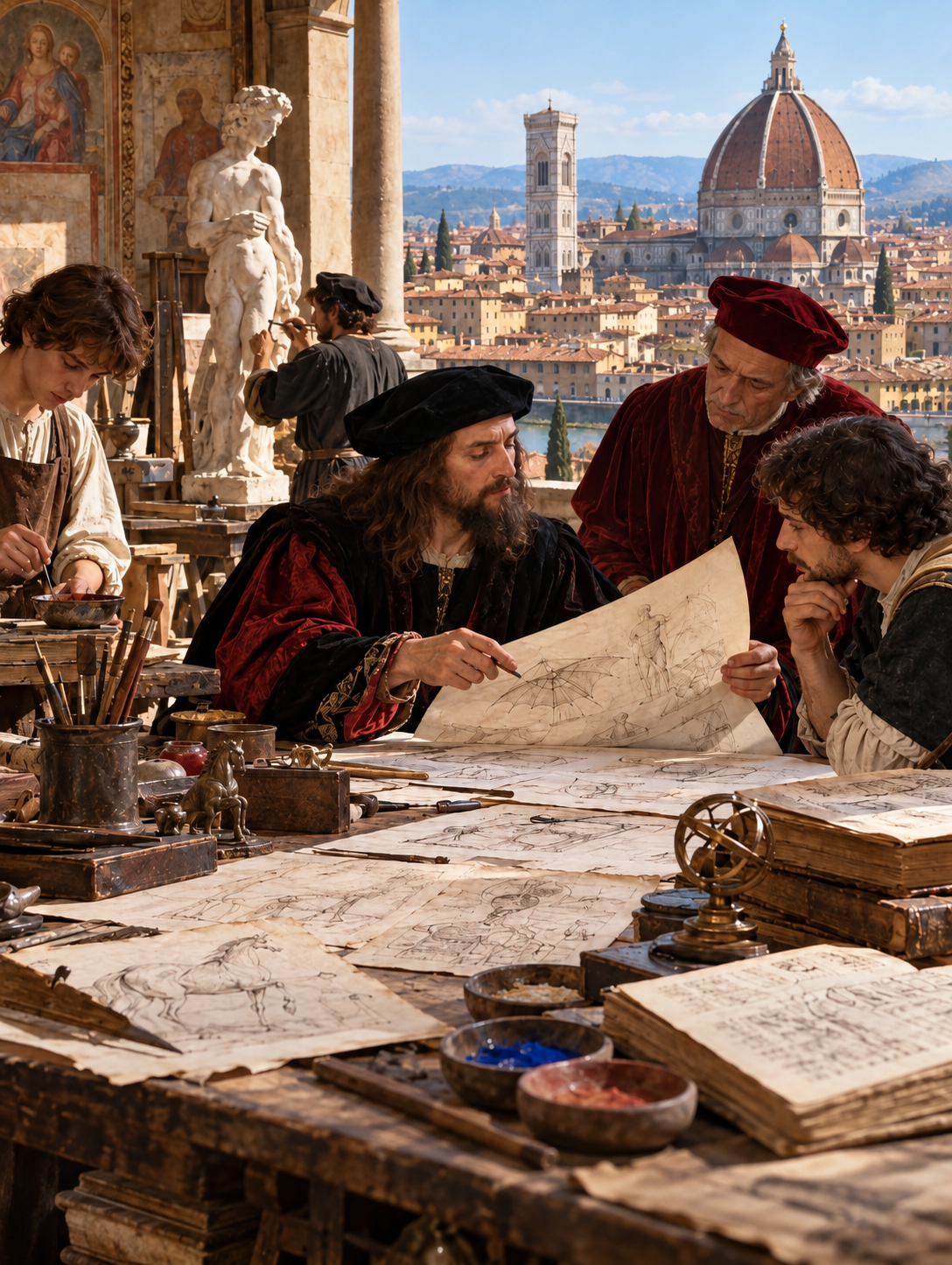
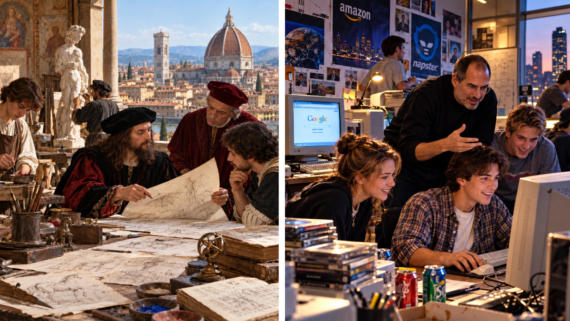
Art wasn’t simply hanging in museums during the Italian Renaissance. It was being created all around you. Imagine walking through Florence as Brunelleschi’s magnificent cathedral dome transformed the skyline, stepping into workshops filled with sculptures and paintings, and overhearing passionate conversations about architecture, philosophy, and the human body. Wealthy patrons commissioned extraordinary works, while artists and thinkers revived classical ideas and experimented with new techniques. The city’s political rivalries could be fierce, but watching an entire artistic movement take shape before your eyes would make even an ordinary afternoon feel extraordinary.
7. Belle Époque Paris: The City at Its Most Dazzling
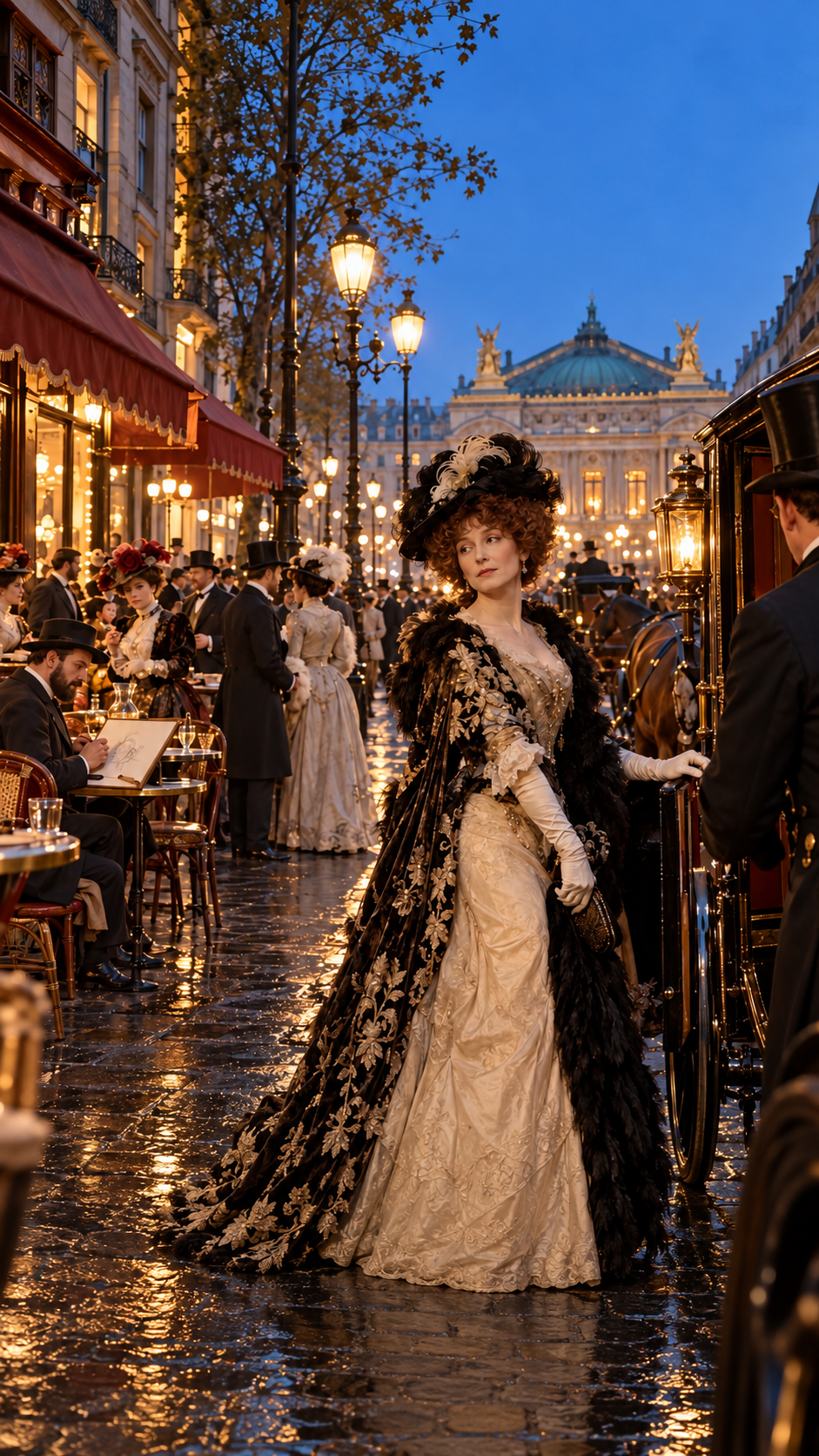
Paris in the 1890s knew how to make an entrance. Electric lights illuminated fashionable boulevards, elegant cafés buzzed with conversation, and the newly completed Eiffel Tower stood as a spectacular symbol of modern ambition. Artists gathered in Montmartre, cabarets entertained fashionable crowds, and Art Nouveau design began transforming everyday spaces into works of art. The city was experiencing an exhilarating period of cultural experimentation and technological change. Imagine dressing for an evening at the opera, enjoying dinner at a lively café, and taking a carriage ride beneath glowing streetlamps. Suddenly, modern nightlife seems a little less glamorous.
8. The Internet Boom: 2000 to 2007
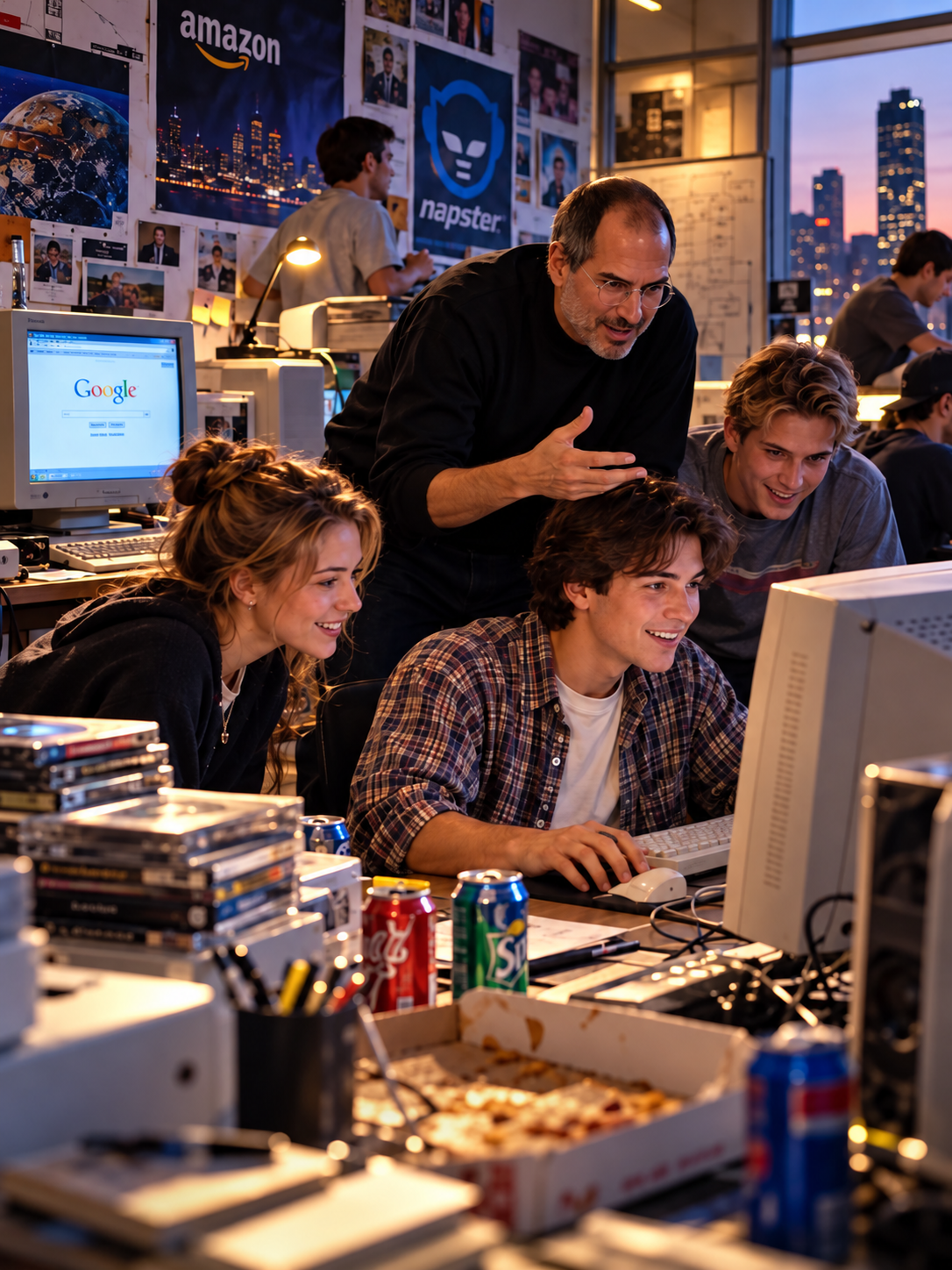
There was a brief, wonderful period when the internet felt less like an obligation and more like an enormous playground waiting to be explored. Between 2000 and 2007, search engines were changing how people found information, online communities were flourishing, and websites such as MySpace and YouTube were introducing entirely new ways to connect and create. Computers still occupied their own desks, discovering a new website felt exciting, and downloading music could become an evening’s entertainment. Technology was advancing at breathtaking speed, yet it hadn’t completely followed everyone into their pockets. Being there as the digital world found its personality would have been thrilling.
Sign up for our newsletter
9. Song Dynasty China: A World Ahead of Its Time
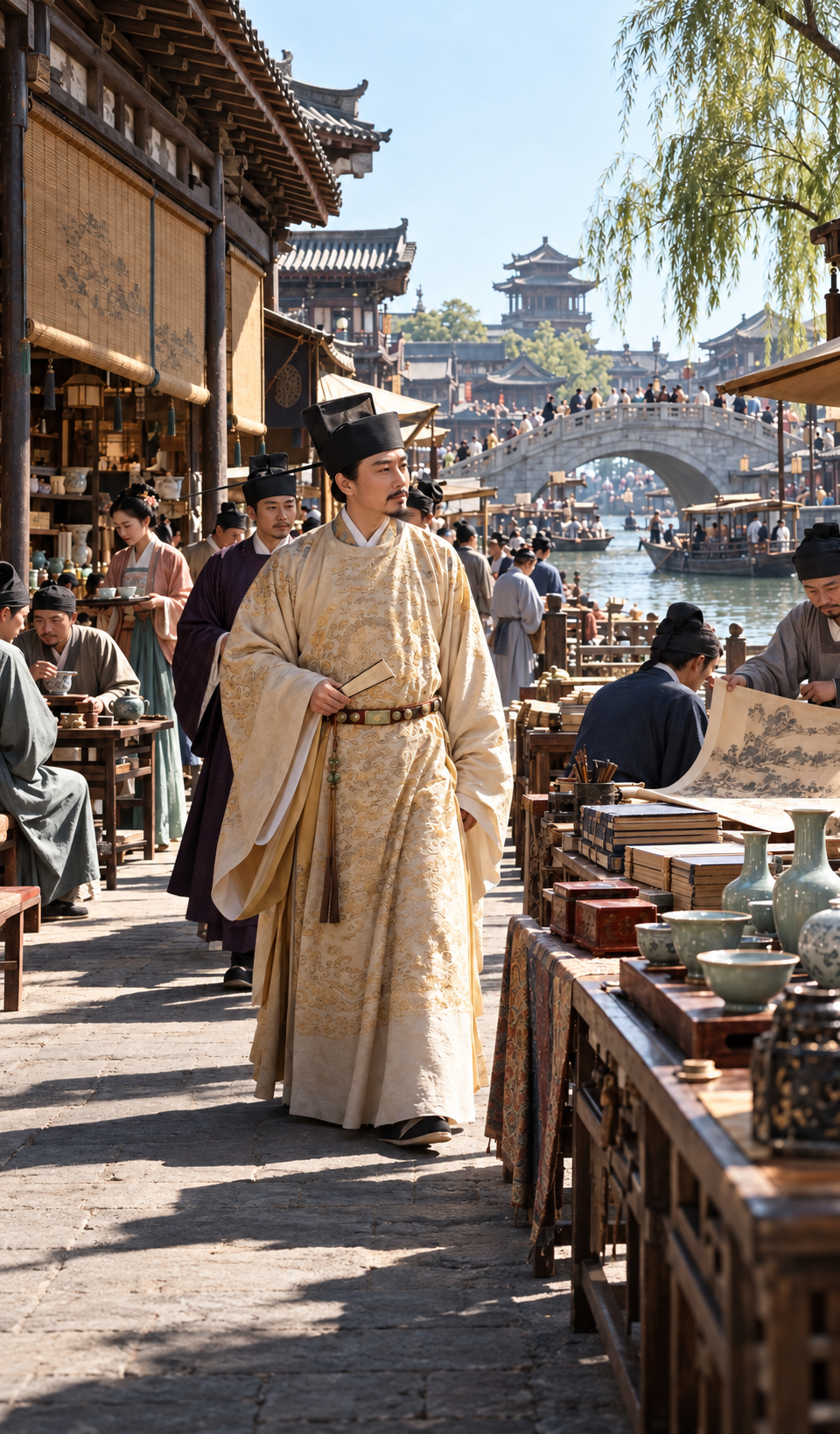
Imagine wandering through a bustling Chinese city in the 1100s, passing shops selling beautifully crafted porcelain, merchants exchanging paper money, and bookstores offering printed works. During the Song Dynasty, urban life, commerce, art, and technological innovation reached remarkable levels of sophistication. Restaurants and teahouses provided places to socialize, while landscape painting, poetry, and ceramics flourished. Advances in printing, navigation, and engineering helped shape a society that could feel surprisingly familiar to a modern visitor. For a traveler fascinated by culture and innovation, the streets of a thriving Song city would offer something remarkable around nearly every corner.
10. The Roaring Twenties: New York After Dark
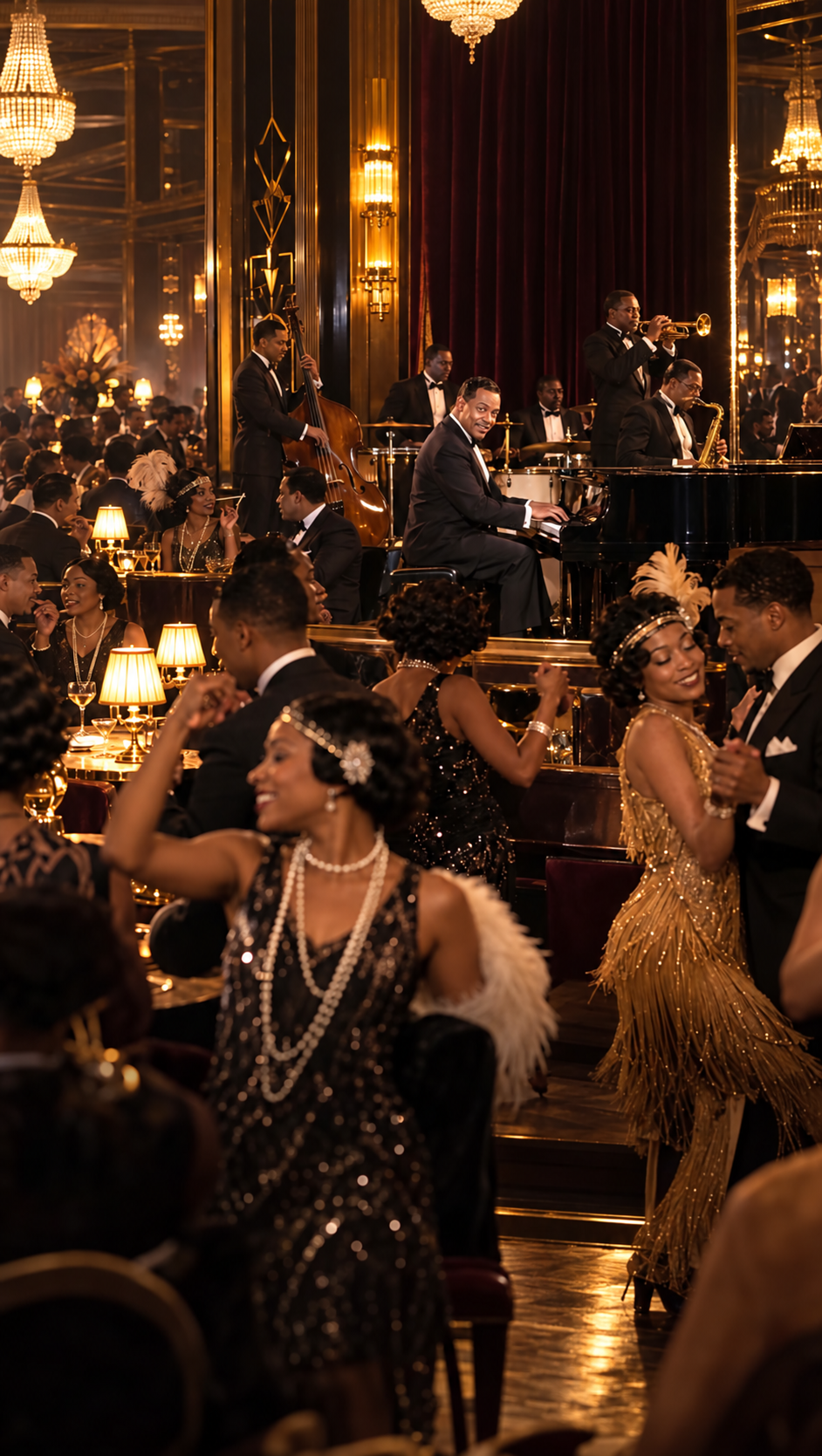
Historical eras rarely come with a soundtrack quite as irresistible as 1920s New York. Jazz poured from Harlem nightclubs, dancers embraced the Charleston, and Art Deco architecture began reshaping the city´s skyline. The Harlem Renaissance brought an extraordinary flowering of Black literature, music, and artistic expression, while changing fashions challenged older social conventions. Prohibition pushed drinking into speakeasies, adding a sense of secrecy to the nightlife. Imagine spending an evening listening to a live jazz orchestra, surrounded by glittering dresses, sharp suits, and the electric energy of a city reinventing itself. Who wouldn´t want at least one night there?
11. The Age of Discovery: The World Beyond the Horizon
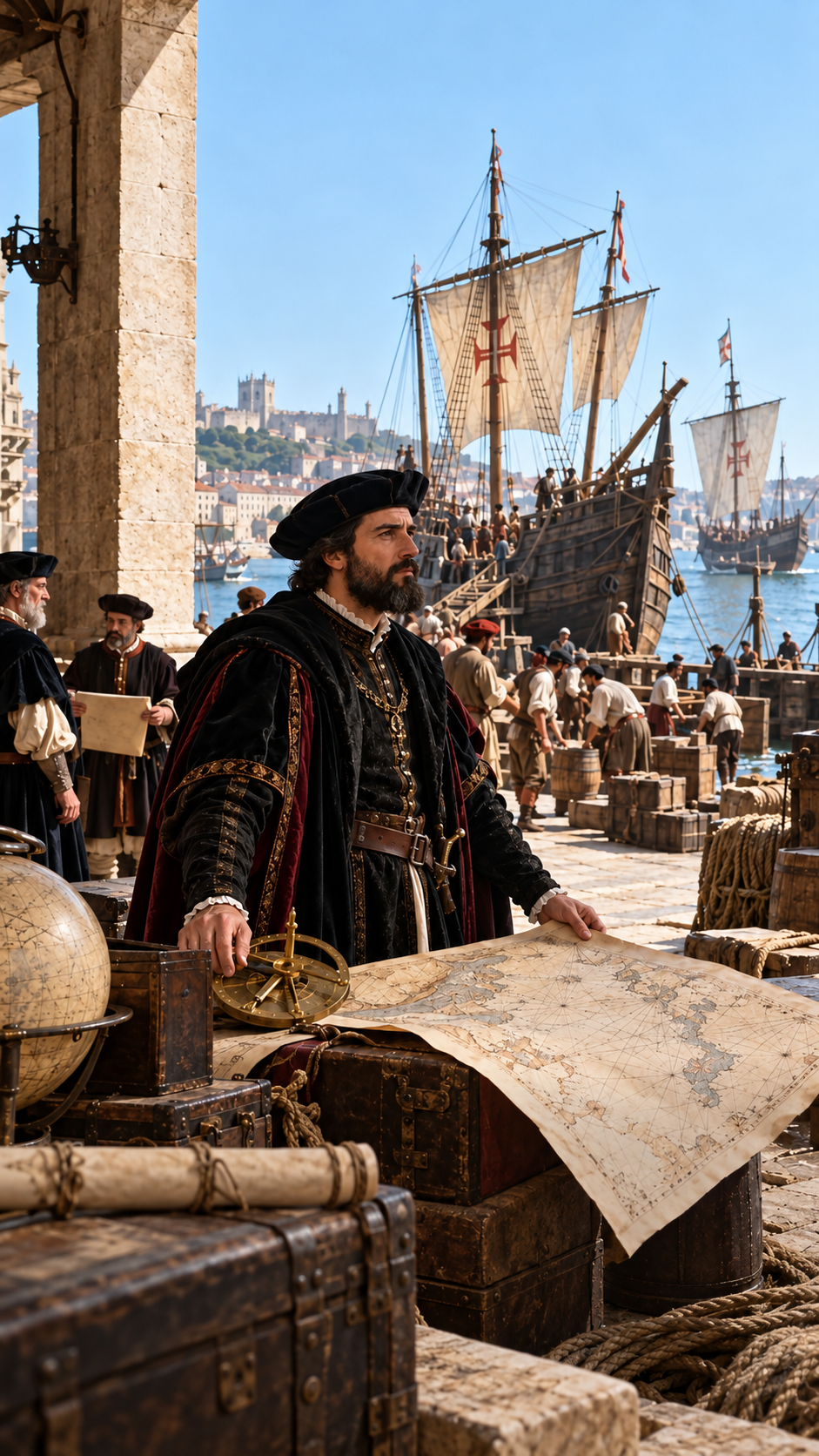
Consider standing on a busy European harbor in the 1500s, watching towering sailing ships prepare to cross oceans that remained mysterious to many of the people gathered along the docks. Maps were being redrawn, navigational techniques were improving, and voyages were connecting distant parts of the world in unprecedented ways. Ports bustled with sailors, merchants, cartographers, and stories of unfamiliar coastlines. These expeditions also brought conquest, exploitation, and devastating consequences for Indigenous populations, making the era far less romantic than its name suggests. Still, witnessing the extraordinary ambition and uncertainty of ocean exploration firsthand would have been a powerful experience.
12. Japan’s Edo Period: Beauty in Everyday Life
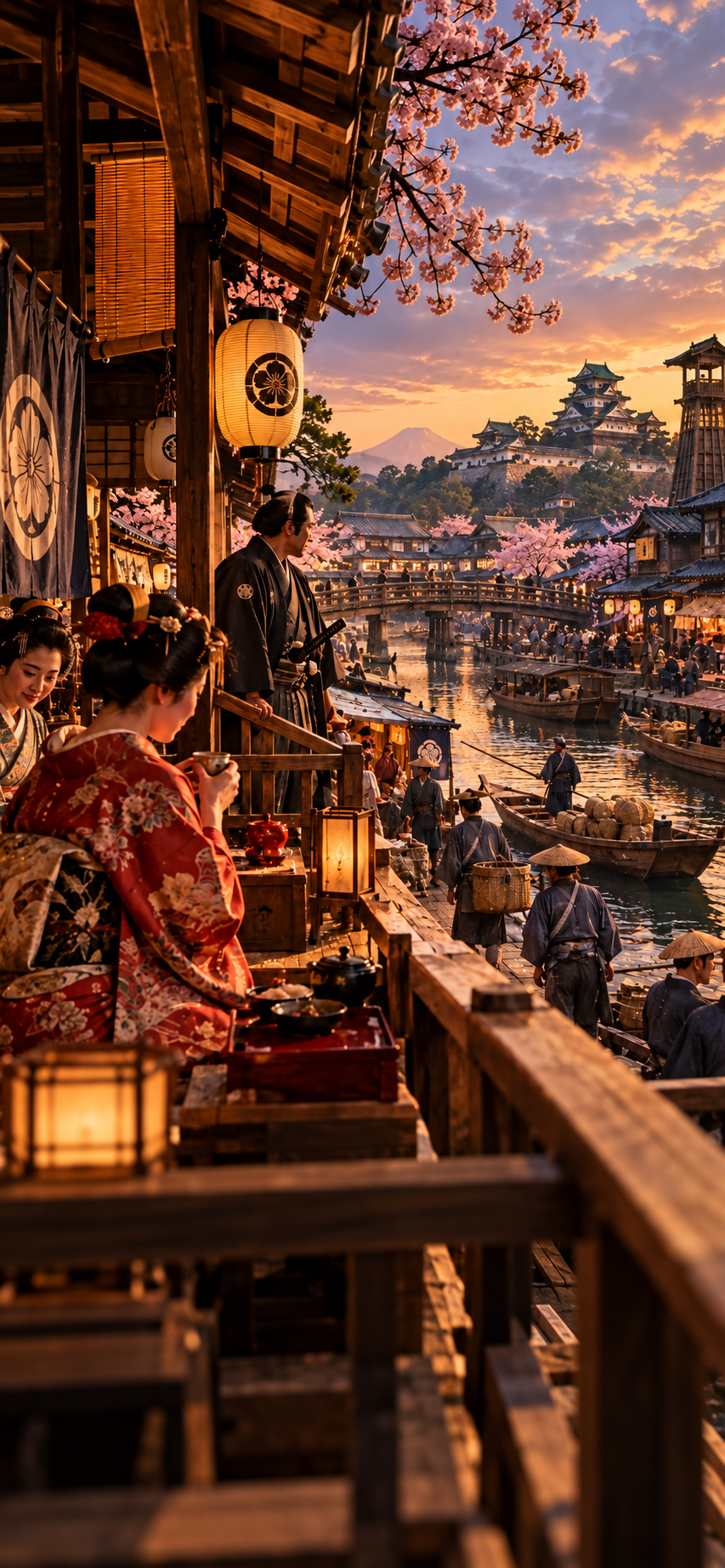
Lantern-lit streets, wooden bridges, elegant kimonos, and the quiet ritual of preparing tea. Japan’s Edo period, particularly during the 1700s, offered a richly developed urban culture where entertainment and artistry were woven into daily life. In Edo, merchants sold everything from textiles to handmade crafts, kabuki theaters attracted enthusiastic audiences, and ukiyo-e prints captured fashionable people and popular scenes. Seasonal festivals and cherry blossom viewing added their own rhythm to the calendar. Society was highly regulated, but the opportunity to experience its refined aesthetics, lively neighborhoods, and deeply rooted traditions would be enchanting.
13. Victorian London: The City Transformed by Industry
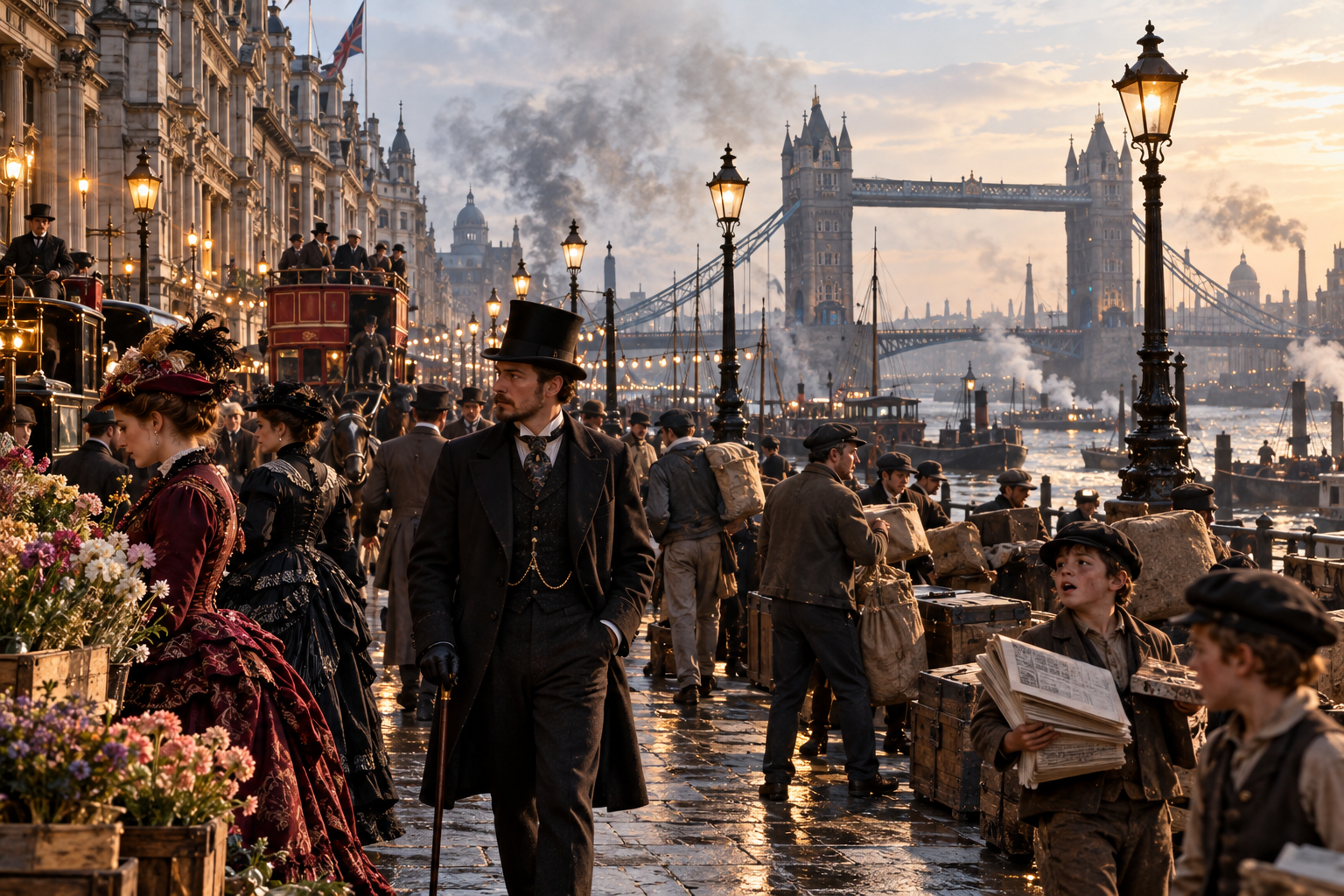
Imagine stepping onto a bustling London street in the late 1800s, where gas lamps illuminate grand storefronts, newspapers announce extraordinary inventions, and enormous railway stations promise adventures beyond the city. You could explore dazzling department stores, ride the world’s first underground railway, or marvel at Tower Bridge rising above the Thames. London was reinventing itself at an astonishing pace, and every new engineering achievement seemed to make the impossible possible. Of course, behind the elegance and excitement were smoky skies, overcrowded neighborhoods, and harsh working conditions. Still, witnessing a city transform into the modern world, one remarkable invention at a time, would have been an unforgettable experience.
14. The Space Age: America in the 1960s
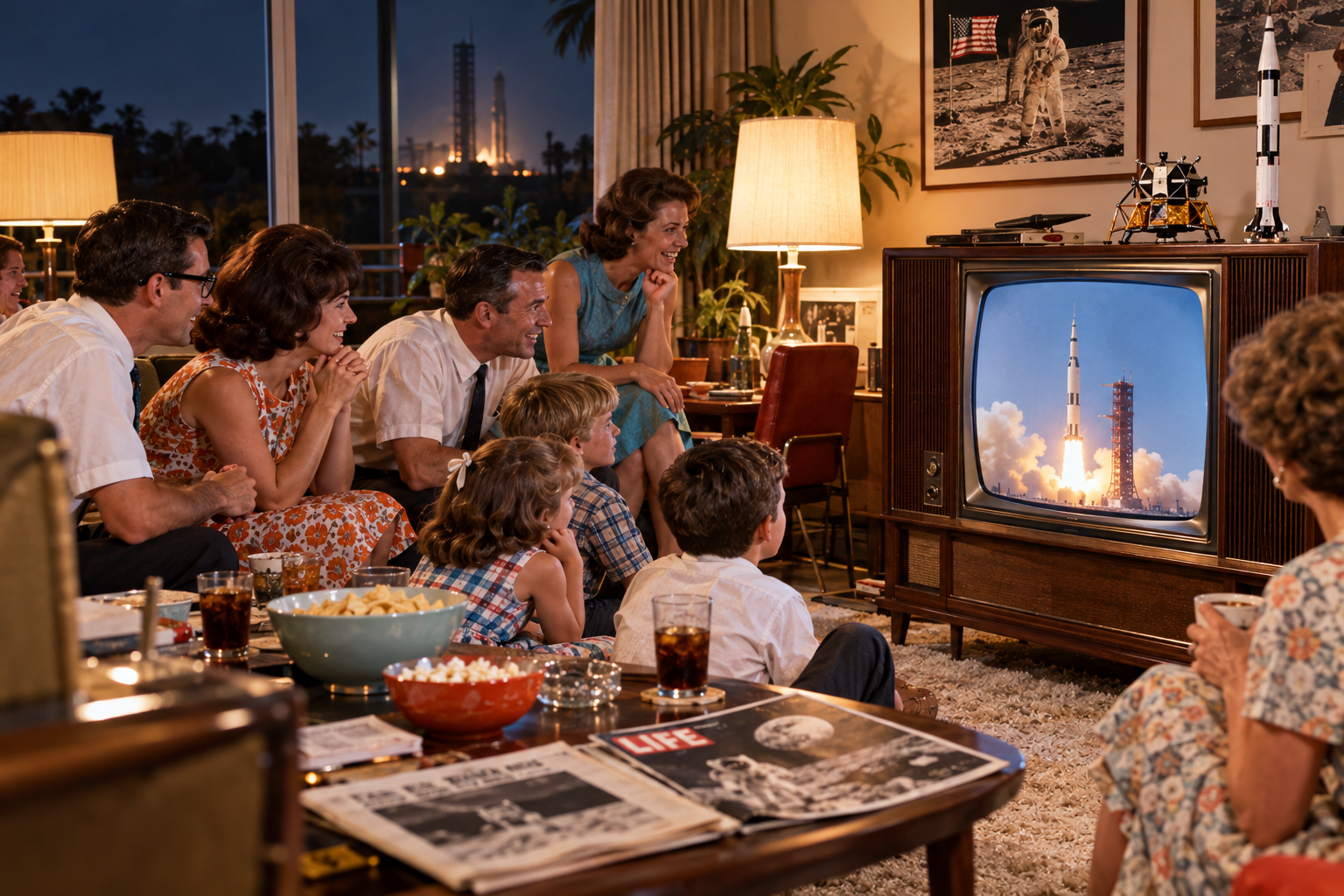
What a time to be alive, when the sky suddenly seemed like just the beginning! Throughout the 1960s, families gathered around their televisions to watch NASA rockets thunder into space, while astronauts became national heroes and futuristic designs made everyday life feel straight out of science fiction. Everything from furniture to advertising reflected an exciting belief that tomorrow would be extraordinary. And then came July 1969, when millions watched Neil Armstrong take humanity’s first steps on the Moon. Imagine witnessing that moment live, knowing the world had just accomplished something generations once considered impossible. For a little while, the future seemed to have no limits.
Some historical eras seem especially appealing because they capture humanity in the middle of discovering, creating, or reinventing something extraordinary. Whether it’s the sound of jazz filling a 1920s nightclub or the excitement of exploring the early internet, each period offers a different reason to wish time travel were possible. Perhaps the real question isn’t which era was the best, but which one you’d visit first.
Keep Exploring The Scroller
Your imaginary time machine still has plenty of destinations left. Keep exploring The Scroller for forgotten worlds, fascinating cultural moments, and extraordinary chapters of history that might just make you wish you had a return ticket to the past:
19 Photos of Disco Era Nightclub Style in the 1970s