Before clocks became common, people had plenty of ways to figure out what time of year it was. The Moon changed shape, familiar stars returned to the sky, and the Sun rose in slightly different places as the seasons passed. Farmers, astronomers, and religious leaders learned to recognize these patterns, sometimes tracking them for generations. Some were accurate enough to build calendars around, while others gave communities a useful idea of when to plant, harvest, or prepare for the next season.
1. The Annual Return of Sirius in Ancient Egypt
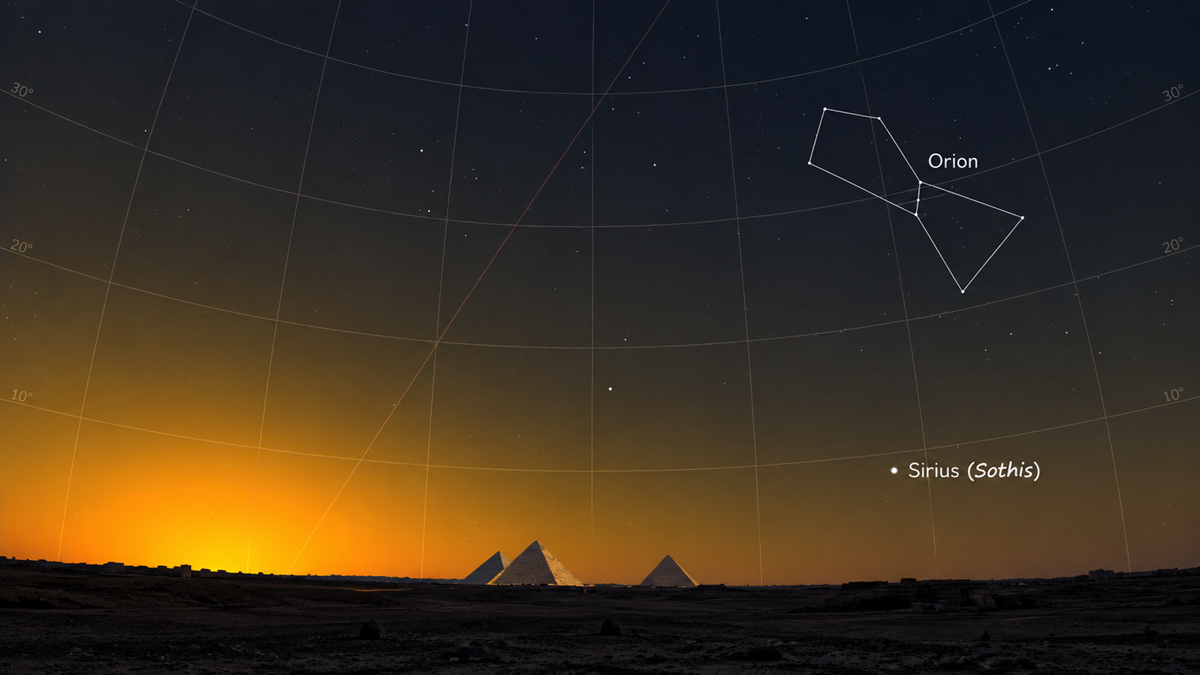
Every year, Sirius disappears into the Sun’s glare before returning to the morning sky several weeks later. Ancient Egyptians watched for that first appearance, which was traditionally associated with the Nile’s flood season and the beginning of the new year. They called the star Sopdet, and its return became an important occasion in their calendar. Egypt eventually adopted a civil year of 365 days, but there was a small problem. Without leap years, the calendar gradually shifted away from the seasons, meaning New Year’s Day and the appearance of Sirius didn’t always line up.
2. The Moon’s Predictable Cycle of Phases
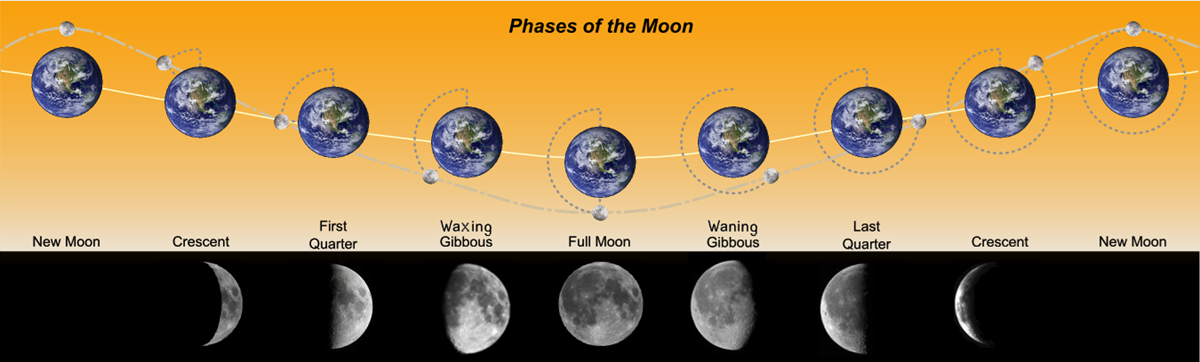
The Moon was probably the easiest natural calendar to follow. It takes about 29.5 days to go from one new moon to the next, a pattern that anyone watching the night sky could recognize. Ancient Mesopotamian calendars used months of 29 or 30 days, but twelve lunar months only added up to about 354 days. That left an awkward gap of roughly eleven days compared with the solar year. Adding an occasional extra month helped keep the calendar connected to the seasons.
3. The Winter Solstice at Newgrange
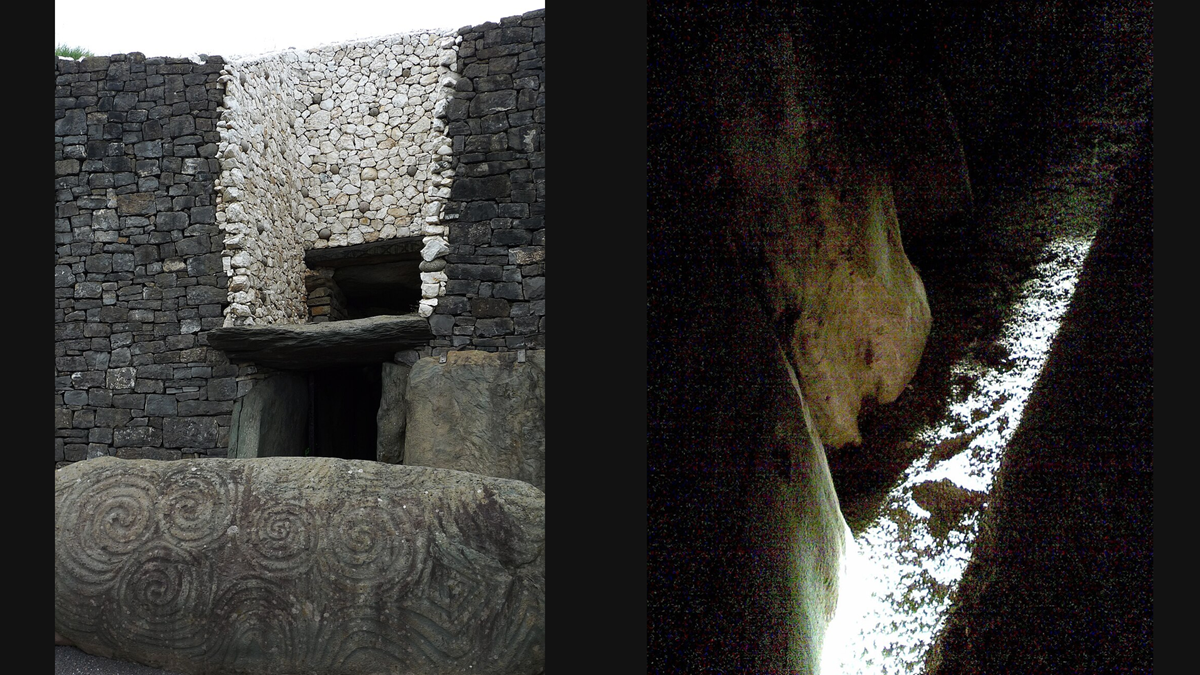
A narrow opening above the entrance to Newgrange, a prehistoric passage tomb in Ireland, allows sunlight to reach its inner chamber around the winter solstice. The monument was built around 3200 BCE, long before the pyramids at Giza. Its builders clearly paid attention to the shortest days of the year, although nobody knows exactly what ceremonies took place there. The alignment still works, with winter sunlight reaching deep into the passage for a few mornings each December.
4. The Summer Solstice at Stonehenge
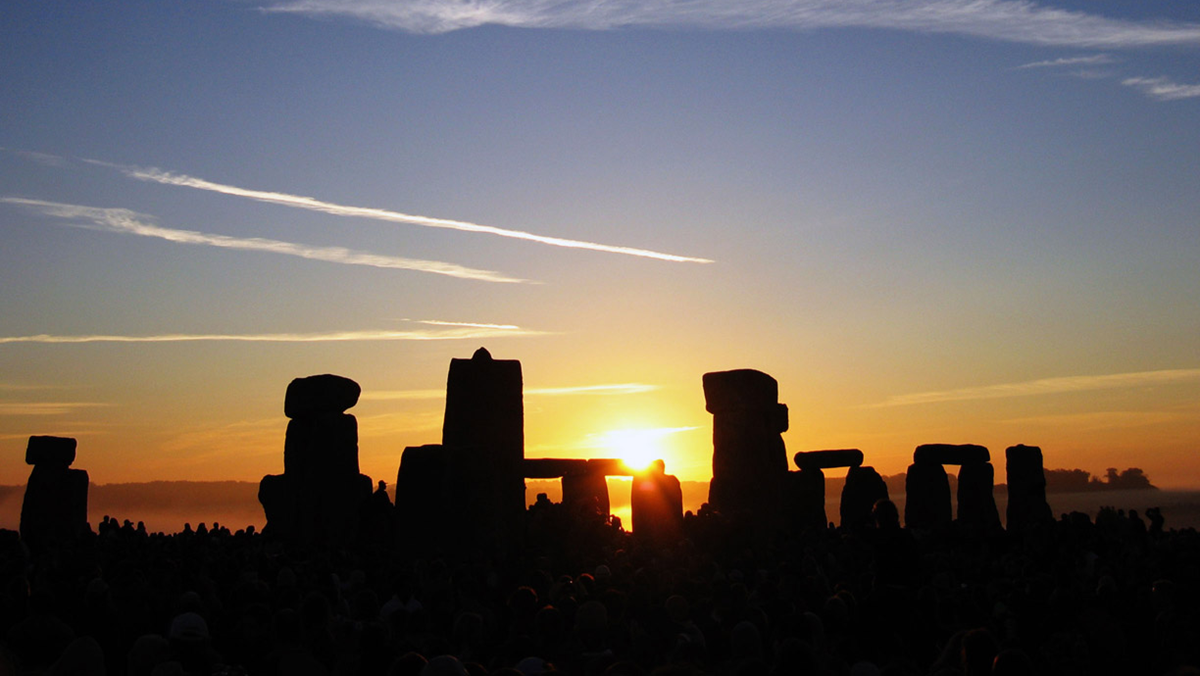
Stonehenge attracts crowds every summer solstice, but its connection to the winter Sun may have been just as important to the people who built it. The monument’s main axis lines up with the midsummer sunrise in one direction and the midwinter sunset in the other. Archaeologists have also found evidence of large seasonal gatherings in the surrounding area. The stones weren’t a calendar with numbered dates, but their arrangement made certain points in the solar year unmistakable.
5. The Pleiades Signaling Harvest Time in Ancient Greece
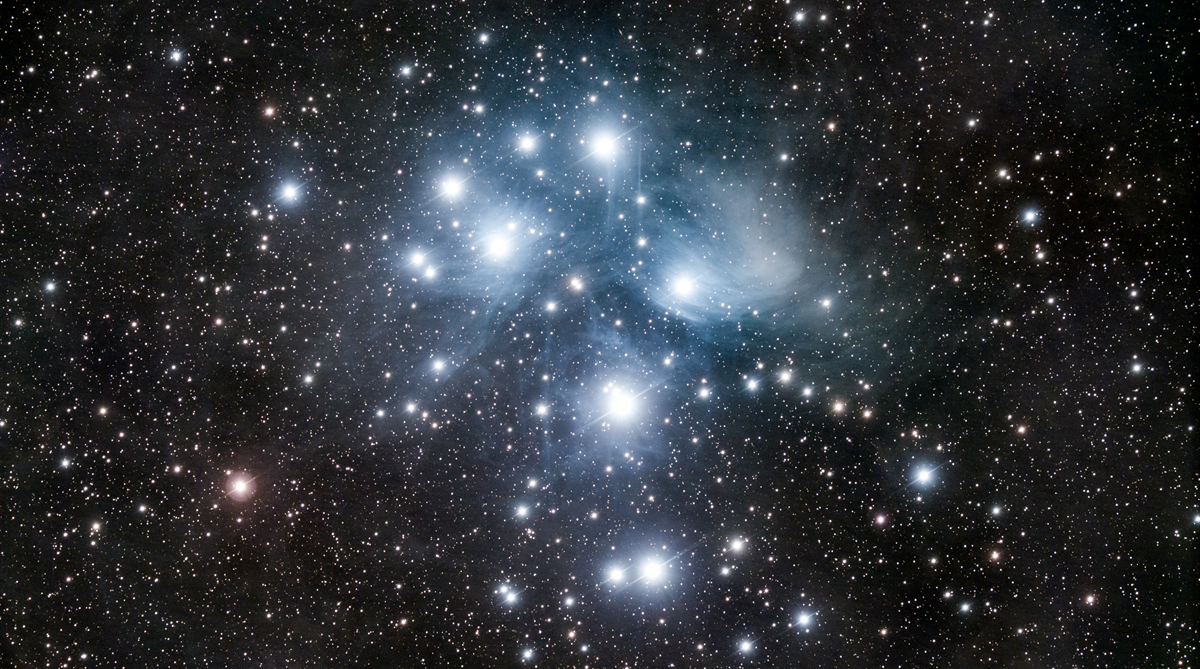
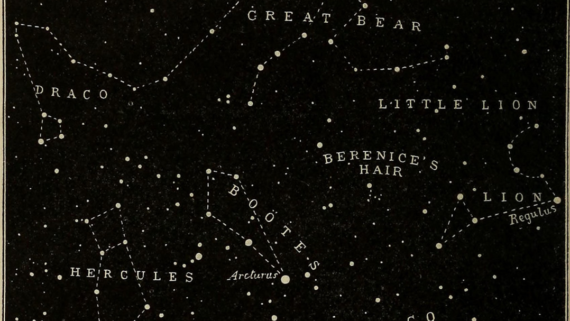
Ancient Greek farmers didn’t necessarily need someone to tell them when harvest season was approaching. They could watch for the Pleiades, a small cluster of stars that became visible before sunrise at a particular time of year. Around the eighth or seventh century BCE, the poet Hesiod mentioned this in Works and Days, advising farmers to begin harvesting grain when the cluster made its morning appearance. Its later disappearance from the dawn sky was another useful sign, this time associated with plowing.
Trending on The Scroller


6. The Sun Passing Directly Overhead in Maya Communities
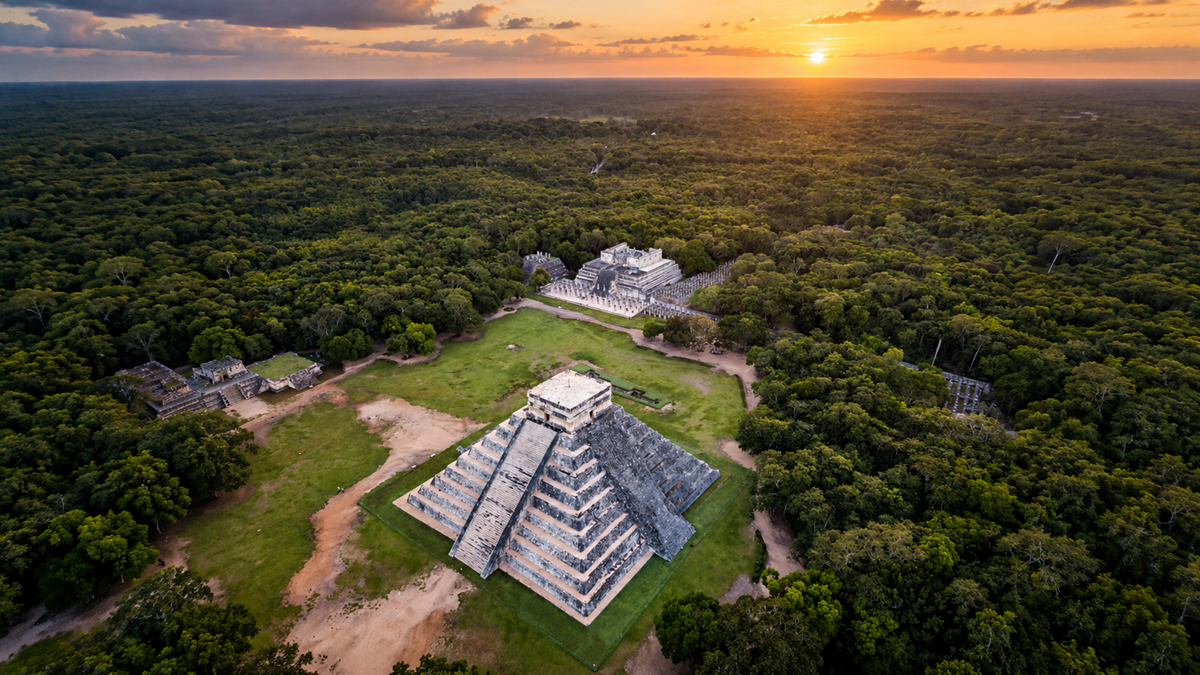
There are two days each year when the midday Sun passes directly overhead at locations within the tropics. On those dates, a perfectly vertical object casts almost no shadow at local noon. Ancient Maya communities recognized this pattern, which could help mark important points in the agricultural year. The exact dates depended on location, but the event returned predictably. Solar observations were one part of the astronomical knowledge that supported Maya calendar systems.
7. The Nile’s Seasonal Flooding
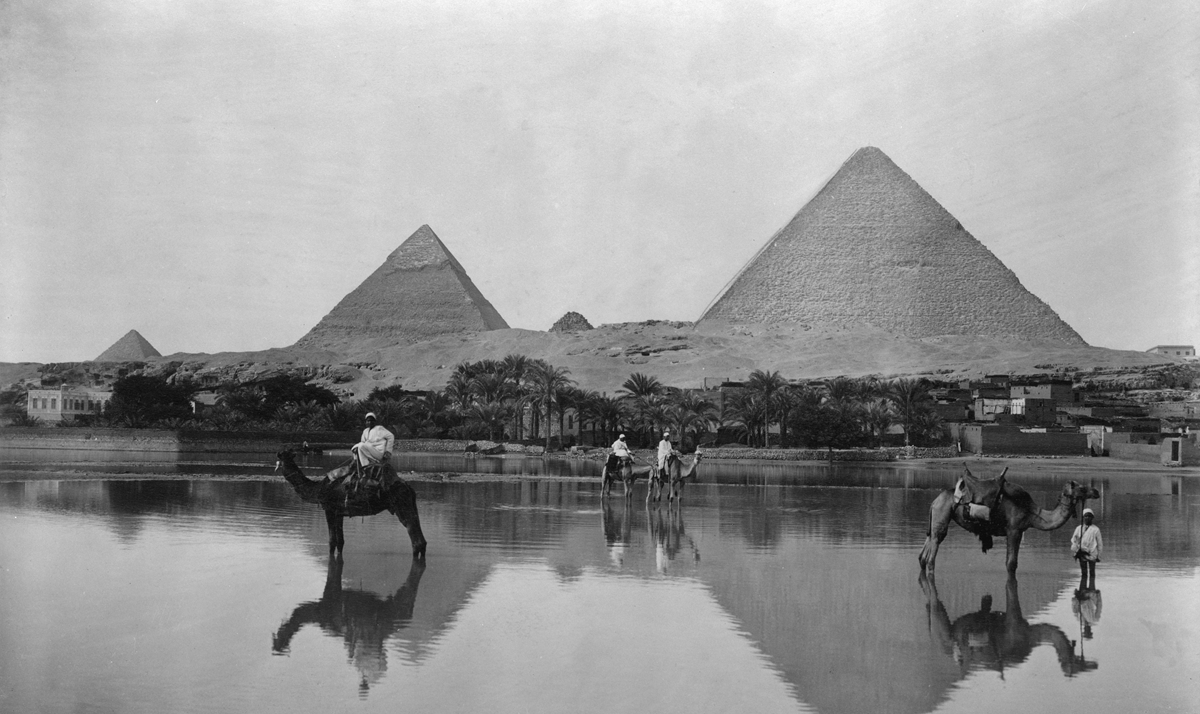
Along the Nile, the changing water level affected nearly everything farmers did. Flooding brought fertile sediment onto the fields, and once the water receded, the land was ready for planting. Ancient Egyptians divided their agricultural year into three seasons: Akhet, the inundation; Peret, the growing season; and Shemu, the harvest. The river wasn’t perfectly punctual, and some floods were much larger than others. Still, its seasonal rhythm gave communities a practical way to organize agricultural work.
8. Arcturus Appearing During the Grape Harvest
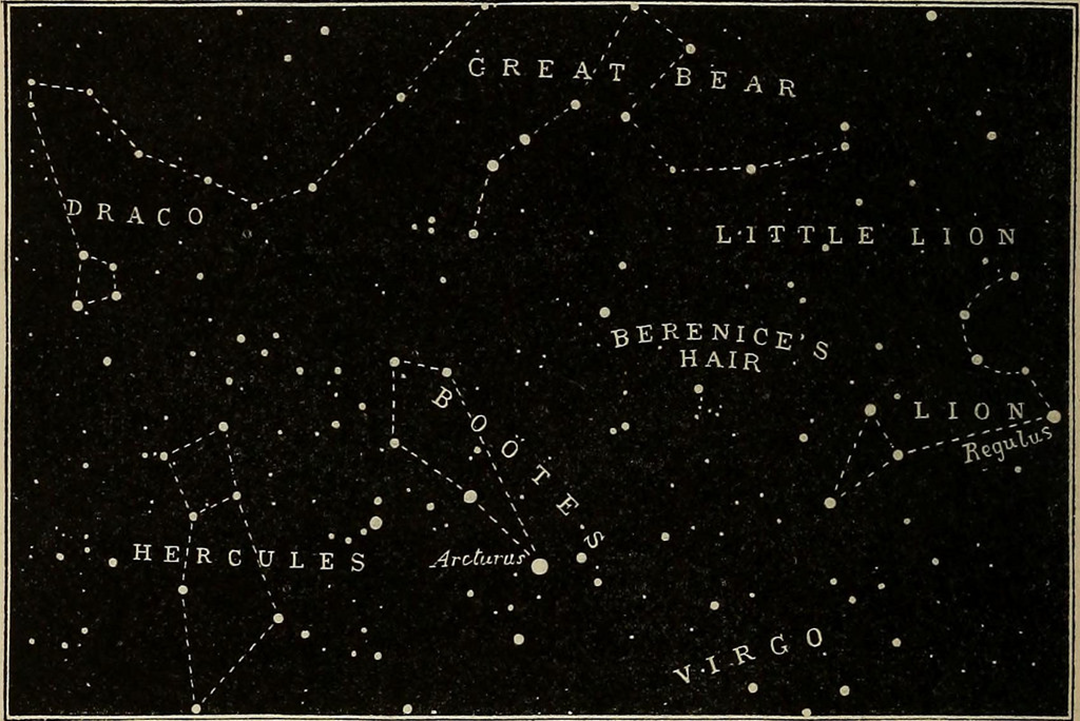
The bright star Arcturus gave ancient Greek farmers another sign to look for as summer drew to a close. Hesiod linked its appearance in the morning sky with the grape harvest, an important part of the agricultural year. He also referred to its evening appearance near the end of winter. Watching when a star appeared relative to sunrise or sunset was a useful way to recognize seasonal changes without keeping a written count of every day.
Sign up for our newsletter
9. Matariki Returning to New Zealand’s Morning Sky
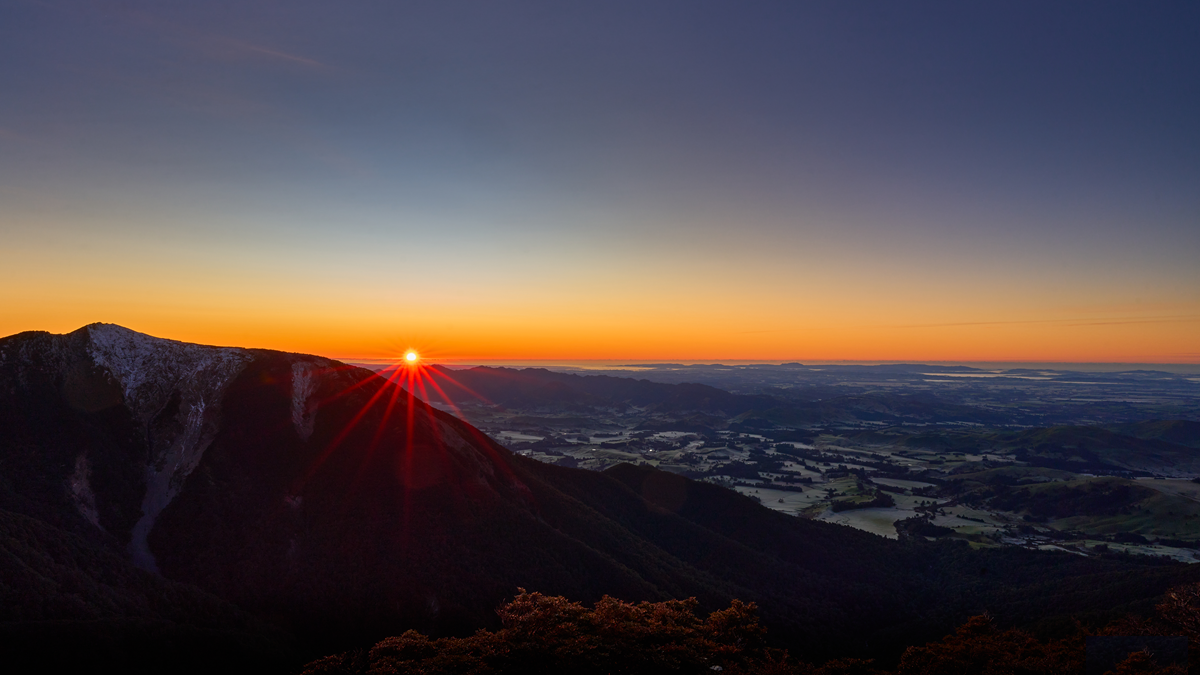
In New Zealand, the reappearance of Matariki, the star cluster also known as the Pleiades, is closely connected with the Māori New Year. It returns to the morning sky around June or July after a period when it cannot be seen. The timing of celebrations also depends on the lunar calendar and local traditions. Matariki is a time for remembering those who have died, gathering with family, and looking ahead to the coming year. It remains part of New Zealand’s calendar and is now recognized with a national public holiday.
10. The Sun’s Changing Position in Hopi Calendars
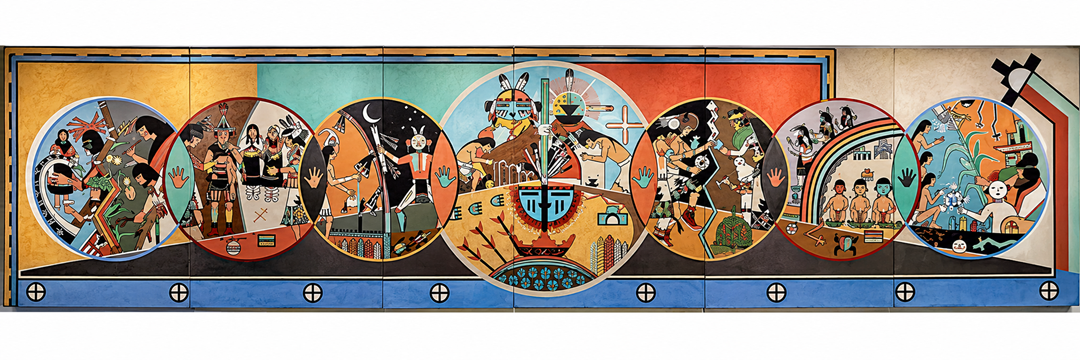
For generations, Hopi communities in the American Southwest have watched where the Sun rises and sets along the horizon to keep track of the year. Certain mountains and other landmarks served as reference points, helping designated observers recognize when important seasonal dates were approaching. These observations guided planting schedules and religious ceremonies, including those surrounding the winter solstice. Instead of counting days on a written calendar, observers could follow the Sun’s gradual movement between familiar points on the landscape.
11. Venus Returning to the Morning Sky
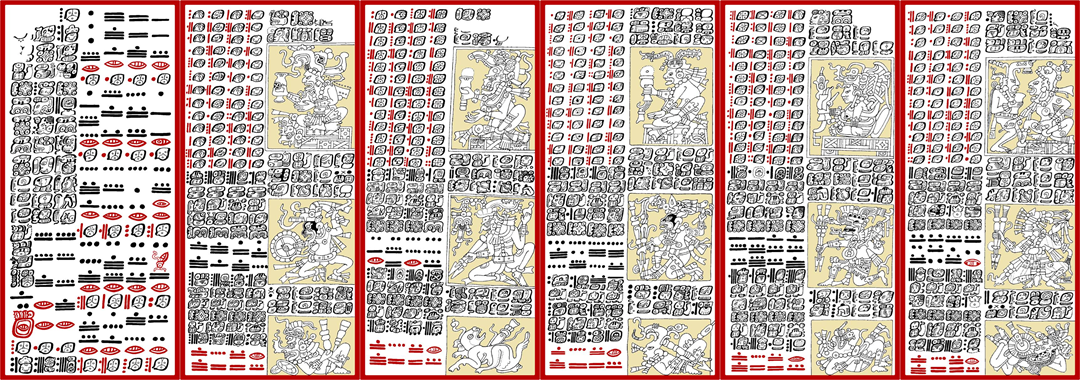
Venus can be seen as a bright point of light before sunrise or after sunset, depending on where it is in its orbit. Ancient Maya astronomers followed these appearances closely enough to develop detailed tables of the planet’s movements. One complete cycle takes roughly 584 days, and five of those cycles come remarkably close to eight solar years. The Dresden Codex, one of the few surviving Maya books, preserves astronomical calculations related to Venus. Its movements mattered in ceremonial scheduling and other calendar calculations.
12. The Sun Dividing the Traditional Chinese Year
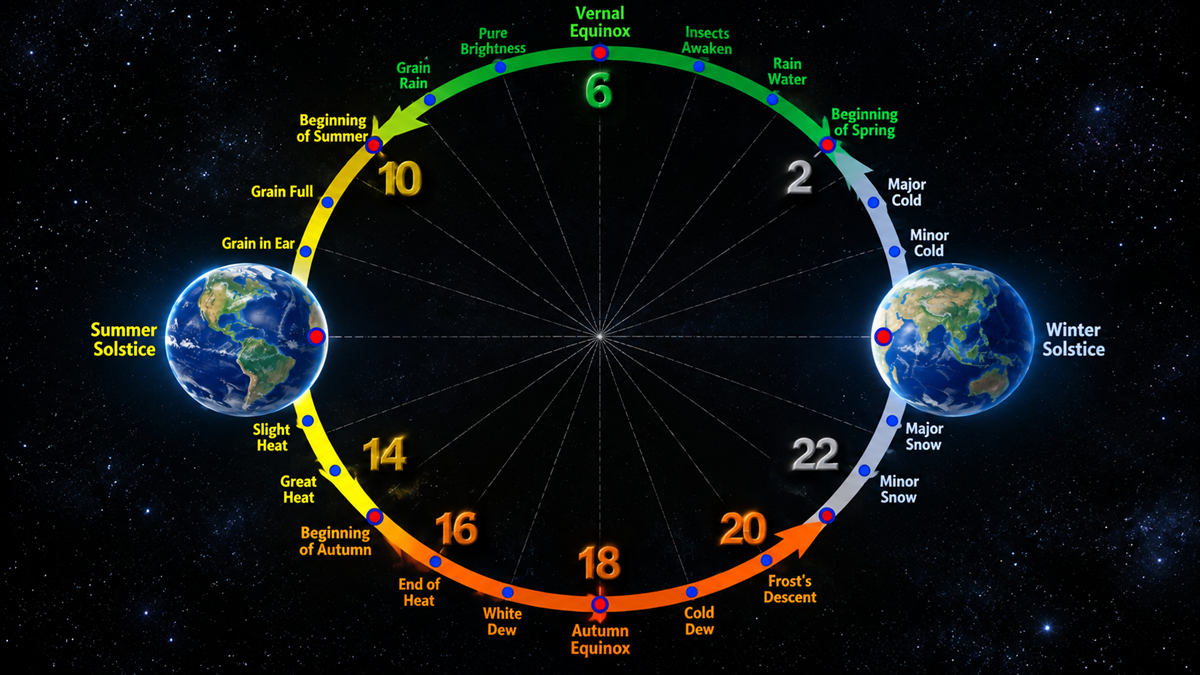
The traditional Chinese calendar includes 24 solar terms, each connected to a particular position of the Sun during its annual journey. Their names often sound like descriptions of the weather or farming conditions, including Grain Rain, Beginning of Spring, and Frost’s Descent. The actual weather doesn’t always follow the names, of course, but the astronomical positions are predictable. The system developed in ancient China and is still used in traditional celebrations and agricultural customs.
13. Seasonal Flowering and Animal Activity in Aboriginal Australian Calendars
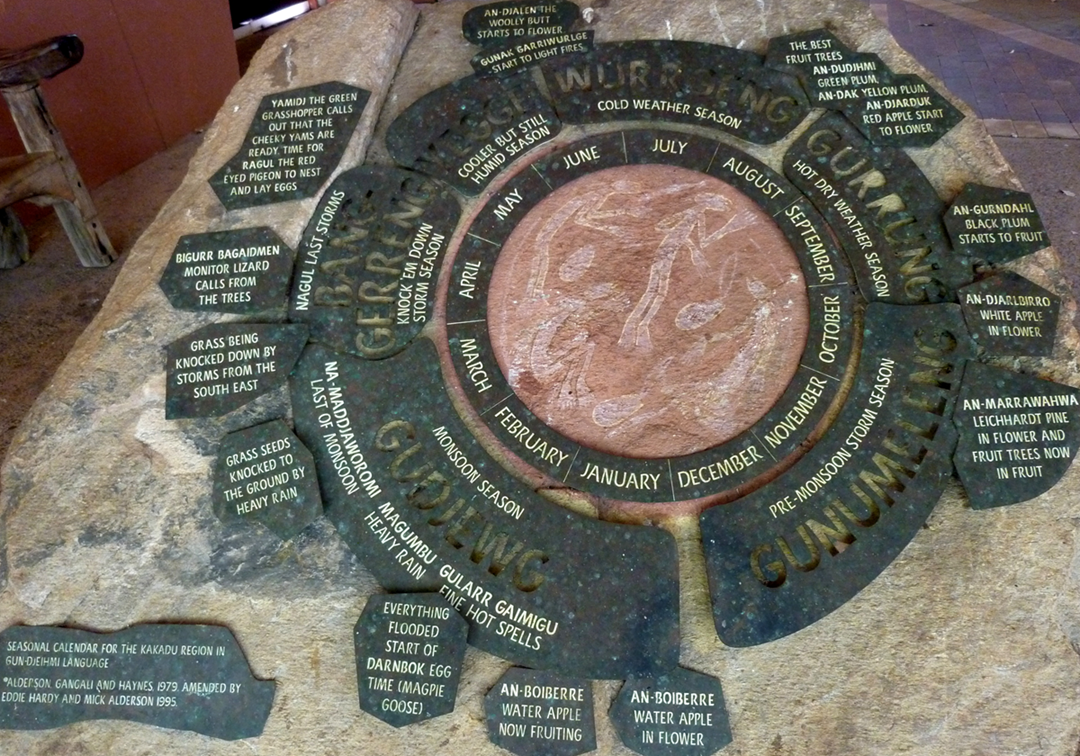
Across Australia, Aboriginal communities developed their own ways of recognizing the seasons, often based on changes in plants and animals. A particular tree flowering might signal that certain foods were becoming available, while animal behavior or shifting rainfall patterns could indicate another seasonal change. These calendars differed from region to region because the environments were so different. They weren’t designed to identify an exact date every year. Instead, they helped people recognize what was happening in the landscape and what activities made sense at that time.
14. The Stars That Divided Ancient Egyptian Nights
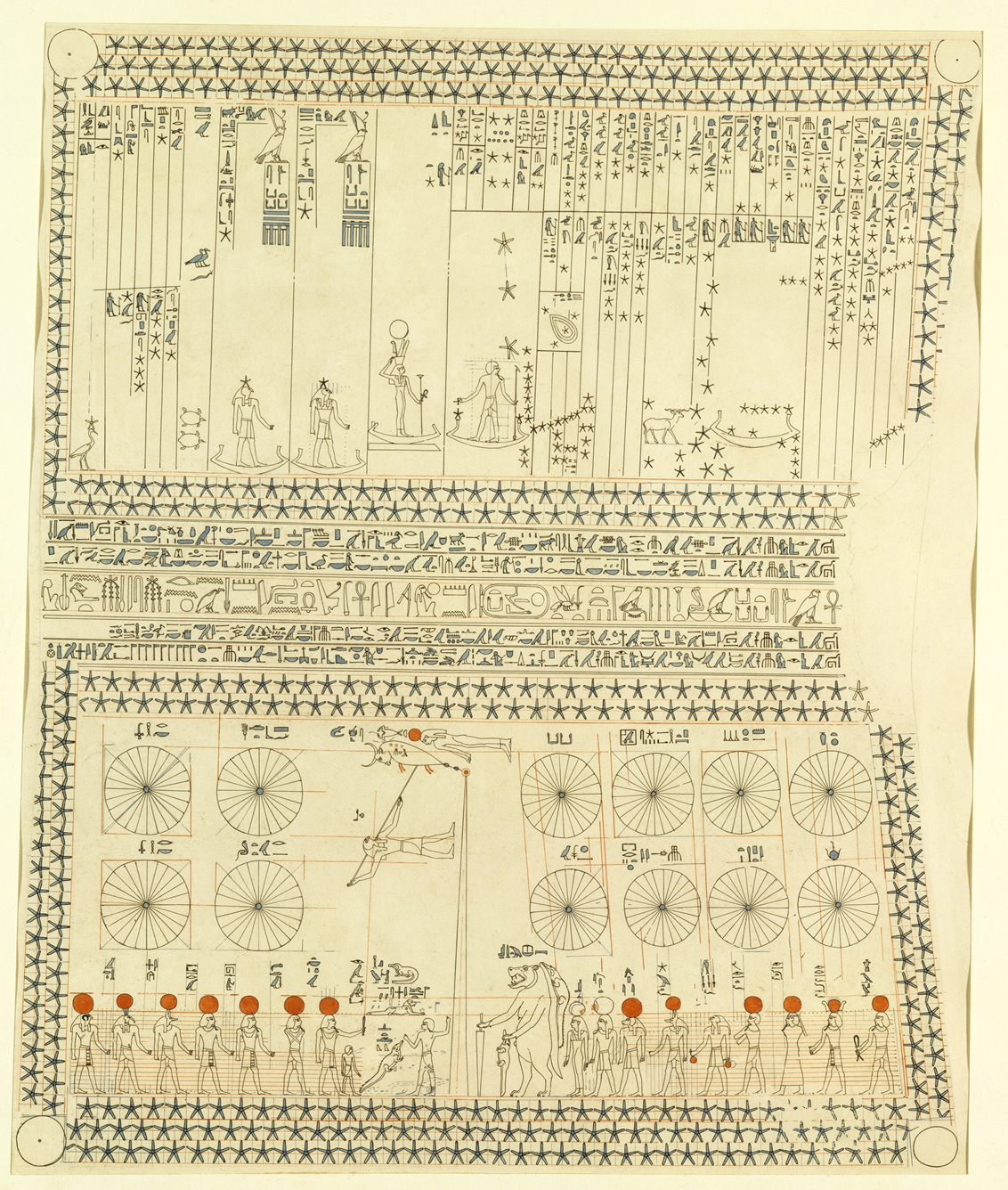
Egyptian astronomers didn’t rely on Sirius alone. They also tracked groups of stars known as decans, whose appearances helped divide the year into 36 periods of roughly ten days each. Five additional days completed the 365-day civil calendar. The decans were also used to mark intervals during the night, when the Sun was unavailable as a reference. Some of the earliest surviving examples of these star tables were painted inside coffins during Egypt’s Middle Kingdom.
15. The Spring Equinox and the Persian New Year
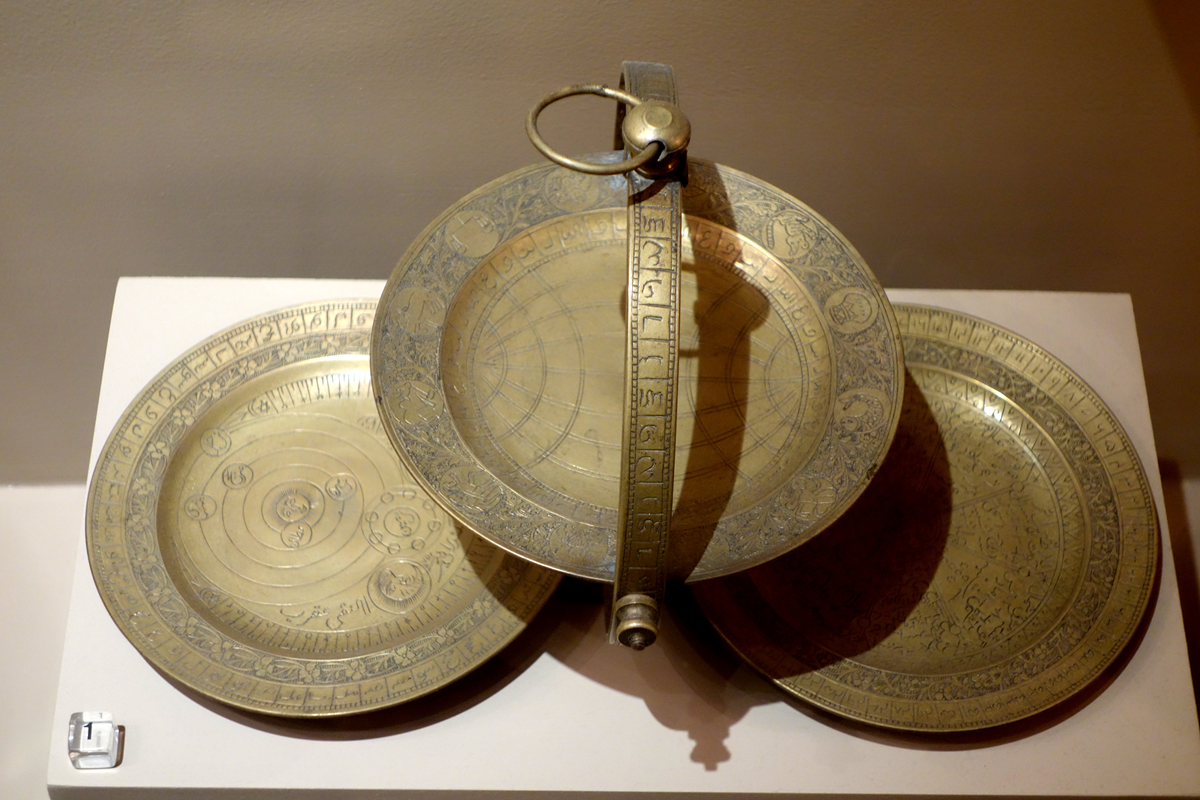
Nowruz, the Persian New Year, falls around the March equinox, when the Sun crosses the celestial equator, and spring begins in the Northern Hemisphere. The celebration has roots in ancient Iranian traditions, although its earliest history isn’t entirely clear. Unlike calendars that begin the year on a fixed date regardless of the Sun’s position, the modern Iranian calendar uses astronomical calculations to determine the start of the new year. Nowruz remains widely celebrated in Iran and other countries, connecting a familiar spring celebration with an astronomical event.
In the mood for more?
Check out 18 Facts About Ancient Civilizations That Still Affect Life Today, or take a look at 15 Hidden Natural Rhythms That Shape Life on Earth. If you want to see more discoveries about space and the universe, you can check out 15 Space Facts That Sound Impossible but Are Scientifically Proven.