More than 250 years ago, the United States began a difficult journey toward independence, a goal that would forever change the course of world history. The adoption of the Declaration of Independence happened in 1776. This document formally announced the colonies’ decision to separate from Great Britain. However, achieving independence required much more than a declaration. It demanded years of sacrifice, political determination, military strategy, and perseverance during the American Revolutionary War.
The struggle for independence lasted from 1775 to 1783 and involved famous battles, international alliances, influential leaders, and ordinary citizens who supported the cause in countless ways. Understanding these events helps explain how the United States emerged as an independent nation and why the Revolutionary War remains one of the most important conflicts in American history. Here are 16 fascinating facts that reveal how the fight for independence unfolded and shaped the country’s future.
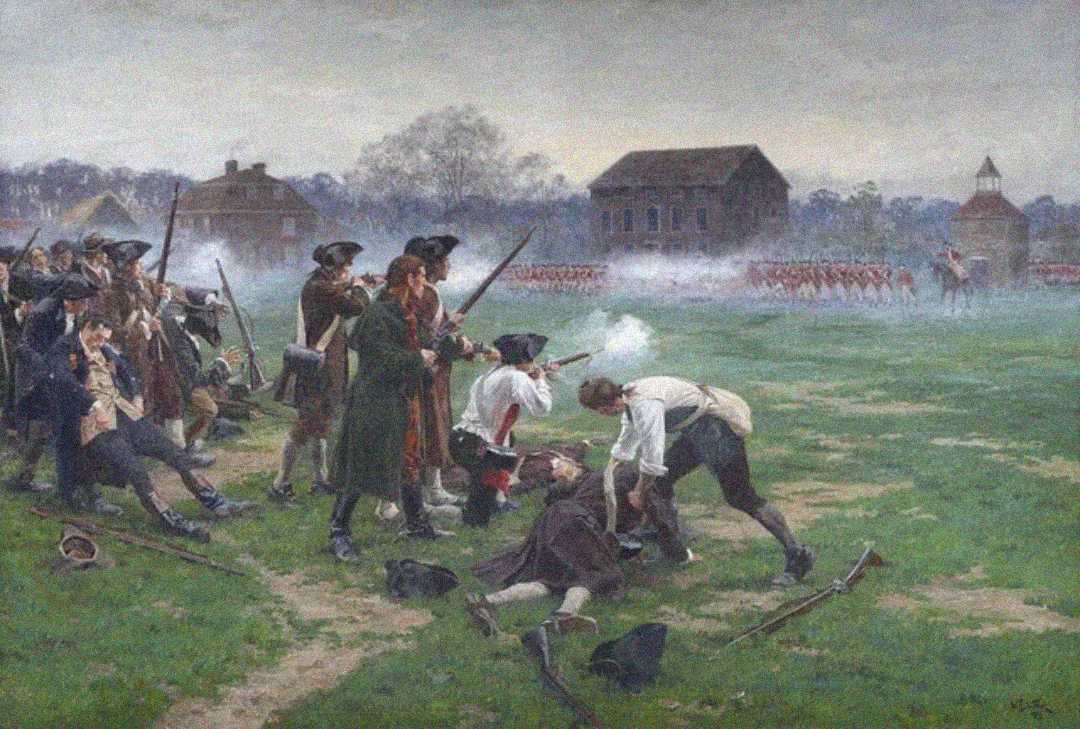
1. The Battles of Lexington and Concord Sparked the Conflict
Cameos_red_codpiece / via reddit.com
Often called the ‘shot heard round the world,’ the clashes at Lexington and Concord marked the beginning of the Revolutionary War. British troops were sent to seize colonial military supplies, but local militias resisted. The events demonstrated that many colonists were willing to fight for their rights and eventually for independence.
2. The Declaration of Independence Was Adopted on July 4, 1776
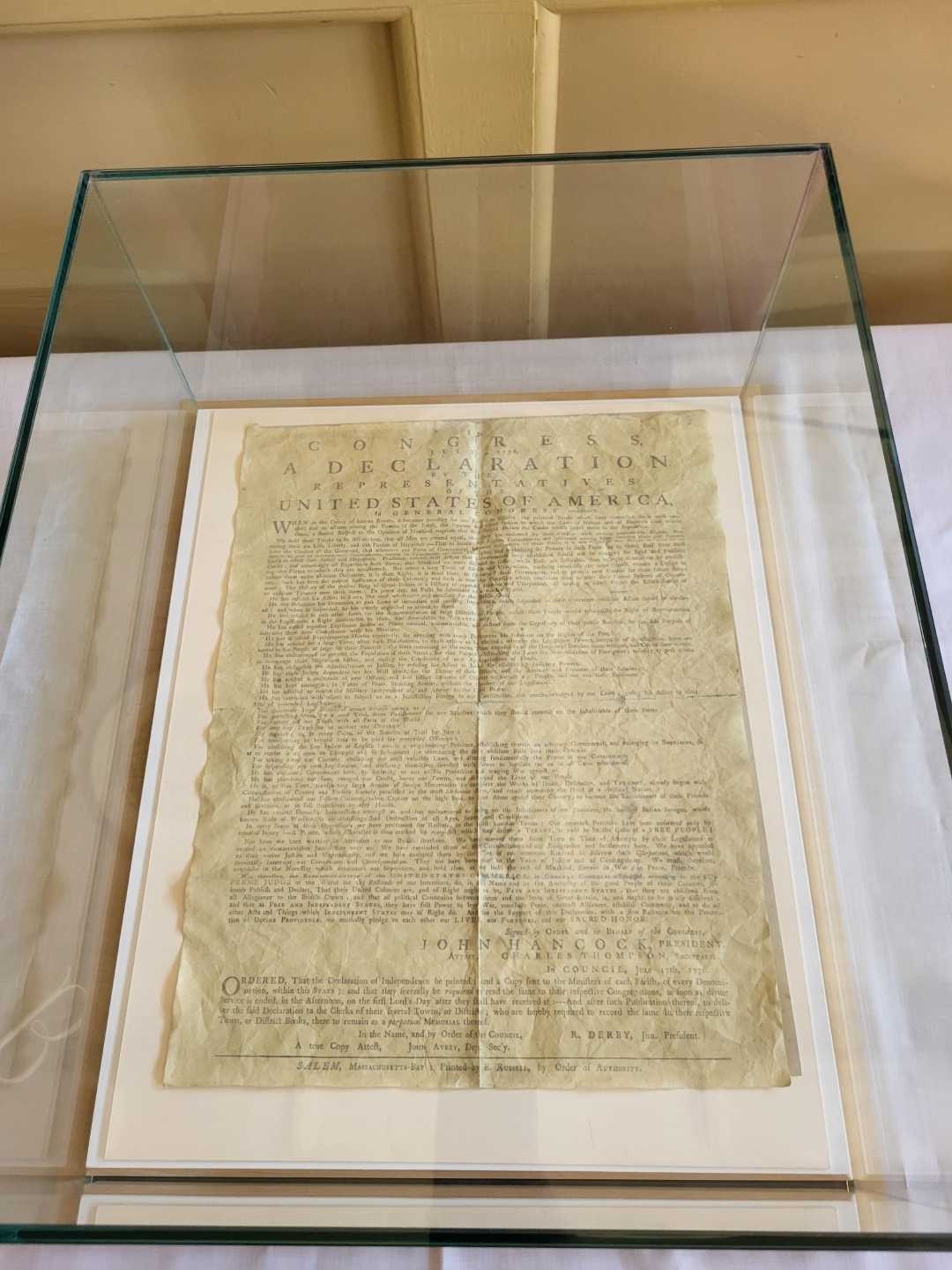
The Continental Congress officially adopted the Declaration of Independence on July 4, 1776. Drafted primarily by Thomas Jefferson, the document explained why the colonies believed they had the right to govern themselves. It became one of the most influential political texts in history and remains a symbol of American independence.
3. George Washington Led the Continental Army Throughout the War
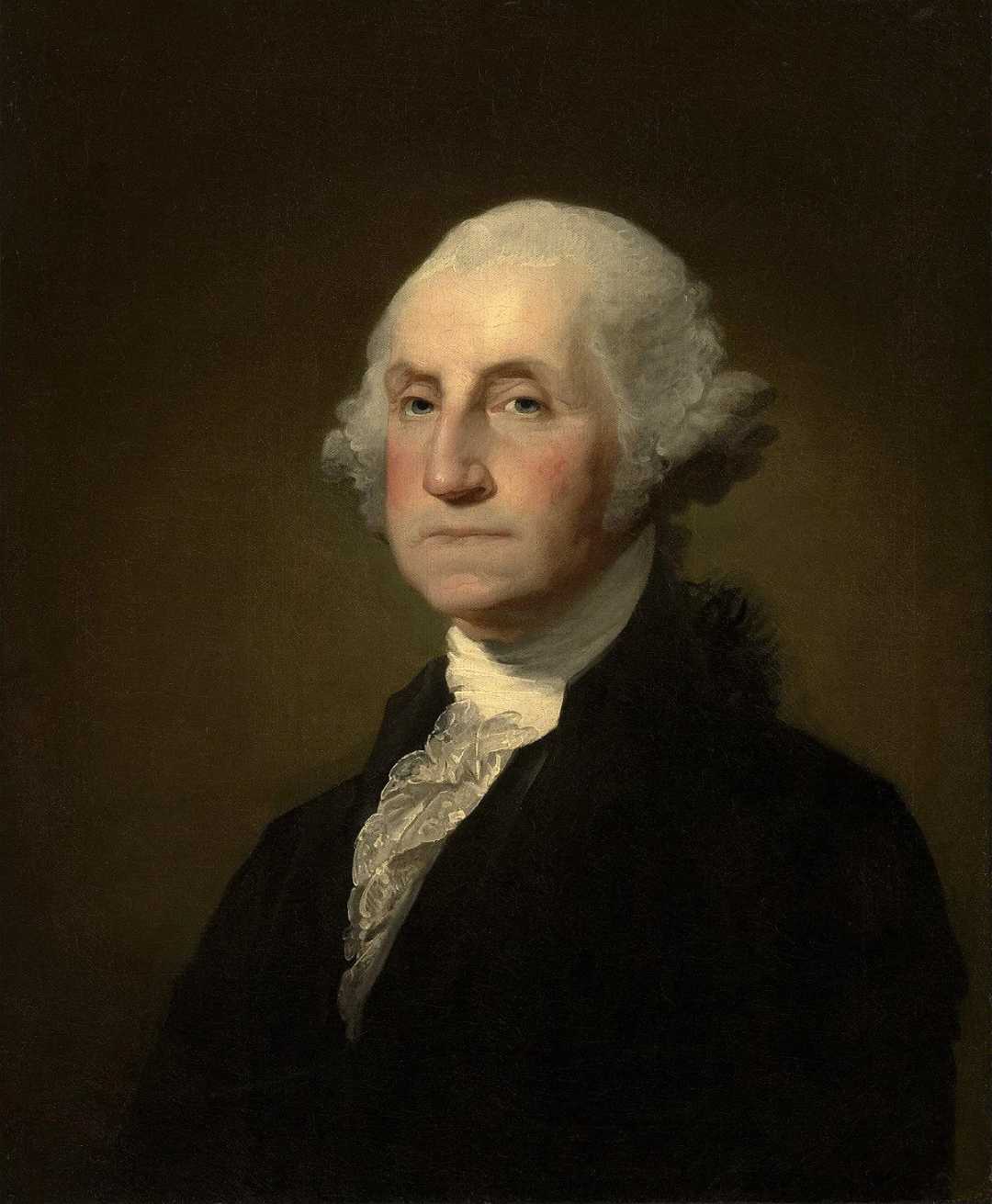
George Washington was appointed commander-in-chief of the Continental Army in 1775. Despite facing shortages of supplies, funding, and trained soldiers, he kept the army together through difficult years. His leadership played a crucial role in securing independence.
4. The Continental Army Faced Serious Supply Problems
American troops frequently lacked food, clothing, shoes, and ammunition. During the harsh winter at Valley Forge in 1777–1778, thousands of soldiers endured freezing temperatures and difficult living conditions. Their perseverance helped keep the fight for independence alive.
5. Valley Forge Became a Symbol of Endurance

Valley Forge is remembered not for a major battle but for the determination shown by American soldiers. Under the training of Baron von Steuben, the army improved its discipline and military skills. The camp became a turning point that strengthened the army’s ability to pursue independence.
Trending on The Scroller


6. France Became America’s Most Important Ally

After the American victory at Saratoga in 1777, France formally allied with the United States in 1778. French military support, funding, naval power, and troops significantly improved the Americans’ chances of achieving independence.
7. The Battle of Saratoga Changed the Course of the War
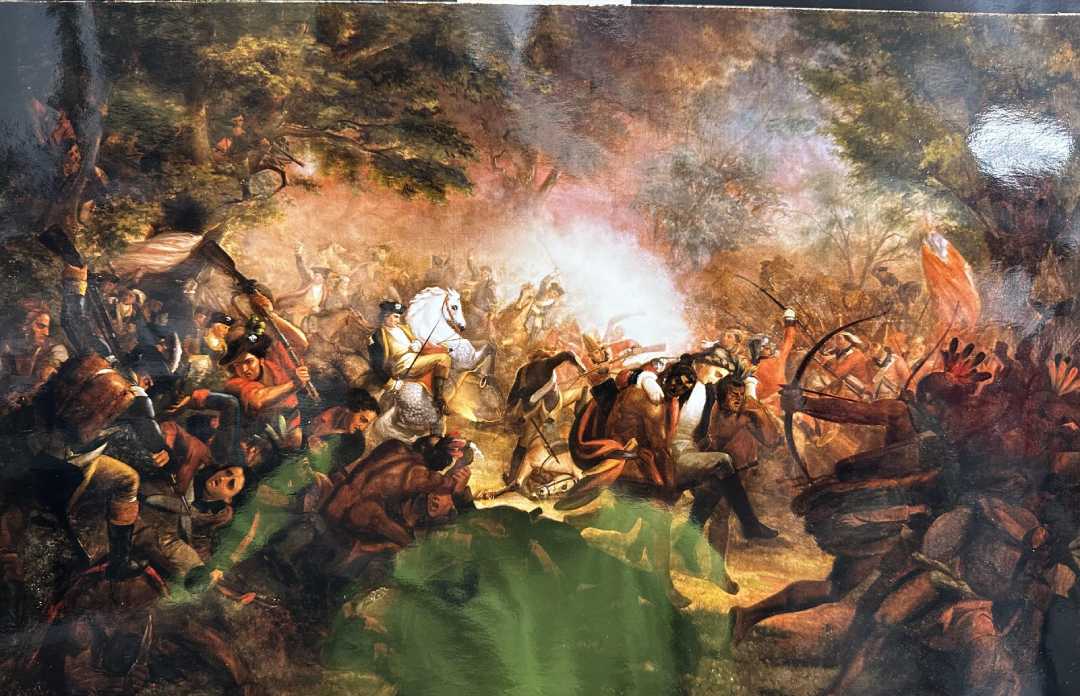
The American victory at Saratoga is often considered the war’s most important turning point. It convinced France that the American cause had a realistic chance of success. Without this victory, foreign support for American independence might never have materialized.
8. Women Contributed in Many Important Ways
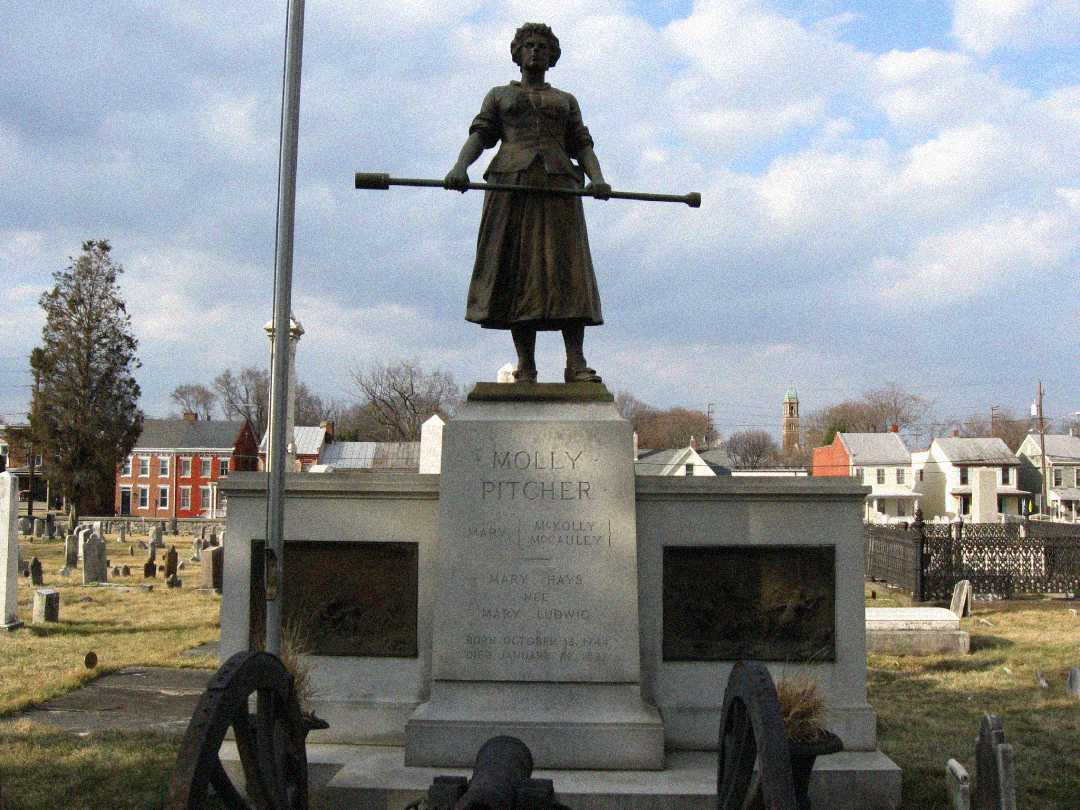
Although women rarely served as soldiers, they supported the war effort by managing farms and businesses, producing supplies, serving as nurses, and in some cases assisting military operations. Figures such as Martha Washington and Molly Pitcher became associated with the struggle for independence.
Sign up for our newsletter
9. Many Native American Nations Were Drawn Into the Conflict
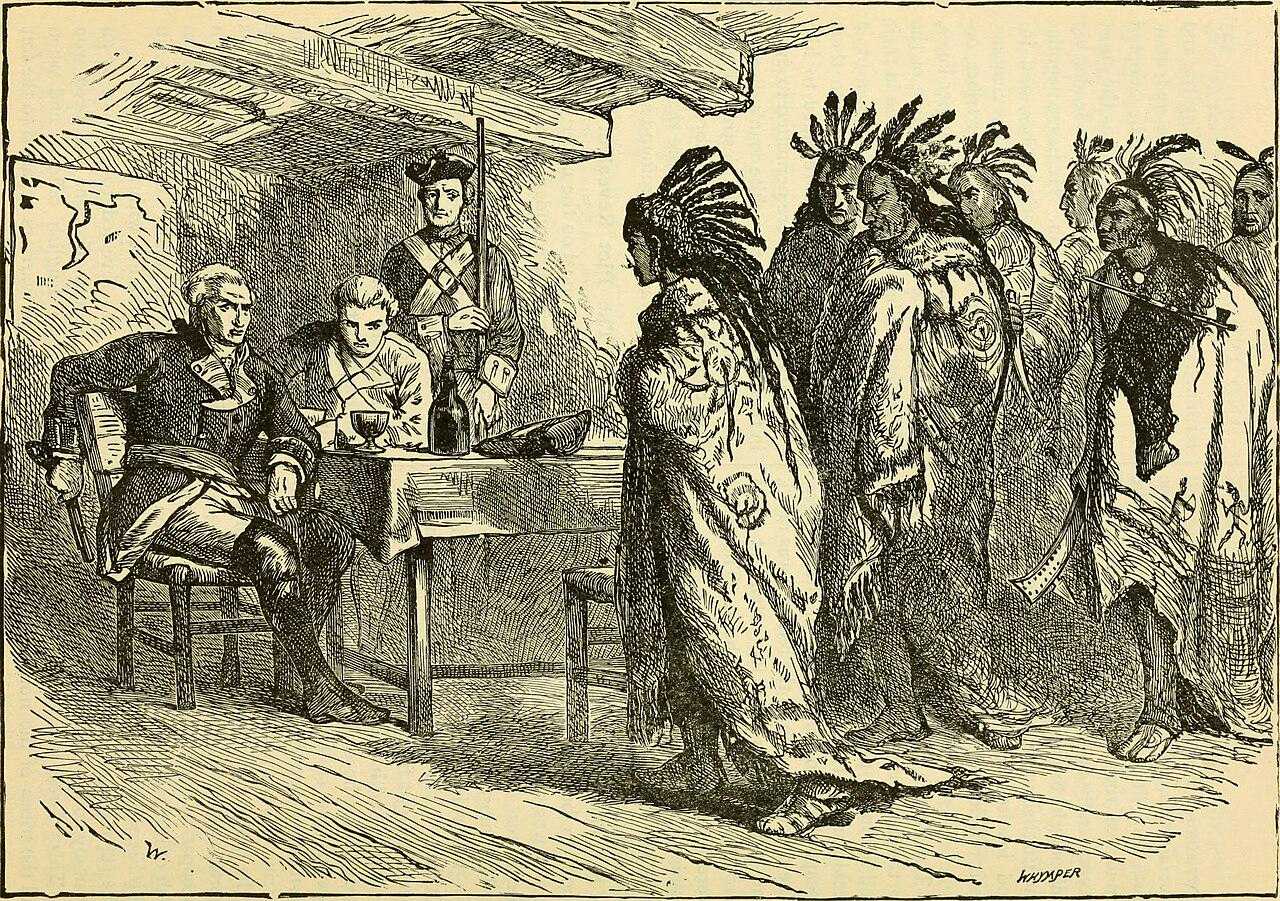
The Revolutionary War affected numerous Native American nations. Different groups made different choices, with some supporting Britain and others supporting the Americans. The outcome of the war significantly changed Native American relations with the new United States after independence.
10. Not All Colonists Supported Independence
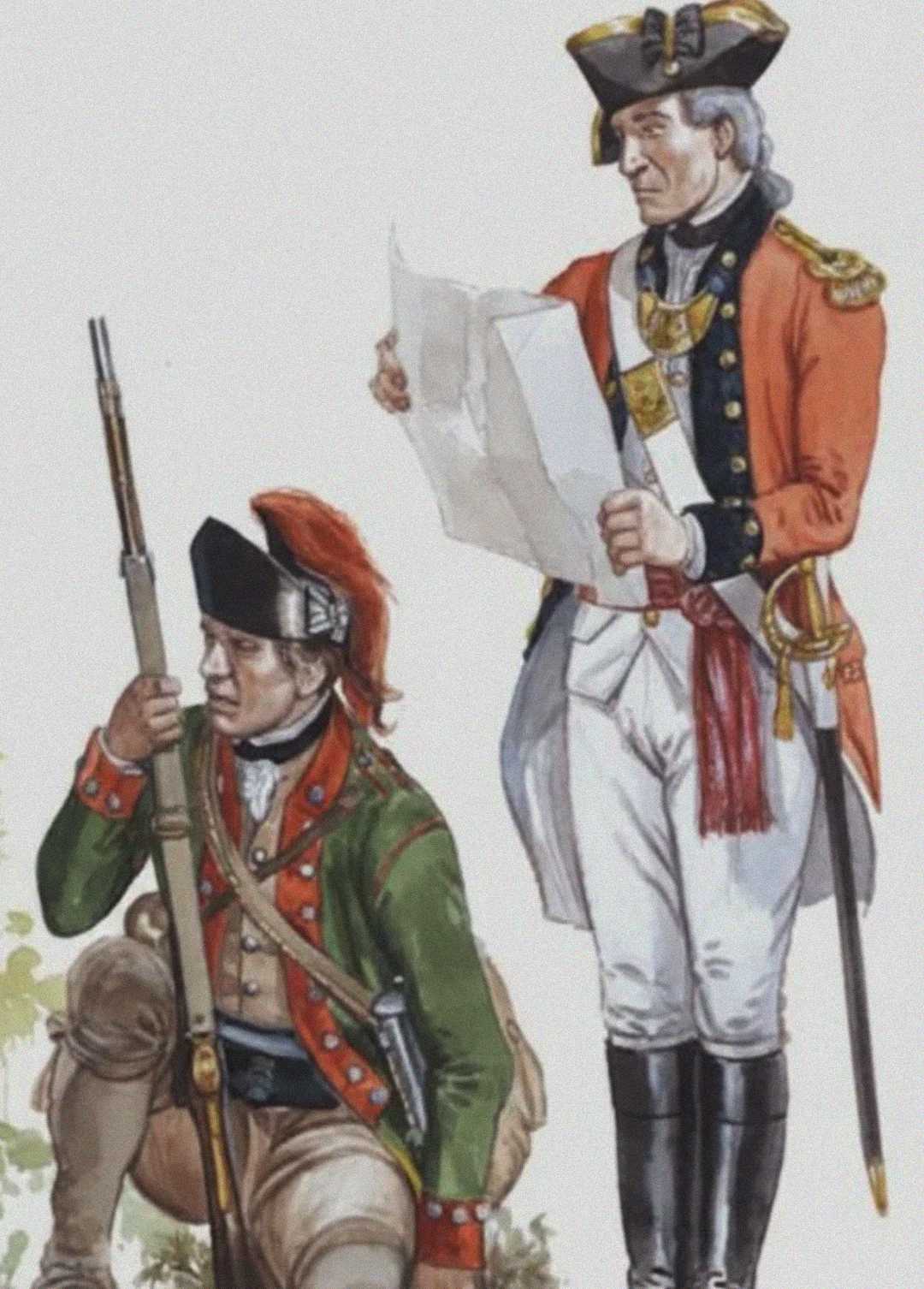
Historians estimate that many colonists remained loyal to Britain during the war. These individuals, known as Loyalists, opposed the movement for independence and often faced difficult choices about their future as the conflict intensified.
11. The War Extended Far Beyond the Original Thirteen Colonies
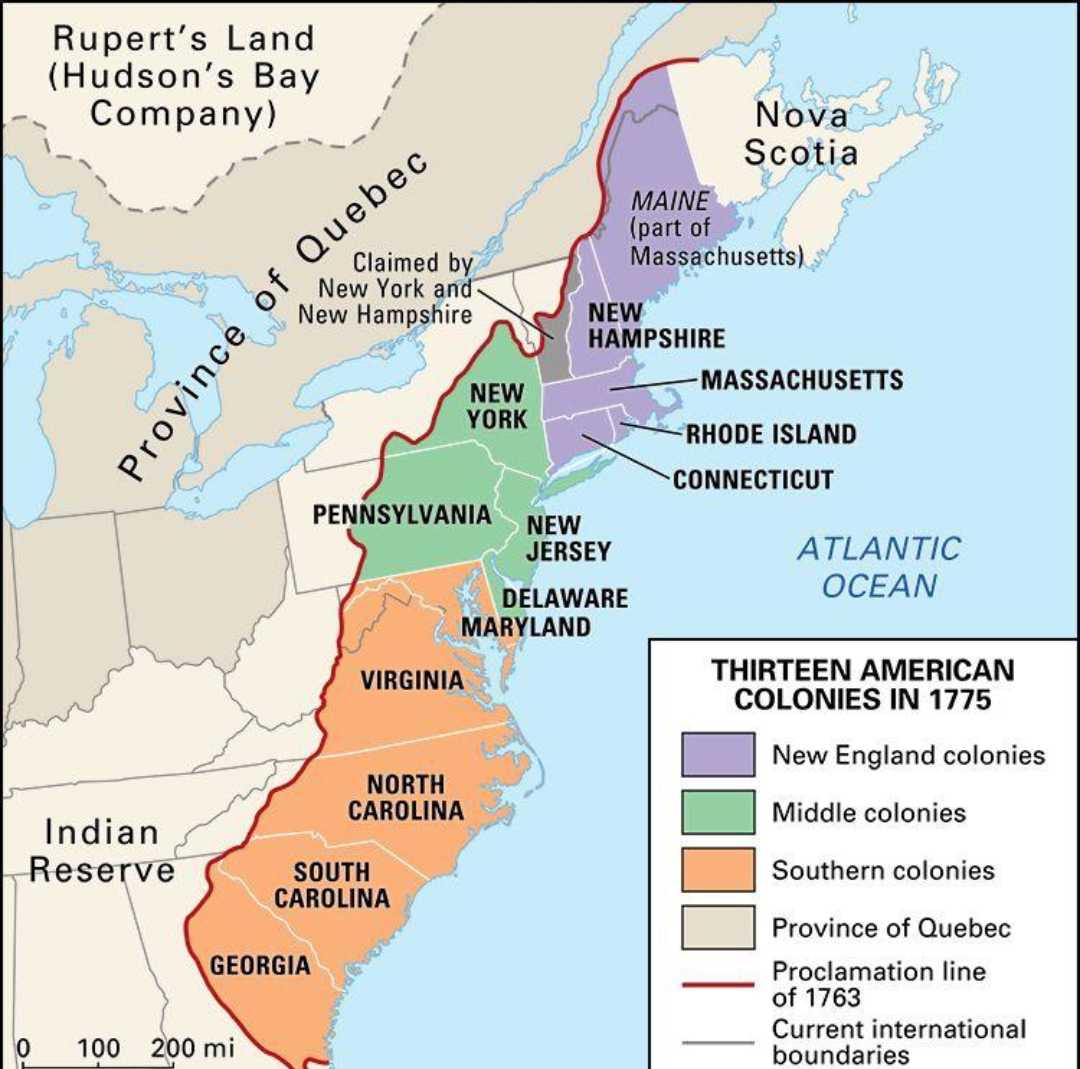
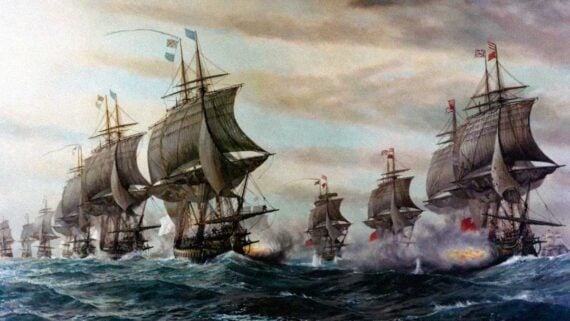
The conflict spread across North America, the Caribbean, Europe, and the Atlantic Ocean. Because major European powers became involved, the Revolutionary War developed into a broader international struggle connected to the quest for American independence.
12. The Continental Navy Was Much Smaller Than Britain’s Fleet
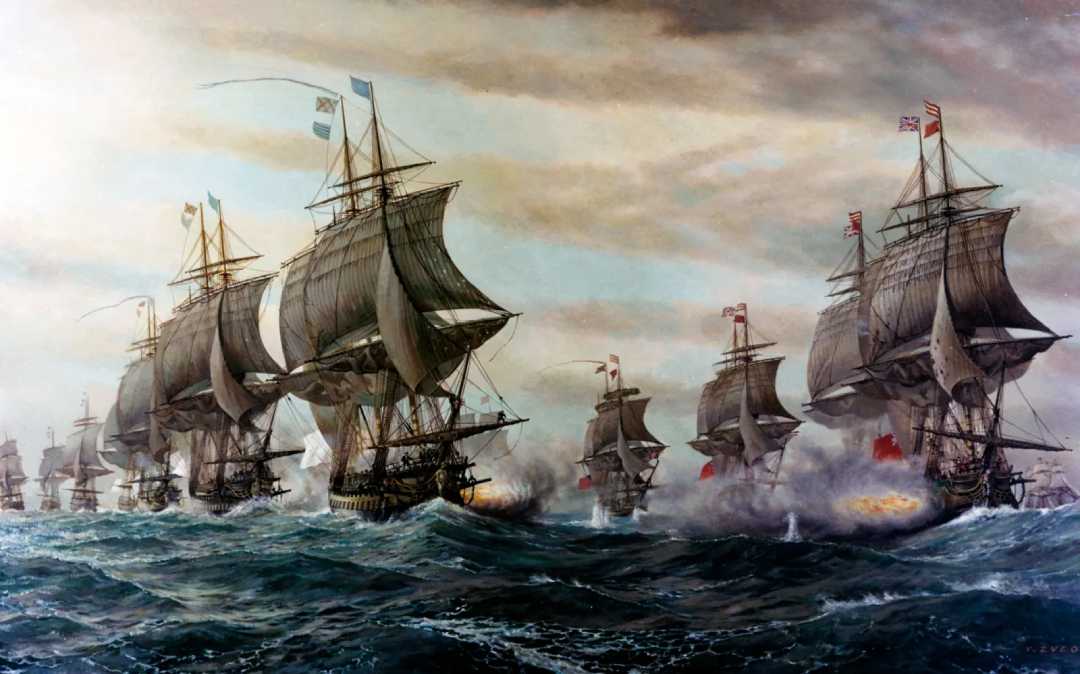
The British Royal Navy was the world’s most powerful naval force. Despite having far fewer ships, American naval forces and privateers disrupted British trade routes and helped support the overall campaign for independence.
13. Spain Also Assisted the American Cause
Although Spain did not formally ally with the United States, it fought against Britain and provided valuable assistance. Spanish military campaigns along the Gulf Coast diverted British resources and indirectly supported American independence efforts.
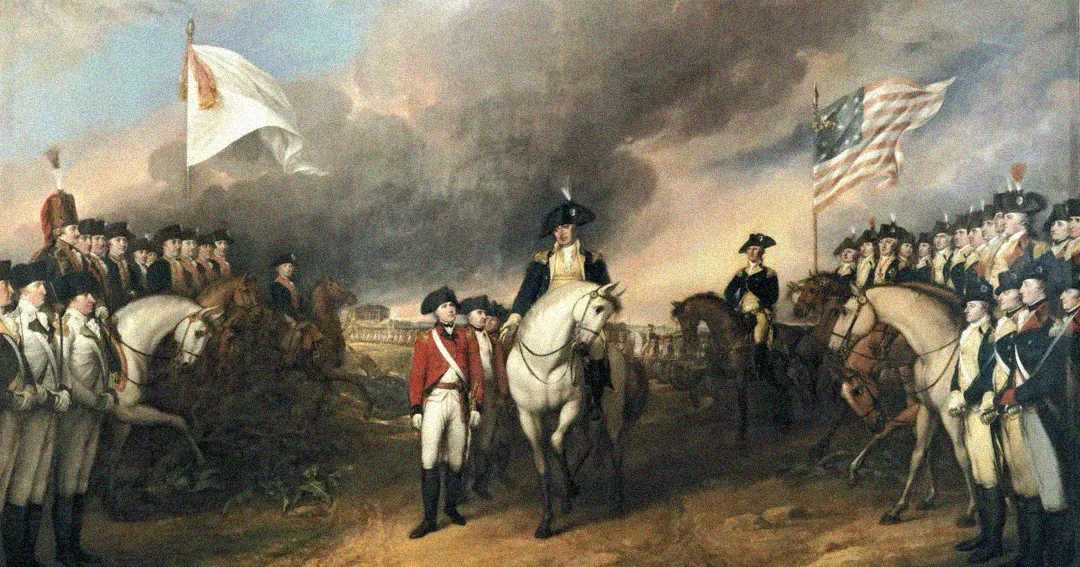
14. The Battle of Yorktown Effectively Ended Major Fighting
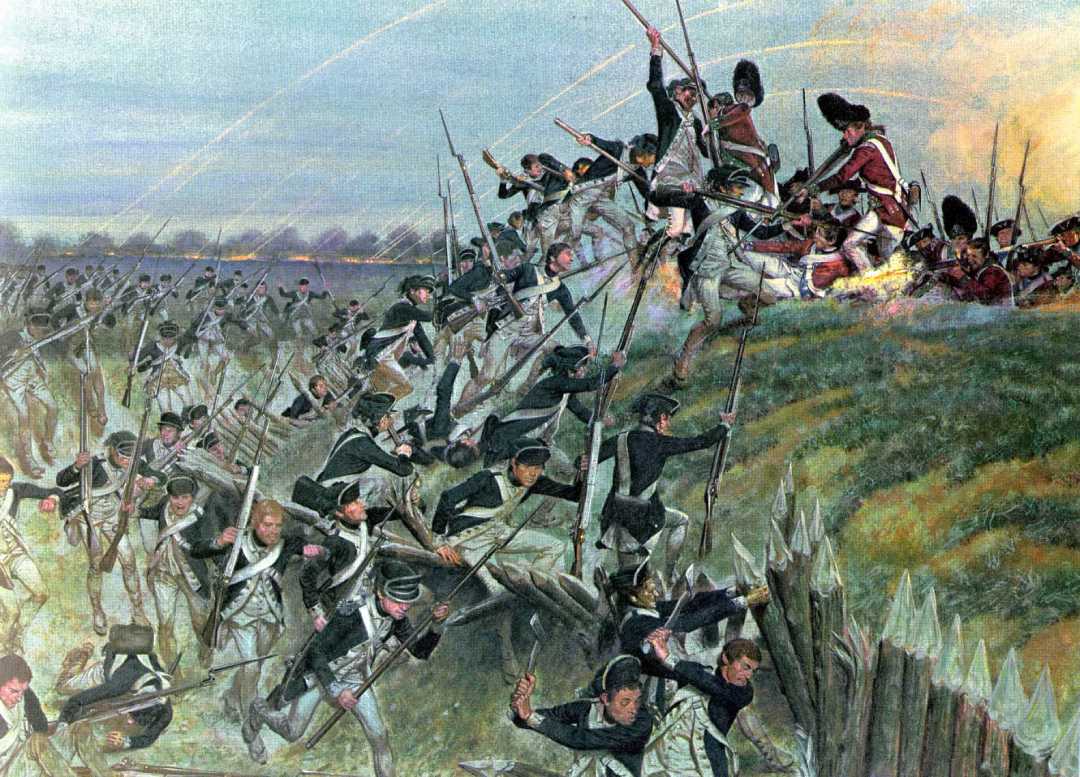
In 1781, American and French forces surrounded British General Charles Cornwallis at Yorktown, Virginia. His surrender marked the decisive military victory of the war. The success dramatically improved the prospects for securing permanent independence.
15. Independence Was Officially Recognized in 1783
Although the Declaration of Independence was adopted in 1776, Britain did not formally recognize American sovereignty until the Treaty of Paris in 1783. The treaty ended the war and confirmed the United States as an independent nation, completing the long struggle for independence.
Did these facts help you better understand the story of American independence? Keep exploring our content to learn more about the decisions that shaped the United States and influenced the course of modern history.
Be sure to explore our other history articles and recommendations for more fascinating insights into the events that shaped the United States and the wider world: 16 Fourth of July Traditions and the History Behind Them, 34 Vintage Images from World War II, and 12 Strange 1800s Laws That Were Actually Enforced.