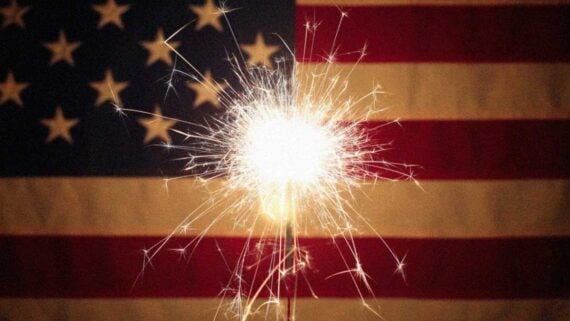
Every Fourth of July, millions of Americans come together to celebrate the nation’s independence with fireworks, parades, family gatherings, patriotic music, and community events. The holiday marks the adoption of the Declaration of Independence on July 4, 1776, when the thirteen colonies formally declared themselves independent from Great Britain. While today’s celebrations are filled with fun and tradition, many of the customs people enjoy each Fourth of July have historical roots that stretch back more than two centuries.
Many Fourth of July traditions symbolize the country’s history, values, and shared sense of community. Some customs began during the earliest Independence Day celebrations, while others evolved over generations into beloved annual rituals. Let’s explore the stories behind the most recognizable Fourth of July traditions and discover why they remain an important part of celebrating Independence Day today.
1. Fireworks, Inspired by the First Independence Celebrations
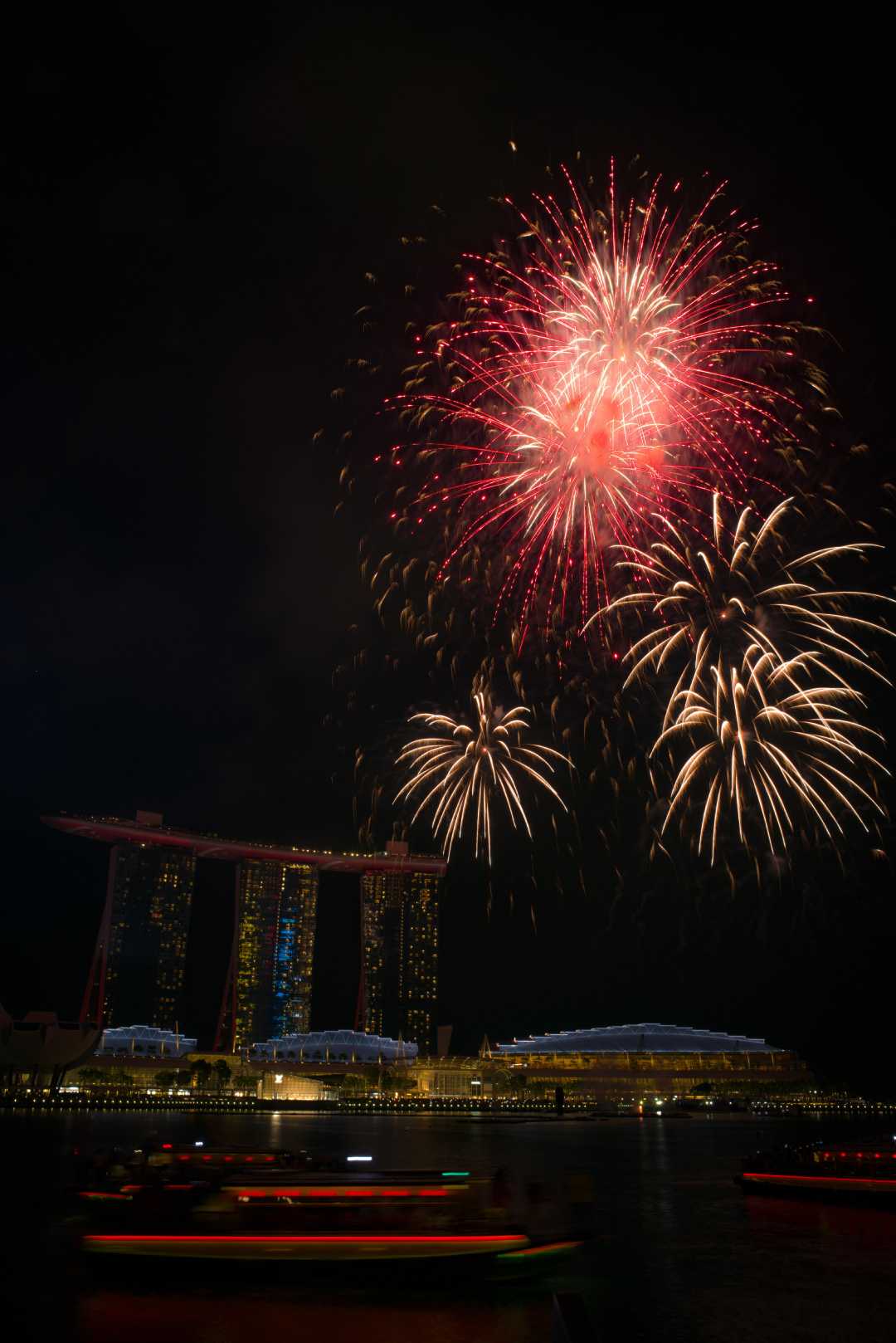
The colorful fireworks that define every Fourth of July trace back to 1777, when Philadelphia celebrated the first anniversary of American independence. Inspired by European royal celebrations, fireworks symbolized joy, victory, and national pride. Today, cities across the United States continue this tradition with elaborate nighttime displays.
2. Flying the American Flag
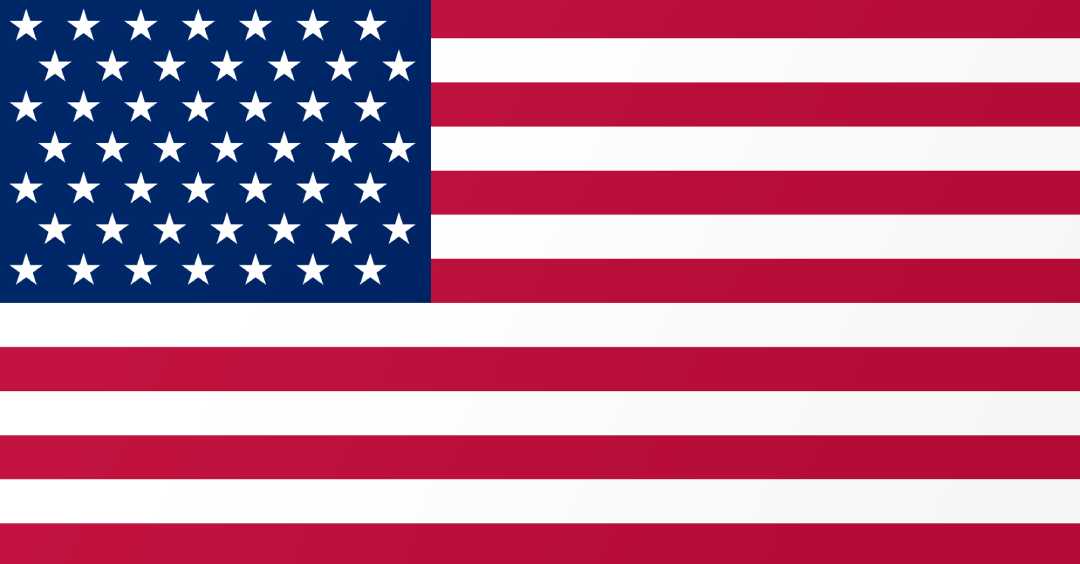
Displaying the American flag during the Fourth of July represents patriotism and national unity. Although the modern Flag Code was adopted much later, citizens have proudly displayed the Stars and Stripes during Independence Day celebrations since the country’s earliest years.
3. Reading the Declaration of Independence
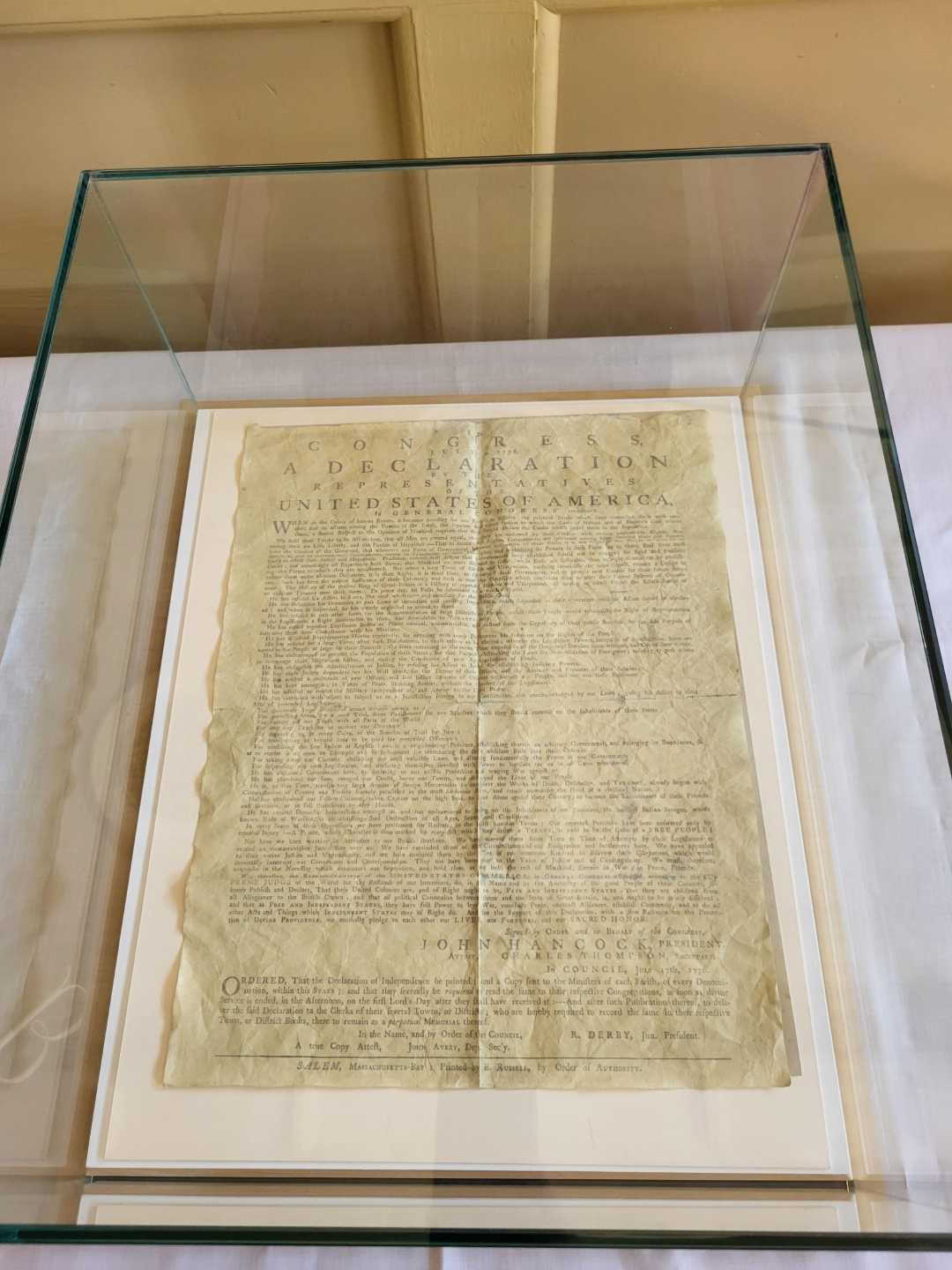
Many communities and historic sites publicly read the Declaration of Independence every Fourth of July. The tradition reminds Americans of the document that officially announced the colonies’ separation from British rule and the principles of liberty and equality it proclaimed.
4. Independence Day Parades
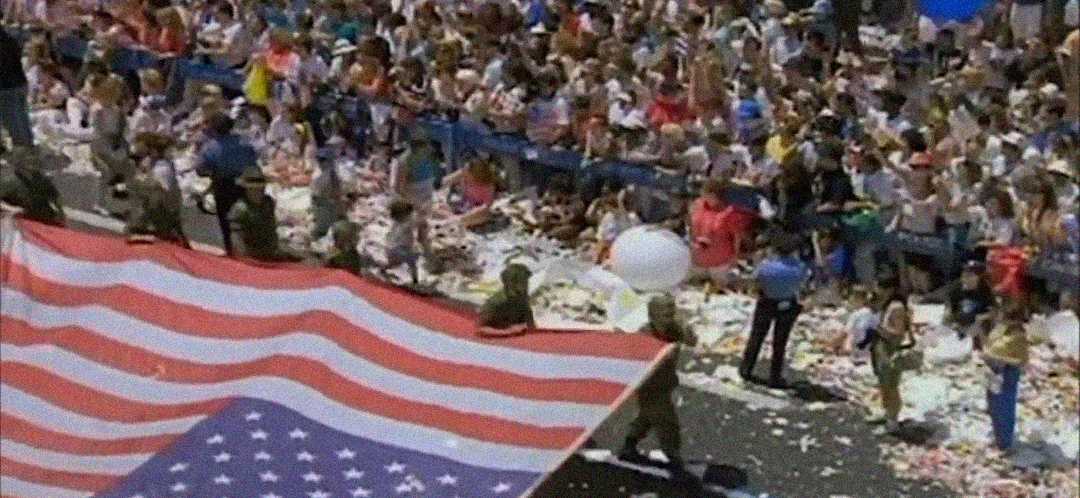
Parades became popular almost immediately after independence. Marching bands, military units, veterans, civic organizations, and decorated floats have long participated in Fourth of July parades to celebrate both local communities and the nation itself.
5. Barbecues and Cookouts
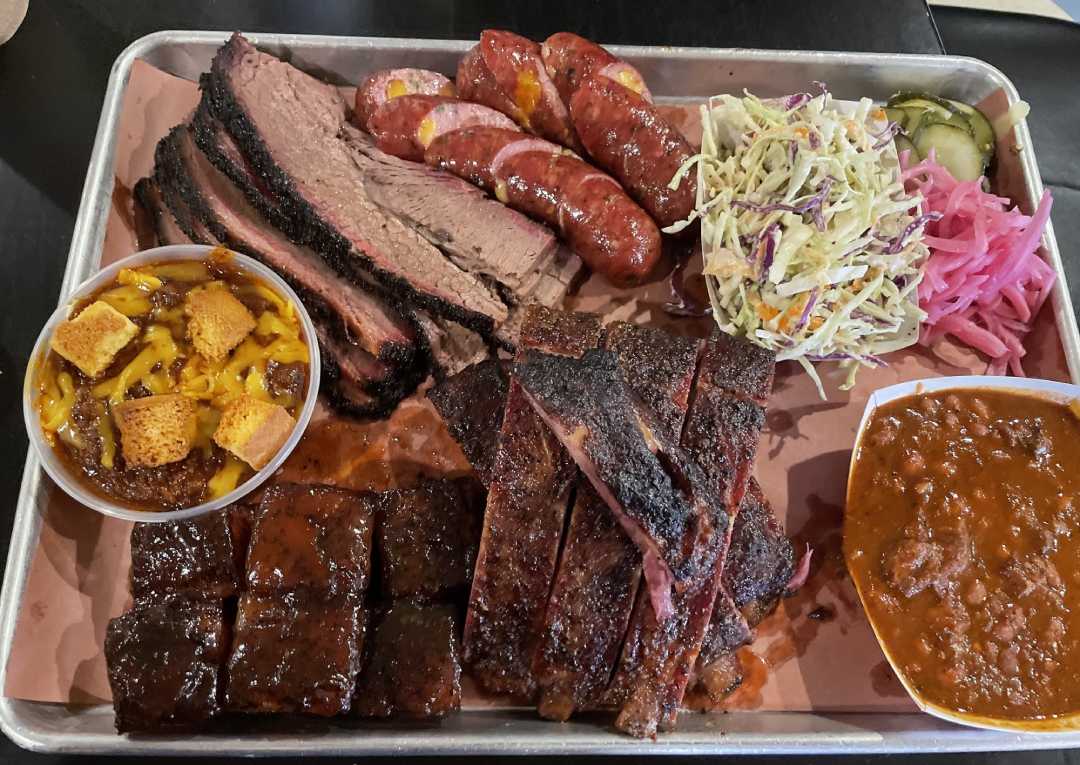
Outdoor cookouts became especially popular during the 19th and early 20th centuries as families gathered to celebrate the Fourth of July together. Grilling hamburgers, hot dogs, corn on the cob, and other summer favorites remains one of the holiday’s most recognizable traditions.
Trending on The Scroller
6. Patriotic Concerts
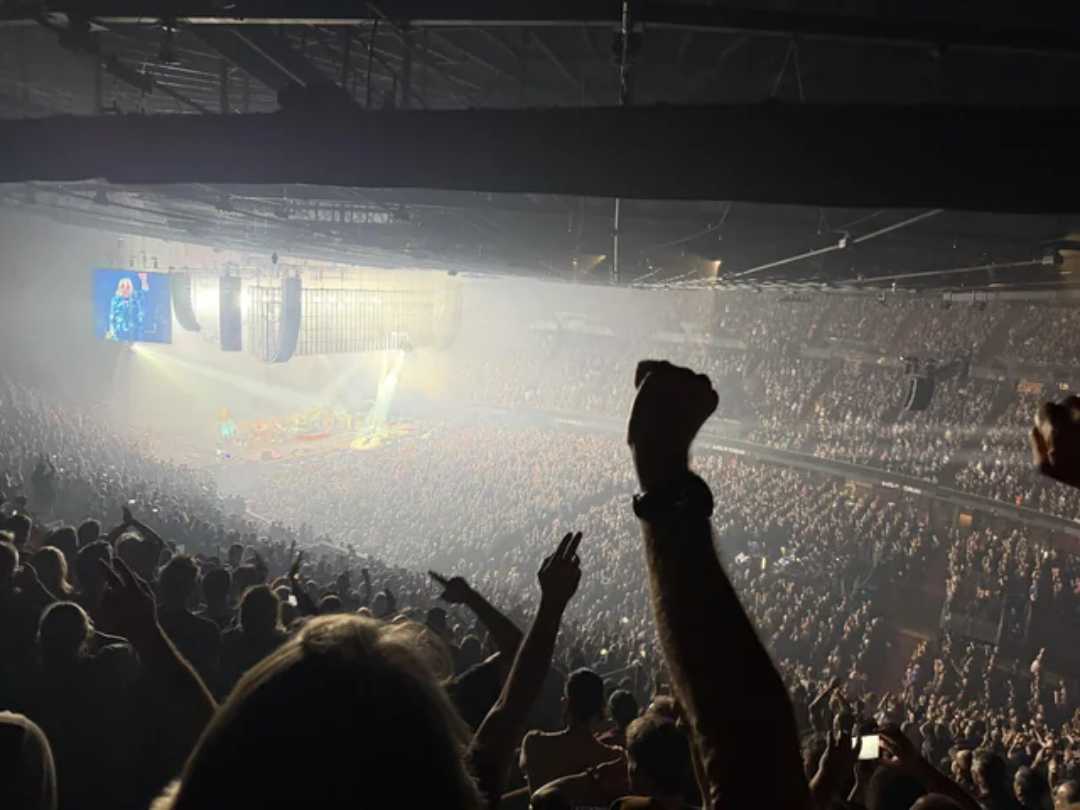
Patriotic music has been part of Fourth of July celebrations for generations. Community bands often perform classics such as ‘The Stars and Stripes Forever,’ while orchestras and choirs present concerts honoring American history and military service.
7. Wearing Red, White, and Blue
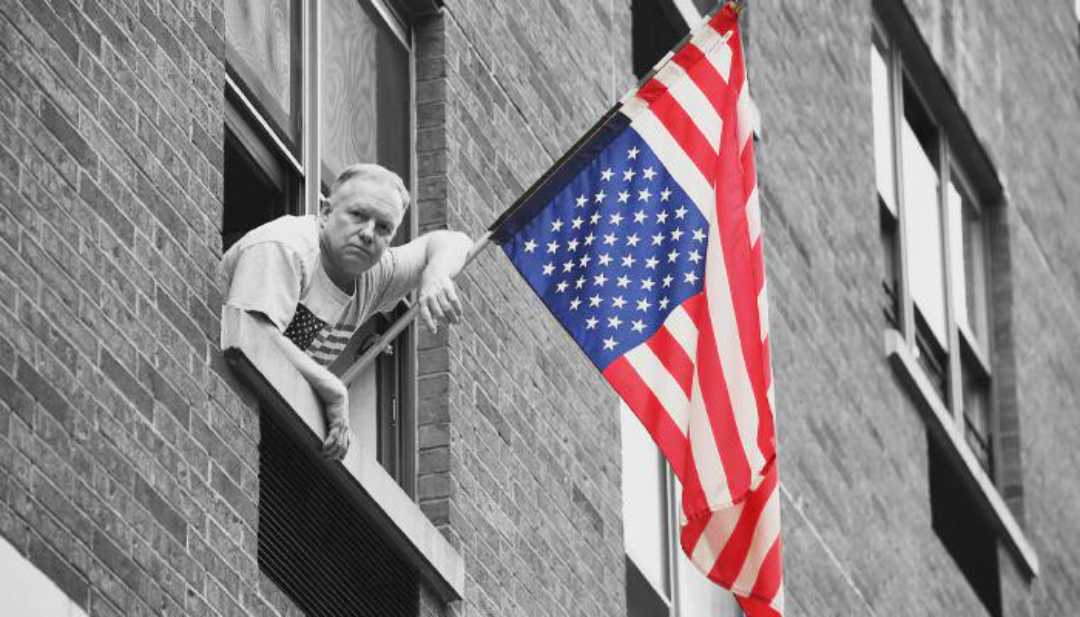
Dressing in the nation’s colors became increasingly common during the late 19th century. Today, many people wear red, white, and blue clothing, accessories, or face paint to show their patriotic spirit during Fourth of July festivities.
8. Picnics in Parks
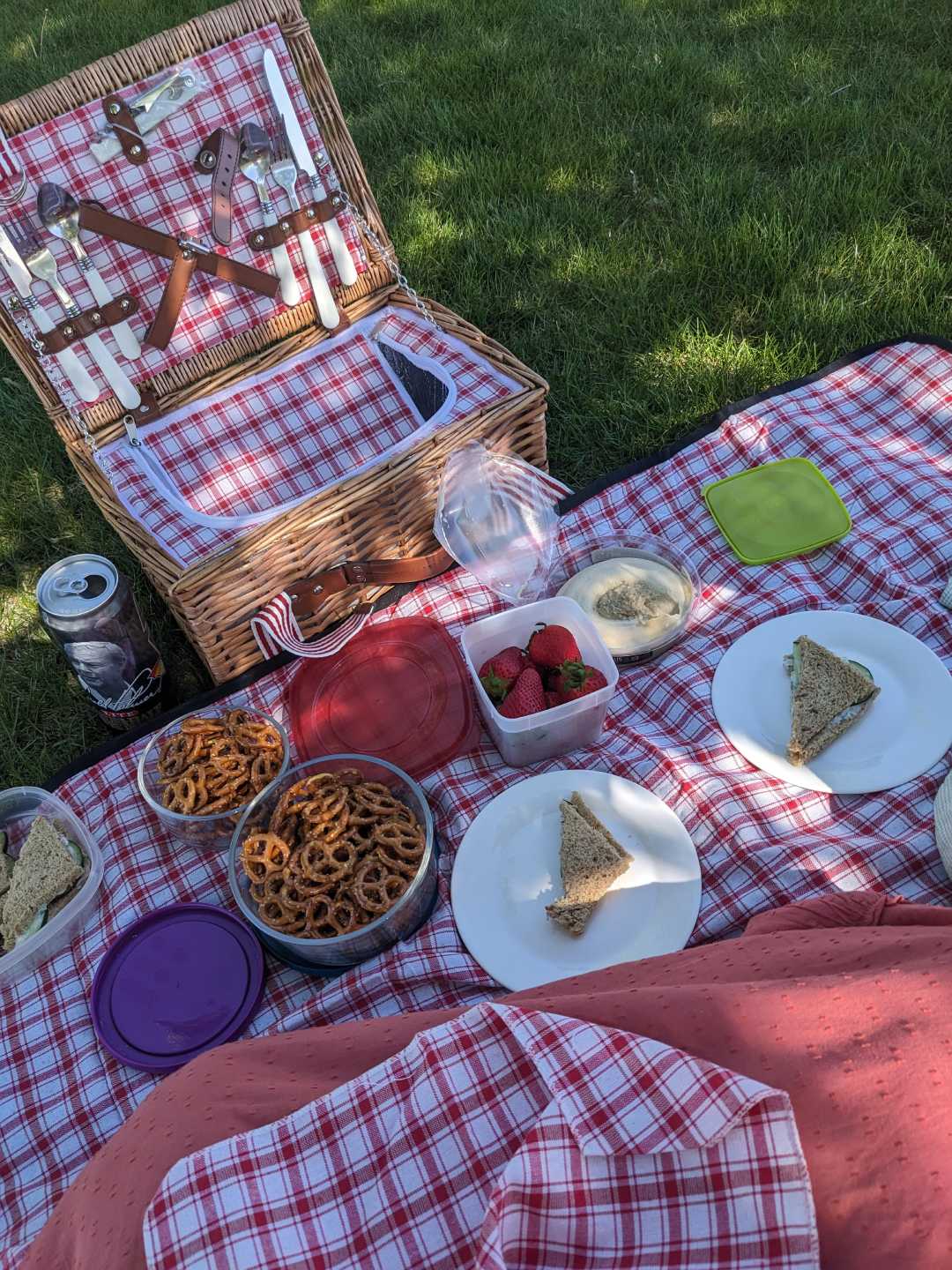
Public parks became popular gathering places during the 1800s, making picnics a natural part of Fourth of July celebrations. Families enjoy spending the holiday outdoors with games, food, and community events.
Sign up for our newsletter
9. Baseball Games on Independence Day
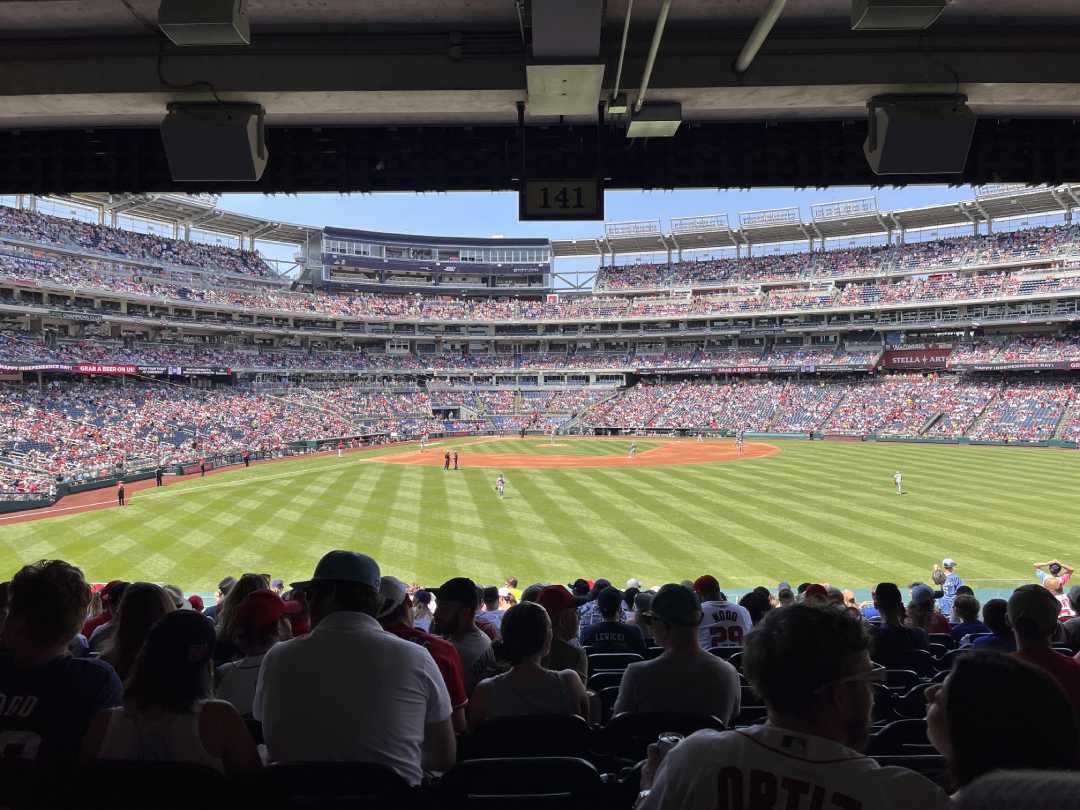
Baseball has often been called America’s pastime, making it a fitting Fourth of July tradition. Many professional and amateur teams schedule special holiday games featuring patriotic ceremonies and postgame fireworks.
10. Patriotic Decorations
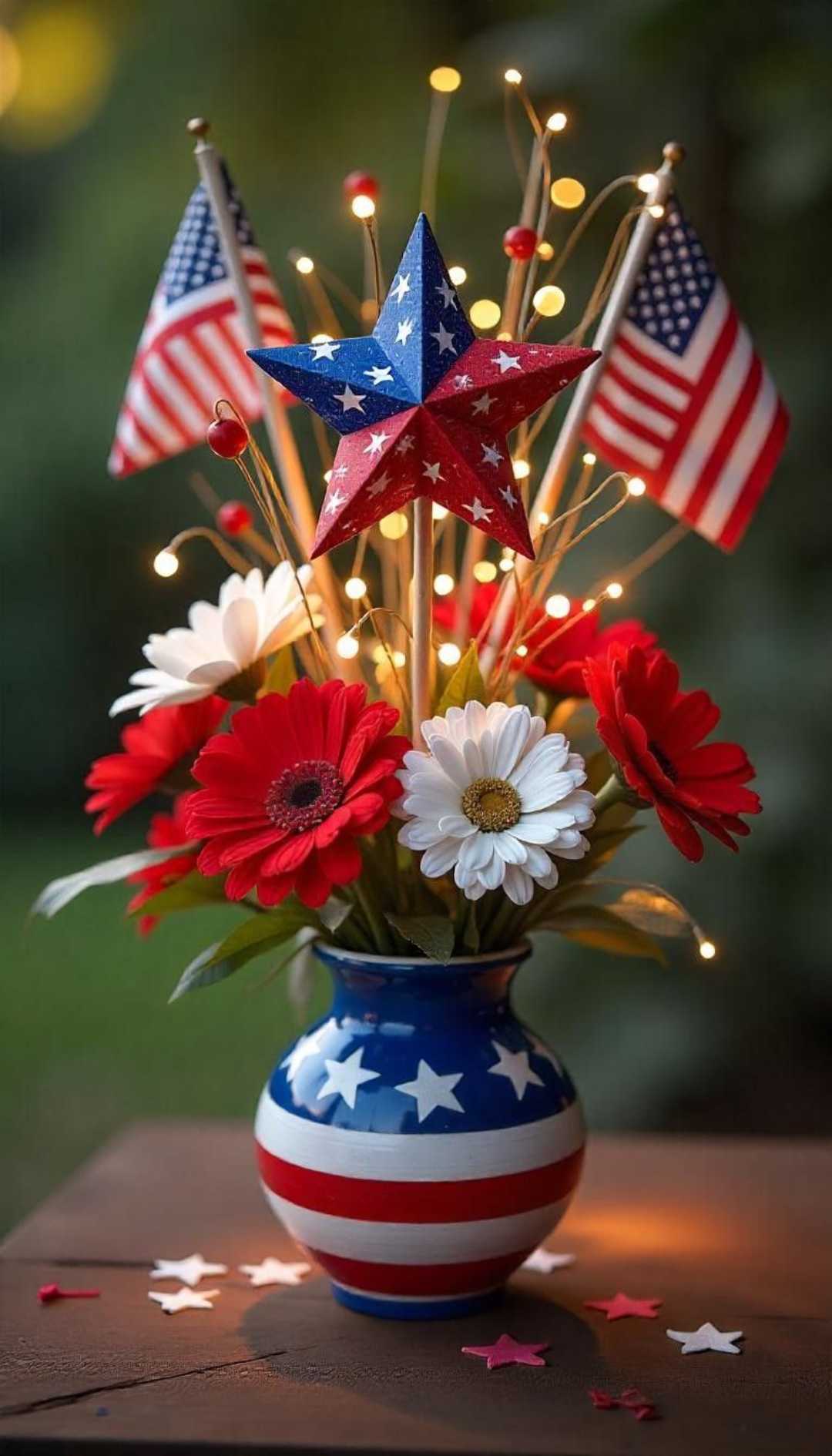
Homes, businesses, and public spaces are decorated with flags, bunting, banners, ribbons, and stars throughout the Fourth of July season. These decorations reflect the patriotic spirit that has long accompanied Independence Day celebrations.
11. Visiting Historic Landmarks
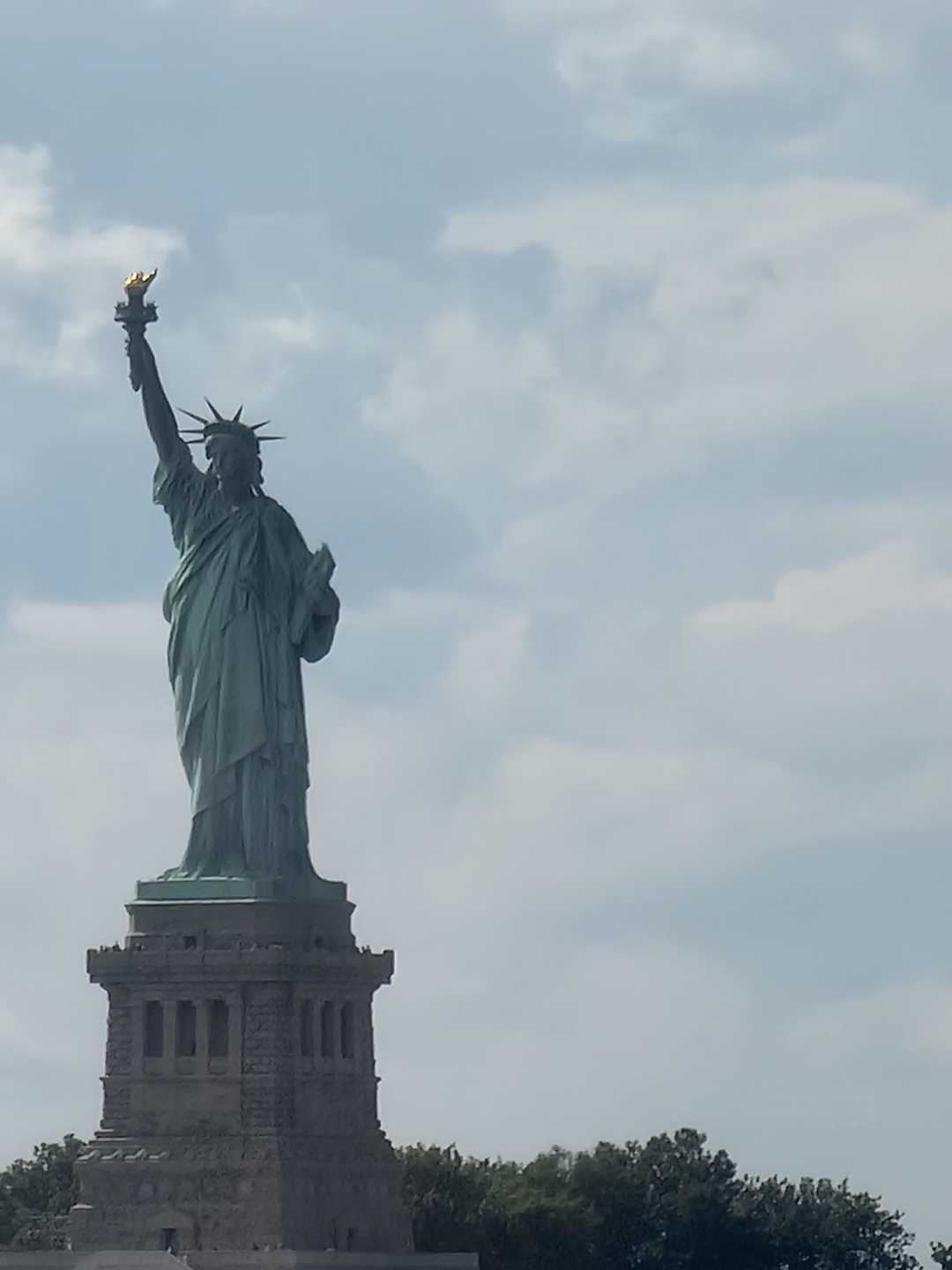
Many Americans celebrate by visiting museums, battlefields, presidential homes, and other historic landmarks. These trips help connect modern celebrations with the people and events that shaped the nation’s founding.
12. Community Festivals
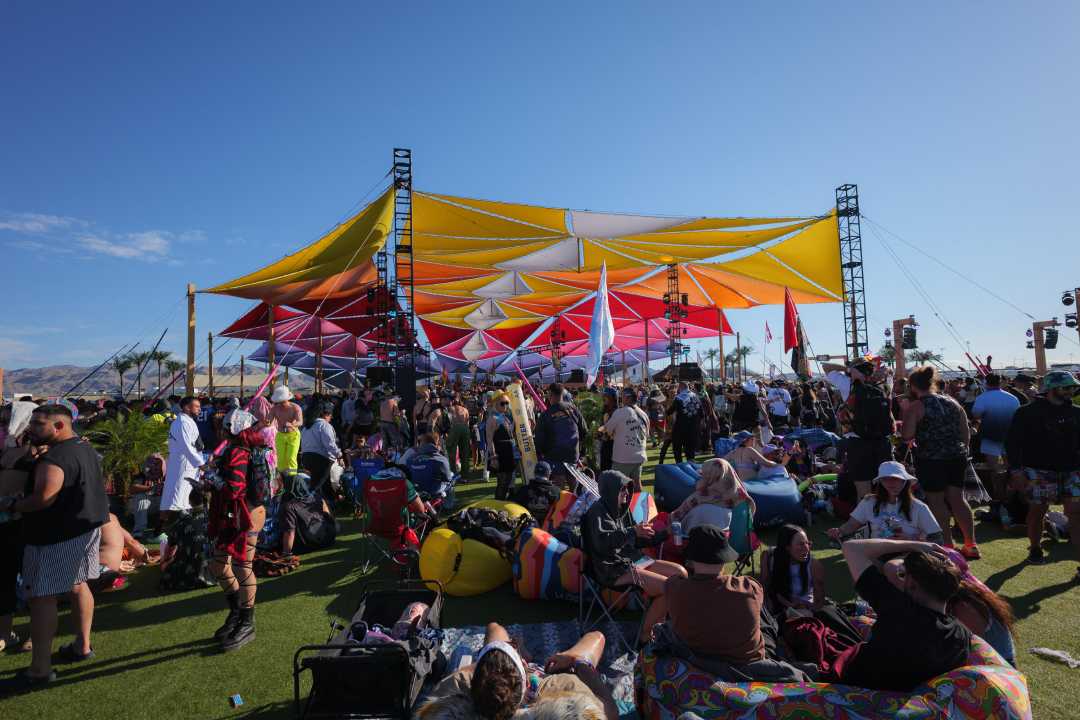
Small towns and large cities alike organize festivals featuring food vendors, live entertainment, craft fairs, carnival rides, and family-friendly activities. These festivals continue the longstanding tradition of celebrating together as a community.
13. Honoring Military Members and Veterans
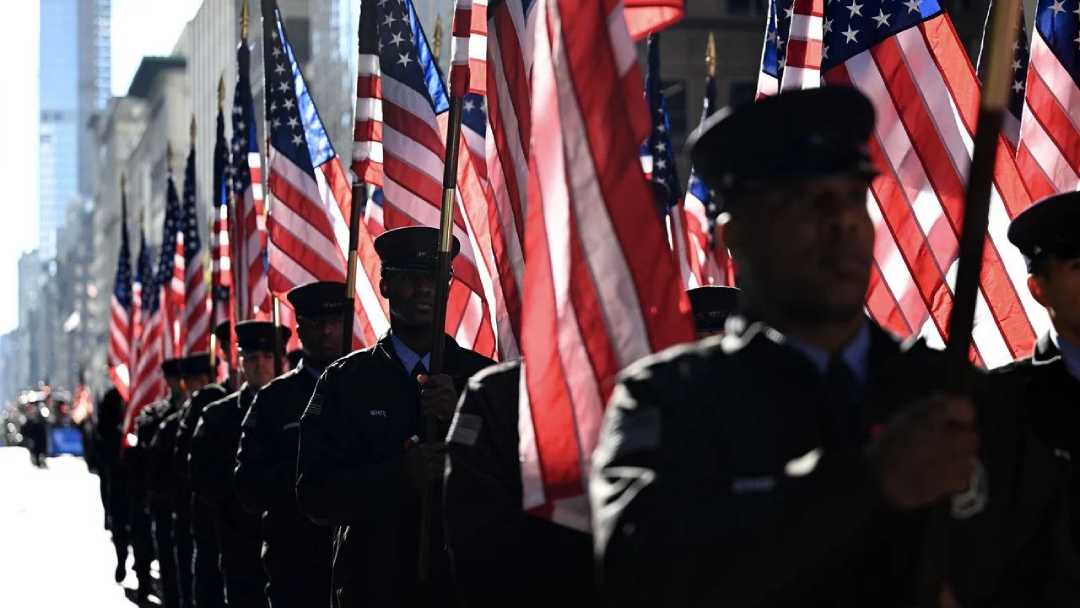
Many Fourth of July ceremonies include moments recognizing active-duty military personnel and veterans. While Independence Day primarily celebrates the nation’s founding, honoring those who have served has become an important modern tradition.
14. Singing Patriotic Songs
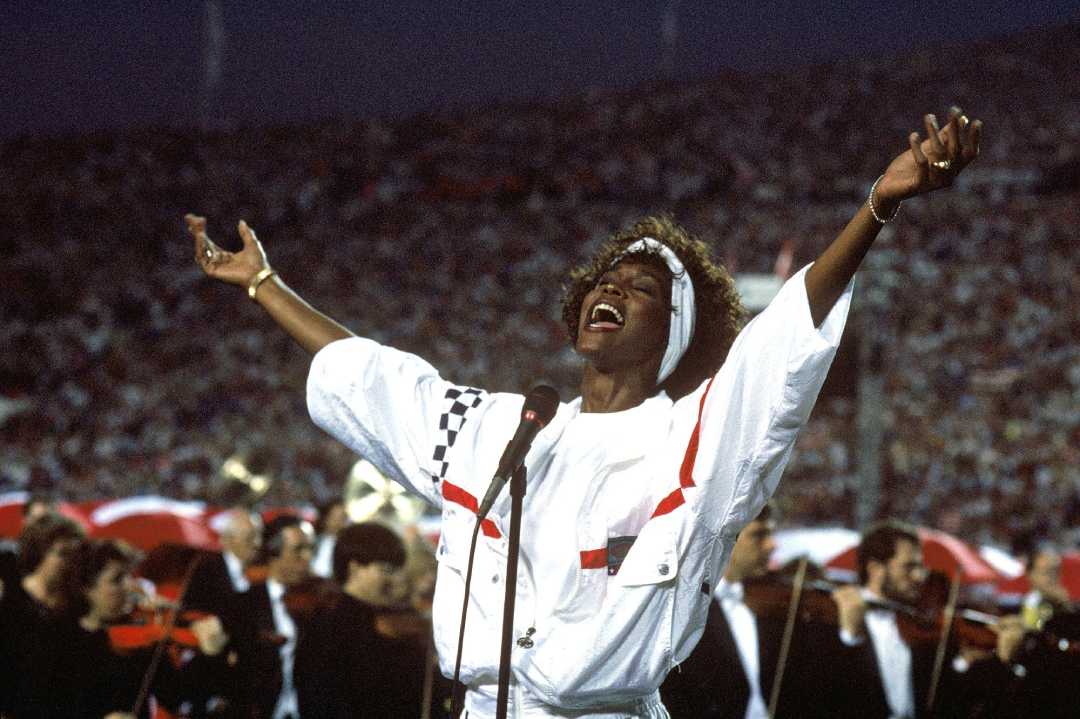
Songs like ‘America the Beautiful,’ ‘God Bless America,’ and ‘The Star-Spangled Banner’ are commonly performed during Fourth of July events. Music has helped bring communities together during Independence Day celebrations for generations.
15. Watching Historical Reenactments
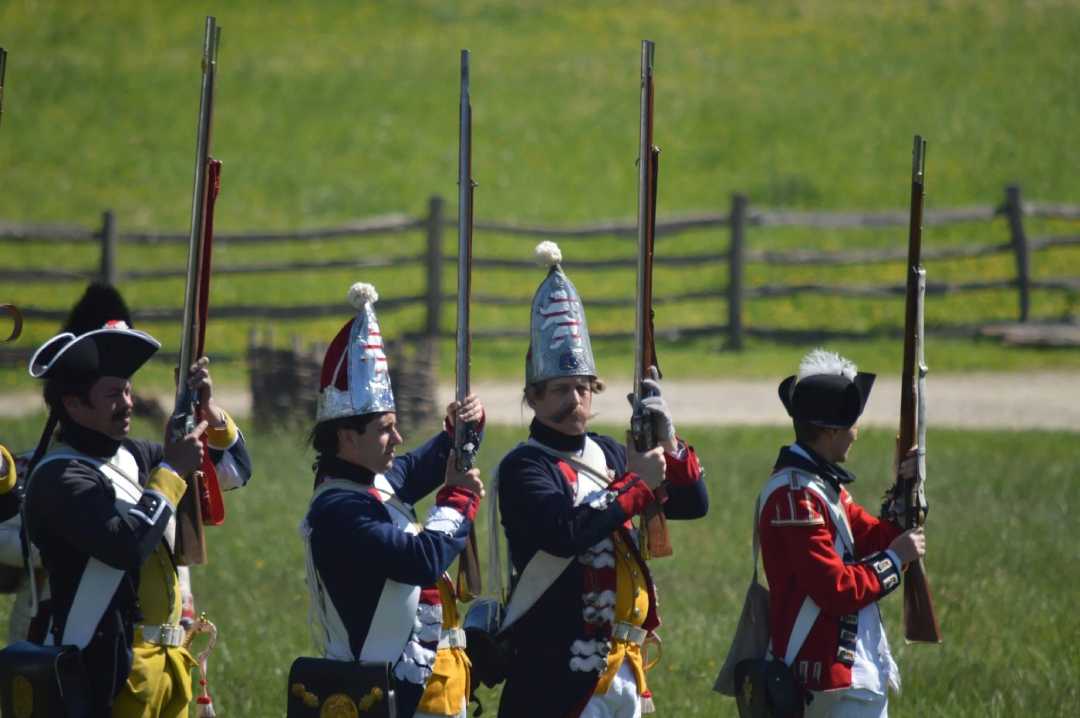
Historic villages and museums often host reenactments featuring Revolutionary War soldiers, colonial crafts, and demonstrations of life in the 18th century. These events help visitors better understand the origins of Independence Day.
16. Watching the National Independence Day Celebration in Washington, D.C.
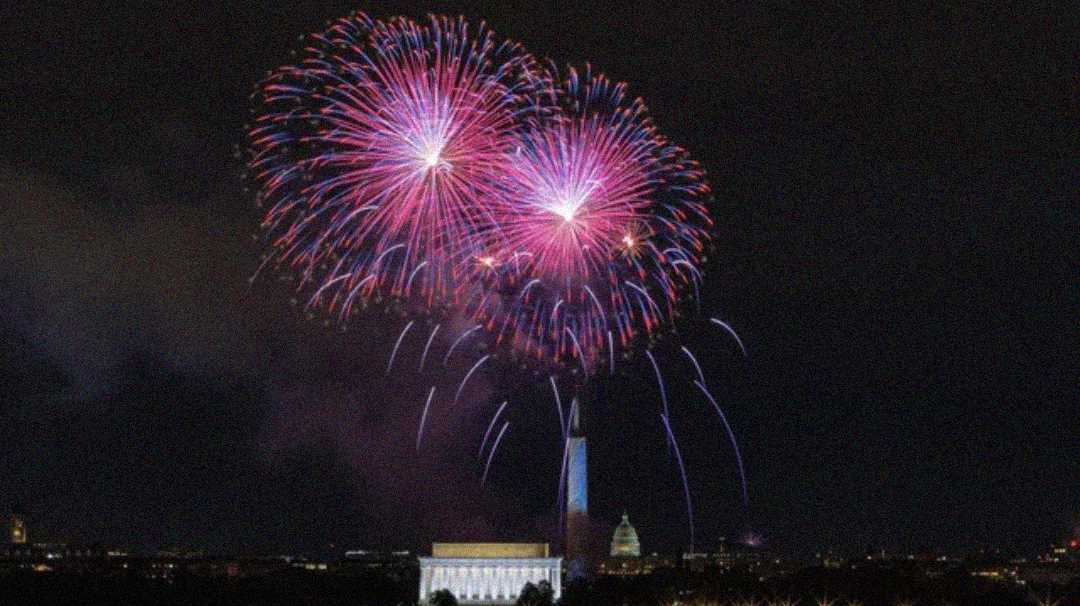
Every Fourth of July, thousands of people travel to the nation’s capital to attend the National Independence Day Celebration in Washington, D.C. The event typically includes the National Independence Day Parade, the A Capitol Fourth concert on the West Lawn of the U.S. Capitol, and a large fireworks display over the National Mall. While these celebrations became established in the 20th century, they have grown into one of the country’s most recognizable Independence Day traditions.
If you enjoyed learning about the history behind these Fourth of July traditions, be sure to explore more of our articles about American history, national holidays, and the fascinating stories behind the events that continue to shape the United States. There’s always another chapter of history waiting to be discovered: 12 Strange 1800s Laws That Were Actually Enforced, 16 Unexpected Quotes From Historical Figures That Sound Like They Were Written Yesterday, and 14 Colorized Photos That Capture Soldiers Coming Home After WWII.