History often feels like a series of dusty portraits and dry textbook passages, leaving us with the impression that people from previous centuries lived in a completely different psychological reality. We tend to view our modern struggles with technology, societal division, personal anxiety, and politics as entirely unique to our generation. When we look back at old letters, philosophy books, or political speeches, we expect to find formal language that feels completely disconnected from our daily routines. This separation makes it easy to believe that ancient societies could never truly comprehend the modern human experience.
Still, human nature has remained remarkably consistent across thousands of years, and the wisdom left behind proves that our ancestors faced the exact same daily dilemmas. When we look closely at private journals and ancient manuscripts, we find remarkable observations that completely shatter our preconceptions about the past. These timeless voices address topics like internet culture, fake news, urban exhaustion, and relationships with shocking precision. Let’s delve into sixteen unexpected quotes from historical figures that sound like they were written yesterday.
1. “This discovery of yours will create forgetfulness in the learners’ souls, because they will not use their memories; they will trust to the external written characters and not remember of themselves.”
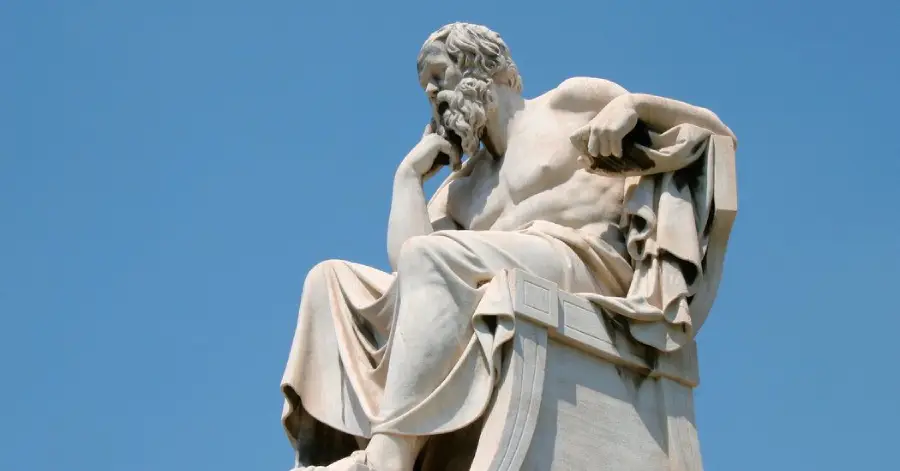
Socrates famously argued against the widespread adoption of the written word in ancient Greece because he believed it would ruin human memory and deep critical thinking. He worried that people would consume vast amounts of information without proper instruction, gaining a false reputation for wisdom while remaining fundamentally ignorant. This ancient perspective perfectly mirrors contemporary warnings about our over-reliance on smartphone notifications and online search engines to store everyday information. An interesting historical fact is that Socrates never wrote down any of his philosophical ideas himself, which is why all of his surviving dialogues come exclusively from the notes of his student, Plato.
2. “To be everywhere is to be nowhere. People who spend their whole life traveling end up having plenty of places where they can find hospitality but no real friendships.”
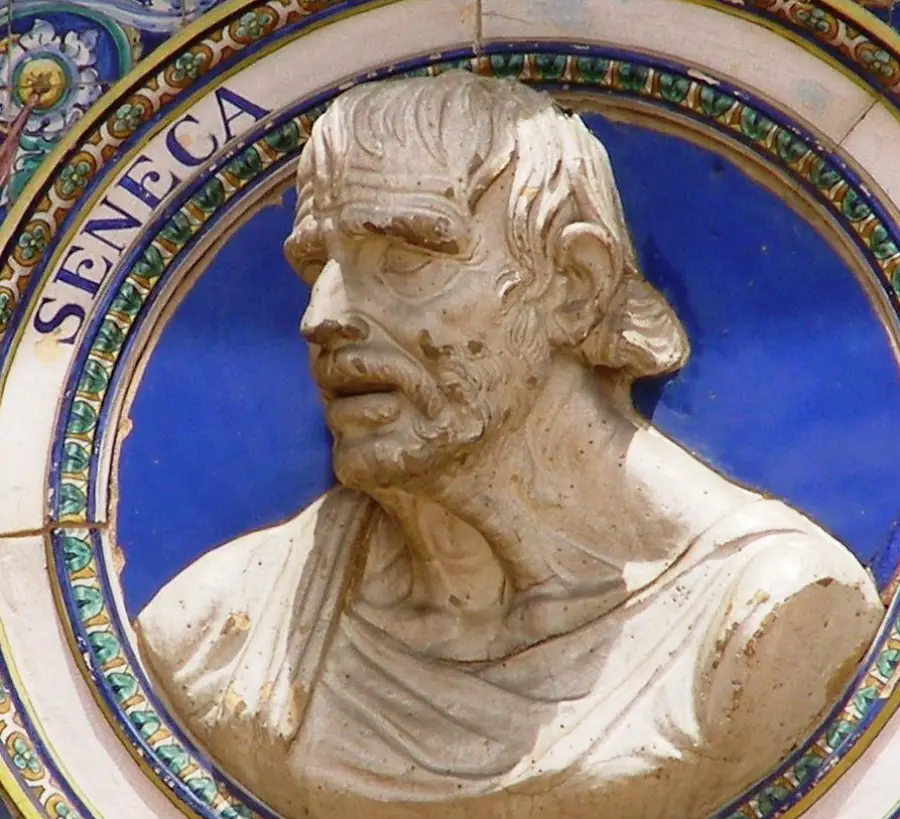
The Stoic philosopher Seneca wrote this warning to his friend Lucilius regarding the habit of reading too many different books and constantly changing focus. He believed that jumping rapidly between different ideas prevents the mind from truly digesting knowledge, leaving an individual feeling spiritually unsettled and fragmented. His ancient advice reads exactly like a modern self-help guide designed to help people overcome the exhaustion of endless social media scrolling and digital notifications. Interestingly, Seneca managed to write some of Rome’s greatest philosophical essays while serving as a prominent political advisor in the chaotic and highly dangerous imperial court of Emperor Nero.¡
3. “A lie can travel halfway around the world while the truth is putting on its shoes.”
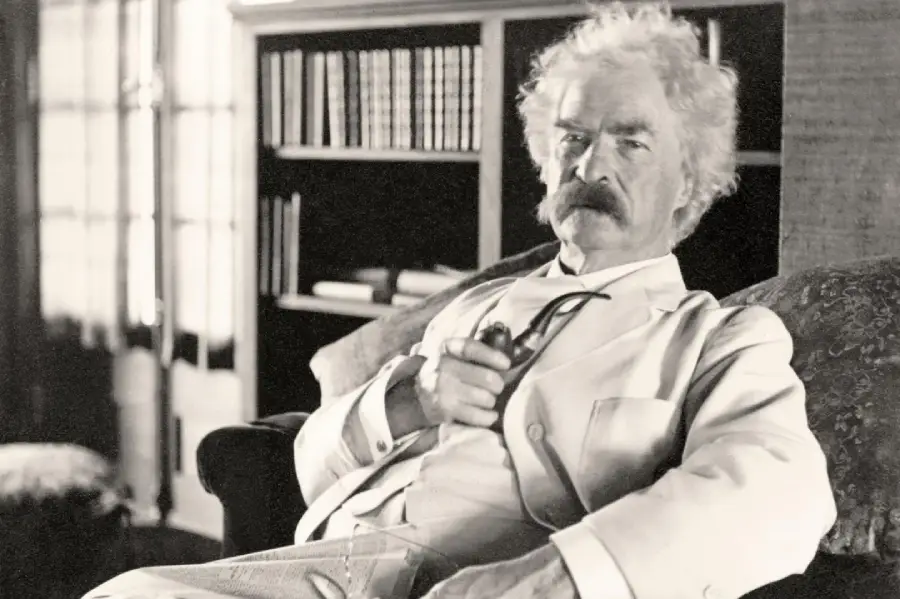
Mark Twain was a master observer of human nature who perfectly captured how sensational rumors and false stories always spread significantly faster than verified facts. People are naturally drawn to shocking or emotionally charged headlines, which allows inaccurate information to take root in the public consciousness before corrections can be made. This brilliant observation predates the invention of internet algorithms and viral social media posts by more than a century. A fascinating biographical detail confirms that Twain actually worked as a young newspaper reporter in Nevada, where he regularly witnessed how local editors exaggerated mining stories to boost daily sales.
4. “You seek for knowledge and wisdom, as I once did; and I ardently hope that the gratification of your wishes may not be a serpent to sting you, as mine has been.”
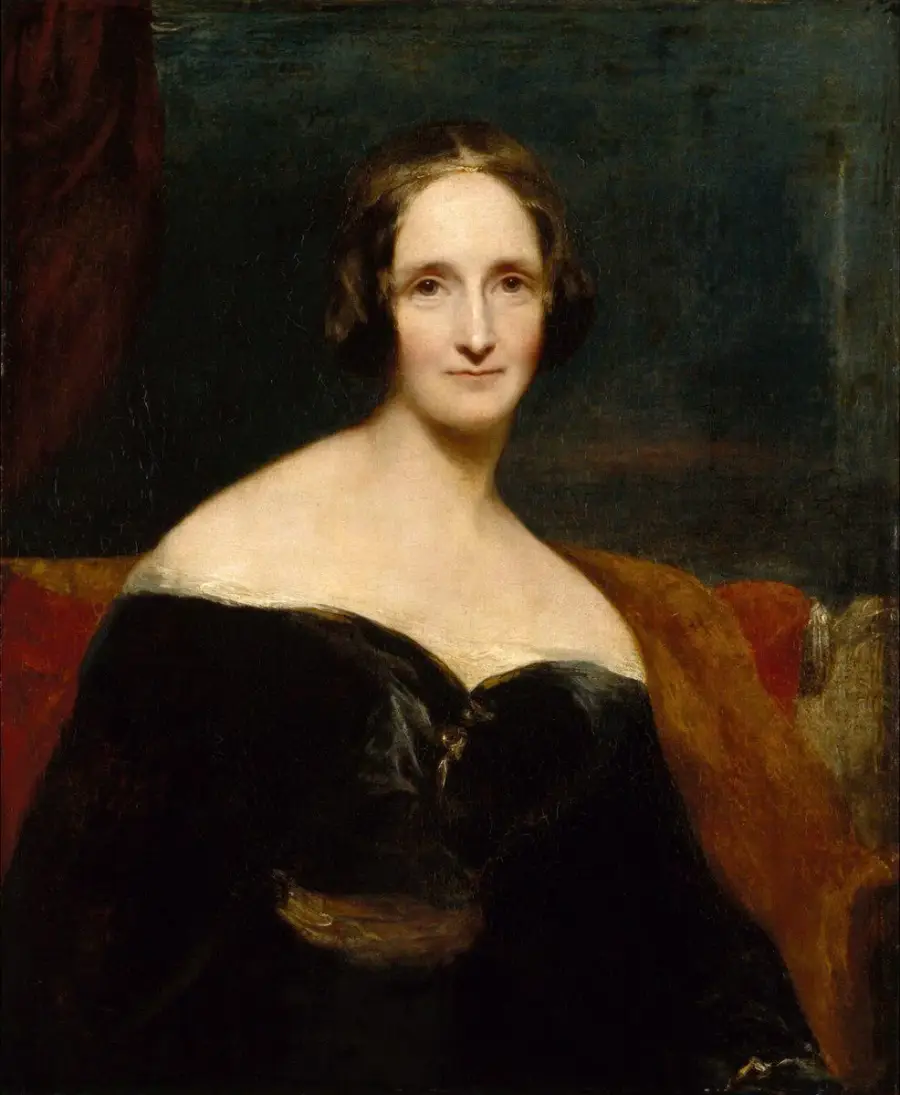
In her masterpiece Gothic novel, Mary Shelley warned humanity about the psychological dangers of pursuing scientific advancement without considering the moral consequences. Her characters discover that creating an independent, thinking life can easily lead to a profound loss of control and deep personal isolation. This haunting sentiment directly reflects the current anxieties shared by modern tech executives and ethicists regarding the unchecked expansion of artificial intelligence. It is worth noting that Shelley was only eighteen years old when she began writing this revolutionary story during a rainy summer trip to Switzerland.
5. “There is no such thing as a free lunch.”
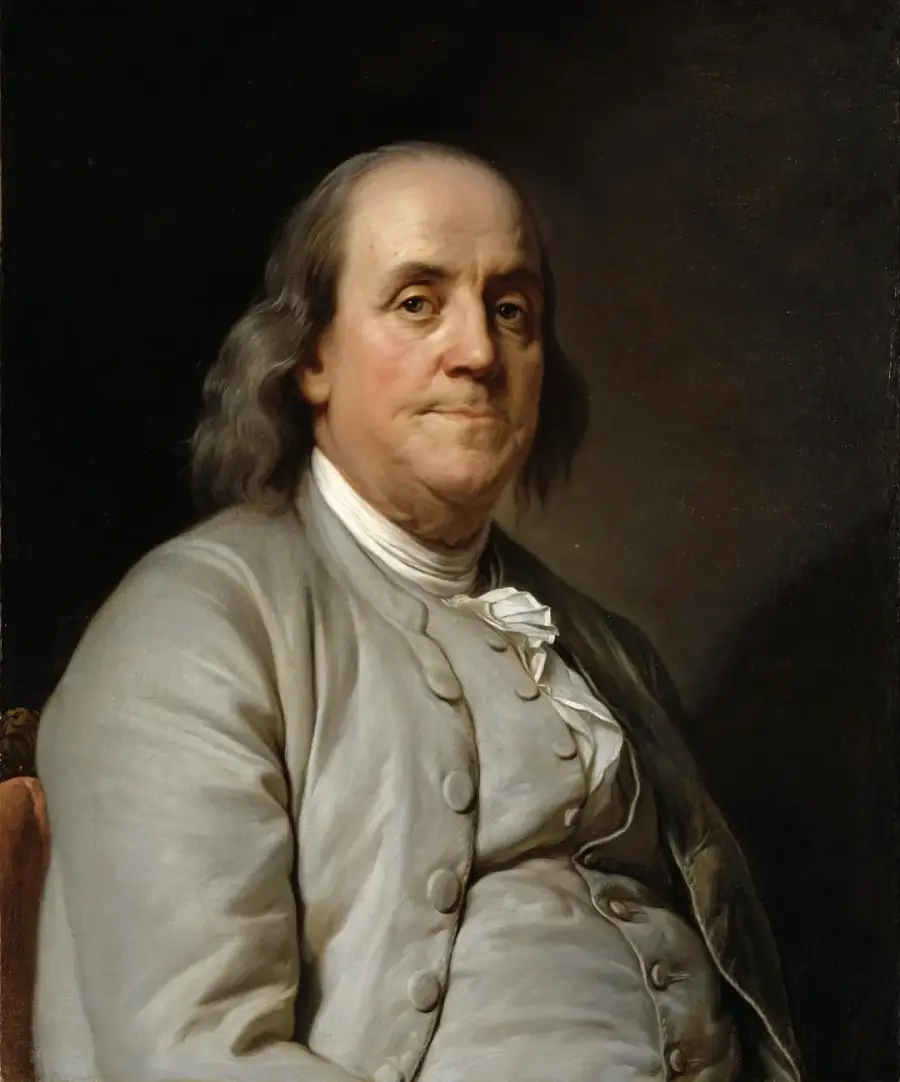
Benjamin Franklin understood that whenever a valuable service or product is offered for no apparent cost, there is always a hidden financial transaction taking place behind the scenes. In the modern digital economy, this manifests in how massive platforms offer free apps in exchange for collecting and selling user tracking data. The timeless phrase reminds us that true independence requires a clear understanding of what we are actually sacrificing for convenience. While the quote became a cornerstone of modern economic theory, Franklin himself famously refused to patent any of his inventions, including the lightning rod, because he believed they should be shared freely with the public.
Trending on The Scroller


6. “Most people are other people. Their thoughts are someone else’s opinions, their lives a mimicry, their passions a quotation.”
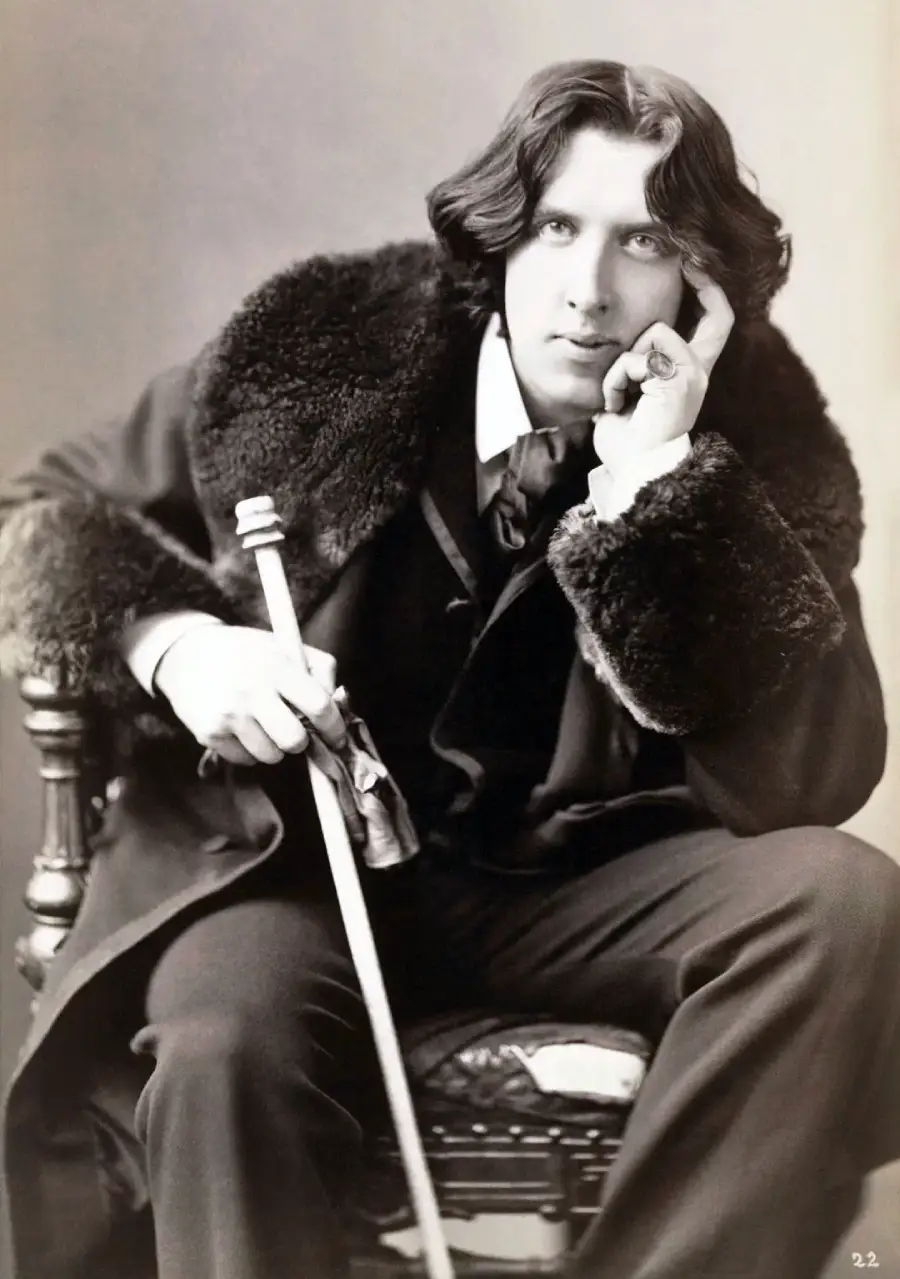
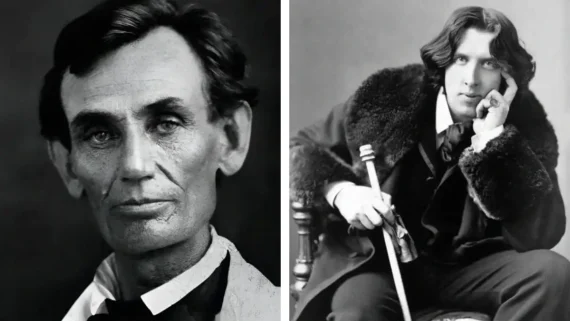
Oscar Wilde used his razor-sharp wit to criticize how easily individuals surrender their unique identities to conform to the prevailing trends of popular society. He noticed that many people simply echo the catchphrases, political views, and lifestyles of prominent public figures rather than developing authentic perspectives of their own. This critique feels incredibly relevant today as we watch influencer culture and viral trends dictate how millions of people dress, speak, and think online. Interestingly, Wilde was one of the world’s first modern celebrities who consciously cultivated his flamboyant public image through planned press interviews and international lecture tours.
7. “Nothing can now be believed which is seen in a newspaper. Truth itself becomes suspicious by being put into that polluted vehicle.”
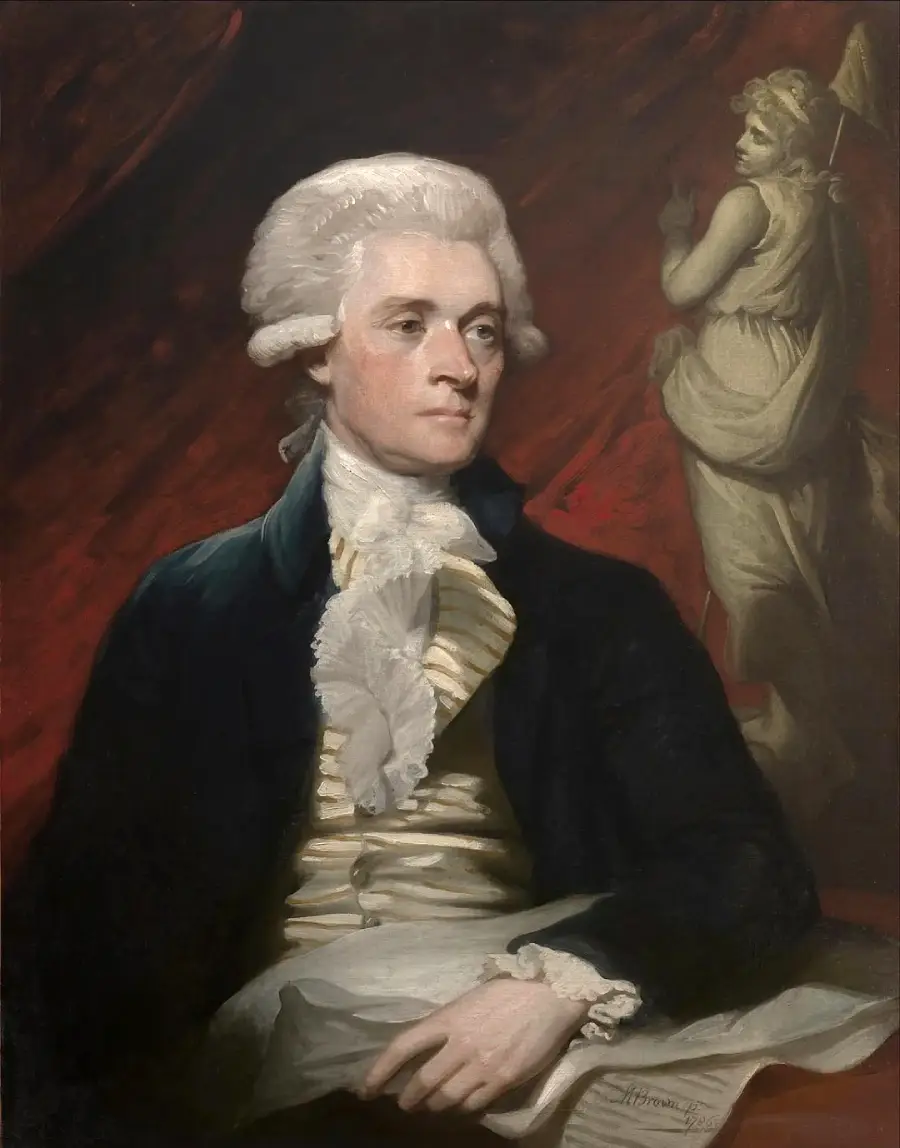
Thomas Jefferson expressed deep frustration with the highly partisan nature of early American journalism, arguing that editors routinely sacrificed facts to generate political outrage. He believed that the constant barrage of sensationalized stories would eventually destroy public trust and leave citizens completely unable to separate truth from fiction. This passionate critique sounds identical to modern debates surrounding biased news networks and the polarization of digital media outlets. A fascinating historical contradiction reveals that despite his harsh public complaints about the press, Jefferson remained an ardent defender of free speech who argued that a democracy could not function without newspapers.
8. “Everyone sees what you appear to be, few experience what you really are.”
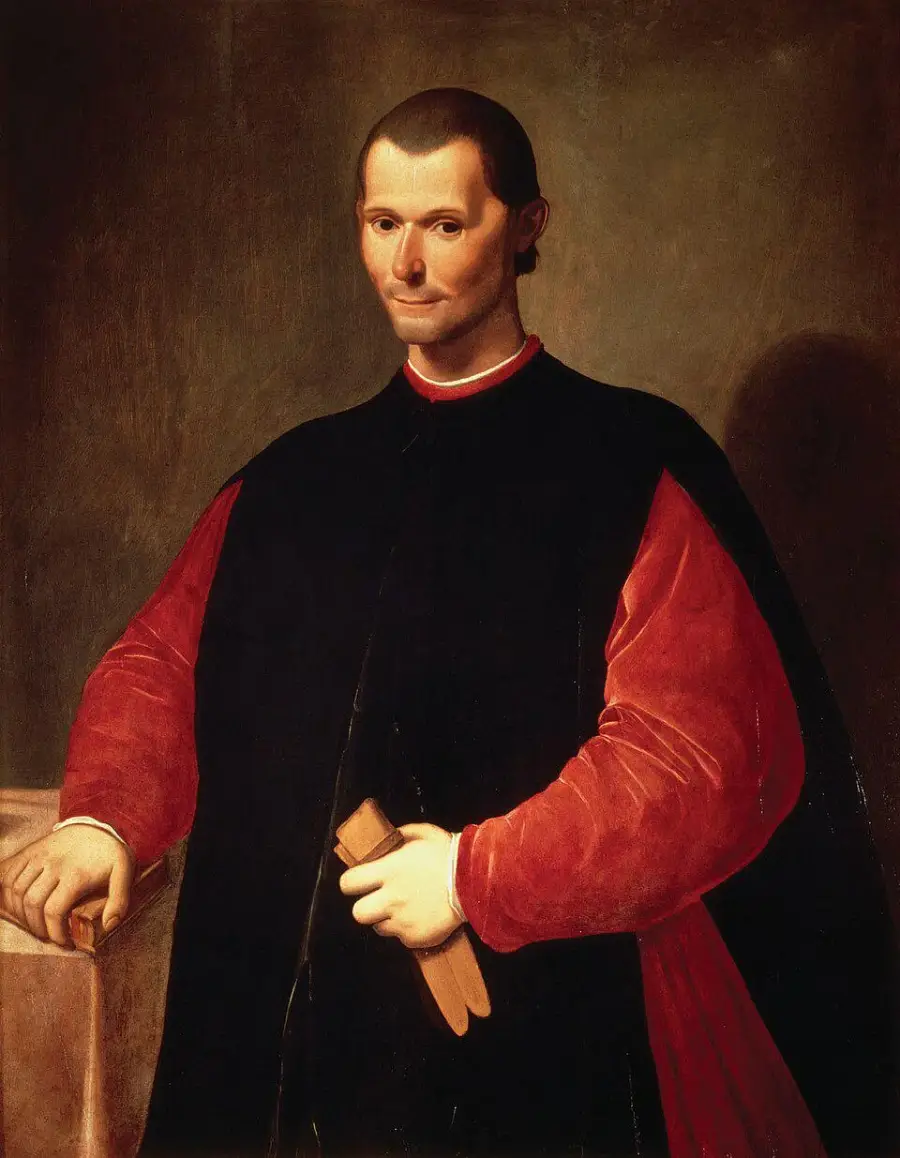
Niccolo Machiavelli explained that in the realm of leadership and public life, the curated image you present to the world matters far more than your actual private character. Most people do not have the time or access to discover who a public figure truly is, so they base their entire judgments on superficial appearances and carefully managed PR campaigns. This psychological insight forms the foundational blueprint for how political figures, corporations, and social media influencers construct their digital personas today. Despite his reputation for cold political calculation, Machiavelli wrote this advice while living in quiet exile on a small farm, spending his days playing card games with local laborers.
Sign up for our newsletter
9. “Cities give notions, but the country gives character.”
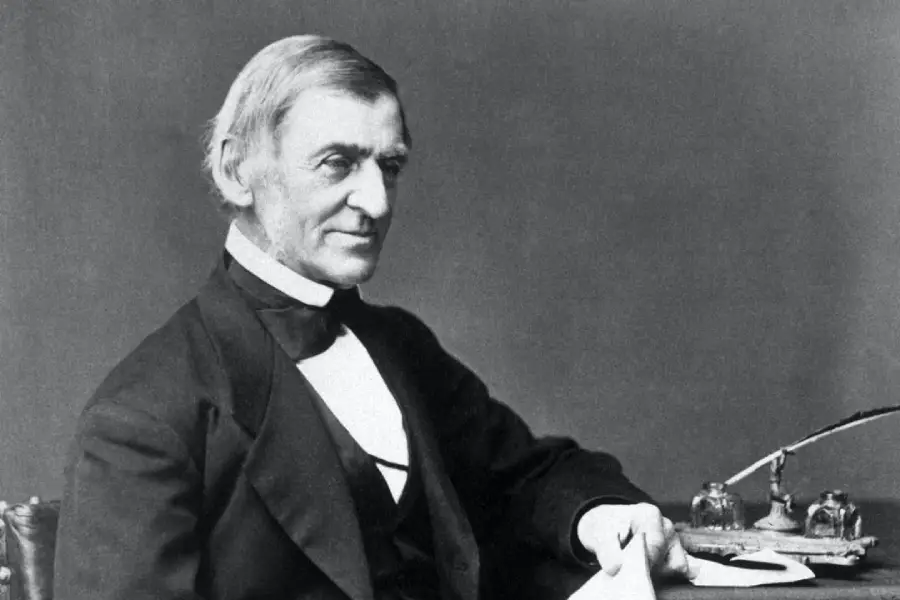
The transcendentalist writer Ralph Waldo Emerson noticed that dense urban environments bombard the human mind with a constant stream of superficial ideas, gossip, and social expectations. He argued that true mental clarity and moral strength can only be recovered by stepping away from the crowd to spend quiet time in nature. This beautiful observation speaks directly to modern workers who suffer from digital burnout and seek weekend retreats to escape the noise of city living. Emerson practiced exactly what he preached, living in the quiet town of Concord, Massachusetts, where he frequently hosted long walking discussions through the woods with his friend Henry David Thoreau.
10. “The Analytical Engine has no pretensions whatever to originate anything. It can do whatever we know how to order it to perform.”
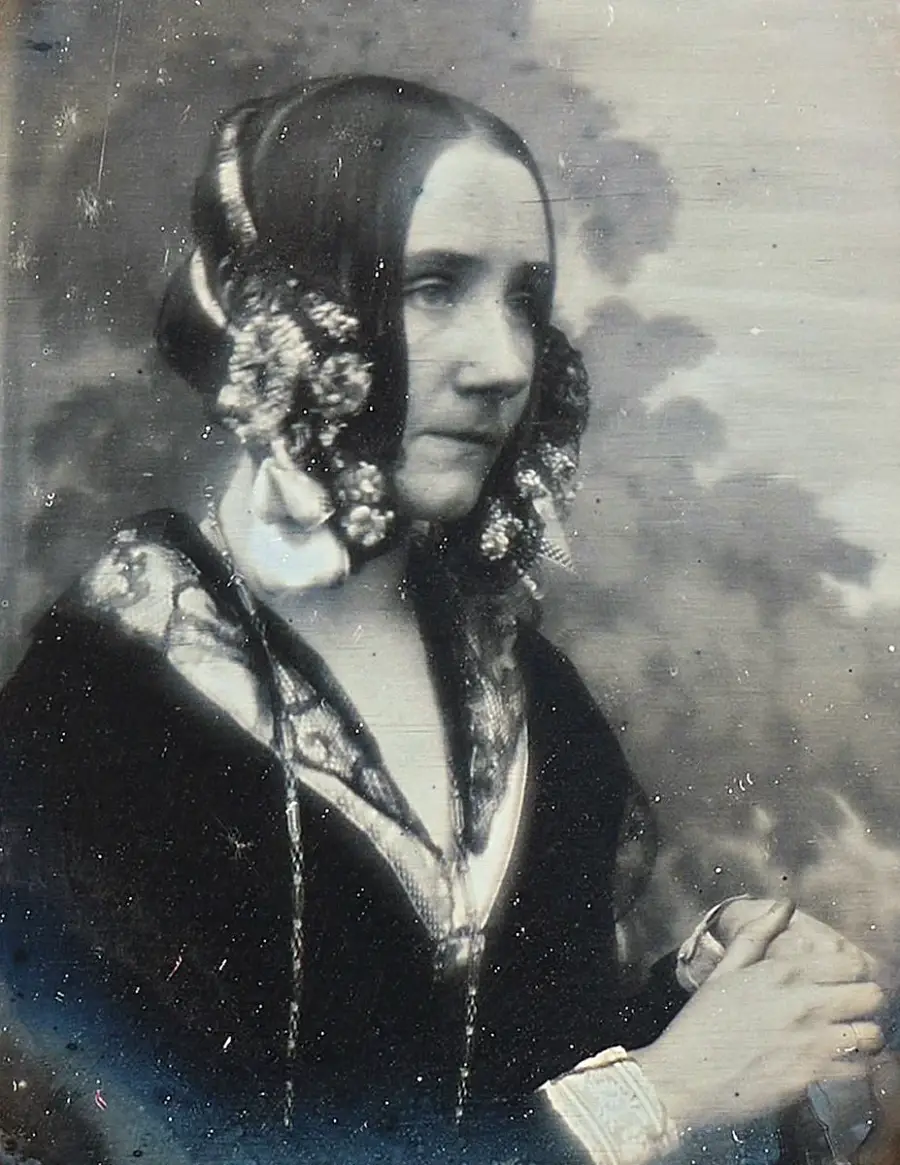
As the world’s very first computer programmer, Ada Lovelace accurately predicted the exact logical limits of mechanical computation back in the middle of the nineteenth century. She understood that while computing machines could process complex data and follow intricate instructions, they lacked genuine human creativity and spontaneous consciousness. This brilliant distinction remains the core argument used by modern computer scientists to explain why today’s advanced language models are not actually alive. Lovelace was a true visionary who realized that computers could be used to compose complex music and create art long before a functional machine was ever built.
11. “The cost of a thing is the amount of what I will call life which is required to be exchanged for it, immediately or in the long run.”
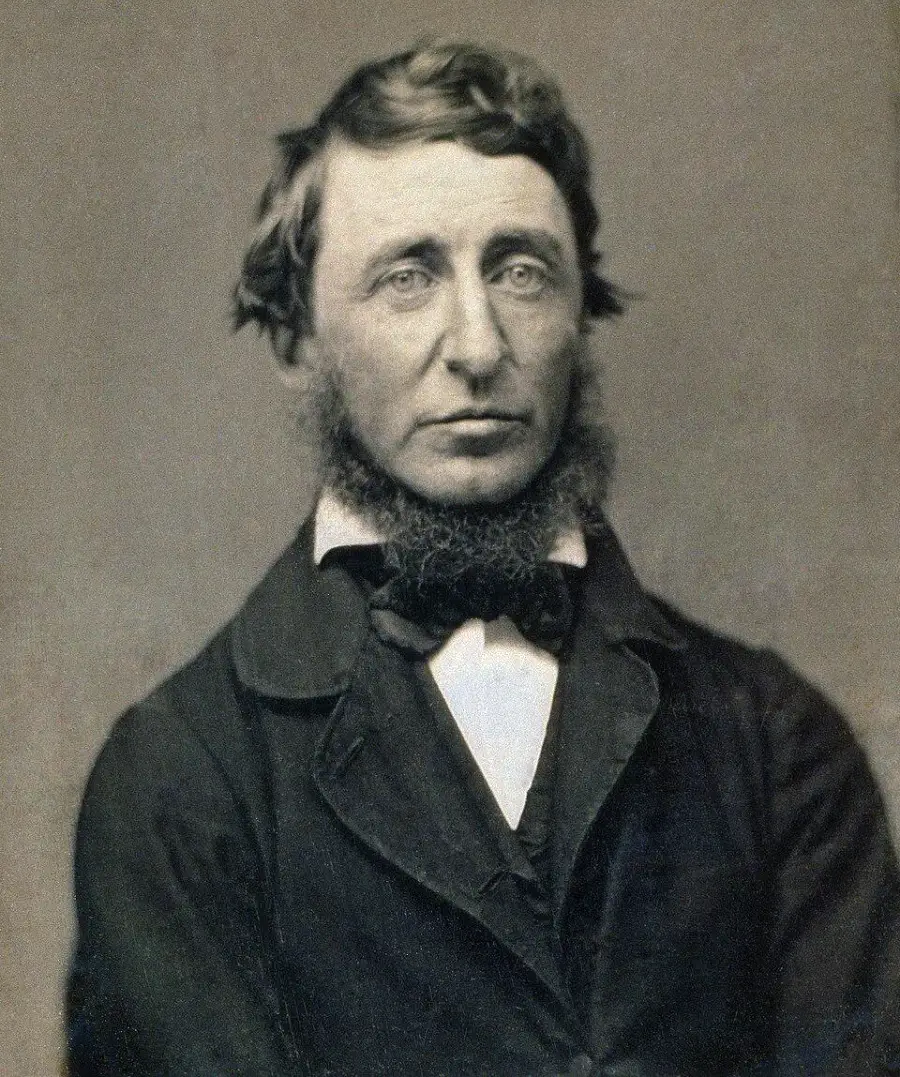
Henry David Thoreau revolutionized how people think about consumerism by arguing that we do not just pay for luxury items with money, but with the actual time and energy we spend earning that income. He realized that accumulating unnecessary possessions often traps individuals in stressful work cycles, effectively trading away their personal freedom for material status. This minimalist philosophy serves as a powerful critique of today’s hyper-consumerist culture and the constant pressure to upgrade our electronic devices every year. To prove his economic theories, Thoreau built a tiny cabin by Walden Pond for just twenty-eight dollars and lived there independently for over two years.
12. “The budget should be balanced, the public treasury should be refilled, public debt should be reduced, the arrogance of officialdom should be tempered and controlled.”
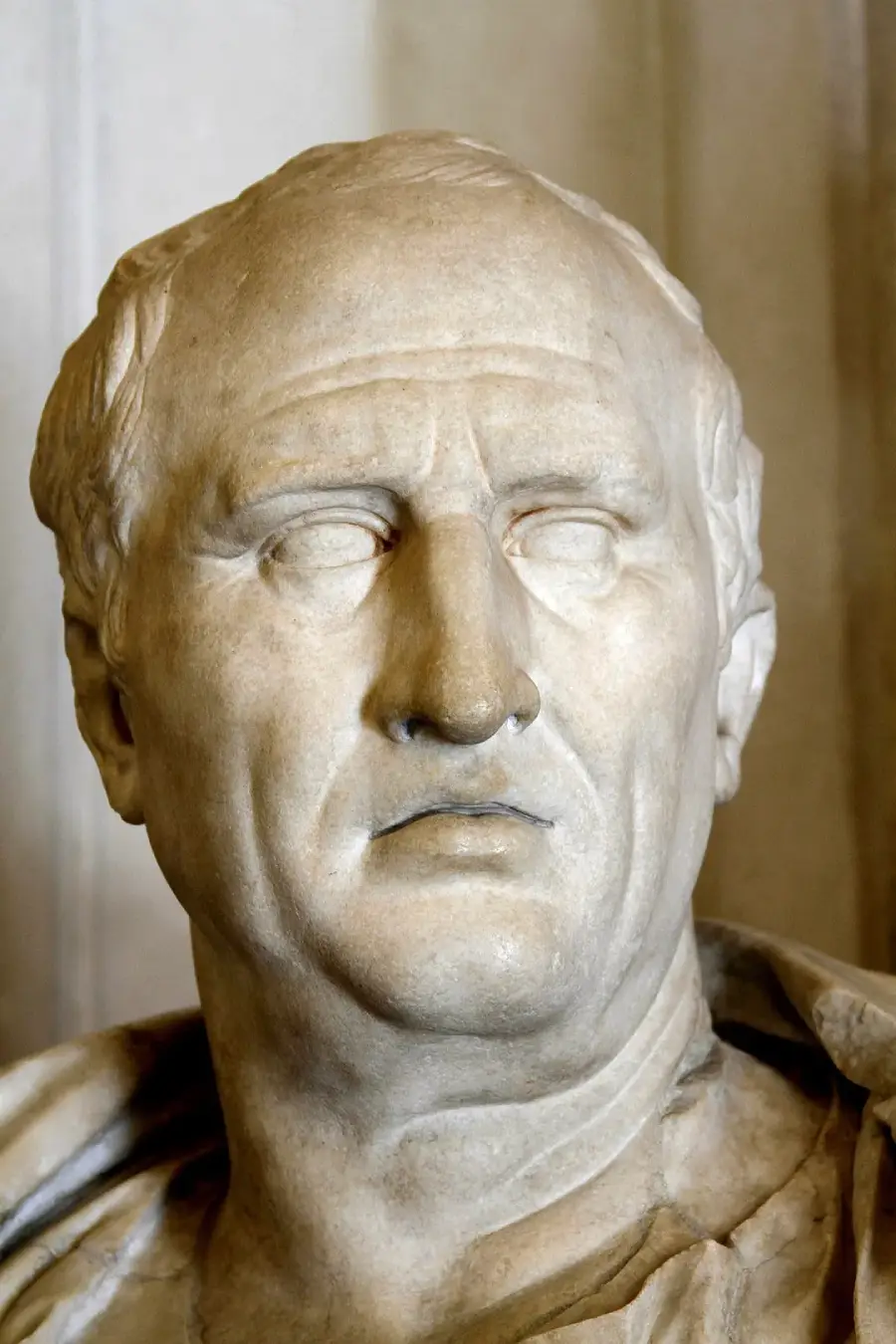
Cicero delivered this fiery warning during the final, turbulent decades of the Roman Republic as he watched politicians drain public funds to finance their personal ambitions. He observed that when government officials become completely disconnected from the financial realities of ordinary citizens, the entire stability of a nation begins to crumble from within. His ancient political speech reads exactly like a transcript from a modern congressional budget debate or a contemporary economic news editorial. Cicero was such a powerful public speaker that his political enemies eventually ordered his execution because they could no longer counter his brilliant arguments.
13. “For what do we live, but to make sport for our neighbors, and laugh at them in our turn?”
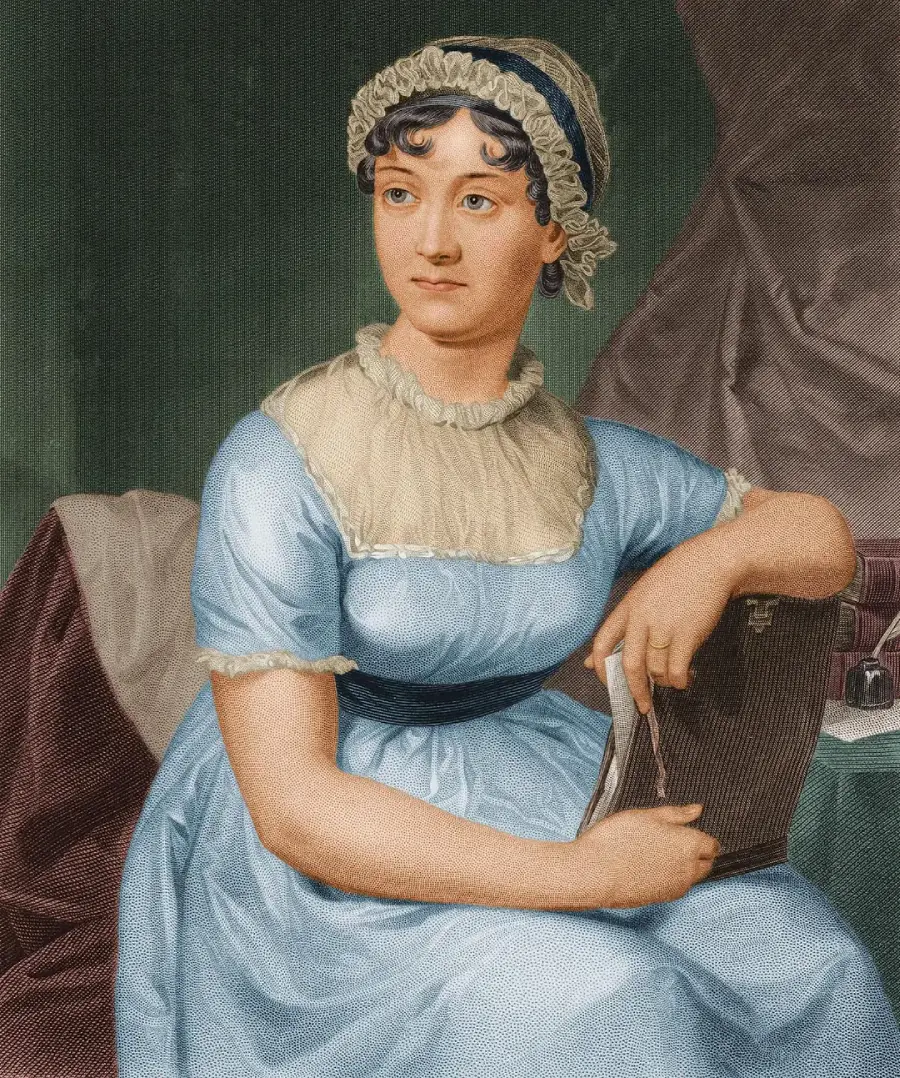
Jane Austen possessed an incredible gift for exposing the subtle vanities and social anxieties that govern everyday human relationships and neighborhood gossip. She understood that beneath the formal manners of polite society, people are constantly observing, judging, and quietly competing with those around them. This cynical yet humorous take on human interaction perfectly describes the modern experience of navigating social media feeds filled with curated lifestyles and subtle humblebrags. Austen spent her entire life observing these exact dynamics within small English country villages, writing her legendary novels on a tiny walnut table in a busy family sitting room.
14. “If I were to try to read, much less answer, all the attacks made on me, this shop might as well be closed for any other business.”
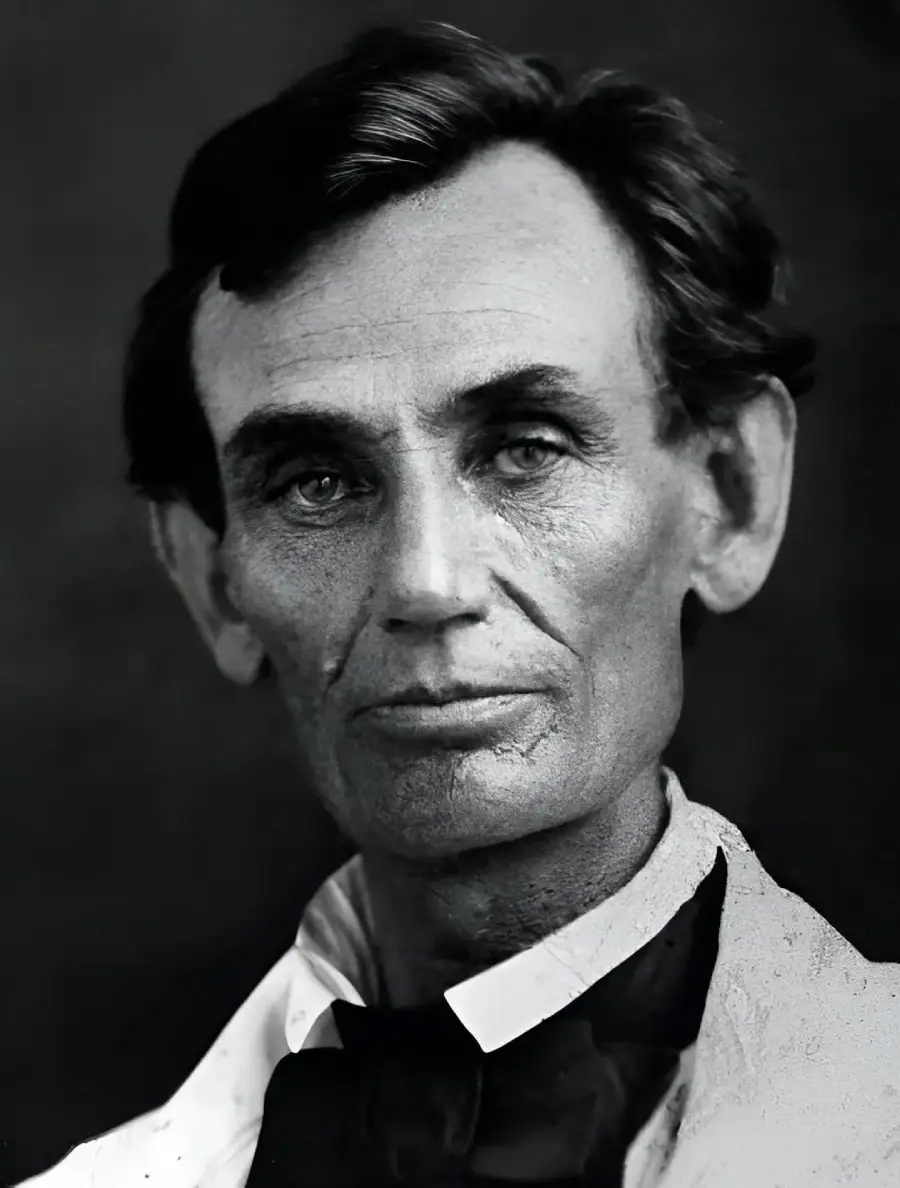
Abraham Lincoln faced an unprecedented wave of public scrutiny and intense media attacks during his presidency, forcing him to develop a thick skin to maintain his focus. He realized that constantly engaging with every critic and dynamic rumor would completely consume his mental energy, leaving him unable to perform his essential executive duties. This strategic refusal to engage with public negativity is the exact advice modern public relations experts give to public figures dealing with online cancel culture. To manage his immense daily stress, Lincoln frequently visited local Washington theaters to escape the White House and immerse himself in Shakespearean plays.
15. “Doubt is not a pleasant condition, but certainty is absurd.”
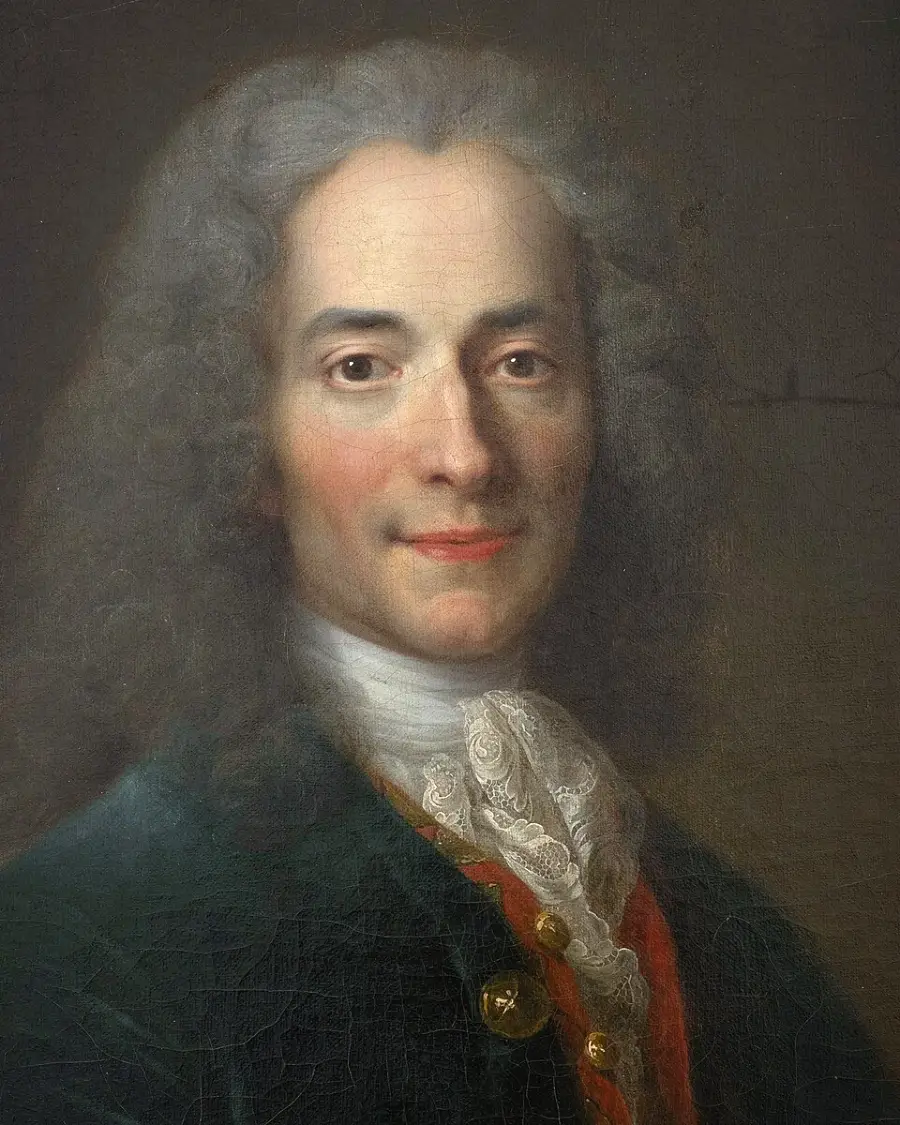
The Enlightenment philosopher Voltaire warned against the psychological comfort of absolute ideological certainty, arguing that it naturally breeds intolerance and dangerous social division. He noticed that when individuals surround themselves exclusively with people who share their exact beliefs, they lose the ability to think critically and tolerate differing viewpoints. This observation perfectly describes the modern phenomenon of online echo chambers, where internet algorithms deliberately feed us content that reinforces our existing biases. Voltaire was so deeply committed to challenging established dogmas that he was imprisoned in the notorious Bastille fortress twice for writing satirical plays that offended the French elite.
16. “You have power over your mind, not outside events. Realize this, and you will find strength.”
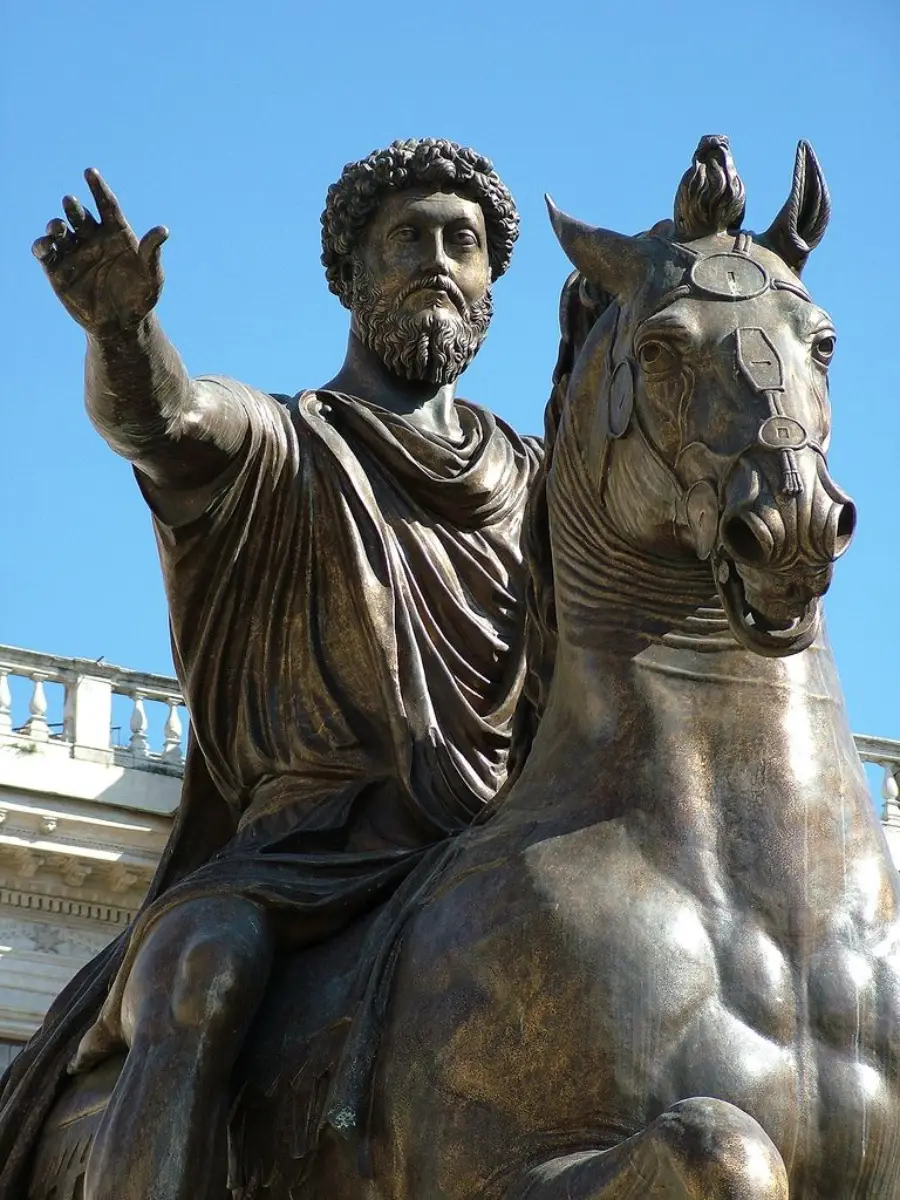
The Roman Emperor Marcus Aurelius wrote this profound reminder to himself while leading military campaigns along the chaotic, muddy northern borders of the Roman Empire. He understood that while we can never control the external tragedies, economic shifts, or random crises of the world, we retain absolute control over how we choose to interpret them. This timeless Stoic principle serves as the foundational basis for modern cognitive behavioral therapy used to treat anxiety and depression today. Marcus Aurelius never intended for his private journals to be published, writing them simply as a personal self-help guide to maintain his sanity while governing the largest empire on Earth.
In the mood for more enlightening quotes?
Delving into the spectacular, parallel designs that govern human history serves as a powerful reminder that the true architecture of life is built on consistent psychological realities rather than simple technological patterns. Watching these completely unrelated historical figures successfully and independently identify the dangers of information overload, media sensationalism, and the illusion of free services proves that our ancestors understood the human condition deeply. When we choose to look past superficial outer historical differences to study the sophisticated quotes that separate these thinkers from ordinary historical figures, we gain a profound appreciation for the immense continuity of our planet. If you enjoyed this eye-opening, deeply analytical journey looking back at the timeless wisdom of the past, make sure to explore these 15 Oprah Quotes That Continue to Motivate Generations, or 20 Robin Williams Quotes That Show His True Self. You may also like these 17 Clint Eastwood Quotes To Tip Your Hat To.