A convincing scam rarely begins with something that sounds completely ridiculous. It usually borrows the language of legitimate business, mixes in a little urgency, and gives people a reason to trust whoever is making the offer. Some schemes spread through respected banks and professional advisers, while others arrived in handwritten letters or crowded hotel presentations. These scams attracted enormous audiences before the promises, profits, and impressive paperwork began to fall apart.
1. Charles Ponzi’s Postal Coupon Scheme
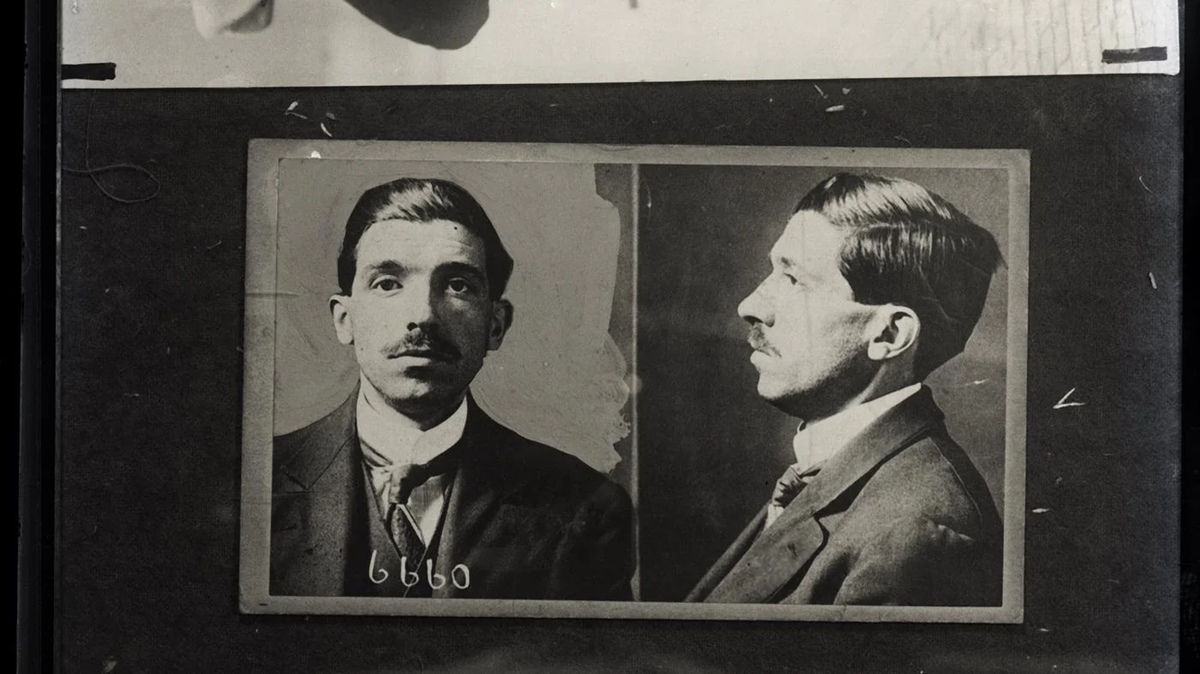
Charles Ponzi did not invent the type of fraud that now carries his name, but he gave it a memorable public face. In 1920, he told investors that he could earn large profits by buying international postal reply coupons in countries where they were cheap and redeeming them in the United States. Ponzi promised returns of 50 percent in 45 days, and the early investors really did receive payments, which made the opportunity appear legitimate. The money was mostly coming from newer customers rather than postal coupons, but thousands of people continued handing over their savings until the operation collapsed later that year.
2. Bernie Madoff’s Exclusive Investment Fund
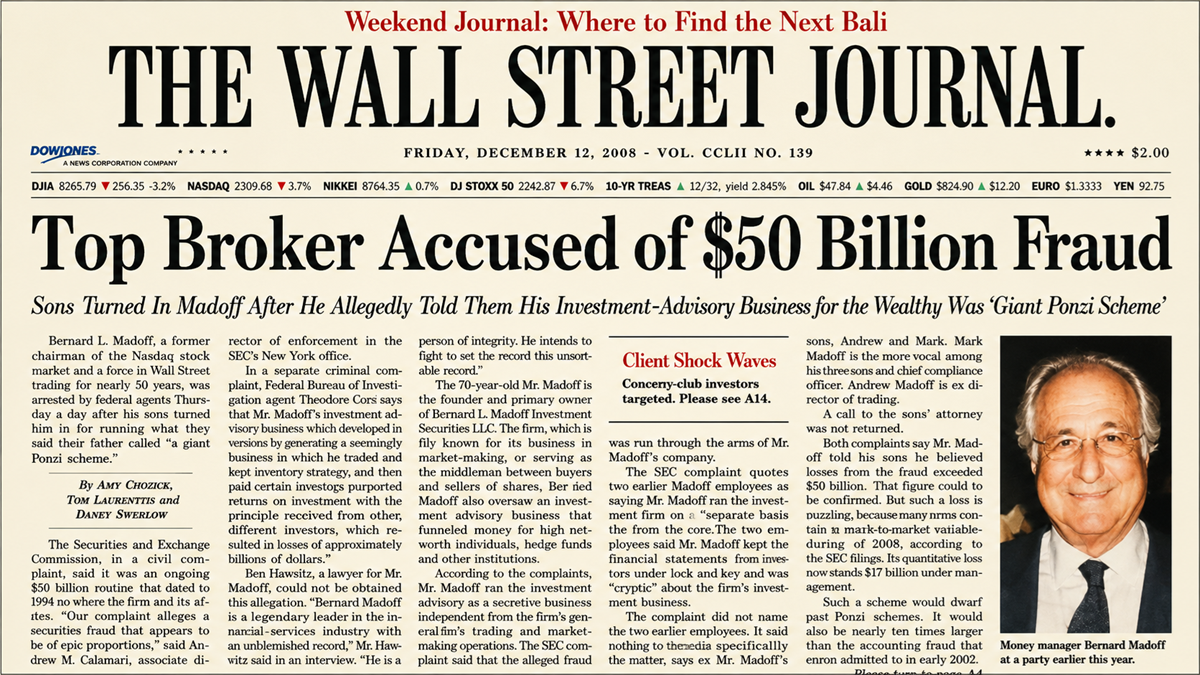
For years, investing with Bernie Madoff felt less like taking a risk and more like gaining entry to a private club. Madoff was a respected figure on Wall Street, and his firm appeared to deliver remarkably consistent returns even when markets were unstable. Wealthy families, charities, pension funds, and professional money managers placed billions of dollars with him, often after being introduced by someone they trusted. In reality, client money was not being invested as promised, and withdrawals were paid with funds from other customers. The scheme unraveled in December 2008 when mounting redemption requests left Madoff unable to maintain the illusion.
3. The MMM Financial Empire

In the economic confusion that followed the collapse of the Soviet Union, MMM offered Russians something many desperately wanted: a quick path to financial security. Founded by Sergei Mavrodi, the company sold shares and promoted enormous returns through relentless television advertising. Its commercials featured ordinary characters whose lives appeared to improve after investing. Millions reportedly participated before the Russian government shut the operation down in 1994, leaving many people with pieces of paper that were suddenly almost worthless.
4. OneCoin, the Cryptocurrency That Wasn’t
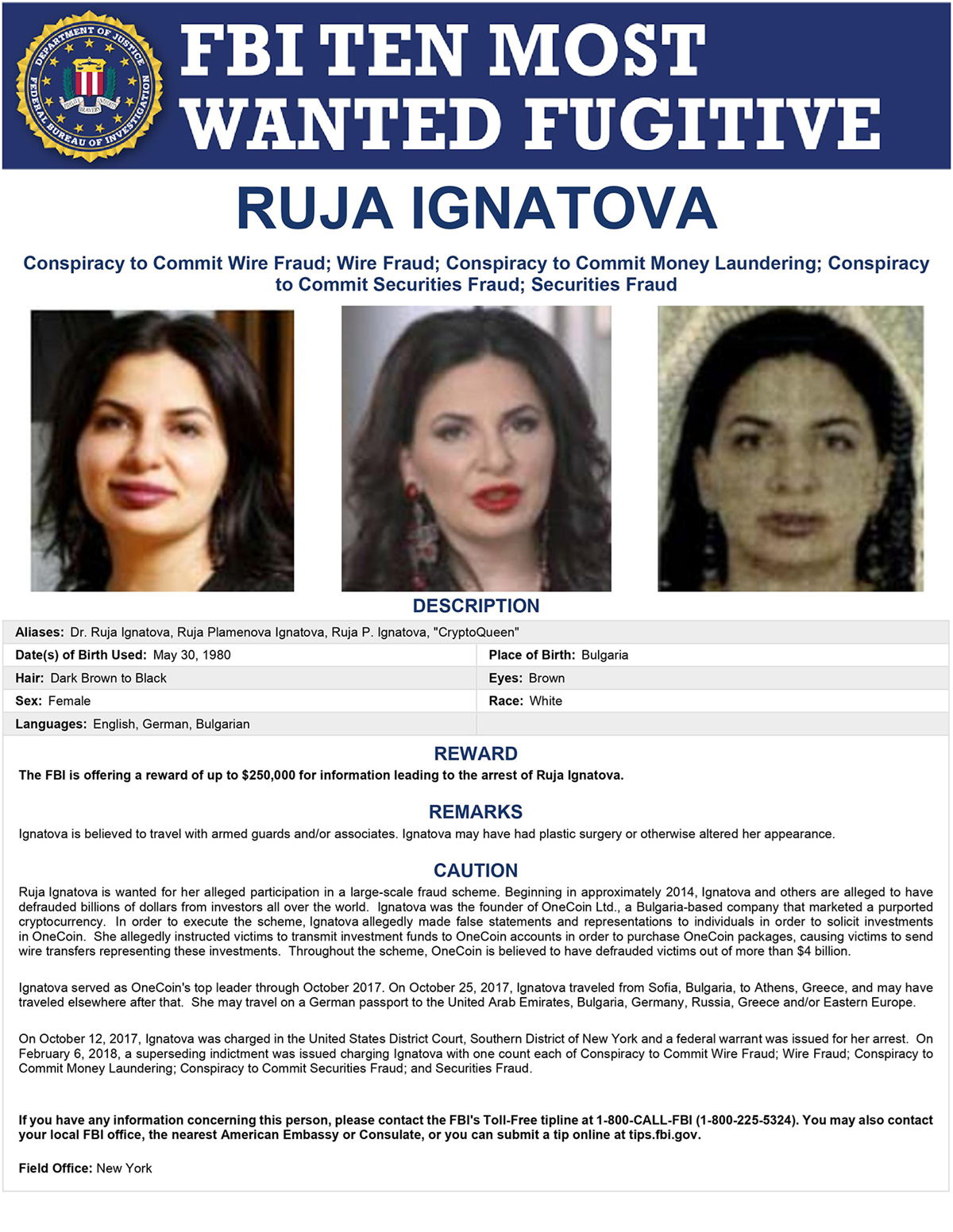
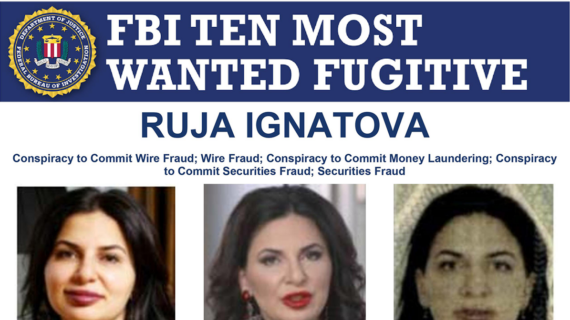
Ruja Ignatova appeared at packed events in glamorous gowns and introduced OneCoin as the cryptocurrency that would overtake Bitcoin. Supporters bought educational packages that came with tokens supposedly used to mine OneCoin, while promoters were rewarded for recruiting more buyers. The project attracted customers around the world, but it did not have the kind of public, independently verifiable blockchain that gives legitimate cryptocurrencies their structure. Ignatova disappeared in 2017 after boarding a flight from Sofia to Athens, and her location became one of the financial world’s most persistent mysteries.
5. The Nigerian Prince Email
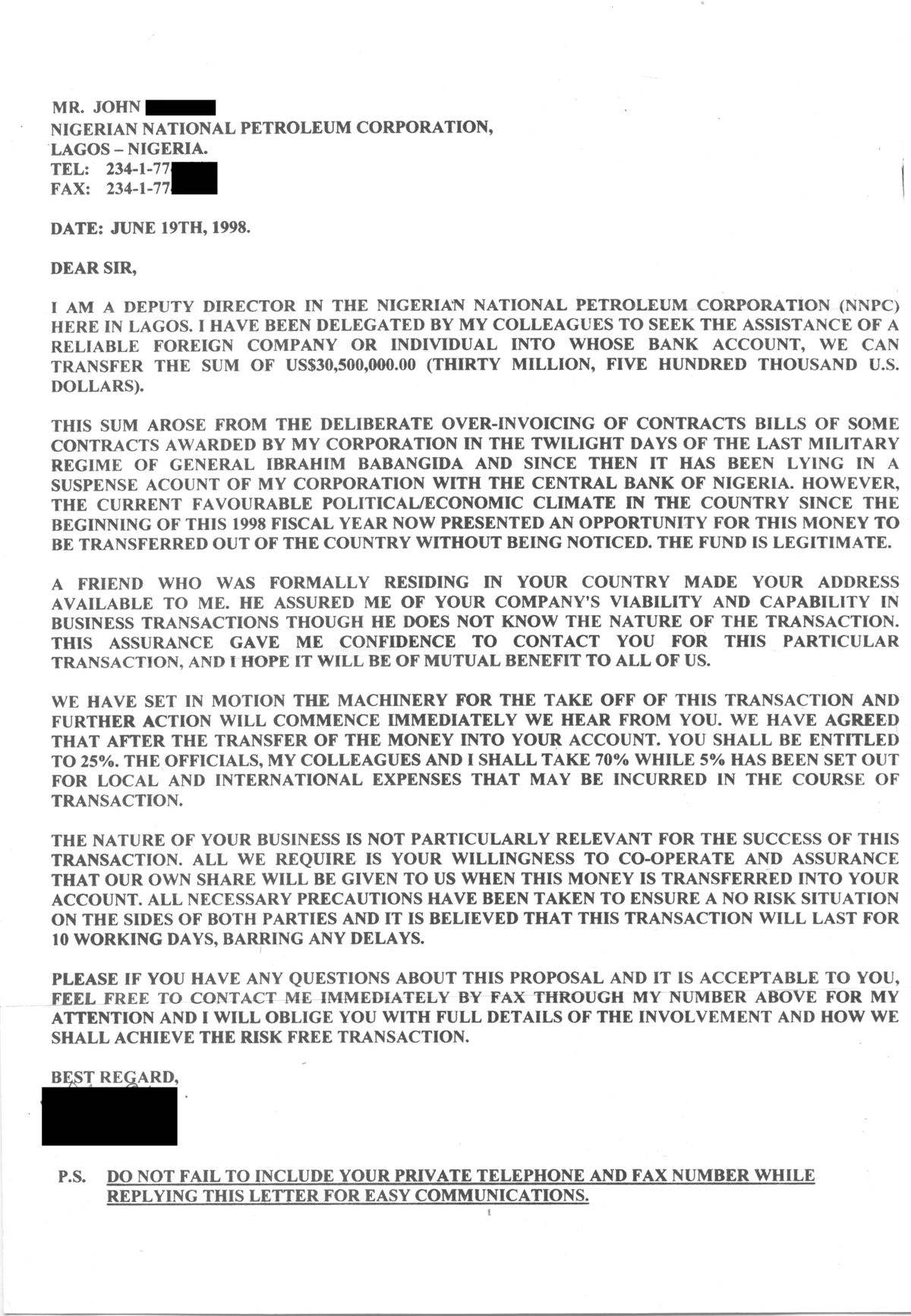
The message usually came from a prince, government official, lawyer, or wealthy widow who needed help moving a fortune out of the country. All the recipient had to do was provide banking information or pay a few small fees in advance. There was no fortune, and each payment tended to produce another unexpected tax, legal charge, or administrative obstacle. Known as a 419 scam after a section of Nigeria’s criminal code, the format became one of the internet era’s most recognizable frauds.
Trending on The Scroller


6. The Poyais Colony That Existed Only on Paper
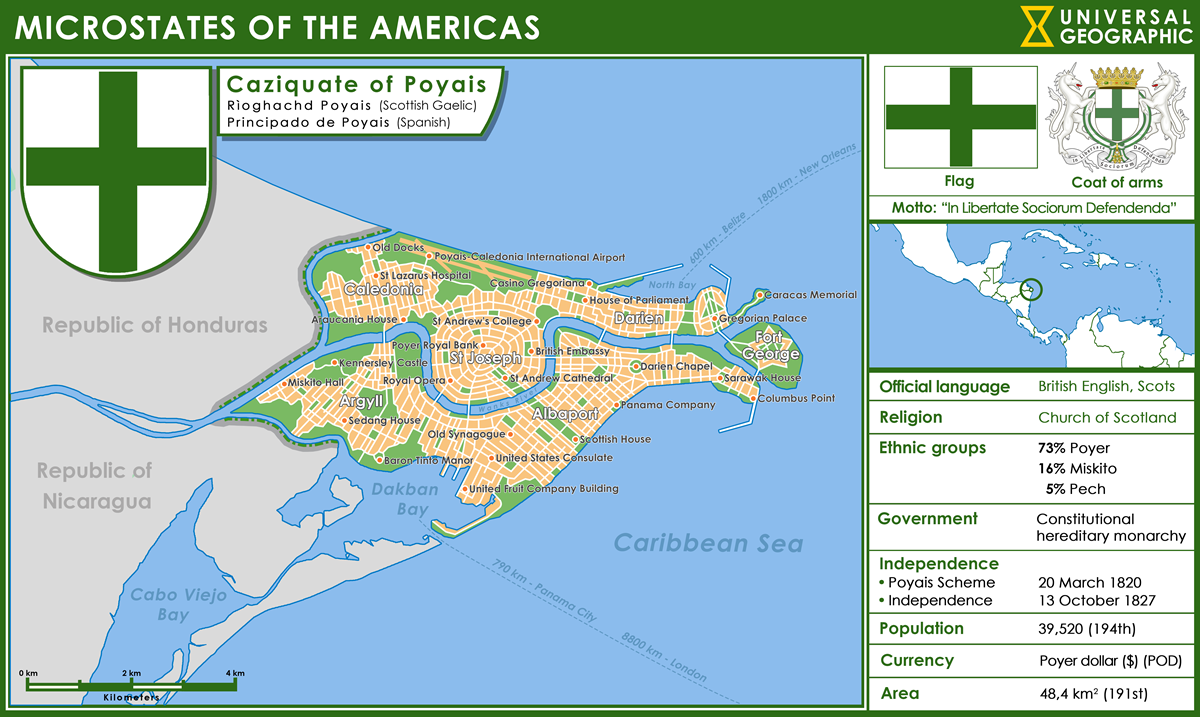
In the early 1820s, Scottish adventurer Gregor MacGregor returned to Britain claiming to be the ruler of Poyais, a prosperous territory in Central America. He produced maps, currency, government documents, and a guidebook describing fertile land, elegant buildings, and an established capital city. Investors bought Poyais bonds, while settlers paid for land and boarded ships expecting to begin new lives. When they arrived, they found undeveloped wilderness rather than the thriving colony they had been promised. Disease and hunger followed, and many of the settlers never made it home.
7. The Albanian Pyramid Schemes

During the 1990s, investment companies in Albania promised returns that were difficult to resist, particularly in a country newly emerging from decades of communist isolation. People sold homes, livestock, and personal possessions to participate. Some schemes became so large that their liabilities represented a significant portion of the national economy. When they failed in 1997, the losses helped trigger protests, armed unrest, and a breakdown of public order.
8. BitConnect’s Guaranteed Crypto Profits

BitConnect promised users that a trading bot and volatility software could generate extraordinary returns from cryptocurrency markets. Participants exchanged Bitcoin for the platform’s own token and were encouraged to recruit others through a referral system. Its conferences, online promoters, and endlessly repeated success stories gave the operation an enthusiastic global following. After regulators raised concerns and the lending platform closed in January 2018, the value of its token crashed, turning its once-celebrated presentations into internet shorthand for crypto excess.
Sign up for our newsletter
9. The Bre-X Gold Discovery
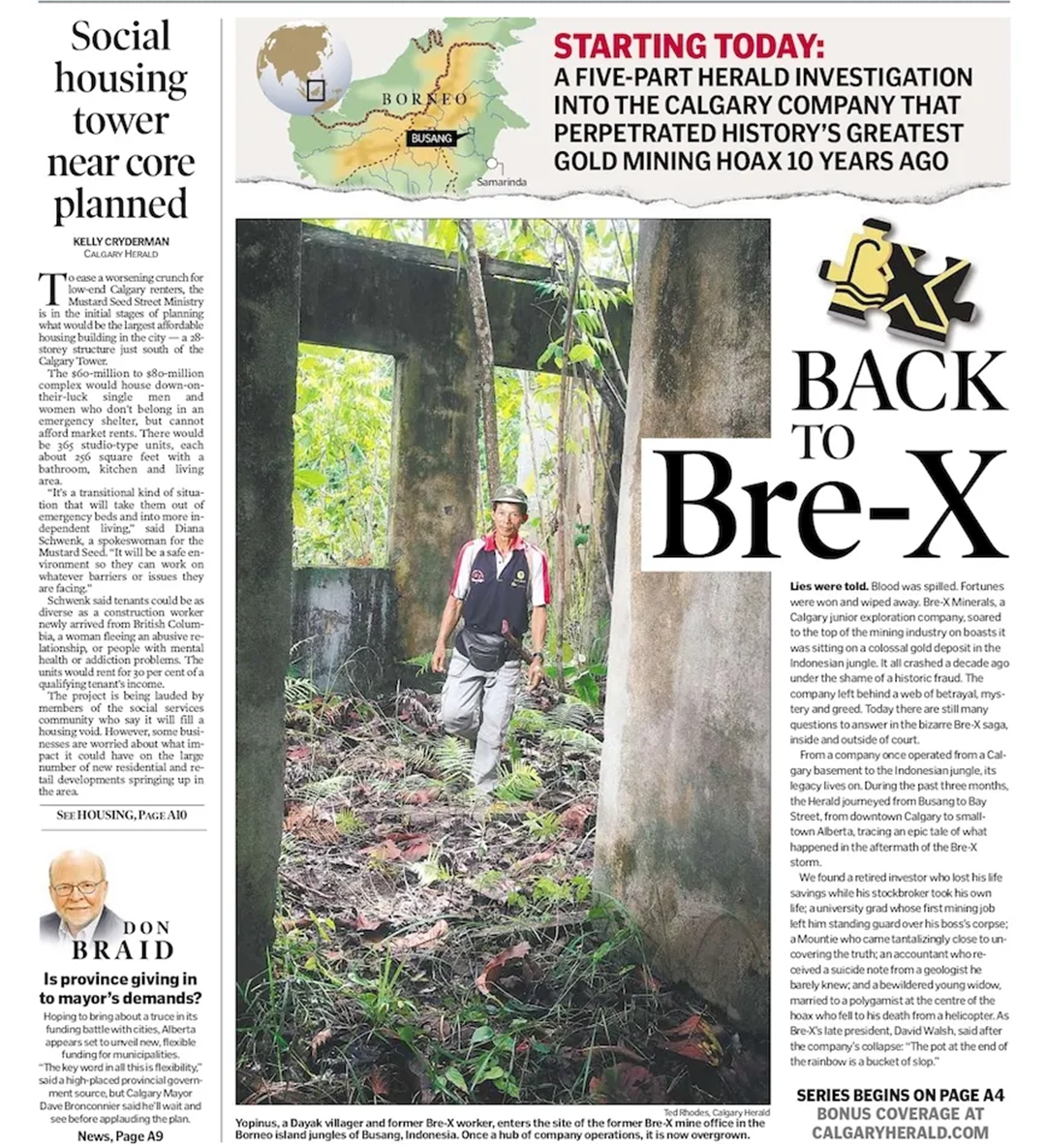
A small Canadian mining company seemed to have discovered an enormous gold deposit in the jungles of Indonesia. Reports from the Busang site sent Bre-X shares soaring, attracting individual investors and major mining companies hoping to secure part of the discovery. Then independent testing revealed that the samples had apparently been salted with outside gold. The company’s shares became nearly worthless, and geologist Michael de Guzman died after falling from a helicopter shortly before the fraud was exposed, adding a strange and unresolved chapter to the scandal.
10. Enron’s Illusion of Endless Growth
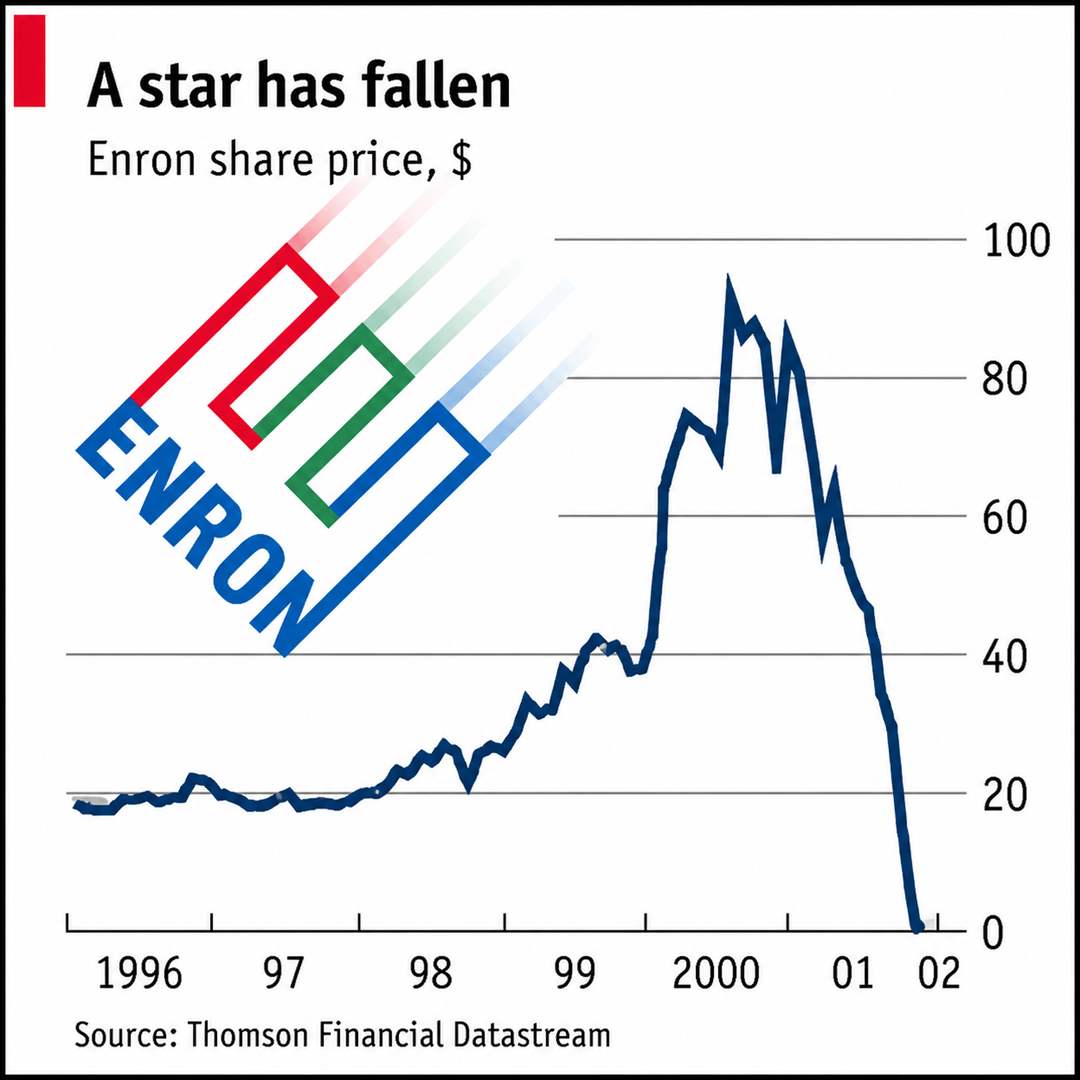
Enron was not presented as a questionable investment operating from a temporary office. It was a celebrated American corporation whose executives appeared on magazine covers and spoke confidently about reshaping the energy business. Complicated accounting structures allowed the company to hide debt and report a healthier financial position than it really had. Employees were encouraged to hold Enron shares in their retirement accounts while executives sold large amounts of their own stock. When the company filed for bankruptcy in December 2001, workers and investors discovered how little substance remained behind its carefully managed image.
11. The Spanish Prisoner Letter
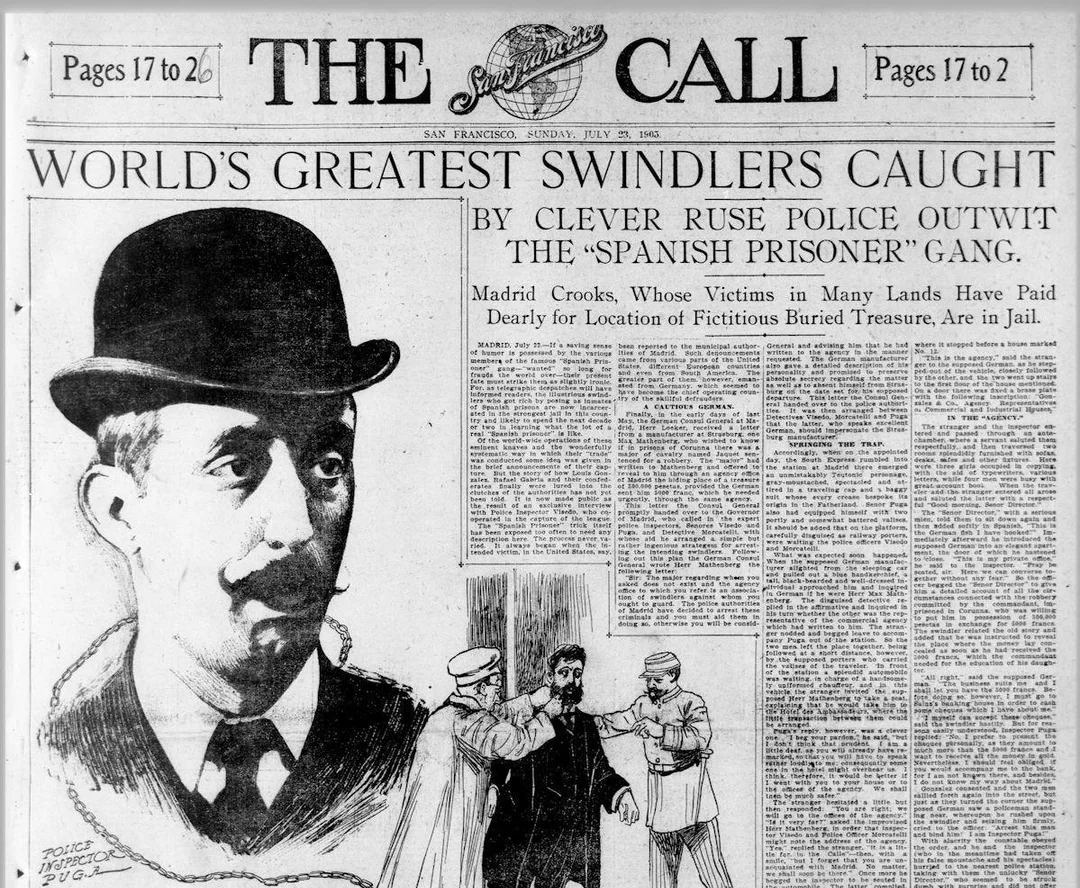
Long before email inboxes filled with requests from foreign royalty, letters circulated describing a wealthy prisoner who needed financial assistance. The recipient was promised a generous reward for paying legal expenses or helping secure the prisoner’s release. New complications always appeared before the supposed fortune could be delivered. The scam became known as the Spanish Prisoner and provided a basic script that advance-fee fraudsters would continue adapting for generations.
12. Lou Pearlman’s Fake Investment Business
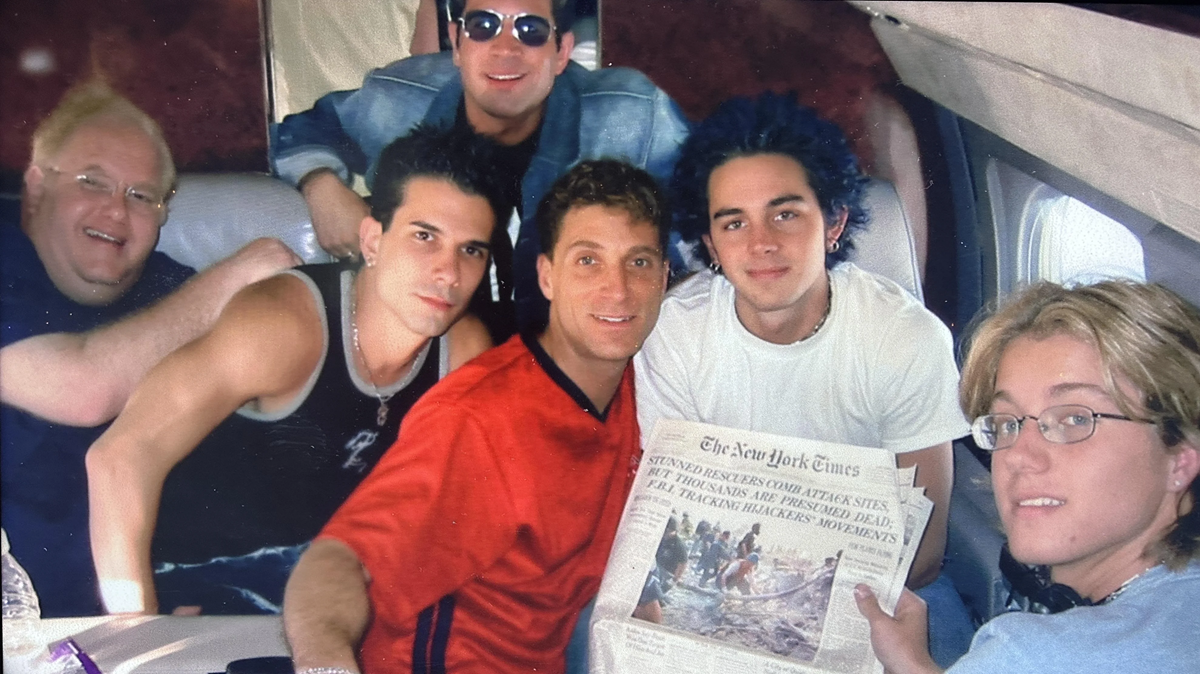
Lou Pearlman was best known as the manager behind the Backstreet Boys and NSYNC, which gave his financial claims a convincing connection to real success. He persuaded friends, relatives, retirees, and business contacts to invest in companies that supposedly supported his aviation operations. Pearlman produced misleading financial documents and promoted accounts that appeared to be insured. Investigators eventually found that much of the business activity he described did not exist, and the operation was exposed as a long-running Ponzi scheme involving hundreds of millions of dollars.
13. The McDonald’s Monopoly Fix
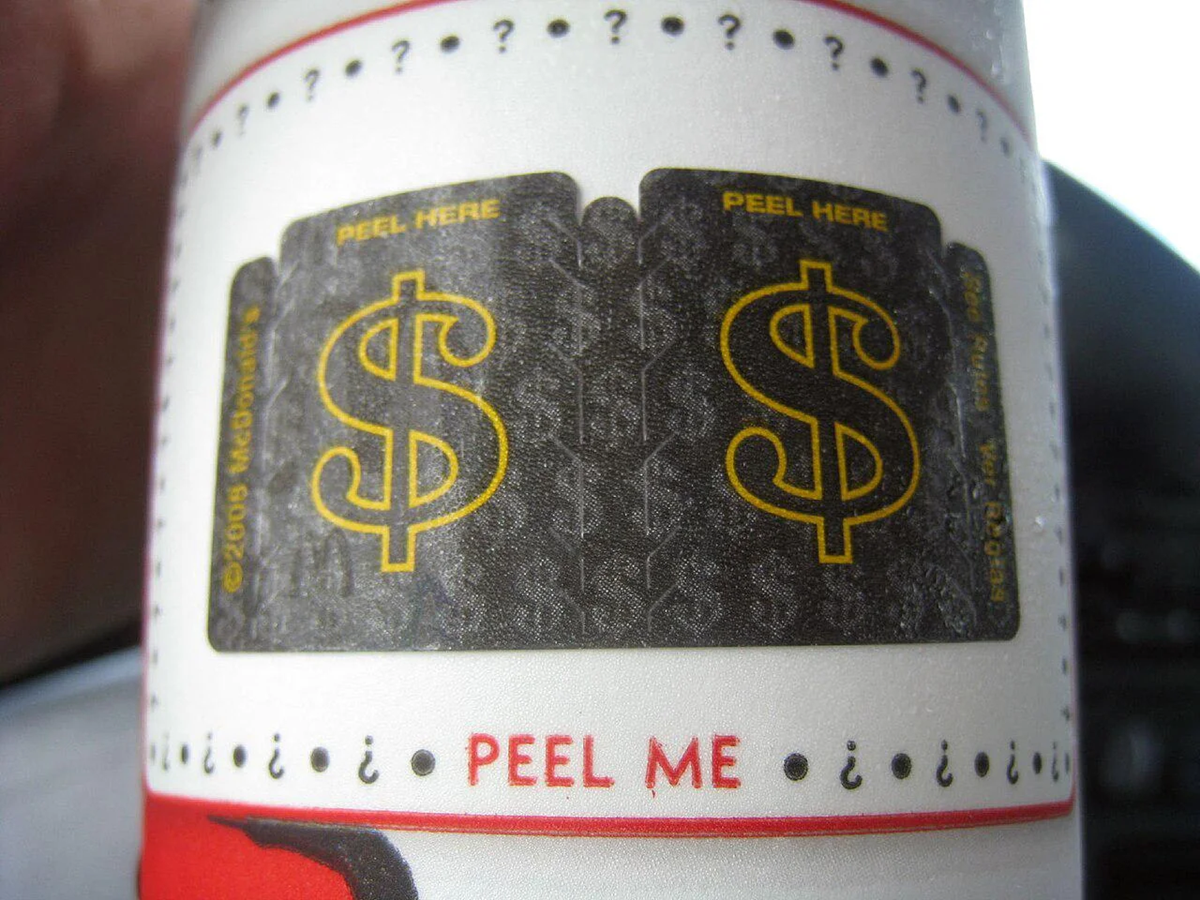
Millions of customers bought McDonald’s meals believing everyone had the same chance of finding a major Monopoly prize. Behind the scenes, Jerome Jacobson, the security director responsible for protecting the winning pieces, was stealing valuable tokens and passing them to associates. The recipients would claim the prizes and share the money with members of the network. Most customers were not losing additional money beyond the cost of their food, but the contest they were playing was far less random than advertised.
14. The Theranos Blood-Testing Promise
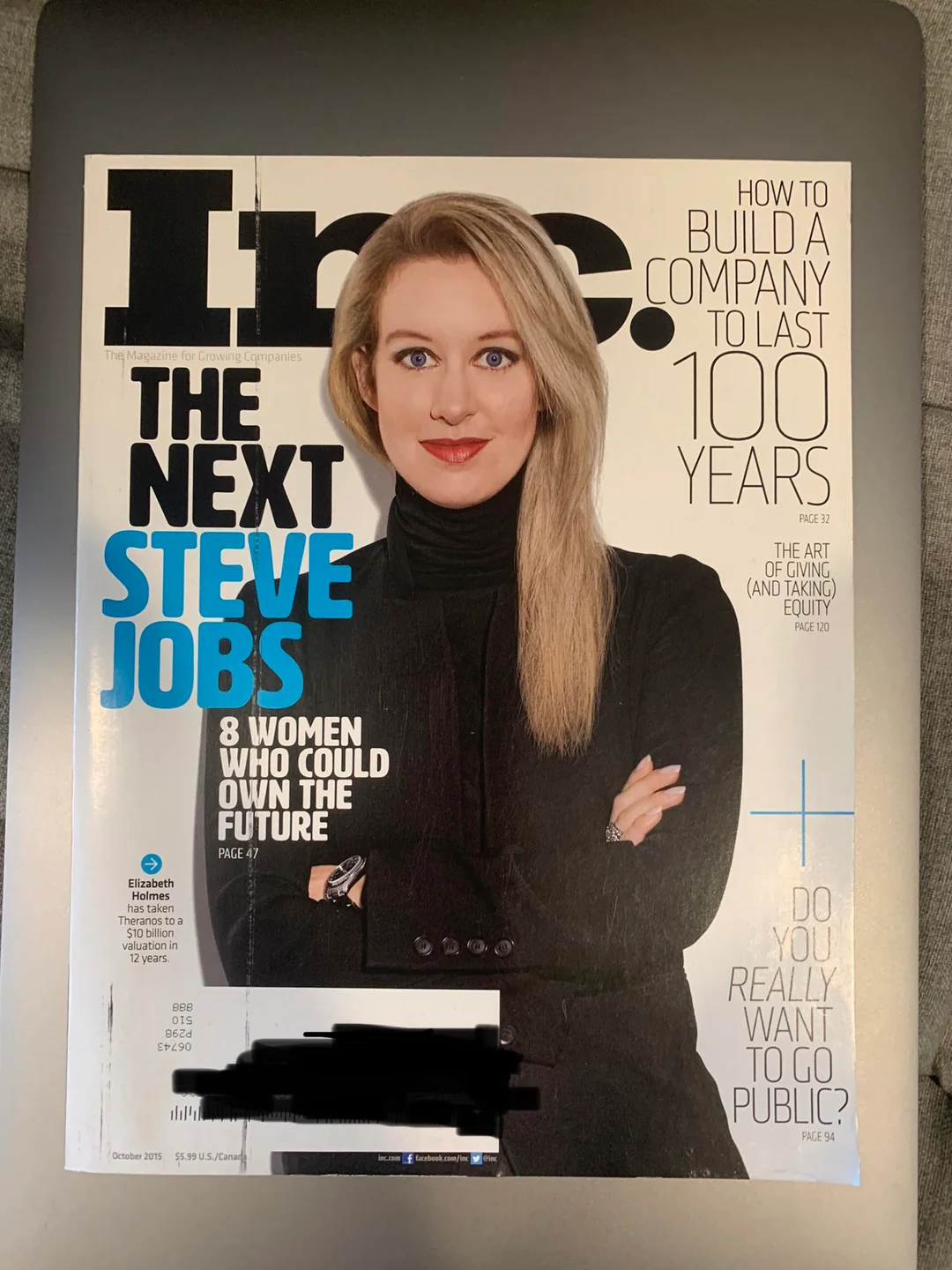
Theranos claimed it could perform a wide range of medical tests using only a small amount of blood collected from a finger prick. Founder Elizabeth Holmes attracted prominent board members, major investors, pharmacy partnerships, and extraordinary media attention. The simple black testing device looked like a finished piece of futuristic technology, even as employees raised concerns about reliability and the company relied on conventional laboratory equipment for many tests. Investigations eventually dismantled the company’s claims, and Holmes was convicted on federal fraud charges related to investors.
In the mood for more?
Check out Things That Can Be Scams Hiding In Plain Sight, 15 Online Hoaxes That Fooled People Who Should Have Known Better. If you want to see more stories about scandal, you can check out 14 Olympic Scandals That Became Bigger Than the Games.