The internet has always been a strange mix of curiosity, panic, boredom, and people forwarding things without reading them twice. Some hoaxes are clever enough to deserve a grudging nod, while others are so flimsy that the real mystery is how they got past anyone’s common sense.
The best ones usually arrive with just enough detail to feel possible, and just enough weirdness to make people want to share them. Here are some online hoaxes that traveled way farther than they should have.
1. Manti Te’o’s Girlfriend Who Never Existed

NFL / REDDIT
By the time the Manti Te’o story unraveled in 2013, it had already become a full sports-media tragedy, complete with grief, inspiration, and prime-time mythmaking. The Notre Dame linebacker was said to have played through the deaths of his grandmother and girlfriend, Lennay Kekua, only for Deadspin to report that Kekua was not real. What made the hoax so uncomfortable was not just that Te’o had been catfished, but that major outlets had repeated the story with very little verification. It was a reminder that a moving narrative can sometimes outrun the basic question, “Has anyone actually met this person?”
2. The Twitter Bitcoin Giveaway From Famous Accounts

CRYPTOCURRENCY / REDDIT
In July 2020, verified Twitter accounts belonging to people and companies like Barack Obama, Elon Musk, Bill Gates, Apple, and others suddenly appeared to be offering a Bitcoin giveaway. The pitch was the oldest scam on the internet: send money and get double back, only this time it came from accounts with massive audiences and blue checks. Plenty of people knew better in theory, but the hacked accounts gave the con a strange little burst of authority. It was both technically serious and embarrassingly simple.
3. Lonelygirl15, YouTube’s Fake Girl Next Door

LONYGIRL15 / REDDIT
Early YouTube was still messy enough that a soft-spoken teenager talking to a webcam could feel completely unfiltered. That was the trick behind Lonelygirl15, the channel built around “Bree,” who seemed like an ordinary homeschooled teen with an increasingly strange life. In 2006, viewers learned the series was scripted, and Bree was played by actress Jessica Rose. The reveal did not kill it, oddly enough, but it did make everyone a little more suspicious of the next “real” internet personality with suspiciously good lighting.
4. Balloon Boy and the Flying Saucer Panic
HOLYSHITHISTORY / REDDIT
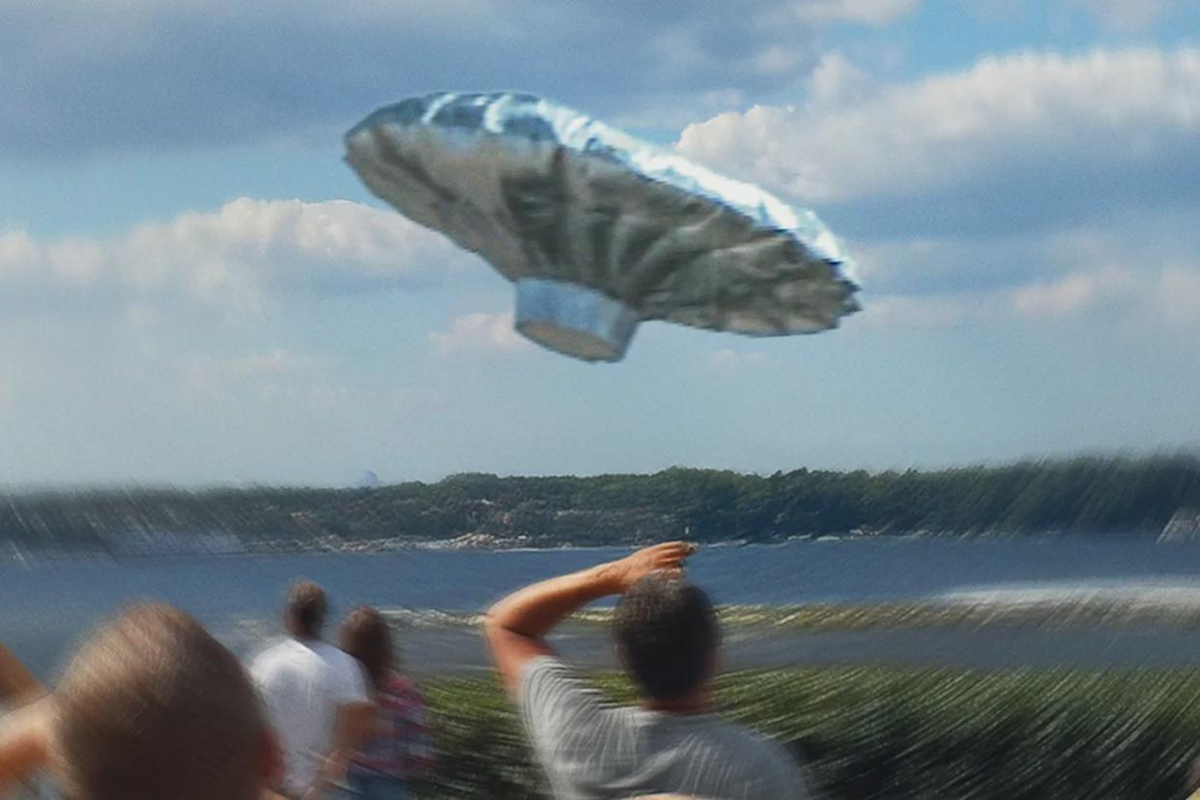
The Balloon Boy saga looked absurd even while it was happening, which somehow did not stop it from becoming live television. In 2009, a homemade silver balloon floated across Colorado while people feared six-year-old Falcon Heene was trapped inside. He was later found at home, and the story became a hoax investigation instead of a rescue. It had everything cable news loved at the time: danger, a weird visual, a frantic family, and no time to ask whether the premise made sense.
5. The Blair Witch Project’s “Missing Students”
DELTAGREENRPG / REDDIT
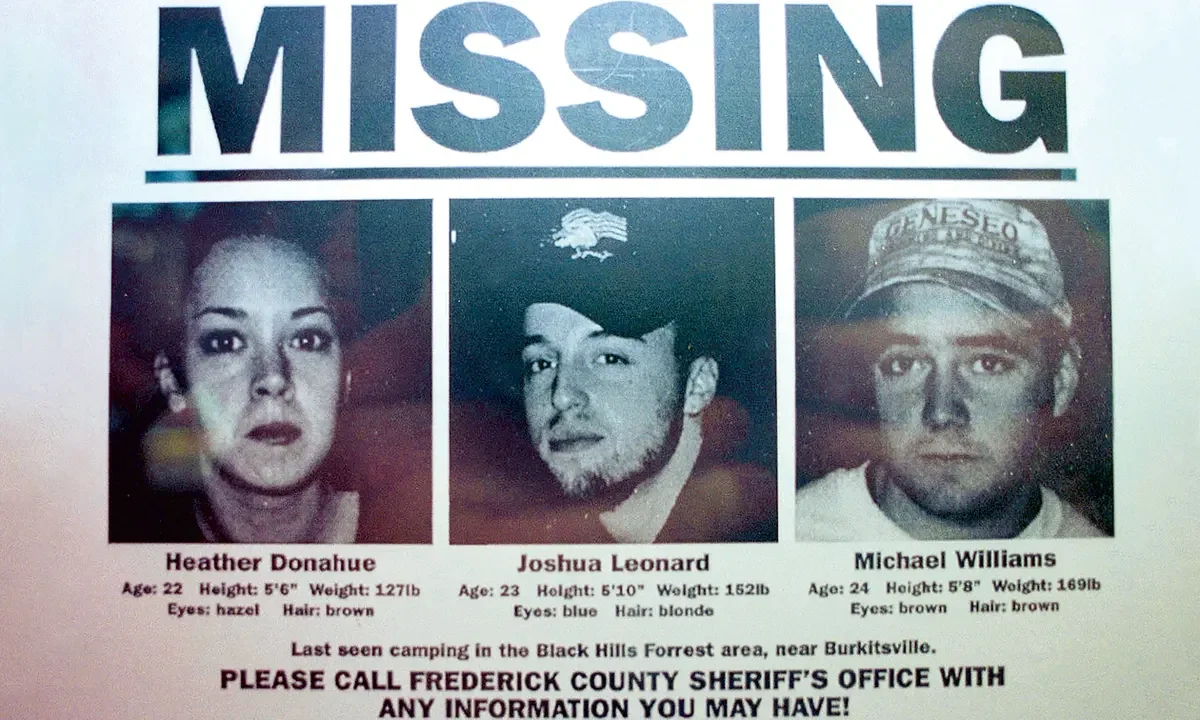
The Blair Witch Project did not just sell a horror movie; it sold a maybe-real mystery. Its website, fake reports, missing-person style materials, and the found-footage format helped blur the line for audiences who were still getting used to the internet as a storytelling machine. Some people genuinely wondered whether the three actors had vanished in the Maryland woods. Looking back, the campaign was smart, but also funny in a very 1999 way: the web page looked official, so people gave it more power than it deserved.
Trending on The Scroller

6. Tourist Guy on Top of the World Trade Center

WIKIMEDIA COMMONS
Soon after September 11, a doctored photo began circulating that supposedly showed a tourist standing on the World Trade Center observation deck as a plane approached behind him. The image was shared with a story about a camera recovered from the rubble, a detail that made it feel grimly documentary. But the picture was fake, the tourist photo had been taken years earlier, and the plane was added later. It was one of those early viral images that taught people Photoshop was not just for movie posters anymore.
7. Bonsai Kitten and the Internet’s Animal Panic Button
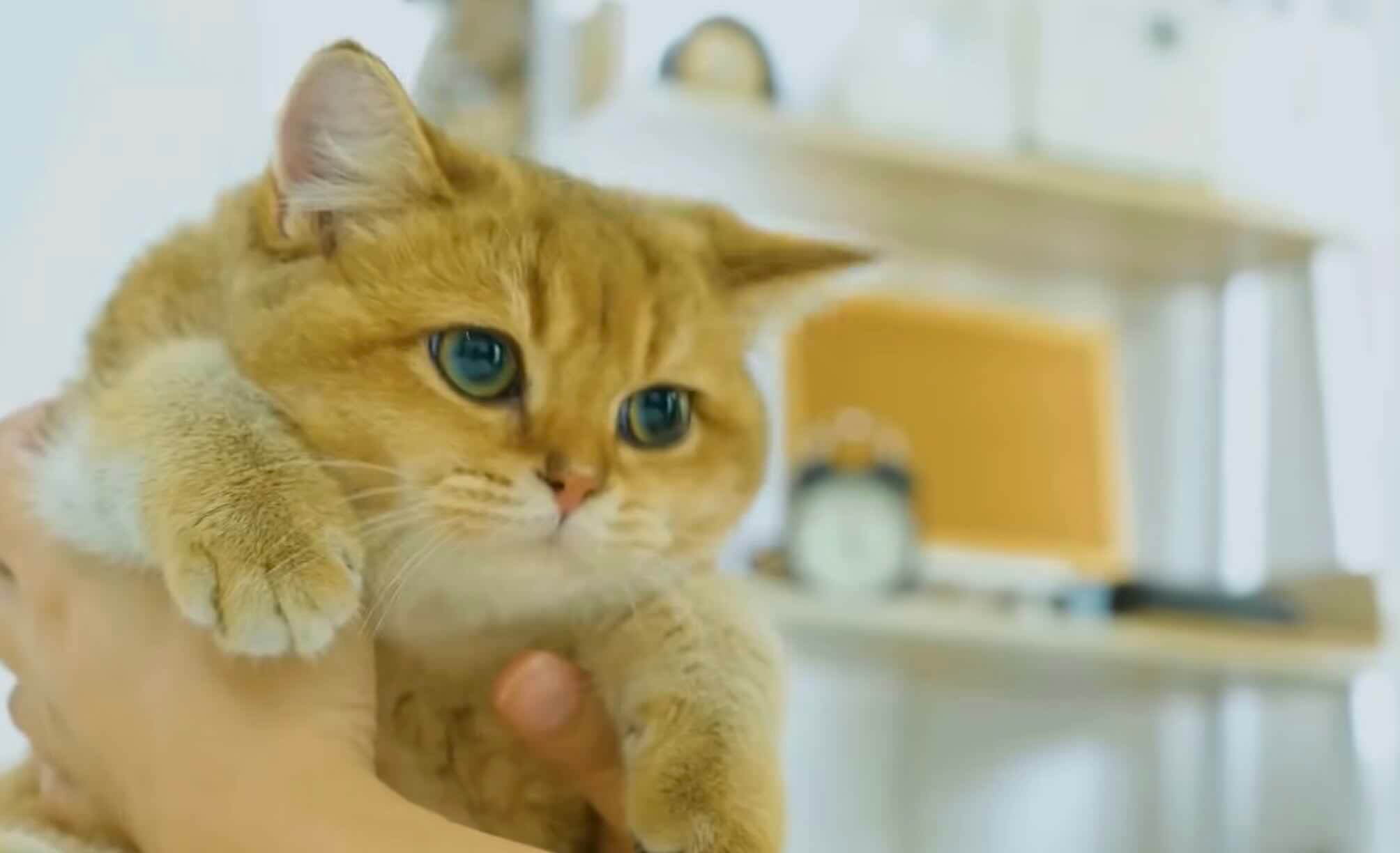
Bonsai Kitten was a grotesque little shock site from 2000 that claimed kittens could be grown inside jars, like living decorative objects. The whole thing was fake, but the presentation was so deadpan and unpleasant that animal lovers, activists, and even law enforcement paid attention. It worked because it hit a nerve before many people had developed a strong filter for web satire. Sometimes the fastest way to make people believe a hoax is to make them too angry to pause.
8. The Endangered Pacific Northwest Tree Octopus

AWWDUCATIONAL / REDDIT
The Pacific Northwest tree octopus is exactly what it sounds like: an octopus that supposedly lives in trees. The fake conservation site, created in the late 1990s, became famous because students and adults kept treating it as a credible source. Its details were just specific enough to look educational, with habitat notes, threats, and a conservation angle. The fact that “Sasquatch” appeared in the ecosystem should probably have been a clue.
Sign up for our newsletter
9. The Dihydrogen Monoxide Scare

SCIENCEMEMES / REDDIT
Dihydrogen monoxide sounds dangerous until you remember it is just water. The long-running parody lists scary facts, including that the substance can be fatal if inhaled and is found in acid rain, then waits for readers to miss the chemistry joke. Over the years, people have signed petitions, shared warnings, and even nudged public officials into awkward moments over it. This one remains a neat little trap for anyone who confuses technical language with expertise.
10. Microsoft “Buying” the Catholic Church

EXMORMON / REDDIT
The 1994 hoax claiming Microsoft had acquired the Catholic Church feels like a fossil from the early internet, but a very funny fossil. The fake press release played on anxieties about Microsoft’s power and imagined religion as one more market to be upgraded. Some readers contacted Microsoft to ask whether it was true, despite jokes about things like digital Communion. The giveaway was not hidden in fine print; it was basically the whole premise.
11. The Good Times Virus Warning
TODAY IN INFOSEC / VIA X.COM
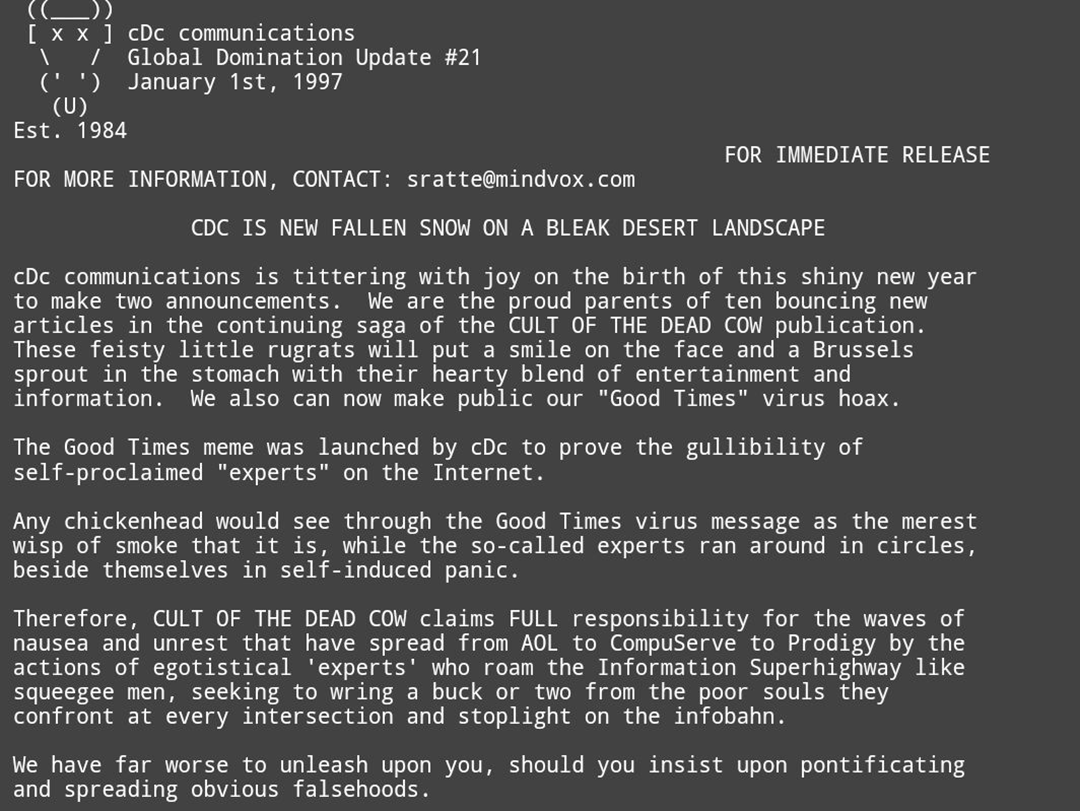
The Good Times virus was a fake email warning about a supposed virus that could infect your computer if you merely opened a message with the subject line “Good Times.” In the mid-1990s, enough people were still learning how email worked that the warning spread like the thing it claimed to prevent. Offices forwarded it. Friends forwarded it. The imaginary virus did not damage computers, but the panic did a fine job of clogging inboxes.
12. The Facebook Legal Notice Everyone Copied
OLDPEOPLEFACEBOOK / REDDIT
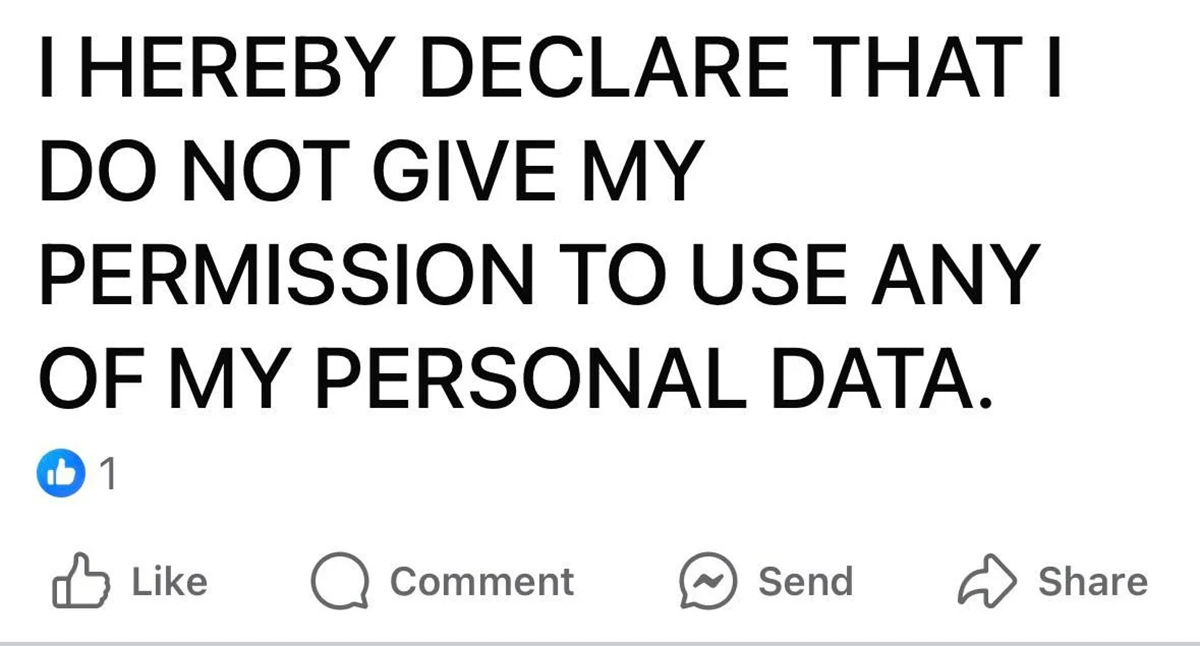
Every few years, a block of legal-sounding text spreads across Facebook or Instagram, insisting that posting it will protect your photos, data, privacy, or soul from corporate misuse. The language always sounds like it was written by someone who once saw a courtroom on television. Celebrities have shared versions of it, which makes regular users feel safer copying it too. Unfortunately, social media terms do not change because someone posts “I do not give permission” above a family photo.
13. Save Toby, the Rabbit Ransom Site

WIKIMEDIA COMMONS
Save Toby was a web prank built around a simple, cruel-sounding threat: donate money, or the rabbit gets eaten. The site included photos of Toby, merchandise, recipes, and enough straight-faced weirdness to make people argue about whether it was serious. It was obviously shaped like a joke, but not obvious enough to prevent outrage. As internet stunts go, it understood one thing perfectly: people will click when an animal is involved.
14. Cooks Source and the “Internet Is Public Domain” Disaster

EDRANTS.COM
Cooks Source was not exactly a hoax in the classic sense, but it became an internet morality play about people who should have known better. In 2010, writer Monica Gaudio discovered that the magazine had reprinted her article without permission, and the editor’s response seemed to suggest that material found online was fair game. The internet reacted with the kind of organized fury that only copyright, pie, and condescension can produce together. Within days, users were digging up other alleged copied material, and the magazine became a case study in how not to answer a complaint.
15. The Hurricane Shark That Keeps Swimming Back
NIJMEH KAMASHTA / VIA MEDIUM
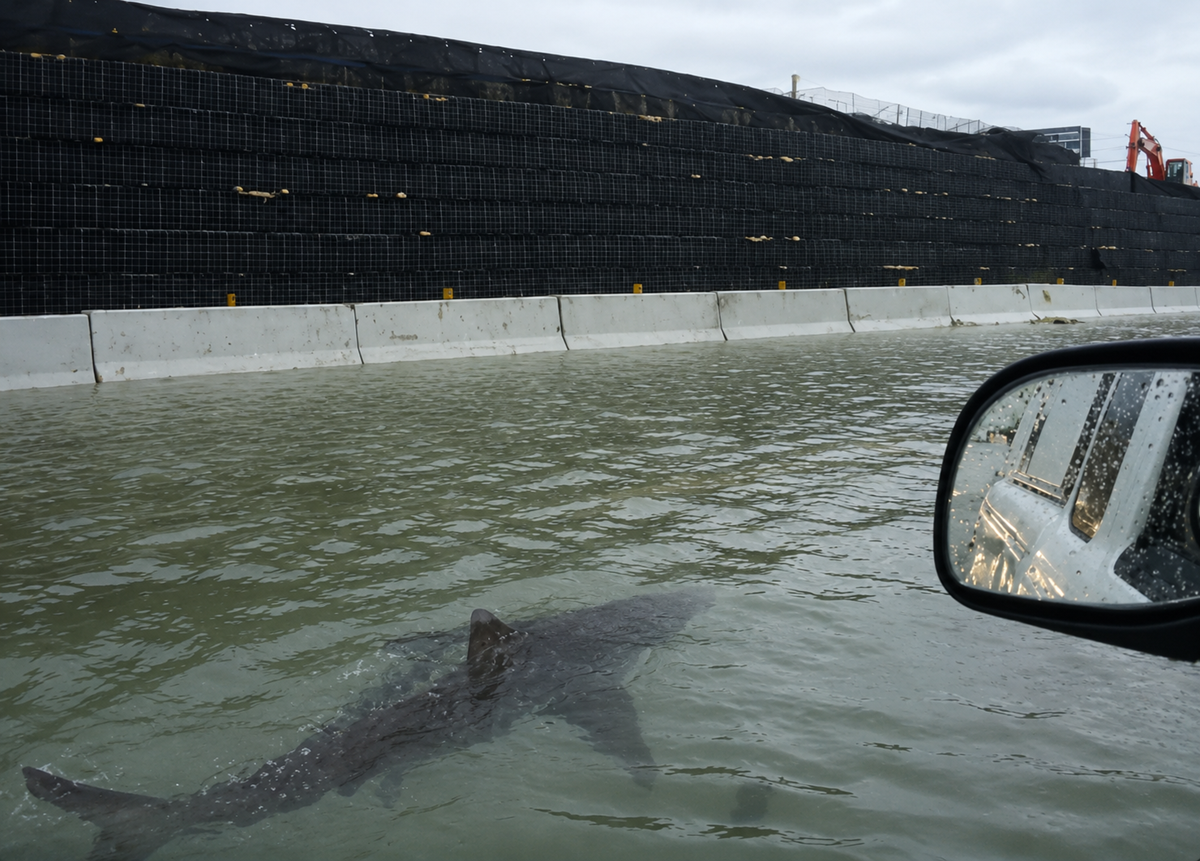
Every major storm seems to bring back the same suspicious shark. The “hurricane shark” image, usually showing a shark swimming through a flooded street or highway, has been recycled through storms from Hurricane Irene to Sandy and beyond, even though fact-checkers have repeatedly traced versions of it to edited images. Part of the problem is that disaster footage already feels unreal, so a flooded-road shark lands in that tempting space between “obviously fake” and “wait, maybe?” It became such a durable hoax that people now almost expect it to resurface whenever storm photos start flying around social media.
In the mood for more?
Check out 15 Hoaxes People Actually Believed, or take a look at 14 Myths About Famous Historical Figures That Everyone Believes and Nobody Should. If you want to see more you can check out 15 Myths People Still Believe Are True.