

Some ideas stick around long after they’ve been proven wrong. Passed down through word of mouth, repeated in classrooms, or shared online, certain myths continue to sound convincing even when the facts say otherwise. Over time, these misconceptions become so familiar that many people never think to question them.
This list examines 15 myths people still believe. By separating fact from fiction, we can better understand how these misunderstandings began and why people still believe they’re true. Let’s take a look at 15 myths people still believe are true.
1. Alcohol warms you up

Drinking alcohol can create a sensation of warmth. However, alcohol actually dilates blood vessels near the skin, causing heat to escape more quickly. This can lower core body temperature and increase the risk of hypothermia. The myth persists because the flush feeling feels comforting, when in reality, the warmth is deceptive.
2. A penny dropped from a skyscraper could kill someone

People claim that dropping a penny from the Empire State Building could be fatal. In reality, a penny is too light and reaches a relatively low terminal velocity. Air resistance prevents the penny from accelerating indefinitely. While it would cause some serious pain, physics calculations show it’s unlikely to cause serious harm.
3. Waking a sleepwalker is dangerous

Many people believe that waking someone who is sleepwalking could cause severe shock or harm. While it could startle or confuse the sleepwalker, it’s not dangerous at all. The real concern is preventing injury while they are moving around unaware. The myth may have grown from exaggerated warnings meant to encourage caution. Gently guiding the person to safety and waking them is the best response.
4. Eating before swimming was dangerous

As someone who swam for 15 years and still swims regularly, let me tell you it is most definitely safe to swim after eating. Parents sometimes enforce a waiting period after meals before swimming. While intense exercise immediately after heavy eating can be uncomfortable, there is little evidence that it significantly increases the risk of drowning.
5. The five-second rule is real
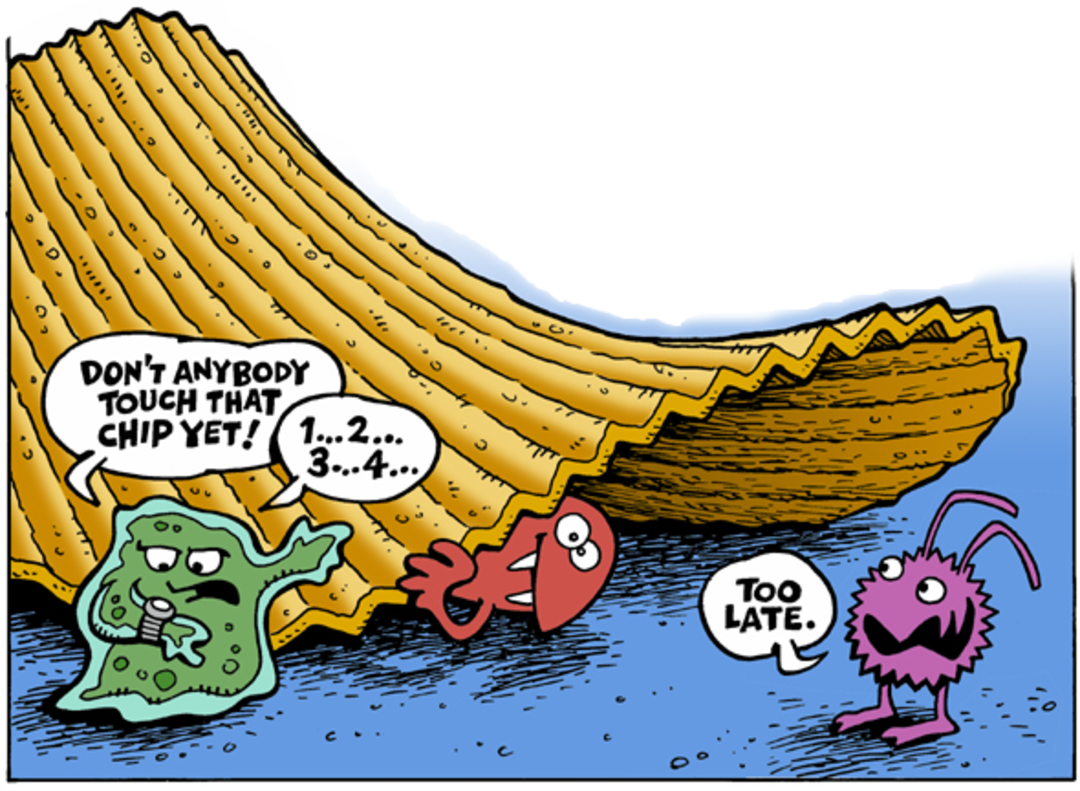
The idea that food is safe if it’s picked up within five seconds is widely accepted, but bacteria can transfer to food almost instantly upon contact. The myth likely developed as a funny justification for salvaging dropped snacks. While dryness and surface type matter, time alone is no guarantee that the snack is safe to eat. Many tests have shown contamination to happen immediately.
Trending on The Scroller


6. Blood in your veins is blue

Veins are blue, which leads to the belief that deoxygenated blood is blue. In reality, human blood is always some shade of red. Veins appear blue because of how skin and tissue absorb and reflect light. Visual convention turned into an assumed fact.
7. Coffee stunts growth

Parents have long warned that coffee can prevent kids from growing. Studies show that caffeine may temporarily affect calcium absorption, but it doesn’t significantly alter height. The myth probably came to be from general caution against children using stimulants, and over time, warnings about moderation turned into claims of stunted growth.
8. Bulls are attracted to red

Contrary to popular belief, bulls can’t see red the way humans do. Their aggression in bullfights is triggered by movement, not color. The myth originates from centuries of bullfighting traditions using red capes for dramatic effect.
Sign up for our newsletter
9. Humans only have 5 senses
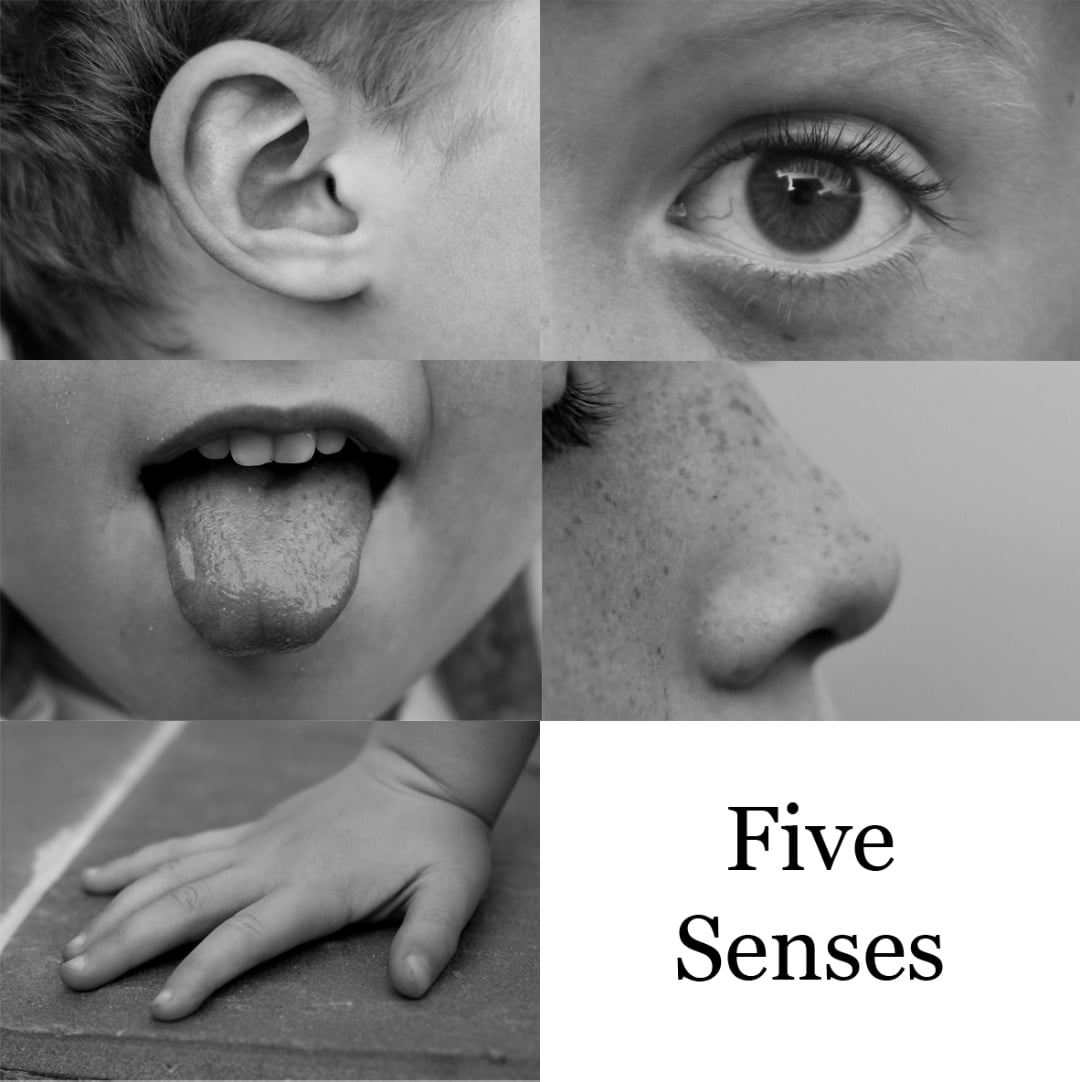
The idea that humans are limited to five senses is oversimplified. In addition to sight, taste, touch, hearing, and smell, we have senses like balance, temperature, pain, and proprioception. The myth stems from Aristotle’s writings, which categorized the senses into only five.
10. You can catch a cold from cold weather

People often attribute colds to chilly temperatures. In reality, viruses cause colds, not temperature.
11. Humans only use 10% of their brain

This widely cited myth suggests that most of the brain goes unused. In reality, imaging studies show that nearly all regions of the brain are active, though not all at once. The myth likely stems from early neuroscientific speculation, when brain scans only highlighted specific areas in use, giving the false impression that the rest was dormant.
12. Swallowed gum stays in your digestive tract for seven years

We’ve all heard the myth that swallowed gum stays in your stomach for years. In reality, gum passes through the digestive system and exits just like most other foods. Its sticky texture may delay digestion slightly, which may have fueled the misconception, but it’s only delayed for days, not years.
13. The moon impacts behavior

Folklore suggests that full moons trigger madness or strange events. Scientific studies show no consistent correlation between lunar phases and human behavior.
14. Shaving hair makes it thicker

Shaving does not affect hair growth or thickness. Hair may feel coarse because it’s cut bluntly at the base, but it’s not actually getting thicker. The myth probably developed from false observations people made after shaving.
15. Dogs see in black and white

Many people believe that dogs can’t see colors at all. While their color vision is limited, dogs can actually see shades of blue and yellow. Early studies used overly simplified tests to compare vision, but modern research shows that dogs perceive some colors, just not the full spectrum.
Want to see more facts?
Check out 15 Strange Facts About Blockbuster Film Franchises, or take a look at 20 Little-Known Facts About Countries That Will Surprise Even Trivia Fans. Finally, if you want to see facts on how to avoid stress, check out 18 Fun Facts On How To Avoid Stress.