During the 1960s and 1970s, American classrooms became unexpected battlegrounds for shifting cultural values, fashion trends, and social movements. School boards and strict administrators enforced rigorous disciplinary codes designed to maintain order, authority, and traditional decorum among young students. Items and behaviors that represented youth rebellion or counterculture ideals were quickly labeled as dangerous distractions and outright banned from school property.
Looking back at these strict vintage dress codes and administrative regulations reveals how dramatically educational norms have evolved over the last few decades. From strict rules prohibiting specific hairstyles and fashion trends to restrictions on personal entertainment and political expression, students constantly pushed against administrative boundaries. Examining these historical prohibitions offers a fascinating glimpse into what school authorities considered unacceptable during a period of massive social transformation. Here are sixteen things that were routinely banned in American schools throughout the 1960s and 1970s.
1. Long hair on male students
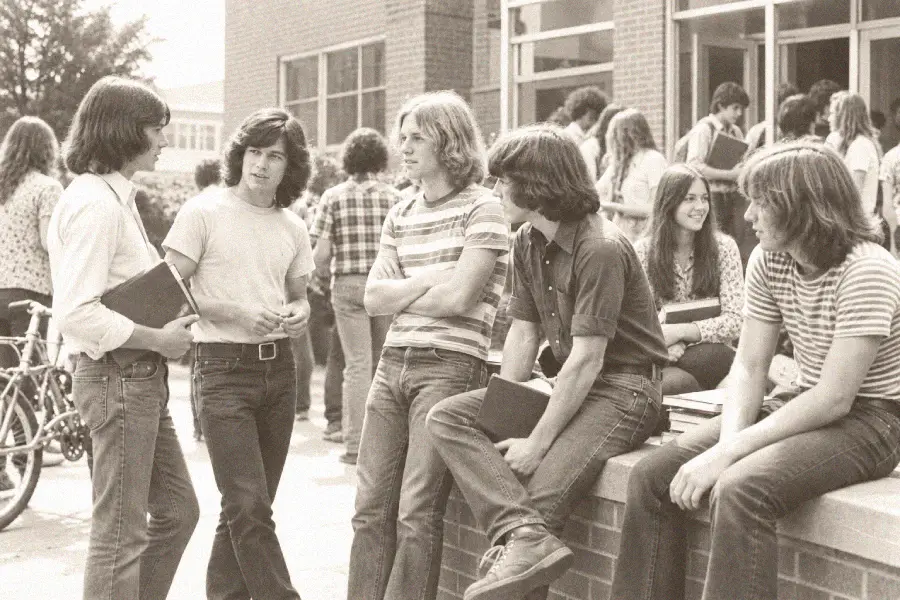
High school administrators routinely suspended male students whose hair covered their ears or touched their shirt collars, viewing long locks as a symbol of anti-establishment rebellion. The controversy became so widespread that several cases involving male student haircuts reached federal courts to determine if school dress codes violated constitutional rights.
2. Mini skirts and hemlines above the knee
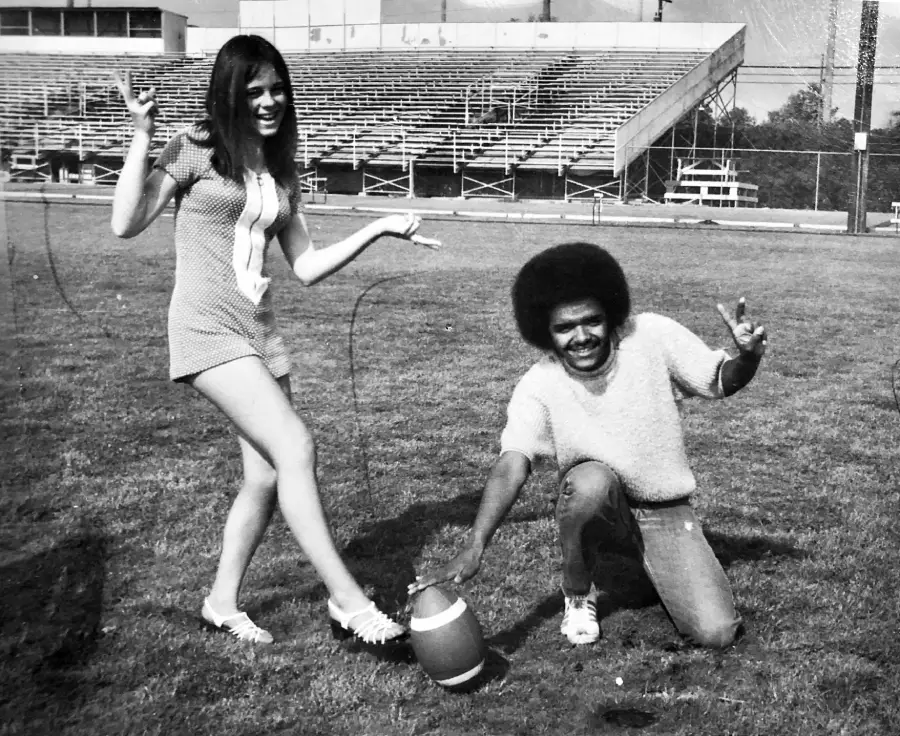
As the mod fashion movement swept through youth culture in the late 1960s, female students faced strict hemline inspections at the school entrance. Teachers frequently made girls kneel on the floor, decreeing that if the bottom edge of their skirt did not touch the linoleum, they were sent home to change.
3. Pants and slacks for female students
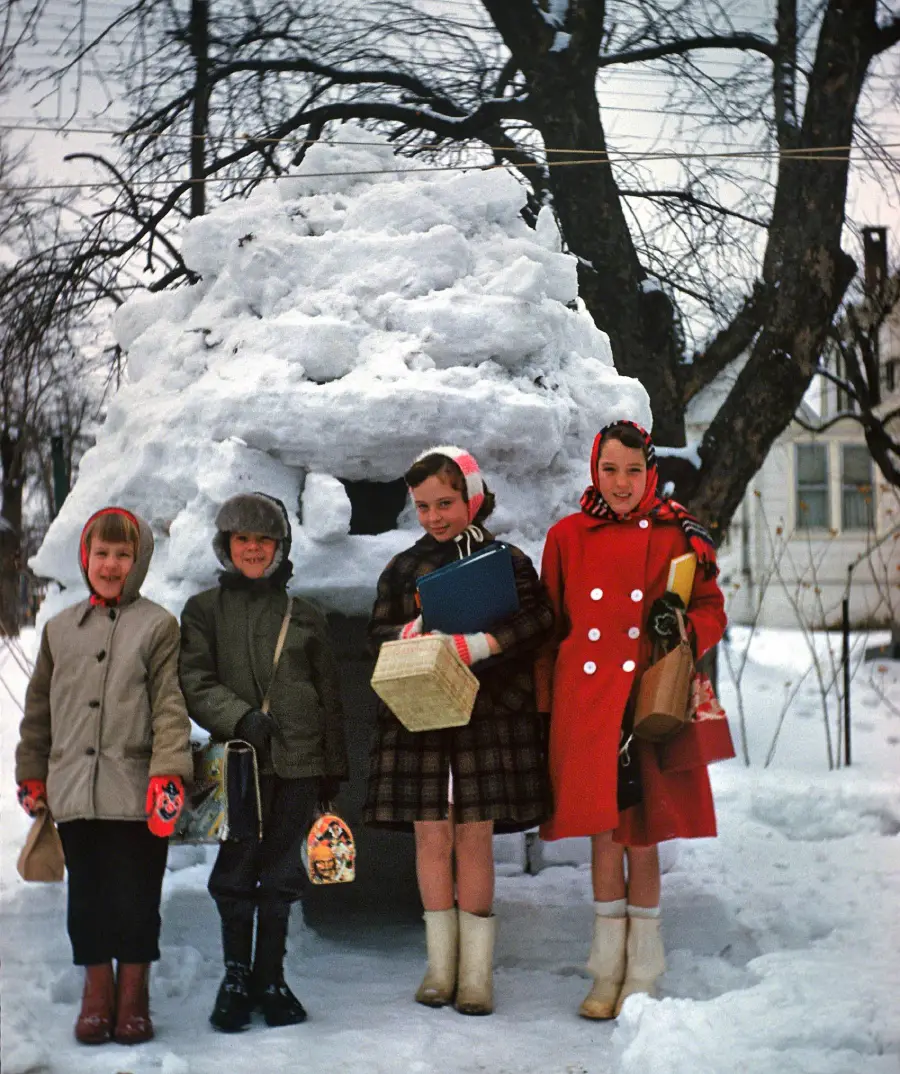
For generations, female students were strictly required to wear dresses or skirts to school regardless of freezing winter weather. It was not until the early to mid-1970s, spurred by Title IX legislation and student protests, that school districts finally permitted young women to wear casual slacks.
4. Blue jeans and denim jackets
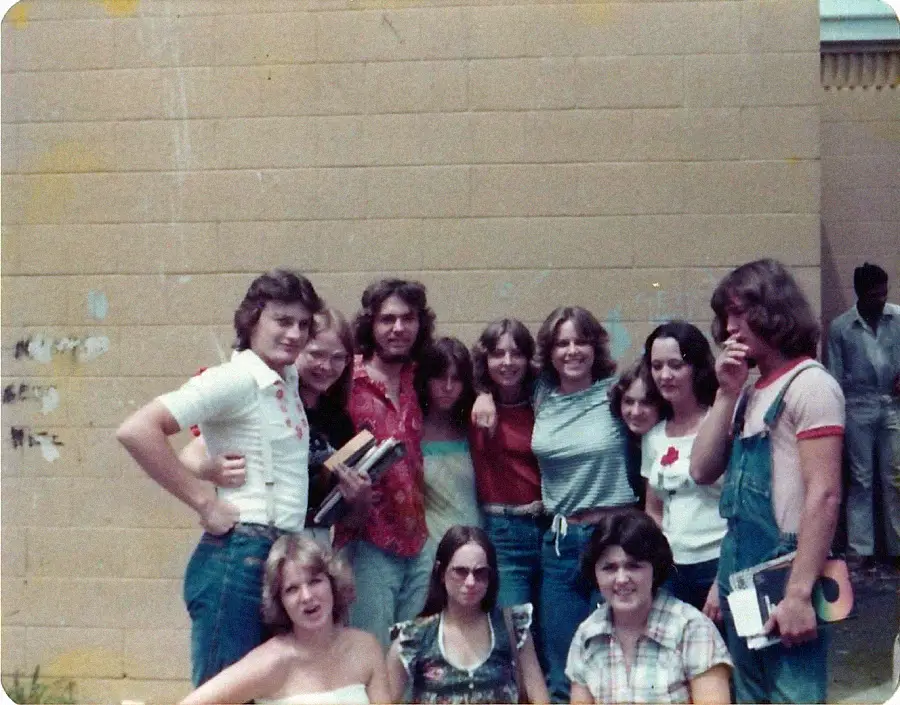
Denim was long associated with manual labor and juvenile delinquency, leading principal offices across the country to strictly prohibit blue jeans in classrooms. Students were expected to wear pressed slacks, khakis, or dress trousers to maintain a neat, formal academic environment.
5. Blue-collar facial hair

Beards, long sideburns, and moustaches were strictly forbidden for high school boys under official grooming guidelines. Teachers kept disposable razors and shaving cream in administrative offices, forcing students to shave immediately before being admitted to morning homeroom.
Trending on The Scroller
6. Black armbands and political badges
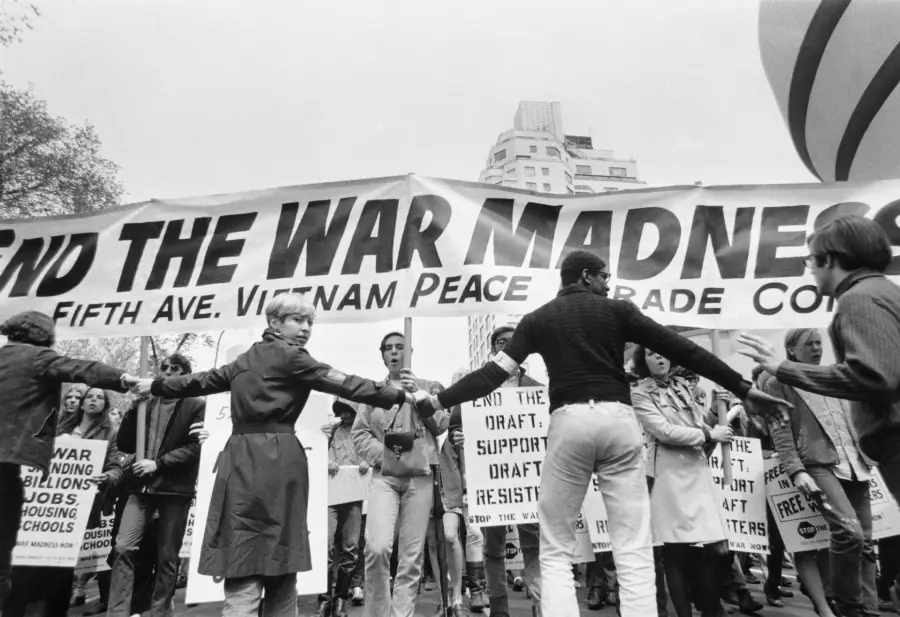
During the height of the Vietnam War, students using personal accessories to protest military actions faced immediate suspension. The issue culminated in the landmark 1969 Supreme Court case Tinker v. Des Moines, which famously established that students do not shed their constitutional free speech rights at the schoolhouse gate.
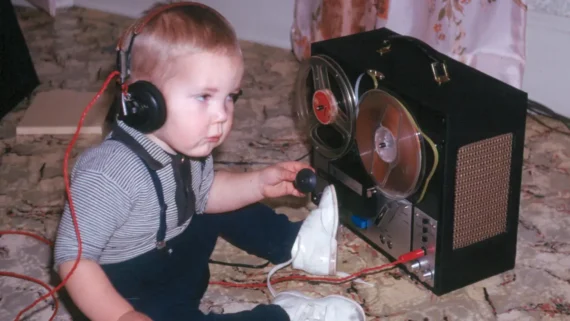
7. Transistor radios and portable tape players

Small battery-powered radios allowed teenagers to listen to rock-and-roll stations away from their parents, making them an instant distraction in school hallways. Principals routinely confiscated these portable music devices if they caught students tuning in during study halls or lunch periods.
8. Chewing gum
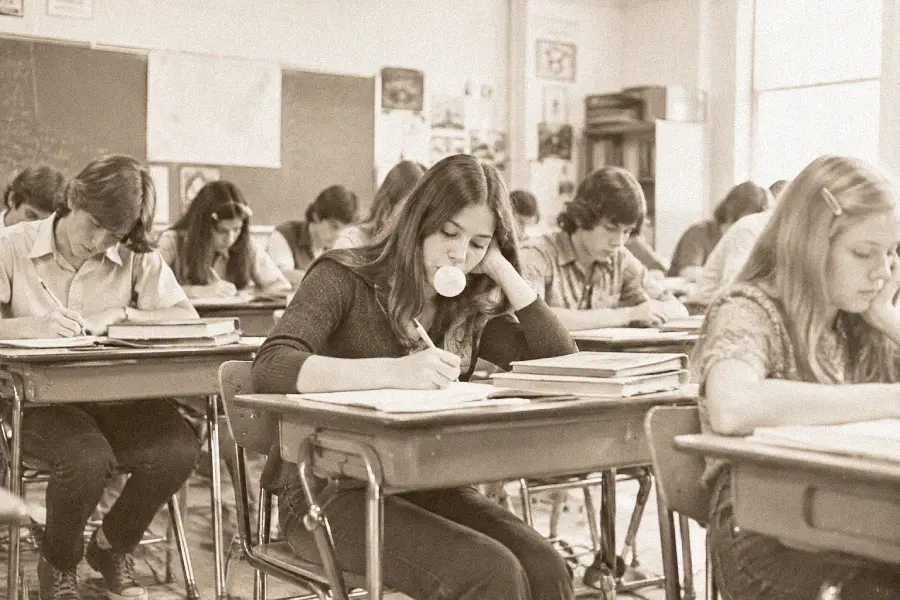
Maintaining classroom cleanliness and protecting auditorium furniture made chewing gum an ultimate academic offense. Teachers enforced strict punishments, such as forcing students to scrape dried gum from under wooden desks or write lines on the chalkboard after class.
Sign up for our newsletter
9. Comic books and underground student papers
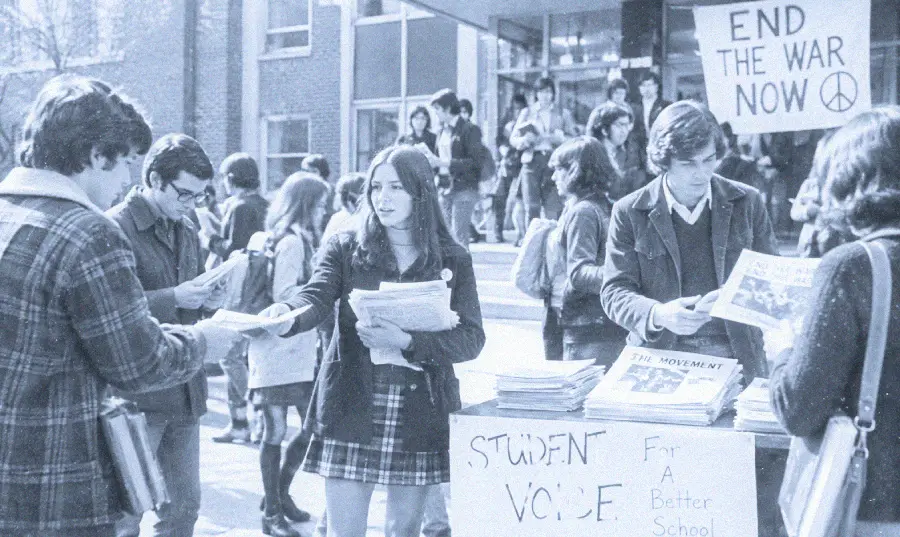
Administrators viewed comic books as intellectual junk food that corrupted youth literacy and promoted anti-social behavior. Additionally, students caught distributing unauthorized mimeographed underground newspapers criticizing school policies faced immediate disciplinary action or expulsion.
10. Slang and dialect words
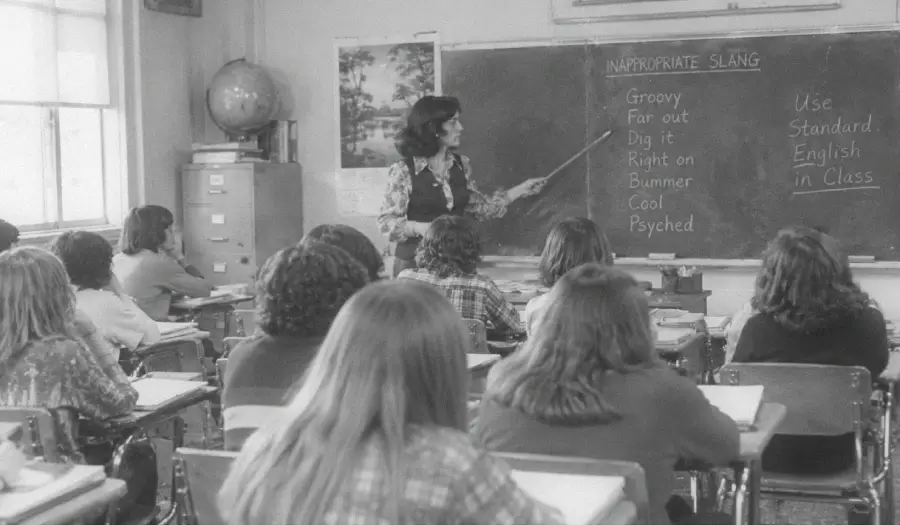
Teachers strictly enforced formal English in classrooms, issuing penalties for popular counterculture slang like “groovy,” “far out,” or “dig it.” Using informal street expressions was treated as a direct challenge to classroom decorum and academic authority.
11. Hot pants and bell-bottoms with excessively wide flares

When seventies fashion introduced extreme cuts like satin hot pants and exaggerated bell-bottoms, school boards quickly updated their banned wardrobe lists. Administrators argued that overly flashy or revealing trendy clothing distracted classmates from focusing on daily lectures.
12. Tank tops and spaghetti straps

Exposing shoulders or wearing collarless sleeveless shirts was considered immodest and inappropriate for standard school attire. Both male and female students were required to wear collared shirts or modest short-sleeved tops that fully covered their shoulders.
13. Platform shoes and clogs
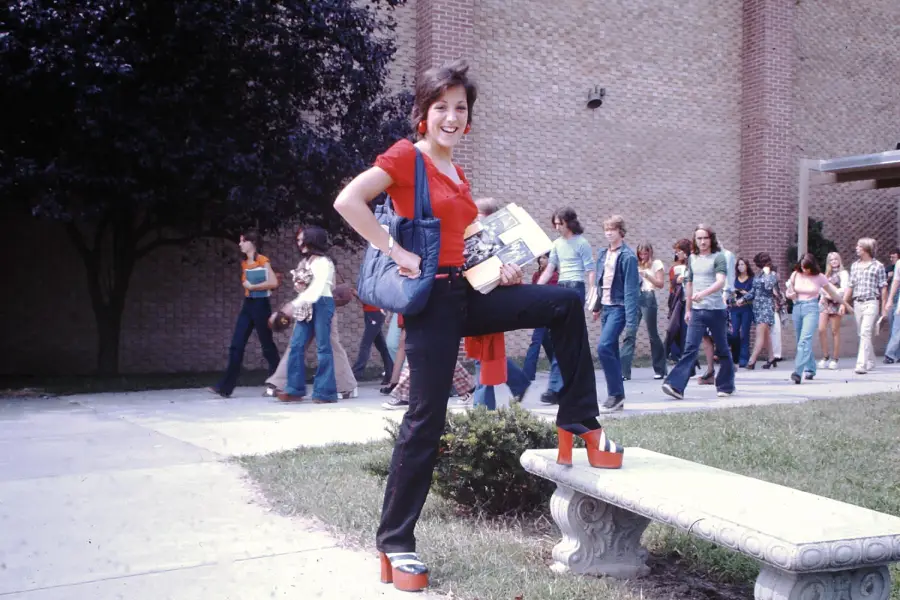
The massive popularity of elevated disco footwear created safety concerns for school administrators navigating multi-story campus buildings. High wooden clogs and thick platform boots were banned in many districts after students repeatedly twisted ankles on stairwells.
14. Co-ed physical education classes
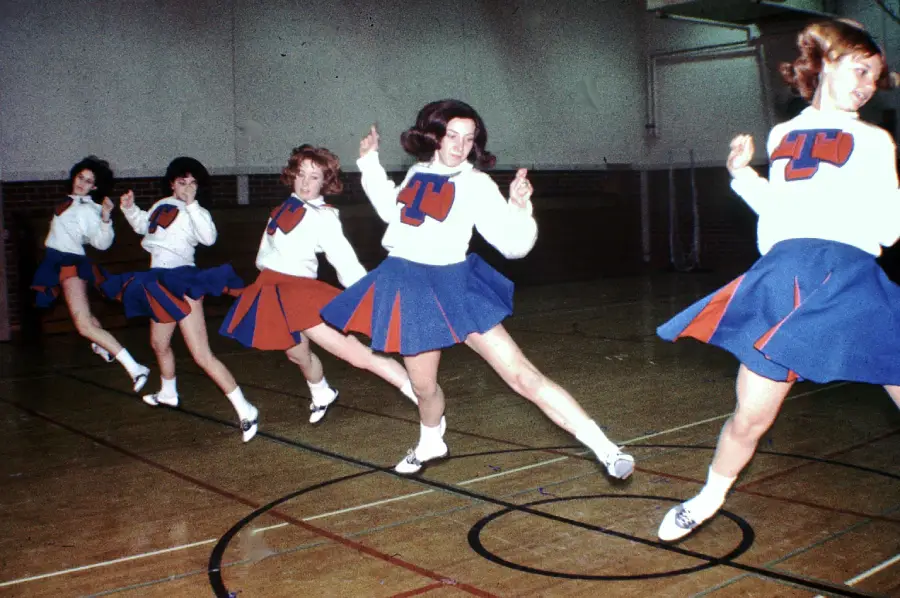
Prior to the passage of Title IX in 1972, physical education was strictly segregated by gender, offering completely different athletic activities for boys and girls. Boys focused on competitive contact sports while girls were steered toward gymnastics, field hockey, and rhythmic dance routines.
15. Playing cards and dice

Bringing traditional card decks or dice to school was strictly forbidden due to widespread administrative fears of student gambling rings. Even playing innocent games of Go Fish during lunch breaks could result in the cards being permanently confiscated by hall monitors.
16. Unchaperoned public displays of affection
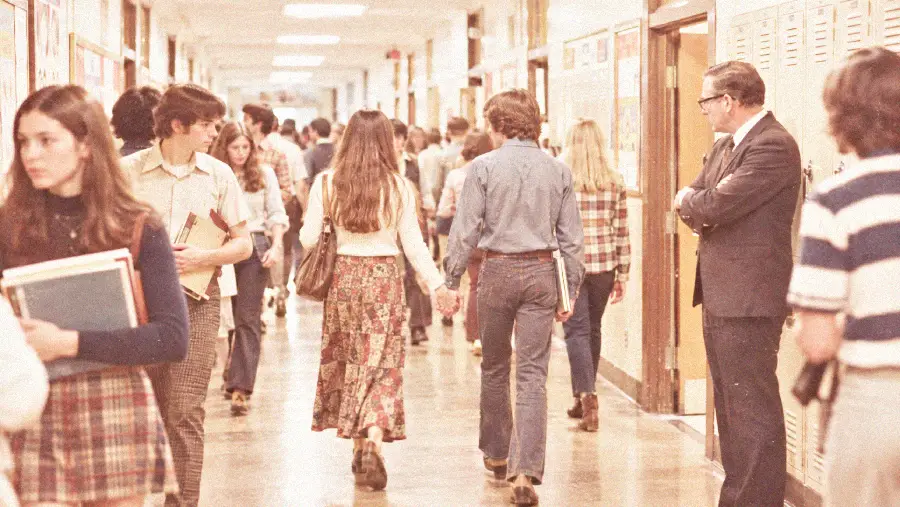
Holding hands, hugging, or kissing in school corridors resulted in immediate detention for teenage couples. Hall monitors actively enforced strict distance rules between students, ensuring physical contact remained entirely absent between class periods.
Check out more stories about the 60s and 70s:
Reflecting on these obsolete school rules and strict administrative regulations highlights how dramatically societal expectations around youth culture have shifted. The fascinating clash between traditional authority and student self-expression defined an iconic era in American educational history. If you enjoy exploring retro lifestyle archives, historic classroom culture, and nostalgic deep dives into the 60s and 70s, be sure to check out these 20 Wonderful School Photos Full of 60s and 70s Style, or these 18 Vintage Images That Show High School in the Seventies. You may also like these 20 Photos That Show Inside High School Life in the 1960s.