Before massive retail chains and digital shopping carts took over the world, nearly every household necessity was physically sold directly on your front porch. The mid-twentieth century was the golden era of the traveling salesman, a charismatic professional who brought the entire retail experience right to your living room. Instead of driving to a crowded shopping center, housewives simply waited for a knock on the front door to purchase everything from daily groceries to heavy industrial appliances.
This highly personalized method of commerce created a unique social dynamic that modern supermarkets completely destroyed. Traveling merchants carried incredibly heavy sample cases through boiling summer heat and freezing winter snow, relying entirely on their charm and product demonstrations to close a deal. Exploring this forgotten retail landscape reveals a fascinating time when convenience meant opening your front door rather than opening an app. Here are fourteen surprising things that were actively peddled neighborhood by neighborhood before massive grocery stores existed.
1. Heavy block ice
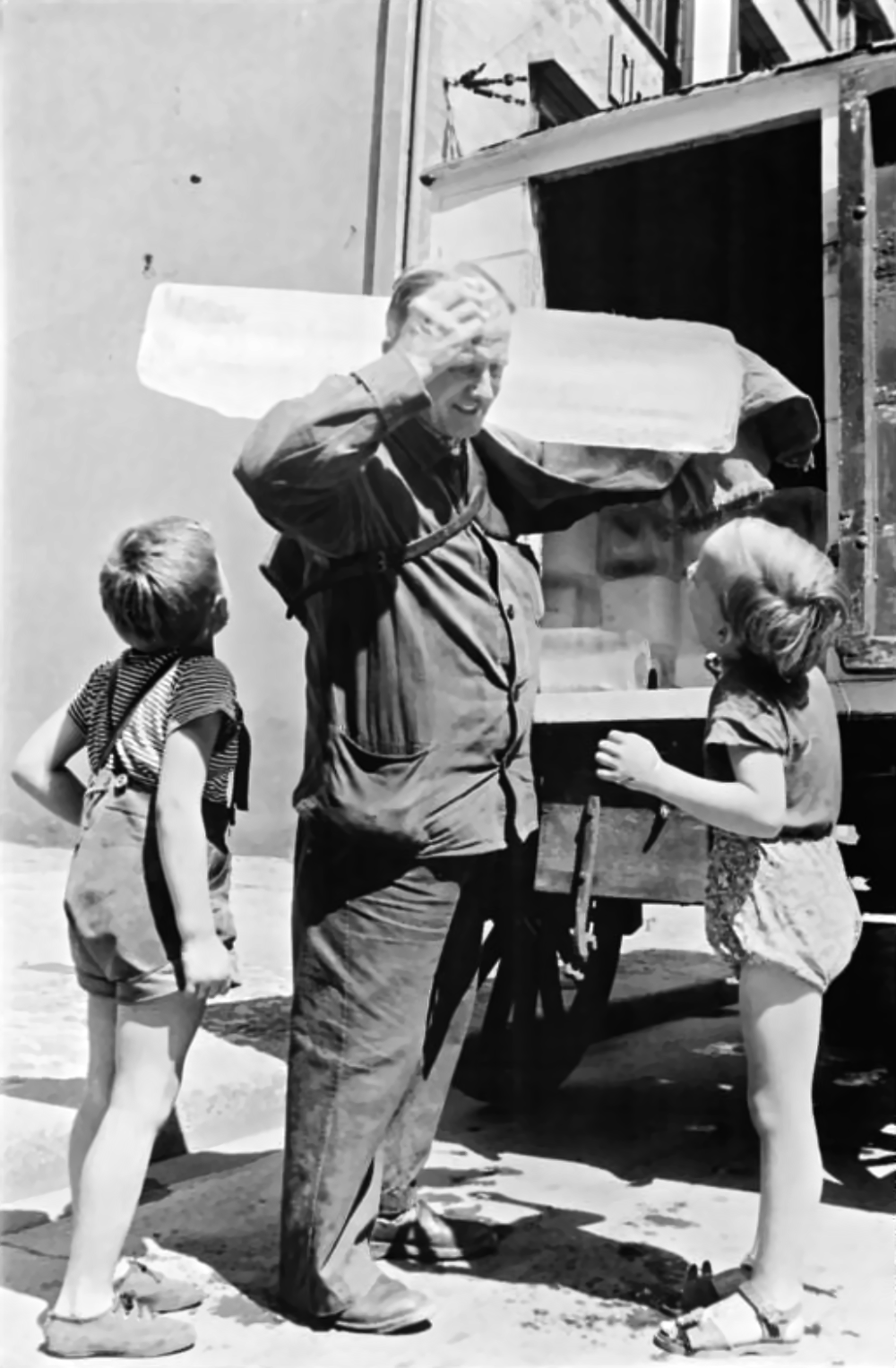
Before motorized refrigerators became standard in the 1930s, the local iceman delivered massive frozen blocks directly to residential kitchens using heavy metal tongs. Companies like the Knickerbocker Ice Company employed rugged men who drove horse-drawn wagons through city streets, allowing children to eagerly chase them for stray ice chips during sweltering summer afternoons.
2. Electrolux vacuum cleaners
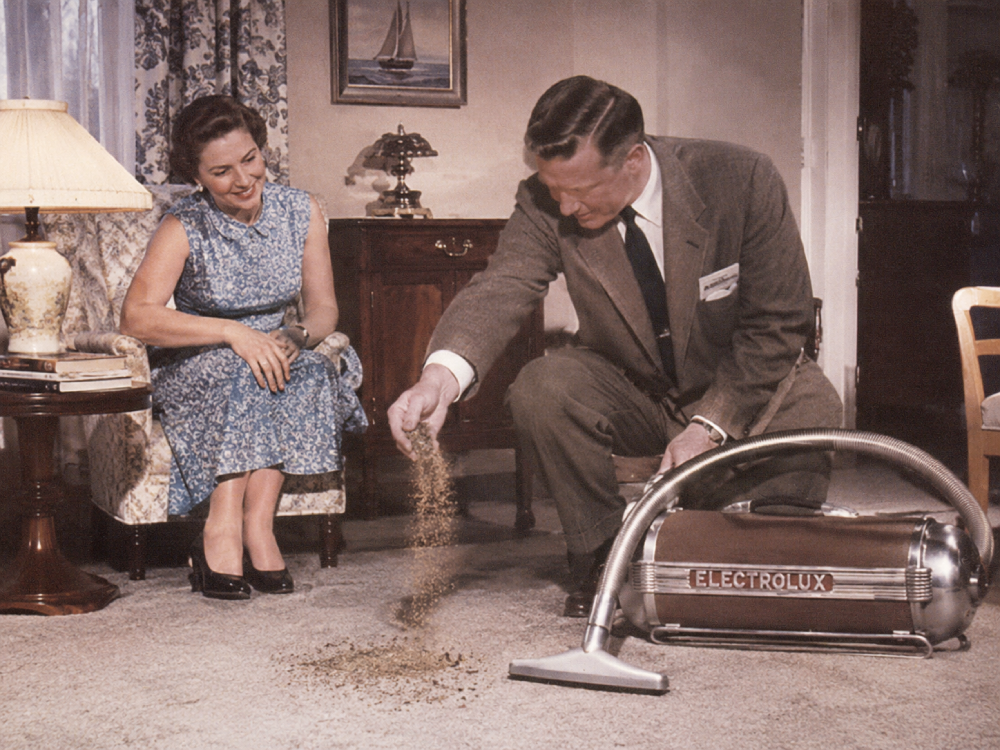
During the 1950s, impeccably dressed salesmen would actively throw dirt onto a housewife’s clean carpet just to prove the incredible suction power of the new Electrolux Model XXX. These highly trained professionals carried heavy steel cylinder vacuums door to door, turning a simple appliance pitch into a dramatic theatrical performance right in the middle of the living room.
3. Fuller Brush Company products
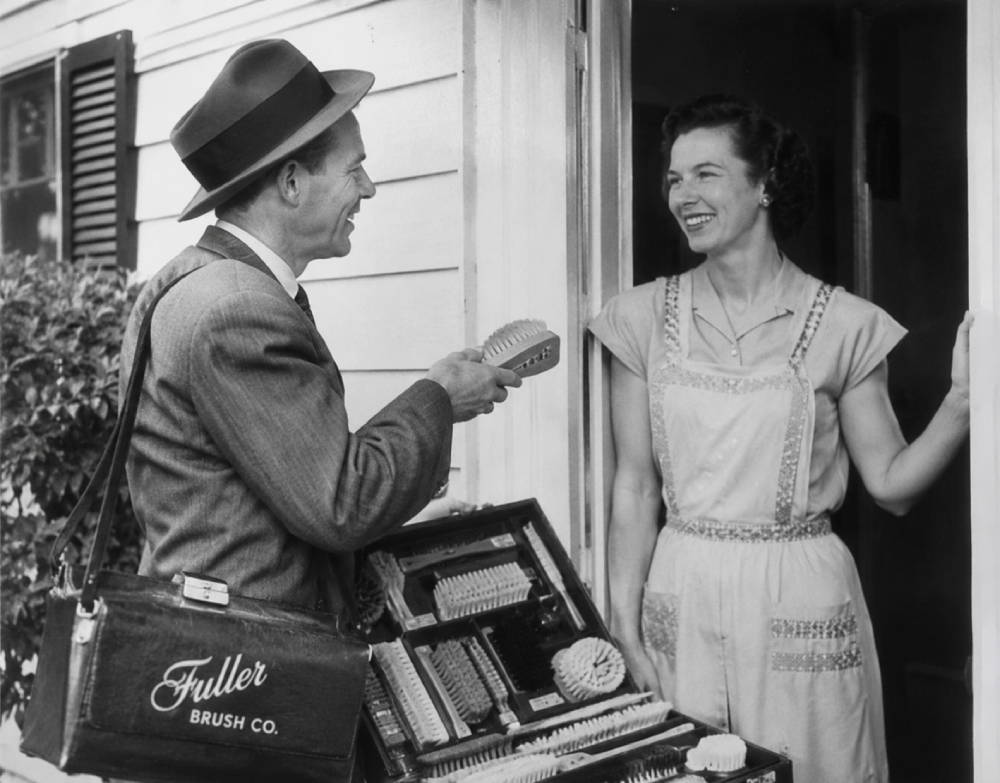
Founded by Alfred Fuller in 1906, this legendary company dispatched thousands of neatly groomed men carrying massive leather suitcases filled with highly specialized cleaning brushes. A successful Fuller Brush Man was strictly trained to offer a free vegetable scrubber the moment a customer opened the door, a brilliant psychological tactic that almost always guaranteed a polite conversation and a profitable sale.
4. Farm fresh milk and cream
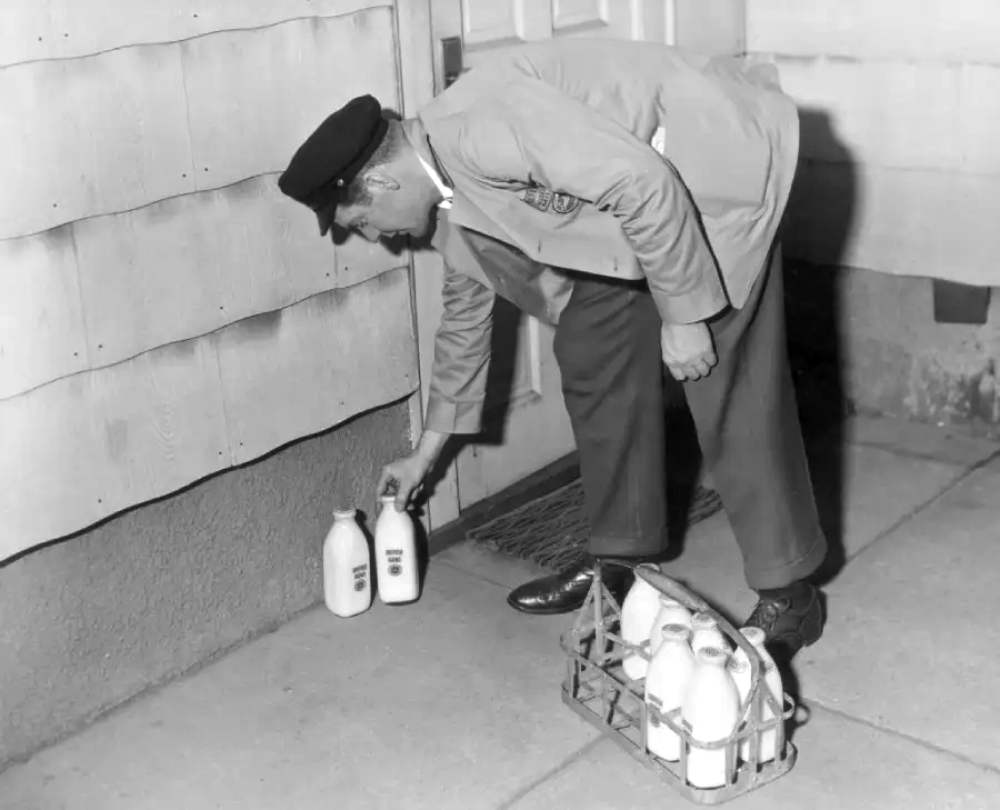
In the 1940s, local dairies like Hood and Twin Pines dispatched uniformed drivers in specialized delivery trucks to swap empty glass bottles for fresh ones before sunrise. These dedicated milkmen completely memorized the exact dairy needs of hundreds of families, quietly placing cold butter and heavy cream into galvanized metal porch boxes while the entire neighborhood slept.
5. Encyclopedia Britannica sets
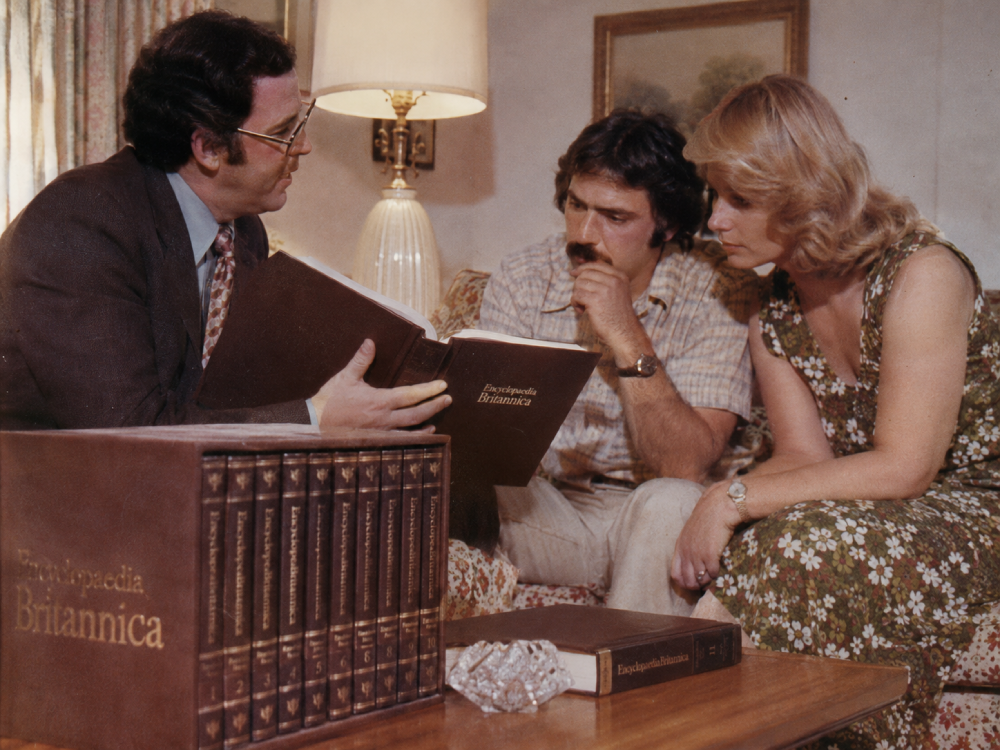
Before digital search engines existed, slick salesmen in the 1970s convinced anxious middle-class parents that their children would fail school without a heavy thirty-volume encyclopedia set. These charismatic agents hauled heavy leather-bound books across the country, selling expensive knowledge on monthly installment plans to families desperate for a competitive academic edge.
Trending on The Scroller


6. Freshly baked bread and pastries
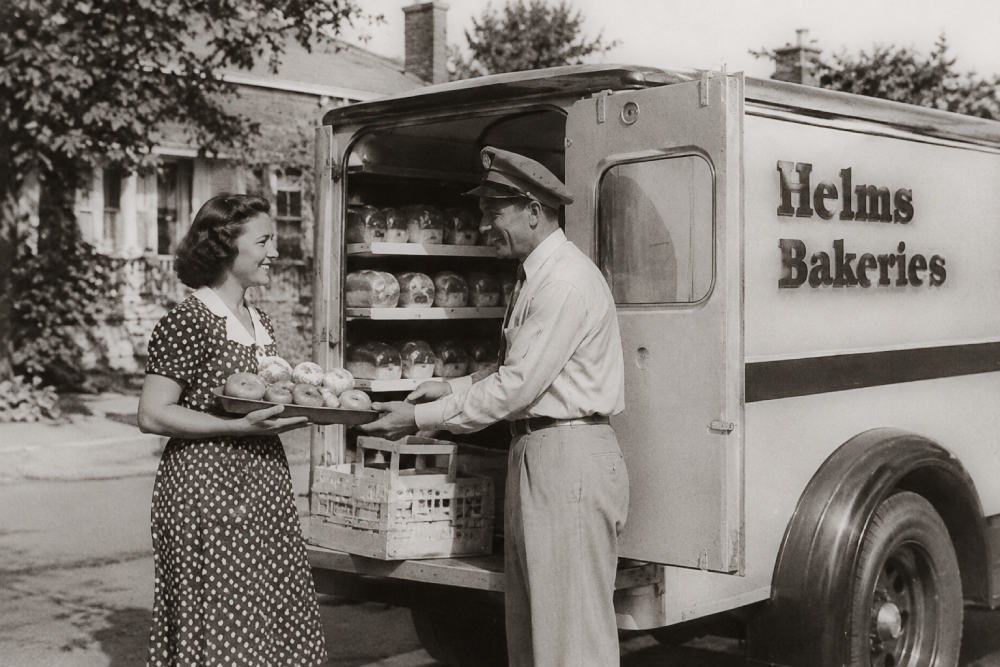
Rather than letting bread go stale on supermarket shelves, local bakeries in the 1920s hired delivery boys to bring hot loaves directly to residential stoops via horse or bicycle. Famous companies like Helms Bakery in Southern California drove custom yellow coaches through neighborhoods, blowing a distinct wooden whistle to alert hungry residents that fresh donuts and sourdough were rolling down the street.
7. Wear-ever aluminum cookware
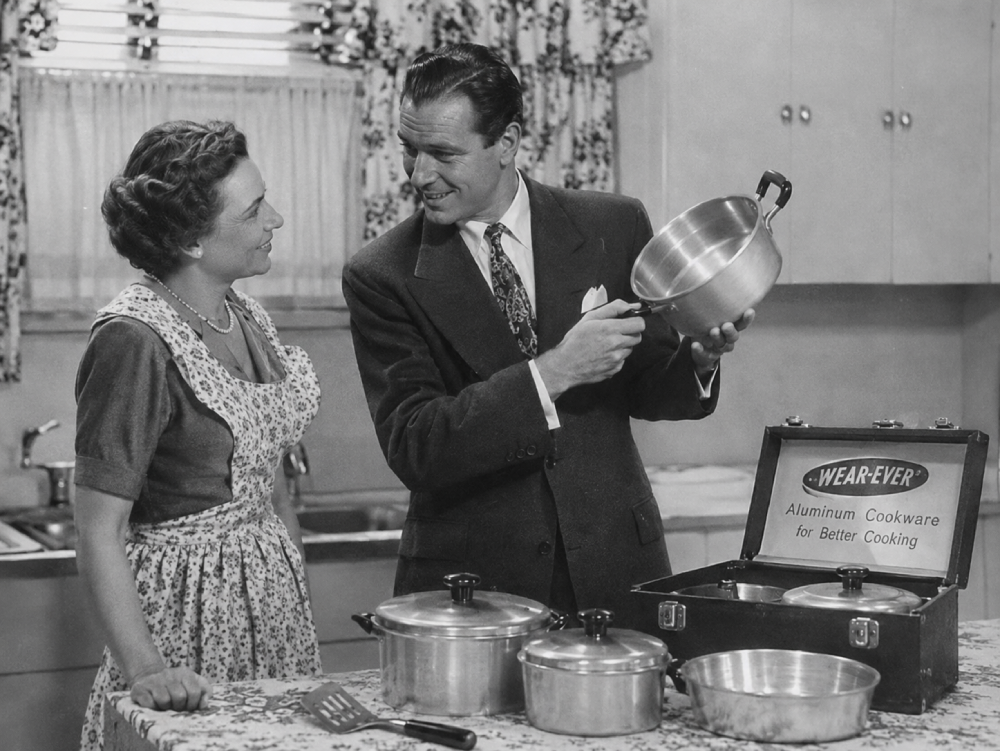
Following the end of World War II, the Aluminum Cooking Utensil Company actively recruited returning veterans to sell high-end pots and pans directly to suburban housewives. These ambitious salesmen would literally cook an entire multi-course dinner in a potential customer’s kitchen, proving that their expensive metal pans could roast a perfect chicken without burning the bottom.
8. Singer sewing machines
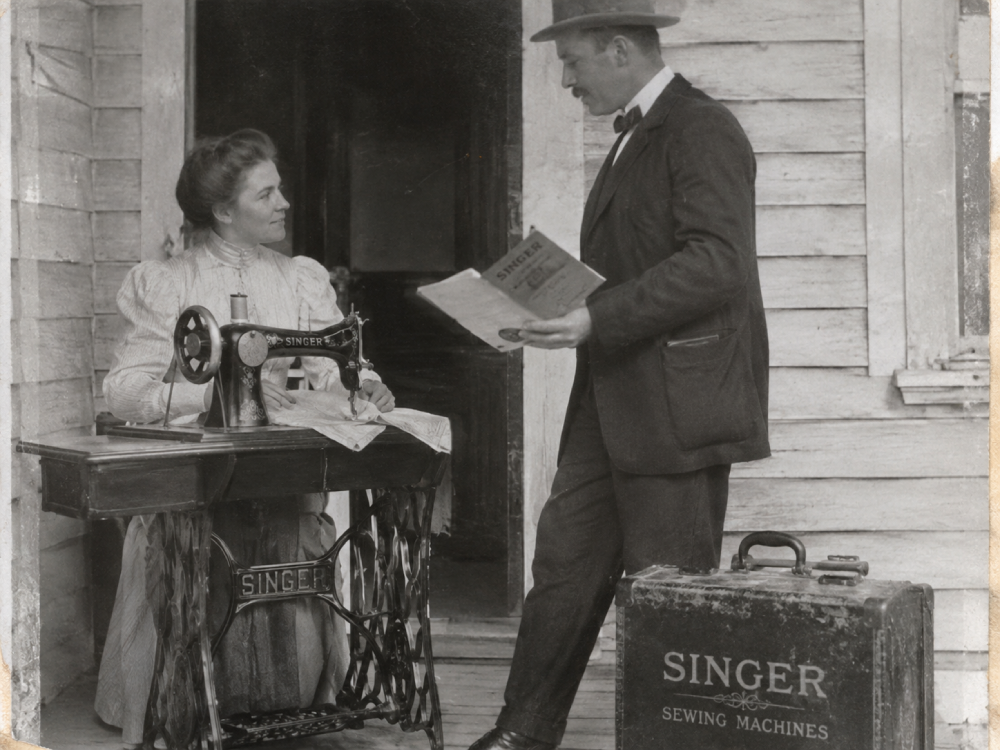
To completely dominate the garment industry in the late nineteenth century, the Singer Corporation sent aggressive agents into rural towns to sell heavy cast iron pedal machines. Edward Clark, the brilliant business partner of Isaac Singer, introduced the revolutionary concept of the installment payment plan in 1856, allowing poor farming families to finance a machine for just a few dollars a month.
Sign up for our newsletter
9. Avon cosmetics and perfumes
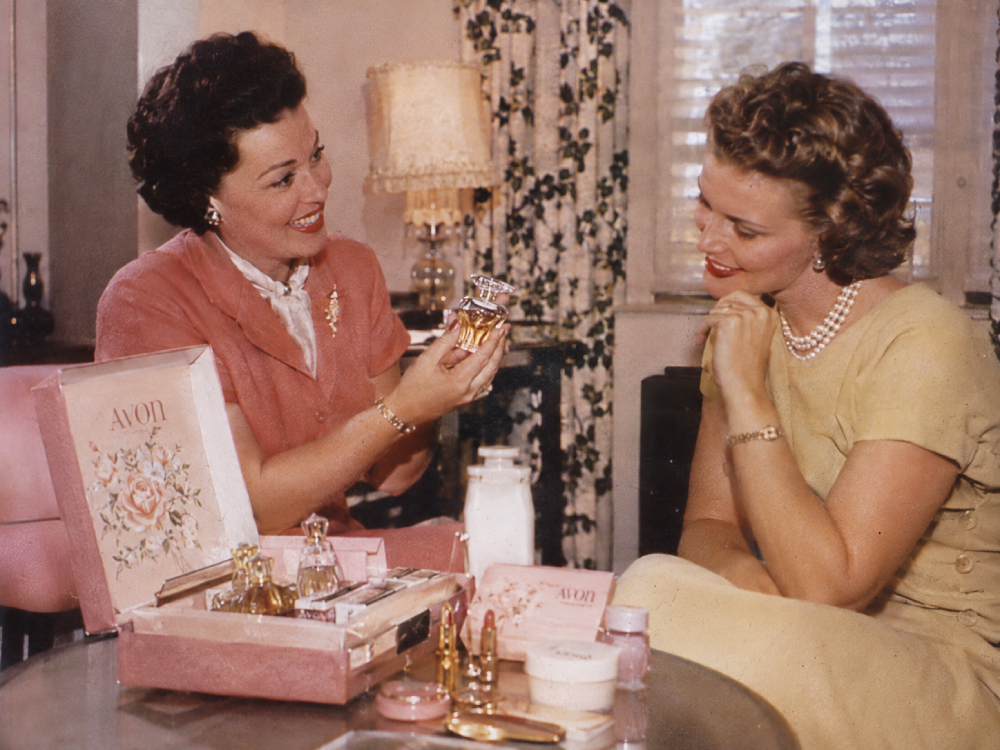
In 1886, a struggling door-to-door book salesman named David H. McConnell realized his female customers were vastly more interested in the tiny free perfume samples he offered. He completely pivoted his business to create the California Perfume Company, later renamed Avon, establishing a massive network of independent female representatives who sold beauty products directly to their own neighbors.
10. Freshly roasted peanut
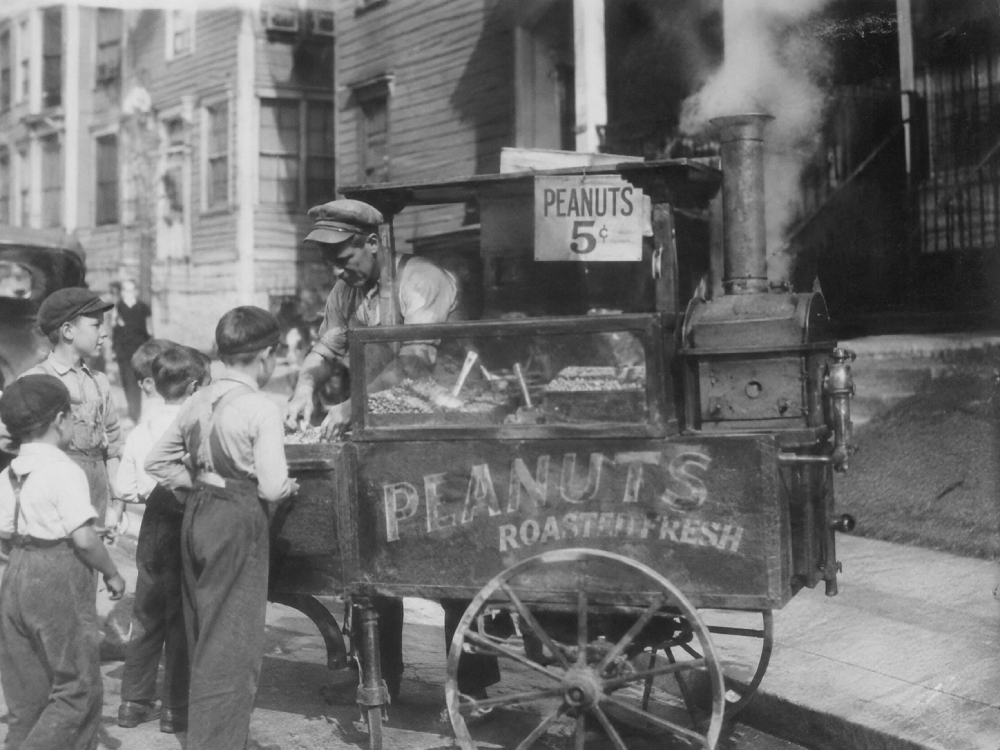
During the early 1900s, Italian immigrants in major American cities pushed heavy steam-powered roasting carts through crowded residential neighborhoods. The loud, high-pitched whistling of the steam engine served as an ingenious natural advertisement, drawing eager children out of their homes to buy warm, salty paper bags of peanuts for just a single penny.
11. Tupperware plastic containers
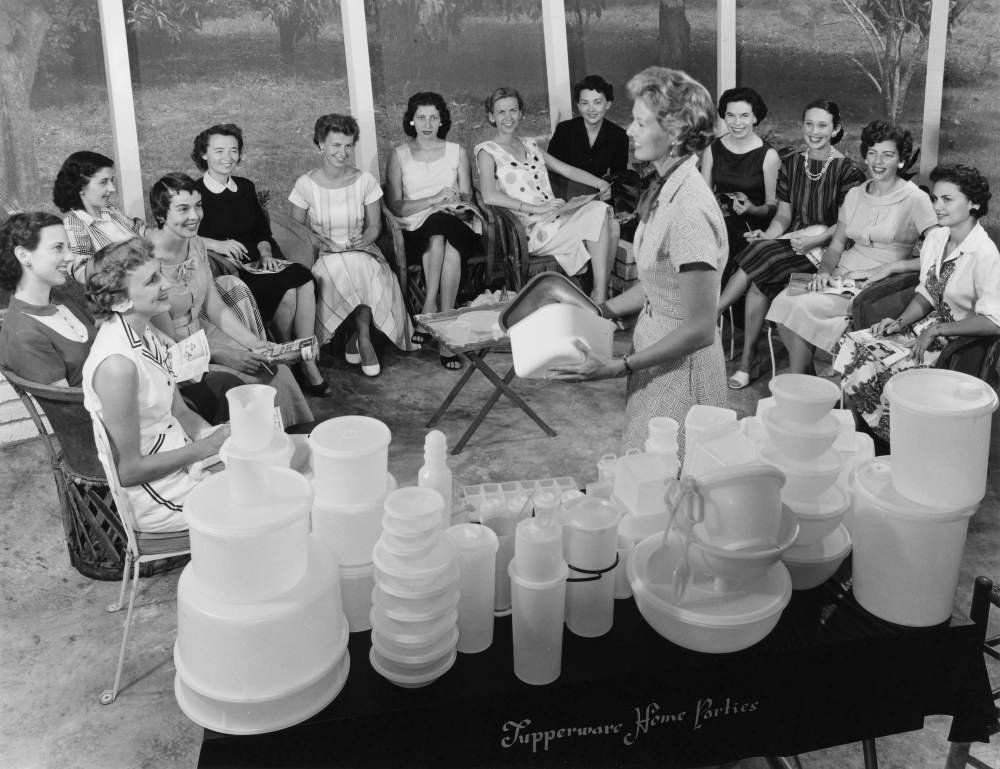
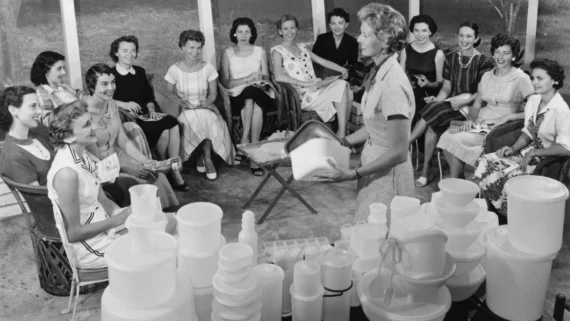
In the early 1950s, marketing genius Brownie Wise realized that Earl Tupper’s revolutionary airtight plastic bowls were not selling well on traditional hardware store shelves because the burping seal was confusing. She pioneered the legendary Tupperware Party, transforming the daunting door-to-door sales model into a highly social living room gathering where housewives demonstrated the plastic containers to their closest friends.
12. Sharpening services for knives
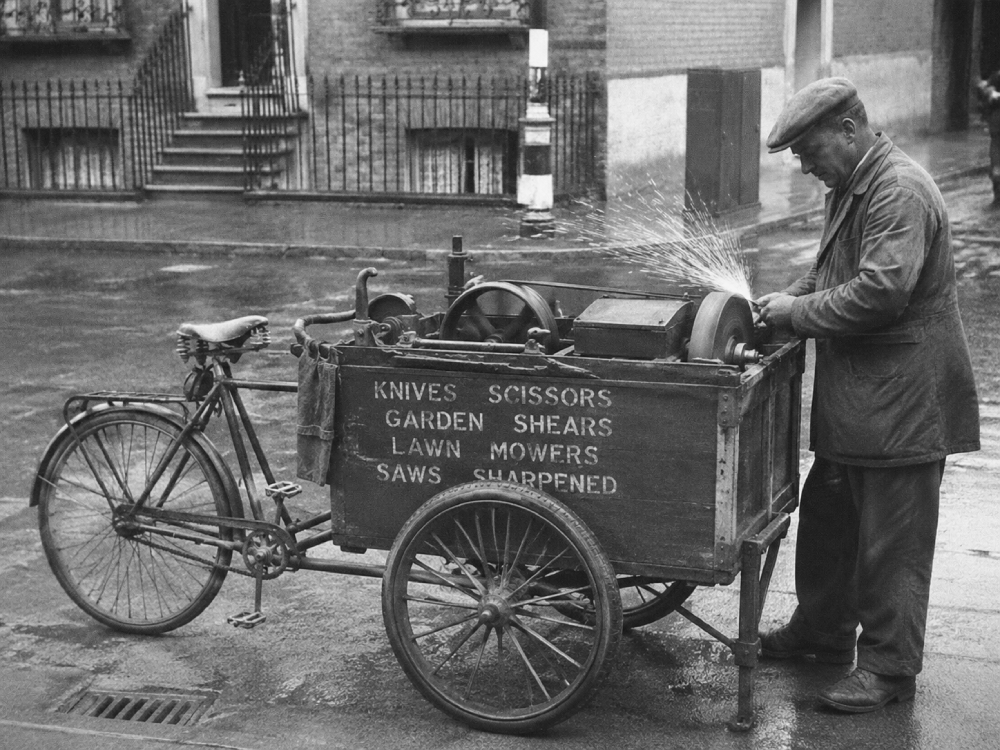
Before cheap disposable cutlery flooded the market, specialized tradesmen drove slow-moving grinding trucks down residential streets during the 1940s to restore dull household tools. These traveling grinders operated a heavy pedal-powered whetstone mounted directly on their vehicles, expertly throwing bright sparks into the air while sharpening kitchen knives and heavy fabric scissors right on the curb.
13. Medical tonics and patent medicines
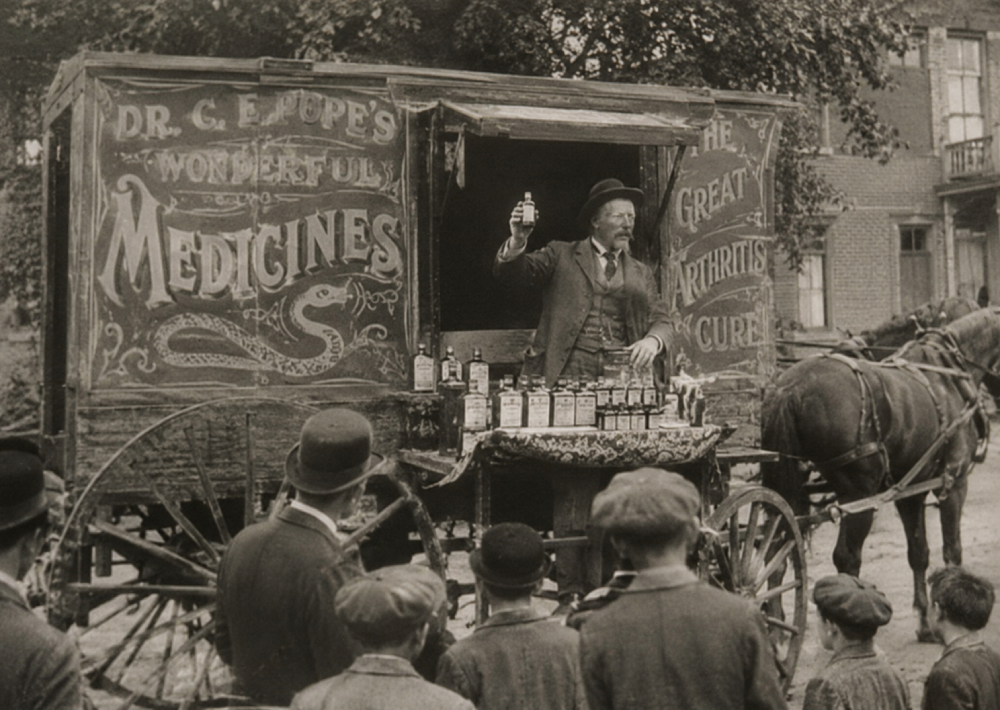
Traveling snake oil salesmen in the late 1800s drove colorful wagons from town to town, aggressively peddling mysterious glass bottles of cure-all tonics. Charismatic pitchmen like Clark Stanley claimed his famous snake liniment could cure severe arthritis and animal bites, though federal investigators in 1917 eventually discovered his magical medicine was mostly just beef fat and red pepper.
14. Coal for winter heating
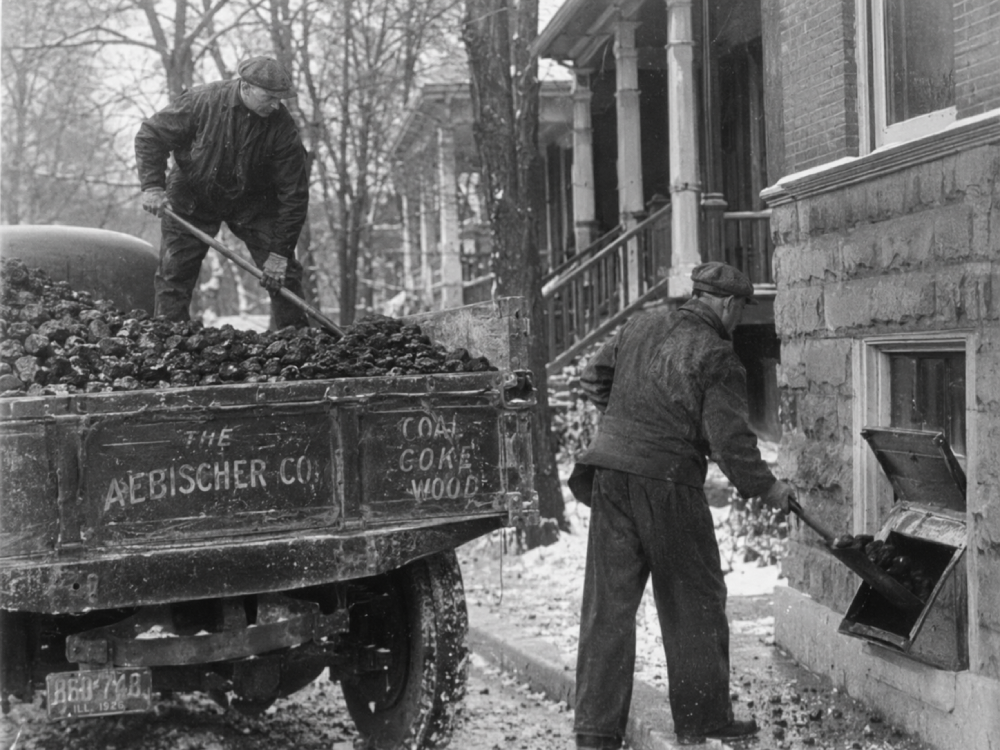
Before natural gas lines and electric heaters were installed in suburban homes, the local coal man was an absolutely vital winter visitor during the 1920s. Driving heavy, soot-covered dump trucks, these incredibly strong laborers manually shoveled tons of dirty anthracite coal directly through a specialized basement window chute to keep neighborhood furnaces burning all season long.
Check out more vintage shopping habits:
Looking back at these highly personalized sales tactics makes the modern retail experience feel incredibly isolated and robotic. While we certainly enjoy the massive convenience of a digital checkout screen, a small piece of genuine community connection permanently vanished when the traveling salesmen finally retired. If you love exploring historical trends, forgotten cultural phenomena, and weird vintage shopping habits, make sure to check out these 14 Everyday Shopping Habits That Died When Malls Took Over or these 14 Forgotten Shopping Habits of Mid-Century Families. You may also like these Retail Traps: 12 Ways Department Stores Kept Shoppers Inside.