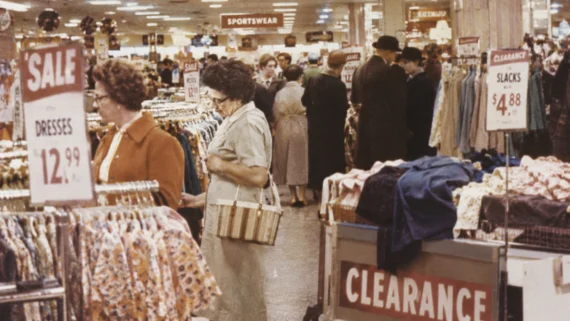
Long before online shopping carts and instant digital checkout buttons existed, massive retail stores had to rely on psychological manipulation to maximize their daily profits. The primary goal of a midcentury retail giant was not just to sell you a single winter coat, but to completely warp your sense of time and space. Retail architects deliberately designed these massive buildings as consumer labyrinths, ensuring that once you walked through the heavy glass doors, you would completely forget about the outside world.
By employing brilliant sensory tricks, confusing floor plans, and luxurious hidden amenities, retail executives successfully trapped millions of consumers inside their meticulously curated worlds. From completely eliminating natural sunlight to offering elegant indoor dining experiences, these historical consumer traps were engineered with absolute precision. Exploring these aggressive midcentury retail tactics reveals just how far corporations would go to squeeze an extra dollar out of a casual afternoon trip. Here are twelve fascinating psychological tricks department stores historically used to keep shoppers wandering their aisles for hours.
1. The Gruen effect floor plans
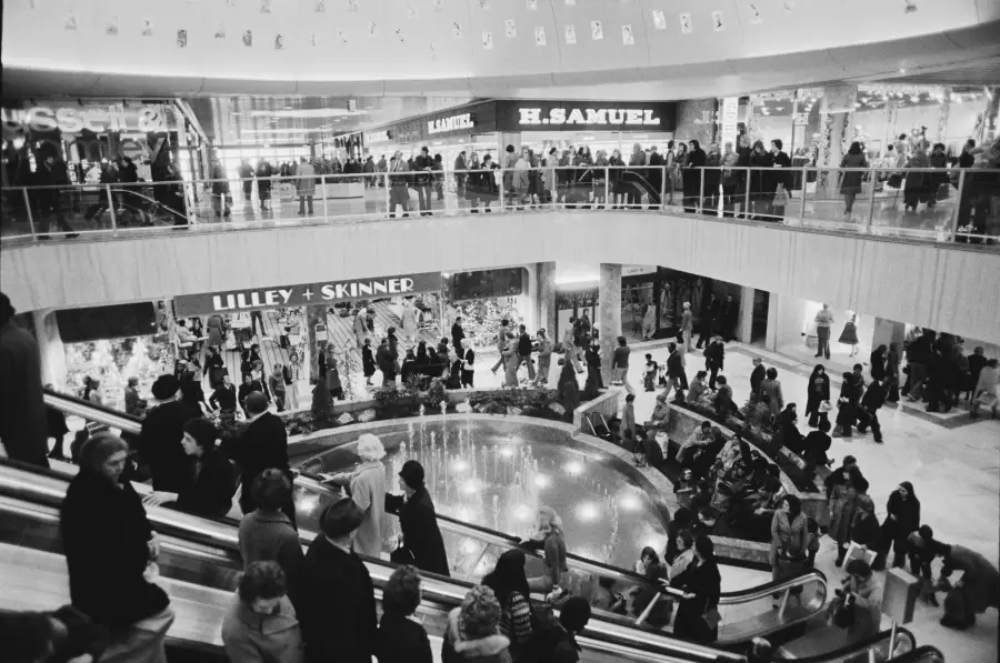
In 1956, Austrian architect Victor Gruen designed the Southdale Center in Edina, Minnesota, purposefully utilizing a highly disorienting floor plan to deliberately confuse casual visitors. By intentionally placing escalators at completely opposite ends of the building, his revolutionary layout forced customers to blindly wander past dozens of impulse items just to reach their intended destination.
2. Windowless concrete architecture
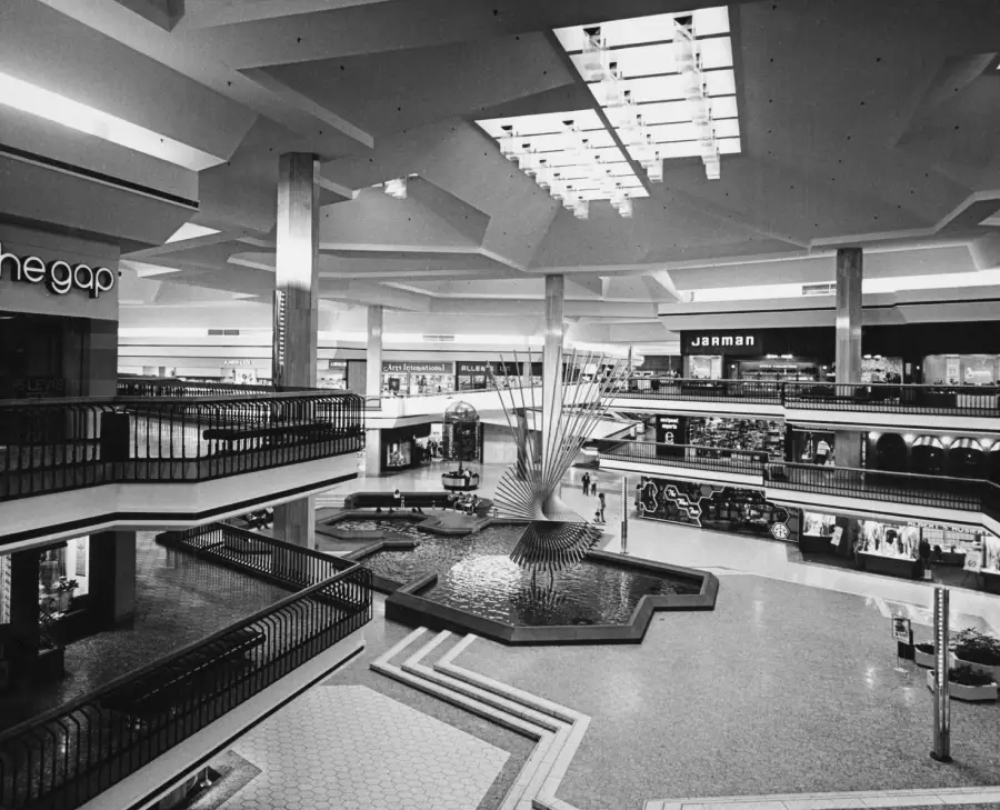
During the massive suburban retail boom of the 1970s, developers completely eliminated exterior windows and skylights from their massive architectural designs. By stripping away any visual access to the setting sun or changing weather conditions, retailers effectively created a timeless vacuum where customers easily lost track of how many hours they had spent browsing.
3. The Walnut Room restaurant strategy
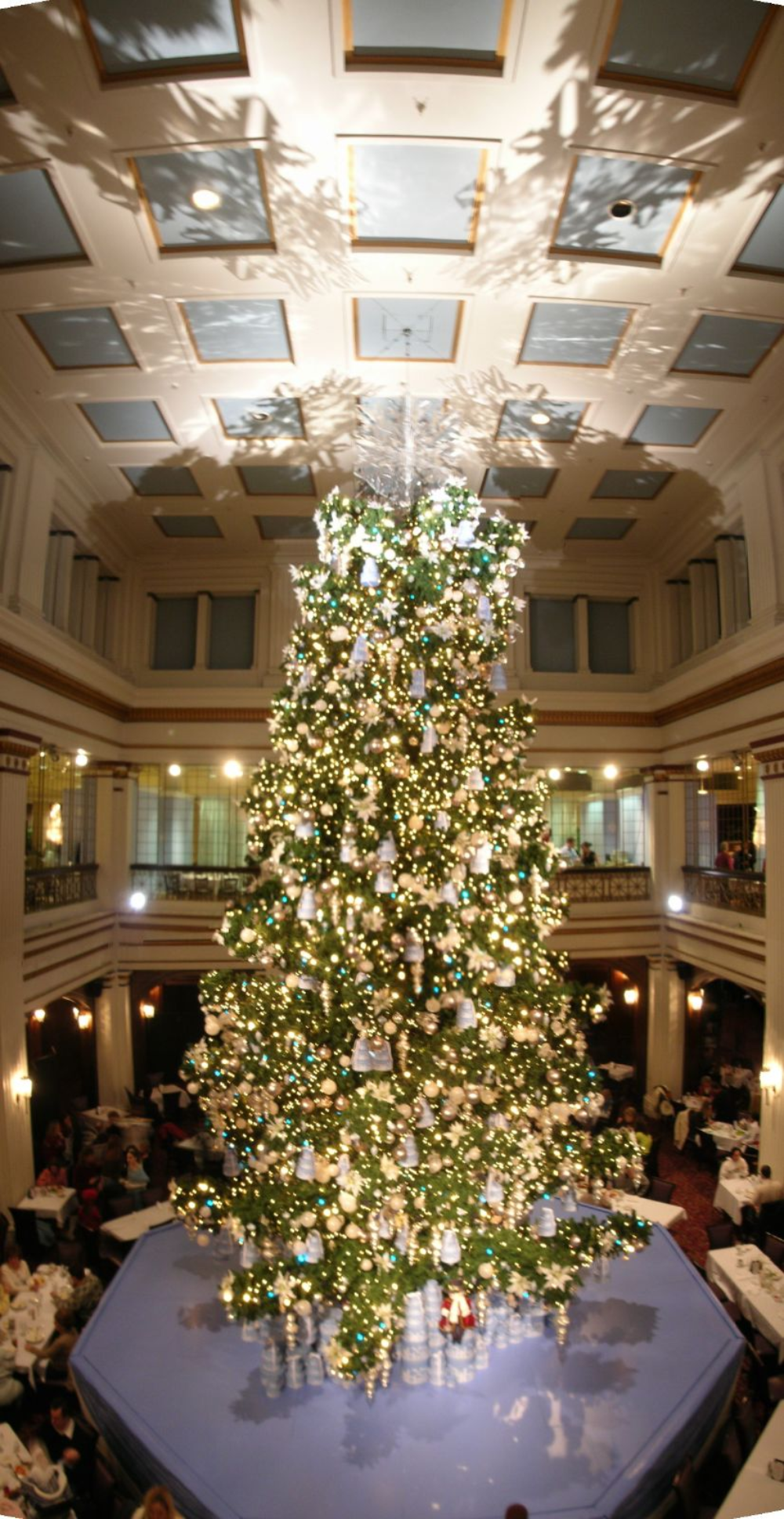
In 1907, Marshall Field’s in Chicago became the very first major retailer to open a luxurious indoor dining space, famously known as the Walnut Room. Management quickly realized that if hungry female shoppers could sit down for a fancy chicken pot pie right inside the building, they would never need to leave the premises to go find lunch.
4. Elaborate crystal tea rooms
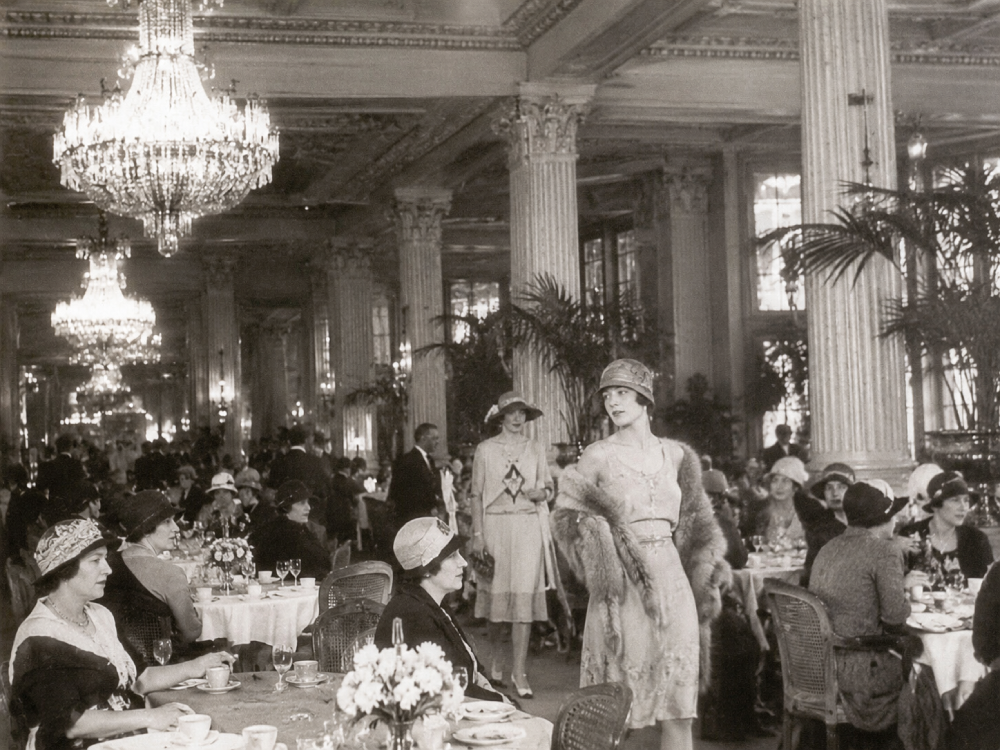
Looking to keep wealthy socialites occupied throughout the entire afternoon, Wanamaker’s in Philadelphia began hosting glamorous daily fashion shows directly inside their massive Crystal Tea Room during the 1920s. Models would casually stroll between the dining tables wearing the latest Paris imports, instantly converting a relaxing lunch hour into a highly effective live marketing presentation.
5. In-store supervised nurseries
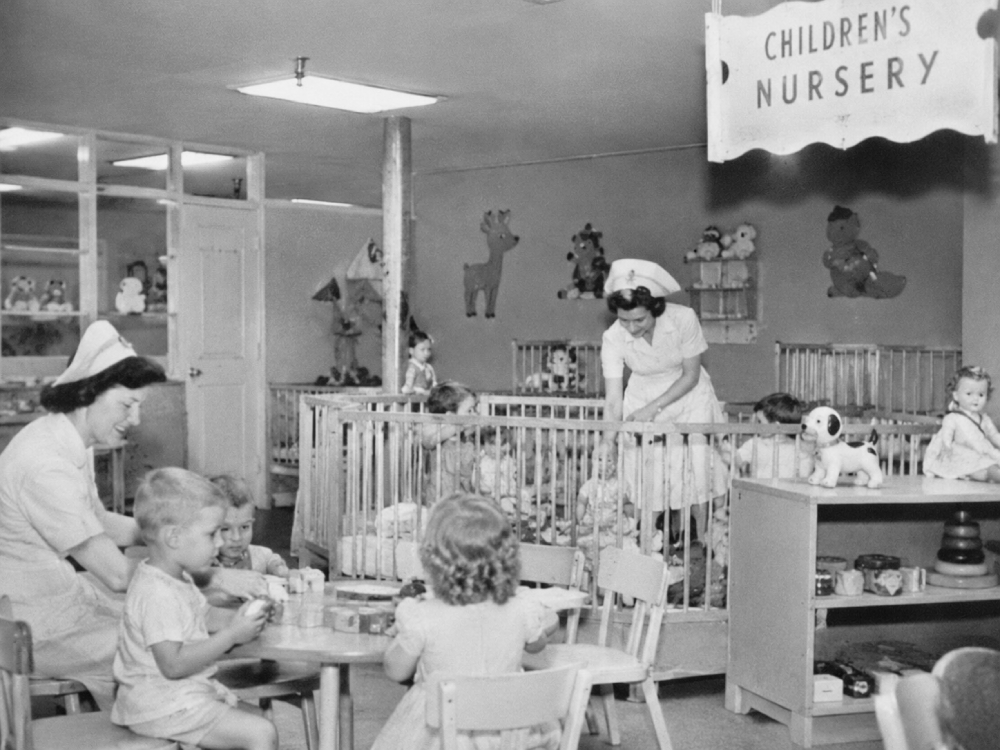
To completely remove the stress of impatient toddlers, progressive 1950s retail giants like Sears and Roebuck installed dedicated, supervised nurseries right next to the women’s clothing departments. Mothers could safely drop their crying infants into colorful wooden playpens watched by hired nurses, buying themselves several uninterrupted hours of peaceful, high-volume spending.
Trending on The Scroller


6. The right-turn bias trick
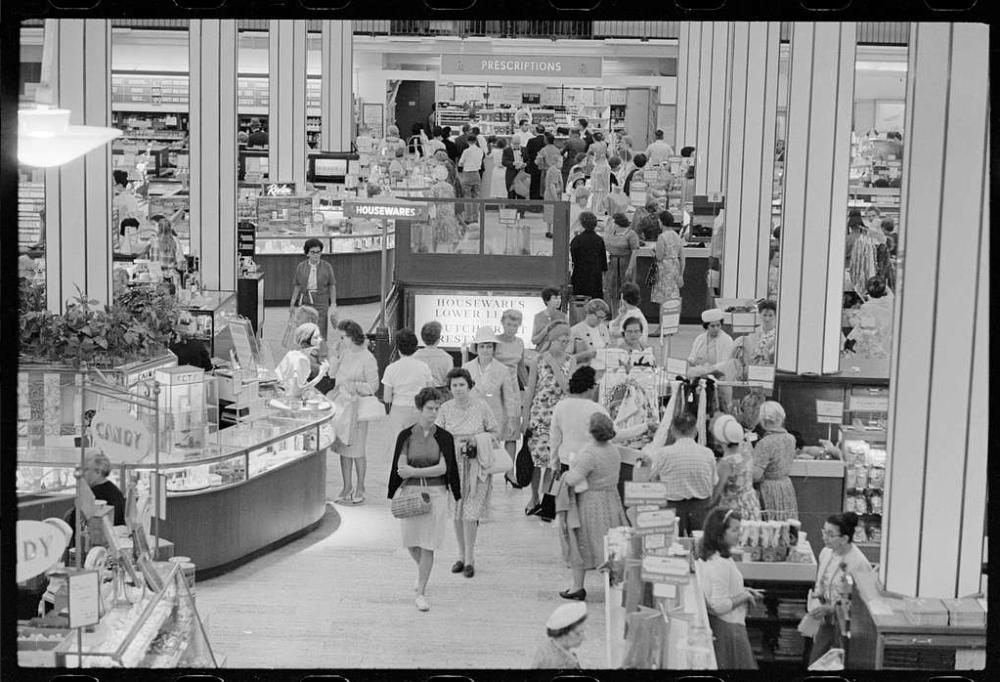
Early twentieth-century retail psychologists discovered that the vast majority of right-handed Americans naturally veer toward the right immediately upon entering a new building. Taking advantage of this biological quirk, managers at Macy’s strategically placed their highest-margin luxury goods and most visually stunning displays directly to the right of the main entrance doors.
7. Subliminal Muzak soundtracks
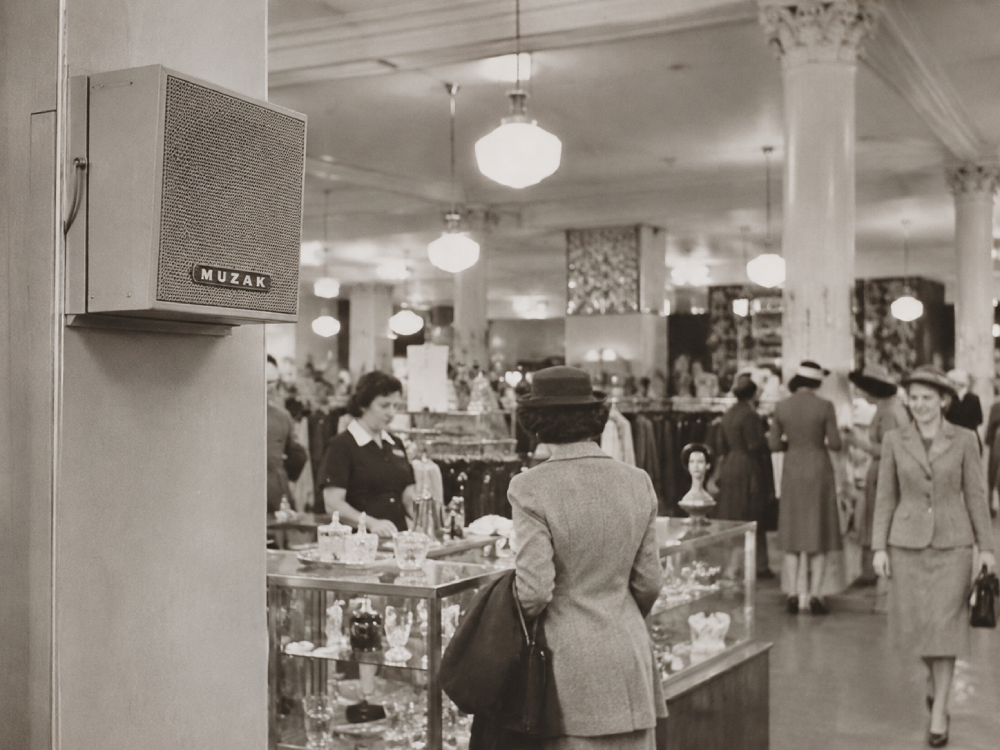
Starting in the 1940s, retail executives widely adopted the Muzak Corporation’s highly scientific audio programming to unconsciously control the physical walking speed of their consumers. By playing incredibly slow, instrumental elevator music featuring a relaxing tempo of sixty beats per minute, retailers successfully forced rushed shoppers to subconsciously slow down and browse the aisles longer.
8. Hiding the mechanical clocks
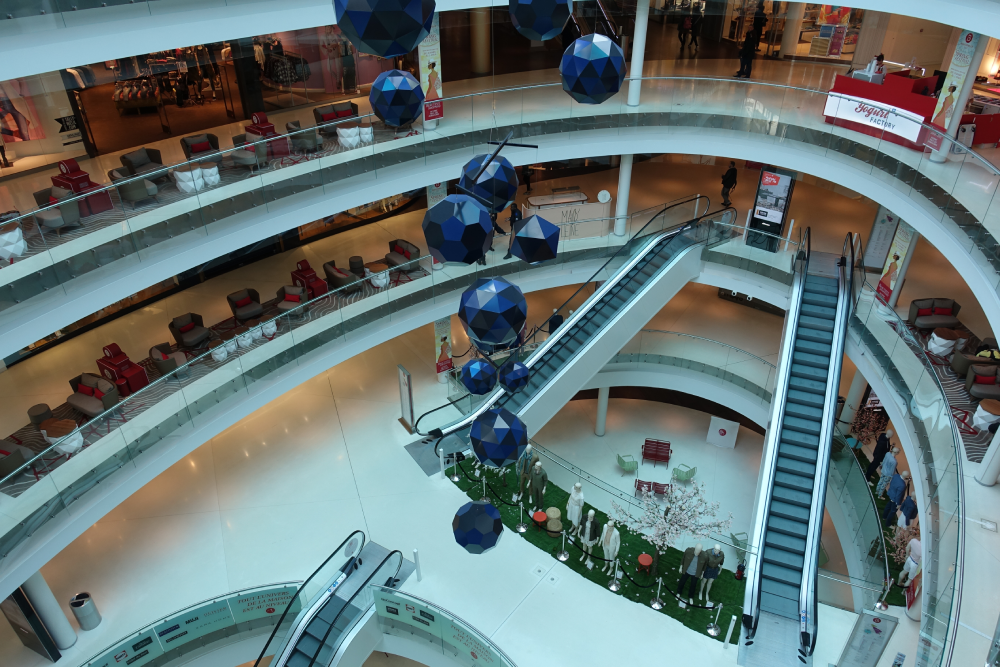
Unlike historical train stations or public squares, midcentury shopping meccas strictly forbade the installation of any large public clocks on their expansive sales floors. Just like the notorious Las Vegas casinos, removing all mechanical timepieces effectively severed the customer’s connection to reality, easily turning a quick thirty-minute errand into a three-hour shopping marathon.
Sign up for our newsletter
9. The ground-floor cosmetics trap
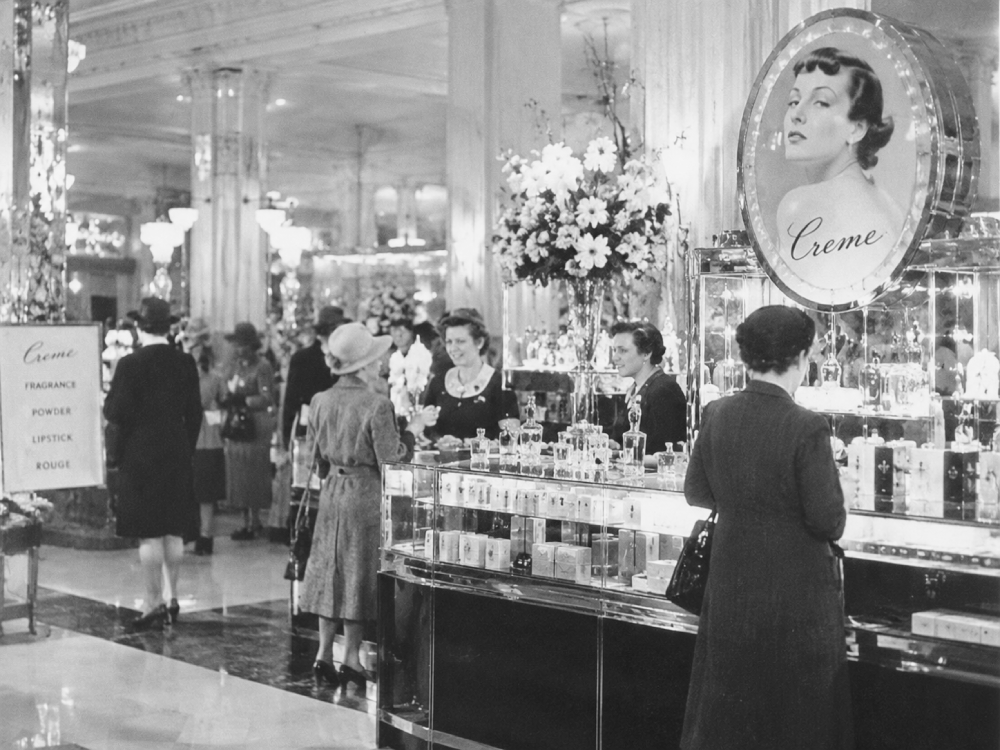
Pioneered by Harry Gordon Selfridge in London in 1909, the strategic placement of brightly lit cosmetic counters right at the main entrance was specifically designed to instantly overwhelm the senses. The brilliant mix of expensive mirrored glass, beautiful salespeople, and overpowering perfumes created a luxurious physical barrier that immediately slowed down anyone trying to rush inside.
10. Elaborate gentlemen’s reading rooms
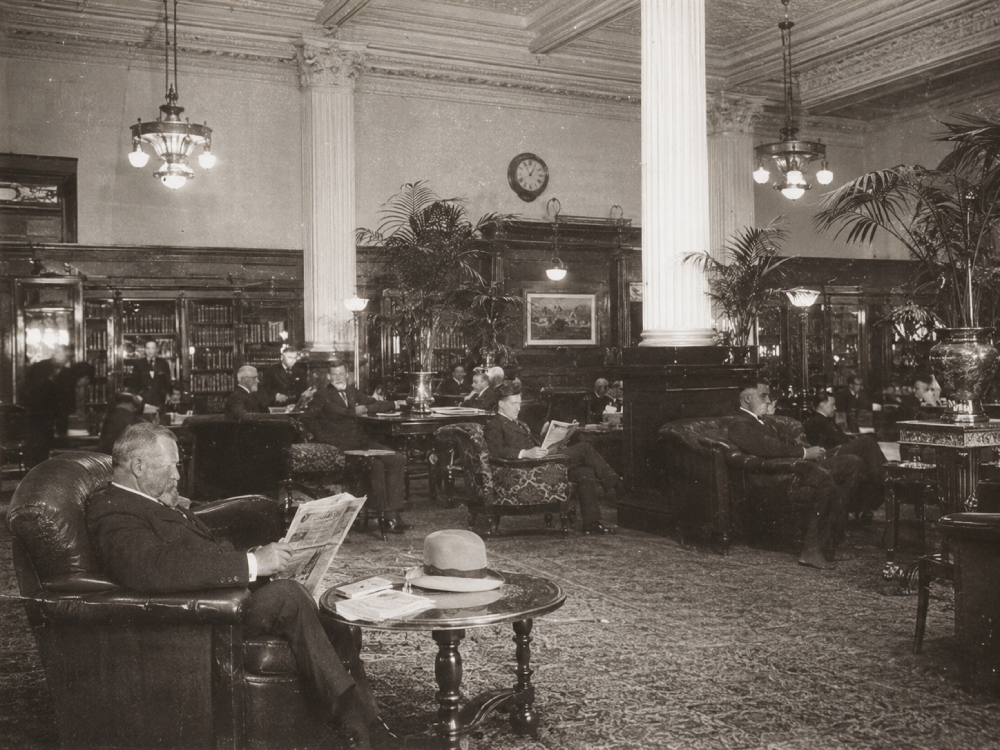
During the late Victorian era, massive emporiums like Macy’s in Herald Square offered incredibly lavish, deeply upholstered reading rooms completely free of charge. Exhausted husbands could sink into a heavy leather armchair to read the daily newspaper and smoke cigars, giving their wives unlimited time to freely explore the massive retail floors without hearing any complaints.
11. Decompression zone aisles
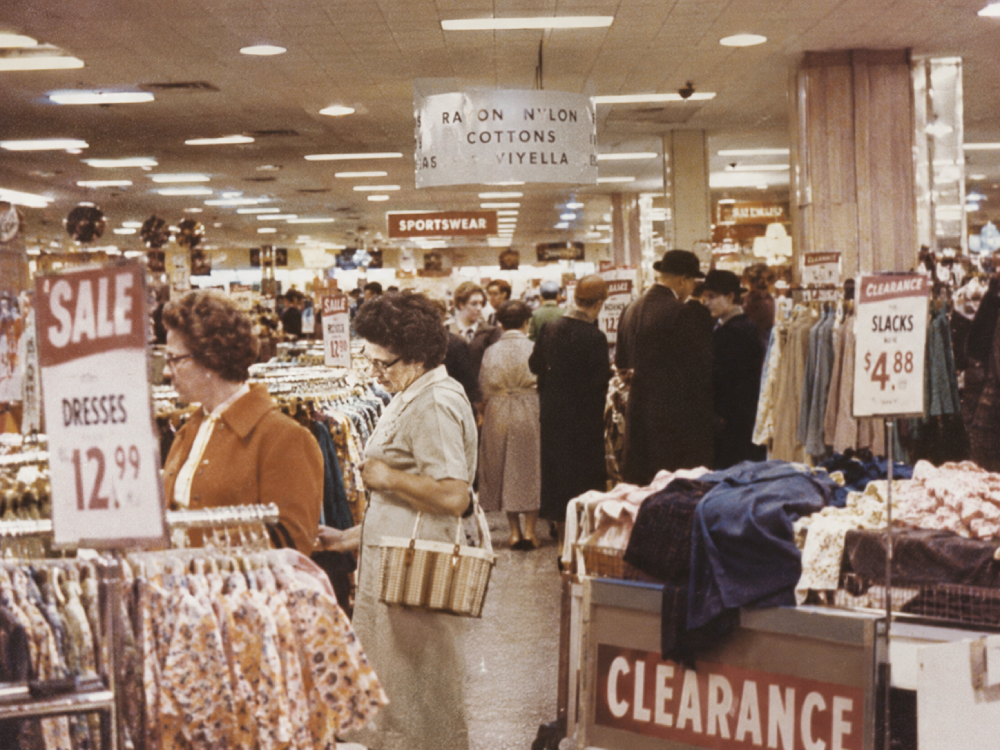
Retail designers in the 1960s purposefully created tightly packed, congested walkways known as decompression zones to forcefully break a customer’s brisk walking momentum. By cramming large promotional bins and narrow display racks into the main thoroughfares, they physically forced pedestrians to stop, squeeze past others, and inevitably stare at nearby clearance merchandise.
12. Signature scent manipulation
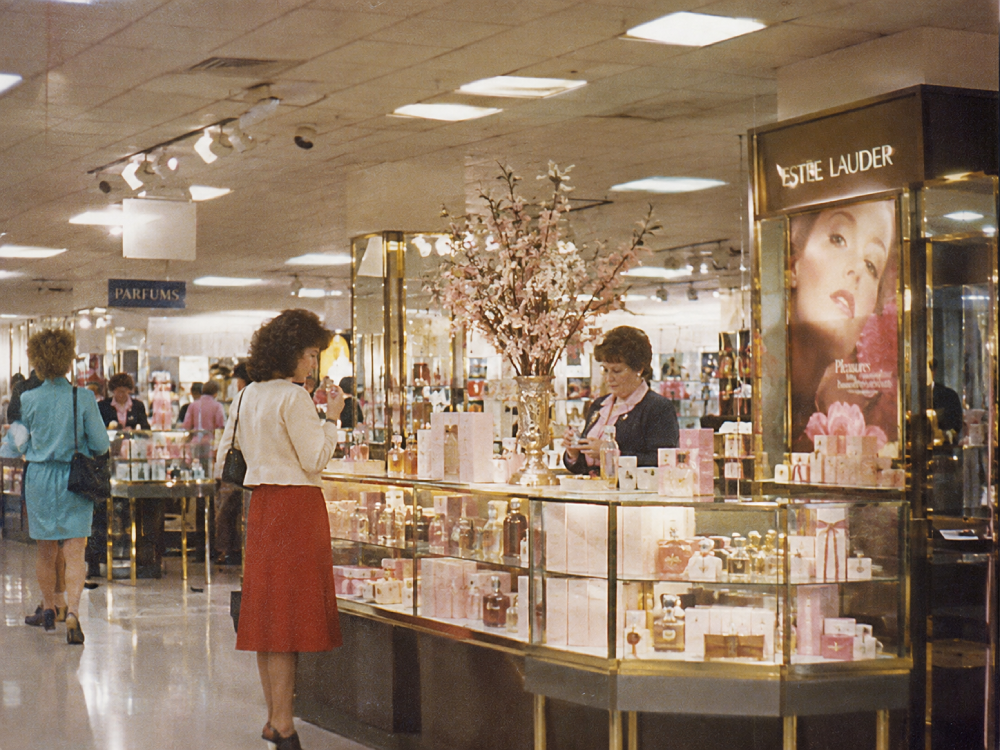
To create an intoxicating atmosphere that begged customers to linger, high-end locations like Bloomingdale’s intentionally pumped their signature floral fragrances directly through the heavy ventilation shafts during the 1980s. This deliberate sensory manipulation not only masked the unpleasant smells of dust and crowded bodies but also triggered deep nostalgic memories that made visitors feel incredibly relaxed.
Check out more shopping habits from the past:
Understanding these brilliant psychological tactics completely changes how you view a simple trip to the local mall. While the heavy department store era may be slowly fading away, modern digital retailers still use these exact same tricks to keep us endlessly scrolling on our phones today. If you love unraveling marketing strategies and vintage shopping habits, make sure to check out these 14 Forgotten Shopping Habits of Mid-Century Families or these 12 Things From the 1970s That Confuse a Modern Shopper. You can also explore these Bygone Perks: 16 Things Department Stores Offered for Free.