The 1990s served as a transformative decade that bridged the gap between analog reliance and early digital convenience. Homes, offices, and school backpacks during this era were filled with unique physical gadgets, specialized physical media, and specific consumer habits that defined daily life. As mobile devices and internet connectivity rapidly evolved at the turn of the millennium, many of these staple objects quietly vanished from our daily routines without any grand farewell.
Looking back at these forgotten relics highlights just how quickly everyday technology and consumer culture can shift. Entire industries that once dominated retail shelves, from physical phone directories and rewinding machines to dedicated pocket organizers, were rendered obsolete by all-in-one digital alternatives. Examining these nostalgic items offers a fascinating window into how we communicated, entertained ourselves, and navigated the world back in the 1990s. Here are sixteen everyday things from the decade that disappeared almost without notice.
1. VHS tape rewinders
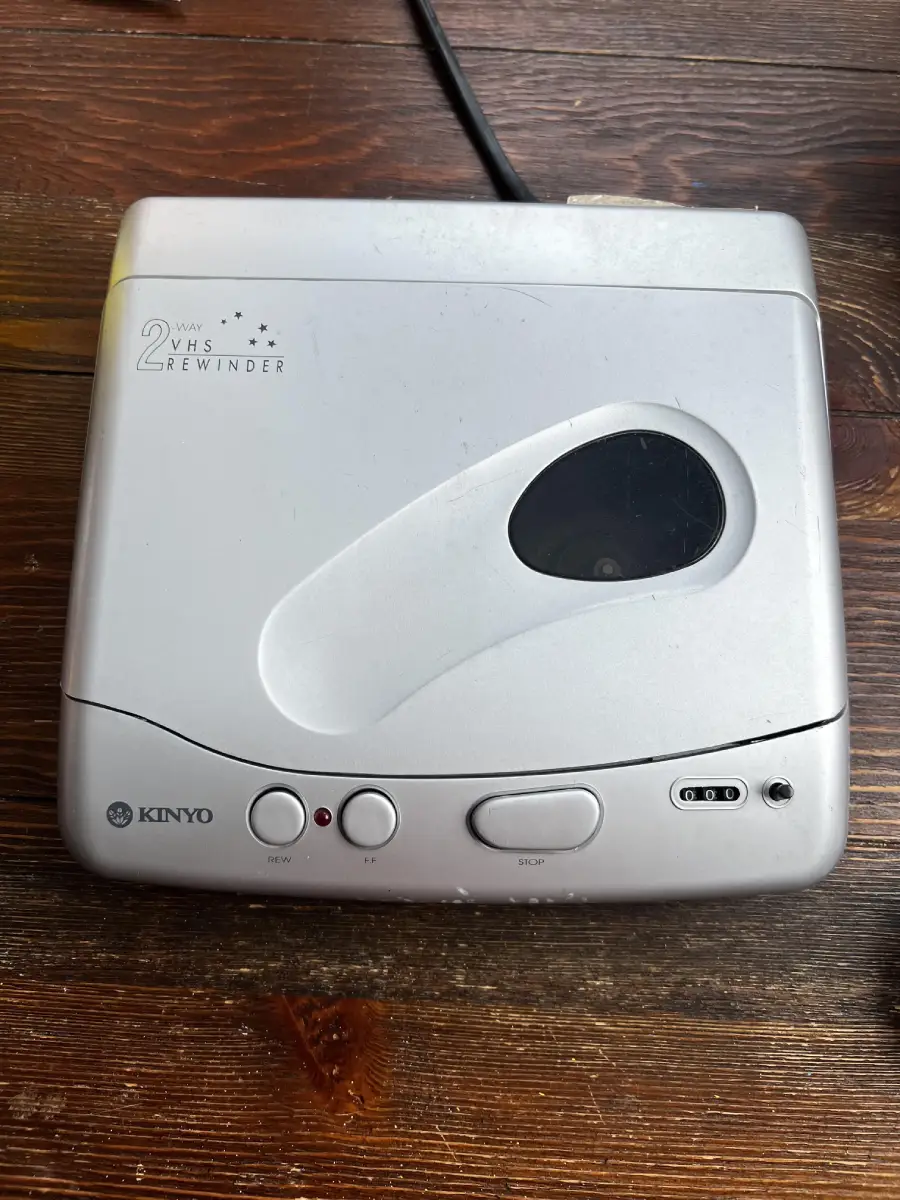
Rather than putting wear and tear on expensive VCR mechanisms, millions of households owned standalone tape rewinders shaped like sports cars or sleek electronic boxes. They existed largely to help viewers abide by the famous video rental rule, “Be Kind, Please Rewind,” avoiding penalty fees from rental stores.
2. Phone books and Yellow Pages
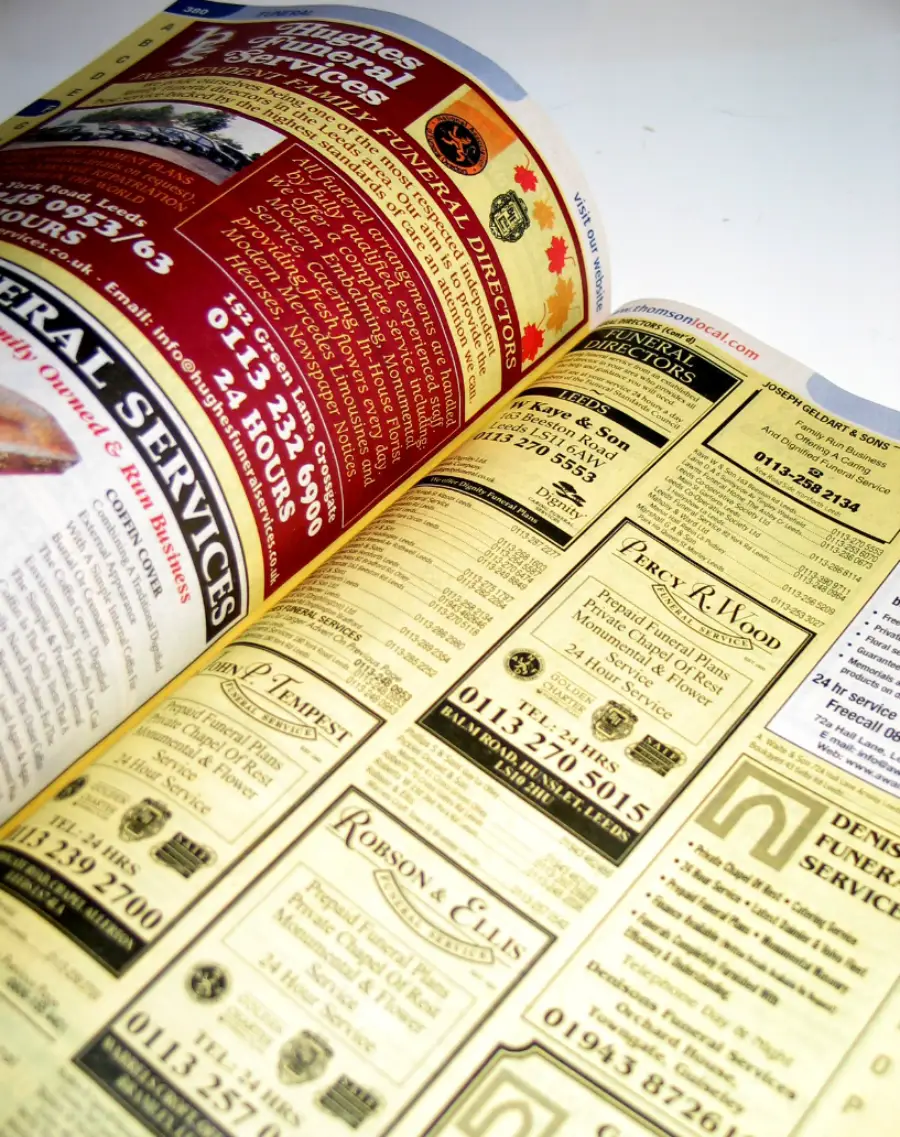
Before search engines made business phone numbers instant knowledge, giant newsprint directories were delivered directly to residential front porches every year. Finding a local plumber or looking up a classmate’s home landline required physically flipping through hundreds of densely printed yellow and white pages.
3. Floppy disks for file storage
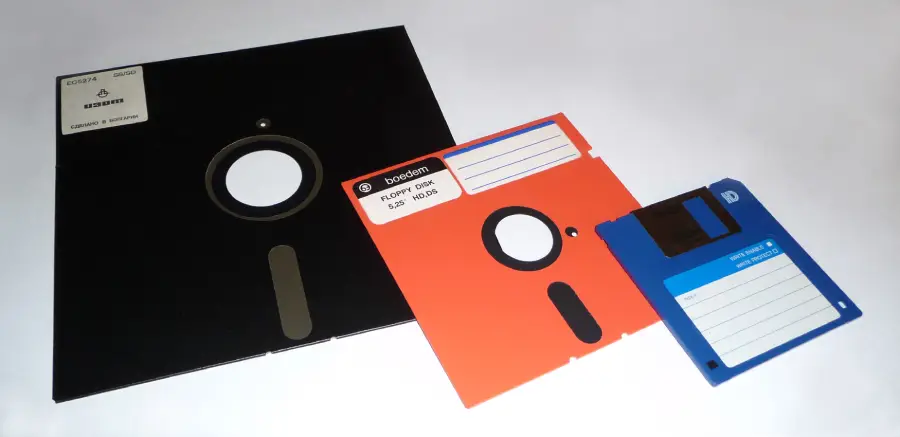
The iconic 3.5-inch plastic diskette was the universal standard for saving documents, school projects, and early computer games, despite holding a tiny 1.44 megabytes of data. Today, the physical object has completely vanished from modern computing, surviving almost exclusively as the universal digital “save” icon in software programs.
4. Dedicated PDA devices like PalmPilots
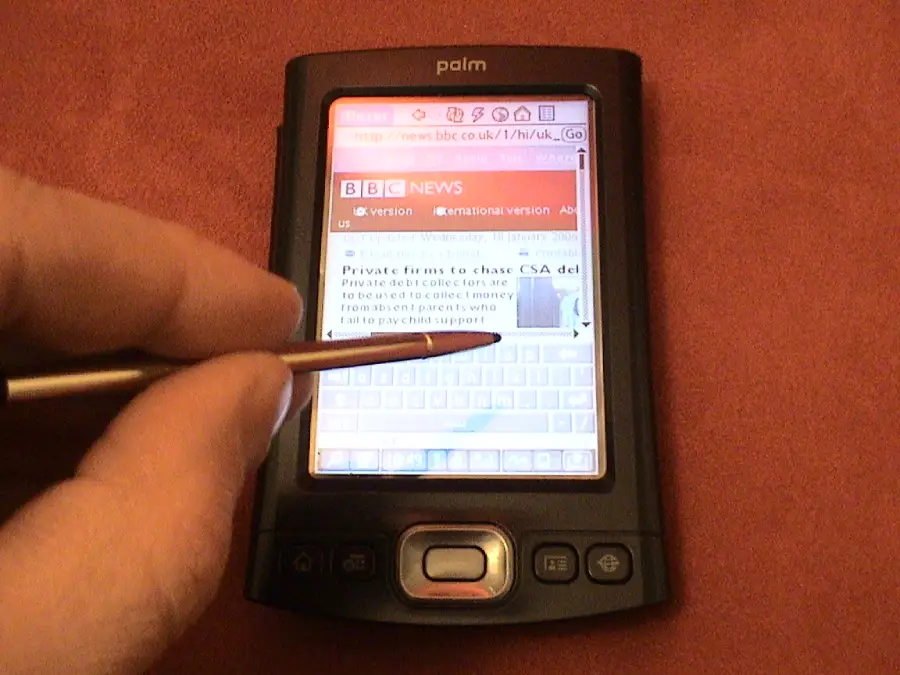
Personal Digital Assistants were the ultimate executive status symbol of the late decade, allowing users to sync calendar appointments and addresses using a plastic stylus on a monochrome touchscreen. These pocket devices laid the functional foundation for modern smartphones before being completely absorbed by them.
5. Film processing envelopes and drop boxes
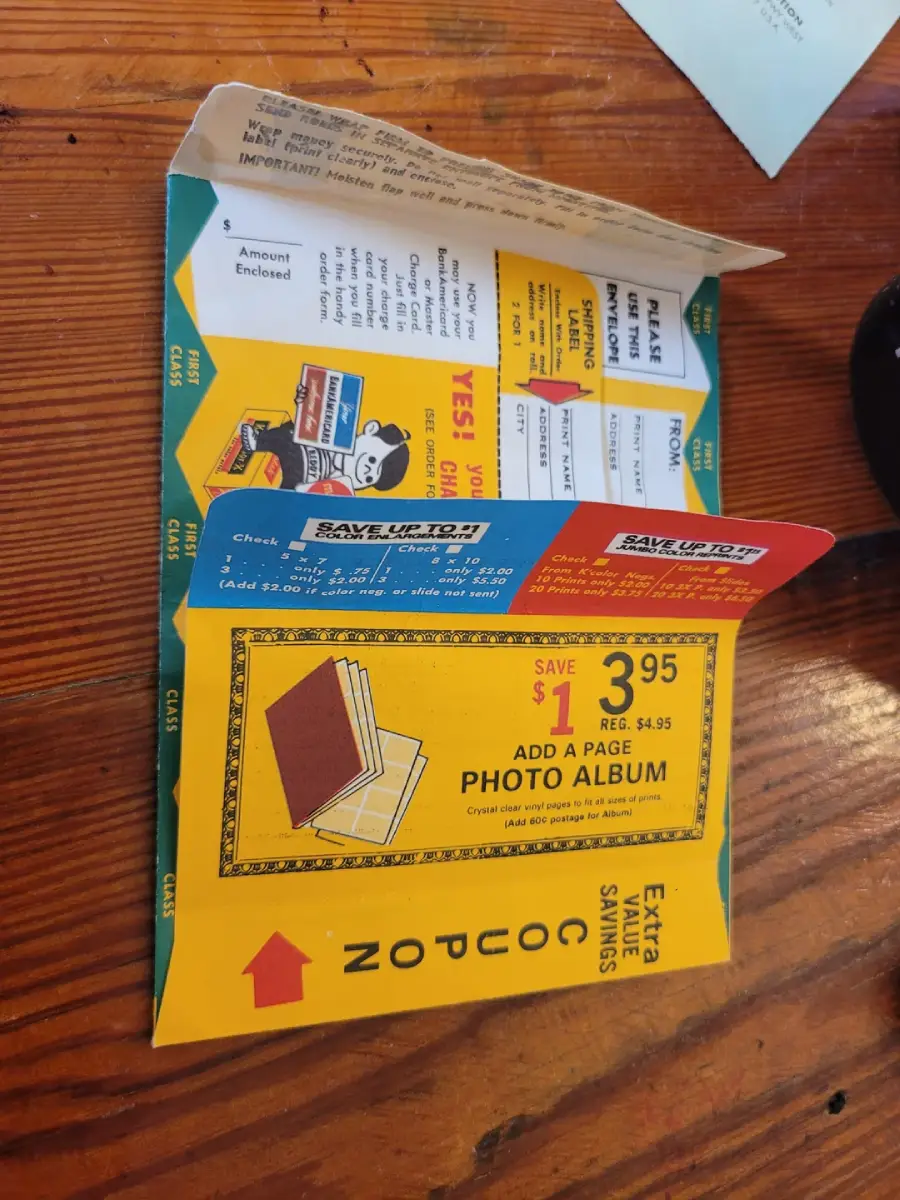
Capturing family vacations or birthday parties meant taking rolls of film to photo kiosks or pharmacy drop boxes and waiting days for the prints to be developed. Photographers eagerly opened paper developer envelopes to discover how many photos actually turned out clear versus blurry or overexposed.
Trending on The Scroller
6. Paper highway maps in glove compartments
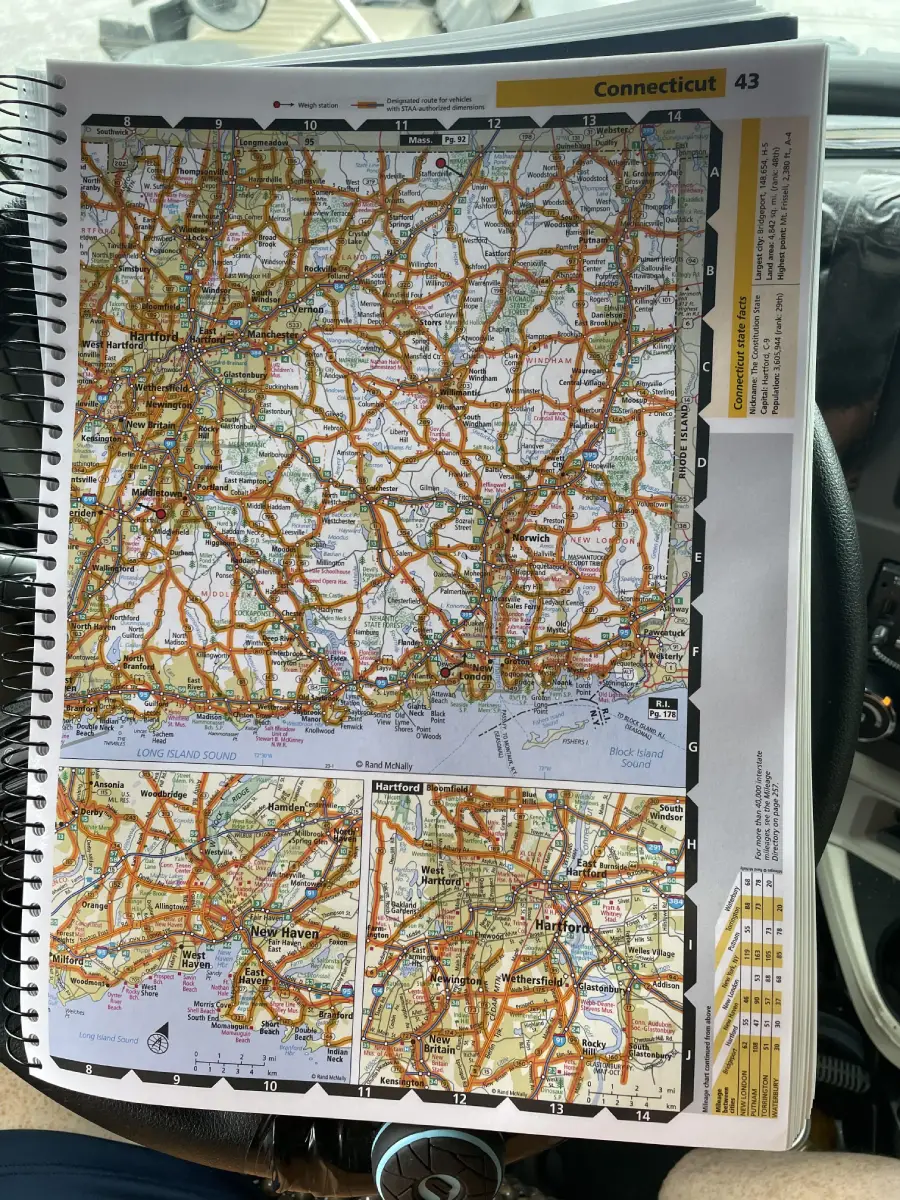
Navigating long road trips required unfolding massive paper road maps across the dashboard or keeping a spiral-bound road atlas under the passenger seat. Drivers had to pull over at gas stations to study routes, relying entirely on physical milestones before GPS navigation existed.
7. CD carrying cases and binders
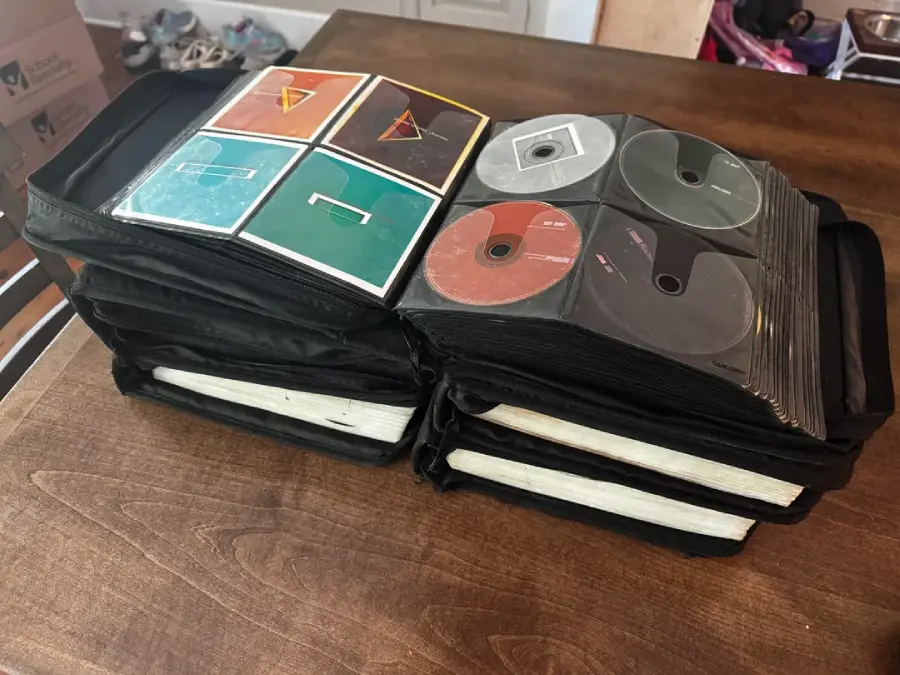
Music lovers carried their prized compact disc collections everywhere in heavily padded, zippered nylon binders stored in car backseats or backpacks. Browsing through plastic sleeves to select an album while driving was a common ritual that streaming services eventually eliminated.
8. Encarta CD-ROM encyclopedias

Before Wikipedia and instant web searches, students relied on multi-disc software sets like Microsoft Encarta to write school research papers. The digital encyclopedia amazed users with interactive audio clips, short video loops, and hyperlinked historical articles running directly from a computer tray.
Sign up for our newsletter
9. Landline answering machines with microcassettes
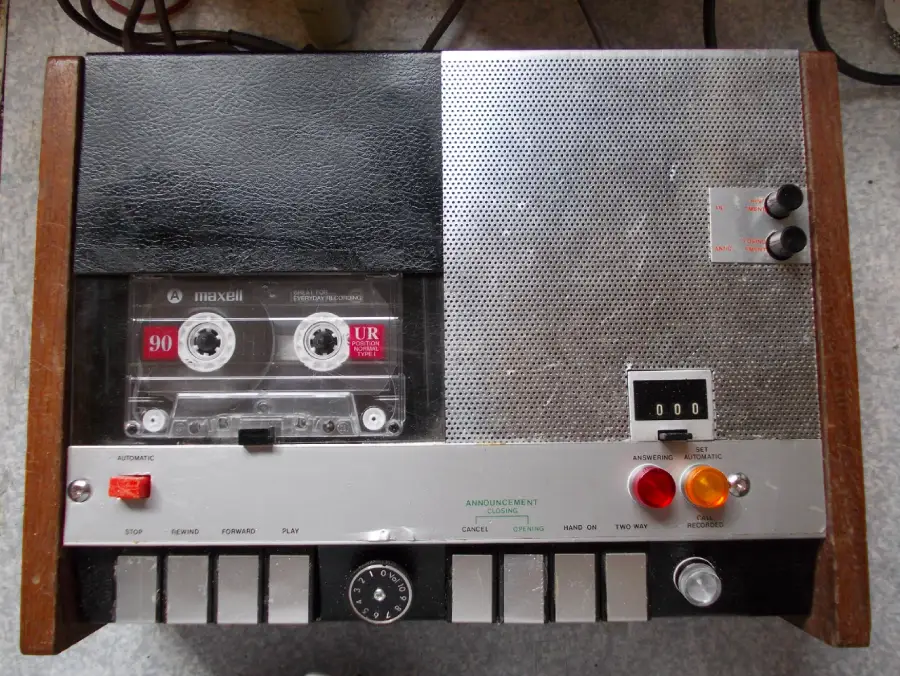
Home phone setups routinely featured physical answering machines equipped with tiny microcassettes to record incoming voicemail messages. Family members had to press a physical play button upon returning home, listening to the tape whir as it played back recorded caller audio.
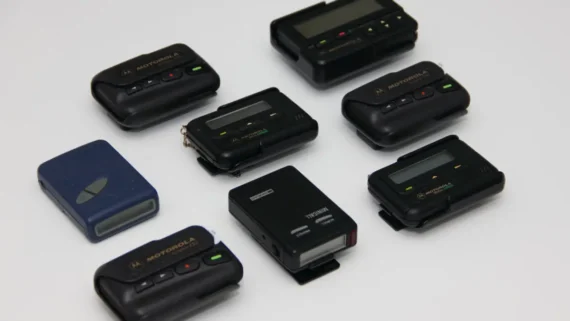
10. Pagers and beeper units
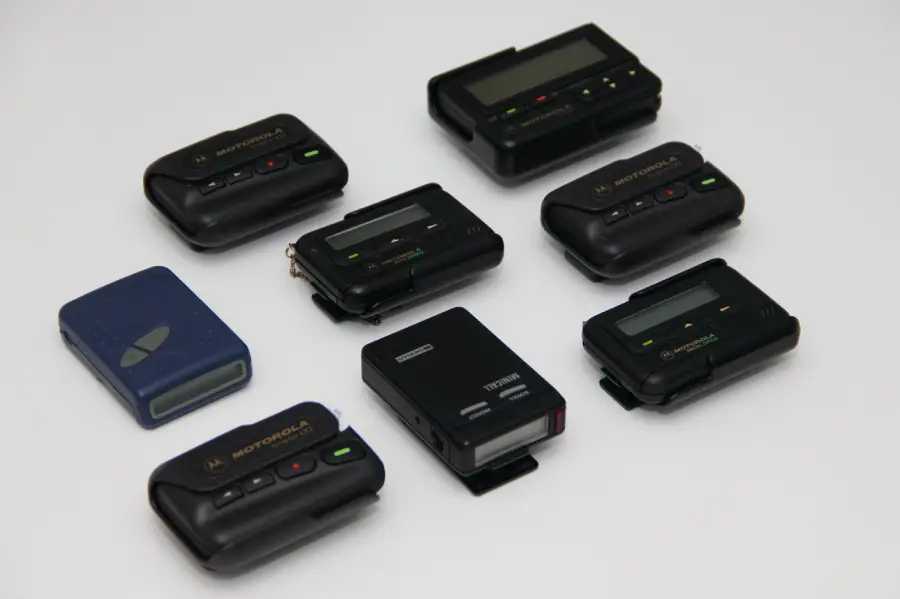
Clip-on pagers were widely popular among professionals and teenagers alike, buzzing to display a caller’s phone number or numeric code messages like 911 for emergencies or 143 for “I love you.” Users had to hunt down a nearby payphone or landline immediately to return the page.
11. CRT computer monitors and TVs
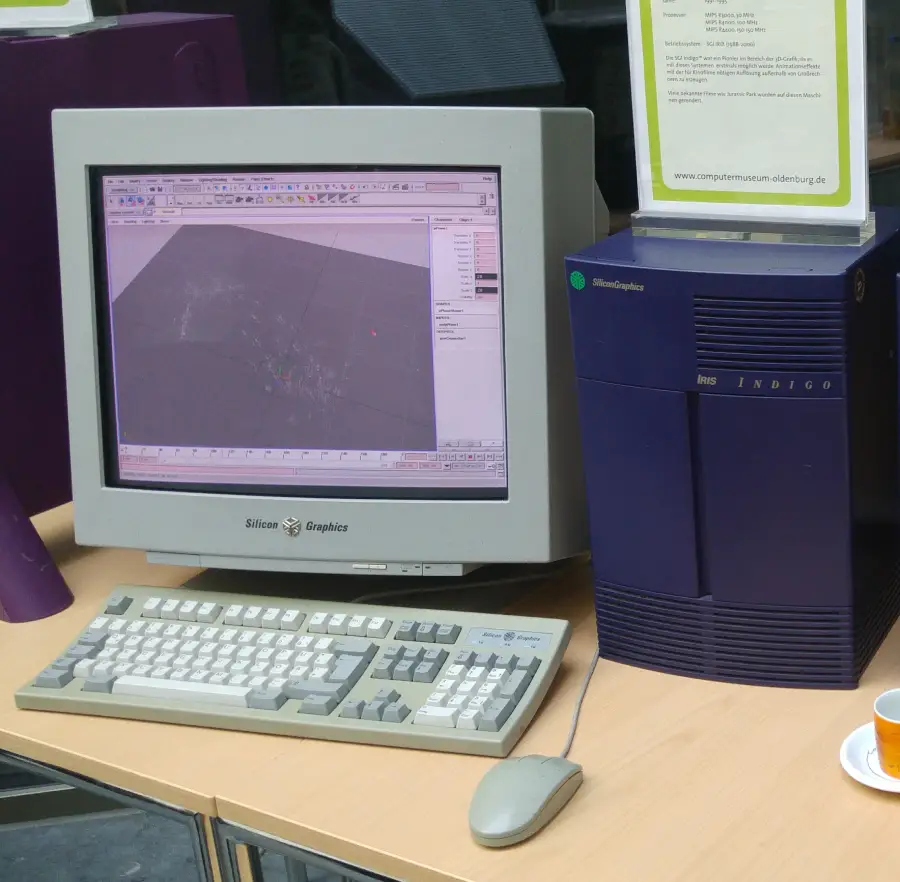
Deep, heavy cathode-ray tube monitors dominated desks and entertainment centers, emitting a distinct high-pitched hum and static charge when powered on. Upgrading or moving a living room television required serious physical lifting due to the massive glass tube inside the chassis.
12. Physical airline tickets
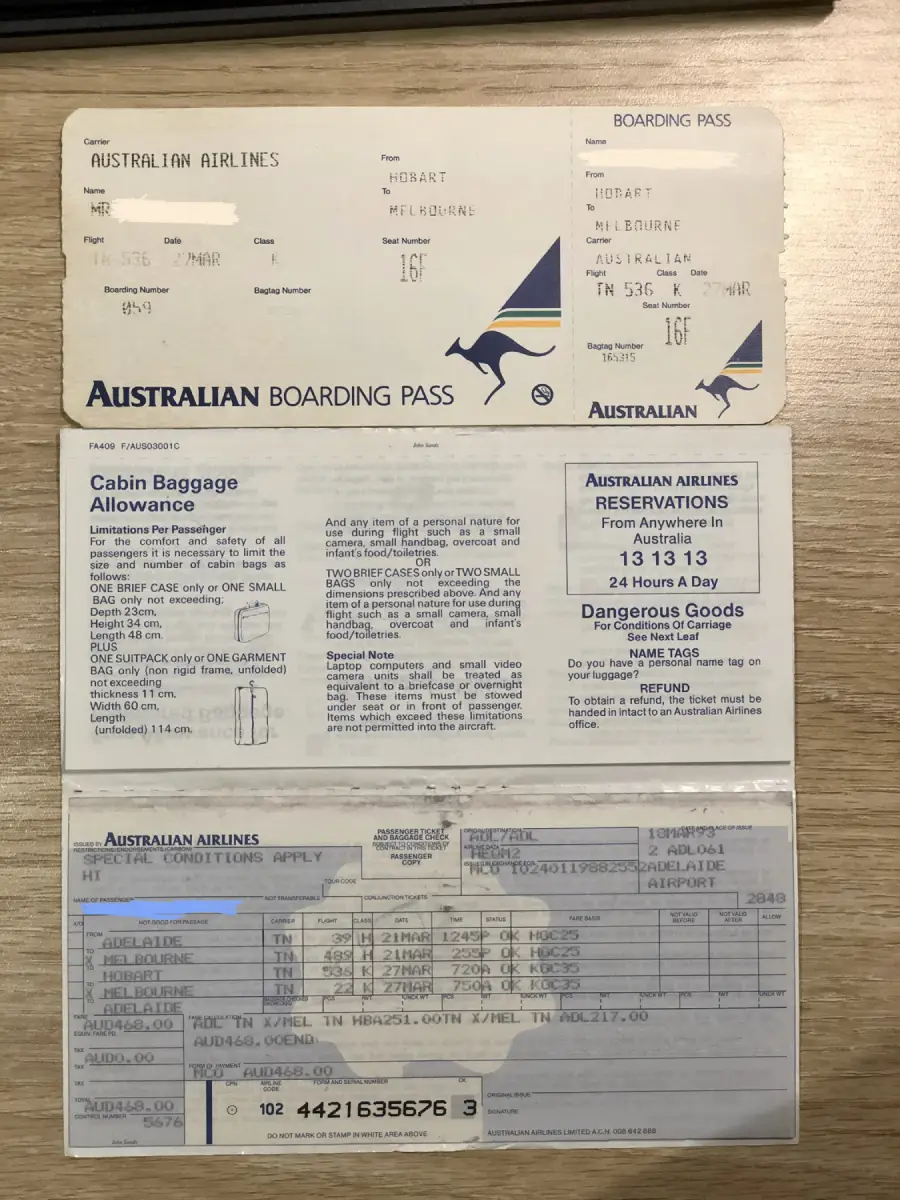
Traveling by air required keeping track of multi-page carbon-copy paper flight coupons issued by travel agents or airline counters. Losing these physical paper booklets meant long security delays and reissuance fees, long before digital boarding passes were sent to mobile wallets.
13. Disposable single-use cameras
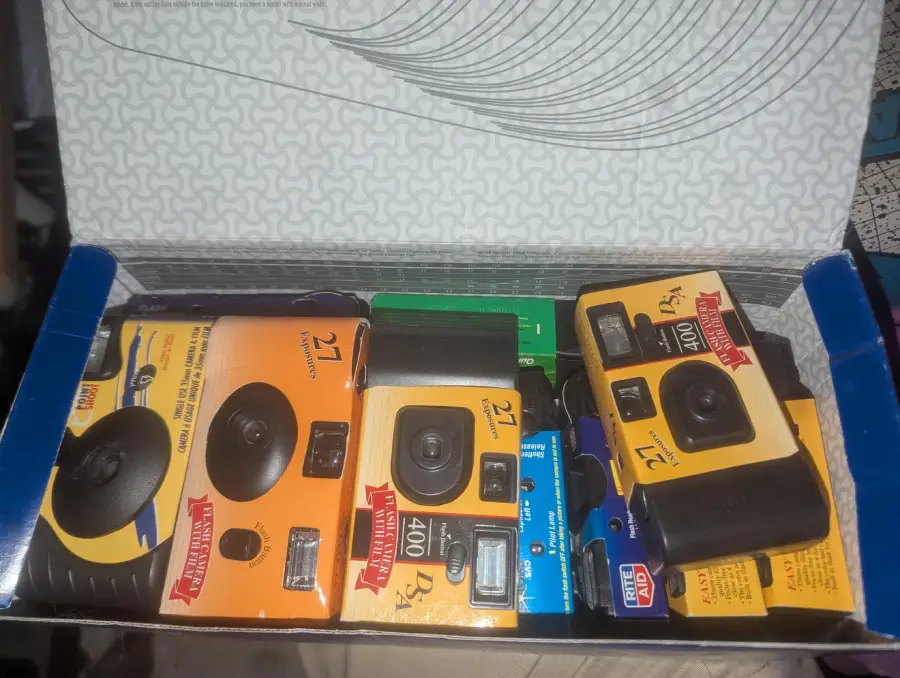
Equipped with a plastic lens, a manual thumb-wheel film advancer, and a noisy pop-up flash, disposable cameras were party and vacation staples. Users surrendered the entire plastic housing to photo labs after snapping their limited twenty-four exposures.
14. Dial-up Internet trial CD-ROMs
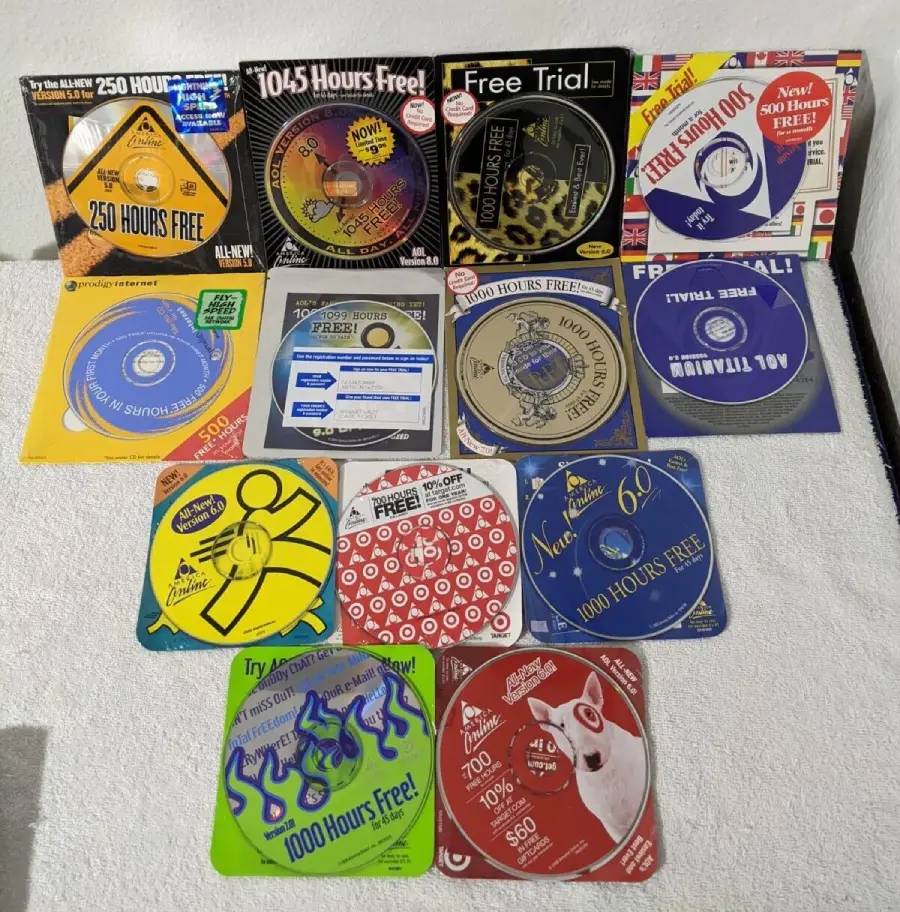
Internet service providers like AOL flooded consumer mailboxes, magazines, and computer stores with millions of free promotional CD-ROMs offering “1,000 Hours Free.” Collectible tin cases and sleeves containing these dial-up installation discs ended up in almost every home desk drawer.
15. Mechanical trackball computer mice
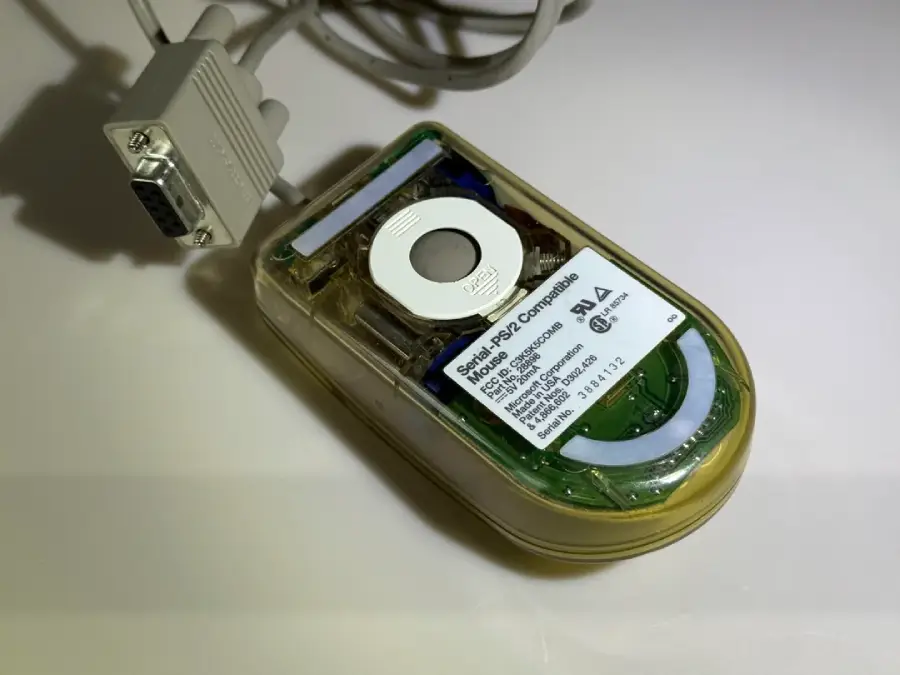
Before optical laser sensors became standard, computer mice relied on a heavy rubber-coated steel rollerball underneath to move the screen cursor. Dust and lint constantly accumulated on the internal plastic rollers, requiring users to regularly unscrew the bottom ring to clean out gunk.
16. Clip-on portable CD players or Discman
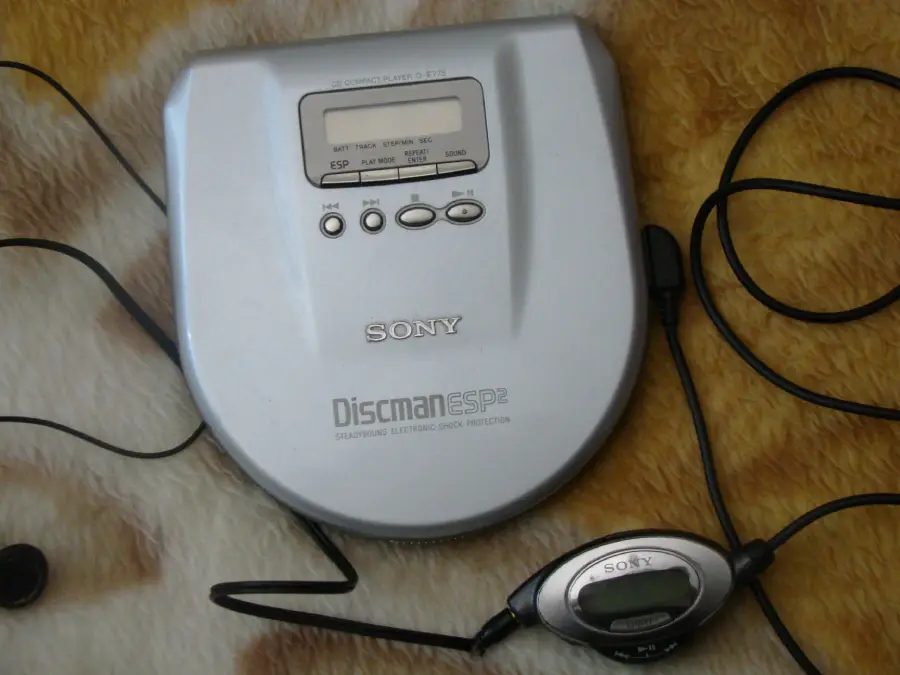
Listening to albums on the go meant carrying a portable CD player that required specialized anti-skip protection to prevent skipping while walking. Users routinely carried spare AA batteries in their pockets because anti-skip buffering drained battery power rapidly.
Keep the nostalgia going with more 1990s stories:
Looking back at these forgotten daily staples highlights just how dramatically personal technology and home habits have transformed since the 1990s. The shift from physical media and dedicated gadgets to all-in-one digital convenience swept away entire industries in just a couple of decades. If you enjoy exploring nostalgia, historical lifestyle shifts, and pop culture archives, be sure to check out these 90s Mall Culture: 16 Food Court Staples We Loved, or these 16 Things Every 90s Lunchbox Needed to Survive Recess. You may also like these 14 Everyday Habits From the 1990s That Quietly Disappeared.