Think about how you navigated a standard Saturday afternoon back in the nineties. Your entire routine was anchored to physical objects, specific time slots, and a level of patience that feels almost prehistoric in today’s hyper-connected world. We lived in a tactile era where we physically interacted with our media, carefully managed our analogue resources, and regularly relied on slow, deliberate processes to get things done. It was a time when catching a favorite show meant planning your entire evening around a television schedule rather than simply clicking a remote.
Over the last few decades, the rapid rise of digital technology has quietly dismantled these deeply ingrained habits, replacing them with seamless touchscreen solutions. The truth is that the way we interact, entertain ourselves, and navigate our daily lives has undergone a massive evolution, leaving our old nineties habits behind in a wave of convenience. Many of the automatic actions we performed every single day without a second thought have completely vanished, existing now only as nostalgic memories for a generation that remembers life before the smartphone. Let’s take a look at fourteen everyday habits from the 1990s that have quietly shifted into history.
1. Rewinding VHS tapes before returning them
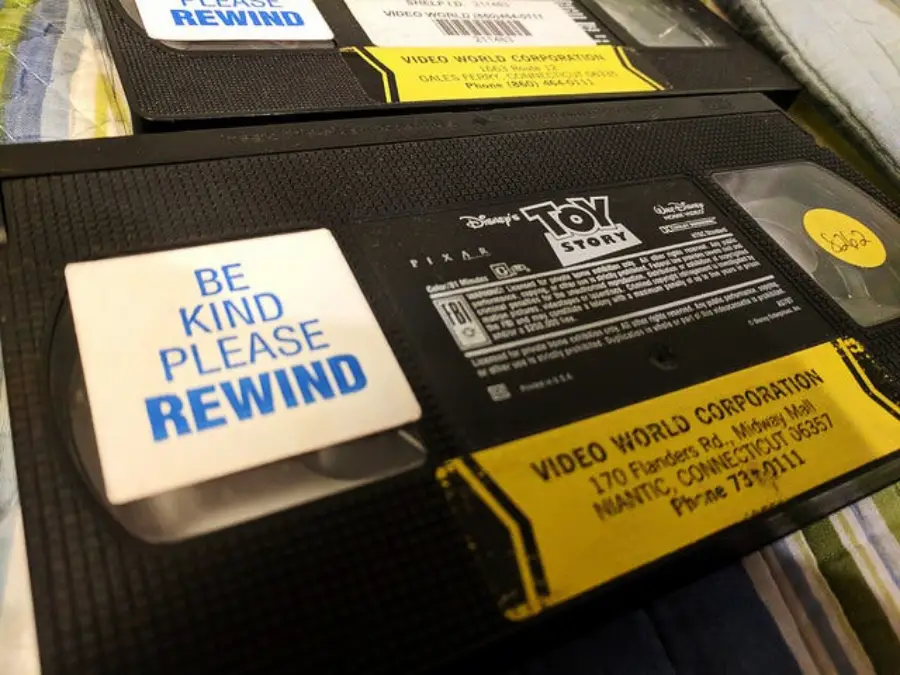
Returning a movie to your local video rental shop required you to manually rewind the tape, a polite ritual enforced by the famous slogan “Be Kind, Rewind.” Many rental stores actually charged a small penalty fee of about one dollar if you returned a cassette without winding it back to the beginning, prompting the rise of standalone, high-speed car-shaped tape rewinders.
2. Waiting for the exact TV broadcast time
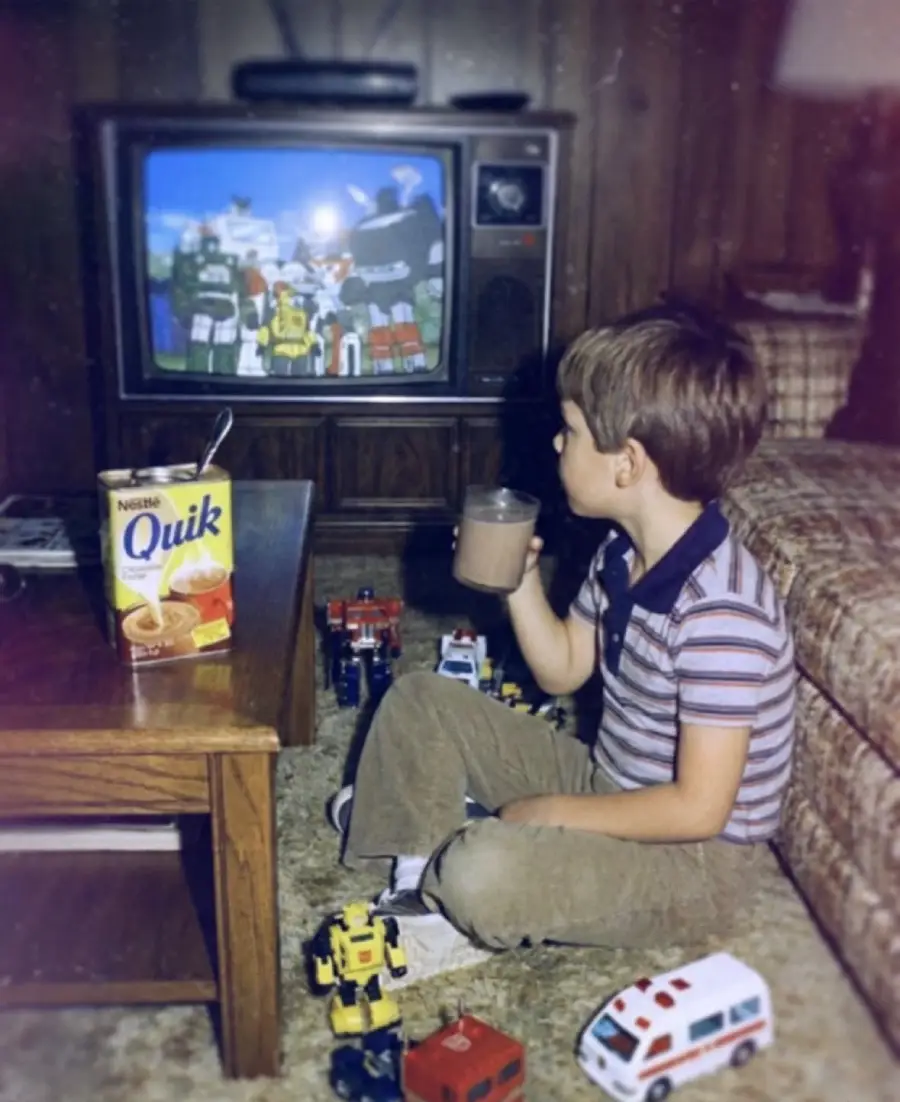
Before on-demand streaming networks put entire television libraries at our fingertips, watching a favorite show was a high-stakes, real-time appointment. If you missed the scheduled 8:00 PM broadcast, your only hope was that someone in the house remembered to program the VCR to record it, or you would have to wait months for a summer rerun.
3. Leafing through the Yellow Pages

Finding the telephone number or physical address of a local bakery or mechanic required hauling out a massive, paper-bound directory known as the Yellow Pages. These thick books were delivered directly to millions of suburban doorsteps annually, and businesses actively named themselves starting with multiple “A’s” just to appear first in the alphabetical listings.
4. Writing down driving directions on paper
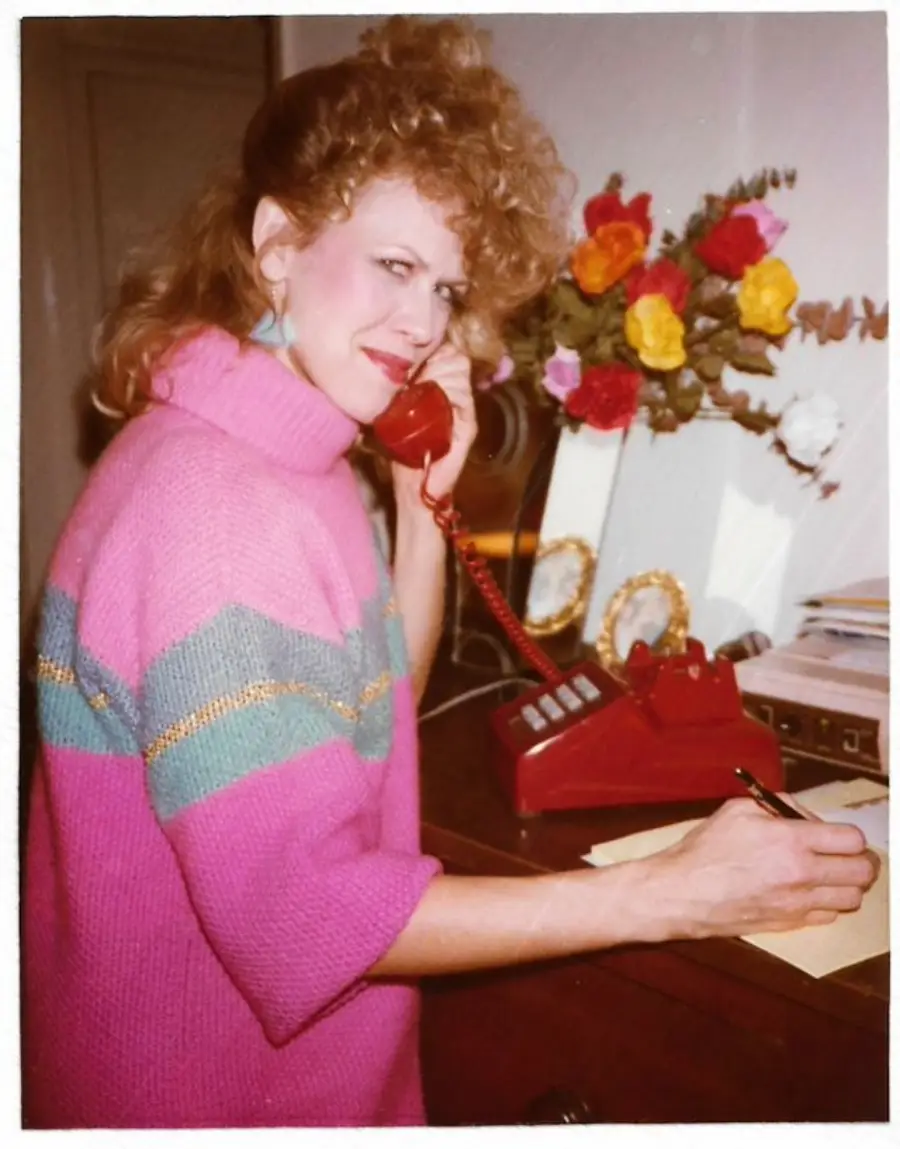
Navigating to an unfamiliar destination required calling your host beforehand, listening to them describe landmarks, and meticulously scribbling step-by-step directions onto a notepad. If you made a wrong turn on the highway, you couldn’t rely on a digital map rerouting you; you had to pull over at a gas station and buy a physical, folding paper map.
5. Developing and showing off physical photo rolls
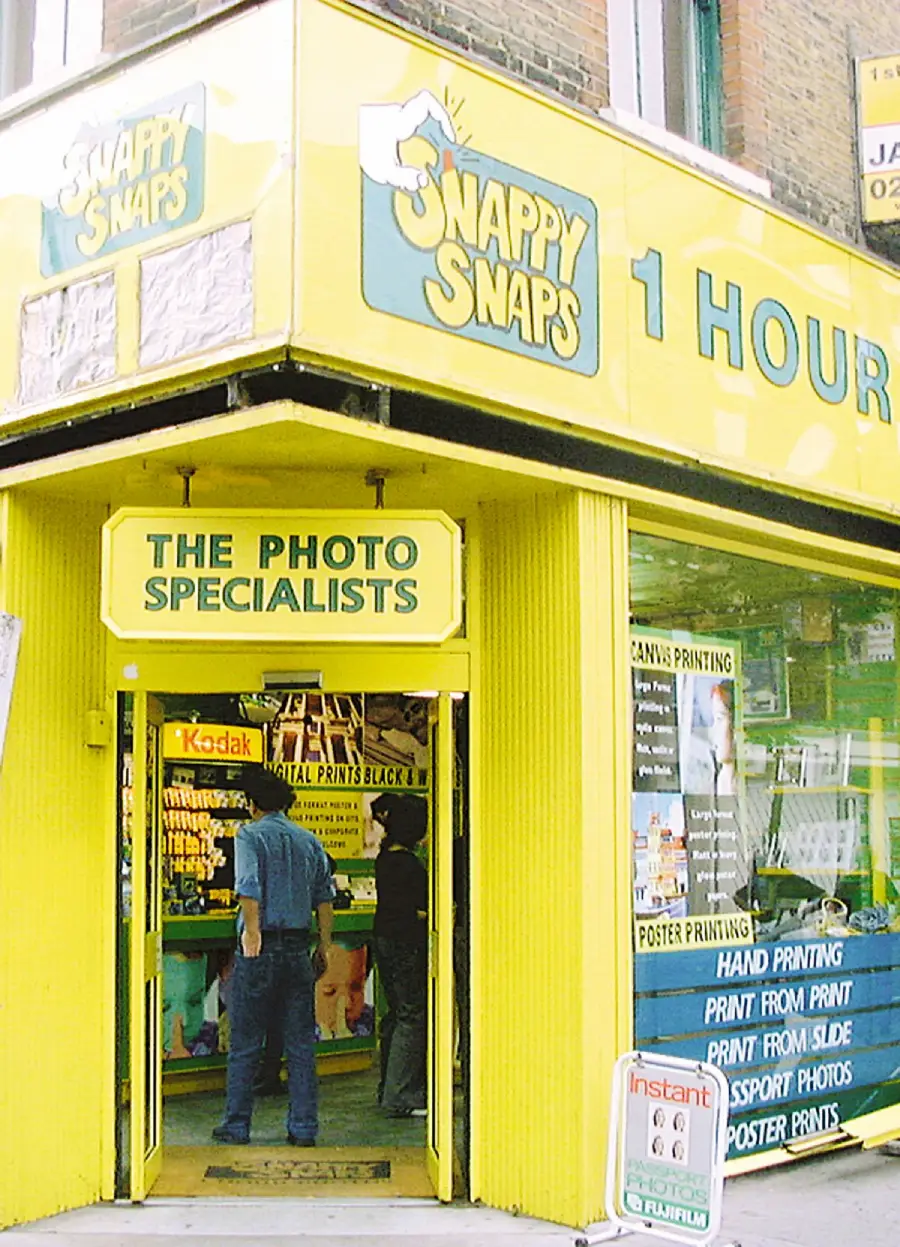
After returning from a vacation, you had to drop off your rolls of film at a local pharmacy or 1-hour photo lab, waiting in suspense to see how the shots turned out. Once developed, families kept the physical glossy prints in paper envelopes, physically passing them around the living room to share memories rather than uploading them to a feed.
Trending on The Scroller
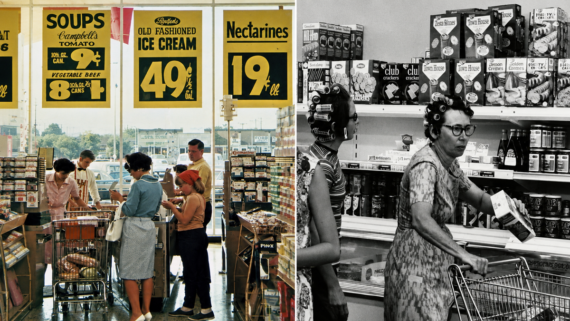
6. Calling the household landline and braving the parents
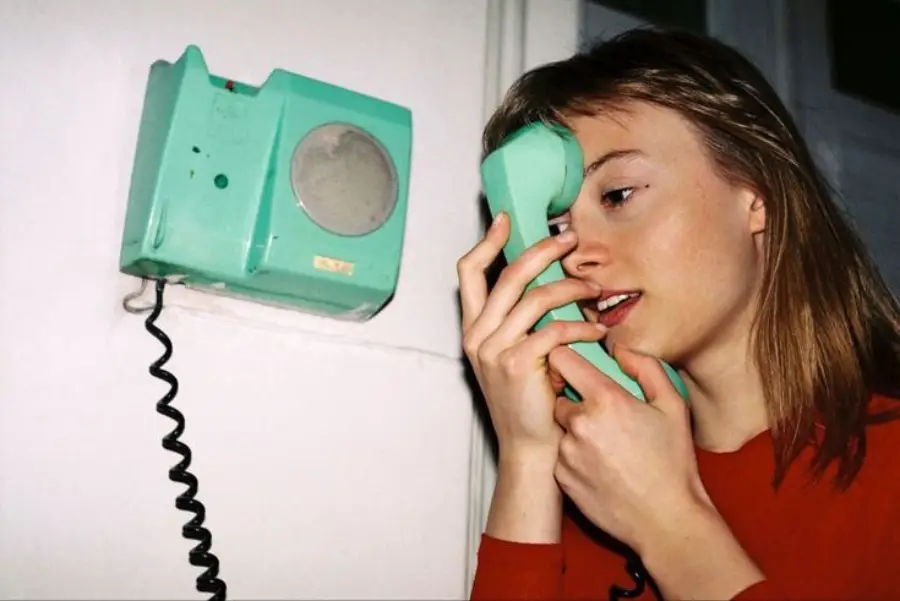
Phoning a friend in the nineties meant dialing their family’s landline and initiating a polite conversation with whichever parent or sibling answered the phone first. This daily social gauntlet forced teenagers to develop excellent conversational etiquette, as making a bad impression on a protective parent could quickly end their phone privileges for the weekend.
7. Recording radio songs onto a cassette
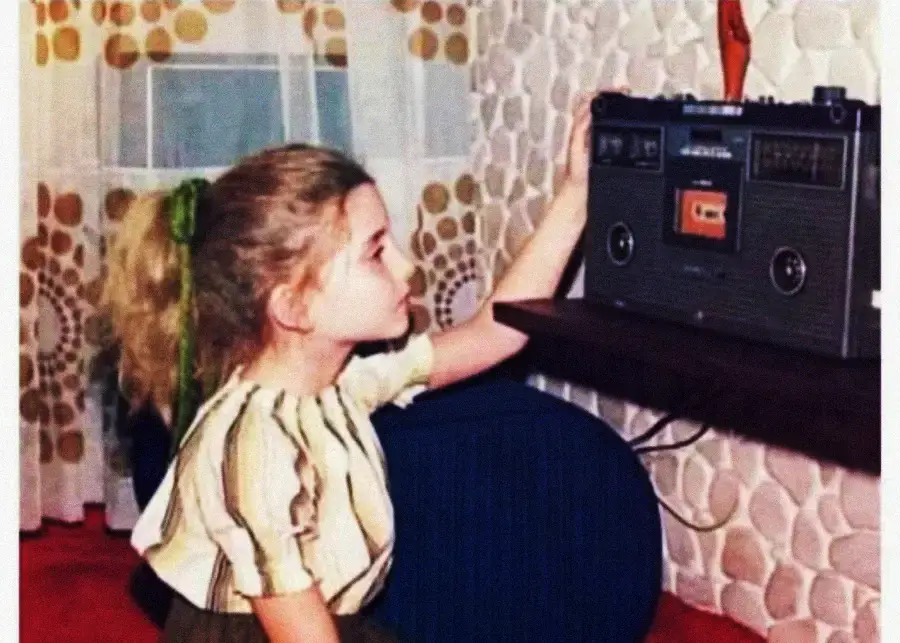
Creating the perfect mixtape required hovering next to your boombox for hours, waiting with your index finger resting on the plastic “record” button for a specific song to play. The ultimate challenge was timing your press perfectly to capture the opening notes of the track while praying the radio host wouldn’t talk over the outro.
8. Reading the instruction manual cover to cover
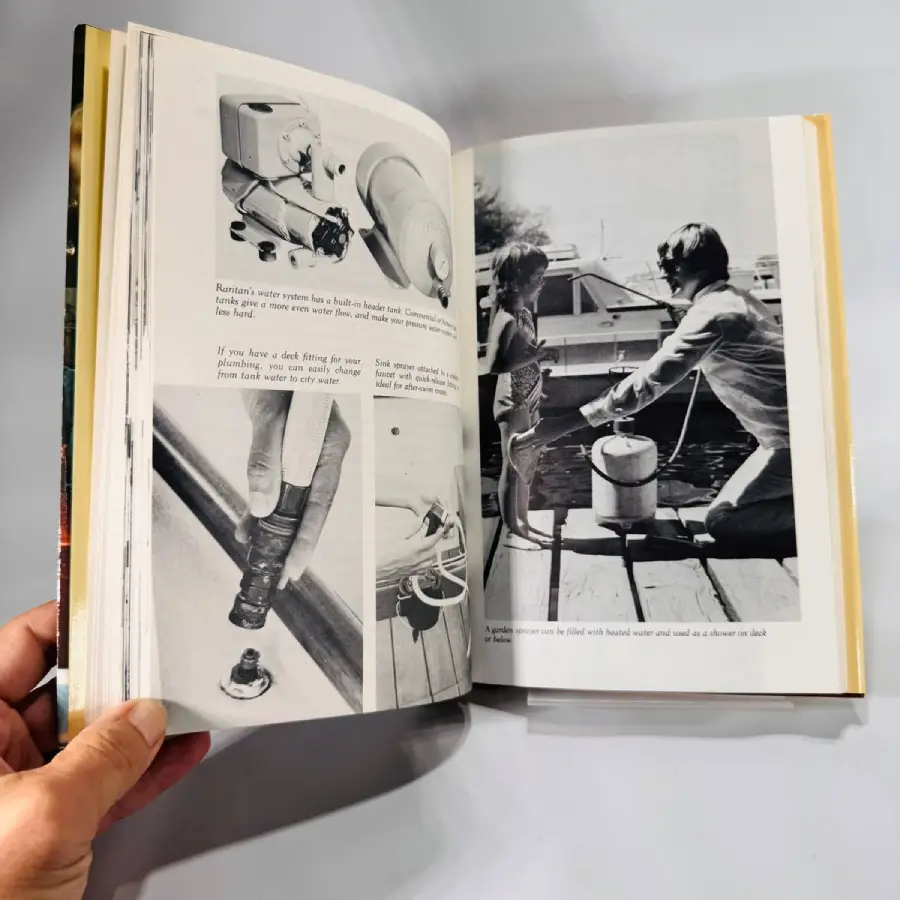
Unboxing a new home appliance, television, or video game console in the nineties was immediately followed by a quiet study session with a thick, printed instruction booklet. Because consumer electronics did not feature intuitive digital setups, missing a single step in the manual could mean accidentally hooking up your cables wrong and getting a screen of static.
Sign up for our newsletter
9. Memorizing your friends’ telephone numbers
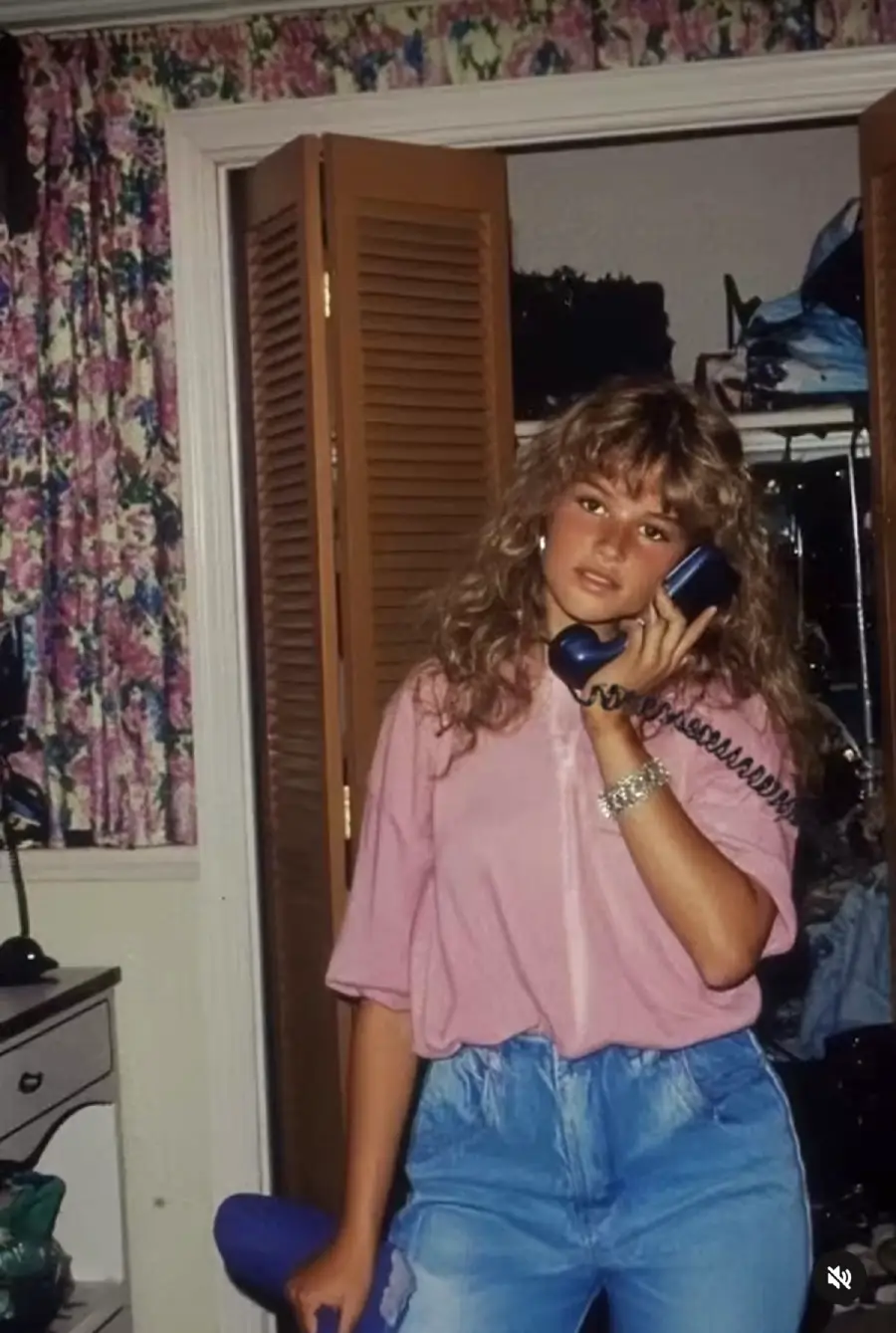
Before digital contact lists simplified our social connections, kids and teenagers walked around with a mental database of dozens of seven-digit phone numbers. This mental catalog was a vital survival skill, ensuring you could always contact your family or best friend from a metallic payphone if you found yourself stranded.
10. Choosing a movie by reading the VHS cover
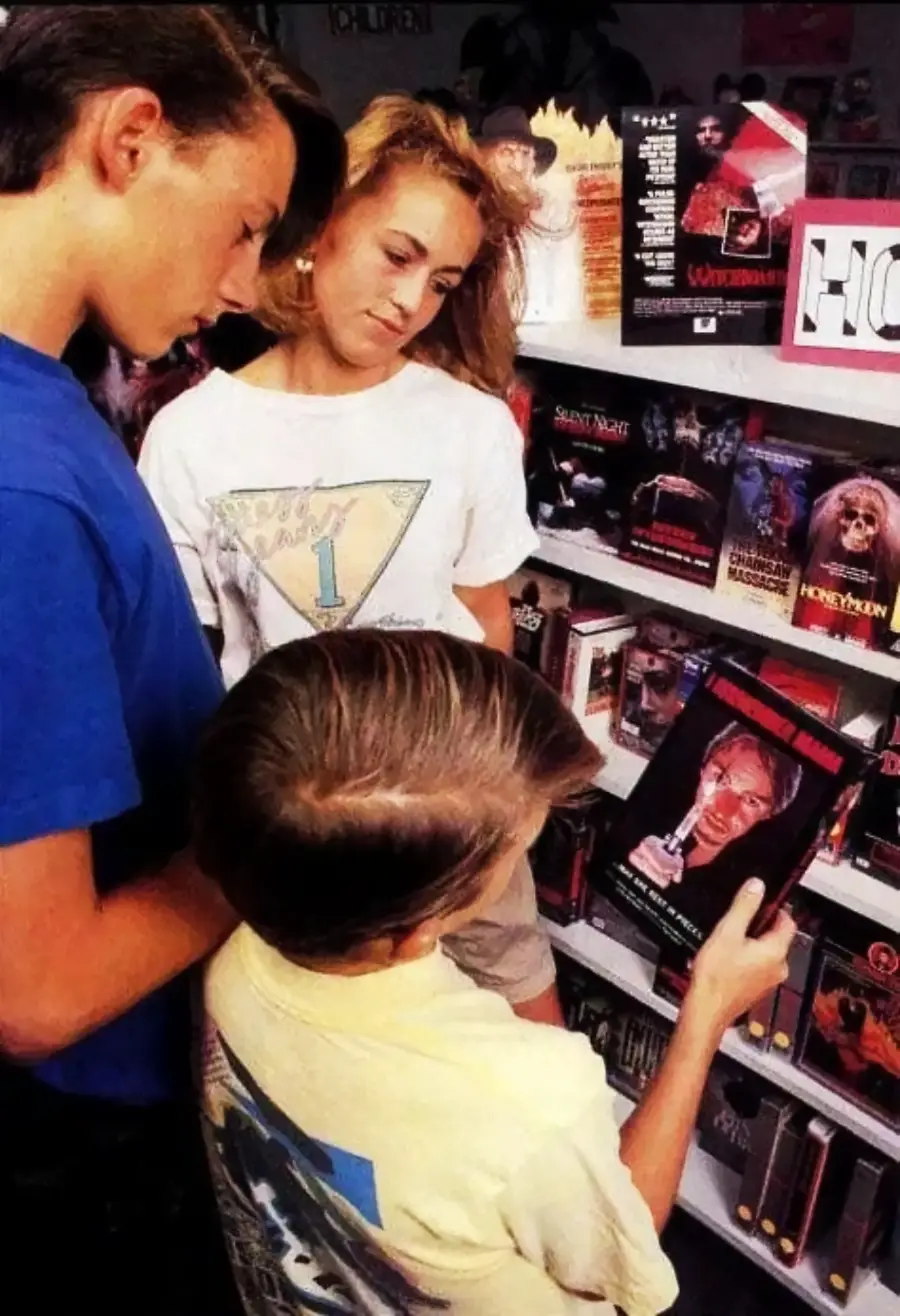
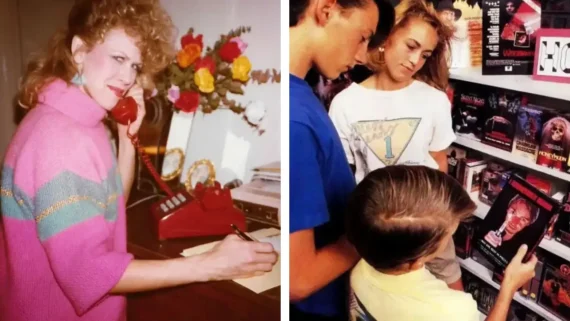
A trip to the local video rental store was a slow, tactile experience where families spent an hour walking through aisles of plastic shelves. Deciding what to watch depended entirely on the visual appeal of the box art and reading the brief on the back of the physical plastic clamshell case.
11. Reading the entire Sunday newspaper
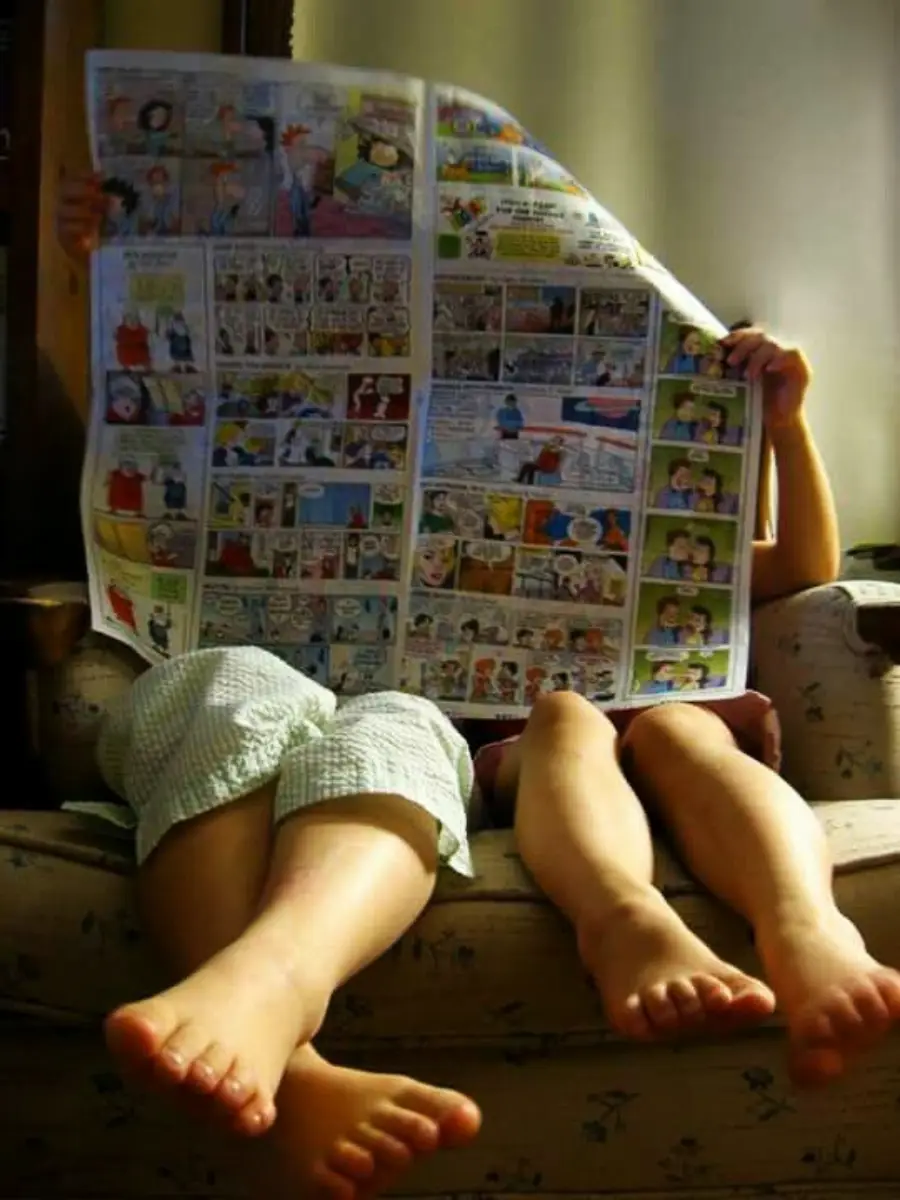
Sunday mornings in the nineties were defined by thick, multi-section newspapers that arrived on the driveway with a satisfying thud. Families split up the paper, sharing the cultural supplements, checking the classifieds for used cars or local jobs, and laughing at the full-color Sunday comic strips.
12. Listening to the answering machine tape
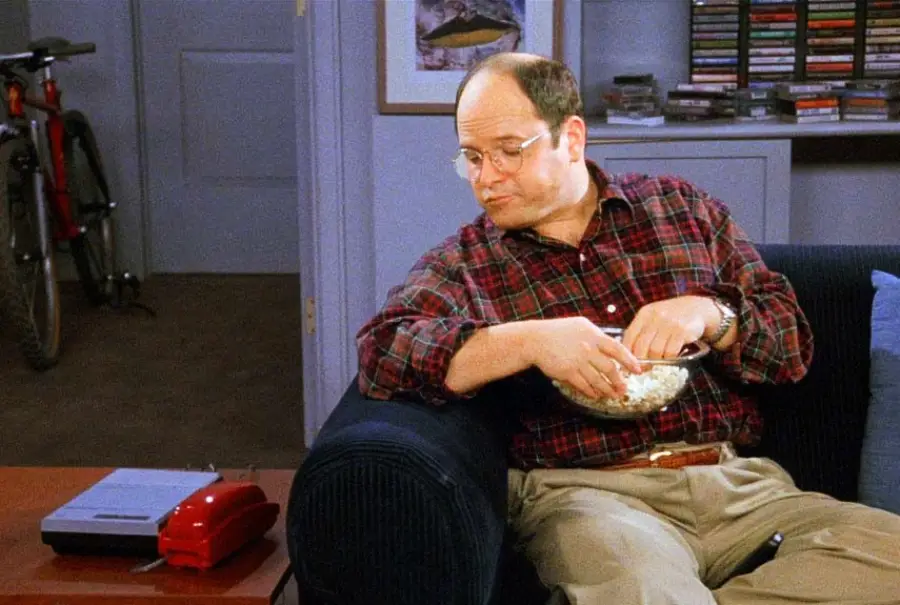
Coming home in the nineties meant checking the kitchen counter to see if the little red light on the cassette-based answering machine was blinking. Listening to your messages was a shared household event, as the machine would play the recorded audio aloud through a tiny speaker for the entire room to hear.
13. Paying with a paper check at the checkout line
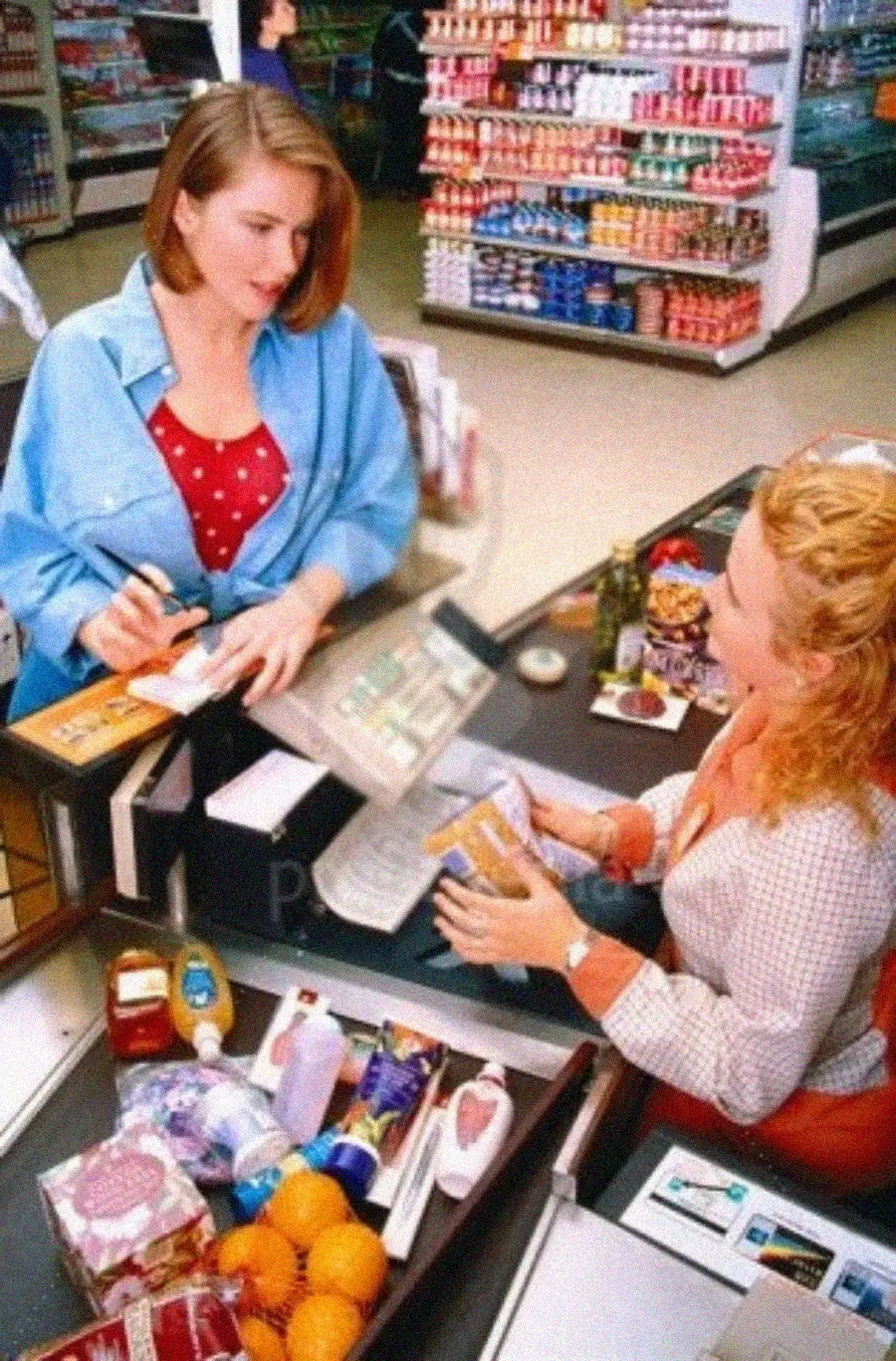
Long before tap-to-pay and mobile banking streamlined retail transactions, it was completely normal to wait behind someone manually writing out a paper check at the grocery store. The shopper had to write out the exact balance, sign their name, and show physical identification, creating a slow checkout process that modern shoppers would find agonizing.
14. Carrying a Discman and hoping it wouldn’t skip
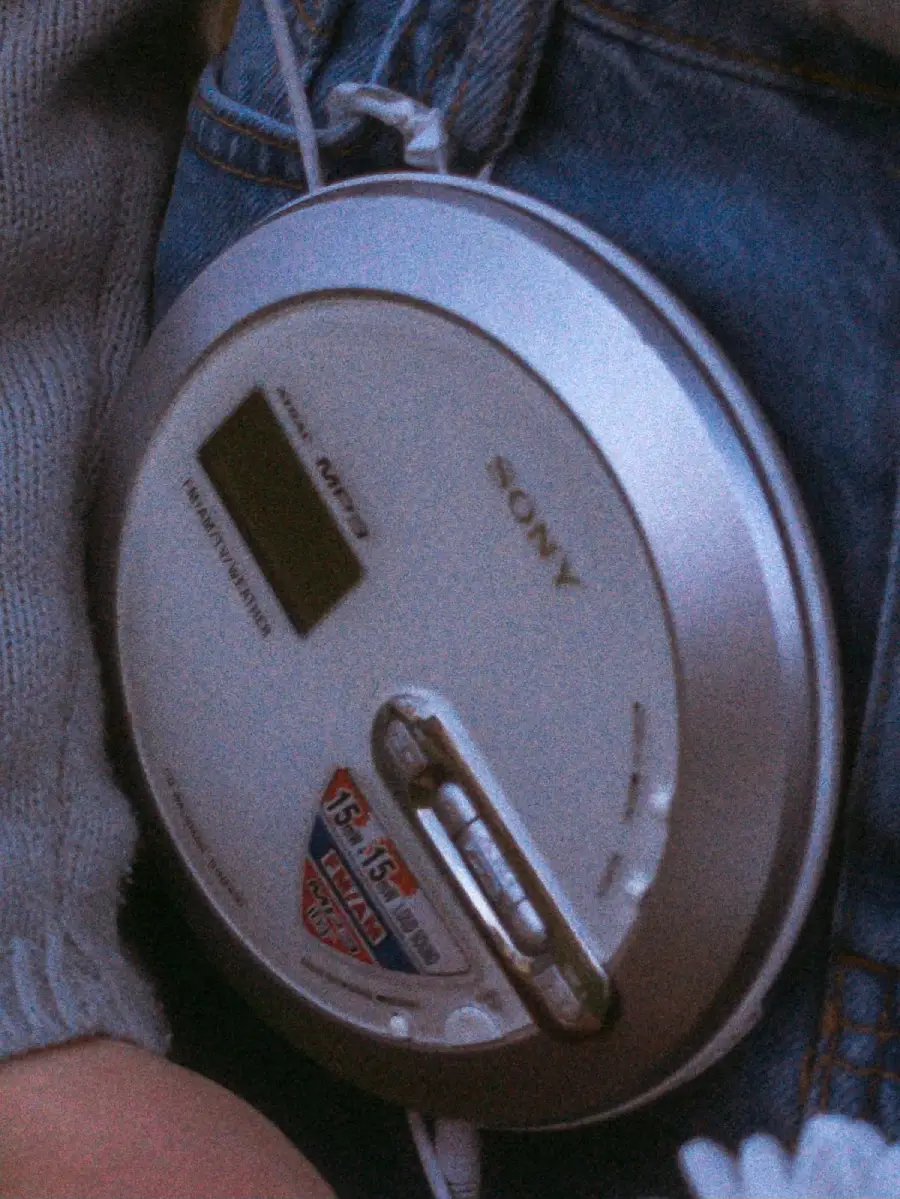
Listening to music on the go in the late nineties meant sliding a portable CD player into your pocket and walking with an incredibly stiff, careful stride. Even with the introduction of “electronic shock protection” systems, a single sudden step or a bump on the sidewalk would send the laser off track, causing your music to painfully loop.
Want more 90s nostalgia?
Revisiting these everyday routines from the nineties highlights just how quickly technology rewrites our daily lifestyles and social expectations. Looking back at these cassette recorders, printed telephone directories, and slow video store runs proves that while the devices we use change completely across the decades, our desire to connect and share experiences remains entirely constant. When we choose to look past the high-tech convenience of our modern devices to appreciate the charming, hands-on history of our old habits, we gain a much deeper appreciation for our cultural journey. If you loved taking this nostalgic walk down memory lane, make sure to explore these 14 Classic Saturday Morning Cartoons Every 90s Kid Watched or 14 Ways 1990s Parents Managed Households Without Tech. You can also check out these 14 Nostalgic Memories That 80s and 90s Kids Still Remember.