
Glancing back at the domestic landscape of the late twentieth century brings us face-to-face with a highly practical, yet beautifully unscripted, era of family management. Before the arrival of search engines, digital forums, and smartphone tracking tools, coordinating a busy household required absolute real-world resourcefulness and manual planning. Parents raising children during this decade had to rely on community word of mouth, printed references, and physical communication networks to resolve daily dilemmas. Every small challenge, from diagnosing a minor fever to coordinating weekend sports schedules, became an active test of logic and memory for the average household.
The reality of these analog routines shows just how much our standards of convenience and communication have evolved over the years. The truth is that parents back then managed their households with incredible autonomy, using physical maps, landline answering machines, and library reference desks to navigate the daily schedule. Instead of turning to digital groups for instant validation, they built real-world connections with neighbors and relied on trusted print manuals to keep their families on track. Let’s look back at fourteen memorable ways that parents successfully handled daily life back in the 1980s and 1990s.
1. Mapping road trips with printed paper atlases

Long before digital satellite mapping systems guided vehicles through unfamiliar highways, families planned their long summer journeys using giant paper map books. Navigating required a passenger to manually trace the route under the dashboard light while tracking upcoming highway markers in real time.
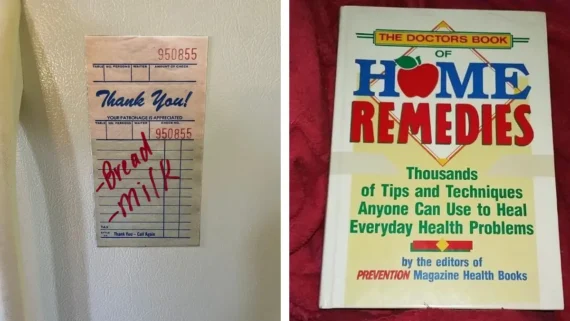
2. Consulting a massive medical reference book for illnesses

When a child woke up with an unexpected rash or a sudden fever, mothers and fathers flipped through thick health manuals kept in the living room bookcase. They relied on dense text indexes to decide if a symptom required a phone call to the family doctor or simple rest.
3. Writing schedules on a magnetic kitchen calendar
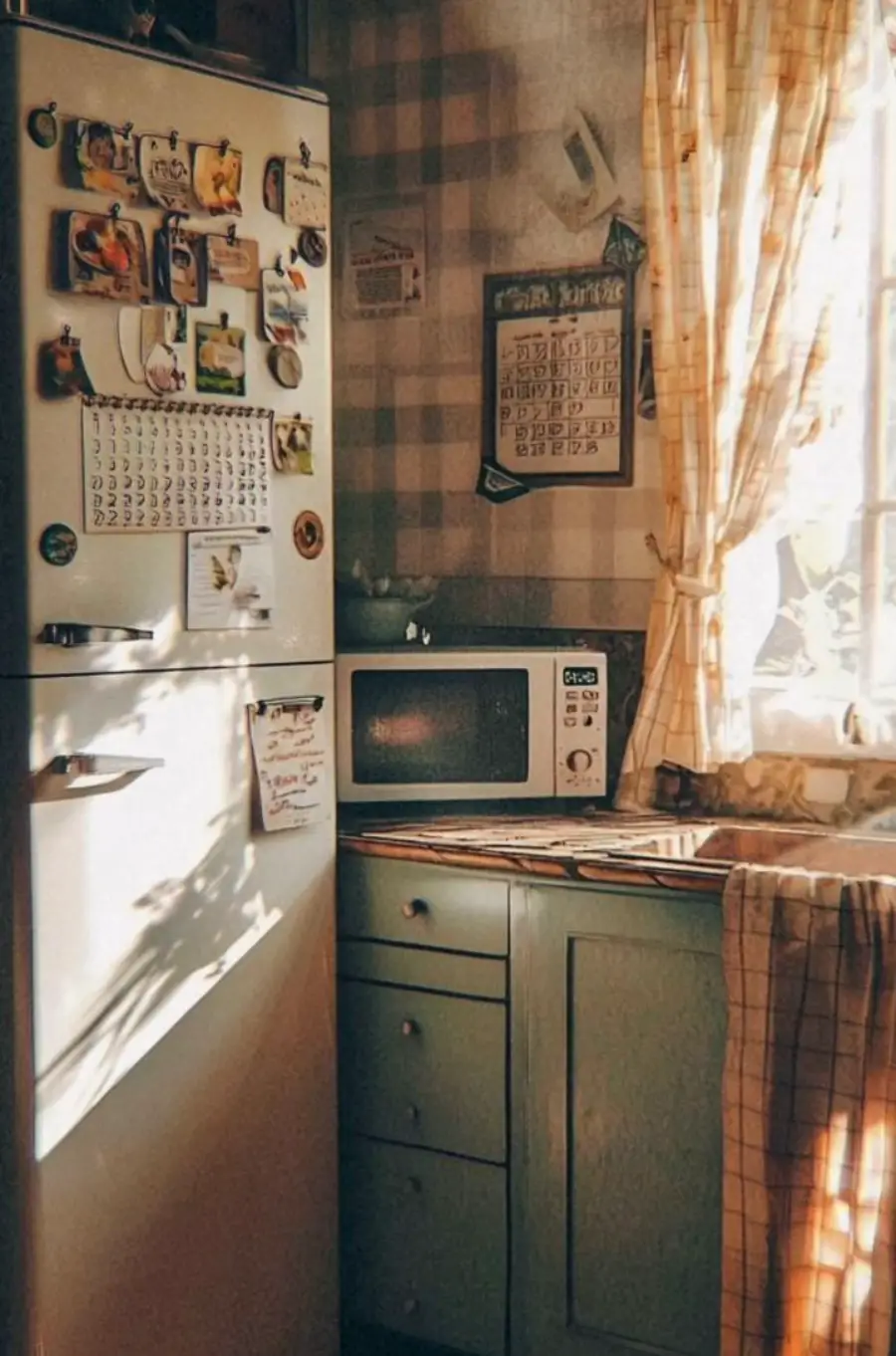
Keeping track of school holidays, soccer practices, and dental appointments meant managing a single shared paper grid attached to the refrigerator. Everyone in the household had to manually write down their upcoming plans using a colored pen to prevent major scheduling overlaps.
4. Leaving detailed notes around the house
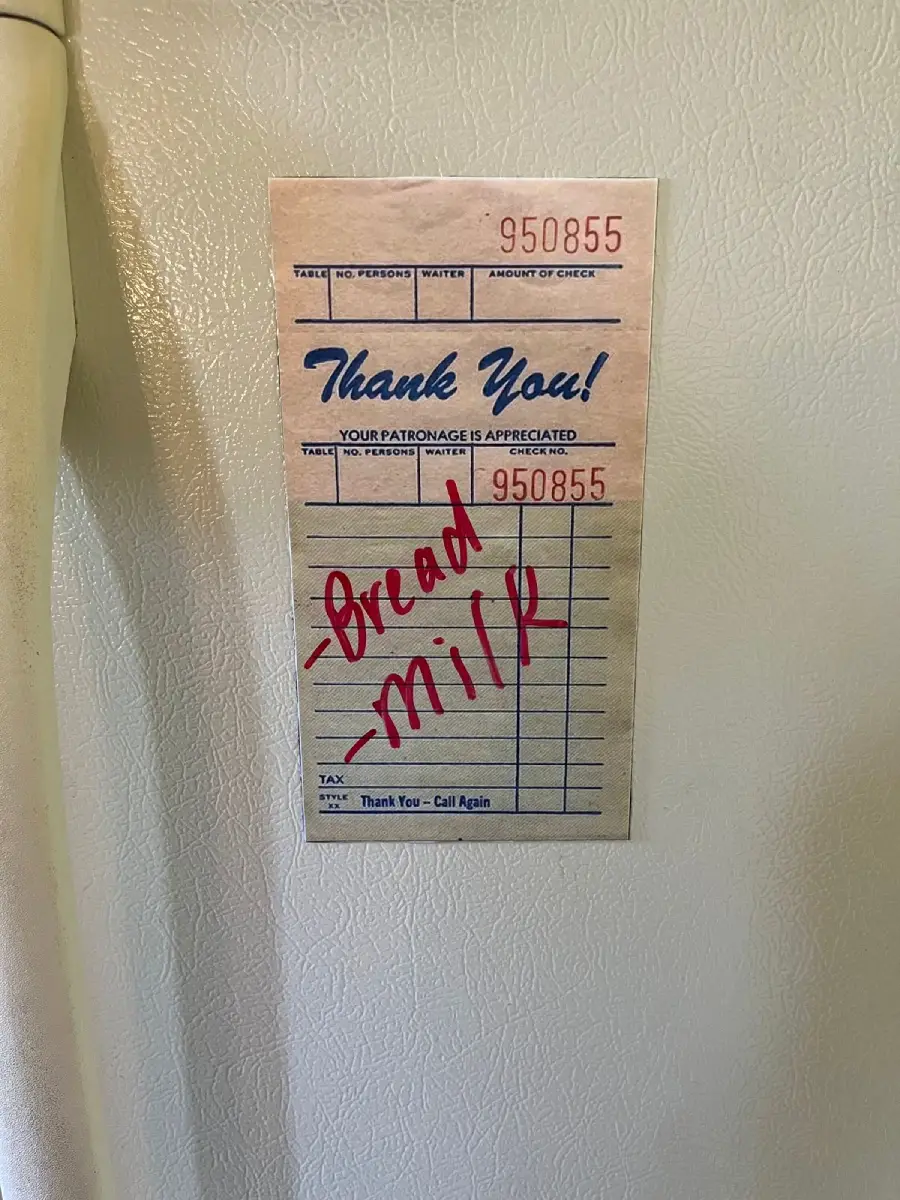
Before text messaging allowed family members to send instant updates throughout the day, coordination relied entirely on handwritten paper memos. Children arriving home from school looked directly for notes left next to the phone explaining where everyone went and when dinner would be ready.
5. Flipping through a Rolodex for emergency contacts
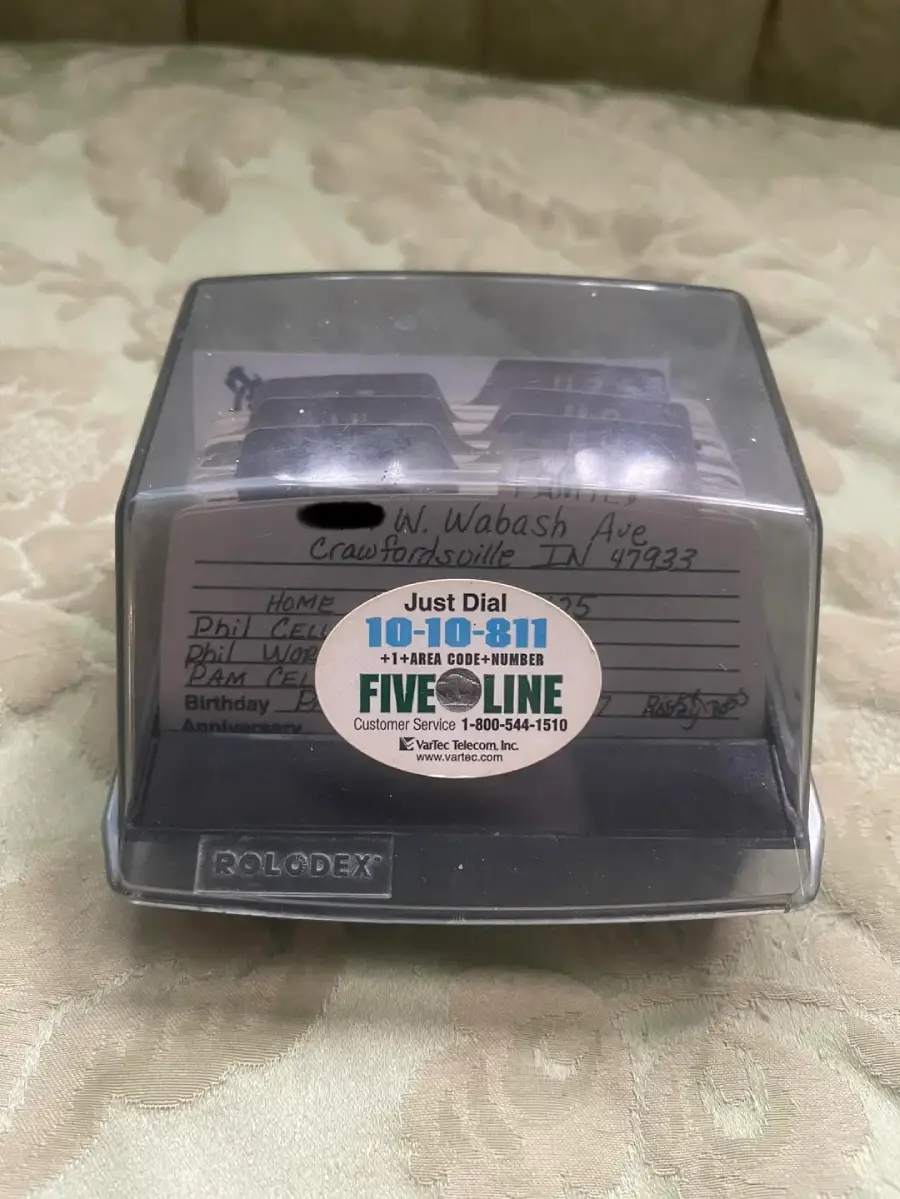
Managing an emergency contact network involved maintaining a rotating wheel of small paper index cards near the primary home telephone. You had to manually flip through alphabetical tabs to find the specific work numbers for neighbors, relatives, or the local pediatrician.
Trending on The Scroller


6. Checking movie showtimes in the print newspaper
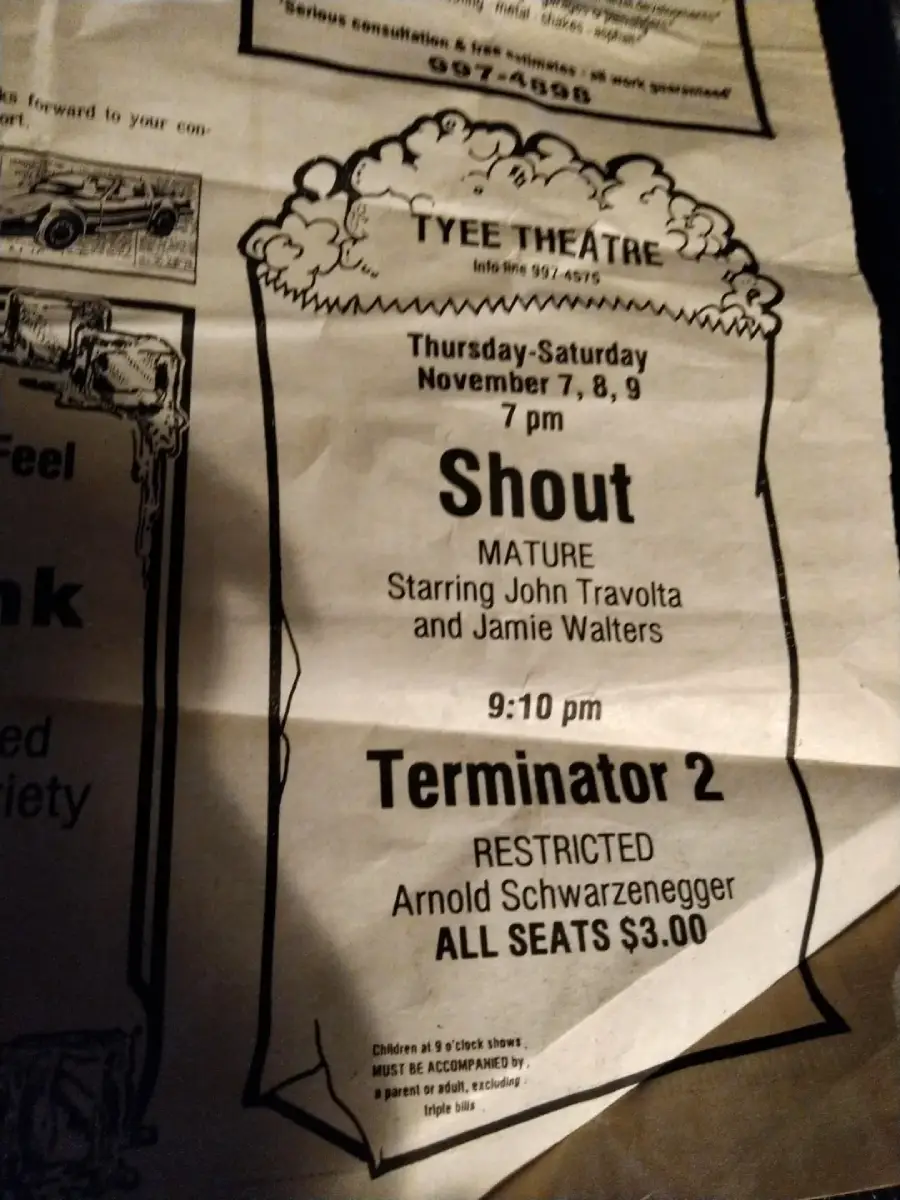
Planning a weekend family trip to the local cinema required consulting the dense columns of tiny text printed inside the daily paper’s entertainment section. Missing the specific printed listing meant driving blindly to the theater box office to read the plastic reader board out front.
7. Coordinating playground pickup ahead of time
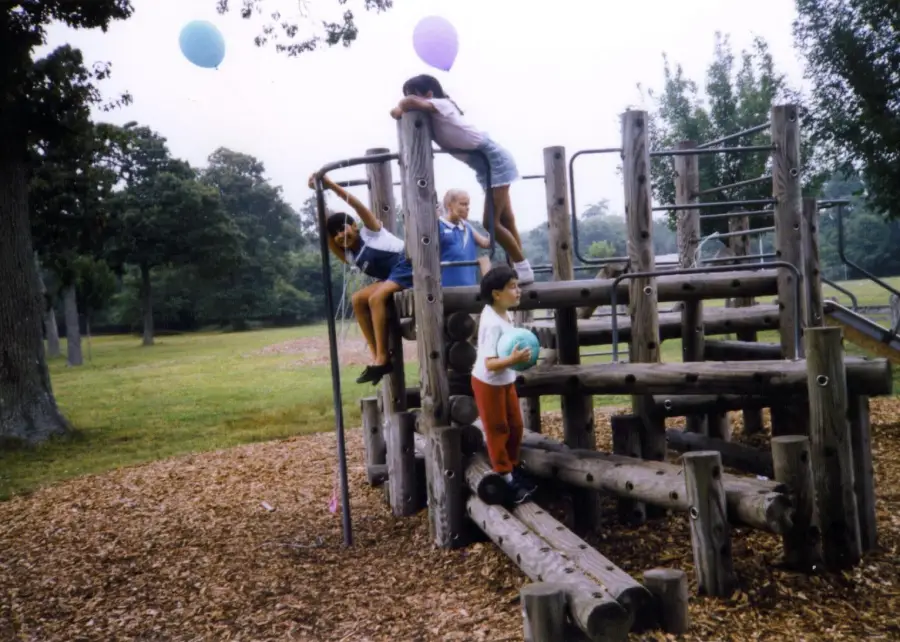
Dropping a child off at a friend’s house or a local park required establishing an absolute, unbreakable meeting time and location before anyone left the house. Since nobody carried a mobile device, everyone simply had to trust that the other family would arrive at the exact designated street corner as promised.
8. Buying heavy encyclopedias for school research projects

Helping kids with their homework assignments meant investing in a massive set of matching reference books sold door to door. These heavy, gold-lettered volumes occupied entire living room shelves, serving as the absolute primary source for every history or science report.
Sign up for our newsletter
9. Using the yellow pages to locate repair services
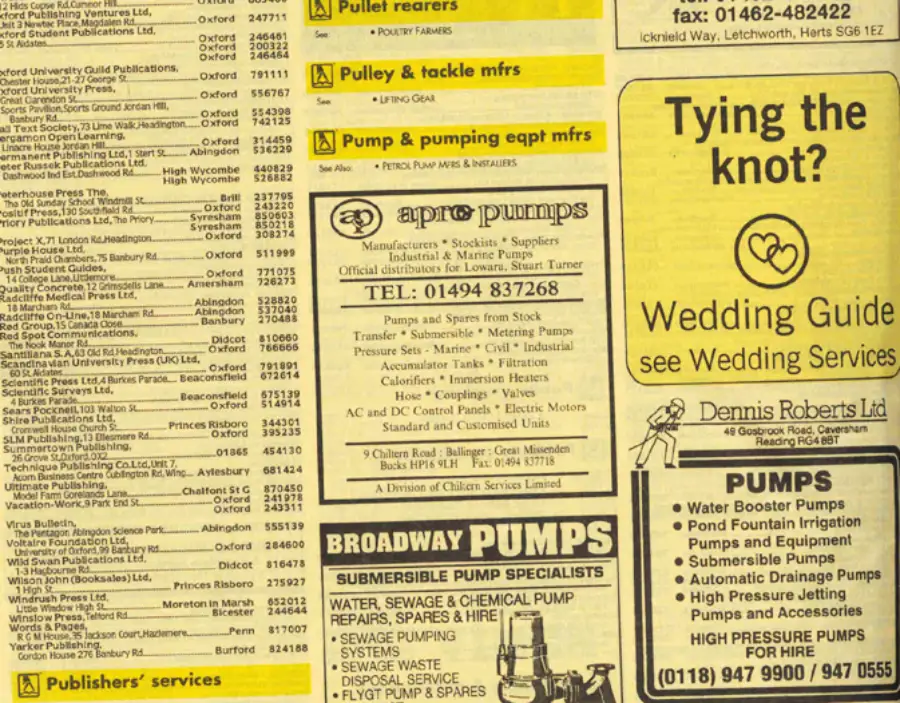
When a household appliance broke down, finding a local technician involved dragging out a massive, heavy book of business advertisements. You spent your afternoon scanning columns of listings just to find an available plumber or mechanic in your zip code.
10. Recording important phone messages on microcassettes
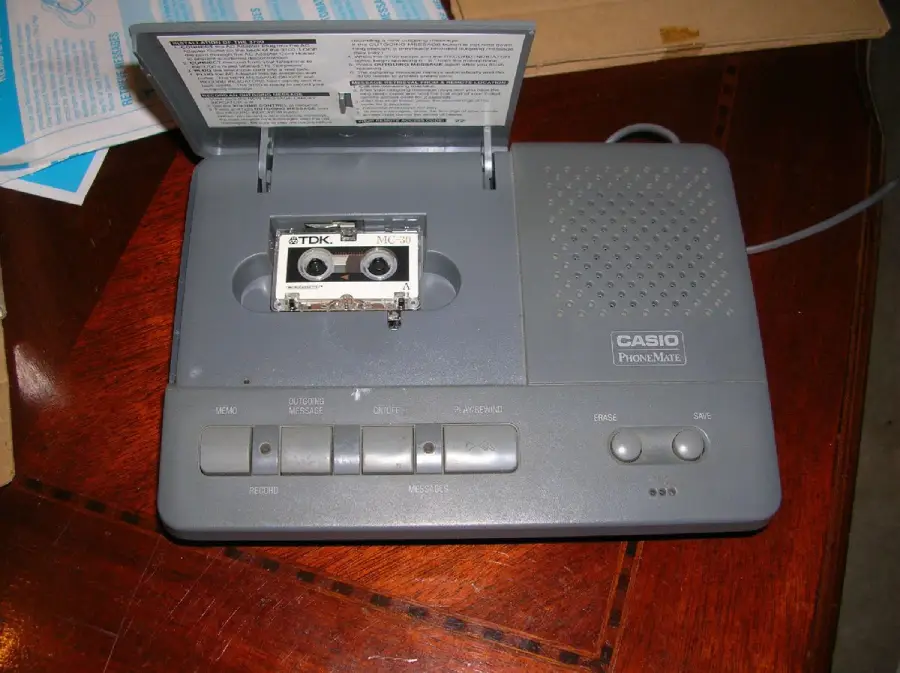
Managing missed calls while away from the house required an automated mechanical machine that captured voice clips onto tiny audio tapes. Parents hurried through the front door just to check the blinking red indicator light and play back the day’s missed communications.
11. Keeping kids entertained with large binder boxes of VHS tapes
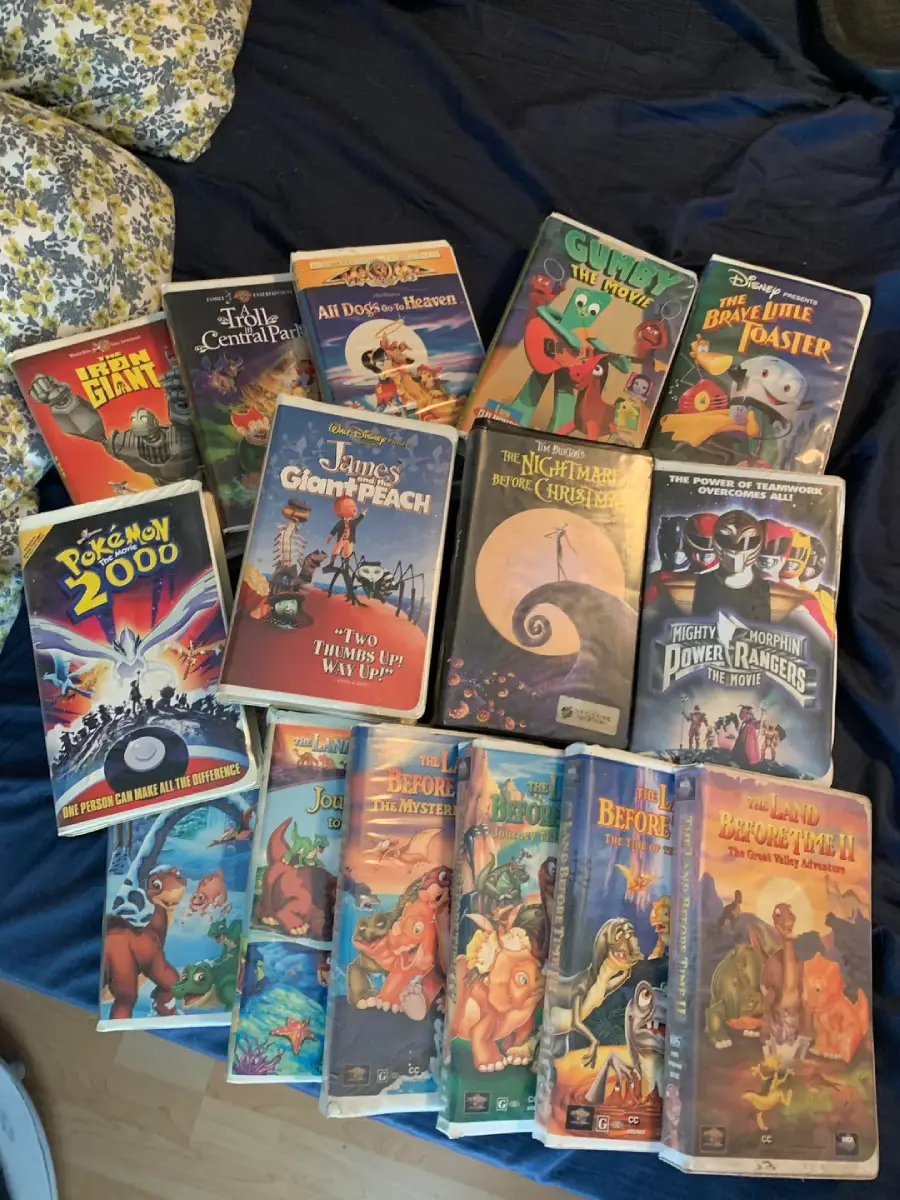
Rainy afternoons indoors involved browsing through a massive plastic zippered case filled with recorded home videos and classic movie tapes. Children spent hours sorting through the handwritten paper labels to select a cartoon for the living room entertainment center.
12. Taking film rolls to photo labs for vacation prints
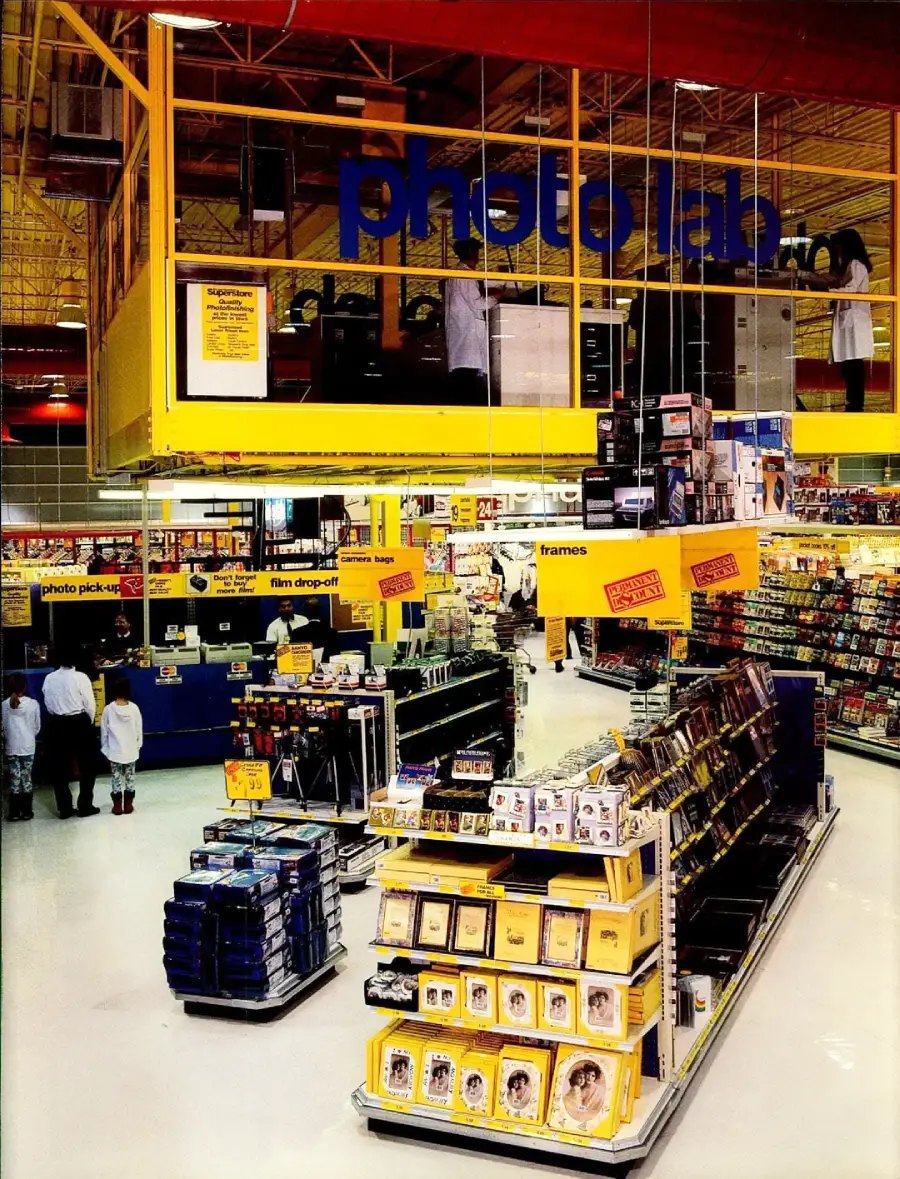
Preserving summer vacation memories involved dropping off small metal film canisters at a local pharmacy or drive-up photo booth. Families waited patiently for an entire week just to open a paper envelope and find out if their holiday snapshots actually turned out clear.
13. Packing a heavy toolkit of printed instruction manuals
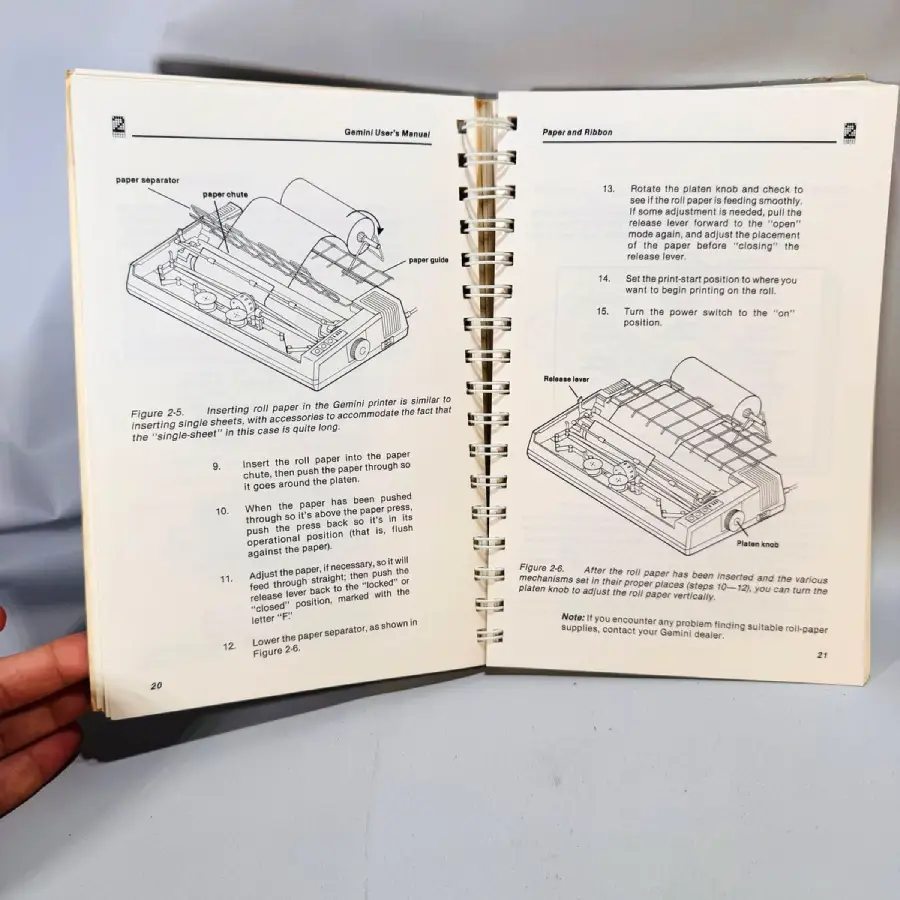
Assembling a new bicycle or troubleshooting a home appliance meant reading through a detailed paper guide included in the retail box. If an entry-level instruction sheet was lost, you had to write a physical letter to the manufacturer to request a secondary copy.
14. Relying on community cookbook binders for dinner
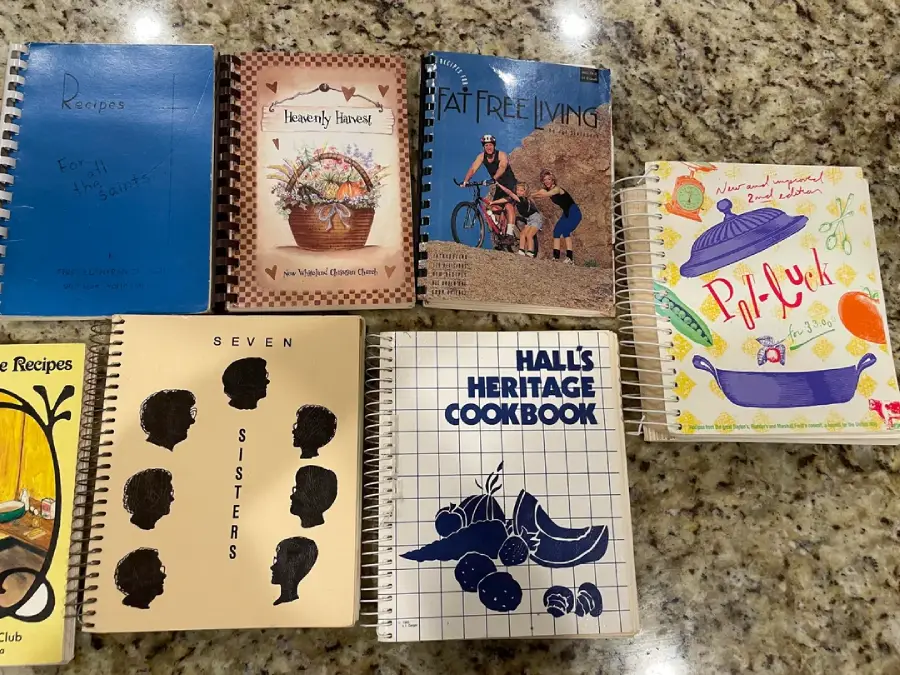
Concluding our household countdown is the classic habit of planning meals using compiled booklets generated by local school committees or neighborhood groups. These plastic-ringed binders were filled with handwritten, trusted kitchen formulas shared among local families for generations.
In the mood for more parenting advice?
Revisiting these old household habits reminds us how much our everyday standards of technology and communication have evolved over time. Looking back at these paper road atlases, kitchen message pads, and microcassette answering machines shows that while modern tools change, the core focus of family management stays exactly the same. When we look past the initial nostalgic charm to study the real resourcefulness inside these legacy routines, we can fully appreciate the steps that shaped modern family life. If you enjoyed this detailed look back at the household methods that defined past decades, make sure to explore these 18 Vintage Parenting Hacks That Look Dangerous Now, or 16 Habits of 1970s Parents That Would Shock Modern Families. You may also like these 21 Vintage Photos of Dads That Define a Vanished Generation.