Stepping into a grocery or department store fifty years ago would feel like entering a completely different universe for any modern shopper. Before digital barcodes, self-checkout kiosks, and algorithmic loyalty programs dominated the retail experience, buying daily necessities required navigating a vastly different landscape of bizarre products and manual transactions.
The 1970s retail environment was incredibly unique, filled with heavy mechanical cash registers, indoor smoking lounges, and wildly dangerous toys resting directly on the shelves. Consumers completely relied on physical catalogs and mail order forms to discover new trends, totally unaware that the internet would eventually revolutionize global commerce. Exploring these vintage store aisles reveals just how drastically our consumer habits have evolved over half a century. Here are twelve baffling items and retail practices from the seventies that would deeply confuse anyone today.
1. S&H green stamps
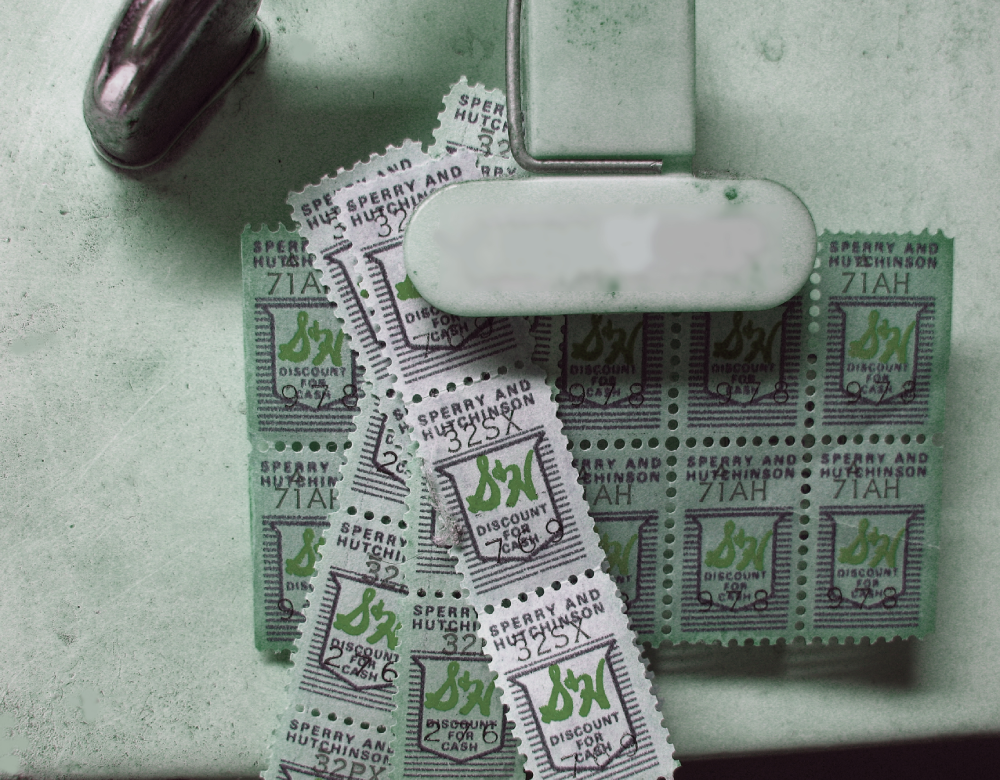
During the 1970s, cashiers handed out these physical trading stamps with every purchase, forcing customers to meticulously lick and paste them into specialized collection booklets. The Sperry and Hutchinson company ran massive redemption centers where housewives could eventually trade their sticky paper collections for household items like Toastmaster blenders or Samsonite luggage.
2. The original Lawn Darts
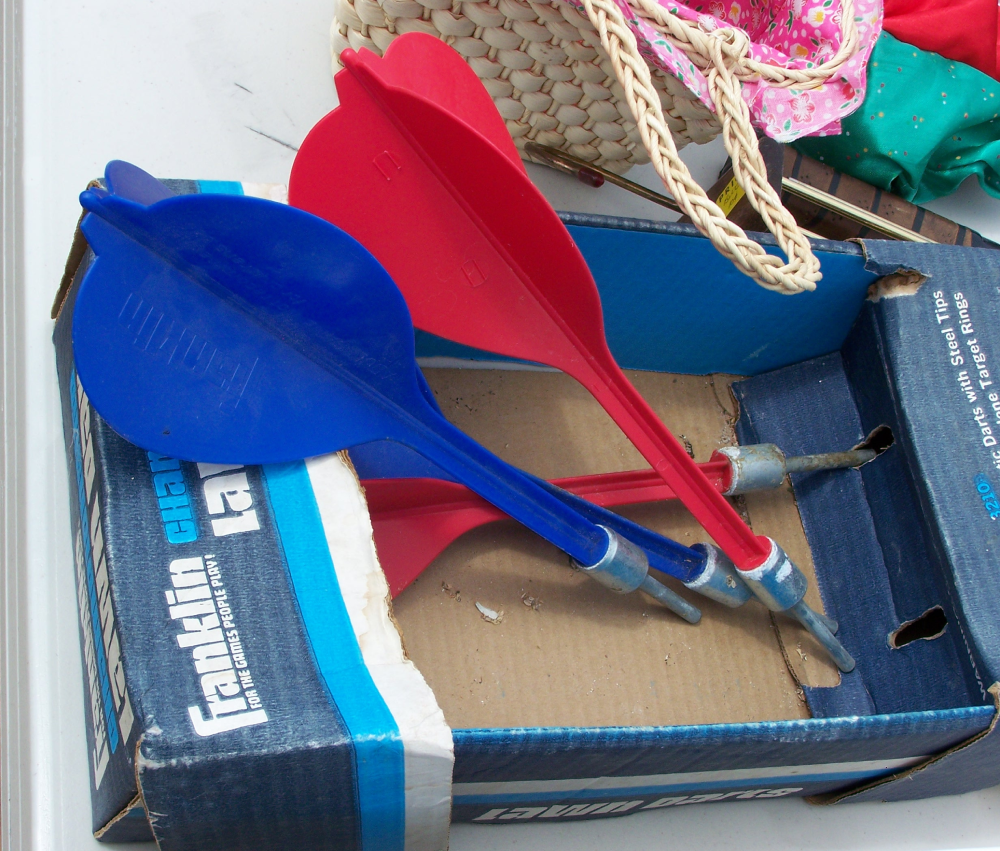
Long before strict consumer safety laws were established, parents casually bought massive, weighted metal spikes at local sporting goods stores for backyard family picnics. Following massive public outcry and several tragic accidents involving children, the Consumer Product Safety Commission finally banned these highly dangerous aerodynamic projectiles in 1988.
3. Asbestos snowflakes
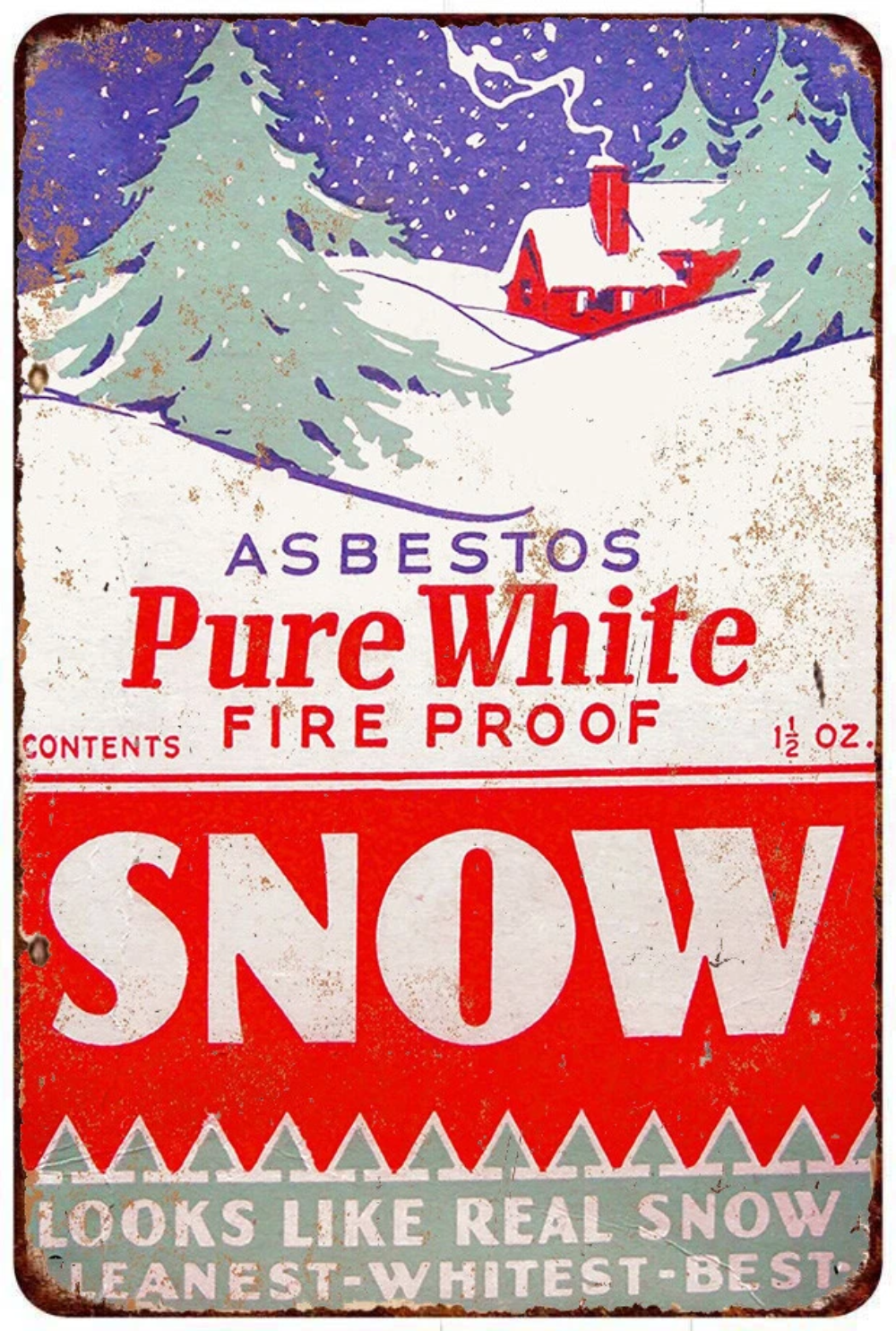
Holiday decorators routinely purchased boxes of artificial snow made entirely of toxic chrysotile asbestos to scatter freely across their living room Christmas trees. Brands like National Flocking sold these completely unregulated hazardous materials in colorful cardboard boxes right alongside glass ornaments and standard holiday lights until the late seventies.
4. Cigarette vending machines
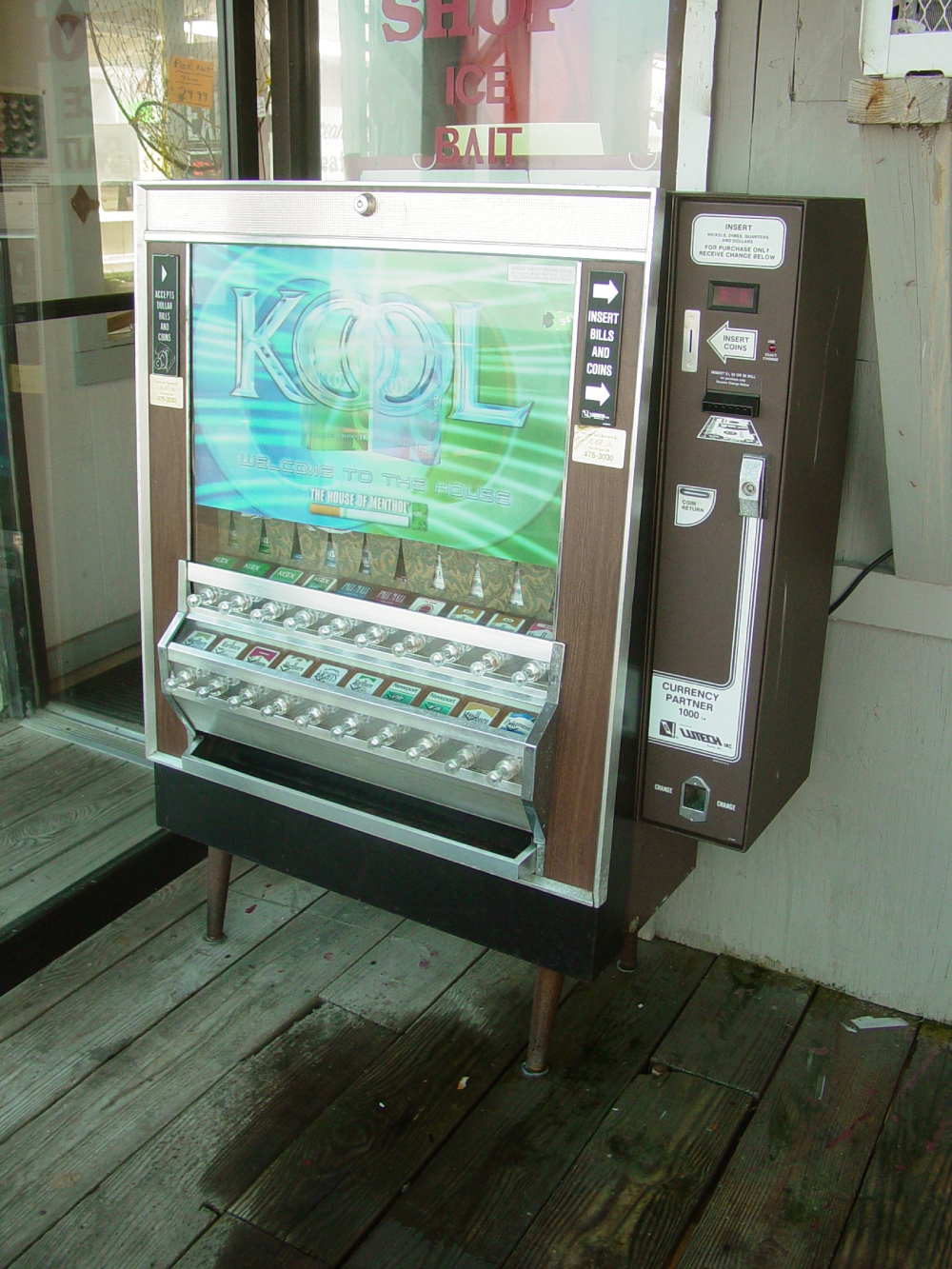
Standard grocery stores, bowling alleys, and family diners featured ornate mechanical vending machines dispensing cheap packs of Kent or Marlboro cigarettes right next to the entrance. Anyone with a handful of loose quarters could easily pull the heavy brass knobs to instantly receive unfiltered tobacco, completely bypassing any age verification checks.
5. The Sears Wish Book
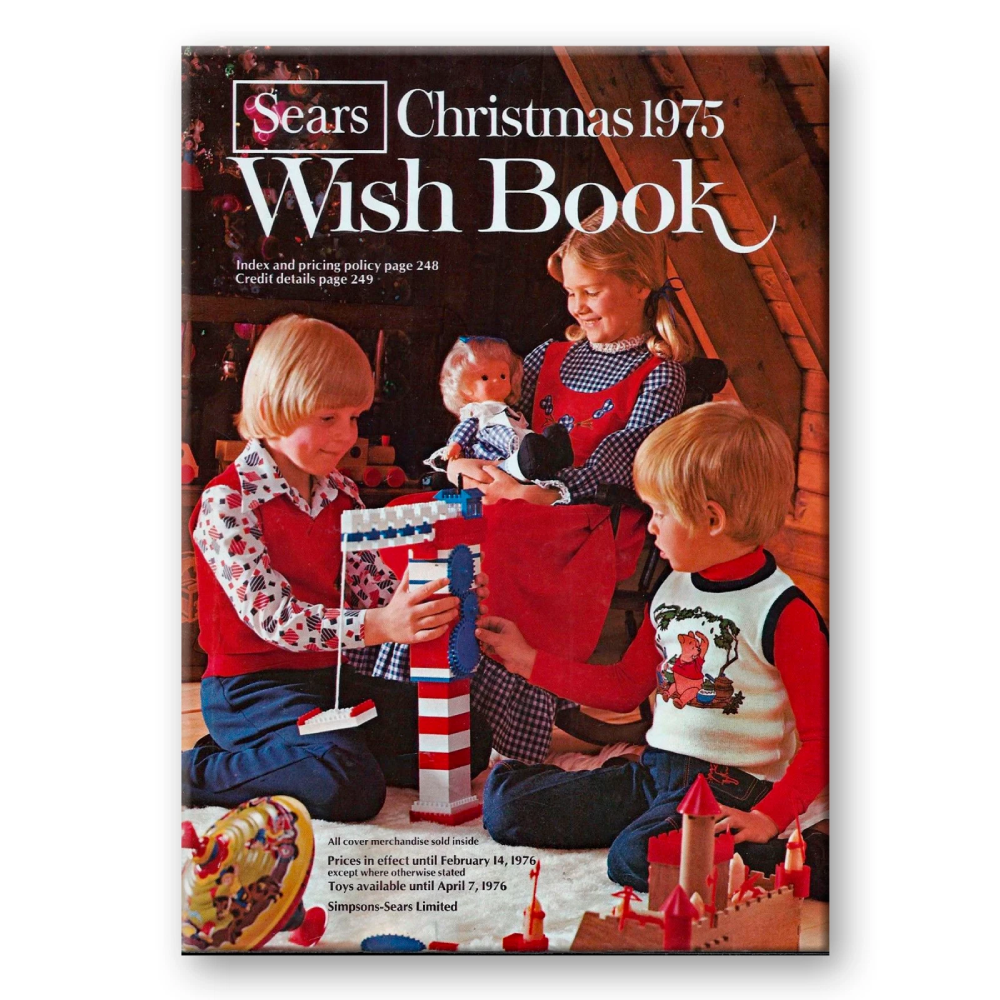
Without digital scrolling, families eagerly awaited the arrival of a massive, five-pound physical catalog printed by Sears, Roebuck and Company every single autumn. Children would spend hours aggressively circling desired Christmas presents, like the 1977 Kenner Star Wars action figures, directly on the thin paper pages using colorful markers.
Trending on The Scroller


6. L’eggs pantyhose in plastic eggs
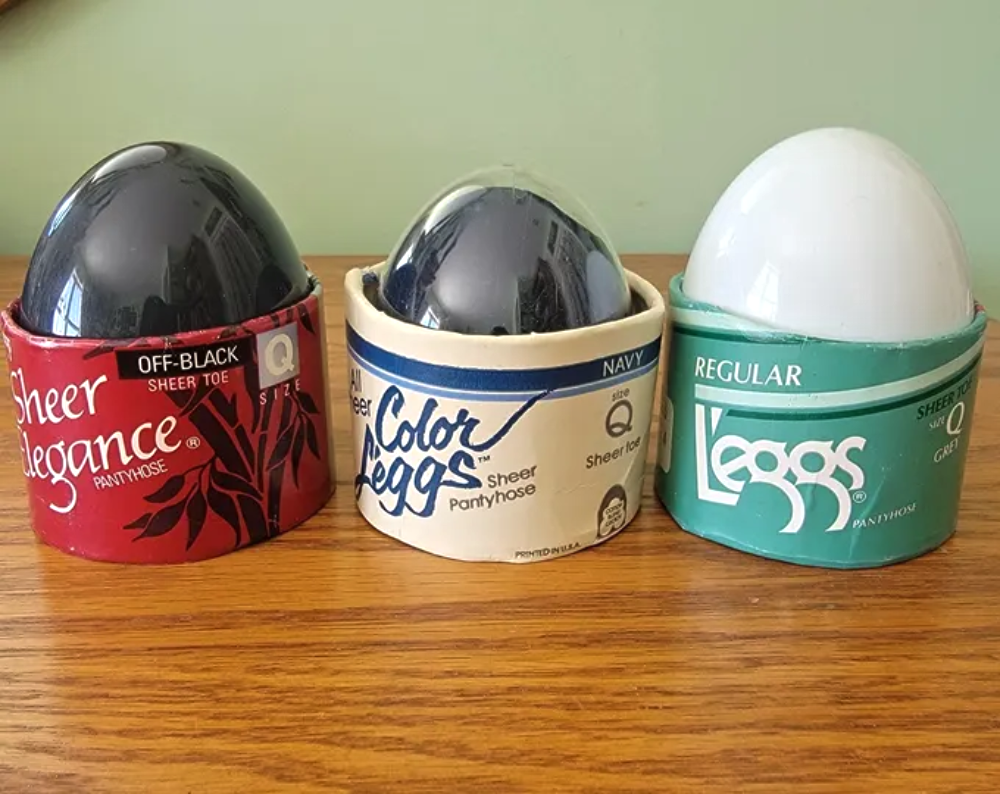
Hanes launched a massive marketing revolution in 1969 by packaging cheap nylon stockings inside colorful, egg-shaped plastic containers sold strictly on freestanding carousel displays. These ubiquitous grocery store fixtures dominated supermarket aisles throughout the entire 1970s before the company finally switched to traditional cardboard boxes to reduce plastic waste in 1991.
7. The Amana Radarange
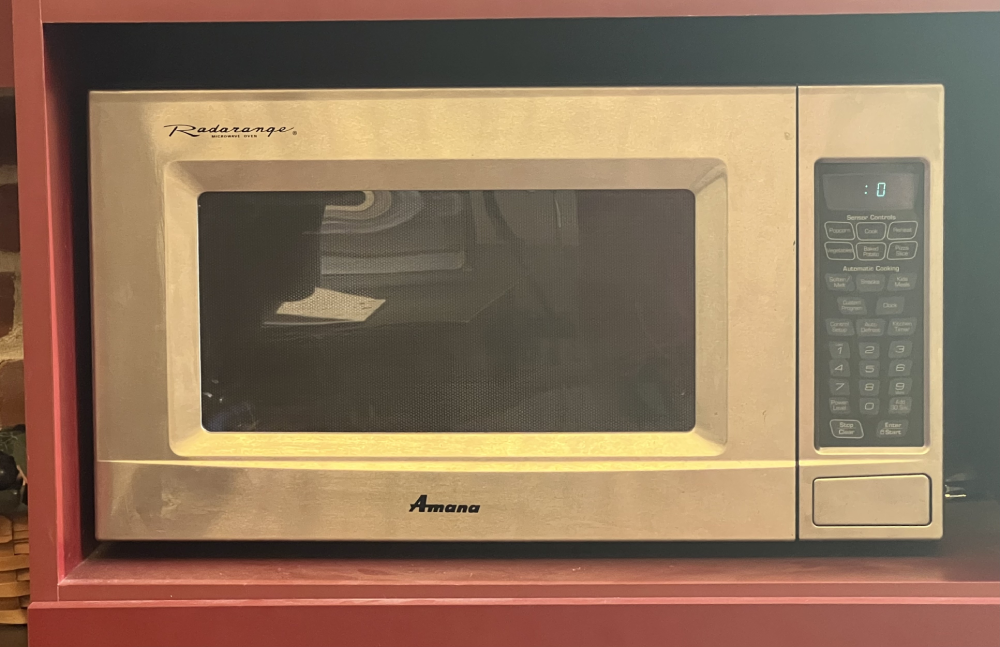
When microwave ovens first hit retail shelves in the late 1960s and early 1970s, they were gigantic, heavy steel boxes that cost over four hundred dollars. Salesmen had to actively perform live cooking demonstrations in department stores to convince terrified housewives that the strange Raytheon radar technology would not accidentally irradiate their entire kitchen.
8. Pet rocks
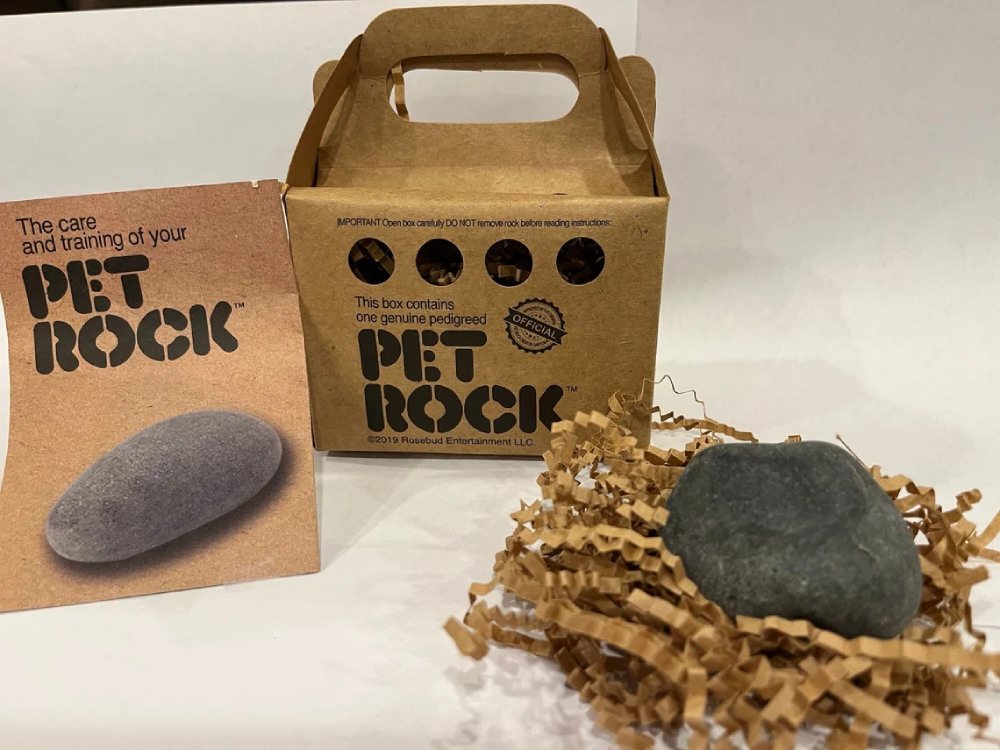
In 1975, advertising executive Gary Dahl brilliantly convinced millions of Americans to pay four dollars for a completely ordinary Mexican beach stone packed inside a cardboard carrier. The wildly successful novelty gift included a detailed thirty-two-page training manual with instructions on how to teach the inanimate rock to sit and roll over.
Sign up for our newsletter
9. Pull-tab aluminum cans
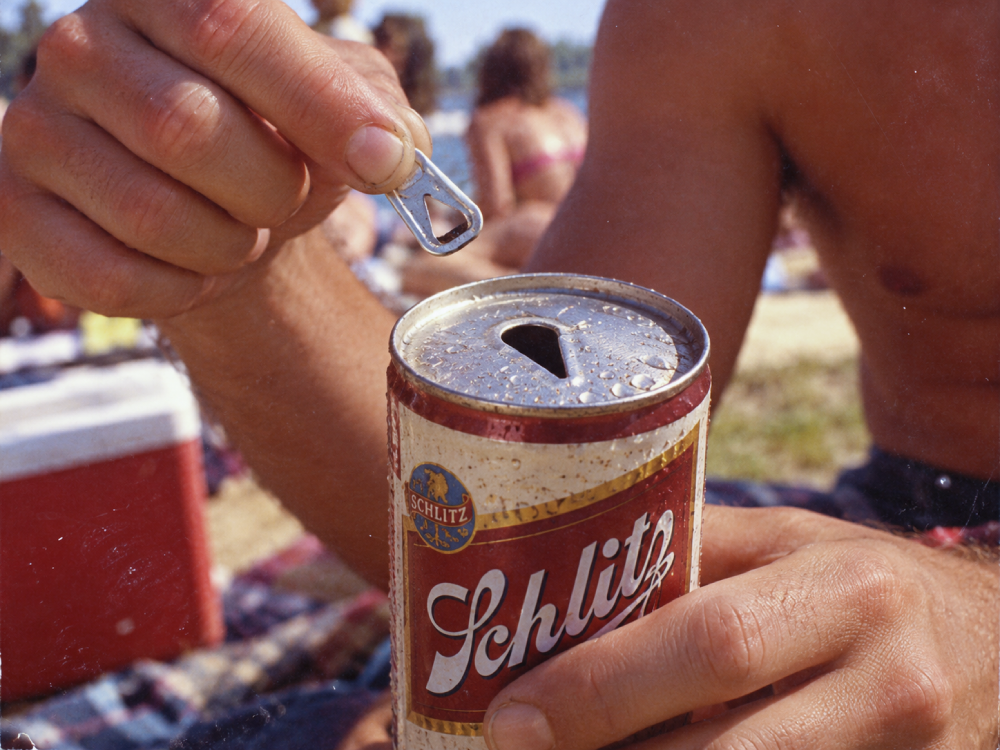
Purchasing a cold Coca-Cola or Schlitz beer meant completely detaching a sharp metal ring from the top of the beverage can. Because people carelessly discarded these jagged aluminum tabs directly onto beaches and park grass, millions of barefoot pedestrians suffered severe cuts before the modern stay-on tab was officially introduced in 1975.
10. Clairol herbal essence shampoo
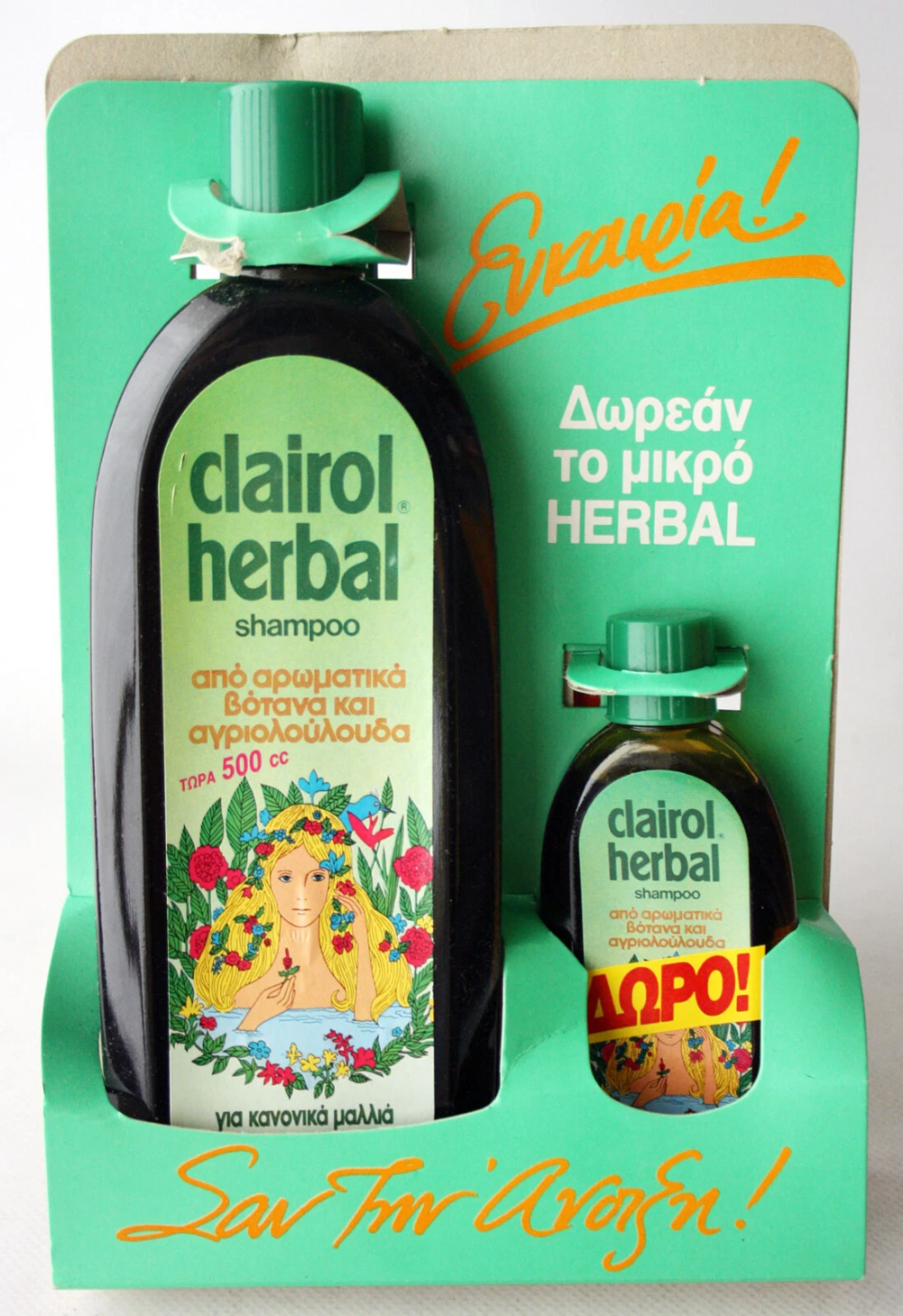
The original 1971 formulation of this iconic hair product featured a deeply vibrant, almost toxic green color heavily marketed towards the hippie counterculture. The clear plastic bottles featured a mysterious illustration of a nature goddess drawn by artist Loretta Krupinski, standing out aggressively among the boring, medicinal shampoos of the era.
11. Free glassware in detergent
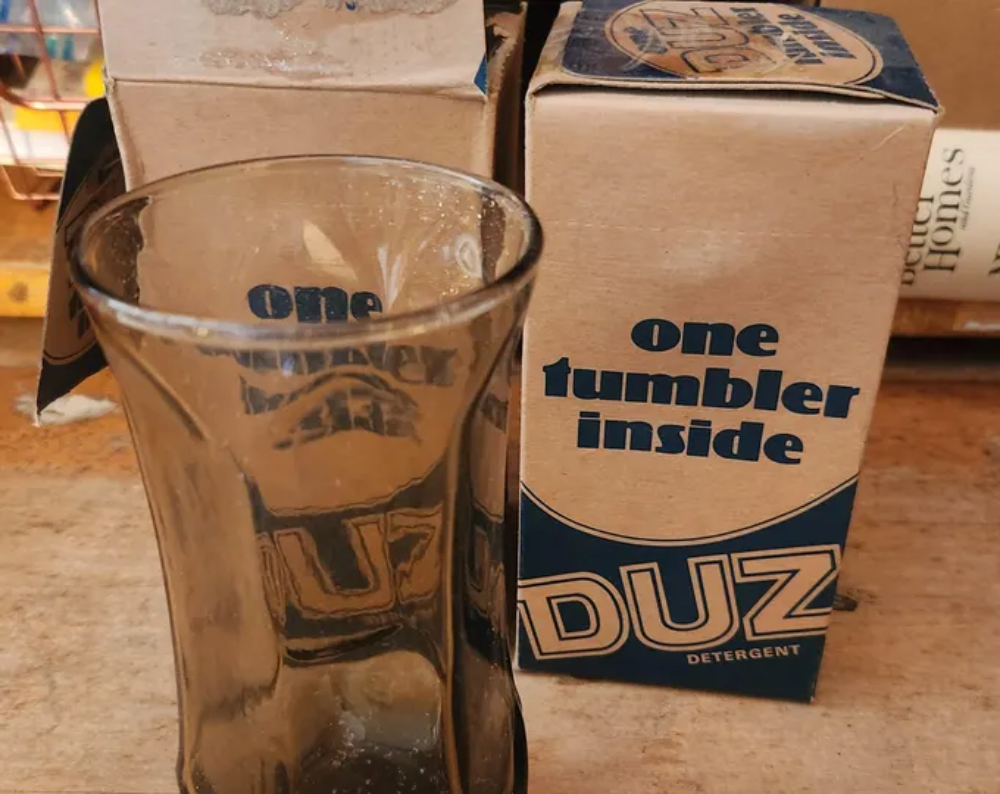
To maintain fierce brand loyalty, companies like Procter & Gamble physically buried promotional items directly inside giant cardboard boxes of Duz laundry detergent. Housewives would eagerly dig through the strong chemical powder to find a heavily protected piece of depression glass or a gold-rimmed plate to slowly build out their dining sets.
12. Manual credit card imprinters
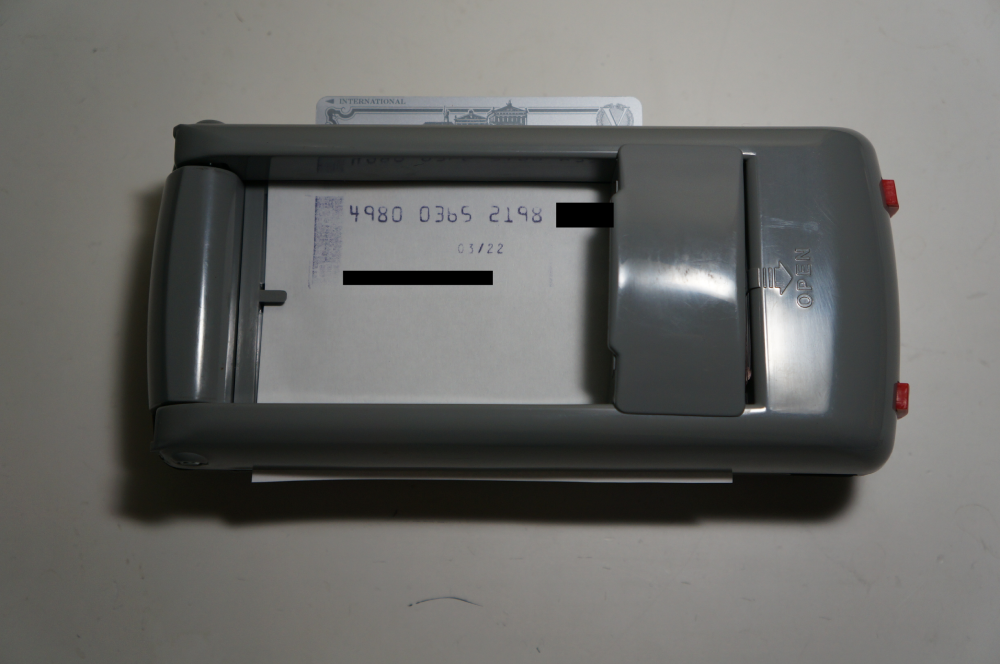
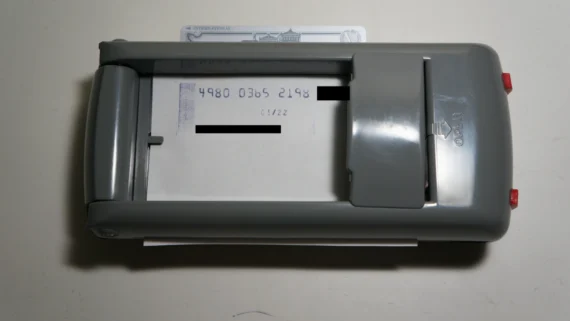
Paying with plastic required the cashier to place your physical Diners Club or BankAmericard into a heavy mechanical contraption affectionately known as a knuckle buster. The clerk would aggressively slide a massive handle back and forth to physically imprint the raised account numbers onto carbon paper receipts in triplicate.
Check out more fascinating stories from the 1970s:
Looking back at these bizarre products and outdated checkout methods makes you truly appreciate the seamless convenience of modern retail. While nobody really misses the danger of metallic lawn darts or the tedious chore of licking trading stamps, these nostalgic items perfectly capture the eccentric spirit of a bygone era. If you love exploring weird historical trends, vintage pop culture, and forgotten consumer crazes, make sure to check out these 14 Everyday Items in 1970s American Kitchens or these 14 Retro Foods That Defined 1970s Dinners. You may also like these 14 Forgotten Shopping Habits of Mid-Century Families.