1970s facts reveal a decade far stranger than disco, bell-bottoms, shag carpeting, and lava lamps might suggest. Americans faced unexpected shortages, unusual government policies, and marketing stunts that went spectacularly wrong.
From a toilet paper panic sparked by a television joke to a space station falling over Australia, these 15 stories reveal just how unpredictable life could get during a decade that already had plenty of personality.
1. A Late-Night TV Joke Helped Cause a Nationwide Toilet Paper Panic
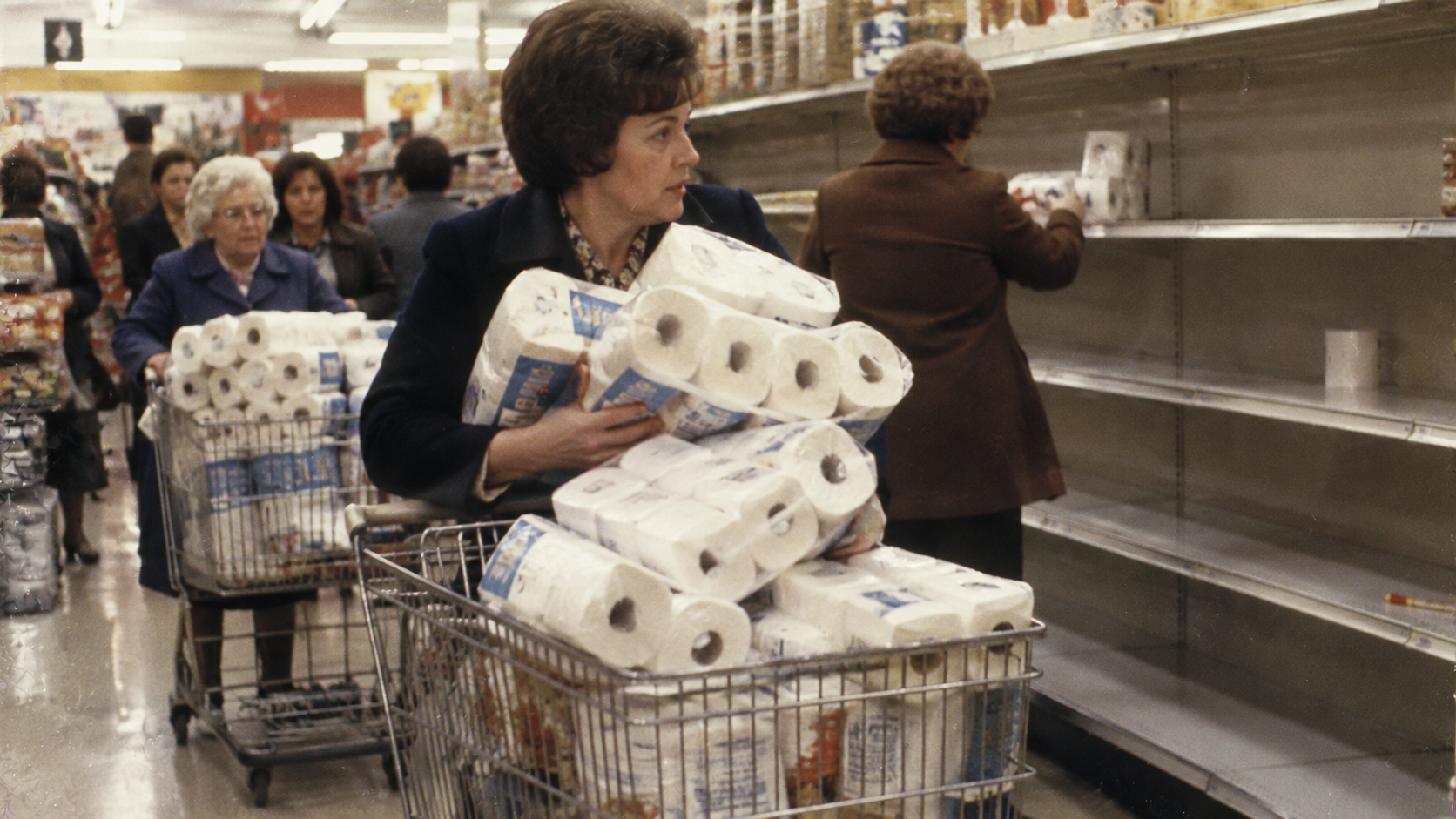
One joke was all it took to send shoppers running for toilet paper. In December 1973, Johnny Carson mentioned a supposed shortage on The Tonight Show, and viewers took the warning seriously. Supermarkets soon began running out as customers stocked up, creating the very shortage they feared. There hadn´t been a nationwide supply crisis to begin with.
2. Your License Plate Could Determine When You Were Allowed to Buy Gas
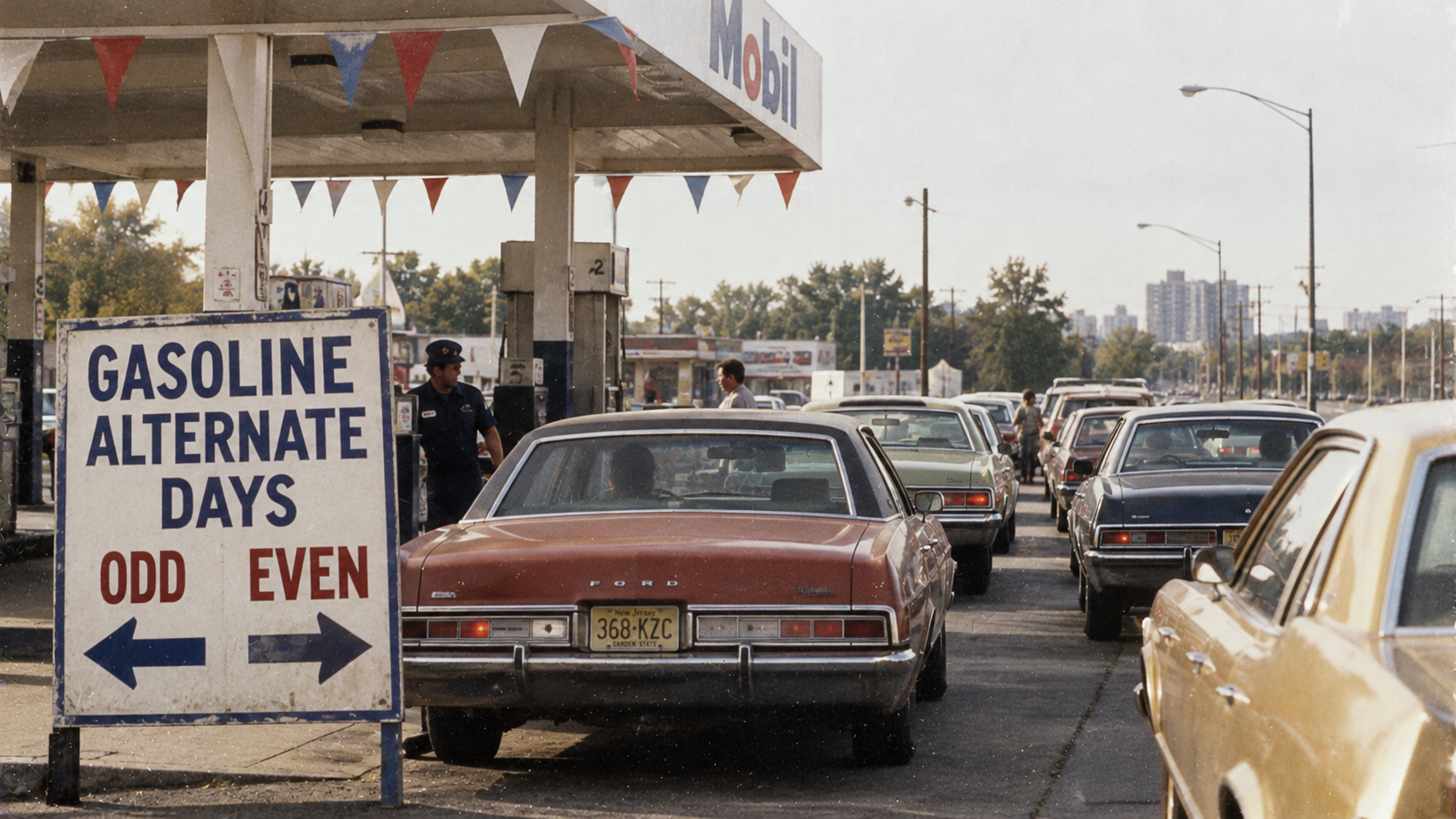
Imagine pulling into a gas station only to discover your license plate had the wrong number. During the 1973-1974 energy crisis, some states allowed drivers with odd-numbered plates to buy gas on odd dates and even-numbered plates on even dates. New Jersey also restricted purchases for vehicles with tanks at least half full. Even a routine fill-up required planning.
3. The Government Tried Keeping America on Daylight Saving Time Through Winter
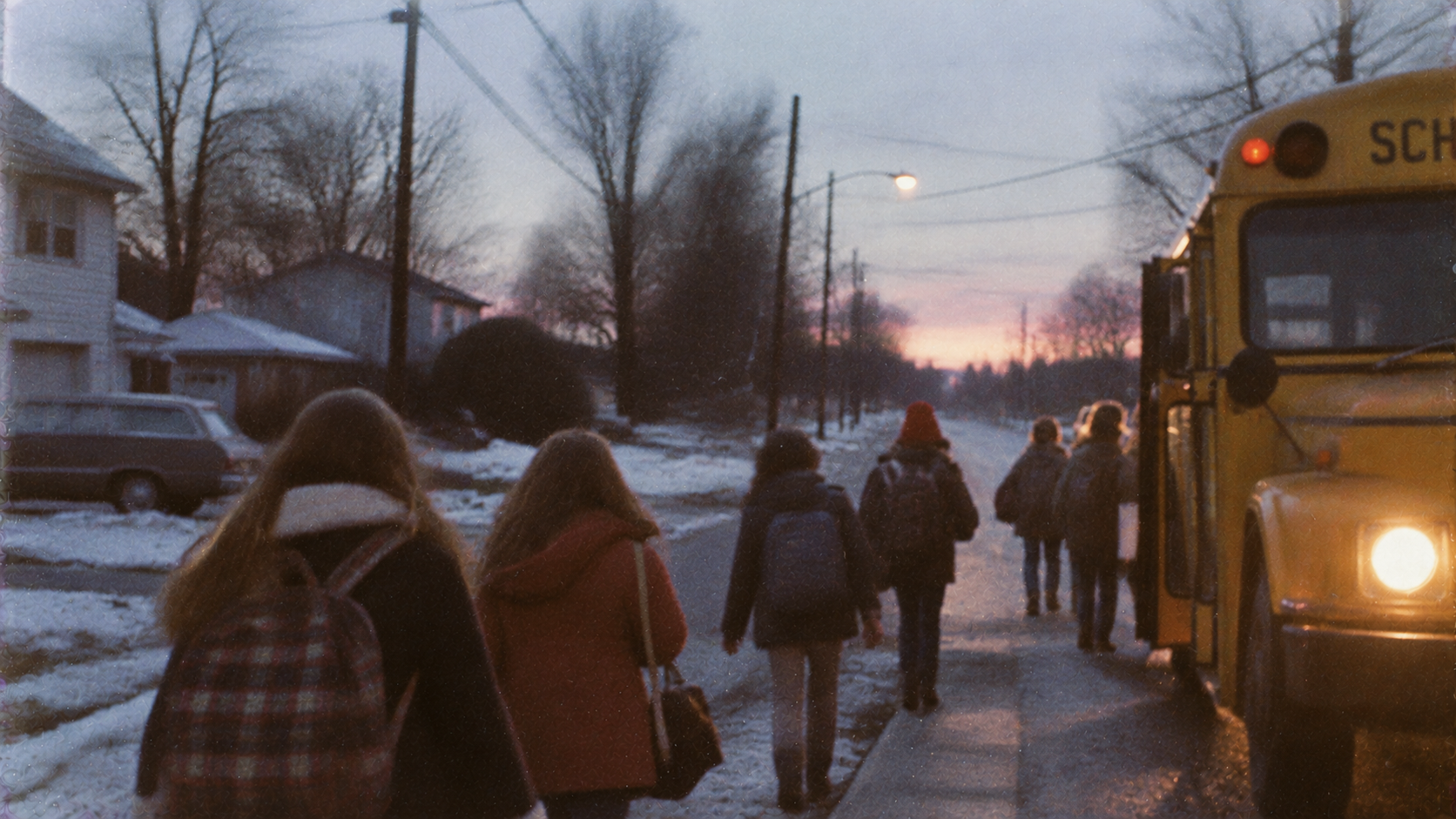
In January 1974, the United States experimented with year-round daylight saving time to conserve energy. The catch? In some places, winter sunrises arrived as late as 9 a.m., leaving children traveling to school in darkness. Public opposition grew, and the experiment ended that October. Apparently, saving daylight wasn´t quite as simple as moving the clocks.
4. Some New Cars Refused to Start Unless You Buckled Your Seat Belt
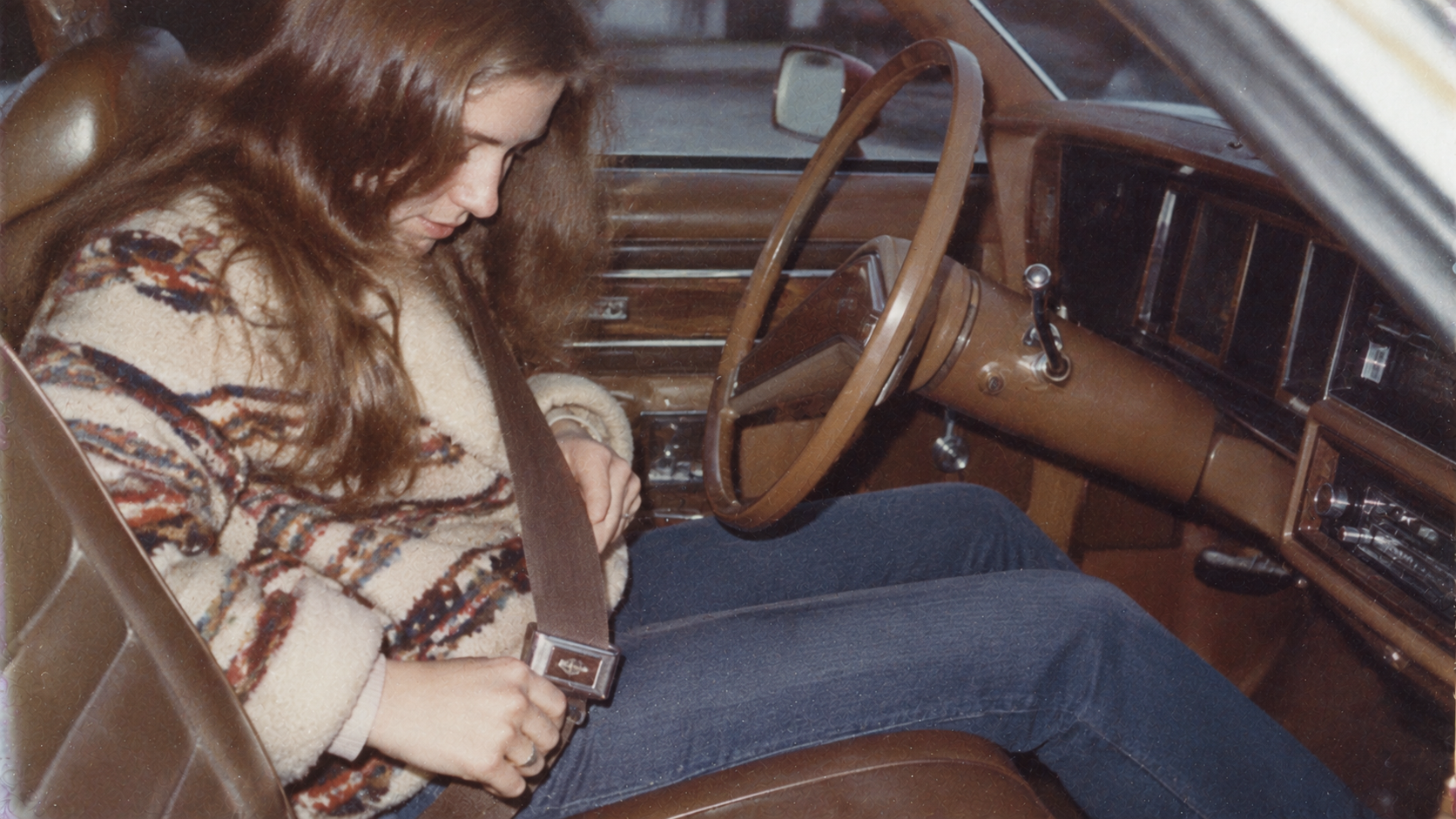
What if your car refused to start because someone hadn´t buckled up? For 1974 and early 1975 models, federal rules required ignition interlock systems that could prevent the engine from starting unless designated occupants fastened their seat belts. Drivers were so frustrated that Congress moved to eliminate the requirement in October 1974. Warning buzzers suddenly seemed like the friendlier option.
5. Ordinary Drivers Became Amateur Radio Personalities on the Highway
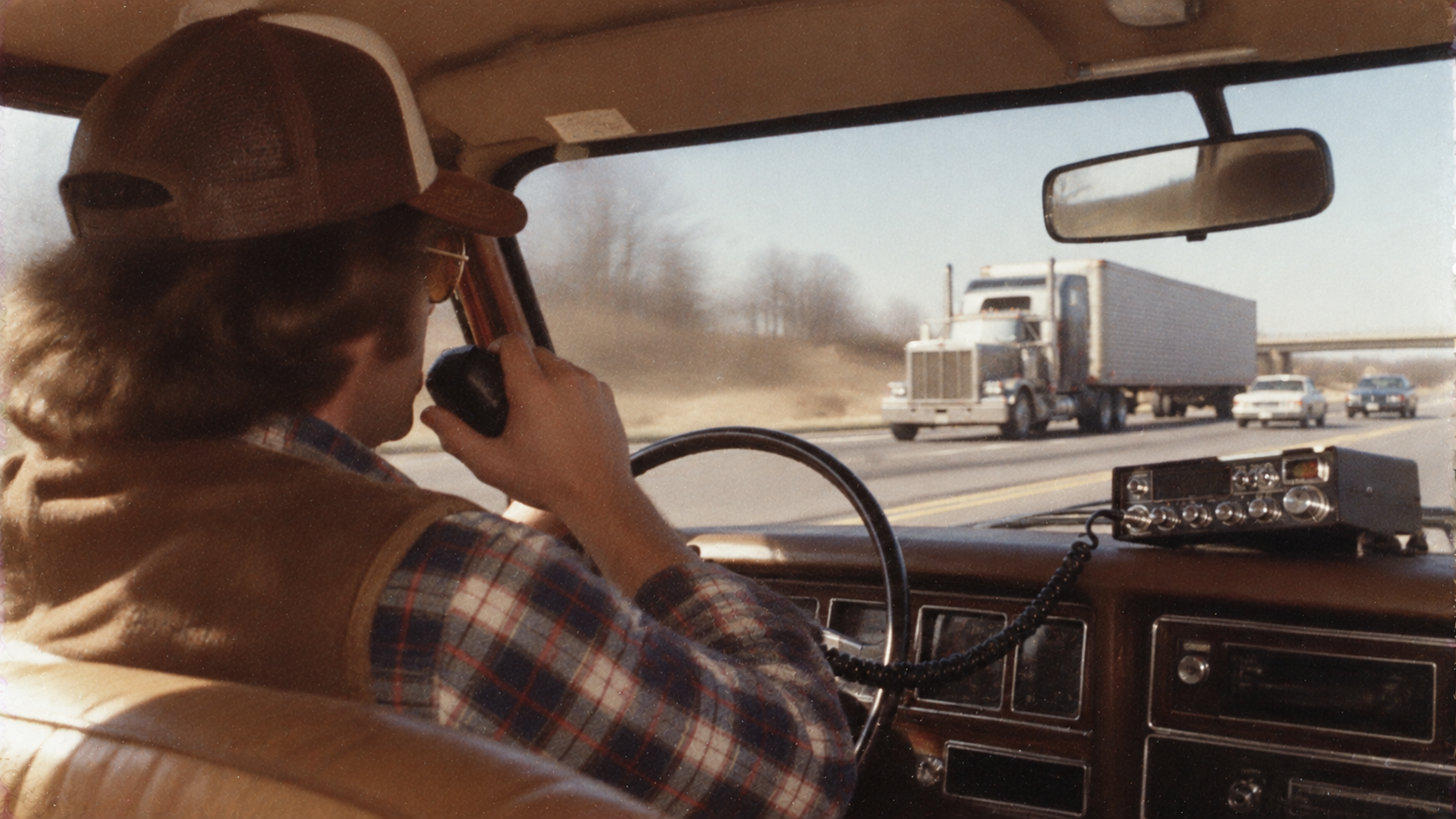
Before cellphones, CB radios turned American highways into a giant conversation. Drivers adopted colorful nicknames, trade trucker slang, and warned each other about speed traps after the national 55-mph speed limit took effect. The craze became so popular that it inspired songs and movies. For a while, having a radio handle was practically a second identity.
Trending on The Scroller


6. Americans Bought Jewelry That Supposedly Revealed Their Emotions
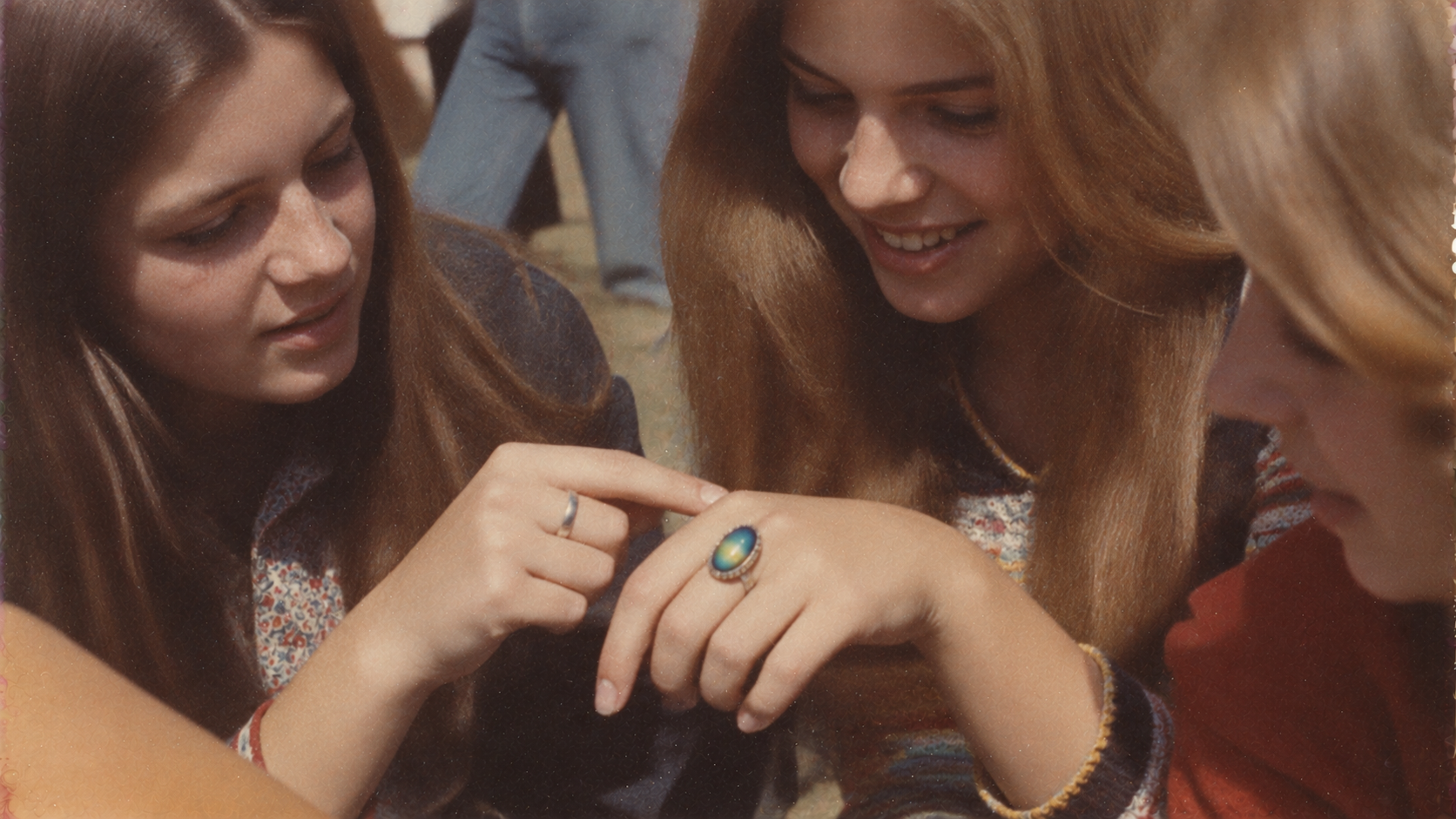
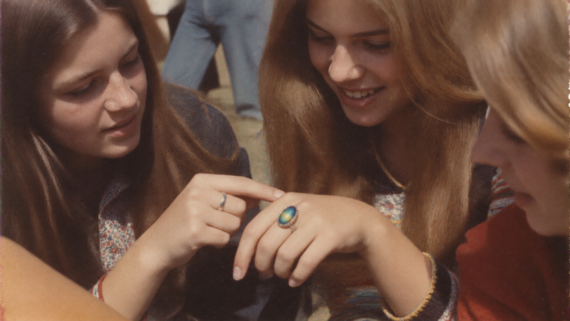
Mood rings promised to tell everyone how you felt simply by changing color. The mid-1970s fad sounded almost magical, except the liquid crystals inside actually responded to temperature, not emotions. Warm fingers could supposedly signal happiness, regardless of your actual mood. The trend spread to other accessories before fading by 1977. So much for wearing your heart on your finger.
7. America Nearly Began a National Switch to the Metric System
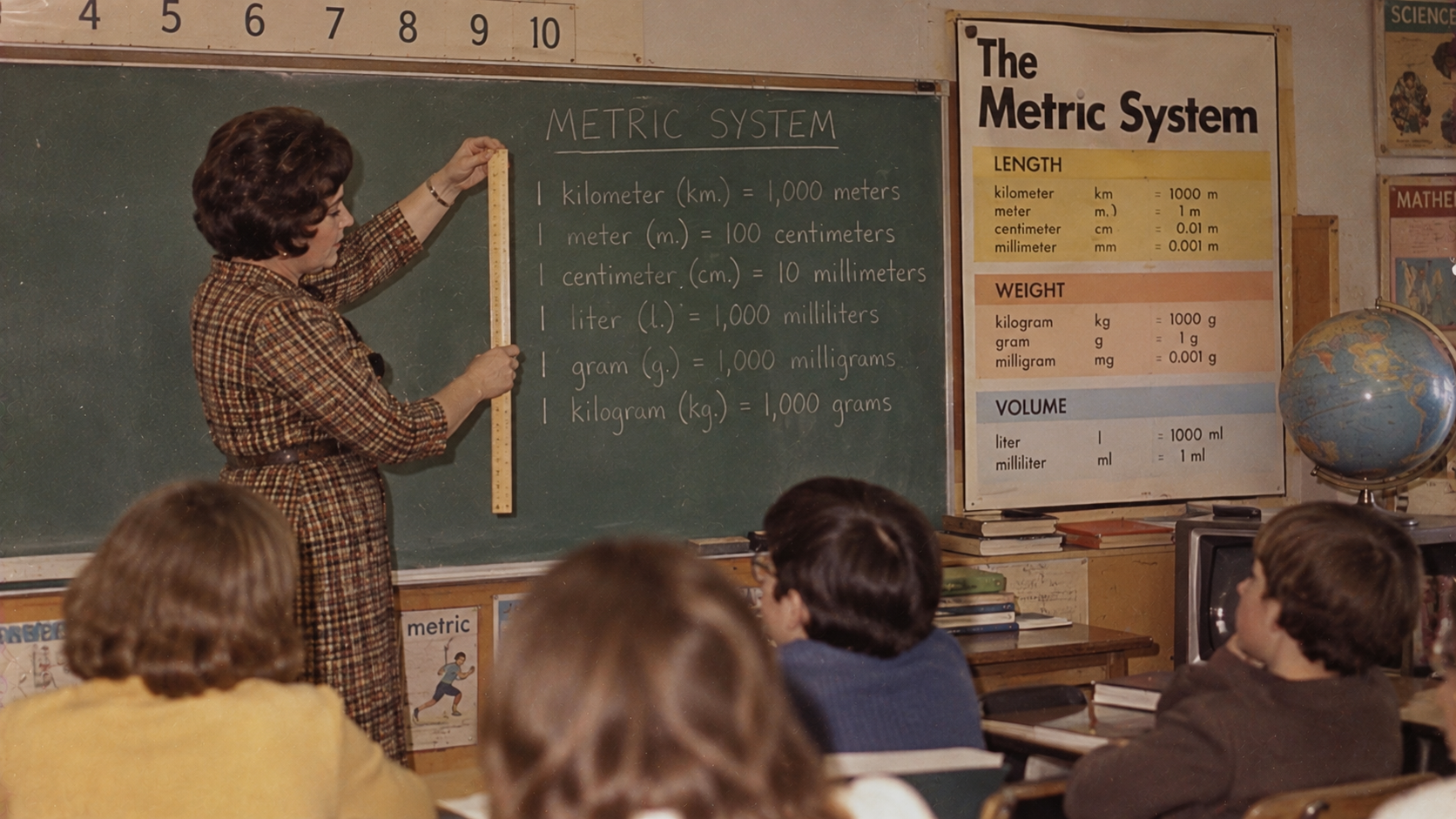
The United States came surprisingly close to embracing kilometers and liters. In 1975, President Gerald Ford signed the Metric Conversion Act, encouraging a coordinated move toward metric measurements. But there was one important detail: conversion was voluntary. Americans largely stuck with miles, gallons, and inches, leaving the country´s measurement habits much as they were.
8. Artificial Sweeteners Came With Cancer Warnings
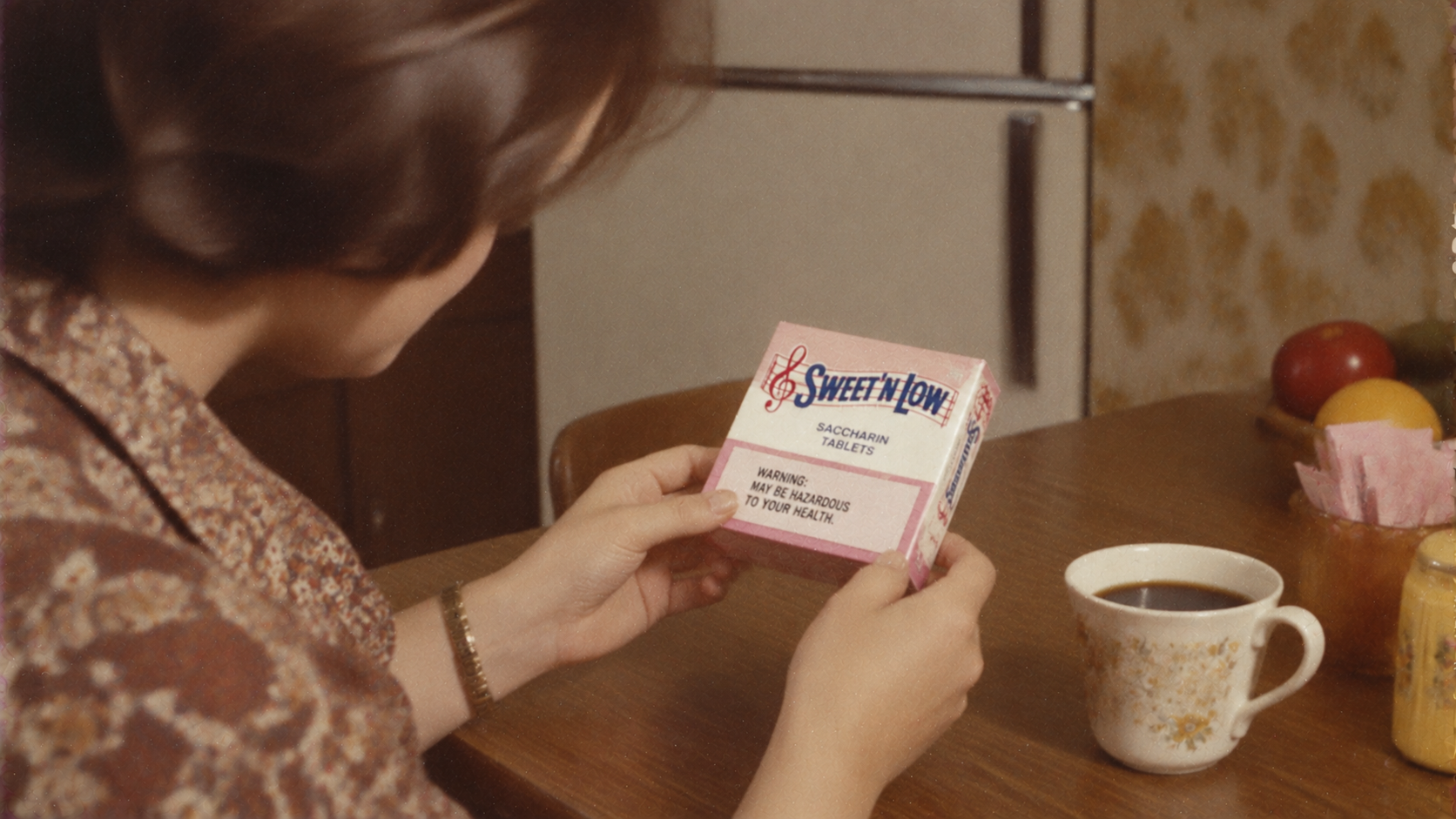
A sugar substitute once came with a warning that could make anyone reconsider dessert. After laboratory studies linked saccharin to bladder cancer in rats, the FDA attempted to ban it. Congress instead required warning labels in 1977. Later research found that the rat findings didn´t indicate the same cancer risk in humans, and the warning was eventually removed. Nutrition advice had taken a particularly confusing turn.
Sign up for our newsletter
9. The Government Vaccinated Millions Against a Flu Pandemic That Never Happened
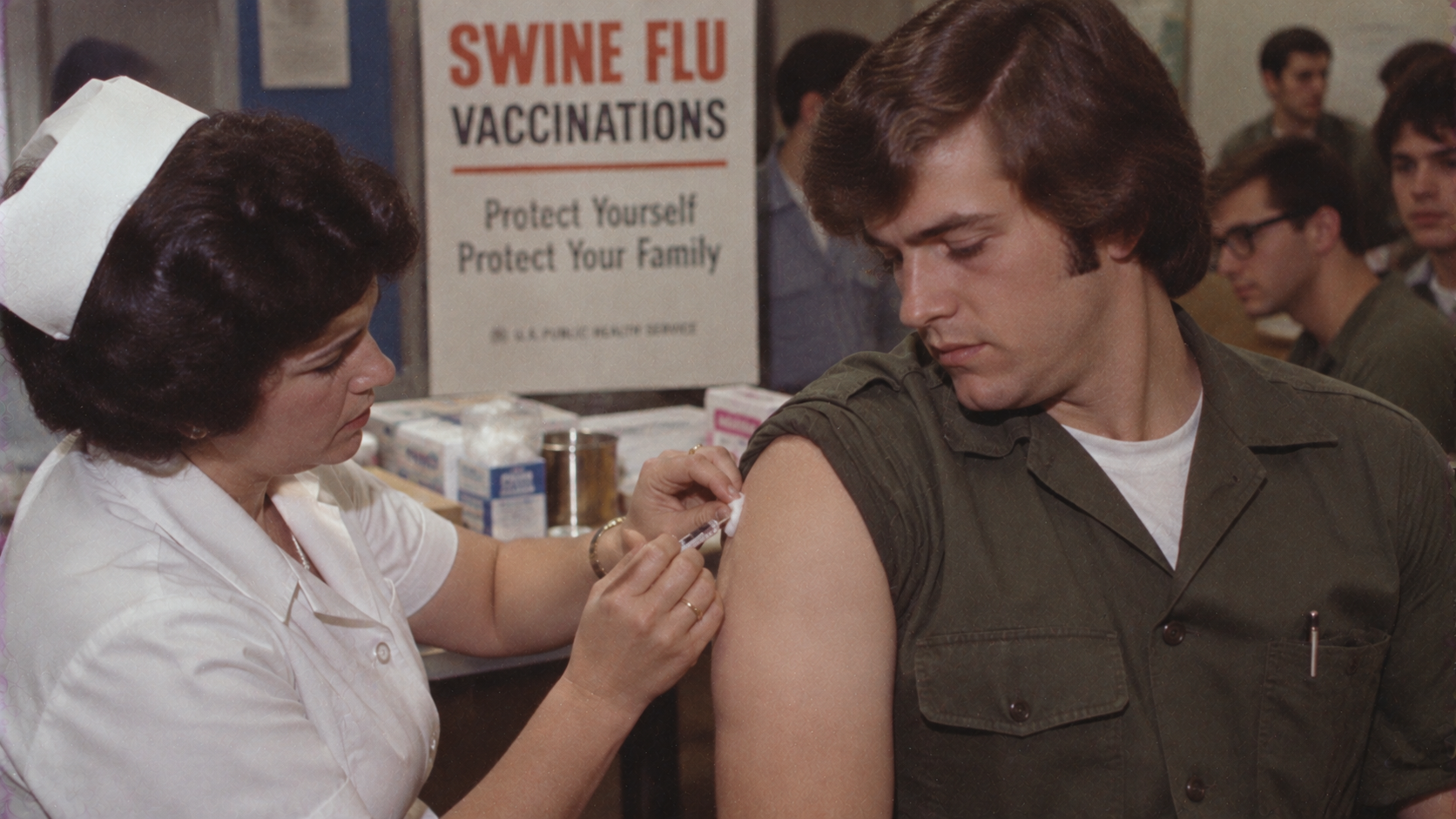
In 1976, a swine flu outbreak at Fort Dix raised fears of a devastating pandemic. The federal government launched a nationwide vaccination campaign, and approximately 45 million Americans received shots. But the anticipated pandemic never materialized, while an elevated risk of the rare neurological disorder Guillain-Barré syndrome emerged among recipients. The episode became a lasting lesson in managing public-health uncertainty.
10. A Baseball Team Sold Beer for 10 Cents and Ended Up Fighting Its Own Fans
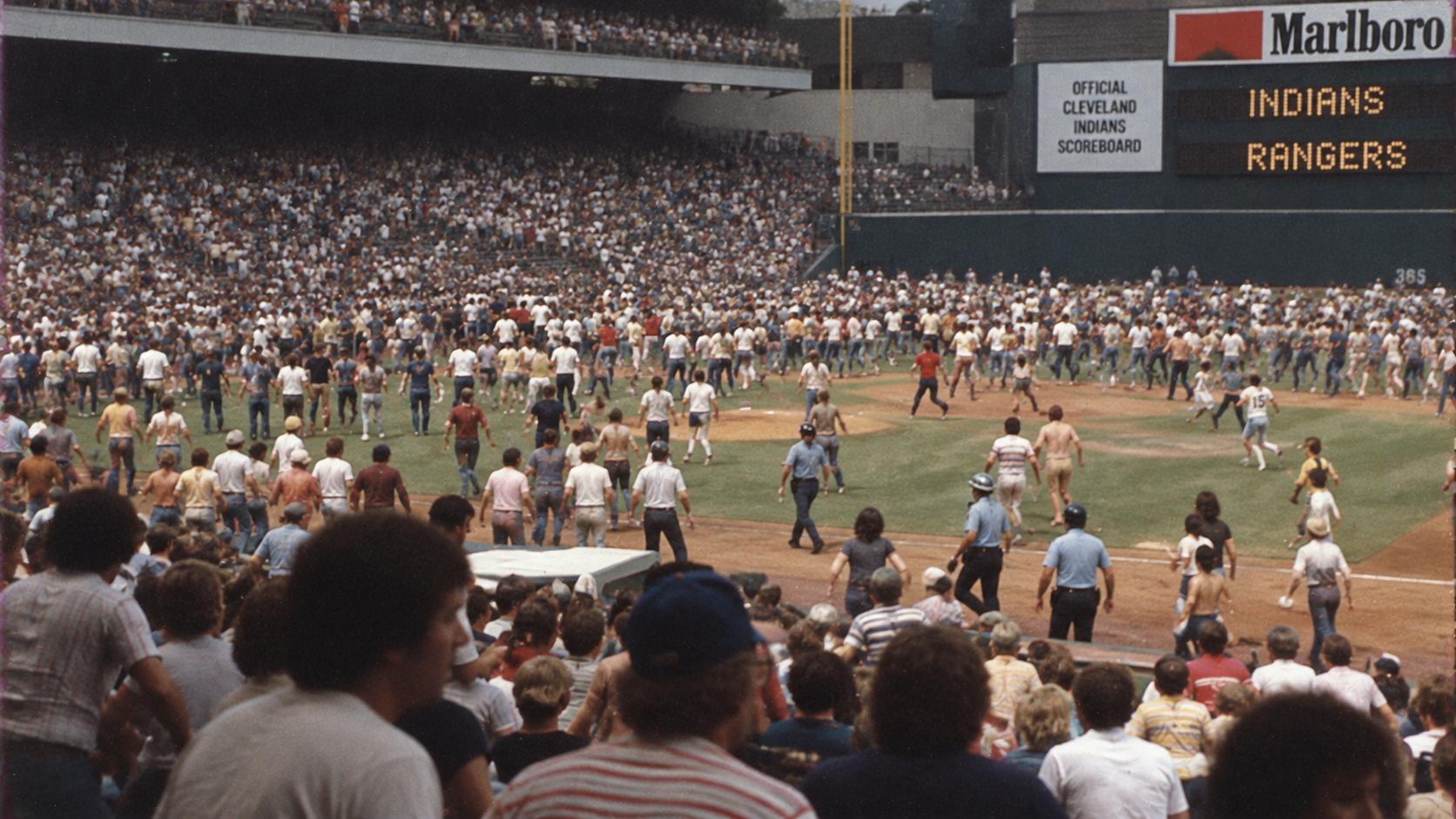
1970s facts don´t get much more outrageous than Cleveland´s Ten-Cent Beer Night. On June 4, 1974, the Indians offered beer for just a dime to a crowd of more than 25, 000 spectators. The result? Intoxicated fans stormed the field, confronted players, and forced Cleveland to forfeit against Texas. Even more surprising, the team repeated the promotion the following month, this time without a riot.
11. A Stadium Promotion Literally Blew Up Disco Records
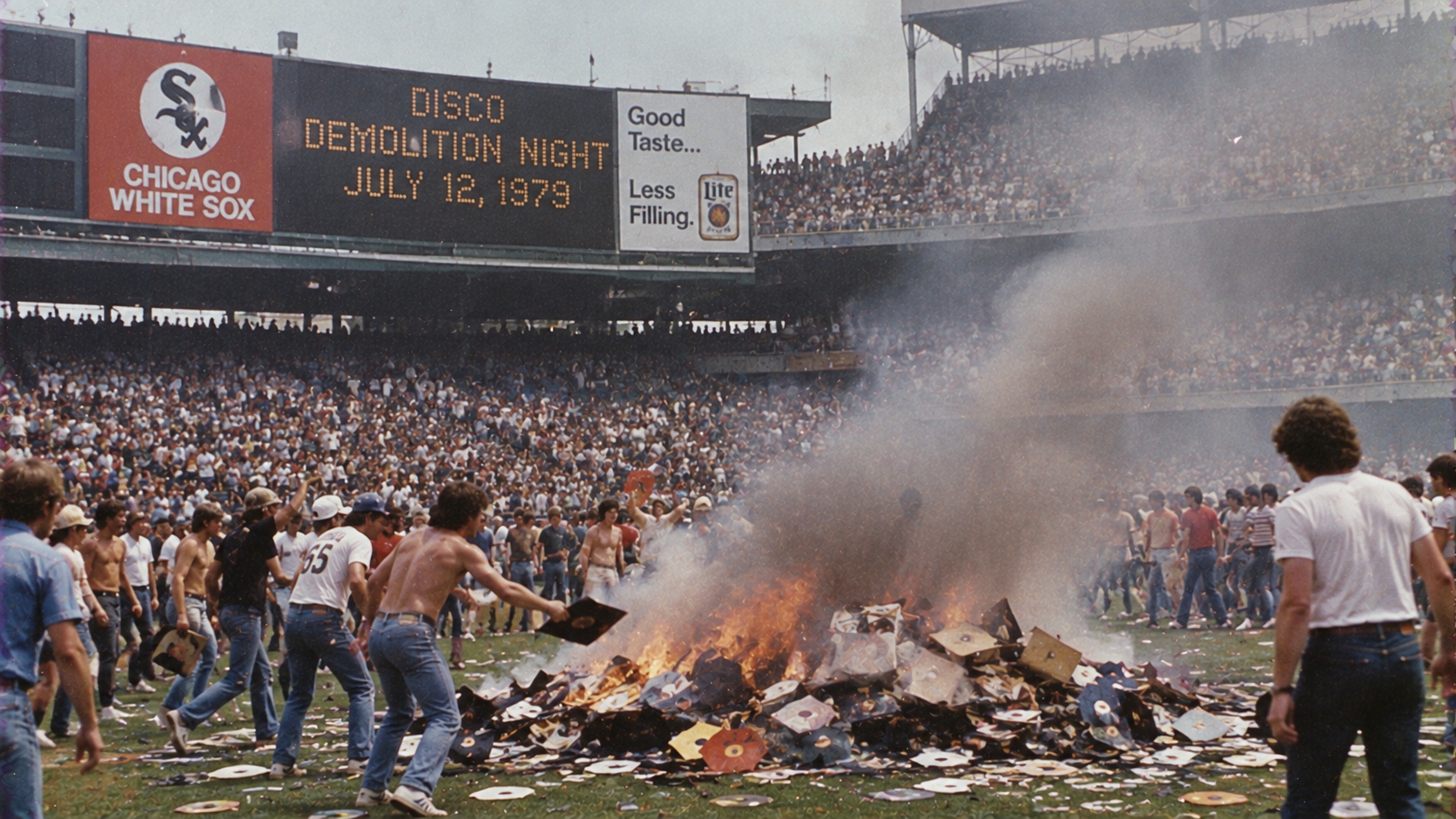
Disco Demolition Night was supposed to entertain baseball fans between games at Chicago´s Comiskey Park on July 12, 1979. Instead, a crate of disco records was blown up on the field, thousands of spectators rushed onto the playing surface, and the damage forced the White Sox to forfeit the second game. In a particularly ironic twist, the team had celebrated disco just one week earlier.
12. America’s First Space Station Came Crashing Down Over Australia
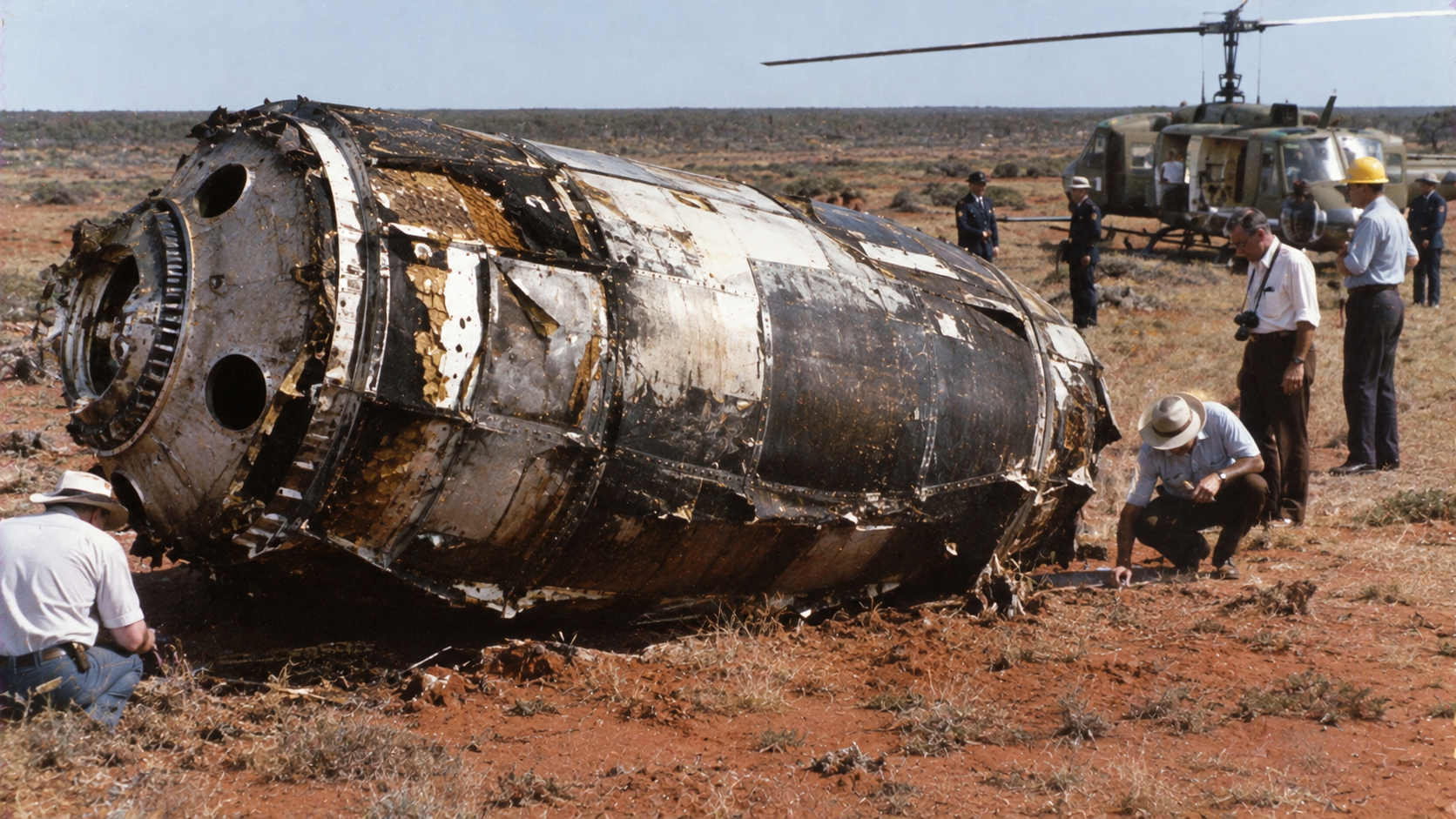
NASA´s Skylab made headlines for an entirely different reason in July 1979: it was falling back to Earth. Unexpectedly high solar activity had accelerated the space station´s orbital decay, and attempts to direct the debris toward the Indian Ocean couldn´t prevent pieces from landing across Western Australia. Fortunately, much of the debris fell in sparsely populated areas. Space exploration had become a very earthly concern.
13. Three Men Crossed the Atlantic in a Balloon With a Backup Boat Attached
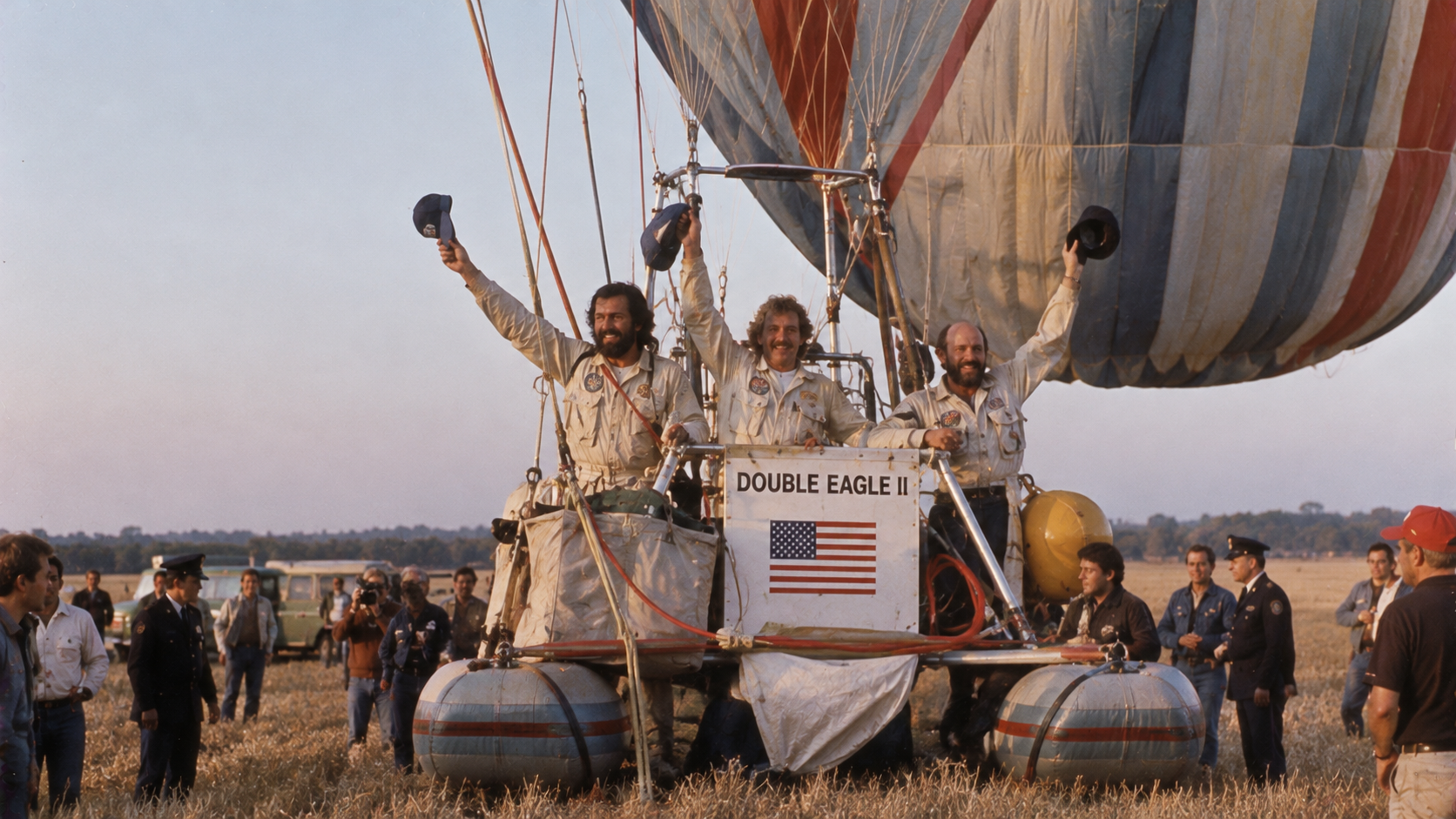
Crossing the Atlantic in a balloon was ambitious enough. Bringing a backup boat made the adventure even more unusual. In August 1978, Ben Abruzzo, Maxie Anderson, and Larry Newman completed the first transatlantic balloon flight aboard Double Eagle II. Their gondola included a twin-hulled catamaran for a possible ocean landing, and they carried a hang glider. After roughly 137 hours, they landed safely in France
14. One New York Blackout Led to More Than 1,000 Fires
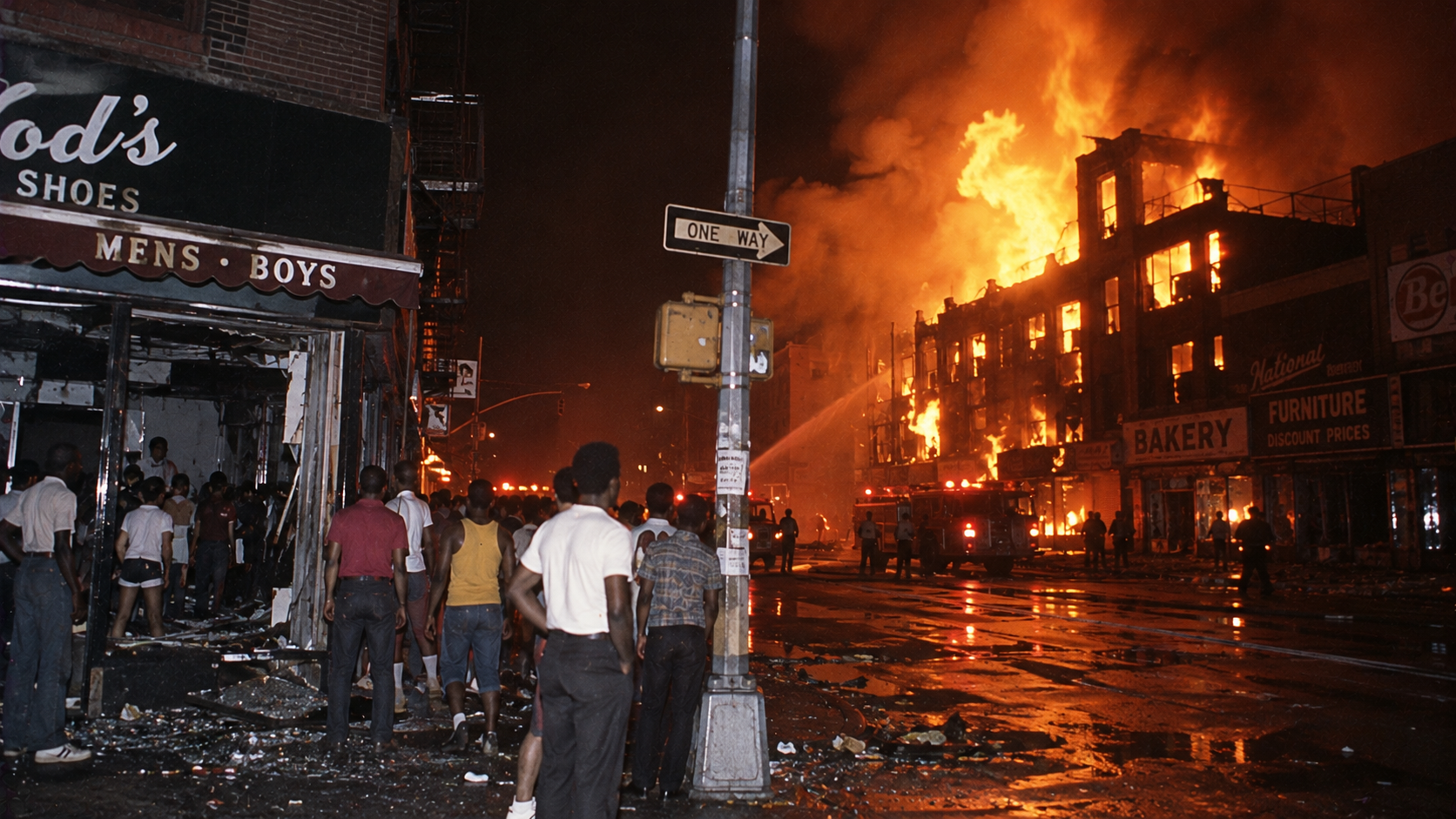
When lightning-related electrical failures plunged New York City into darkness on July 13, 1977, the consequences went far beyond inconvenience. During the approximately 25-hour blackout, looters ransacked around 1, 600 stores and arsonists started more than 1, 000 fires. How could one power failure trigger such widespread destruction? The crisis exposed the city´s deep economic and social tensions.
15. The First Home Video Game Console Came With Dice, Cards, and Play Money
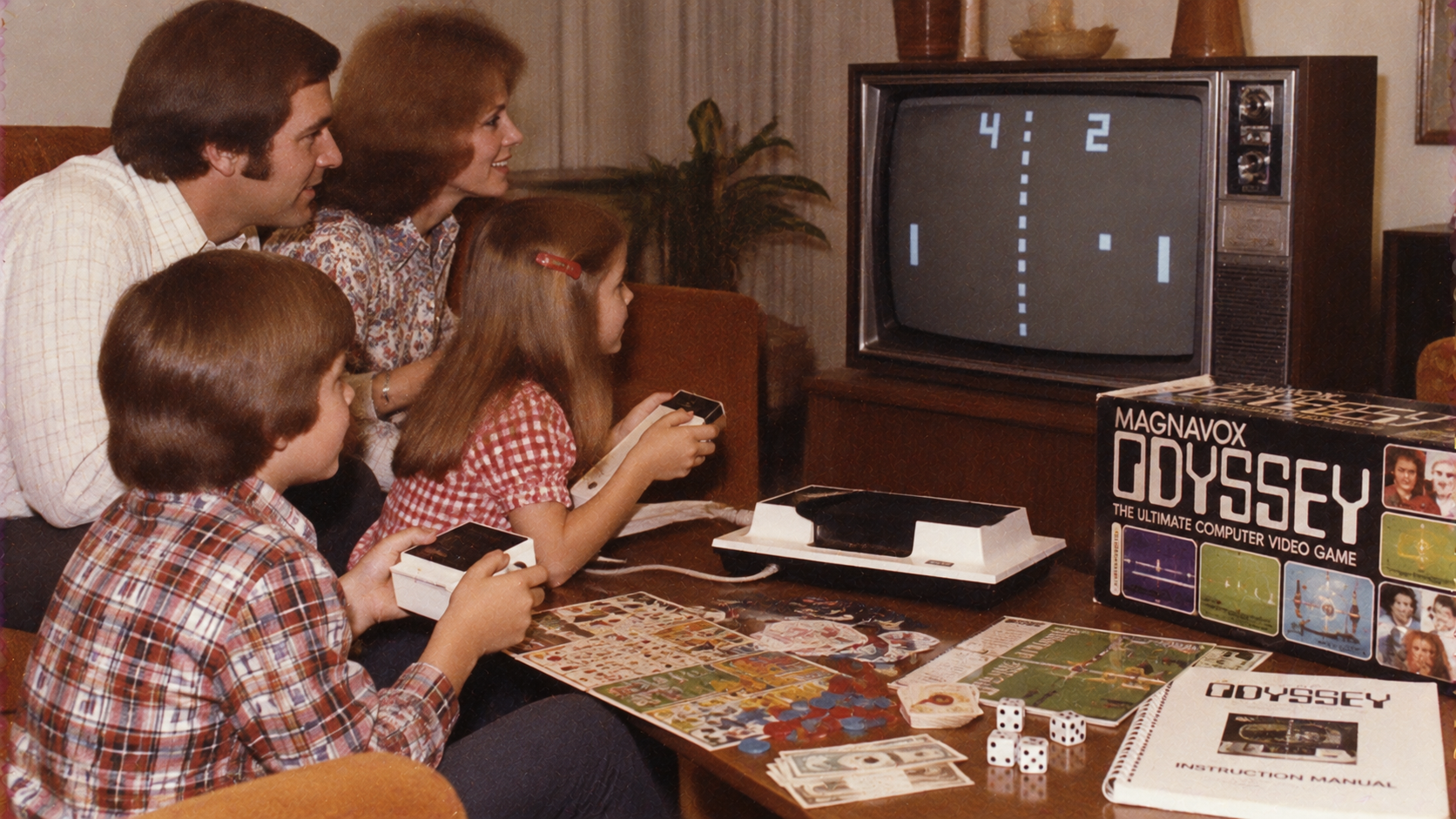
The future of home gaming looked surprisingly old-fashioned in 1972. The Magnavox Odyssey, the first home video game console, displayed basic shapes and lines on television screens, so players used transparent overlays to add colorful settings. It also came with playing cards, dice, and play money. Early video games were essentially part electronics experiment, part board-game night.
The 1970s were far stranger than their disco-era reputation suggests. Between public panics, ambitious experiments, unexpected technological firsts, and promotional disasters, everyday American life could be remarkably unpredictable. Some of the decade’s most memorable stories were the ones nobody could have planned.
Keep Exploring The Scroller
Think the 1970s were unusual? There’s plenty more hiding in the decades around them. Keep exploring The Scroller for forgotten fads, surprising historical moments, and the wonderfully strange details that rarely make it into the history books:
15 Foods from the ’70s That Lost Their Momentum
18 Candid Family Photos From the 1970s That Feel Surprisingly Familiar