Before massive home improvement chains and online shopping, hardware stores were a familiar part of American towns and neighborhoods. These businesses sold far more than hammers and nails, stocking everything from kitchen supplies and farming equipment to paint and household appliances. Many were family-owned, with crowded shelves, knowledgeable clerks, and storefronts that remained recognizable for generations. These 15 vintage photographs offer a look inside the hardware stores that helped Americans build, repair, and maintain their homes throughout the early 20th century.
1. Davis Hardware Store, Tallahassee, Florida (c. 1900)
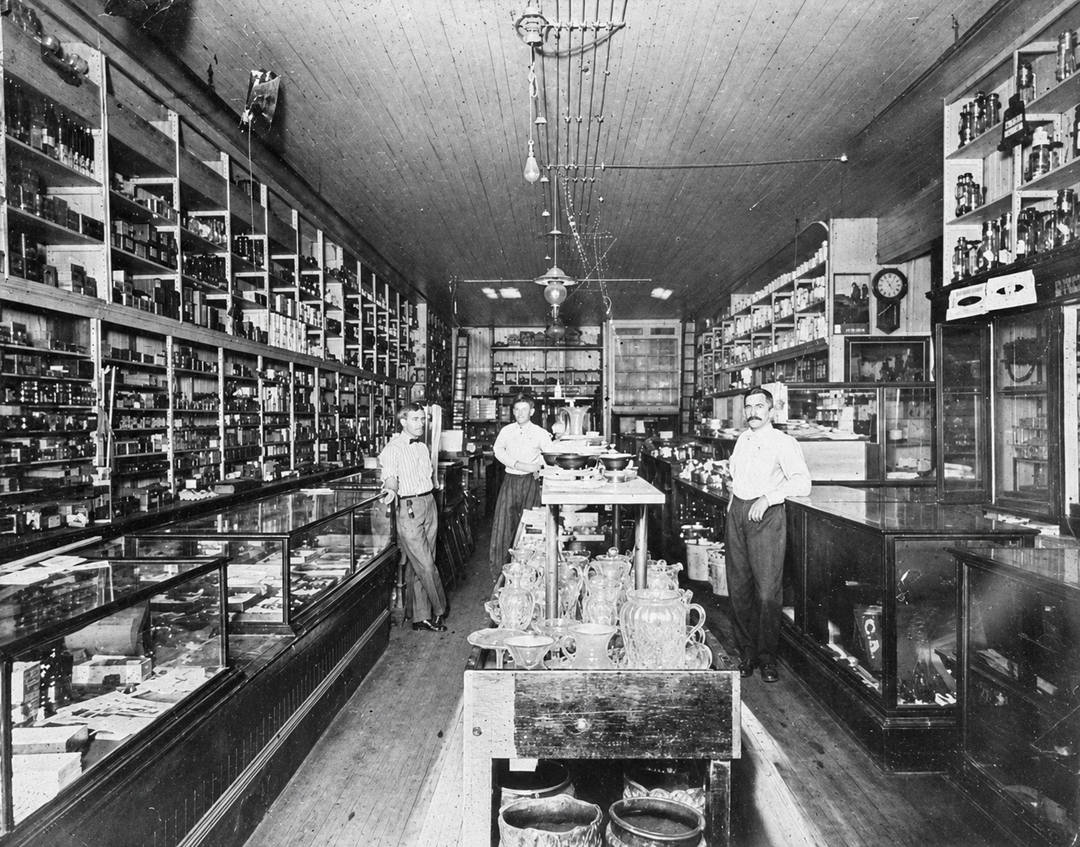
Before giant home improvement chains became common, American hardware stores were often family-run businesses where customers could find everything from basic tools and nails to household supplies and replacement parts. Many operated for decades, with employees who knew their regular customers and could help fix almost anything around the house. Shopping for hardware was often as much about getting practical advice as buying the right supplies.
2. Bell & Bates Hardware, Quincy, Florida (c. 1905)
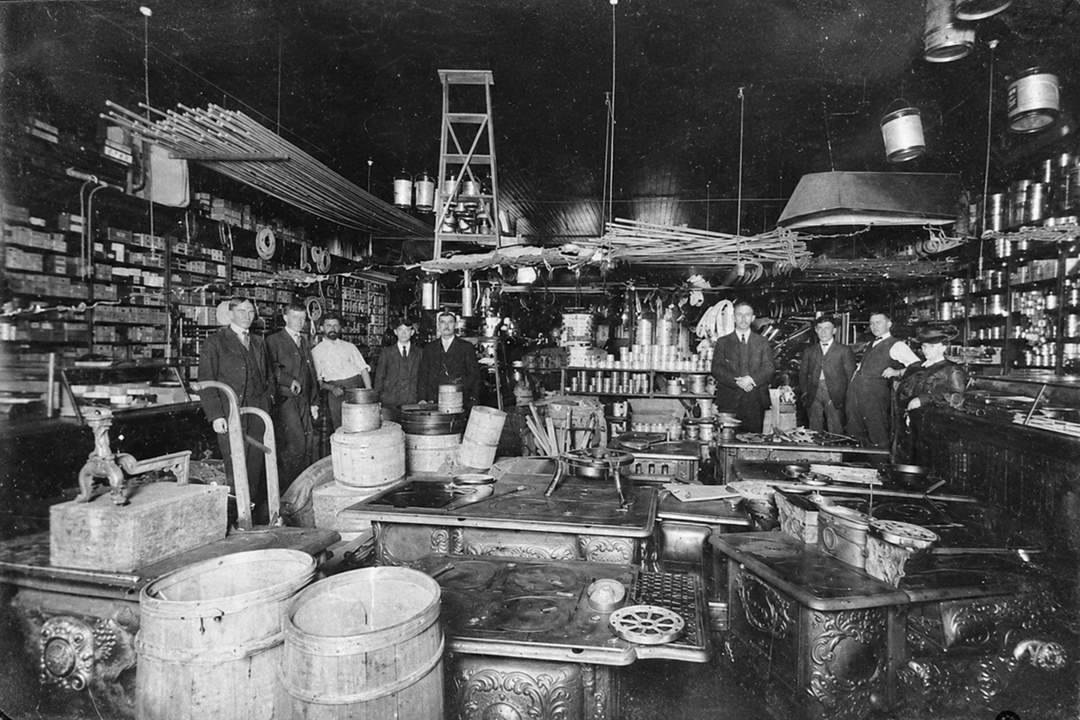
Finding the right replacement part once meant visiting a shop that seemed to have a little bit of everything. American hardware stores often stocked tools, plumbing fixtures, cooking equipment, farm supplies, and countless household necessities. Managing such a varied inventory took considerable organization, particularly when sales and stock records were still kept by hand.
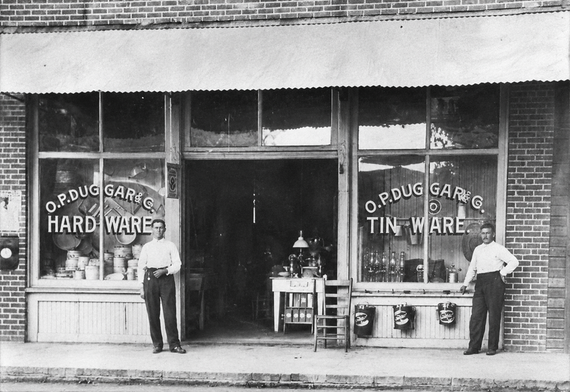
3. O. P. Duggar & Co., Havana, Florida (c. 1900)
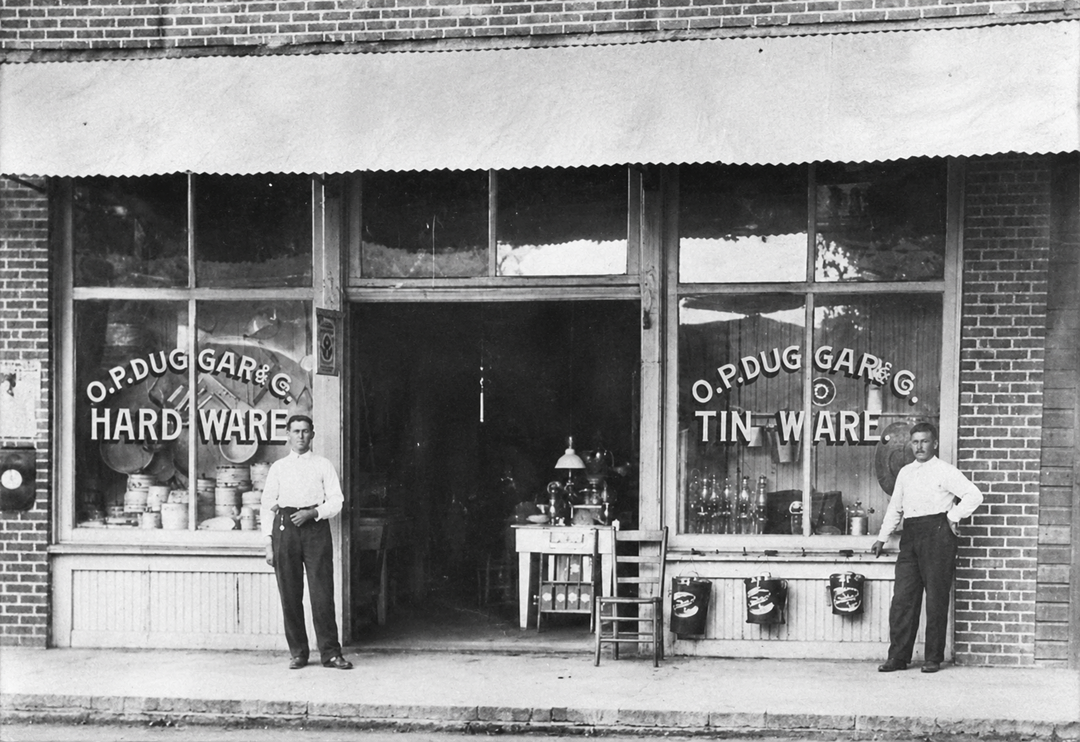
For many small-town American businesses, the owner’s name was also the store’s identity. Hardware shops frequently passed from one generation to the next, building relationships with customers who returned for years. A familiar storefront could become a local landmark, especially in communities where the same family had been selling tools and household goods for decades.
4. Baird Hardware Store, Gainesville, Florida (c. 1920)
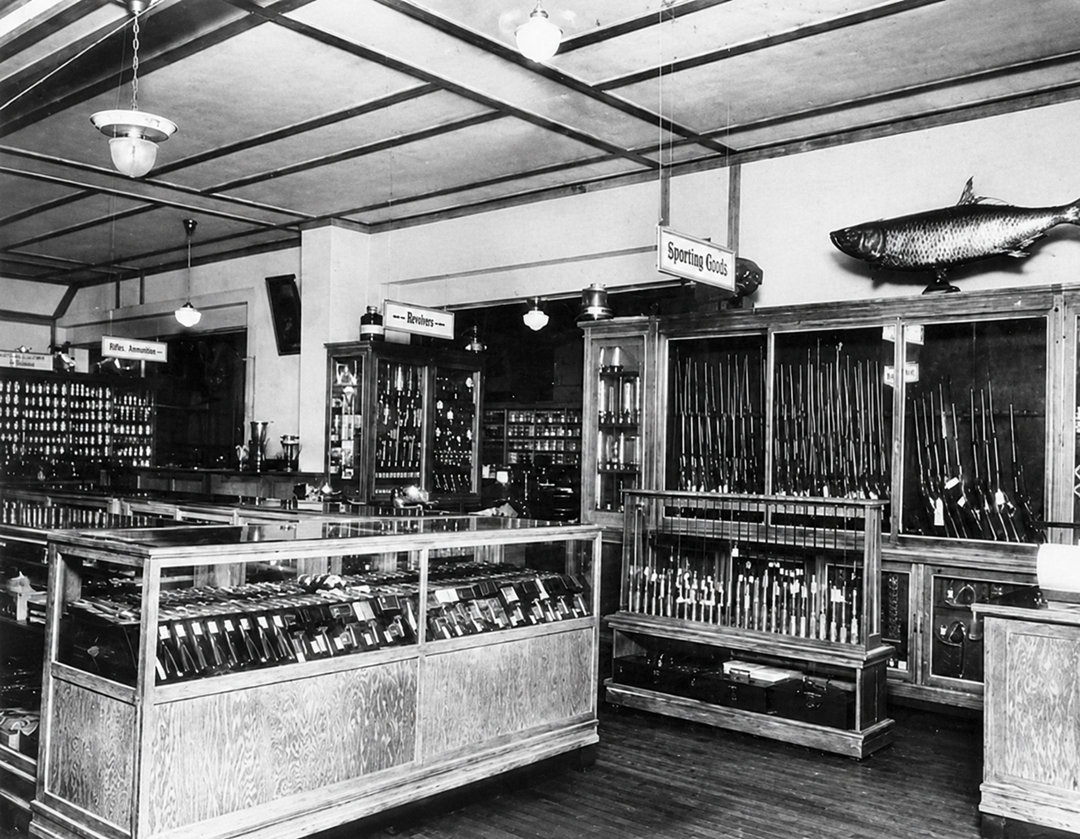
Choosing a new tool used to involve more than picking something off a shelf. Specialized hardware departments offered customers a chance to compare different models, ask questions, and find equipment suited to a particular job. For tradespeople and homeowners alike, knowledgeable salesclerks were an important part of the shopping experience, especially before product reviews and instructional videos became widely available.
5. Hardware Store, Colfax, Washington (c. 1900)
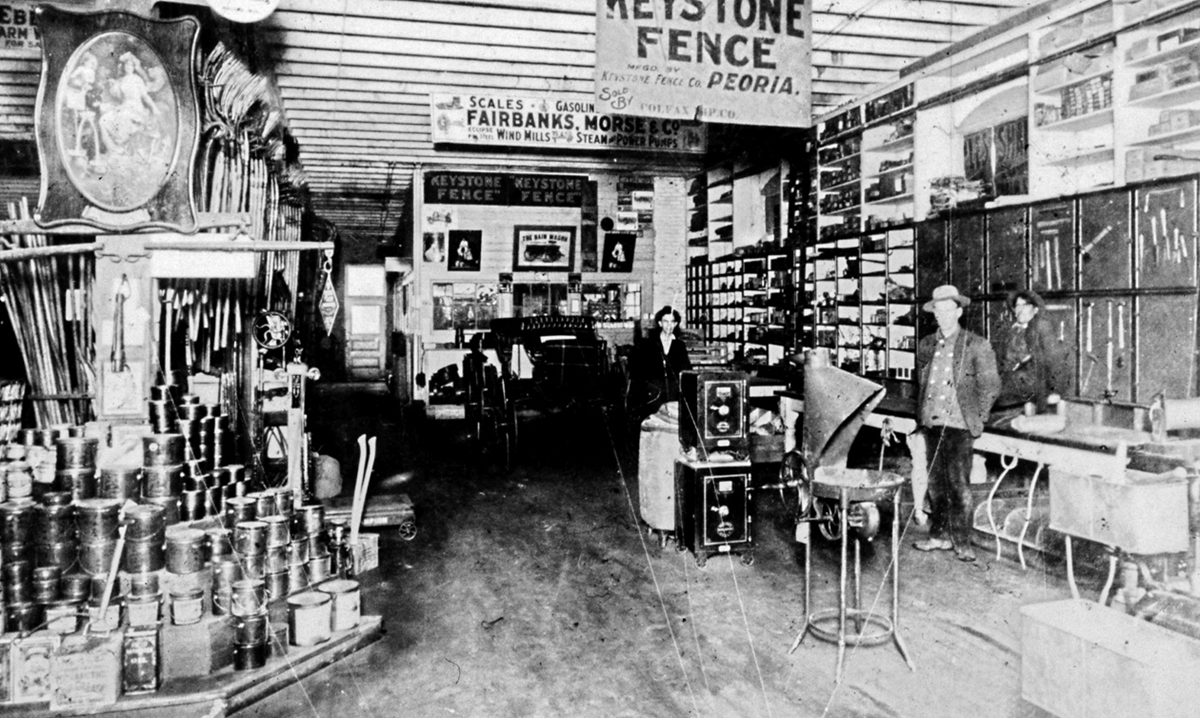
Running a farm in the early 20th century meant constantly repairing equipment, maintaining fences, and replacing worn-out parts. Rural hardware stores helped keep everything running by supplying wire fencing, pumps, scales, tools, and other essentials. Unlike modern specialty retailers, these businesses often served farmers, local tradespeople, and homeowners from the same inventory, making them an important part of everyday life in agricultural communities.
Trending on The Scroller


6. Hoare Hardware Store, Tekoa, Washington (1900)
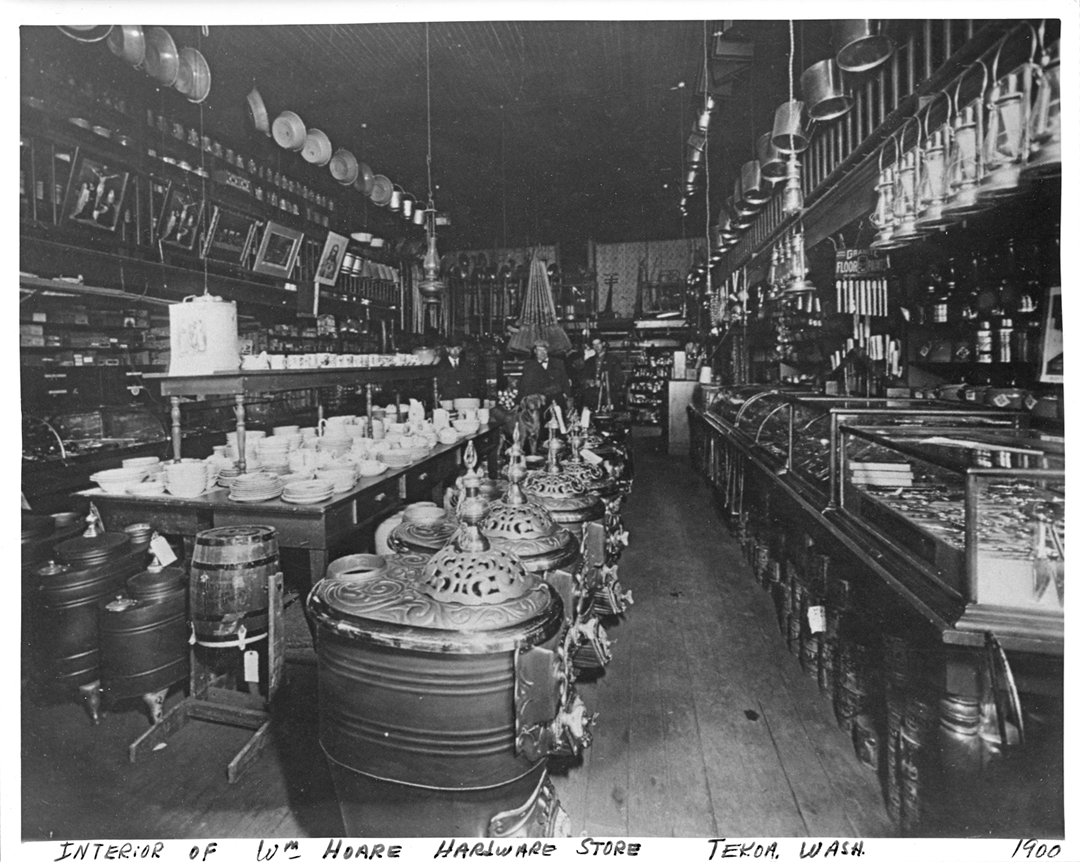
In 1900, the William Hoare Hardware Store in Tekoa, Washington, offered the kinds of household goods that families depended on long before modern appliances became standard. Wood-burning stoves, cookware, oil lamps, and everyday kitchen supplies were essential purchases for homes that often lacked electricity or modern heating systems. Hardware stores were natural places to find these items, serving customers whose needs extended well beyond tools and building materials.
7. How Hardware Stores Organized Thousands of Products
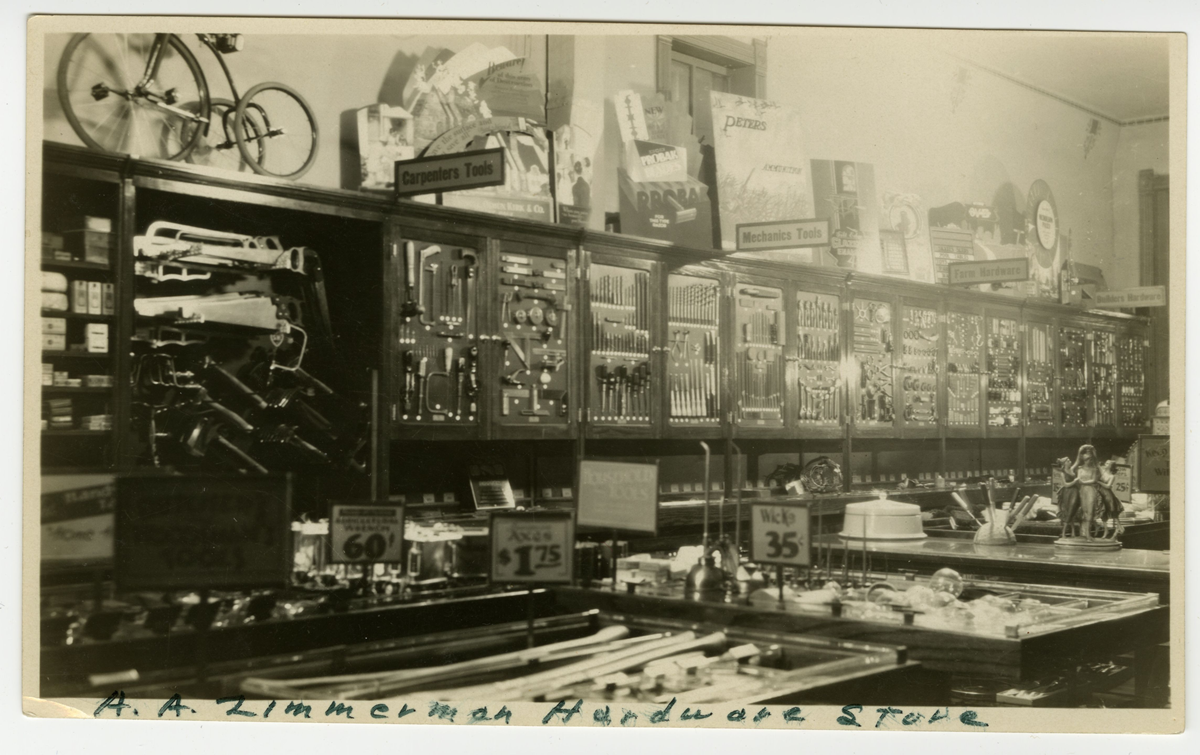
Keeping track of hundreds of different tools, fasteners, and replacement parts was no small task before computerized inventory systems. Stores like A. A. Zimmerman Hardware relied on carefully arranged displays and employees who knew where everything belonged. Separate sections for carpenters, mechanics, farmers, and builders helped customers navigate the selection, while handwritten records and manual stock checks kept the business running.
8. J. M. Stewart & Co. Hardware, Indiana, Pennsylvania (1930)
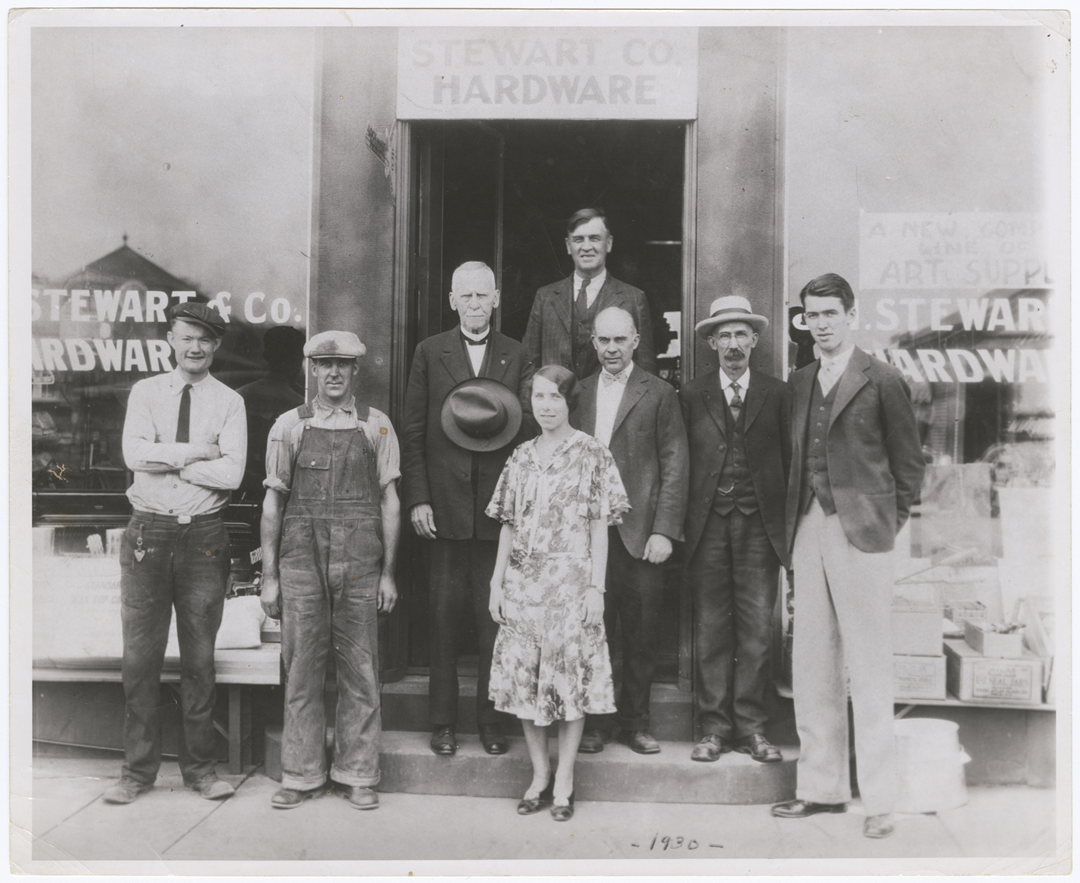
A hardware store’s reputation depended heavily on the people behind the counter. In 1930, Stewart & Co. Hardware was part of a retail tradition in which owners and employees often spent years building relationships with local customers. Experienced clerks could recommend the right materials, explain how to make repairs, and remember what regular shoppers needed. That personal service helped smaller businesses compete long before national home improvement chains became widespread.
Sign up for our newsletter
9. The Hardware Stores of Small-Town Main Streets, Enterprise, Alabama (1939)
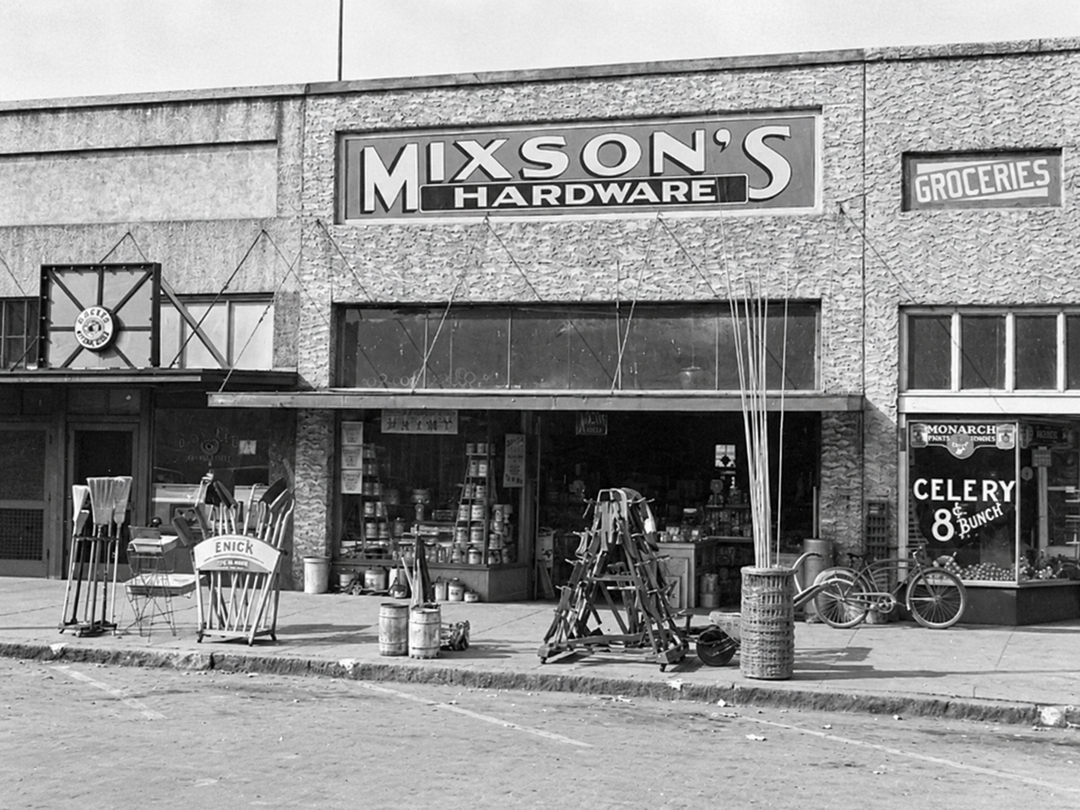
During the Great Depression, local hardware stores remained important sources of everyday necessities, even as many American families struggled financially. Businesses like Mixson’s Hardware supplied tools, paint, and repair materials at a time when fixing something was often more affordable than replacing it. Their locations along busy commercial streets also made them familiar stops for residents shopping at neighboring grocery stores and other small businesses.
10. Hardware Store Window, Crosby, North Dakota (1937)
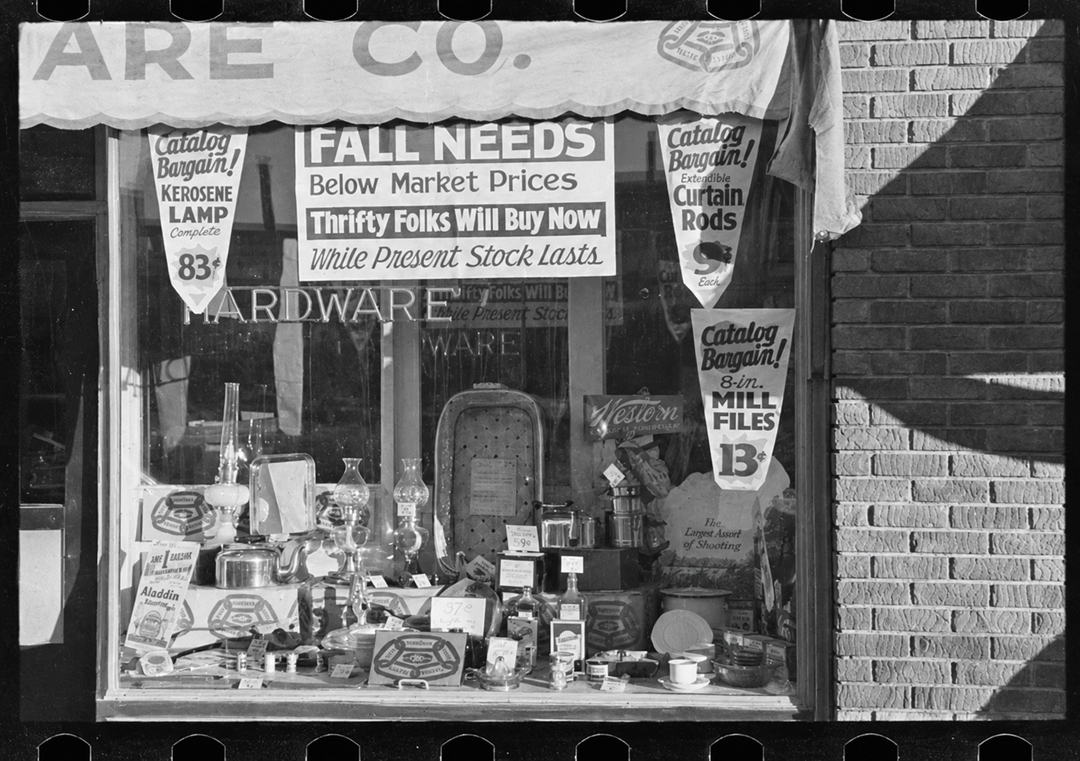
Even during the 1930s, hardware retailers knew that a good discount could bring shoppers through the door. Seasonal promotions and clearance sales offered bargains on household essentials, often advertised through bold window displays and newspaper notices. With families watching every dollar during the Great Depression, reduced prices on useful items could make a real difference.
11. The Hardware Stores That Became Part of City History
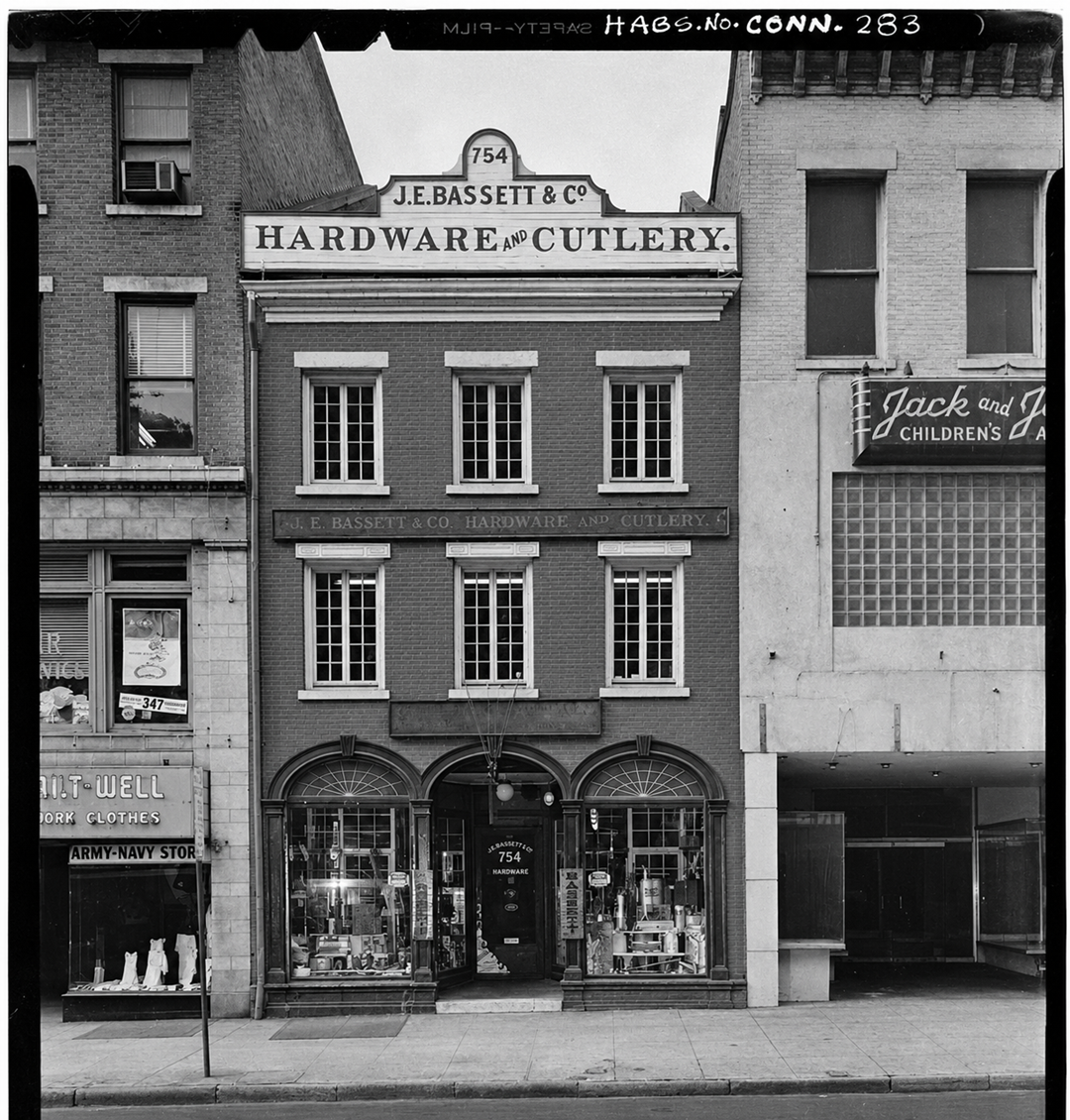
Some American hardware businesses operated from the same buildings for generations, surviving changes in shopping habits and the neighborhoods around them. J.E. Bassett & Co., at 754 Chapel Street in New Haven, Connecticut, was one such establishment, occupying a distinctive commercial building associated with the city’s older retail traditions. Stores like this reflected an era when specialized merchants were a familiar part of downtown shopping districts.
12. Tenzer’s Hardware Store, St. Paul, Minnesota (1918)
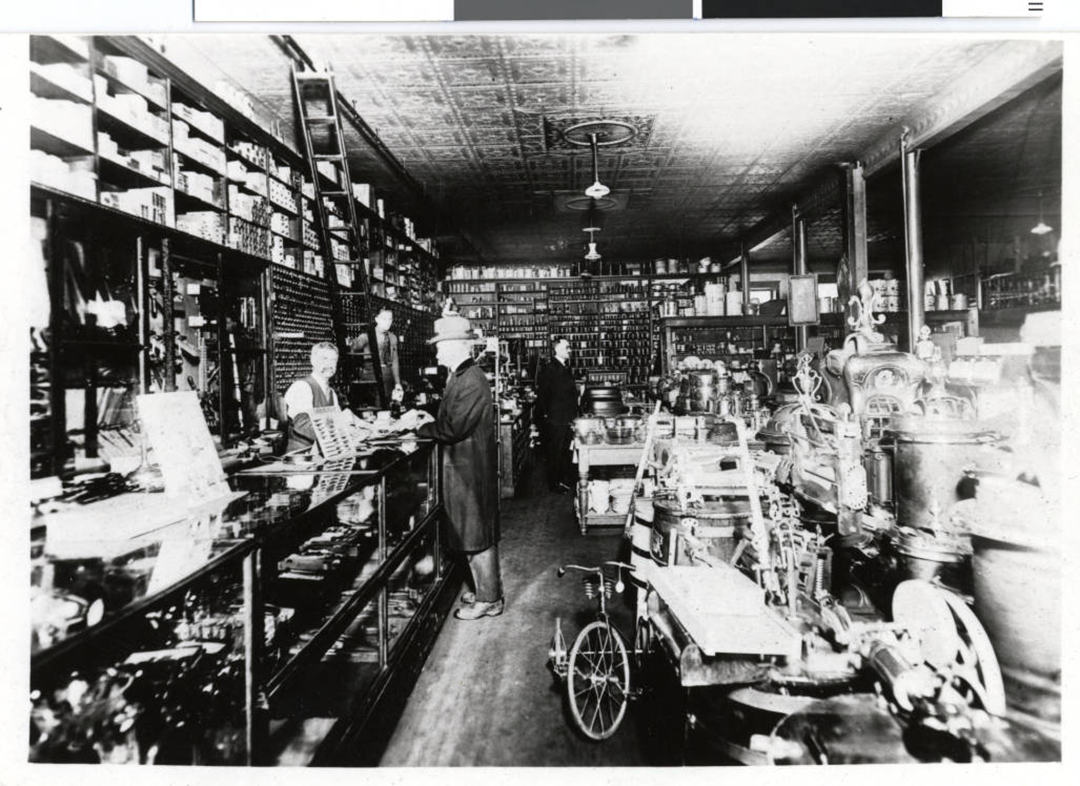
A customer looking for a particular screw, fitting, or replacement part could spend quite a while discussing the options with a hardware store clerk. Experienced employees often relied on years of practical knowledge to identify unusual components and suggest alternatives when something was unavailable. That kind of personal attention made independent hardware stores especially useful for people tackling repairs without professional help.
13. Tweedy & Popp Hardware, Seattle, Washington (c. 1923)
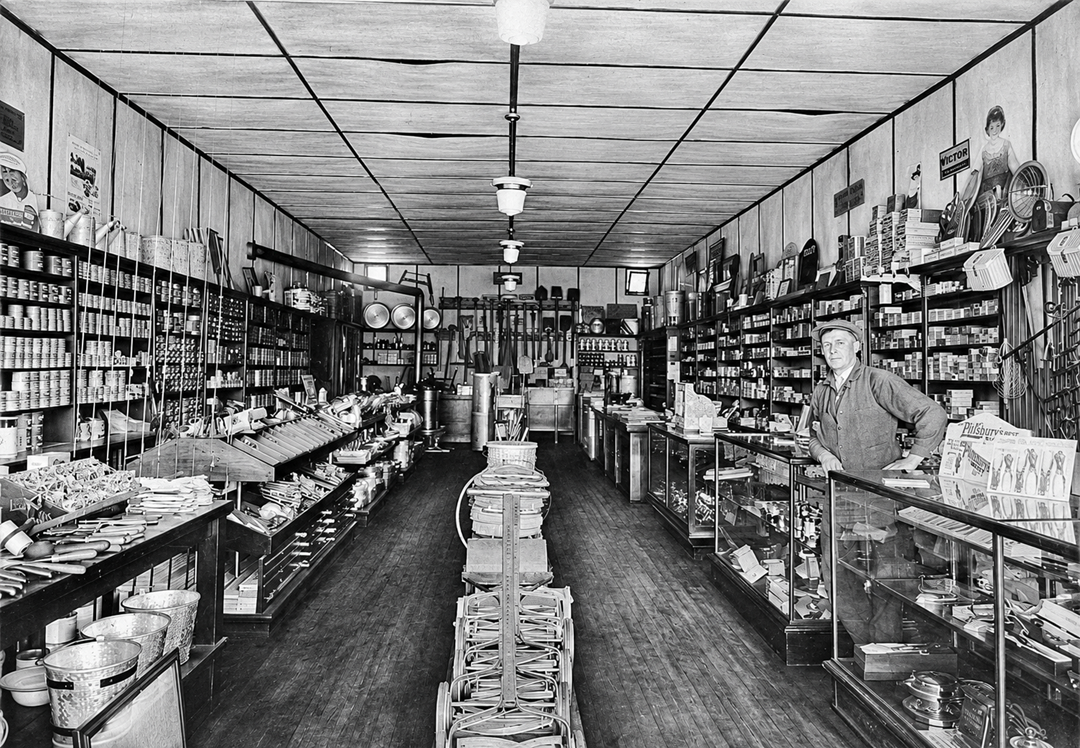
A trip to the local hardware store could solve several household problems at once. Beyond nails, screws, and basic tools, many American shops sold paint, kitchen utensils, cleaning supplies, and seasonal merchandise. Their broad selection made them convenient stops for everyday errands, especially in smaller communities where specialized retailers were limited.
14. The Paint Section of a 1957 Hardware Store
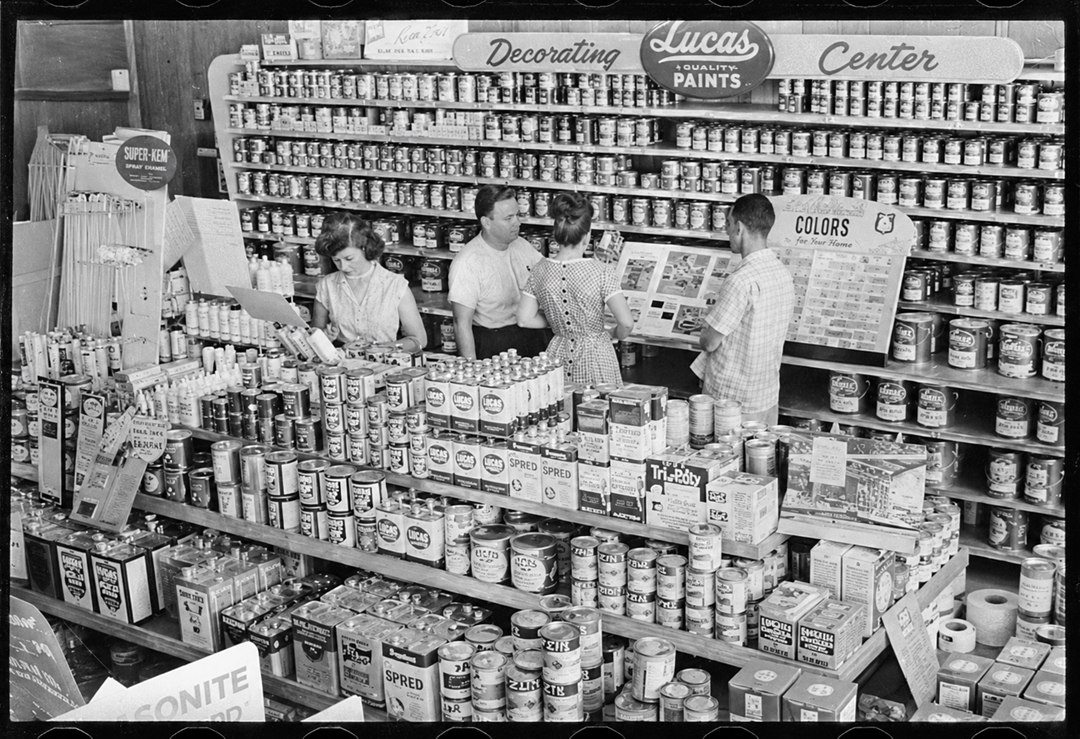
By the mid-20th century, Americans were increasingly taking on home decorating projects themselves, and hardware retailers were ready to meet the demand. Dedicated paint departments offered a growing selection of colors, finishes, and supplies for homeowners looking to refresh their rooms. Choosing the right shade often meant examining printed color charts and getting advice from a salesperson before making a purchase.
15. Seattle Hardware Company, Ship Chandler’s Department (1900)
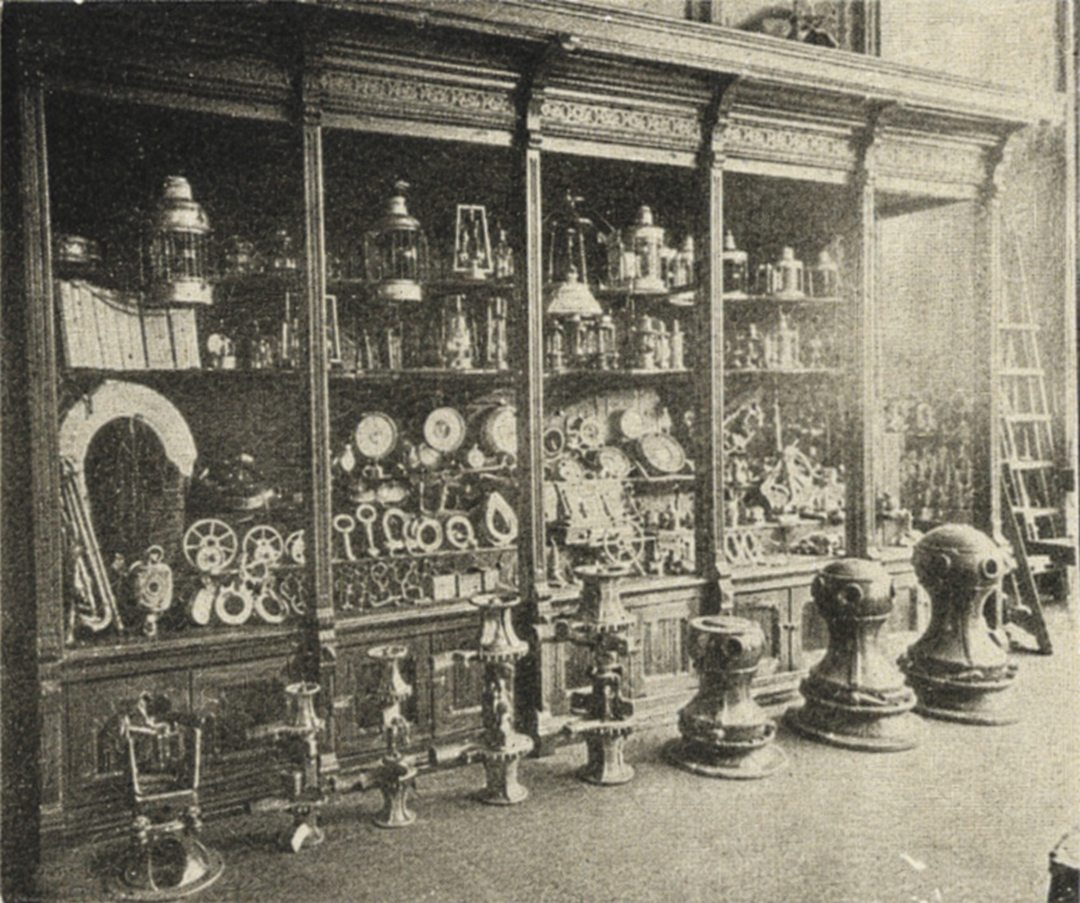
Hardware stores in coastal communities often supplied equipment used aboard ships, making them useful stops for sailors and maritime businesses. Ship chandlery goods included ropes, lanterns, pulleys, metal fittings, and other supplies needed to maintain and operate vessels. Selling these specialized products allowed hardware merchants to serve both ordinary households and the shipping industry, particularly in busy port towns.
In the mood for more?
Check out 16 Vintage Photos That Show American Farming Before Industrialization, or take a look at 15 Vintage Photos That Capture the Lost World of Shoemakers. If you want to see more glimpses of everyday American life, you can check out 18 Vintage Photos of American Drive-In Restaurants at Their Peak.