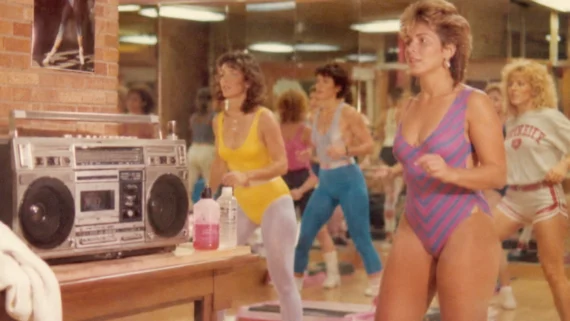
Walking into a commercial gym today means stepping into a sleek, futuristic environment filled with digital touchscreens, wireless earbuds, and perfectly sanitized rubber floors. However, looking back just forty years reveals a completely different physical culture heavily fueled by neon spandex, heavy metal plates, and blinding fluorescent lights. The 1980s health club scene was an incredibly loud and visually overwhelming experience that feels almost alien compared to our quiet modern wellness centers.
Before massive corporate franchises standardized the entire fitness industry, local health clubs operated like wildly energetic social nightclubs. Members did not silently stare at their smartphones between sets. Instead, they navigated heavily carpeted floors, shared massive analog stereos, and participated in highly synchronized group cardio routines that required intense coordination. Exploring these forgotten retro workout staples highlights exactly how much our approach to physical health and daily exercise has evolved. Here are twelve fascinating things that made a 1980s fitness center an unforgettable cultural phenomenon.
1. Dedicated Nautilus circuit rooms
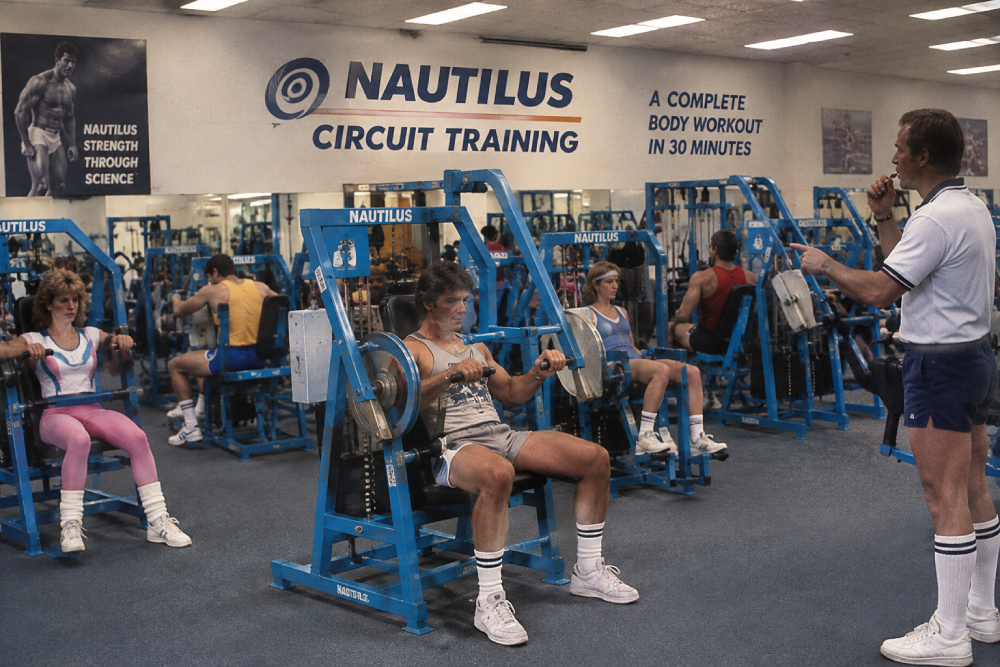
Invented by eccentric entrepreneur Arthur Jones, massive blue and silver Nautilus machines completely revolutionized the 1980s weightlifting scene by using a spiral cam to provide variable resistance. Every elite fitness center featured a dedicated circuit room where strict instructors blew whistles, forcing members to rush through a brutal, high-intensity routine without taking any breaks between these heavy mechanical contraptions.
2. Wall-to-wall shag carpeting
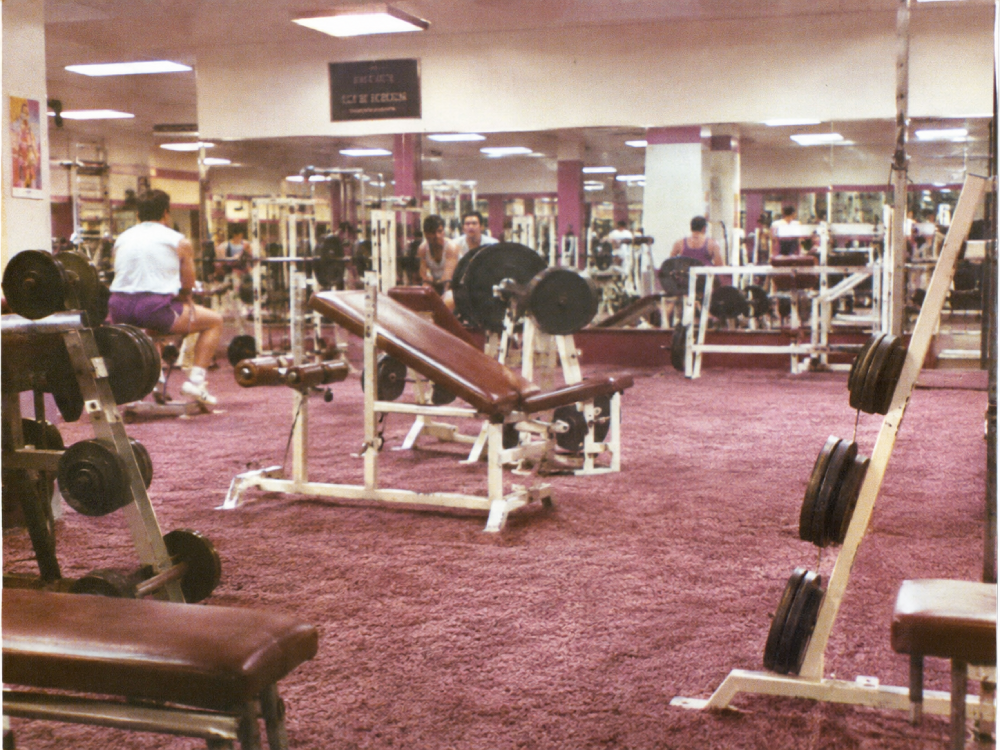
Modern shock-absorbing rubber matting was incredibly rare and expensive during this era. Instead, facility owners bizarrely covered entire free-weight areas in thick industrial carpeting, which quickly absorbed decades of human sweat and dropped water bottles to create a distinctly terrible locker room odor that simply could not be cleaned.
3. The Lifecycle 2000c stationary bikes
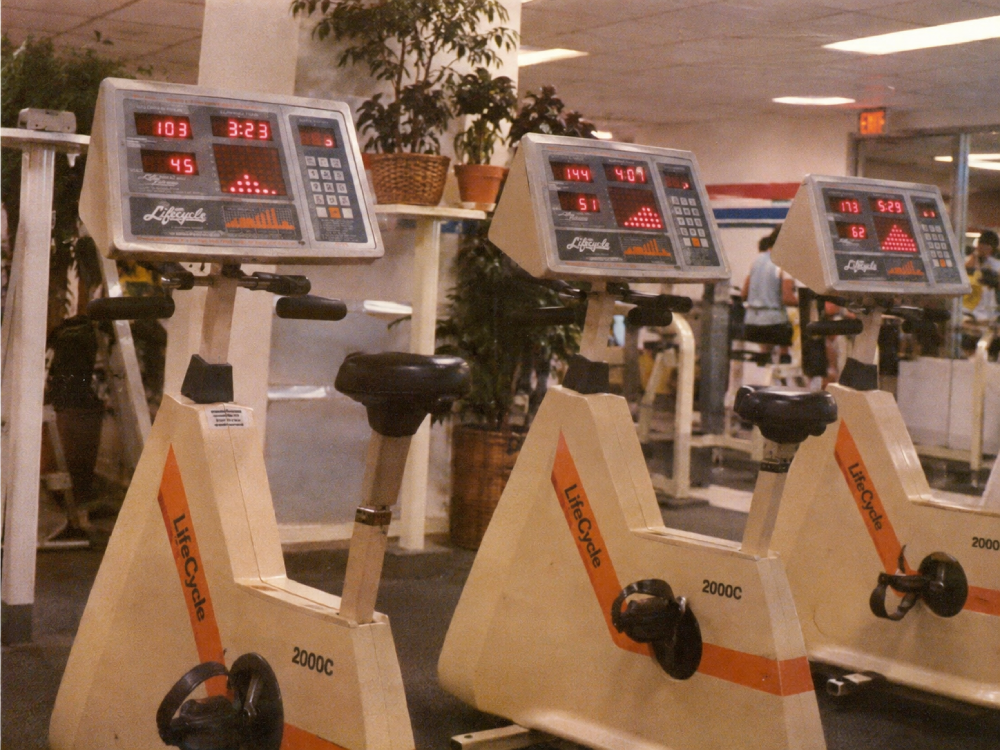
Long before digital spin classes and virtual reality screens existed, the iconic Lifecycle 2000c dominated cardio areas with its massive red LED display and analog speedometer. Riders had to manually punch a heavy keypad to select a twelve-minute interval program, aggressively pedaling while staring at a blinking red light that slowly moved across a plastic hill graphic.
4. High-impact wooden aerobics floors
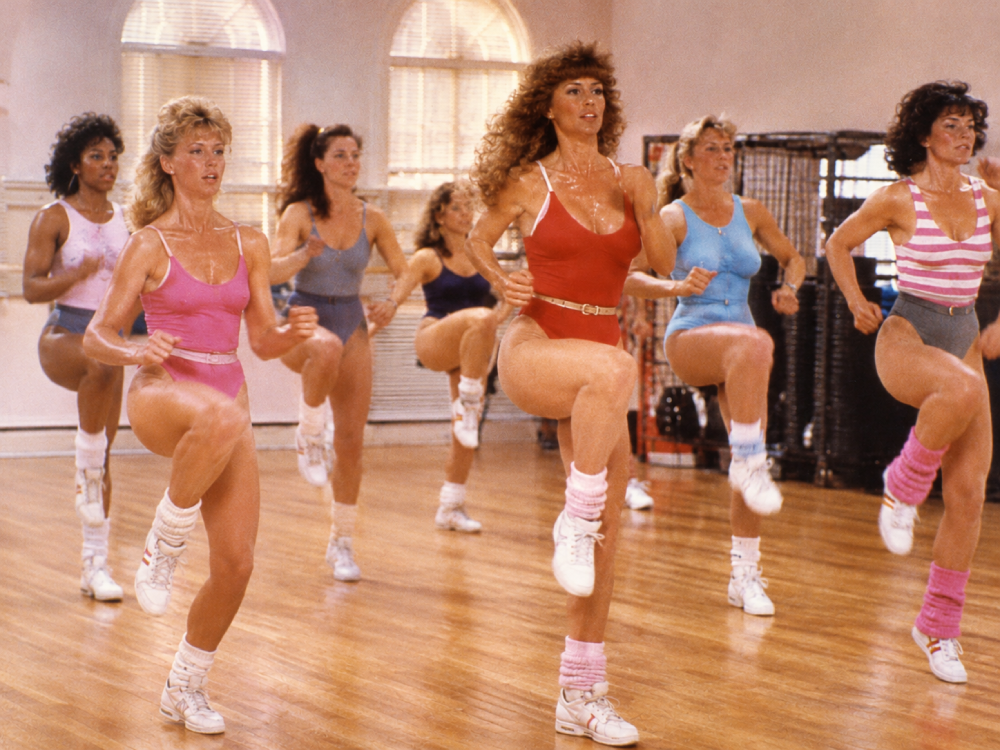
After actress Jane Fonda released her monumental 1982 workout video, millions of women flocked to commercial fitness centers demanding intense group step classes. Owners quickly had to install specialized sprung wooden floors in their studios to prevent massive waves of shin splints, as members aggressively bounced in canvas sneakers doing endless grapevine steps and jumping jacks.
5. Mirrored drop ceilings
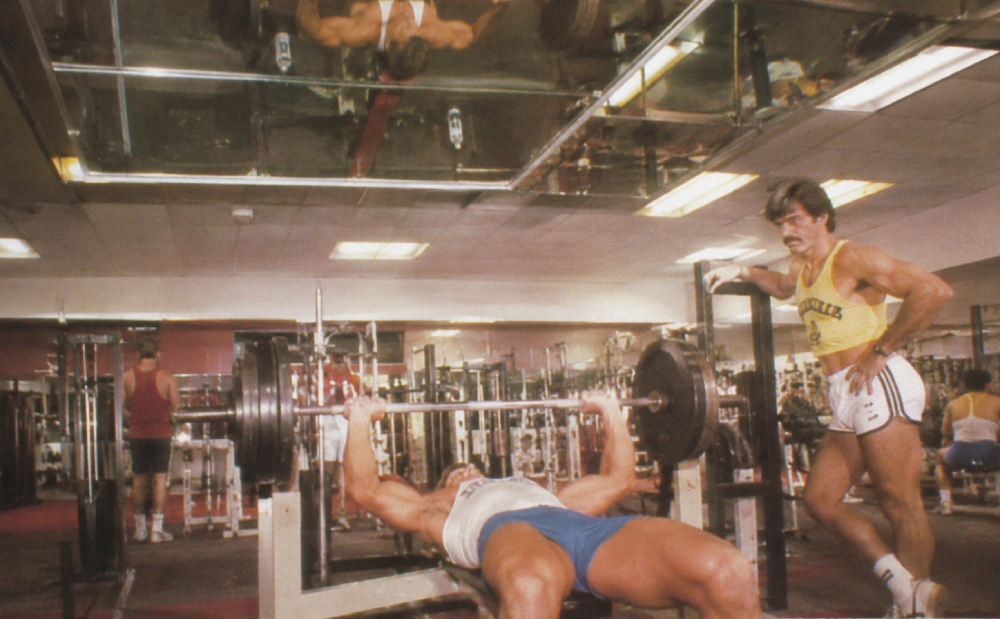
Heavily influenced by the bodybuilding culture popularized in the 1977 documentary Pumping Iron, club designers installed massive glass mirrors directly above the heavy benches. This incredibly dangerous architectural trend allowed serious bodybuilders to admire their own chest press form from below, demanding maximum physical visibility from every single angle.
Trending on The Scroller

6. Solid chrome dumbbells
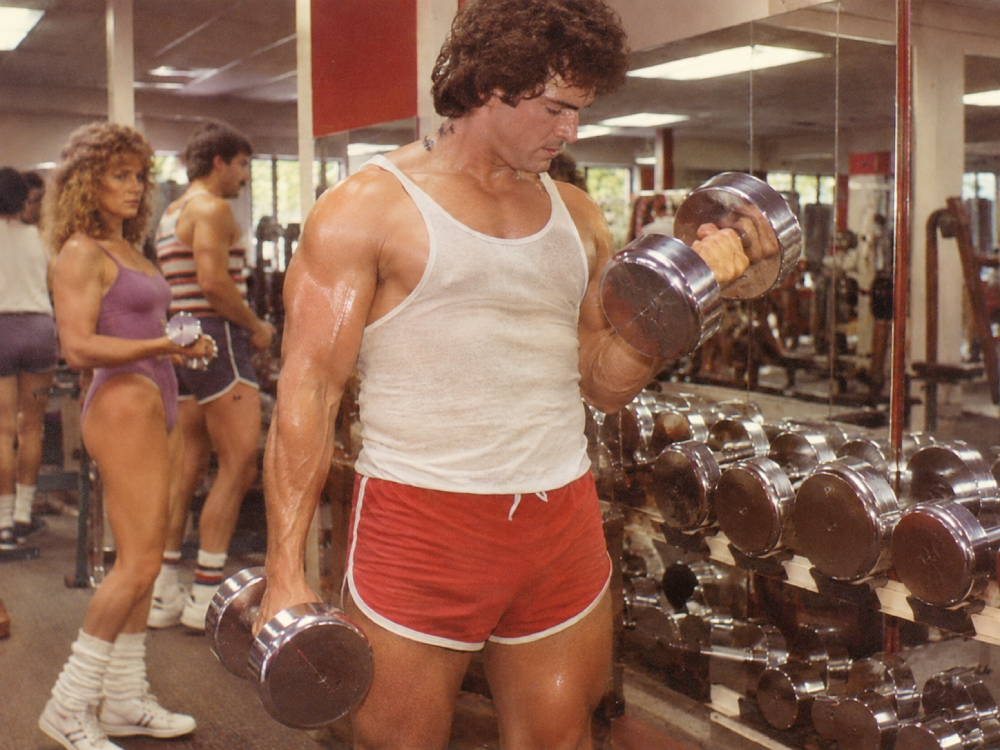
Before safety, rubberized hexagonal weights became the absolute standard; muscular athletes hoisted shiny, solid chrome dumbbells that resembled heavy medieval weaponry. These slippery metallic weights were notoriously difficult to grip with sweaty hands and would completely shatter the expensive floor mirrors if accidentally dropped after an exhausting bicep curl.
7. Indoor smoking ashtrays
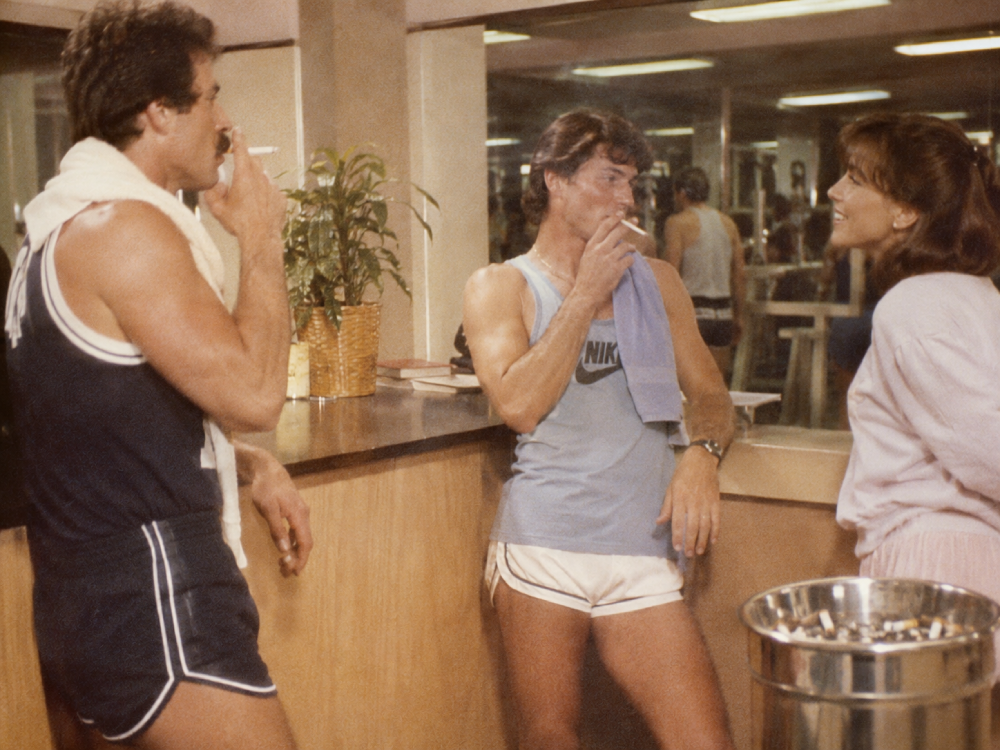
Unbelievably, major health clubs in the early 1980s still actively catered to nicotine addicts right in the main lobby. It was completely normal to see exhausted members finishing a grueling forty-minute cardiovascular session and immediately lighting a cigarette at the front juice bar while chatting with the receptionist.
8. Neon leg warmers and leotards
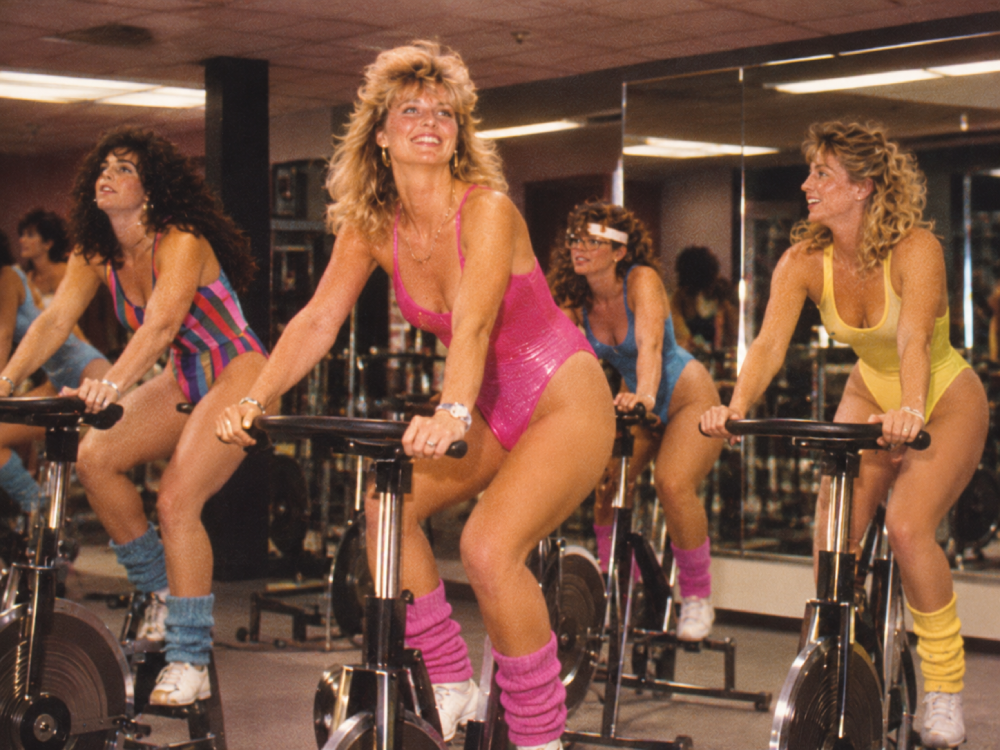
Fashion absolutely dictated function in the retro exercise world. While professional dancers originally wore heavy knitted leg warmers to prevent muscle cramping, by 1984 every casual gymgoer proudly wore neon pink scrunchy socks over shiny high-cut leotards just to slowly ride a stationary bicycle.
Sign up for our newsletter
9. The communal boombox
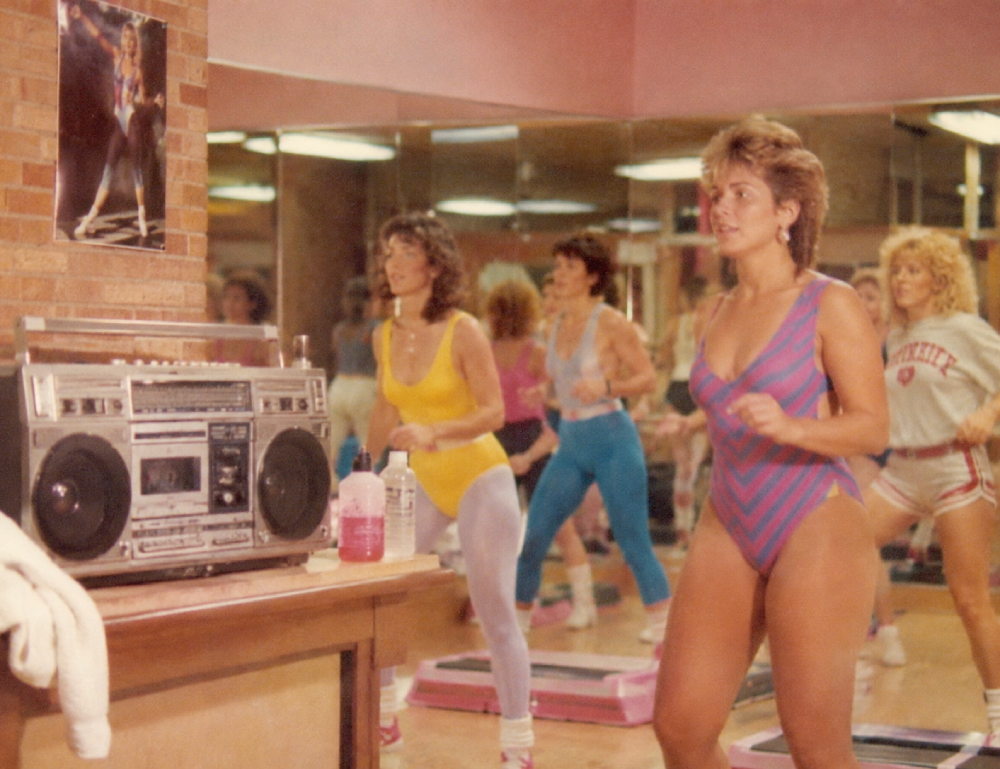
Personal wireless headphones simply did not exist, meaning members had absolutely no control over their own workout soundtrack. Floor managers and aggressive powerlifters blasted cassette tapes through massive portable stereos or heavy wall-mounted speakers, forcing everyone in the building to sweat to the exact same Survivor or Queen album.
10. Lack of disinfectant spray bottles
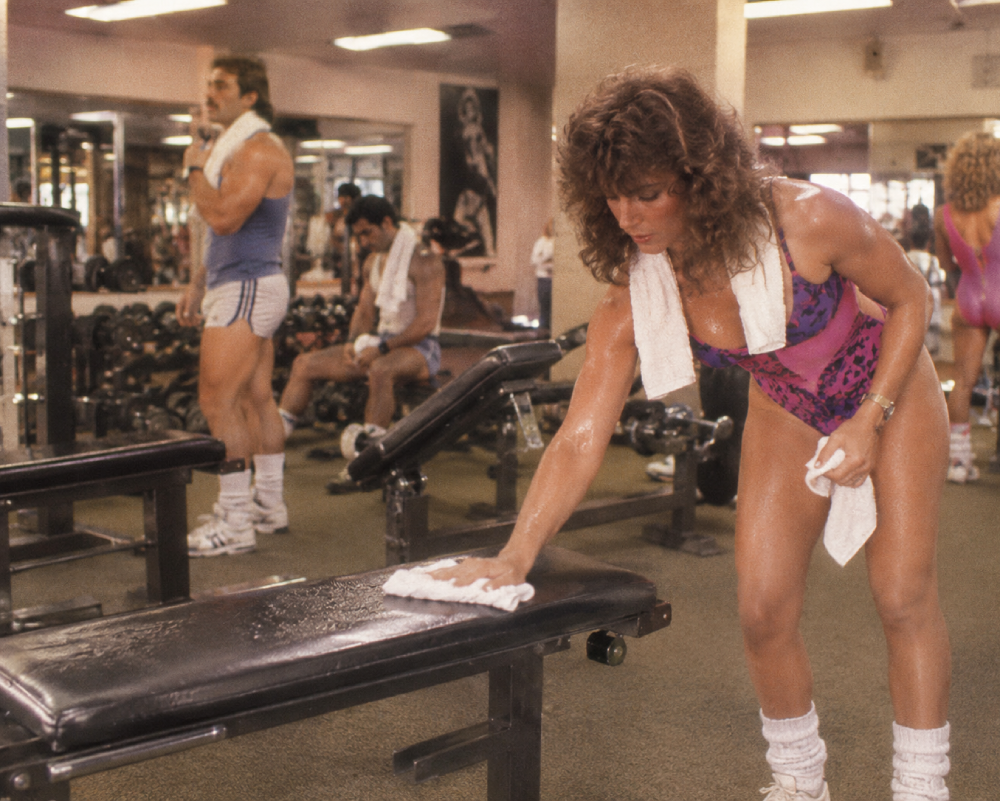
Modern sanitary wipe dispensers and paper towel stations were nowhere to be found on the workout floor. Members were strictly expected to carry a single tiny cotton towel around their neck, using it to wipe their own dripping sweat off the slippery vinyl upholstery before the next person sat down.
11. Squeaky teal vinyl upholstery
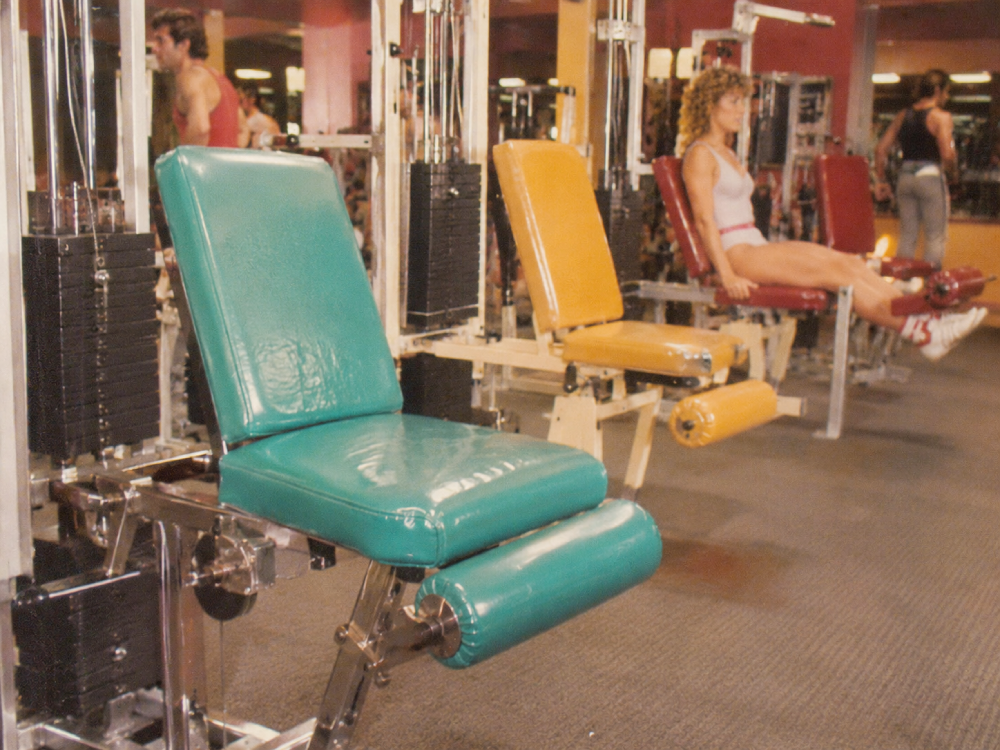
Forget the sleek matte black materials you see today. Retro manufacturing heavily relied on bright teal, mustard yellow, and vibrant red vinyl to cover their heavy leg extension seats. Because this cheap plastic material did not breathe at all, athletes constantly stuck to the squeaky pads during humid summer afternoons.
12. Passive vibrating belt machines
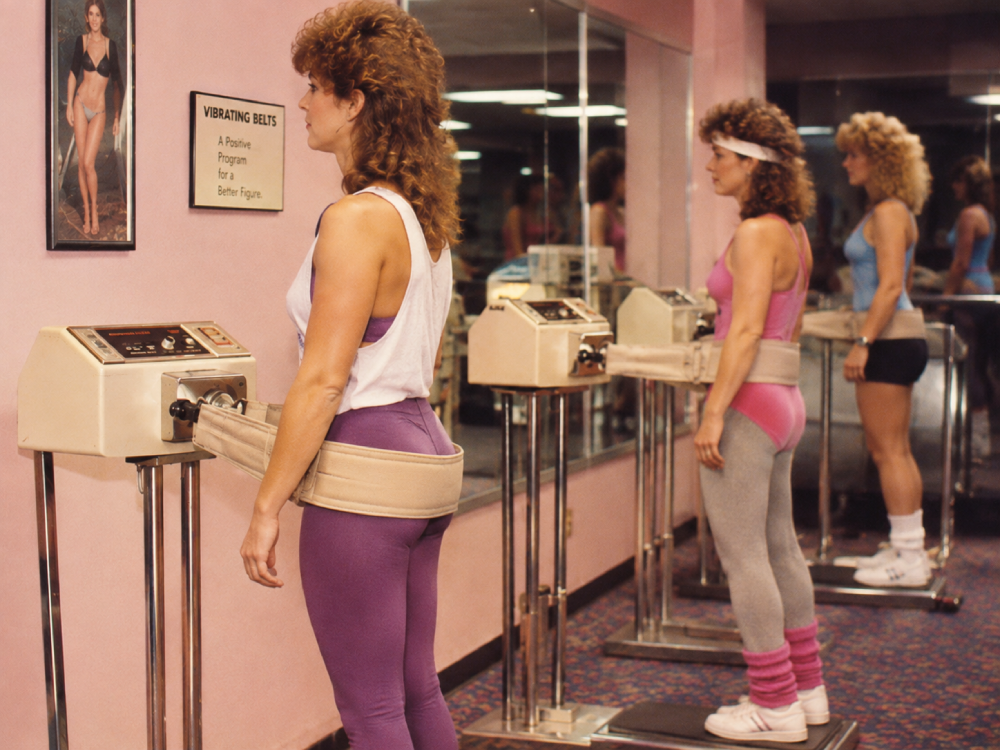
Though originally popularized in the mid-century, many stubborn independent clubs in the early 1980s refused to throw away their motorized vibrating belt machines. Members would literally just stand perfectly still while a heavy canvas strap violently jiggled their waistline, clinging to the scientifically debunked myth that heavy vibrations could literally melt fat away without any actual effort.
In the mood for more nostalgia?
Looking back at these wild retro aesthetics makes you truly appreciate the quiet, highly sanitized convenience of a modern fitness facility. However, the infectious social energy of those vibrant neon workout rooms is a fascinating piece of cultural history that we will probably never experience again. If you love exploring bizarre vintage trends and strange design choices, make sure to check out these 21 Vintage Photos of 1970s Kitchen Design or these 14 Classic Items in a 1980s Garage. You can also explore these Retro Home Quirks: 15 Strange Things Found in Old Houses.