Residential architecture and interior decor have evolved drastically over the past century as domestic habits and household technologies shifted. What previous generations considered standard fixtures in suburban living rooms, basements, and kitchens often look confusing or downright strange to modern home buyers today. From specialized architectural cutouts to short-lived interior design trends, American houses once featured a wide variety of peculiar amenities built around forgotten daily routines.
Stepping inside an unaltered mid-century or Victorian-era property reveals a fascinating time capsule of changing domestic life. Many of these vintage features were designed to solve specific functional problems of their era, such as delivering block ice, disposing of razor blades, or displaying prized decorative items. Examining these historical quirks offers a unique look at how domestic priorities have transformed over the decades. Here are fifteen strange fixtures and features that were once everyday sights in American households.
1. Wall-mounted razor blade slots in bathroom cabinets
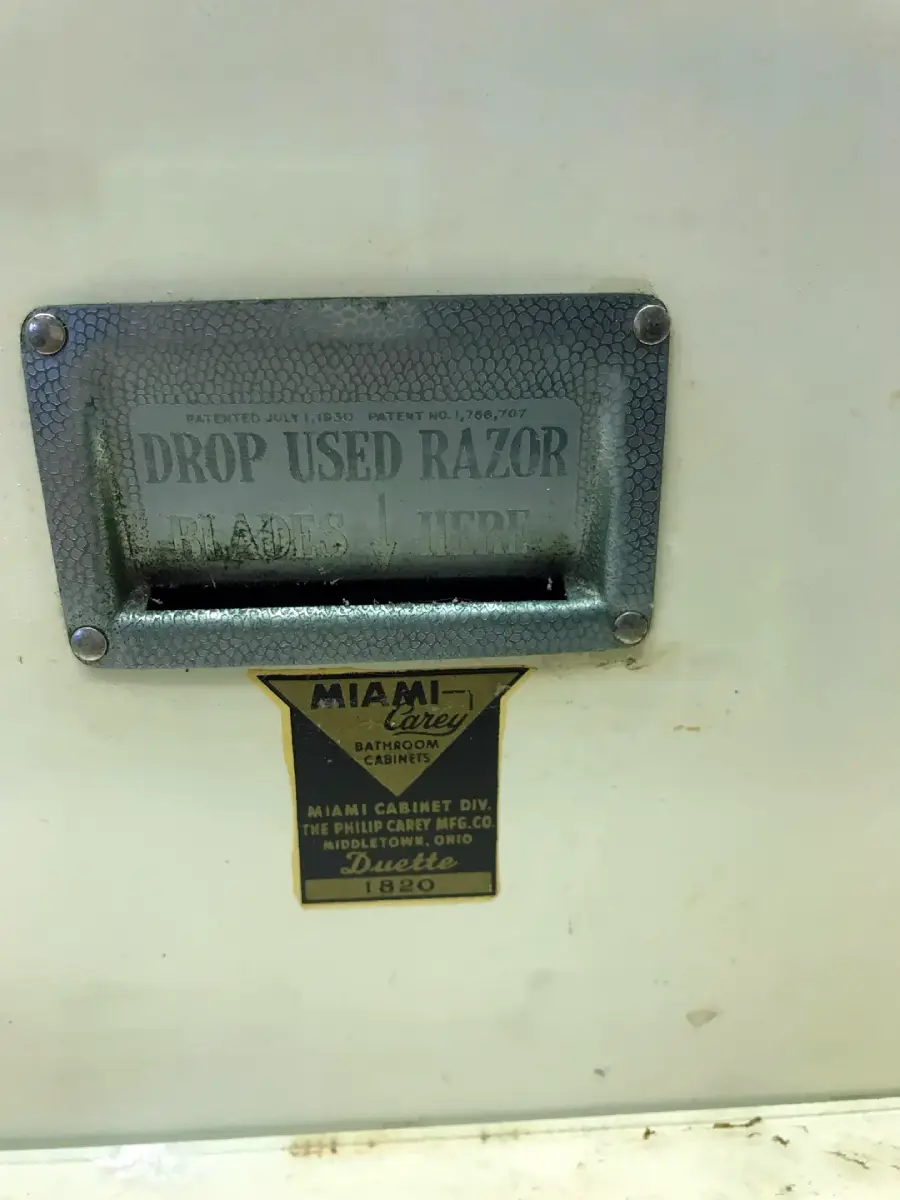
During the mid-twentieth century, recessed bathroom medicine cabinets featured a tiny narrow slot in the back metal wall for disposing of used double-edged razor blades. Instead of dropping into a trash can, the sharp steel blades fell directly into the hollow wall cavity behind the drywall, leaving them safely trapped between the wooden wall studs for future renovators to discover.
2. Milk chutes built into exterior foundation walls
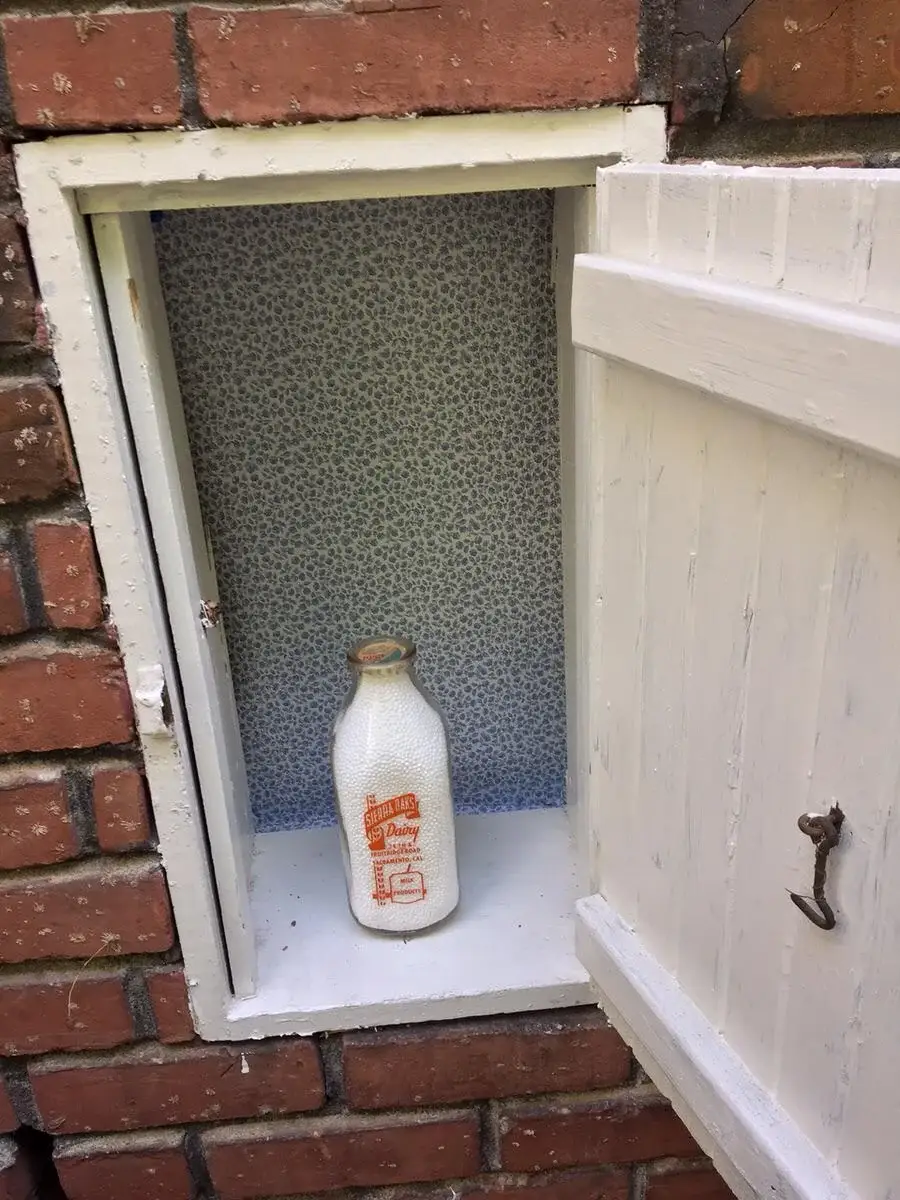
Before modern grocery stores dominated food distribution, insulated metal milk doors were built directly into the side exterior walls of suburban houses. The milkman could unlock the small outer door from the outside to drop off fresh glass bottles, allowing homeowners to retrieve their dairy products from a matching small door inside the kitchen without opening the front entrance.
3. Avocado green and harvest gold kitchen appliances
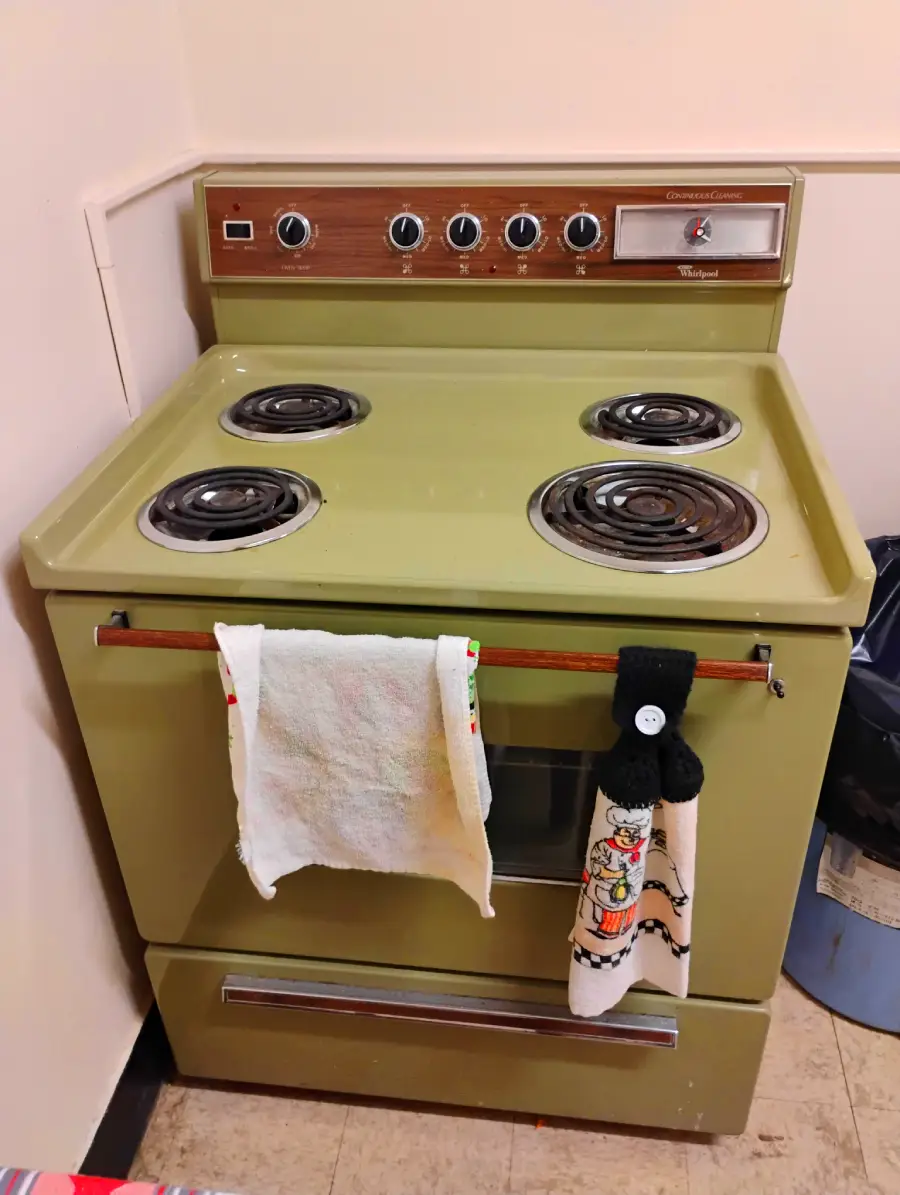
Throughout the 1960s and 1970s, major appliance manufacturers abandoned classic white finishes in favor of earth-toned color palettes led by Avocado Green, Harvest Gold, and Coppertone. These bold retro shades dominated everything from refrigerators and ovens to matching countertop blenders, creating an iconic mid-century aesthetic that eventually faded in the 1980s.
4. Coal chutes leading straight to the basement
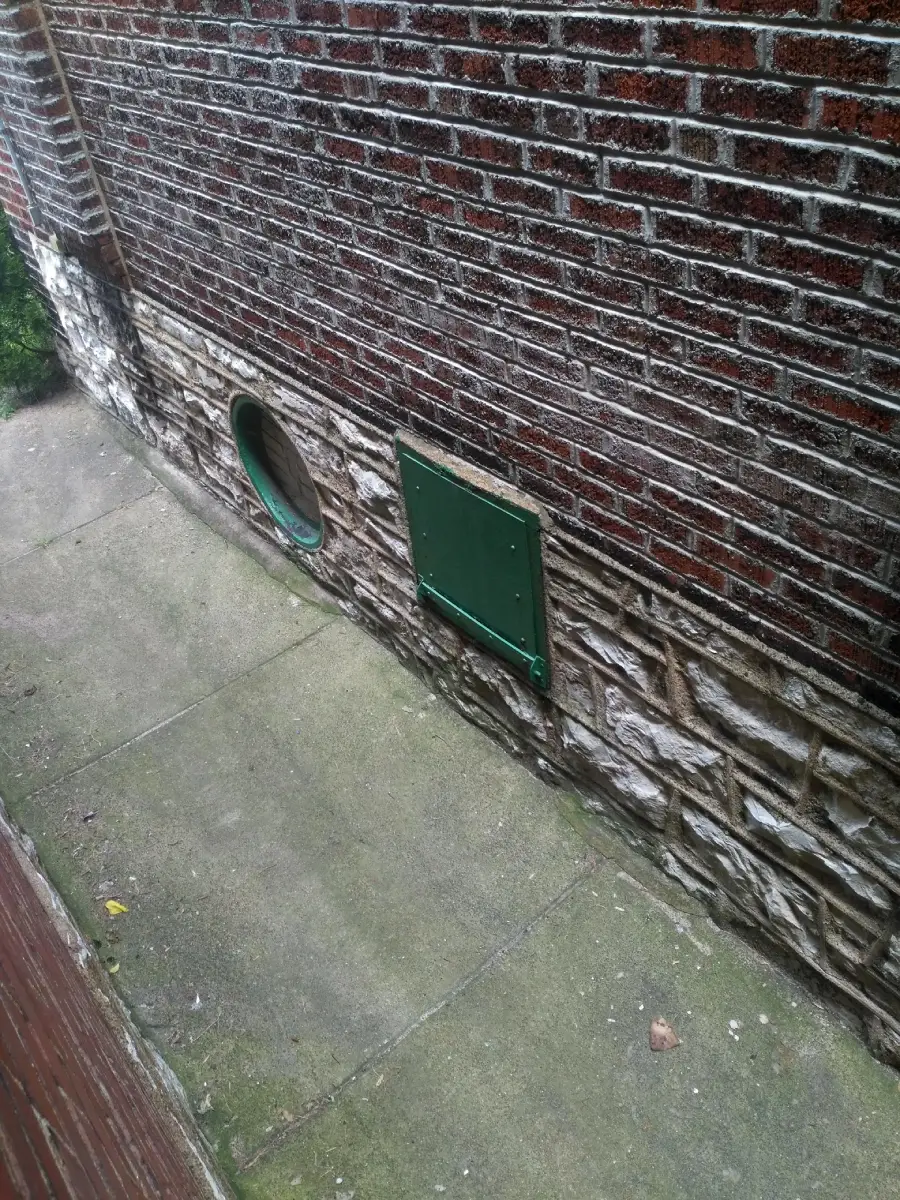
Homes built in the late 19th and early 20th centuries featured small iron doors built low into the exterior foundation walls for coal deliveries. Delivery crews slid heavy black coal down a metal chute directly into a dedicated basement coal bin located right beside the home’s central coal-burning furnace.
5. Wall-to-wall- carpeting in bathrooms
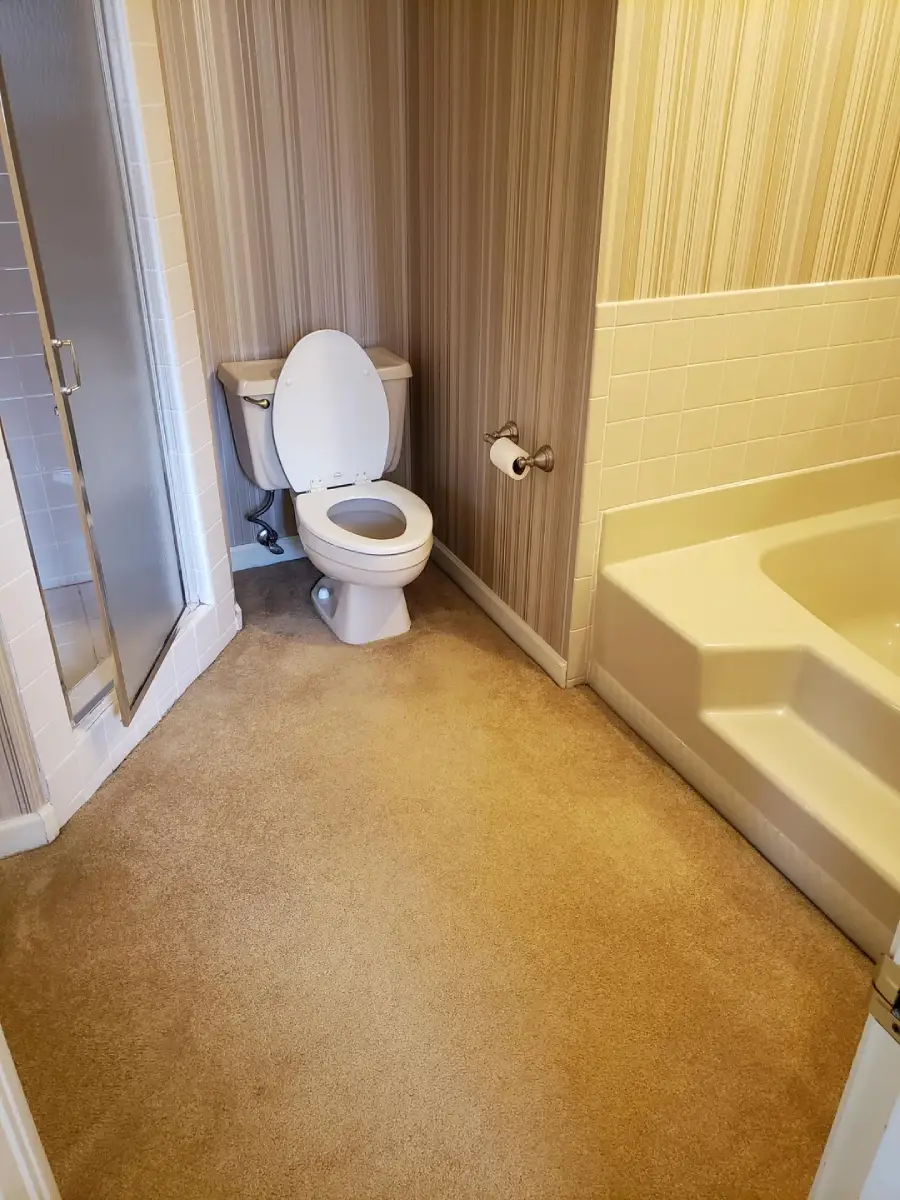
During the 1970s, wall-to-wall carpeting reached the peak of its popularity, spilling out of bedrooms and living rooms into master and guest bathrooms. Homeowners embraced plush shag carpet around bathtubs and toilets to create a soft, luxurious feel underfoot, though the trend quickly died out due to obvious moisture and hygiene issues.
Trending on The Scroller


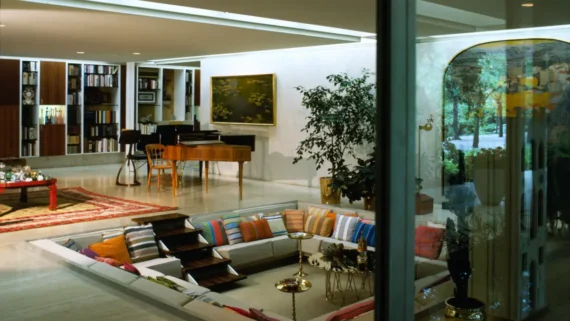
6. Sunken living rooms or “conversation pits”
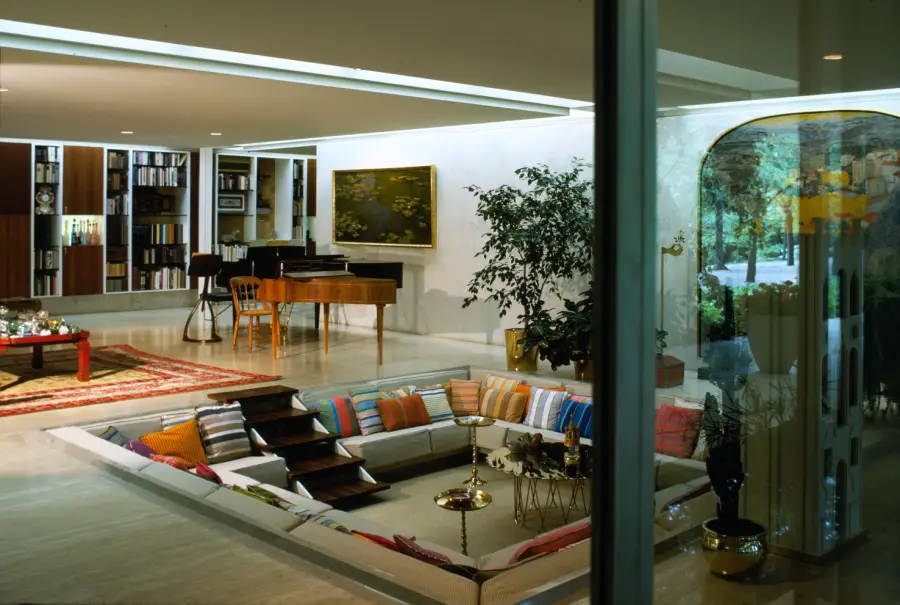
Popularized by mid-century architects in the 1950s and 1960s, sunken living room seating areas featured a step-down recessed floor built below the main level of the house. Furnished with built-in sofas and accent pillows, these cozy architectural pits were designed to create intimate, screen-free lounge spaces for entertaining dinner guests.
7. Phone nooks built into hallway walls
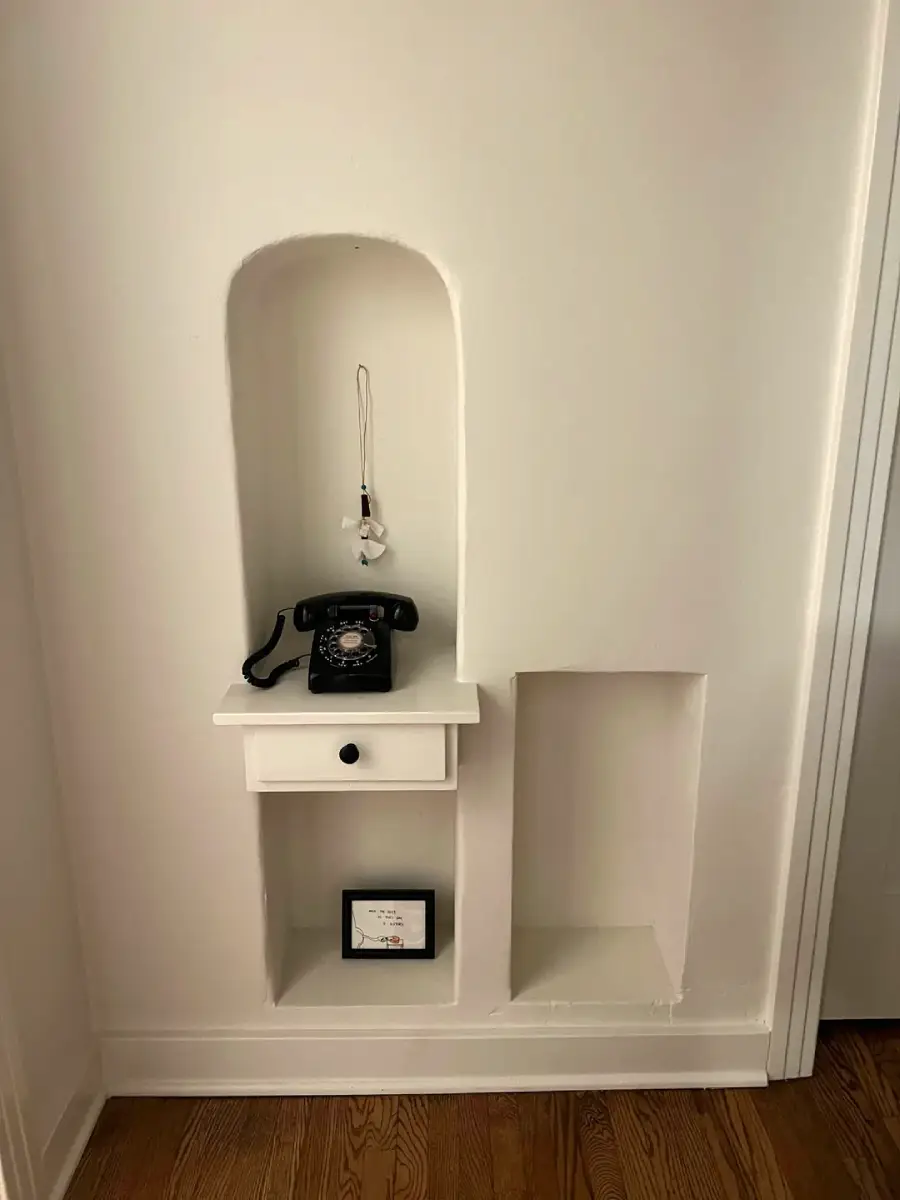
Before cordless home phones and personal mobile devices existed, families shared a single landline telephone placed in a central hallway. Builders installed small arched wall alcoves featuring a wooden shelf for the heavy rotary phone and a built-in lower cabinet to store bulky paper phone books.
8. Laundry chutes connecting floors to the basement
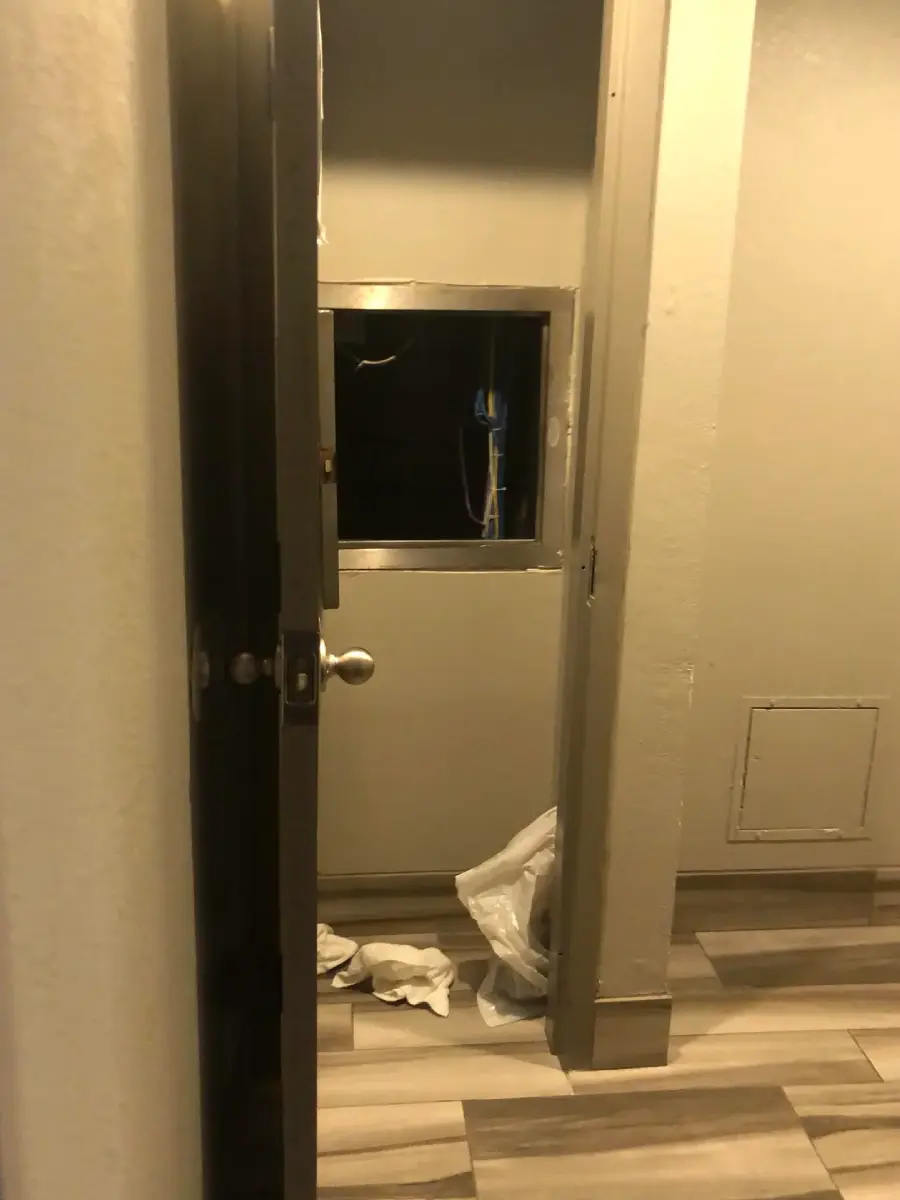
Multi-story homes constructed prior to the 1980s routinely featured wooden or metal laundry chutes hidden behind small cabinet doors in hallway walls. Family members could drop dirty clothes and towels straight down the vertical shaft, allowing gravity to deliver the laundry directly into a basket near the basement washing machine.
Sign up for our newsletter
9. Asbestos-vinyl floor tiles
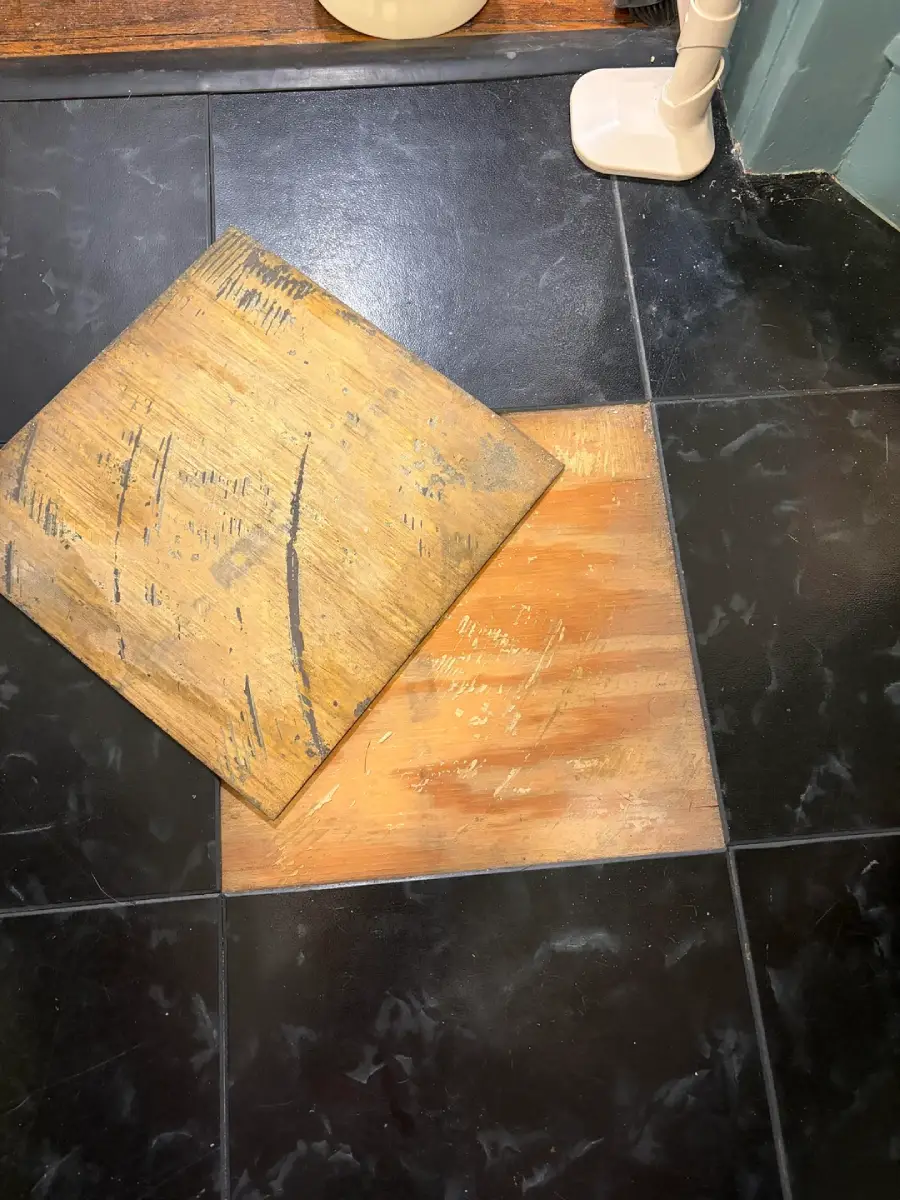
Mid-century kitchens and basements were frequently paved with nine-inch square resilient vinyl floor tiles made with asbestos fibers for added durability and fire resistance. These tiles were marketed as low-maintenance flooring solutions until health concerns led to strict removal regulations in later decades.
10. Popcorn ceilings sprayed with acoustic texture
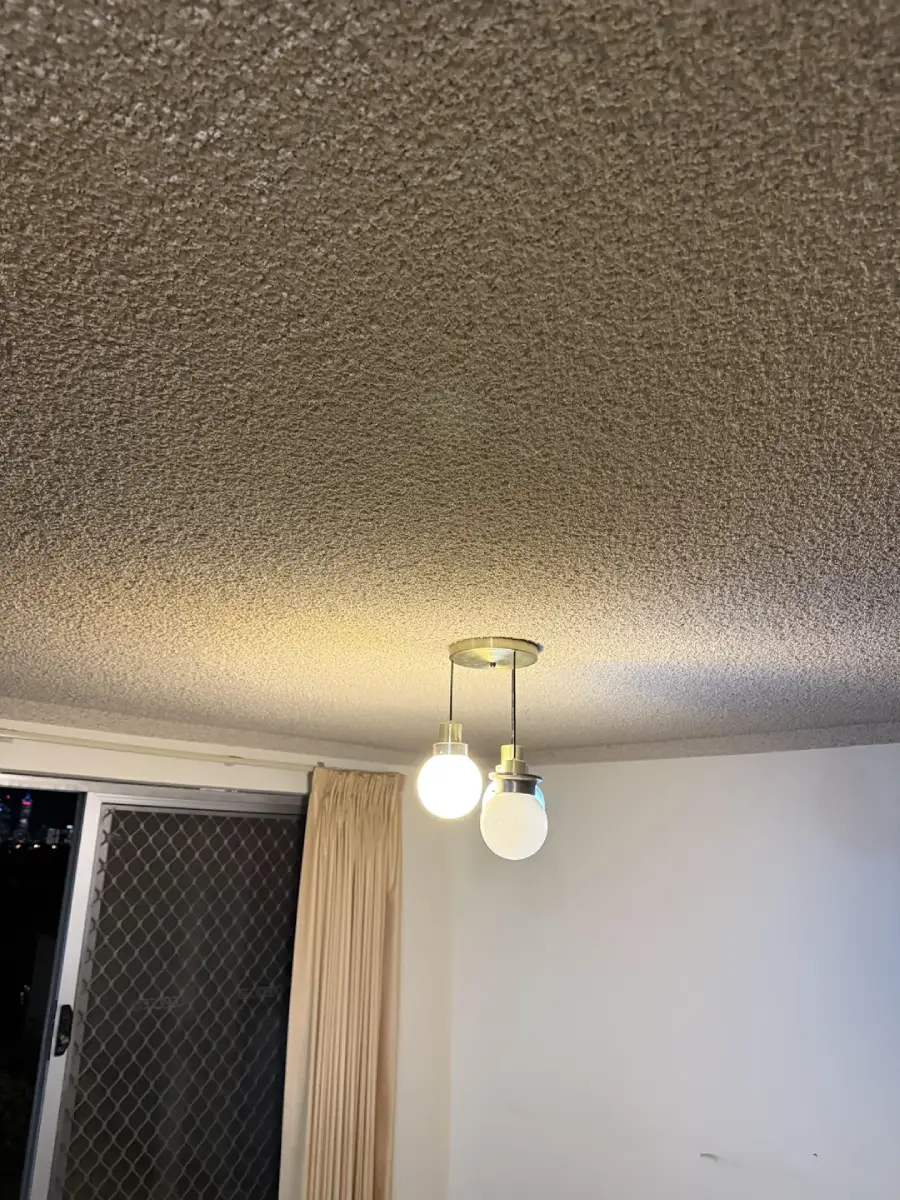
Beginning in the 1950s, builders sprayed ceiling surfaces with a thick, bumpy texture known as “popcorn ceiling” to hide drywall imperfections and absorb interior ambient sound. The spray-on acoustic coating often incorporated mica glitter or styrofoam bits, creating a textured overhead surface that became a staple of suburban residential construction.
11. Dumbwaiters for hoisting heavy supplies between floors
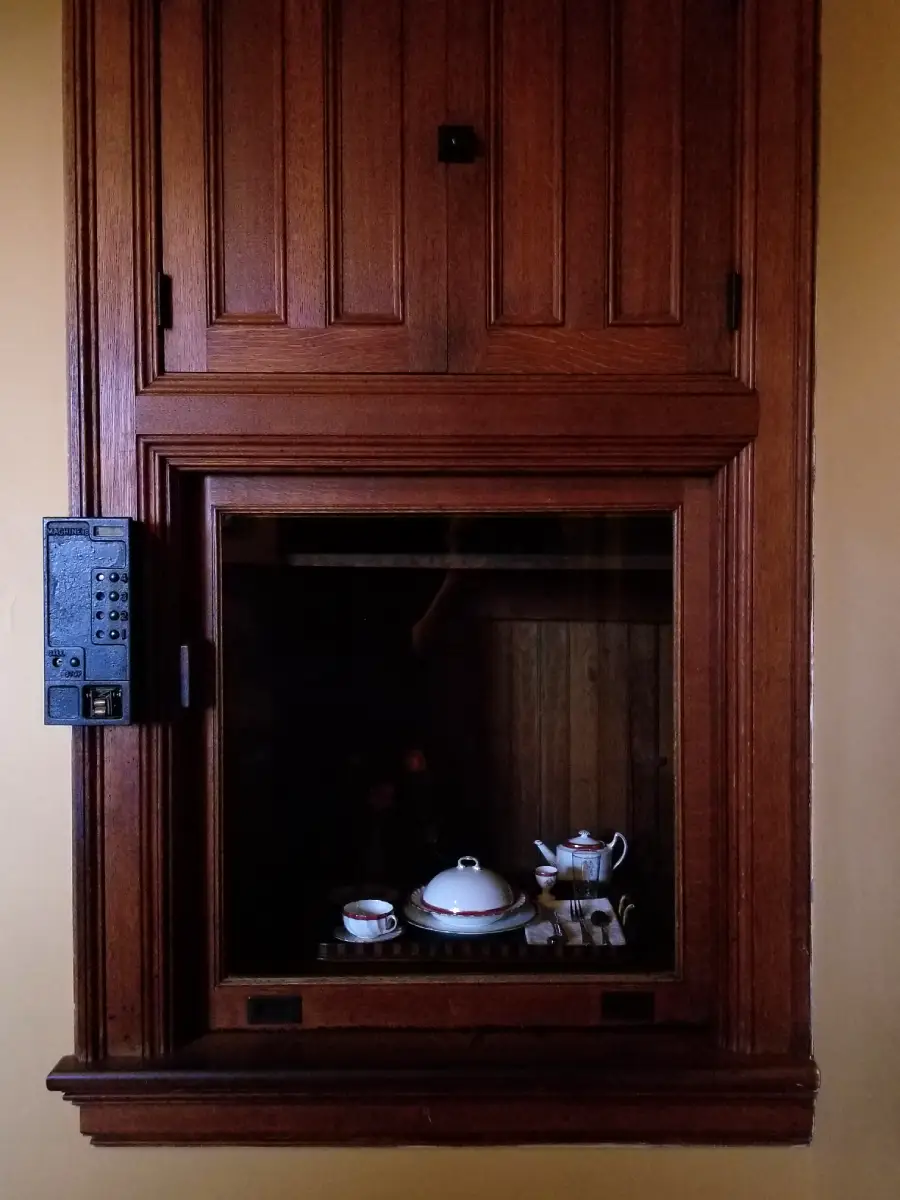
Luxury urban townhomes and large multi-story residences used dumbwaiters, which were small manual freight elevators operated by ropes and pulleys inside a narrow wall shaft. Homeowners used them to transport heavy grocery bags, firewood, and laundry baskets between the kitchen, living rooms, and upper bedrooms without climbing stairs.
12. Plastic slipcovers on living room furniture
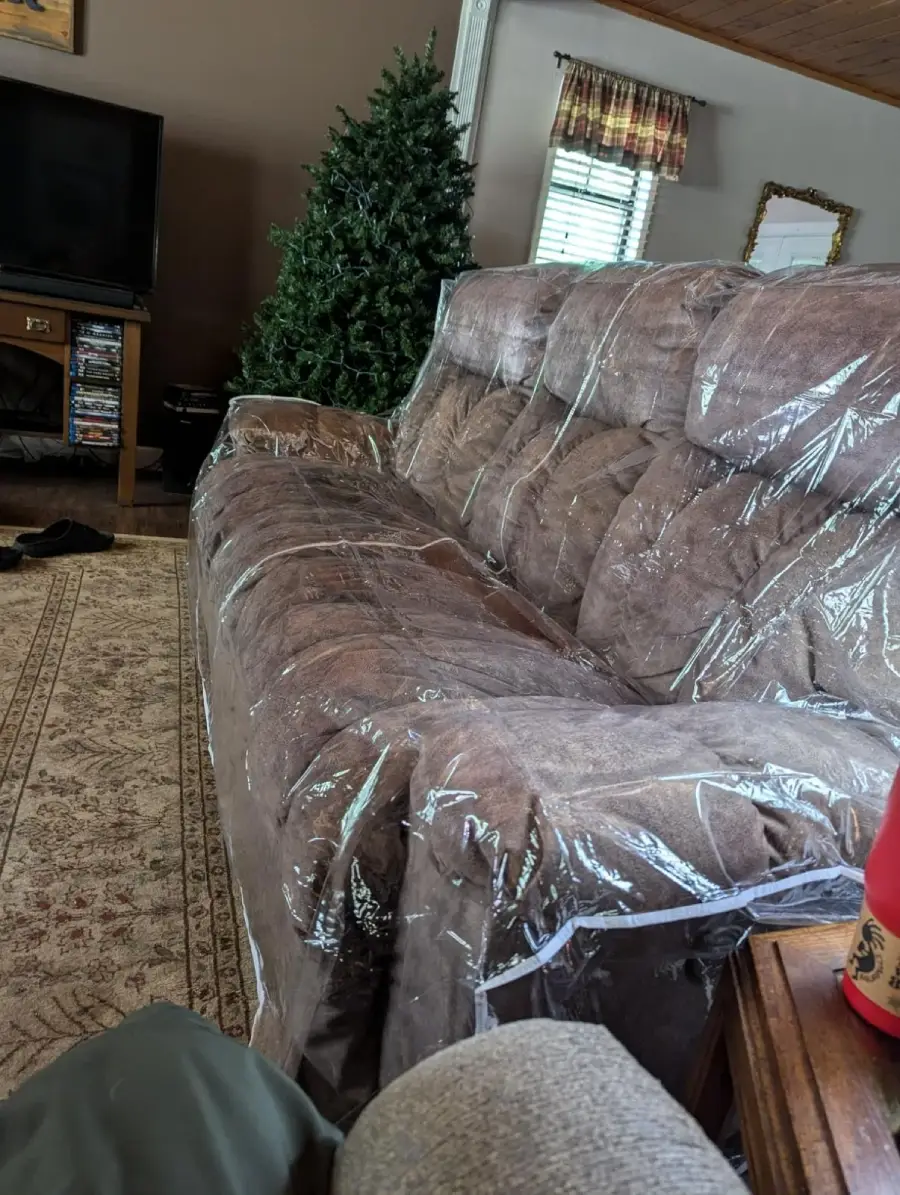
To preserve expensive upholstered sofas and armchairs from pet fur, spills, and fabric wear, many mid-century homeowners encased their living room furniture in clear, fitted vinyl slipcovers. While the heavy plastic protected the underlying fabric completely, it created a stiff, squeaky seating experience that stuck to legs during summer months.
13. Gas-powered indoor lighting fixtures
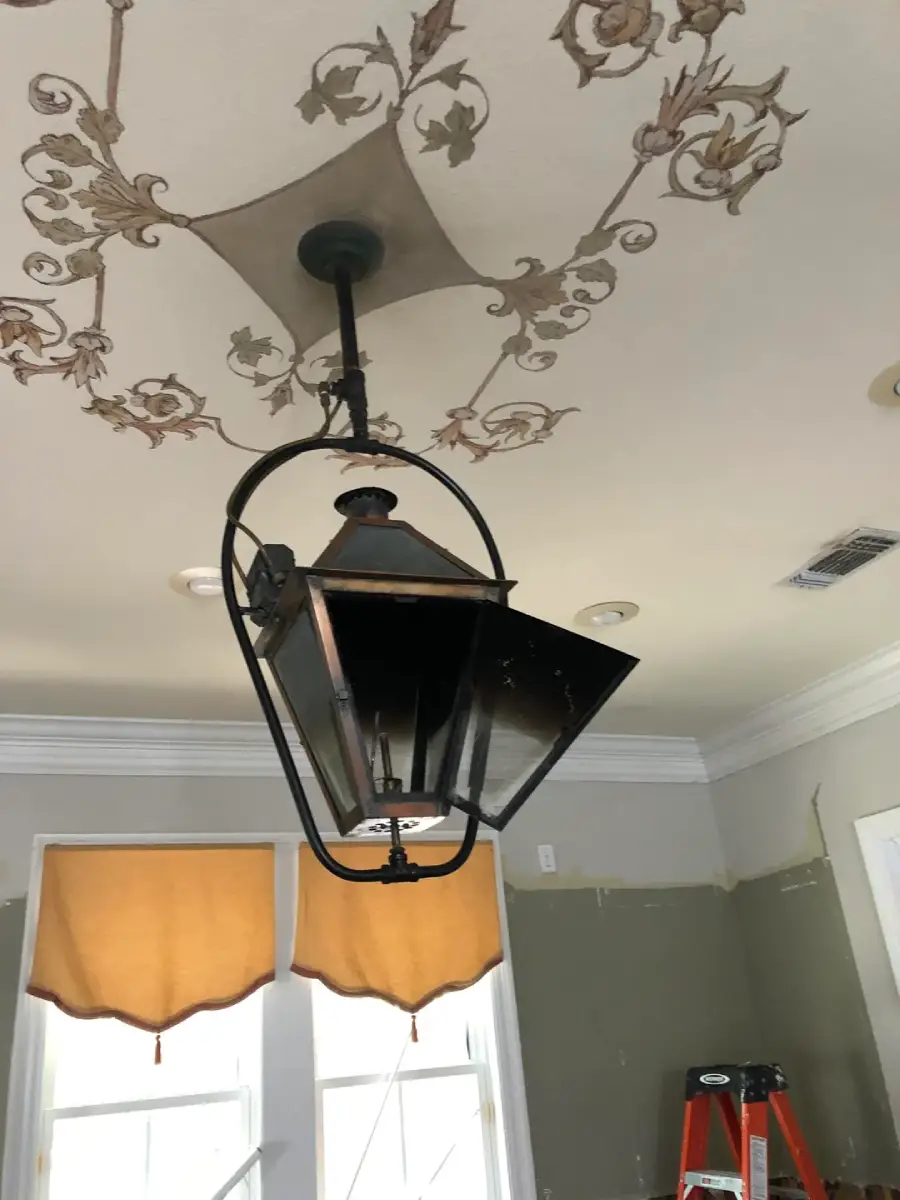
Before municipal electrical grids became universal in the early 20th century, city homes were fitted with piped gas lines feeding wall sconces and ceiling lamps. Homeowners had to ignite the exposed gas mantles with matches to light up bedrooms and parlors, requiring careful ventilation to prevent dangerous gas leaks.
14. Formal parlor doors or pocket doors
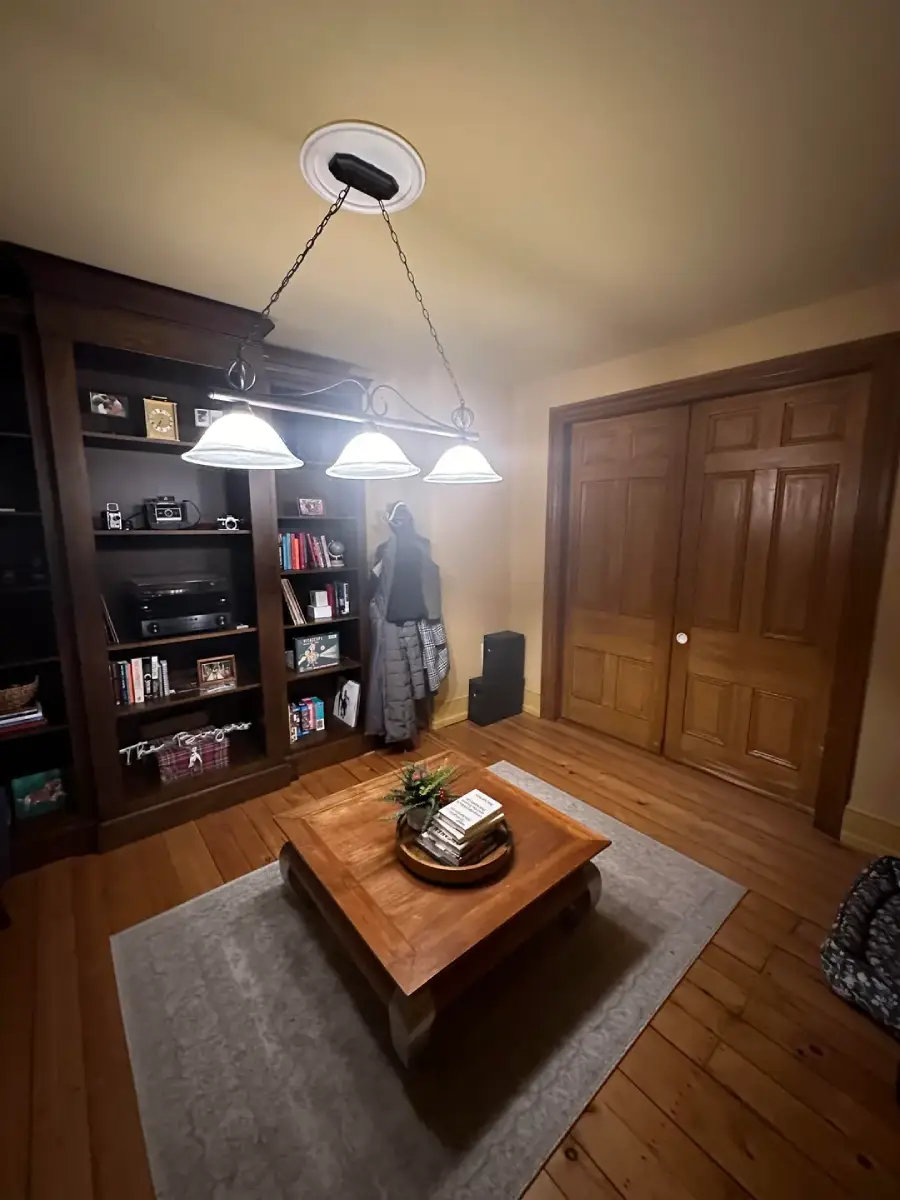
Victorian-era homes featured large double pocket doors that slid completely inside the interior walls to seal off the formal parlor room from the rest of the main floor. Closing these grand wooden doors kept winter heat contained within small active living spaces and prevented drafty unheated rooms from chilling the family.
15. Central vacuum inlets built into skirting boards
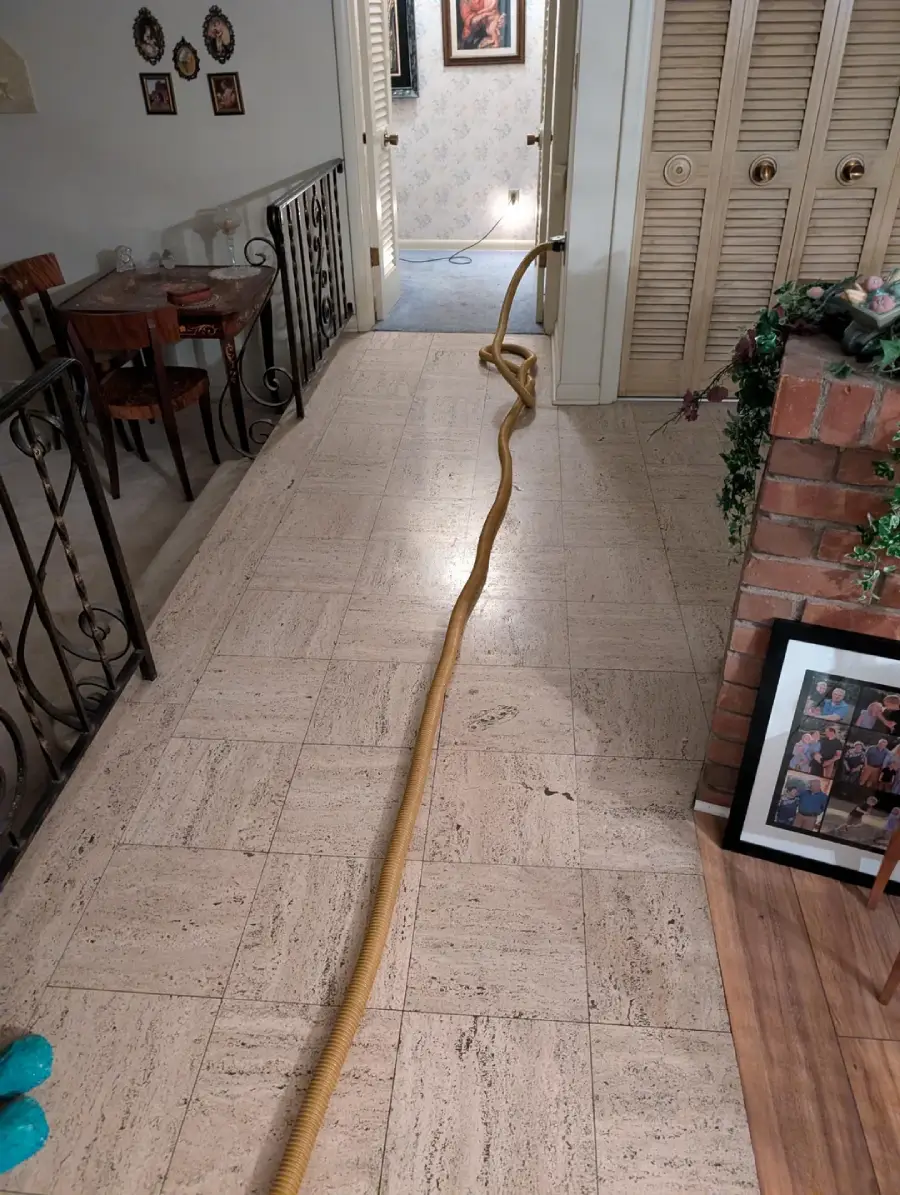
Pioneered in mid-century luxury homes, built-in central vacuum systems featured wall inlet valves located in baseboards throughout every hallway. Instead of pushing a heavy canister vacuum from room to room, homeowners simply plugged a long lightweight hose directly into the wall outlet, which routed dust through hidden pipes to a central canister in the garage.
Explore more fascinating items:
Exploring these unusual historic home features offers a fascinating look at how interior architecture adapts to match changing lifestyle needs, home technology, and design tastes over time. The contrast between these legacy home fixtures and modern open-concept living highlights just how quickly residential trends transform. If you enjoy discovering retro home decor, historical lifestyle archives, and fascinating architectural deep dives, be sure to check out these 18 vintage household items people wouldn´t recognize today, or these 16 Nostalgic Items That Filled Every 90s Junk Drawer. You can also take a look at these 20 Forgotten Items from 100 Years Ago That Confuse Us Today.