Have you ever looked at an old household object and thought, What on earth is that supposed to do? You’re not alone. Many everyday items that were once found in millions of homes have become so obsolete that younger generations wouldn’t recognize them today. As technology changed, these clever tools quietly disappeared, taking a small piece of everyday history with them. Some were replaced by smartphones, others by modern appliances, and a few simply became unnecessary as life evolved. Ready to test your knowledge? Let’s see how many of these forgotten vintage household items you can identify before reading what they actually are.
1. Gossip Bench (Telephone Table)
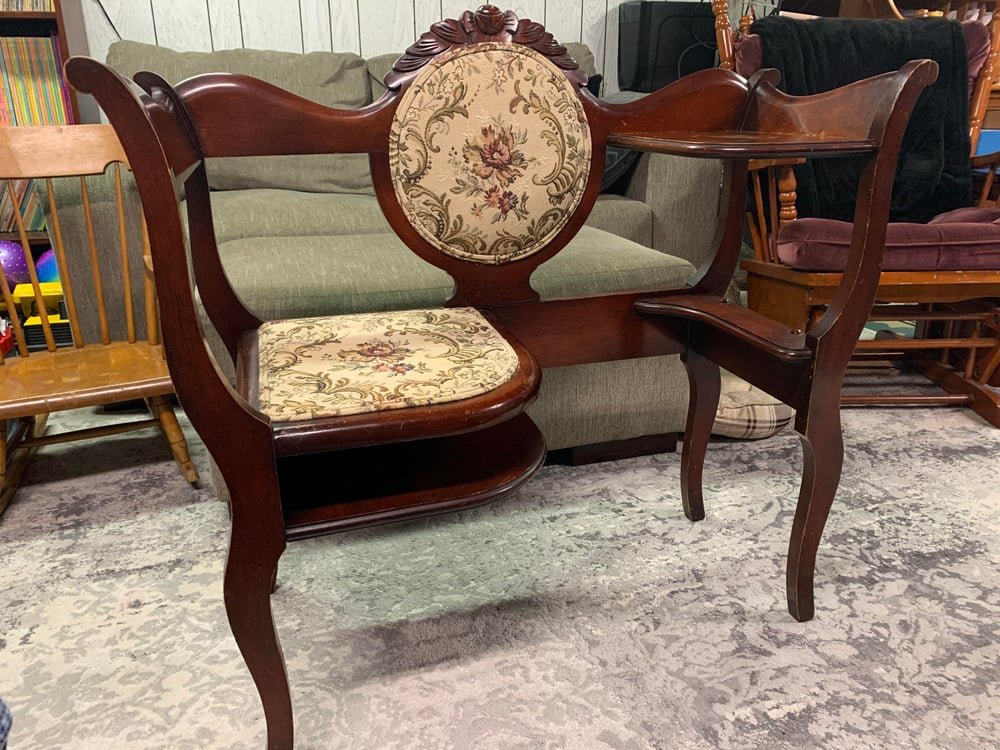
Would you know what this oddly shaped piece of furniture was for if you spotted it at a flea market? It looks like someone combined a chair with a tiny side table, but it actually had a very practical purpose. Known as a gossip bench, it gave people a place to sit while talking on the family’s landline, with space for the phone book and a notepad. Can you picture spending an hour chatting without ever leaving that seat? Today we carry our phones everywhere, so dedicating an entire piece of furniture to one telephone feels almost unbelievable. Kind of charming, isn’t it?
2. Pop-Up Telephone Index
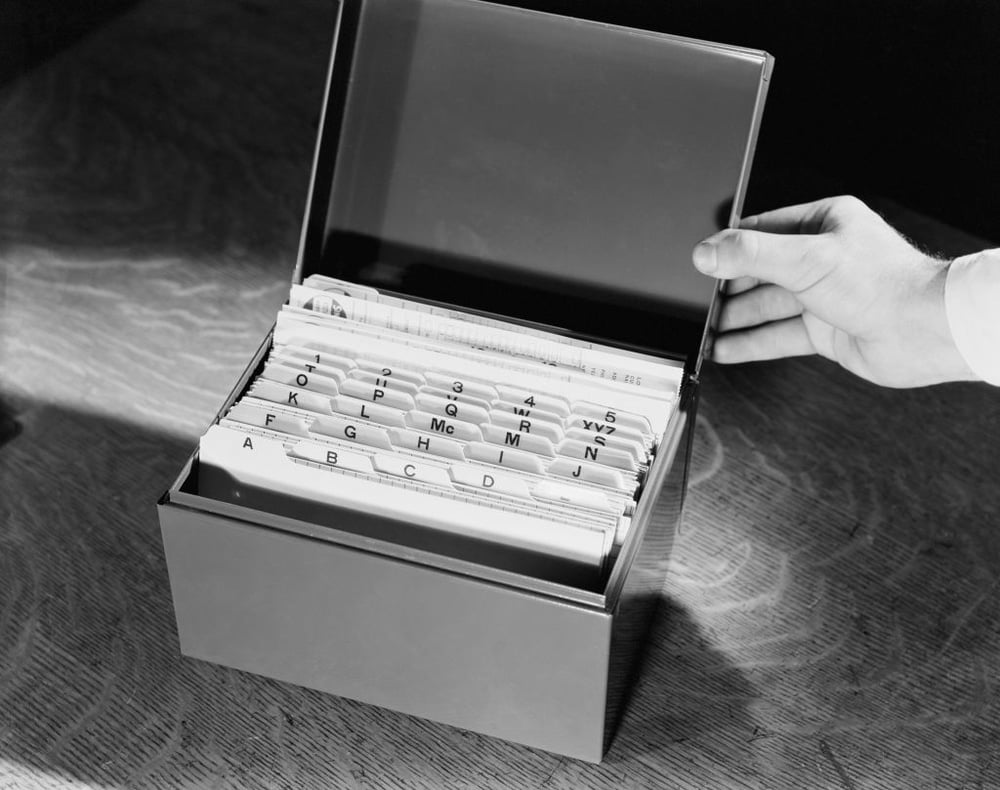
Can you guess what this little metal box was used for? Many people mistake it for a cash box or office gadget, but it was actually a pop-up telephone index. Press a letter, and the matching page instantly opened to reveal your contacts. Pretty clever, right? Long before smartphones stored thousands of numbers, this tiny organizer helped families find phone numbers in seconds. It’s one of those inventions that solved a problem many people no longer have.
3. Built-In Kitchen Trash Compactor
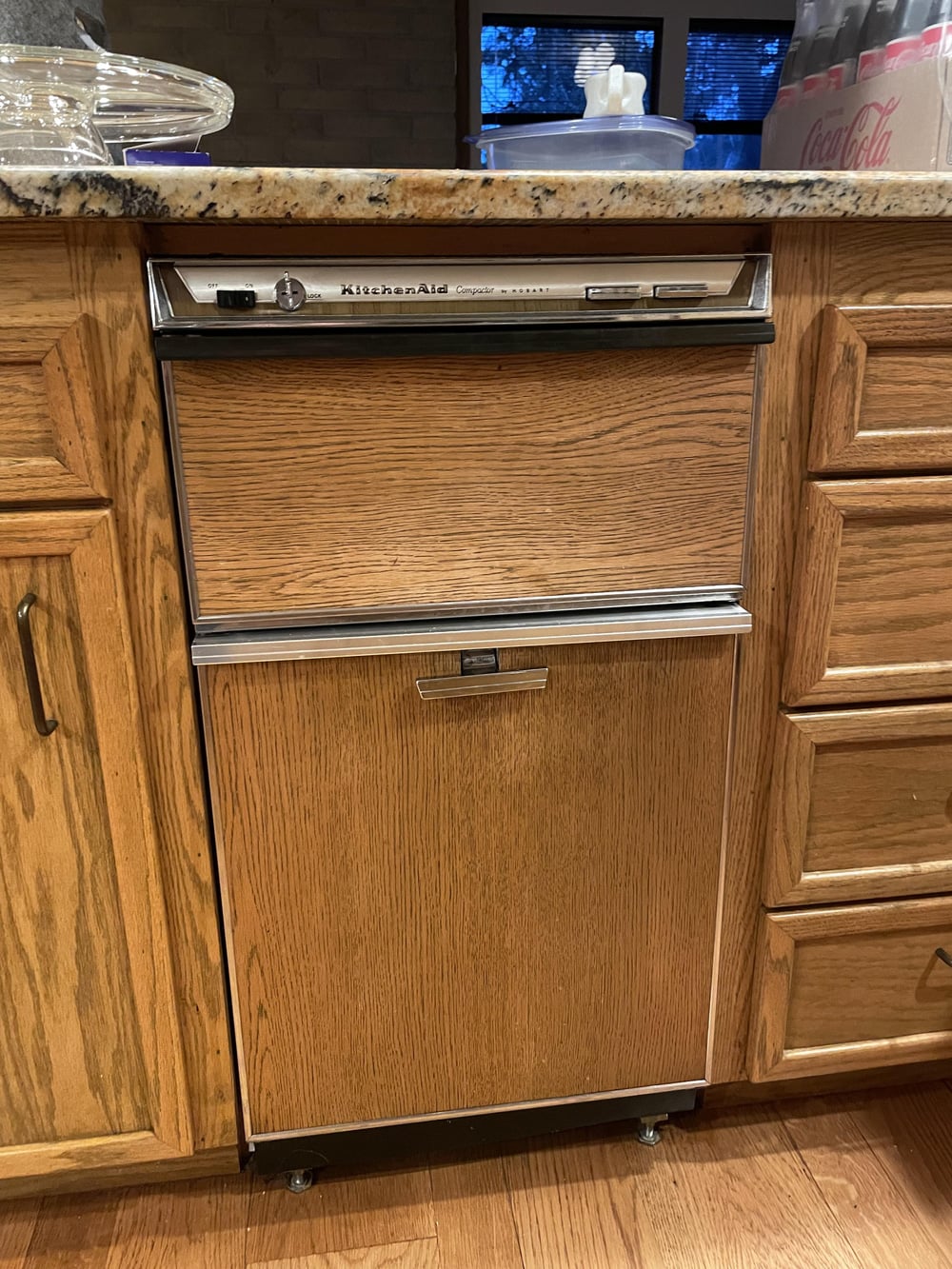
Would you recognize this appliance if you walked past it in an older kitchen? Most people assume it’s an extra cabinet or a narrow dishwasher. In reality, it’s a built-in trash compactor that compressed household waste into a smaller bundle. The idea was simple: fewer garbage bags and fewer trips outside. Sounds surprisingly modern, doesn’t it? Although they’re still sold today, they never became common enough for younger generations to recognize them at first glance.
4. Aluminum Ice Cube Tray with Lever
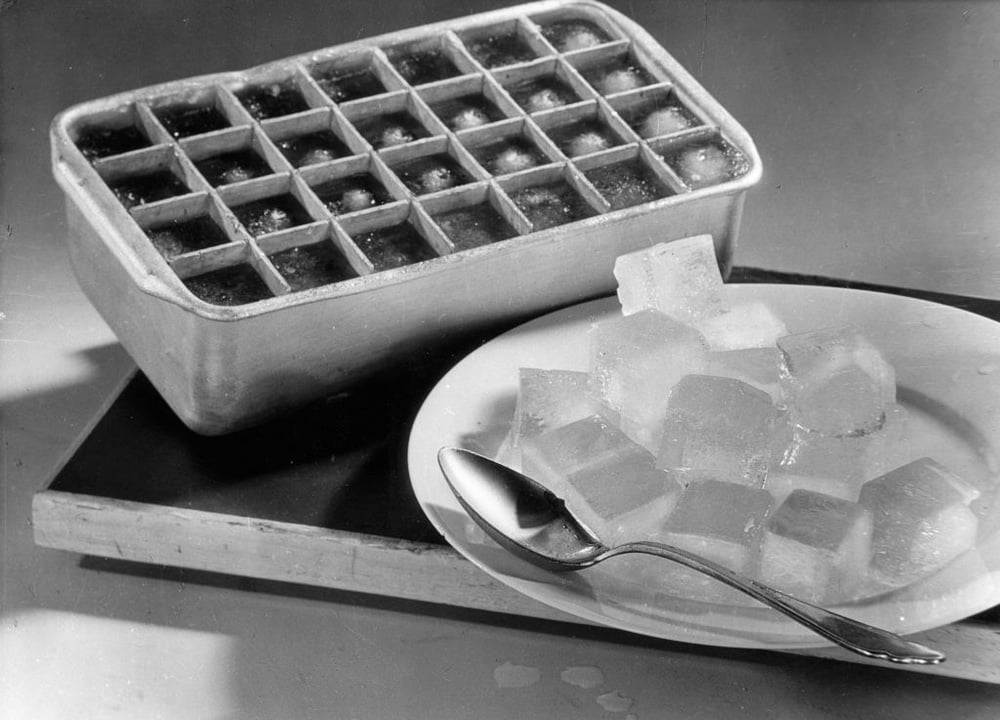
Could you figure out how to use this metal tray without instructions? That long handle isn’t decorative. Before plastic trays and automatic ice makers, families pulled the lever to crack every ice cube loose at once. No twisting or banging the tray on the counter. Just one satisfying pull. Pretty ingenious for such a simple kitchen tool. Looking back, it’s amazing how much thought once went into making something as ordinary as ice.
5. Hand-Crank Ice Crusher
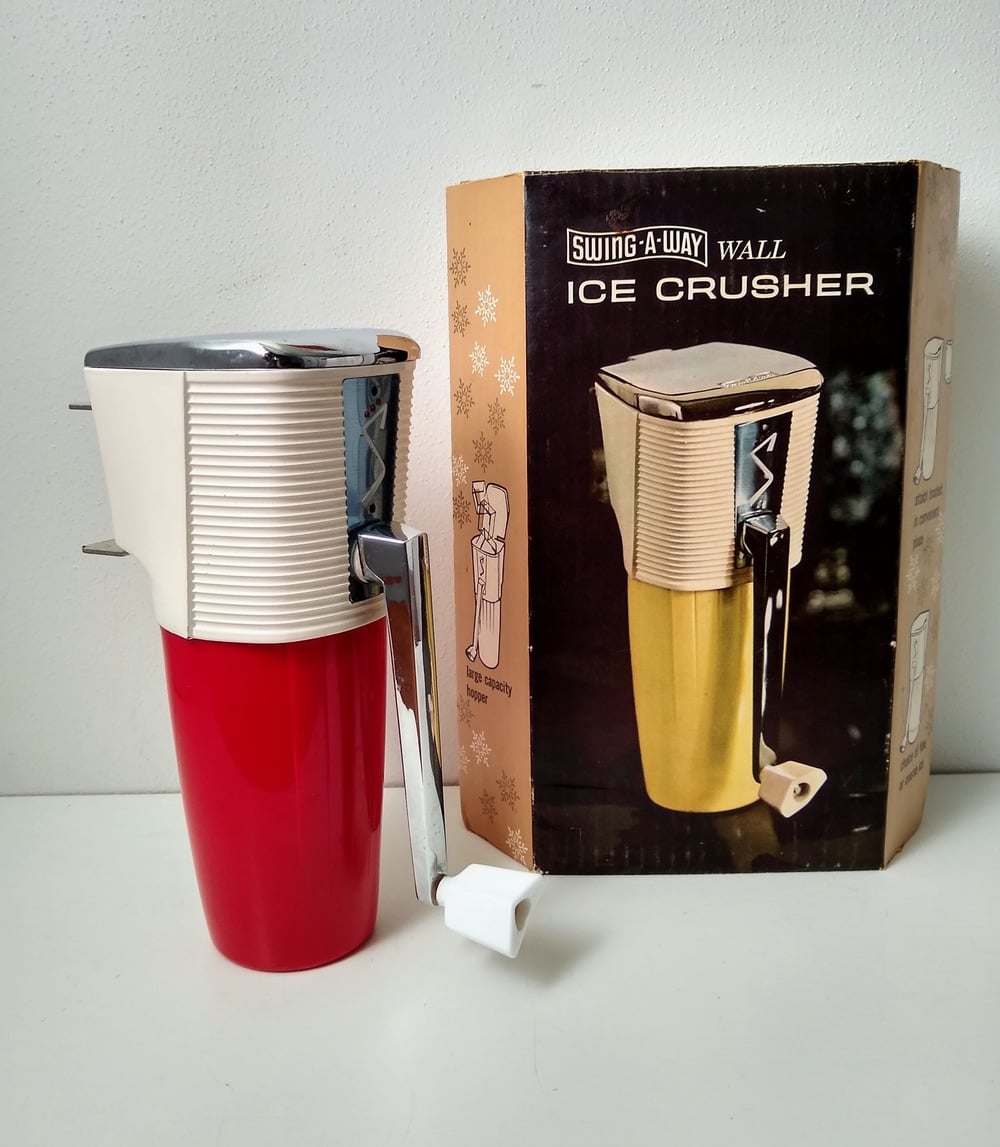
What do you think this little machine was built for? Its crank makes it look like a coffee grinder or even a meat grinder, but it actually crushed ice for drinks and desserts. With just a few turns of the handle, families could prepare cocktails, sodas, or shaved ice without electricity. Can you imagine making frozen drinks that way today? Modern appliances made the job effortless, but this clever gadget reminds us that everyday conveniences once relied entirely on a little elbow grease.
Trending on The Scroller

6. Metal Porch Milk Box
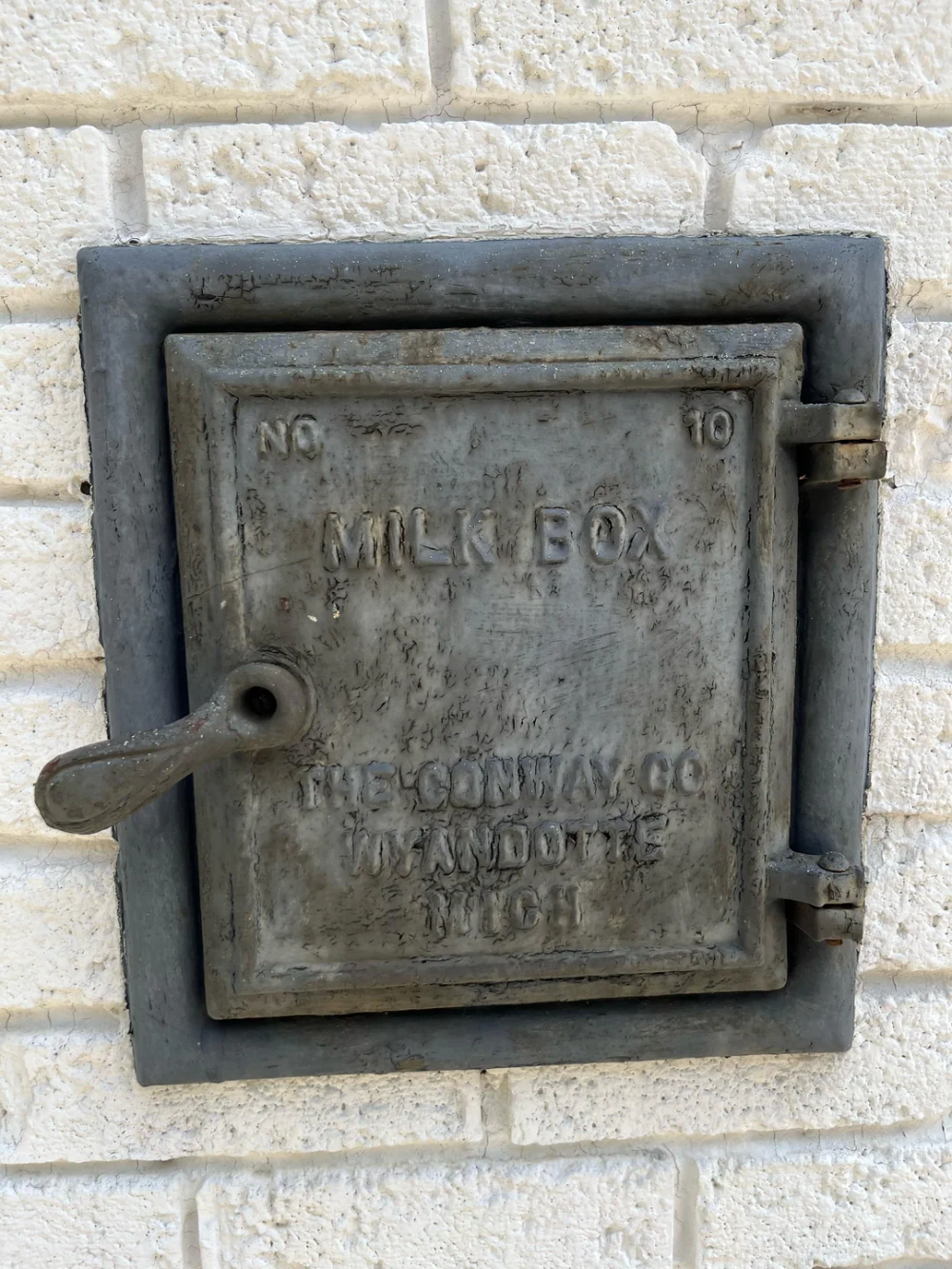
What would you keep inside this little metal box by your front door? It looks like a mailbox or even a cooler, but it actually held fresh milk. Before supermarkets were everywhere, milkmen delivered bottles directly to homes, leaving them inside insulated porch boxes to keep them cool and protected. Have you ever imagined getting fresh milk without leaving the house? It’s a simple service that once felt completely ordinary and now seems almost luxurious.
7. Ice Delivery Card
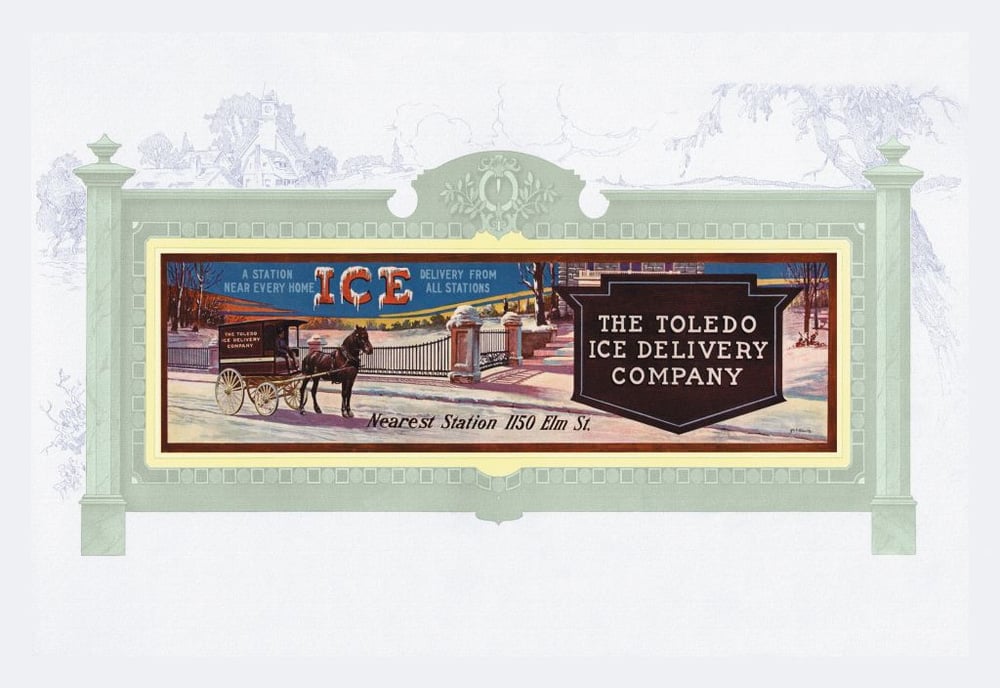
Would you know what these large numbers in a window were trying to say? They weren’t house numbers or prices. This was an ice delivery card, and families rotated it to show the amount of ice they wanted delivered that day. The iceman simply looked at the window and knew exactly what to bring. No phone call. No text message. Just a clever system that worked surprisingly well. Sometimes the simplest solutions really were enough.
8. Medicine-Cabinet Razor Blade Slot
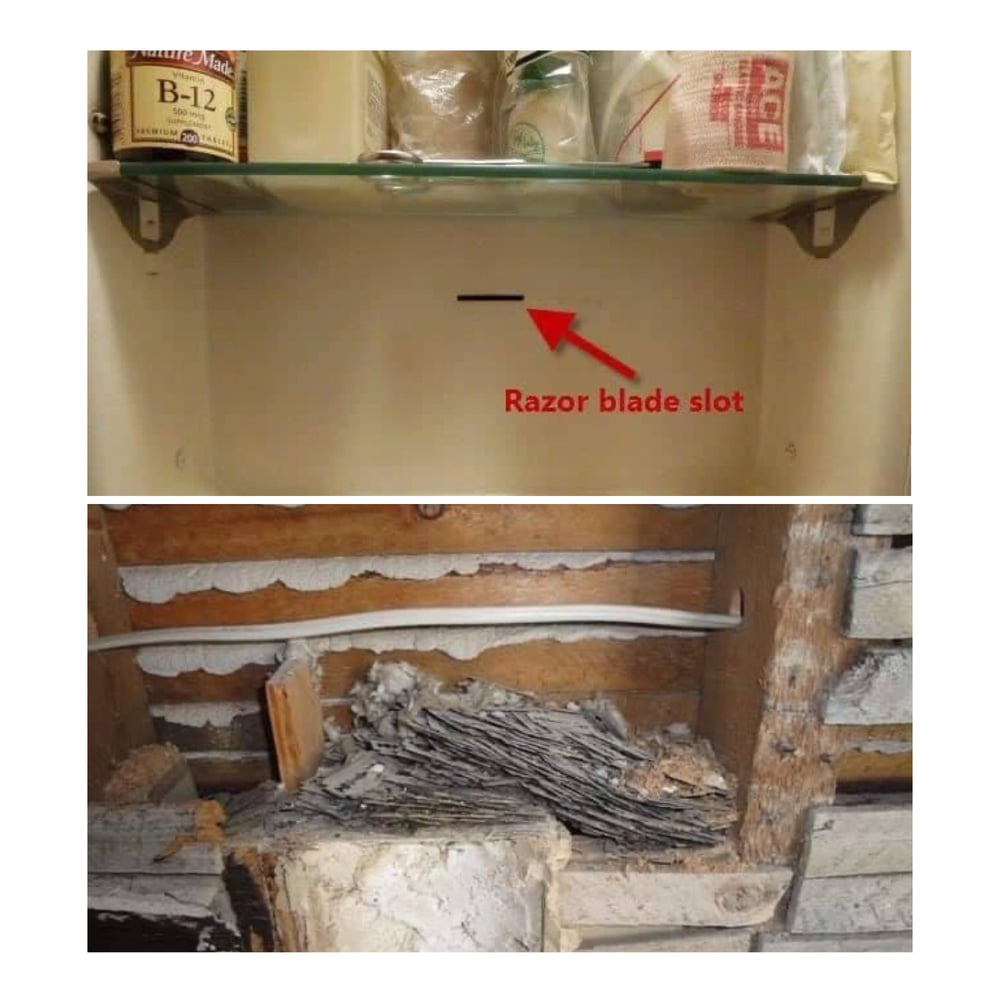
Have you ever noticed a tiny slit inside an old medicine cabinet and wondered why it was there? Most people assume it’s decorative or meant for ventilation, but it had a much sharper purpose. Used razor blades were slipped through the opening, where they safely fell into the empty wall cavity behind the cabinet. It sounds strange today, doesn’t it? Yet before disposable razors became common, it was considered a practical solution that millions of people never questioned.
Sign up for our newsletter
9. Non-Electric Stovetop Toaster
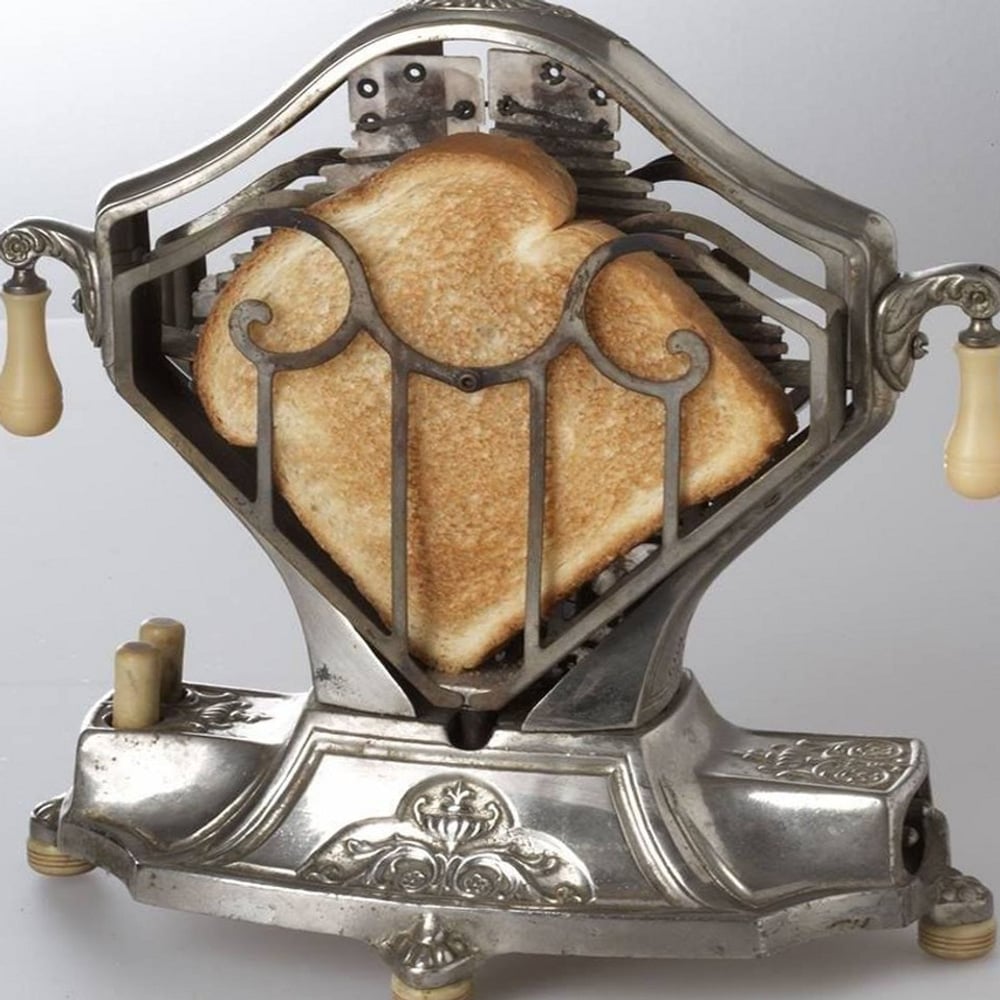
Can you imagine making toast without plugging anything in? This unusual wire gadget sat directly over a stove burner, holding slices of bread while the heat toasted them from below. It may look like a camping rack or a decorative stand today, but before electric toasters became common, it was part of many morning routines. Breakfast took a little more attention back then, but somehow people still managed to avoid burning the toast… most of the time.
10. Universal Food Chopper
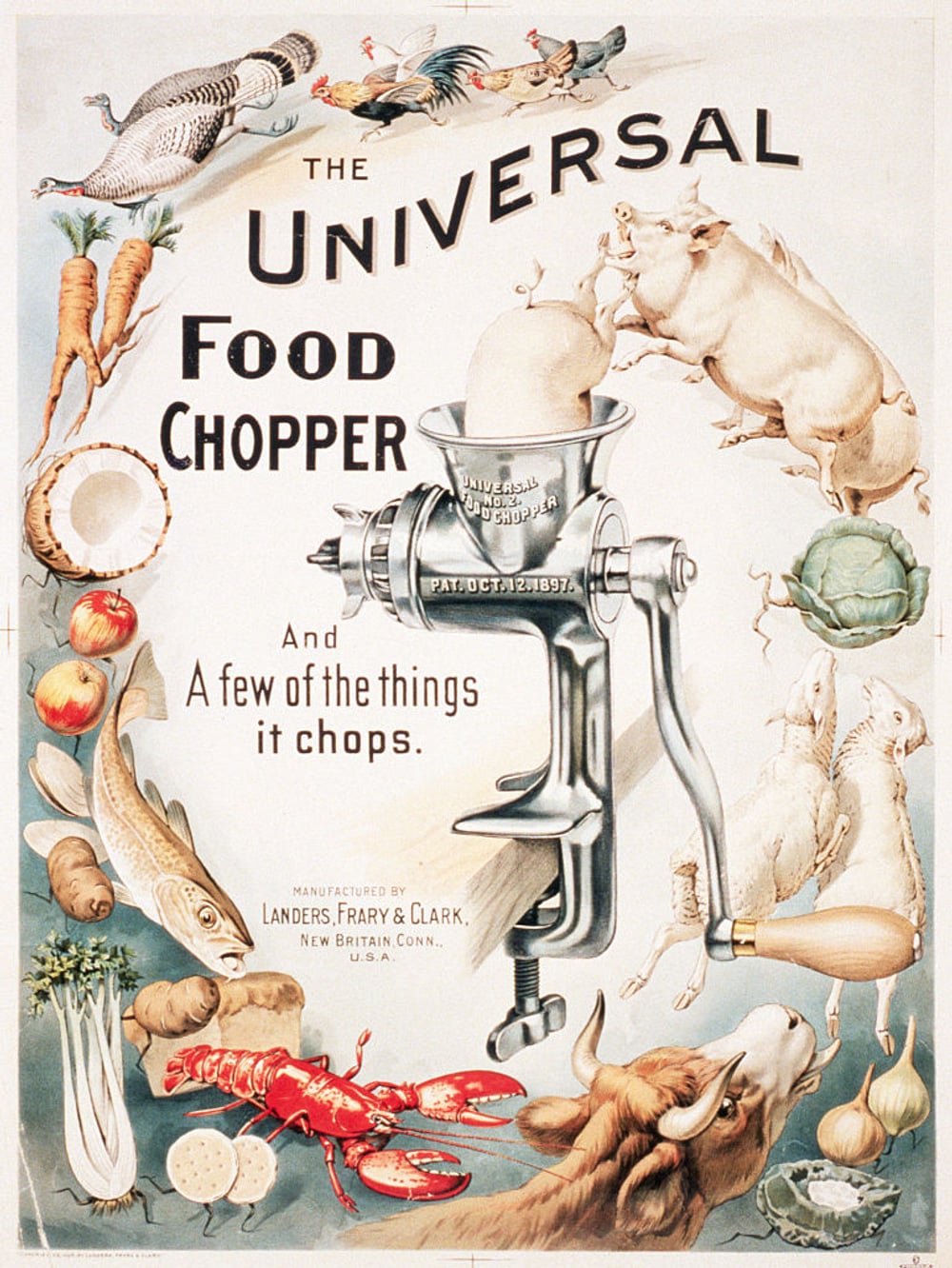
If you found this heavy metal tool in your grandparents’ kitchen, what would you think it was? Some people mistake it for a vise or a plumbing part, but it was actually a hand-cranked food chopper. Clamped to the edge of a table, it could grind meat, chop vegetables, and prepare ingredients with nothing more than a turn of the handle. Pretty impressive for a tool with no electricity. It reminds us that clever design often mattered more than complicated technology.
11. Washboard
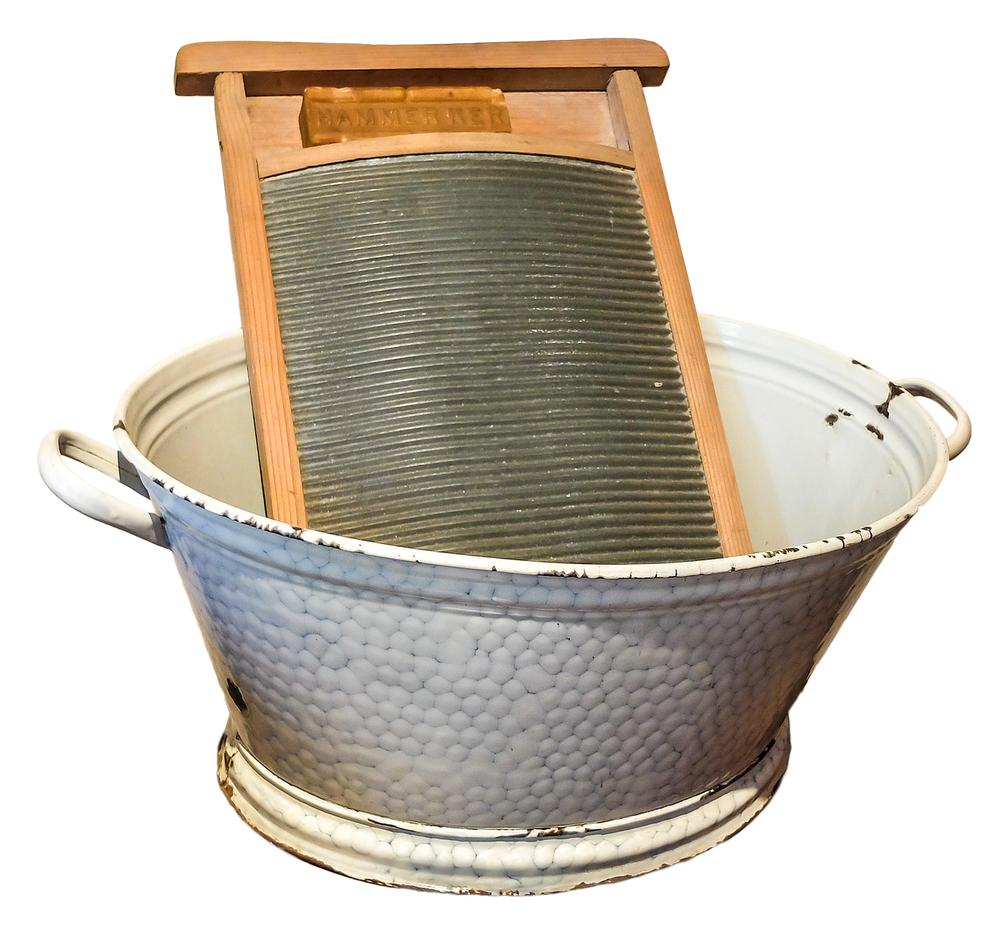
Would you know what this rigid board was made for? Many younger people recognize it as a musical instrument, but long before it appeared in bands, it was an essential laundry tool. Clothes were scrubbed against its corrugated surface with soap and water to remove dirt by hand. Can you imagine washing an entire family’s clothes this way? It’s enough to make today’s washing machine feel like a luxury.
12. Wringer Washing Machine
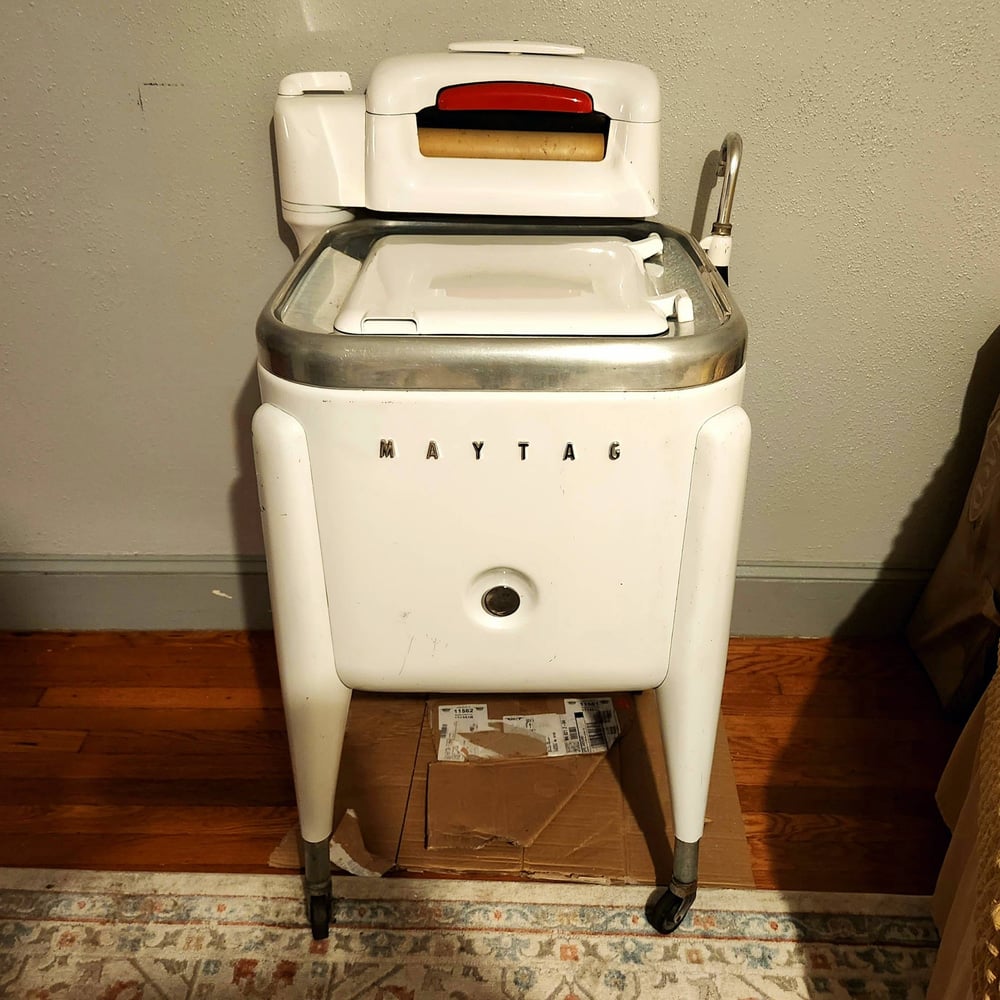
At first glance, those rollers on top make this machine look more like a pasta maker than a washing machine. Their real job was to squeeze water out of freshly washed clothes before they were hung outside to dry. It certainly saved time, but using one required patience and a little caution. Hard to believe laundry day once involved so many extra steps, isn’t it? Modern washers have spoiled us in the best possible way.
13. Laundry Sprinkler Bottle
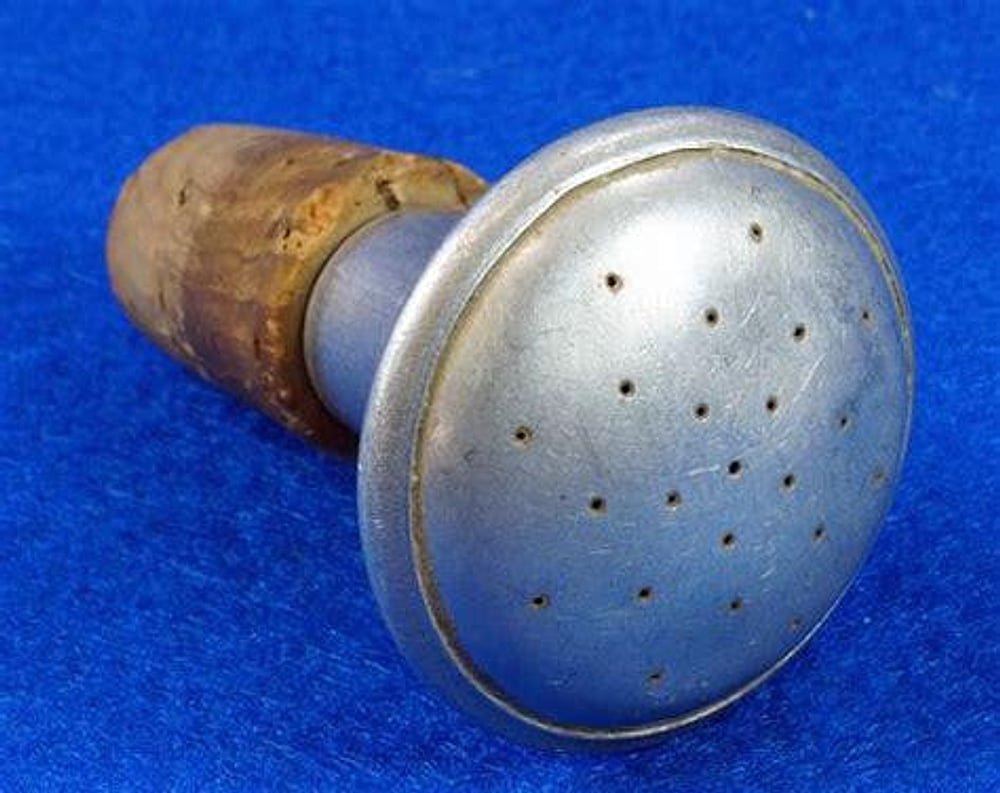
Would you ever guess this old glass bottle was part of doing the laundry? It wasn’t meant for drinking at all. Fitted with a special perforated cap, it sprinkled water over dry clothes before ironing, making wrinkles much easier to remove. A quick spray replaced the need to completely rewash garments. Pretty clever for something so simple, don’t you think? Today, steam irons do the job with the push of a button.
14. Sad Iron with Removable Handle
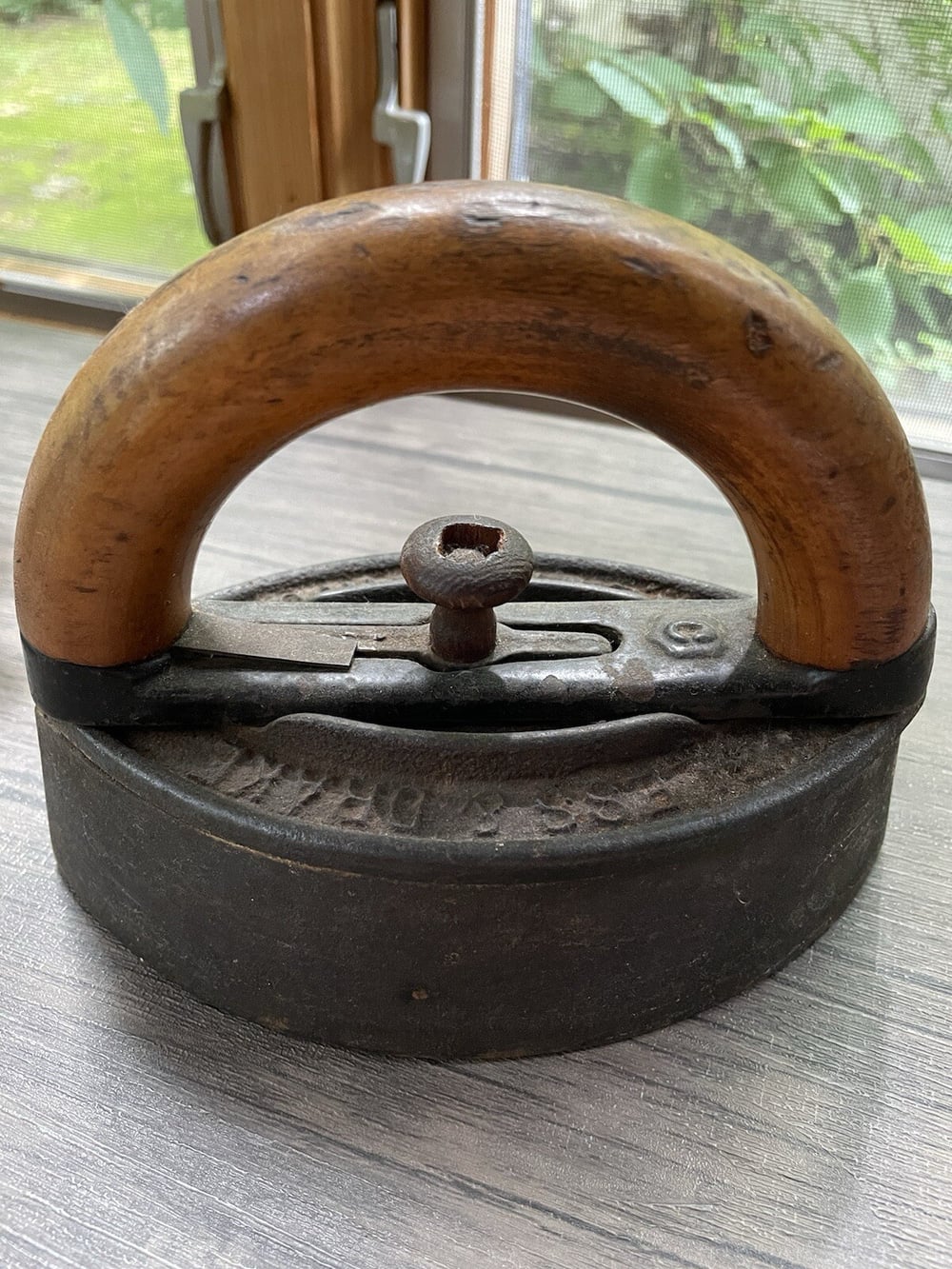
This heavy piece of cast iron looks more like a doorstop than something you’d press your clothes with. Before electric irons, people heated solid iron bases directly on the stove, then attached a removable wooden handle so they could iron without burning themselves. Many households kept several iron bases heating at once, swapping them as they cooled. It’s amazing how much planning once went into a chore most of us finish in minutes today.
15. Carpet Beater
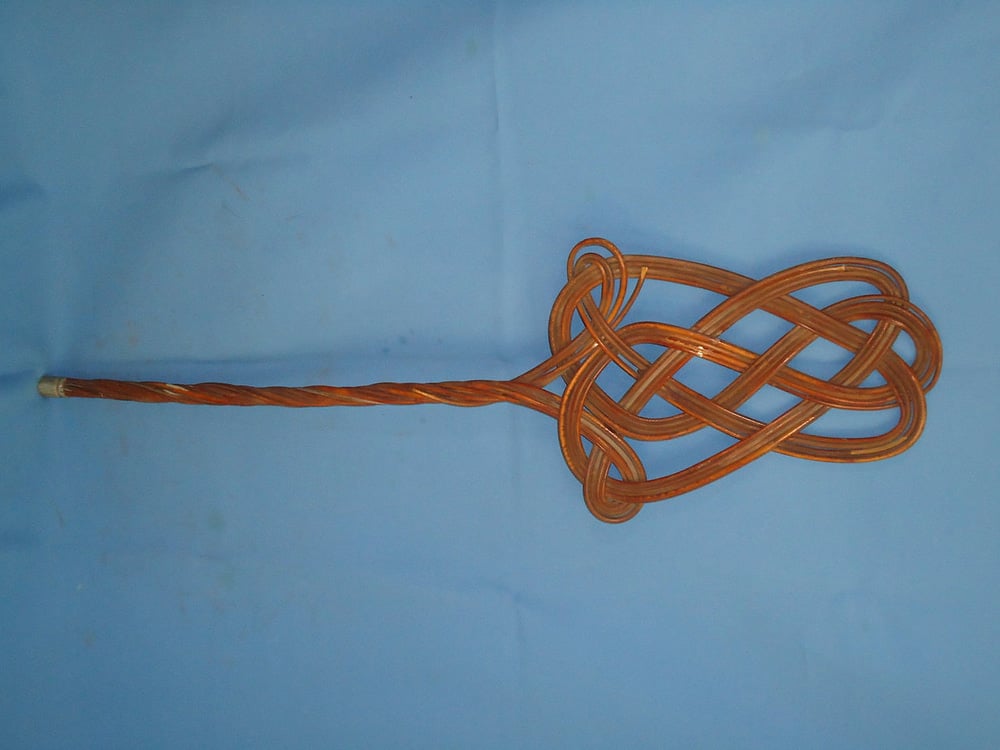
If you found this hanging in someone’s garage, would you think it was a giant flyswatter? You’re not alone. This flexible tool was actually used to clean rugs by hanging them outdoors and beating the dust out by hand. It wasn’t the quietest chore in the neighborhood, but it worked surprisingly well before vacuum cleaners became common. Sometimes cleaning the house was also a pretty decent workout.
16. Manual Carpet Sweeper
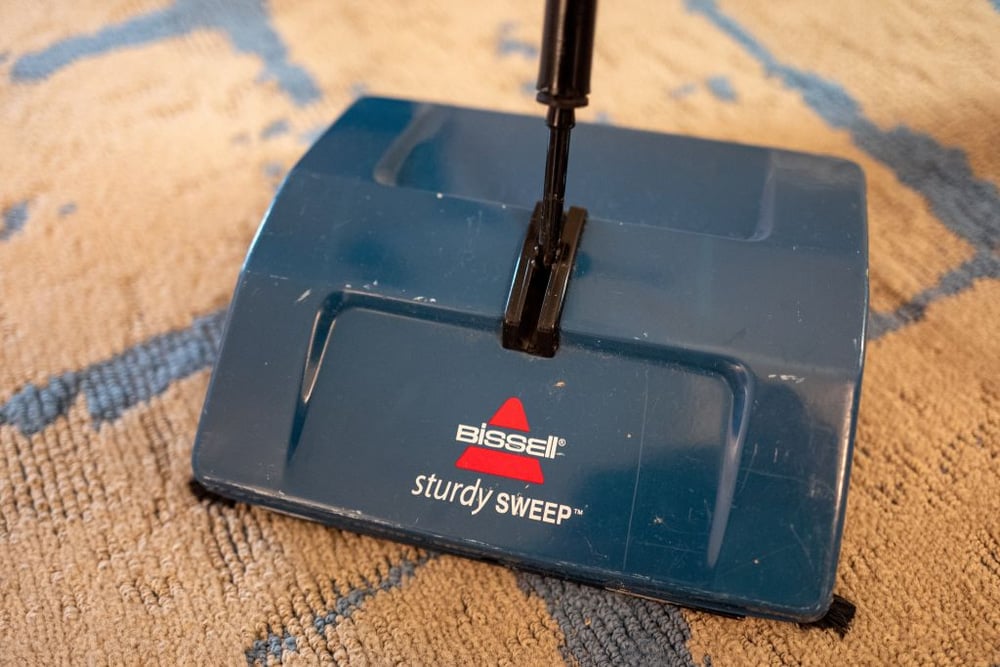
Would you mistake this for a tiny vacuum cleaner? That’s exactly what most people do. A manual carpet sweeper used rotating brushes instead of electricity to collect dust and crumbs as you pushed it across the floor. No cords, no batteries, and no noisy motor. Pretty impressive for such a simple design. They’re still made today, but they’ve become uncommon enough that many younger people have never seen one in action.
17. Coal Scuttle
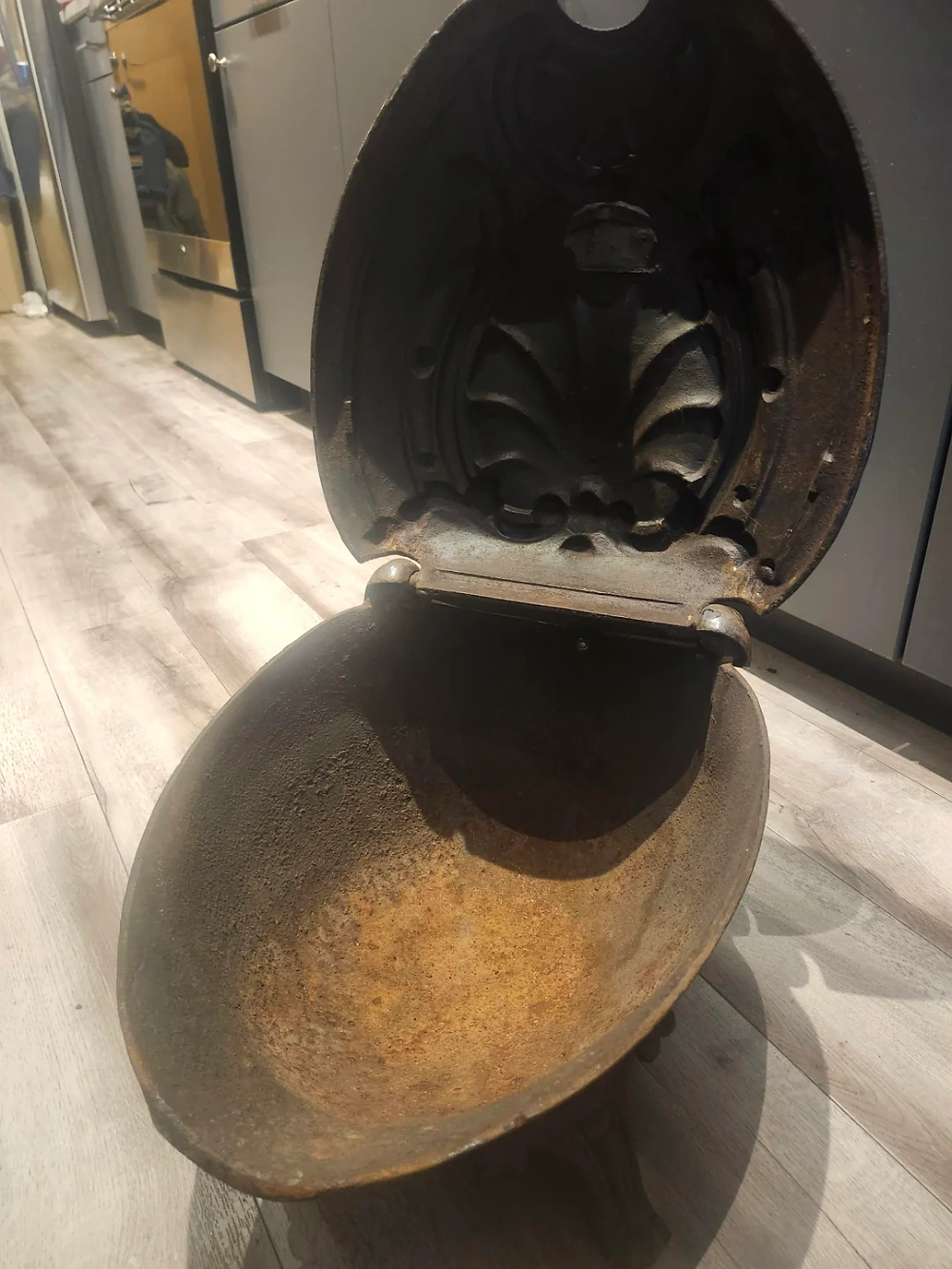
At first glance, this elegant metal container looks like an umbrella stand or decorative planter. Surprisingly, it was neither. A coal scuttle held a supply of coal next to a fireplace or stove, making it easy to keep the fire burning throughout the day. Can you imagine carrying fuel into your living room every morning just to heat your home? It’s a reminder of how much daily life revolved around keeping a fire alive.
18. Wood-Stove Lid Lifter
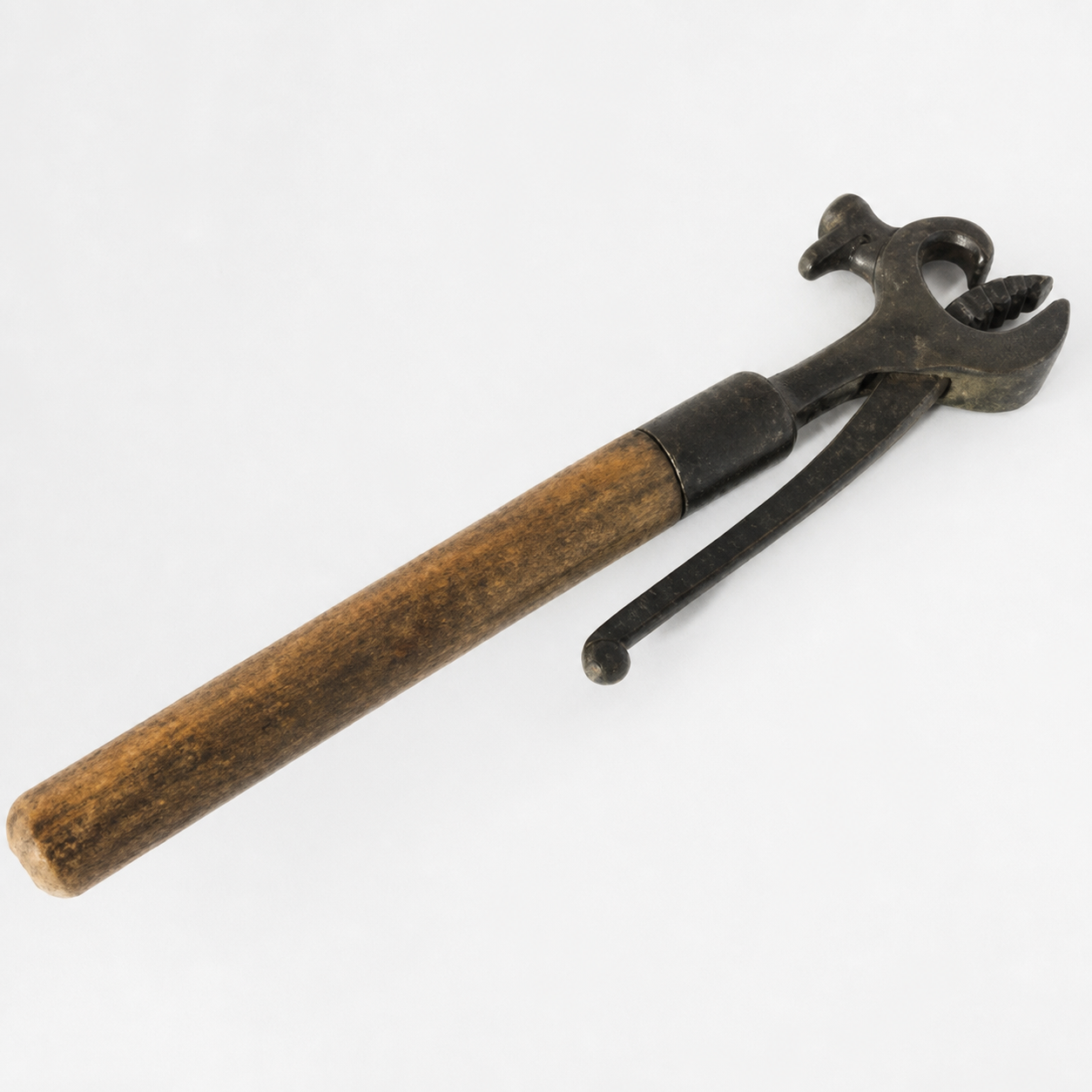
Would you have any idea what this oddly shaped metal tool was for? Many people think it’s an old wrench or fireplace accessory, but it had a very specific job. A wood-stove lid lifter allowed cooks to safely remove the hot cast-iron plates covering a stove so they could add wood or adjust the heat underneath. Simple, but absolutely essential. It’s funny how a tool that once belonged in countless kitchens now looks like a complete mystery to most of us.
Looking back, these forgotten household items aren’t just interesting because they look unusual. They’re reminders of how quickly everyday life can change. Objects that once solved ordinary problems eventually disappeared as new technology made them unnecessary, leaving behind little clues about how previous generations cooked, cleaned, stayed organized, and connected with one another. Which of these surprised you the most? And more importantly, how many did you recognize before reading the answers?
Keep Exploring The Scroller
The most fascinating pieces of history aren’t always found in museums. Sometimes they’re hiding inside ordinary homes, everyday routines, and the forgotten objects people once used without a second thought. Keep exploring The Scroller for more photo collections and stories that uncover the remarkable history behind everyday life:
15 Ancient Inventions So Advanced They Still Raise Questions Today
14 Vintage Finds That Turn Up In Thrift Stores Again And Again
14 Jobs That Used Tools Most People Would Not Recognize Today