Before automobiles dominated the roads, getting people and goods around required an enormous, unusual, and largely forgotten workforce. Maintaining a transportation system powered by millions of living animals meant cities needed an army of specialized drivers, craftsmen, stable hands, and street cleaners just to keep things moving.
As cars, trucks, and motor buses steadily replaced horses during the early 20th century, entire occupations vanished from everyday life. Some of these jobs sound almost unbelievable today, while others required highly specialized skills that are no longer needed. Not every profession disappeared completely. Several survived in specialized agricultural or equestrian industries, and a few clever businesses evolved to serve the new motorized world.
1. Manure mongers collected horse waste for a living
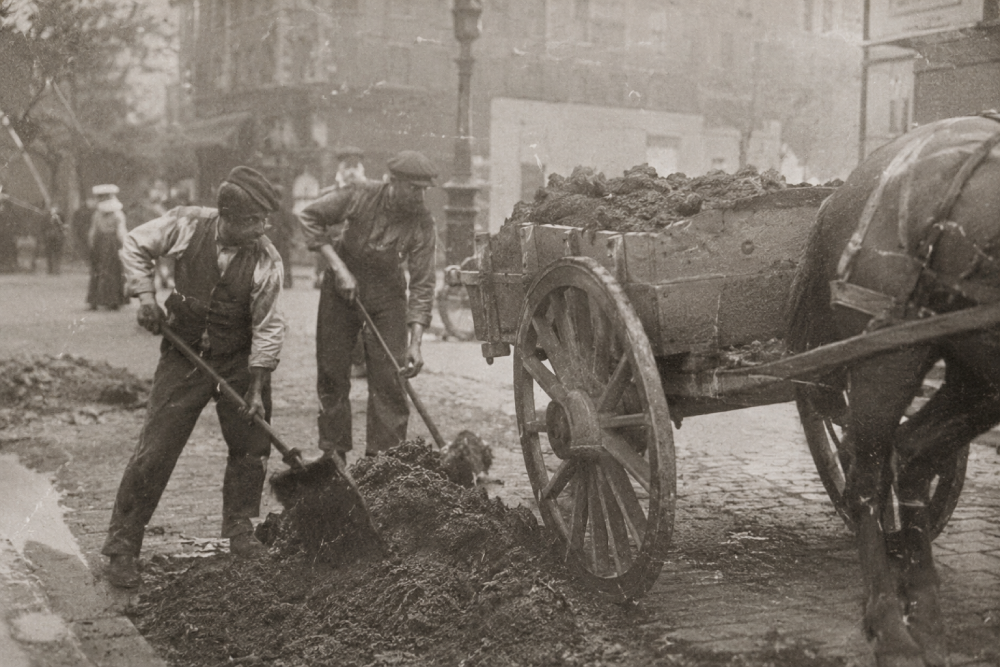
Before cars filled American streets, thousands of tons of horse manure presented a constant, overwhelming urban problem. In places like Chicago, the city actually employed a system of underground manure vaults. Specialized workers known as manure mongers made their living emptying these massive vaults and carting away the contents. As motor vehicles finally replaced working horses, cities no longer needed such extensive horse-waste collection operations, although ordinary sanitation work obviously continued.
2. Hostlers worked as the mechanics of the horse-drawn world
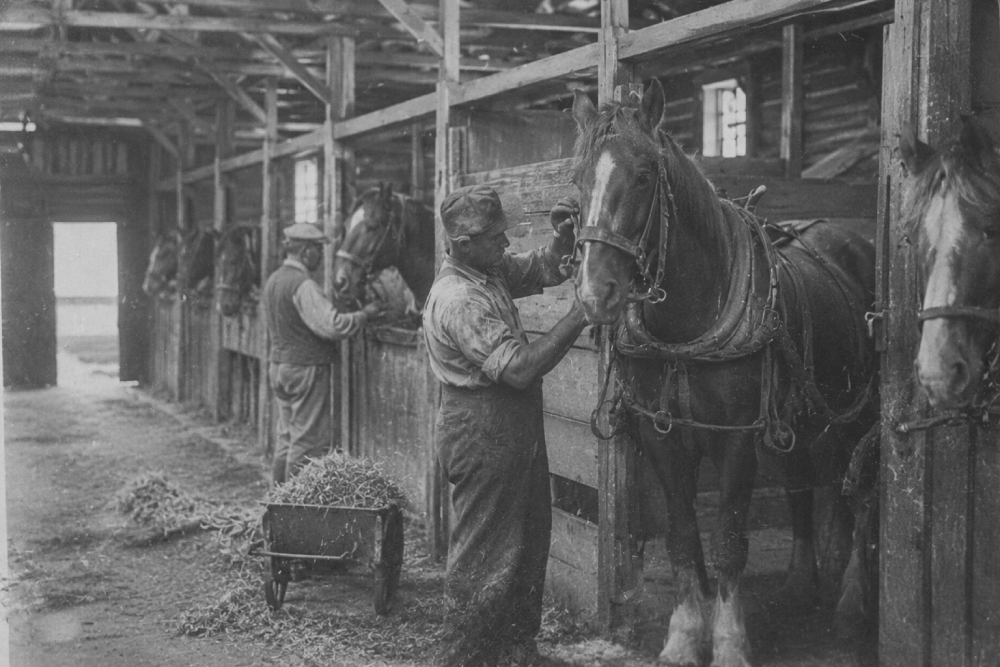
A hostler was essentially the mechanic of the horse-drawn era. Their job involved caring for the animals that powered transportation, which meant constant feeding, grooming, watering, and preparing horses for exhausting work. Large transportation businesses relied heavily on stable workers to keep their animals healthy and ready for repeated daily journeys. As automobiles and trucks replaced horses, conventional garages and mechanical workshops gradually took over the vital transportation-support roles once performed in massive stables.
3. Wheelwrights built the wheels that kept carriages moving
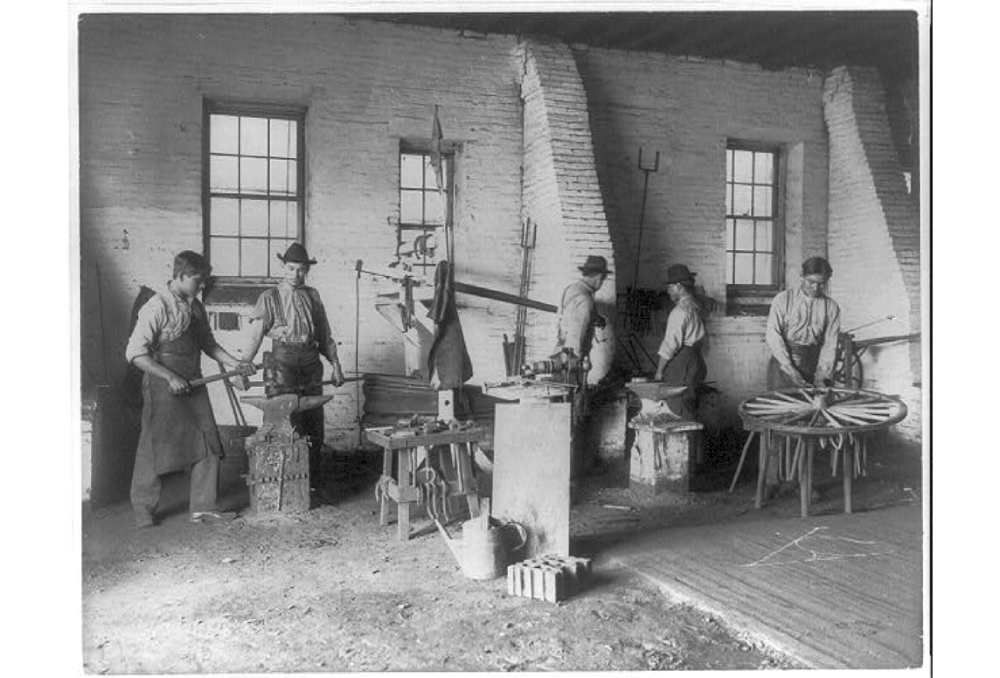
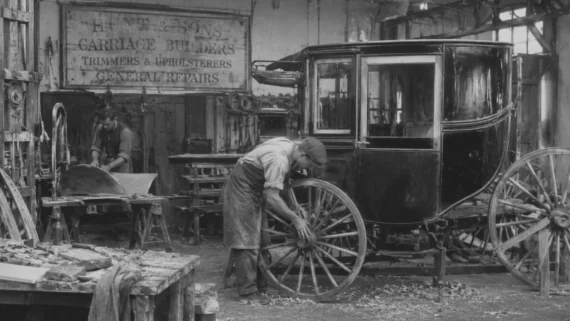
Wheelwrights were highly skilled craftsmen who manufactured and repaired wooden wheels for horse-drawn carts, delivery wagons, and luxury carriages. Their demanding work required precise shaping and assembly of heavy wooden components, which were often combined with iron tires fitted securely around the finished wheel. The rise of motor vehicles and new pneumatic tire technologies greatly reduced the demand for traditional wheelwright skills. Historical business directories from Manchester show a massive, noticeable decline in practicing wheelwrights between 1911 and 1931.
4. Livery stable keepers ran the rental-car businesses of their day
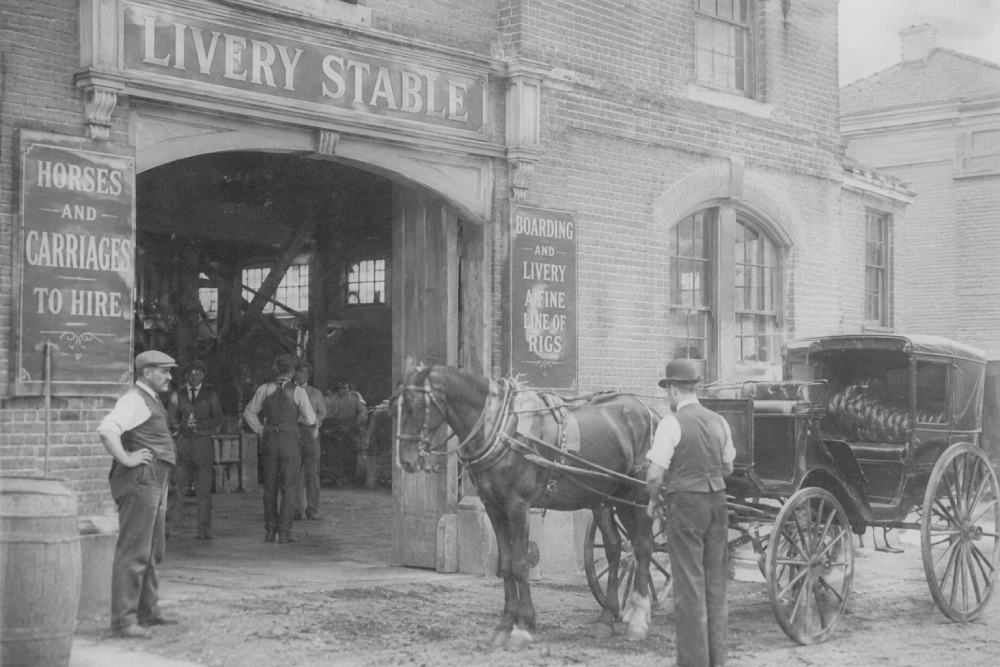
Before anyone could walk up to a modern car rental counter, travelers hired horses and carriages from livery stables. The proprietors maintained horses, rented out vehicles, supervised large staffs, and arranged transportation for customers who did not own their own carriage. Britain’s historical occupational dictionary identifies highly specialized businesses that specifically rented horses for short periods or supplied carriages for single journeys. Motor taxis and automobile rental services eventually absorbed this entire industry.
5. Horse collar makers crafted custom equipment for working animals
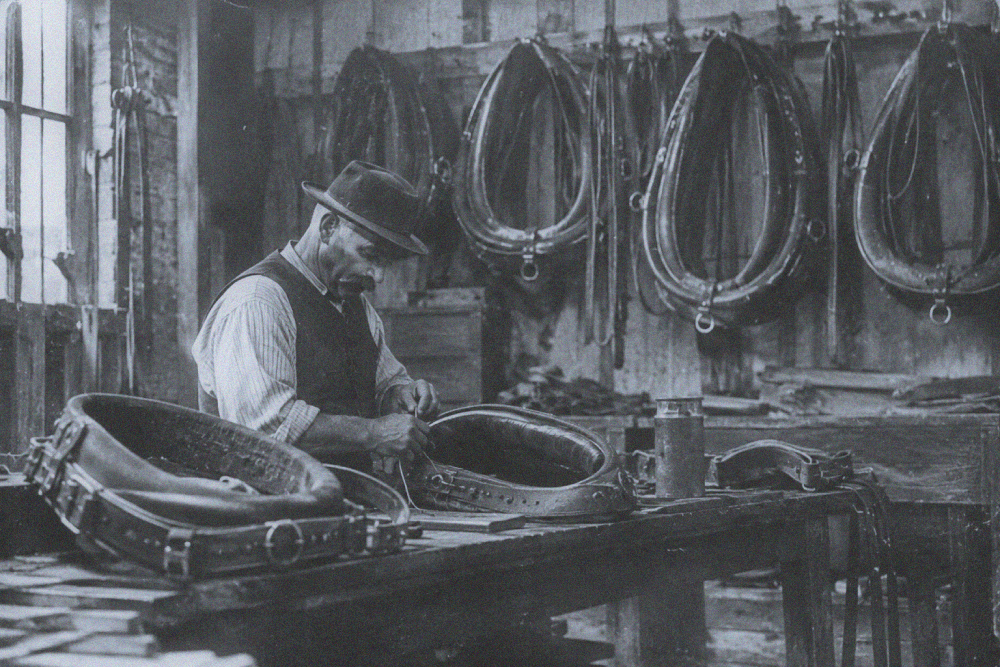
A horse collar was a critical piece of engineering, not just a decorative accessory. It helped properly distribute the massive force of pulling a heavy freight wagon across the animal’s shoulders, making exact construction essential. Specialized collar makers meticulously cut and shaped leather, stuffed the heavy collars with straw or hair, and completed much of the stitching entirely by hand. As motorized trucks replaced horse-drawn freight transportation, the market for these everyday working collars declined sharply.
Trending on The Scroller


6. Coachmen drove wealthy families before chauffeurs existed
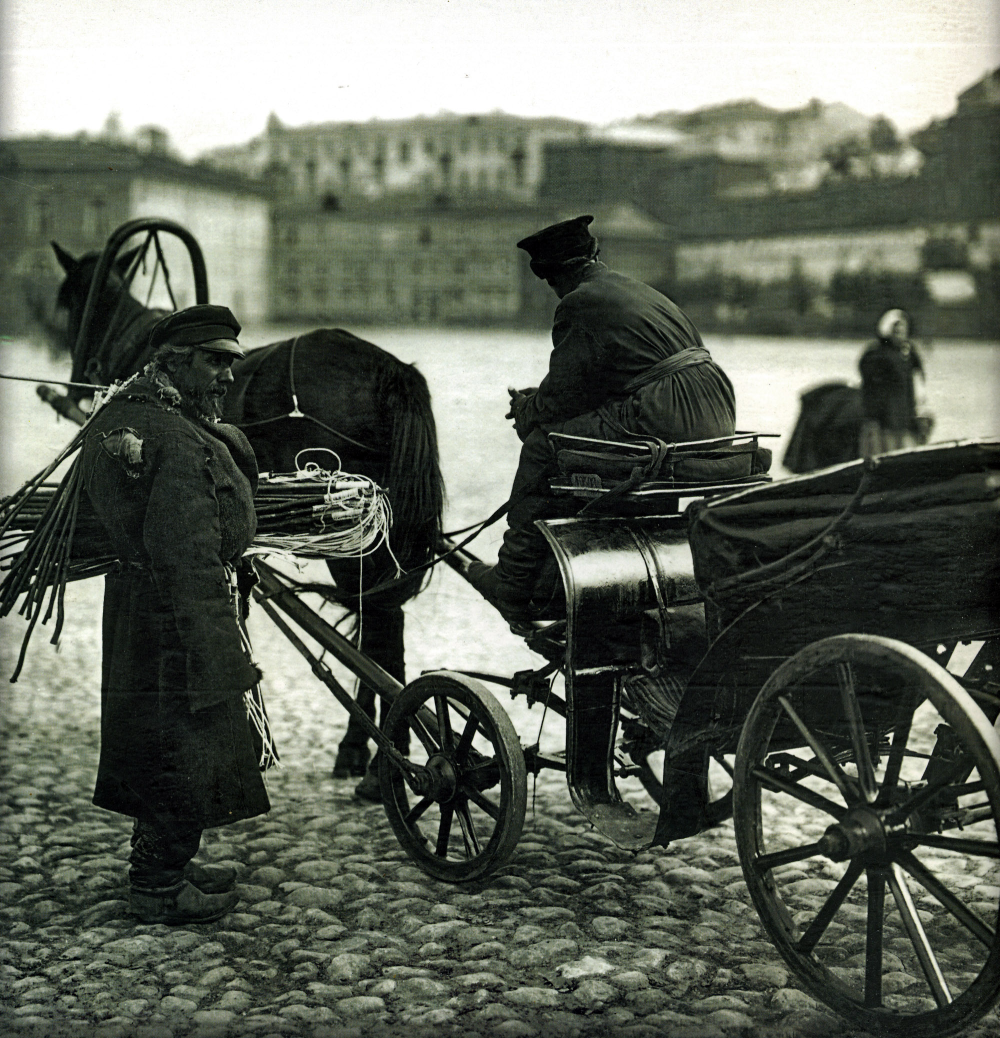
For affluent households, a coachman functioned as a private driver, strictly responsible for transporting the family in a horse-drawn carriage. The transition to automobiles was surprisingly gradual for these workers. According to research published by the Science Museum Group, England and Wales still employed an astonishing 67,228 coachmen and grooms in 1911, even as the number of hired chauffeurs steadily increased. Many wealthy households simply retained their horse-related staff while slowly experimenting with early automobiles.
7. Carriage painters specialized in beautifully finished vehicles
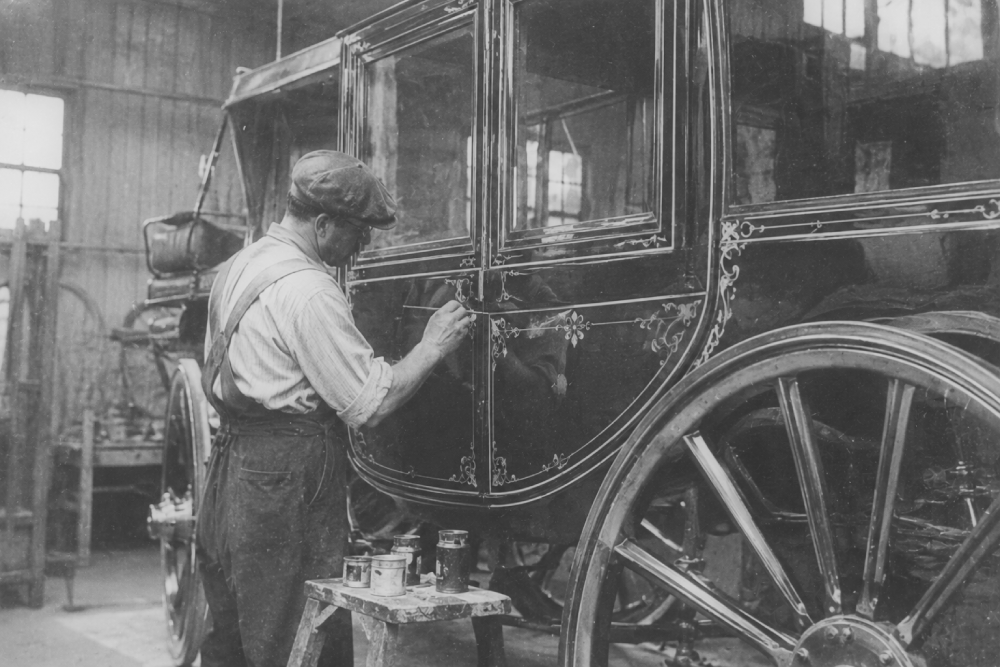
Before automated factory paint jobs became standard in the automotive industry, luxury carriages were beautifully finished by skilled painters using multiple hand-applied coats of paint and heavy varnish. Some specialists expertly matched exterior colors to the carriage’s custom upholstery, while others painted delicate ornamental lines using exceptionally fine brushes. The 1921 British occupational dictionary lists several distinct carriage-painting specialties. Although some craftsmen successfully transitioned into automobile finishing, traditional carriage painting became a tiny niche trade.
8. Draymen hauled heavy goods through city streets
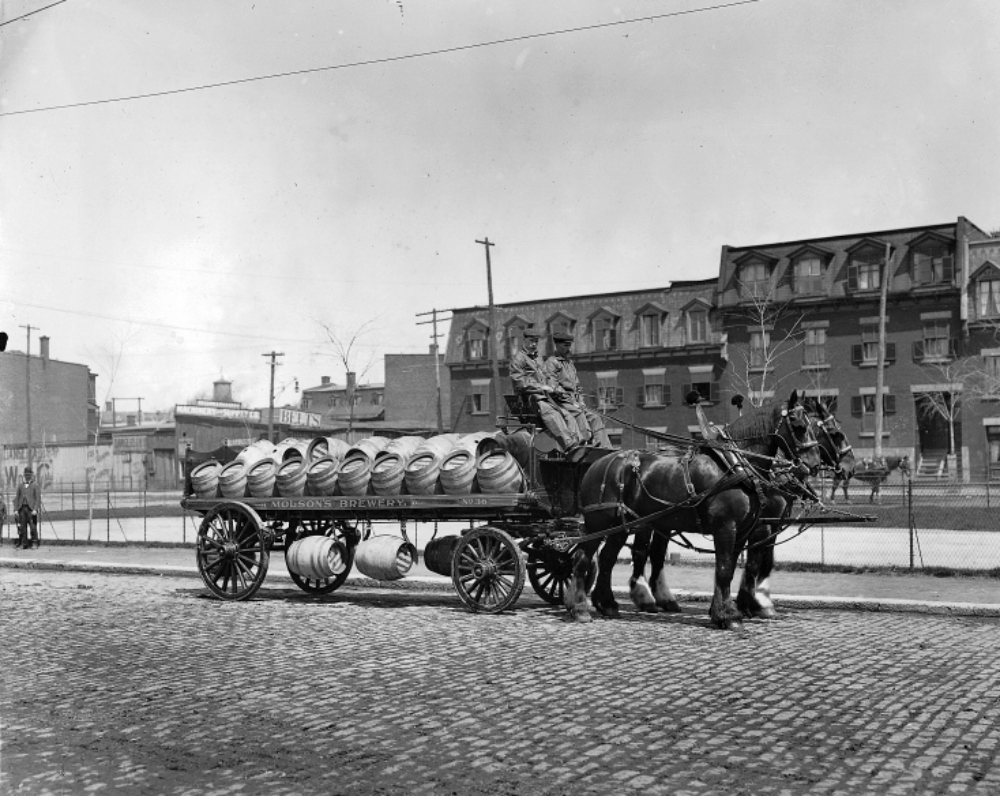
A drayman drove a low, heavy, flat horse-drawn vehicle specifically designed to transport incredibly heavy or bulky goods, including massive beer barrels and large stone blocks. These essential workers were heavily relied upon by breweries, merchants, and warehouses before motorized delivery trucks became practical. The occupation was so well-established that historical records list regional names such as rolley man and wherryman. Motor trucks eventually took over the punishing transportation work once performed by draymen.
Sign up for our newsletter
9. Farriers kept thousands of transportation horses properly shod
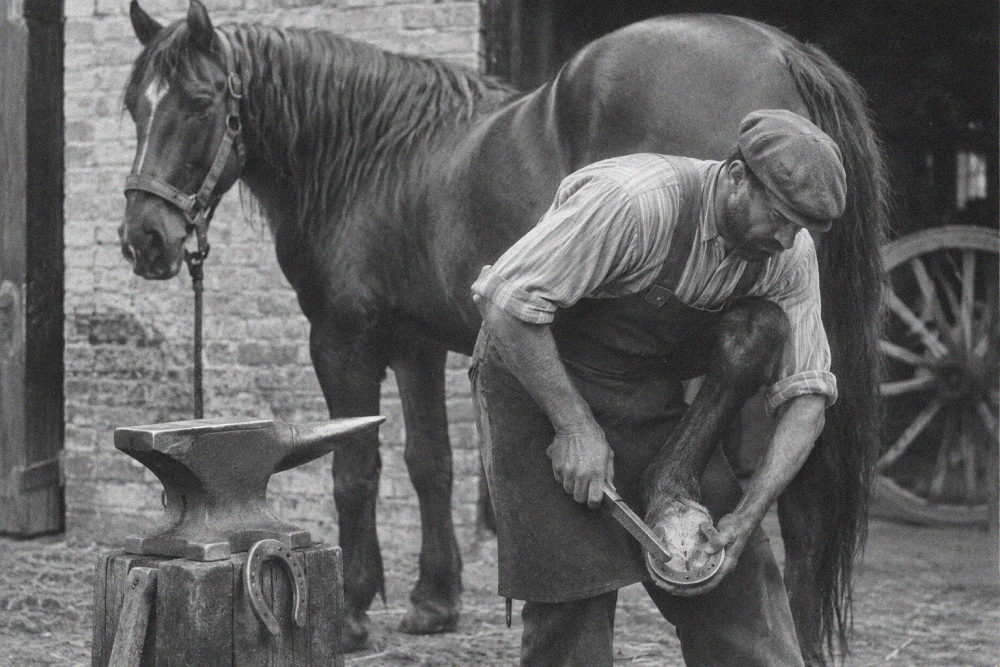
A century ago, farriers were absolutely essential to keeping everyday city transportation moving. These specialists trimmed horses’ hooves, properly fitted iron shoes, and frequently forged customized shoes using a hot forge, hammer, and anvil. The enormous number of urban working horses created a massive, steady market for their daily services. Farriers still work with horses today, but the complete disappearance of horses from ordinary road transportation dramatically reduced their economic importance to major cities.
10. Posting masters supplied fresh horses for long journeys
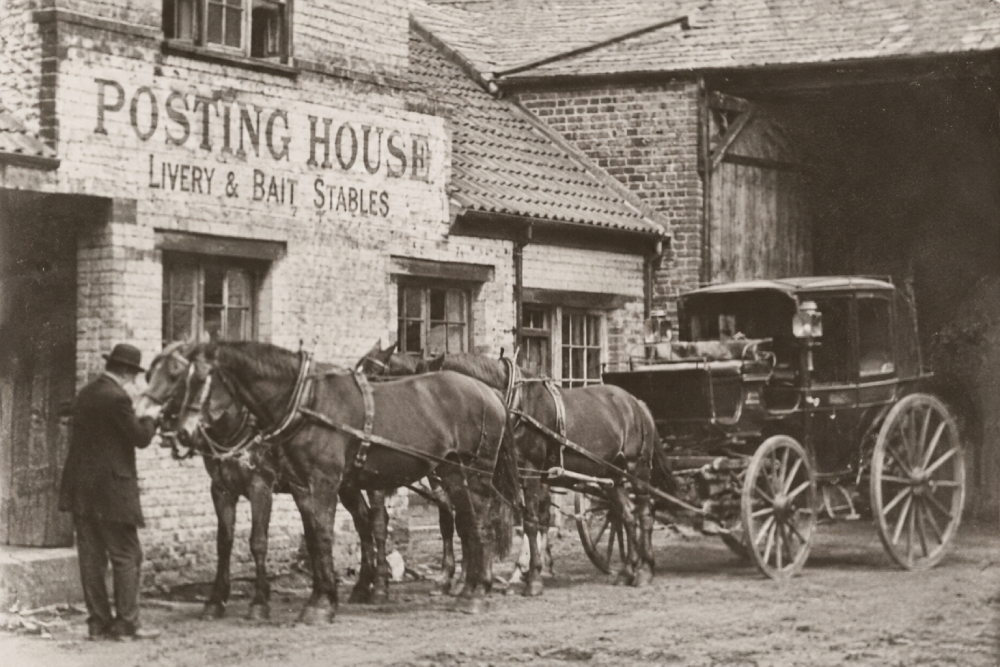
Before automobiles made independent long-distance road travel much easier, travelers depended heavily on businesses that supplied fresh horses and carriages for journeys between distant towns. Posting masters successfully operated establishments that rented out rested horses and vehicles, particularly in places that lacked convenient railway connections. Maintaining these extensive operations required considerable resources. As motorized transportation expanded its reach, the traditional posting business lost much of its essential purpose.
11. Carriage makers lost an entire market to automobiles
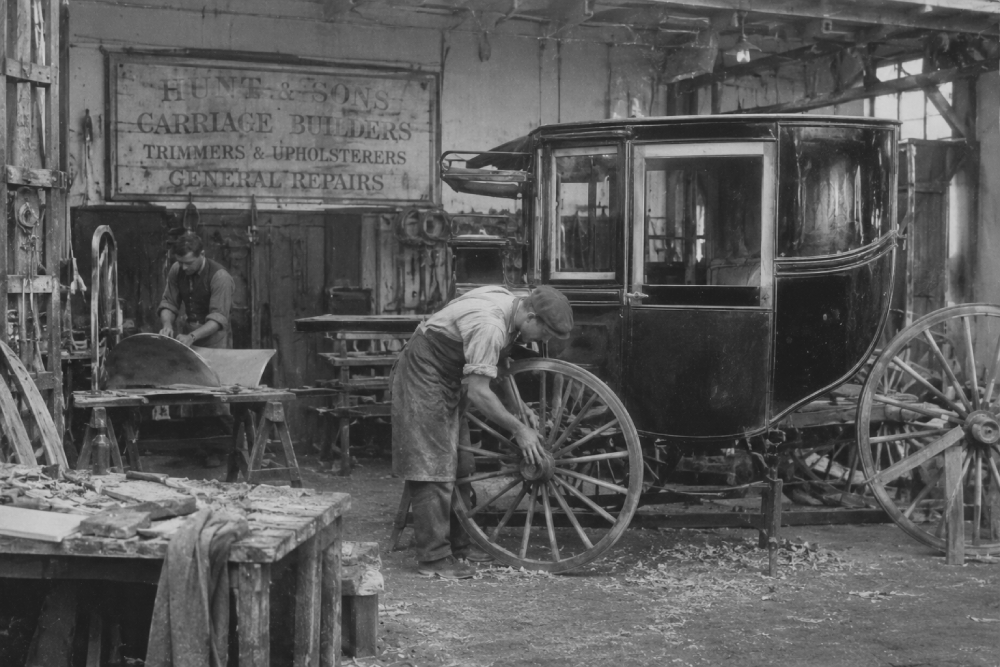
Carriage builders once designed and manufactured everything from practical delivery wagons to incredibly elaborate luxury vehicles for wealthy customers. Their massive businesses employed craftsmen highly skilled in woodworking, metalwork, upholstery, and decorative finishing. Interestingly, not all carriage makers disappeared when early automobiles arrived. Research on the Manchester firm Joseph Cockshoot & Co. shows how some established coachbuilders successfully adapted their businesses by producing custom automobile bodies and entering the new motor trade.
12. Dead-horse removal workers handled a grim transportation problem
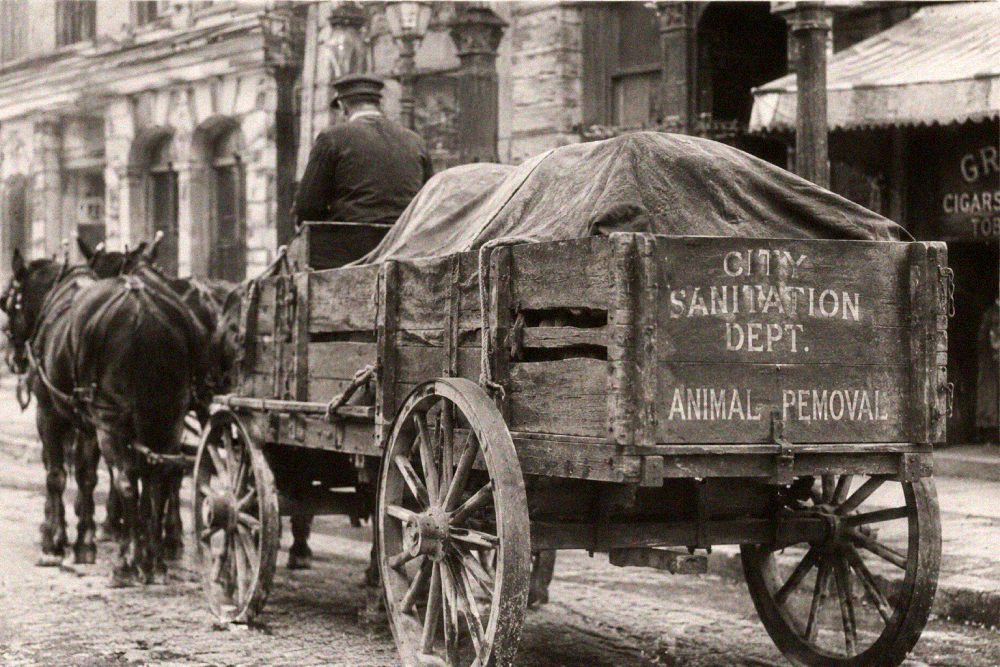
Working horses frequently collapsed and died on busy, congested streets, leaving cities with a difficult, incredibly grim disposal problem. The American Museum of Natural History reports that more than 9,000 horse carcasses were carted away in Chicago in 1916 alone. Removing massive dead animals was a major part of the unpleasant sanitation work needed to keep horse-powered cities functioning smoothly. As cars and trucks replaced urban working horses, this particular demand for animal-removal services steeply declined.
Discover more unusual jobs from the past:
The automobile revolution changed far more than how we traveled. It transformed an entire economy built around horses, completely eliminating some unusual occupations while forcing many highly skilled workers to adapt. If you want to dive into more unusual jobs and professions from the past, be sure to check out these 19 Strange Jobs From the Past That Sound Completely Made Up, or these 14 Historic Jobs Done Entirely by Hand. You can also take a look at these 14 Antique Tools from Old Jobs You Can’t Identify.