Before smartphones, automation, and machines handled almost everything for us, the world needed people to do some jobs that sound almost impossible today. Someone had to wake workers before alarm clocks were common. Someone had to light street lamps one by one. Someone had to search muddy riverbanks for objects that could be sold. These were not fictional occupations invented for a history book. They were real jobs created by the technology, habits, and problems of their time.
Of course, history loves a good strange story, and some famous “jobs” have become mixed with folklore over time. The most interesting examples are the ones that were actually documented: occupations recorded through newspapers, archives, trade records, and historical collections. These strange jobs from the past prove that every era has its own version of “wait… someone actually got paid to do that?”
1. Knocker-Upper
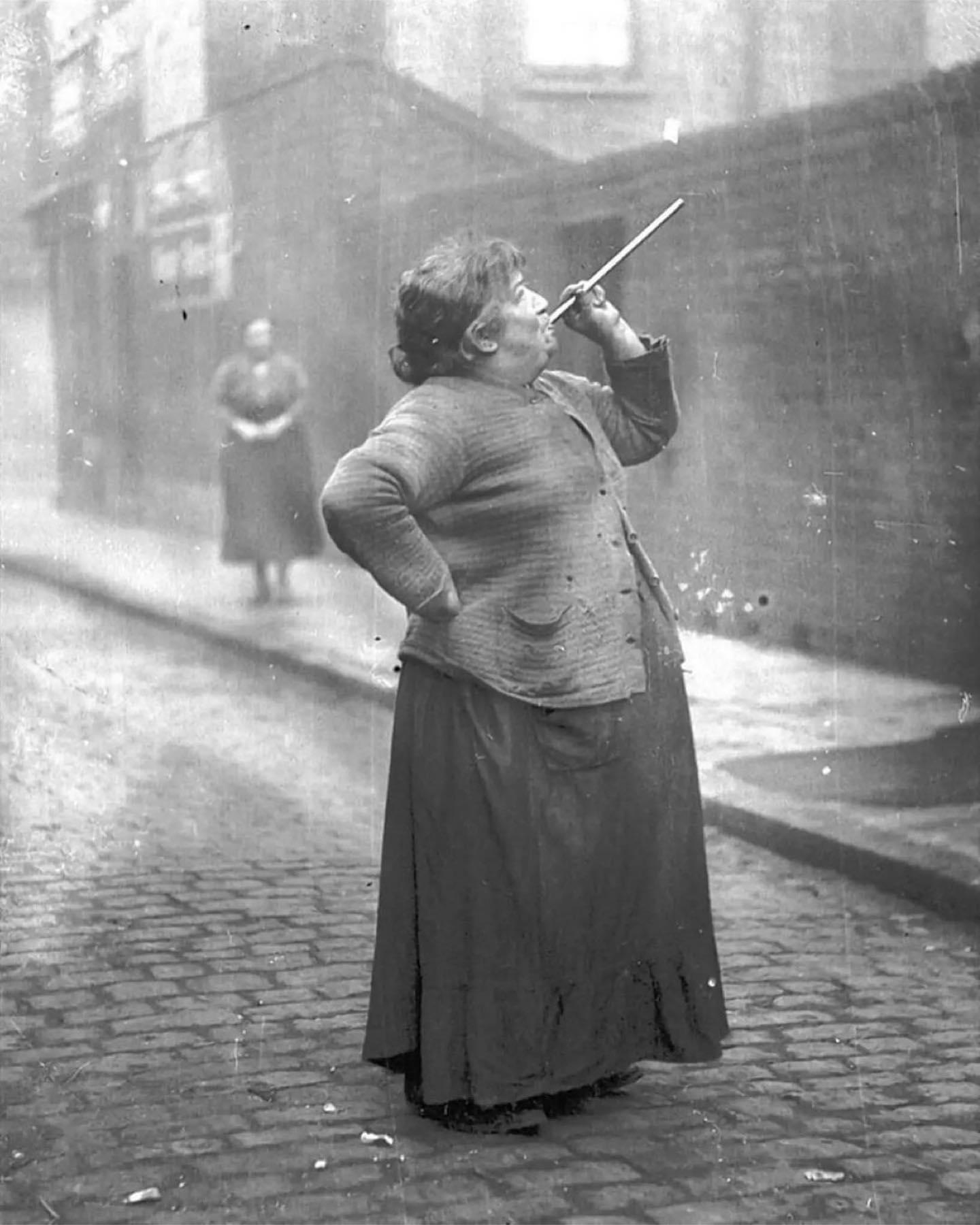
Before alarm clocks became cheap and reliable, waking up on time was apparently someone else’s responsibility. Knocker-uppers were paid to wake workers by tapping on their windows with long sticks or poles, making sure factory employees, miners, and other early risers did not oversleep. Imagine hiring a human alarm clock whose only job was to stand outside your house and knock until you answered. The funniest part? They had to be careful not to wake the entire neighborhood, because apparently even the person delivering your morning wake-up call needed a little privacy.
2. Leech Collector
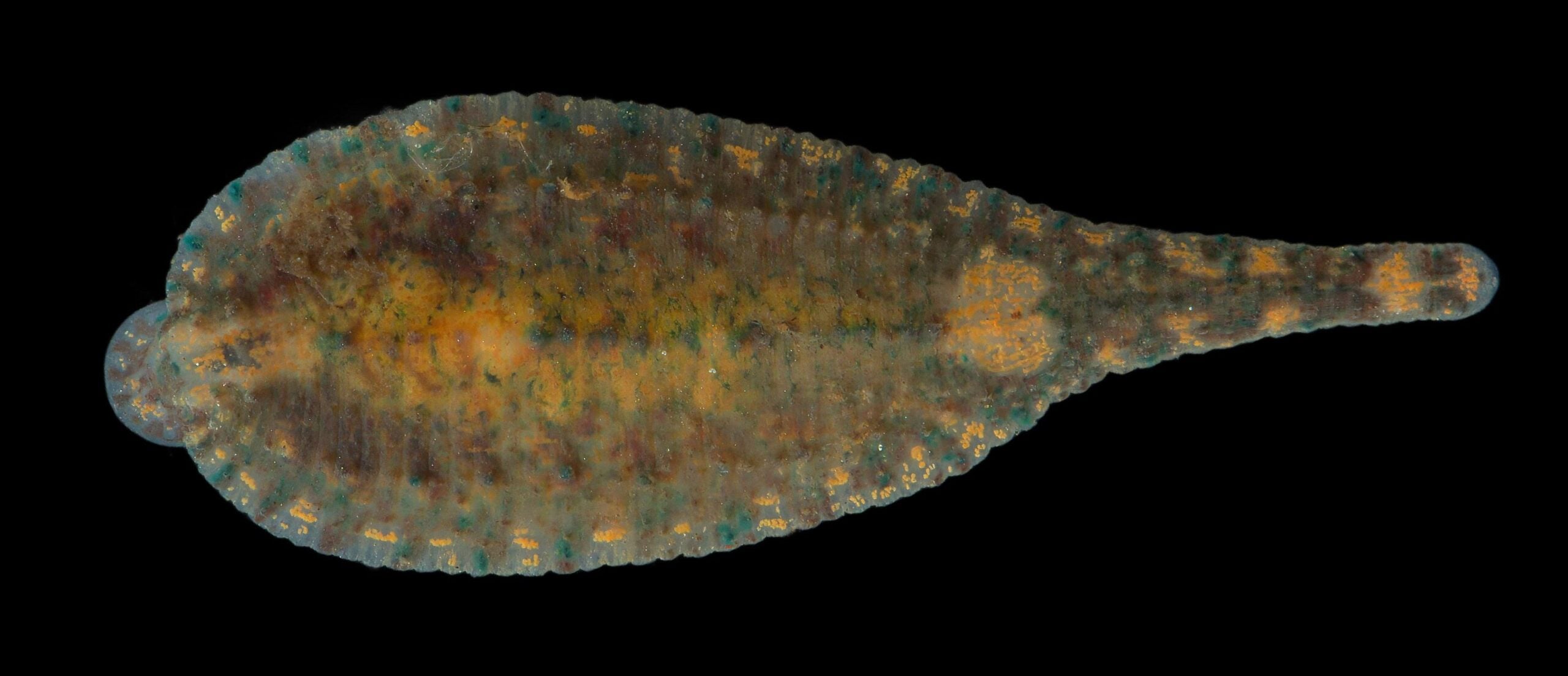
Some jobs require a strong stomach. This one required a strong stomach and a willingness to spend time with blood-sucking creatures. Leech collectors gathered medicinal leeches that were used in medical treatments for centuries. In some cases, collectors attracted leeches by allowing them to attach to their own bare legs before collecting them. Sounds like the kind of career advice nobody puts on a school poster: “Work with nature. Build confidence. Let worms bite you professionally.”
3. Gong Farmer
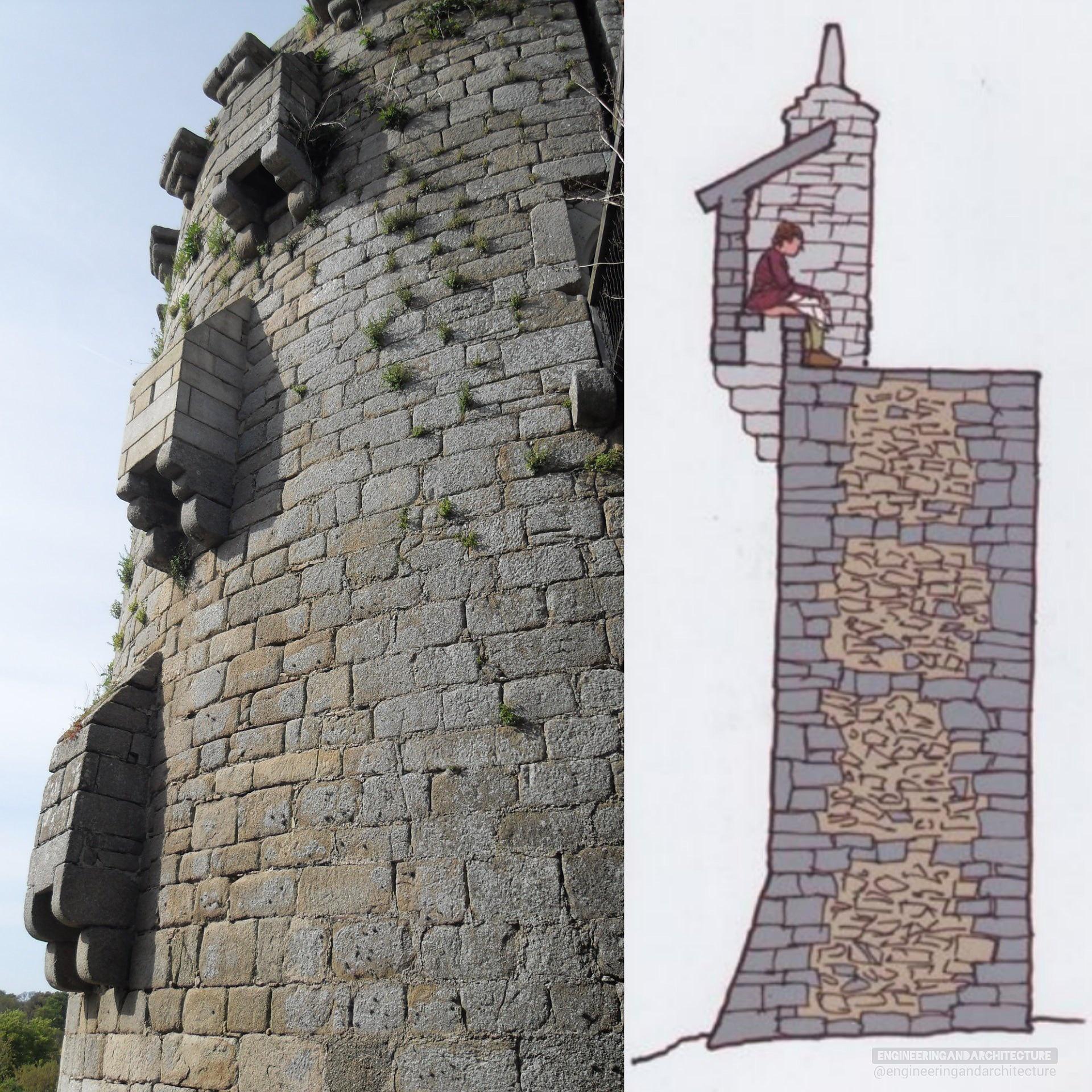
What if your entire career involved dealing with everyone else’s waste? Gong farmers were responsible for removing human waste from privies and cesspits before modern sanitation systems existed. The work was unpleasant, but extremely necessary in growing towns and cities. It is one of those jobs that makes you appreciate modern plumbing in a completely different way. Suddenly, a clogged toilet does not seem quite as dramatic.
4. Night-Soil Collector
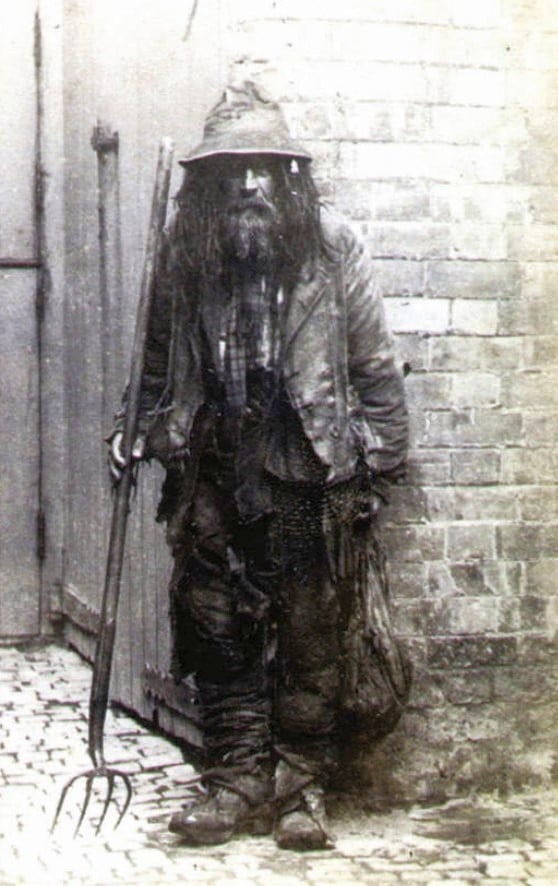
Long before waste management trucks arrived, someone had to handle a very dirty reality. Night-soil collectors transported human waste for disposal or use as fertilizer, often working at night to avoid disturbing communities. The name sounds almost poetic until you realize exactly what the job involved. History has a funny habit of giving very elegant names to very unpleasant tasks.
5. Tosher
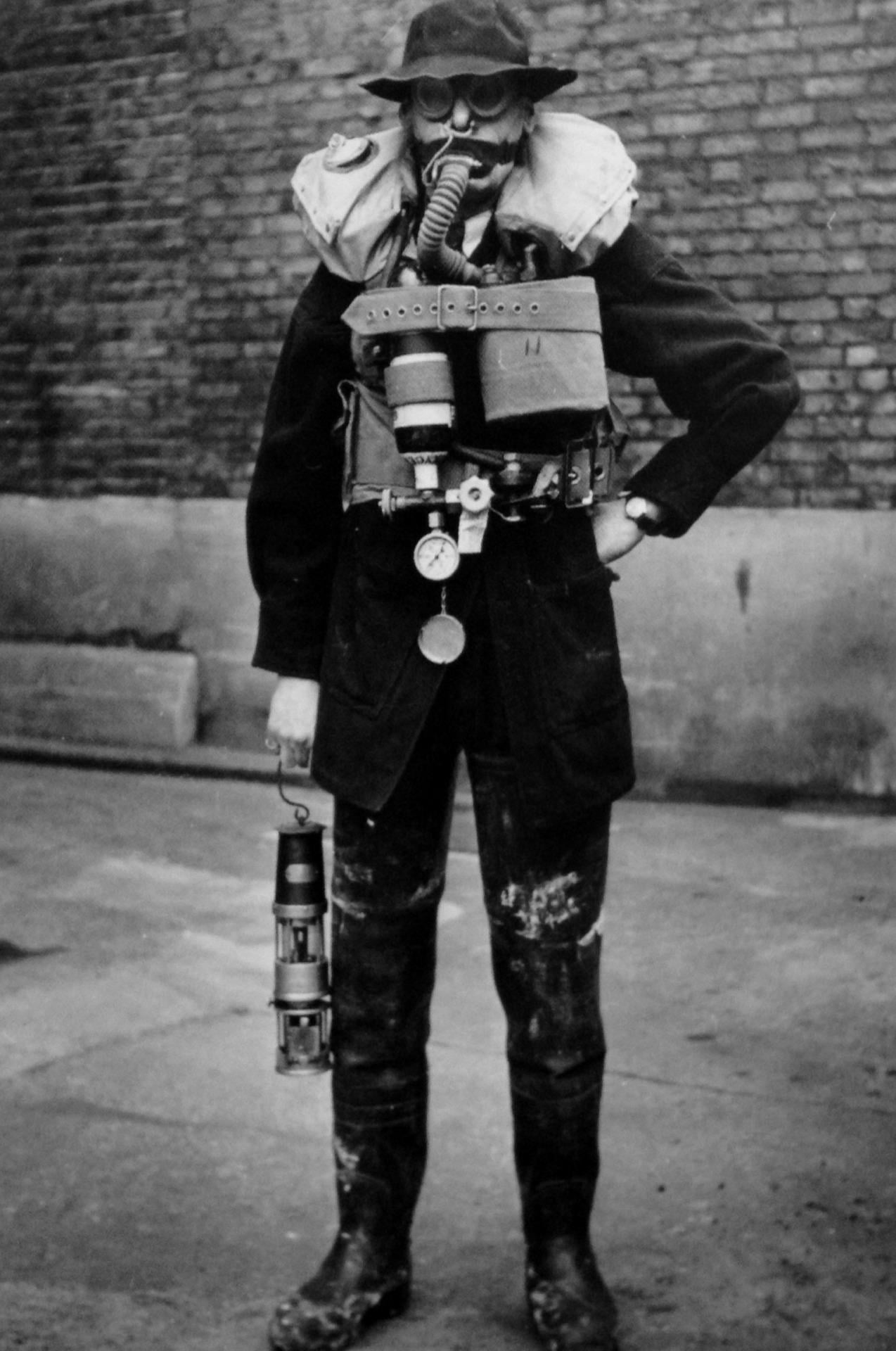
Imagine searching through a city sewer because you were hoping to find something valuable. That was the life of a tosher, a person who scavenged London’s sewers looking for lost coins, metals, and other objects that could be sold. It was dangerous, dirty work, but for some people it provided a way to earn money from the hidden leftovers of a growing city. Who knew the underground economy could be so literal?
Trending on The Scroller
6. Mudlark
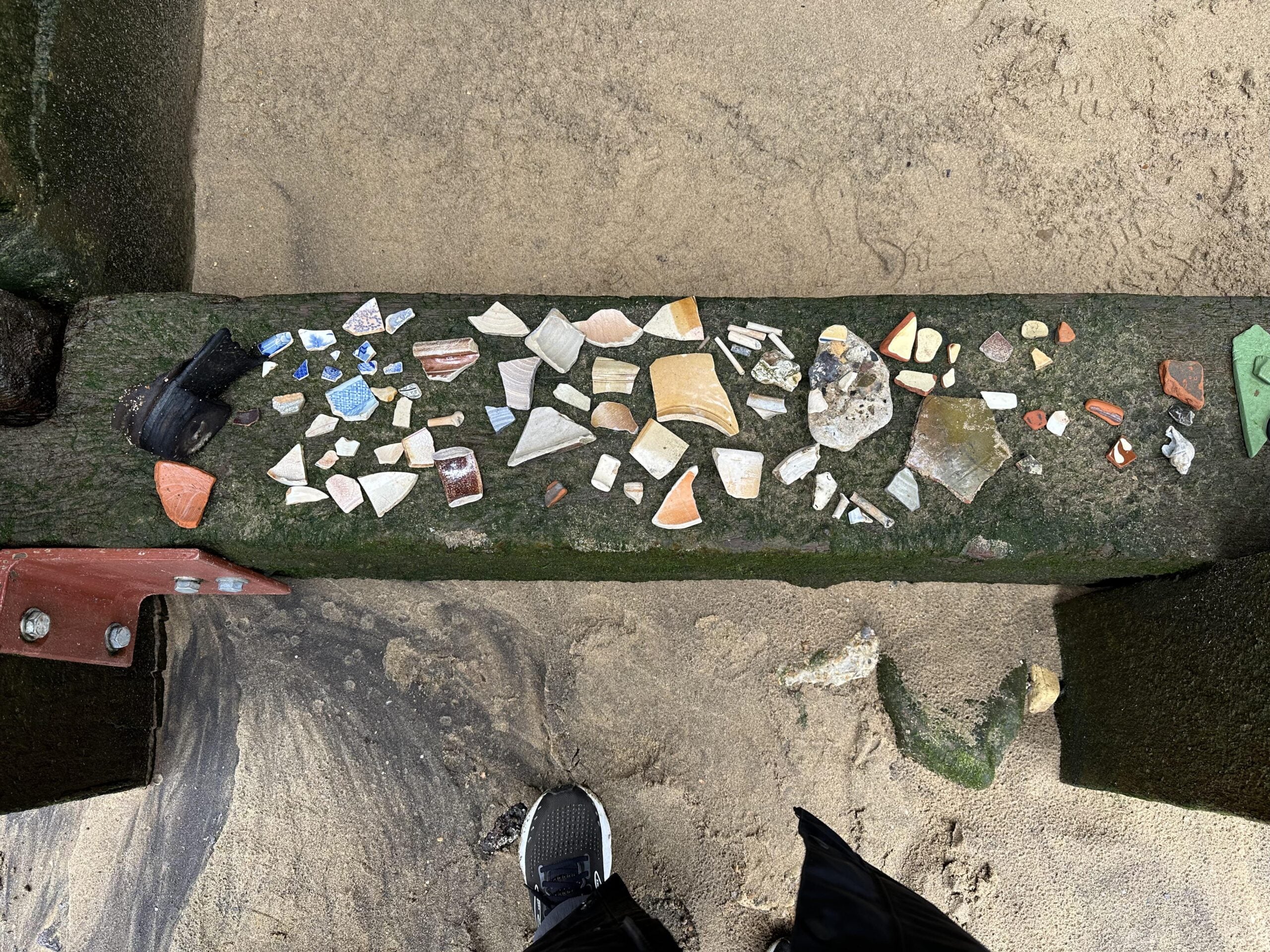
What if your job was to search through river mud hoping someone had accidentally lost something valuable? Mudlarks searched riverbanks and muddy areas, especially along the River Thames, looking for objects they could sell or reuse, including coal, rope, metal, and other discarded items. It was difficult work that depended on patience, good eyesight, and the hope that the next discovery would be worth the effort. Today, walking through mud searching for forgotten treasures sounds like a hobby. Back then, it could be a way to survive.
7. Resurrectionist
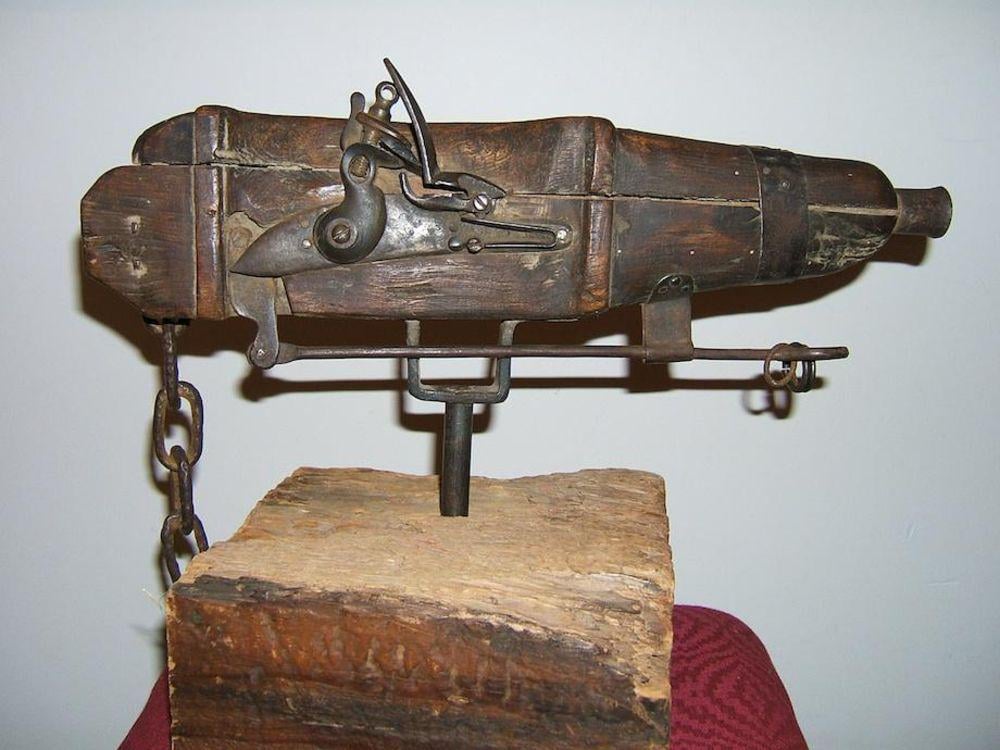
Some jobs sound like they belong in a horror movie. This one actually existed. Resurrectionists supplied human cadavers to anatomy schools during periods when medical training required bodies for study but legal access was limited. In some cases, this involved grave robbing, making the occupation one of the most controversial chapters in medical history. It is a strange reminder that every scientific breakthrough has a complicated story behind it. Would modern medicine exist without people doing things that society later found deeply uncomfortable?
8. Fuller

The clothing industry once had a job that involved stepping into the messiest parts of making fabric. Fullers cleaned and thickened wool cloth, a process that historically could involve substances like urine to help treat the material. The work was essential because it transformed rough wool into usable fabric, even if the method sounds shocking today. Fashion history is full of glamorous finished products, but someone had to handle the very unglamorous steps before the clothes reached anyone’s closet.
Sign up for our newsletter
9. Groom of the Stool
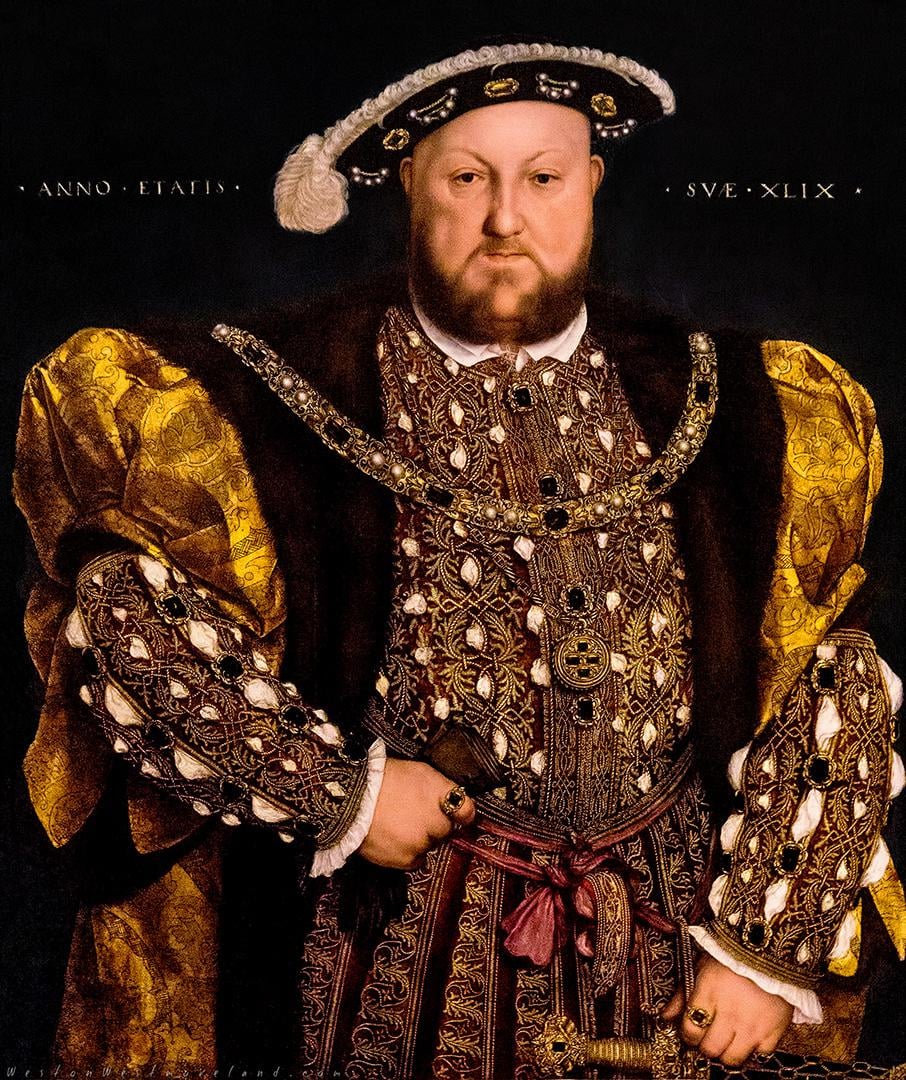
Royal jobs were not always about crowns, ceremonies, and grand speeches. The Groom of the Stool was a position in the royal household responsible for attending to the monarch’s private needs. It may sound like one of the strangest jobs imaginable, but the role could actually provide unusual access and influence because of its closeness to the king or queen. Who knew that being near the royal bathroom could become a position of power?
10. Powder Monkey
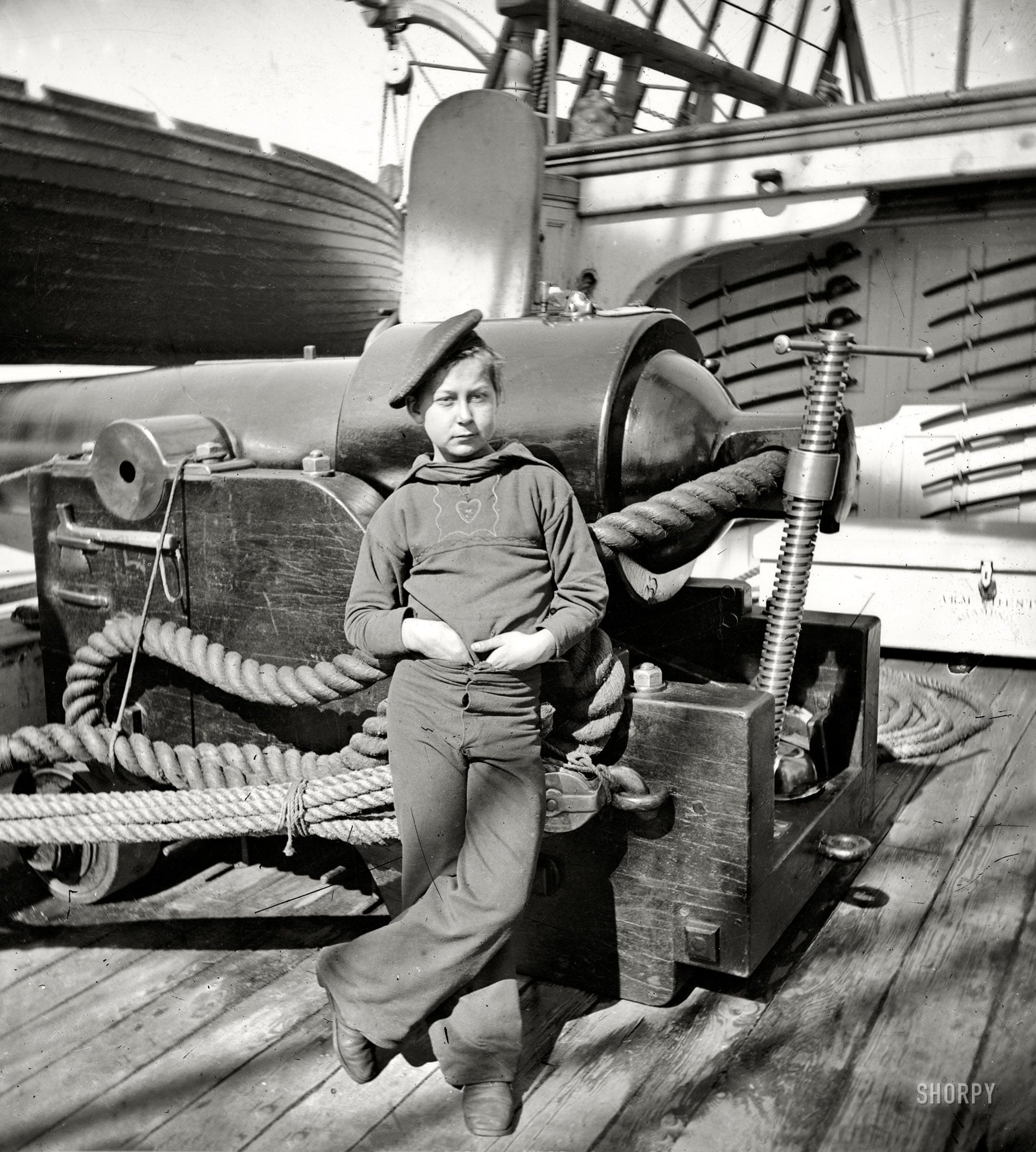
Being young was not always a reason to stay away from dangerous work. Powder monkeys were young naval workers who carried gunpowder to cannon crews during battles. Their job required speed, accuracy, and courage because delays could affect the entire operation of a ship. Today, the idea of sending young workers into the middle of a battlefield sounds unbelievable, but naval warfare once depended on people performing exactly these kinds of roles.
11. Lamplighter
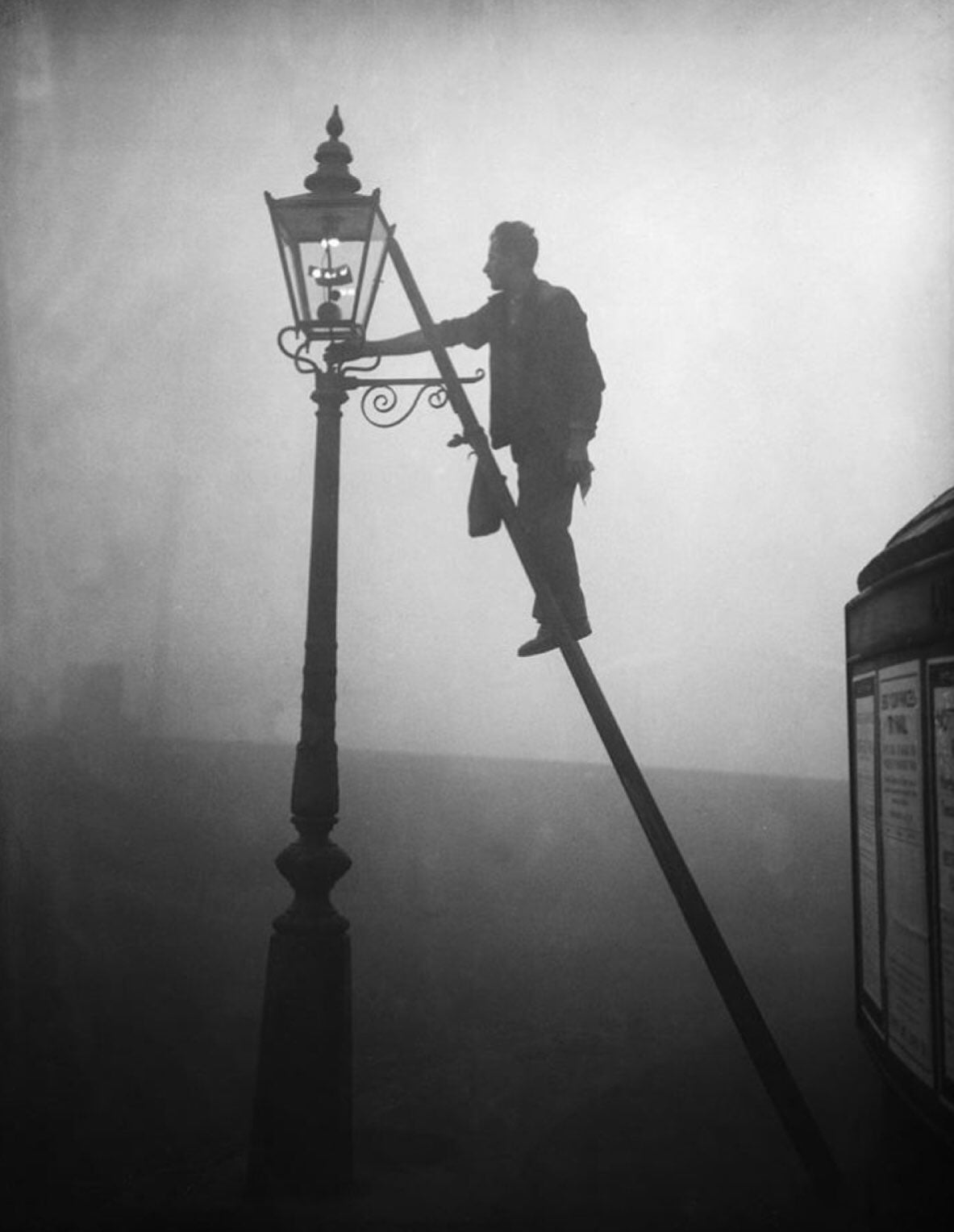
Every evening, someone had to manually turn the city back on. Lamplighters walked through streets lighting, extinguishing, and maintaining public lamps before automated systems replaced much of the work. The job required regular routes, timing, and attention because a dark street could change the entire atmosphere of a neighborhood. It sounds almost magical now: a person carrying a ladder through the evening, lighting the city one lamp at a time.
12. Town Crier
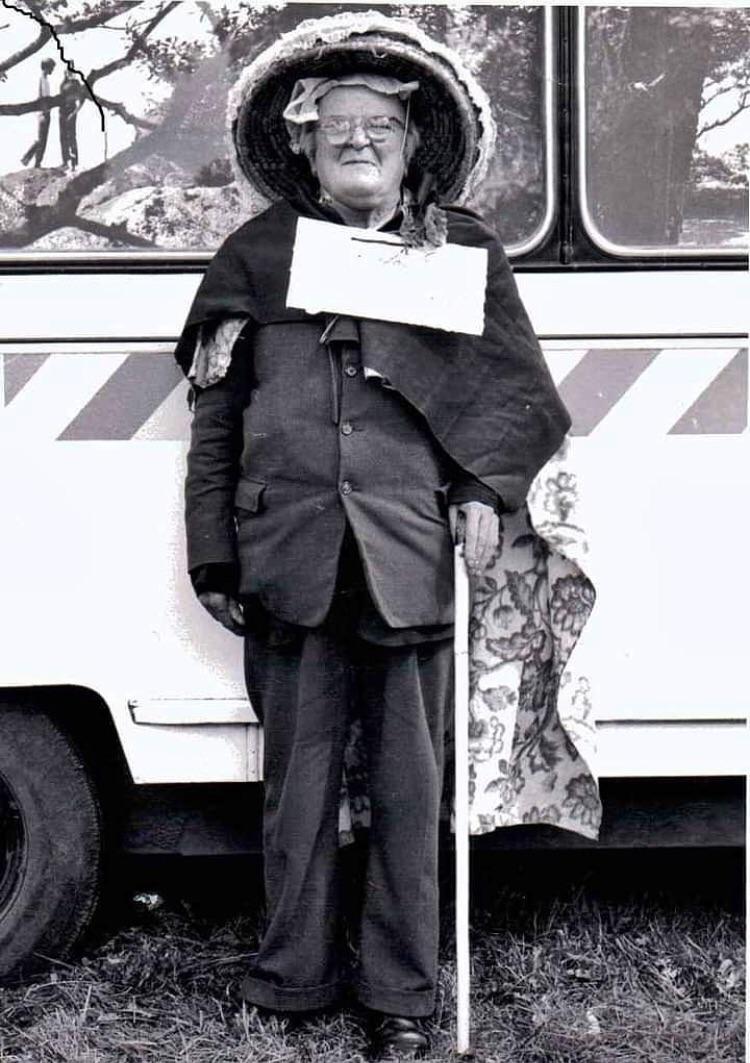
Breaking news once came with a person standing in the middle of the street shouting it. Town criers announced official notices, important updates, and local news to communities before newspapers and digital communication became widespread. They were basically a human notification system, except there was no option to mute them or check the message later. Imagine your daily news update arriving from someone loudly announcing it outside your house.
13. Dog Whipper
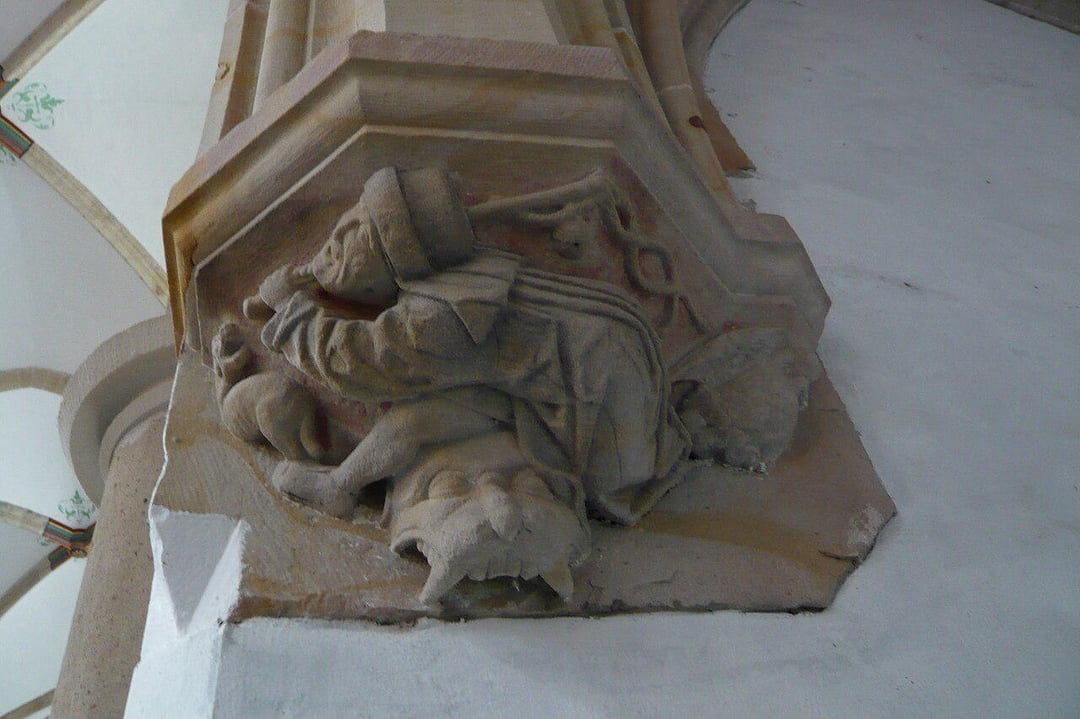
A church service could apparently be interrupted by a four-legged troublemaker. In some British parishes, dog whippers were responsible for removing unruly dogs from churches. Their job existed because animals sometimes wandered into religious services and disrupted proceedings. It sounds unusual today, but it reflects a time when communities had very different relationships with animals in public spaces. Who knew that “professional dog removal” could once be an actual church responsibility?
14. Rat Catcher
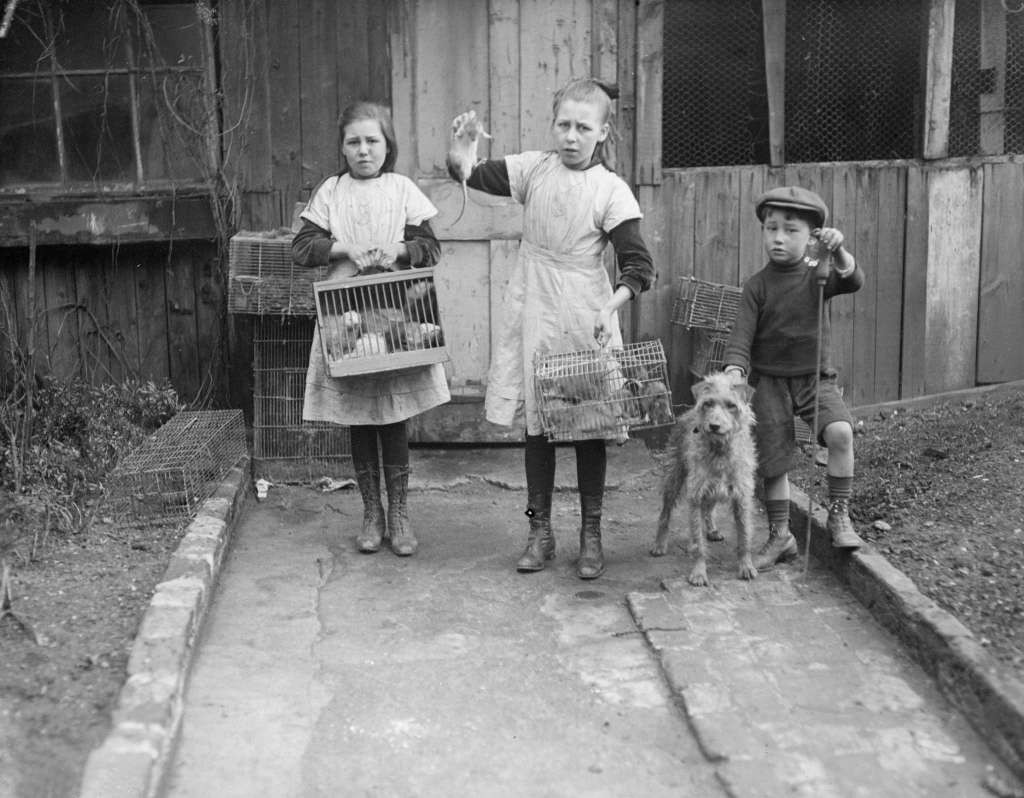
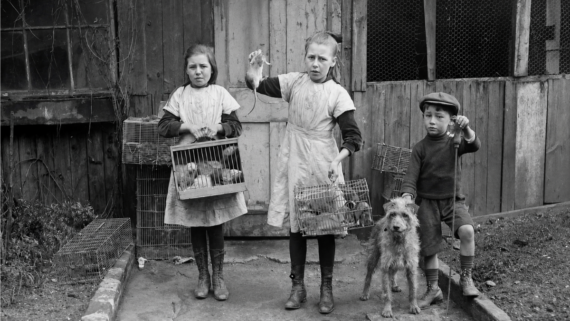
Before modern pest control systems, cities needed someone willing to handle one of humanity’s oldest problems. Rat catchers controlled urban rat populations at a time when large cities struggled with sanitation challenges and disease risks. The job required knowledge of animal behavior, traps, and sometimes a very strong tolerance for unpleasant situations. It may not sound glamorous, but keeping cities livable has always required people willing to do the jobs nobody else wanted.
15. Human Computer
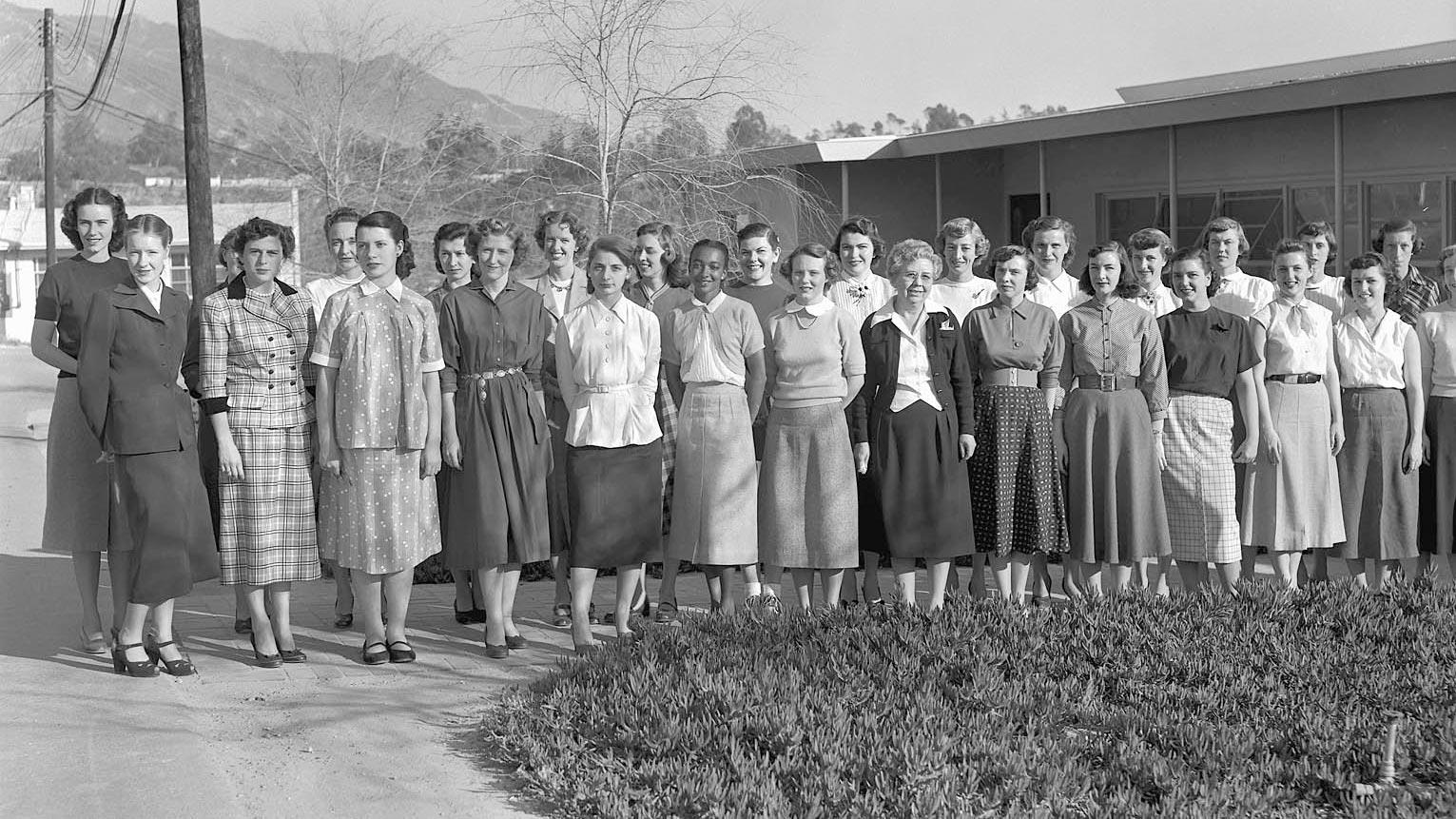
Before computers could think, someone had to do the thinking for them. Human computers were people, often women working in scientific institutions, who performed complex mathematical calculations by hand before electronic computers became widely available. They helped with research, engineering, astronomy, and other fields where accuracy mattered. The job title sounds like science fiction, but the “computer” was actually a person sitting at a desk doing thousands of calculations. Funny how the word we use for machines today once described the humans operating behind the scenes.
16. Telephone Switchboard Operator
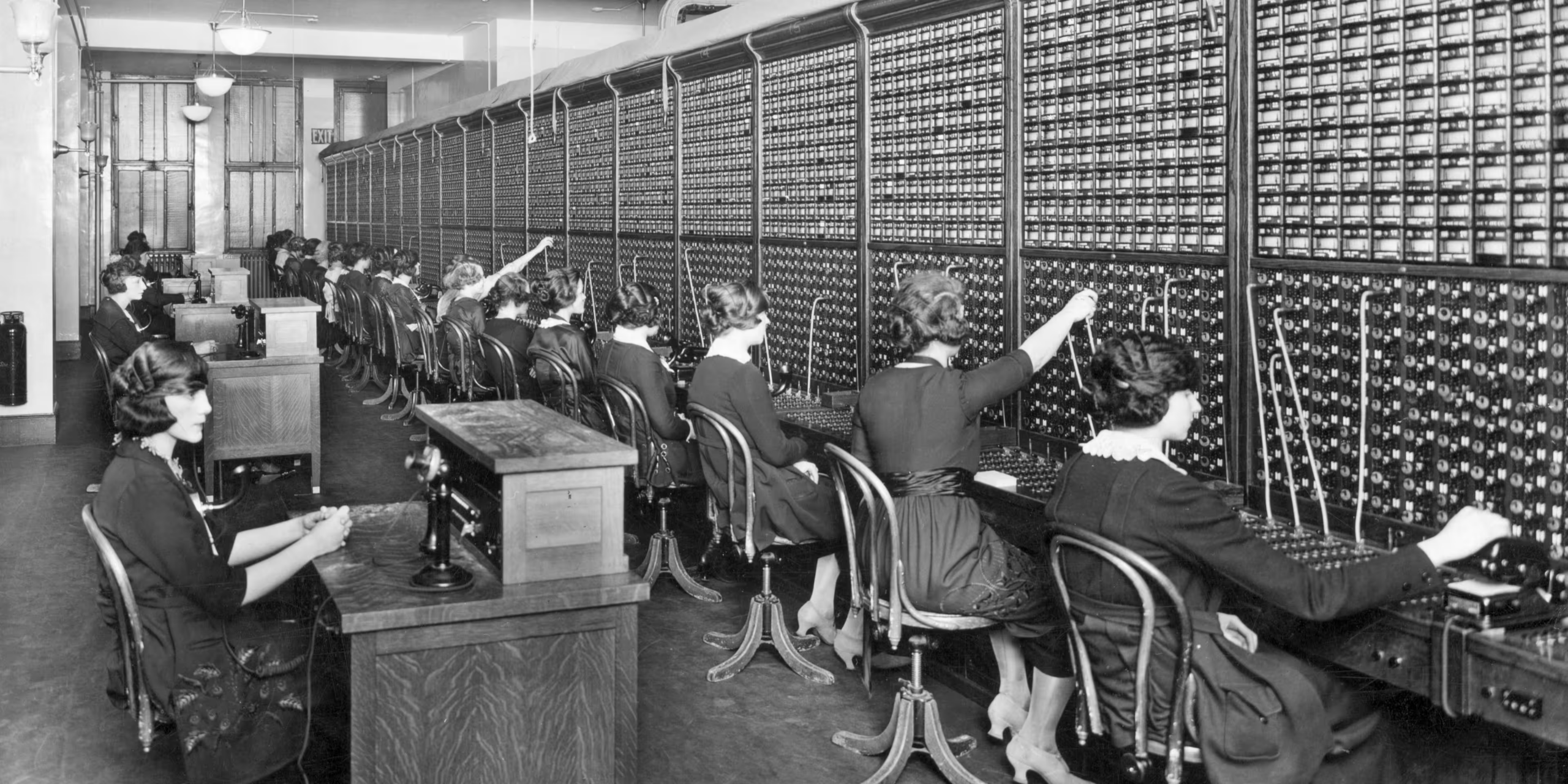
Remember when connecting a phone call required another person to physically connect the line? Telephone switchboard operators manually routed calls by plugging cables into different connections on large switchboards. Their work required speed, memory, and incredible attention because every conversation depended on their hands. Today, we tap a name and instantly connect with someone across the planet. Back then, a person was literally the bridge between two voices.
17. Cigar Factory Lector
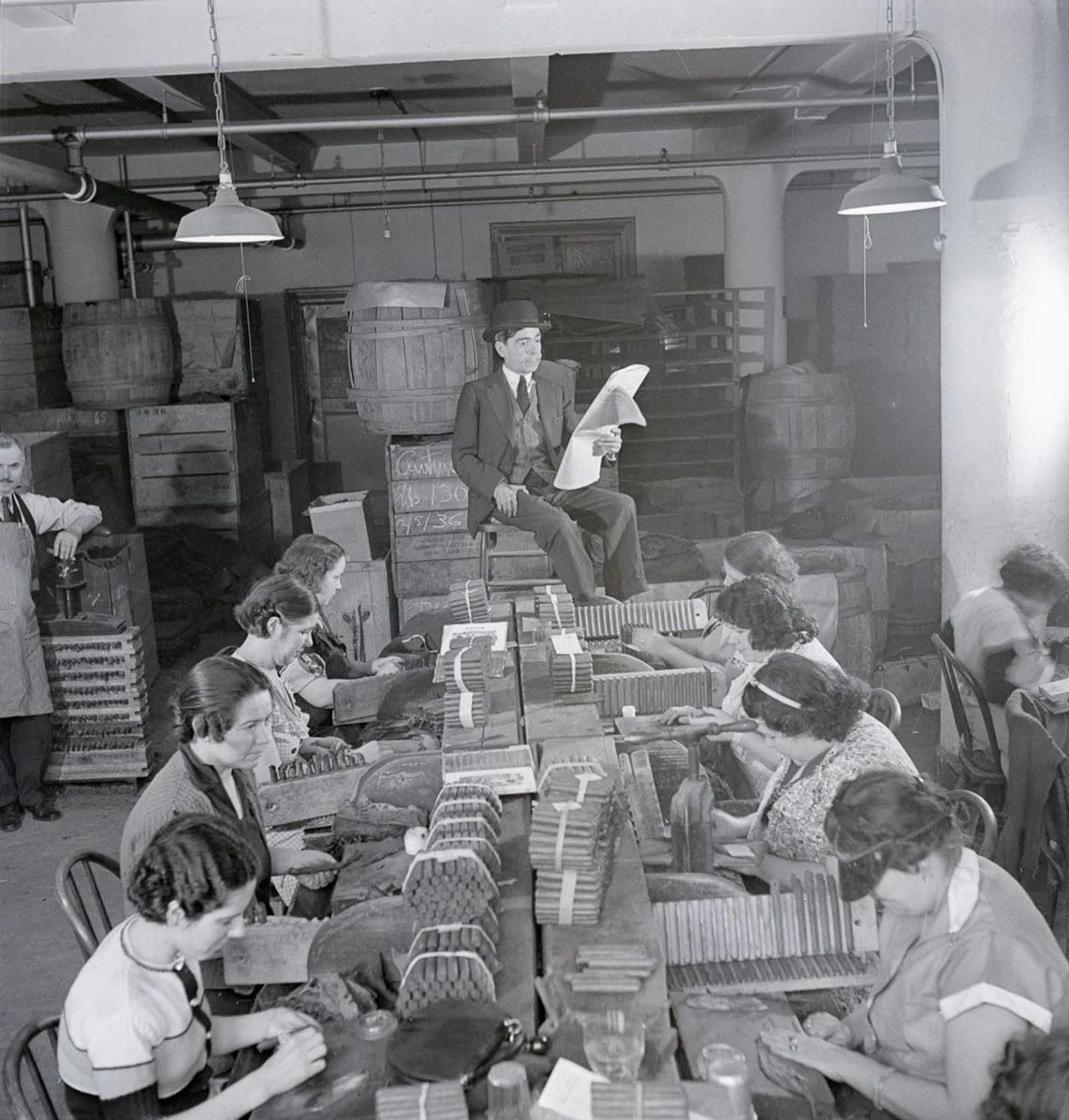
Imagine working in a factory while someone reads a newspaper or novel aloud to you. That was the role of cigar factory lectors, who entertained and educated workers by reading literature, news, and political texts while people rolled cigars. The tradition developed because many workers performed repetitive tasks that allowed them to listen while working. It sounds unusual today, but it was basically the original workplace podcast.
18. Ice Cutter
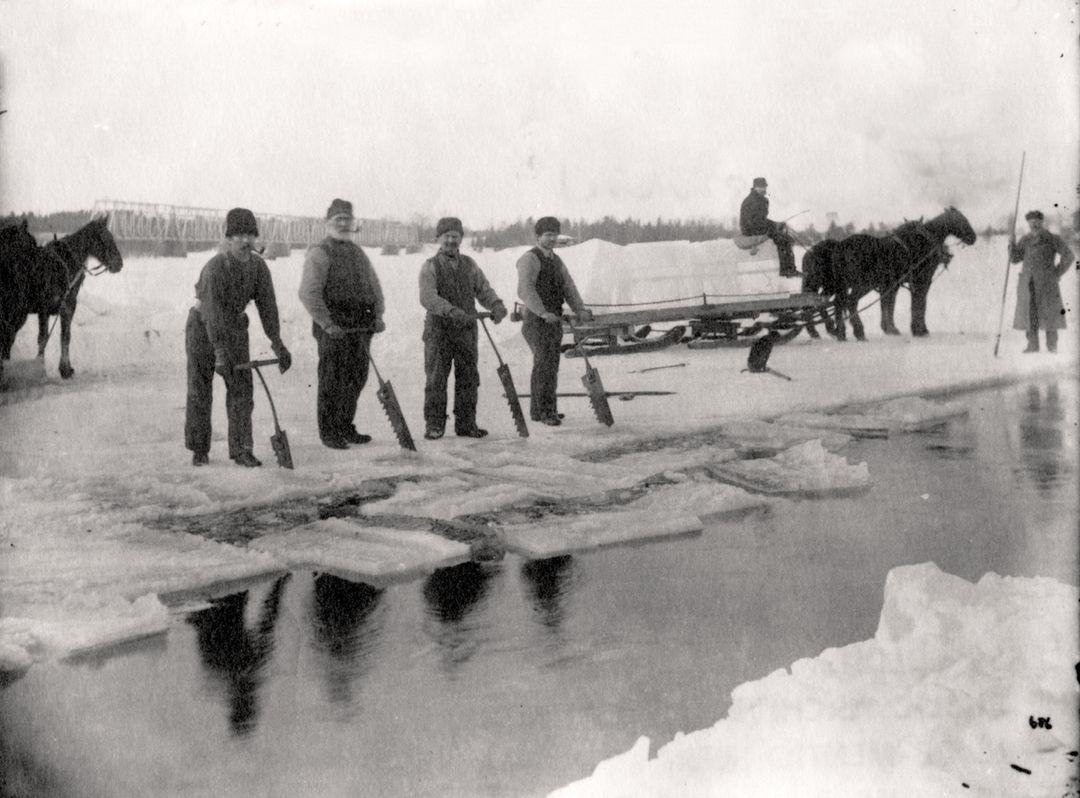
Before modern refrigeration, keeping things cold required a lot more effort than opening a freezer door. Ice cutters harvested natural ice from frozen lakes and rivers, then stored and transported it for later use. The work depended heavily on weather conditions and involved cutting, moving, and preserving massive blocks of ice. Imagine your summer job being “go outside during winter, cut a giant frozen block, and make sure it survives until July.”
19. Pure Finder

Some jobs from history sound almost impossible until you understand the world that created them. Pure finders collected dog feces, which were used in leather tanning because certain materials helped process animal hides. It was unpleasant work, but it served a purpose in industries that relied on traditional methods. The name may sound funny today, but it is another reminder that old economies depended on people handling the tasks everyone else wanted to avoid.
The strangest jobs from the past reveal something fascinating about history: every era creates careers around the problems, technologies, and habits of its time. Today, some of these occupations sound completely made up because the systems that created them disappeared. We no longer need someone to light every street lamp, manually connect every phone call, or search rivers for useful objects because technology changed the world around us.
But these jobs were not random oddities. They were real solutions to real problems. And that raises an interesting question: which jobs do we consider completely normal today that future generations will look back on and find impossible to understand?
Keep Exploring The Scroller
Love discovering forgotten careers, unusual traditions, and the strange ways people made a living throughout history? Keep Exploring The Scroller for more surprising facts, nostalgic stories, and moments from the past that prove reality is often stranger than fiction:
14 Jobs That Did Not Exist Before The Internet