The corporate workspace of the mid-twentieth century operated on a physical, tactile rhythm that is almost completely unimaginable to the modern remote workforce. Stepping into a busy downtown skyscraper during this mechanical era meant entering a landscape dominated by the rhythmic clatter of manual typewriters, the sharp scent of mimeograph ink, and massive walls of industrial steel filing cabinets. Without digital networks to instantly process communication, daily business momentum relied entirely on physical human movement, requiring courier messengers to manually sprint documents across town and specialized clerks to physically route internal mail through pneumatic tube systems. This analogue job structure shaped the daily lives of millions of workers, establishing a distinct white-collar culture defined by manual organization and physical precision.
The reality of these vintage occupational structures highlights just how radically automated software and desktop processing completely transformed our daily labor definitions overnight. The truth is that many traditional office jobs require highly specialized physical skills, remarkable spatial organization, and an extraordinary capacity for manual data calculation that digital processors now execute in microseconds. Before centralized digital databases streamlined corporate tracking, an organization’s entire memory relied on rooms full of meticulous paper ledgers and human operators manually plugging cables into towering connection boards. Let’s look at sixteen corporate positions that functioned completely differently in the pre-computer era, offering a fascinating look at the mechanical roots of modern workplace culture.
1. Typist

Before digital word processors introduced backspace keys and copy-paste functions, corporate typists were required to produce flawless documents on manual typewriters at blistering speeds. A single spelling mistake on a carbon-copy document meant carefully using a physical razor blade or a specialized abrasive eraser to scrape the ink off multiple sheets of paper without tearing the fibers.
2. Switchboard operator
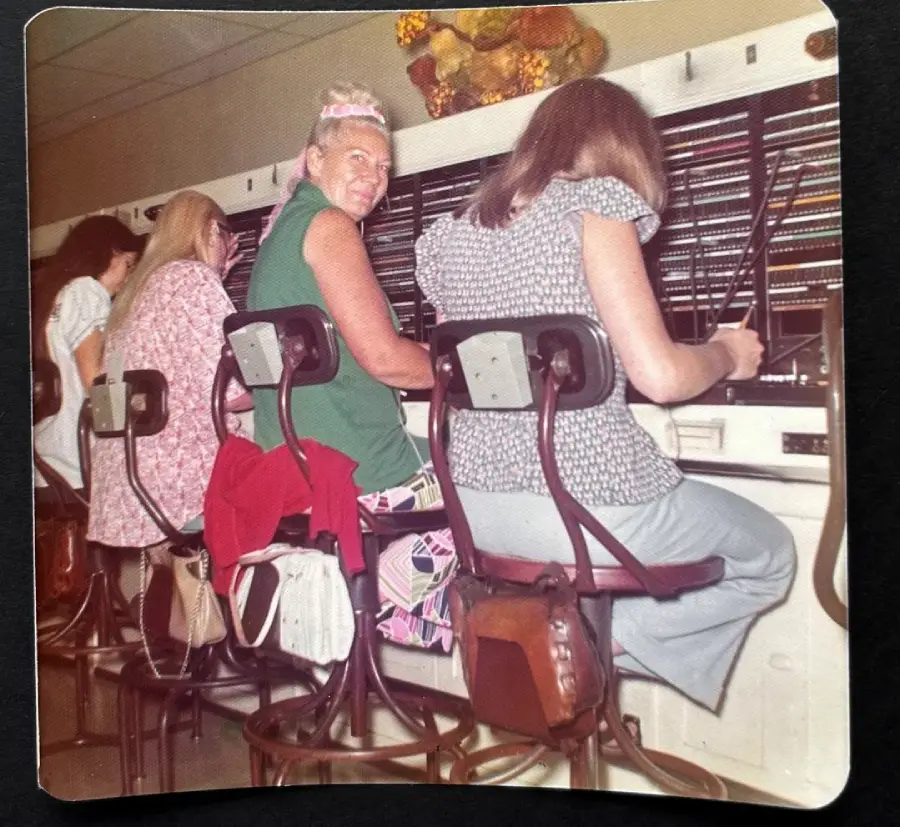
Managing a company’s internal communications required human operators to manually route every single incoming and outgoing call by plugging physical patch cords into massive jack panels. These workers had to memorize hundreds of individual extension locations and corporate names, operating under intense physical coordination to prevent lines from getting tangled or disconnected during peak business hours.
3. Bookkeeper
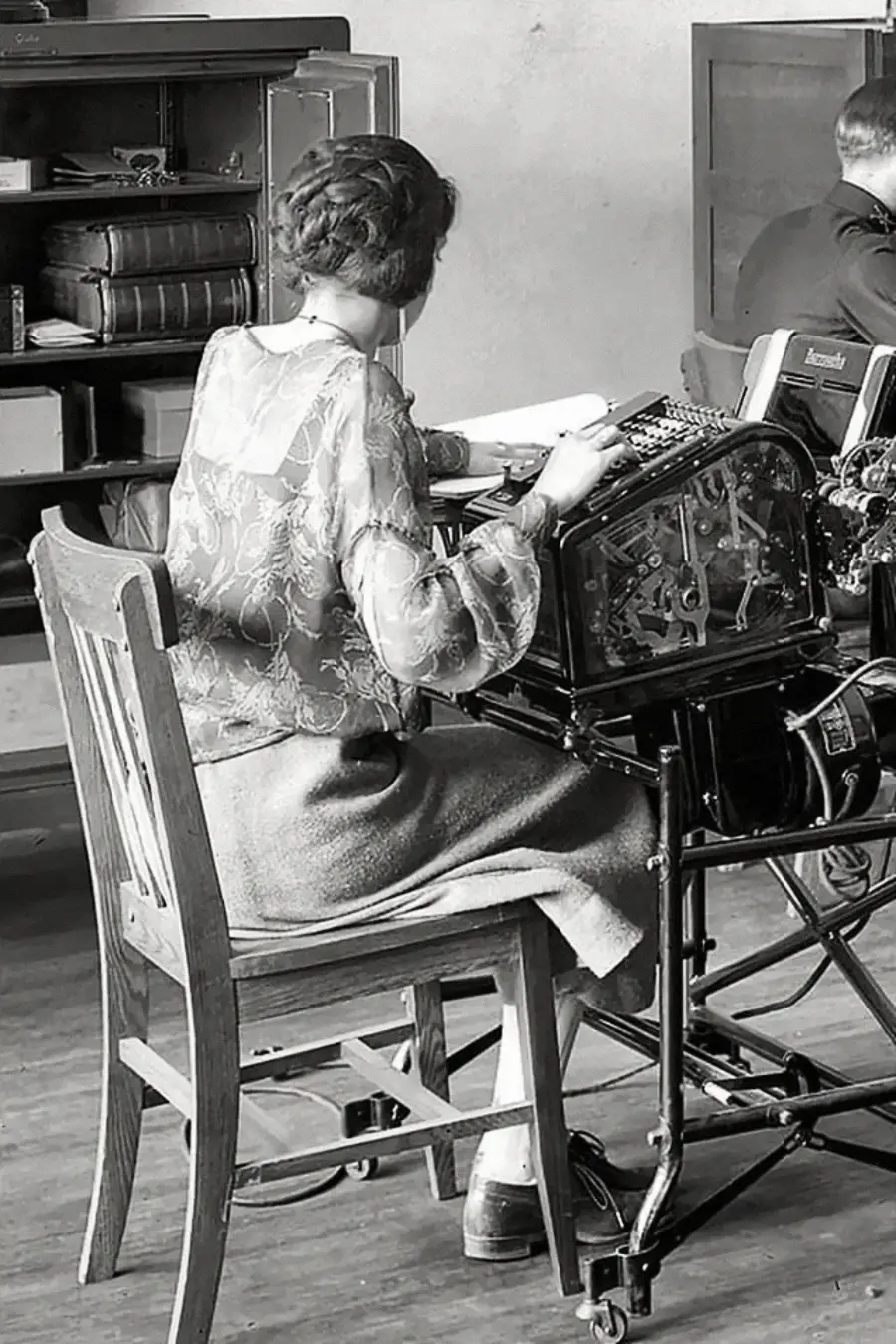
Maintaining a company’s financial records before digital spreadsheets meant manually logging every single transaction with fountain pens into massive, leather-bound paper ledgers. These professionals spent days manually adding columns of numbers that stretched down giant sheets of grid paper, relying on specialized mechanical adding machines to double-check their math.
4. File clerk
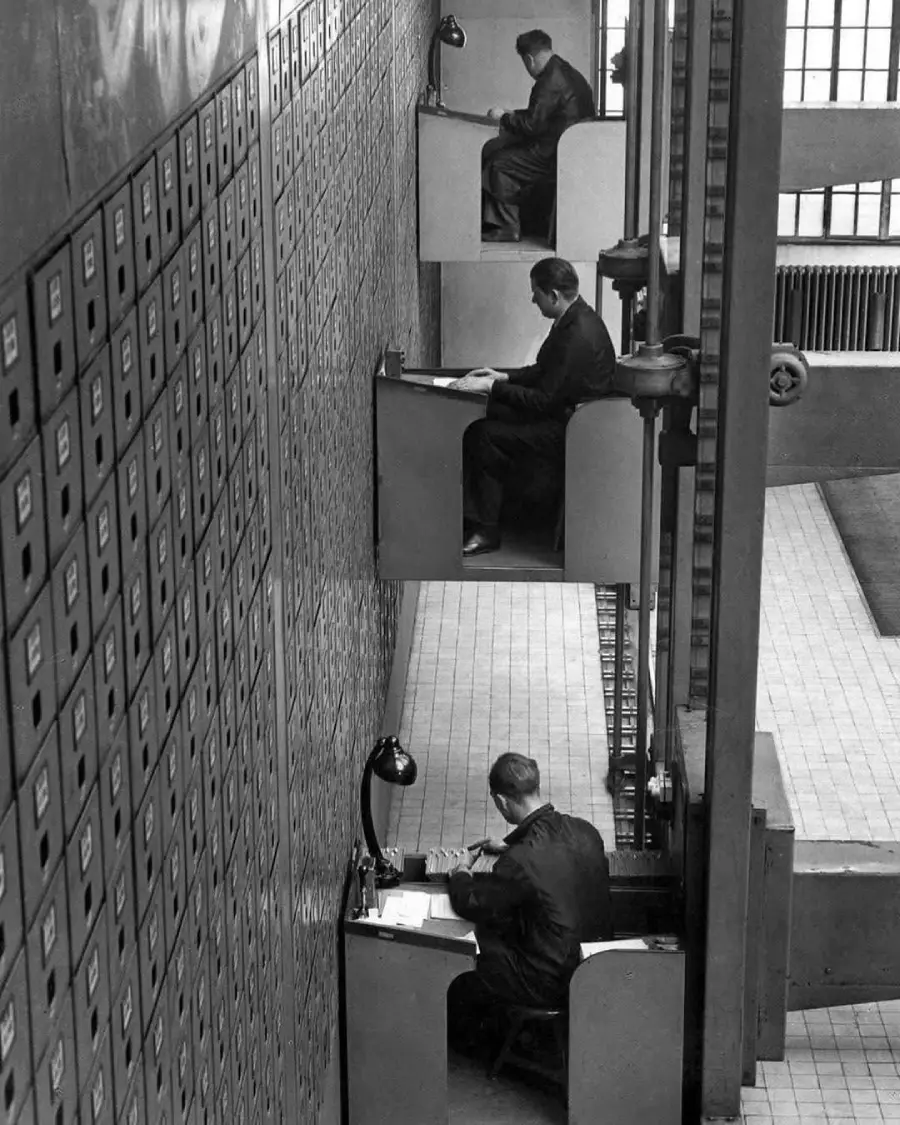
An organization’s entire institutional memory depended on specialized clerks who manually categorized, indexed, and retrieved millions of paper documents across sprawling corridors of steel filing cabinets. Misfiling a single folder by one letter out of alphabetical order could effectively erase a multi-million dollar corporate contract from existence for weeks.
5. Graphic designer
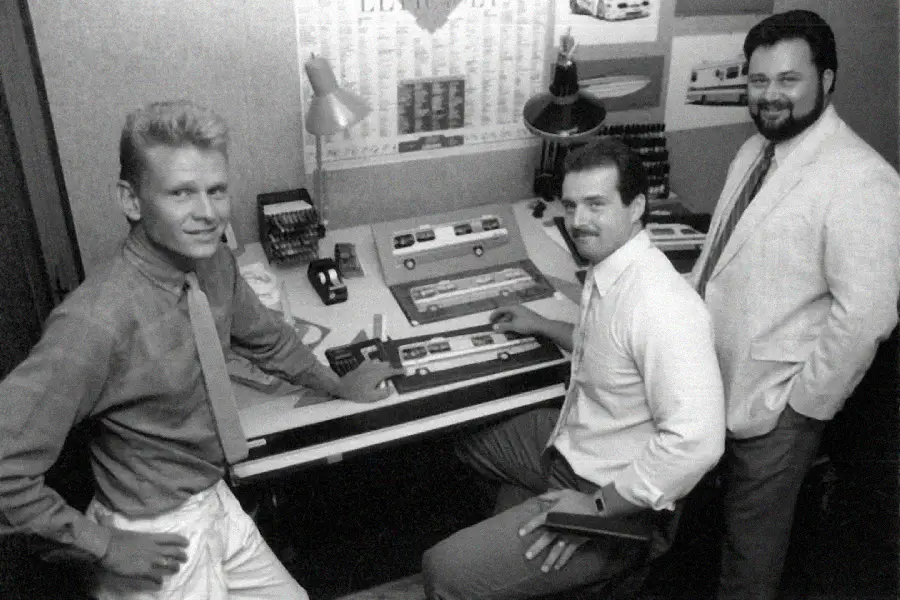
Creating corporate advertisements or magazine layouts required an intensely physical process known as paste-up before digital design software emerged. Designers manually cut out blocks of text printed on specialized paper, coated the backs with boiling rubber cement or melted wax, and carefully aligned them onto cardboard grids using T-squares and razor blades.
Trending on The Scroller
6. Architectural drafter
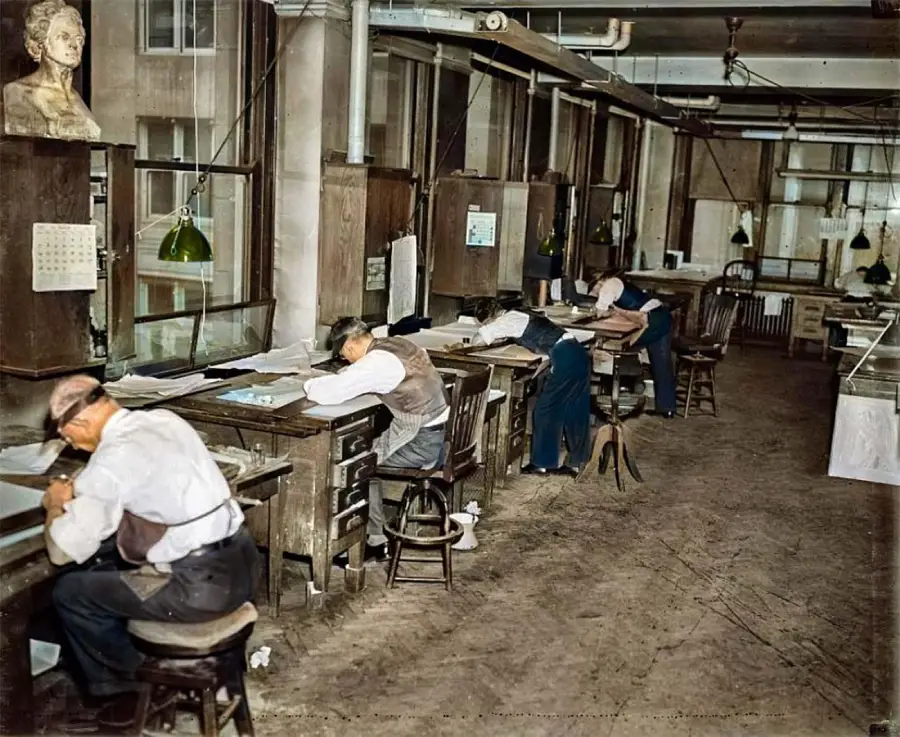
Before computer-aided design programs streamlined blueprint creation, drafters spent hours standing over expansive wooden drafting tables manually drawing structural lines with graphite pencils and ink pens. A major engineering change meant carefully scraping dried ink off fragile vellum paper with a tiny razor blade and completely redrawing entire sections by hand.
7. Travel agent
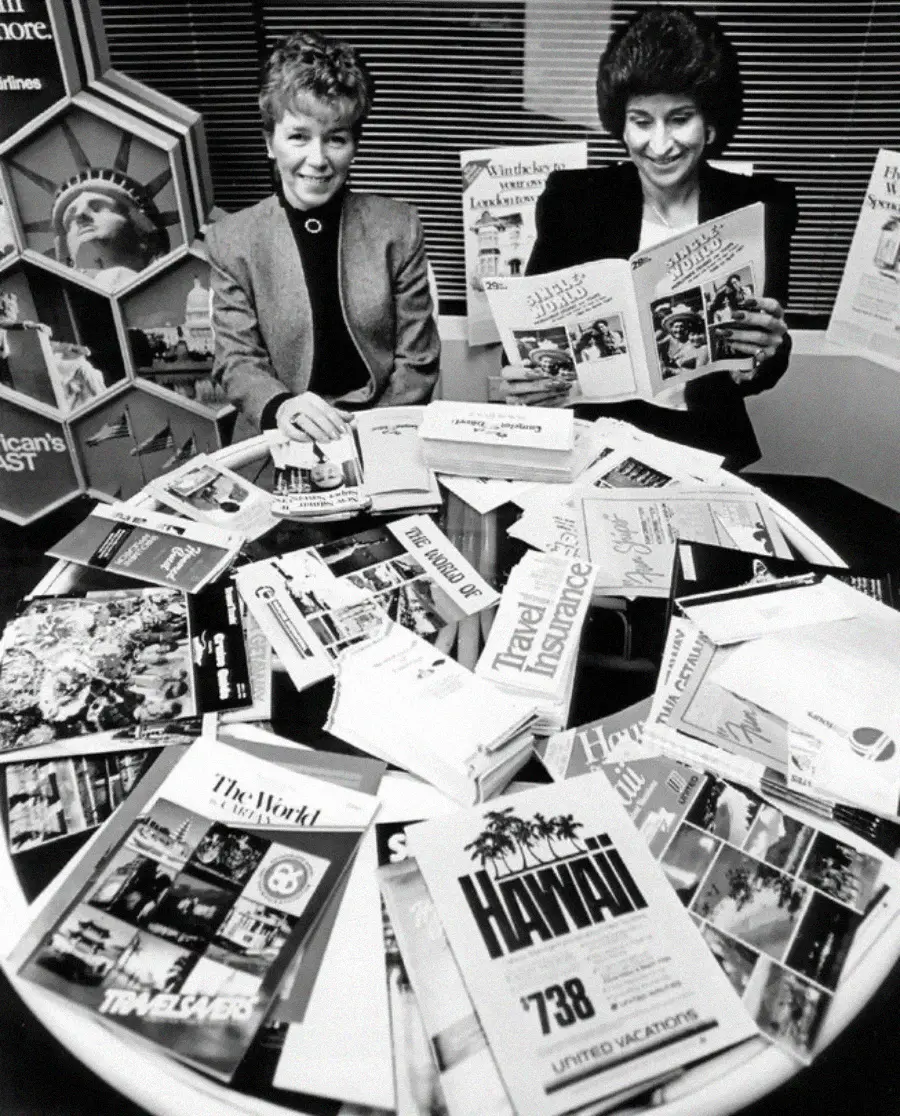
Booking a vacation or a business trip required agents to manually flip through massive, thousands-of-pages-thick airline guidebooks that were printed and distributed monthly. To secure a seat on a commercial flight, agents had to place a direct phone call to an airline’s central reservation room, where workers manually updated giant magnetic seating boards on the wall.
8. Newspaper editor
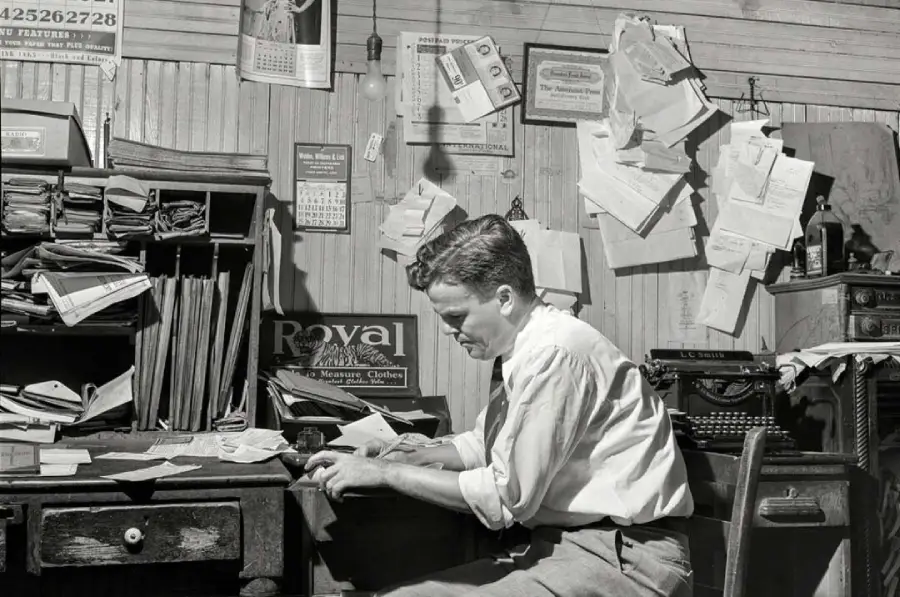
Editing the daily news was a loud, physical process that involved breaking down typewritten articles into physical strips of paper. Editors utilized thick blue grease pencils to mark structural copy changes because early photographic printing cameras were chemically blind to that specific shade of blue, allowing the marks to vanish during the final printing process.
Sign up for our newsletter
9. Stockbroker
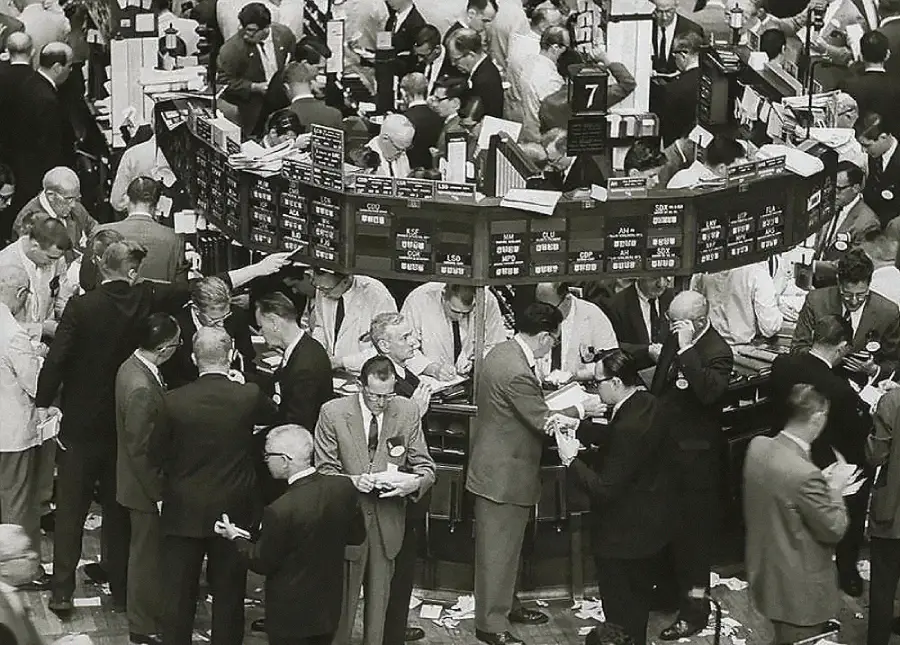
Trading corporate securities required brokers to stand amid a chaotic sea of physical paper ticker tape strips inside frantic trading pits. To track price movements before digital tickers emerged, brokerage offices employed specialized board boys who sprinted across raised platforms to manually write changing stock fractions in chalk on giant wall-sized slates.
10. Research assistant
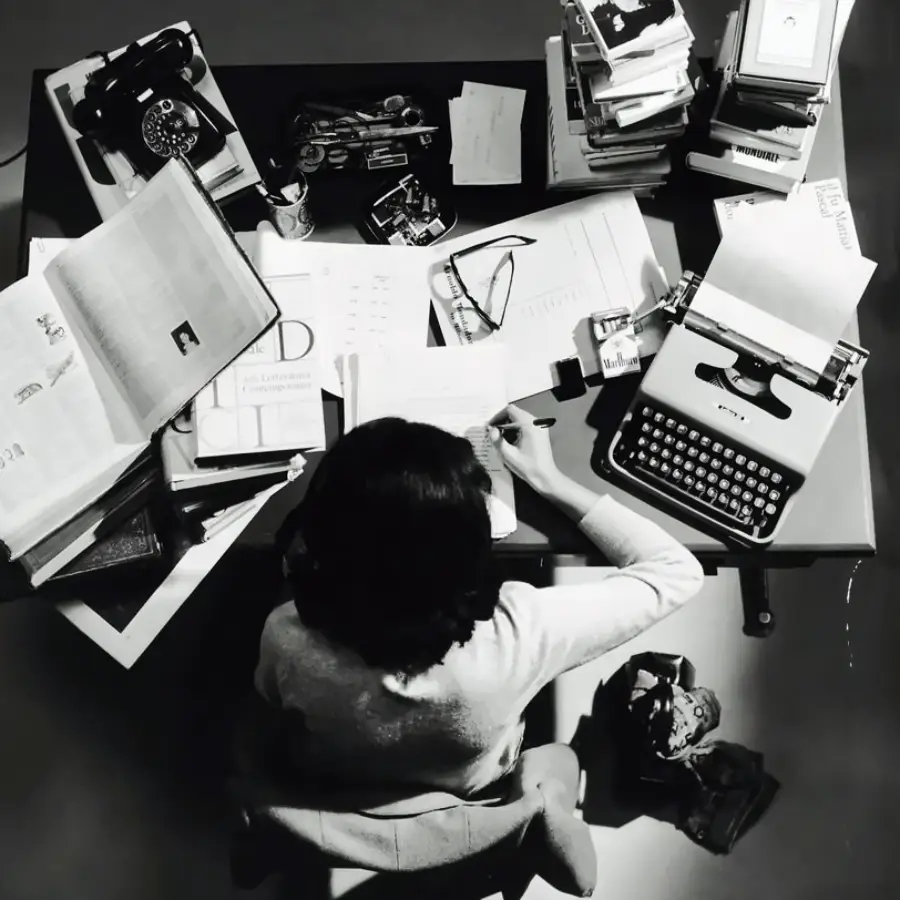
Conducting corporate or academic research meant spending weeks inside library basements manually combing through hundreds of physical card catalog drawers and printed abstract books. Assistants recorded every single data point and quote by hand onto individual paper index cards, organizing them inside cardboard shoe boxes to build a foundational research index.
11. Mailroom clerk
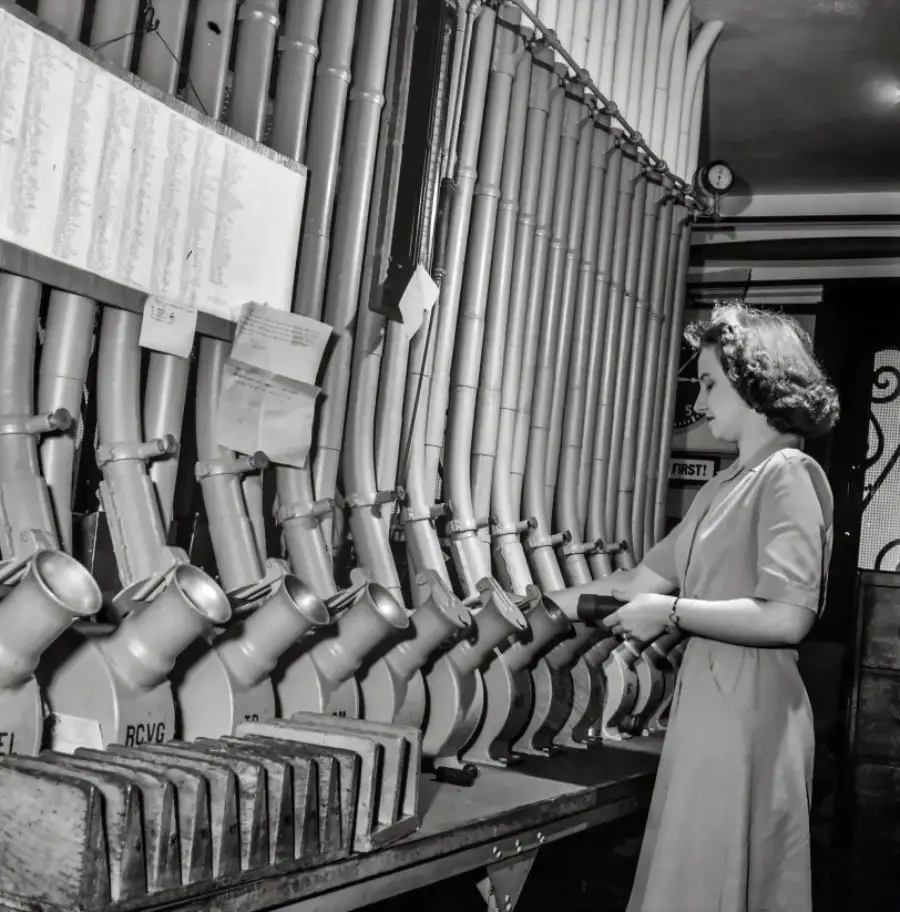
Internal communication within large corporate headquarters relied on specialized mailroom teams who physically sorted and distributed thousands of paper memos every morning. Clerks utilized heavy leather satchels or automated pneumatic tube networks to shoot aluminum capsules containing urgent corporate messages through the walls at high speeds.
12. Payroll clerk
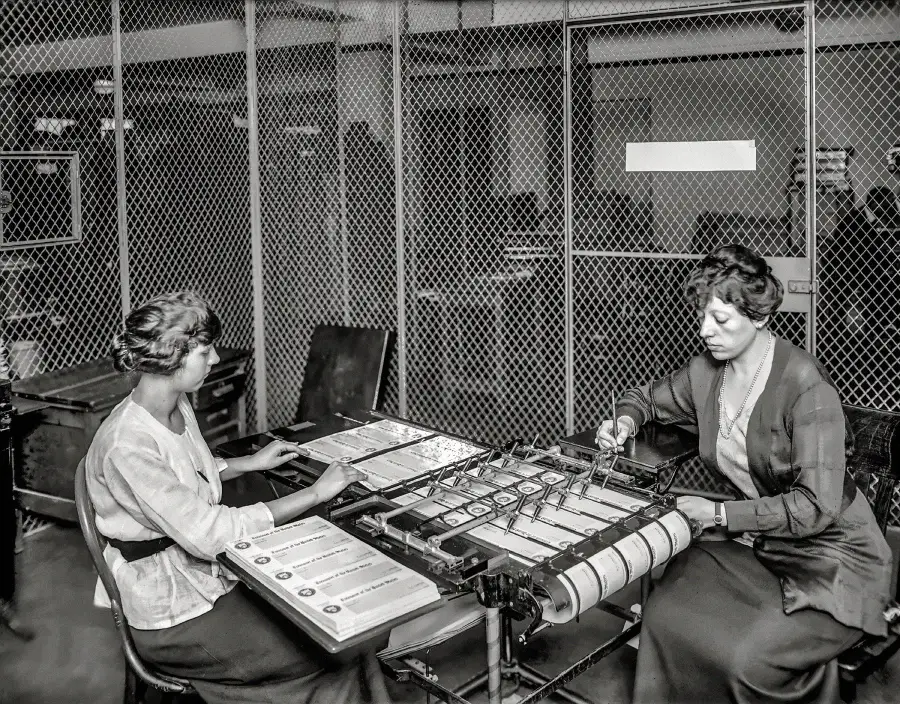
Calculating a workforce’s weekly earnings required clerks to manually transcribe hours from paper timecards stamped by mechanical office clocks. Every single tax withholding, insurance deduction, and net pay value had to be worked out manually using basic mathematics before being handwritten onto individual paper checks.
13. Mimeograph operator
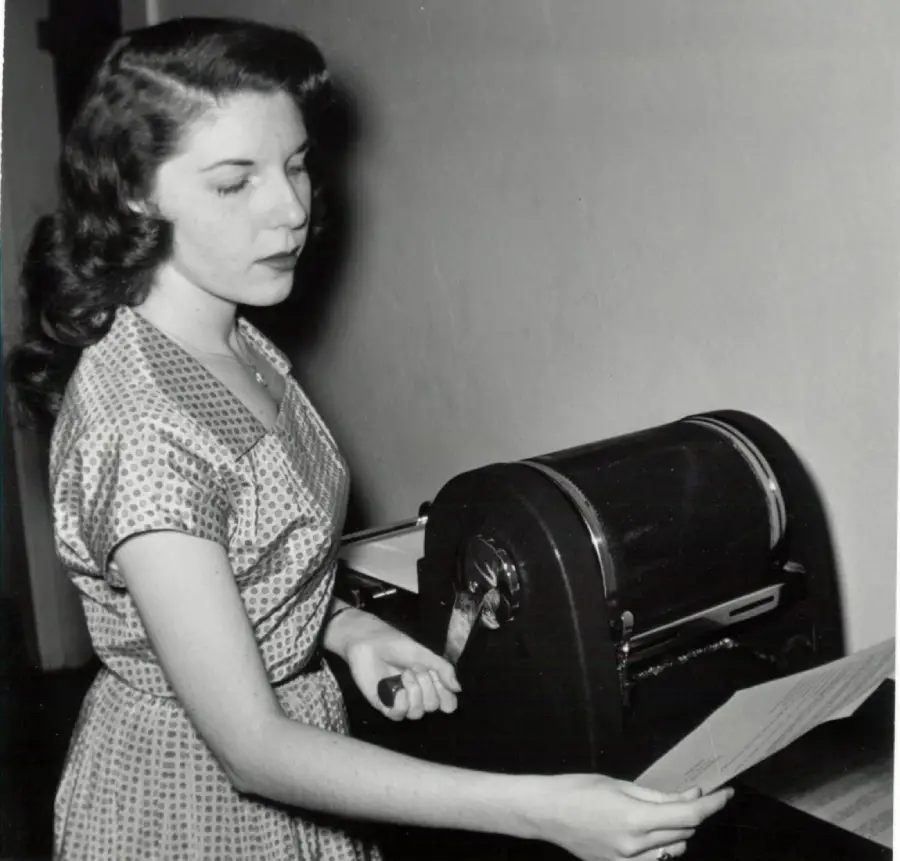
Before modern digital photocopy machines became a standard workplace fixture, distributing a corporate memo required an operator to manually crank a mimeograph machine. The process involved typing onto a specialized wax stencil sheet that released a distinct, sweet chemical scent from the purple ink as it spun through the ink-soaked rollers.
14. Statistical clerk
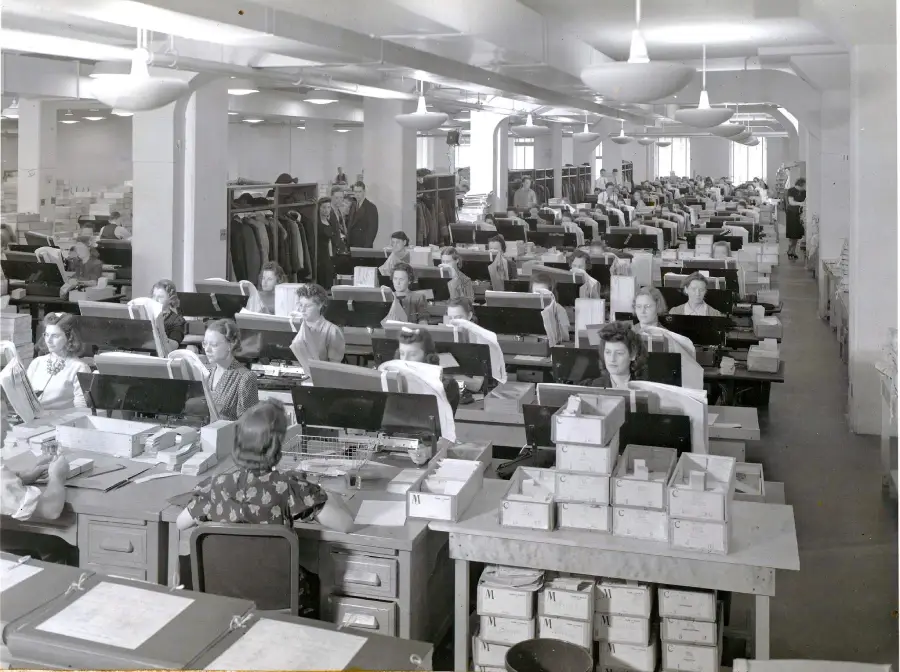
Processing large sets of demographic or corporate data required teams of clerks to manually punch specific data codes into heavy cardboard cards using mechanical keypunch machines. These physical cards were then fed through massive electromechanical sorting machines that utilized metal wire brushes to physically count the holes.
15. Bank teller
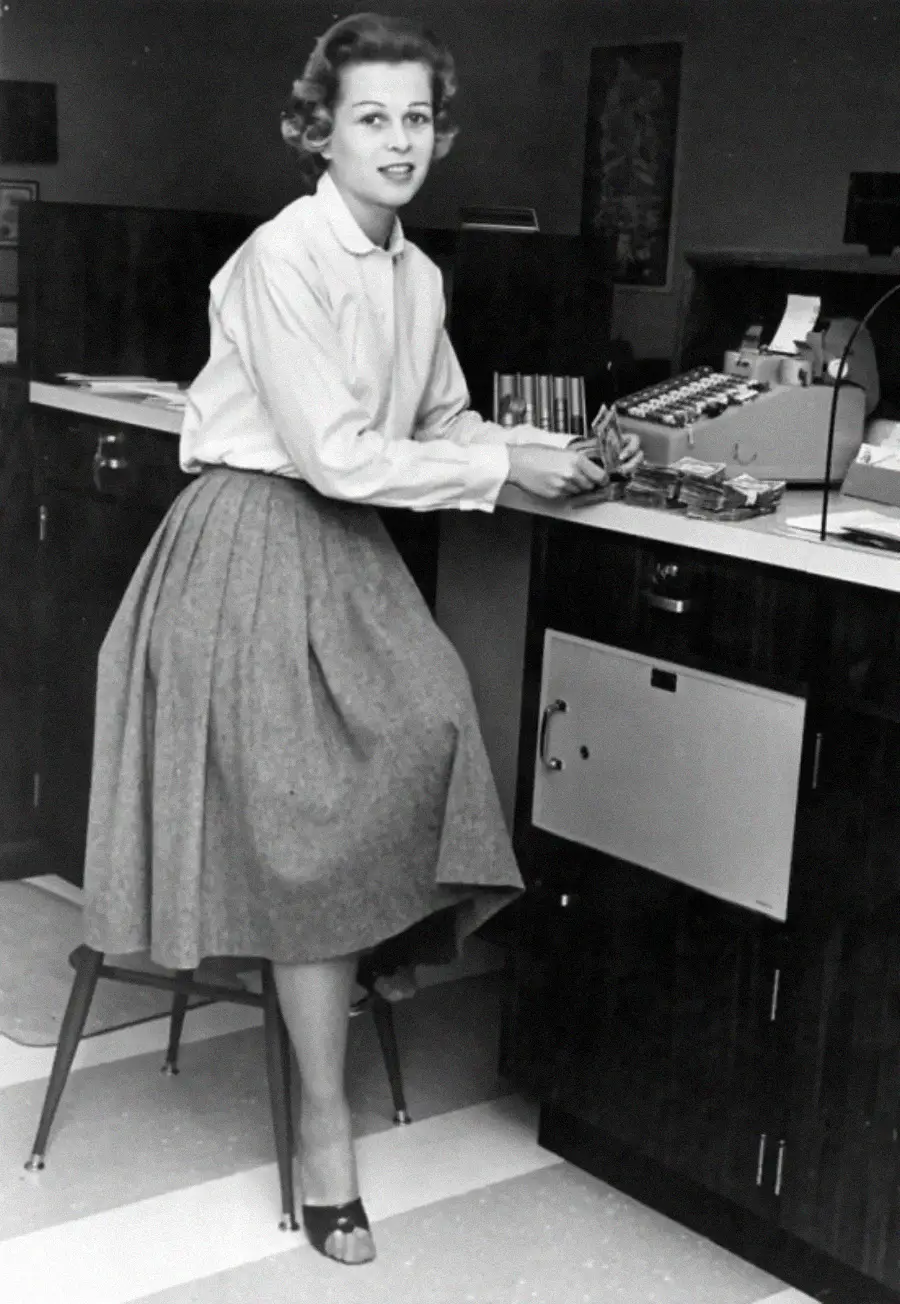
Processing a simple cash deposit or withdrawal required tellers to manually locate a customer’s unique signature card inside a physical index box to verify their identity. Every single transaction was stamped by hand into a customer’s physical passbook, and the ledger balances were reconciled manually at the close of the business day.
16. Technical illustrator
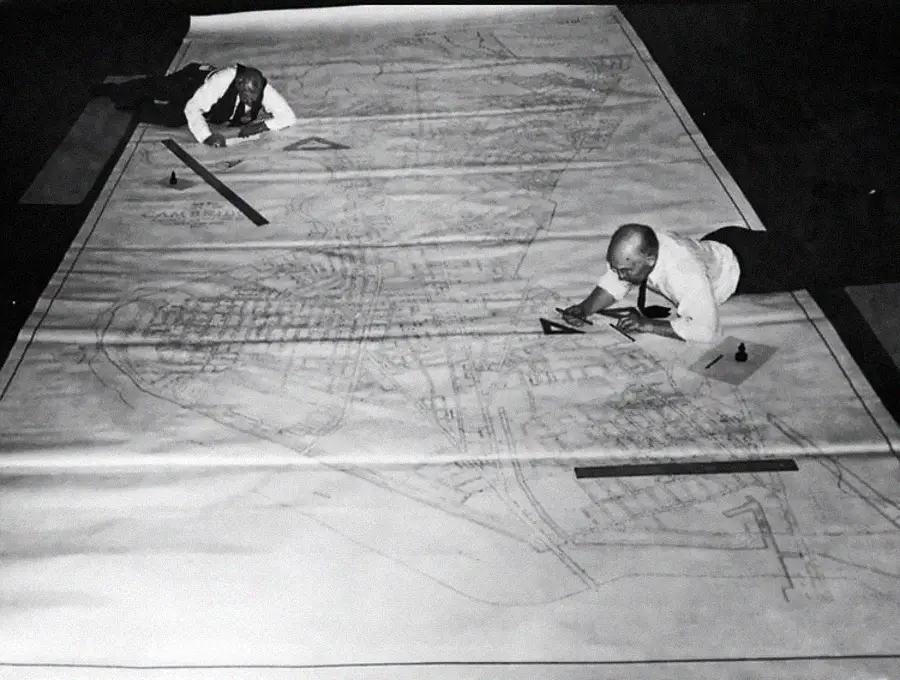
Creating complex machinery manuals or industrial diagrams required artists to manually render detailed perspectives using specialized ink pens on heavy drafting film. Illustrators utilized highly precise mechanical French curves and stencils to ensure every uniform gear tooth and bolt thread matched engineering parameters exactly.
Explore more interesting job stories:
Revisiting these demanding vintage occupations serves as an excellent reminder of the incredible dedication, physical precision, and manual organization that built our modern commercial world. Looking back over these towering jack panels, handwritten financial ledgers, and rubber cement design layouts proves that while office hardware and software applications change completely across the decades, the value of disciplined human labor remains entirely constant. When we choose to look past the modern convenience of our current computer screens to appreciate the rigorous analogue history of the classic workspace, we gain a much deeper understanding of commercial history. If you enjoyed this detailed look back at the corporate traditions that defined past generations of workers, make sure to explore these 15 Strange Jobs That Pay Surprisingly High Salaries or 15 High-Paying Jobs from 1975 That No Longer Exist. You can also check out these 15 Strange 1930s Jobs Born During the Great Depression.