When we look at the modern professional landscape, we take for granted the diverse presence of pioneering professionals across every major industrial, scientific, and technical sector. We view the pursuit of specialized vocations as a direct, logical reflection of individual talent, rigorous academic training, and personal ambition. However, stepping back into the early and mid-20th century reveals an era when the global workforce was governed by incredibly rigid cultural boundaries and structural gender limitations. For generations, institutional gatekeepers and mainstream social commentary maintained an absolute monopoly over specific fields, confidently asserting that certain taxing, high-stakes careers were completely beyond the physical and mental capabilities of women.
The visual archives of history completely dismantle these outdated social doctrines, preserving a magnificent testament to human resilience and grit. Long before modern labor laws and equality initiatives began to reshape corporate boardrooms, bold trailblazers were quietly stepping onto dangerous factory floors, into advanced scientific laboratories, and atop towering construction scaffolding. These candid, black-and-white photographs capture a series of defining moments where determined individuals ignored public skepticism to master complex machinery, guide wartime logistics, and pilot advanced aircraft. Let’s explore seventeen evocative vintage photographs that preserve the courage, focus, and authentic spirit of women who successfully claimed demanding careers everyone insisted they could never handle.
1. Locomotive mechanics
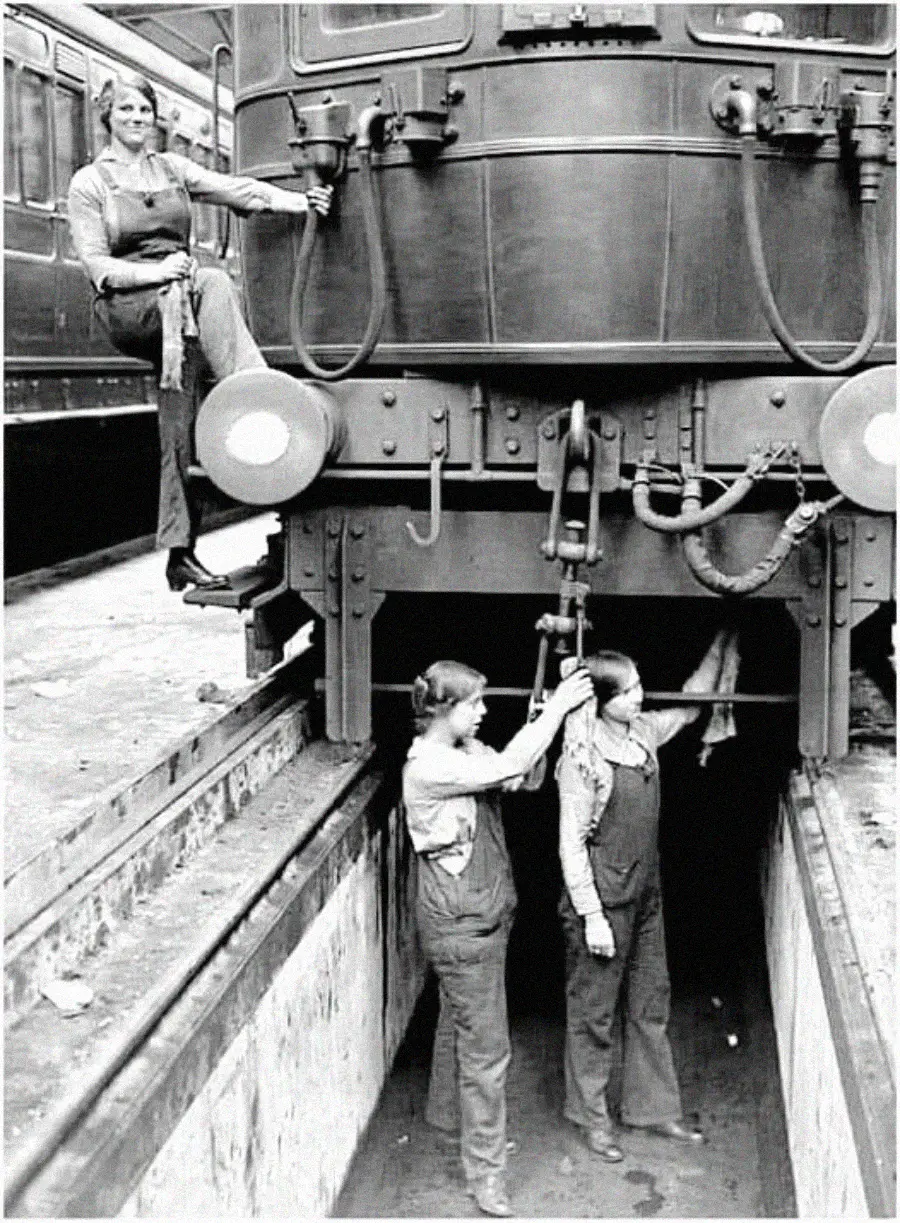
The heavy maintenance of steam locomotives was historically considered one of the most physically punishing and hazardous occupations in the transportation sector. During the severe labor shortages of the World War I era, pioneering female crews stepped directly into railway yards to handle the mechanical upkeep of these massive engines. They mastered the complex engineering of steam valves, boiler pressures, and heavy steel components to ensure the continuous flow of civilian supply lines and military logistics. Their technical precision and structural efficiency fundamentally challenged the long-standing industry assumption that heavy transport engineering required exclusively masculine physical strength.
2. Wartime shipyard welding
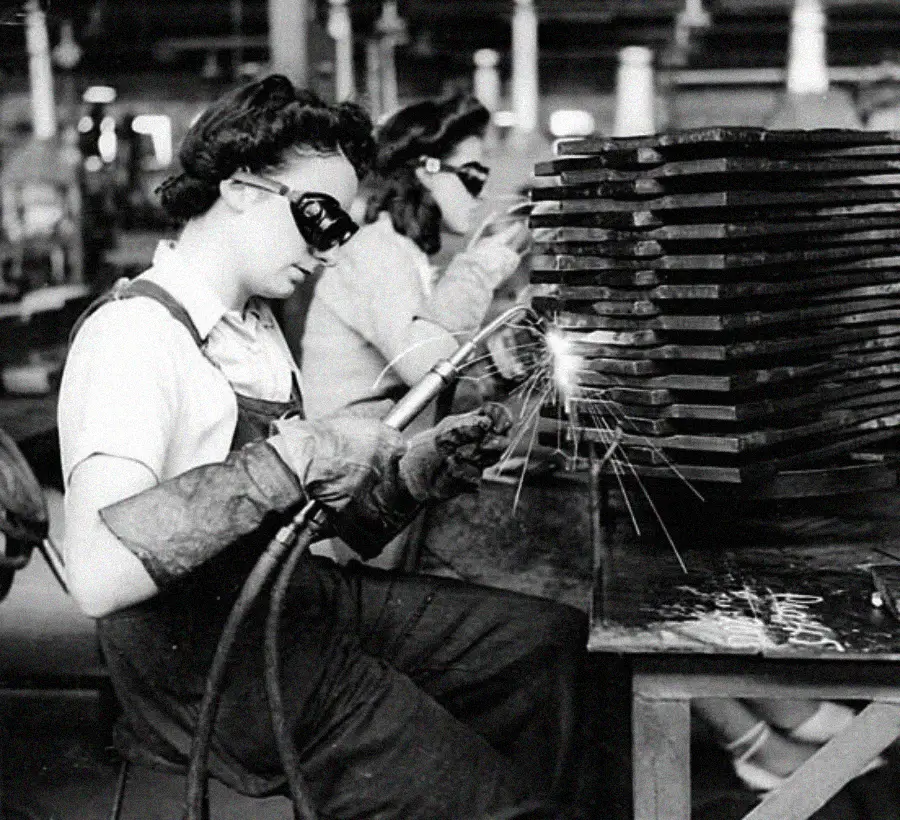
Industrial welding inside early 20th-century shipyards demanded exceptional upper-body endurance, tolerance for extreme heat, and absolute spatial awareness under grueling structural conditions. As global conflicts forced a rapid expansion of naval fleets, thousands of women underwent intensive technical training to master dangerous oxy-acetylene and electric arc welding equipment. They were responsible for fusing heavy steel armor plates, executing structural seams that had to withstand immense ocean pressures and combat operations. Their stellar performance on the assembly lines drastically reduced structural failures in maritime vessels, permanently elevating the quality standards of commercial manufacturing.
3. Aeronautical engineering and drafting
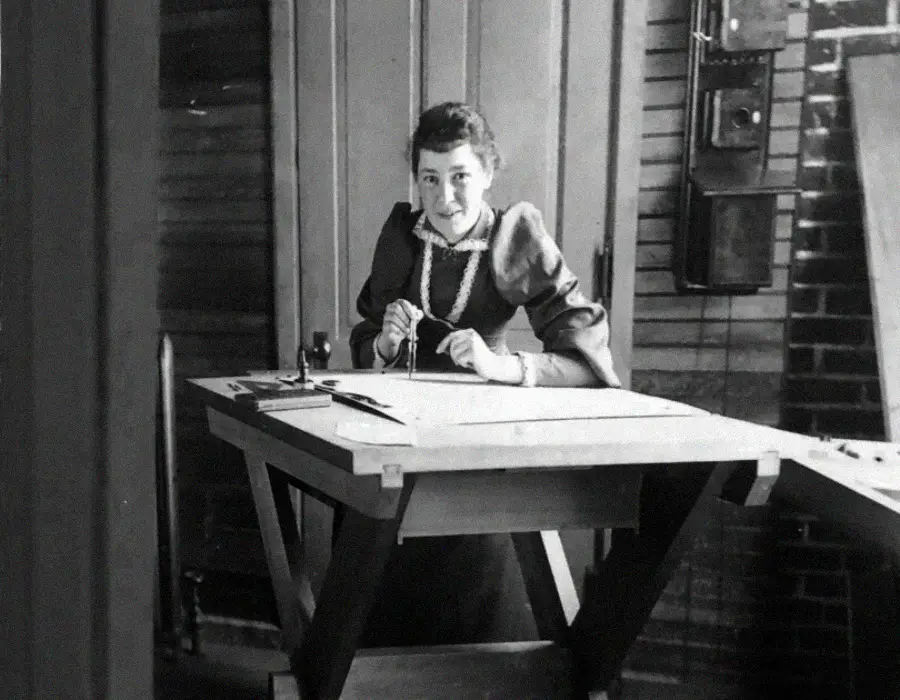
The intricate discipline of industrial drafting and aerospace layout required an exceptional grasp of advanced mathematics, physical geometry, and spatial reasoning. Before mid-century societal shifts opened new doors, academic boards routinely restricted access to engineering programs based on the false premise that women lacked technical design capabilities. Trailblazing draftswomen proved these biases entirely wrong by meticulously translating complex theoretical equations into functional, real-world engine and structural blueprints. Their highly accurate technical drawings guided the physical construction of advanced aircraft, cementing their essential, under-reported role behind the scenes of early aviation breakthroughs.
4. Pharmaceutical and chemical research
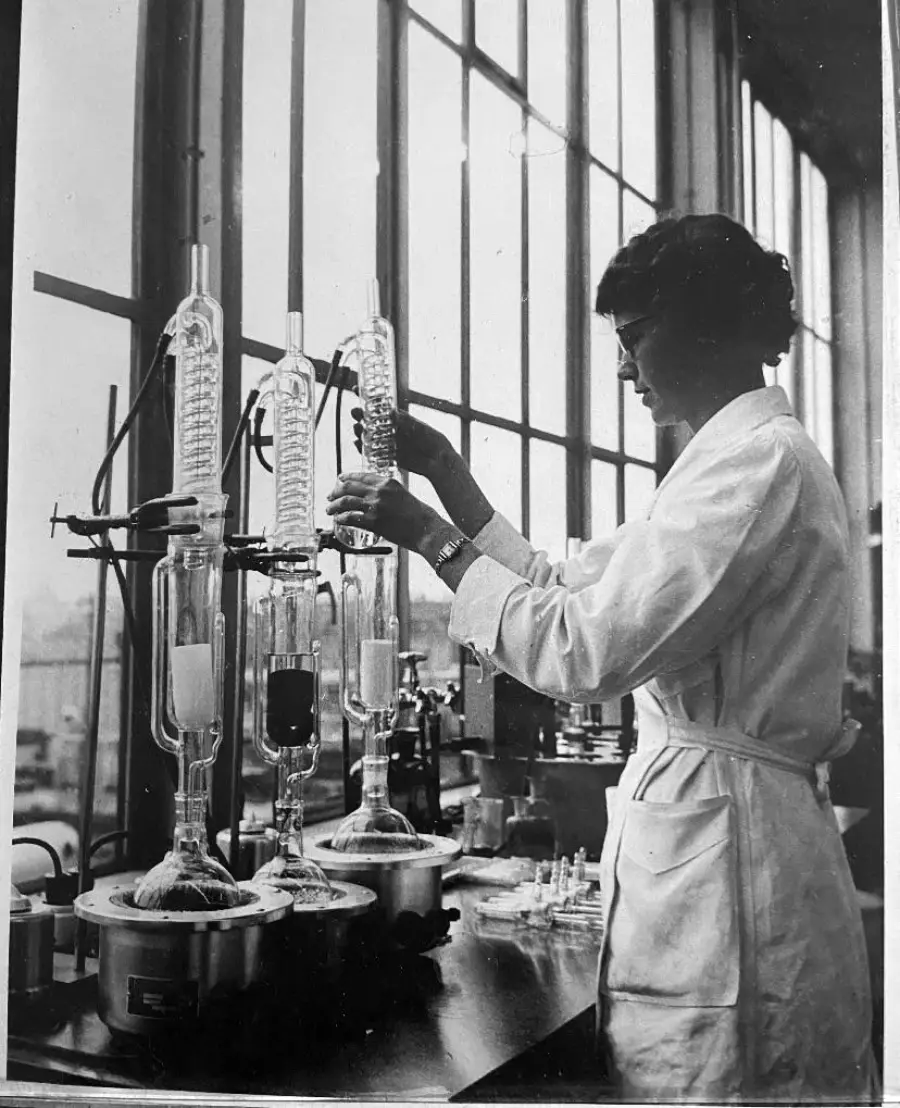
The laboratory spaces of the early and mid-1900s were highly exclusive environments where female scientists routinely faced immense professional skepticism from the academic establishment. Undeterred by institutional barriers, brilliant chemists spearheaded foundational studies in molecular structures, crystalline analysis, and synthetic compound isolation. Working surrounded by volatile chemical reactions and delicate distillation apparatuses, their methodical research required absolute academic focus and intellectual stamina. Their breakthrough discoveries inside these corporate and university laboratories laid the vital scientific groundwork for modern cellular biology and mass-produced antibiotic treatments.
5. High-altitude window washers
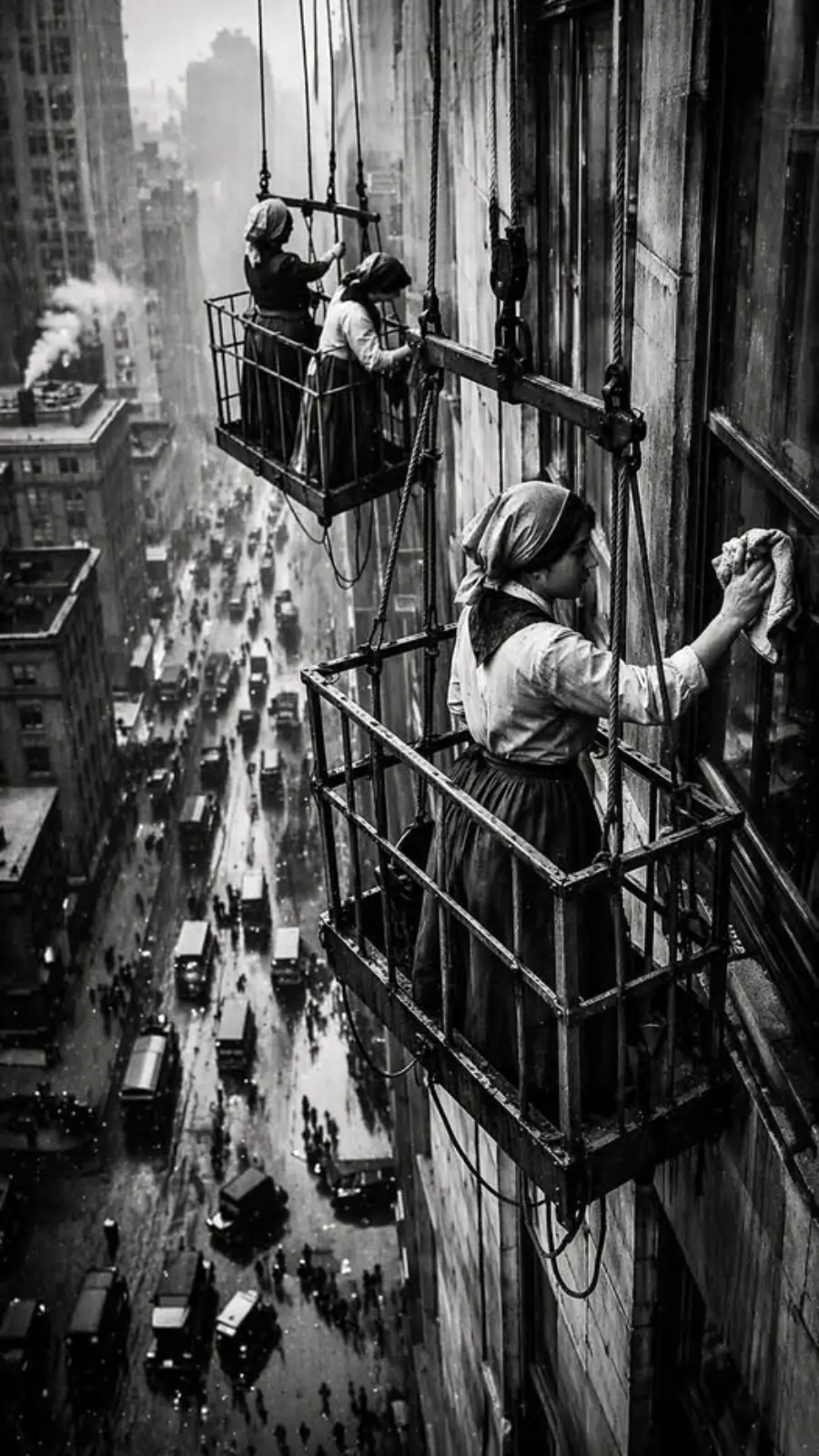
Maintaining the glass facades of early 20th-century skyscrapers was a high-risk occupation that demanded extraordinary physical balance, nerves of steel, and absolute resistance to vertigo. Contemporary urban safety boards and maintenance firms frequently insisted that the terrifying heights and intense manual labor made the trade entirely unsuitable for female laborers. Fearless pioneers completely shattered this professional barrier by scaling towering scaffolding and utilizing primitive harness systems to service major urban landmarks. Their presence on high-altitude platforms proved that physical courage and vocational adaptability are completely independent of traditional societal expectations.
Trending on The Scroller
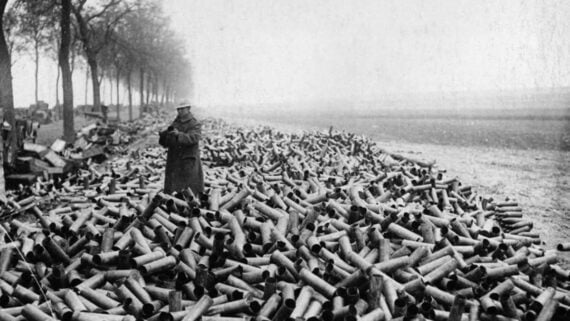

6. Early digital systems programming
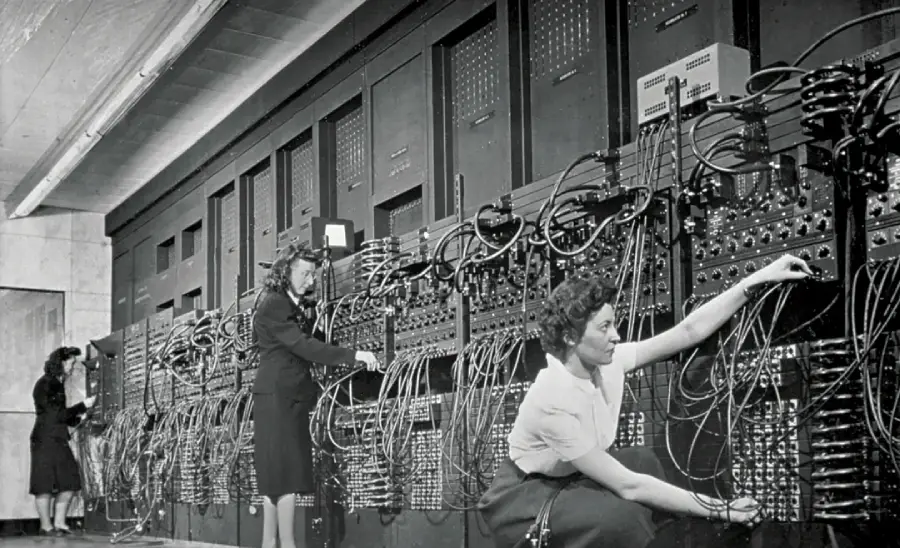
The foundational architecture of modern software development was heavily shaped by brilliant female mathematicians who operated the world’s very first functional digital computers. During the 1940s, operating systems like the massive ENIAC required manual data routing, where technicians had to physically configure hundreds of data cables and mechanical switches to solve complex calculations. The contemporary military establishment mistakenly viewed this pioneering coding work as simple, low-level clerical data entry that required no real analytical skill. These brilliant women completely subverted that ignorance, transforming a chaotic web of vacuum tubes into an organized logical framework that birthed the global computing age.
7. Heavy machinery operators
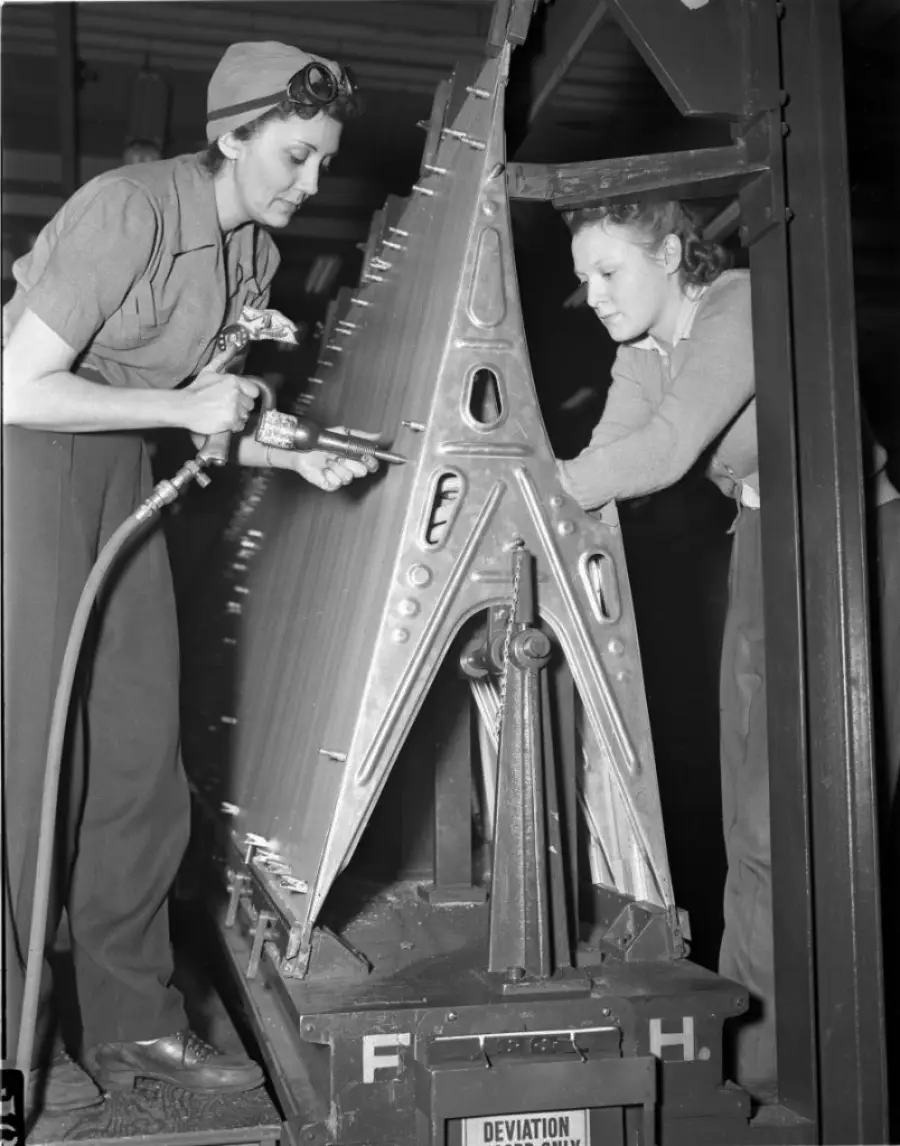
The automotive and heavy industrial plants of the 1920s operated under high-intensity manufacturing speeds, driven by complex networks of overhead leather belts and roaring mechanical stamping presses. Operating these massive, unshielded machines required sharp physical reflexes, mechanical troubleshooting skills, and hours of continuous mental focus to prevent catastrophic assembly jams. Widespread social commentary initially claimed that the intense sensory overload and manual strain of heavy factory lines would overwhelm female workers. Industrial operators thoroughly disproved these claims, maintaining exceptional production metrics and permanently securing their place within heavy manufacturing history.
8. Commercial and record-setting aviation
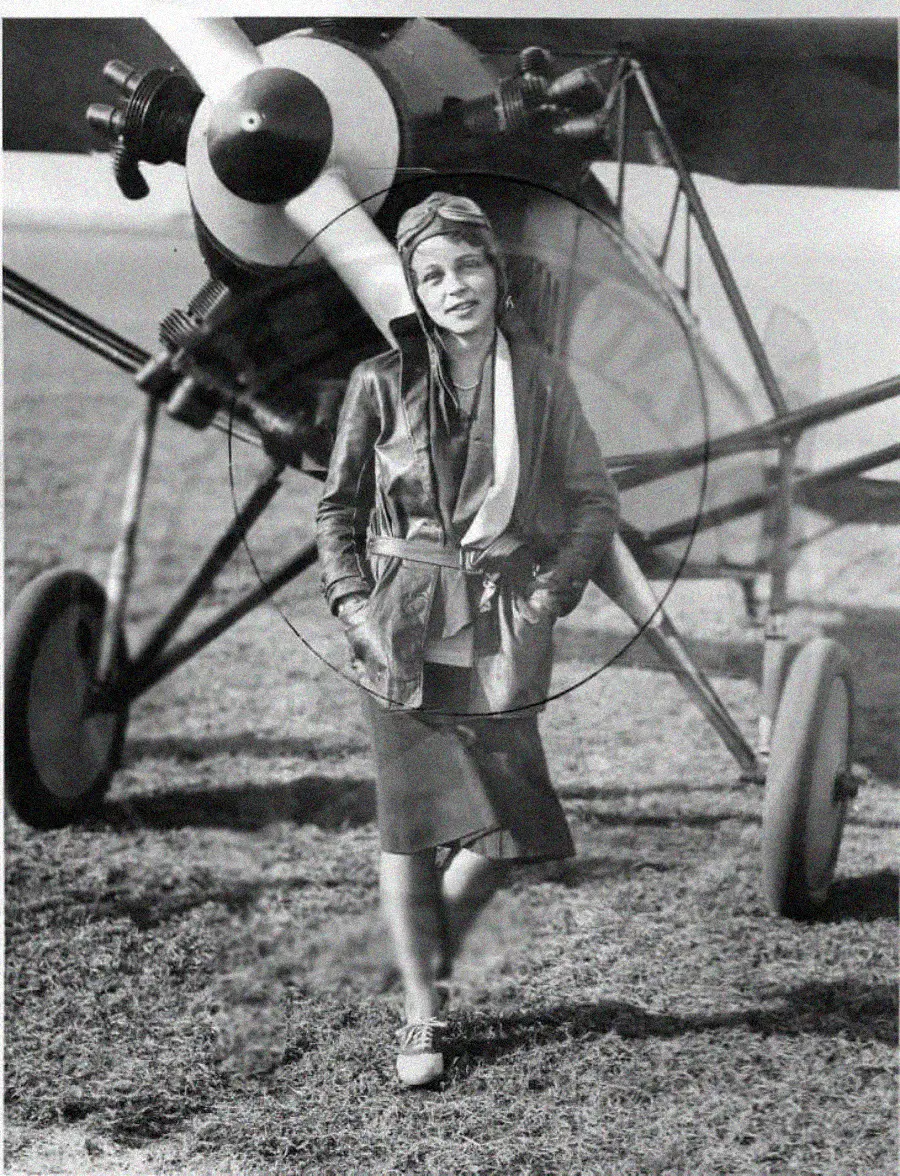
The golden age of flight was heavily romanticized as an exclusively masculine frontier, with mainstream critics confidently claiming that women lacked the rapid neurological reflexes required to navigate mid-air crises. Early female aviators aggressively fought against these cultural limitations, obtaining commercial pilot licenses and setting unprecedented international speed and altitude records. They successfully managed complex cross-country airmail logistics, flying primitive biplanes over treacherous mountain ranges without modern digital navigation instruments. Their immense technical mastery over aircraft mechanics permanently expanded the commercial boundaries of early global flight.
Sign up for our newsletter
9. Meteorological science
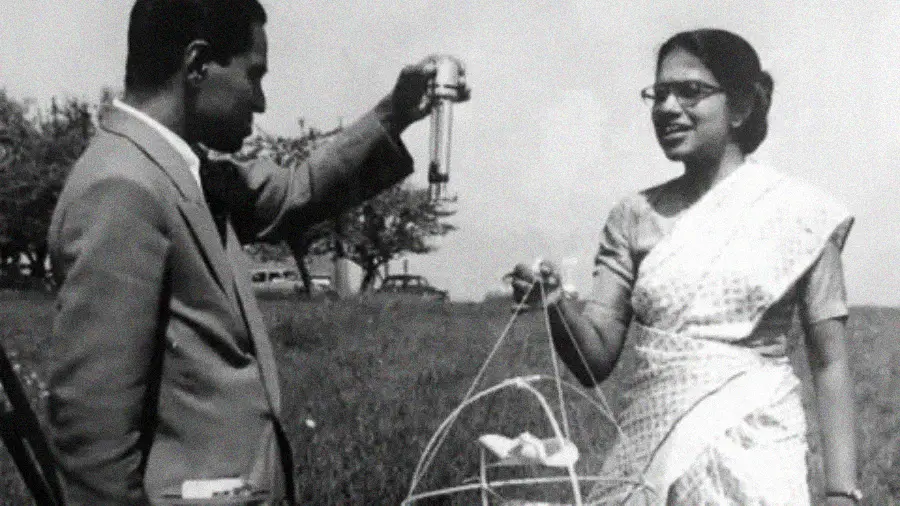
The field of meteorology and advanced atmospheric tracking was highly critical to national security, resource management, and international maritime navigation. Before the 1940s, public administration boards routinely steered female geography and science graduates away from active field research, keeping them confined to indoor clerical desks. Determined meteorologists successfully claimed their space in the field, taking complete ownership of upper-atmosphere tracking arrays and launch operations. Their precise compilation of wind currents, barometric data, and weather patterns provided the vital safety calculations that protected civilian shipping networks from unexpected maritime disasters.
10. Municipal transit drivers
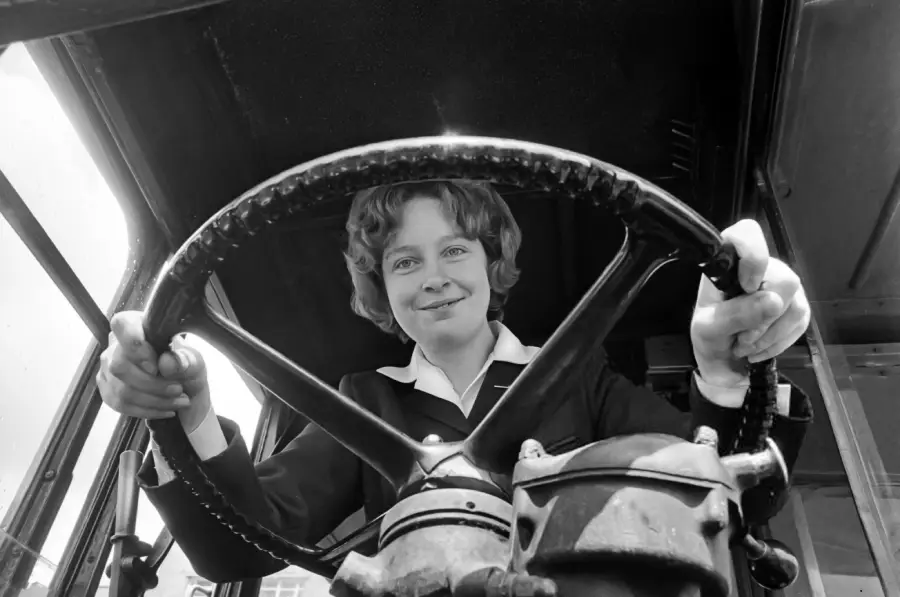
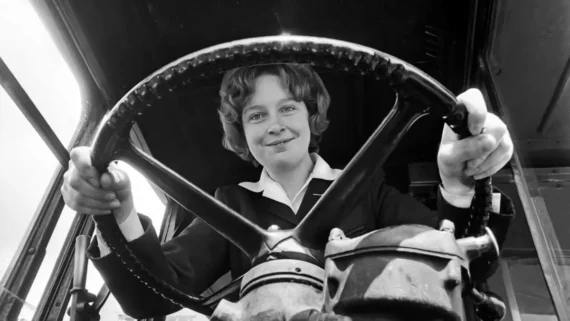
Operating multi-ton municipal transit buses during the mid-20th century required intense physical exertion and specialized mechanical coordination. These early heavy-duty vehicles completely lacked modern hydraulic power steering, automatic transmissions, or ergonomic seating, making daily navigation through dense urban traffic a taxing chore. When severe civic labor shortages forced city planning departments to hire female drivers, public skeptics predicted immediate infrastructural gridlock and rising accident rates. These uniform-wearing pioneers quickly earned widespread public praise, maintaining exceptional safety records while keeping the urban transit grid operating perfectly on time.
11. Genetic agricultural research
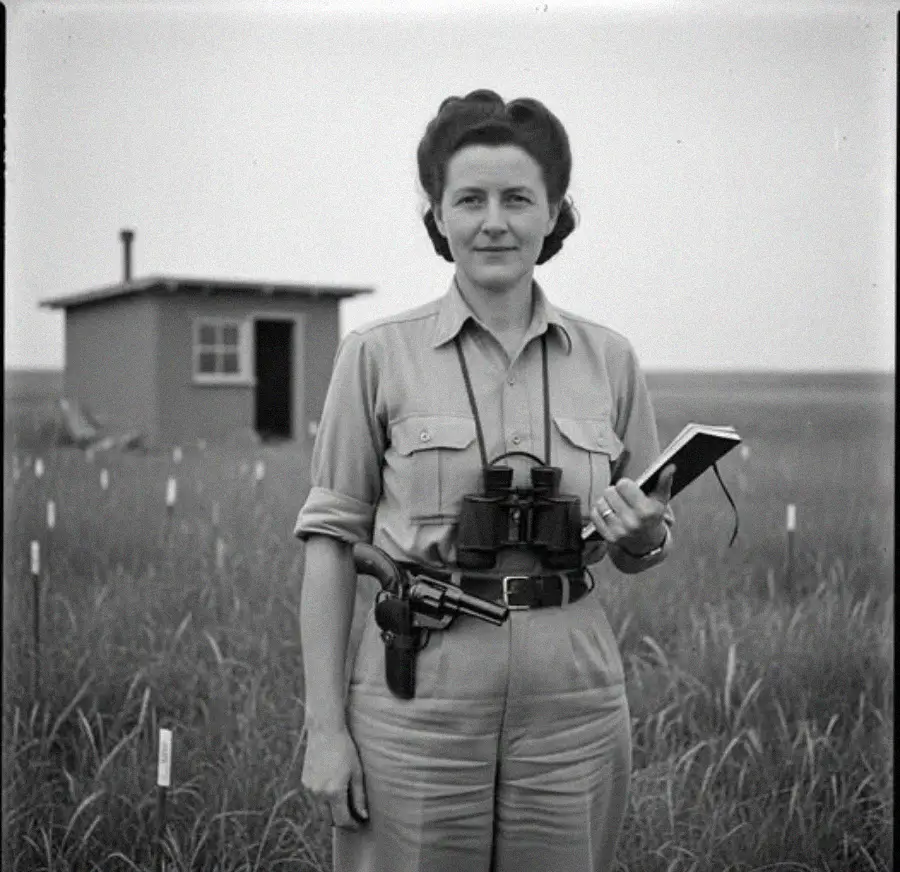
Securing global food supplies during decades marked by severe economic downturns and regional droughts required a profound understanding of plant genetics and biological engineering. Female botanists and agricultural scientists performed highly advanced, meticulous cross-pollination experiments to breed disease-resistant grain crops and maximize field yields. This scientific work required spending months conducting precise micro-extractions, maintaining controlled greenhouse environments, and recording genetic mutations inside technical journals. Their brilliant laboratory breakthroughs revolutionized the efficiency of large-scale agriculture, proving invaluable to the development of modern food sustainability sciences.
12. Archival document restoration
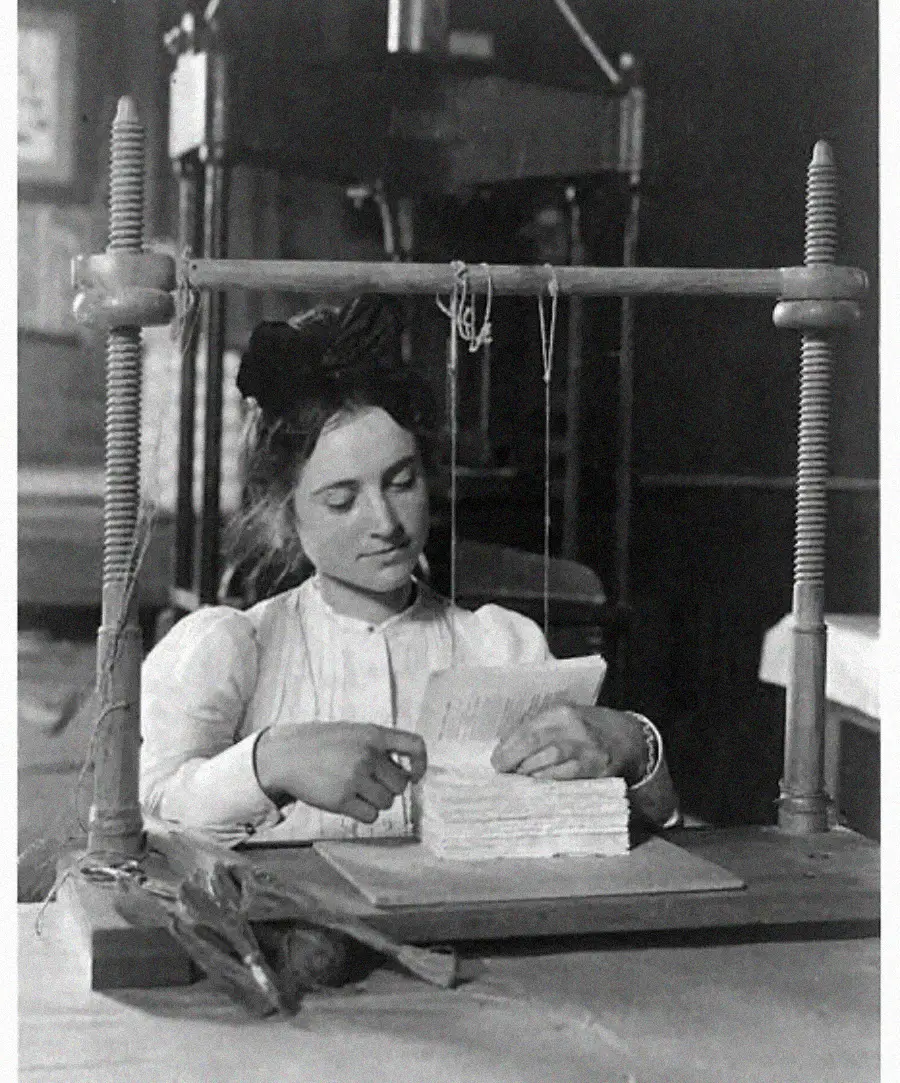
The preservation of centuries-old regional documents, rare historical manuscripts, and national legislative records was a highly specialized curatorial science. Archivists had to master complex chemical adhesive formulas, delicate parchment stabilization techniques, and heavy manual book-binding presses to stop physical decay. The academic hierarchy of the late 19th and early 20th centuries frequently barred women from high-level institutional curation, assuming they lacked the long-term historical expertise to manage vast national history collections. The flawless condition of our oldest surviving public archives remains a permanent monument to the tireless, organized focus of these early preservation experts.
13. High-voltage electronic assembly
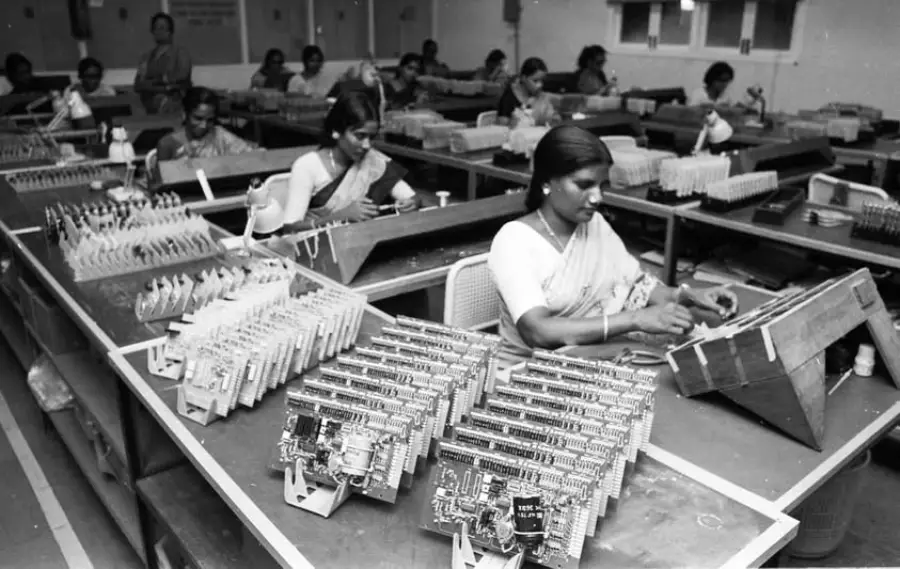
The rapid mass-production of early television, radio, and telecommunication hardware during the post-war boom required an exceptional level of technical manufacturing precision. Technicians were explicitly tasked with using high-heat soldering irons to build complex circuit patterns, carefully weaving copper wires around fragile glass vacuum tubes. The electronics industry rapidly discovered that female assembly crews consistently displayed superior manual dexterity and a significantly lower rate of structural errors compared to traditional workforces. This sharp-eyed attention to mechanical detail was absolutely essential to successfully engineering the early consumer appliances that transformed modern household communication.
14. Professional architecture
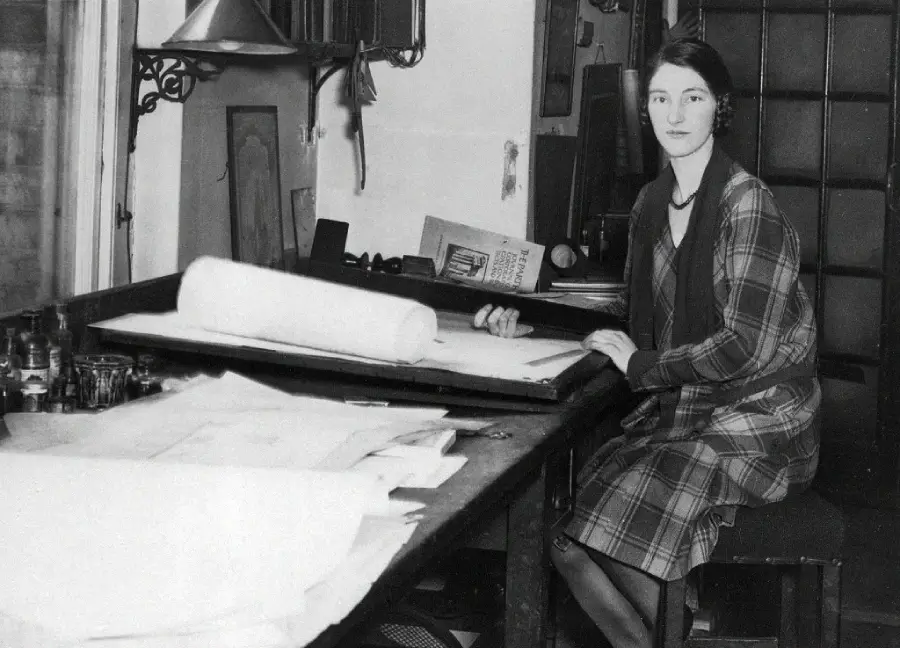
The field of professional architecture during the early 20th century was notoriously exclusive, with major design firms openly refusing to employ or recognize female draughtsmen. Practicing women in this discipline had to fight tooth and nail for mainstream commissions, mastering structural weight calculations, building material physics, and zoning regulations. They produced highly detailed, mathematically sound structural elevations and floor plans for modern civic buildings and residential zones. Their brilliant architectural blueprints beautifully demonstrated that creative spatial vision, corporate leadership, and engineering logic have absolutely nothing to do with traditional professional barriers.
15. Astronomical data computing
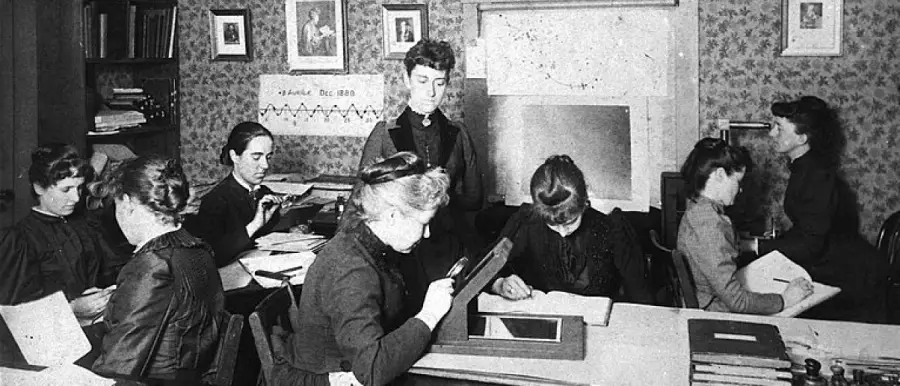
Long before modern digital software arrays existed, premier university observatories relied on teams of highly advanced human computers to map out the physical universe. These brilliant female mathematicians spent years systematically analyzing glass photographic plates, using heavy brass microscopes to measure star coordinates and catalog stellar brightness metrics. Despite uncovering foundational laws regarding cosmic distances and stellar composition that revolutionized astrophysics, the contemporary academic hierarchy denied them formal faculty titles and paid them minimal clerical wages. Their tireless calculations permanently mapped the modern heavens, enabling 20th-century space exploration to thrive.
16. Maritime logistics management
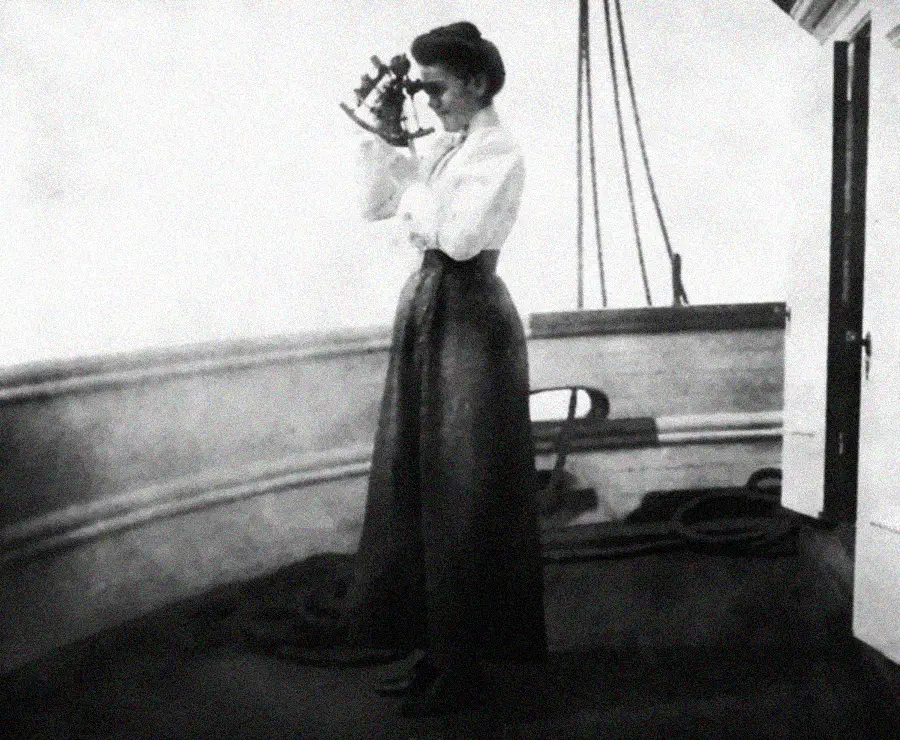
Managing a bustling maritime shipping terminal required an exceptional understanding of international supply chain logistics, customs regulations, and rapid mechanical coordination. Cargo coordinators were responsible for balancing complex manifest sheets, directing massive iron cranes, and organizing the rapid offloading of international freight ships. The waterfront was historically governed by intense cultural taboos, including long-standing maritime superstitions that claimed the presence of women on industrial docks brought immediate misfortune to the fleet. Professional female logistics managers completely dismantled these archaic myths, ensuring port operations ran with absolute peak commercial efficiency.
17. Commercial printing press operation
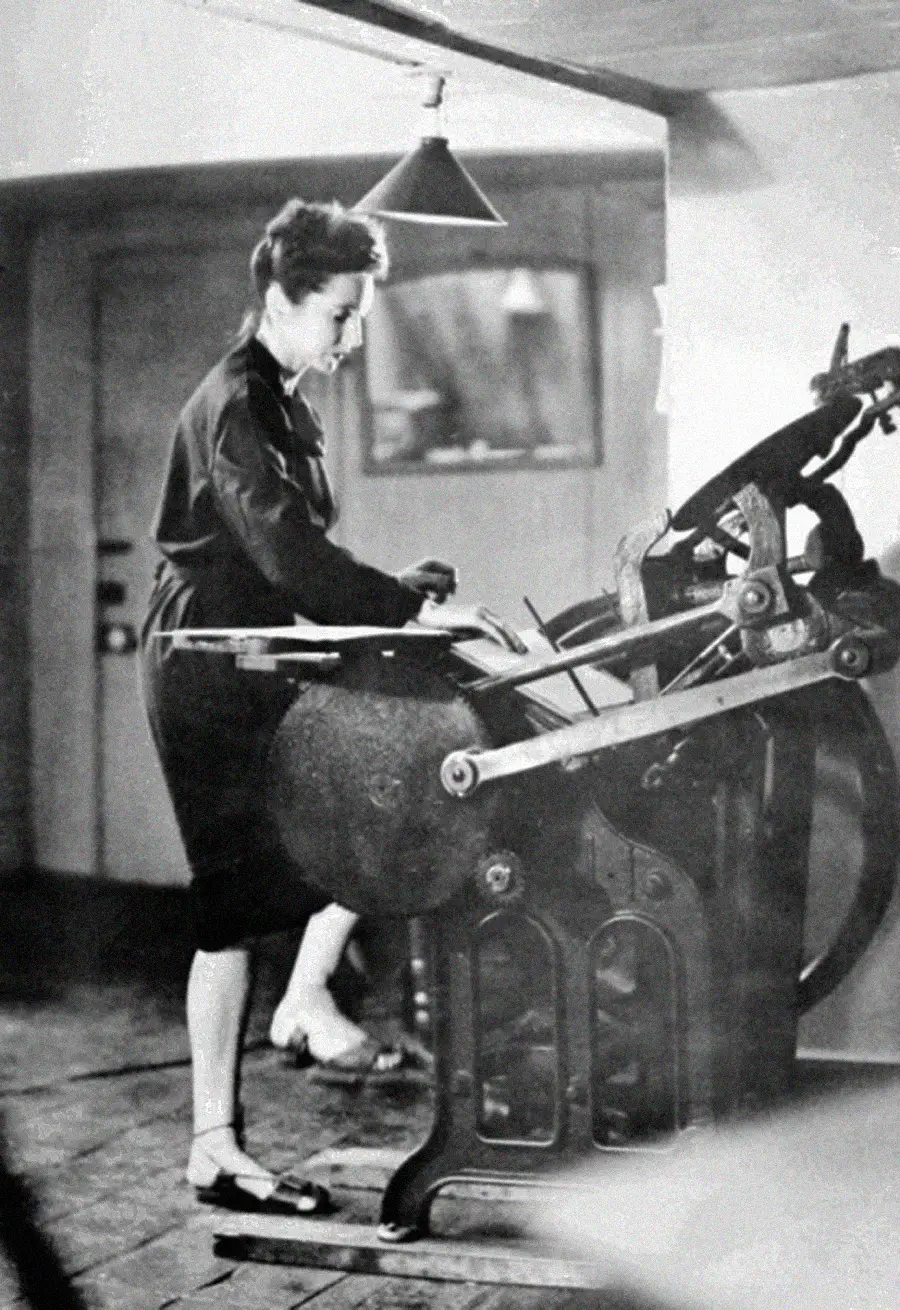
Operating massive, multi-ton rotary printing presses was a dangerous and high-intensity industrial profession that dominated the publishing sector. Running these mechanical behemoths required an intense combination of sharp physical timing, heavy manual labor, and constant troubleshooting skills to feed large sheets of paper through moving iron gears and fast-spinning ink rollers. Because a single second of distraction could result in catastrophic machinery damage or severe personal injury, print shops historically restricted the trade exclusively to male apprentices. Pioneering female press operators claimed their space amidst the roar of the factory floor, proving their exceptional industrial capability in a rapidly expanding media world.
Explore more vintage stories:
Stepping back into the historical archives to examine these vintage celebrations of professional grit serves as a powerful reminder that human capability can never be neatly contained by arbitrary societal rules or outdated cultural doctrines. The unwavering focus, sharp intellect, and physical stamina displayed by these pioneering women laid the vital structural groundwork for the modern, diverse workforce we enjoy today. If you enjoyed this inspiring, nostalgic journey looking back at the hidden trailblazers of the past, make sure to explore these 20 Vintage Photos of Schools in the 1960s and 1970s, or 18 Victorian Technologies That Were Shockingly Advanced. You may also like these 19 Vintage 1900s Strongmen and Strongwomen Photos.