
When we look back at the 19th century, we tend to picture a world relying on horse-drawn carriages, gas lamps, and incredibly primitive machinery. It is easy to view the Victorian era through a lens of historical condescension, assuming that true innovation only began with the advent of the microchip and modern electronics. However, the inventors and engineers of the 1800s were operating at a level of sophistication that laid the absolute groundwork for almost every digital luxury we enjoy today. They were pushing the boundaries of physics, thermodynamics, and computing machine designs long before the world was ready to handle them.
From early versions of the internet built out of copper wires to automated factory machinery that ran on binary programming code, these nineteenth-century breakthroughs were shockingly futuristic. Many of these technologies failed to change the world immediately simply because the metallurgy or electrical grids of the era couldn’t keep up with the brilliant minds of their creators. Revisiting these forgotten masterpieces of engineering changes how we view history and gives credit back to the mechanical pioneers who dreamed of the future. Let’s take an illuminating look at eighteen technologies from the 1800s that were far ahead of their time.
1. The analytical engine – 1837
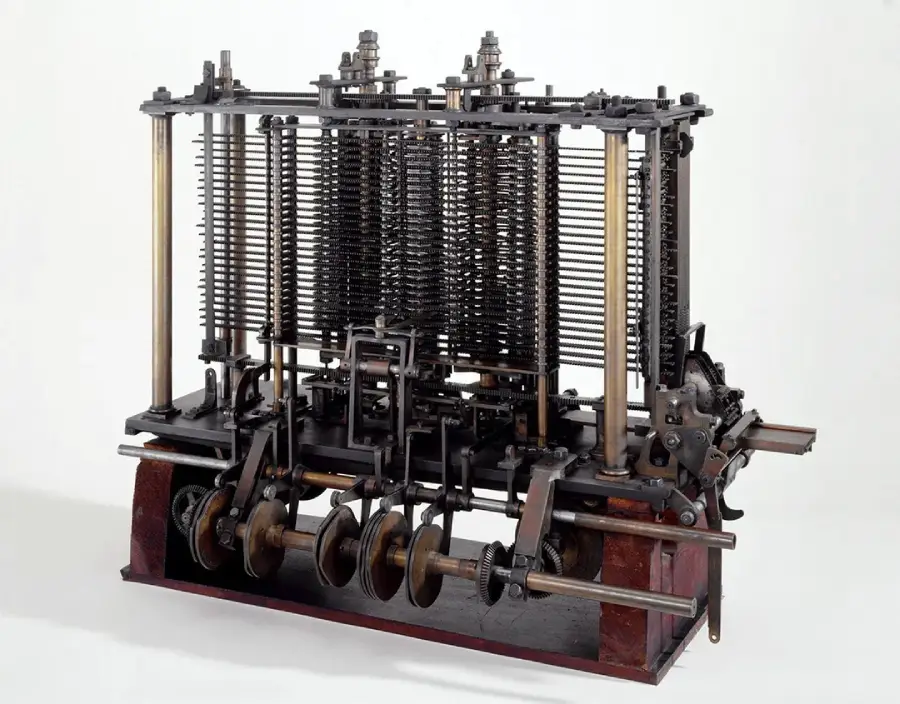
Designed by Charles Babbage, this mechanical marvel is recognized by modern computer scientists as the world’s first fully programmable general computer. It featured an arithmetic logic unit, integrated memory storage, and sequential control processing, which are the exact core components used in modern silicon microchips today. Babbage’s brilliant colleague, Ada Lovelace, even wrote the very first machine algorithm for it, making her the first computer programmer in human history. The machine was entirely mechanical, powered by steam and built out of thousands of interlocking brass gears that had to be turned by hand.
2. Fax machines – 1843
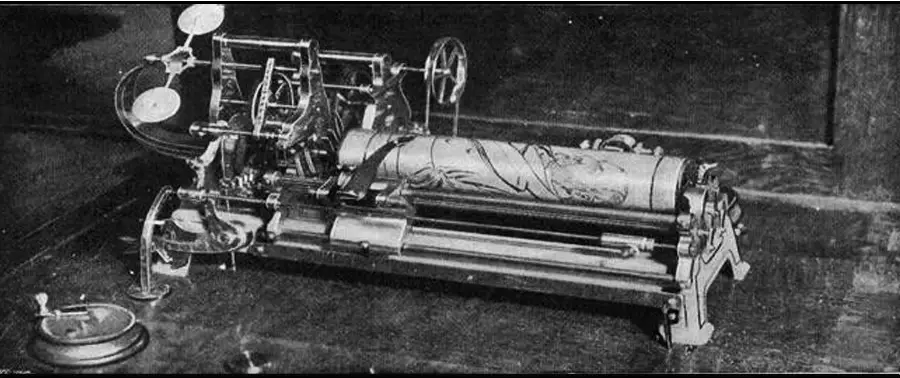
Most people assume that the fax machine is a late 20th-century office relic, but Scottish inventor Alexander Bain patented the chemical telegraph fax machine before the telephone even existed. His incredible device used a combination of pendulums and synchronized electric currents to scan a surface line by line and replicate images across a distance onto chemically treated paper. By the 1860s, commercial models called the Pantelegraph were actively transmitting handwritten signatures and drawings between Paris and Lyon daily. It stands as a stunning example of image transmission tech functioning long before the birth of the internet.
3. Electric vehicles – 1890s
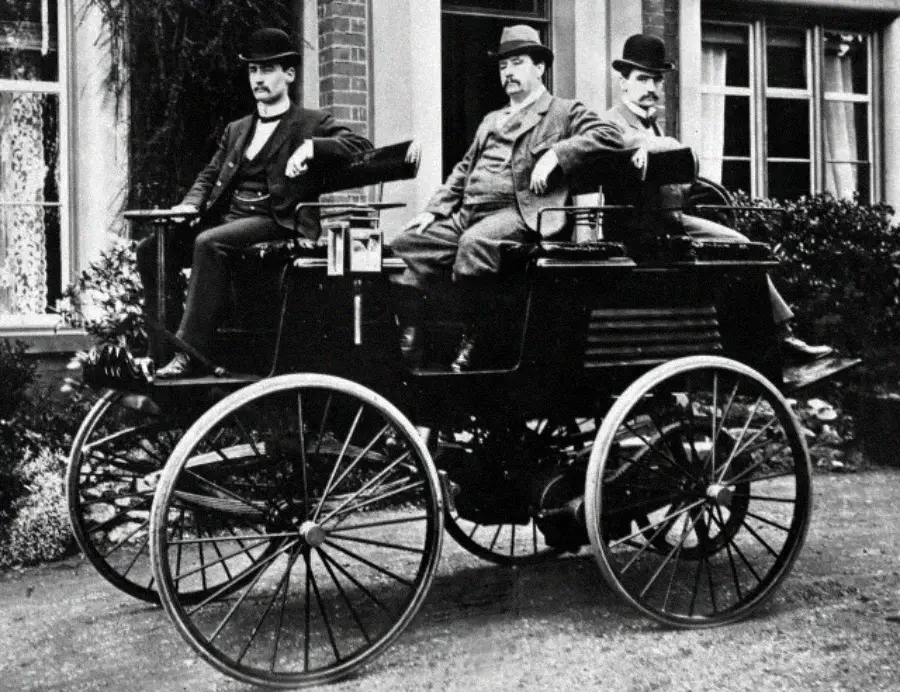
At the turn of the century, electric cars were actually more popular and reliable than their noisy, unreliable gasoline counterparts. In the late 1890s, the streets of London and New York were filled with fleet vehicles like the Bersey Electric Cab, which offered a smooth, quiet ride without any exhaust smoke. These vehicles even featured quick-change battery stations where a depleted core could be swapped out for a fresh one in under three minutes. The entire industry was eventually crushed when massive oil discoveries made gasoline incredibly cheap, and Ford began mass production of internal combustion vehicles.
4. The Jacquard loom
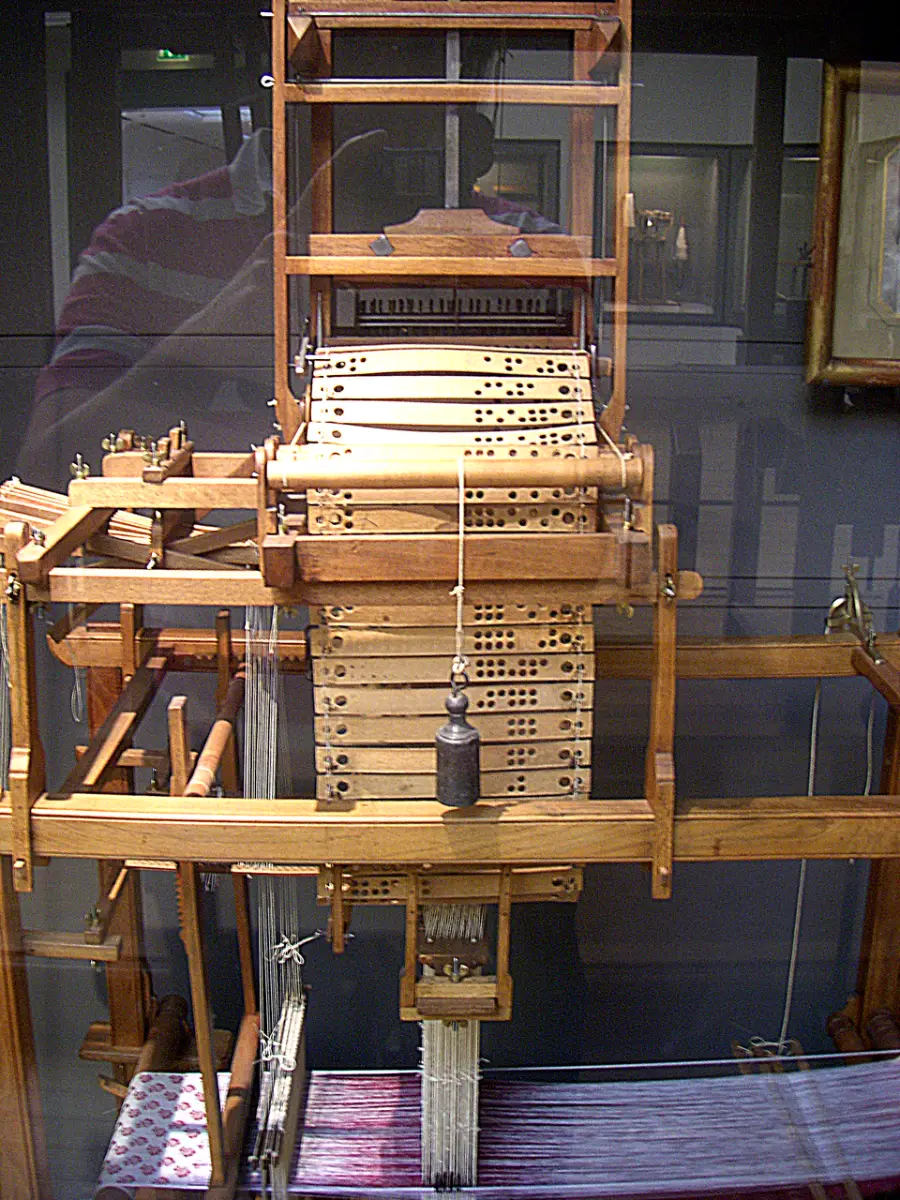
This industrial textile loom used a complex system of interchangeable punched paper cards to automatically weave intricate fabric patterns without human intervention. Each card instructed the machine to lift or lower specific threads, creating a mechanical logic system that operated exactly like a binary code setup. Charles Babbage actually used Joseph Marie Jacquard’s punch card design as the primary inspiration for data inputting in his early computing designs. Decades later, early IBM computers would utilize this exact same punch card technology to process data for international banking and government census work.
5. Wireless telephony and radio – 1893
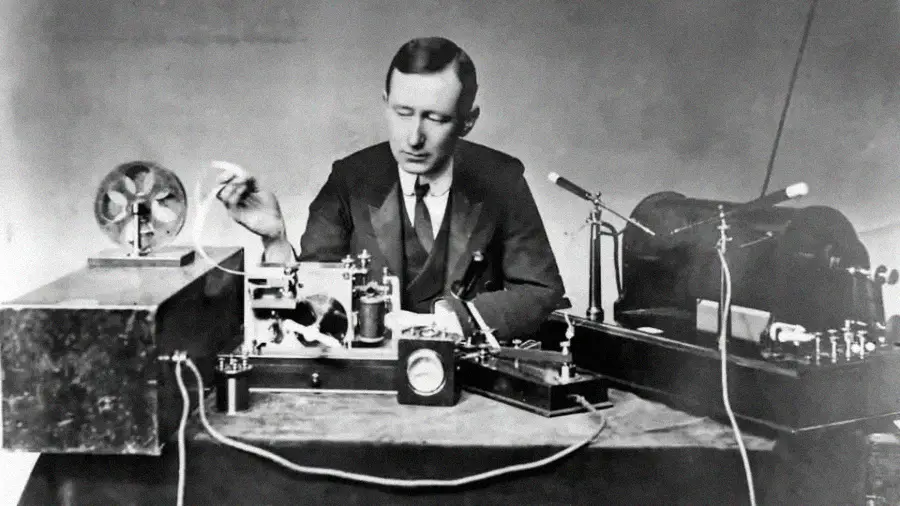
Nikola Tesla demonstrated the foundational principles of wireless communication and radio transmission years before Guglielmo Marconi claimed credit for the invention. Tesla used high-frequency resonant transformers to transmit electrical energy through the air without any wires, lighting up vacuum tubes across his laboratory stage. He envisioned a world system where data, news, and power could be broadcast globally to small handheld receivers using the earth’s ionosphere. His complex understandings of frequency tuning are the direct technological ancestors of the Wi-Fi and cellular networks we use every second today.
Trending on The Scroller

6. Celluloid – 1869
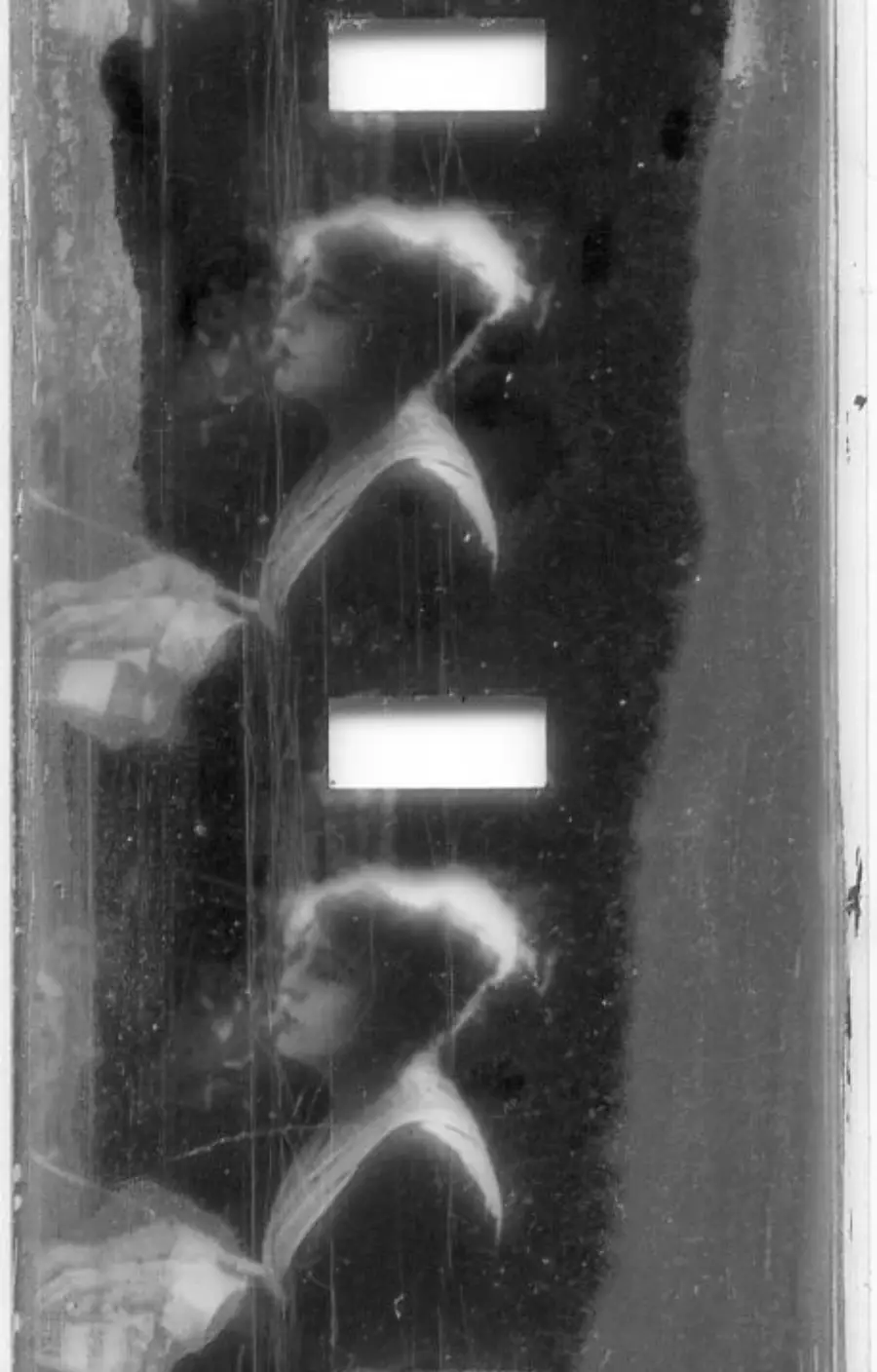
Invented by John Wesley Hyatt, celluloid was the world’s first synthetic plastic polymer, created as a sustainable replacement for the ivory used in billiard balls. This material completely revolutionized manufacturing because it could be easily molded under heat and retained its shape perfectly once cooled down. It allowed for the mass production of everything from waterproof shirt collars to lightweight combs and dental plates at a fraction of traditional costs. Crucially, its flexible and transparent qualities made it the ideal medium for the invention of motion picture film stock by Thomas Edison and Kodak.
7. Solar power motors – 1860s
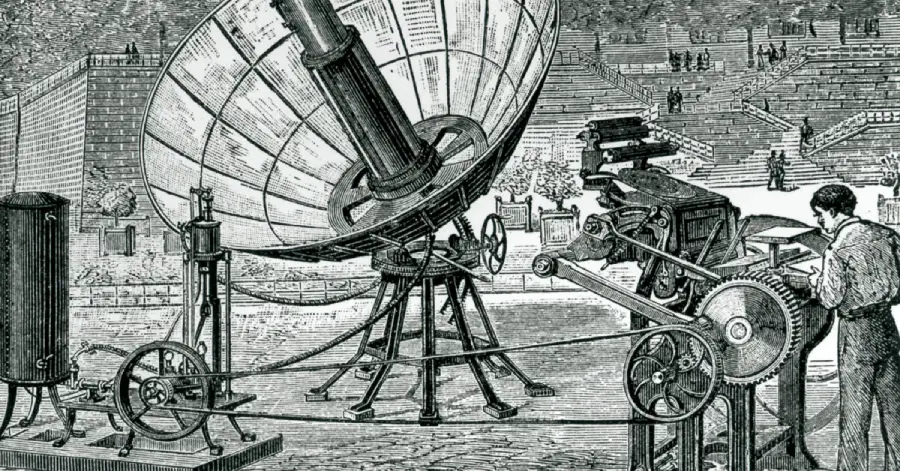
French inventor Augustin Mouchot developed the first solar-powered steam engines because he was genuinely terrified that European nations would soon run out of coal reserves. He built a massive parabolic mirror dish that concentrated sunlight onto a central glass boiler, generating enough steam pressure to run a small mechanical printing press. The invention received grand honors at the Paris Universal Exposition, where it produced ice blocks using solar-powered refrigeration techniques. The project lost funding when coal prices dropped significantly, stalling solar engineering progress for nearly a hundred years.
8. Submarines – 1860s
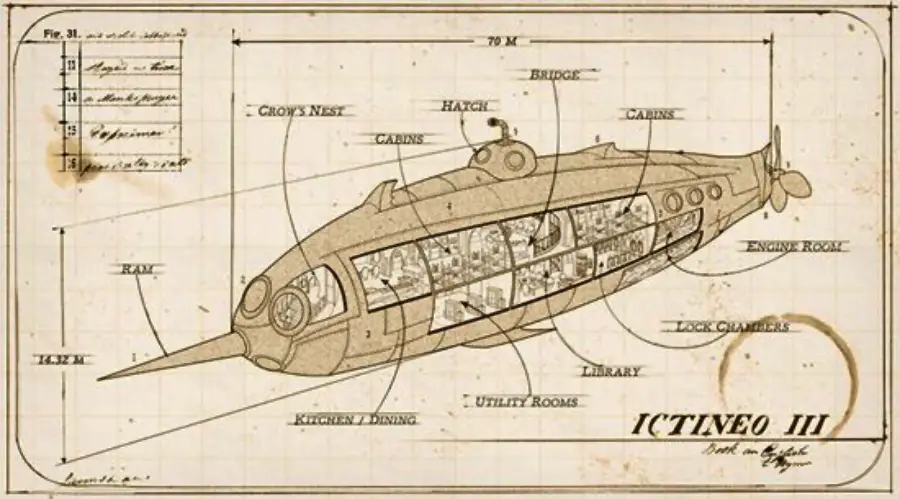
During the American Civil War, engineers on both sides built fully functional submarines that could navigate completely underwater to launch covert naval attacks. The CSS Hunley became the first combat submarine to successfully sink an enemy warship, utilizing a spar torpedo mounted to its bow. The submarine was powered by a crew of eight men who manually turned a central crankshaft to spin the propeller through the dark water. While the missions were incredibly dangerous and often fatal for the crews, the structural ballast tanks and breathing tubes laid the blueprints for modern naval warfare.
Sign up for our newsletter
9. The electric telegraph internet – 1850s
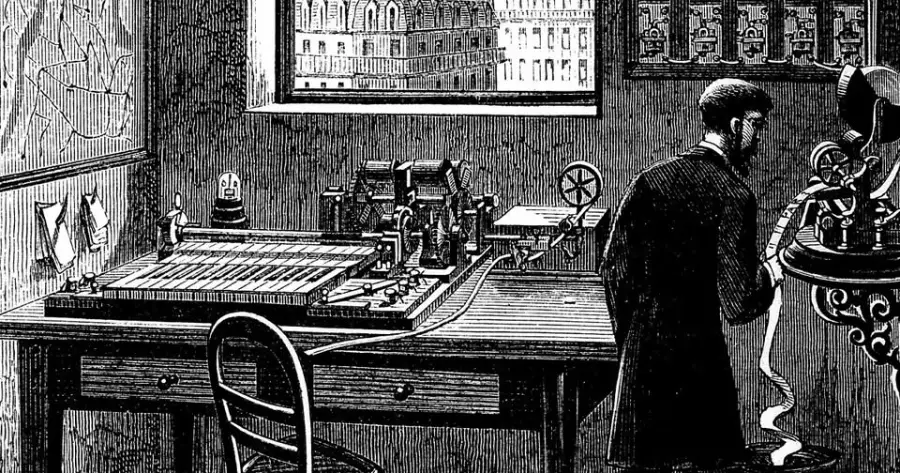
By the middle of the century, a massive network of undersea and overland telegraph wires connected continents, creating a global web of instant data communication. Journalists, bankers, and politicians could send breaking news across the Atlantic Ocean in minutes rather than waiting weeks for a steamship to arrive with letters. This network gave rise to its own unique digital culture, including online romances, specialized shorthand codes, and high-frequency day-trading networks on Wall Street. Historians frequently refer to this Victorian telegraph boom as the first literal iteration of the World Wide Web.
10. Contact lenses – 1887
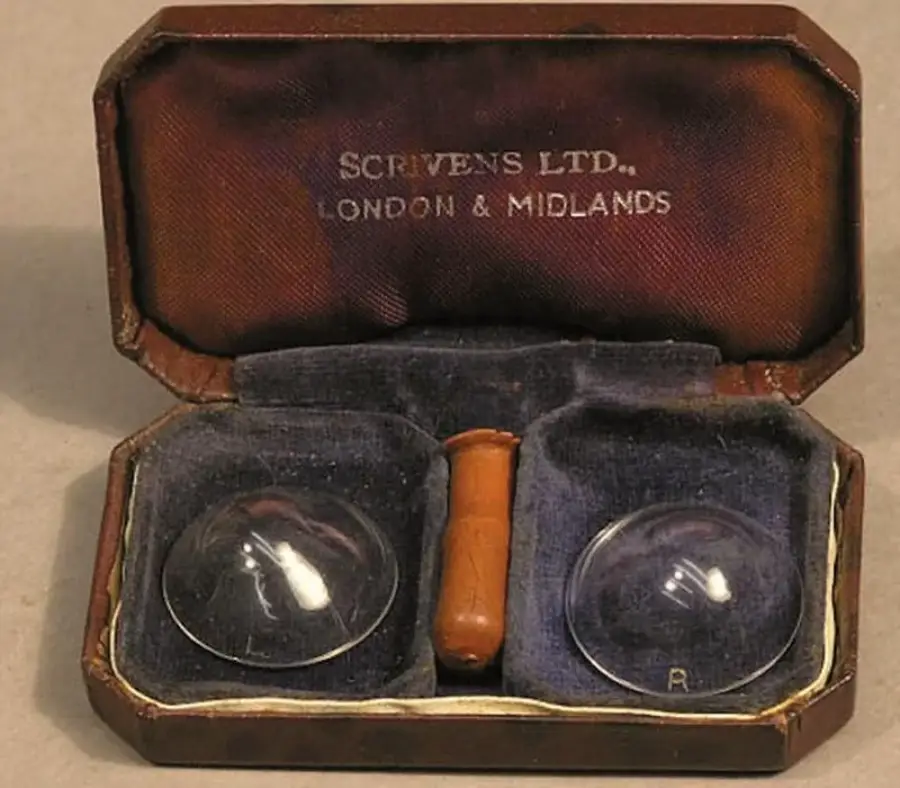
German ophthalmologist Adolf Fick successfully constructed and fitted the first glass contact lenses designed to correct severe visual impairments. These early lenses were blown from heavy glass and had to be fitted over the entire white section of the eye, requiring a special sugar solution to keep the eye hydrated underneath. While they were uncomfortable and could only be worn for a couple of hours at a time, they successfully corrected vision distortions for patients. It is a mind-boggling realization that wearable vision correction technology existed before the light bulb was fully commercialized.
11. Early moving pictures – 1878
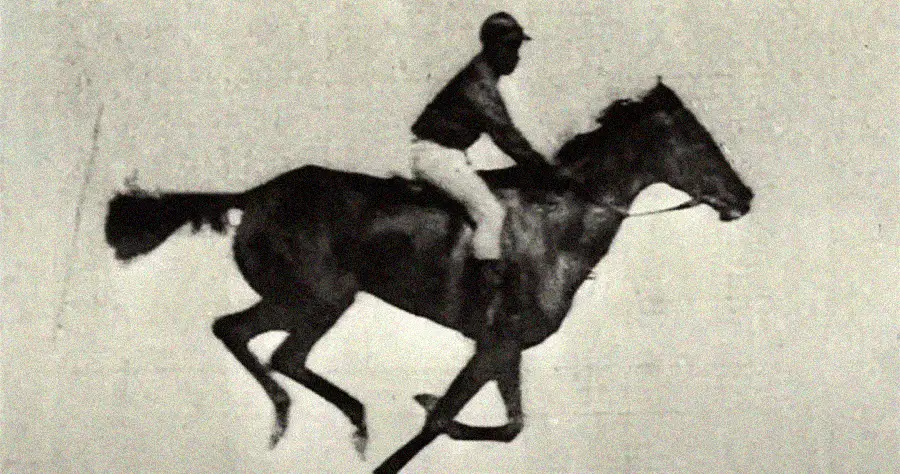
Eadweard Muybridge shocked the scientific community by creating The Horse in Motion, using a complex array of twenty-four separate cameras triggered by tripwires to capture a horse sprinting. This experiment proved for the first time that a horse lifts all four hooves off the ground simultaneously while running at high speeds. When he projected these individual frames in rapid succession using a specialized spinning disk device called a Zoopraxiscope, he created the world’s first motion picture. This mechanical illusion paved the way for cinema projectors and the modern video streaming culture we enjoy today.
12. Geothermal heating – 1892
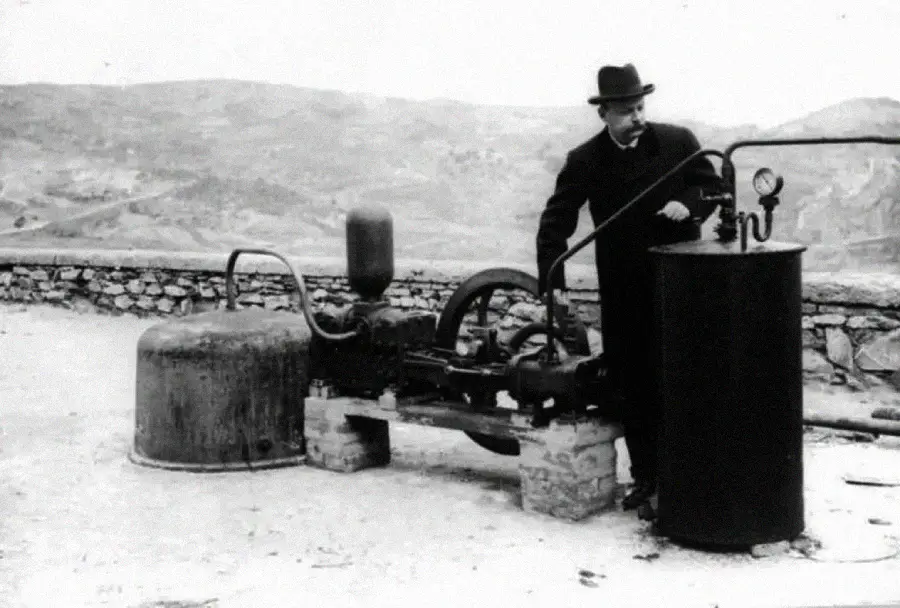
The city of Boise, Idaho, built the world’s first municipal geothermal district heating system by drilling deep wells to access hot water trapped beneath the earth’s crust. This naturally heated water was pumped through a network of wooden and metal pipes directly into hundreds of local homes and businesses downtown. The system provided a completely clean, sustainable, and highly efficient way to keep buildings warm during harsh winter months without burning coal or wood. This Victorian engineering project is still active and operational today, heating millions of square feet of real estate using the same green source.
13. The telautograph – 1888
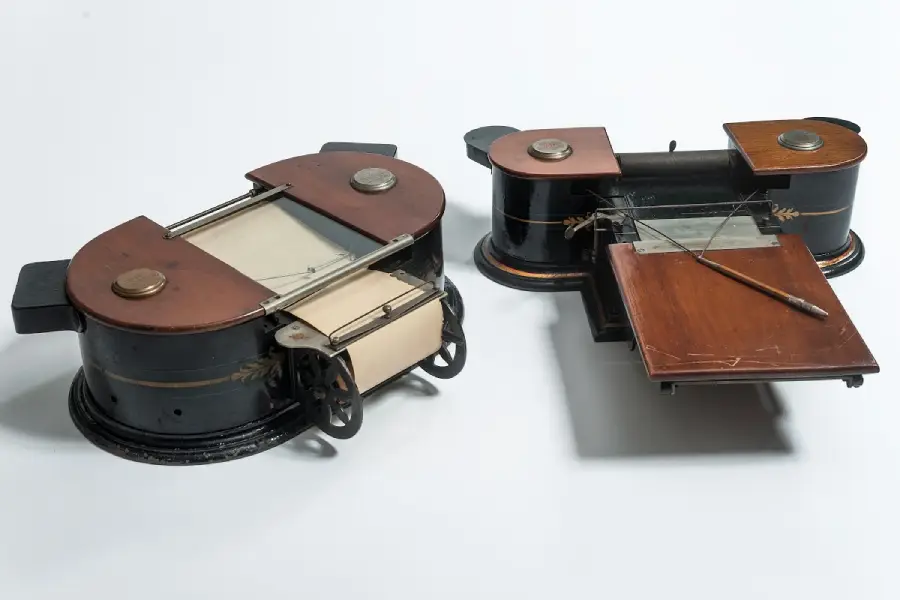
Invented by Elisha Gray, this amazing analog machine was a long-distance writing telegraph that could transmit an individual’s actual handwriting across miles of wire in real-time. As the sender wrote a message on a specialized desk using a mechanical stylus, the electrical impulses moved a corresponding pen at the receiving station to replicate the signature perfectly. It became an essential tool for banks and railway stations that required instant signature verification for high-value financial transfers and security documents. The device was a precursor to modern digital tablets and stylus tracking technology.
14. Steam-powered robots – 1868
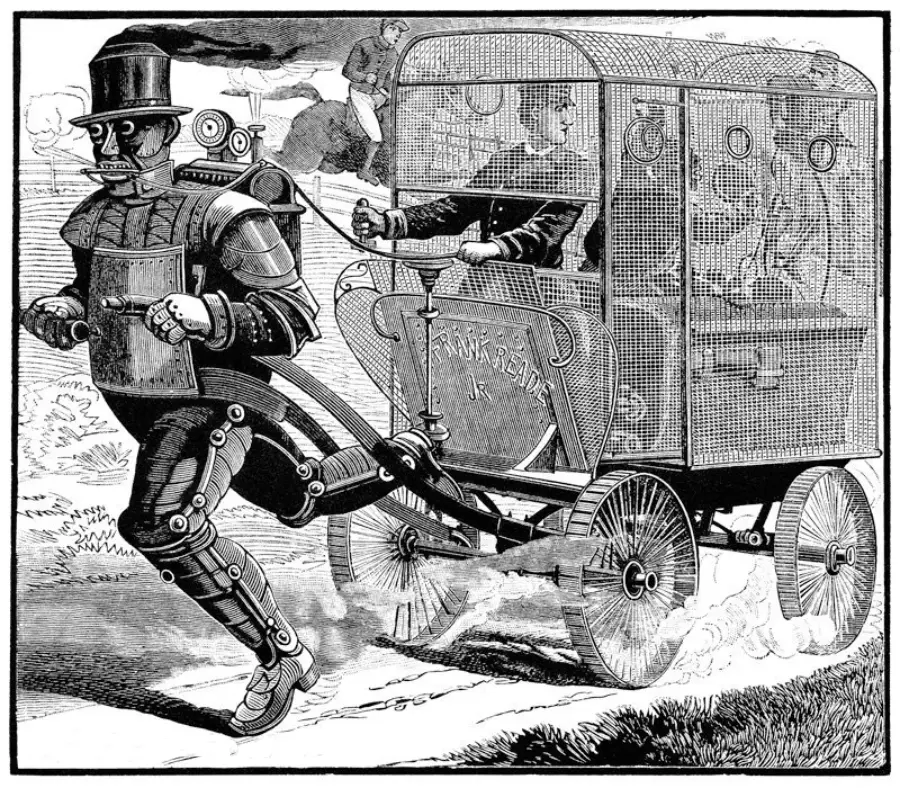
Inventors Zadoc Dederick and Isaac Grass built the “Steam Man,” a humanoid mechanical automaton designed to pull a passenger carriage down public roads. The robot featured a small steam boiler inside its metal torso and a complex system of levers and pistons in its legs that simulated human walking strides. While it was loud and ultimately impractical compared to a standard horse, the machine attracted massive crowds during public demonstrations across America. It remains one of the earliest documented attempts to build an autonomous bipedal machine for commercial transit work.
15. The phonograph – 1877
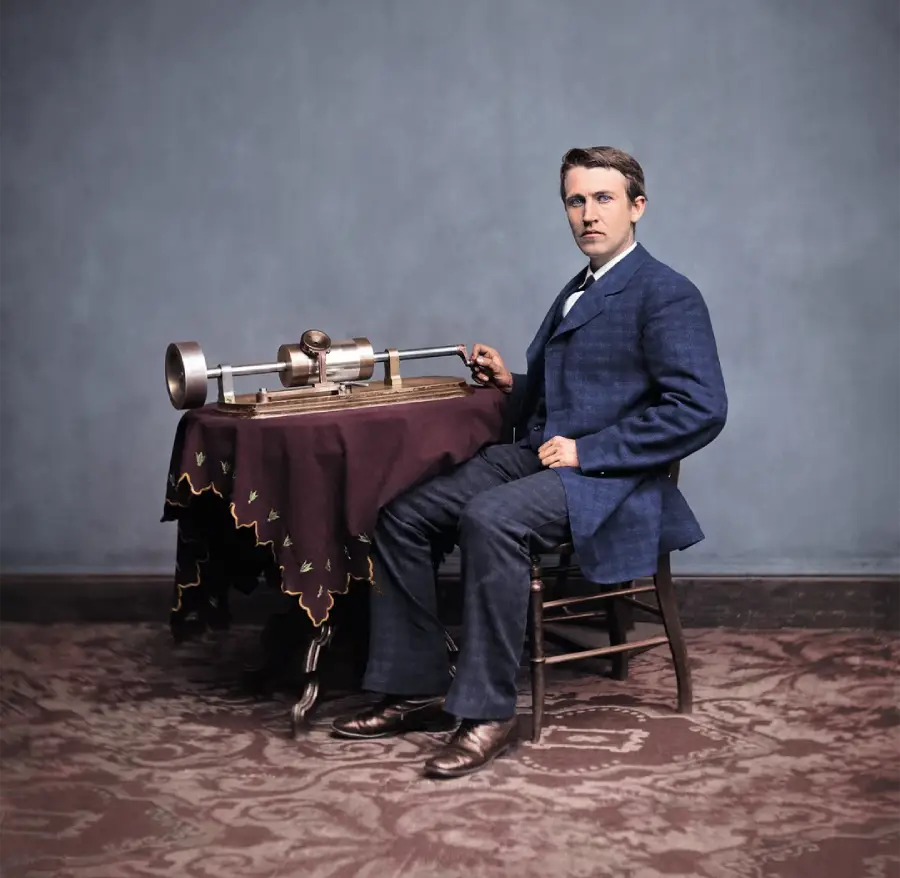
Thomas Edison stunned the world by inventing a device that could not only record sound waves but also play them back using a simple mechanical stylus. The machine captured audio vibrations by using a delicate needle to indent grooves into a spinning cylinder covered in tinfoil or wax. For the first time in human history, the voices of singers, politicians, and ordinary people could be permanently preserved and distributed across the globe. This physical audio format laid the foundation for the music industry and every vinyl record, cassette tape, and digital audio file that followed.
16. Night vision – 1880s
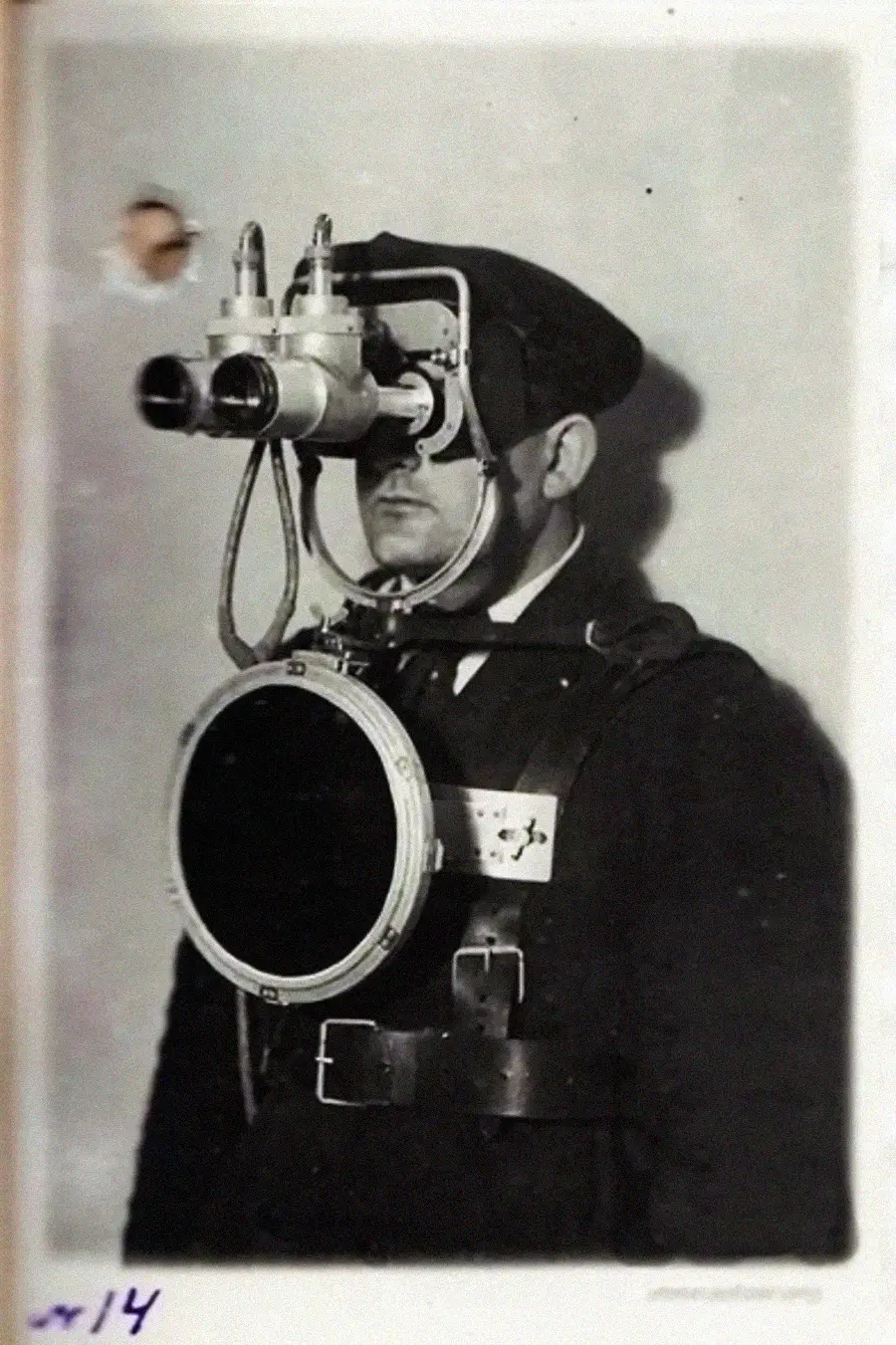
Military engineers began experimenting with chemical coatings made from luminous zinc sulfide to create reflective maps and instrument dials that could be read in pitch darkness. These compounds absorbed daytime ambient light and released a steady, soft green glow for hours without requiring any electrical power or open flames. Naval captains used these glowing tools to navigate submarine hulls and coordinate nighttime troop movements without alerting enemy lookouts. This chemical logic was the earliest foundational step toward modern luminous instrumentation and tactical night visibility equipment.
17. The pneumatic tube postal network – 1850s
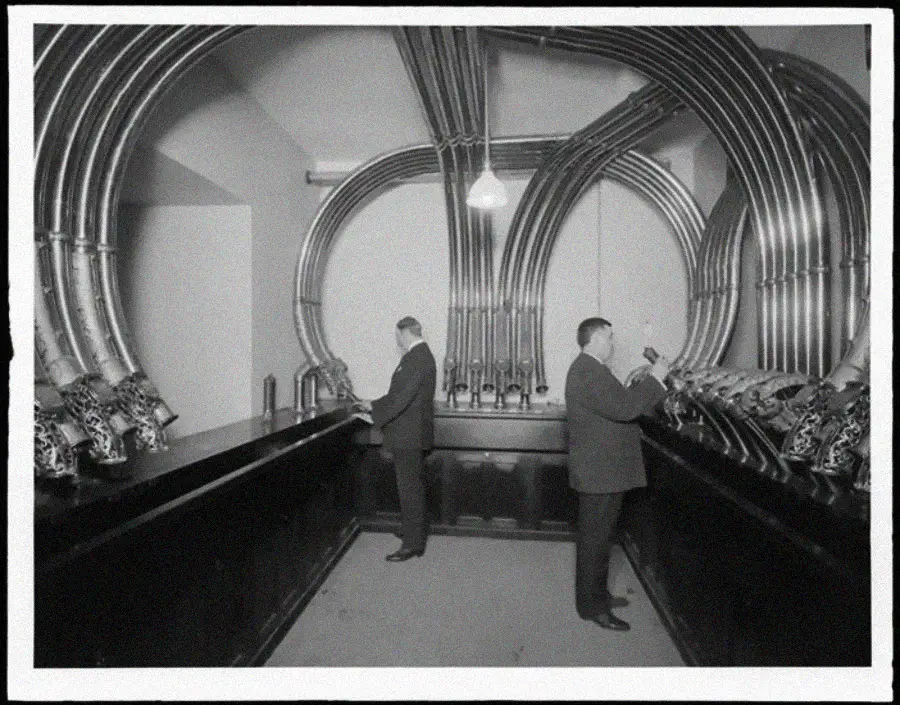
Major metropolitan cities like London, Paris, and New York constructed massive underground networks of iron pipes to transport mail using air pressure. Cylindrical capsules containing letters, telegrams, and small packages were sucked through these tubes at speeds exceeding thirty miles per hour beneath city streets. This network allowed businesses to send documents across a sprawling metropolis in a matter of minutes, completely avoiding the heavy traffic gridlock above ground. The system was highly sophisticated and ran continuously for decades before being replaced by electronic messaging systems.
18. The Strowger automatic telephone switch – 1891
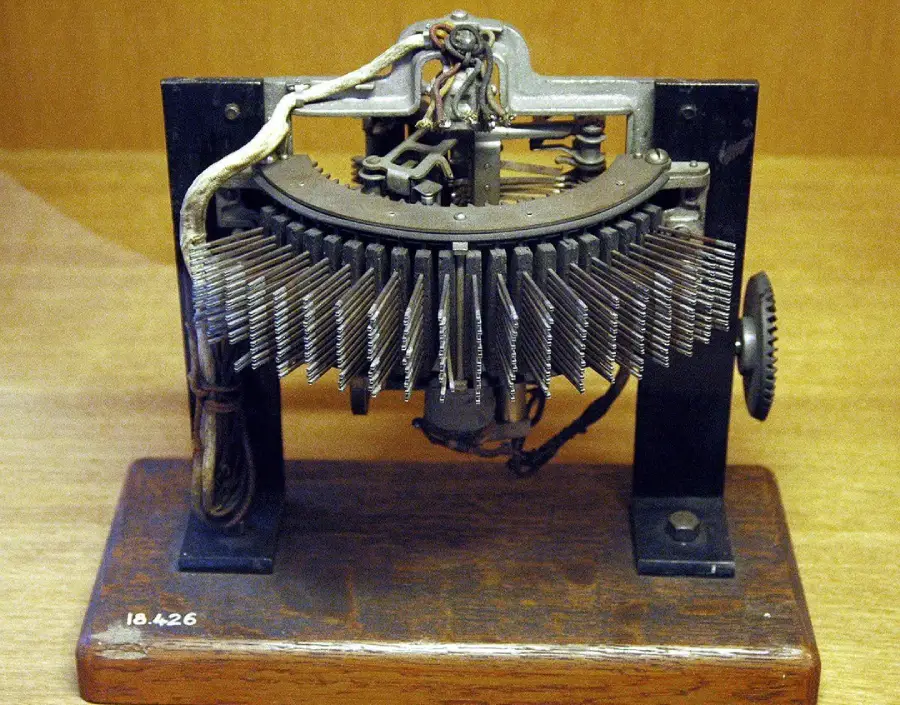
Before the invention of this electromechanical system, every single telephone call required a human operator to physically plug cables into a switchboard to connect the lines. Almon Strowger, a businessman who suspected local operators were maliciously diverting his clients to a competitor, decided to completely automate the entire process. He engineered a motorized switch mechanism that utilized electrical impulses to route calls automatically based on numbers pressed by the user. This brilliant invention eliminated the need for manual routing and directly laid the technical framework for the modern digital telecommunications grid.
Explore more vintage inventions:
Exploring these Victorian technologies reveals that the past was filled with a brilliant spirit of innovation that matches anything happening in Silicon Valley today. These inventors managed to achieve the impossible using nothing more than coal, brass gears, and pure mathematical logic. If you enjoyed this journey through the advanced breakthroughs of the Industrial Era, make sure to explore these 20 Forgotten Inventions That Were Way Ahead of Their Time, or 15 Massive Discoveries That Happened by Total Accident. You can also check out these 20 Accidental Inventions That Changed Everyday Life.