Everyday conveniences people once lived without can make the past look surprisingly exhausting. Imagine planning your day around an ice delivery, dragging a rug outside just to clean it, or discovering that getting cash after work was practically impossible.
And we’re not talking about ancient history. Many of the things we now take for granted became common within our parents’ or grandparents’ lifetimes. From kitchen appliances to tiny inventions that saved enormous amounts of trouble, here’s what everyday life looked like before convenience took over.
1. Nearly Half of American Homes Lacked Complete Indoor Plumbing in 1940
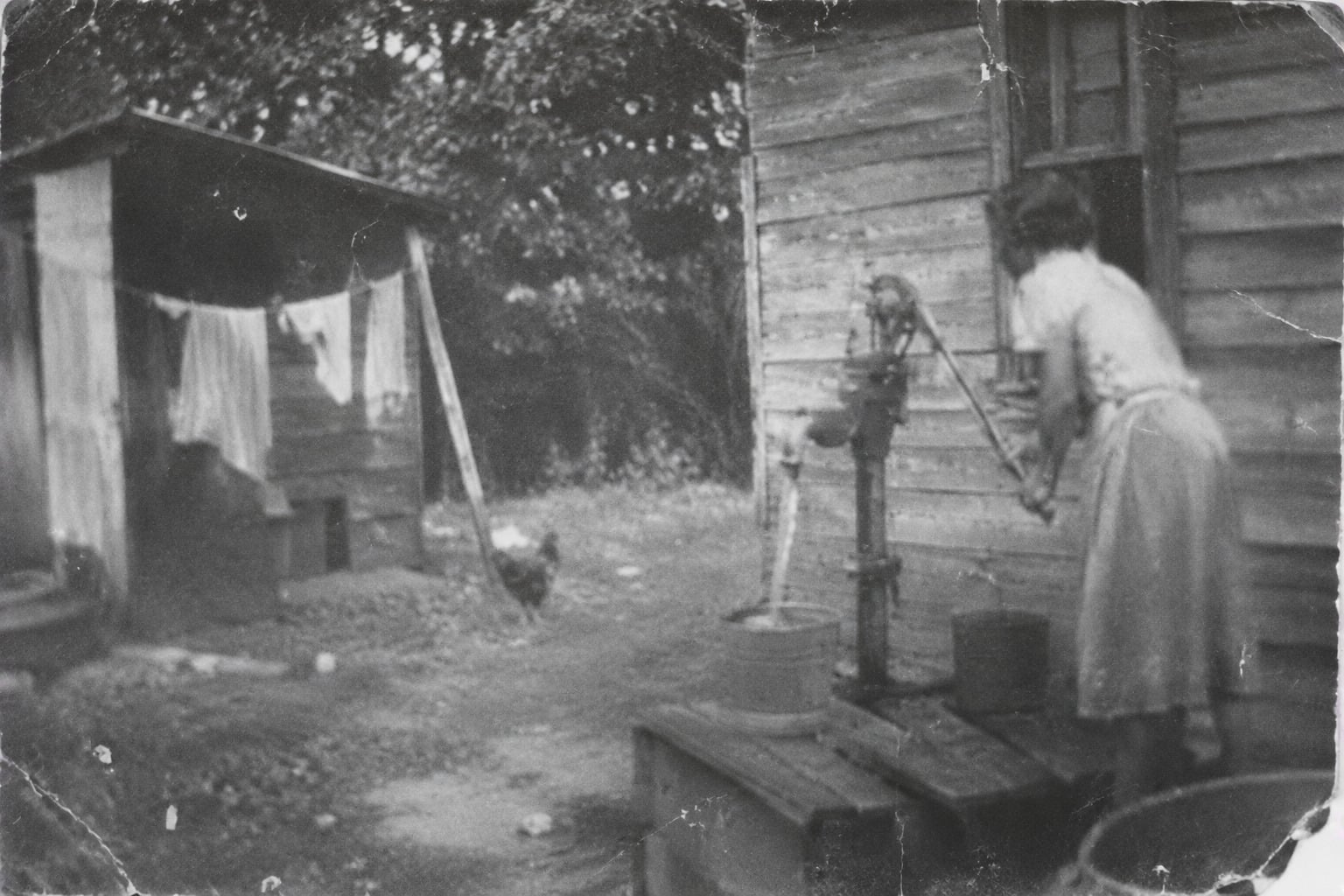
A hot shower, running water, and a flushing toilet might feel like the bare minimum today. But in 1940, a staggering 45% of American housing units lacked complete indoor plumbing, according to the U.S. Census Bureau. In the South, that figure reached 68%. That didn´t mean every household was missing everything, but having hot and cold piped water, a bathtub or shower, and a flush toilet under one roof was far from guaranteed.
2. Refrigerators Once Required Daily Ice Deliveries
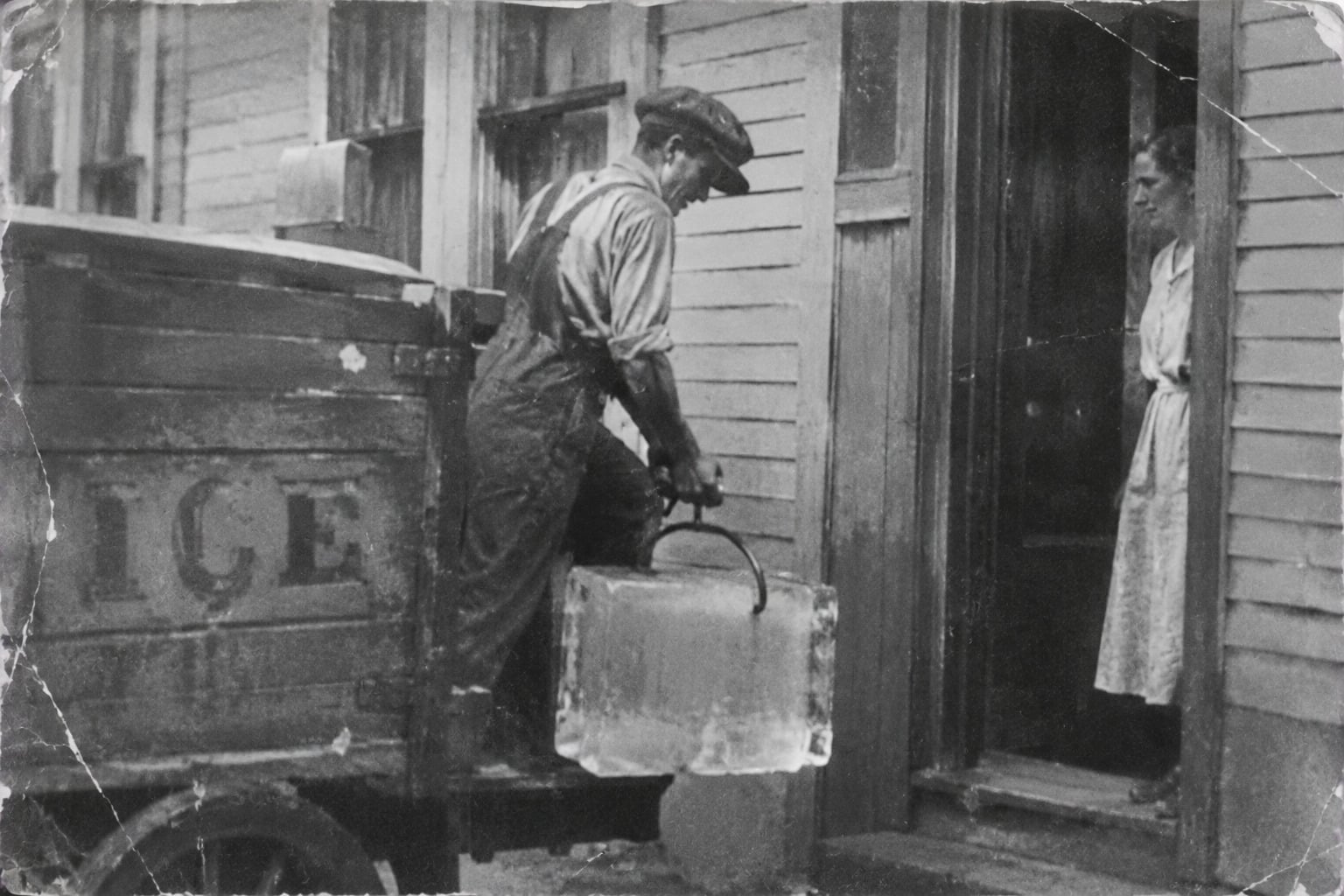
Before refrigerators hummed quietly in American kitchens, keeping food cold involved a delivery schedule. Families used insulated iceboxes, and in the 1920s, customers could place a card in their window requesting a 25-, 50-, 75-, or even 100-pound block of ice. And the work didn´t end when the iceman left. As the ice melted, someone had to empty the drip pan. Suddenly, saving yesterday´s leftovers sounds like a surprisingly demanding project.
3. Cleaning Carpets Once Meant Taking Them Outside and Beating Them
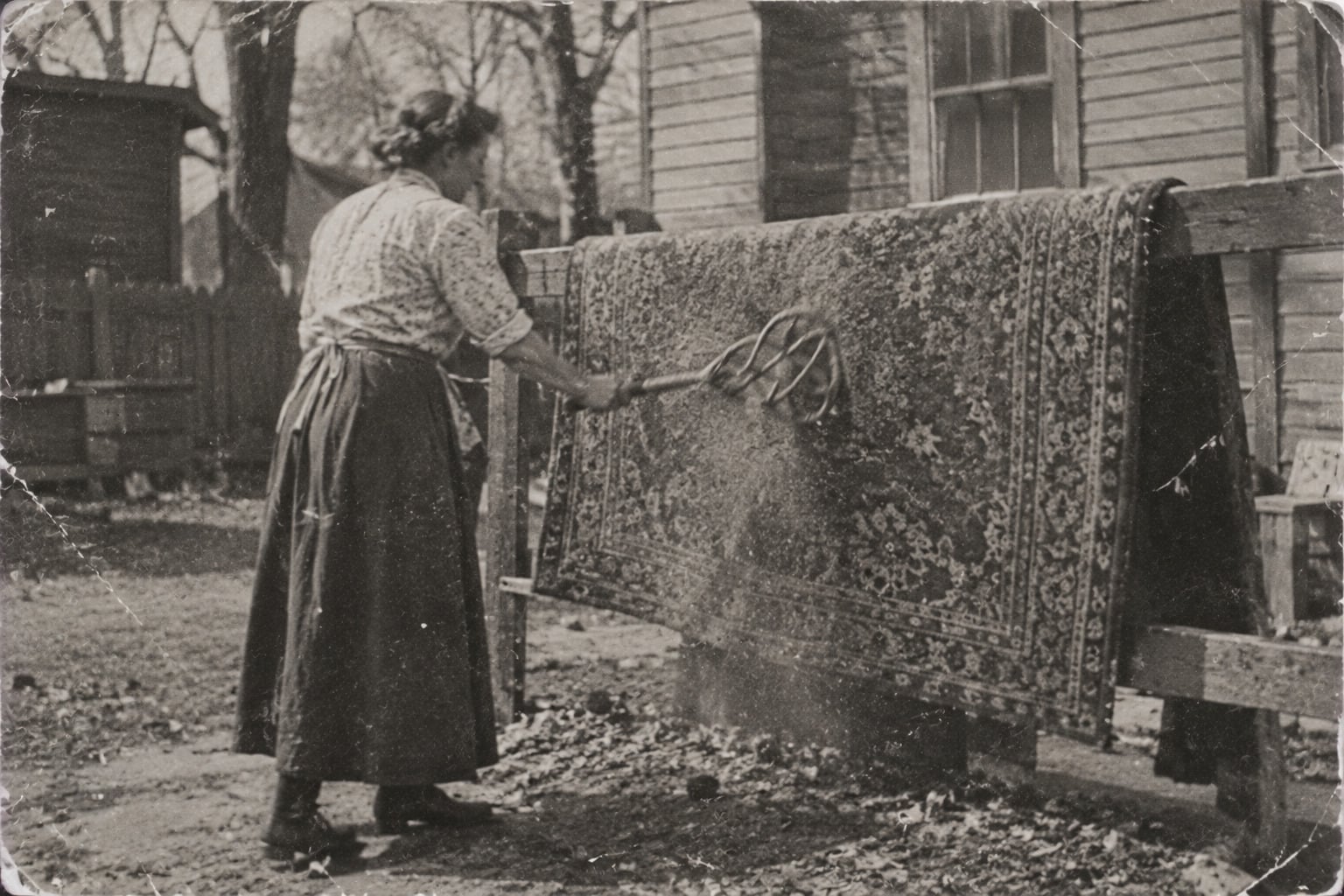
Think vacuuming is a chore? Try hauling a heavy rug outside, hanging it up, and repeatedly smacking it with a carpet beater until the dust stops flying. That was a common cleaning method before household vacuums became practical. One early powered machine, invented by Hubert Cecil Booth in 1901, was so enormous it needed horse-drawn transportation. Fortunately, smaller electric designs eventually brought carpet cleaning indoors.
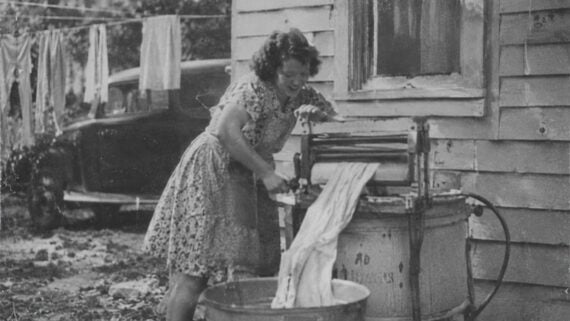
4. Washing Machines Didn’t Always Wash, Rinse, and Spin Automatically
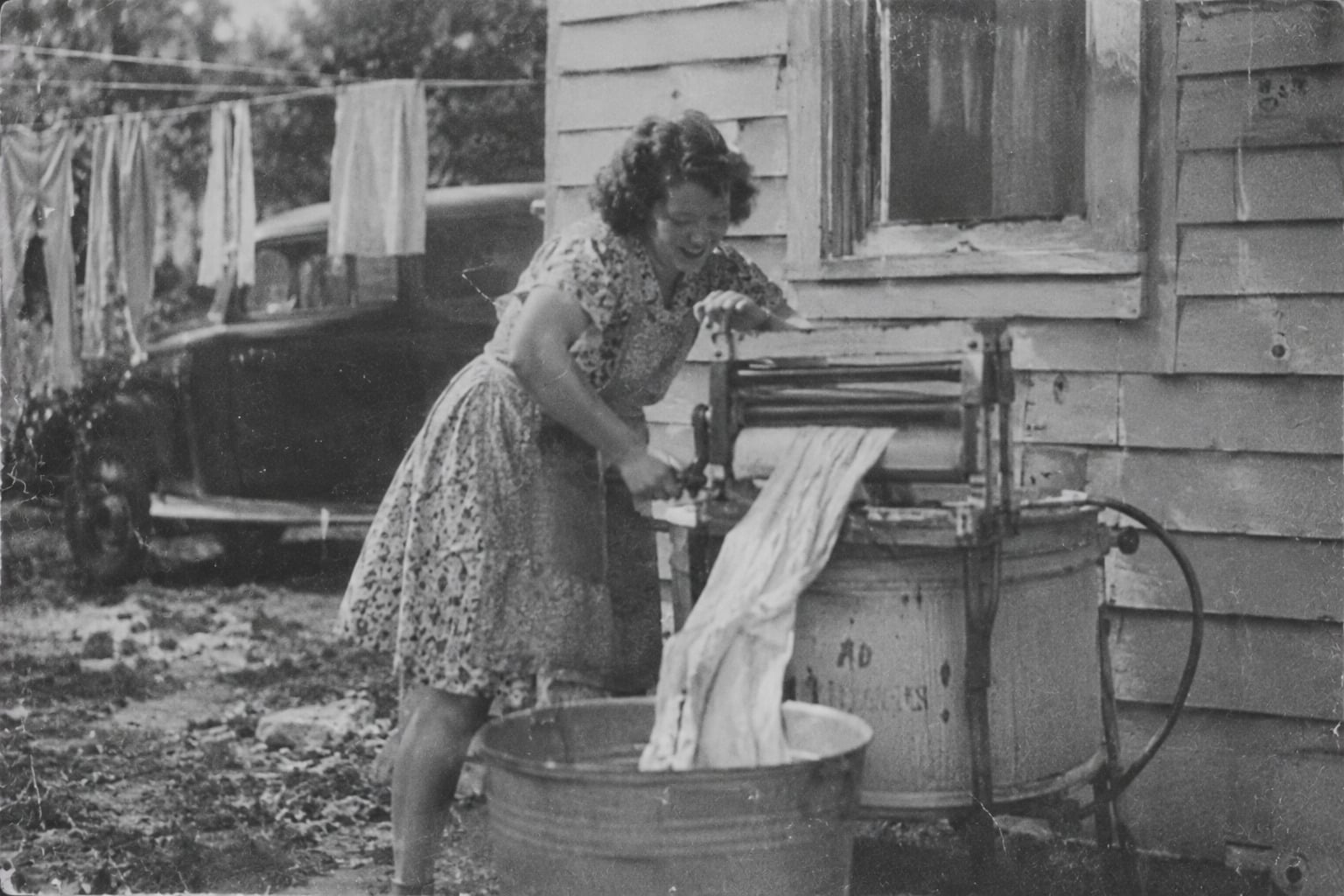
Laundry day once required a whole lot more than pressing Start. Even early powered washing machines could leave people filling tubs, moving soaked clothes by hand, and feeding garments through wringers to squeeze out the water. Then came Bendix´s automatic home washer in 1937, which could wash and spin clothes using a timed cycle. It wasn´t the end of laundry chores, but it was a major escape from the exhausting routines of earlier generations
5. The Dishwasher Was Invented Partly Because Someone Was Tired of Broken Plates
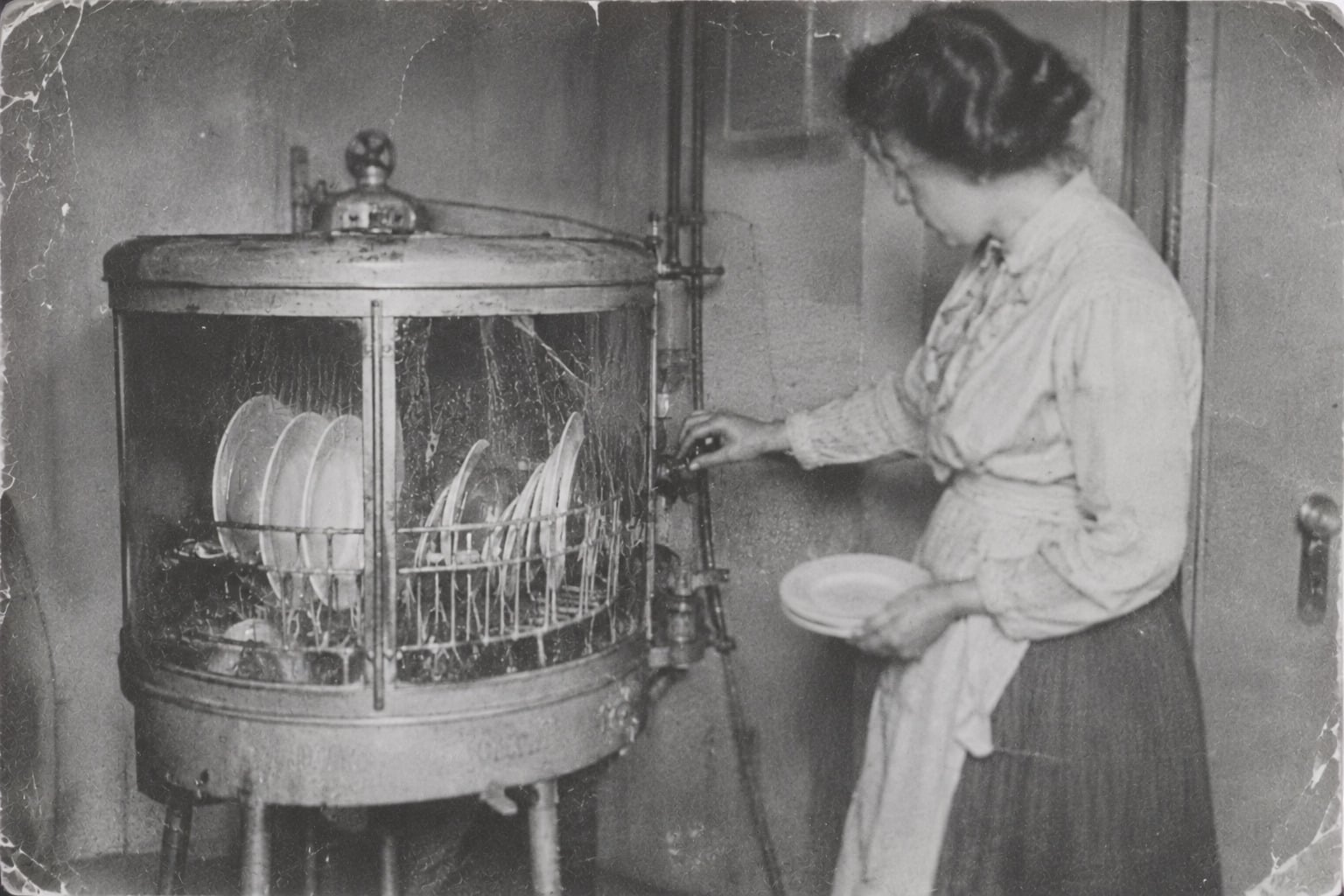
What do you do when your dishes keep getting chipped during washing? If you´re Josephine Garis Cochran, you invent a machine to handle the job. In 1886, she patented a dishwasher that held dishes in racks while pressurized water cleaned them. Hotels and commercial establishments embraced the idea before ordinary households did. Apparently, the road to a modern kitchen convenience began with some very expensive frustration over broken tableware.
Trending on The Scroller


6. Home Air Conditioning Was Too Expensive for Most Families in the 1930s
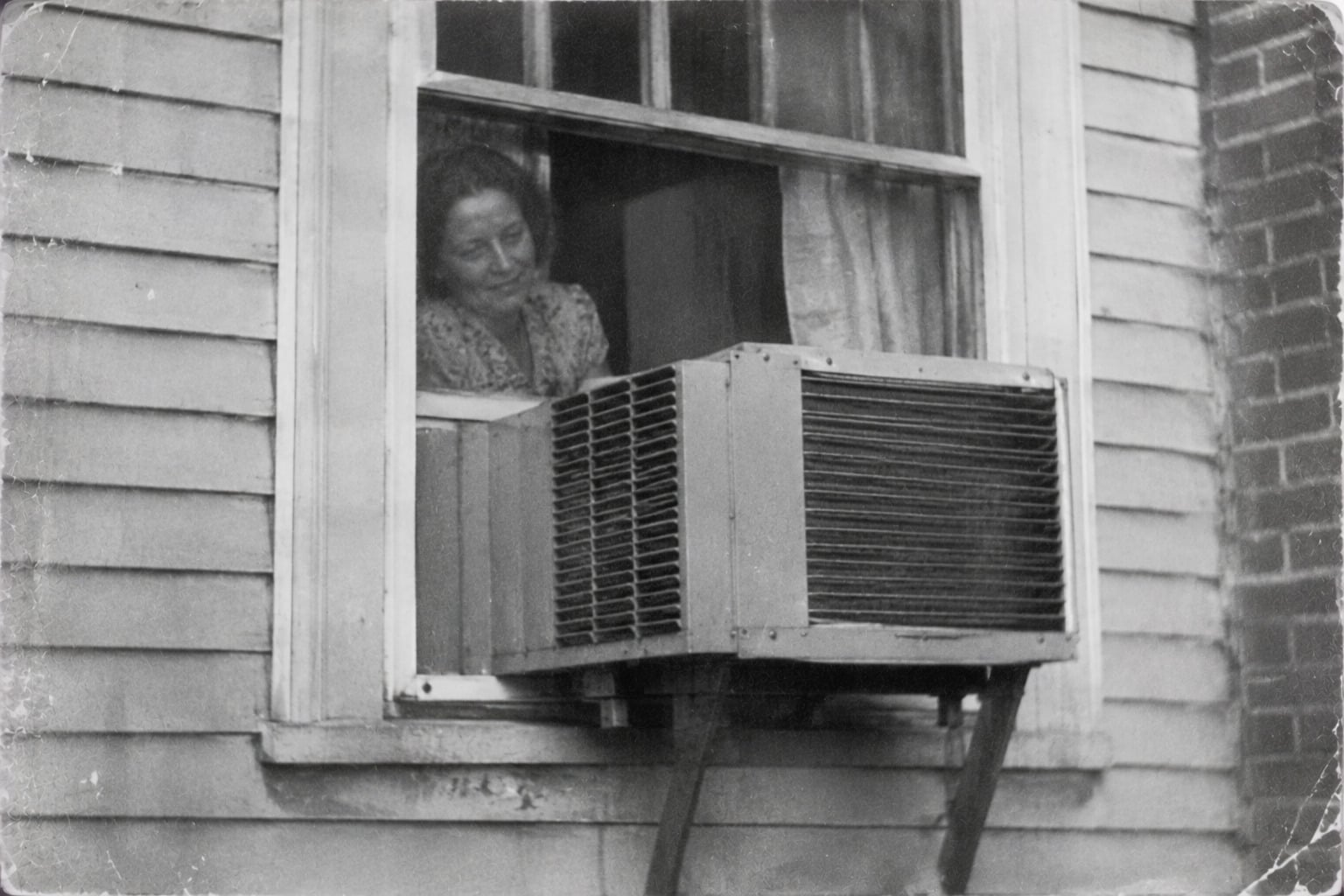
Imagine a sweltering summer with no button to make the living room cooler. Modern air conditioning began in 1902 when Willis Carrier developed a system to control humidity at a Brooklyn printing plant, not to keep families comfortable. Window units reached the market in 1932, but their prices were beyond most households’ budgets. By 1947, manufacturers sold around 43, 000 more affordable home units, helping turn indoor cooling from a luxury into a growing American expectation.
7. The First Commercial Microwave Was Nearly Six Feet Tall
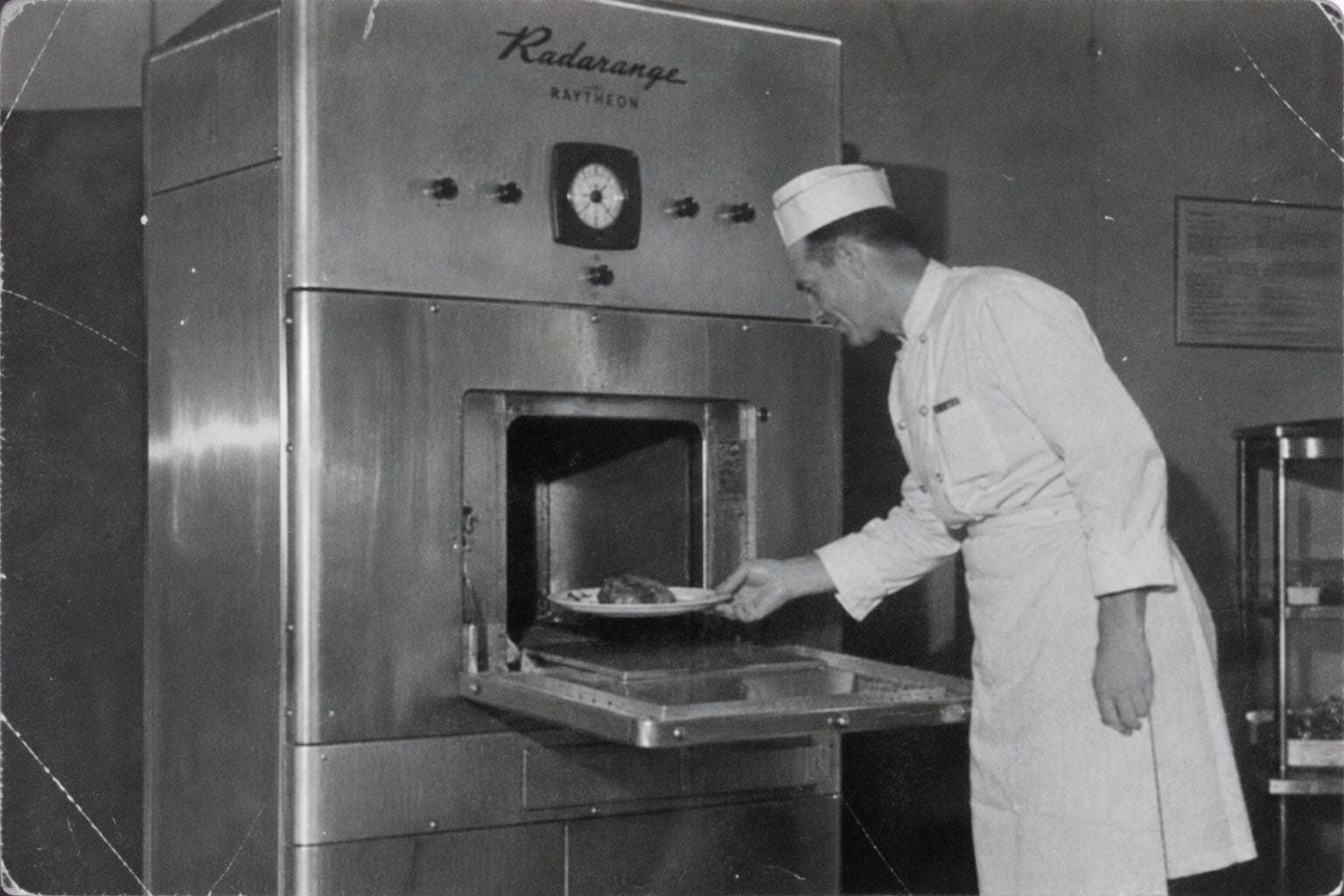
Today´s microwave fits neatly on a countertop. Its 1947 ancestor? Not so much. Raytheon´s original commercial Radarange stood nearly six feet tall, weighed around 750 pounds, and cost approximately $5, 000. That´s quite a commitment for reheating dinner. A smaller countertop version arrived in 1967 at $495, although it still took years for microwave cooking to become a familiar part of American kitchens.
8. Shopping Carts Were Initially Rejected by Customers
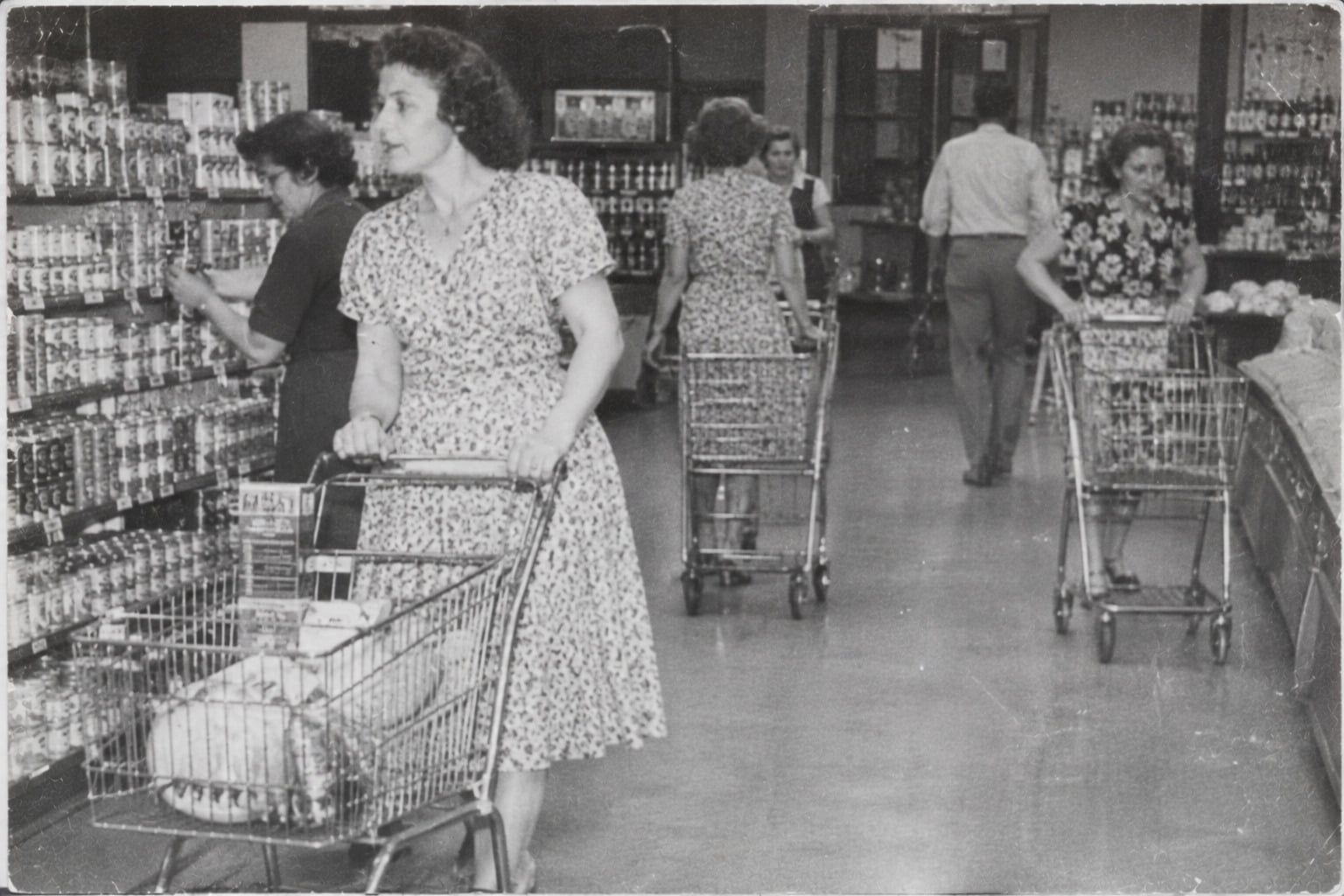
A supermarket without shopping carts sounds inconvenient enough. But when Sylvan Goldman introduced them in Oklahoma City on June 4, 1937, customers weren´t exactly celebrating. Some women thought the carts resembled baby strollers, while some men considered pushing them embarrassing. Goldman reportedly hired models to demonstrate how useful the carts were. Sometimes a brilliant convenience needs a little advertising before people stop feeling ridiculous using it.
Sign up for our newsletter
9. Pre-Sliced Bread Wasn’t Sold Commercially Until 1928
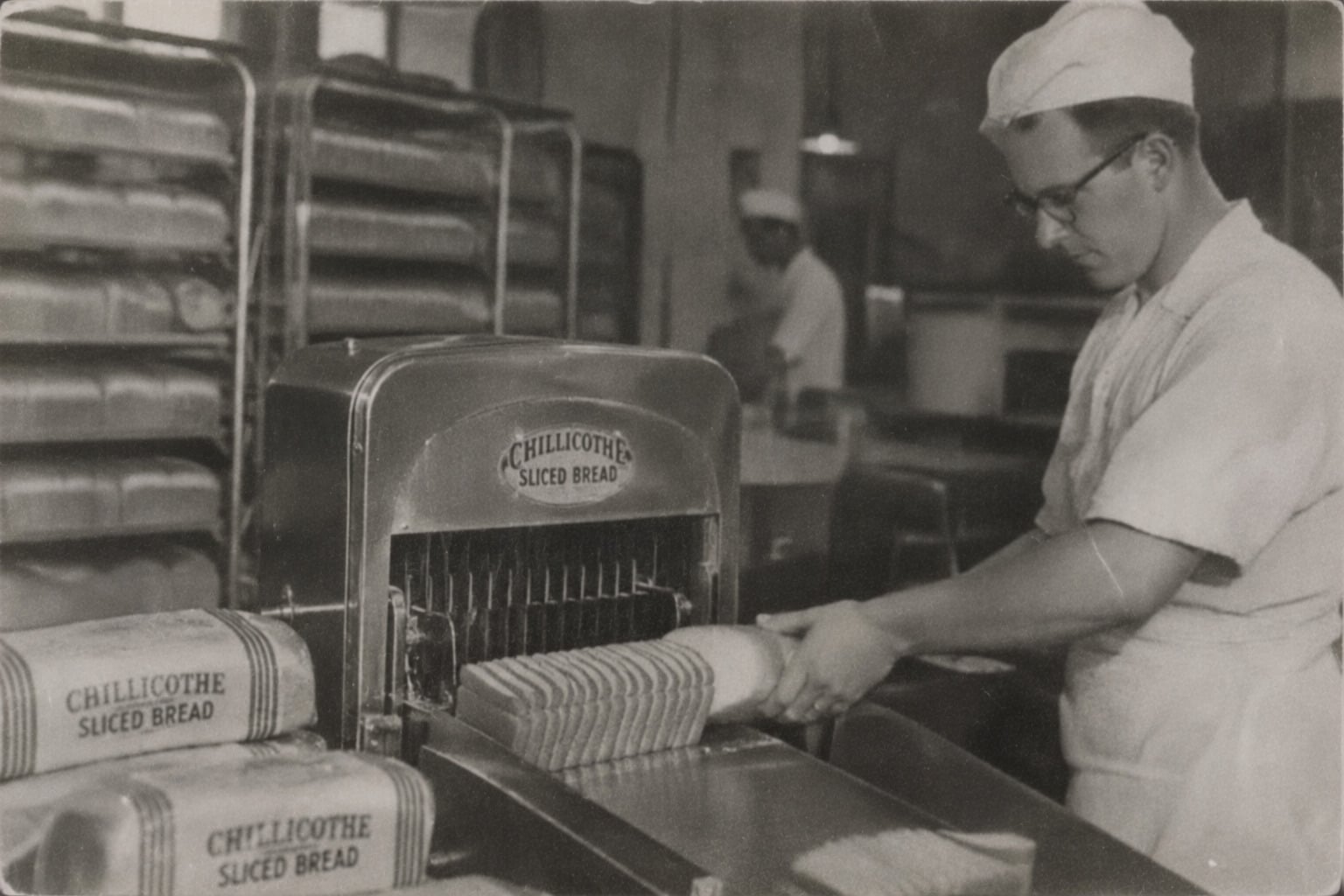
Here´s a question: what did people compare great inventions to before sliced bread? Commercially,y machine-sliced loaves didn´t appear until July 6, 1928, when the Chillicothe Baking Company in Missouri began selling them. The innovation made soft factory-produced bread easier to handle without the struggle of cutting uniform slices at home. The idea caught on so successfully that sliced bread became a cultural shorthand for something wonderfully convenient.
10. Disposable Diapers Didn’t Become a Mainstream Option Until the 1960s
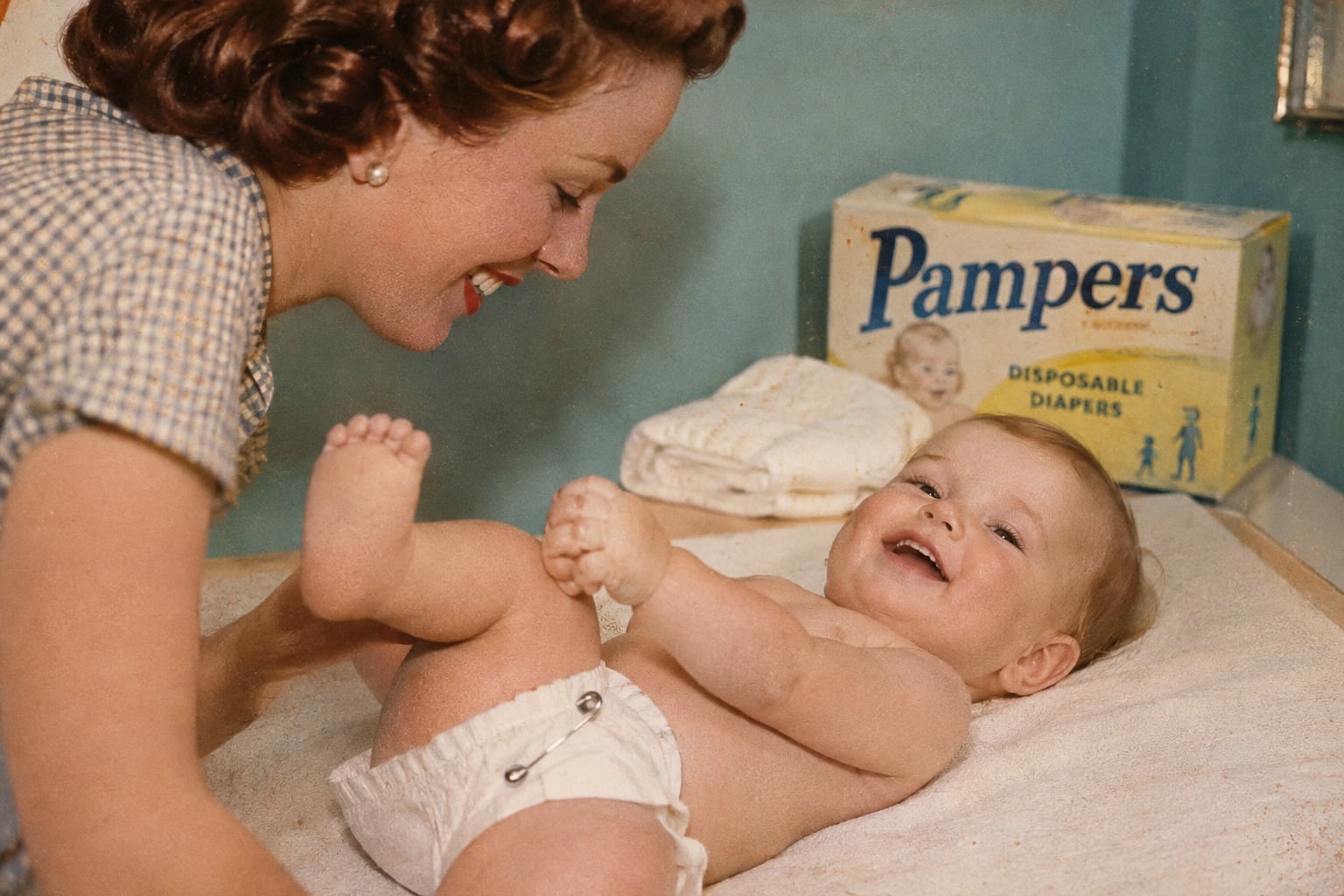
Everyday conveniences people once lived without included one that exhausted generations of parents: disposable diapers. Cloth diapers meant safety pins, soaking, washing, drying, and doing it all again. After caring for his grandson, Procter & Gamble researcher Victor Mills helped develop an alternative that became Pampers in 1961. Even then, the early version wasn´t quite modern. Adhesive fastening tapes didn´t arrive until 1971, so parents still had to keep those pins handy.
11. Band-Aids Were Invented Because a Woman Kept Cutting Herself in the Kitchen
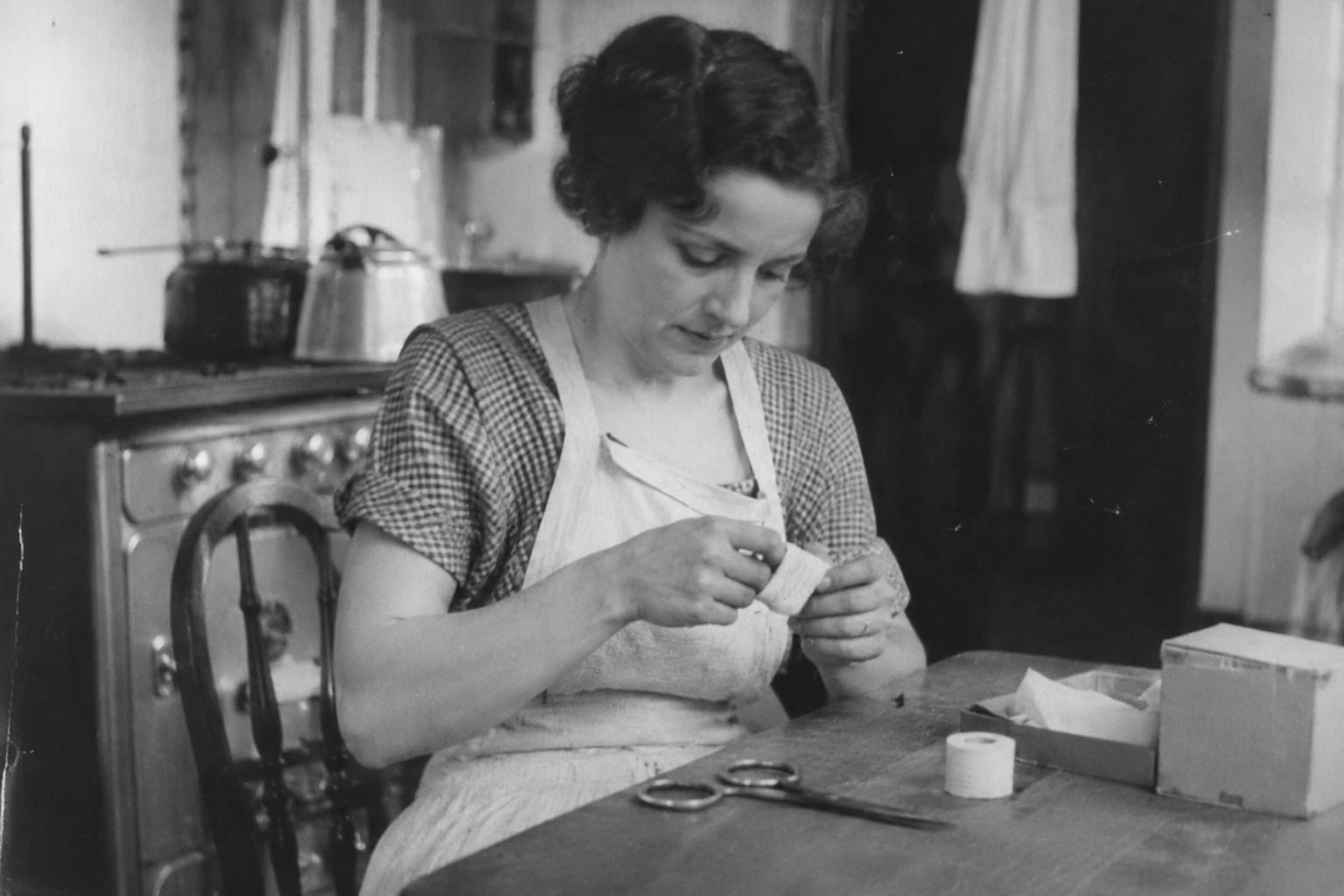
A tiny kitchen accident used to require a surprisingly awkward first-aid routine. Gauze and adhesive tape were separate supplies, which made covering a cut difficult without help. In 1920, Johnson & Johnson employee Earle Dickson came up with a better solution after seeing his wife, Josephine, frequently injure herself while cooking. His combined gauze-and-tape dressing became the Band-Aid. The early handmade versions weren´t instant bestsellers, but the idea eventually stuck.
12. Toilet Paper Once Meant Catalog Pages, Newspapers, or Even Corncobs
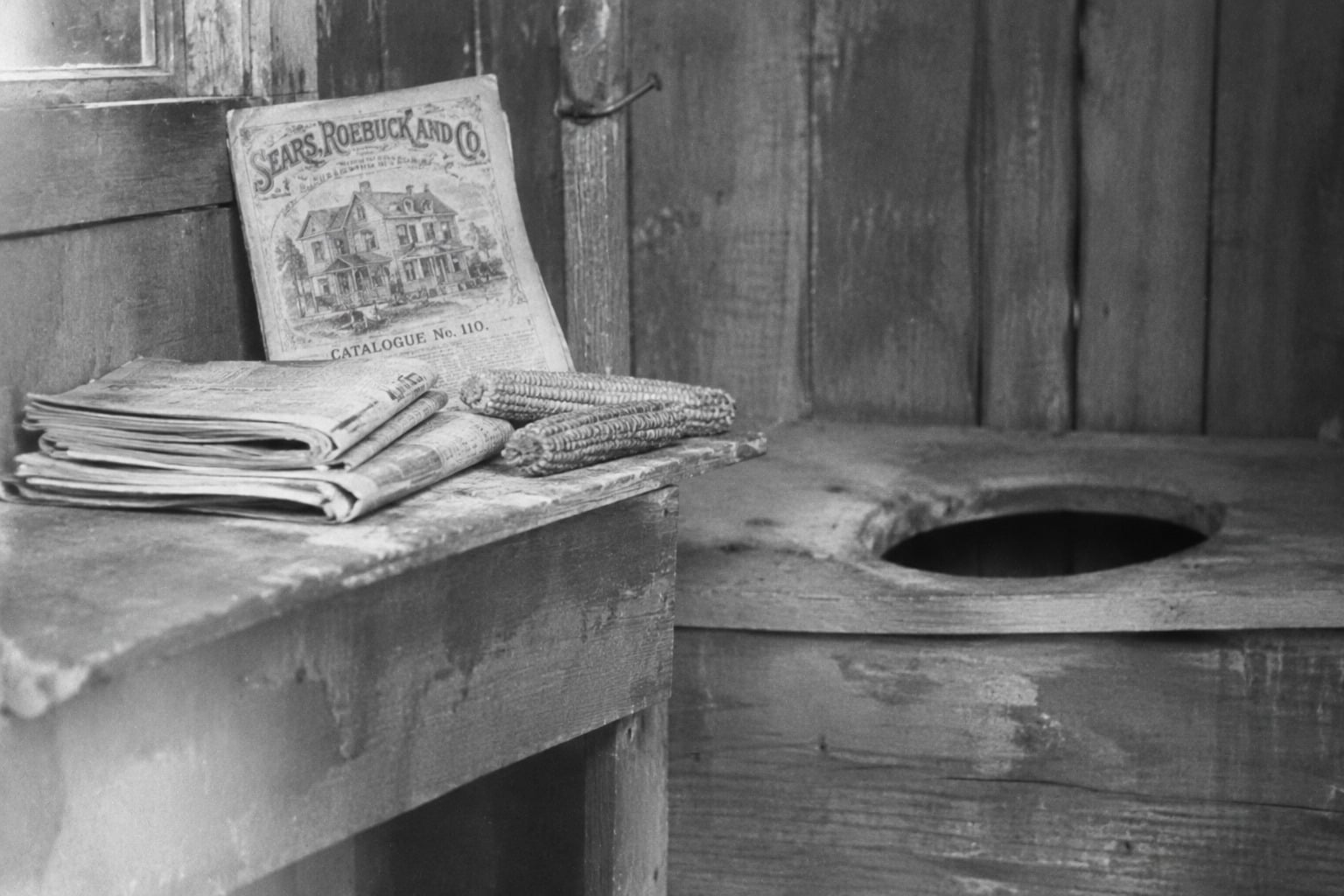
Before the familiar roll became a bathroom staple. Americans made do with whatever was available. Newspapers, mail-order catalogs, and even corncobs all served the purpose. Not exactly a luxurious selection, was it? Those improvised materials were especially associated with outhouses and weren´t suitable for modern indoor plumbing. Perforated rolled toilet paper was patented in the late 1870s, and by the 1890s, the familiar cardboard-tube roll was taking shape.
13. The Modern Zipper Existed for Decades Before Clothing Manufacturers Embraced It
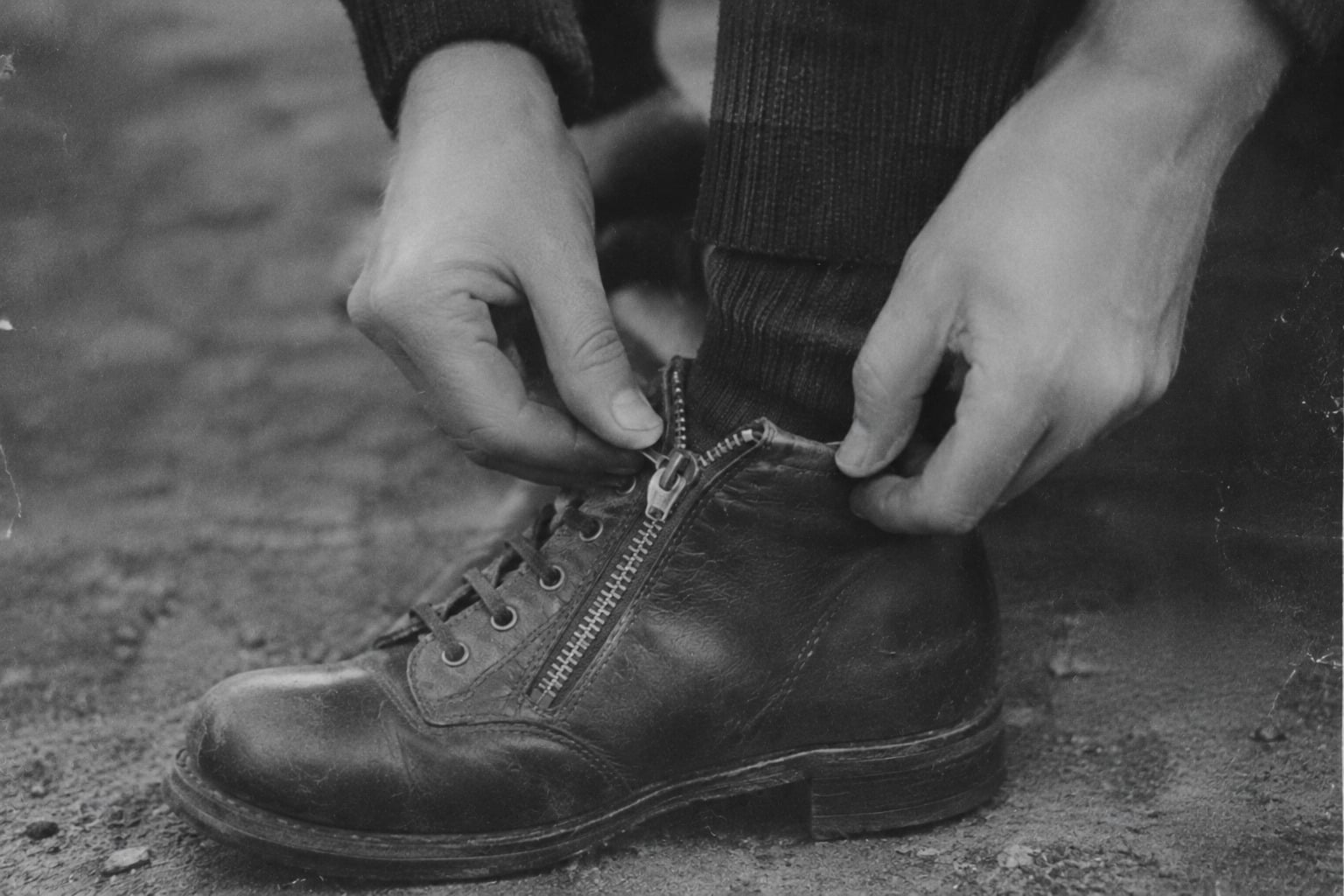
Butoons had a surprisingly long reign over everyday clothing. Although Gideon Sundback developed the modern zipper design in 1913, clothing manufacturers weren´t immediately convinced. Early zippers were more commonly found on boots and tobacco pouches, while B.F. Goodrich helped popularize the name through rubber footwear. It wasn´t until the 1930s that zippers gained serious traction in fashion. By 1937, the zipper-versus-button debate had even reached men´s trouser files.
14. The First Wireless TV Remote Could Accidentally Change Channels in Sunlight
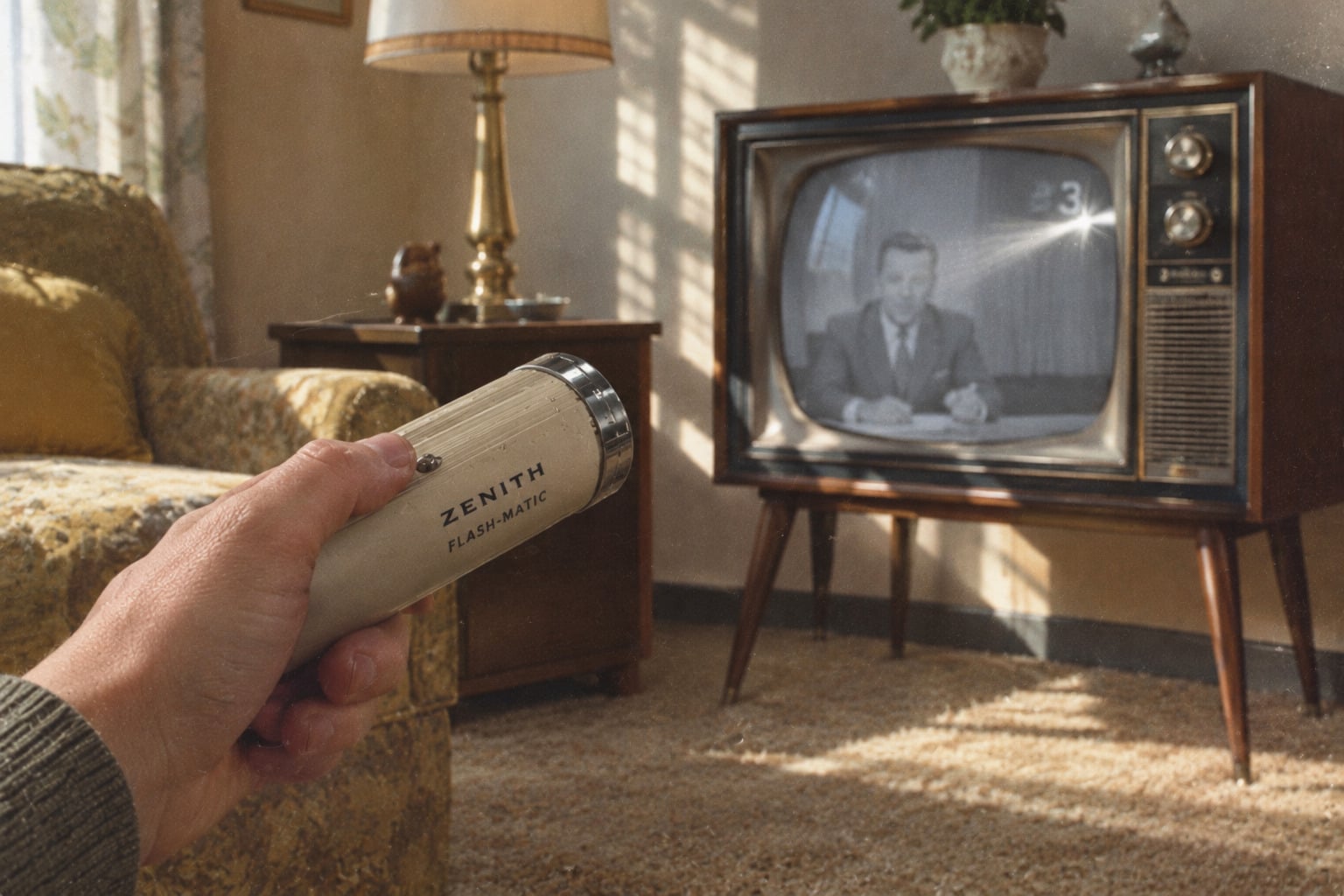
Remember having to get up to change the television channel? Zenith tried solving that problem with the wired Lzy Bones remote in 1950, followed by the wireless Flash-Matic in 1955. The second version used a flashlight-like beam aimed at sensors on the TV. There was just one awkward flaw: sunlight could activate those sensors too. Imagine settling into your favorite program only for a sunny afternoon to start changing the channels.
15. Disposable Sanitary Pads Grew Out of World War I Medical Supplies
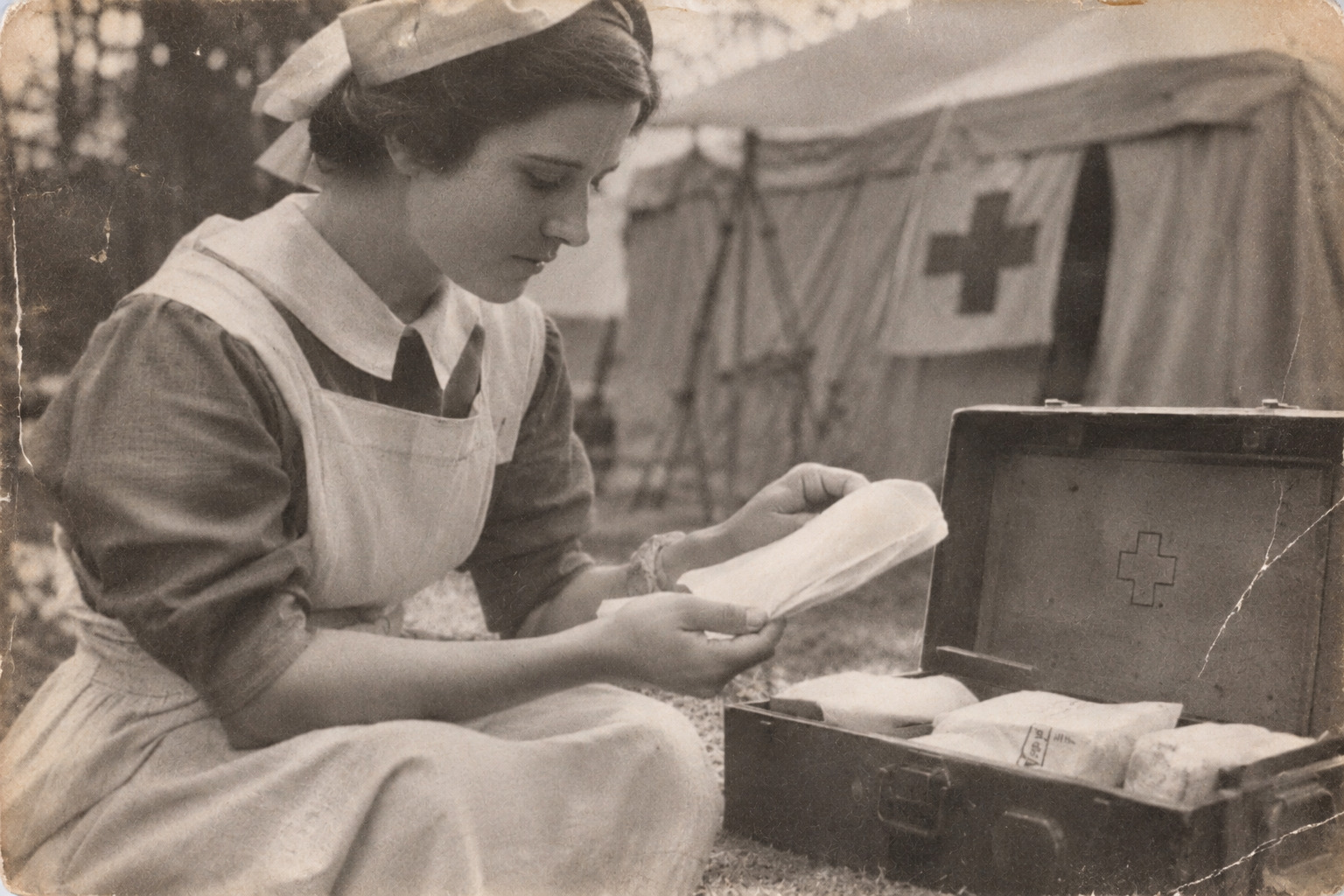
One major change in menstrual care emerged from an unexpected source: wartime medical dressings. During World War I, Kimberly -Clark developed Cellucotton, an absorbent wood-pulp material used in surgical supplies. Nurses reportedly recognized its potential for menstrual protection. After the war, the company adapted the material into Kotex pads, introducing a disposable alternative in the early 1920s. For women accustomed to washing reusable cloth materials, it offered a significant change in everyday routines.
16. Getting Cash After Banking Hours Was Once a Serious Inconvenience
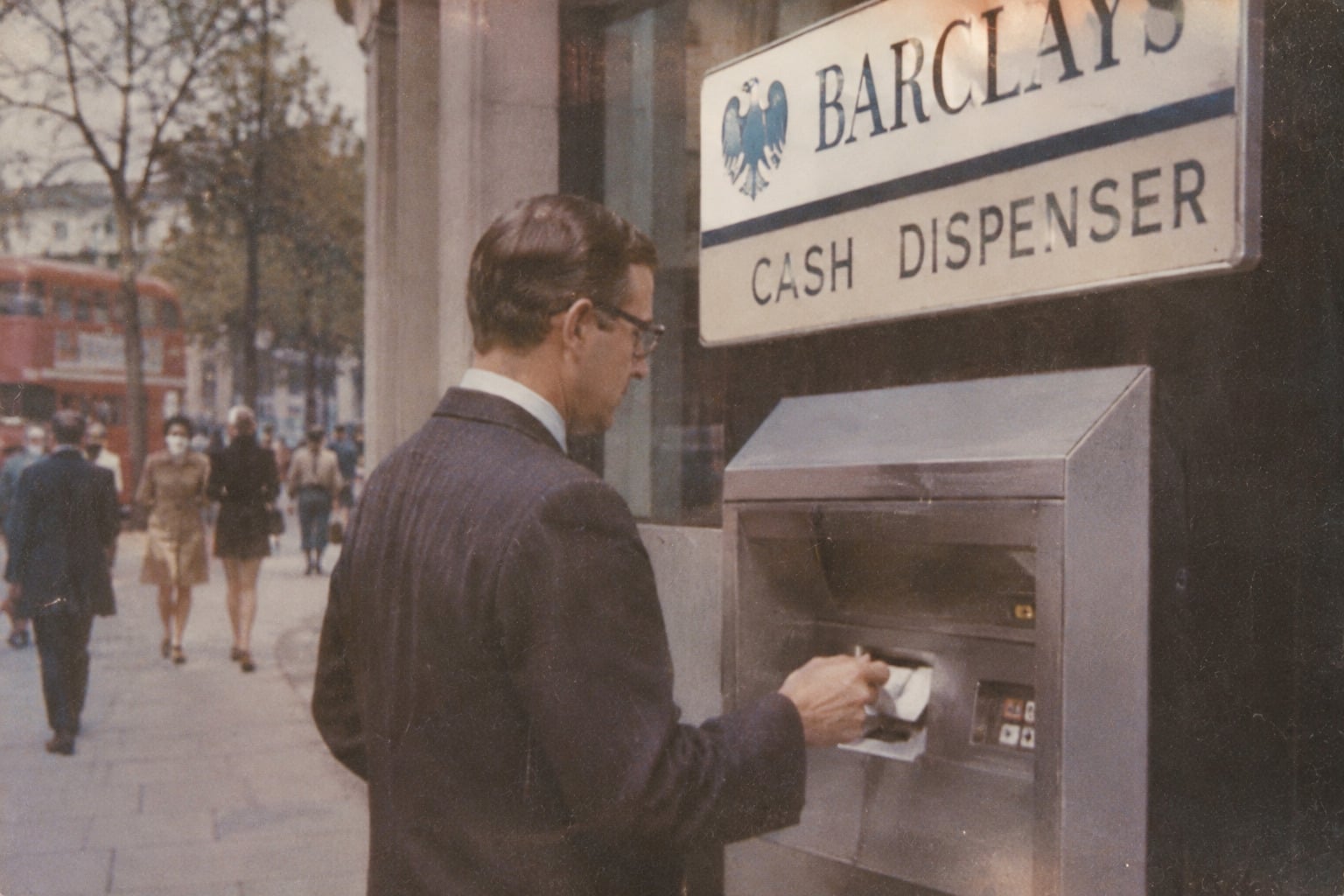
Need cash on a Sunday evening? Before ATM´s, that could mean waiting until the bank reopened. Barclays installed a cash-dispensing machine in London in June 1967, and Chemical Bank introduced one in Rockville Centre, New York, in September 1969. The early machines weren´t always dependable, and banks sometimes offered incentives to encourage people to try them. Still, they helped make getting cash outside regular banking hours an ordinary expectation.
It’s remarkable how many everyday conveniences arrived relatively recently. Things that now take seconds once demanded planning, patience, and serious physical effort. And while modern life has plenty of its own frustrations, at least most of us don’t have to schedule an ice delivery or beat a carpet in the backyard.
Keep Exploring The Scroller
Think everyday life has always been this easy? There’s a whole world of forgotten routines, surprising inventions, and old-school solutions waiting to be rediscovered. Keep exploring The Scroller for more stories that make the ordinary feel extraordinary:
16 Old Ways People Stayed Cool Before Air Conditioning Was Invented
12 Everyday Products That Were Once Sold as Medical Treatments
15 Everyday Items That Were Once Considered Cutting-Edge Technology