How people stayed cool before air conditioning was invented depended on a mix of architecture, daily habits, shade, water, and whatever breeze could be coaxed through a building. Long before central AC became ordinary, summer comfort often meant adapting the house and the day´s schedule to the heat rather than sealing the outdoors away.
These methods could make hot weather more bearable, but they did not make extreme heat harmless. What they reveal is how much older homes, public spaces, and routines were shaped around a problem modern air conditioning eventually changed.
1. Sleeping on a Screened Porch
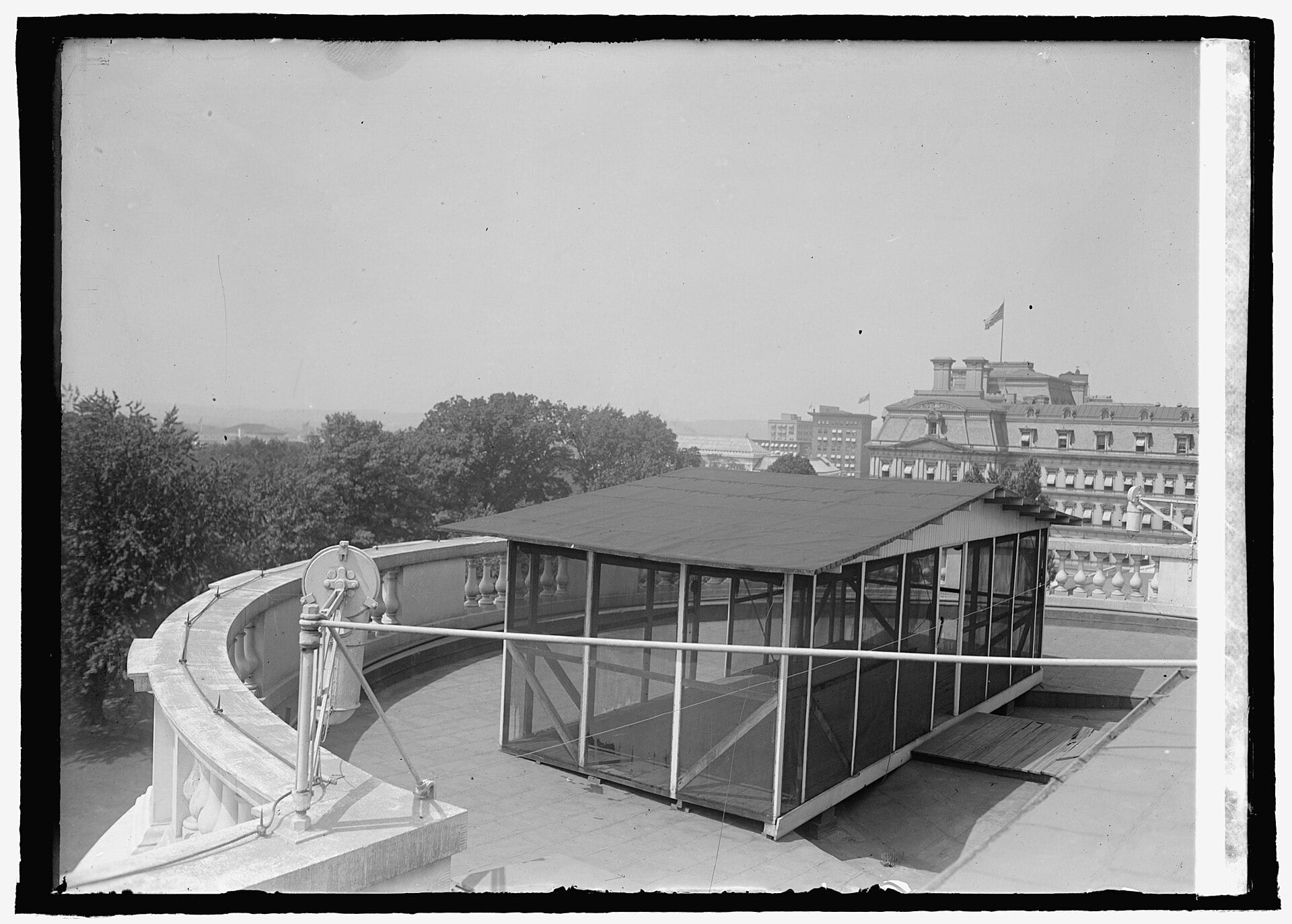
On sweltering nights, the coolest room in the house was sometimes not a room at all. Screened sleeping porches let families take advantage of cooler nighttime air while still keeping some separation from insects and the outdoors. Their placement was often deliberate, positioned where breezes could reach sleepers more easily than in stuffy bedrooms.
2. Pulling Awnings Over Sun-Facing Windows
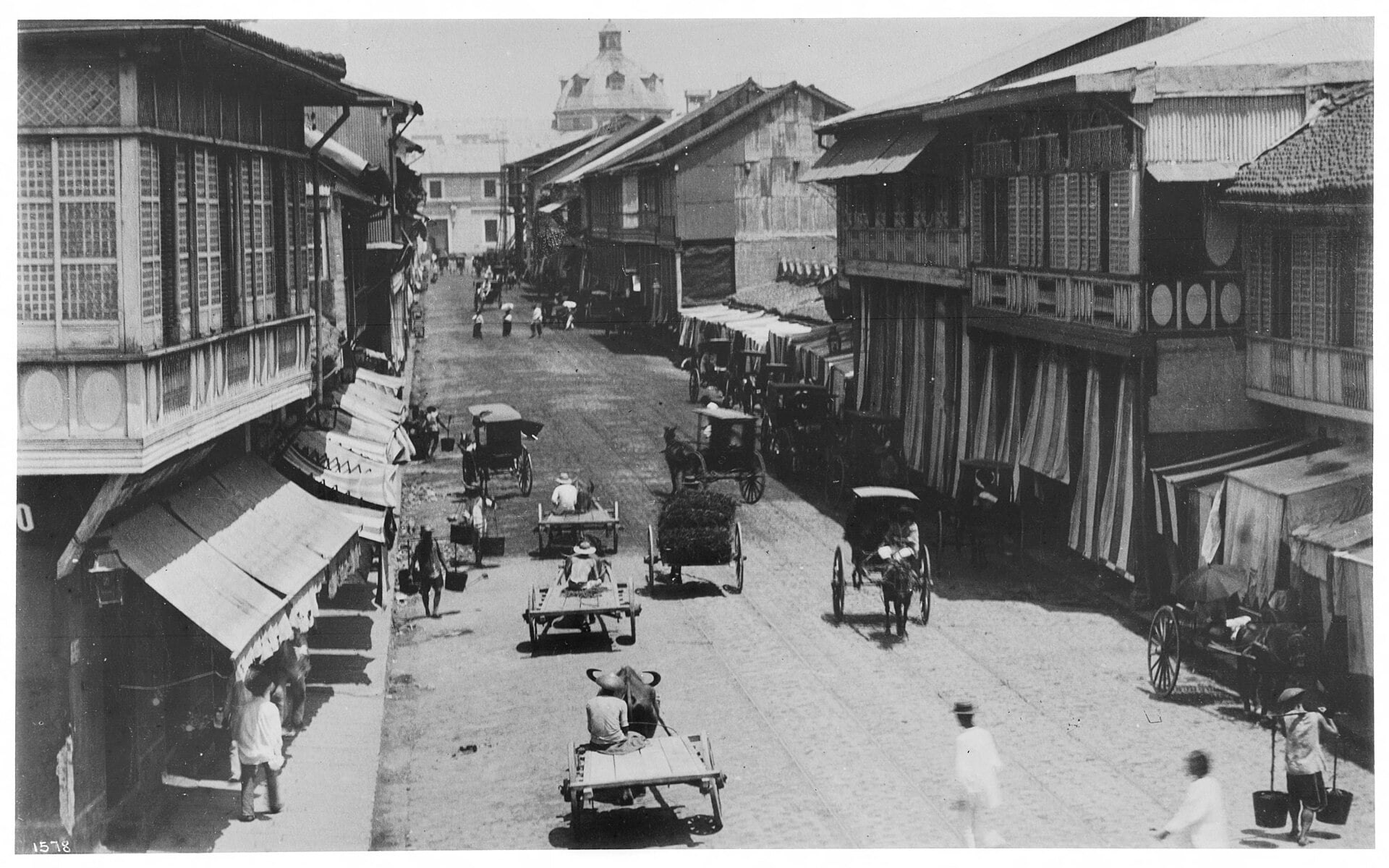
Before indoor cooling, keeping heat from entering the house mattered enormously. Exterior awnings shaded windows before sunlight could pass through the glass and warm the rooms beyond. On old commercial streets and houses, rows of fabric awnings were not merely decorative. They were part of the building’s summer climate control.
3. Going Swimming Instead of Staying Indoors
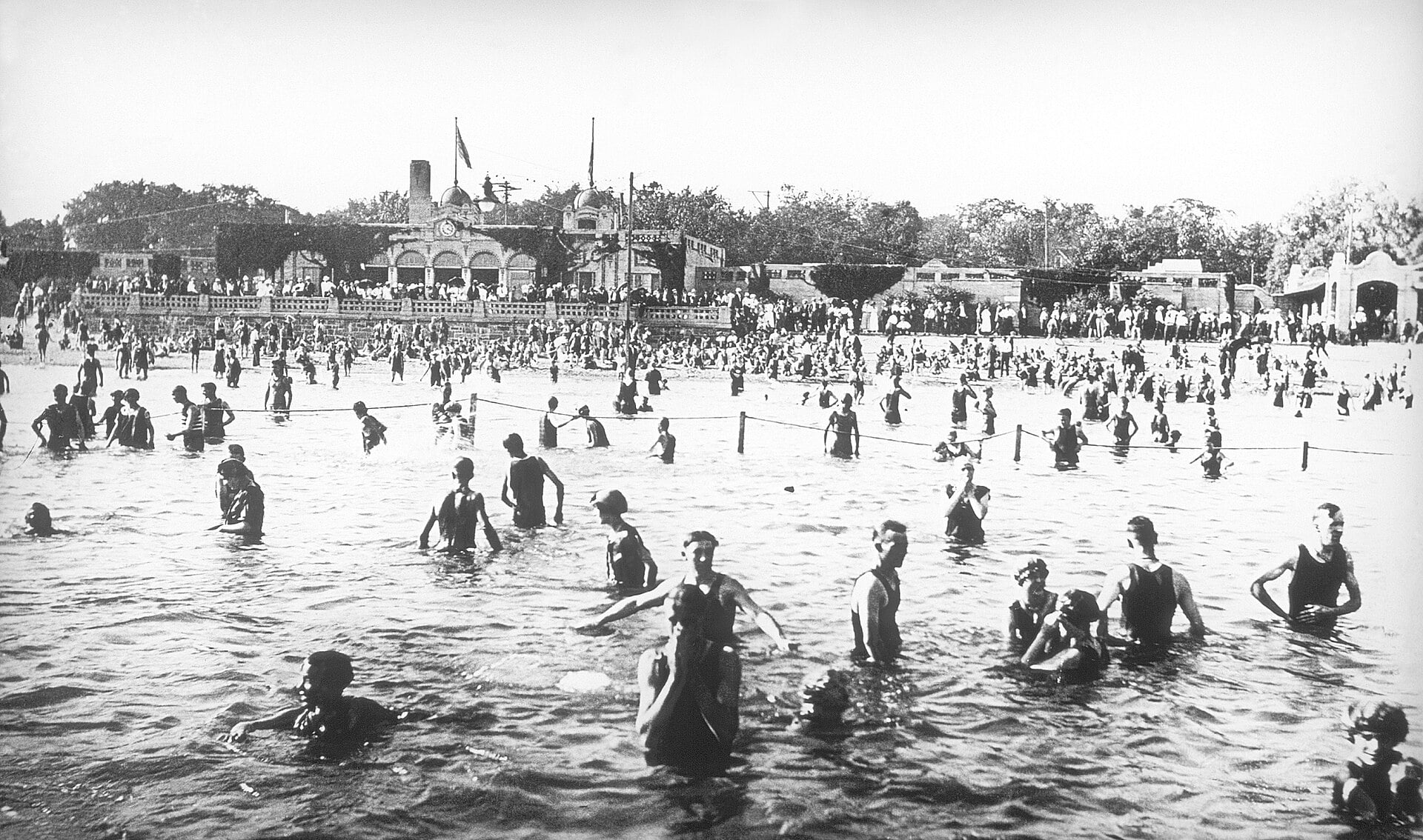
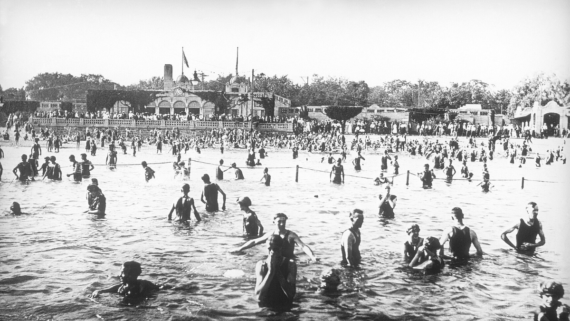
When the house could not be made comfortable, water offered a more immediate answer. Beaches, rivers, pools, and public bathing areas became natural refuges during hot weather, giving people a way to cool their bodies directly. Historic summer scenes packed with swimmers show how public water spaces could function as communal relief from the heat.
4. Opening Opposite Windows for a Cross-Breeze
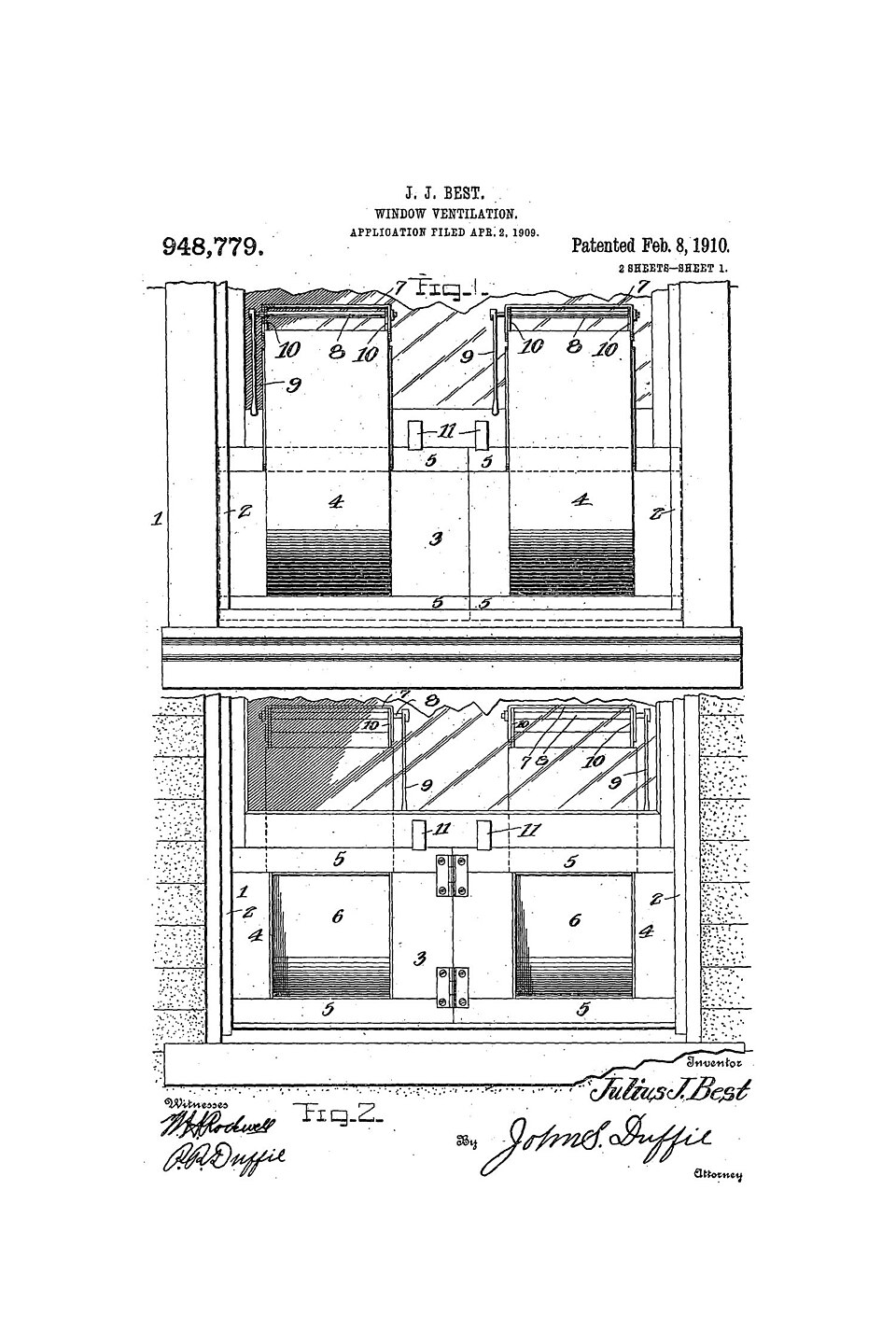
Could the layout of a house do part of the work of an air conditioner? In homes designed for natural ventilation, opening windows and doors on opposite sides encouraged air to move through rooms instead of stagnating inside them. The effect depended on weather and building design, but a useful cross-breeze could make a noticeable difference on a hot day.
5. Sitting Under Shade Trees
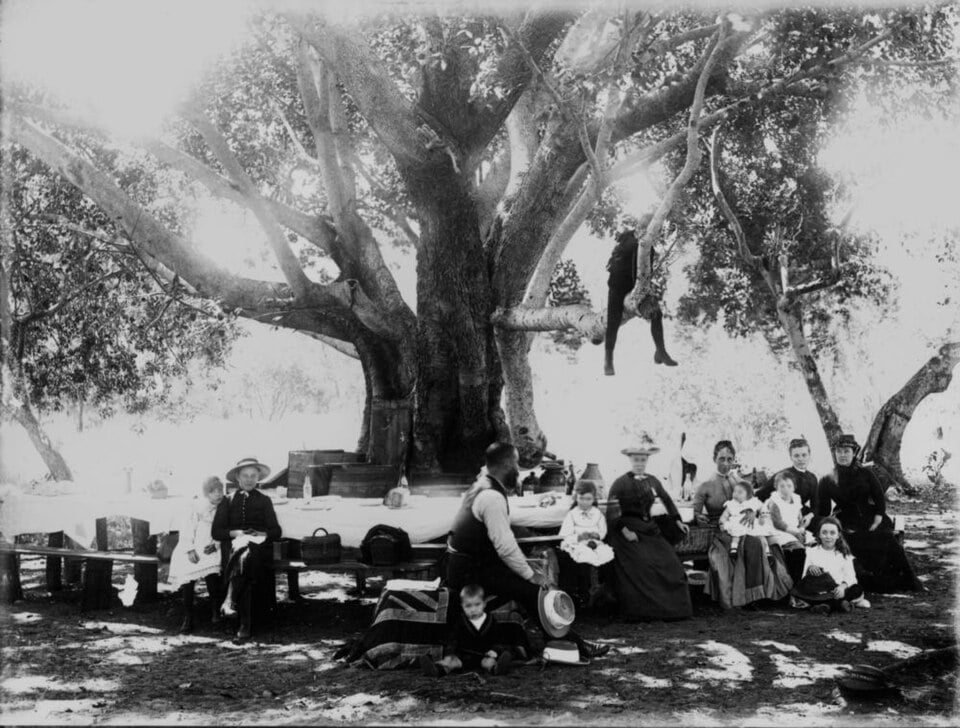
A mature tree could change the feel of an entire yard. By blocking direct solar radiation, shade trees created cooler places for sitting, eating, visiting, and doing household tasks outdoors. Their value also extended toward porches and walls, where shade reduced some of the relentless heating caused by direct summer sun.
Trending on The Scroller


6. Using High Ceilings to Keep Occupied Space Below the Hottest Air
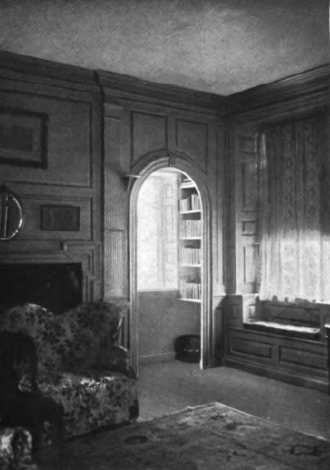
High ceilings were one piece of a larger passive-cooling strategy. Warm air could rise above the part of the room where people sat and slept, while tall windows and other ventilation features helped move air through the space. The ceiling alone was no miracle cure, but combined with thoughtful ventilation it could make interiors more tolerable.
7. Crowding Around Fountains and Public Water
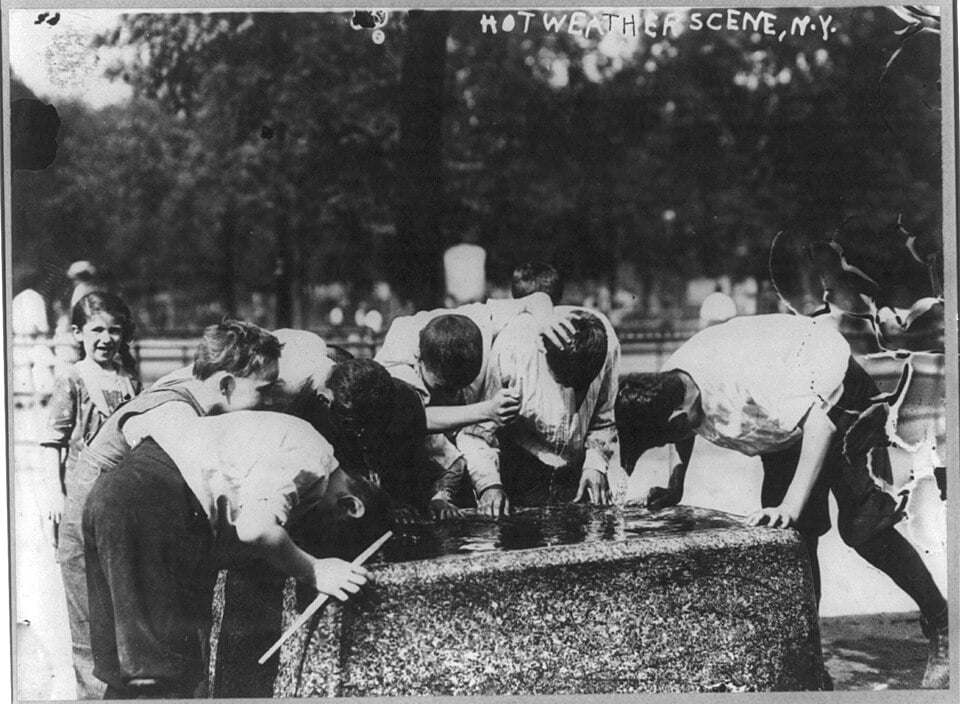
On punishingly hot days, relief spilled into public space. Historical heat-wave photographs show people gathering at fountains and other sources of water, sometimes drinking and sometimes simply trying to cool down. Before mechanically cooled interiors were widely available, a public fountain could become part utility, part neighborhood refuge.
8. Closing Shutters Against the Afternoon Sun
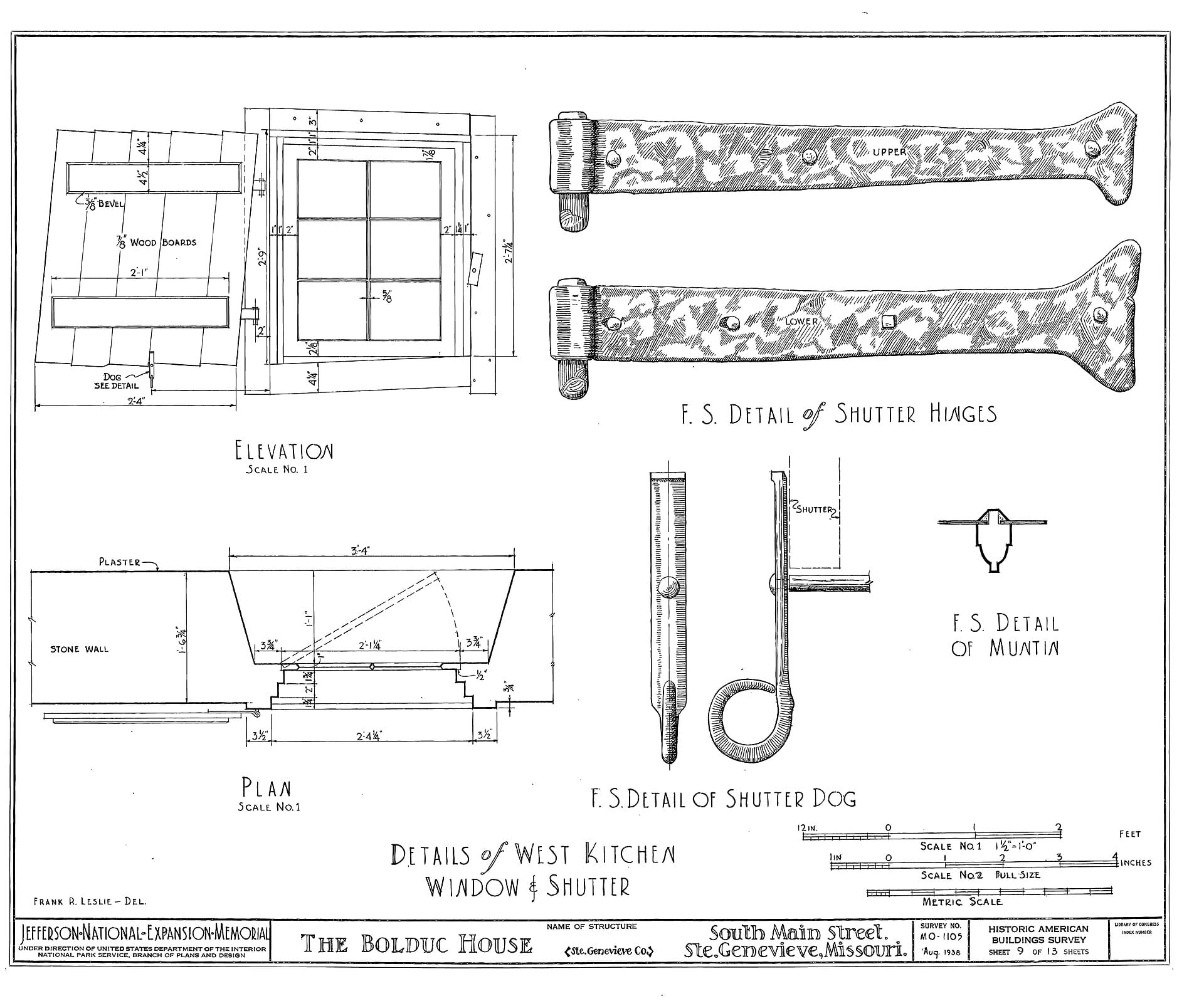
What if the best way to cool a room was to stop the heat before it arrived? Exterior shutters could block intense sunlight from reaching windows while leaving an insulating pocket of air between the shutter and glass. Closing them during the hottest part of the day sacrificed some daylight, but it also reduced the solar heat pouring indoors.
Sign up for our newsletter
9. Putting Electric Fans Where They Could Move the Most Air
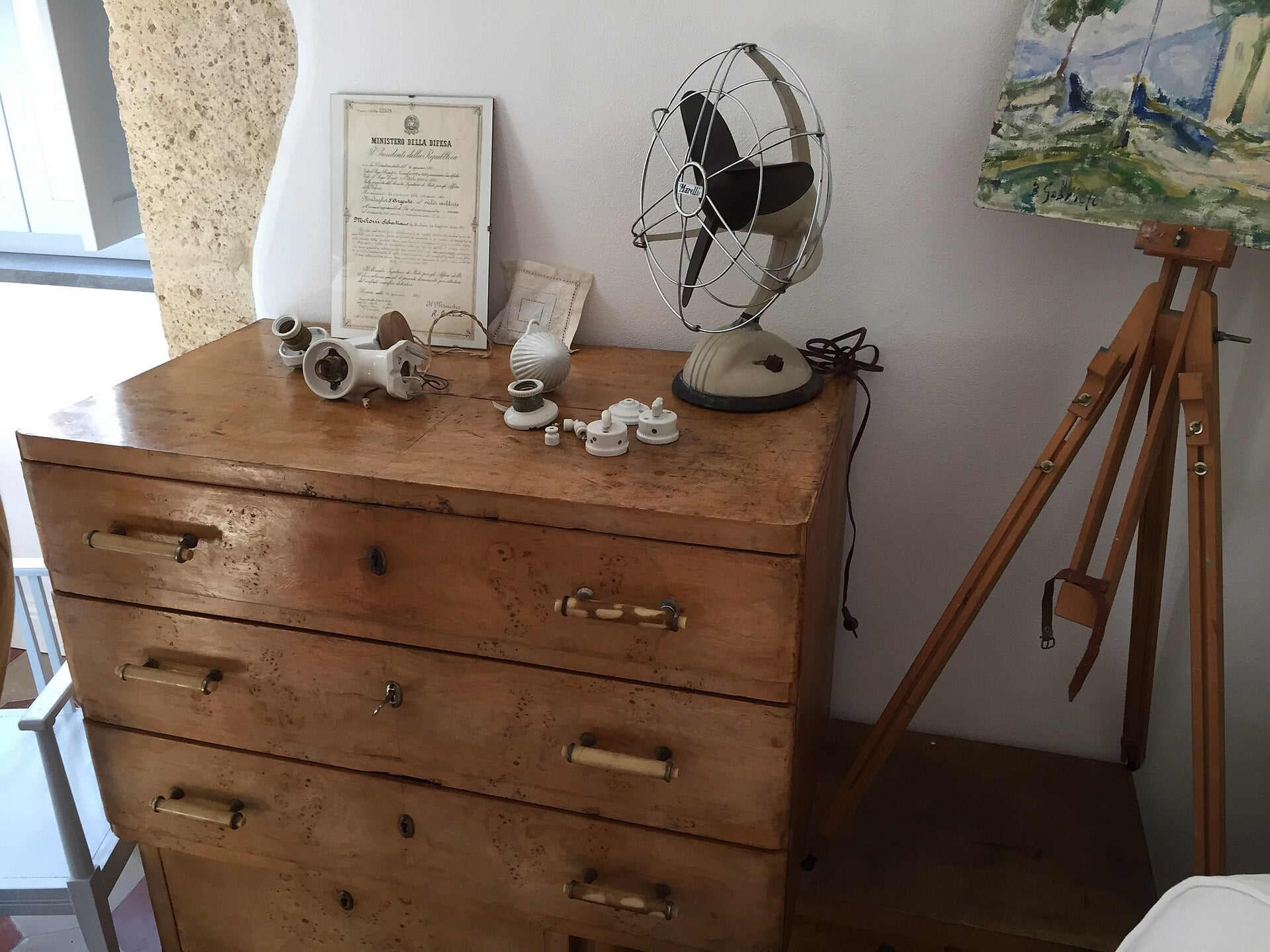
Electric fans offered a new kind of relief before residential air conditioning became common. They did not lower a room’s temperature in the way AC would, but moving air across the skin could make occupants feel cooler. Placement mattered, especially when a fan could help circulate air through a bedroom or sitting area that otherwise felt stagnant.
10. Opening Transoms Above Interior Doors
How people stayed cool before air conditioning became common at home began to change when commercial cooling appeared in public places. Movie theaters were among the early showcases for comfort air conditioning in the 1920s, turning a summer film into more than entertainment. The promise of a cool auditorium gave audiences another reason to escape the heat for a few hours.
11. Using Ice for Cold Drinks and Immediate Relief
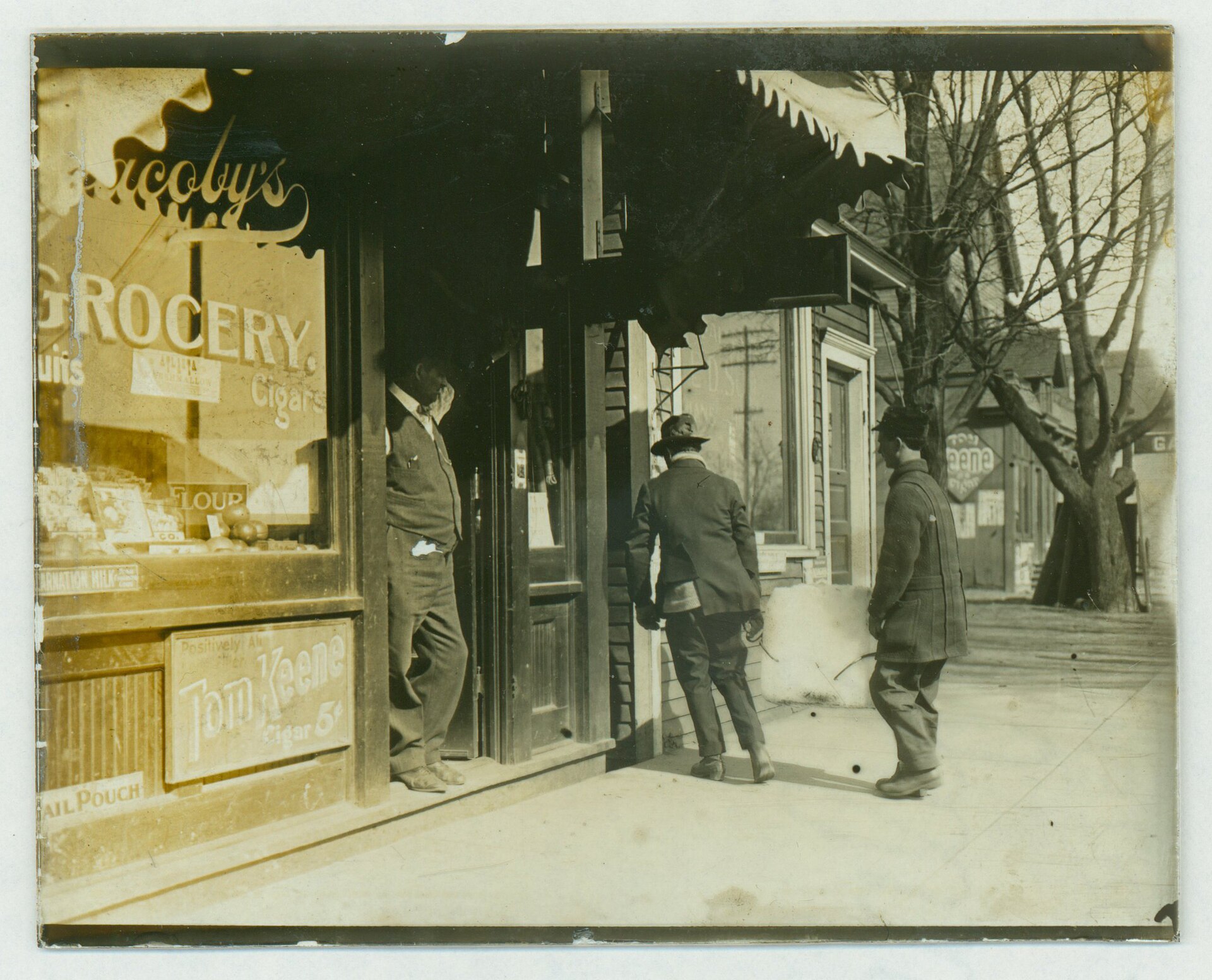
How much could a block of ice change a hot afternoon? Ice delivery made large blocks a familiar household sight, primarily for preserving food in iceboxes, while cold drinks and direct contact with ice offered more immediate personal relief. It was valuable precisely because its cooling was limited and local, not a substitute for cooling an entire home.
12. Living on the Porch During the Hottest Hours
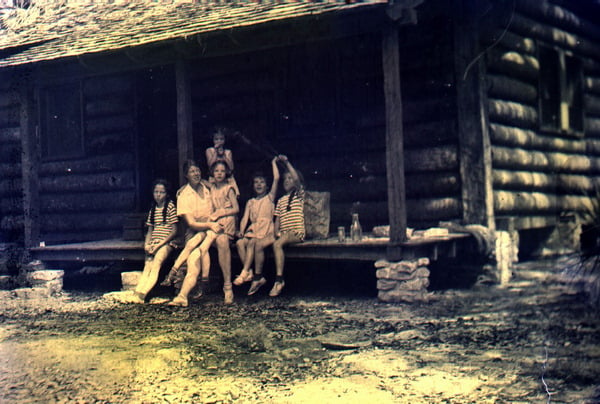
Porches became extensions of the house when interior rooms trapped too much heat. Their roofs shaded both people and parts of the building, while open sides offered access to moving air. Families could sit, talk, read, work, or simply wait for the temperature to ease, turning the porch into a seasonal living room.
13. Building Houses Narrow Enough for Air to Pass Through
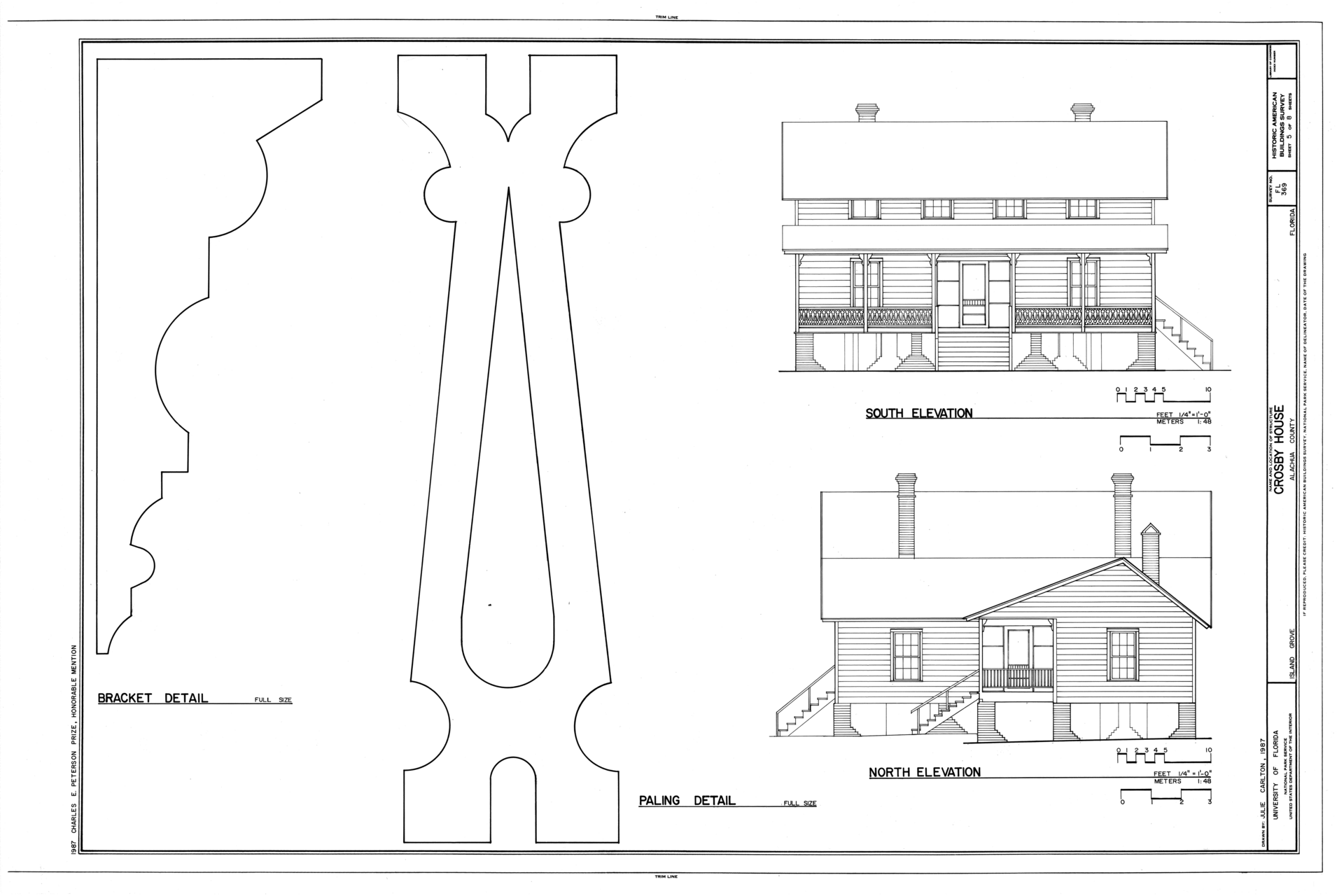
Some traditional house plans were shaped around ventilation from the beginning. Narrow buildings, aligned windows and doors, and breezeways gave moving air a clearer path through occupied spaces. These strategies varied by region and climate, but the underlying idea was consistent: a house could be arranged to cooperate with available airflow rather than obstruct it.
14. Taking a Hand Fan Everywhere
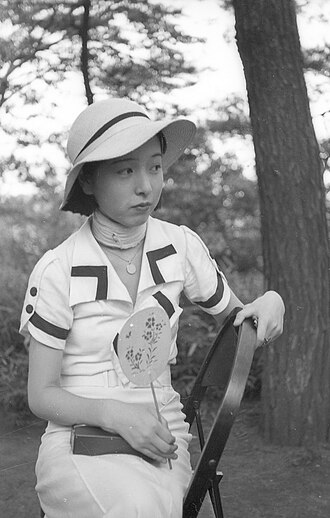
Portable cooling could be as simple as a fan held in one hand. Folding and rigid hand fans created their own small current of air, making them useful in churches, on porches, during travel, and at crowded public gatherings. Their reach was modest, but unlike architectural solutions, they went wherever the person carrying them went.
15. Moving Meals and Socializing Outdoors After Sunset
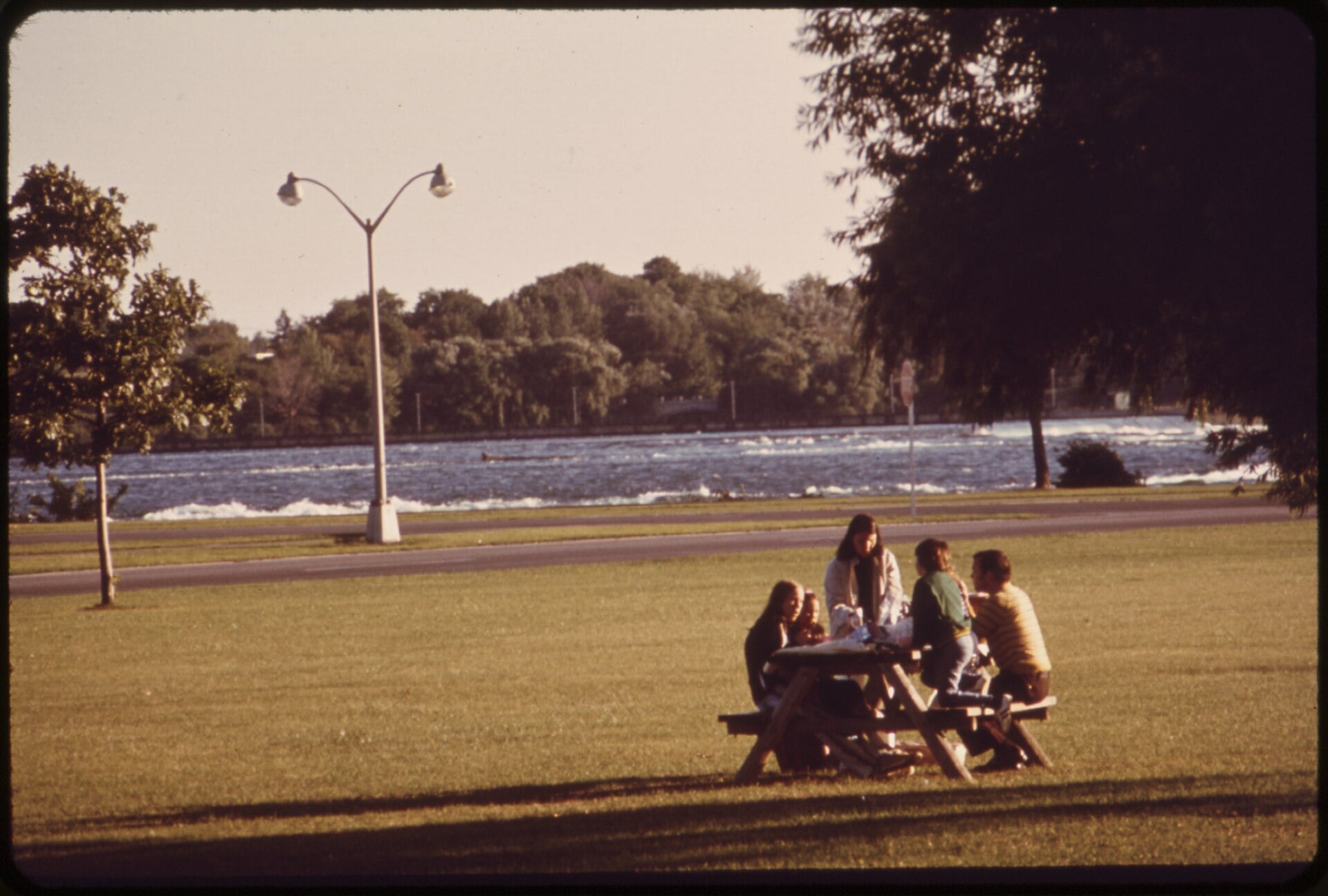
What happened when the house stayed hot even after the sun went down? Families could shift parts of daily life outdoors, especially meals and socializing, once evening air became more comfortable than heat stored inside walls and rooms. Instead of forcing the same routine through the hottest hours, people adjusted the routine itself.
16. Leaving Town for the Coast, Mountains, or a Summer Resort
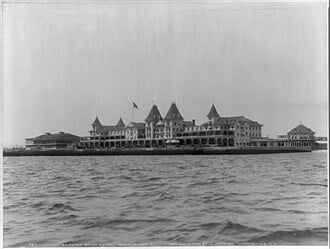
For families with enough money and flexibility, the most effective strategy could be geographic: leave. Coastal areas, mountain retreats, and summer resorts offered cooler conditions than overheated cities or inland homes. It was never an option available to everyone, which makes seasonal escape as much a story about class and mobility as it is about coping with summer heat.
Life before widespread air conditioning was not a collection of quaint tricks that made summer easy. Heat could still be dangerous, and many of these methods offered only partial relief. Yet together they show how strongly climate once shaped architecture, public life, household routines, and even the hours people chose to eat, sleep, and socialize.
Keep Exploring The Scroller
Curious how everyday life worked before modern conveniences? Keep exploring The Scroller for more forgotten routines, clever old solutions, and surprising glimpses into the past:
14 Old Technologies That Solved Problems We Handle Differently Today
18 Household Items That Young People Wouldn’t Recognize Today