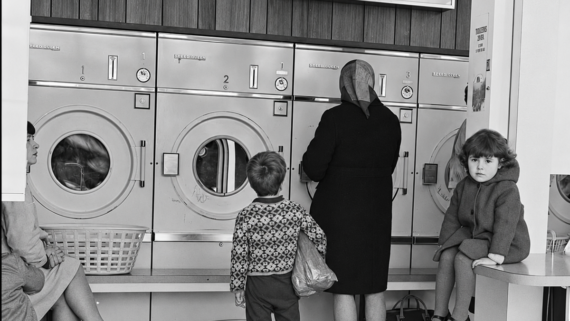
There’s something about an old laundromat photo that stops the scroll. Maybe it’s the chrome, maybe it’s the plastic chairs nobody ever wanted to sit in, maybe it’s just seeing a room full of strangers doing nothing together. By the 50s and 60s, these places were everywhere, and somehow they all had the same weird charm. Here are 15 shots that prove it.
1. A 1950s Laundromat Dripping in Chrome
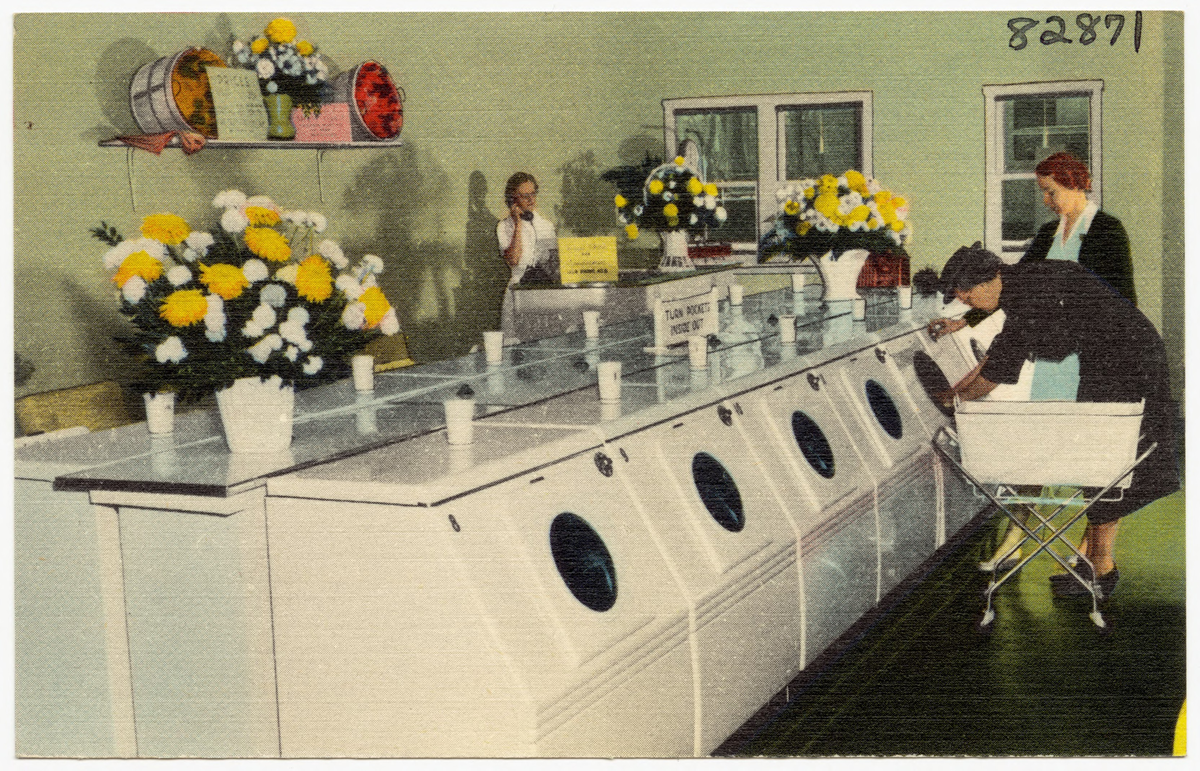
Early self-service laundries were shockingly polished for what was basically a room full of washing machines. Shiny front-loaders, tile floors, fluorescent lights- it all looked closer to a spaceship than a chore. For anyone still scrubbing clothes by hand at home, walking into one of these rooms must have felt like the future arrived early.
2. This Is What the Neighborhood Laundromat Actually Looked Like
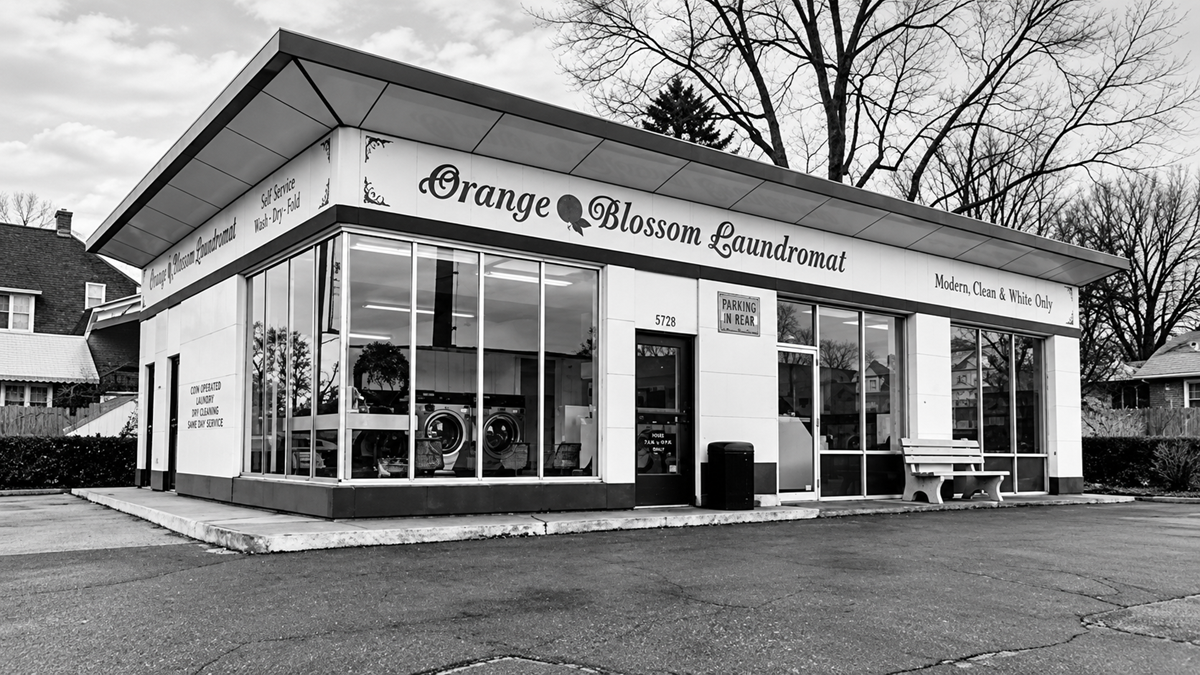
Wide glass windows, plain roadside architecture, rows of machines visible from the sidewalk- the Orange Blossom Laundromat is a pretty perfect snapshot of what these places used to look like. Nobody built it to be charming; it was built to be convenient. Somehow the plain sign and the modest benches out front are exactly what makes it feel so unmistakably of its era now.
3. Waiting Around Was the Whole Point
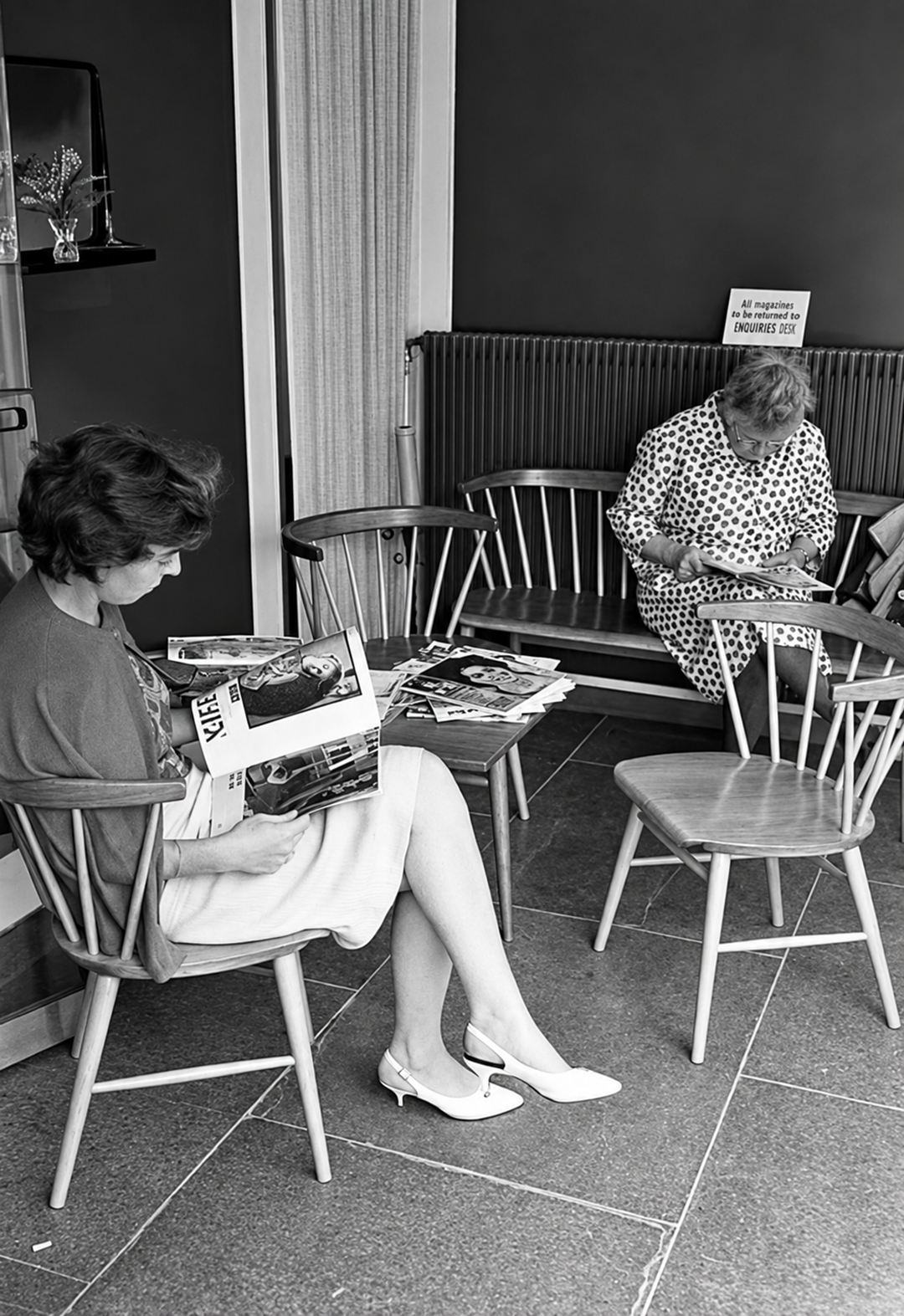
So much of the laundromat experience was just sitting there. Newspapers, small talk with strangers, kids wandering off, everyone half-watching a machine spin through its cycle. The chairs were never comfortable, but that was never really the point either.
4. Laundromats Became Part of the Neighborhood
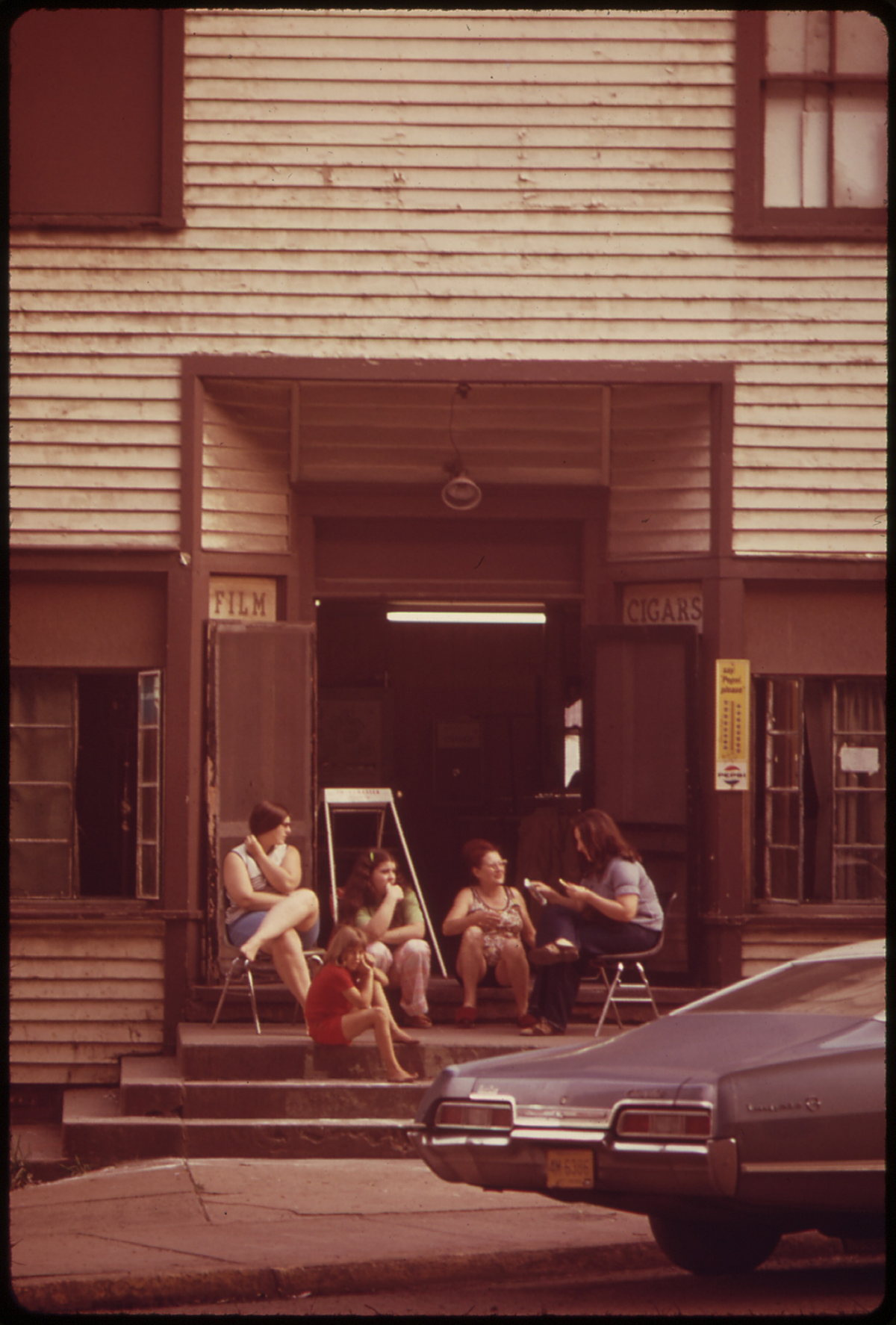
By the 1960s and 1970s, self-service laundries had become familiar fixtures on ordinary commercial streets. Their large windows and straightforward storefronts made the machines visible from outside, while customers came and went throughout the day with bags and baskets of clothes. In old street photographs, the laundromat often blends right in with the groceries, cafés, and other small businesses around it.
5. Storefronts That Refused to Be Subtle
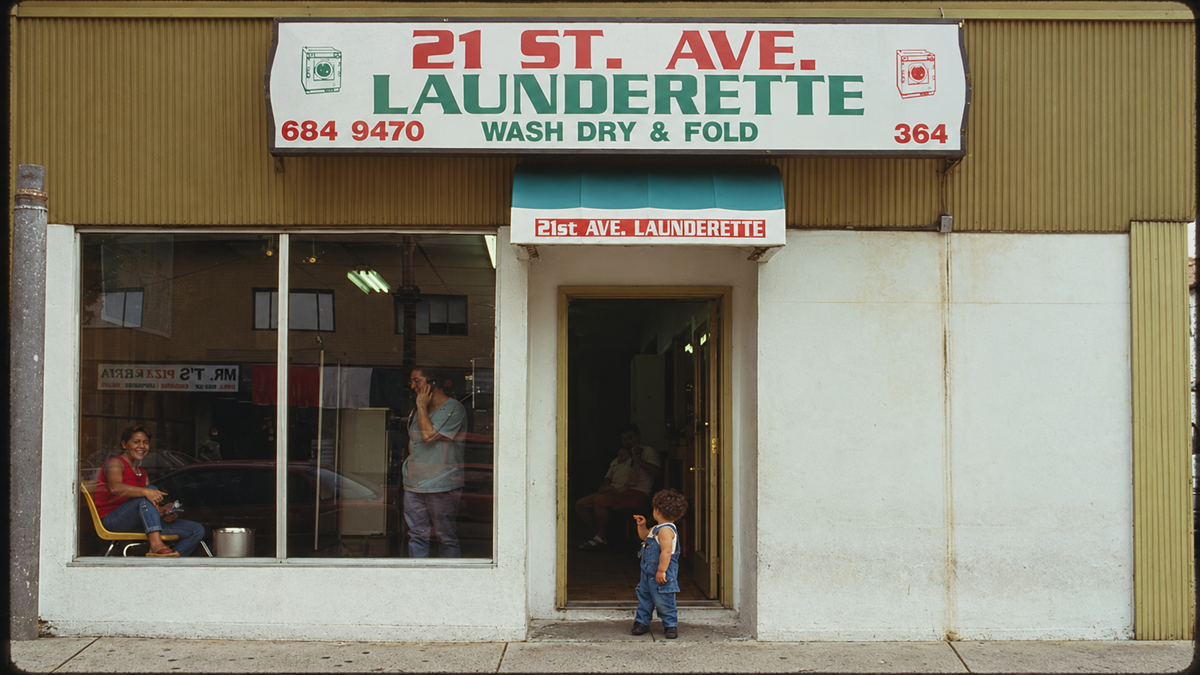
Huge lettering, bright awnings, painted windows screaming WASH and DRY at anyone walking by. Before storefronts got minimal and boring, a neighborhood laundry could be the loudest thing on the block, in the best way. Even a shoebox-sized shop found room for way too much signage.
Trending on The Scroller
6. Washing Machines Once Looked Like Furniture
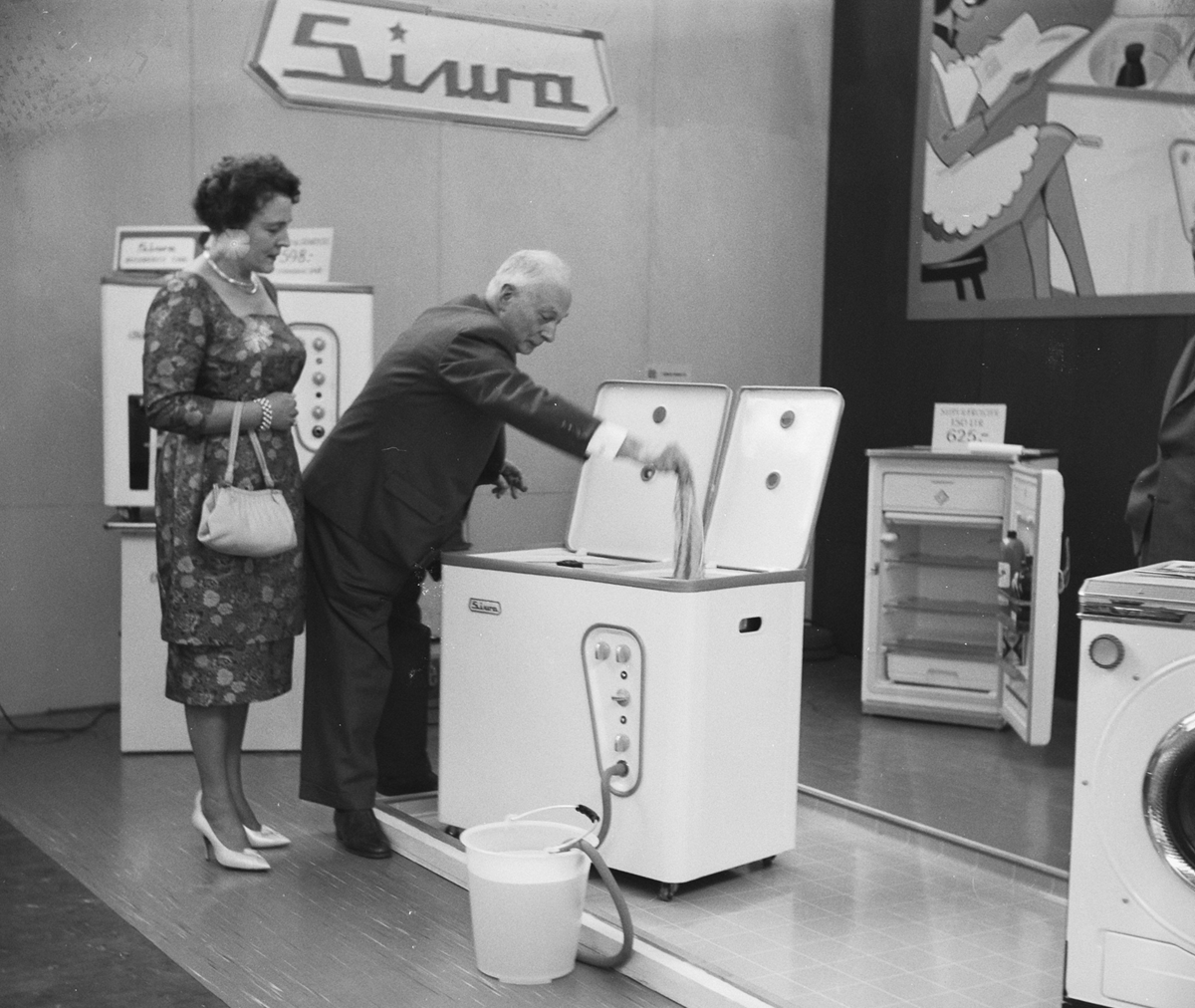
Shot from the right angle, a laundromat starts looking almost industrial. Rows of identical machines stretching to the back wall, all those circular doors repeating like a pattern. Photographers clearly couldn’t resist it, and honestly, neither can we.
7. Bringing the Family Along
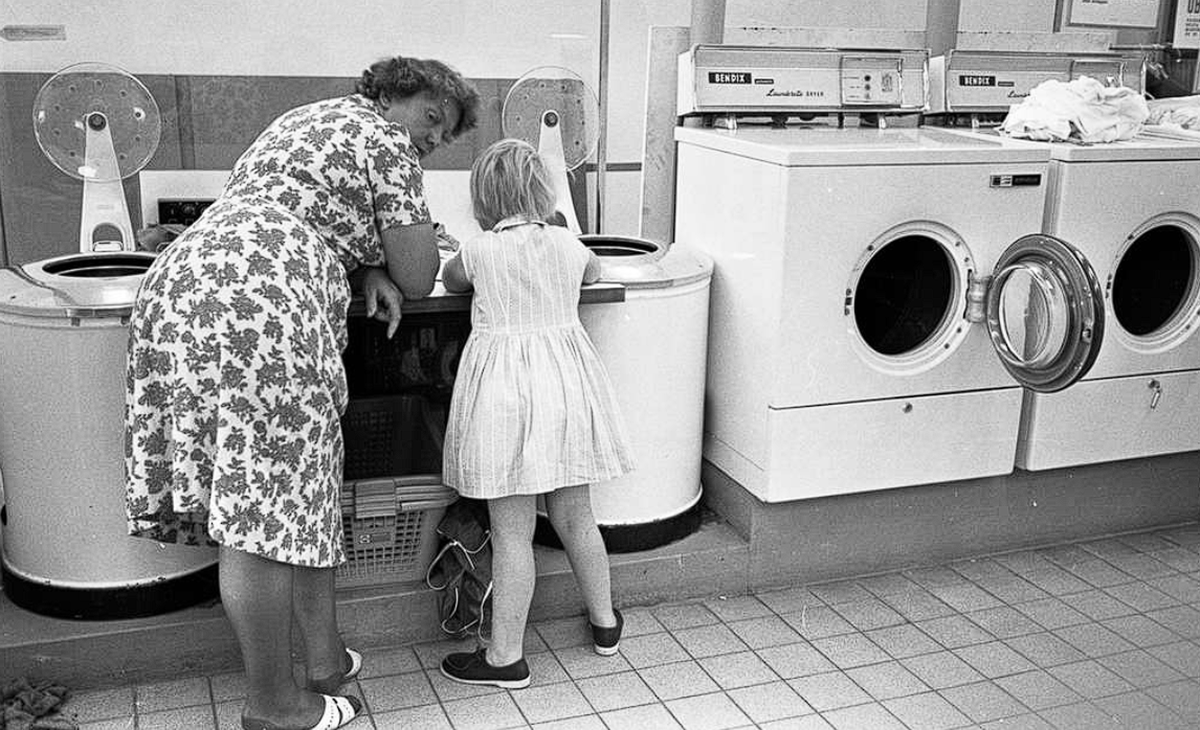
Laundry was rarely a solo trip when kids were involved. They rode the carts, ducked between machines, sat on top of piles of clothes waiting to be folded. Somehow that turns a laundromat into more of a living room than a shop.
8. Small Towns Had Their Own Version
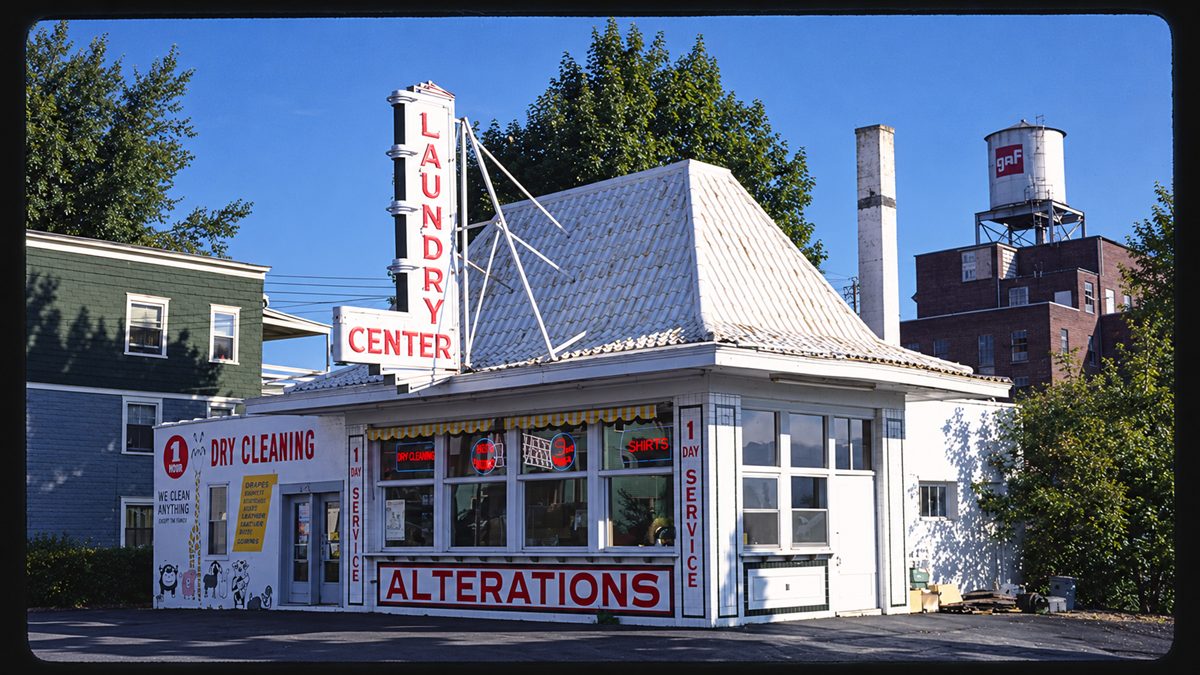
Not every laundromat sat on a busy city block. By the 70s, plenty of small towns had one too, offering access to big machines that were easy to take for granted anywhere else. Some of those interiors are almost bare compared to the branded laundromats that came later.
Sign up for our newsletter
9. The Machines Just Took Over the Room
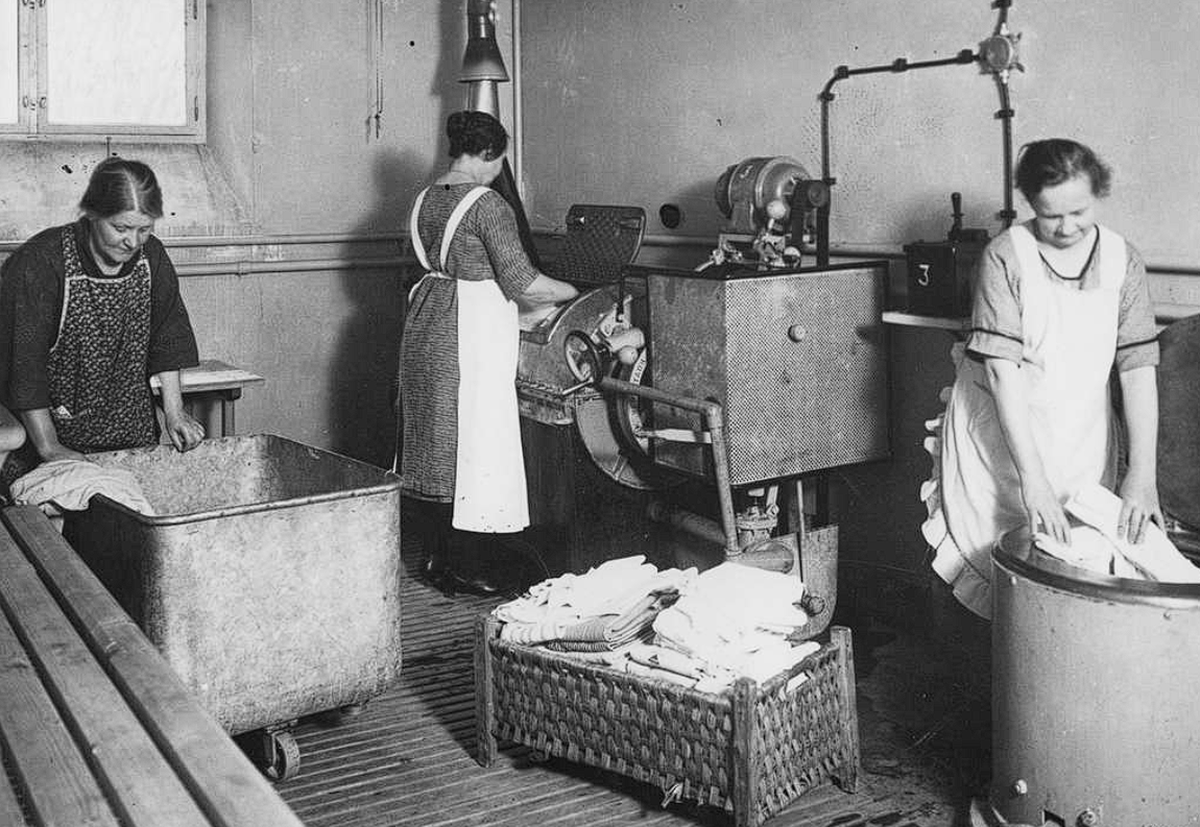
A lot of older laundromats didn’t bother hiding the machinery behind any kind of design. Washers lined up shoulder to shoulder, pipes left exposed, equipment eating up almost every wall. Half shop, half small factory.
10. Coffee Made the Wait Bearable
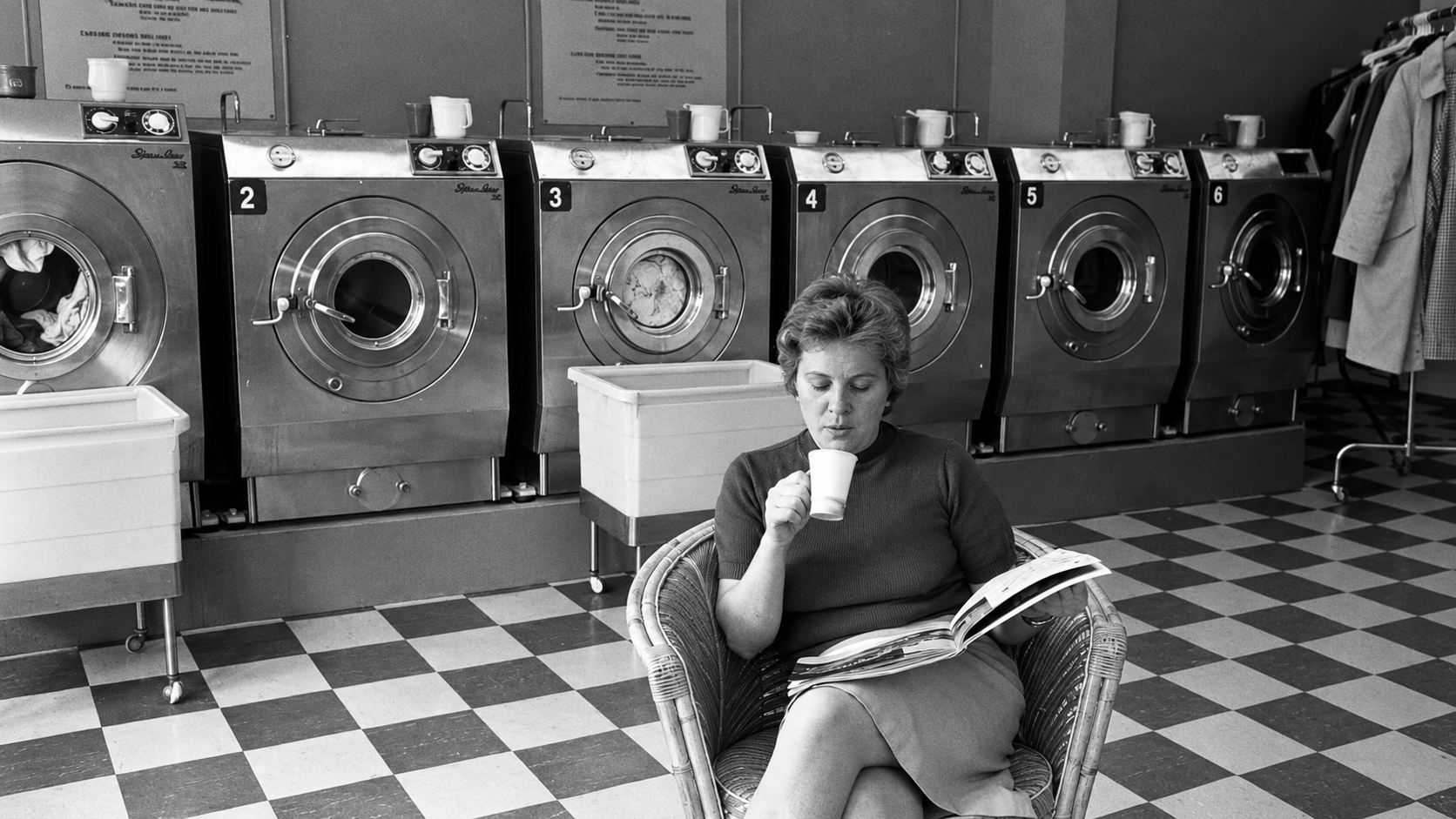
Long wash cycles created their own little rituals. A coffee, a magazine, a chat with whoever was sitting nearby, and suddenly the wait wasn’t so bad. Some of these photos barely even read as laundry pictures until you spot the machines in the background.
11. When a Laundry Was Big Enough to Take Out a Full-Page Ad
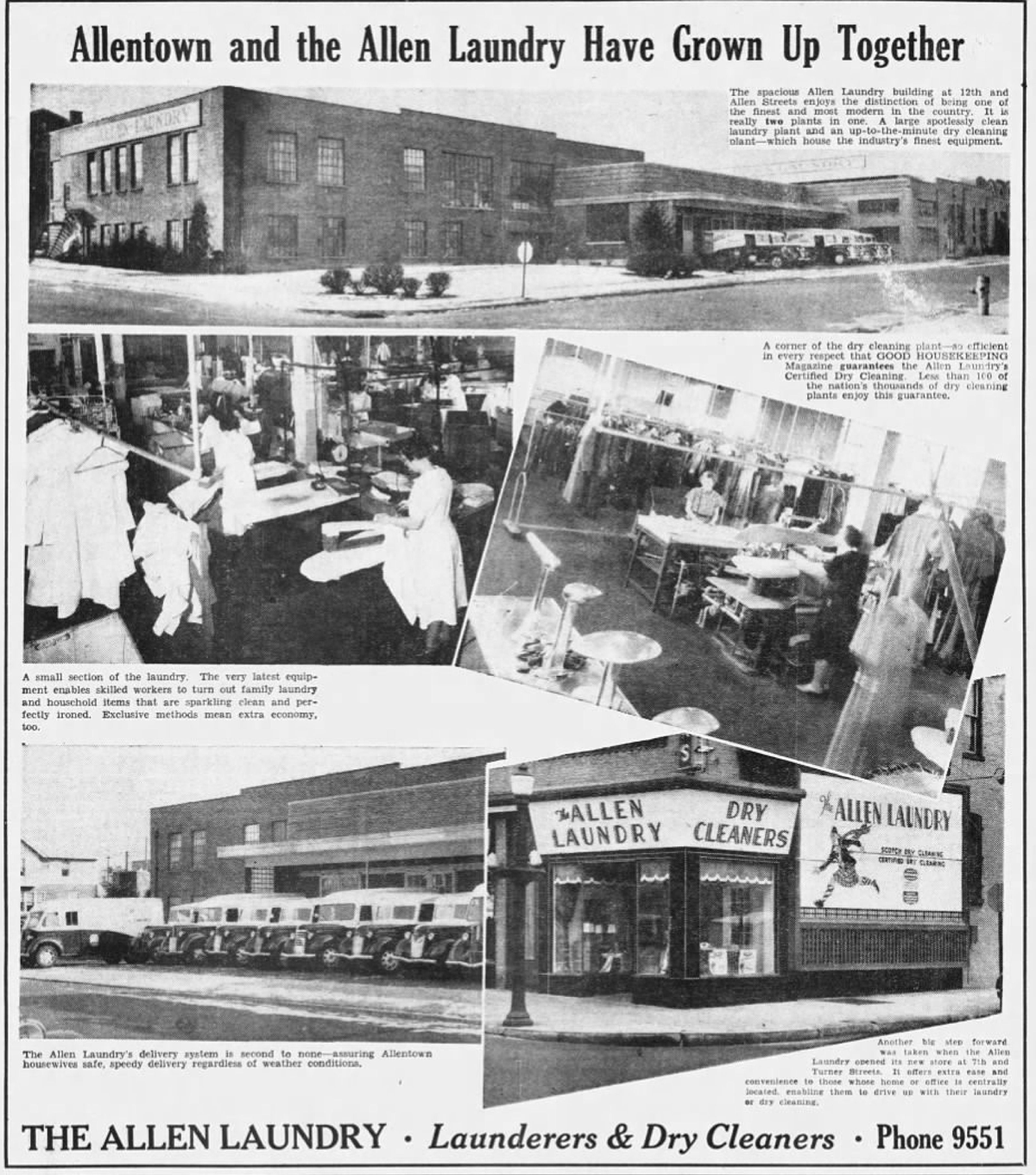
This place clearly wasn’t messing around: two full plants under one roof, a fleet of delivery trucks lined up outside, and a national magazine’s guarantee plastered right there in the copy. This wasn’t some coin-op storefront on the corner; it was closer to an industrial operation, with workers ironing and sorting on factory-sized tables. Ads like this sold customers on something bigger than convenience; they sold trust, speed, and the promise that your shirts were in genuinely good hands.
12. Some Laundries Felt Almost Industrial
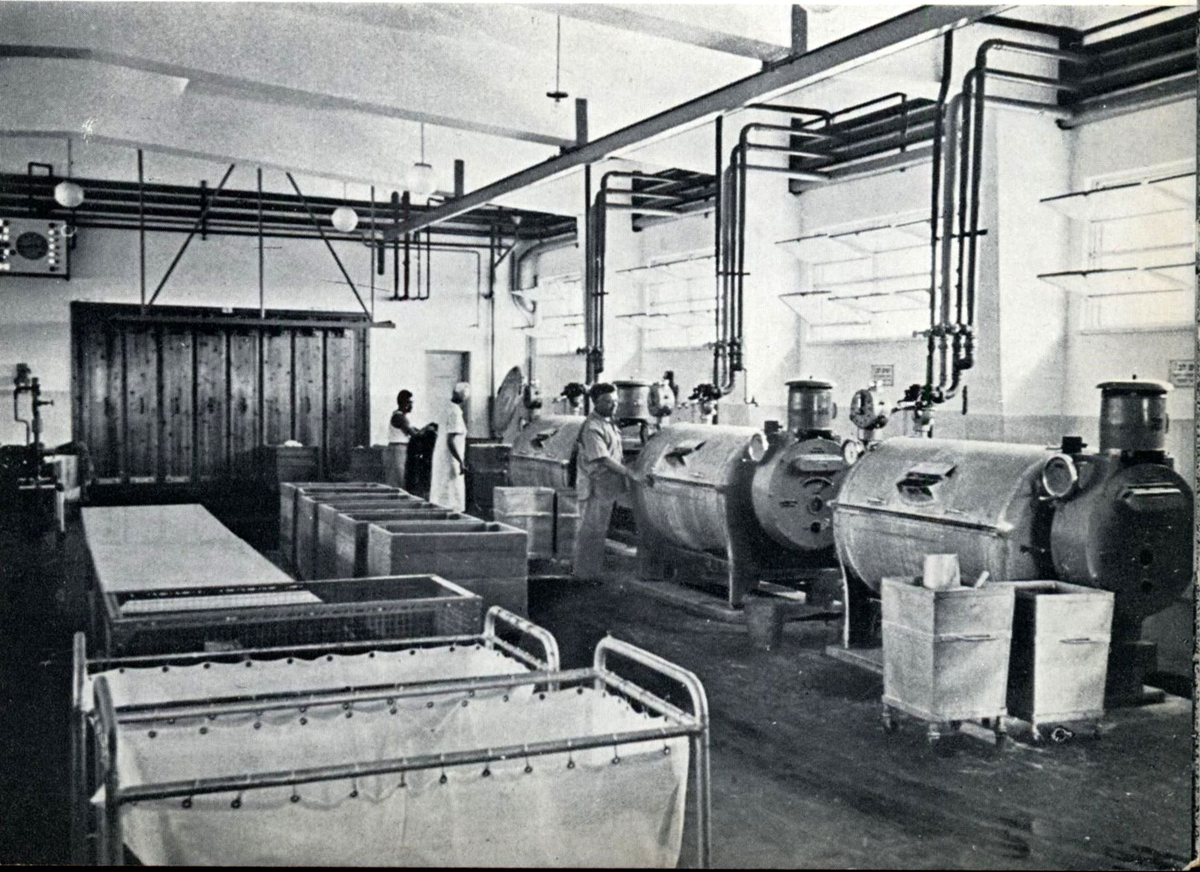
Not every mid-century laundry had the cozy neighborhood look people now associate with laundromats. Larger facilities could be filled with heavy equipment, exposed machinery, and work areas that felt closer to a small factory. The scale of the machines alone makes these old interiors look surprisingly serious.
13. Self-Service Laundry Existed Before the Classic 50s Look
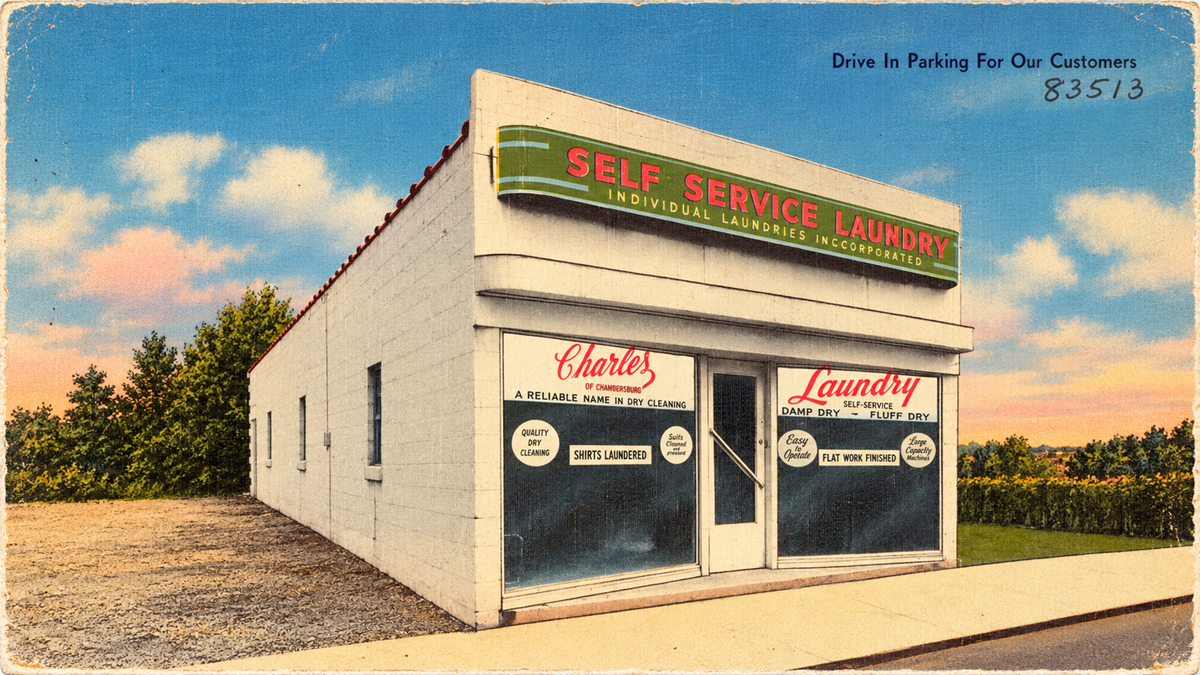
The classic laundromat is usually associated with the postwar years, but self-service laundry businesses had already begun appearing earlier. Vintage postcards from the 1930s and 1940s advertised the concept directly, showing that letting customers handle their own washing was already being marketed as a modern convenience before the familiar 1950s laundromat took shape.
14. Coins Changed How the Whole Business Worked
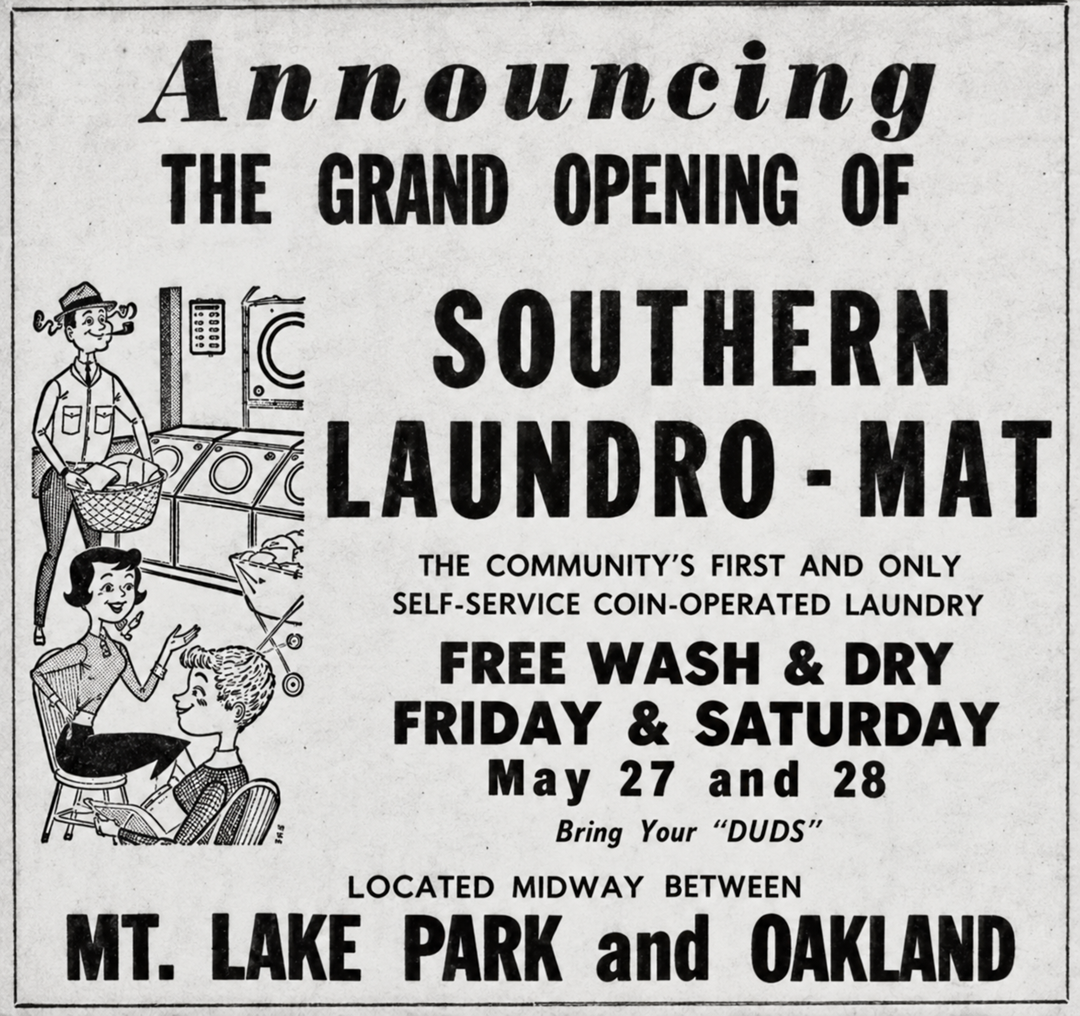
By 1960, coin-operated laundries were being promoted as a new kind of everyday convenience. This grand-opening ad for Southern Laundro-Mat emphasized self-service machines, free wash-and-dry days, and the novelty of a community getting its first coin-operated laundry. The pitch was simple: bring the clothes, feed the machines, and handle the rest yourself.
15. The Most Ordinary Places Make the Best Time Capsules
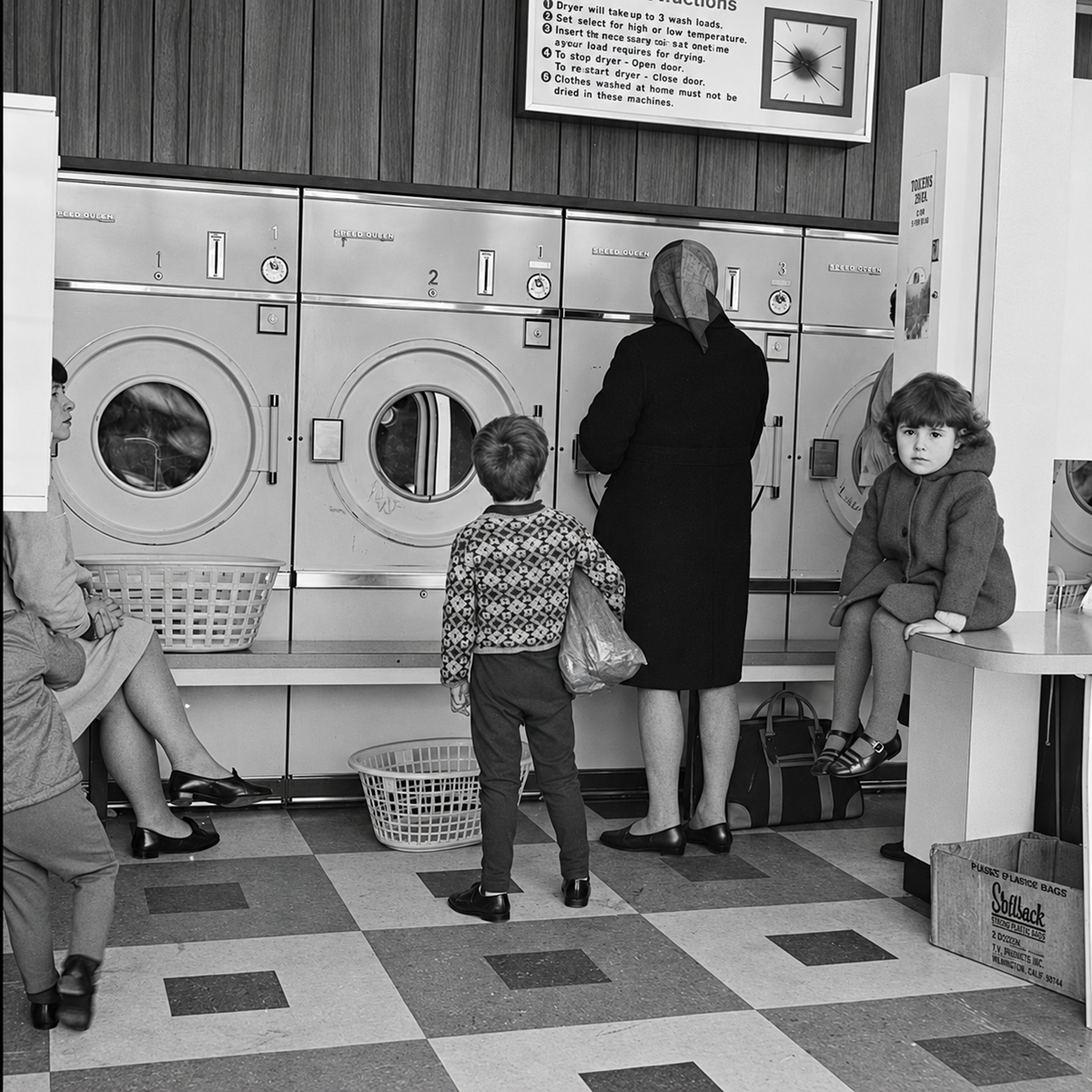
By the 1960s and 1970s, laundromats had settled into the rhythm of city life. People came in with bags of clothes, waited through the cycles, and treated the place less like a novelty than another weekly stop. The most revealing old photos are often the quiet ones, where nothing unusual is happening at all.
In the mood for more?
Check out 15 Photos That Show Why Everyone Wanted a Swimming Pool in the 1950s, or take a look at 18 Photos of Barbershops in the Mid-Century and the Look of the Era. If you want more ordinary life from decades past, you can check out 21 Vintage Photos of Ordinary Life in America During the 1950s.