Before cloud storage, wireless networks, and microprocessors revolutionized daily living, earlier generations developed remarkably creative analog systems to navigate daily tasks. From communication networks and financial transactions to food preservation, these traditional technologies addressed core societal needs using physical mechanics, specialized tools, and human ingenuity. While modern solutions often rely on digital code running invisibly on screens, past mechanical systems made the underlying logic visible and tangible.
Examining these historical mechanical systems highlights how fundamentally our approach to efficiency has evolved over the last century. Mechanical calculating machines, pneumatic message tubes, and analog navigation devices were true engineering marvels that demanded physical interaction and routine maintenance. Rediscovering these classic technologies offers a fascinating look at the ingenious stepping stones that paved the way for our modern automated world. Here are fourteen old technologies that solved everyday problems in ways we handle completely differently today.
1. Pneumatic tube networks
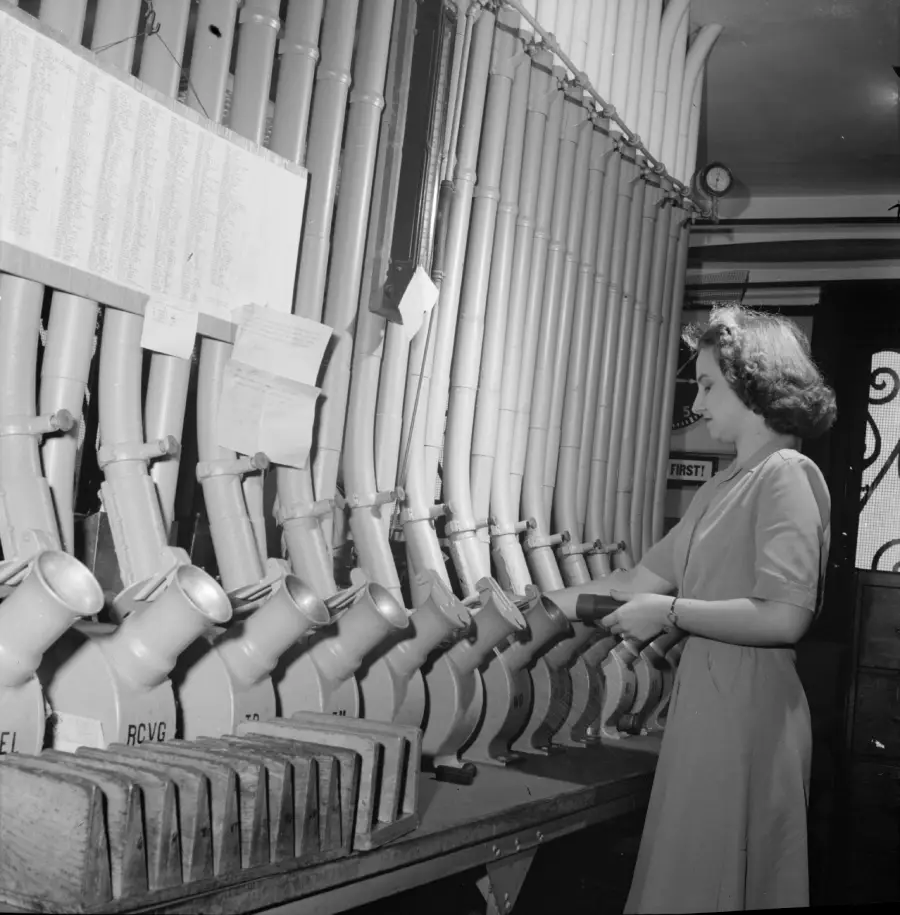
Before instant digital messaging and internal email, large department stores, hospitals, and newspaper offices relied on pneumatic tube systems to launch physical documents through buildings. Pressurized air capsules zoomed through networks of overhead copper pipes at speeds reaching thirty miles per hour to deliver cash, medical files, or urgent memos instantly.
2. Comptometers
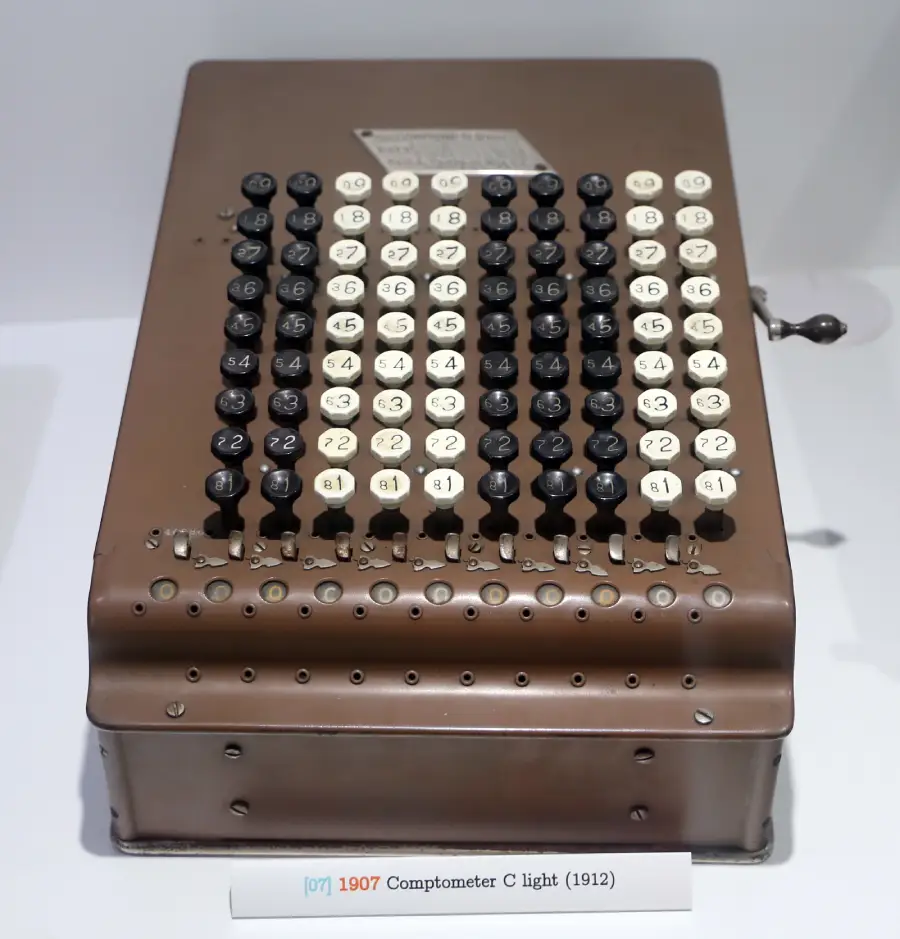
Long before digital spreadsheets or pocket calculators, accounting offices used key-driven mechanical comptometers to process complex financial figures. Skilled operators pressed weighted keys that physically engaged complex internal gear trains, instantly advancing mechanical digit wheels on the front display.
3. Telautographs for instant handwriting transmission
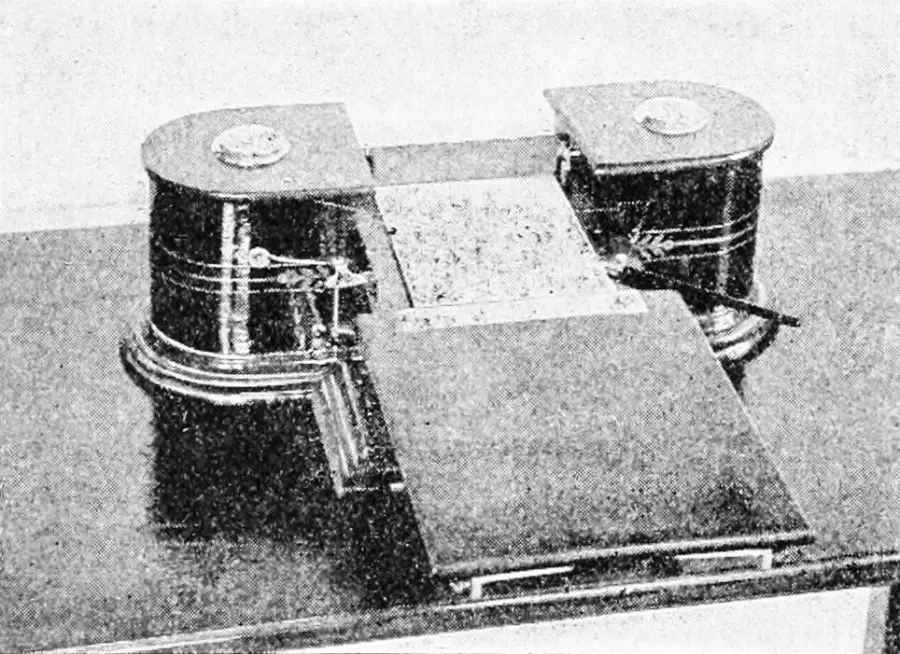
Invented in 1888 by Elisha Gray, the telautograph allowed users to transmit handwritten notes and signatures over telegraph wires in real time. A mechanical stylus tracked the sender’s physical hand movements, causing a motorized pen at the receiving station to replicate the exact handwriting onto a sheet of paper.
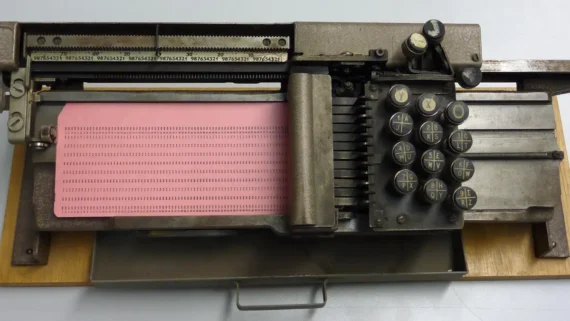
4. Card punch systems for data processing
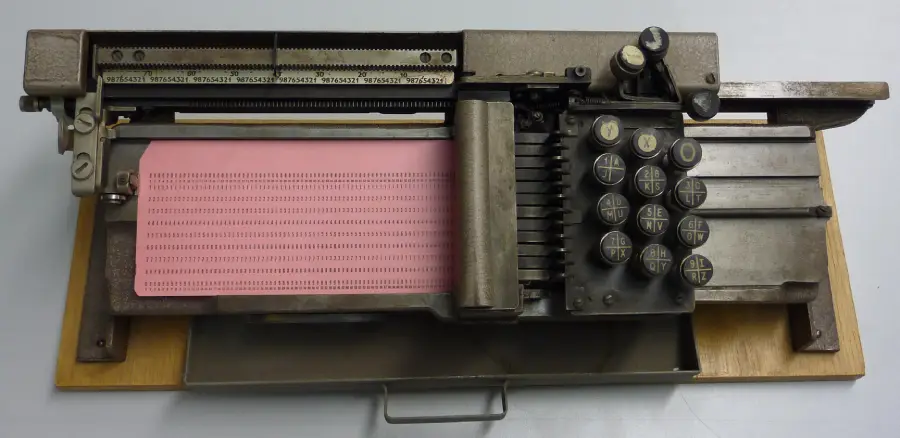
Before hard drives and flash memory existed, early data processing relied on stiff paper cards punched with grids of small rectangular holes. Massive card reader machines used metal felt brushes or light sensors to detect hole patterns, processing census data and business payrolls, millions of records at a time.
5. Ice boxes with natural lake ice delivery
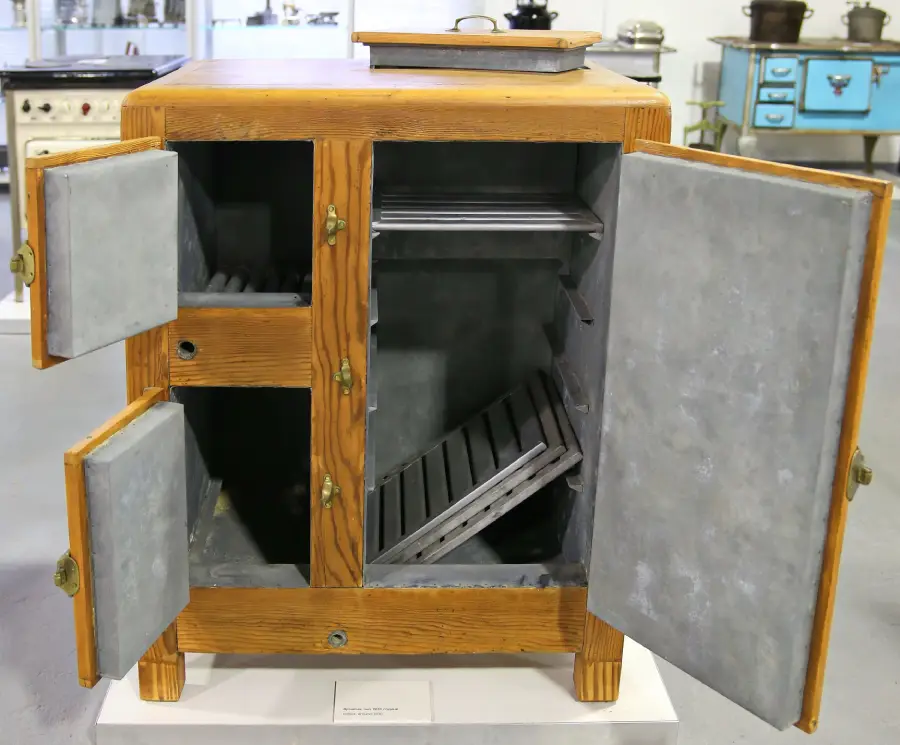
Keeping perishable food cold before electric refrigeration involved heavy wooden cabinets insulated with sawdust and lined with tin or zinc. Ice men delivered massive hundred-pound blocks of natural ice harvested from frozen northern lakes during winter, which sat in top compartments to circulate cool air downward.
Trending on The Scroller


6. Pianolas
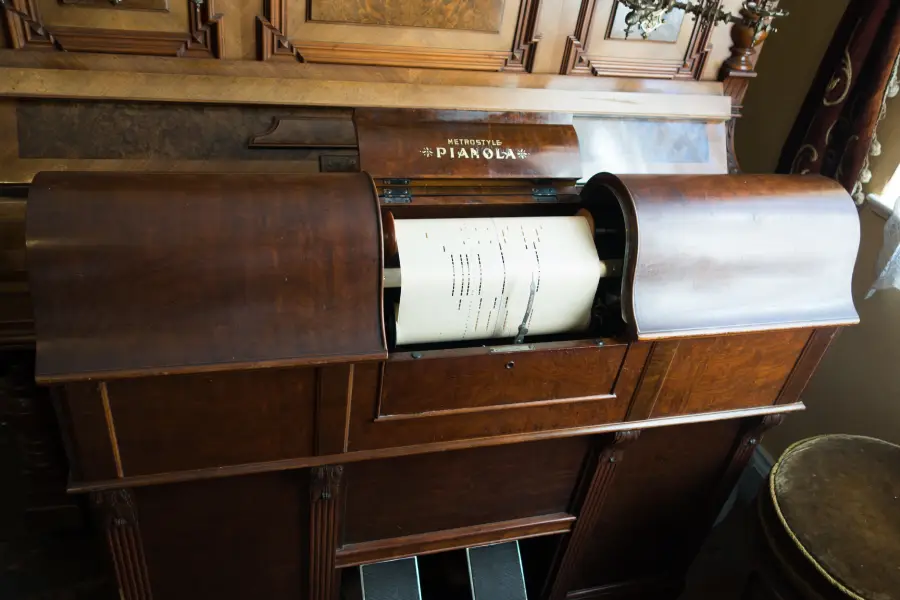
Bringing live musical performances into home parlors before audio speakers or vinyl records relied on pneumatic player pianos. Perforated paper rolls unrolled across a suction bar, where air passing through tiny punched holes triggered pneumatic bellows that physically struck the piano keys.
7. Ediphones
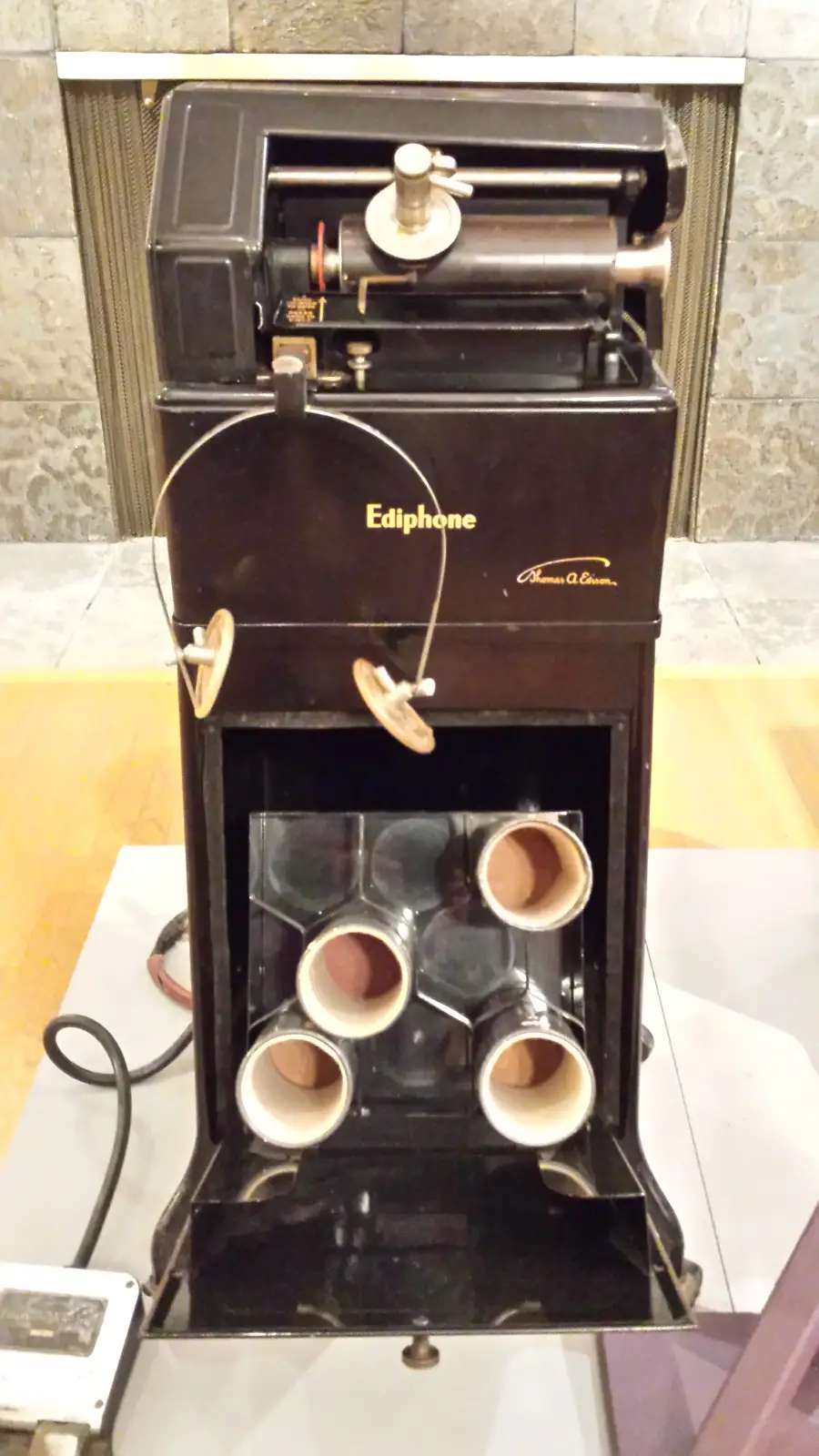
Executives recording spoken letters for secretaries relied on wax cylinder dictation machines powered by electric motors or spring mechanisms. After typists transcribed the spoken audio using slowed-down playback headphones, the wax cylinders were shaved down with a mechanical scraper to be reused for fresh recordings.
8. Streetlamp lighters with long torches

Urban street lighting before electric power grids depended on networks of town gas lamps lit manually every evening by municipal workers. Lamp lighters walked city routes using long brass poles fitted with alcohol-soaked wicks to open gas valves and ignite overhead street lanterns at dusk.
Sign up for our newsletter
9. Tally counters
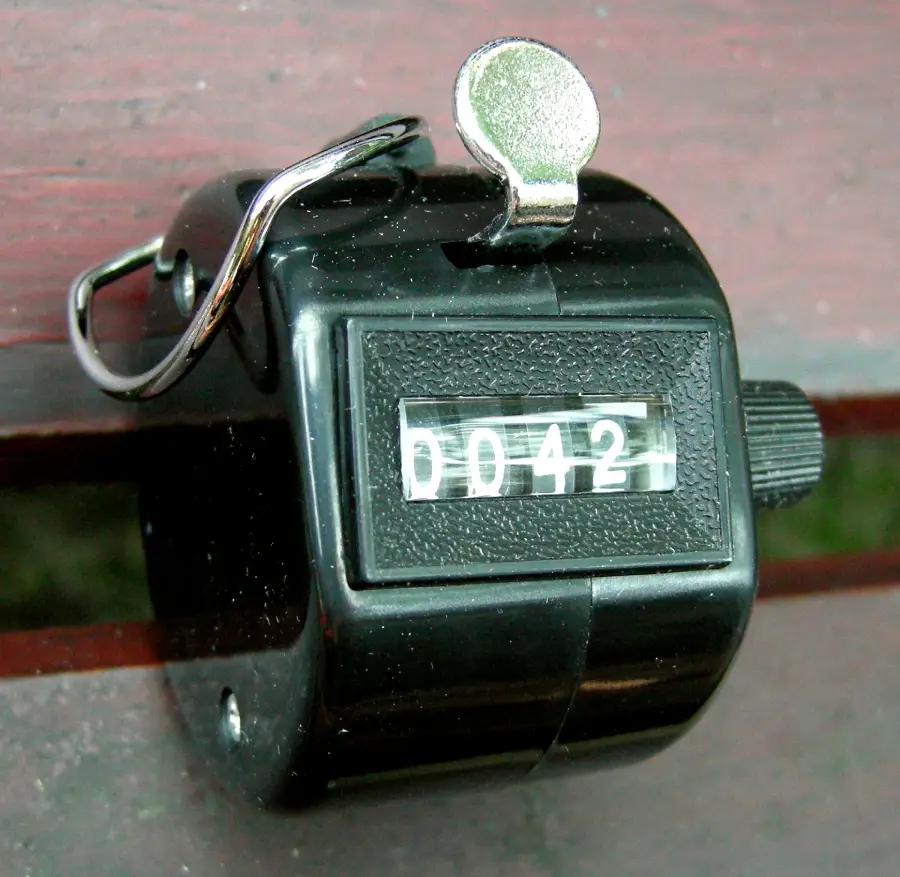
Tracking inventory, theater attendance, or traffic counts before digital counters relied on heavy nickel-plated hand tallies. Pressing a thumb lever physically advanced internal ratchet wheels, advancing the mechanical display by one number with a distinct metallic click.
10. Slide rules
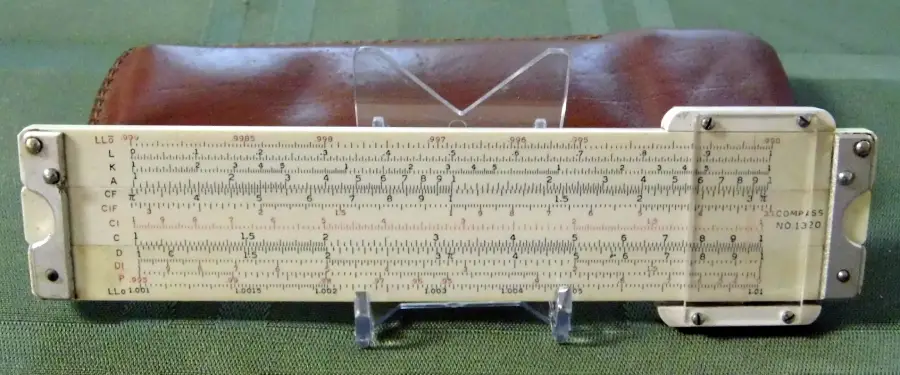
Engineers and architects designed skyscrapers, bridges, and NASA spacecraft using logarithmic slide rules rather than digital devices. Sliding central wooden scales against outer scales allowed users to perform rapid multiplication, division, and trigonometric functions based on proportional lengths.
11. Sundials and noon cannons for timekeeping
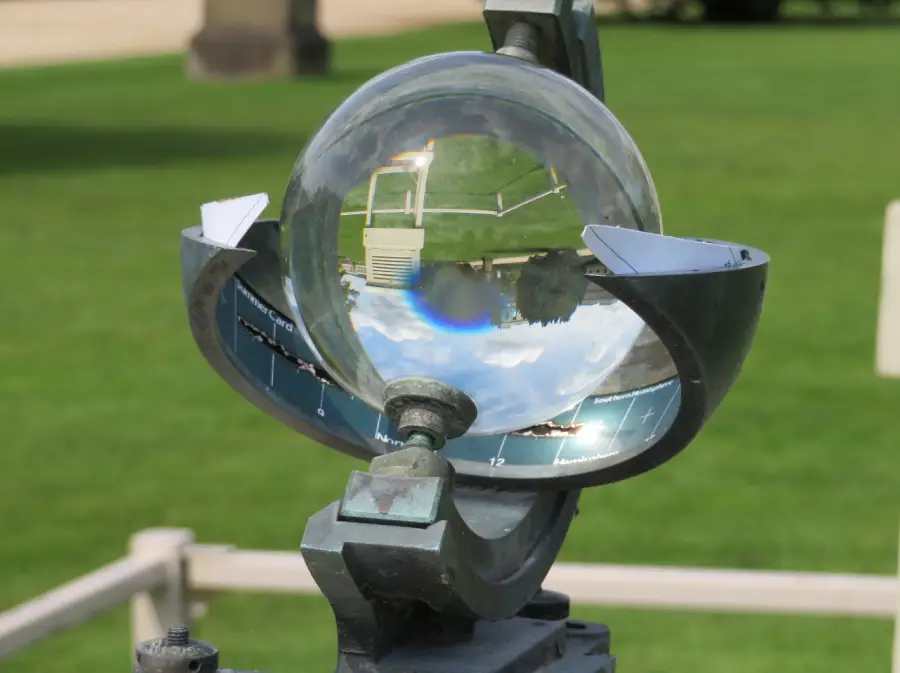
Synchronizing town clocks before radio signals or atomic timekeeping relied on solar alignment devices like noon cannons. Fitted with a magnifying lens positioned directly over a gunpowder touchhole, the midday sun’s rays automatically ignited the small cannon at precisely solar noon to signal the hour to surrounding residents.
12. Cyclostyle and mimeograph stencil duplicators
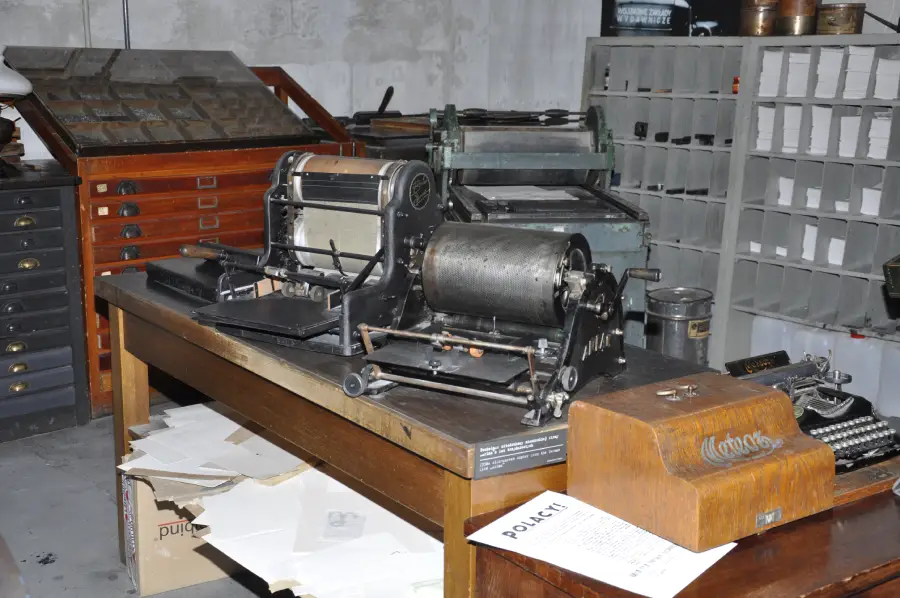
Printing dozens of newsletter or exam copies before office photocopiers meant using hand-cranked stencil duplicators. Users typed or drew onto waxed paper stencils to create microscopic perforations, forcing thick oil-based ink through the stencil onto blank sheets of paper as a drum rotated.
13. Telharmonium
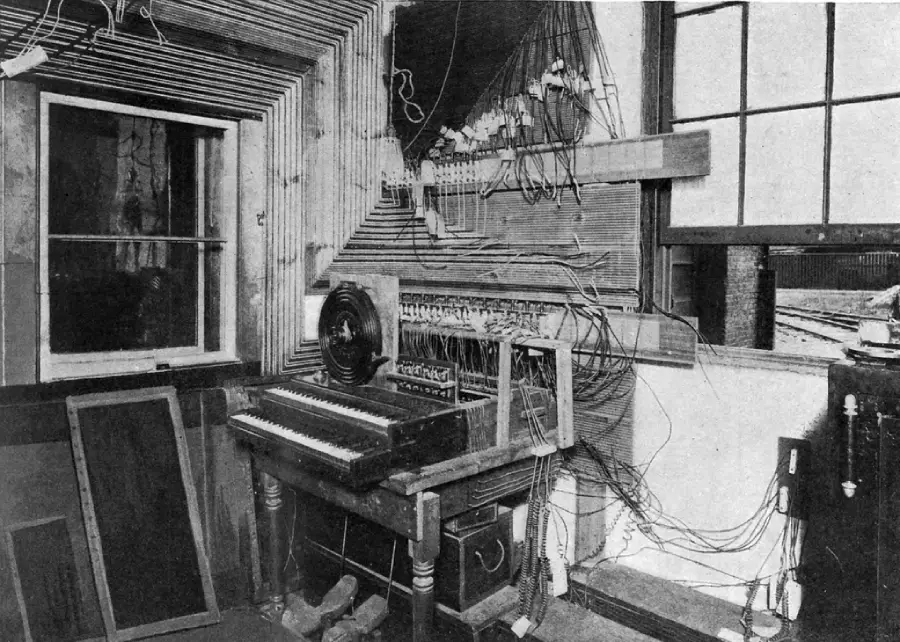
Pioneered in 1897, the Telharmonium was a two-hundred-ton electromechanical instrument that generated synthetic music using massive iron tonewheel dynamos. Subscribers paid to have live musical performances transmitted directly into their home living rooms over dedicated telephone wire networks long before radio broadcasts existed.
14. Mechanical fire alarm telegraph boxes
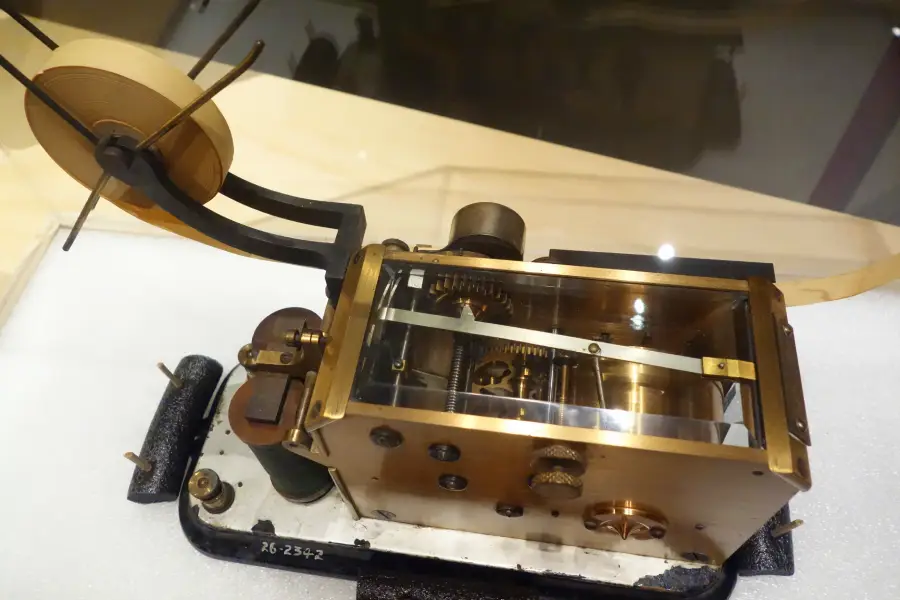
Reporting a city fire before residential landlines or mobile phones required running to the nearest street corner cast-iron alarm box and pulling a brass handle. The released spring mechanism rotated a notched code wheel inside, tapping out a unique telegraphic code over city wires directly to central fire dispatch stations.
Check out more technologies from the past:
Exploring the clever mechanics, physical tools, and analog systems of past generations provides a fascinating appreciation for how modern convenience came to be. The inventive use of gears, pneumatic pressure, paper stencils, and solar alignments proves that human problem-solving was remarkably sophisticated long before digital microchips existed. If you enjoy exploring historical inventions, retro lifestyle archives, and nostalgic deep dives into past eras, be sure to check out these 17 Surprising 1800s Tech That Changed the Modern World, or these 18 Victorian Technologies That Were Shockingly Advanced. You can also take a look at these 16 Forgotten Technologies That Deserve a Comeback.