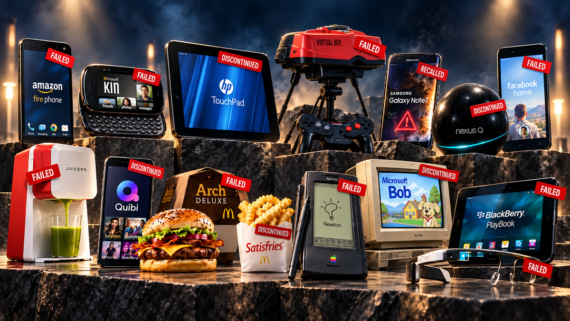
Companies spend enormous amounts of money introducing products they believe will become the next big thing. Sometimes the public has other ideas, and an ambitious launch turns into an expensive embarrassment almost overnight. Smartphones have disappeared within weeks, restaurant chains have abandoned heavily advertised menu items, and entire technology platforms have vanished after attracting millions in investment. These 15 products were once promoted as promising new releases, only to be discontinued, withdrawn, or quietly pushed aside when things went wrong.
1. Amazon Fire Phone: The Smartphone Nobody Wanted
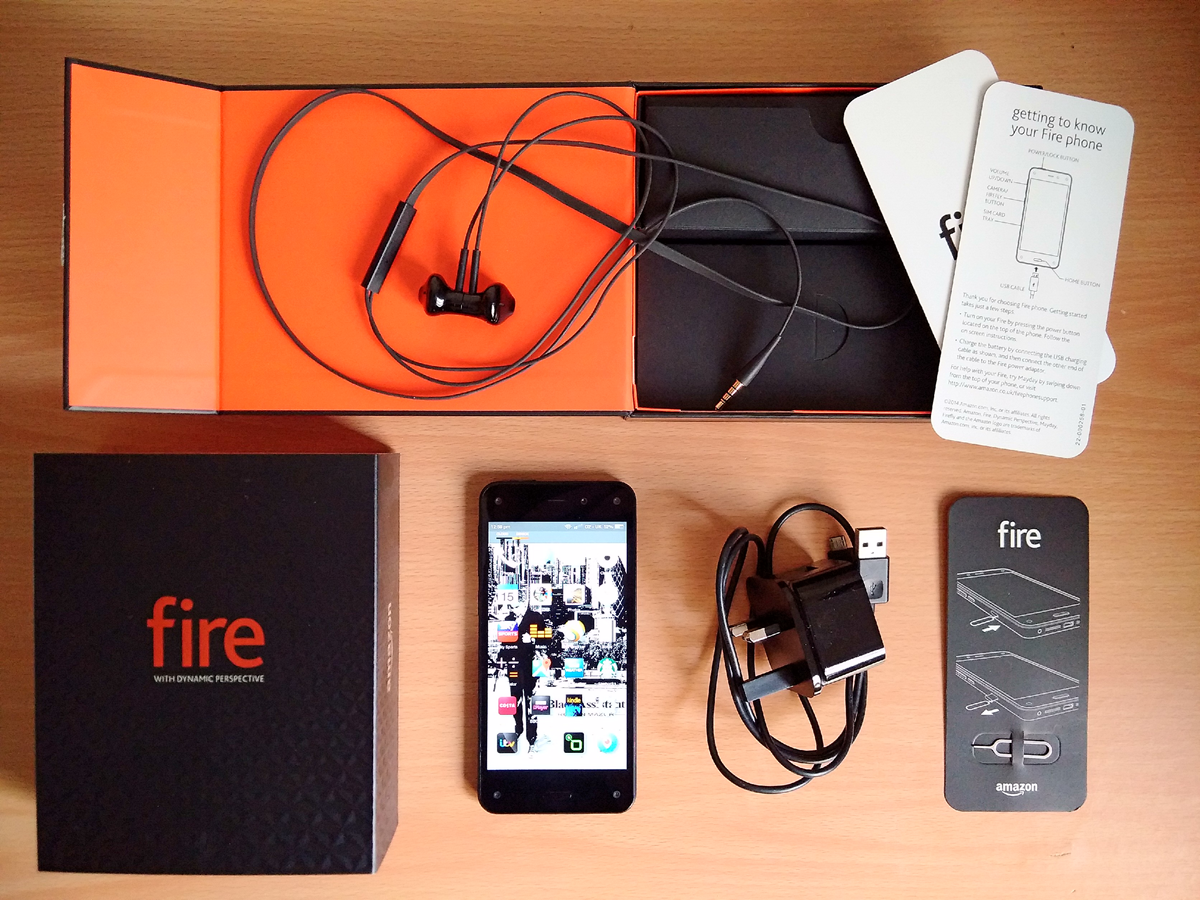
When Amazon introduced the Fire Phone in 2014, it arrived with unusual features, including four front-facing cameras that tracked the user’s face to create a simulated 3D effect. There was also Firefly, a tool that could recognize products and make buying them through Amazon easier. Unfortunately, the phone cost $649 without a contract and lacked the app selection of its established competitors. Within months, Amazon disclosed a $170 million charge primarily related to the device’s inventory and supplier commitments. The company also reported $83 million in remaining Fire Phone inventory and associated purchase commitments at the end of September 2014. By 2015, the experiment was finished, and Amazon never released another smartphone under the Fire Phone name.
2. Microsoft Kin: A Phone That Lasted Just Six Weeks
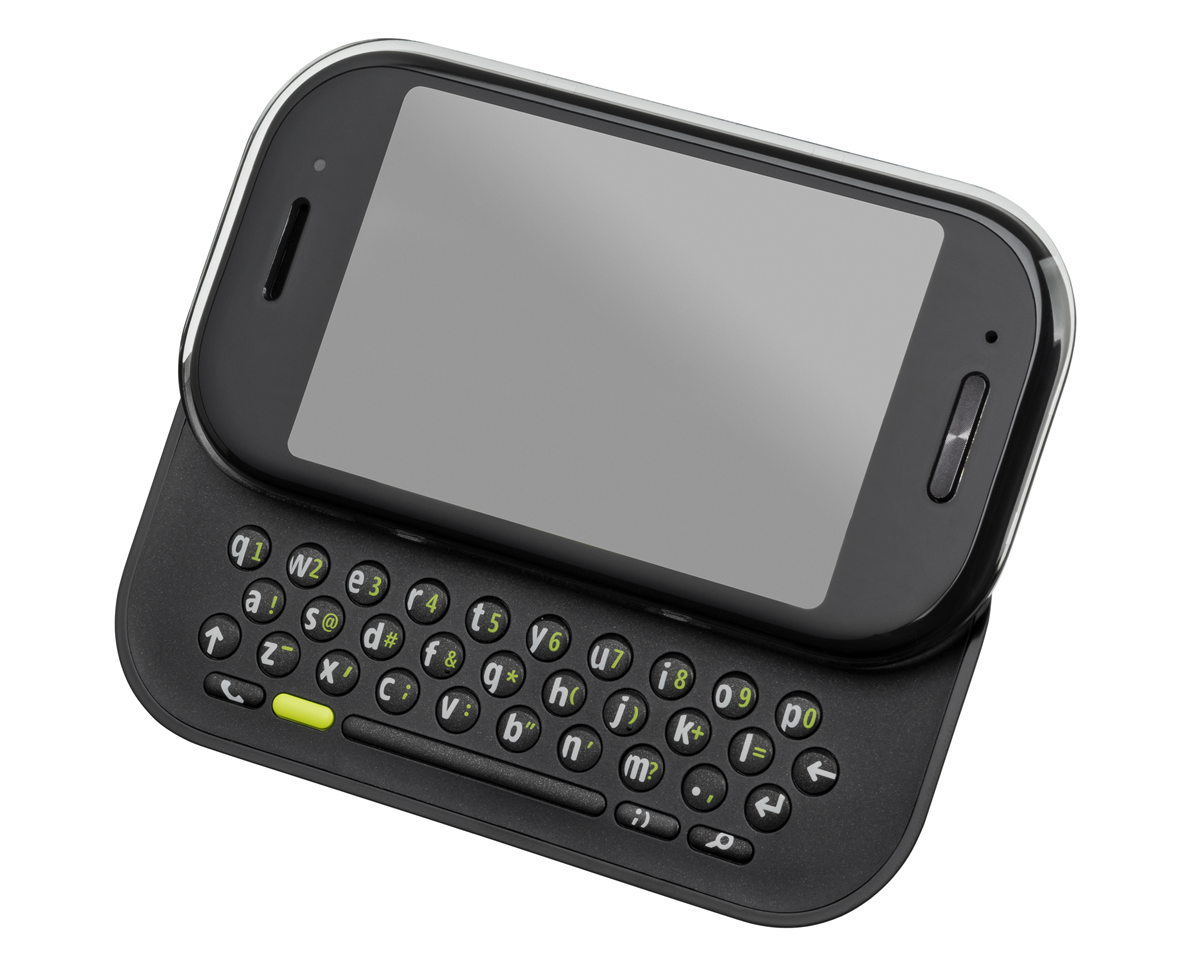
Microsoft believed teenagers and young adults needed phones designed around social networking, so it launched the Kin One and Kin Two in May 2010. Both devices featured slide-out keyboards and interfaces focused on sharing photos, messages, and social updates. There was one considerable problem: customers were expected to pay for expensive smartphone data plans, even though the phones lacked many capabilities available on competing smartphones. On June 30, just six weeks after their American release, Microsoft announced it was ending the Kin project. Modified versions briefly returned later that year without the original social-networking services, but the broader experiment was already over.
3. HP TouchPad: The Tablet That Became Popular Only After Its Cancellation
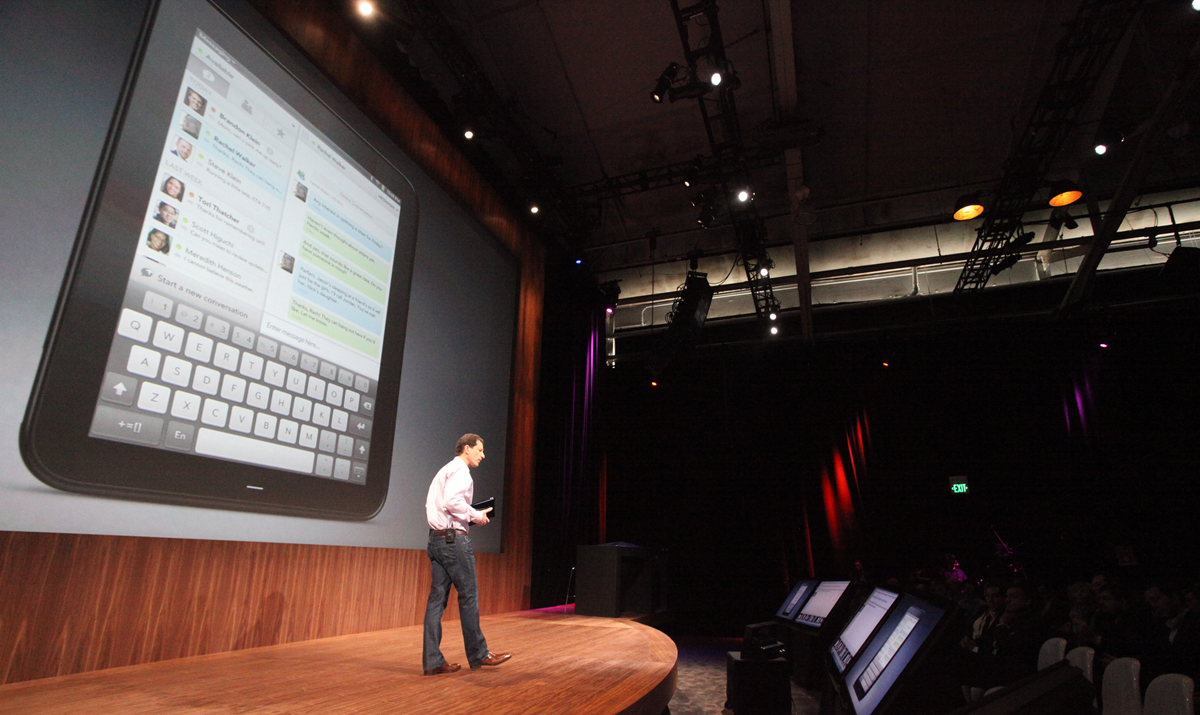
HP’s TouchPad reached American stores on July 1, 2011, with a starting price of $499.99. It ran webOS, the operating system HP had acquired through its purchase of Palm, and was supposed to challenge Apple’s iPad. Sales disappointed almost immediately, and HP announced it would discontinue its webOS hardware lineup on August 18, only 49 days after the tablet’s release. Then something unexpected happened. Retailers slashed the TouchPad’s price to as little as $99, triggering a rush of customers who suddenly wanted the unwanted device. Demand was strong enough that HP arranged one final limited production run before ending the product.
4. Nintendo Virtual Boy: The 3D Console That Went Nowhere
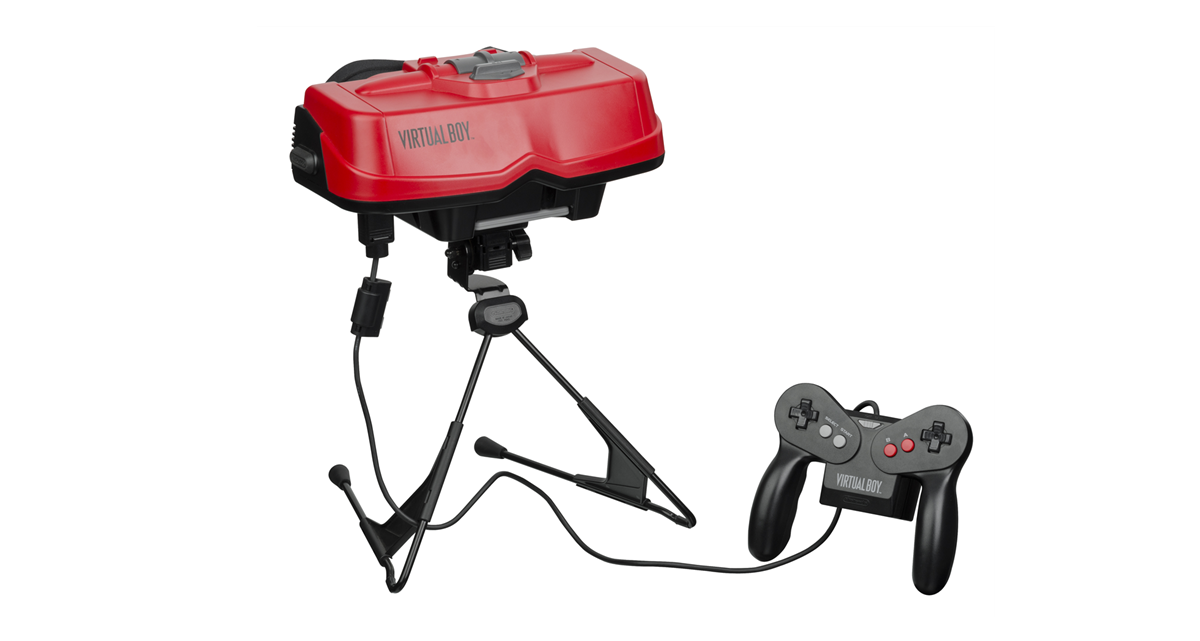
In 1995, Nintendo released a strange tabletop gaming machine that required players to look into a visor displaying red-and-black images. The Virtual Boy promised stereoscopic 3D gaming, but its limited graphics, awkward viewing position, and small game library made it a difficult sell. Players also complained about discomfort during extended sessions. Nintendo discontinued the system in Japan in December 1995 and ended its North American run in 1996. Worldwide sales reached approximately 770,000 units, far below the company’s expectations. Nintendo eventually returned to stereoscopic gaming with the much more successful Nintendo 3DS.
5. Samsung Galaxy Note 7: A Flagship Phone That Had to Be Recalled Twice
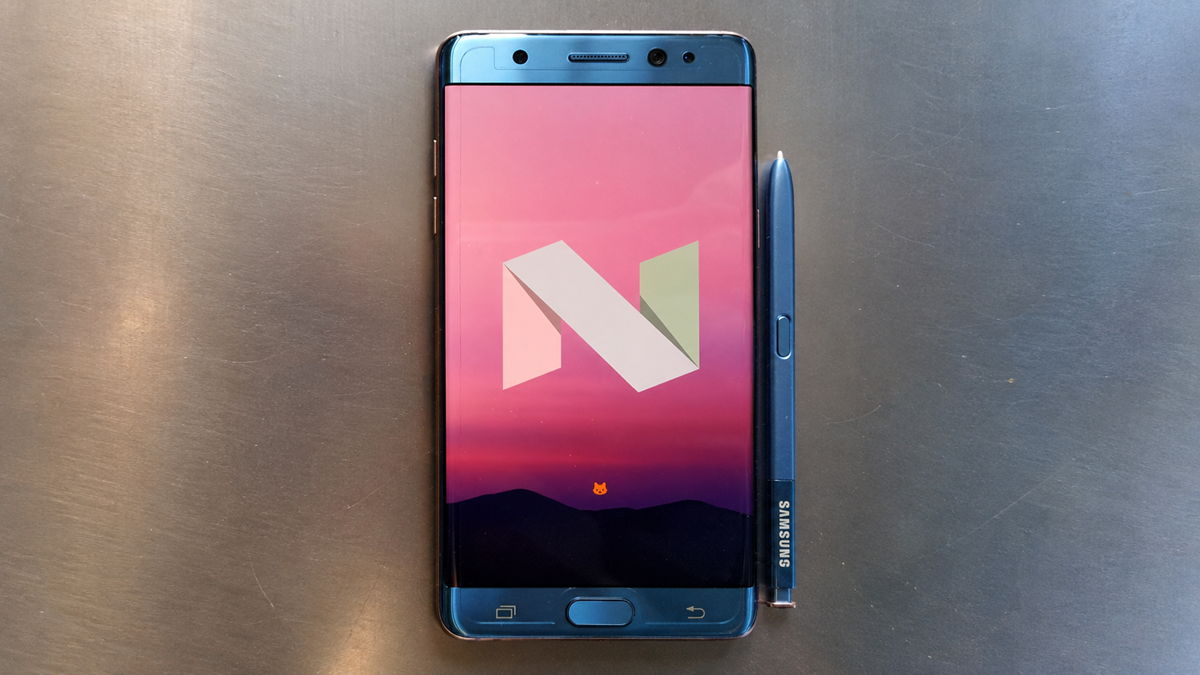
Samsung’s Galaxy Note 7 looked like a strong competitor to Apple’s premium smartphones when it arrived in August 2016. Its curved display, stylus, and advanced features attracted considerable attention, but reports of overheating and burning batteries soon overshadowed everything else. Samsung recalled affected devices and introduced replacements, only to face further reports involving the replacement phones. In October, the company stopped production and expanded its recall to cover both original and replacement devices. The phone became such a serious safety concern that American aviation authorities prohibited passengers from bringing it aboard flights. Samsung moved on to the Galaxy Note 8 the following year.
Trending on The Scroller


6. Google Nexus Q: The $299 Gadget That Never Properly Launched
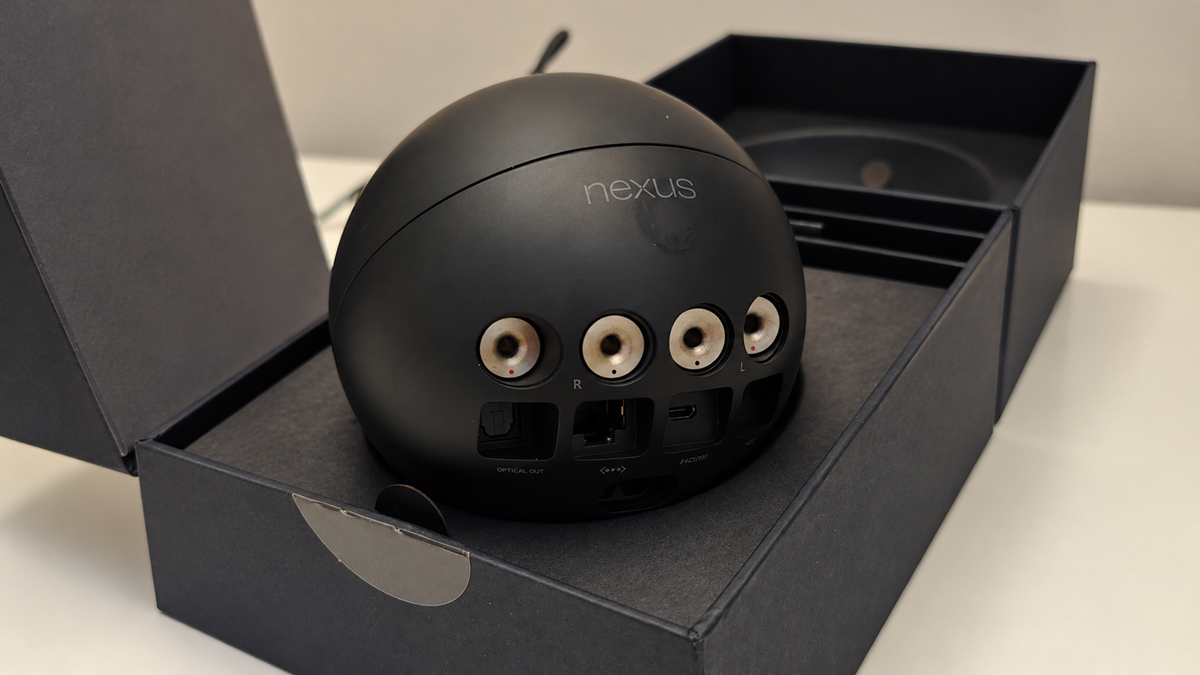
Google unveiled the Nexus Q in June 2012, presenting a spherical entertainment device designed to stream music and video through connected televisions and speakers. Its unusual appearance attracted attention, but early reviewers struggled to understand why anyone should spend $299 on a device with such limited functionality. Google initially accepted preorders, then postponed the consumer launch after receiving feedback that the product needed to do more. Customers who had already ordered one were promised a free preview unit instead. The Nexus Q never received a normal commercial release, and Google eventually abandoned the project.
7. Facebook Home: The Software That Tried to Take Over Android
Facebook’s 2013 plan for smartphones was surprisingly ambitious. Rather than simply offering an app, the company introduced Facebook Home, an Android interface that placed Facebook posts, photographs, and messages at the center of the phone experience. It also partnered with HTC on the First, a smartphone designed around the software. Reviews were mixed, and early customer ratings for Facebook Home were particularly poor. The HTC First soon received major price reductions, while Facebook continued making changes to the interface. Updates eventually stopped, and the company turned its attention elsewhere.
8. Juicero: The $700 Machine That Could Be Replaced by Two Hands
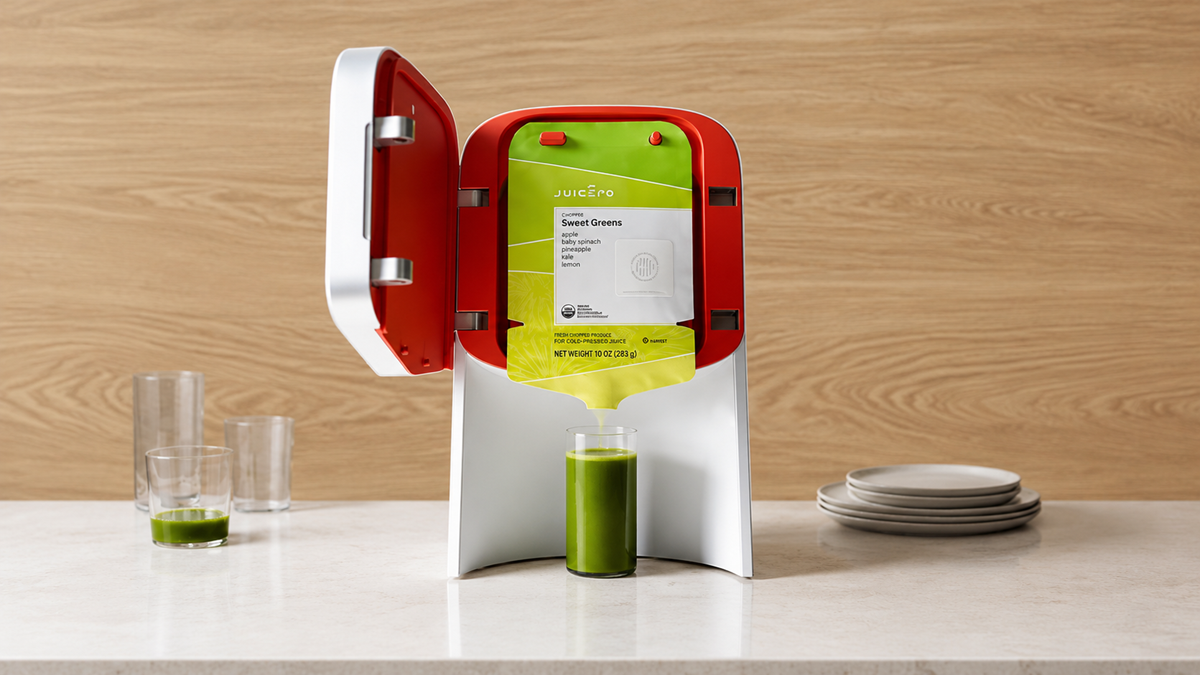
Silicon Valley investors poured roughly $120 million into Juicero, a company selling an internet-connected juice press that originally cost $700. The machine used specially packaged fruits and vegetables to produce fresh juice with minimal preparation. Then, in April 2017, Bloomberg demonstrated that the juice packets could be squeezed by hand, producing comparable results without the expensive equipment. The revelation turned Juicero into a widely mocked example of unnecessary technological complexity. By September 2017, the company had suspended sales, announced plans to shut down operations, and offered customers refunds.
Sign up for our newsletter
9. Quibi: The Streaming Service That Barely Survived Six Months
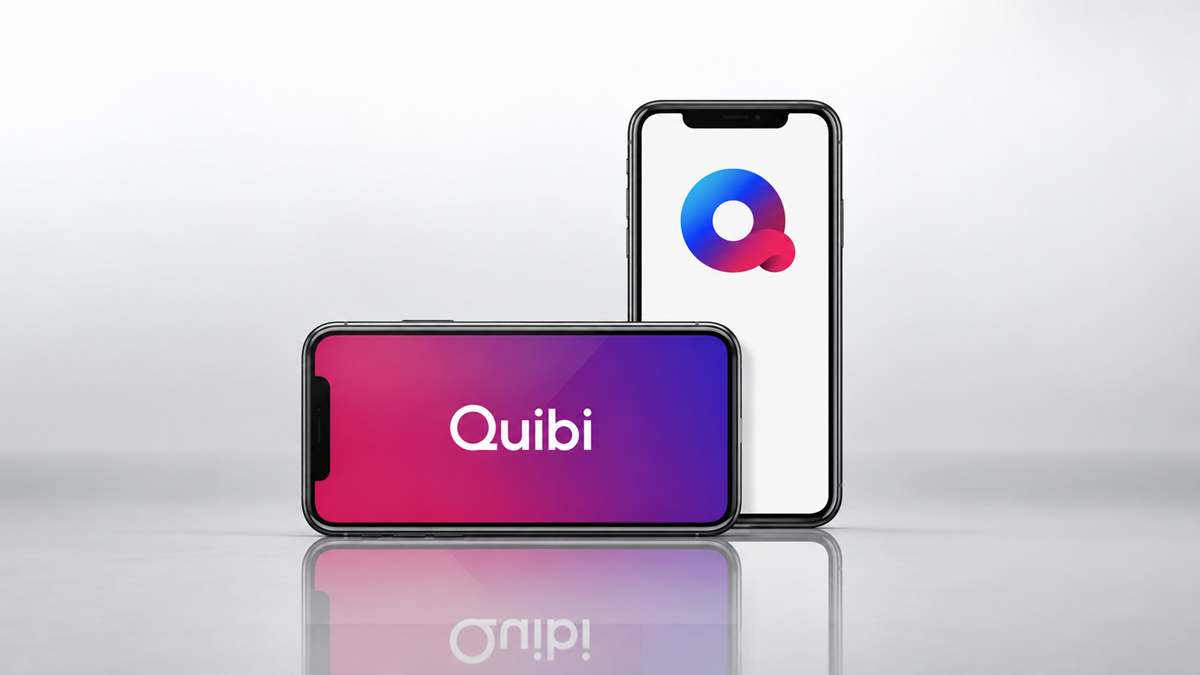
Hollywood producer Jeffrey Katzenberg and former Hewlett-Packard CEO Meg Whitman launched Quibi in April 2020 with approximately $1.75 billion in funding. The service offered professionally produced entertainment divided into episodes lasting around ten minutes, designed primarily for smartphones. Despite celebrity talent and expensive advertising, the platform struggled to attract enough paying subscribers. Its mobile-focused approach also looked poorly timed when pandemic restrictions kept millions of potential viewers at home. On October 21, 2020, the company announced that it would shut down, less than seven months after its debut.
10. McDonald’s Arch Deluxe: The Expensive Burger for Grown-Ups

McDonald’s spent much of the 1990s trying to attract customers beyond its traditional family audience. Its most ambitious attempt arrived nationally in 1996 with the Arch Deluxe, a burger featuring peppered bacon, lettuce, tomato, and a mustard-mayonnaise sauce. Advertising emphasized its sophisticated flavor, sometimes showing children rejecting the sandwich because it was supposedly meant for adults. The company spent an estimated $150 million on its advertising campaign, but the response failed to meet expectations. Franchisees were also unhappy with the additional ingredients and preparation requirements. The burger gradually disappeared from menus before being completely withdrawn in August 2000.
11. Burger King Satisfries: Healthier Fries Without Enough Customers
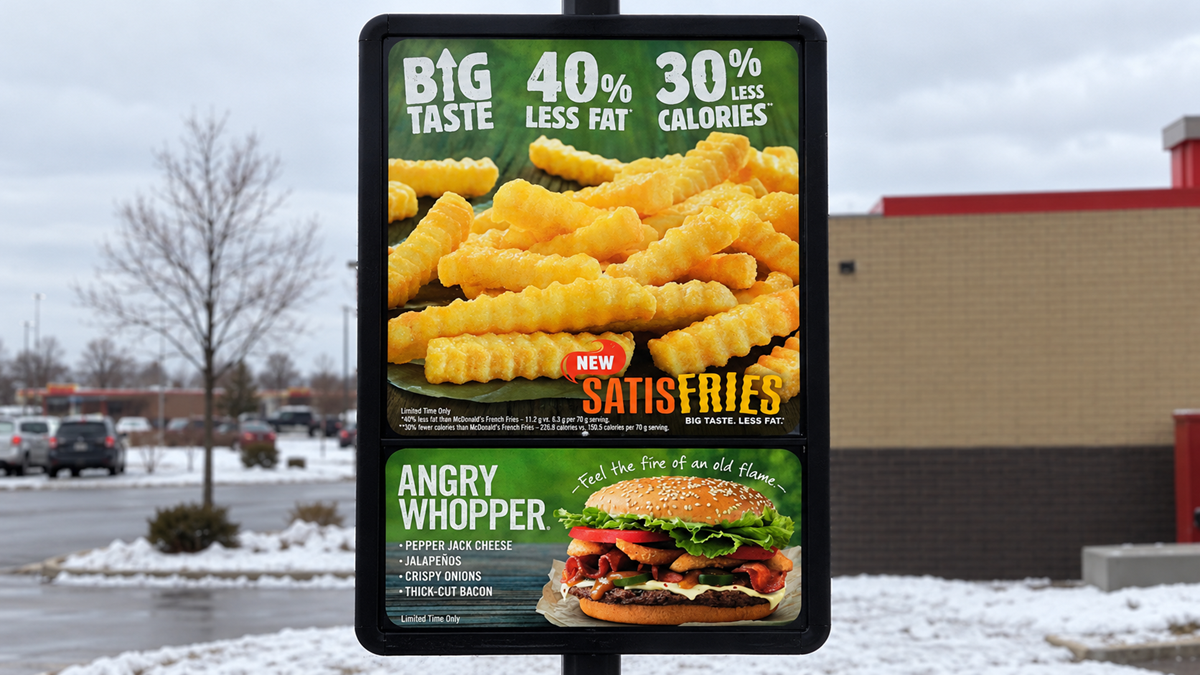
French fries aren’t usually sold as a healthier alternative to French fries, but Burger King tried exactly that in September 2013. Satisfries used a different batter designed to reduce oil absorption during frying. They also came with a higher price than the chain’s regular fries. Customers showed limited enthusiasm, and by August 2014, roughly two-thirds of Burger King’s restaurants in the United States and Canada had chosen to discontinue them. Around 2,500 locations initially kept the product, but most of the chain had already moved on less than a year after its introduction.
12. Apple Newton MessagePad: The Handwriting Computer That Became a Joke
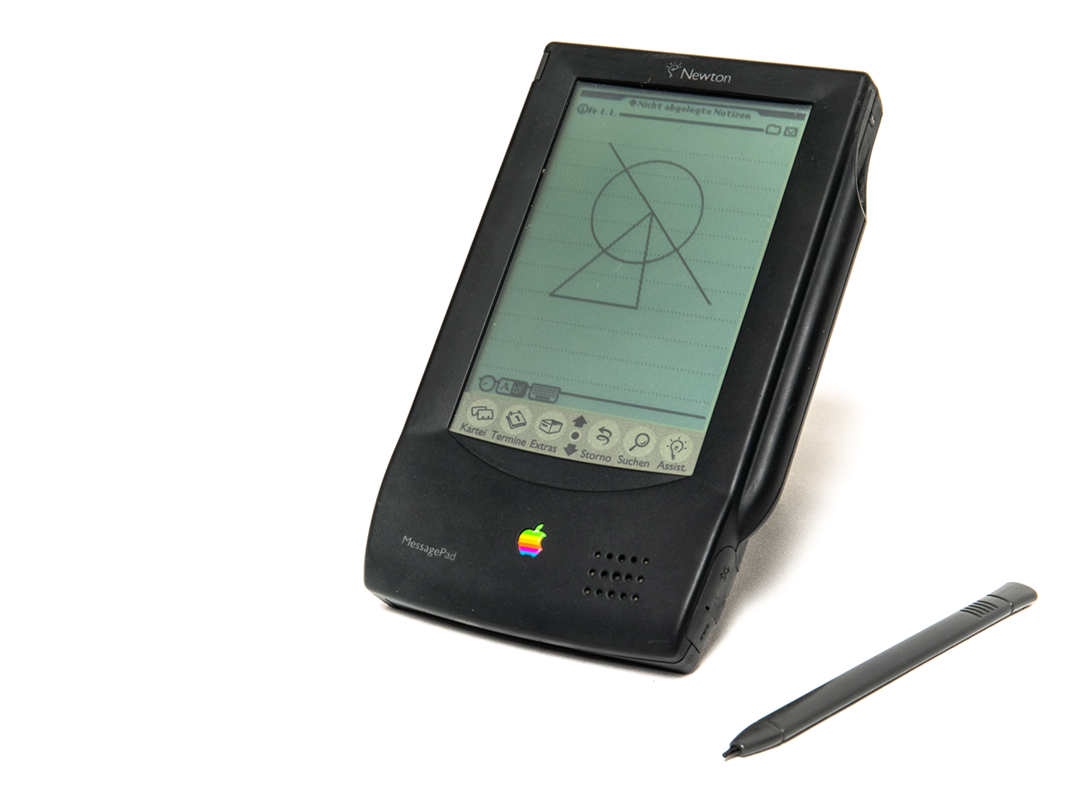
Long before smartphones became commonplace, Apple introduced the Newton MessagePad in 1993, an electronic personal organizer that allowed users to write directly on its screen with a stylus. The idea was appealing, but the original device’s unreliable handwriting recognition quickly became a target for jokes and newspaper cartoons. Later versions improved considerably, attracting a devoted group of users, but the product never became the mass-market success Apple had envisioned. When Steve Jobs returned to the company, he reduced its sprawling product lineup. Apple discontinued the Newton platform in February 1998, nearly five years after the first MessagePad had arrived.
13. Microsoft Bob: The Friendly Computer Interface Nobody Asked For

Microsoft Bob arrived in 1995 with an unusual idea: making computers easier by turning the desktop into a cartoon house. Instead of navigating traditional windows and menus, users interacted with illustrated rooms, furniture, and animated assistants. The software was meant to make computing less intimidating, but critics found it childish, cumbersome, and expensive for what it offered. It also demanded considerable computing resources by the standards of the time. Microsoft discontinued Bob in 1996, although some of its character-based interface ideas later appeared in other Microsoft products.
14. BlackBerry PlayBook: The Tablet Missing a Basic Email App
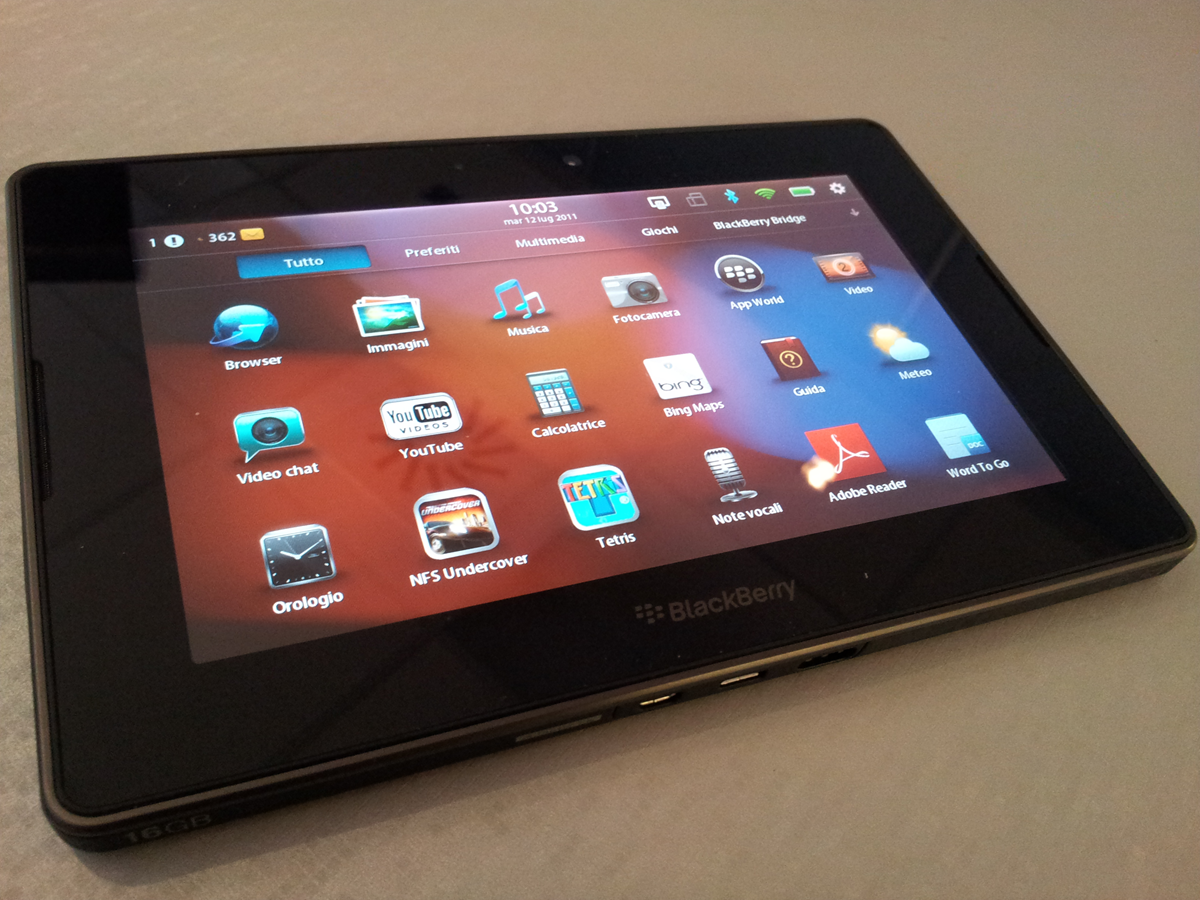
BlackBerry had built its reputation on email, which made the PlayBook’s biggest omission especially puzzling. Released in April 2011, the tablet initially lacked a native email application and required a connection to a BlackBerry smartphone for integrated access to certain messaging functions. It entered an increasingly competitive market with a $499 starting price and a limited selection of applications. Sales weakened, retailers offered significant discounts, and manufacturer Research In Motion recorded a $485 million charge related to PlayBook inventory in 2011. A software update finally added native email in February 2012, but the tablet never became a major competitor to the iPad.
15. Google Glass: The Wearable Computer That Made People Uncomfortable
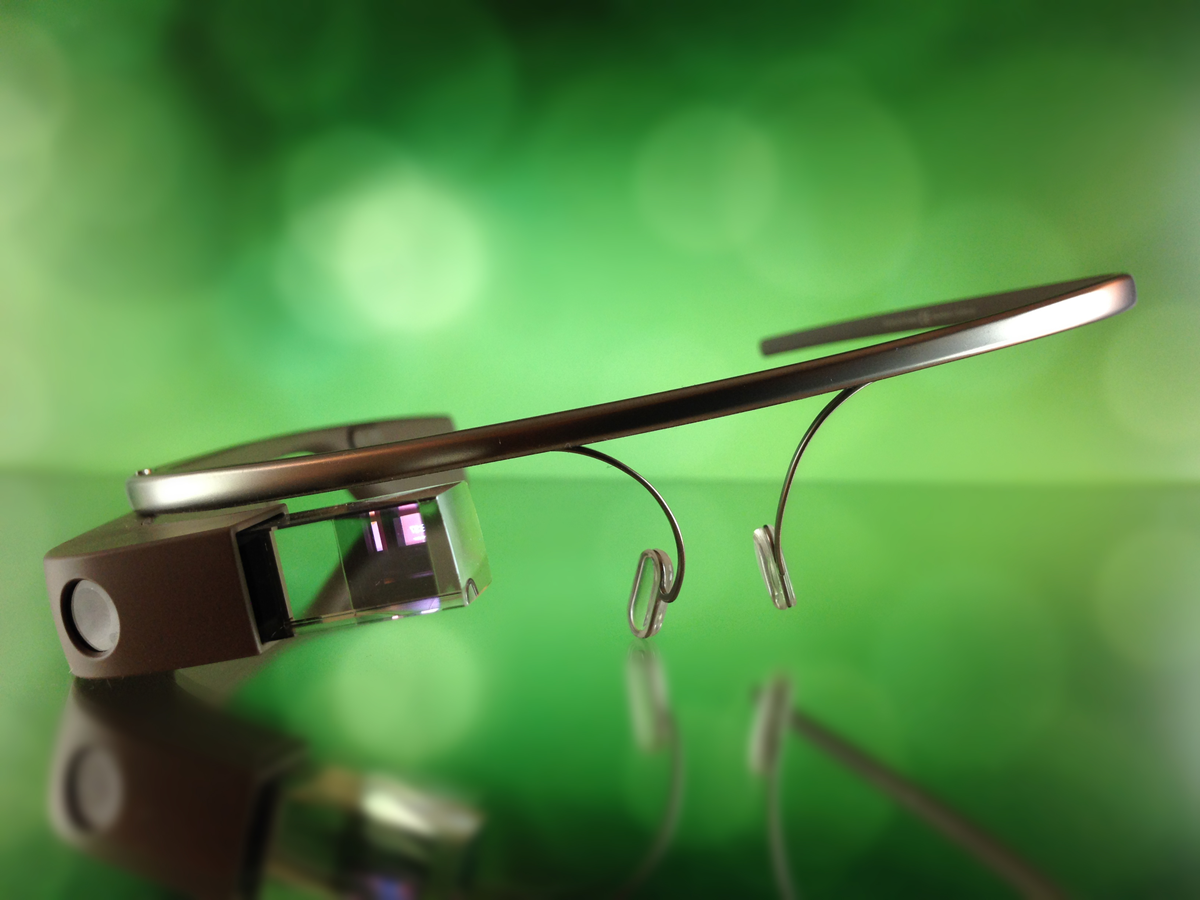
For a while, Google Glass looked like something out of a science-fiction movie. The wearable device placed a small display above the user’s eye and included a camera capable of recording photographs and video. Google began distributing its Explorer Edition in 2013, with early adopters paying $1,500 for access. Although the technology attracted fascination, its price, limited everyday usefulness, and privacy concerns made widespread adoption difficult. Google ended the Explorer program in January 2015 and later pursued business-oriented versions of the technology. That effort also came to an end when Google stopped selling Glass Enterprise Edition on March 15, 2023.
In the mood for more?
Check out 16 Tech Gadgets From the 2000s That Felt Futuristic and Are Now Laughable, or take a look at 16 Tech Gadgets From the 2000s That Felt Like the Future. If you want to see more unusual business stories, you can check out 17 Things Nobody Tells You About Running a Business.