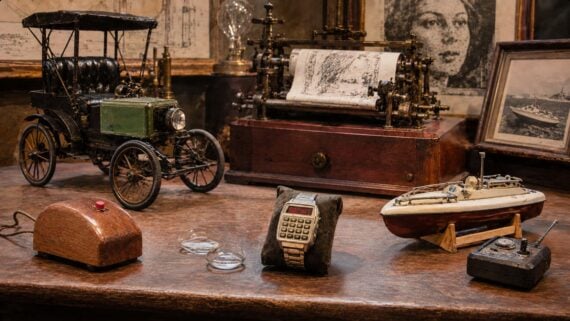
Some inventions feel so modern that it’s hard to imagine them existing before computers, smartphones, or the internet. Yet many were already being developed in the 19th and early 20th centuries. Do you know that electric cars were sold before 1900, or that the computer mouse appeared long before most homes had a computer? These 15 inventions arrived decades before becoming affordable, practical, or popular.
Fax Technology Was Patented Before the Telephone Existed
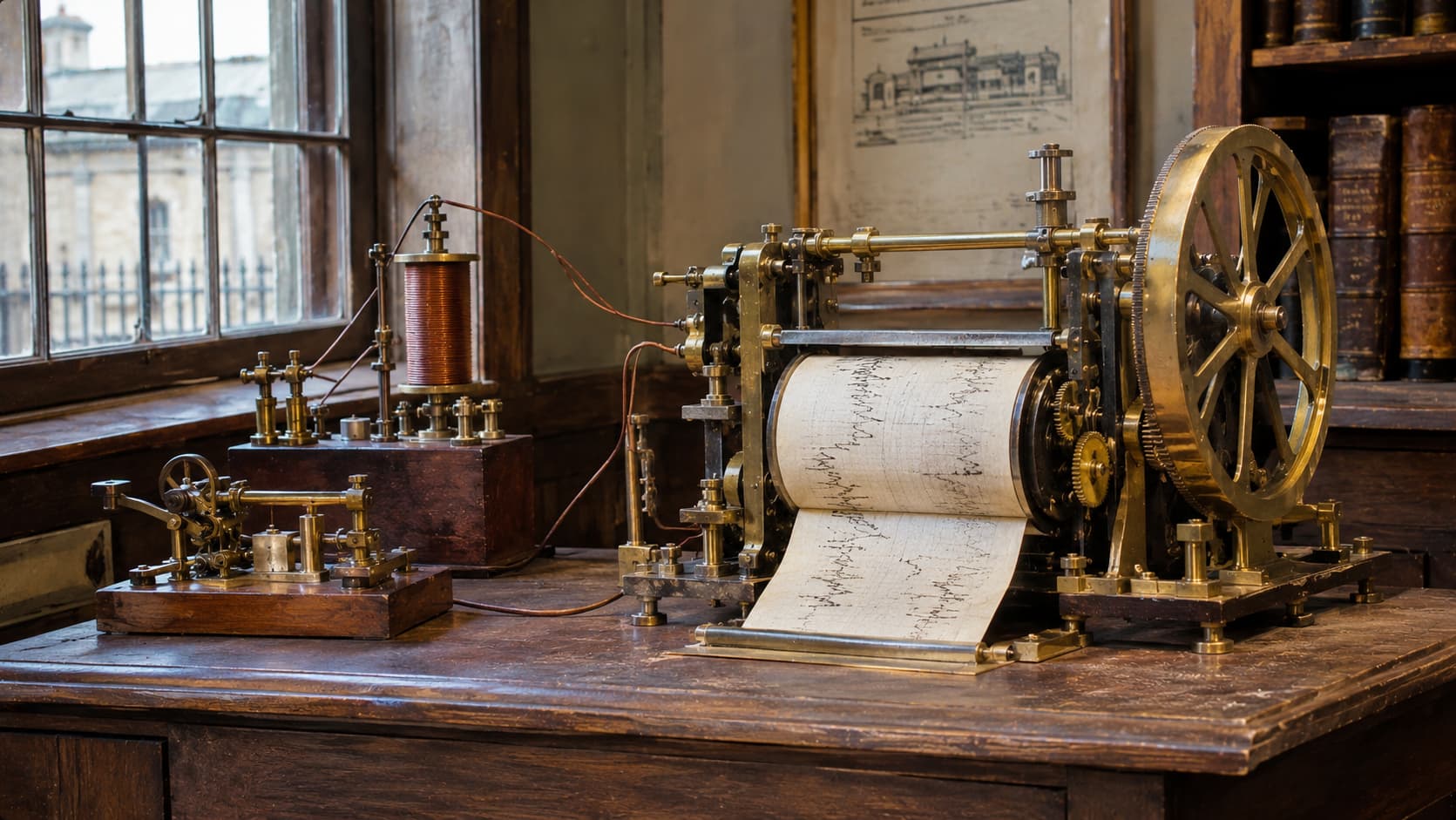
The fax was early; the paperwork came later. Scottish inventor Alexander Bain patented an early facsimile system in 1843, using synchronized mechanisms and electrical signals to reproduce markings remotely. Giovanni Caselli introduced a commercial fax service between Paris and Lyon in 1865, more than a decade before Alexander Graham Bell received his telephone patent in 1876.
Electric Cars Were Already Being Sold in the 1890s
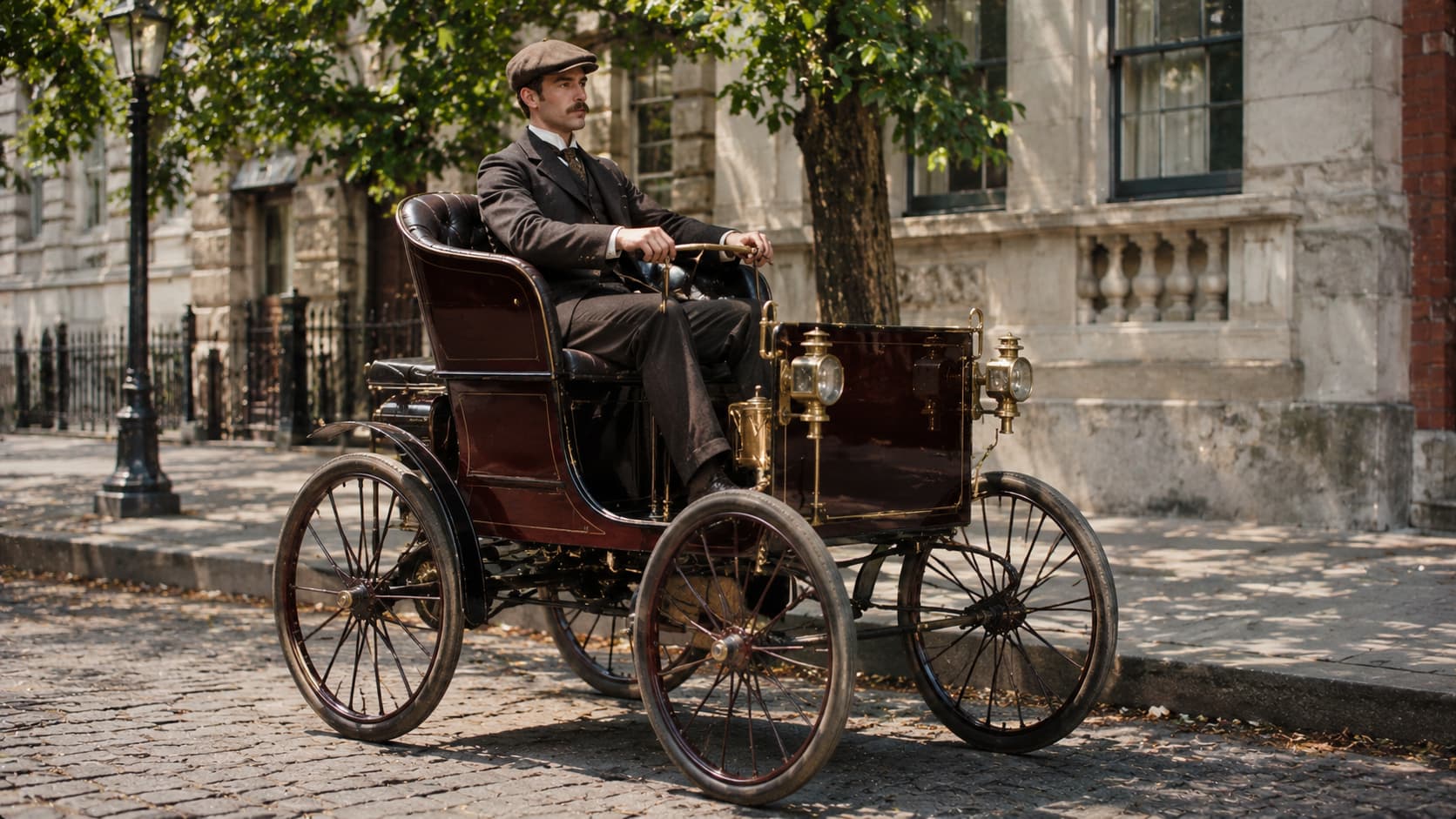
Electric vehicles competed with gasoline and steam-powered automobiles in the late 19th century. An 1899 American catalog advertised Waverly electric vehicles, including a Run-About priced at $1,000 that reached approximately 12 to 14 mph. The Smithsonian Libraries also featured an electric merchandise delivery vehicle for $1,600. Quiet operation was a selling point, though limited range eventually dimmed their popularity.
A Practical Dishwasher Was Patented in 1886
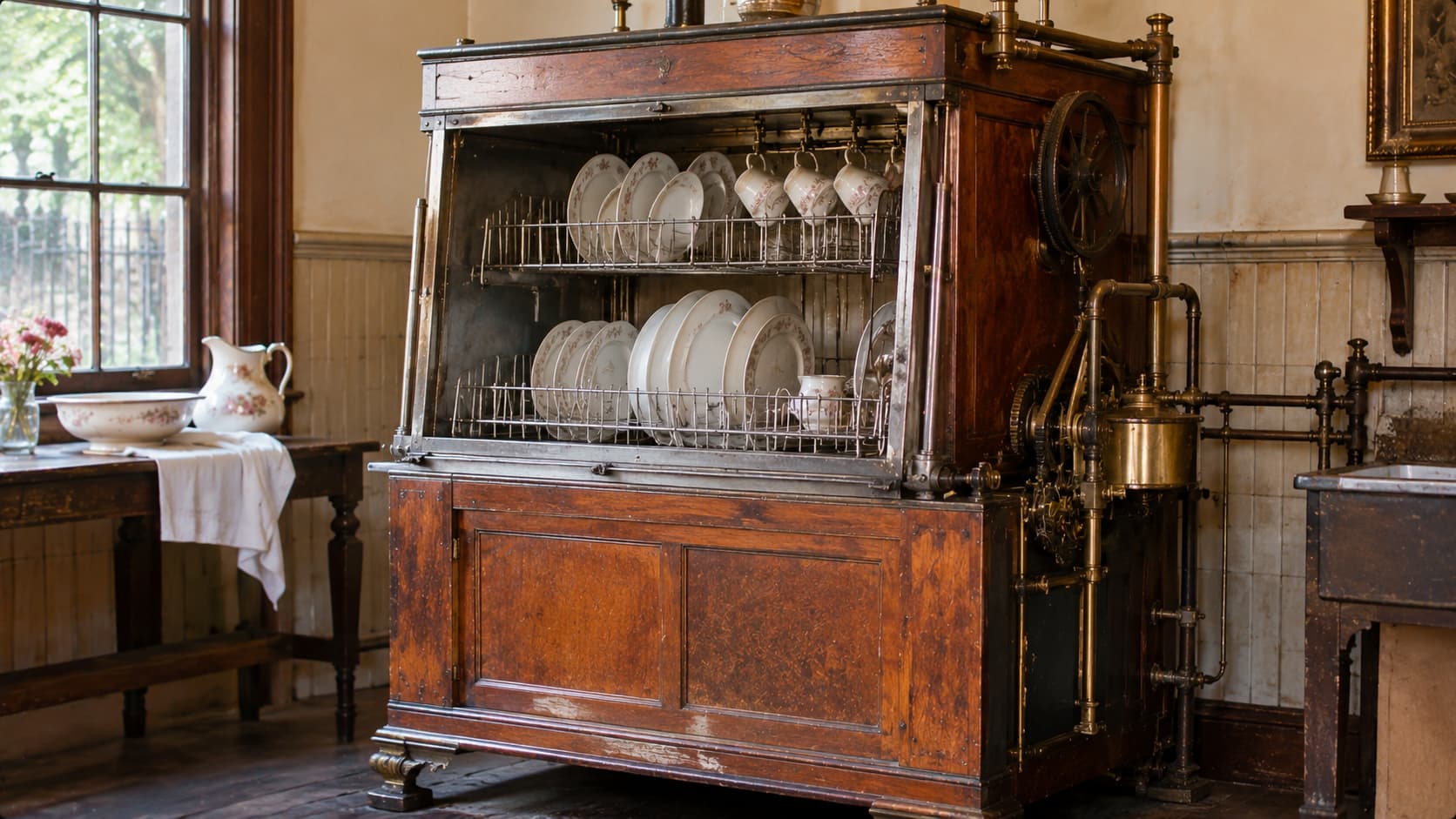
Josephine Garis Cochran saved us many minutes of our lives that would have been spent washing dishes. She received a patent for a mechanical dishwasher on December 28, 1886. Her machine held dishes in wire compartments and cleaned them with pressurized water, no scrubbing marathon required. She displayed it at Chicago’s World’s Columbian Exposition in 1893, where it won an award. Hotels and restaurants became early customers, but household sales gained momentum only in the 1950s, according to the National Inventors Hall of Fame.
Contact Lenses Were Made From Glass in the 1880s
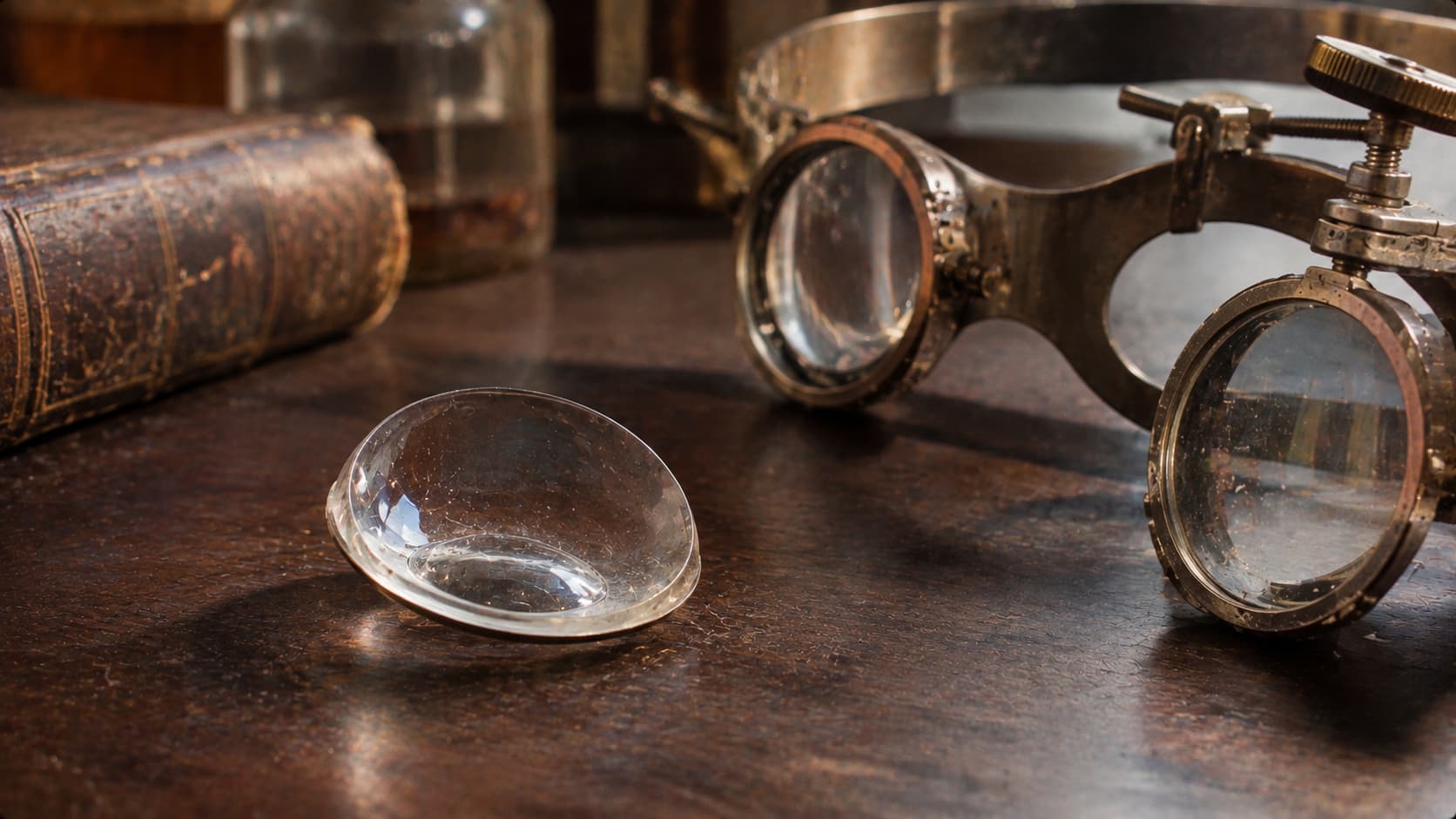
Modern contact lenses are lightweight and flexible. Their early ancestors? Not so much. In 1888, German ophthalmologist Adolf Eugen Flick described large glass scleral lenses that covered the cornea and extended onto the white of the eye. He experimented with rabbits, himself, and human patients. The American Academy of Ophthalmology traces these uncomfortable early designs; soft lenses didn’t reach the market until the 1970s.
Solar Panels Were Installed on a New York Rooftop in 1884
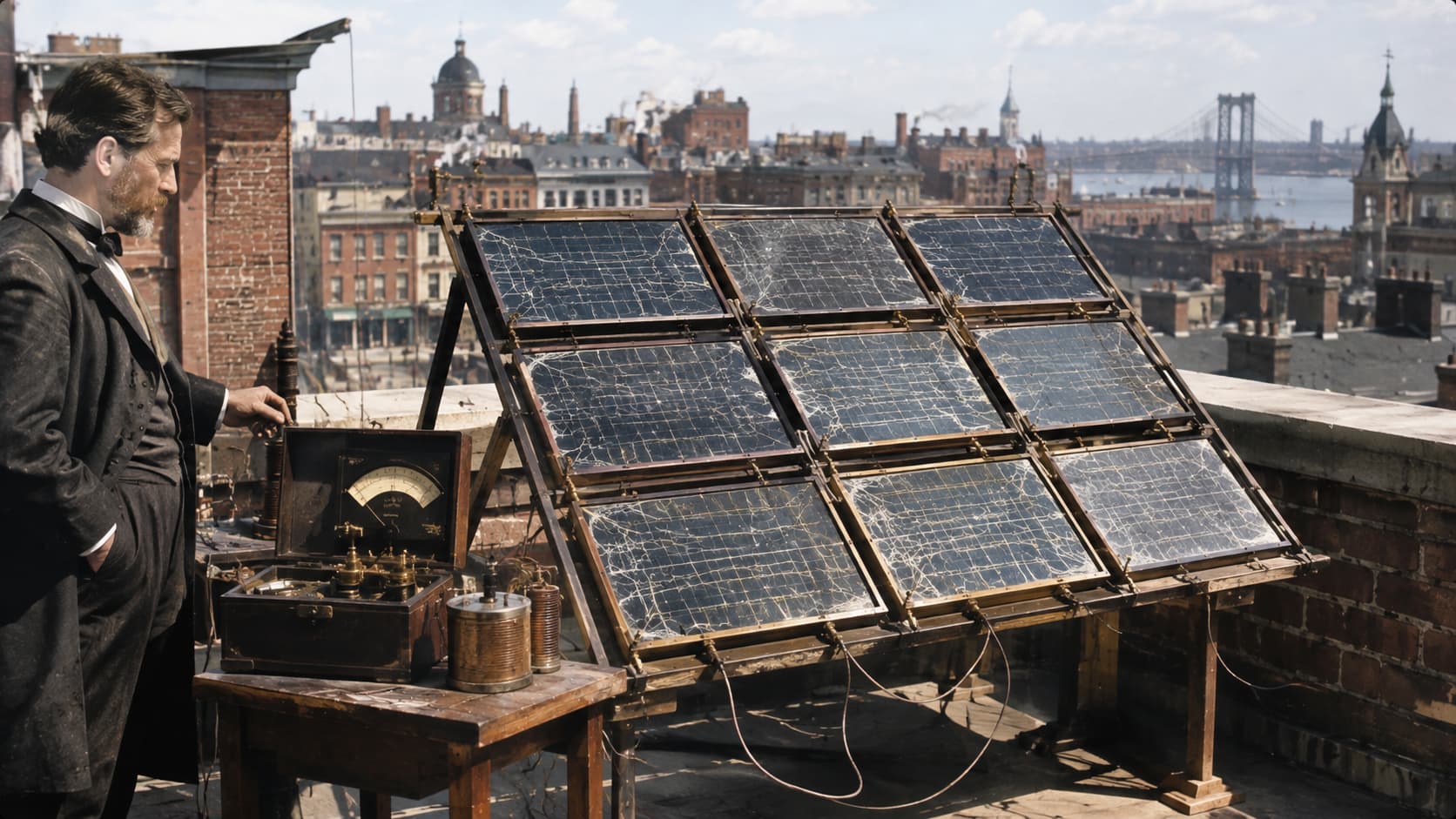
Solar electricity has roots far older than today’s rooftop installations. After scientists demonstrated the photovoltaic effect in 1839, a selenium-based solar array appeared on a New York City rooftop in 1884. Its efficiency was only about 1%, making it impractical for everyday use. NASA highlights a breakthrough in 1954, when Bell Laboratories developed a silicon solar cell with approximately 6% efficiency, helping lay the groundwork for modern photovoltaics.
Trending on The Scroller


Barcodes Were Invented More Than 20 Years Before Supermarket Scanners
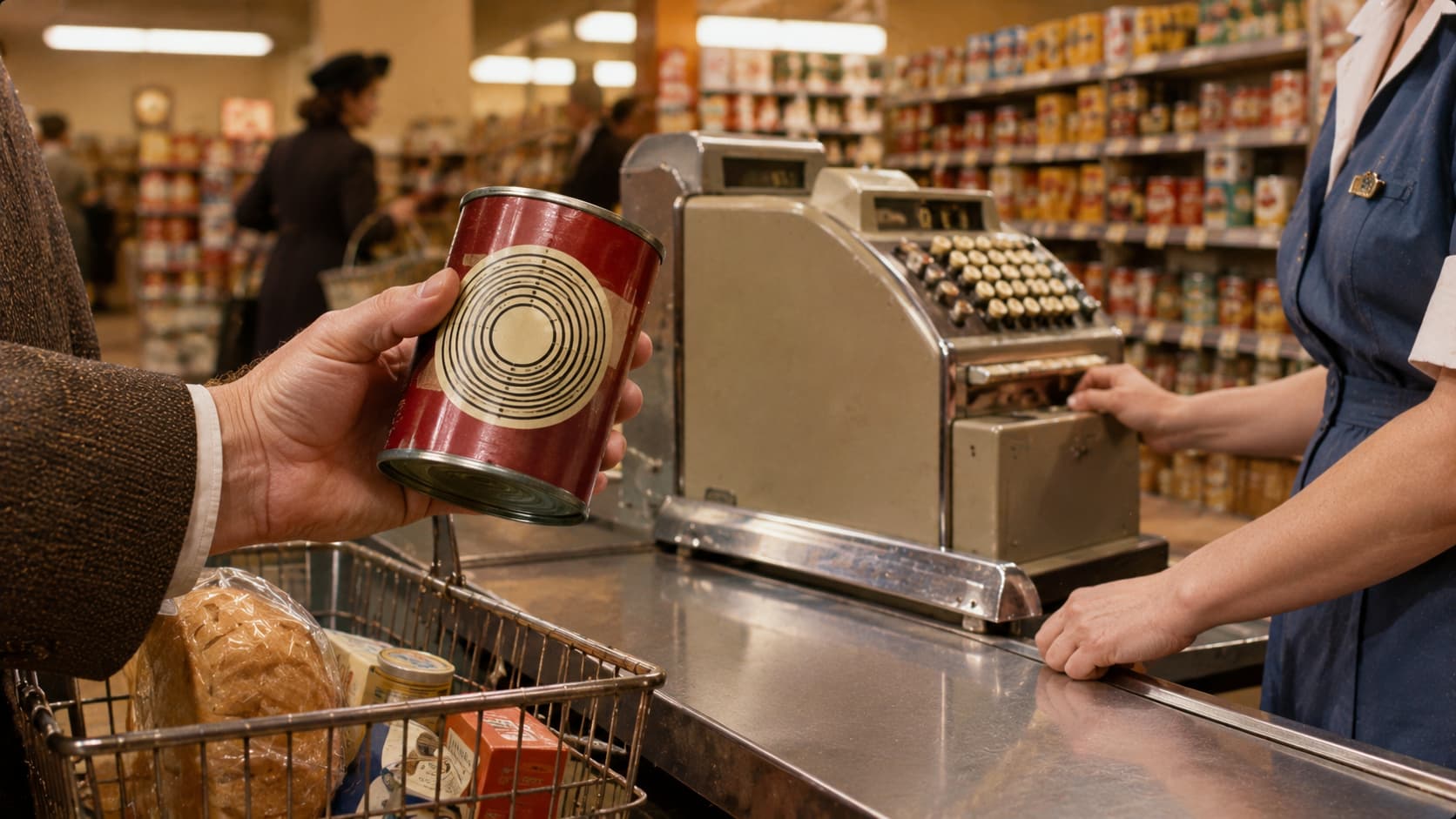
In 1948, Bernard Silver and Norman Joseph Woodland developed an automatic product-identification system to speed up supermarket checkout. Their 1949 patent featured concentric circles rather than familiar straight bars. The National Inventors Hall of Fame documents their early work, while the first Universal Product Code was scanned in Troy, Ohio, in 1974. The checkout line had to wait a couple of decades for its stripes.
The Computer Mouse Was Built in 1964
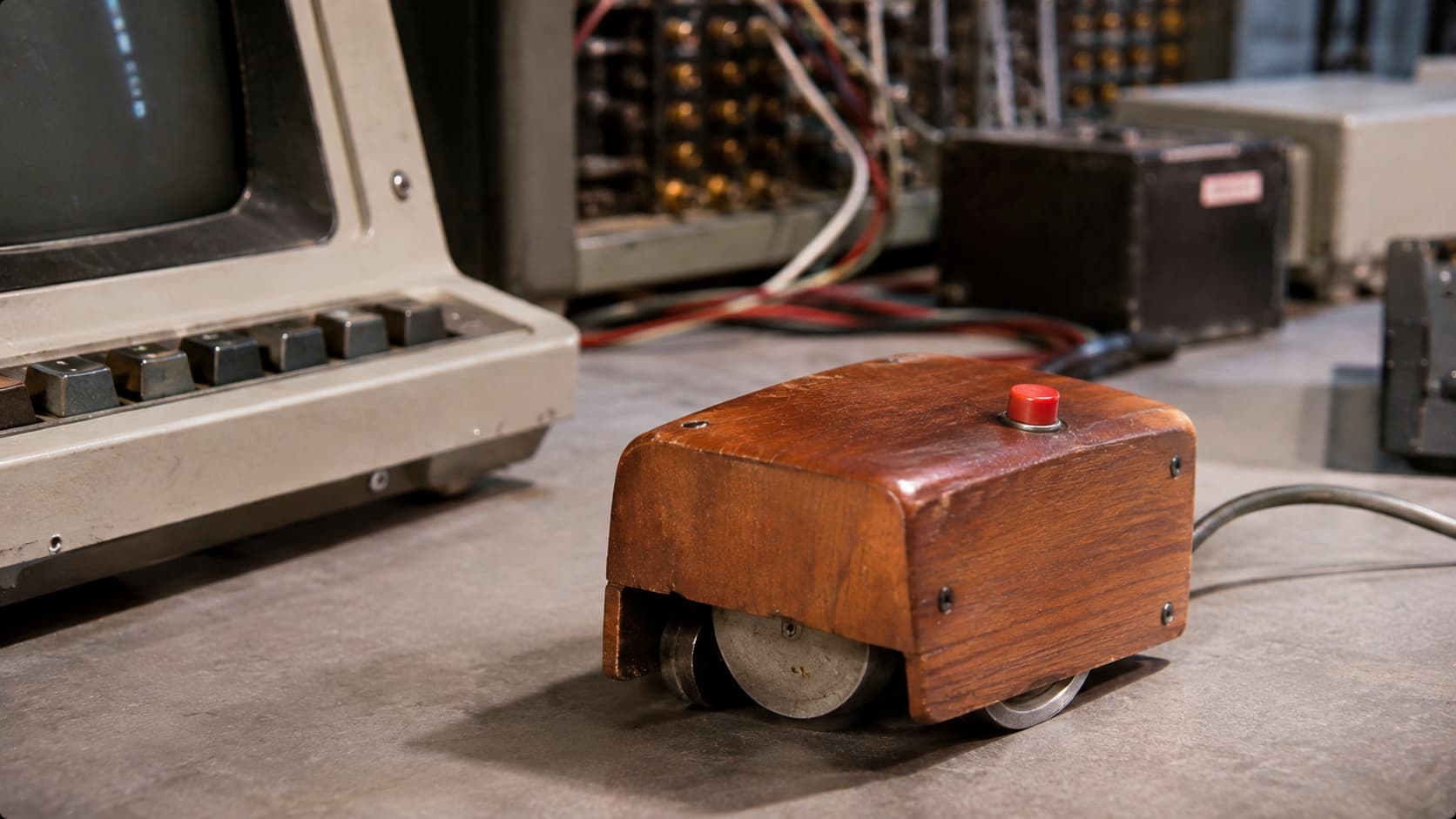
The first computer mouse was a wooden box with a button and two perpendicular wheels. Douglas Engelbart developed the concept at Stanford Research Institute, and engineer Bill English built the prototype in 1964. The wheels translated movement into cursor motion. The Computer History Museum and SRI document its development; Engelbart publicly demonstrated it in December 1968, alongside other ideas associated with modern computing. No mousepad required, just foresight.
Nikola Tesla Demonstrated a Remote-Controlled Boat in 1898
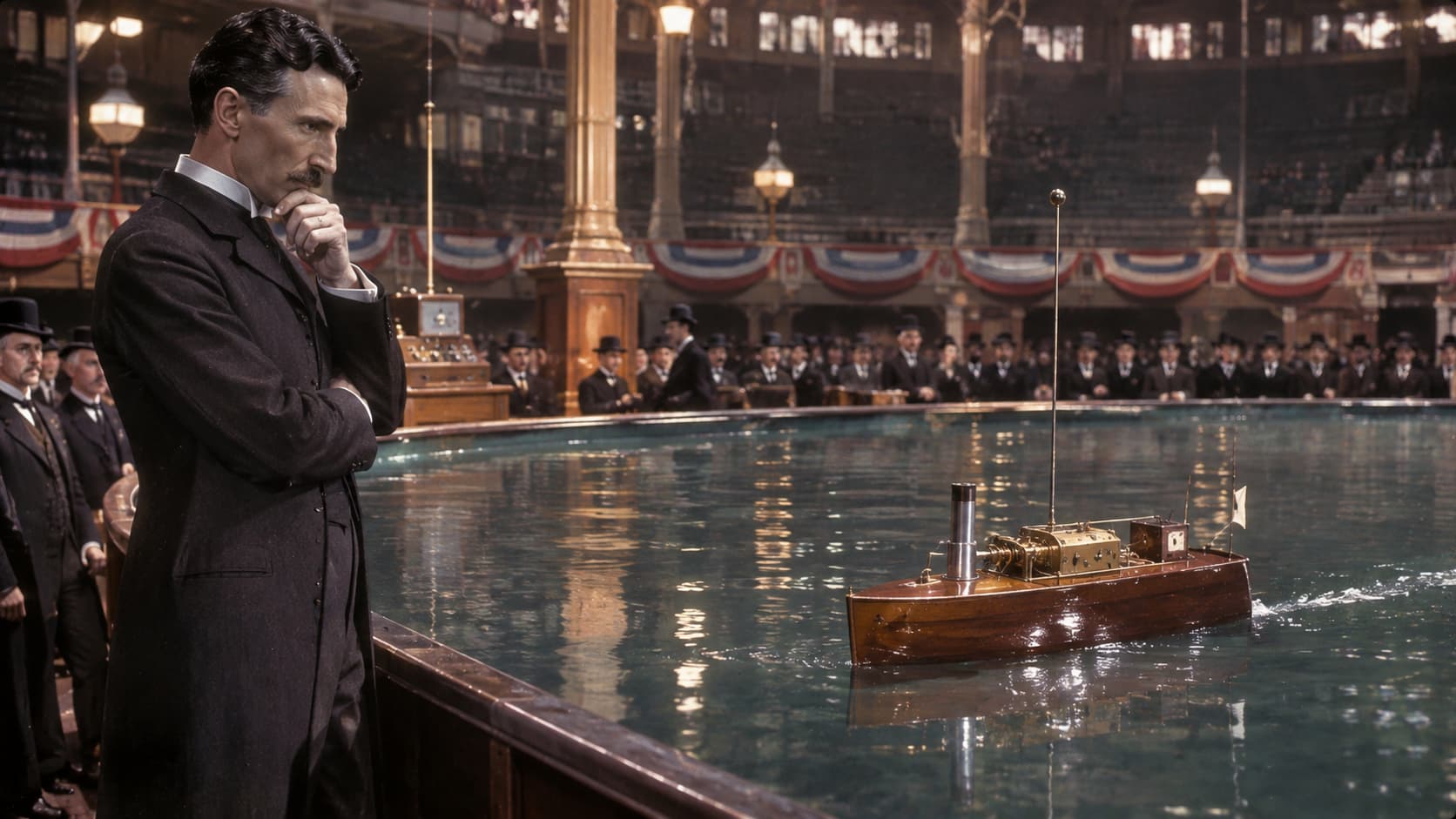
Remote control existed long before television remotes, drones, or radio-controlled toys became household staples. In 1898, Nikola Tesla demonstrated a small boat at Madison Square Garden, steering it through wireless radio signals. His patent, granted on November 8 that year, described methods for remotely controlling moving vessels and vehicles. The Smithsonian and Nikola Tesla Museum preserve the story of this early demonstration. The boat was impressive, even if it couldn’t change the channel.
Sign up for our newsletter
Microwave Ovens Were Being Used Commercially in 1947
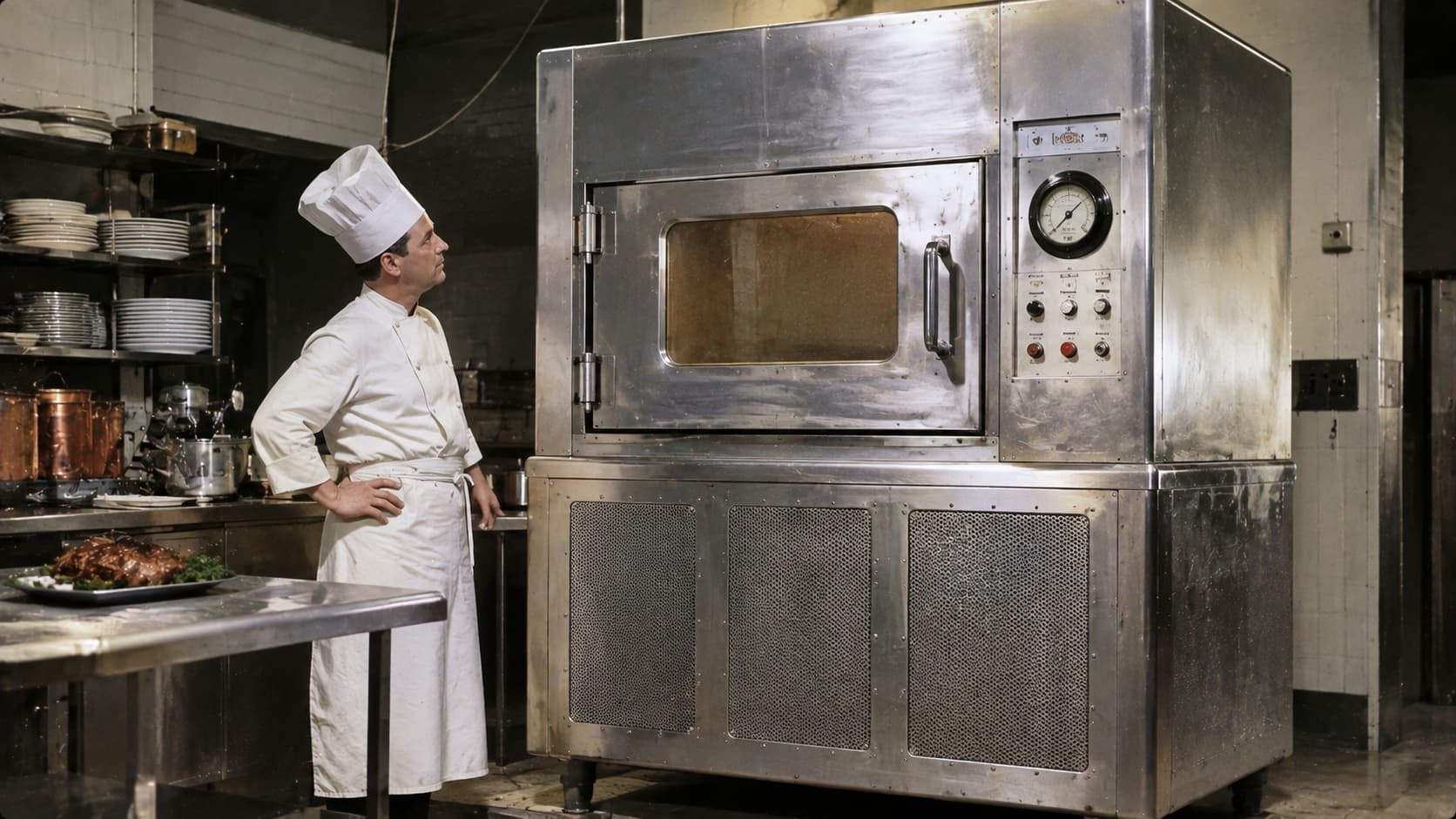
Microwave cooking emerged from radar technology developed during World War II. Raytheon engineer Percy Spencer discovered that microwave energy could heat food, leading to experiments with popcorn and other items. In 1947, a Cleveland restaurant purchased an early Radarange for approximately $3,000. Smithsonian records show these machines were large and expensive; a smaller countertop model for home use didn’t arrive until 1967. Dinner got faster, but the appliance first needed a much bigger kitchen and budget.
Working 3D Printing Methods Existed by 1981
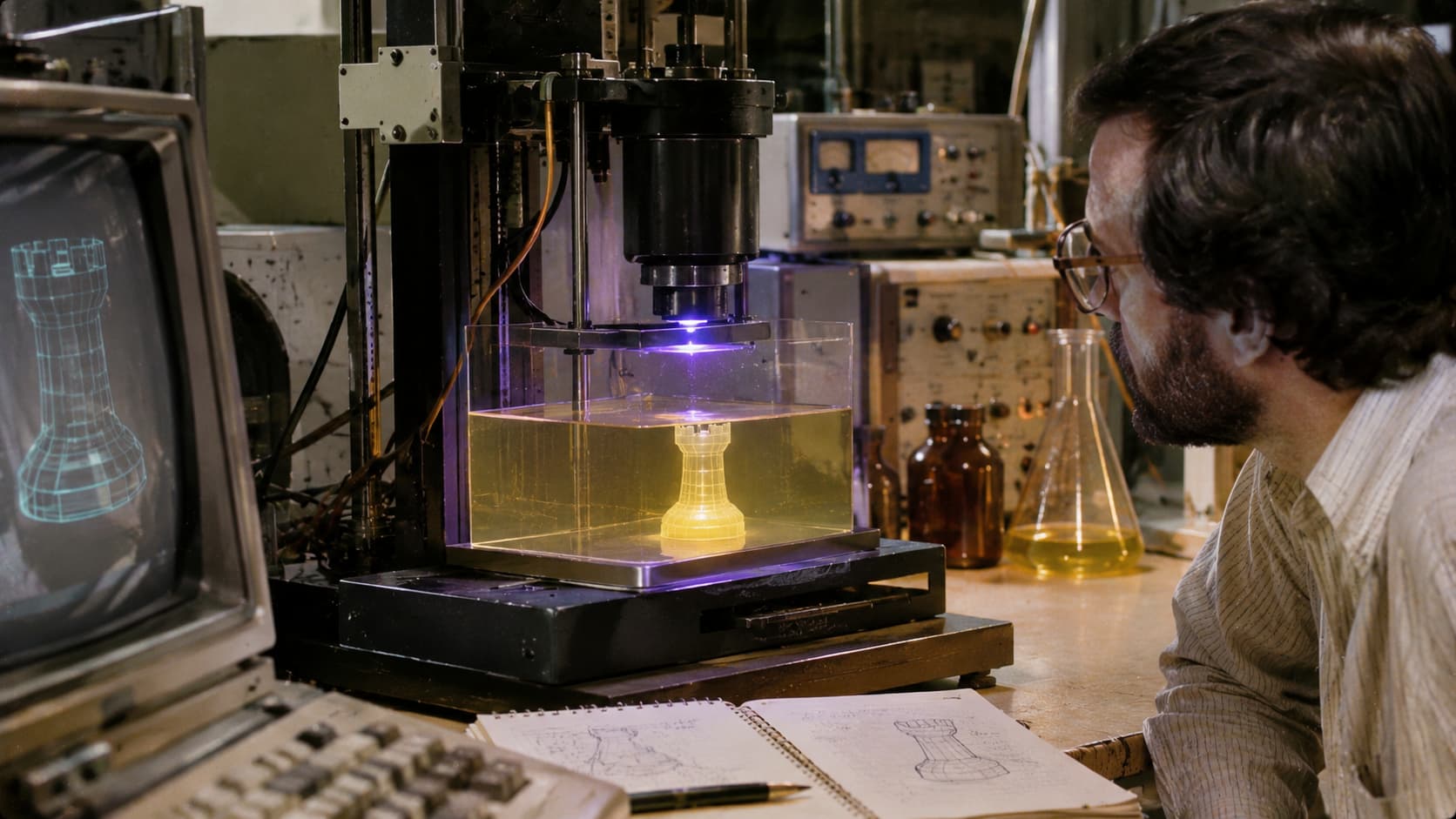
3D printing became widely recognizable in the 2010s, but researchers were building objects layer by layer decades earlier. In a November 1981 paper, Japanese researcher Hideo Kodama described making plastic models by exposing light-sensitive resin to ultraviolet radiation. Chuck Hull later developed stereolithography, producing an early printed part in 1983 and filing a patent application in 1984. The technology initially served specialized industries before reaching hobbyists and smaller businesses.
Calculator Watches Were Available in 1975
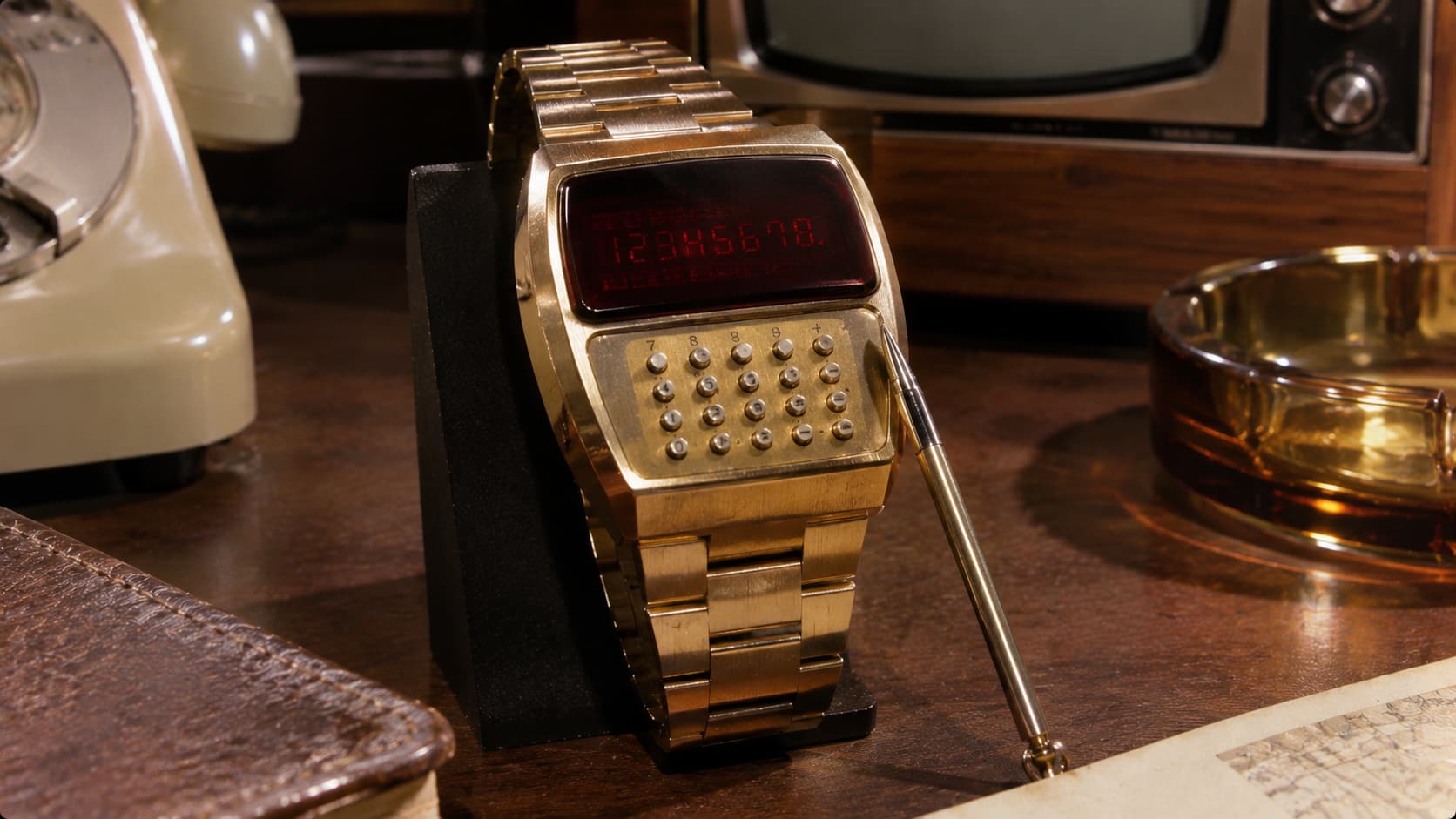
Long before smartwatches, people could perform calculations on their wrists. Pulsar introduced a calculator watch for the 1975 Christmas season, with early 18-karat gold models selling for approximately $3,950. The Smithsonian National Museum of American History notes that the tiny buttons required a stylus, and the six-digit display couldn’t show every digit at once. A stainless steel version appeared in spring 1976 for around $500. A bargain, relatively speaking, for wrist-based math.
Motor-Driven Washing Machines Existed Before World War I
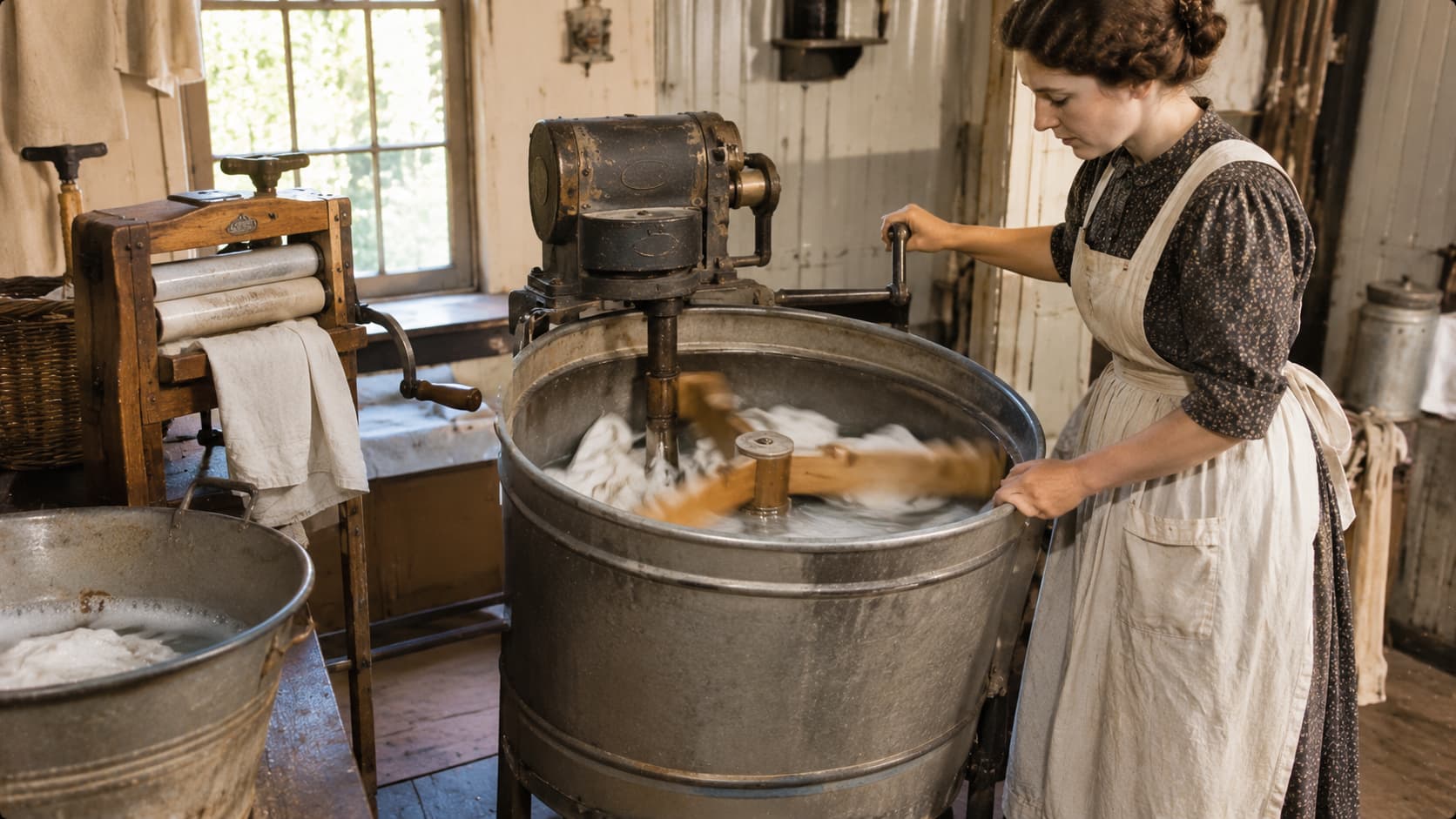
Mechanical laundry existed decades before fully automatic washing machines became common. Frederick L. Maytag’s company developed a motor-driven washer in 1911. A 1913-1914 publication preserved by the Smithsonian shows an electric machine using wooden paddles to move clothes through water. Users still had to manage the water and transfer garments through a wringer. A major upgrade from handwashing, though laundry day still required some hands-on work.
Mechanical Television Sets Were Sold in the 1920s
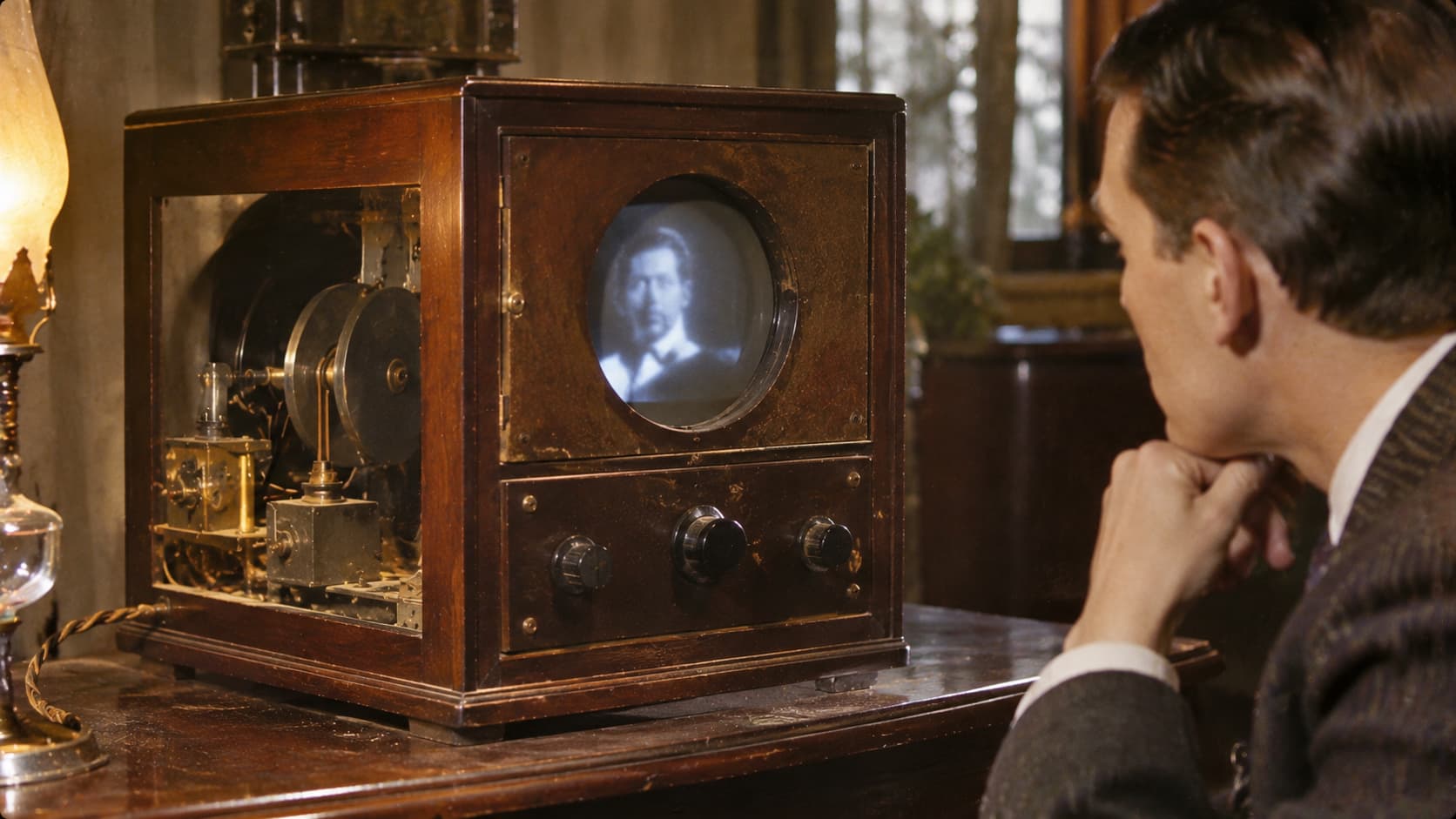
Television existed before the electronic picture tubes that later dominated living rooms. Early mechanical systems used rotating discs to scan and reconstruct moving images. American inventor Charles Francis Jenkins developed equipment sold commercially in the late 1920s. The Smithsonian preserves a receiver from around 1929 and notes that thousands of kits were sold, though pictures were small and synchronization problems were common. The first TV experience was more of a tiny, temperamental window than a big screen.
Garrett Morgan Patented a Three-Position Traffic Signal in 1923
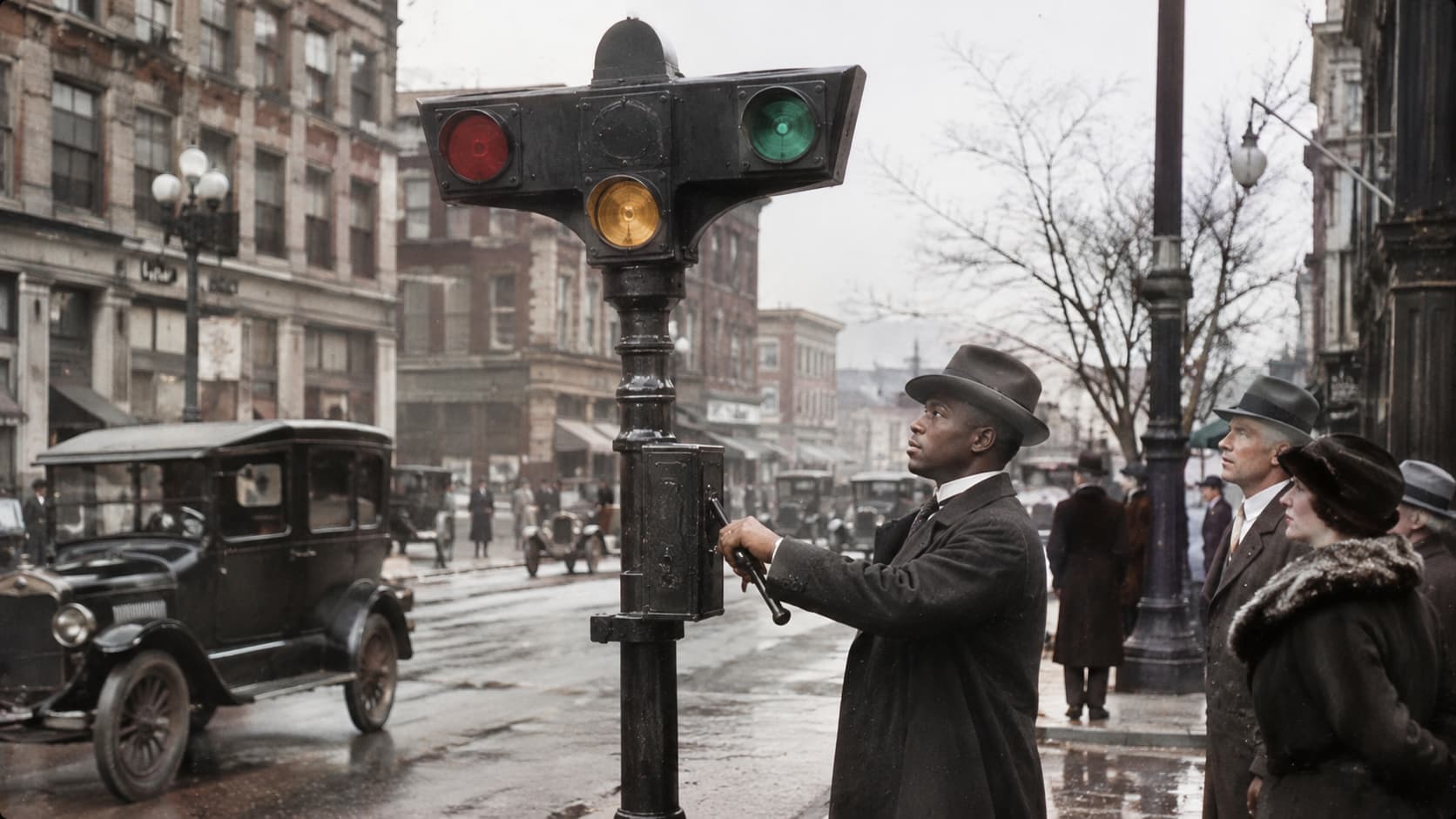
After witnessing a traffic accident in Cleveland, Garret Morgan designed a manually operated T-shaped signal that could stop traffic in all directions before allowing vehicles to proceed. He received a patent in 1923 and later sold the rights to General Electric for $40,000. The National Inventors Hall of Fame describes his contribution while noting that he did not invent the first traffic light or the modern automatic yellow signal.
Touchscreen Computers Existed in the Early 1970s
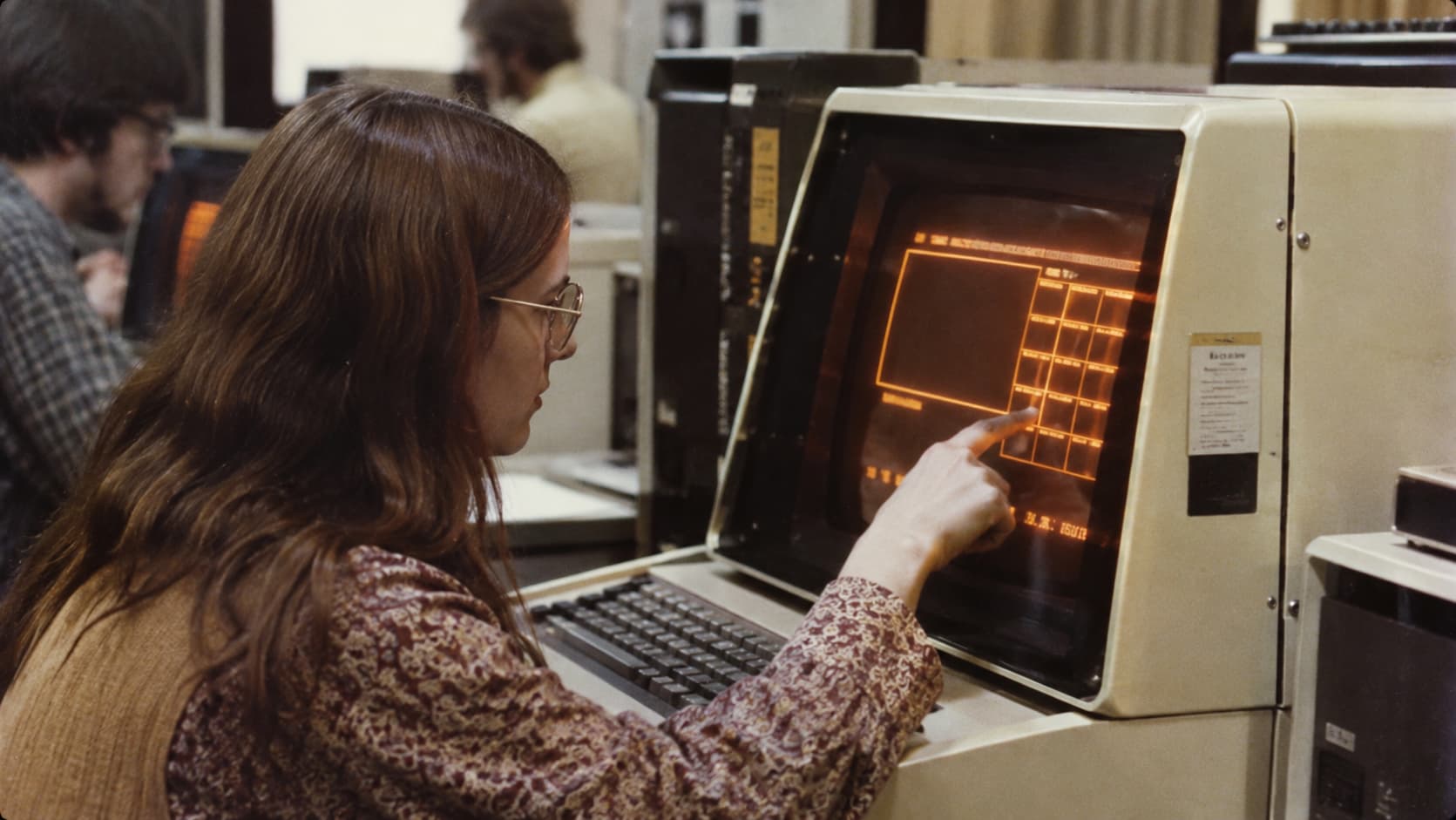
Touchscreens didn’t begin with smartphones or tablets. Researchers at the University of Illinois developing the PLATO educational computer system introduced interactive display technology years before personal computers became widespread. The PLATO IV terminal, introduced in the early 1970s, combined a plasma display with touch-sensitive input, allowing students to interact with lessons by touching the screen. The university’s history describes expensive educational equipment that foreshadowed everyday electronics. The swipe generation had early predecessors.