What happens to the groceries nobody buys? Every day, supermarkets stock perfect pyramids of fresh produce, shelves of baked goods, and aisles of packaged meals. But when closing time arrives and those products remain unsold, the answer is far more complicated than simply throwing everything into a dumpster behind the store.
From heavily discounted meat and mystery grocery bags to food banks, animal feed, and even craft beer, supermarkets have developed several distinct ways to handle the food they cannot sell at full price. These 12 examples reveal exactly where leftover groceries can end up, showcasing some surprisingly creative industry solutions alongside the less encouraging outcomes.
1. Unsold groceries get marked down before they expire
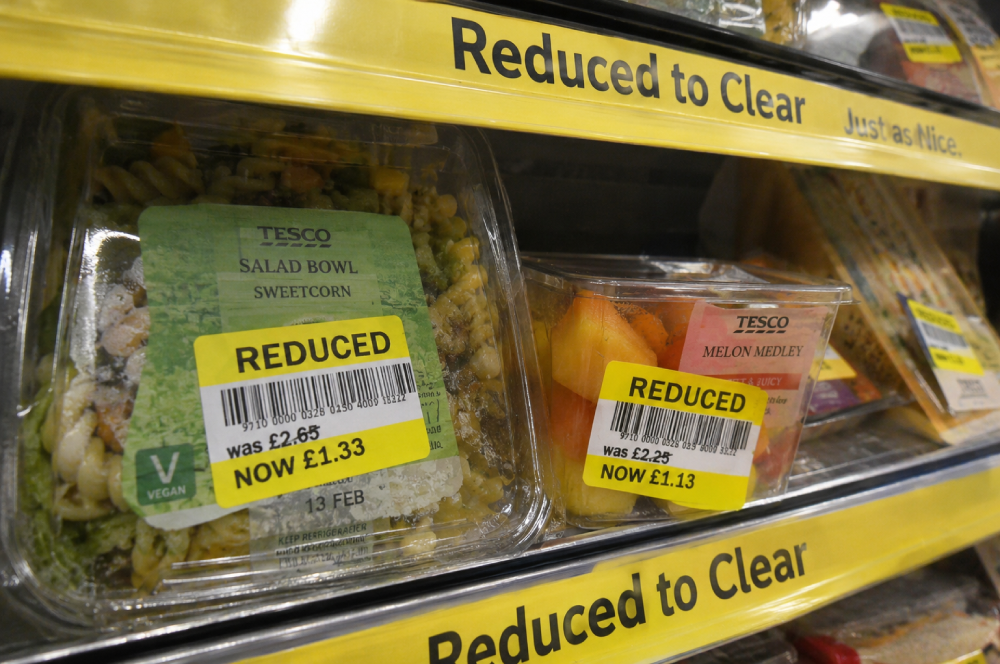
Supermarkets frequently try to sell slow-moving food at a steep discount just before it becomes complete waste. In the United Kingdom, Tesco famously uses highly visible yellow discount stickers on products rapidly approaching their expiration dates, and the chain even introduced dedicated areas called “Reduced to Clear, Just as Nice.” Rather than simply waiting until the food technically becomes unsellable, retailers use these markdowns to encourage bargain hunters to take it home while it is still perfectly good to eat.
2. Some food gets sold in mystery bags for a fraction of its original price
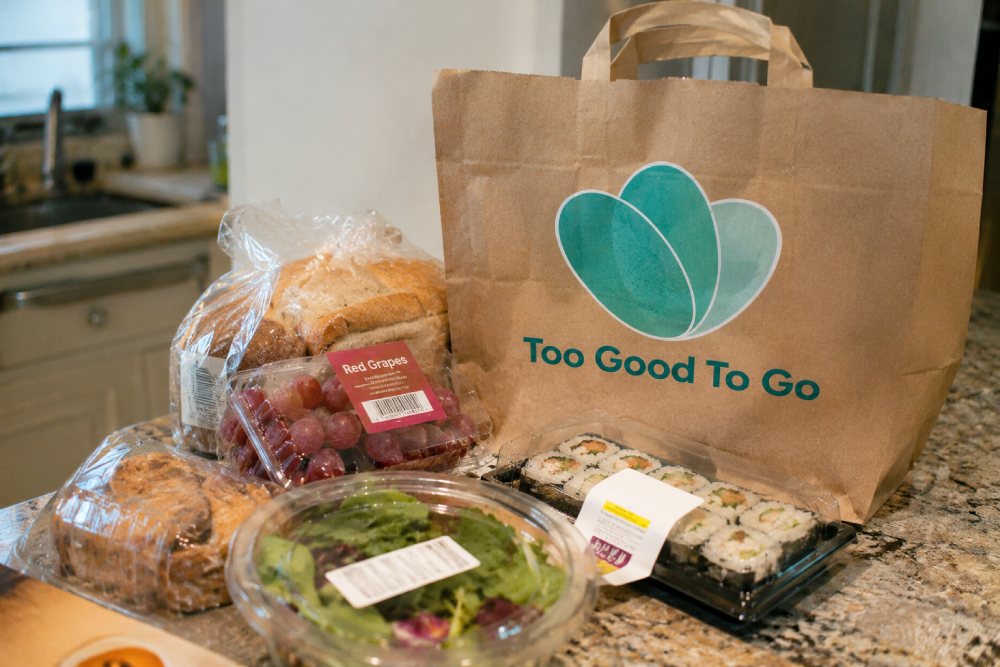
Supermarkets have found a highly successful way to sell leftover food without customers knowing exactly what they are buying. Through the popular app Too Good To Go, shoppers can reserve discounted “Surprise Bags” containing unsold products selected directly by store employees. In 2025, Whole Foods massively expanded its participation in the program to more than 530 U.S. locations, offering unpredictable bags of bakery items, produce, meat, seafood, and other groceries for roughly one-third of their standard retail value.
3. Near-expiration groceries can be listed for sale on special apps
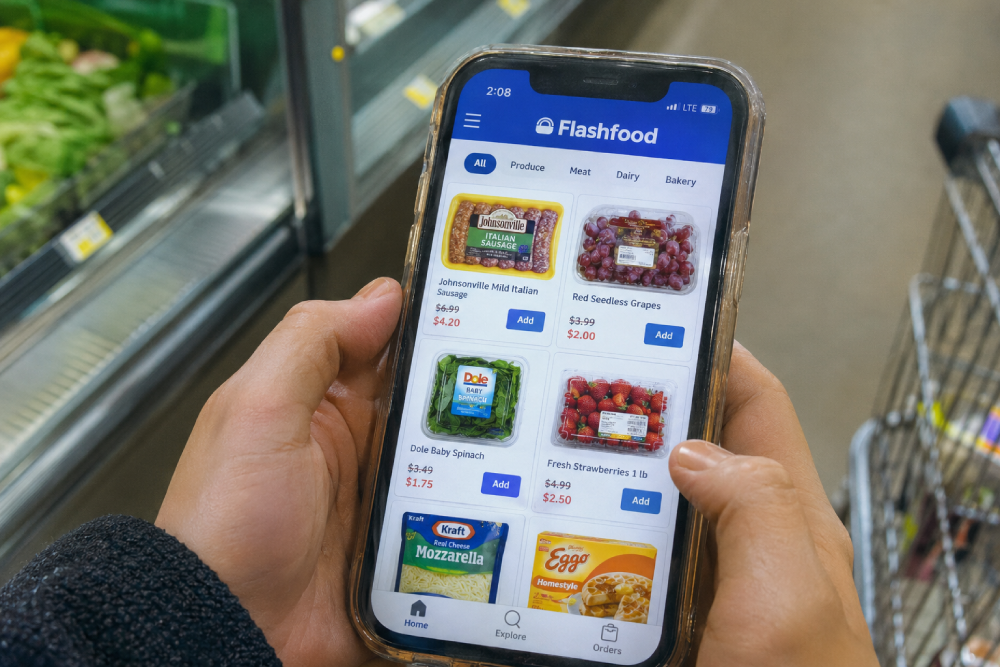
Some unsold supermarket products find willing buyers through specialized apps that show shoppers exactly what is currently available on the discount rack. Flashfood actively partners with major grocery stores to list surplus products approaching their best-by dates at heavily discounted prices. Customers easily purchase the specific items through the app and collect them at a designated zone inside the participating store, giving the groceries another chance to sell before their freshness window officially closes.
4. Food that disappears from regular shelves can reappear in salvage stores
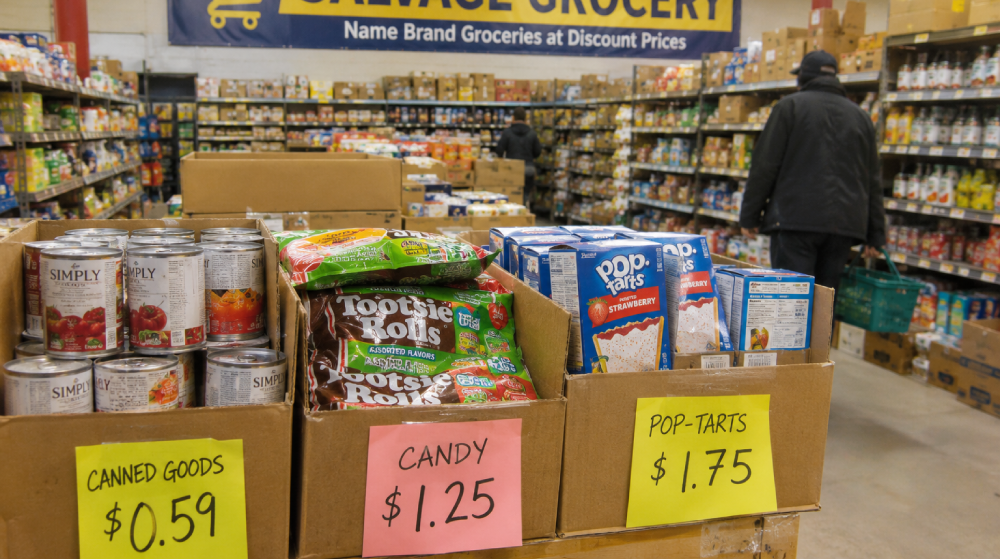
A product completely disappearing from a major supermarket does not necessarily mean it is headed straight for the trash. The FDA explains that surplus groceries, including many products with slightly damaged labels or best-by dates that have recently passed, may legally be sold through secondary salvage grocery stores and regional bargain outlets. A past sell-by date does not automatically make the food unsafe for human consumption, although damaged packaging, improper storage, and obvious signs of spoilage still matter.
5. Unsold food can become someone else’s groceries for free
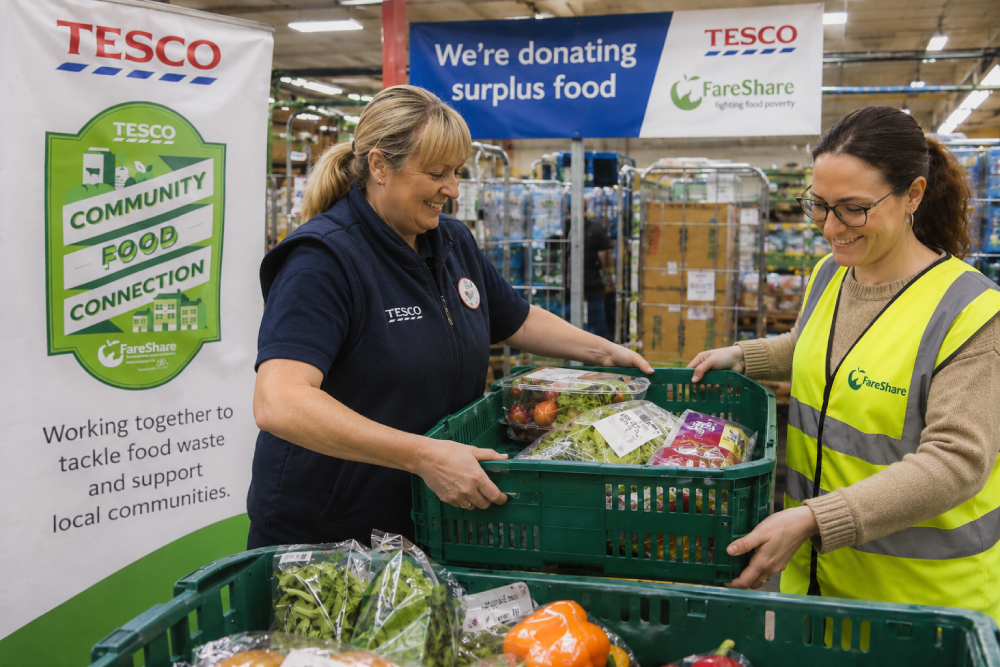
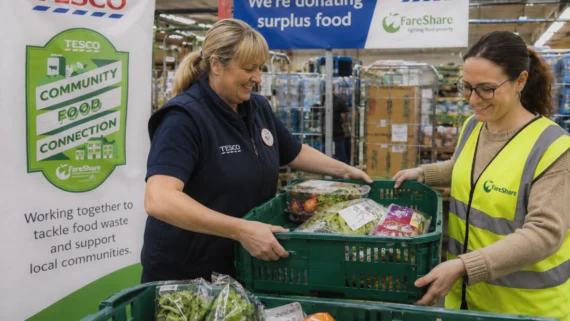
Supermarkets frequently donate wholesome, unsold food to local food banks and community organizations instead of simply disposing of it. Tesco’s Community Food Connection program, for example, heavily utilizes an app that helps individual stores directly notify local charities about available surplus food that day. These vital donations can include products that are no longer visually suitable for regular retail display but remain completely safe to distribute, provided they meet strict handling and food-safety requirements.
Trending on The Scroller
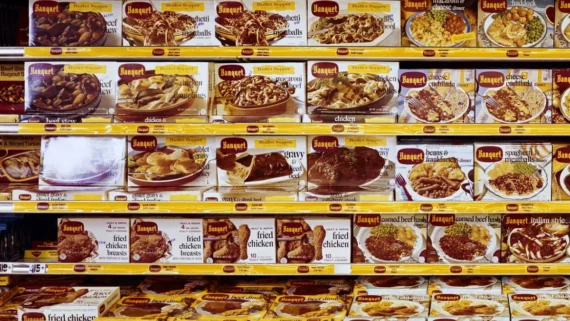

6. Some supermarket employees can take home leftover food for free
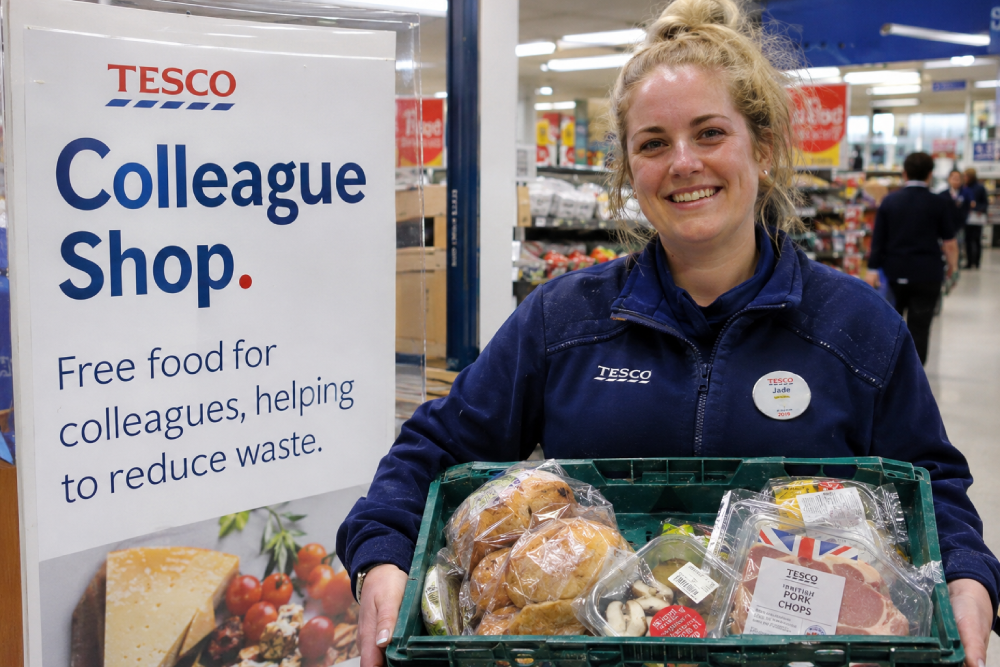
At Tesco, certain unsold groceries can eventually become a direct, free benefit for the employees themselves. The company’s Colleague Shop program gives workers free access to food approaching its expiration date when it hasn’t been sold to customers or claimed by charity partners. The retailer reports that the initiative, first introduced in 2018, has saved the equivalent of more than 107 million meals, demonstrating that store staff can serve as a highly effective part of a supermarket’s overall food-rescue strategy.
7. Some products are sent back to their suppliers
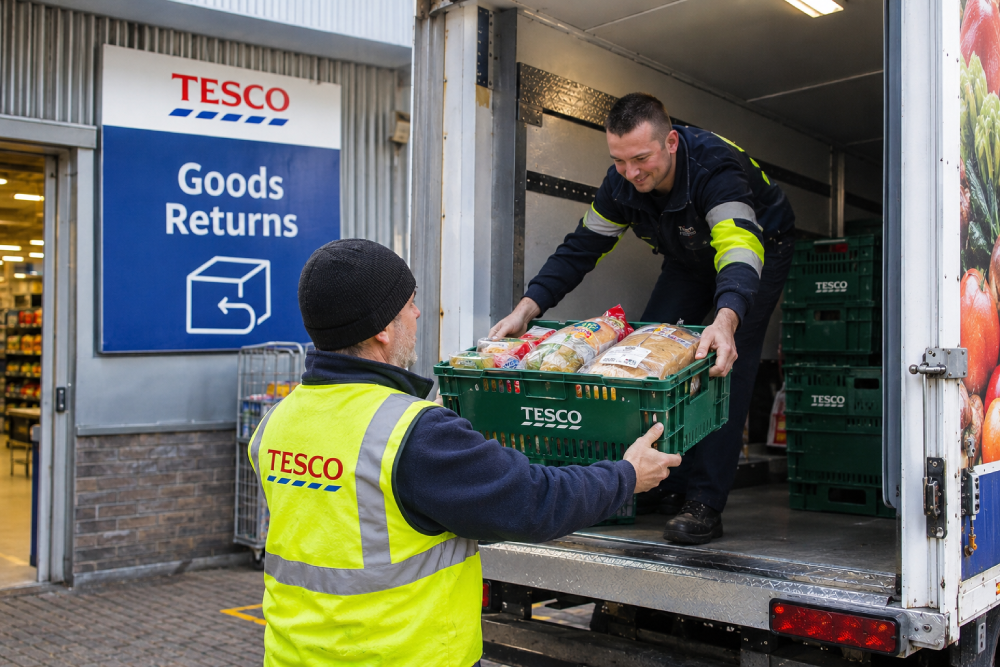
Not every unsold grocery item remains the supermarket’s permanent responsibility. Depending on the specific, negotiated agreement between a massive retailer and its various suppliers, certain unsold products may actually be collected by the original manufacturer or distributor when they can no longer be sold on the store floor. These return arrangements successfully transfer responsibility for the remaining inventory, although the physical products might subsequently be redistributed, processed into other items, or simply discarded by the supplier.
8. Yesterday’s unsold bread can become tomorrow’s beer
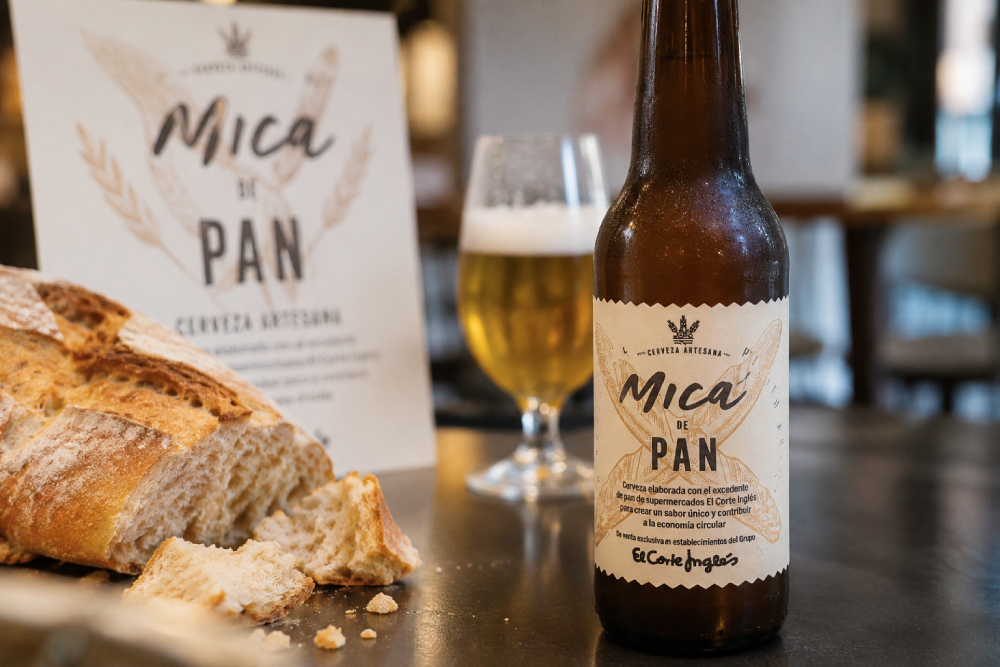
One of the absolute strangest destinations for leftover supermarket bread is a commercial brewery. In 2023, Spain’s massive El Corte Inglés chain formally partnered with Cervezas Mica to successfully produce Mica de Pan, a craft beer made using bread that hadn’t sold at its Valladolid bakeries. The surplus bread physically replaces some of the traditional grain ingredients normally used in the brewing process, giving the unsold loaves an entirely different commercial life on the beverage aisle.
Sign up for our newsletter
9. Leftover cookies, bread, and other dry foods can become animal feed
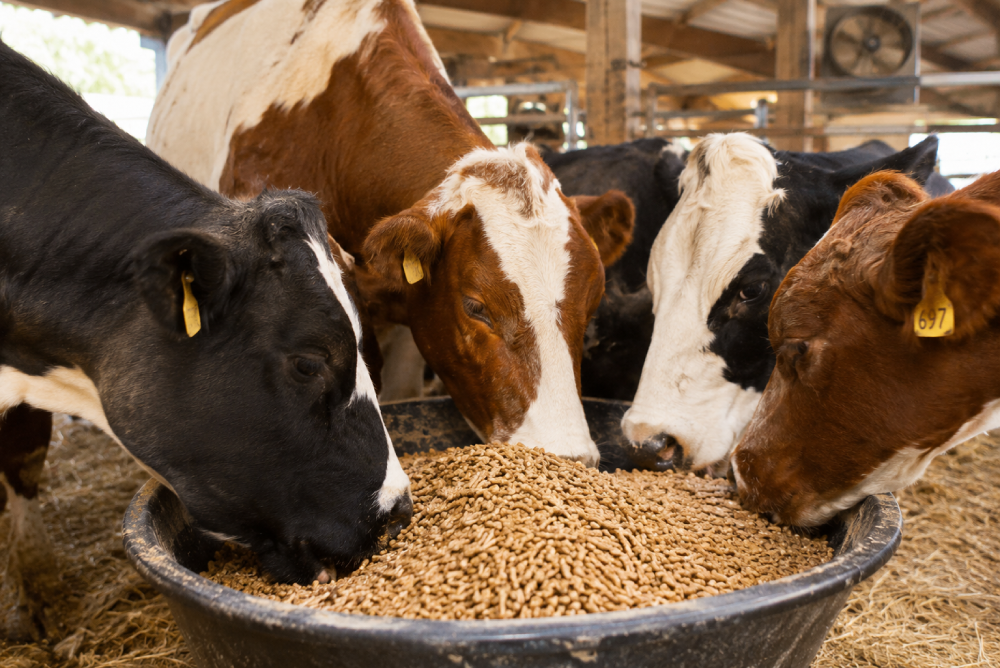
Food that is no longer suitable for human consumption does not always automatically become garbage. Lidl Spain publicly reported in 2022 that it was sending massive quantities of unsold dry foods, including stale bread, pastries, cookies, and legumes, through a highly specialized industrial process that turns them into animal-feed flour. The company stated the operation was successfully diverting approximately 4,900 metric tons of food annually, using careful separation and extreme heat treatment before the material became agricultural feed.
10. Spoiled produce can be turned into compost that helps grow more food
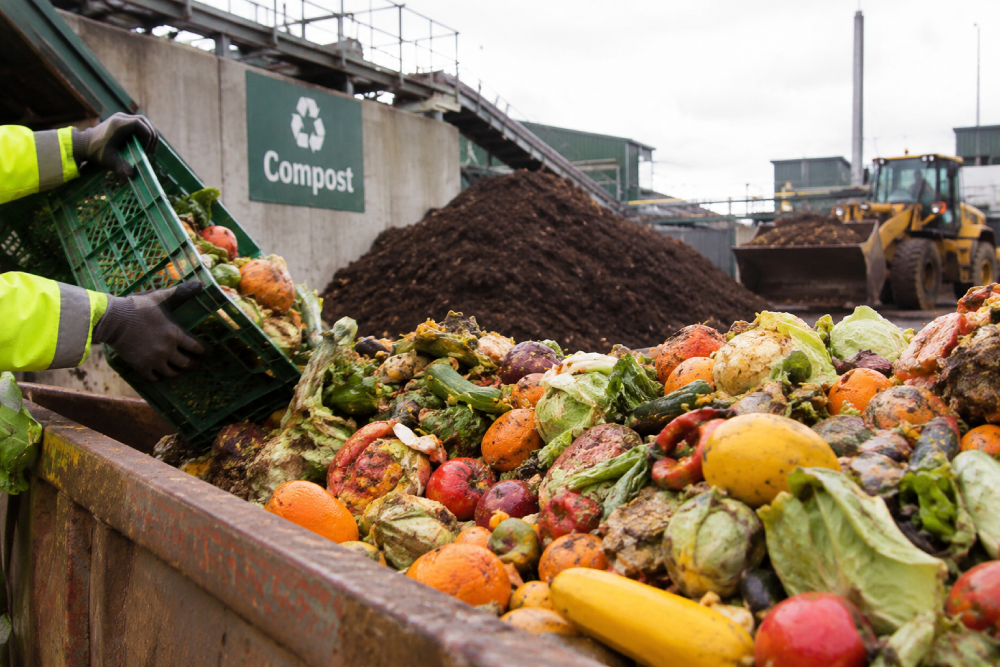
When fruits and vegetables rot and become entirely unsuitable for eating, some can still provide immense agricultural value through commercial composting. Rather than being buried deep in a landfill, separated organic supermarket waste can be broken down under heavily controlled, oxygen-rich conditions to create a highly valuable soil amendment. The EPA formally identifies composting as a highly useful recovery pathway for food scraps, although it firmly ranks preventing waste and feeding people far above the composting process.
11. Unsold groceries can help generate electricity and heat
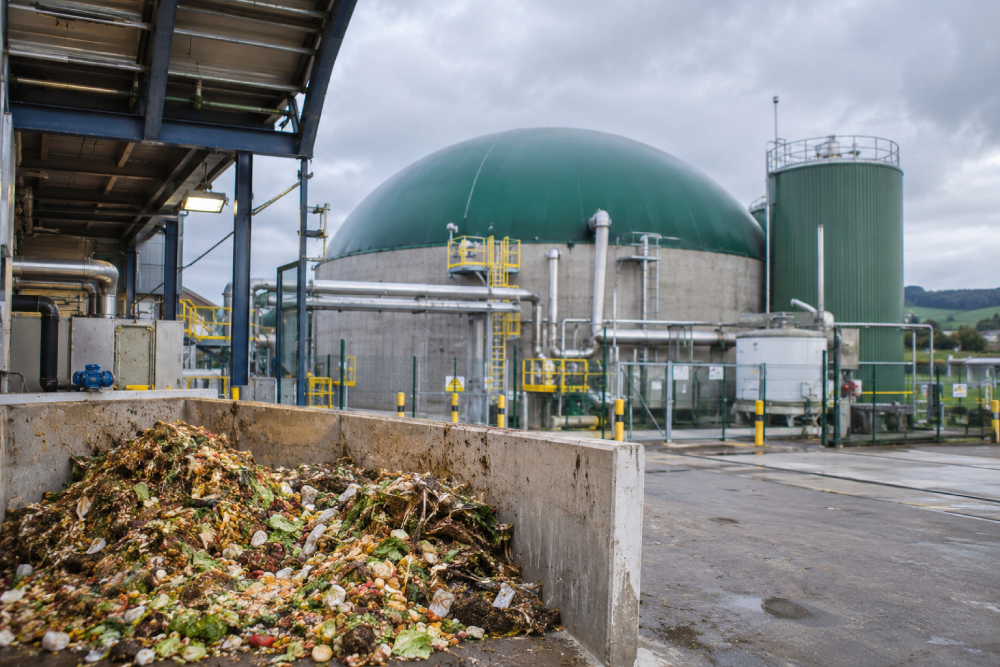
Some supermarket food waste bypasses the dump completely and ends up producing raw energy. Through a complex process called anaerobic digestion, specialized microorganisms break down organic material without oxygen, generating a powerful biogas that can be used directly for heat, electricity, or vehicle fuel. Tesco has reported utilizing this specific process for its residual food waste in Ireland and essentially purchasing back biogas equivalent to the annual heating needs of six full stores, based on its 2023/24 reporting.
12. Some perfectly good food still ends up in landfills
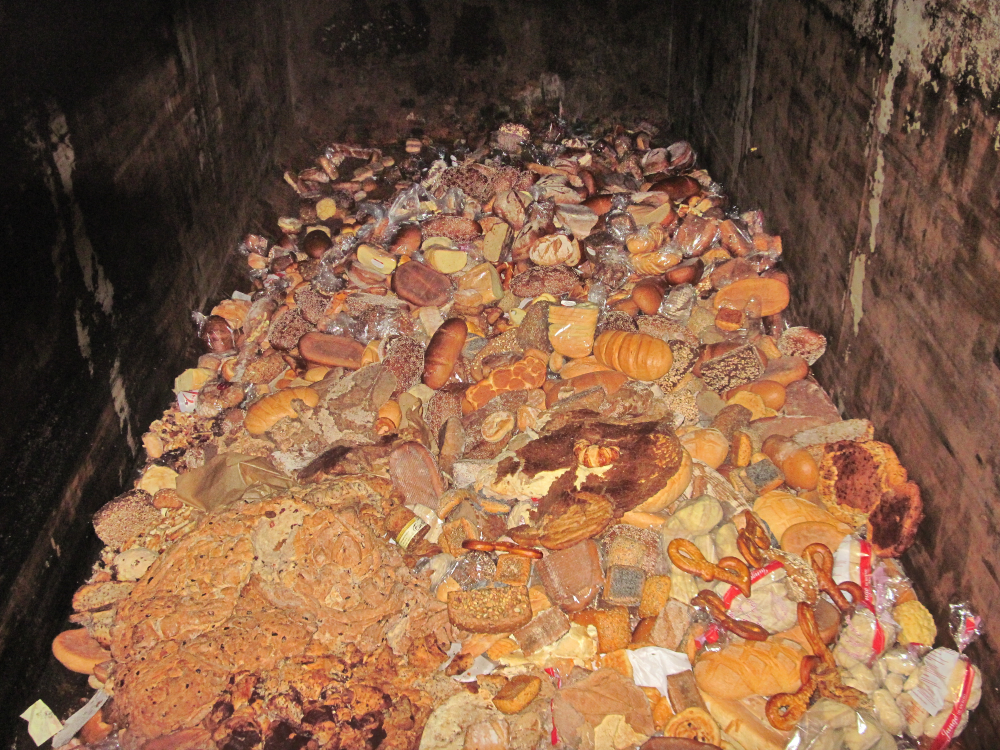
Despite massive donation programs, clever app discounting, and intense recycling efforts, not all unsold supermarket food is successfully recovered. Some still end up rotting in massive municipal landfills, where the decomposing organic matter produces methane, an incredibly powerful greenhouse gas. According to the EPA, food shockingly accounts for approximately 24% of all material in U.S. municipal solid waste landfills and is responsible for an estimated 58% of landfill methane emissions reaching the atmosphere.
Check out more interesting facts:
Unsold supermarket food can take surprisingly different paths, from discounted mystery bags and employee giveaways to craft brewery ingredients and energy production. But the most useful outcome is always finding a way for safe, edible food to feed people before it becomes waste. If you want more interesting facts, be sure to check out these 12 Strange Food Facts Hiding on the Dessert Menu or these 12 Popular Foods That Changed Their Recipes After Backlash. You may also like these 12 Viral Claims Debunked by Real Evidence and Fact-Checks.