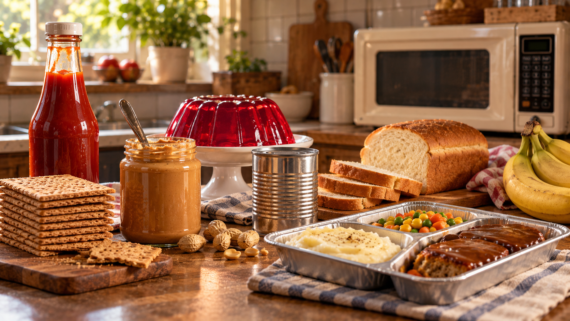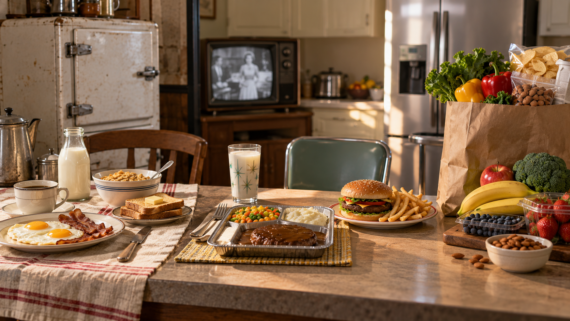
A century ago, keeping food fresh, preparing dinner, and shopping for groceries looked very different from what they do today. Refrigerators, supermarkets, fast-food chains, and modern transportation have transformed what Americans eat and how they get it. From breakfast cereal to microwave meals, these 17 changes reveal how convenience, technology, and shifting tastes have reshaped the American diet. And some of those changes have made spending an entire afternoon in the kitchen feel increasingly optional.
Breakfast Cereal Became an Alternative to Cooked Morning Meals
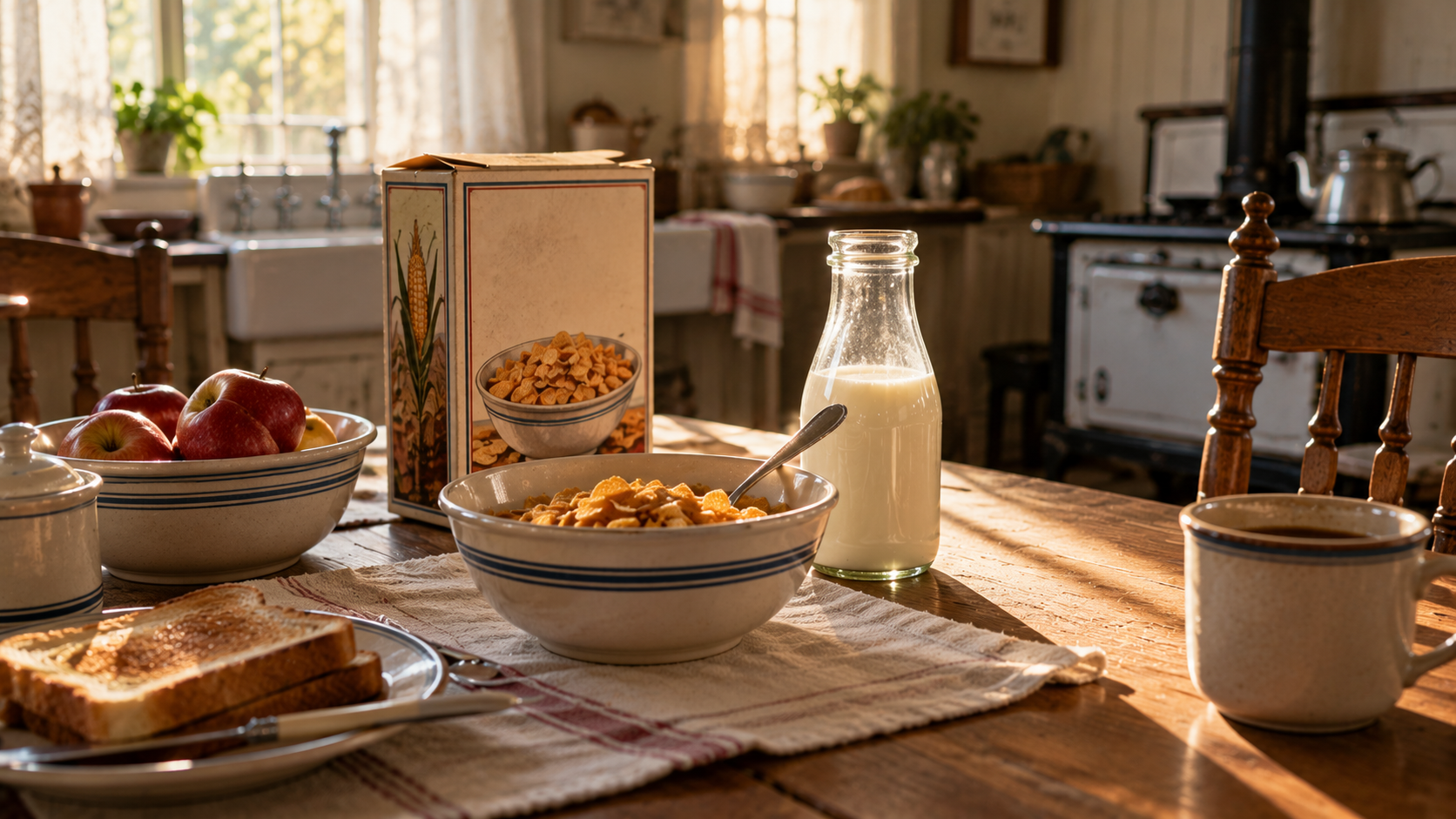
In the late 19th century, American breakfast often included cooked foods such as eggs, meat, potatoes, and bread. Packaged cereals like Grape-Nuts, Shredded Wheat, and Kellogg’s Corn Flakes offered a faster alternative, gaining popularity through advertising in the late 1800s and early 1900s. Breakfast could now come straight from a box, saving everyone the trouble of washing another pan.
Refrigerators Changed How Families Stored Fresh Food

Before electric refrigerators became common, many American households relied on iceboxes, preserved ingredients, and frequent grocery trips. As refrigerators became more affordable during the 1930s, families could keep milk, meat, vegetables, and leftovers cold for longer. Planning meals several days ahead became easier, and fewer groceries depended on immediate use. The ice delivery person was gradually losing a very cool job.
Supermarkets Made Buying a Week’s Groceries Much Easier
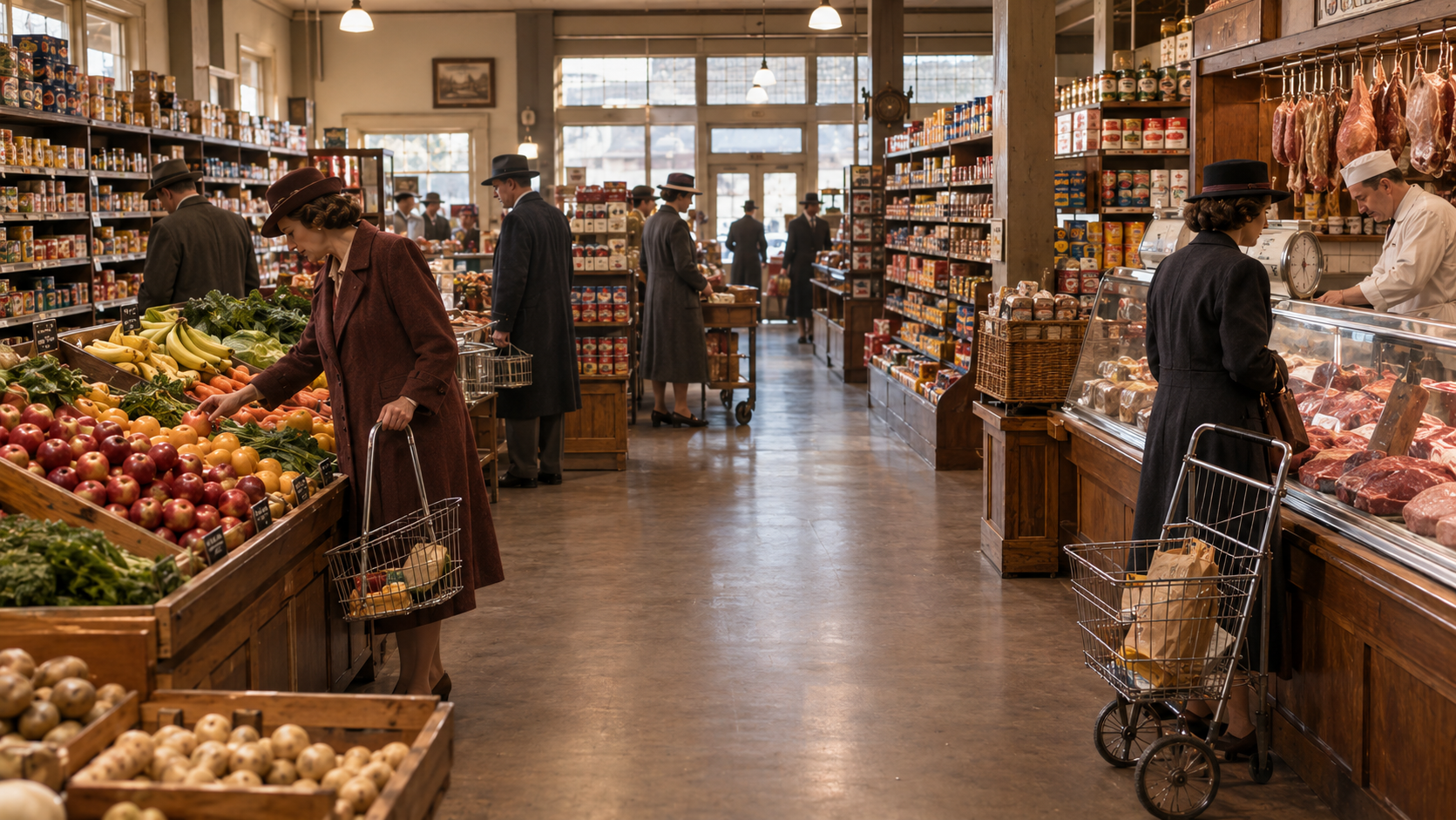
American shoppers once visited separate stores and counters for meat, bread, produce, and other necessities. Self-service supermarkets brought these products together, making larger shopping trips more practical. In 1937, grocery owner Sylvan Goldman introduced a folding shopping cart to help customers carry more merchandise. Combined with household refrigeration and growing car ownership, the innovation made buying groceries for several days much easier. One cart, one store, and considerably fewer errands.
World War II Made Families Cook Around Food Rationing
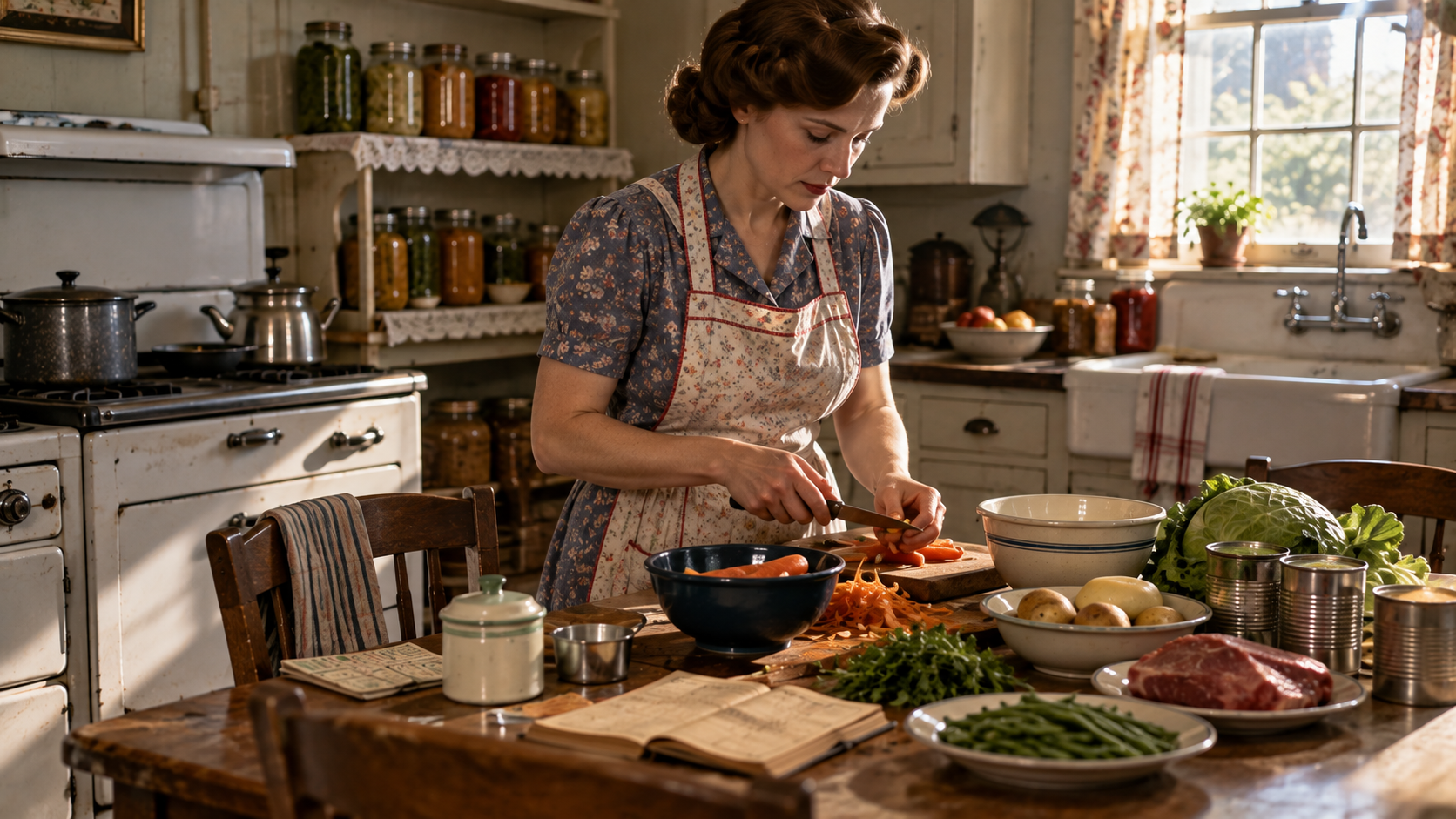
During World War II, American households faced restrictions on products including sugar, meat, fats, cheese, and coffee. Families adapted recipes, substituted ingredients, planted Victory Gardens, and preserved produce. Sugar rationing began in May 1942 and continued until June 1947. Fresh fruits and vegetables weren’t rationed, although availability could still be limited. Home cooks became experts at making do, whether the recipe liked it or not.
Frozen TV Dinners Made Preparing a Complete Meal Much Simpler
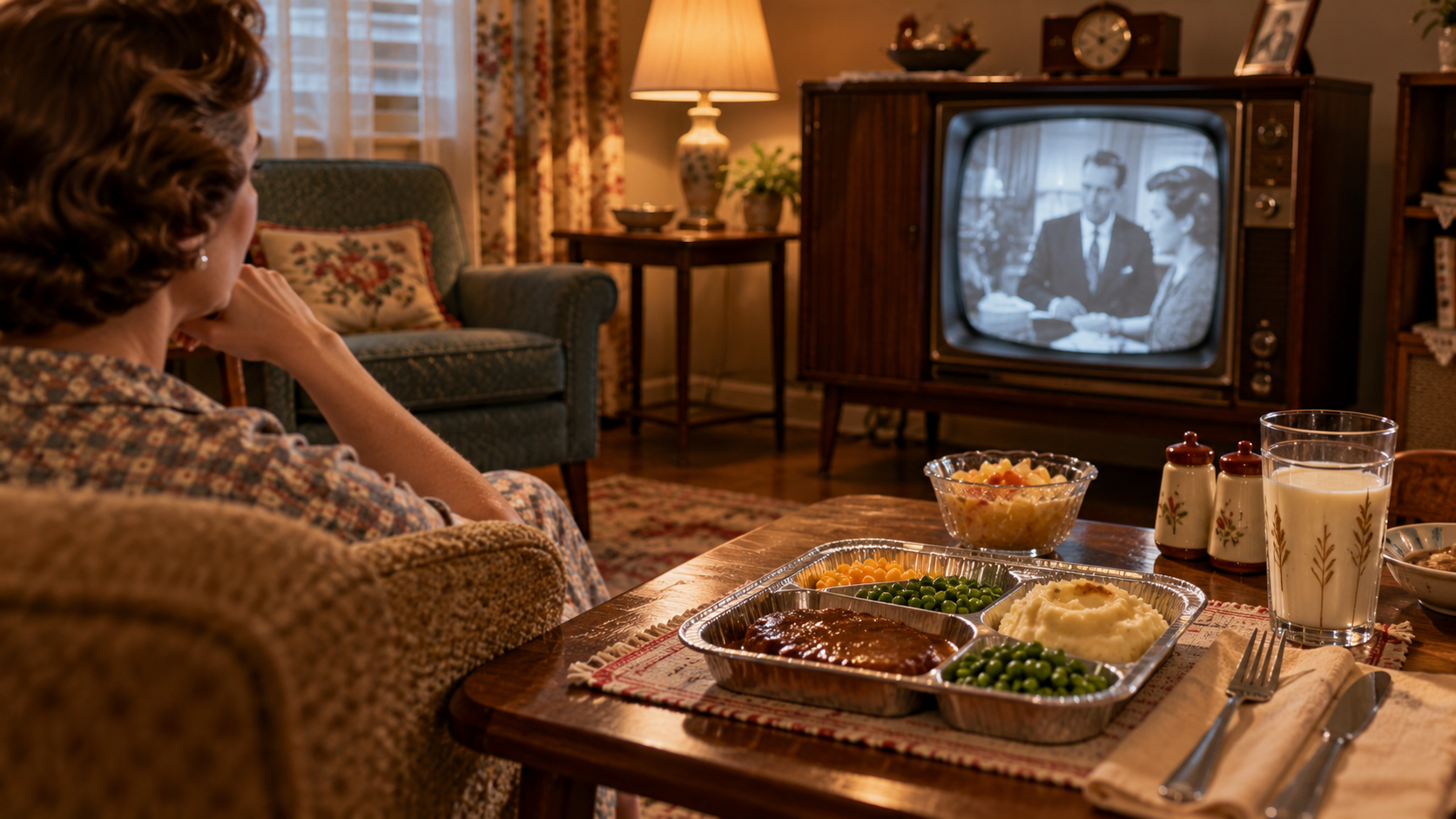
In 1954, Swanson introduced a frozen meal in a disposable aluminium tray, helping popularize the television dinner. Consumers could heat a complete meal without preparing each component separately, just as television ownership was expanding rapidly. Marketing encouraged families to eat while watching their favorite programs. Dinner became easier to prepare, and the kitchen no longer needed to be the evening’s main attraction.
Trending on The Scroller


Microwave Ovens Turned Reheating Into a Matter of Minutes
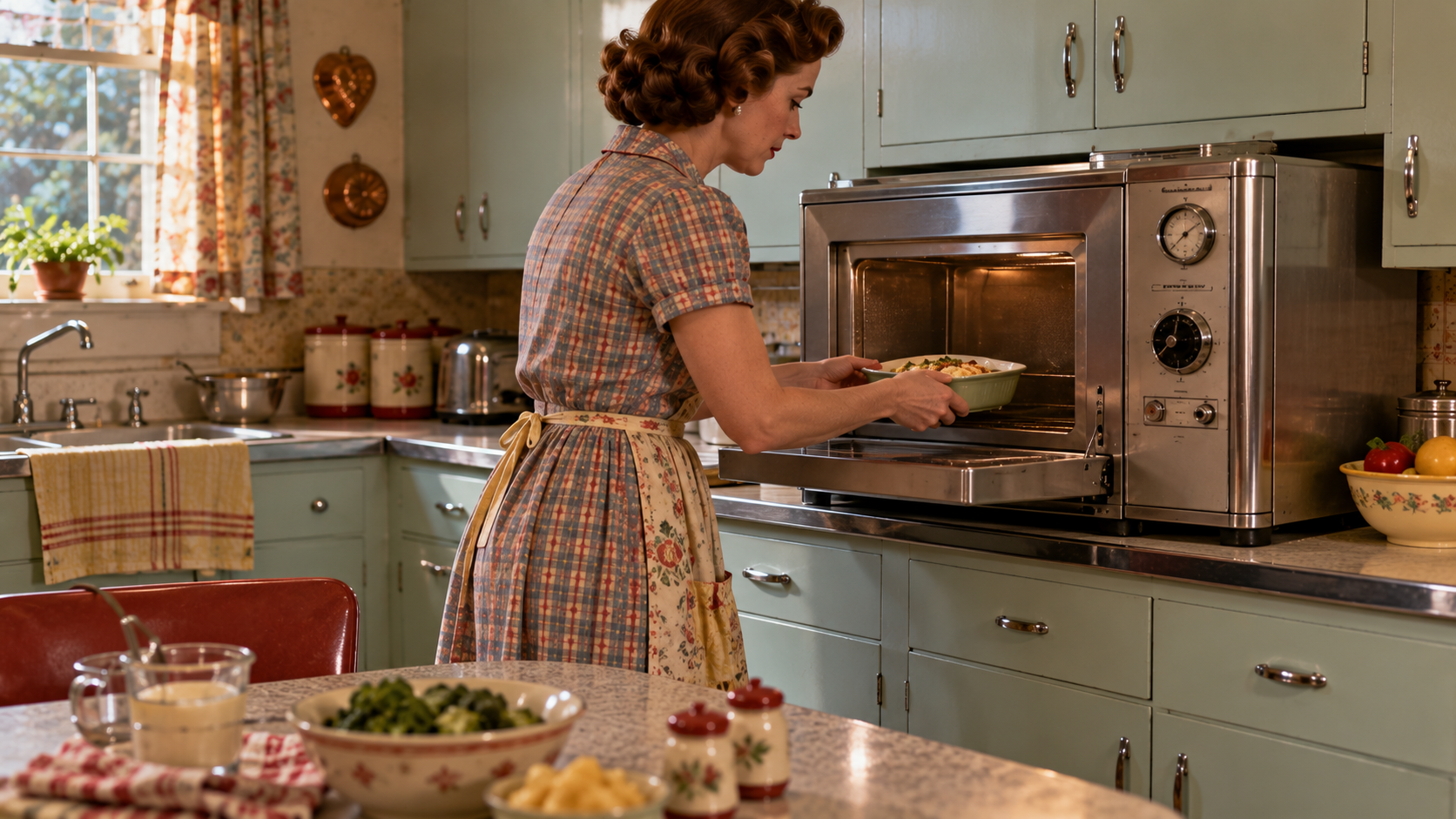
Early microwave technology reached the commercial market in 1947, but the machines were initially too expensive and bulky for most homes. The household-oriented Tappan RL-1 arrived in 1955 at a price of $1.295. As microwaves became smaller and more affordable, they transformed leftover reheating and quick meals. By 2000, approximately 90% of American households owned one. Yesterday’s dinner suddenly had a much shorter comeback time.
Fast-Food Chains Made Speed and Consistency Part of Dining
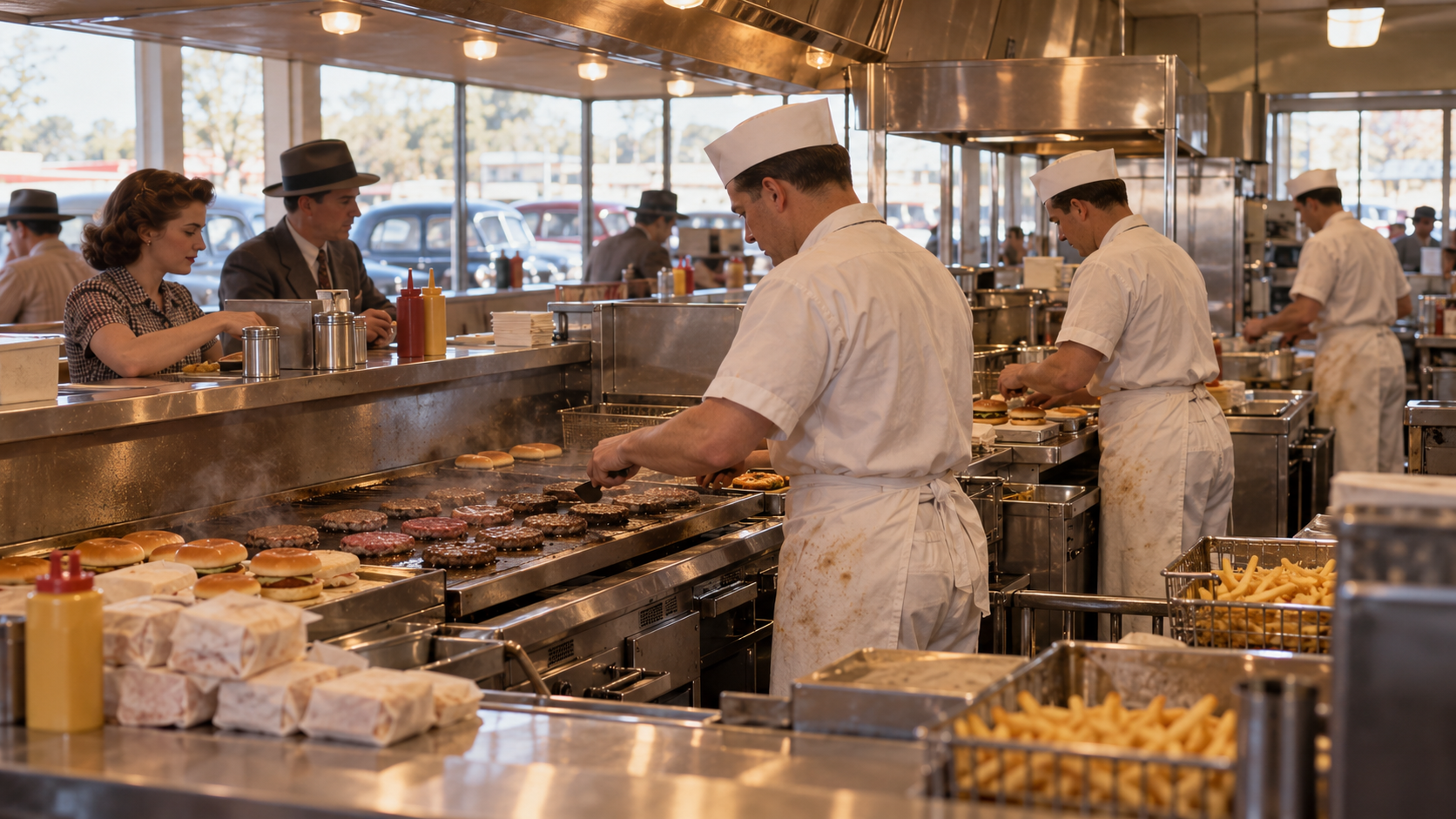
In 1948, brothers Richard and Maurice McDonald reorganized their San Bernardino restaurant around a limited menu and an efficient preparation system. Their approach emphasized speed, standardized products, and lower operating costs instead of traditional table service. As chains expanded through franchising, burgers and fries became familiar choices for quick, predictable meals. Dining out no longer had to mean settling in for the evening.
Cars Became Places to Order and Eat Meals
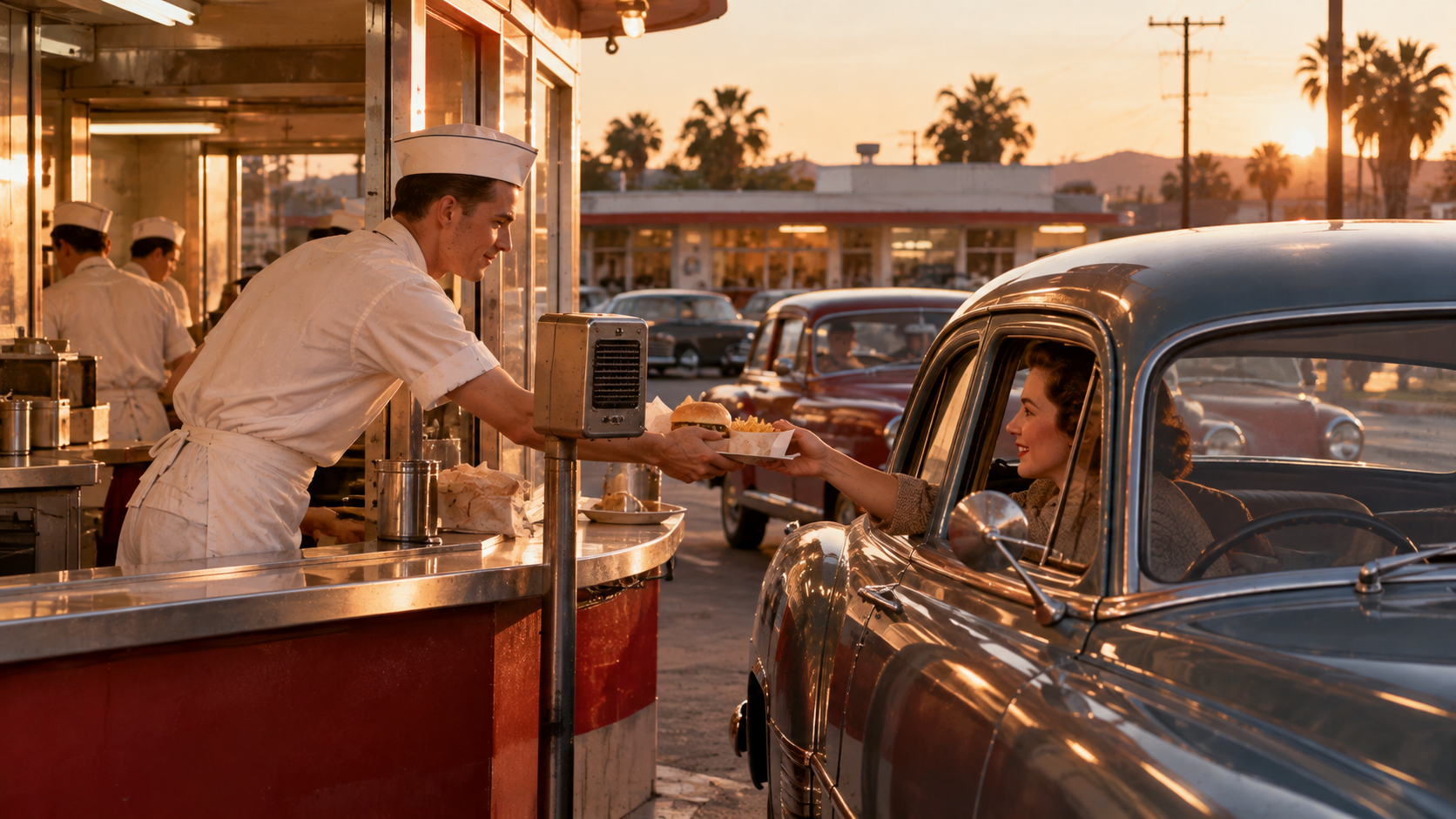
As car ownership expanded, restaurants developed ways to serve customers without requiring them to leave their vehicles. Drive-ins used carhops, while drive-throughs eventually let customers order, pay, and collect meals from their cars. In-N-Out Burger opened in California in 1948 with a two-way speaker system for drive-through ordering. The car became an extension of the dining room, although the dashboard was never designed as a particularly elegant table.
Sign up for our newsletter
Americans Spend More Money on Food Prepared Away From Home
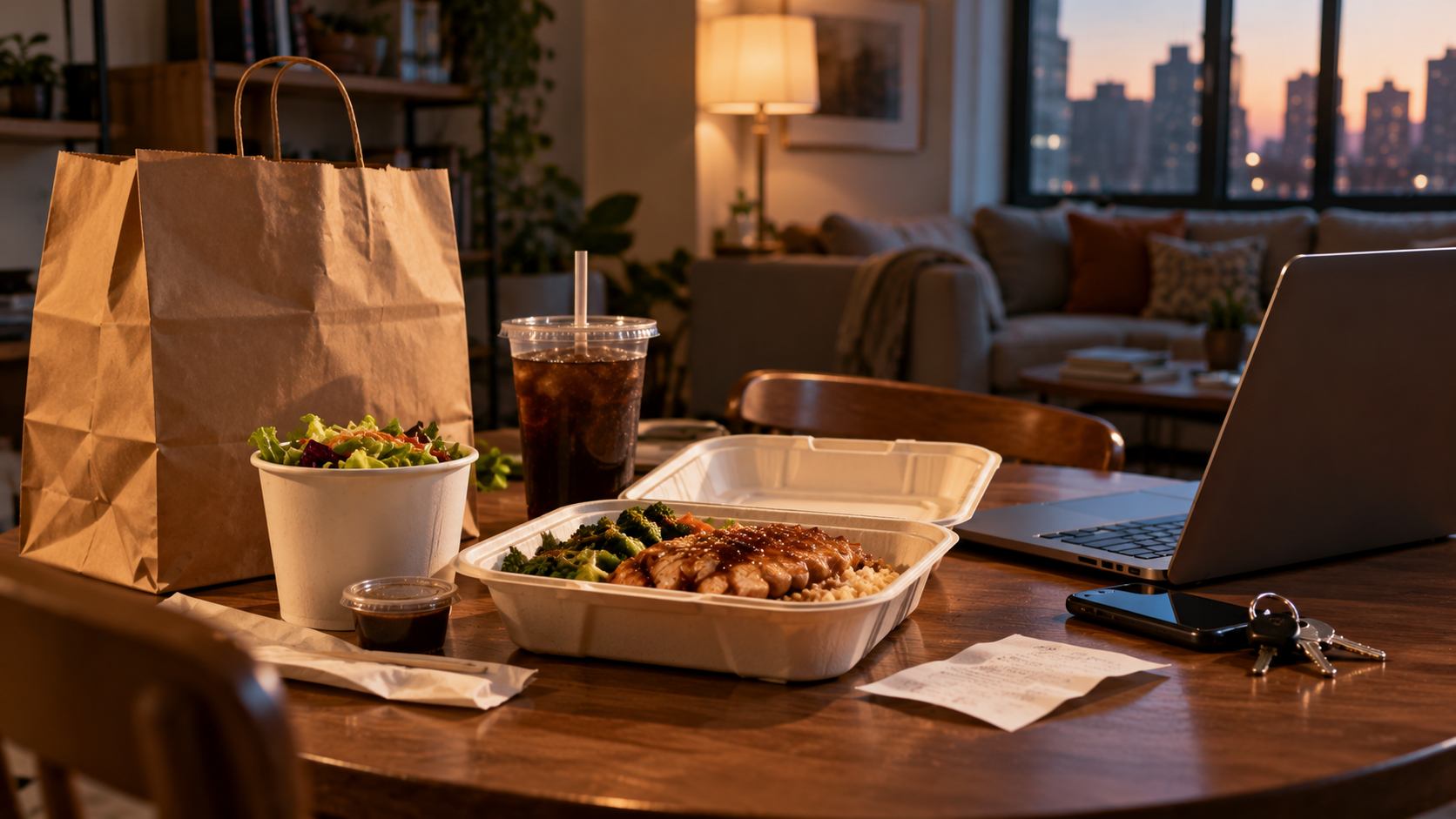
Restaurants, takeout, cafeterias, and other food-service businesses account for an increasing share of American food spending. USDA figures show that food away from home represented 58.9% of total U.S. food expenditures in 2024, compared with a smaller share in earlier decades. In 2025, Americans spent 4.9% of disposable personal income on food away from home, up from 4.3% in 1997. Convenience has a price, and apparently, Americans are increasingly willing to pay it.
Snacking Became a Regular Part of the Day

Three meals a day no longer tell the whole story of American eating habits. USDA research found that 95% of U.S. adults consumed at least one snack on a given day in data collected from 2017 through March 2020, while 78% consumed two or more. Among snackers, these foods and beverages supplied an average of 24% of daily calories. The line between meals has become rather easy to cross.
Portions of Several Popular Foods Became Much Larger
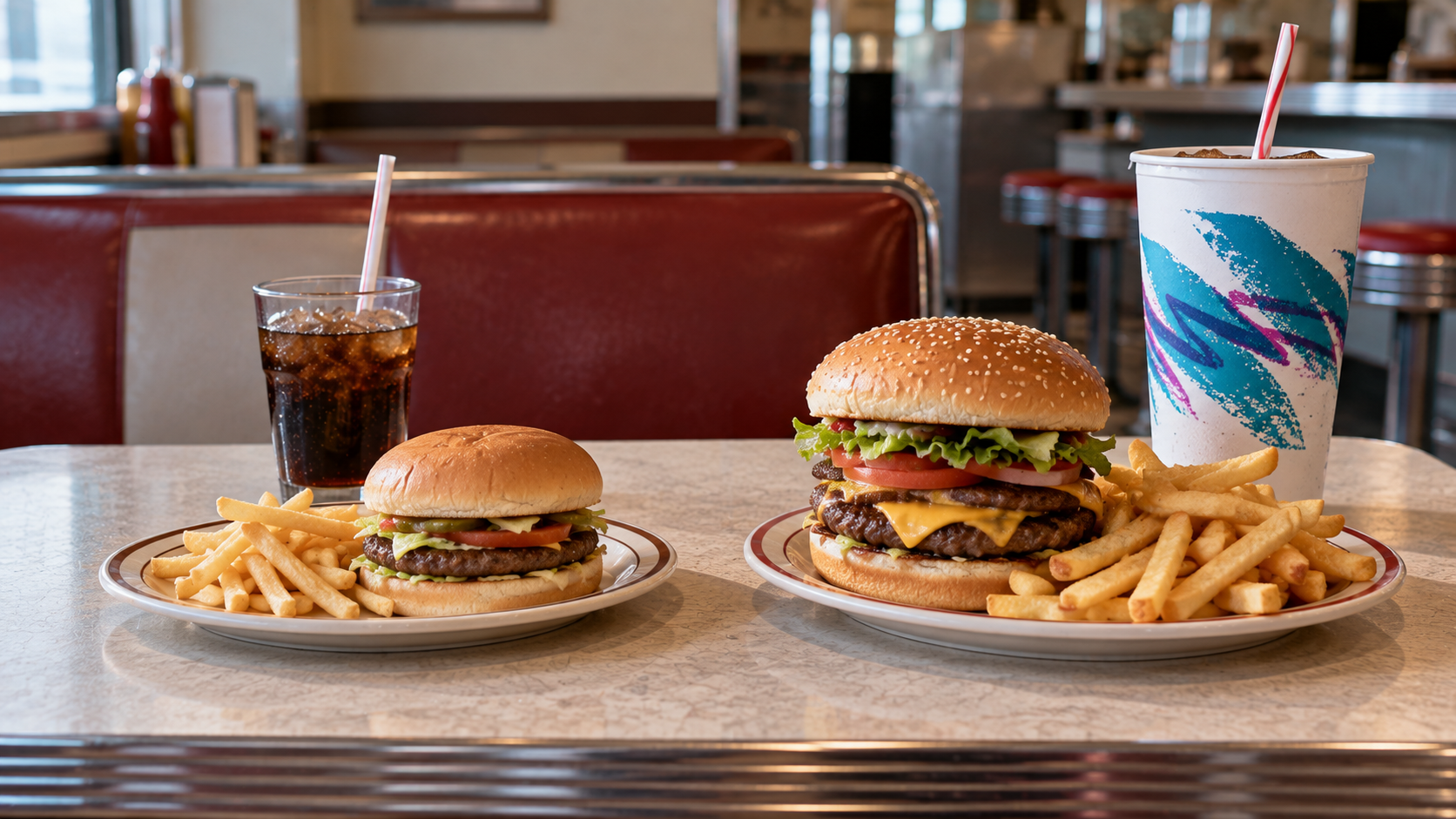
Between 1977 and 1996, average portions of several common American foods increased, according to research examining national consumption surveys. Soft-drink portions grew from 13.1 to 19.9 fluid ounces, while hamburger portions rose from 5.7 to 7.0 ounces. The changes weren’t universal, and pizza followed a different pattern. Still, the findings suggest that what counted as a typical serving had changed considerably. The medium cup had some competition.
Chicken Overtook Beef as America’s Most Available Meat
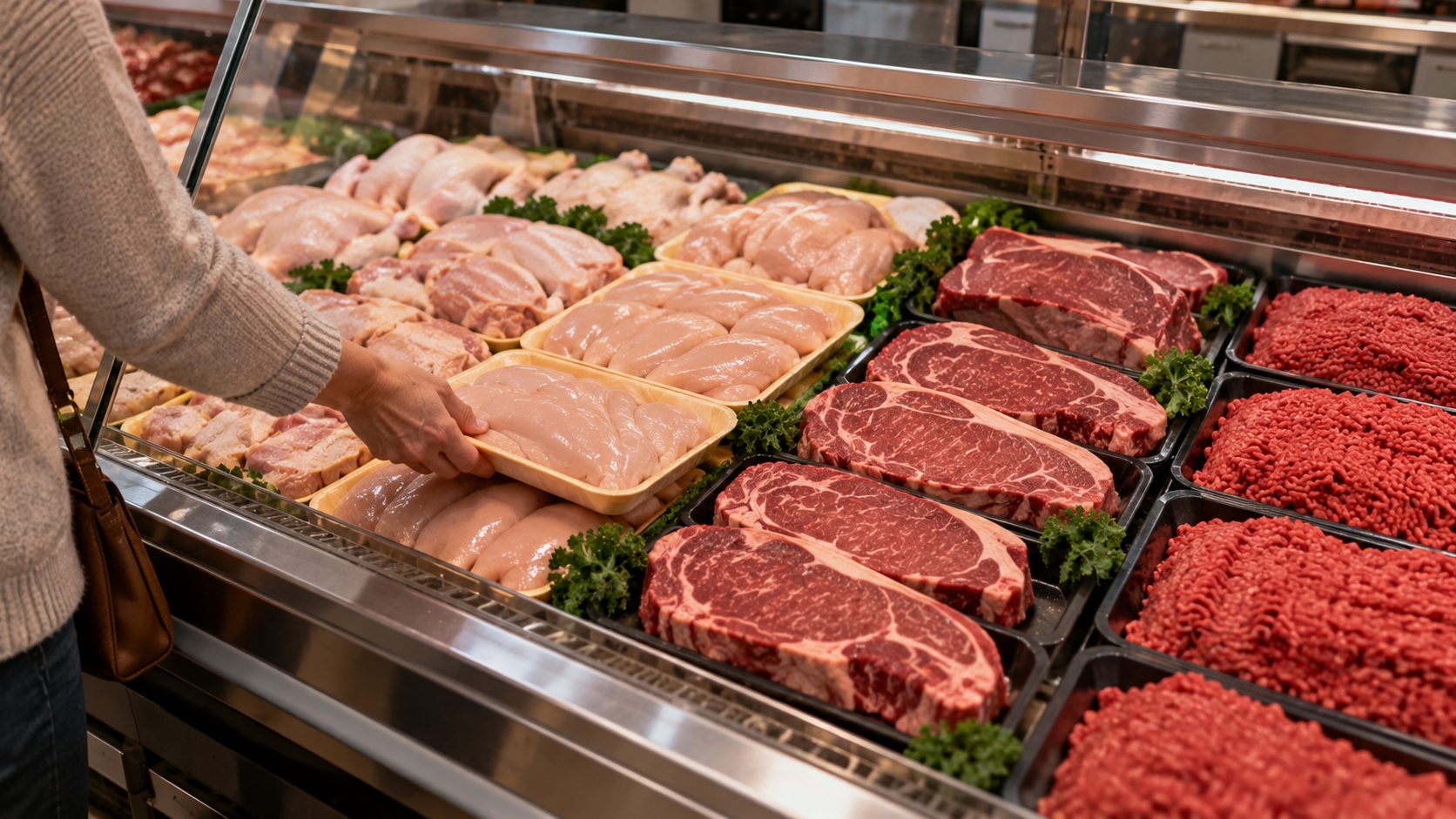
Beef once held a more prominent position in the American food supply, but chicken availability grew dramatically during the second half of the 20th century. USDA figures show chicken overtook pork in 1996 and beef in 2010. By 2021, approximately 68.1 pounds of chicken per person were available for consumption, compared with 56.2 pounds of beef. The dinner-table rivalry had a clear winner, at least in availability.
Americans Started Drinking Less Milk but Eating More Cheese
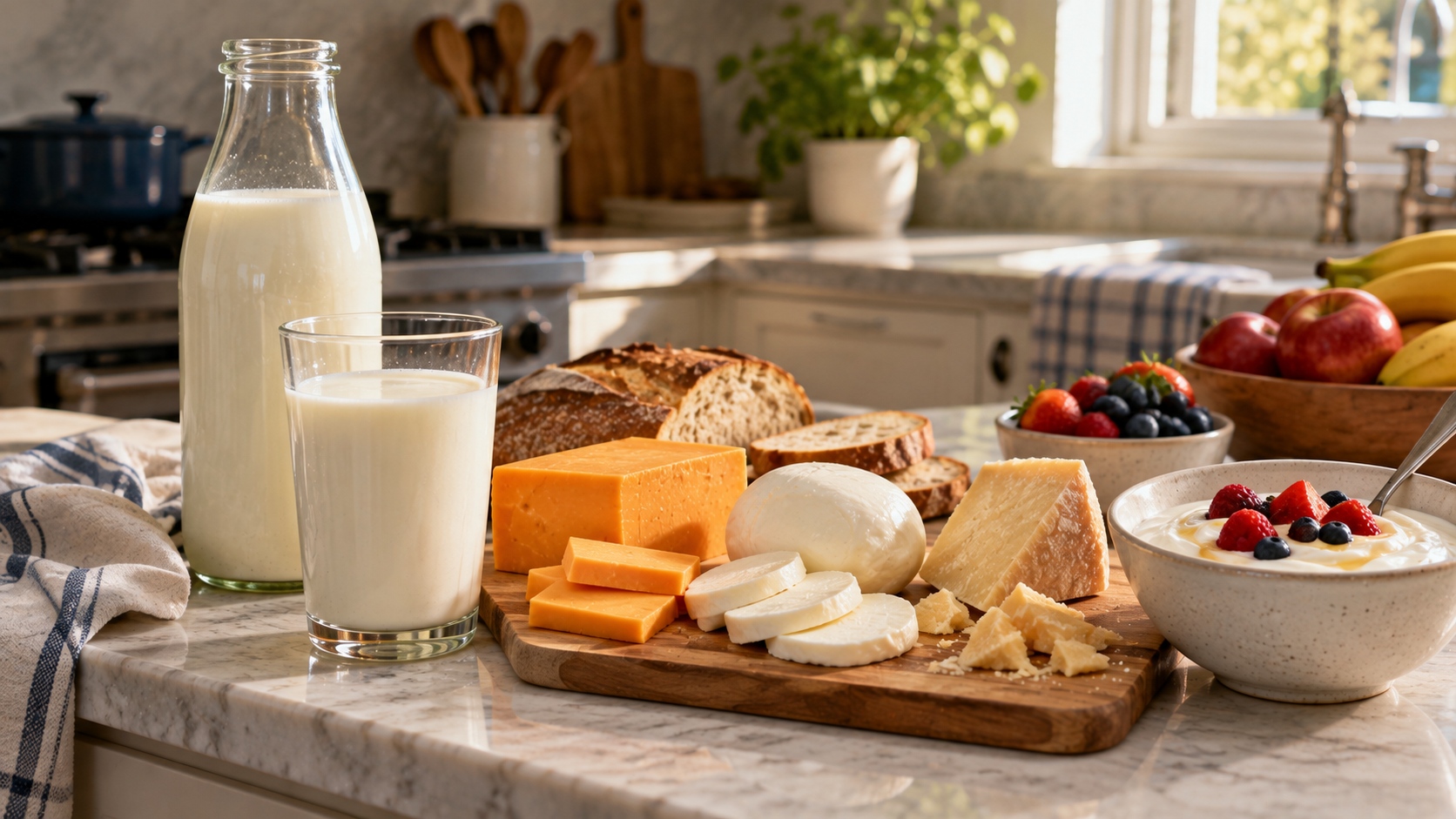
Fluid milk availability has declined significantly over recent decades, while other dairy products have gained ground. USDA estimates show loss-adjusted fluid milk availability fell from 0.8 cup-equivalents per person per day in 1981 to 0.5 in 2021. Cheese availability more than doubled, and yogurt availability increased about fivefold. Dairy hasn’t disappeared from American diets; it has increasingly arrived inside sandwiches, sauces, snacks, and other foods rather than a plain glass.
The Supply of Sugar and Other Caloric Sweeteners Rose, Then Declined
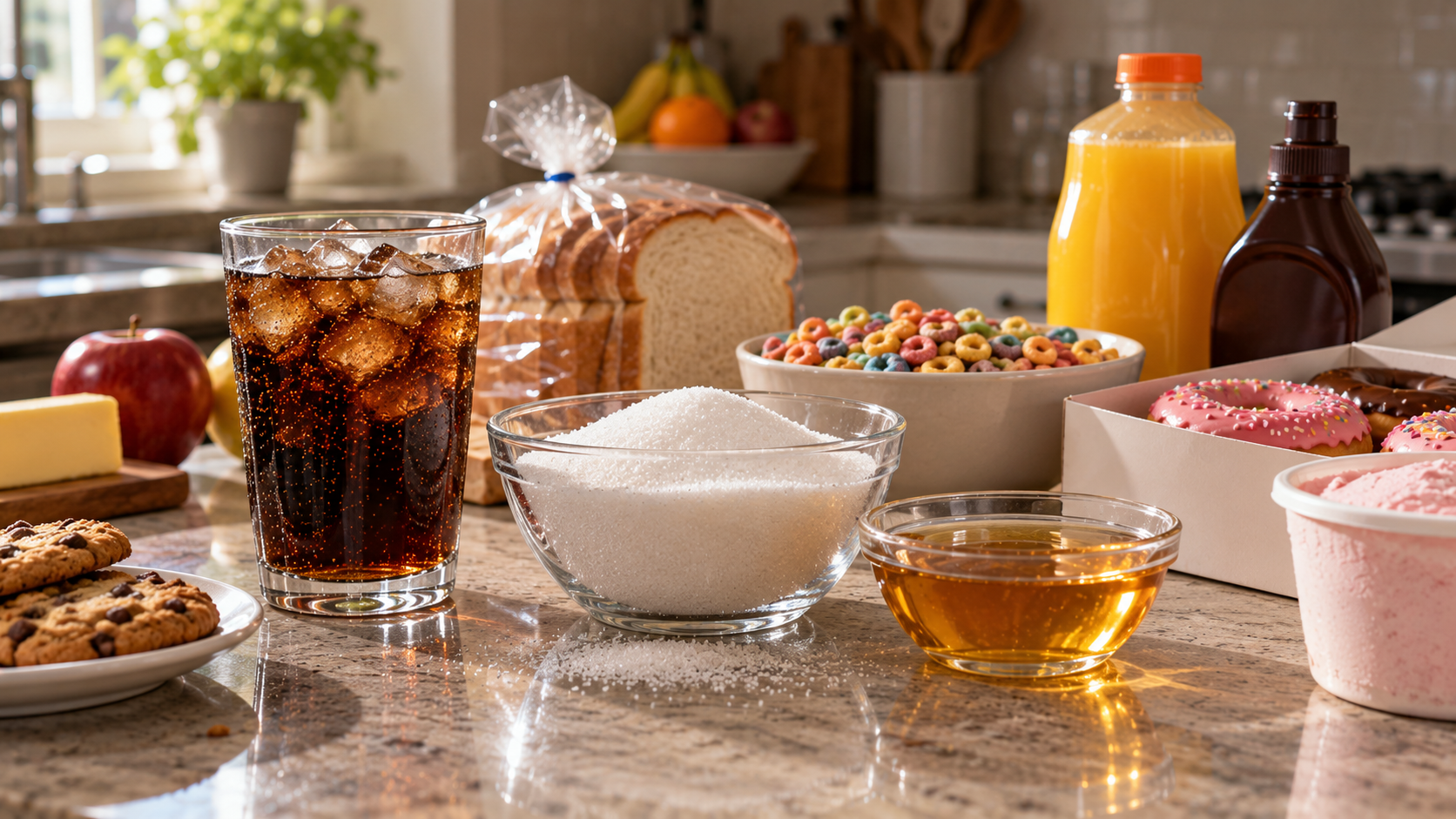
American food manufacturers increasingly used corn-based sweeteners in soft drinks and processed foods during the late 20th century. USDA data show total caloric sweetener availability peaked at approximately 153.6 pounds per person in 1999 before falling to 123.5 pounds in 2023, a reduction of nearly 20%. These figures measure supply available for consumption, not precisely what individuals ate. Even so, the sweetener supply has taken a noticeable turn away from its peak.
Fruits and Vegetables Became Available During More of the Year
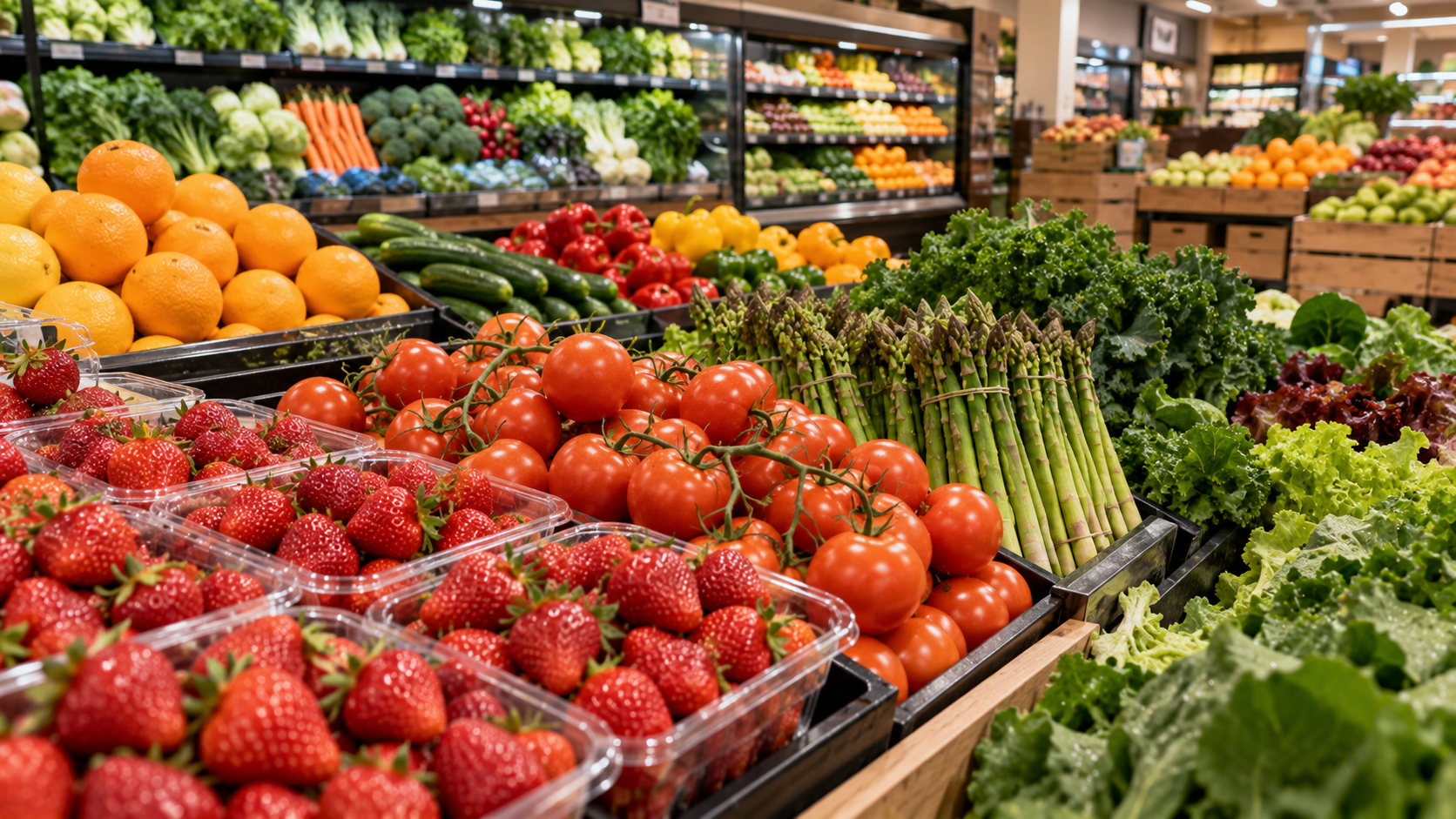
Refrigeration, transportation, and international trade have made produce available well beyond traditional local growing seasons. In 2023, imports supplied 59% of U.S. fresh fruit availability, up from 50% in 2007. The imported share of fresh vegetables, excluding potatoes, sweet potatoes, and mushrooms, rose from 20% to 35%. Strawberries in winter are easier to find than ever, although the supply chain behind them may span thousands of miles.
Foods From Different Cultures Became Familiar Nationwide
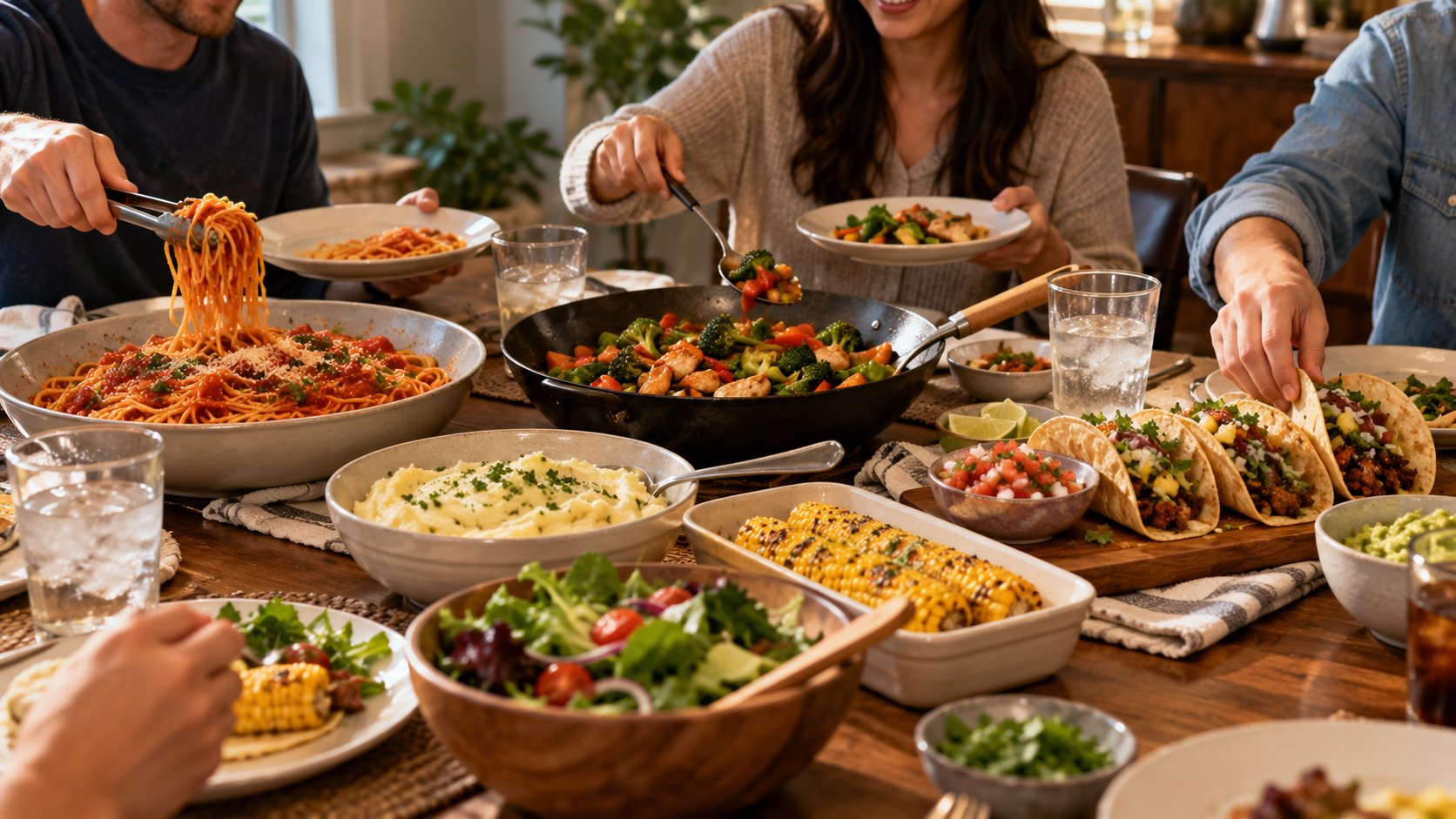
Immigration, travel, restaurants, and changing retail practices expanded the variety of foods Americans encountered in daily life. Returning World War II service members helped popularize some cuisines they had experienced overseas, while frozen meals made other dishes more accessible. By the 1960s, Swanson was selling Americanized frozen meals inspired by Italian, Chinese, and Mexican cooking. Foods once associated with particular communities increasingly appeared in supermarkets and homes across the country.
Almonds, Pistachios, and Other Tree Nuts Became More Popular
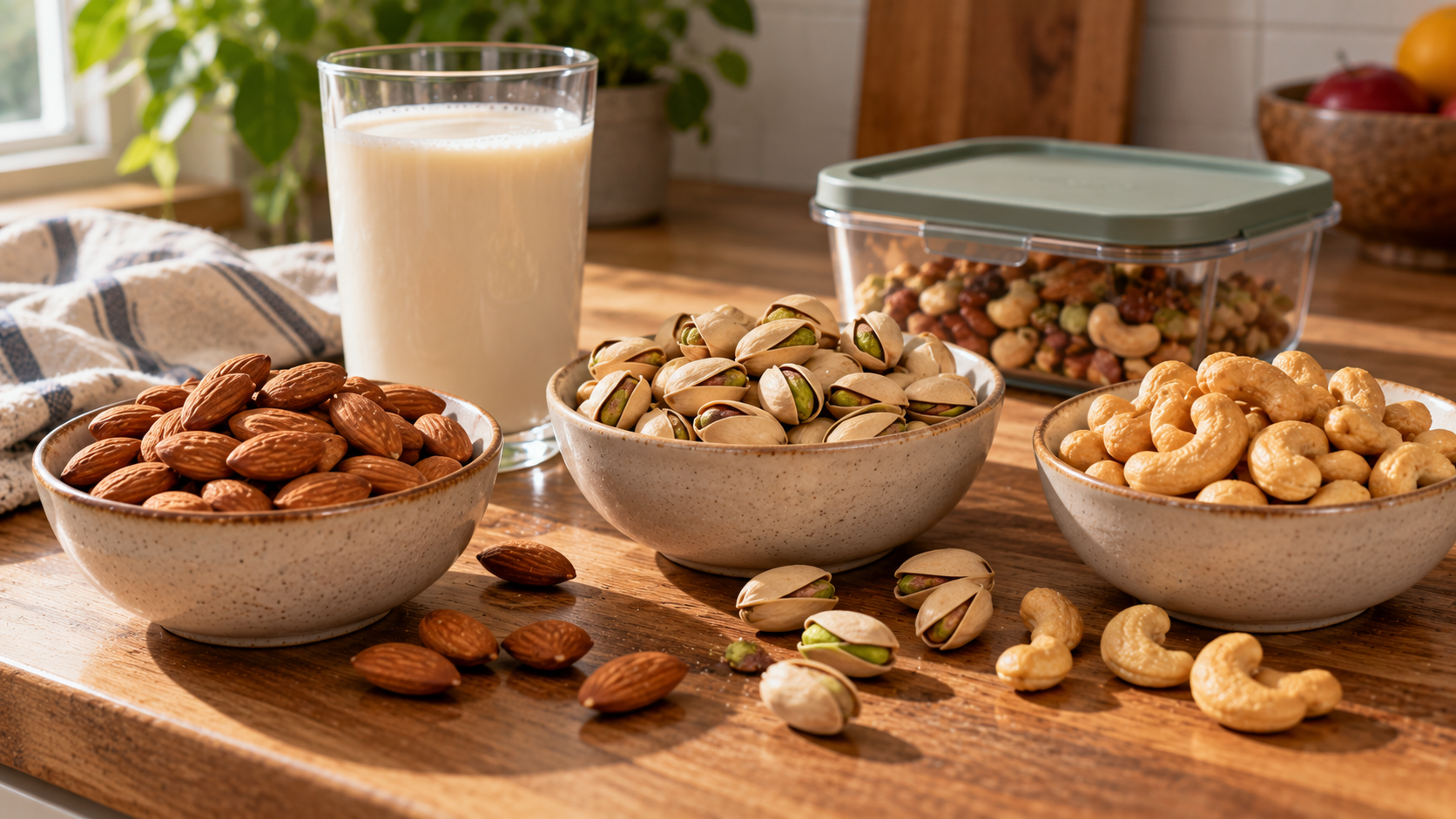
Tree nuts have become more prominent in American snacks, recipes, and packaged foods. USDA loss-adjusted food-availability data show annual tree-nut availability increased from approximately 1.38 pounds per person in 1970 to 3.69 pounds in 2016. Almonds accounted for the largest increase, while pistachios also gained popularity. Greater availability, interest in nutrition, and products such as almond milk helped bring nuts into everyday eating routines. The snack drawer has acquired some rather crunchy competition.