Your kitchen is probably full of things you use without giving them a second thought. But ketchup, sliced bread, canned food, and even the microwave have surprisingly unusual backstories. Some were created to solve military problems, others came from questionable health theories, and a few were shaped by business rivalries. Here are food history facts that might make your next trip to the kitchen a little more interesting.
Ketchup Wasn’t Originally Made From Tomatoes
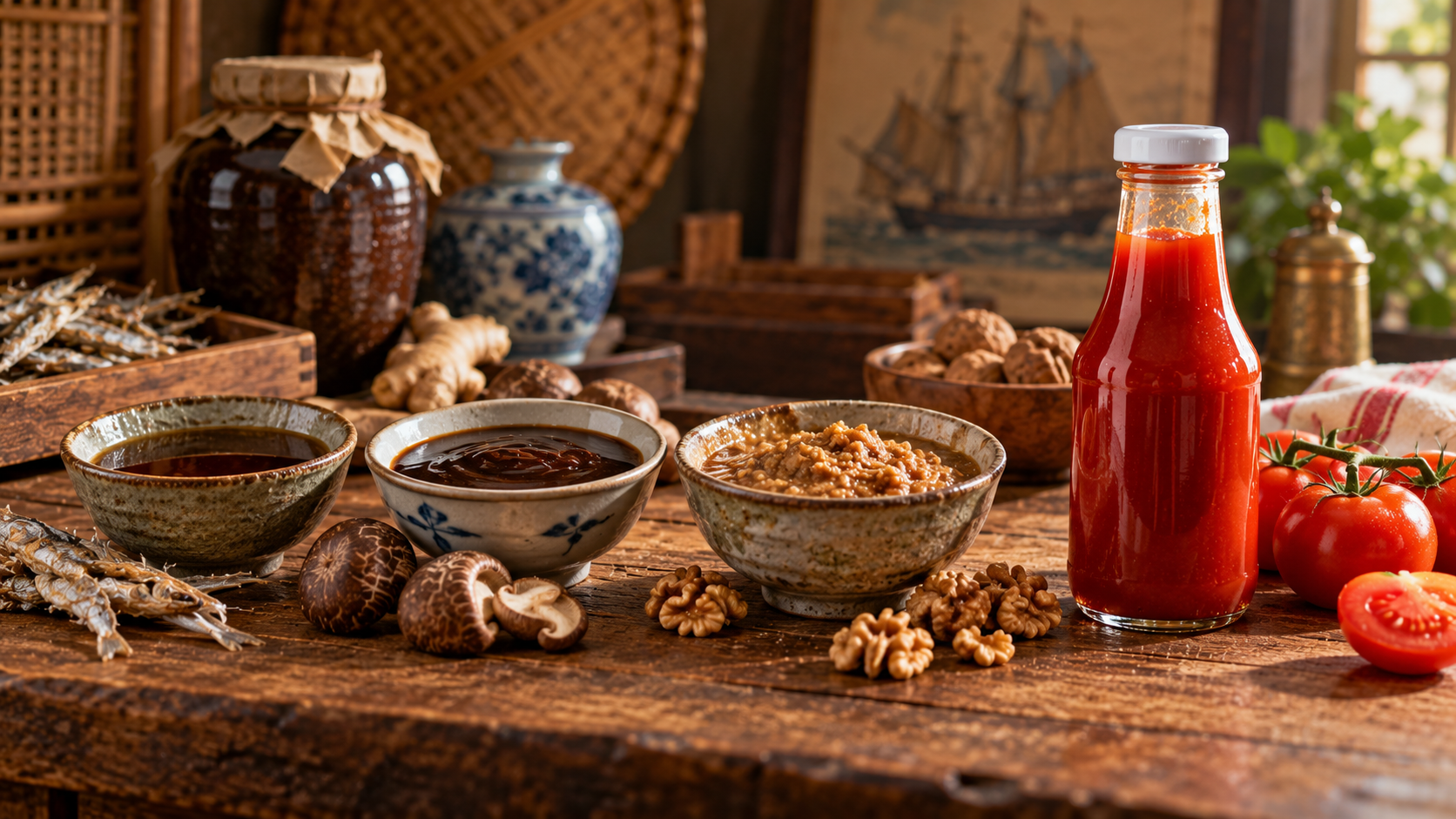
Before ketchup became the tomato-based condiment Americans know today, it had a much different identity. Its roots trace back to fermented Asian sauces, including fish-based versions. British cooks later experimented with mushrooms and walnuts. Tomato ketchup only appeared much later, with an American recipe published in the early 19th century. So, no, tomatoes weren’t always invited to the party.
Graham Crackers Were Part of a Moral Crusade
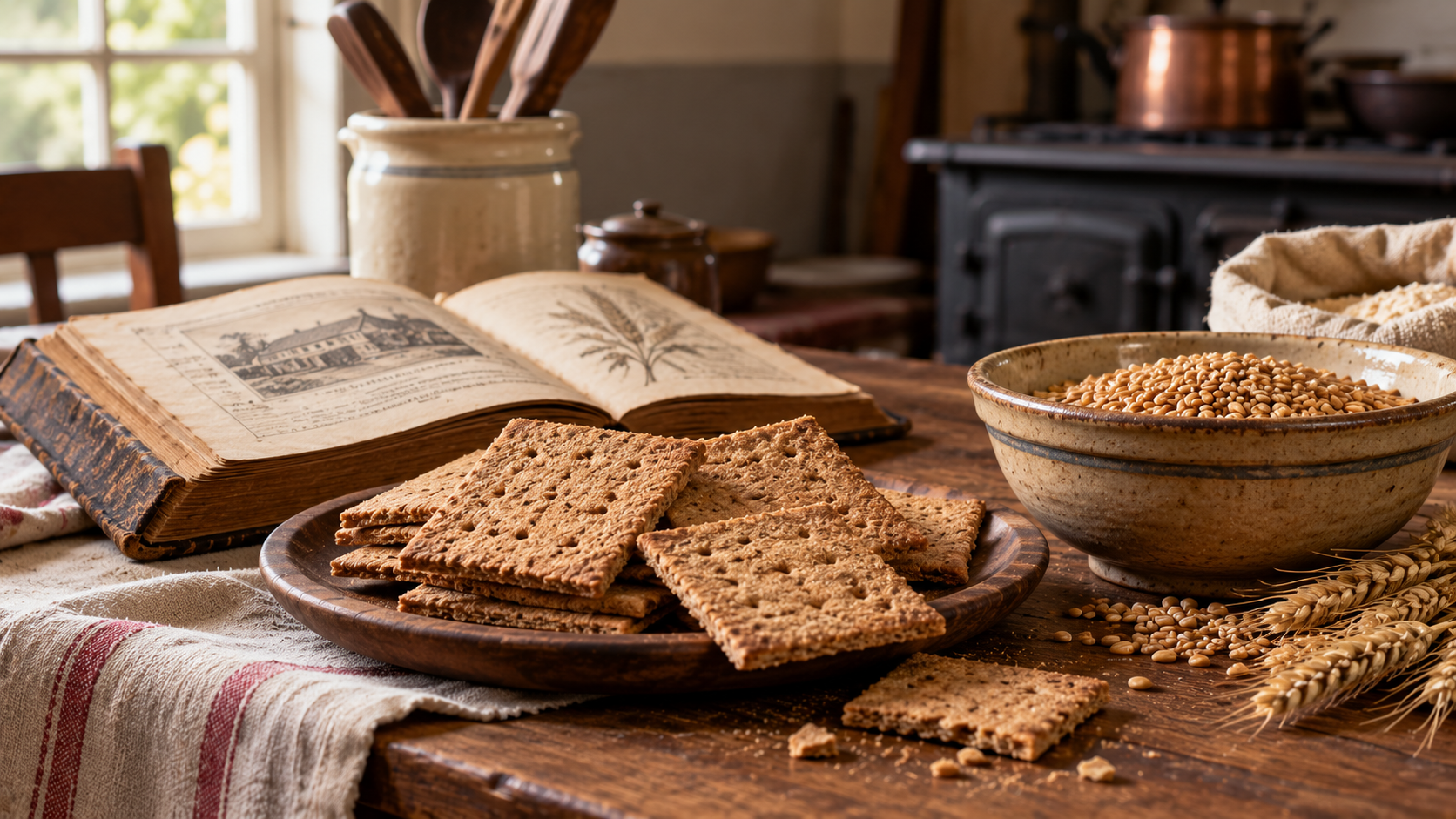
Graham crackers weren’t originally created for s’mores or late-night snacks. Presbyterian minister Sylvester Graham promoted coarse whole-wheat flour as part of a strict vegetarian lifestyle. He believed plain foods could improve health and even suppress sexual urges. That’s quite a lot of responsibility for a humble cracker, which eventually became a dessert favorite.
Peanut Butter Started as a Health Food
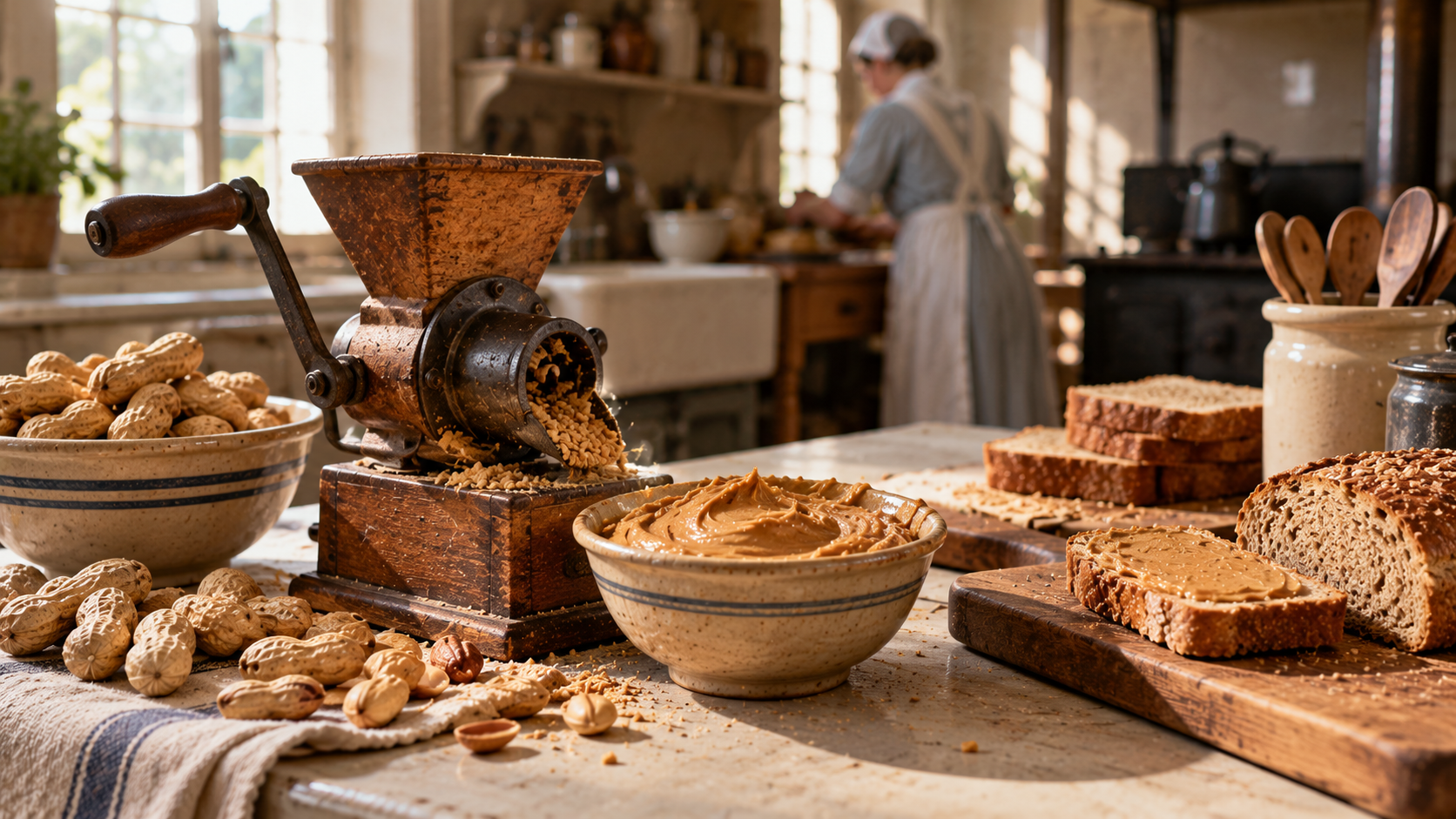
Peanut butter’s American history began in health-focused circles, not lunchboxes. In 1895, physician and cereal pioneer John Harvey Kellogg patented a process for making nut paste and served versions of it to patients at his Battle Creek Sanitarium. He promoted nut butter as an easily digestible, meat-free source of nutrition. The jelly sandwich came much later.
Making Gelatin Desserts Once Took Hours of Boiling Animal Parts
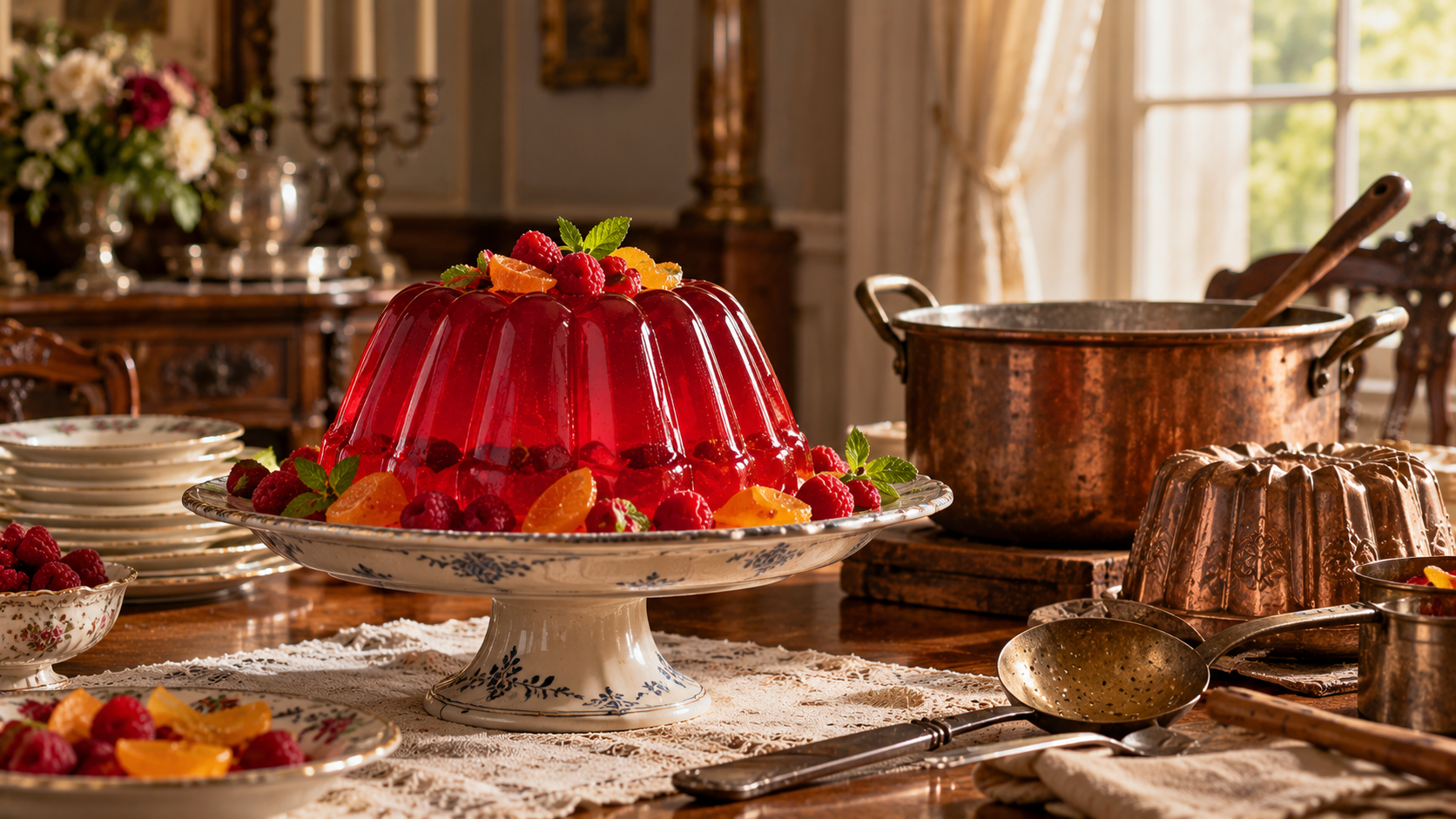
Before powdered gelatin made molded desserts convenient, cooks had to extract collagen by boiling animal parts such as calves’ feet for hours. The mixture then needed straining, clarifying, flavoring, molding, and chilling. Elaborate jellies were so labor-intensive that they were once associated with wealthy households that could afford kitchen staff. Dessert used to require a full-time team.
Jell-O’s Creator Sold the Rights for Just $450
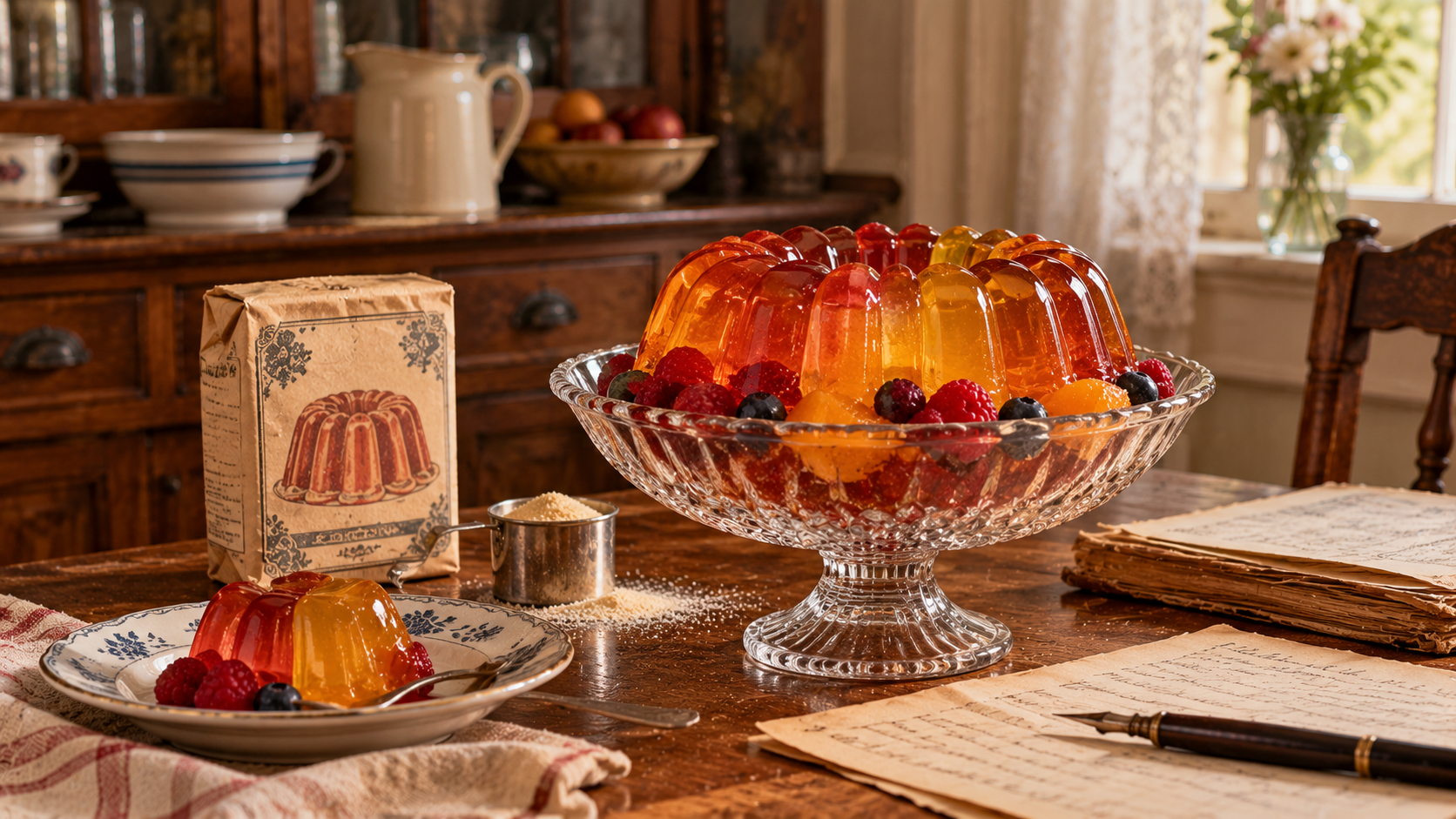
Pearle Wait combined flavored ingredients with powdered gelatin and gave his new dessert the name Jell-O. But he struggled to turn it into a successful business. In 1899, he sold the rights to Orator Woodward for just $450. Woodward’s company later promoted the product aggressively, helping it become a household name. Not exactly the greatest deal in dessert history.
Trending on The Scroller

Modern Canning Was Developed Because Napoleon Needed Food for His Troops
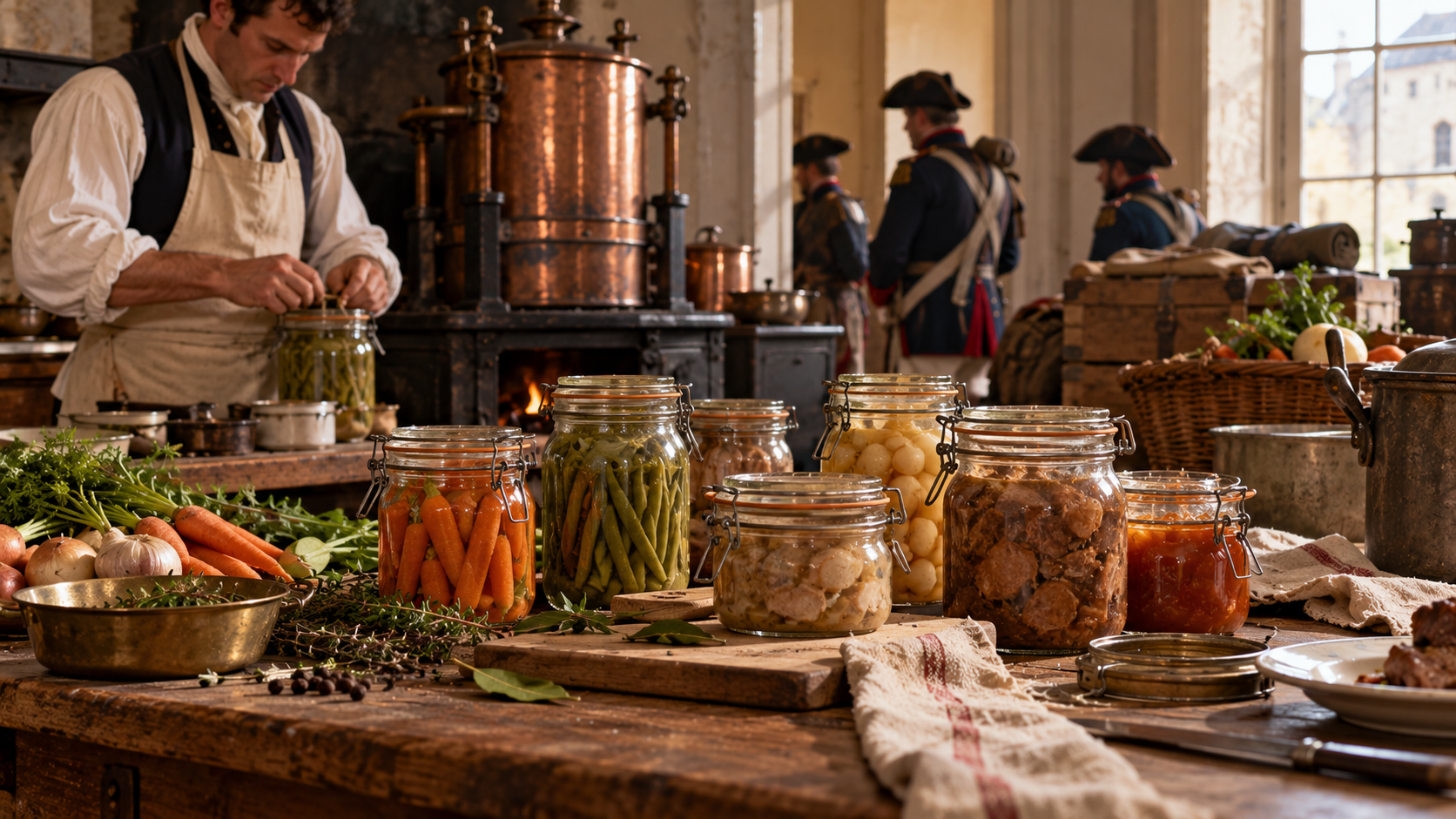
In 1795, the French government offered a 12,000-franc reward for a reliable way to preserve large quantities of food for soldiers on land and at sea. Nicolas Appert eventually developed a successful heat-preservation method using sealed containers and won the prize in 1809. Modern canned food owes part of its existence to military logistics. Napoleon wanted provisions, and kitchens got a revolution.
Canned Food Existed for Decades Before the Can Opener
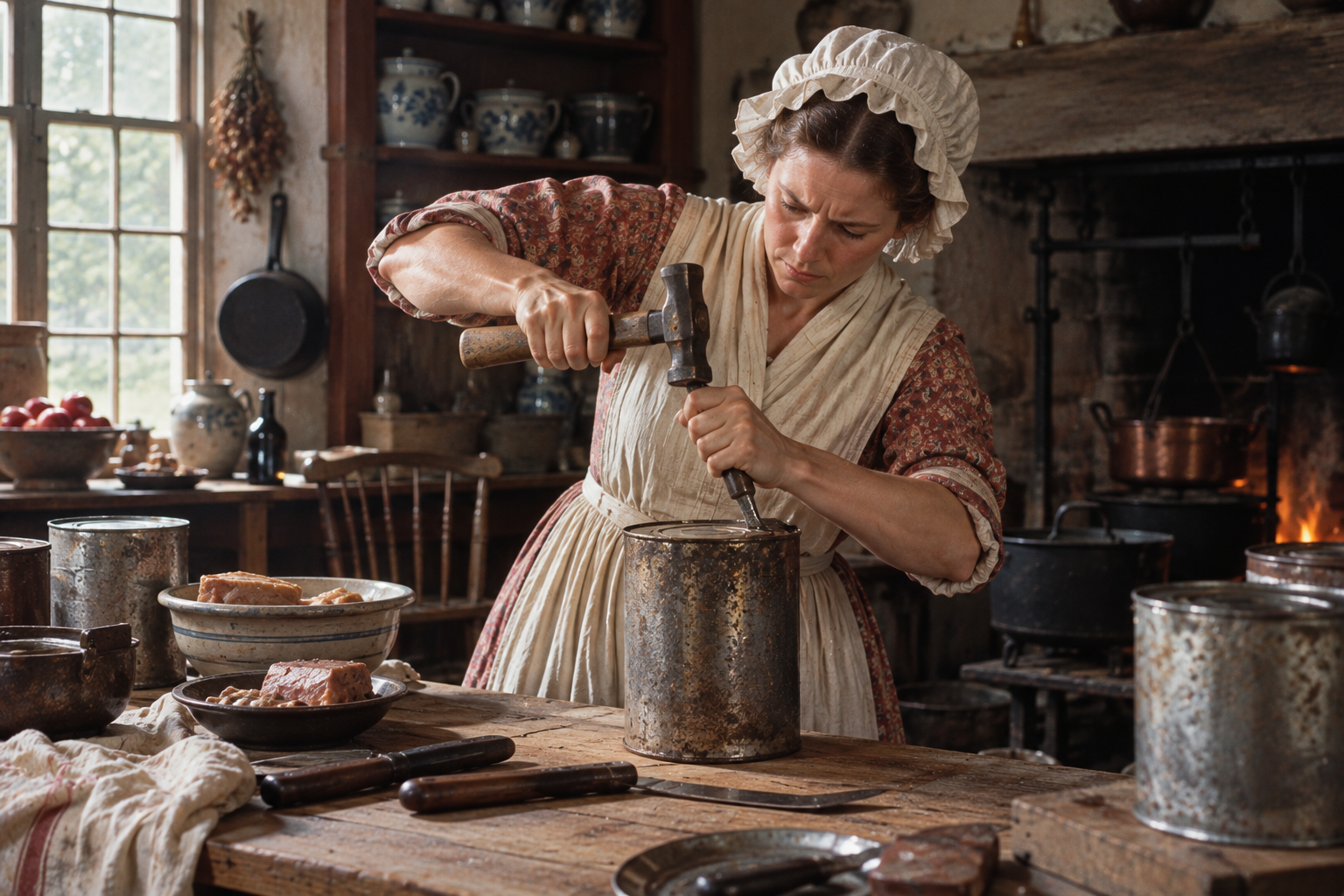
Metal food cans appeared in the early 19th century, but a purpose-built opener took much longer to arrive. Early cans were so thick that people were expected to open them with tools such as hammers and chisels. The first patented American can opener appeared in 1858, nearly half a century after metal cans were introduced. Convenience clearly wasn’t the priority.
Pre-Sliced Bread Didn’t Reach Stores Until 1928
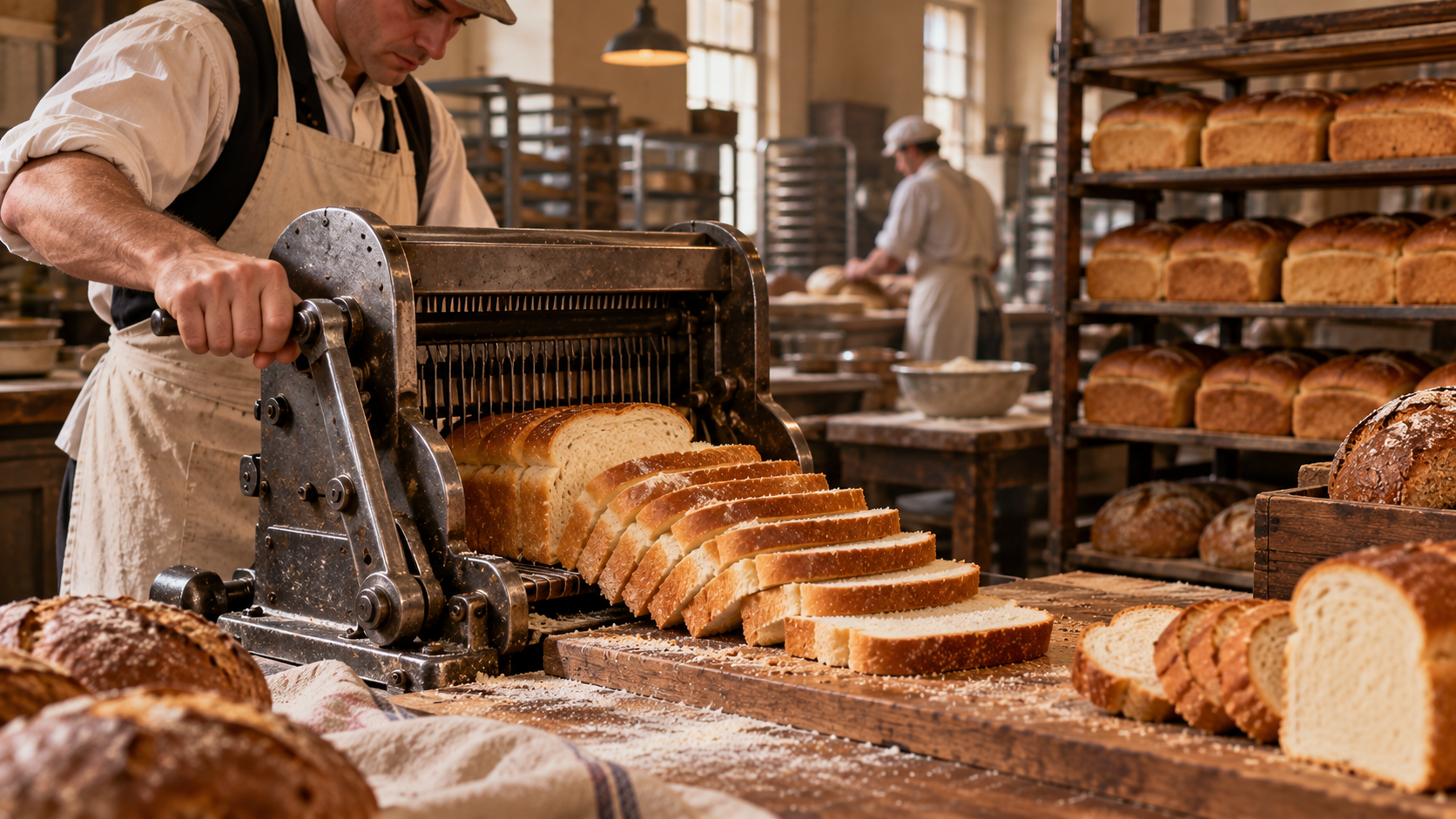
Buying a neatly sliced loaf feels like one of life’s simplest conveniences, but it wasn’t always an option. Otto Frederick Rohwedder developed a commercial bread-slicing machine that began operating at the Chillicothe Baking Company in Missouri in 1928. By the 1930s, factory-sliced bread had become widespread. It took a machine to give us something worth comparing everything else to.
Sign up for our newsletter
Frozen Food Changed After Clarence Birdseye Watched Fish Freeze

While working in Labrador, Clarence Birdseye noticed that fish exposed to extreme cold froze quickly and still tasted good months later when thawed. He realized rapid freezing created smaller ice crystals, causing less damage to food. In the 1920s, he developed a commercial quick-freezing process that helped establish the modern frozen-food industry. Sometimes, a good business idea starts with watching dinner freeze.
Today’s Supermarket Bananas Aren’t the Same Variety People Once Ate
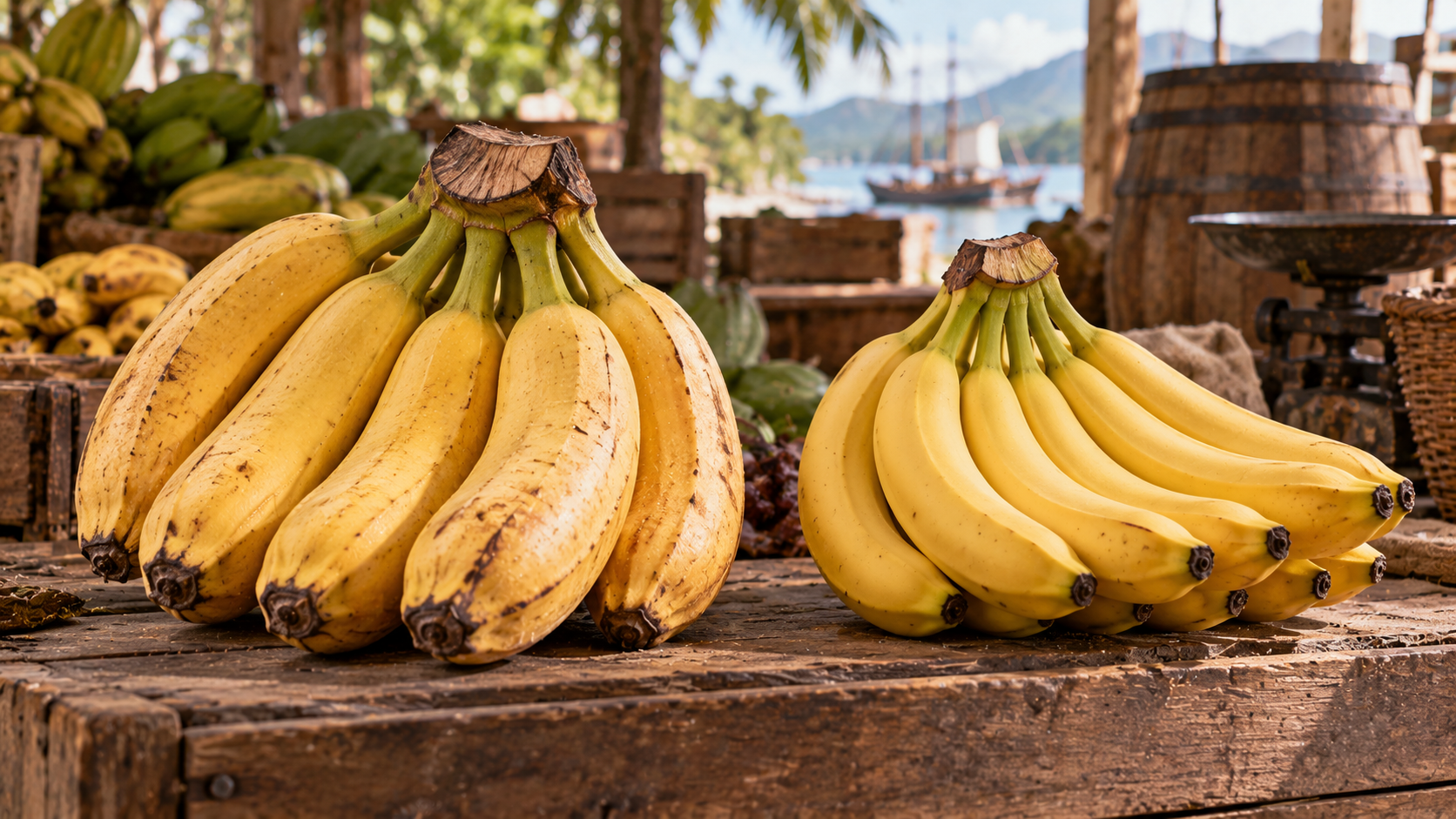
For much of the first half of the 20th century, the dominant export banana was the Gros Michel, nicknamed “Big Mike”. Panama disease devastated plantations growing the variety, pushing the international industry toward the more disease-resistant Cavendish during the mid-20th century. That means the familiar banana in today’s fruit bowl replaced a different variety. Even bananas have had a major cast change.
The TV Dinner Was Designed for America’s Television Habit
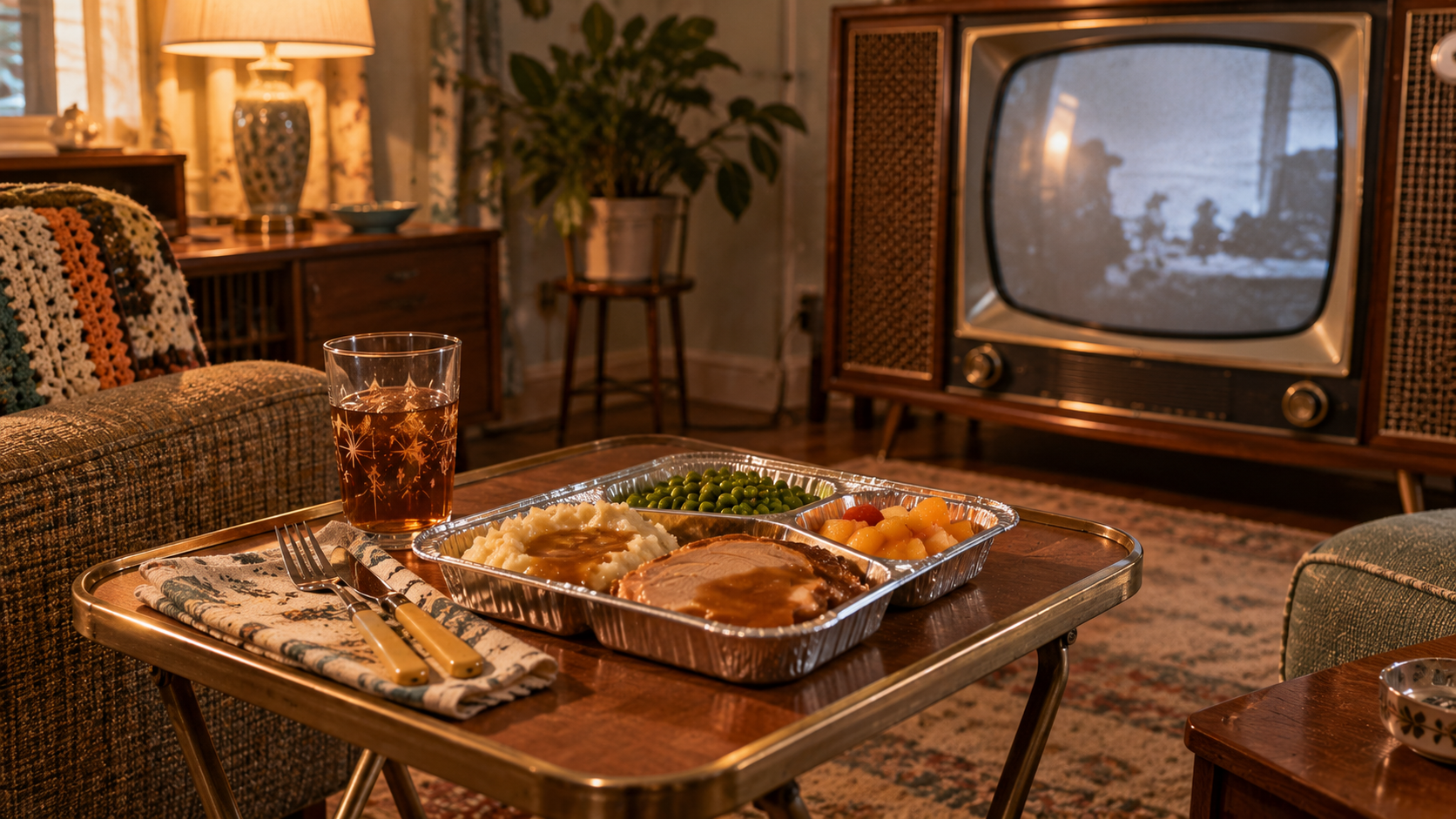
In 1954, Swanson introduced a frozen meal in a divided aluminium tray that could go straight from the freezer to the oven. The product arrived as television ownership was rapidly growing across the United States. Its name, TV Dinner, directly connected the convenient meal to the country’s new favorite living-room activity. Dinner and television were officially a package deal.
The Microwave Oven Grew Out of World War II Radar Technology
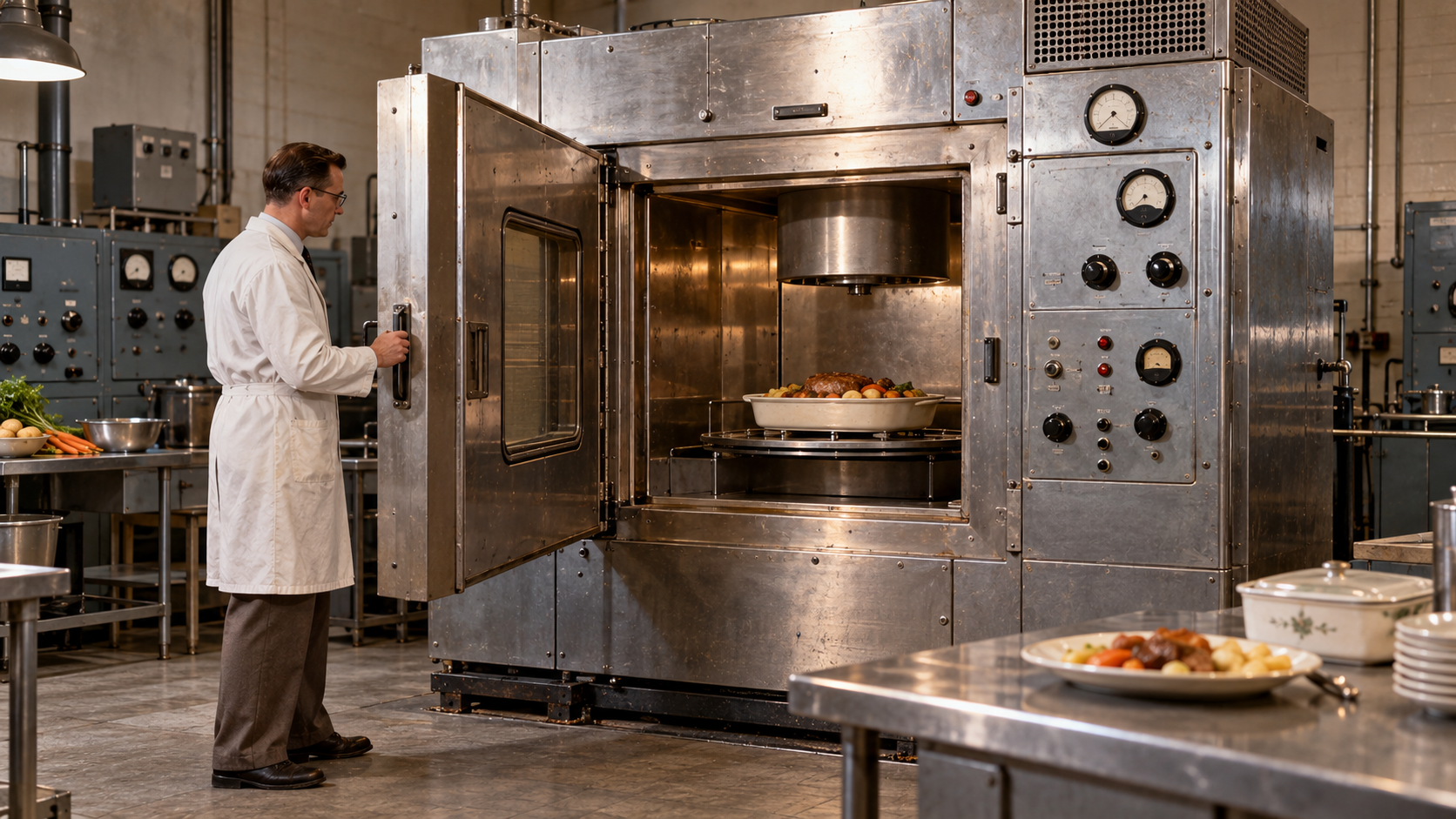
Microwave cooking has its roots in wartime radar technology. Magnetrons generated microwaves for radar systems, and Raytheon engineer Percy Spencer realized those waves could also heat food. Early commercial microwave ovens were enormous: Smithsonian records describe models around six feet tall and weighing more than 750 pounds. Today’s countertop version is a considerably easier fit.
Some States Once Tried to Make Margarine Pink
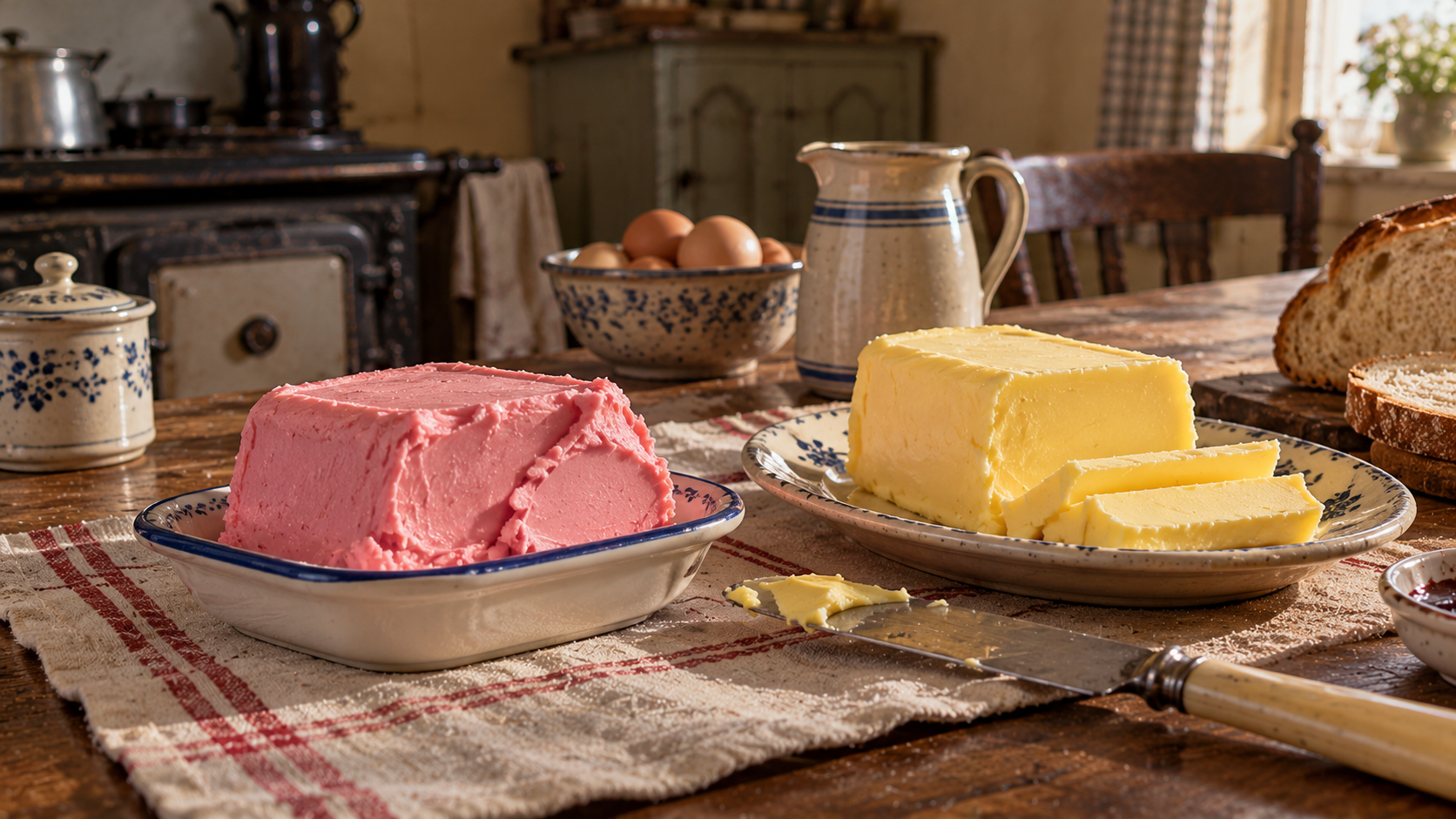
When margarine began competing with butter, the dairy industry fought back with taxes and regulations. Some states even required margarine to be colored pink, while others prohibited manufacturers from making it yellow like butter. The laws were eventually struck down, but the fight over margarine’s appearance lasted for decades. Apparently, even a spread can become a political issue.
Coca-Cola’s Famous Bottle Was Designed to Be Recognizable in the Dark
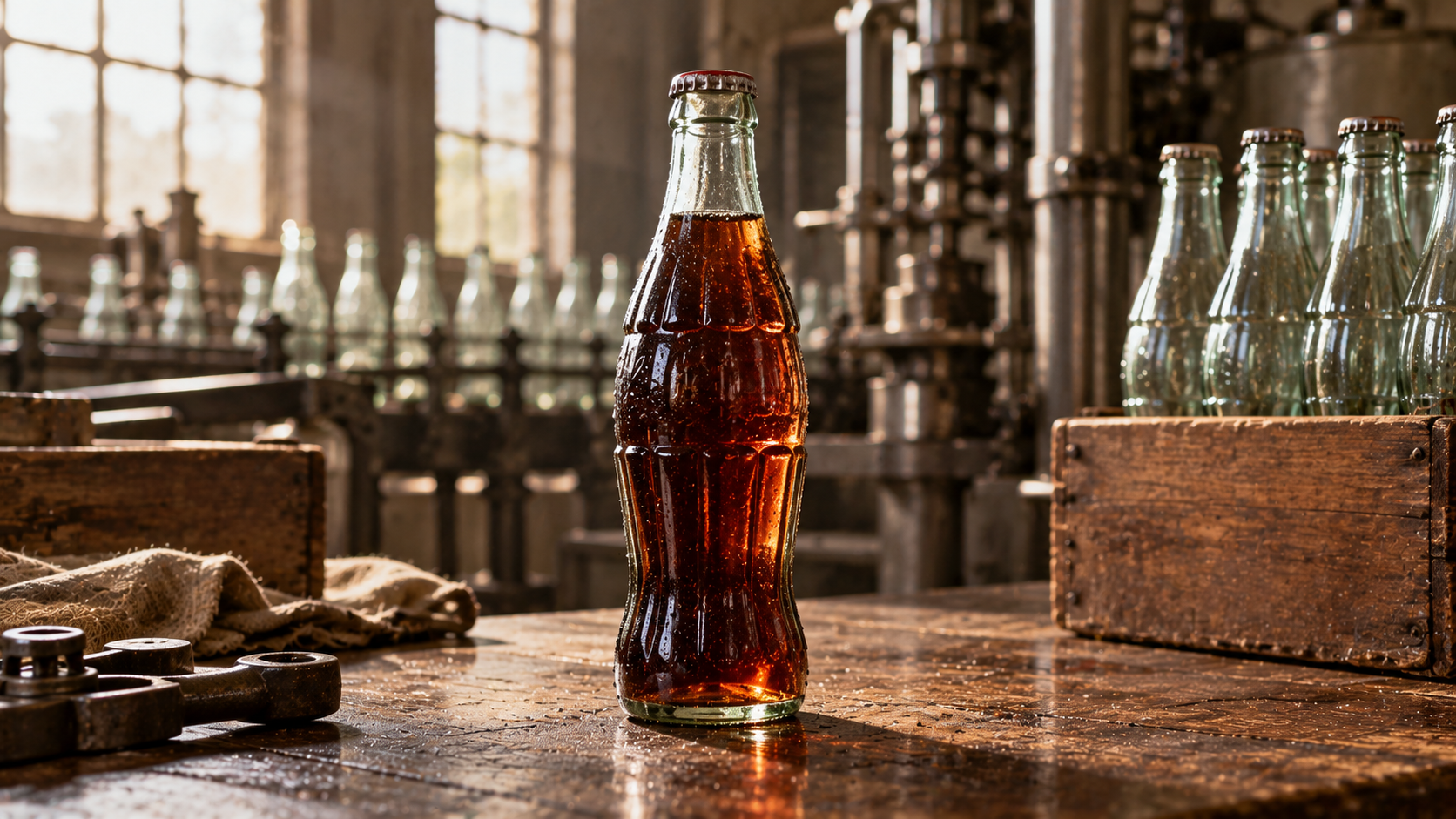
In 1915, Coca-Cola challenged glass manufacturers to create a bottle distinctive enough to be recognized by touch in the dark or even when broken on the ground. The winning design came from the Root Glass Company and evolved into the famous contour bottle. It was a clever solution to a branding problem: making sure customers knew what they were holding without even looking.
Food Safety Laws Changed After Investigators Uncovered Adulterated Products
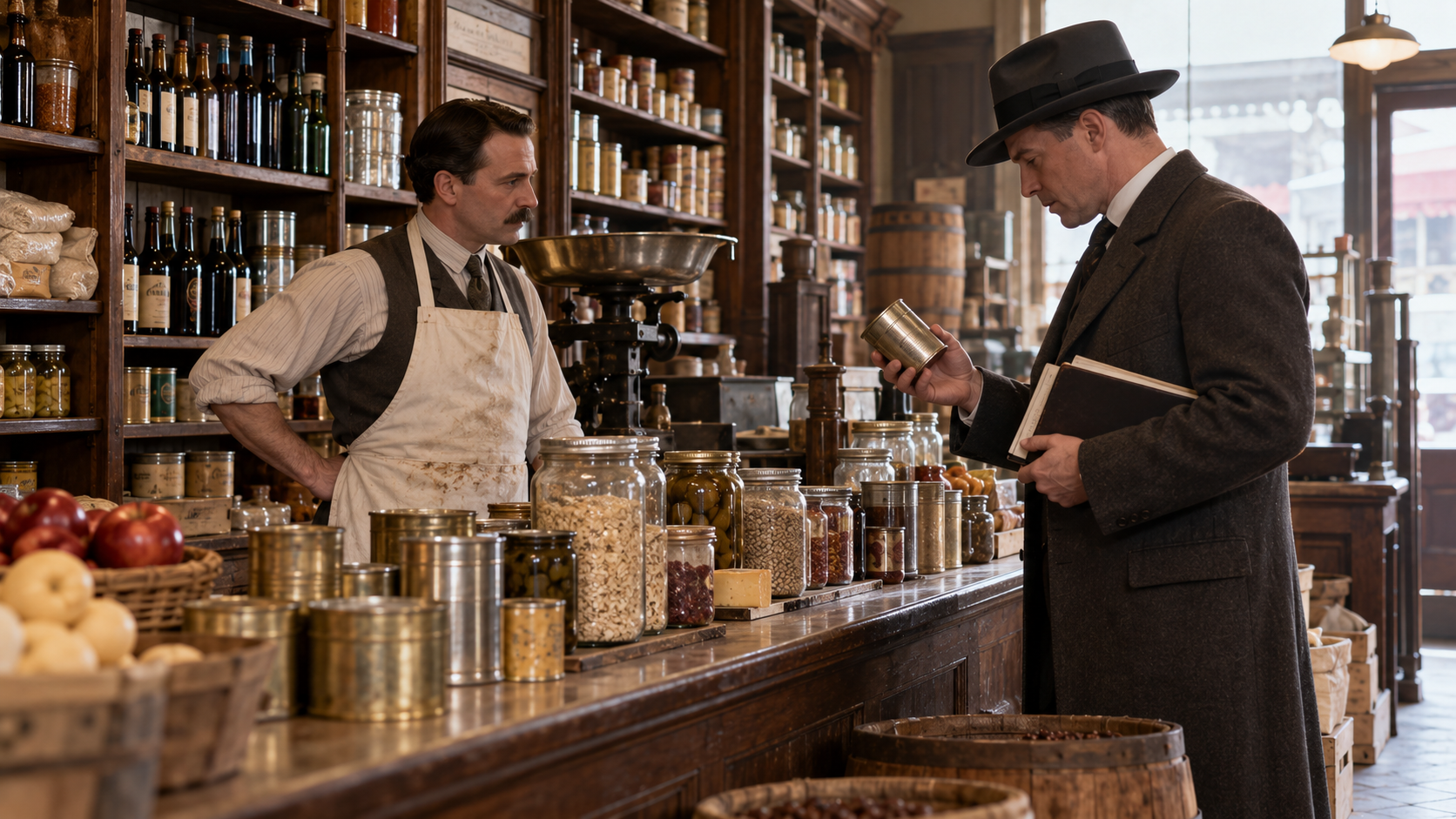
At the turn of the 20th century, American shoppers had far fewer federal protections against misleading labels and adulterated food. Investigations exposed problems involving unsafe preservatives, dyes, and deceptive labelling. Ithe n 1906s, the Food and Drugs Act prohibited interstate commerce in adulterated and misbranded food, helping establish the foundation of the modern federal food-safety system. Reading labels became a lot more important after that.