The corporate world is incredibly ruthless, yet some of the most powerful companies in history have unknowingly paved the way for their own ultimate destruction. Instead of crushing their rivals, these massive industry titans made disastrous strategic blunders that handed billions of dollars directly to their fiercest competitors. Whether through arrogant dismissals of new technology or terrible licensing agreements, their executive mistakes completely altered the global market landscape.
Watching a massive monopoly accidentally fund its own downfall is a fascinating lesson in corporate hubris. These incredible business blunders prove that even the most educated board of directors can completely fail to see the future of their own industry. Exploring these legendary financial missteps reveals how a single signature on a contract can build an empire for the enemy. Here are twelve historical moments where massive brands accidentally helped their biggest rivals conquer the market.
1. Xerox and Apple

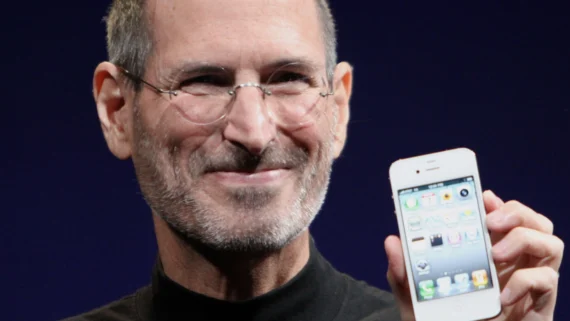
In 1979, Xerox executives allowed Steve Jobs to tour their highly secretive PARC facility in California in exchange for allowing them to buy Apple stock. Jobs completely absorbed their revolutionary graphical user interface and computer mouse designs, ultimately using that exact technology to launch the wildly successful Apple Macintosh in 1984, while Xerox faded from the personal computing race.
2. Blockbuster and Netflix
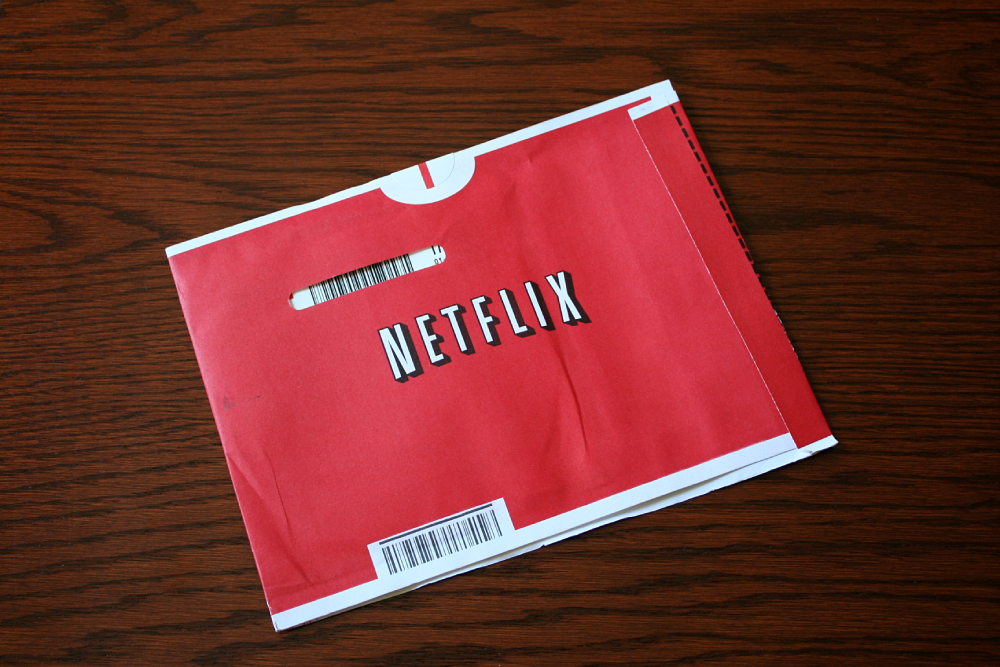
When Netflix founders Reed Hastings and Marc Randolph offered to sell their struggling DVD mailing service for fifty million dollars in 2000, Blockbuster CEO John Antioco literally laughed them out of his Dallas office. This arrogant rejection allowed the tiny startup to survive and completely dominate the digital streaming revolution, forcing the massive video rental chain into absolute bankruptcy just ten years later.
3. IBM and Microsoft

Desperate to quickly launch their very first personal computer in 1980, IBM hired a tiny startup called Microsoft to provide the operating system. In a catastrophic oversight, IBM executives allowed Bill Gates to retain the licensing rights to the MS-DOS software, allowing him to sell the exact same operating system to every single IBM hardware clone that subsequently flooded the global market.
4. Excite and Google
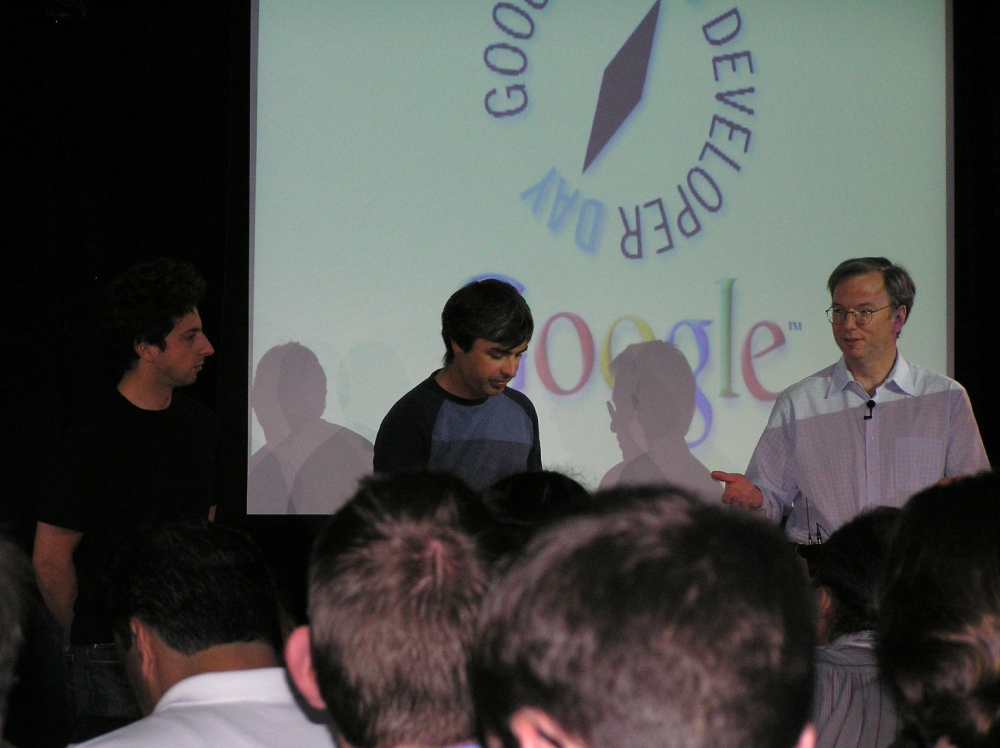
During the dot-com boom in 1999, Google founders Larry Page and Sergey Brin offered to sell their entire search engine to internet portal Excite for less than one million dollars. Excite CEO George Bell completely rejected the incredible deal because he felt the fast search technology would actually encourage users to leave his website too quickly, handing total internet supremacy directly to Google.
5. Sony and Nintendo

Sony partnered closely with Nintendo in the late 1980s to develop a CD-ROM console, but Nintendo executives publicly betrayed them at the 1991 Consumer Electronics Show by announcing a sudden partnership with Philips instead. Absolutely furious at the public humiliation, Sony executive Ken Kutaragi convinced his bosses to develop their own standalone gaming hardware, accidentally creating the massive PlayStation empire.
Trending on The Scroller


6. Sears and Amazon

Despite inventing the modern concept of buying everything literally through a massive mail catalog, Sears completely ignored the rising internet retail trend during the late 1990s to focus strictly on physical real estate. By refusing to digitize their legendary logistics network early on, the historic American retailer basically left the door wide open for Jeff Bezos to build Amazon into the ultimate digital store.
7. Yahoo and Facebook
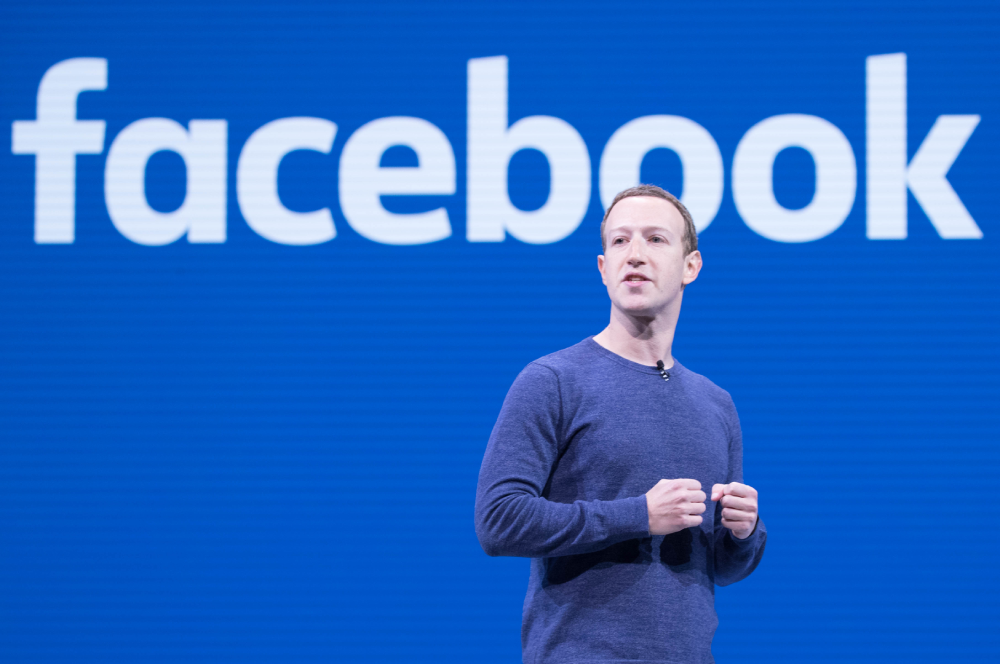
In the summer of 2006, Yahoo offered twenty-two-year-old Mark Zuckerberg exactly one billion dollars to purchase his growing college networking site called Facebook. When Yahoo executives suddenly lowered their official offer to eight hundred million due to a minor stock drop, an insulted Zuckerberg walked away from the negotiating table and successfully built a trillion-dollar social media monopoly on his own.
8. Motorola and Apple
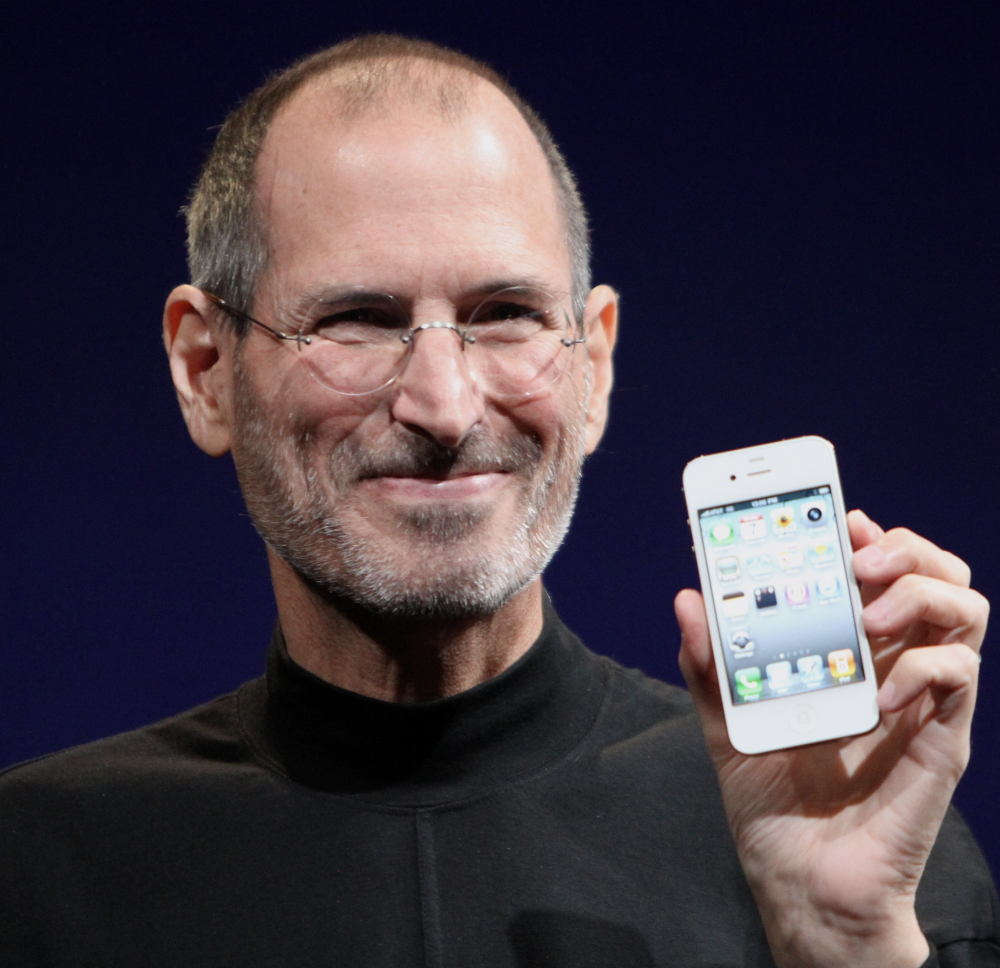
Hoping to capitalize on the massive iPod craze in 2005, Motorola partnered with Steve Jobs to create the ROKR E1, the very first mobile phone featuring iTunes integration. Jobs purposefully limited the phone to holding only one hundred songs and used the disastrous collaboration to secretly learn exactly how cellular carriers operated before launching his own revolutionary iPhone just two years later.
Sign up for our newsletter
9. Decca Records and The Beatles
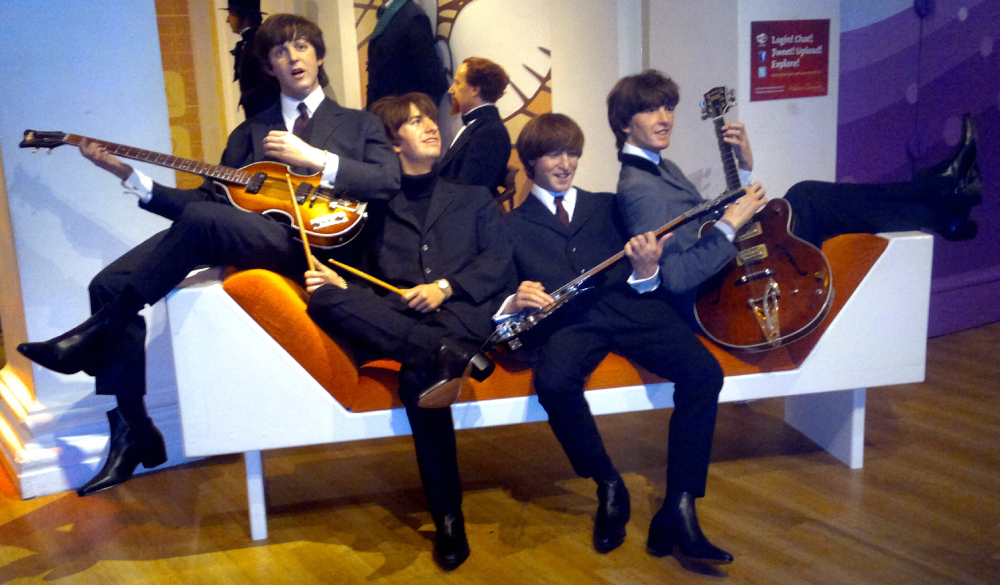
In January 1962, Decca Records executive Dick Rowe notoriously rejected a young rock group called The Beatles after a live studio audition in London, claiming that guitar bands were rapidly going out of style. The rejected musicians simply walked over to EMI Parlophone Records to sign a contract with George Martin, inadvertently handing Decca’s biggest British rival the most profitable musical act in human history.
10. Nokia and Android
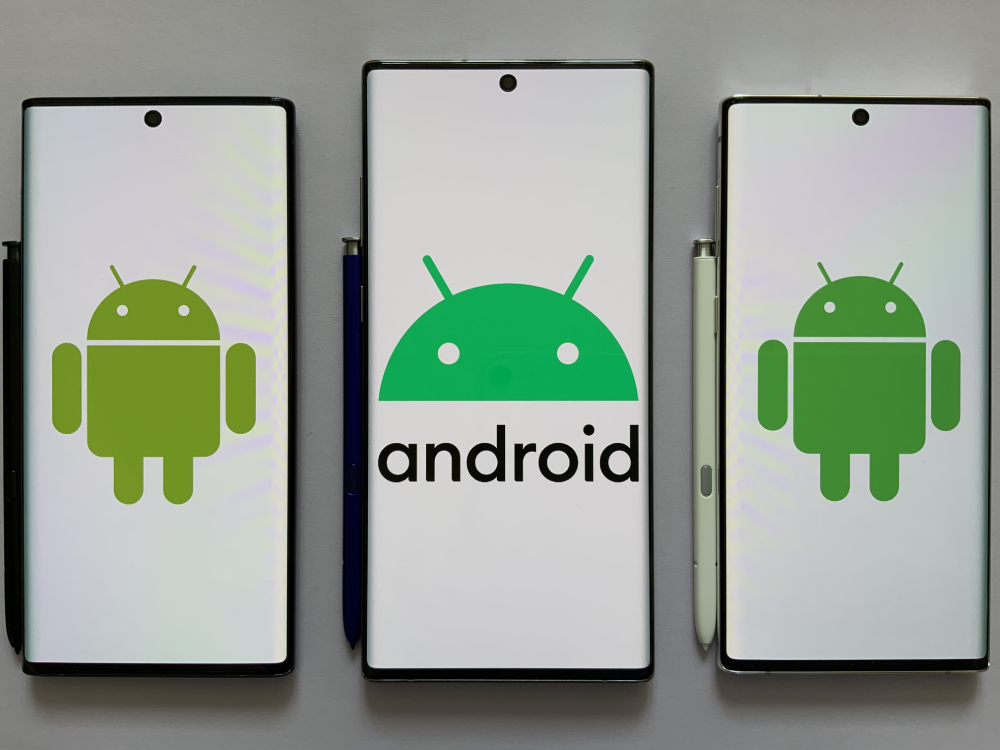
When the iPhone first launched in 2007, Nokia executives arrogantly dismissed the touch screen device as a fragile gimmick that would never survive a basic drop test. Their stubborn refusal to abandon their outdated Symbian operating system allowed Google to offer the free Android platform to desperate hardware manufacturers like Samsung, completely erasing Nokia from the global smartphone market they once dominated.
11. Western Union and the telephone
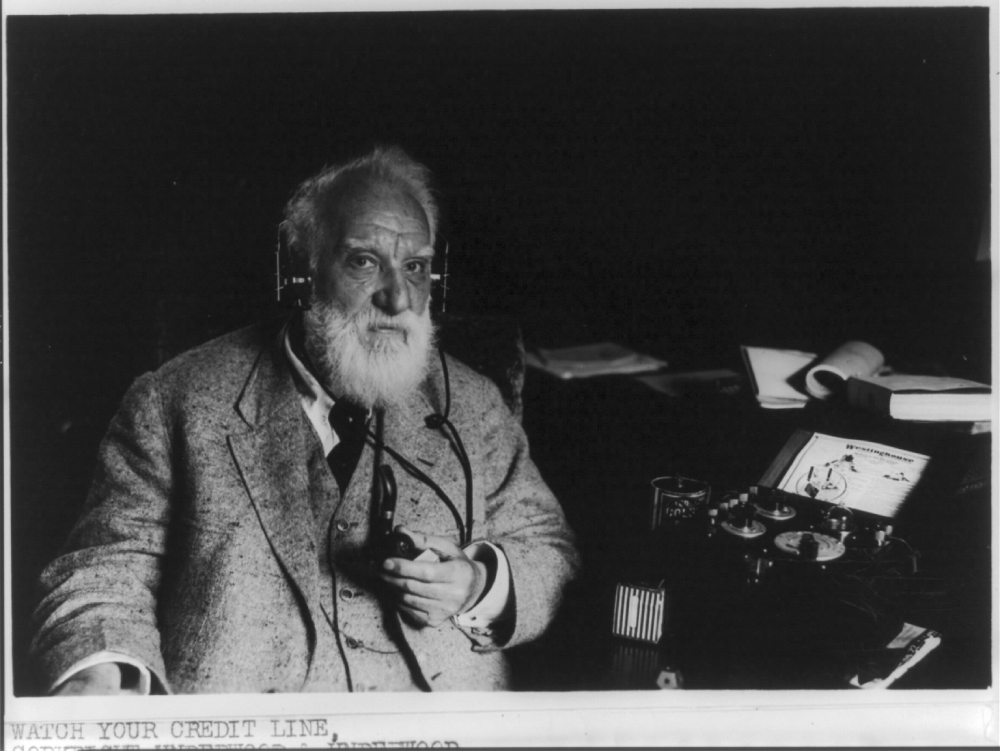
When inventor Alexander Graham Bell offered to sell his original telephone patent to the massive Western Union telegraph monopoly for a mere one hundred thousand dollars in 1876, president William Orton flatly refused. Orton arrogantly dismissed the voice-transmitting device as a useless electrical toy, accidentally forcing Bell to establish the legendary AT&T corporation that would eventually render the telegraph completely obsolete.
12. Kodak and digital photography
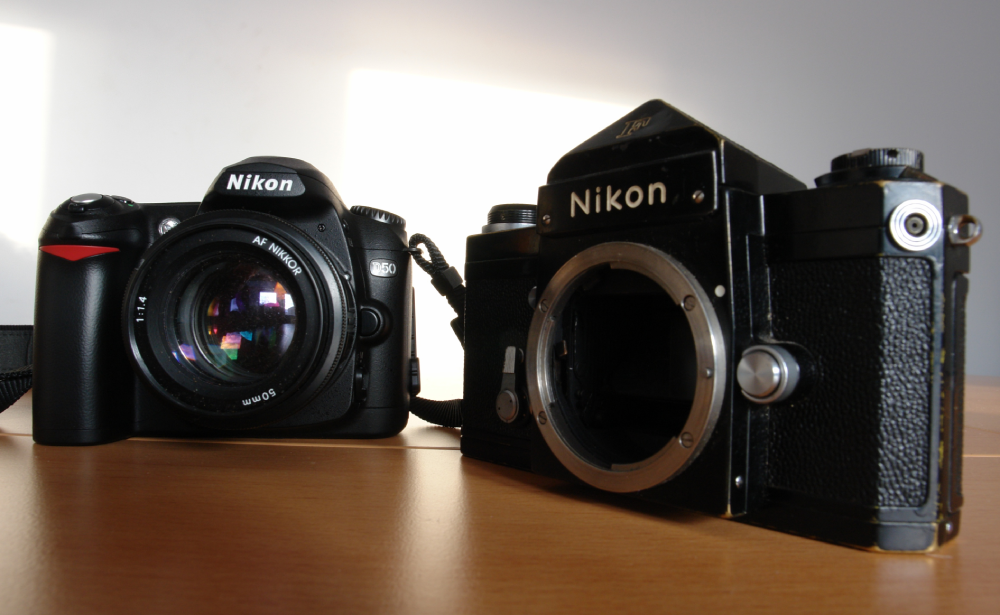
In 1975, Kodak engineer Steve Sasson successfully invented the world’s very first digital camera inside the company laboratories in Rochester, New York. Because Kodak made all of its massive profits from selling physical film and chemical developers, executives actively suppressed the groundbreaking digital technology for decades, allowing agile competitors like Canon and Nikon to completely take over the modern photography market.
Explore more stories about brands’ history:
Looking back at these catastrophic boardroom decisions proves that arrogance is usually the most expensive emotion in the business world. While these massive corporations desperately tried to protect their comfortable monopolies, they ultimately funded the exact visionaries who would replace them. If you love exploring forgotten corporate mysteries, make sure to check out these: How Big Brands Fumbled and Lost Their Fans or these Pantry Ghosts: 14 Forgotten Food Brands from the Past. You may also like these 16 Iconic American Companies Started On a Budget.