
Some brands feel too big to fail, until a new habit, a missed turn, or a faster competitor changes the script. This list looks at once-iconic names that drifted from what customers loved and couldn’t win them back. The details differ, but the pattern is the same: lose focus, lose fans.
Scroll for 15 stories of brands that stumbled, stalled, and watched loyalty walk out the door.
1. Nokia

It owned the mobile era with sturdy phones and simple software. Touchscreens and app ecosystems arrived, and Nokia stuck with old bets for too long. By the time it pivoted, customers had moved on.
2. BlackBerry

Email on the go made it a status symbol. But the company clung to keyboards while iOS and Android won on apps and touch. Security couldn’t save it from a shrinking fan base.
3. Kodak

The name meant film, photos, and family memories. Digital cameras, then smartphones, changed how we shoot and share. Kodak invented pieces of that future, but it failed to lead it.
4. Sears
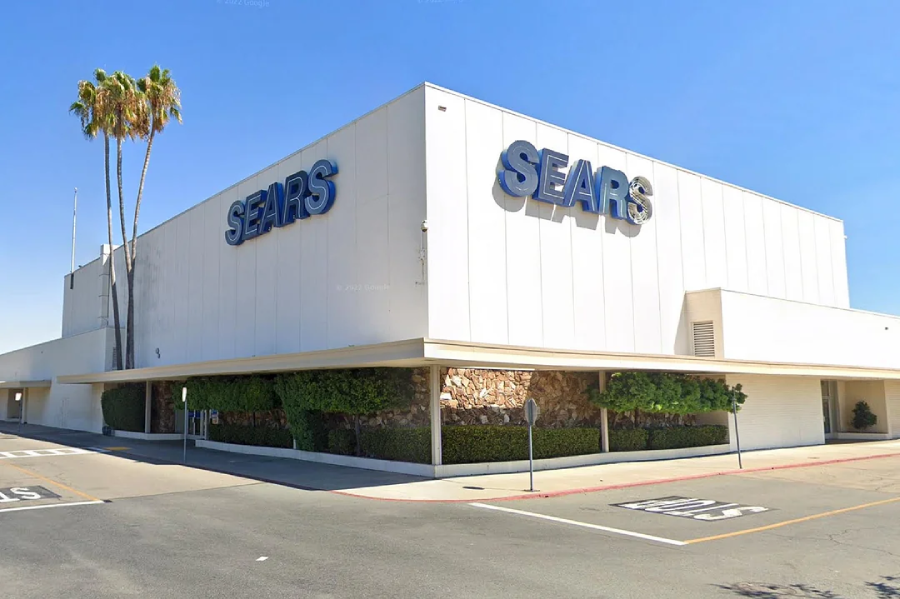
It was retail before retail had a name -catalogs, appliances, everything. Malls faded, online grew, and Sears cut muscle along with costs. Stores felt tired, and shoppers left.
5. Blockbuster

Friday night plans started here. Late fees and slow digital moves handed Netflix the narrative. By the time streaming took over, the blue-and-yellow signs were just memories.
Trending on The Scroller
6. Toys “R” Us

A warehouse of wonder for kids and parents. Debt, e-commerce, and weak in-store experiences drained the magic. Brand love stayed, but foot traffic didn’t.
7. MySpace
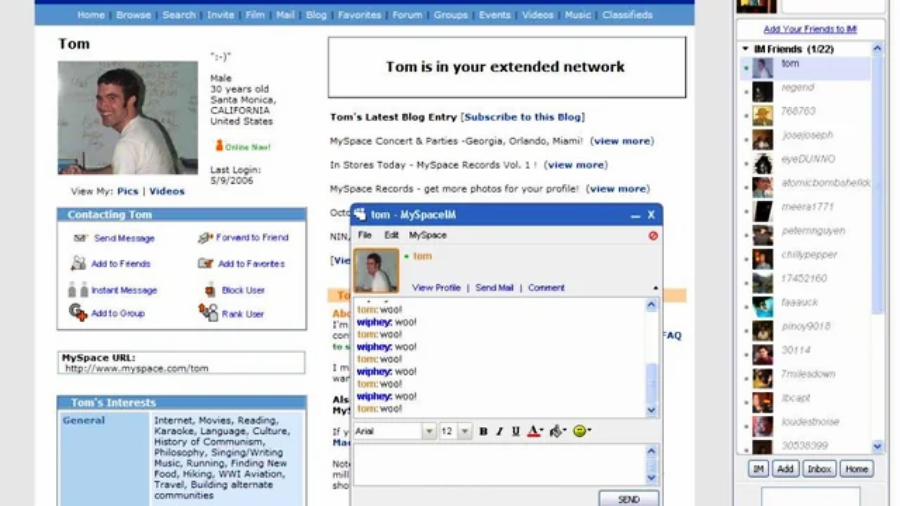
Music, profiles, and glitter graphics ruled the 2000s. Clutter, spam, and slow product fixes opened the door for Facebook. Fans didn’t just drift, they bolted.
8. Yahoo

Portals, mail, and news defined early web life. Strategy zigzagged through acquisitions and leadership changes. Without a clear product core, users found better homes.
Sign up for our newsletter
9. JCPenney

It served middle America basics for decades. A high-fashion pivot confused loyal shoppers and broke the promo playbook. Sales sagged, and trust took time to rebuilt.
10. Gap
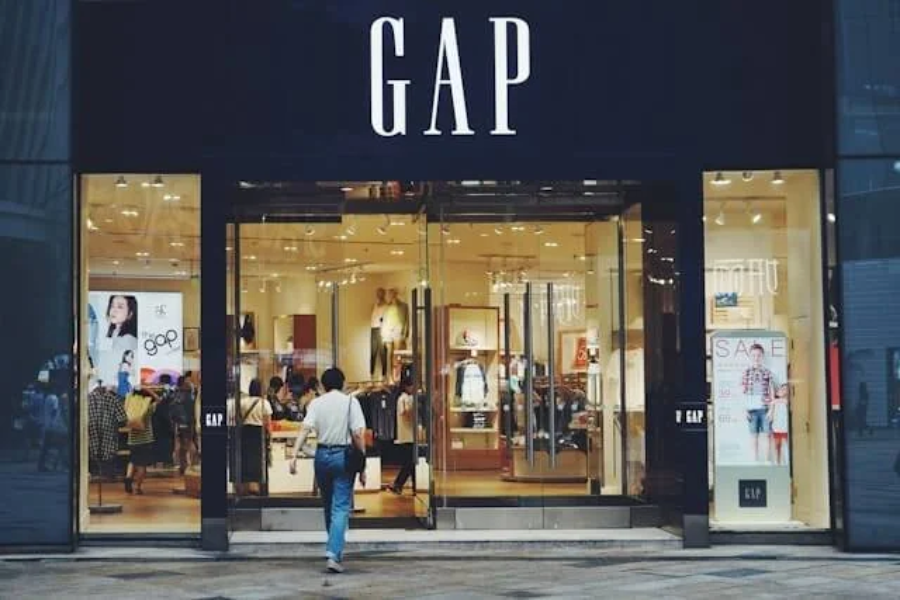
Clean basics and iconic ads made it the closet default. Trends outpaced design refreshes, and pricing felt messy. Shoppers went to brands with a sharper point of view.
11. Abercrombie & Fitch

Dark stores, loud music, and logo tees printed money, until the culture moved on. Exclusionary vibes and dated fits lost Gen Z. Reinvention came late, but it finally did.
12. Forever 21

Fast fashion, faster checkout. Quality questions and sameness hit as thrift, resale, and sustainability rose. The mall lost steam, and so did the brand.
13. RadioShack

Tinkerers and cables lived here. Big-box and online ate the accessory aisle, and the brand never found a new role. Store closures followed.
14. Circuit City

TV walls and weekend deals made it an electronics giant. Cutting service and chasing short-term margins backfires against Best Buy and Amazon. Customers went where help still existed.
15. Polaroid

Instant photos felt like magic. Digital sharing and phone cameras made “instant” a tap, not a print. Nostalgia keeps it alive, but the mass market is gone.
Explore more nostalgic content:
These brands show how easy it is to drift when the customer moves faster than the roadmap. The wins were real, but so were the blind spots. If you like these time-capsule stories, keep the scroll going with these School Yearbooks of People Who Later Changed the World, or these Yearbook Portraits of Future Tech Giants. You can also check these 20 Companies That Took Shrinkflation Too Far.