Walking down the aisles of a modern grocery store, it is easy to assume that our favorite snacks and beverages have been around forever. However, the fiercely competitive food industry is a brutal battlefield where even the most dominant grocery brands can completely vanish overnight. Before digital marketing and social media influencers dictated our shopping habits, massive food conglomerates relied on catchy television jingles and vibrant packaging to conquer the American pantry.
Despite spending millions on aggressive advertising campaigns, many of these iconic household staples simply failed to survive shifting consumer tastes or disastrous corporate buyouts. Products that once sponsored massive daytime radio shows or completely dominated the breakfast table have quietly disappeared, leaving behind nothing but intense waves of culinary nostalgia. Exploring the forgotten history of these discontinued products reveals just how rapidly grocery empires can crumble. Here are fourteen legendary food companies that vanished from our kitchen cabinets.
1. Hydrox cookies
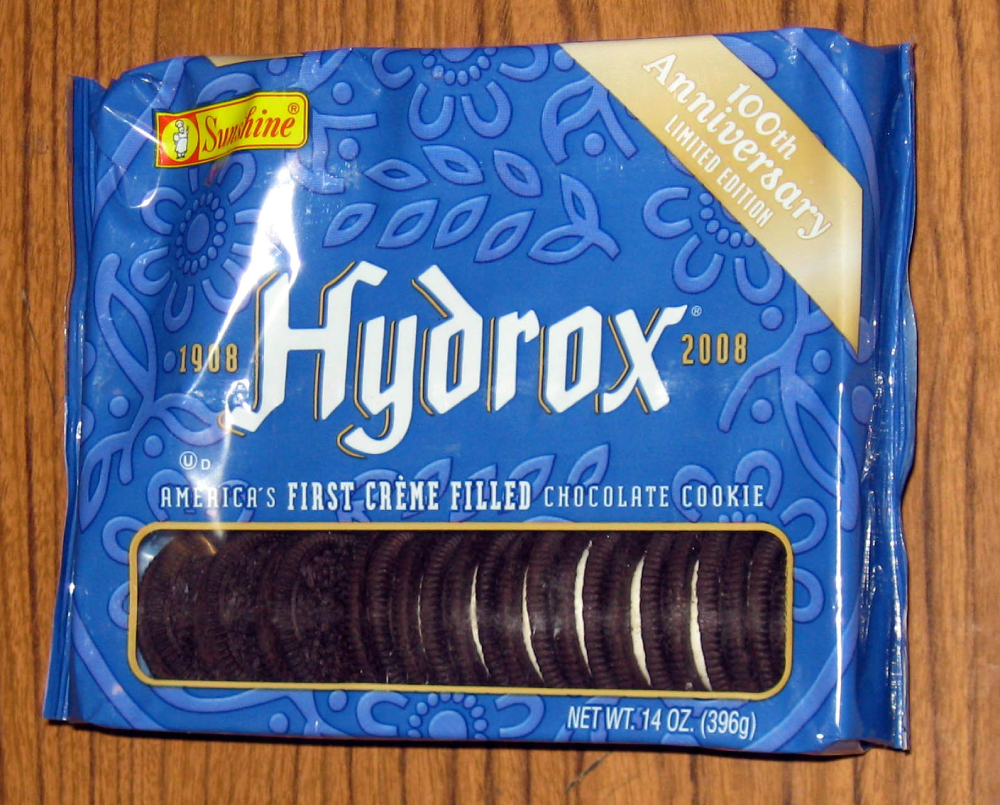
Introduced by Sunshine Biscuits in 1908, these vanilla creme chocolate sandwich cookies were actually the original inspiration for the Oreo. Despite dominating the market for four years before Nabisco released its famous knockoff in 1912, consumers eventually assumed Hydrox was the cheap imitation, leading Kellogg’s to discontinue the misunderstood brand in 1999.
2. Postum
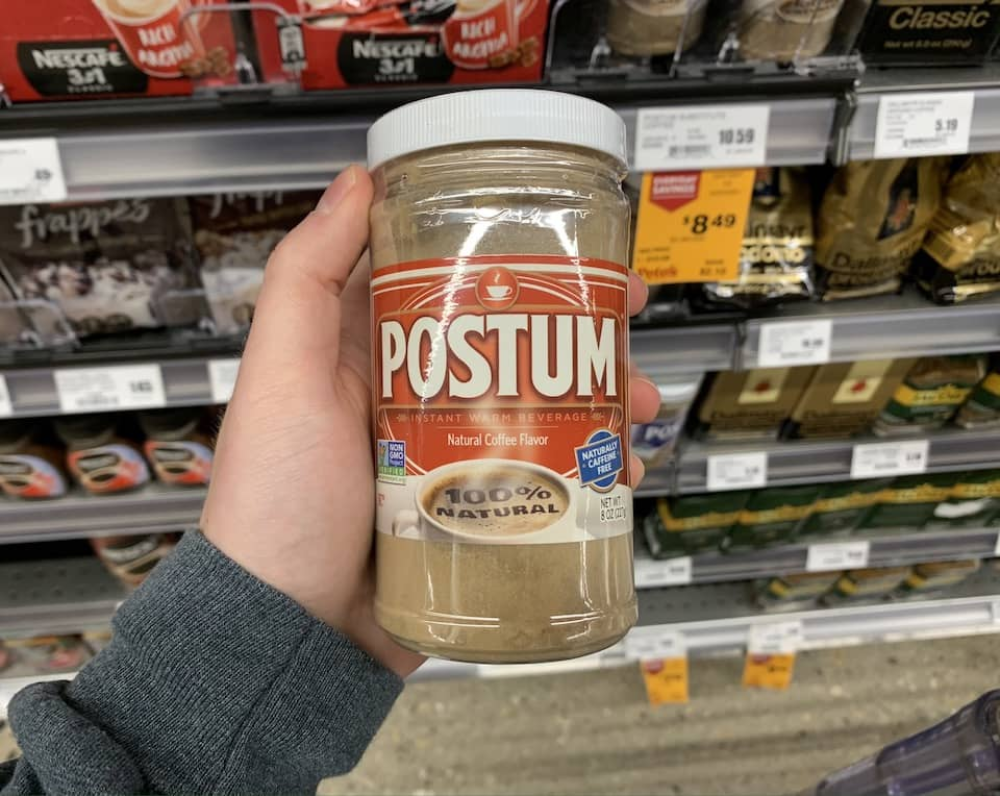
Created by breakfast pioneer C.W. Post in 1895 as a caffeine-free coffee alternative, this roasted wheat bran beverage became a massive national sensation. The company famously sponsored the hit 1930s radio detective show “Dick Tracy” before Kraft slowly phased it out in 2007 as modern coffee culture took over the world.
3. Gatorgum
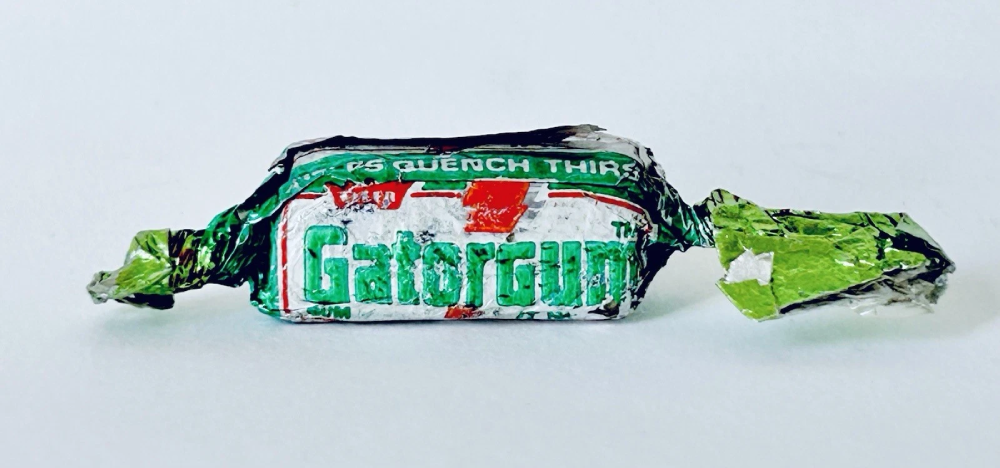
In 1976, the Fleer Corporation partnered directly with Gatorade to launch a sour, lemon-lime chewing gum specifically engineered to quench athletic thirst. The aggressively tart squares were immensely popular among 1980s Little League baseball teams before the product abruptly vanished from convenience stores in 1989 due to declining sales.
4. Squeezit
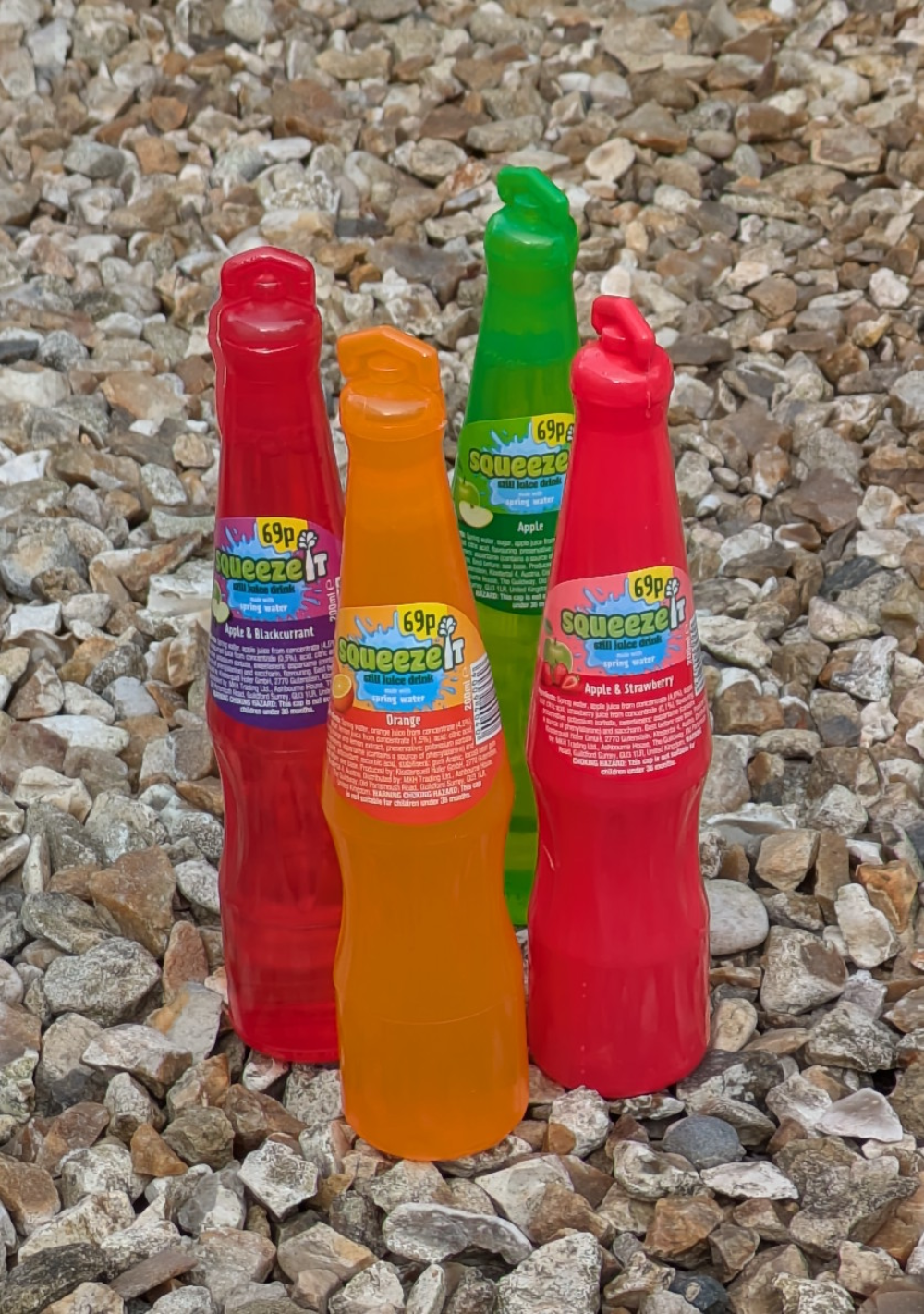
General Mills completely revolutionized children’s lunchboxes in 1985 by introducing this brightly colored, fruit-flavored juice packed inside a squeezable plastic bottle. Featuring bizarre mascot faces molded directly into the packaging with names like Chucklin’ Cherry, the beloved juice thrived throughout the 1990s before being officially retired in 2001.
5. Jell-O pudding pops
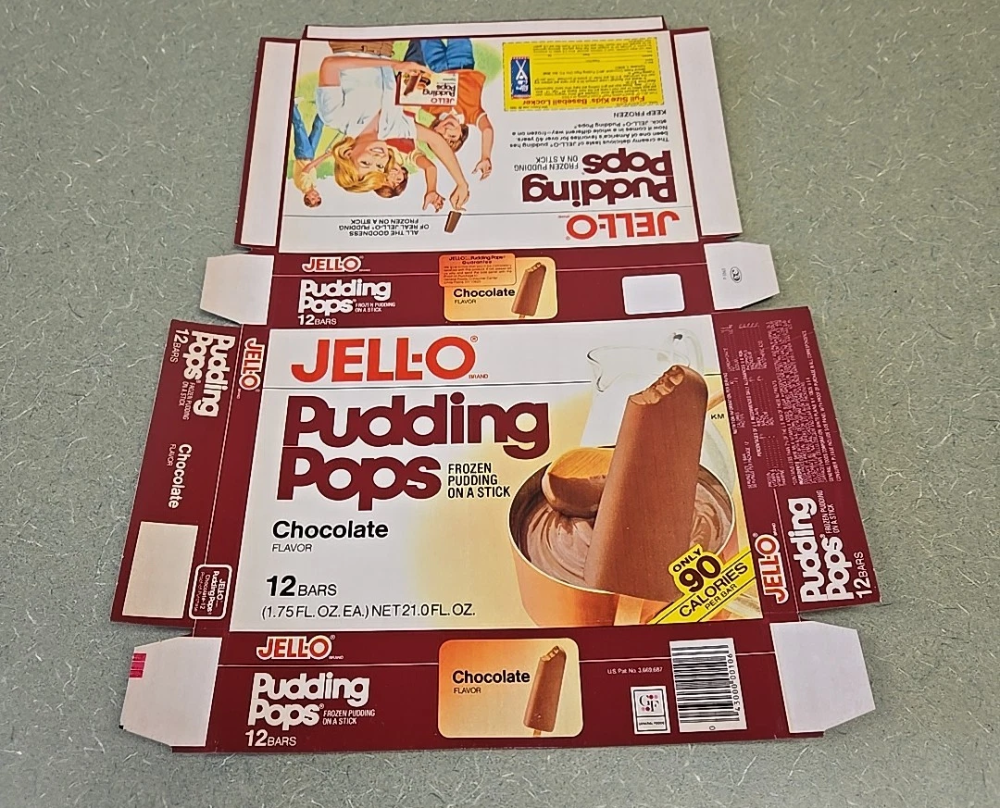
Bill Cosby aggressively pitched these frozen treats throughout the 1980s, helping General Foods sell a staggering sixty million dollars worth of the icy pudding on a stick during their debut year. Despite extreme consumer popularity, the icy snacks quietly disappeared in the mid-1990s because they proved far too expensive for the parent company to mass-produce efficiently.
Trending on The Scroller


6. OK Soda
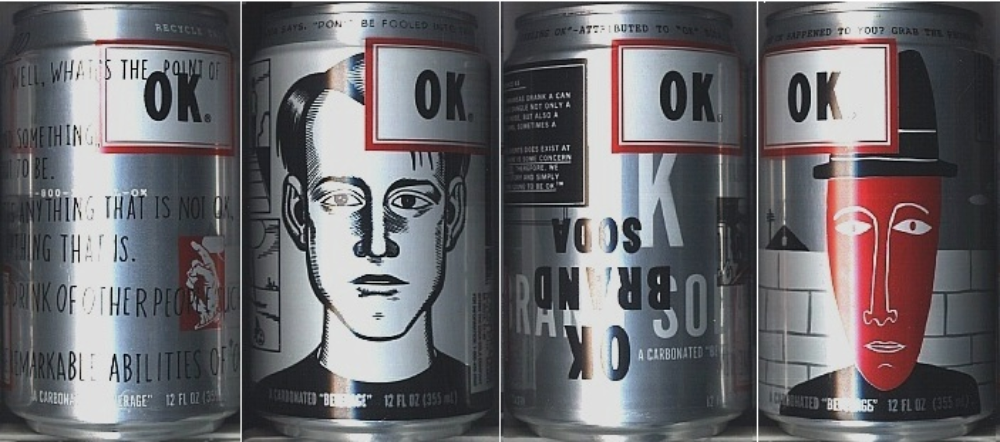
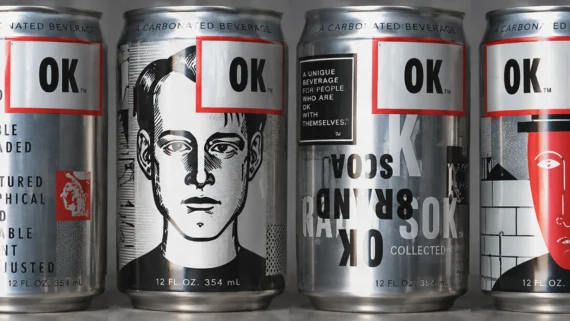
The Coca-Cola Company launched this cynical, Generation X-targeted beverage in 1994, featuring stark gray cans designed by alternative comic book artists like Daniel Clowes. The dark, fruity soda actively marketed itself with depressing slogans like “Things are going to be OK,” which ultimately failed to resonate with teens and forced a nationwide cancellation just seven months later.
7. Keebler Magic Middles
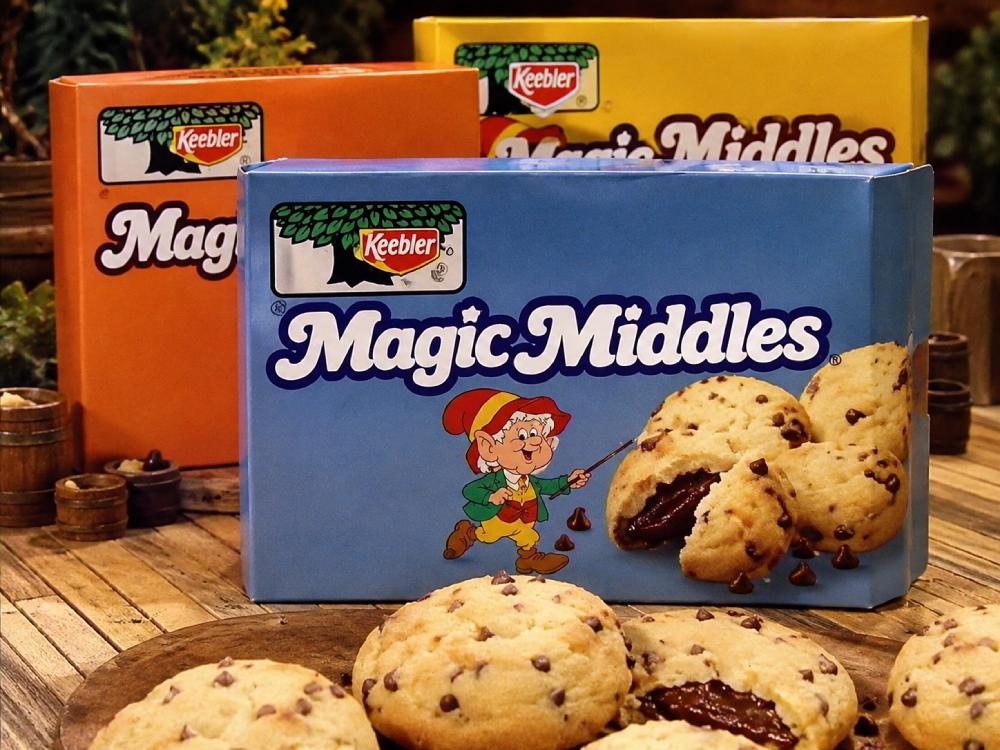
During the late 1980s, the famous Keebler Elves introduced an incredibly popular shortbread cookie injected with a massive core of soft, rich fudge. Despite intense public outcry and dedicated fan campaigns, the company quietly pulled the beloved treats from supermarket shelves in the 1990s to use the expensive manufacturing equipment for a different product line entirely.
8. Clearly Canadian
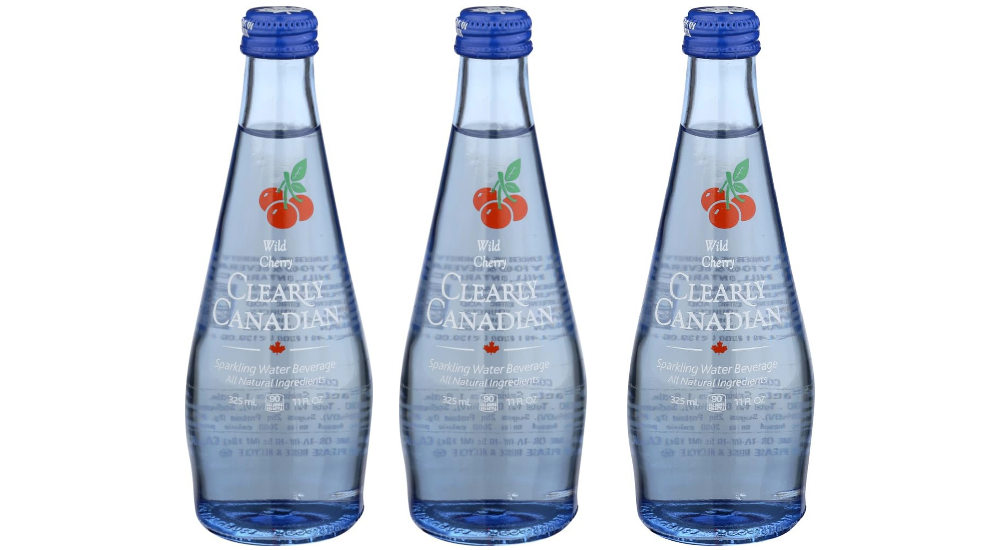
This sparkling, fruit-flavored spring water completely dominated the premium beverage market in 1993, earning over two hundred million dollars in annual revenue. Known for its beautiful teardrop-shaped glass bottles, the company struggled through severe corporate mismanagement and massive factory debts before fading into near-total obscurity by the early 2000s.
Sign up for our newsletter
9. Space Food Sticks
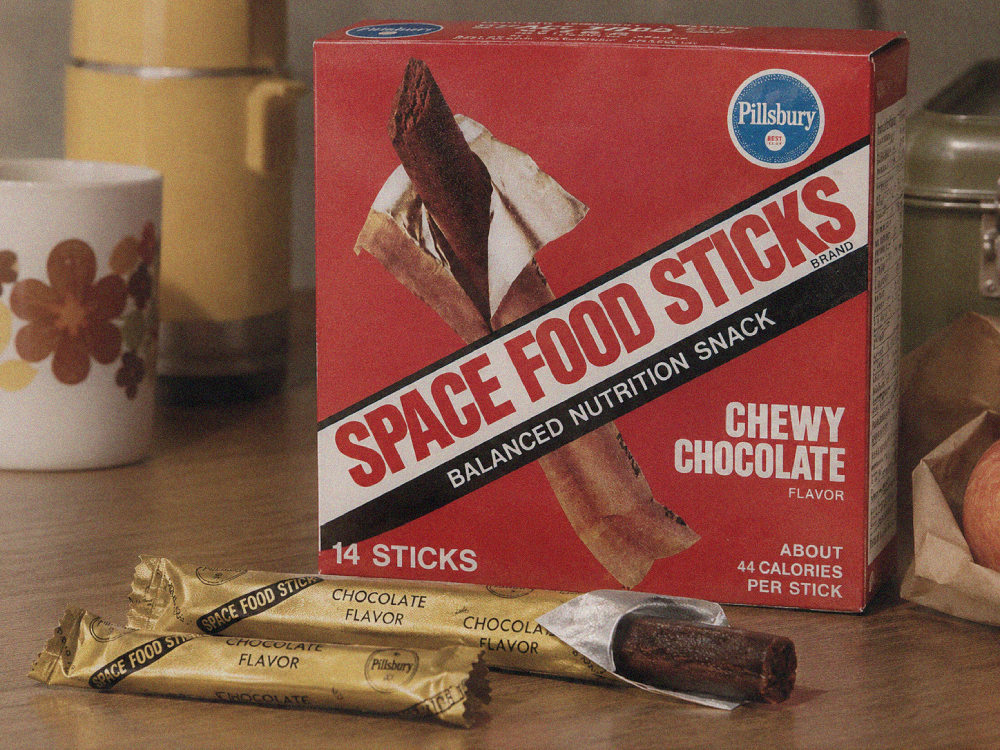
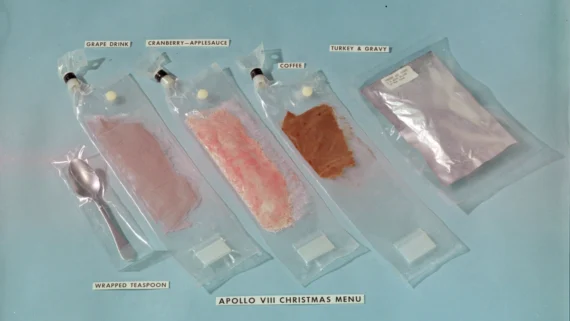
Pillsbury food scientist Howard Bauman originally invented these chewy carbohydrate rods in 1970 for NASA astronauts aboard the Skylab missions. Marketed heavily to civilian families as the ultimate futuristic energy snack, the chocolate and peanut butter cylinders ruled the 1970s before entirely disappearing from grocery aisles in the early 1980s.
10. Planters PB crisps
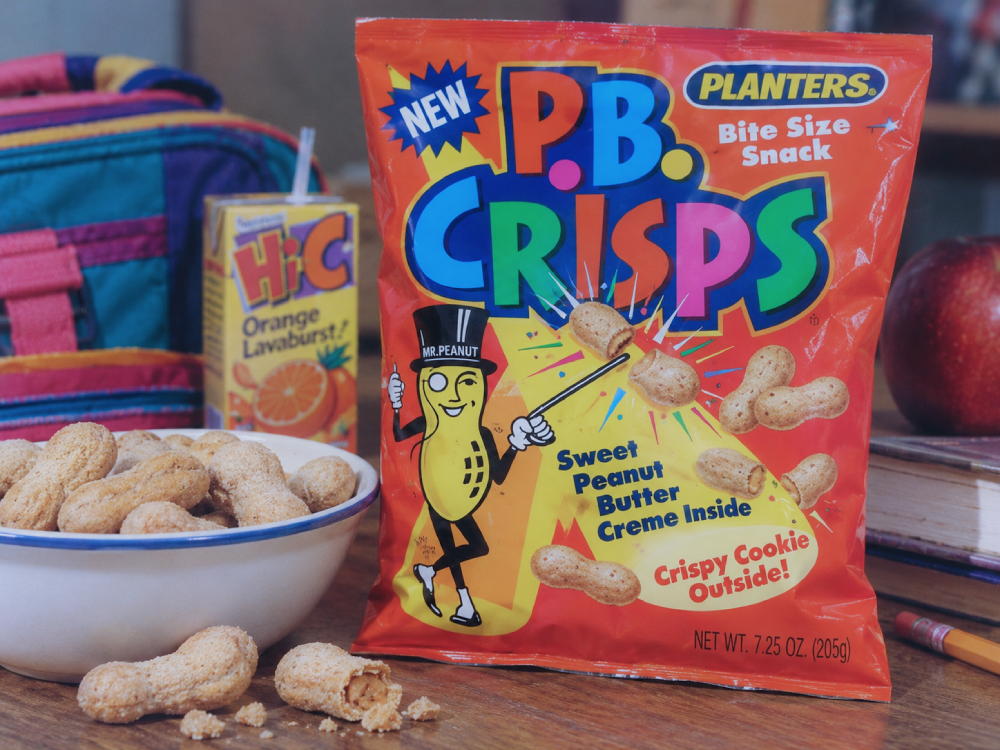
In 1992, the Planters peanut company launched a highly addictive snack consisting of a crispy, peanut-shaped graham cracker shell filled entirely with smooth peanut butter. Featuring an aggressively cool skateboarding peanut mascot in television commercials, the snacks inexplicably vanished in 1995, leaving behind a massive cult following that still petitions for their return today.
11. Burple
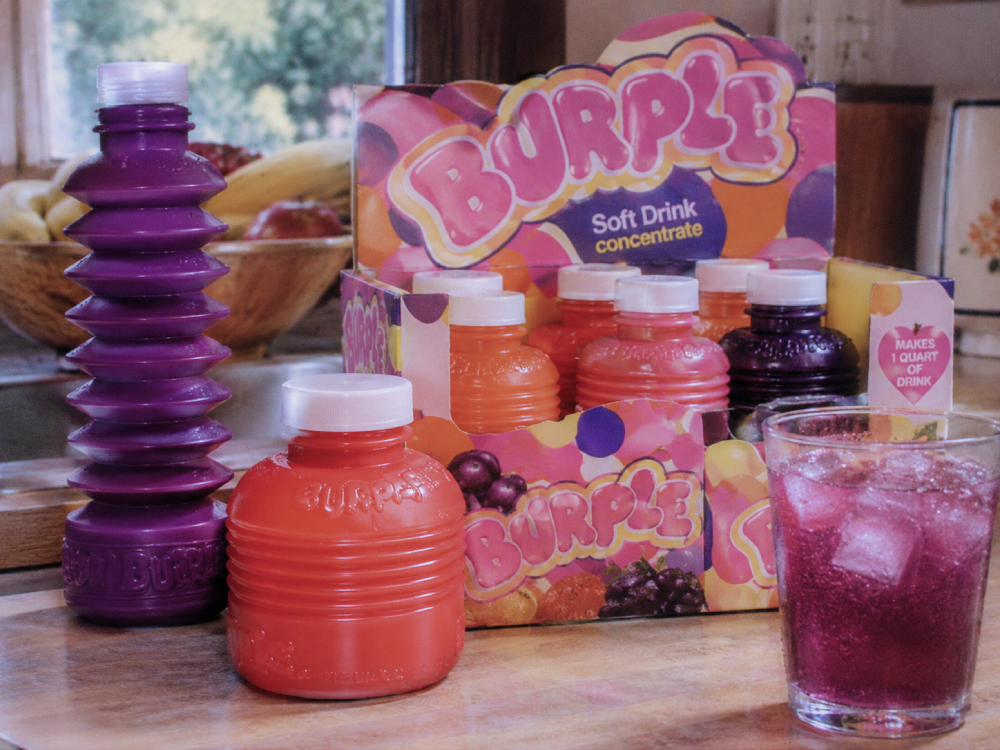
Developed in 1985, this novelty beverage company sold concentrated liquid juice inside a bizarre, highly expandable accordion-shaped plastic bottle. Kids were instructed to stretch the rippled container out to its full length and add tap water to mix the drink, creating a massive interactive fad that quickly died out by the early 1990s.
12. Orbitz
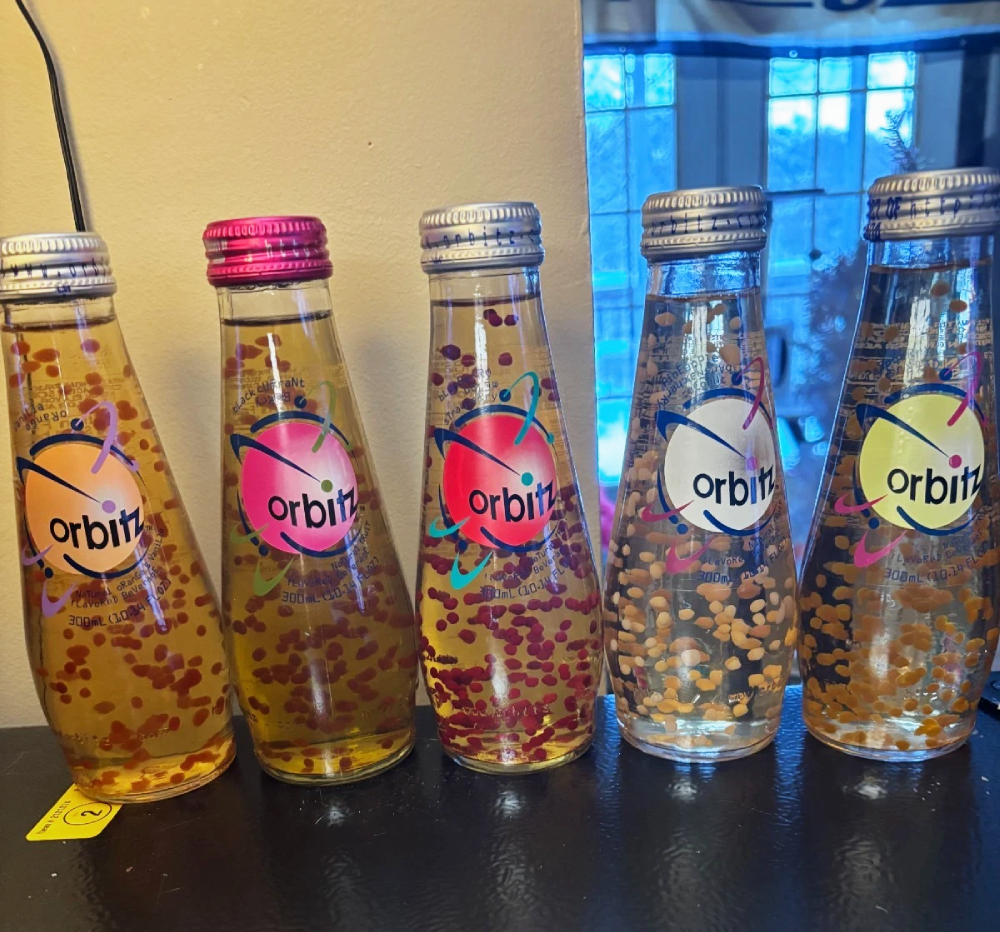
The eccentric Clearly Food and Beverage Company launched this gravity-defying, non-carbonated drink in 1997, featuring perfectly suspended colorful gelatin balls floating inside the liquid. Looking more like a miniature lava lamp than a refreshing beverage, the bizarre texture completely alienated consumers and forced a massive nationwide discontinuation within a single year.
13. P.B. Max
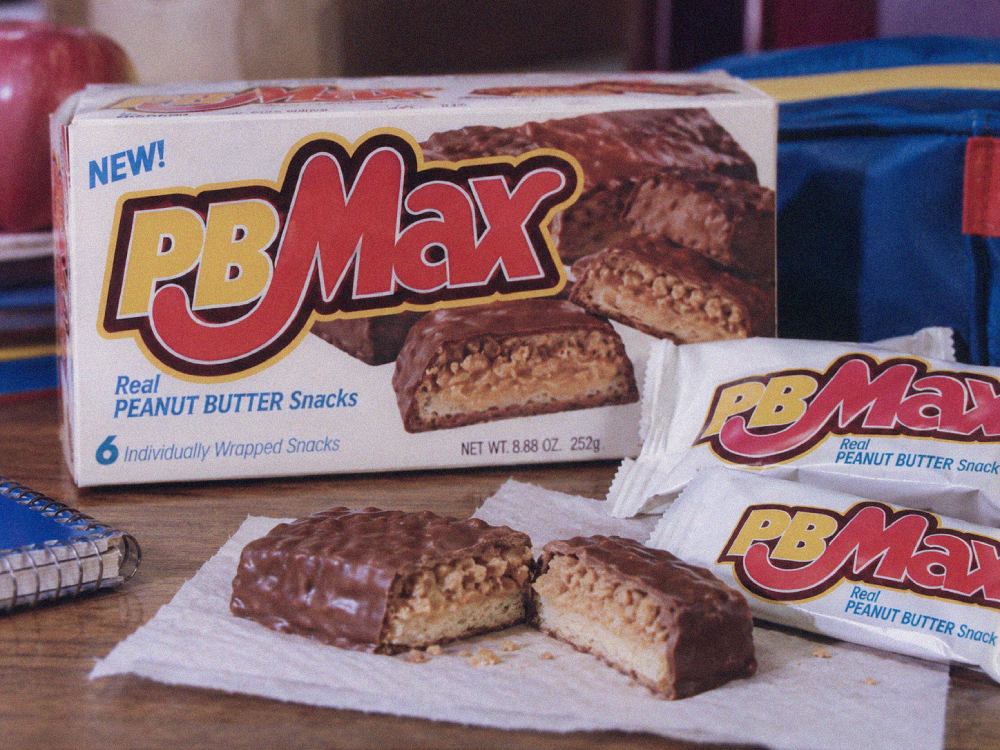
The Mars candy company introduced this incredible chocolate bar in 1989, featuring a layer of creamy peanut butter resting directly on top of a toasted square cookie. Despite pulling in fifty million dollars in its first two years, the Mars family reportedly hated the taste of peanut butter and stubbornly cancelled the highly profitable treat shortly after its launch.
14. Jeno’s Pizza Rolls
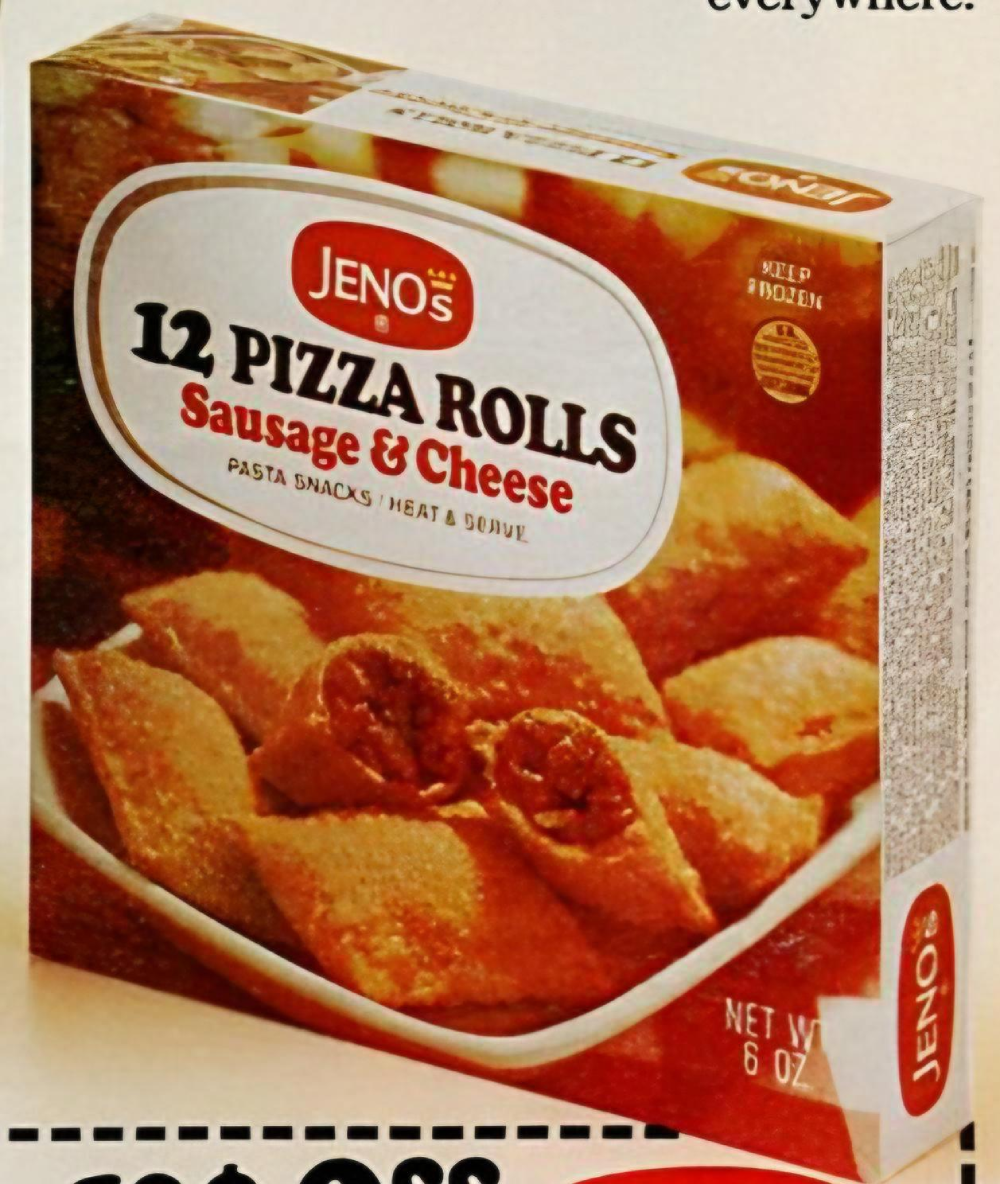
Food entrepreneur Jeno Paulucci brilliantly invented the frozen pizza roll in 1968 by stuffing traditional Italian meat and cheese fillings into commercial egg roll wrappers. His legendary business dominated the 1970s frozen food aisle until he sold the massive empire to Pillsbury in 1985, which promptly rebranded every single box under its own Totino’s label.
Explore more interesting facts about food and brands:
It is completely surreal to realize that the vibrant boxes and sugary beverages that entirely defined our childhood pantries have been erased from modern grocery shelves. While we can no longer toss these iconic snacks into our shopping carts, the powerful memories associated with their colorful wrappers will last a lifetime. If you love exploring the hidden history of nostalgic consumer trends and forgotten grocery staples, make sure to check out these 15 Foods Marketed as Healthy in the 1990s or these 90s Mall Culture: 16 Food Court Staples We Loved. You may also like these 12 Popular Foods That Changed Their Recipes After Backlash.