
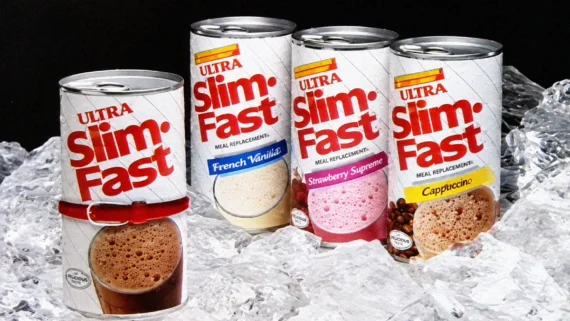
The 1990s diet culture landscape was almost entirely defined by an aggressive anti-fat obsession that completely dominated grocery store shelves. Food manufacturers scrambled to replace lipids with processed sugars, refined carbohydrates, and artificial substitutes to earn the coveted “healthy”, “low-fat,” or “fat-free” label on their bright packaging. Millions of health-conscious consumers filled their pantries with these engineered products, genuinely believing that choosing a healthy alternative meant they could indulge endlessly without nutritional consequences.
Looking back with modern nutritional awareness, it becomes clear how cleverly marketed these 90s products truly were. Snack foods, breakfast options, and daily beverages were routinely presented as wellness essentials simply because they contained zero fat or boasted added synthetic vitamins. From sugar-laden fruit snacks to fat-free bakery treats that spiked blood sugar levels, these items reflected an era of flawed dietary trends. Here are fifteen foods marketed as healthy during the 1990s that were actually far worse for us than we thought.
1. SnackWell’s Devil’s food cookie cakes
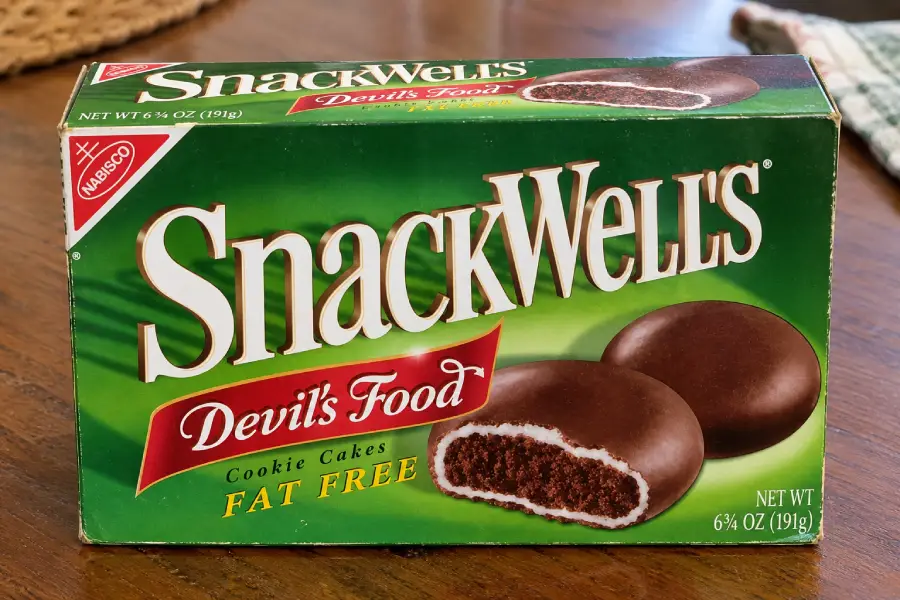
Nabisco’s iconic green boxes became an absolute cultural phenomenon in the 1990s, selling out nationwide as consumers believed “fat-free” meant guilt-free. To maintain texture and flavor without fat, the manufacturers loaded the soft cookies with high-fructose corn syrup, causing severe blood sugar spikes that left buyers hungrier than before.
2. Olestra potato chips
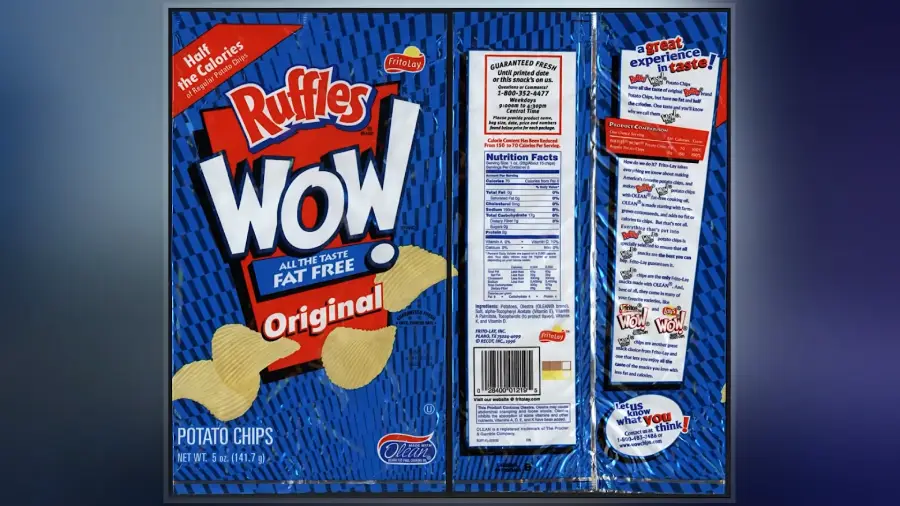
Frito-Lay introduced WOW! brand chips made with Olestra, a synthetic zero-calorie fat substitute that promised all the crispiness of real frying without any calories. The trend ended abruptly when the FDA mandated warning labels alerting consumers to potential “abdominal cramping and loose stools,” along with the depletion of essential fat-soluble vitamins.
3. Snack-size fruit roll-ups and gushers
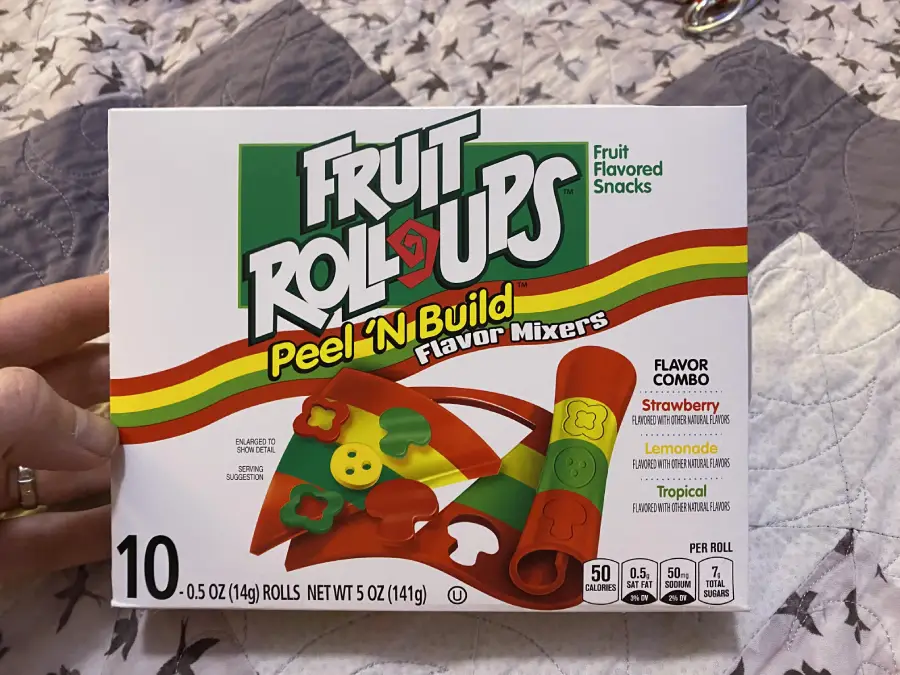
Aggressively promoted in school lunchboxes as fun fruit snacks packed with Vitamin C, these colorful treats contained virtually no actual fruit juice. They were essentially pliable strips of corn syrup, artificial food dyes, and refined sugar that stuck to children’s teeth, contributing to dental cavities.
4. Fat-free frozen yogurt
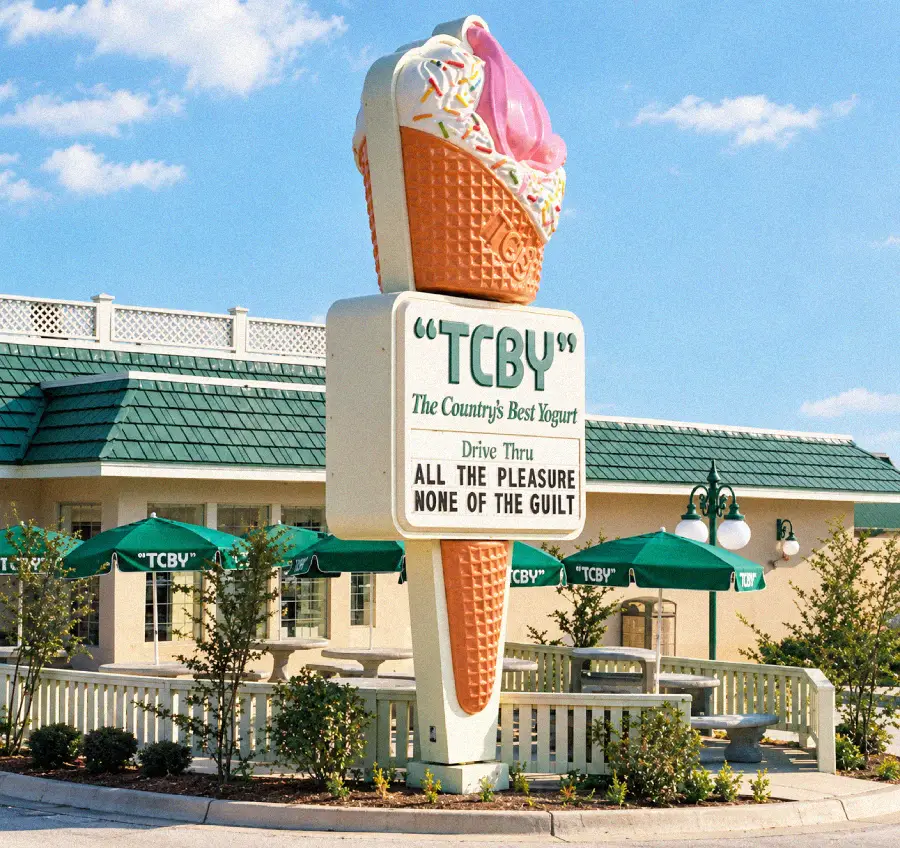
“The Country’s Best Yogurt” exploded in popularity as a guilt-free alternative to traditional premium ice cream during the height of the low-fat craze. However, removing the milkfat required adding massive quantities of liquid sugar and artificial thickeners, giving giant swirl cups a high glycemic index despite the low-fat marketing.
5. Baked Lay’s chips
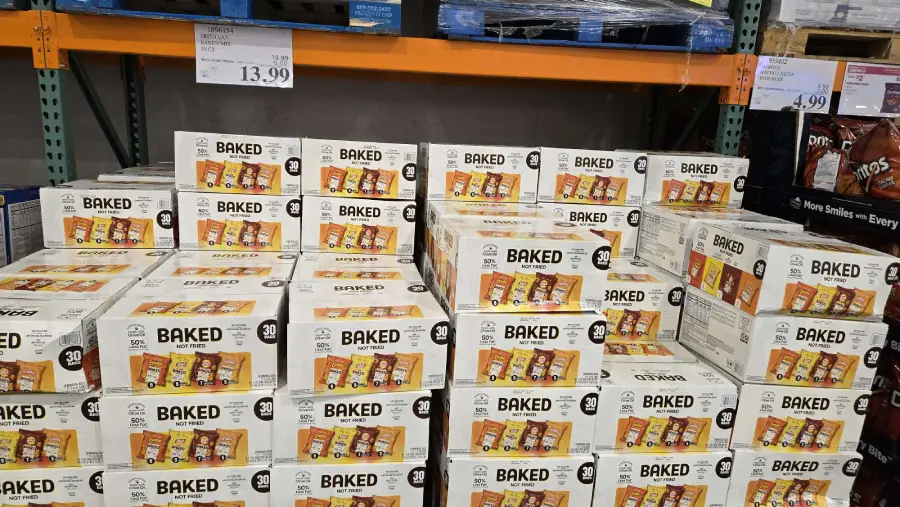
Promoted as the ultimate guilt-free alternative to traditional deep-fried potato chips, these dehydrated potato flakes were baked into crisp chips with zero fat. While they lowered lipid counts, the refining process stripped away natural fiber, leaving behind dense refined starch that digested rapidly into simple sugars.
Trending on The Scroller


6. Special K cereal with “two-week challenge”
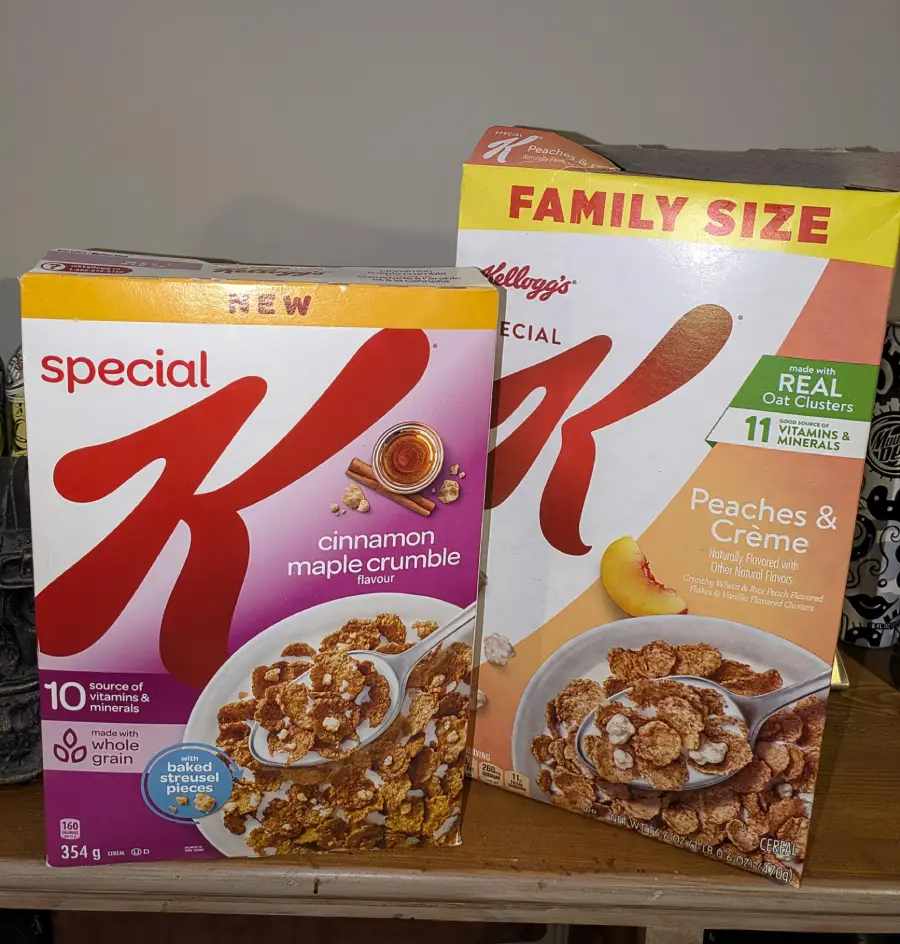
Kellogg’s launched a massive advertising campaign promising that replacing two daily meals with bowls of Special K would help consumers drop a dress size in two weeks. The cereal was composed almost entirely of refined white rice and wheat flour with added sugar, offering minimal protein or dietary fiber to sustain genuine satiety.
7. Gatorade and Powerade
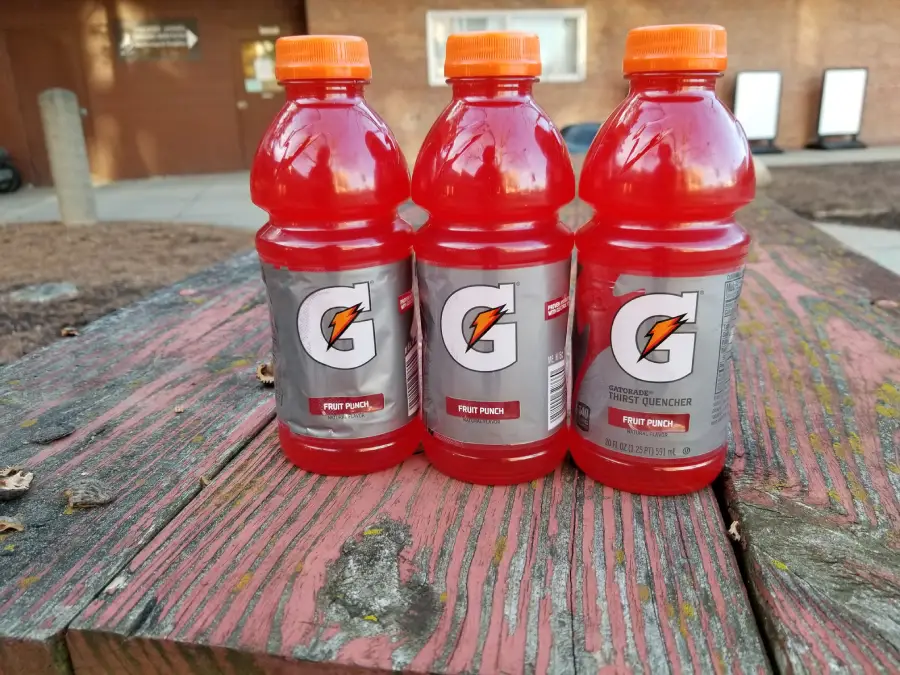
Originally formulated for endurance athletes needing electrolyte replenishment during intense physical exertion, sports drinks were marketed to everyday kids and casual gym-goers as essential hydration tools. Consuming a single bottle delivered up to thirty-four grams of refined sugar, effectively canceling out light workouts.
8. SlimFast shakes
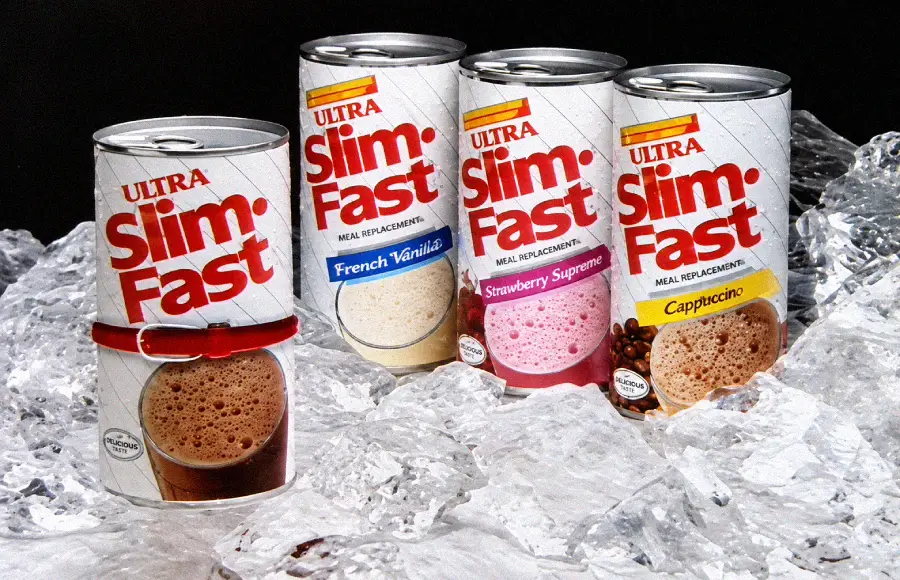
Dominating the 90s diet market, these pre-packaged canned shakes promised effortless weight loss if consumers replaced breakfast and lunch with a sweet drink. The formulation relied heavily on milk protein concentrate, sugar, canola oil, and synthetic vitamin blends, acting as a high-sugar liquid meal replacement rather than a whole-food solution.
Sign up for our newsletter
9. Bagels with fat-free cream cheese

Bagels experienced a massive popularity surge as the ultimate fat-free breakfast staple for busy commuters. Unbeknownst to most morning diners, eating a giant plain bagel made of refined white flour was nutritionally equivalent to consuming five slices of white bread, especially when paired with sugar-laden fat-free spreads.
10. Subway sandwiches
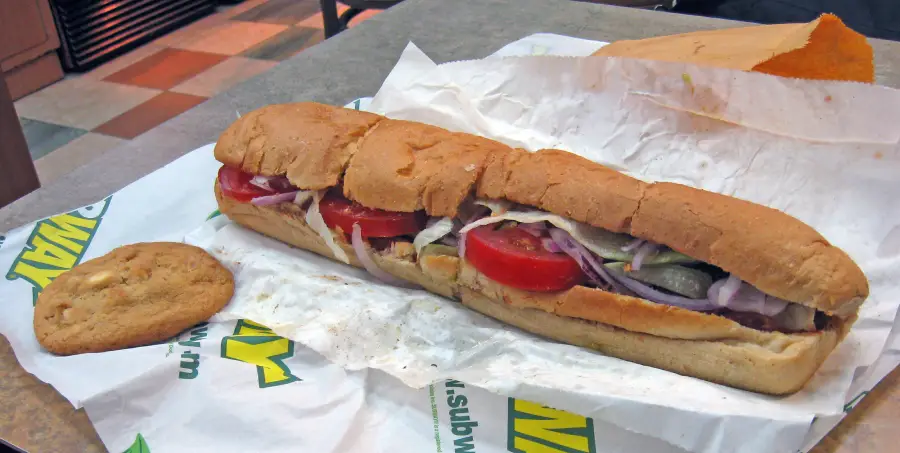
Subway built an empire around the “7 under 6” menu, advertising sub sandwiches with fewer than six grams of fat as the ultimate weight-loss food. While lean turkey on wheat sounded pristine, giant footprint rolls loaded with sodium, preservative-heavy deli meats, and sugary condiments made regular consumption far less balanced than advertised.
11. Margarine and vegetable shortening spreads

Health organizations in the 90s urged families to abandon natural butter in favor of tub margarines made from hydrogenated vegetable oils. Science later proved that the resulting trans fatty acids lowered HDL cholesterol while raising LDL cholesterol, making synthetic spreads significantly worse for cardiovascular health than traditional butter.
12. SunnyD
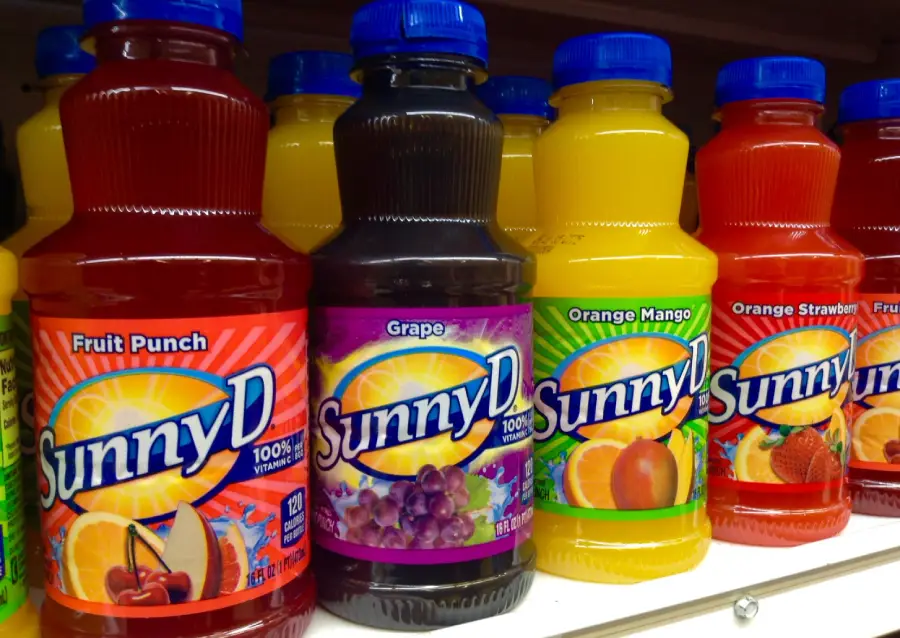
Packaged with vibrant imagery of fresh oranges and promoted as a daily source of vitamins, this pantry staple was heavily purchased by parents seeking healthy breakfast beverages. The drink actually contained less than five percent real fruit juice, relying instead on high-fructose corn syrup, water, citric acid, and artificial colorings.
13. Energy bars
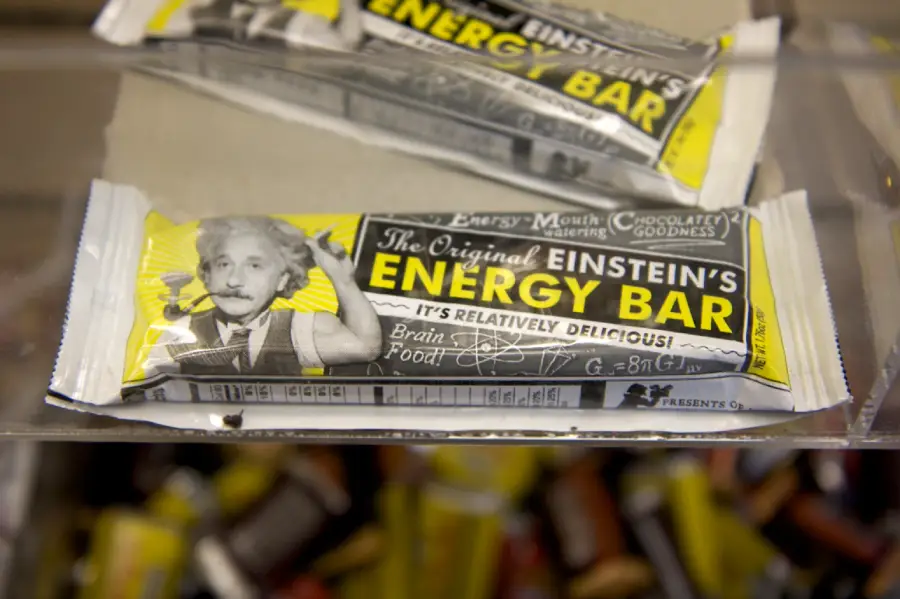
Originally designed for long-distance triathletes needing quick carbohydrate fuel, early energy bars became fashionable desk snacks for office workers. Their dense, chewy texture was achieved by binding soy protein isolate and oat flour with massive amounts of fructose syrup, making their nutritional profile identical to a chocolate candy bar.
14. Diet soda

Earning a permanent spot on office desks and dinner tables, diet sodas were embraced as the ultimate zero-calorie secret weapon for staying slim. Modern metabolic research suggests that heavy consumption of artificial sweeteners like aspartame can alter gut microbiome health and maintain brain cravings for hyper-sweet foods.
15. Commercial granola bars
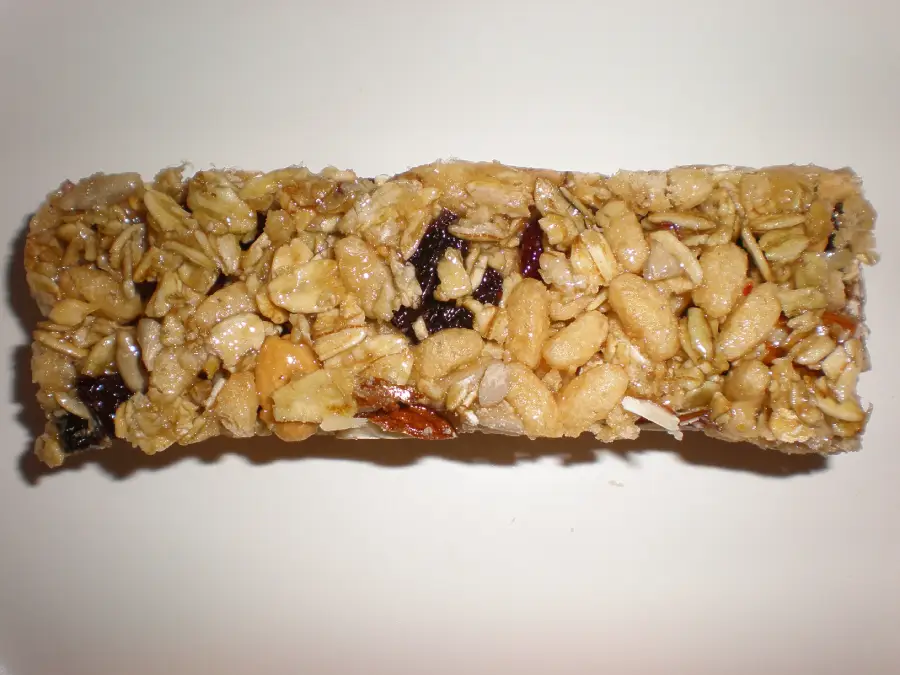
Marketed as wholesome trail fuel packed with natural oats and honey, commercial 90s granola bars were essentially candy bars in disguise. Bound together with hydrogenated oils and corn syrup, then frequently dipped in artificial chocolate or yogurt coatings, they delivered high caloric density with minimal micronutrients.
Explore more interesting facts about food from different eras:
Reflecting on the flawed dietary trends and clever marketing of the 1990s provides a fascinating perspective on how our understanding of nutrition has evolved. The shift away from artificial fat-free engineering and high-sugar substitutes toward whole foods shows how far health research has come over the last few decades. If you enjoy exploring retro lifestyle archives, nostalgic food history, and scientific deep dives into past eras, be sure to check out these 13 Food Fears That Lasted Far Longer Than They Should Have, or these 18 Everyday Foods People Once Thought Were Bad for You. You may also like these 15 Delicious Foods That Started Out as 19th-Century Medicine.