Vintage advertising tells a fascinating story about how companies sold products long before targeted ads, social media, and online shopping. A century ago, colorful illustrations, newspaper promotions, mail-order catalogs, and persuasive sales pitches competed for consumers’ attention.
By the 1920s, advertising was already a sophisticated industry, but some of its methods would look downright strange today. From singing cereal commercials to questionable medical endorsements, these 14 examples reveal just how much advertising has changed—and how much has stayed the same.
1. Magazine Advertisements Often Looked Like Works of Art
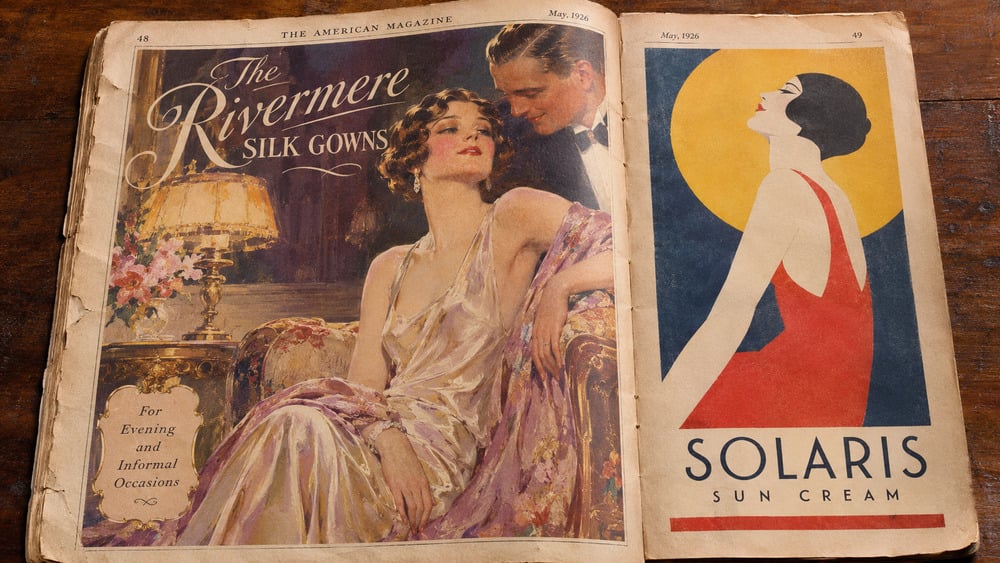
Forget stock photography. Magazine advertisements in the 1920s often featured beautifully painted illustrations of fashionable people, elegant interiors, and picture-perfect lifestyles. Artists could spend considerable effort creating a single promotional image. Meanwhile, designers such as Lucian Bernhard were exploring the opposite approach, using bold colors and minimal lettering to make products stand out. Both styles demonstrated that advertising could be visually captivating without relying on photographs.
2. Some Advertisements Were Almost as Long as Newspaper Articles
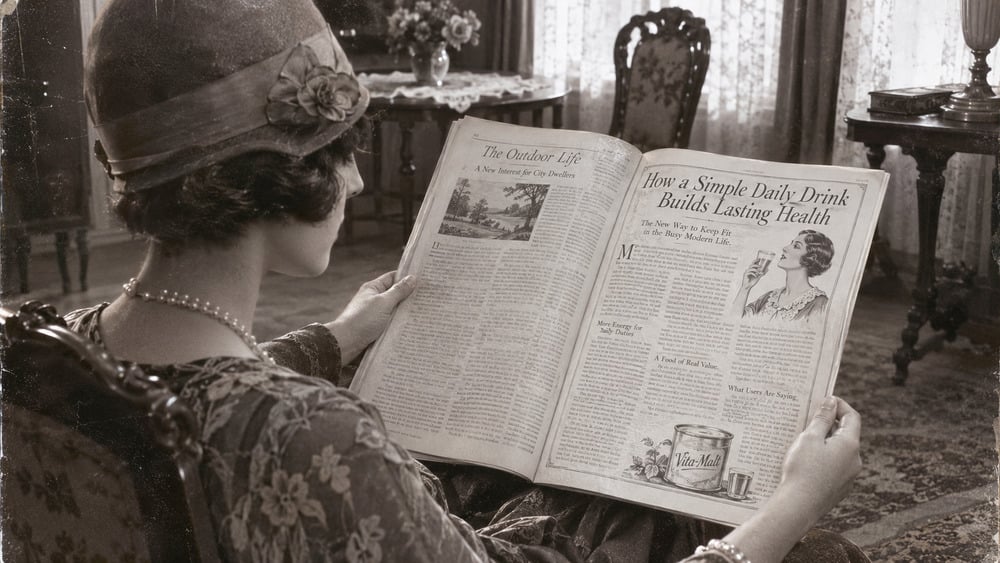
Imagine opening a magazine and discovering an advertisement that takes several minutes to read. That wasn´t unusual a century ago. Companies filled pages with detailed product descriptions, testimonials, personal stories, and persuasive arguments. Advertising pioneer Helen Lansdowne Resor helped develop campaigns that blended storytelling with commercial messages. Some advertisements looked so much like editorial features that readers had to pay attention to distinguish the sales pitch from the surrounding articles.
3. Newspapers Were One of the Main Places to Discover Products
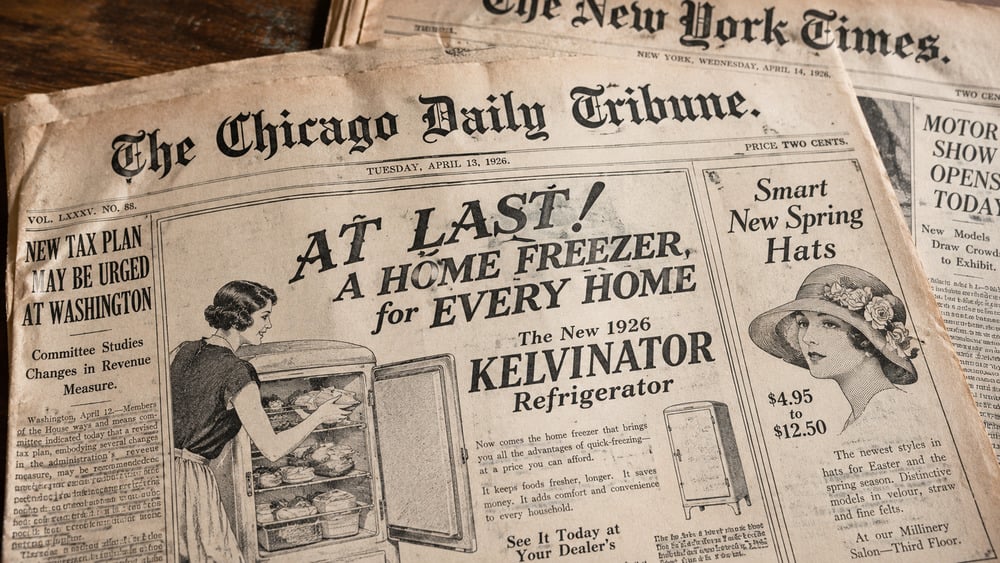
Before advertisements followed people around the internet, businesses depended heavily on newspapers to reach potential customers. Local retailers promoted everything from clothing to household appliances through printed announcements, prices, and special offers. Several competing advertisements might appear on the same page, each fighting for attention. Unlike today’s personalized digital promotions, these messages generally reached everyone reading that newspaper edition, regardless of their individual shopping habits.
4. Mail-Order Catalogs Could Contain an Entire Department Store
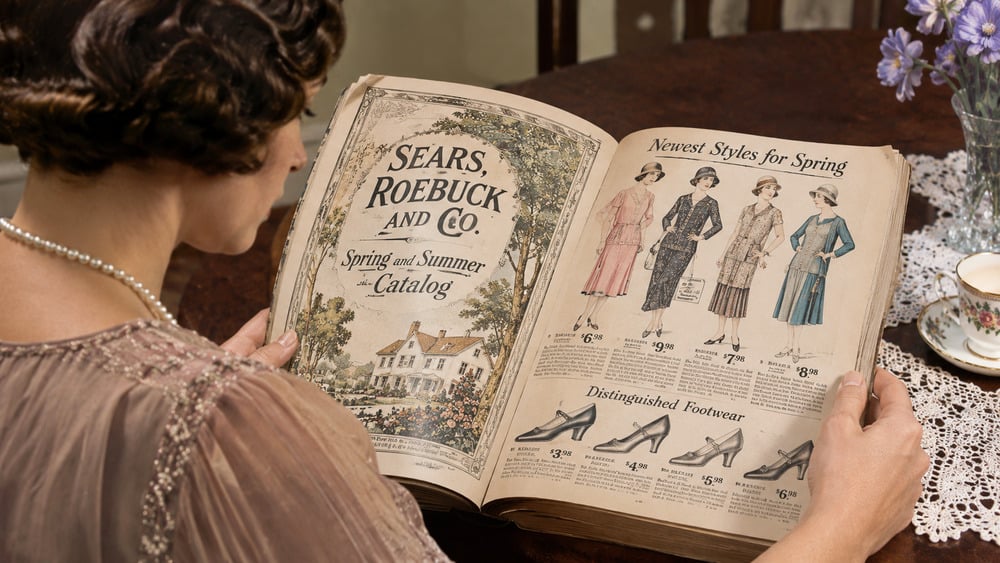
Shopping from home existed long before anyone could click “Add to Cart.” Companies such as Sears and Roebuck published enormous catalogs filled with clothing, furniture, household equipment, and everyday necessities. Customers browsed illustrated pages, selected their purchases, and mailed their orders. By 1929, Sears was distributing more than seven million catalogs. The process required considerably more patience than modern online shopping, but the basic idea was remarkably familiar.
5. Responding to an Advertisement Could Require Mailing a Coupon
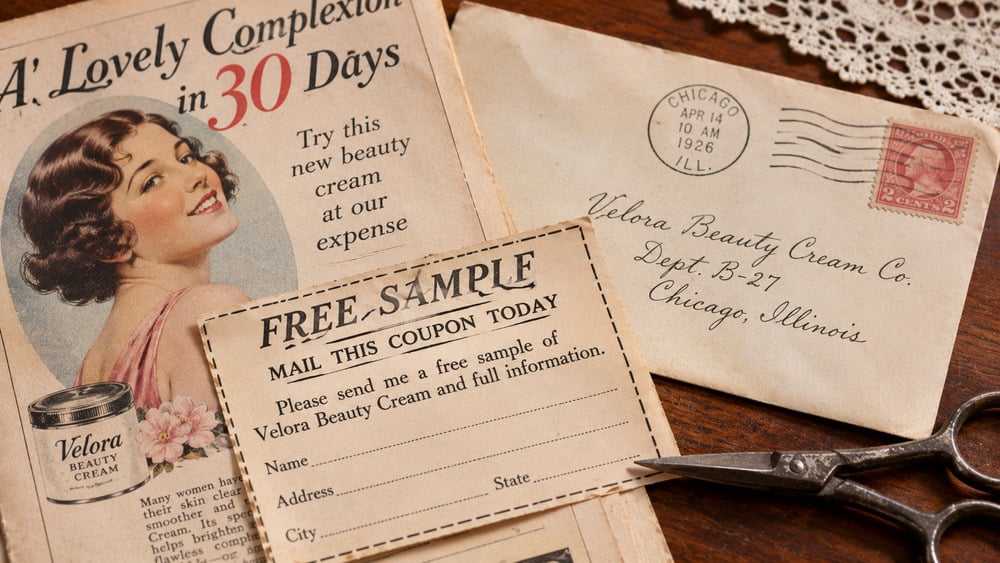
See something interesting in a magazine? Instead of clicking a link, readers might have to cut out a coupon, fill in their information, and mail it to the advertiser. Companies used these responses to send catalogs, samples, or additional product details. The entire exchange could take days or weeks. Can you imagine waiting that long just to learn more about something advertised? Despite the slow process, the strategy already resembled today’s direct-response marketing.
Trending on The Scroller


6. Electric Appliances Were Marketed as Household Servants
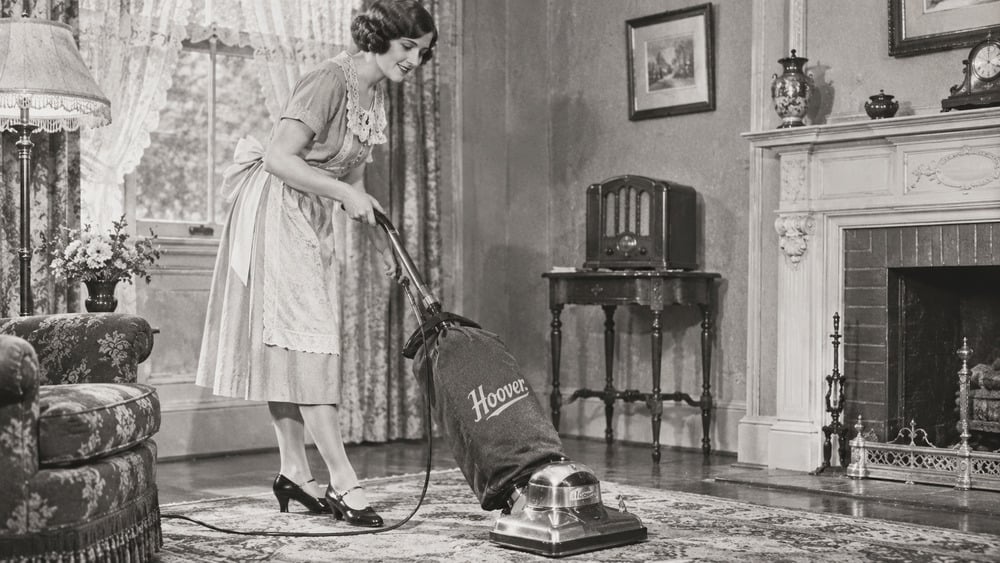
Electric appliances were advertised as technological wonders capable of transforming domestic life. Vacuum cleaners, for example, promised easier housework and a more comfortable lifestyle. A 1924 Hoover advertisement even featured a fashionably dressed woman to suggest that cleaning no longer required exhausting labor. With electricity still unavailable in many American homes, these products represented genuine modernity. Advertisers frequently described appliances as helpful household servants, although expectations for cleanliness sometimes increased alongside the technology.
7. Companies Turned Ordinary Embarrassments Into Major Consumer Problems
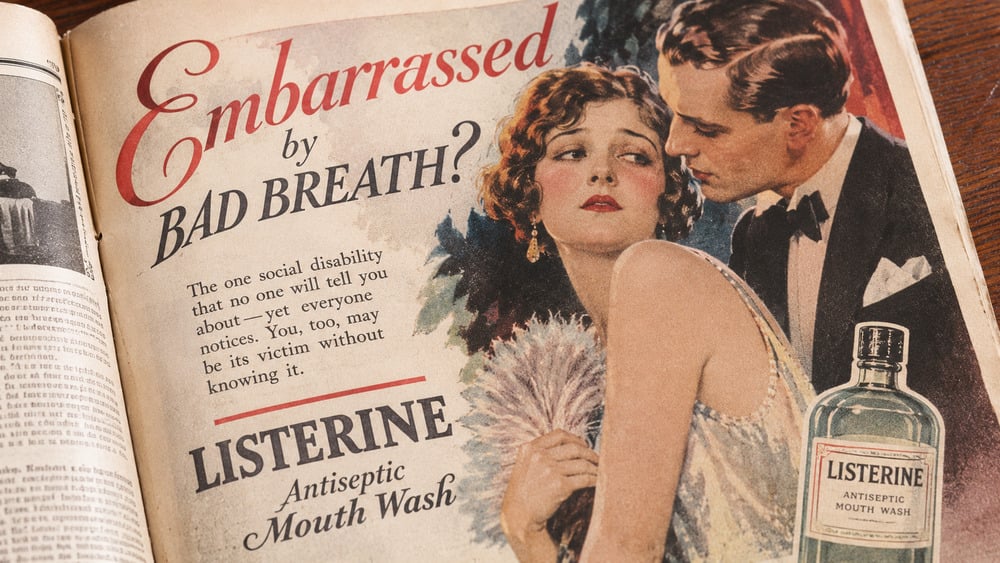
Listerine demonstrated how effectively advertising could transform an everyday concern into a source of anxiety. Its campaigns popularized the term “halitosis” and suggested that bad breath could quietly destroy someonés romantic prospects or social reputation. Dramatic stories portrayed embarrassed individuals unaware of the problem, supposedly ruining their lives. The solution, conveniently, was mouthwash. The strategy helped turn a relatively modest product into a major commercial success during the 1920s.
8. Cigarette Advertisements Borrowed the Authority of Doctors
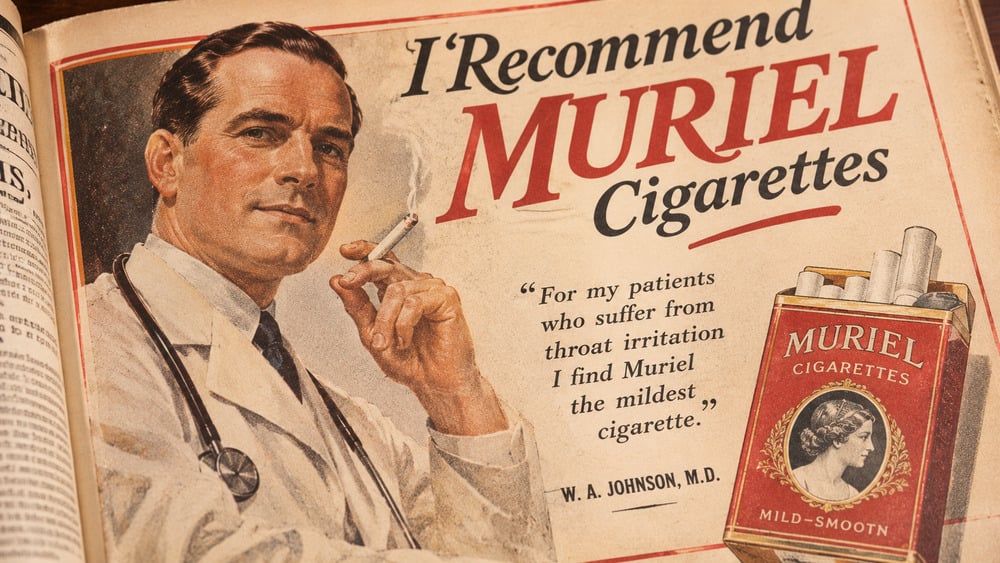
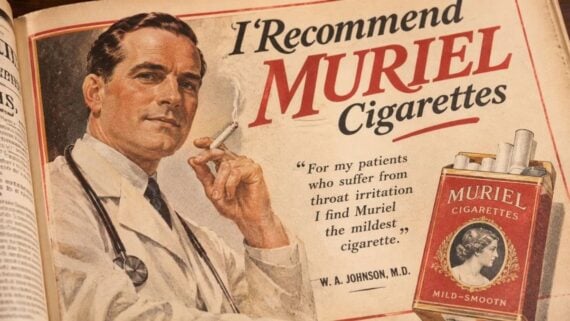
Medical authority became a powerful selling tool for cigarette manufacturers. Advertisements featured doctor-like figures and claims suggesting that certain cigarettes caused less irritation than competing brands. These promotions took advantage of public confidence in medical professionals while presenting smoking in a reassuring light. The particularly famous “More Doctors Smoke Camels” campaign arrived in the 1940s, but tobacco companies were already experimenting with medical endorsements and health-related messaging during the earlier decades.
Sign up for our newsletter
9. Radio Commercials Were Still a New Advertising Experiment
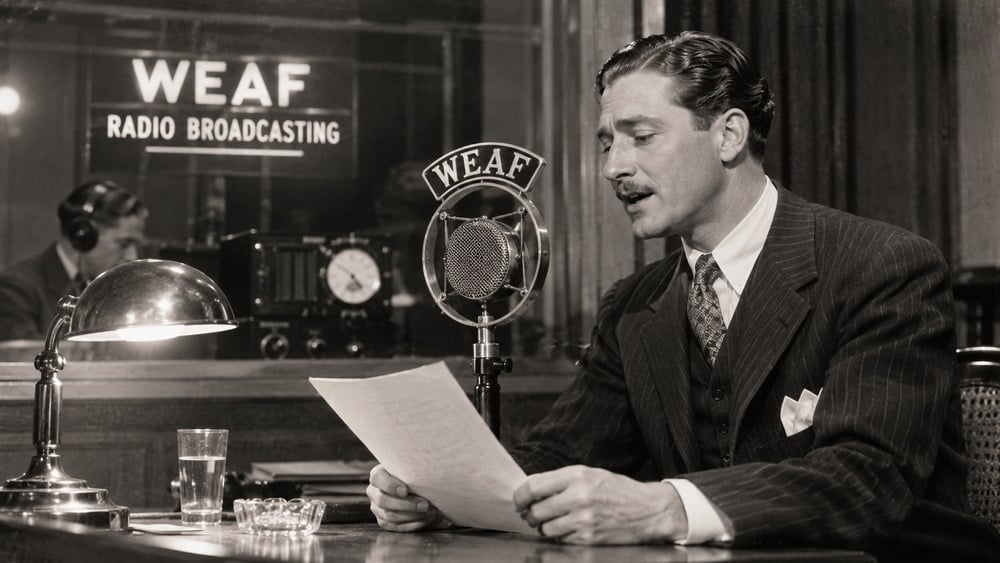
Radio introduced an entirely different challenge for advertisers: selling something without showing it. In 1922, New York stations WEAF broadcast a paid presentation promoting apartments in Queens. The message lasted approximately ten minutes, considerably longer than today´s typical radio spots. Companies were still discovering how to communicate effectively through sound alone. What would modern listeners think about sitting through a ten-minute commercial before returning to their favorite program?
10. A Breakfast Cereal Helped Popularize the Radio Jingle
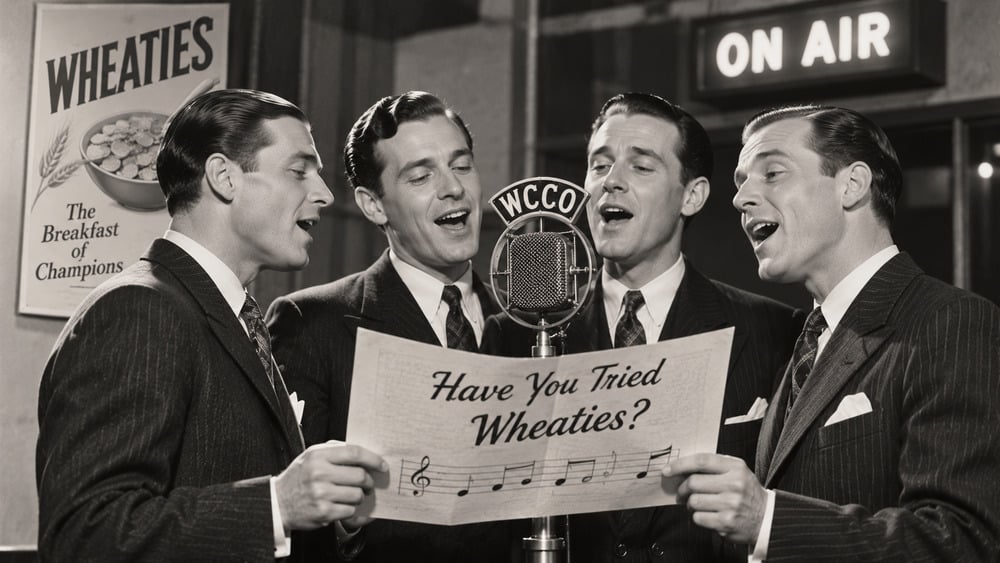
Vintage advertising took a musical turn on Christmas Eve in 1926, when a vocal quartet performed a Wheaties cereal advertisement on Minneapolis radio. The song, “Have You Tried Wheaties?,” became an early landmark in commercial jingles. General Mills later credited radio promotions with improving sales in markets where the tune aired. The campaign demonstrated that a catchy melody could make a brand memorable long after listeners had forgotten the actual sales message.
11. Roadside Advertisements Told Stories One Sign at a Time
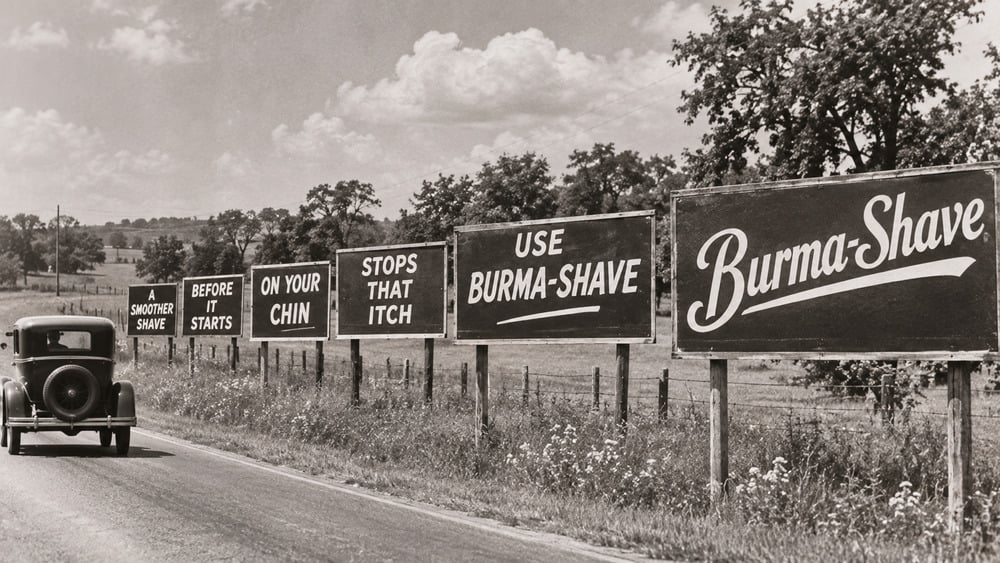
Burma-Shave transformed ordinary roadside signs into miniature entertainment. Beginning in 1926, the company placed short lines of humorous advertising rhymes on consecutive signs along highways. Drivers encountered each line as they traveled, gradually discovering the complete message and its punch line. Rather than relying on a single billboard, the campaign turned the passing landscape into a serialized advertisement. The signs became a recognizable feature of American road trips for decades.
12. Neon Advertising Made Storefronts Look Futuristic
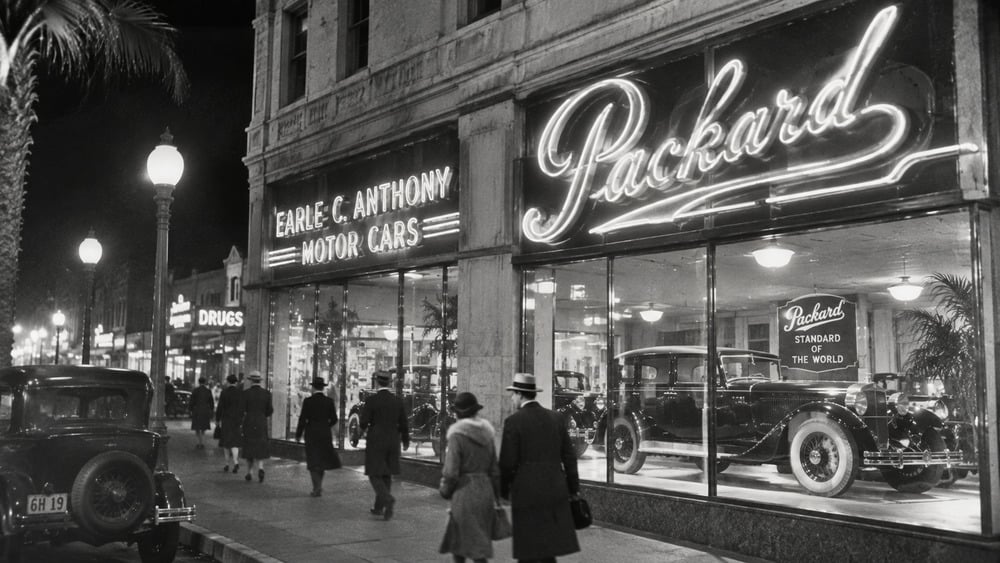
When neon signs appeared on American commercial streets during the 1920s, they brought an extraordinary visual effect to nighttime advertising. Brightly illuminated lettering and colorful displays attracted attention in ways painted signs couldn´t match. Los Angeles automobile dealer Earle C. Anthony became associated with early Packard neon signs that reportedly fascinated onlookers. Although claims about America’s first neon installation remain disputed, the technology quickly became a symbol of modern city life.
13. Product Packaging Had Become an Advertisement of Its Own
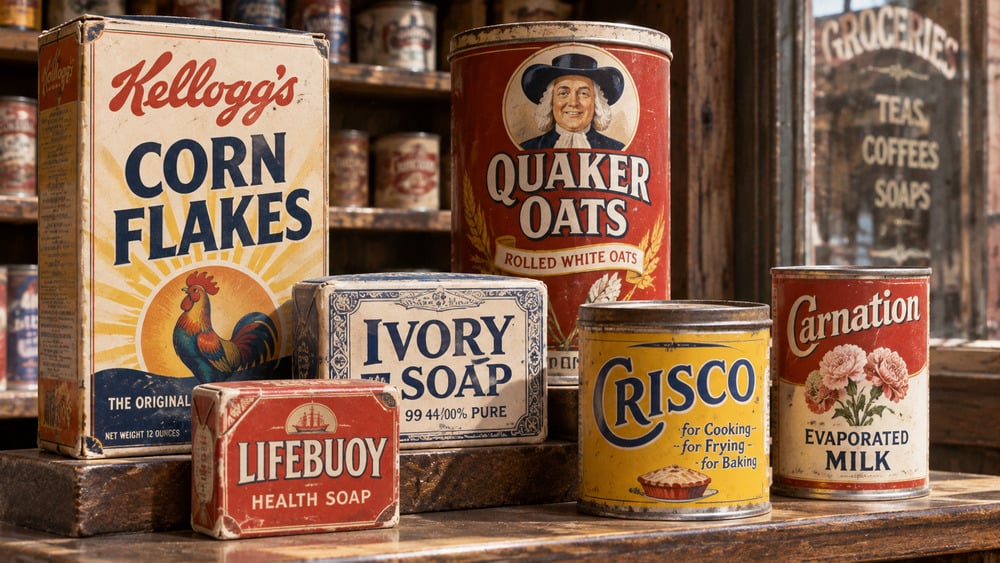
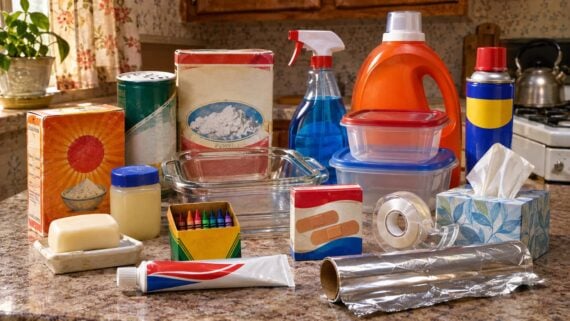
A century ago, manufacturers were already discovering that the package could be just as important as the advertisement. Distinctive colors, memorable logos, and recognizable lettering helped everyday products stand out on store shelves. Breakfast cereals, soaps, and other packaged goods increasingly relied on consistent visual identities. The packaging wasn’t simply protecting the contents anymore. It was working as a miniature billboard, encouraging shoppers to recognize and choose a particular brand.
14. Advertisements Often Suggested That Marriage Was a Woman’s Greatest Achievement
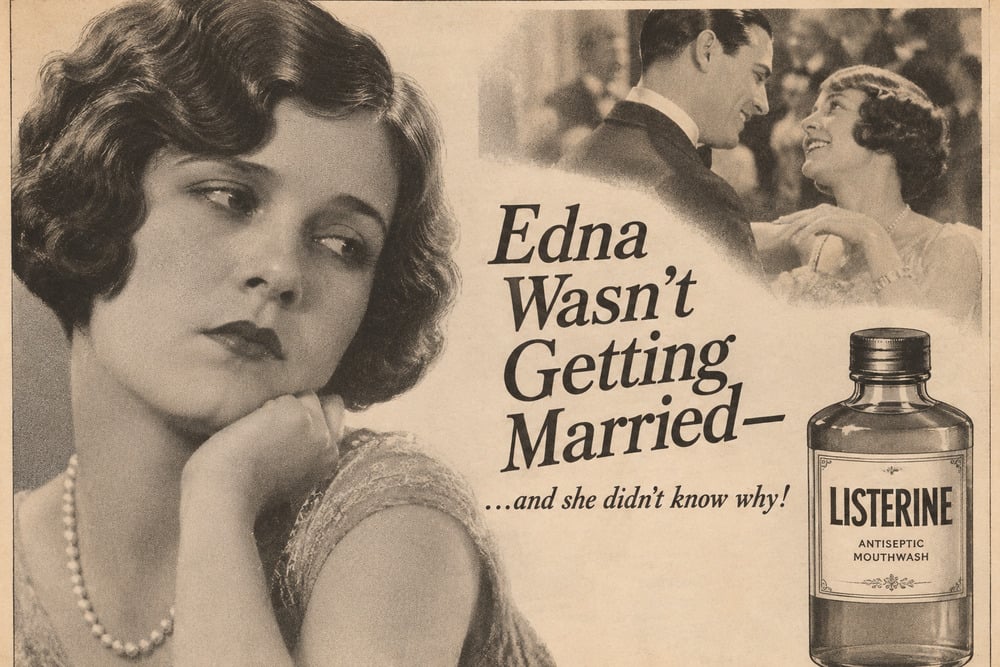
Some advertisements aimed at women relied heavily on the fear of remaining unmarried. A notorious 1925 Listerine campaign introduced Edna, a fictional woman whose romantic difficulties were blamed on bad breath. The message suggested that personal-care products could determine whether a woman found a husband. Such campaigns reflected restrictive expectations surrounding beauty, romance, and women’s social roles. Advertisers turned those expectations into emotional pressure designed to encourage purchases.
Advertising may have traded illustrated magazine spreads for smartphone screens, but its fundamental mission hasn’t changed much. A century ago, brands used memorable characters, emotional stories, bold visuals, and clever slogans to attract customers. Today’s technology delivers those messages differently, yet many of the underlying techniques would feel surprisingly familiar to an advertiser from 1926.
Keep Exploring The Scroller
Curious about the strange ideas, forgotten trends, and everyday inventions that shaped the modern world? Keep scrolling through The Scroller for more fascinating discoveries hiding in plain sight:
20 Products That Quietly Lost Features While Getting More Expensive
Shrinkflation: 19 Products That Look The Same Until We Check The Net Weight