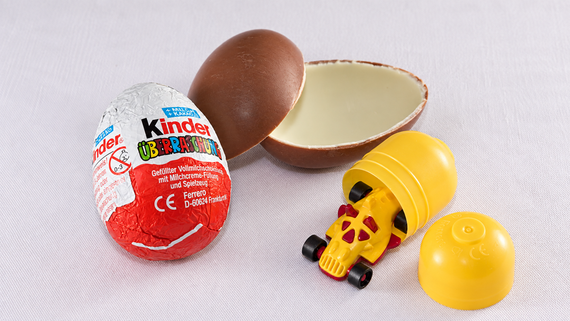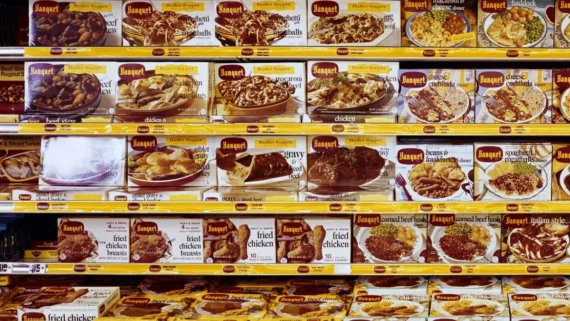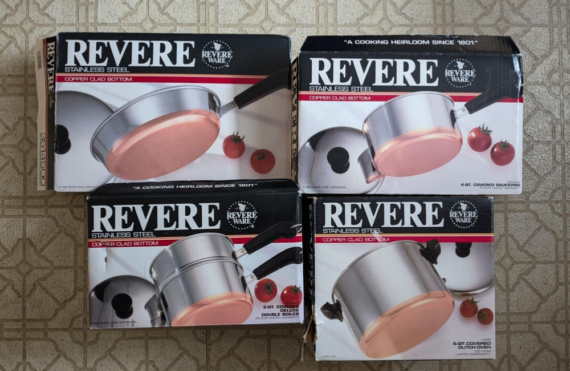
Products getting worse isn´t just nostalgia talking. The frustrating part is that “less for more” no longer means only a smaller cereal box or fewer cookies in the package. Sometimes the product itself loses something useful while the category keeps moving further upmarket.
Cars arrive without spare tires. Phones lose chargers, ports, and removable batteries. Laptops become harder to upgrade. Even buying something “physical” doesn’t always mean everything is actually in the box anymore. The changes aren’t all pointless, but collectively they reveal a quieter kind of shrinkflation: paying premium prices while giving up features buyers once took for granted.
1. New Cars That No Longer Come With a Spare Tire
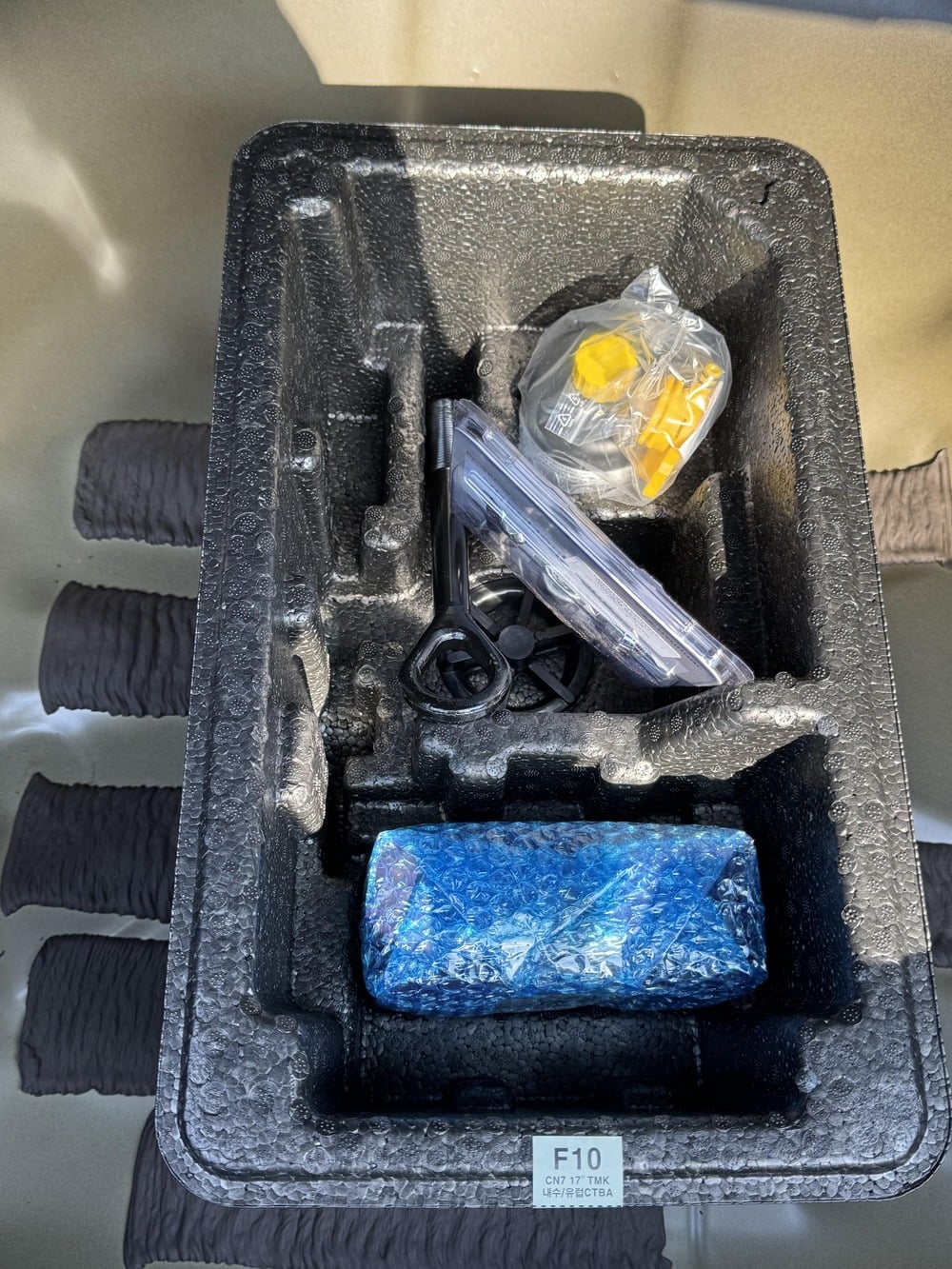
Open the trunk after a flat, and there may be an unpleasant surprise waiting underneath: no spare tire. Roughly 45% of new cars in Consumer Reports’ test fleet lack one, with automakers citing benefits such as lower weight and improved fuel economy. Instead, drivers may get a sealant or inflator kit like the compact setup pictured here. Useful? Sometimes. But those kits cannot handle every puncture, and a proper aftermarket spare can become one more thing to buy.
2. iPhones That Stopped Including the Charger and EarPods
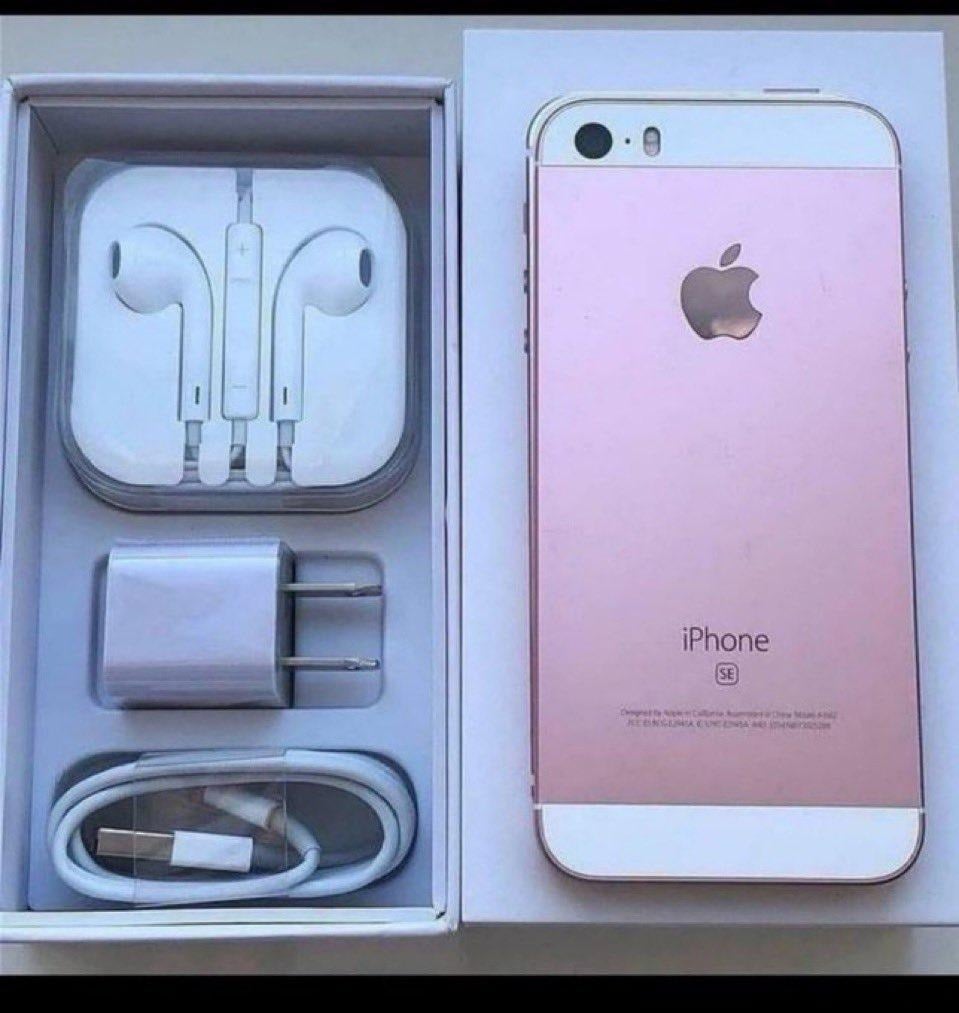
Remember when unboxing an iPhone meant finding almost everything needed to start using it? Older boxes could include the phone, wired EarPods, charging cable, and power adapter neatly arranged together. Beginning with the iPhone 12 generation, Apple removed the adapter and EarPods, citing environmental benefits and smaller packaging. The cable remained, but customers without compatible accessories had two formerly included items to purchase separately.
3. Pyrex Bakeware That Moved Away From Borosilicate Glass in the U.S.

The Pyrex sitting in Grandma’s cabinet and a newer U.S. Pyrex dish may share a name without sharing the same type of glass. Modern American Pyrex uses soda-lime glass rather than the borosilicate formulation associated with older cookware, creating different thermal-shock characteristics. One popular shortcut doesn’t solve the mystery, either: uppercase versus lowercase branding is not a reliable way to determine which glass formulation a particular piece uses.
4. Physical Video Games That Stopped Coming With Manuals

When did the inside of a video game case become so empty? Printed manuals were once part of the experience, packed with controls, character information, artwork, maps, and enough reading material to occupy the ride home. Publishers gradually shifted those instructions on-screen or online, and the booklet largely vanished. Meanwhile, major releases now live in the $70 standard-price era, even if historical game pricing becomes more complicated once inflation enters the equation.
5. Laptops With RAM You Can No Longer Upgrade
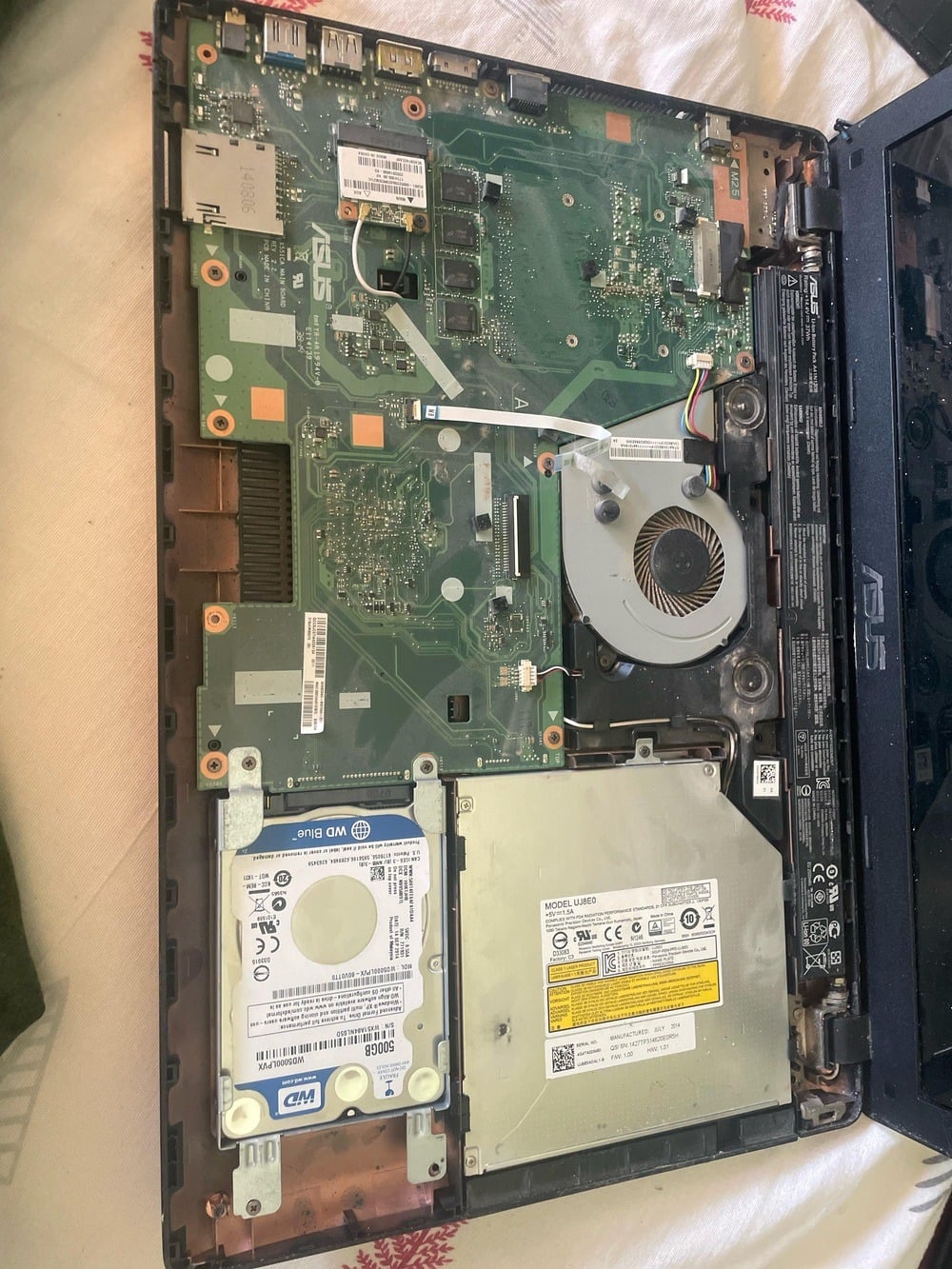
A budget-conscious laptop purchase once came with a useful escape hatch: buy modest RAM today and upgrade it later. Soldered memory closes that door by permanently attaching RAM to the motherboard rather than using replaceable modules. The machine may be thinner or more tightly integrated, but buyers have to think further ahead. Need more memory several years from now? The safest option may have been paying for it before leaving the checkout page.
Trending on The Scroller


6. Craftsman Tools That Lost the Old Sears-Era Ownership Experience
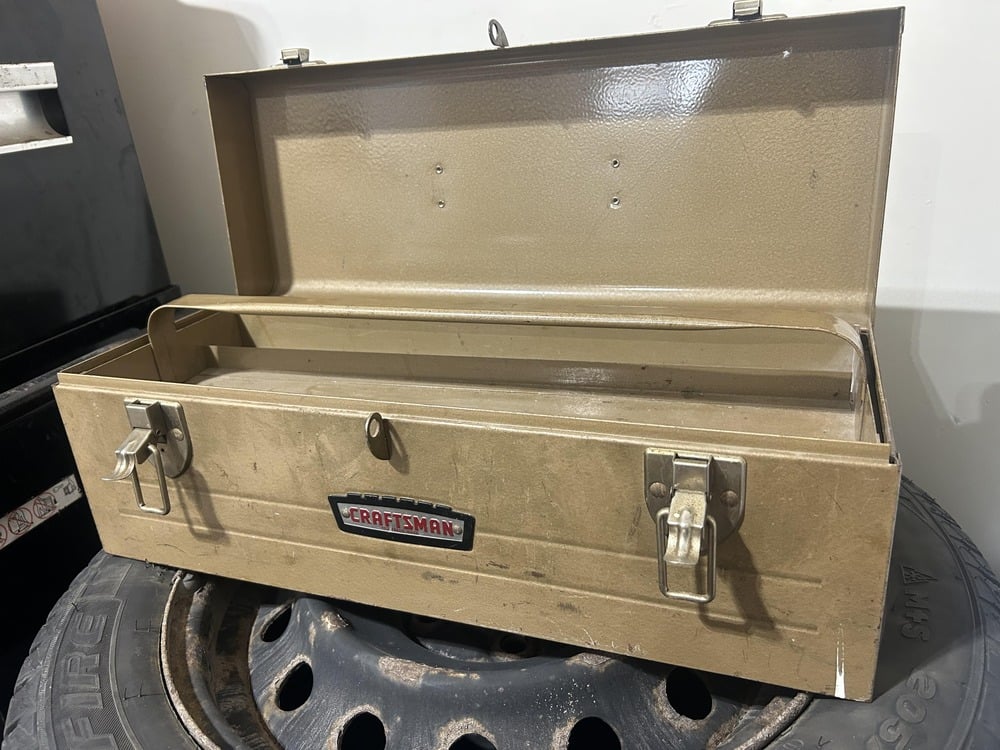
With old-school Craftsman, the value proposition extended beyond whatever was rattling around inside the toolbox. The brand became famous for a remarkably straightforward lifetime exchange experience at Sears counters, supported by a substantial domestic manufacturing ecosystem. Sears’ decline and manufacturing shifts changed that familiar relationship. It would be unfair to declare every modern Craftsman tool worse, but the ownership experience attached to the name is no longer the same one generations of customers remember.
7. Cars That Replaced Physical Buttons With Touchscreen Controls

A giant touchscreen certainly cleans up a dashboard. It also means functions that once had dedicated knobs and buttons can end up tucked inside menus. Many newer vehicles route climate, audio, and other controls through central displays, trading tactile operation for software flexibility and a sleeker cabin. The screen pictured here makes that philosophy almost comically clear: the dashboard has become less control panel and more oversized tablet.
8. Foods Whose Recipes Quietly Changed After Brand Acquisitions

The packaging looks familiar. The logo is still there. So why does something seem different? Talenti is one example of how a familiar product can change without looking dramatically different on the shelf. After Unilever acquired the brand, some Talenti products underwent ingredient changes, even while the recognizable packaging remained. In cases like this, checking the ingredient label can reveal something nostalgia alone cannot: sometimes the recipe really did change.
Sign up for our newsletter
9. Flagship Phones That Lost Expandable microSD Storage

Running low on phone storage once had a beautifully low-tech solution: insert a microSD card. Samsung’s Galaxy S20 series still offered expandable storage, but the Galaxy S21 generation dropped the microSD slot. That small change altered the economics of owning the phone. Instead of adding inexpensive storage later, buyers had to decide how much they might need in advance and pay for that capacity when purchasing the device.
10. Small Appliances That Became Harder to Repair

Products getting worse can be especially difficult to notice when the missing feature is invisible. With small appliances, that feature is often repairability. There´s a cycle in which products such as toasters and blenders are increasingly treated as disposable because repair options are scarce while inexpensive replacements discourage servicing. The loss only becomes obvious when something breaks, and a perfectly ordinary appliance suddenly feels less like equipment and more like future trash.
11. Physical Games That Do Not Always Contain the Full Game

Here is a strange modern sentence: buying the physical game does not necessarily mean the full game is physically there. Download-required discs, codes-in-a-box, and newer game-key-card formats have weakened the old assumption that the object on the shelf contains a complete playable copy. The Switch 2 case pictured here makes the distinction explicit, stating that the full game requires an internet download. The box is physical. Ownership has become considerably fuzzier.
12. Backpacks From Heritage Brands That Consumers Say No Longer Feel the Same

How much punishment should a good backpack survive? For heritage brands, durability helped build the reputation in the first place, which makes any decline in materials or construction especially noticeable. A backpack that once seemed capable of surviving school, travel, and years of daily abuse set a high standard for whatever replaced it. The battered JanSport pictured here captures that expectation perfectly: sometimes looking completely worn out was proof that the bag had done its job remarkably well.
13. Galaxy Phones That Lost the Charger and Wired Earphones
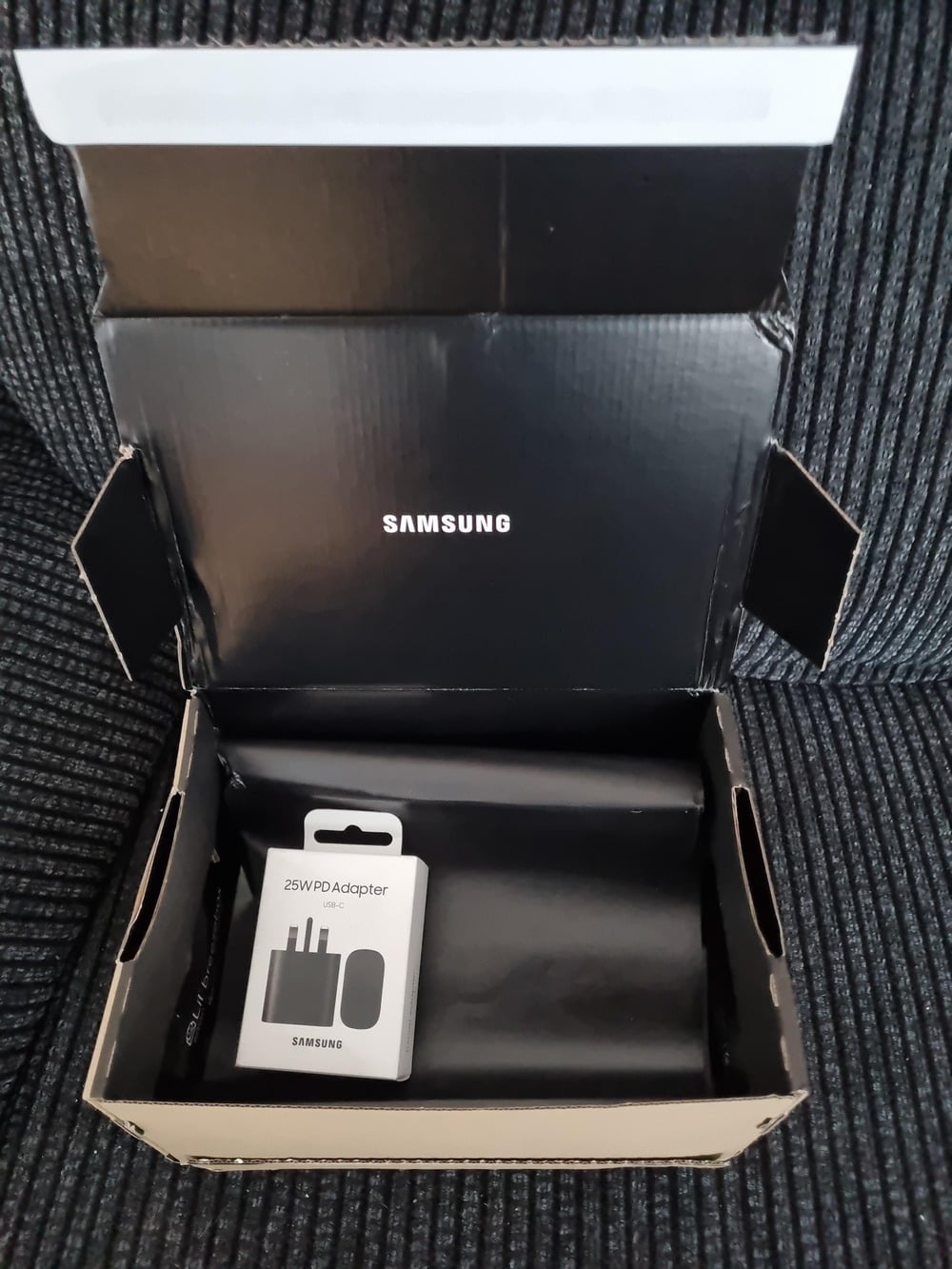
Samsung eventually performed its own disappearing-accessory act. With the Galaxy S21 line, the company removed the charger plug and wired earphones from the box, explicitly noting that customers who needed them might have to purchase them separately. The phone remained the star attraction, of course, but the supporting cast shrank. An accessory-filled box that once felt ordinary became something newer buyers could no longer assume would accompany a premium device.
14. Major Appliances With More Electronics but Costlier Failure Points
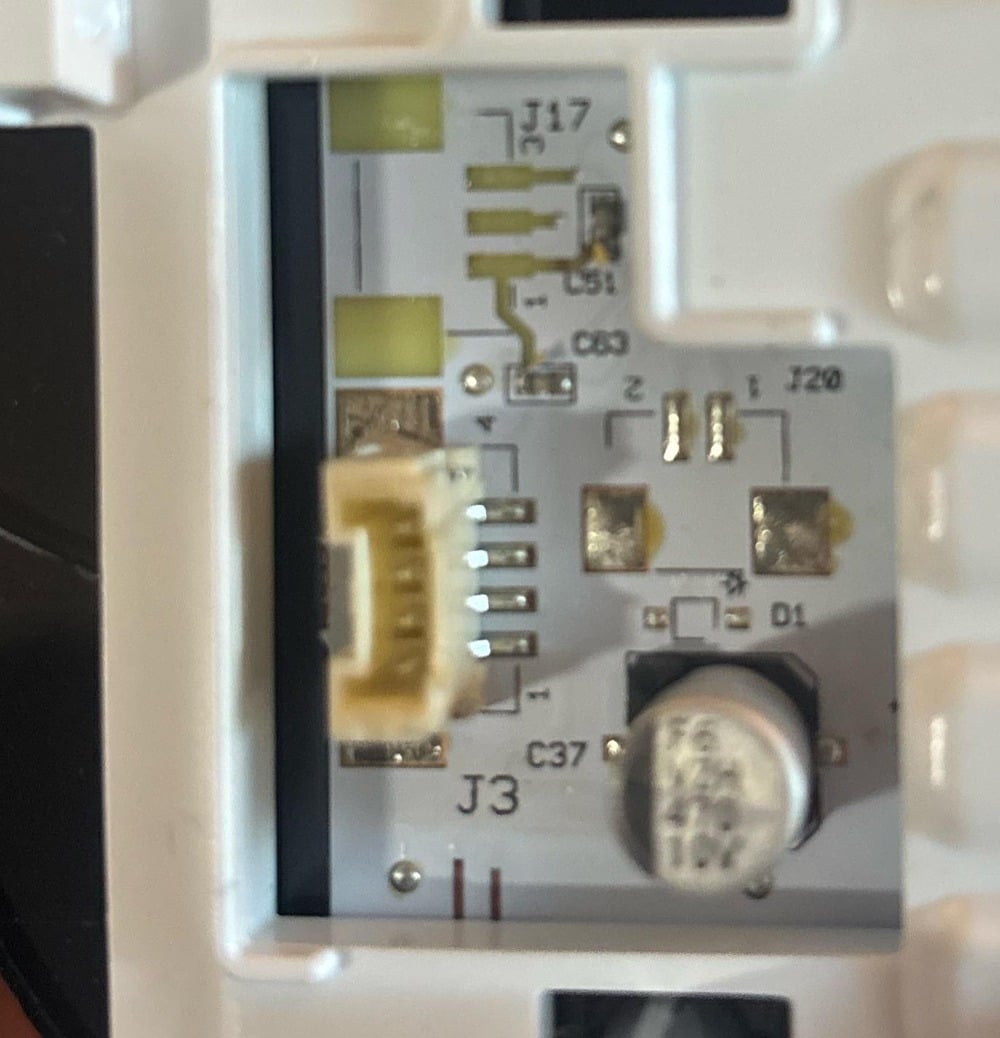
Modern appliances can do far more than the machines that came before them, but added sophistication also means more components that can potentially fail. Washers now commonly rely on circuit boards, sensors, digital displays, and other electronics alongside their mechanical parts. Those features can make everyday use more convenient, yet they can also make certain repairs more complicated and costly. It raises an awkward question: if an appliance gains more functions but becomes harder to keep running, how much of that added complexity is really an upgrade?
15. Thin Laptops That Traded Away Useful Ports
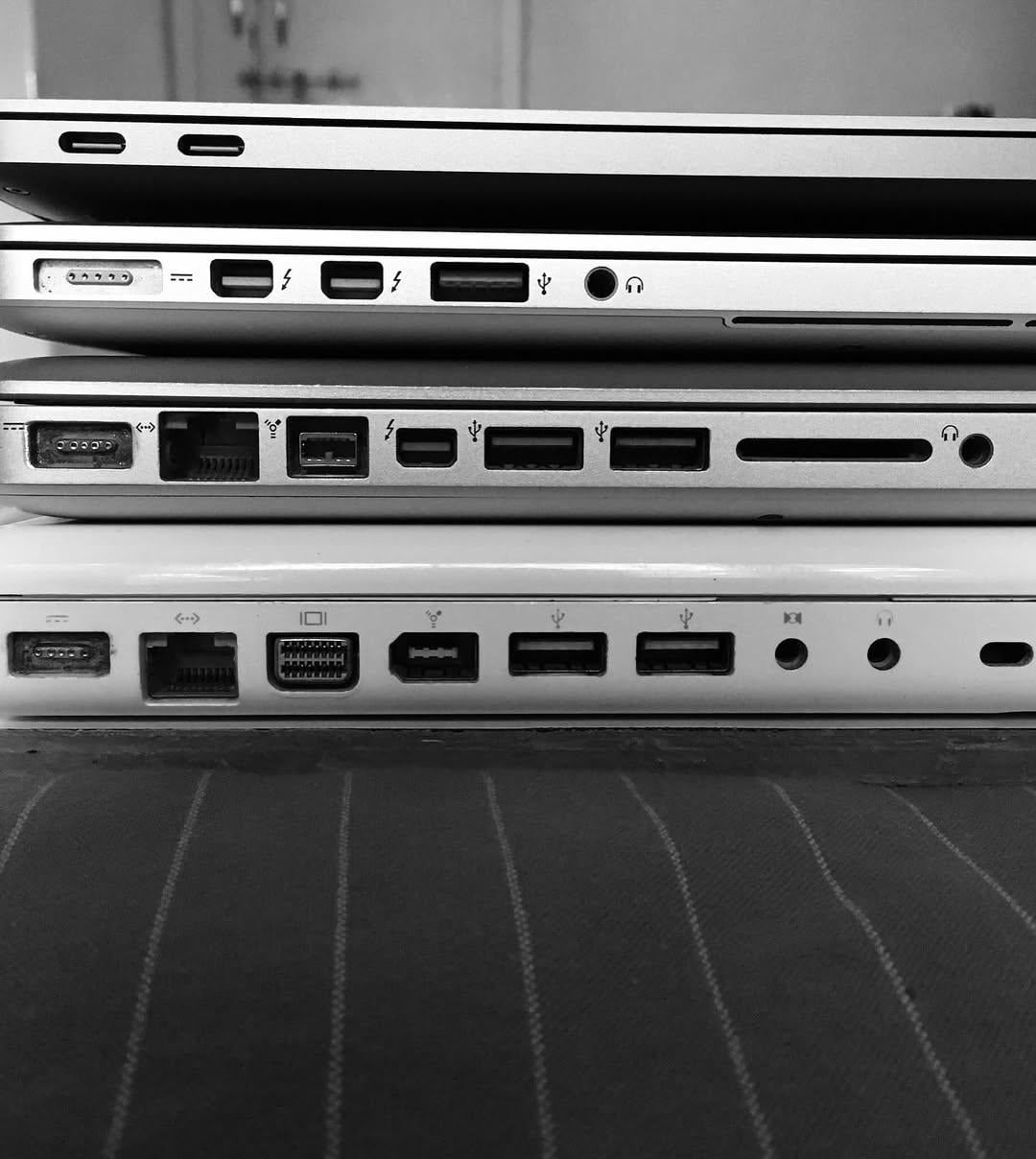
First came thinner laptops. Then came the dongle collection. USB-A, HDMI, Ethernet, SD-card slots, and other connections disappeared from various premium machines during the thin-and-light era, leaving USB-C to shoulder more jobs. That can produce beautifully streamlined hardware, but the simplicity sometimes ends at the laptop’s edge. For people carrying a pouch full of adapters like the one pictured here, several “missing” ports are still coming along for the trip. They are just riding separately.
16. Cookware That Replaced Heavier, Simpler Construction With Cheaper Components
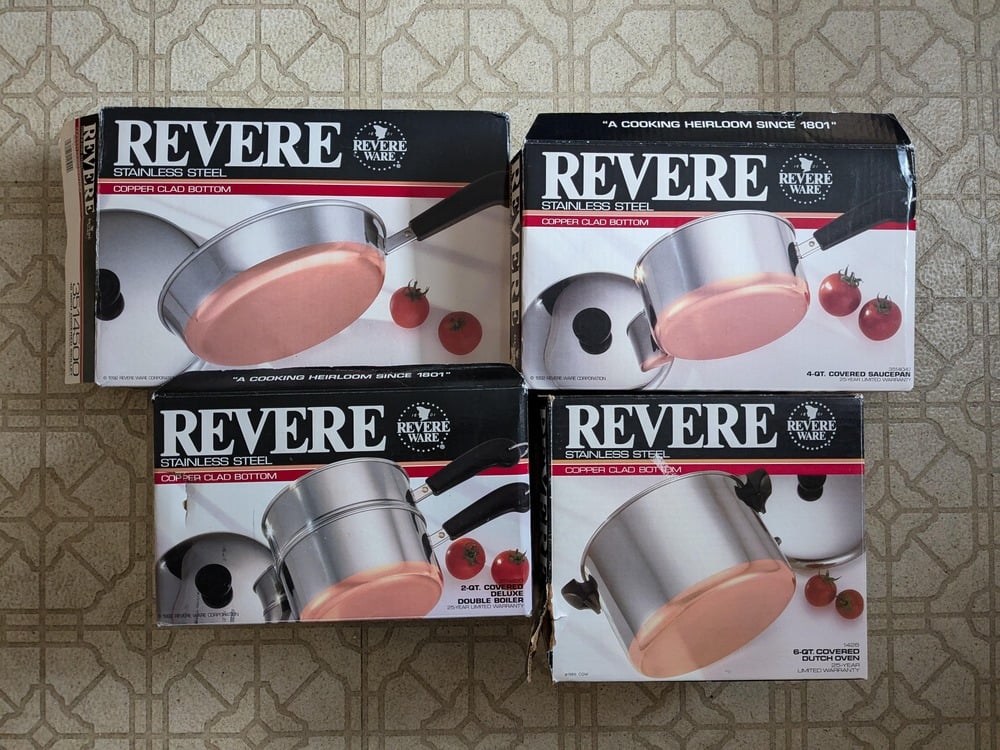
Not every downgrade announces itself by leaving a space in the box. With cookware, changes can hide in material thickness, handles, coatings, or construction while the finished pan still looks reassuringly familiar. The broader decline of cookware quality appears in current reporting on consumer frustration, although this category demands caution: a specific old-versus-new product comparison is needed before declaring any particular line inferior. Sometimes “feels cheaper” is a clue, not proof.
17. Phones That Stopped Letting You Swap the Battery Yourself

Thirty seconds. That could be all it took to give an older phone a fresh battery: remove the back, pull out the old pack, click in another, and keep going. Devices such as Samsung’s Galaxy S5 belonged to that era. Sealed designs later became standard as manufacturers pursued thinner bodies and better water resistance. The tradeoff was ownership flexibility, turning one of the easiest DIY fixes in consumer electronics into a repair procedure for most people.
18. Smart Products That Put Capabilities Behind Software or Subscriptions
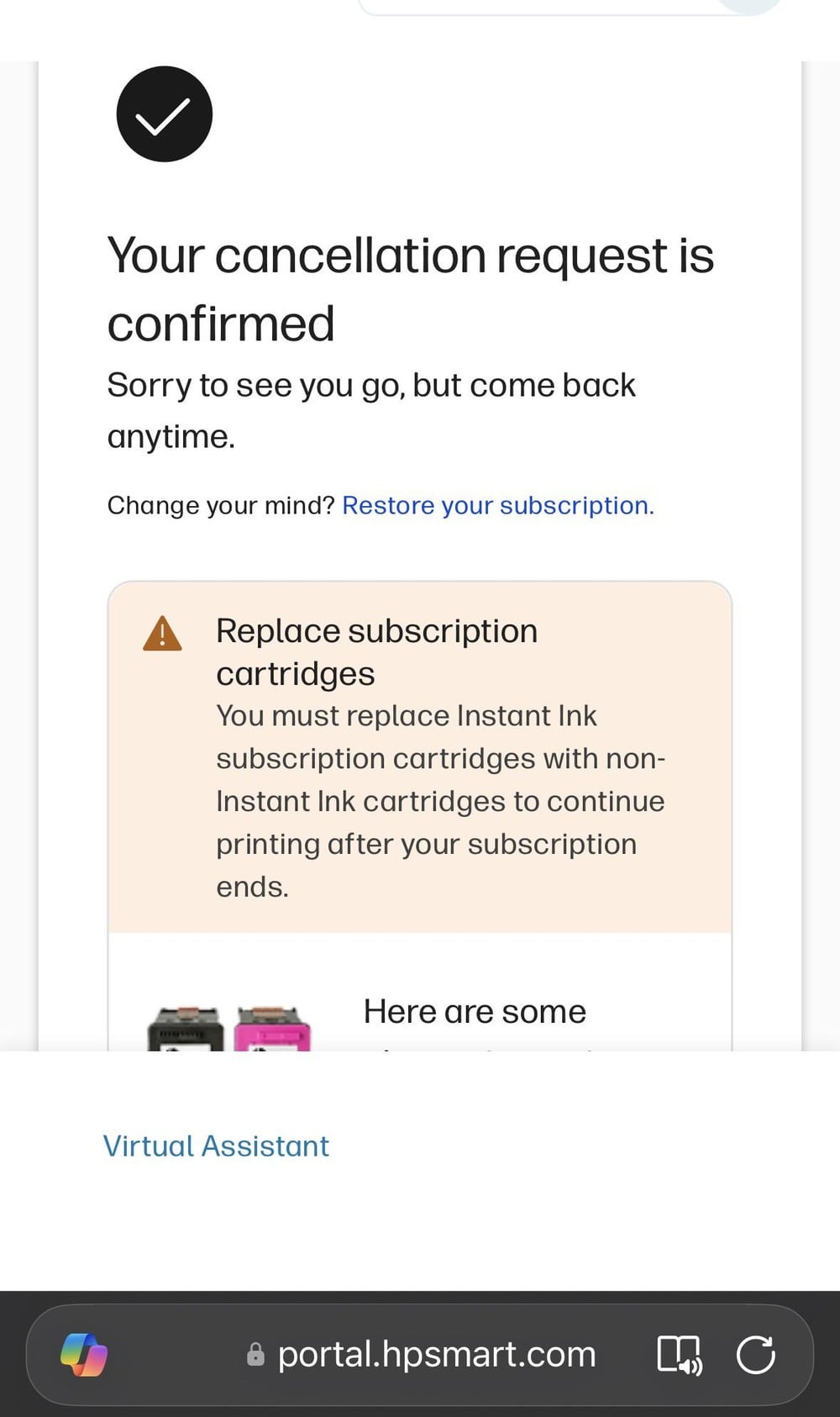
What happens when the feature being sold back to the customer is already physically inside the product? Connected hardware gives manufacturers the ability to control capabilities through software and potentially charge for ongoing access. BMW’s experiment with subscription-based heated seats became the famous example, although the company later abandoned it. The episode exposed a much bigger ownership question: increasingly, buying the hardware does not necessarily guarantee permanent control over everything that hardware can do.
19. Laptops With Storage Soldered to the Board
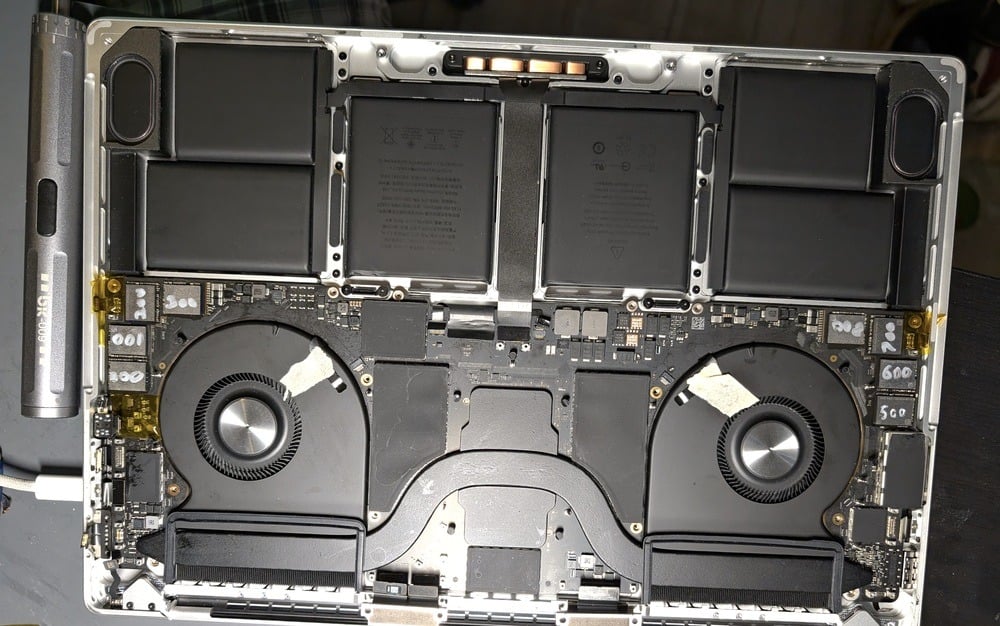
Storage upgrades used to offer aging laptops a surprisingly effective second act. Replace the drive, add more capacity, and keep the machine useful longer. Some premium laptops now solder storage directly to the board instead, removing that straightforward upgrade path. iFixit identifies non-removable storage as a repairability drawback on current MacBooks. Suddenly, guessing how much storage will be needed years from now becomes a decision made before the computer has even been unboxed.
20. Flagship Phones That Lost the Headphone Jack
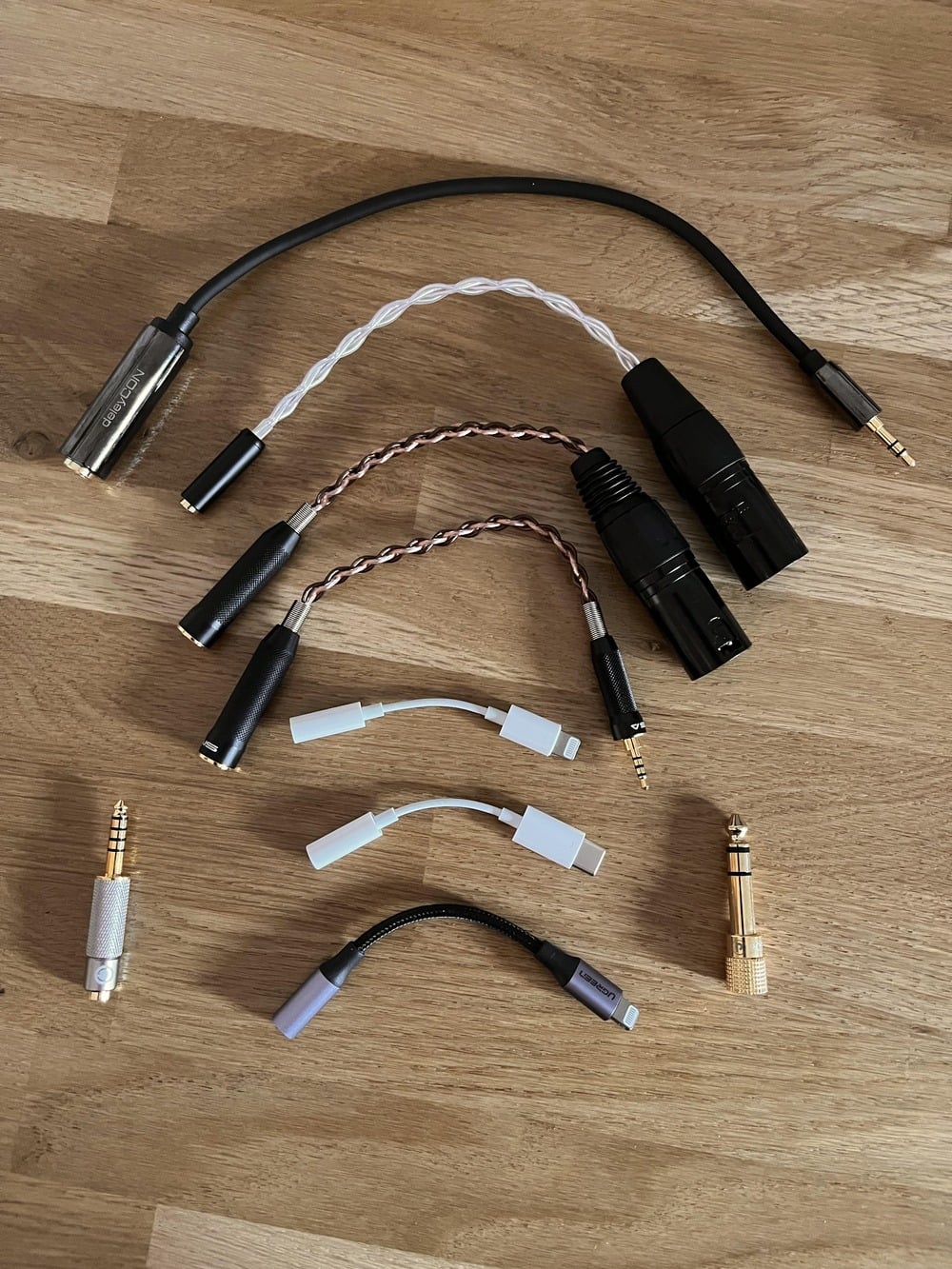
For decades, the 3.5 mm headphone jack asked for almost nothing: plug in headphones and listen. Its disappearance from modern flagships helped accommodate thinner, more water-resistant designs while pushing mobile audio toward wireless technology. The tiny port may be gone, but the need it served certainly isn’t. Now wired headphones can require dongles and adapters like the collection pictured here, turning one formerly universal connection into a miniature ecosystem of extra pieces.
There is a trap in romanticizing every older product as automatically superior. Many of these disappearing features were exchanged for real advantages, including lighter cars, water-resistant phones, thinner computers, and more capable software. But the other half of that bargain deserves attention too. Consumers have gradually surrendered things they once received, replaced, repaired, expanded, controlled, or owned outright. That makes functional shrinkflation harder to spot than a smaller package, but not necessarily less expensive.
Keep Exploring The Scroller
A missing charger here, a vanished port there, and suddenly the junk drawer is full of things that used to be unnecessary. Keep exploring The Scroller for more everyday products that quietly changed, familiar conveniences that disappeared, and the strange little tradeoffs hiding inside modern life:
Everyday Products with Surprising Hidden Features