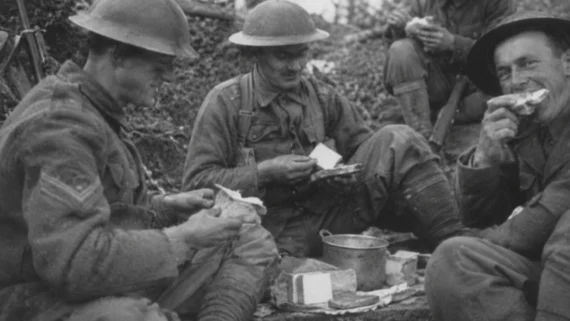
Throughout history, military conflict has driven some of the most radical innovations in human technology, including many of the packaged foods we grab casually off grocery store shelves today. Whenever nations plunged into war, armies faced the monumental challenge of feeding millions of troops across hostile territories without adequate refrigeration or supply lines. To solve this crisis, military leaders and chemists worked tirelessly to invent revolutionary preservation techniques that could withstand harsh combat conditions.
What started as emergency rations designed to prevent starvation on muddy battlefields eventually transformed into beloved household staples. From instant coffee powders that kept weary guards awake to shelf-stable canned meats, wartime necessity truly became the mother of modern culinary convenience. Exploring the battlefield origins of our favorite grocery items reveals a fascinating intersection of science, conflict, and commerce. Here are twelve popular foods that were originally engineered for soldiers before finding their way into civilian supermarkets.
1. SPAM
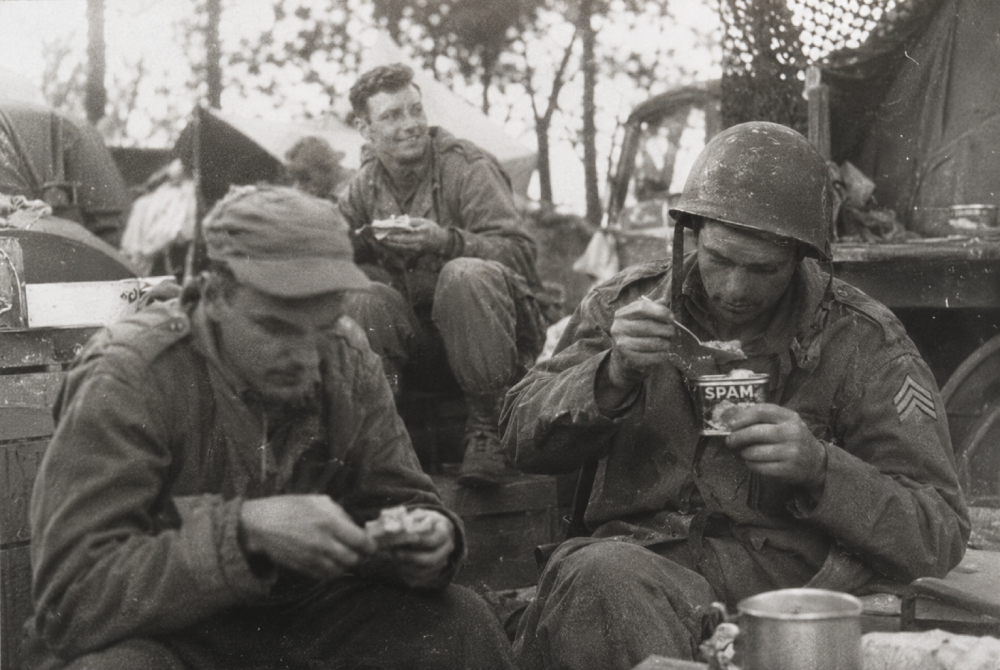
In 1937, Hormel Foods executive Jay Hormel officially launched SPAM as a cheap source of protein during the Great Depression. The canned pork shoulder and ham mixture became a vital lifeline for Allied soldiers stationed across Europe and the Pacific during World War II, with millions of tons shipped overseas before appearing in local grocery aisles.
2. Instant coffee
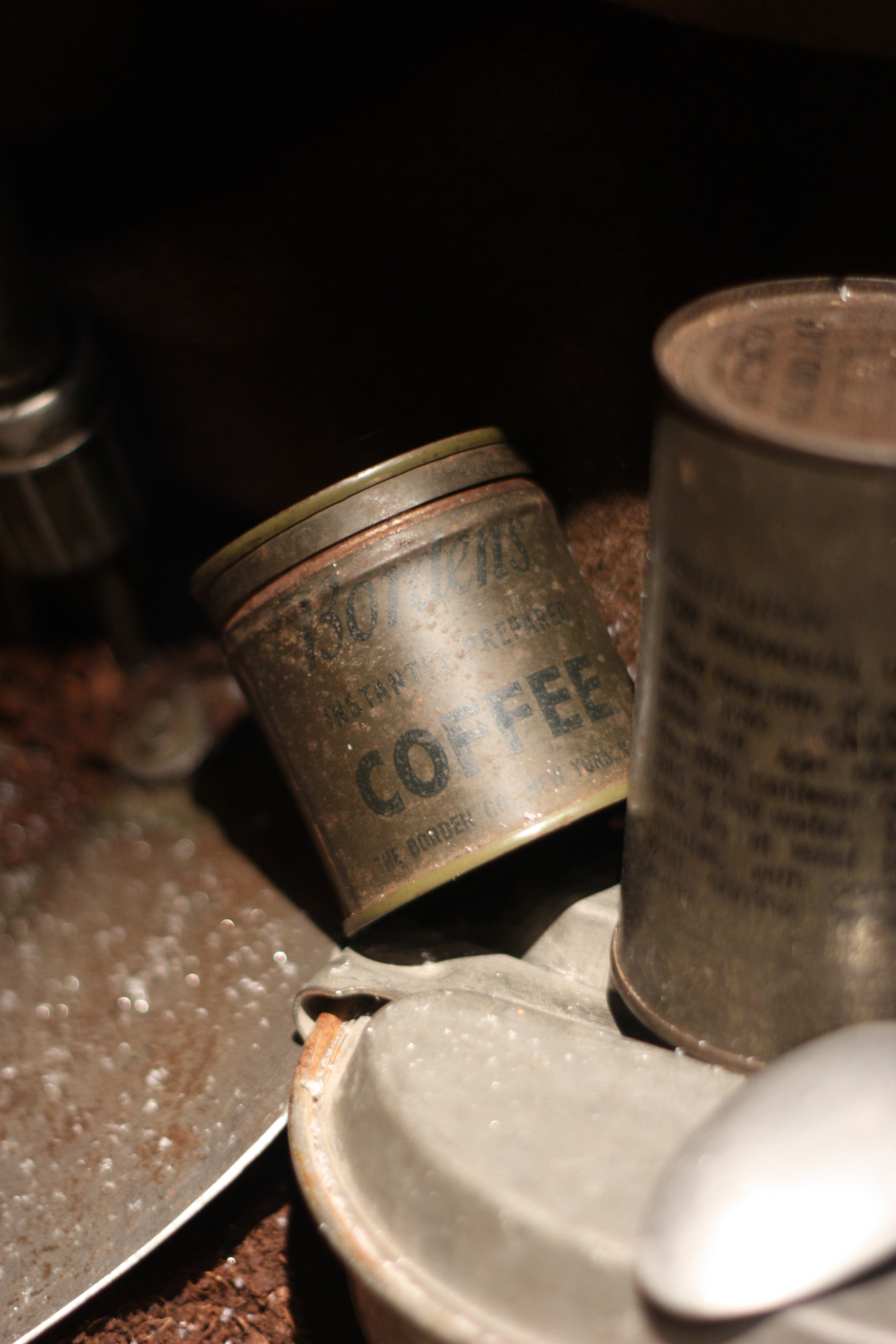
In 1938, Nestlé chemist Max Morgenthaler successfully perfected a soluble powder process to create shelf-stable instant coffee in Switzerland. The United States military quickly purchased massive quantities of the powdered caffeine fix to supply frontline soldiers during World War II, instantly creating a postwar civilian obsession.
3. M&M’s
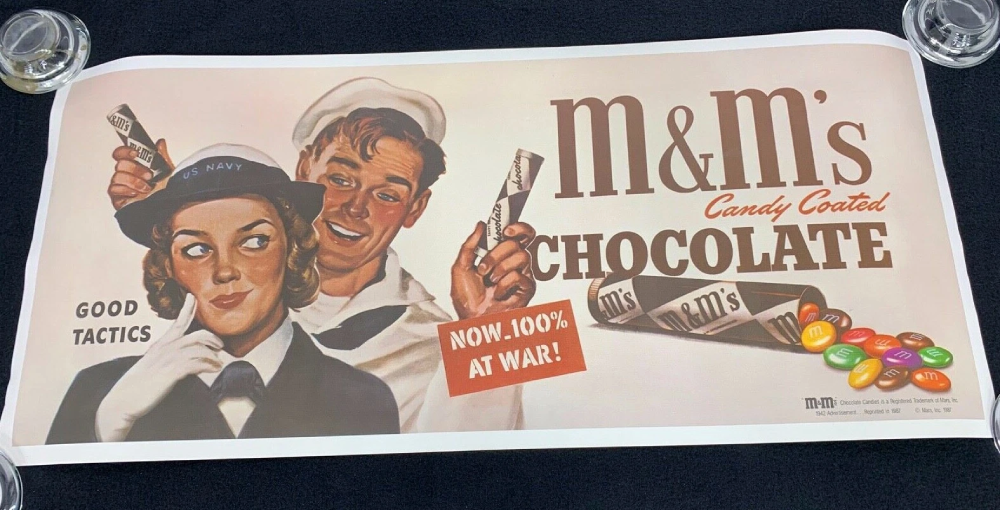
While visiting Spain during the Spanish Civil War in the late 1930s, candy entrepreneur Forrest Mars Sr. noticed soldiers eating chocolate pellets encased in a hard sugar shell to prevent melting in the sun. He patented the brilliant candy-coated design in 1941 and initially sold the colorful treats exclusively to the United States Army as a durable combat ration.
4. Hershey’s tropical bar
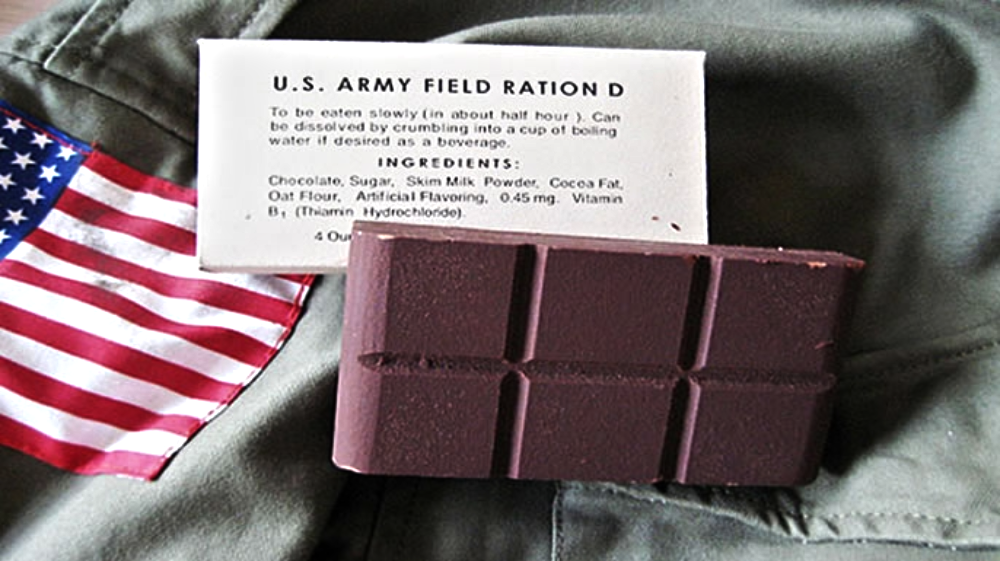
In 1937, Colonel Paul Logan of the United States Army Quartermaster Corps approached the Hershey Chocolate Corporation to design a high-energy emergency ration that could withstand tropical heat without melting. The resulting D-Ration chocolate bar was intentionally engineered to taste deliberately bitter so that starving soldiers would not eat their entire four-day calorie supply in one sitting.
5. Instant ramen
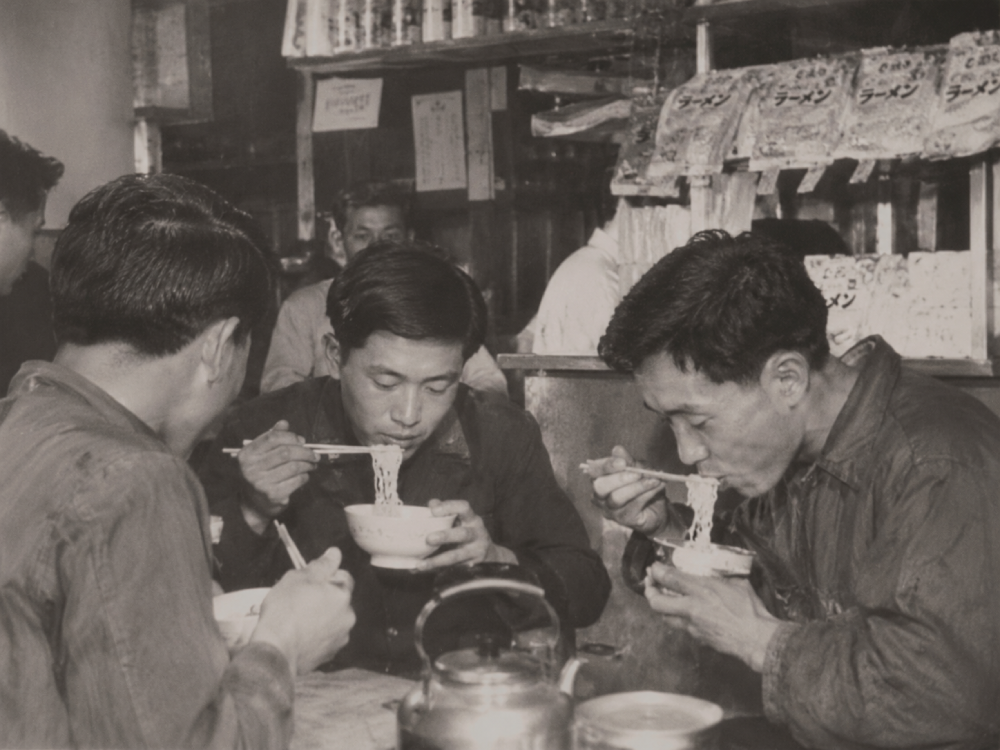
Following the devastating food shortages in post-World War II Japan, inventor Momofuku Ando spent months inside a tiny Osaka shed trying to create a cheap, shelf-stable meal that could be prepared instantly. He successfully released the world’s first instant ramen in 1958, a revolutionary comfort food that quickly became a staple for military outposts and busy college students alike.
Trending on The Scroller


6. Canned food and appertization
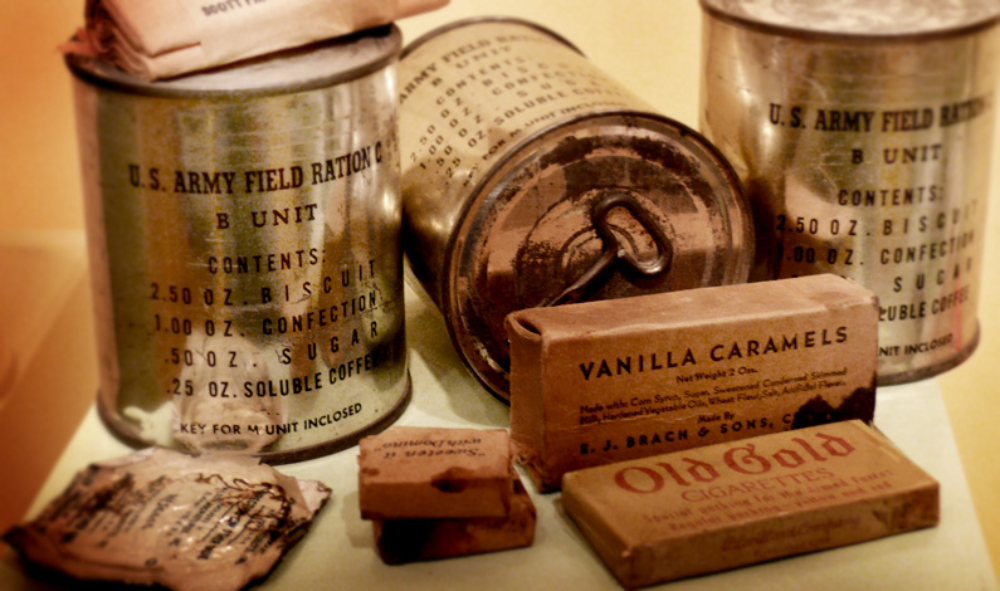
In 1810, French confectioner Nicolas Appert won a massive twelve-thousand-franc prize offered by Emperor Napoleon Bonaparte for inventing a reliable method to preserve food inside sealed glass jars. This groundbreaking hermetic sealing technique successfully kept French troops fed during grueling military campaigns, laying the direct foundation for the modern commercial canning industry.
7. Kraft macaroni and cheese
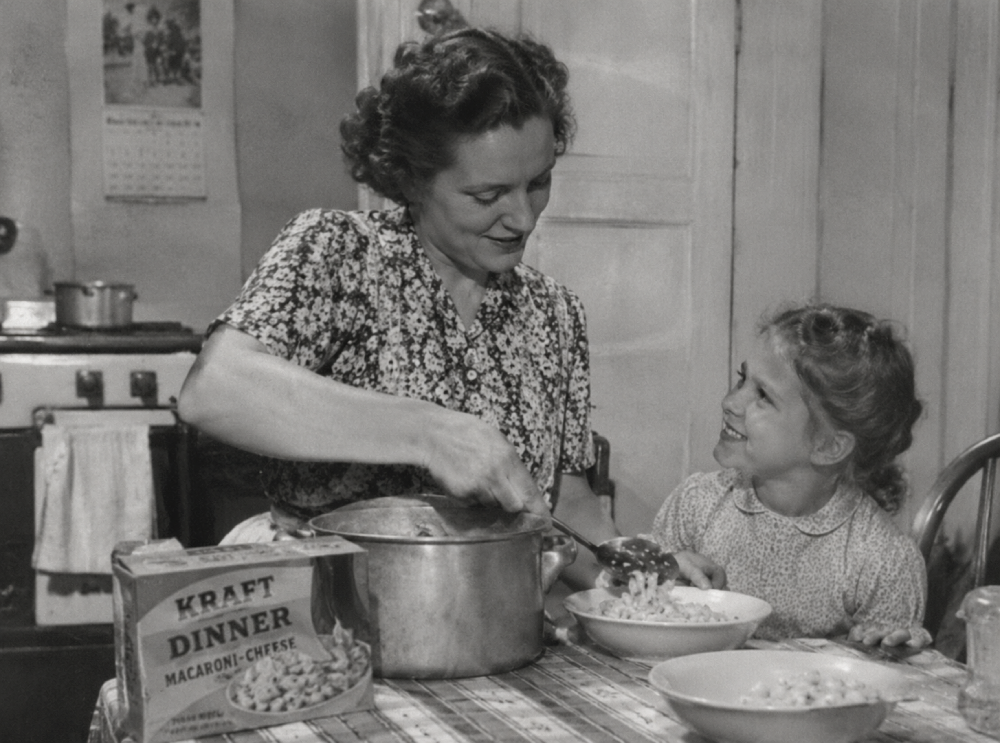
During the height of World War II rationing in 1937, a clever St. Louis salesman watched a Chicago cheese merchant pin a wooden rod to a box of pasta with a rubber band to sell them together. Kraft rapidly packaged this genius combination into dry cardboard boxes, providing millions of American families and military mess halls with an affordable, shelf-stable meal.
8. Canned bully beef
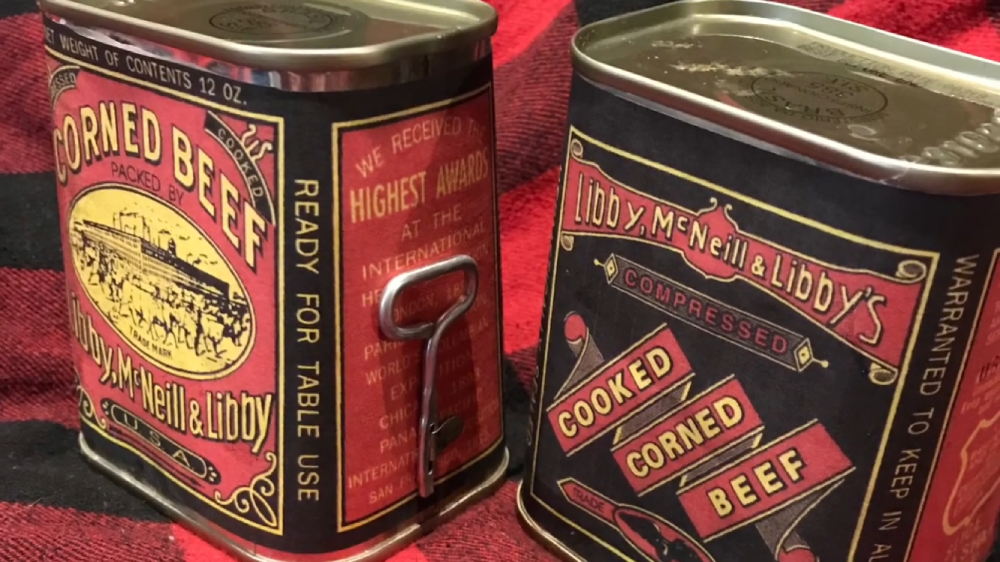
During the brutal trench warfare of World War I, soldiers relied heavily on salted and pressure-cooked canned beef commonly known as bully beef. Shipped by the millions from massive industrial packing plants in Chicago and South America, this dense protein source sustained exhausted troops in the mud before transitioning into a popular civilian grocery item.
Sign up for our newsletter
9. Processed cheese slices
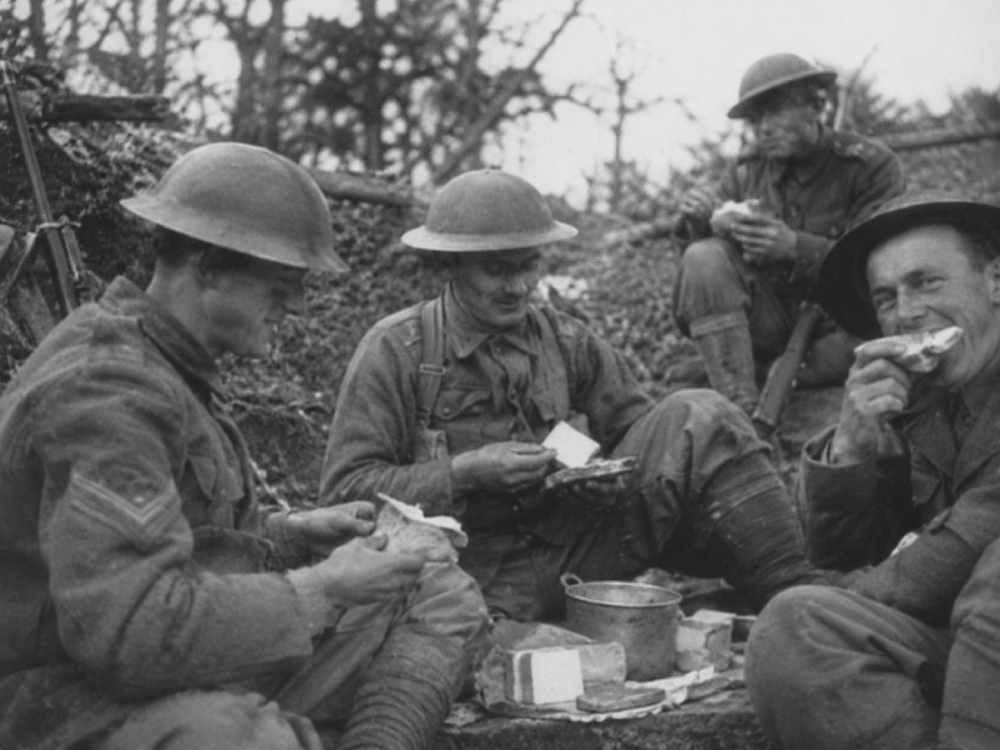
In 1916, Canadian-American entrepreneur James Lewis Kraft patented a revolutionary pasteurized processed cheese that successfully resisted spoiling without refrigeration. The United States military immediately purchased over six million pounds of this shelf-stable cheese to feed frontline troops during World War I, catapulting the brand into global commercial stardom.
10. Crisco shortening
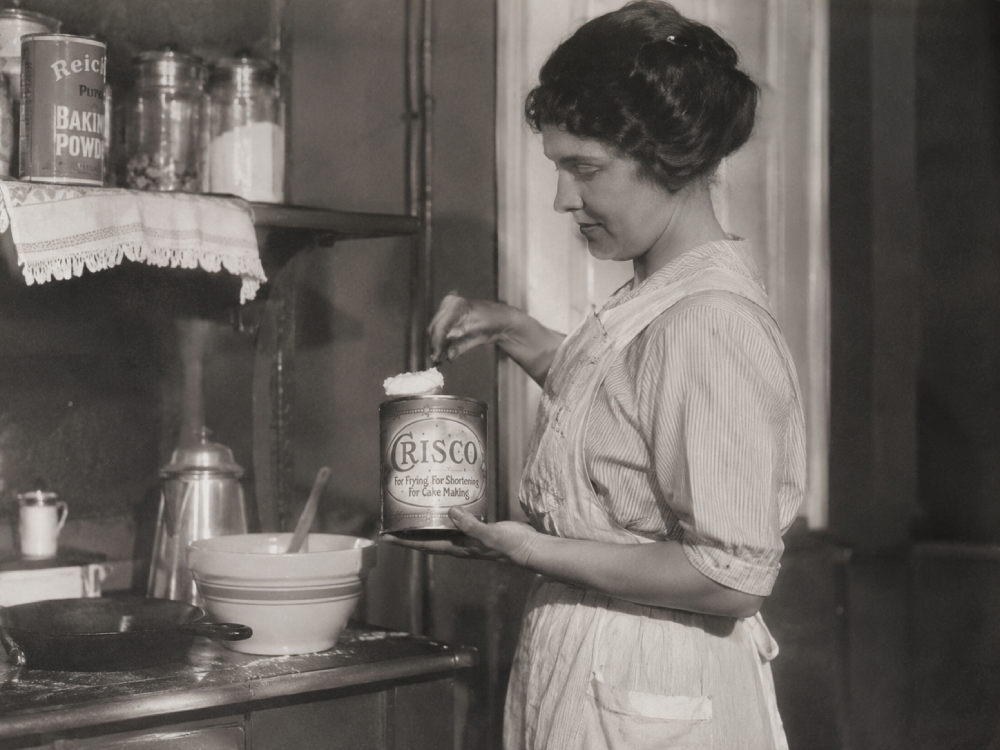
Developed by Procter & Gamble in 1911, Crisco was originally created by hydrogenating cheap cottonseed oil as a low-cost alternative to animal lard. When World War I caused severe butter and pork fat shortages across Europe and America, the military heavily promoted vegetable shortening to feed civilian and military kitchens alike.
11. Canned Vienna sausages
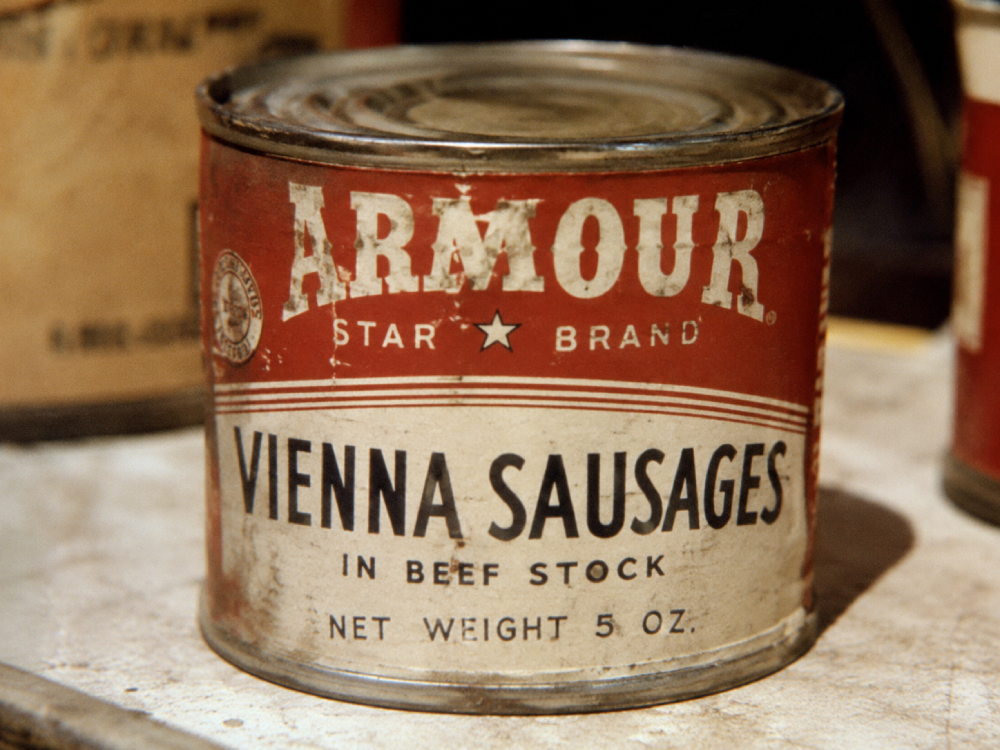
These small, pre-cooked smoked sausages were originally developed in Vienna, Austria, during the nineteenth century before American meatpackers adopted the concept for military field rations. During World War II, millions of small metal cans filled with Vienna sausages were shipped to overseas troops as a portable, ready-to-eat protein source that required no cooking.
12. Sweetened condensed milk
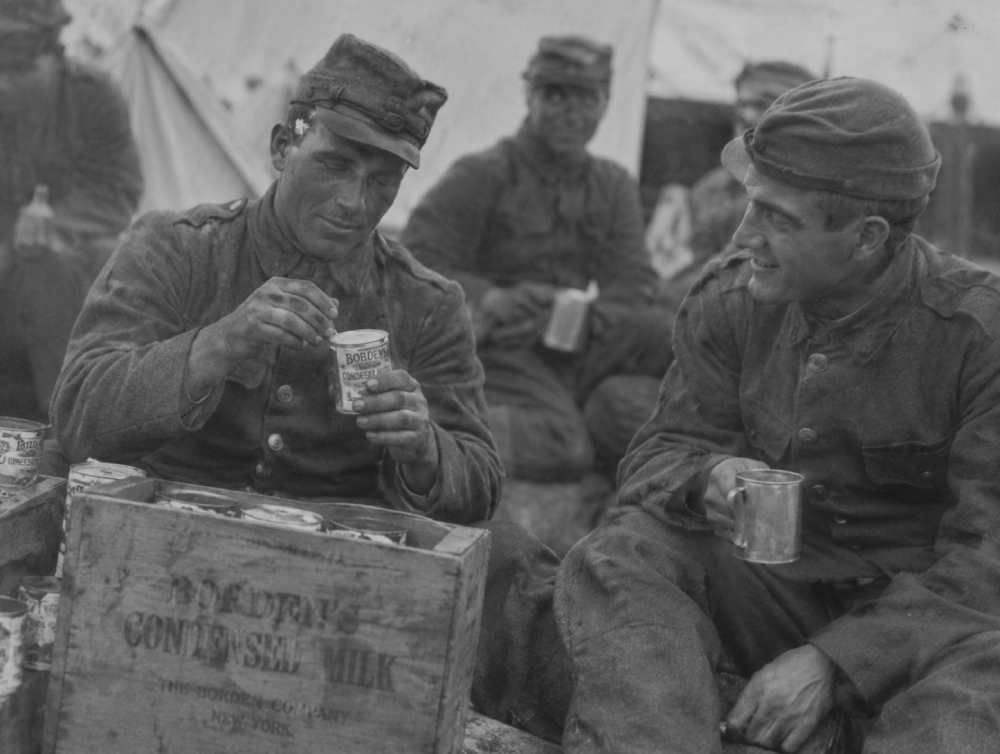
Inspired by seeing children die from drinking contaminated milk on an ocean liner, American inventor Gail Borden patented sweetened condensed milk in 1856. The Union Army heavily relied on these nutrient-dense canned milk tubes and tins to keep soldiers nourished during the American Civil War, forever changing how families stored dairy products at home.
Explore more stories about the origins of foods:
Tracing the battlefield origins of our everyday meals proves that military necessity has always been a powerful catalyst for culinary invention. Long before these convenient items lined supermarket aisles, they were simply meant to keep exhausted troops alive on the front lines. If you love exploring fascinating historical secrets, vintage facts, and food origin stories, make sure to check out these 12 Strange Food Facts Hiding on the Dessert Menu or 15 Delicious Foods That Started Out as 19th-Century Medicine. You may also like these 15 Famous Foods That Were Invented by Accident in The 1960s.