The 1960s were a turning point for American food culture. Convenience foods exploded, fast food chains expanded nationwide, and snack companies became household names. It was a decade of experimentation, bold flavors, and big marketing, and sometimes the biggest hits weren’t planned at all.
In fact, some of the most famous foods people still eat today came from mistakes, mishaps, and unexpected surprises. Whether it was a recipe gone wrong, a manufacturing glitch, or someone improvising with what they had, these accidental inventions became icons. Here are 15 famous foods that were invented by accident and rose to fame during the 1960s.
Tang

Tang wasn’t invented in the 1960s, but it became a cultural icon during the decade thanks to the space race. The powdered orange drink was originally created for convenience, but NASA’s use of it made it feel futuristic. Tang became one of the most recognizable “space age” foods, proving that sometimes timing matters just as much as invention.
Pringles
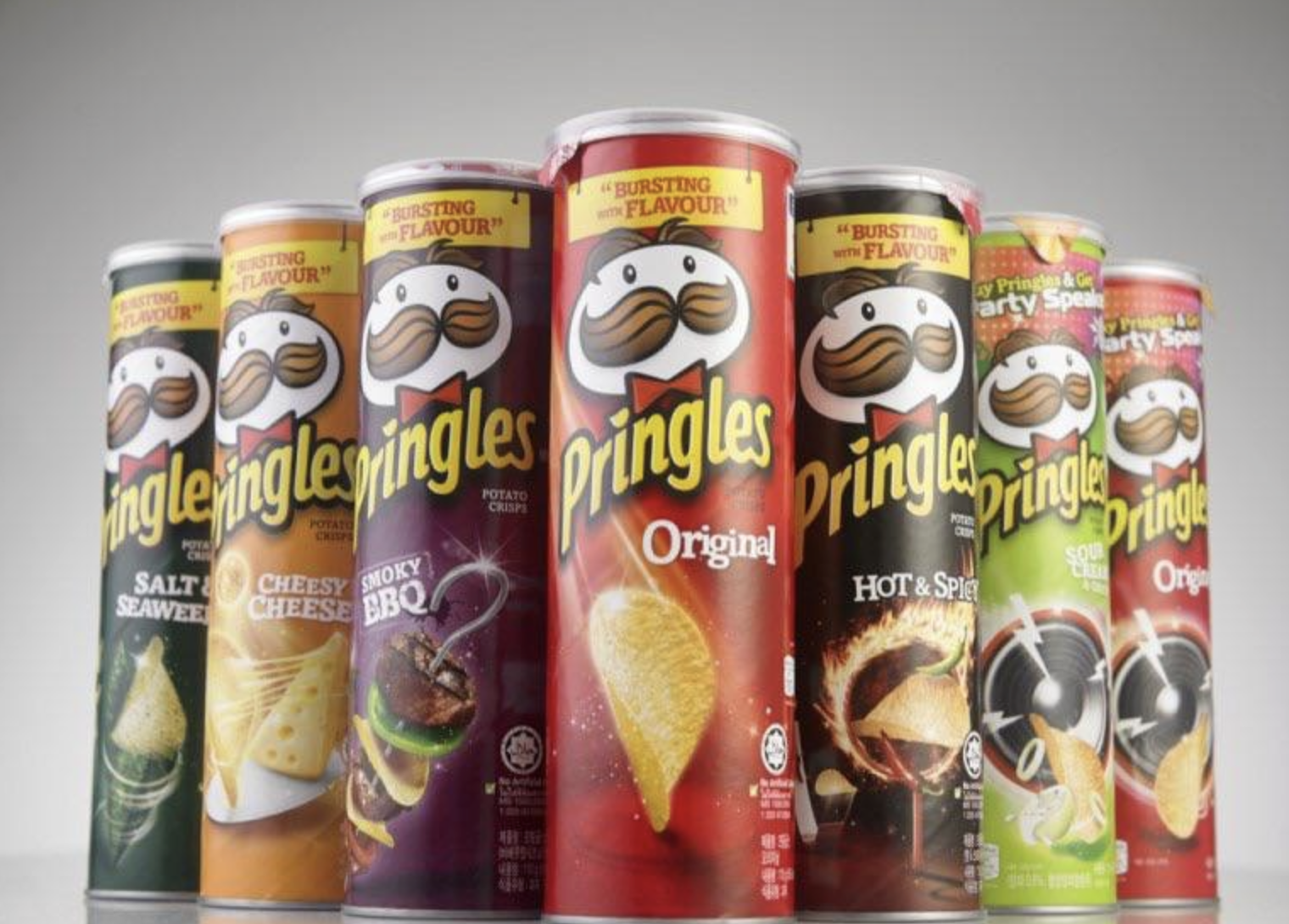
The creation of Pringles was rooted in the problem of broken chips and stale packaging. Snack companies were trying to engineer a better potato chip experience, and experimentation led to a totally new kind of chip: uniform, stackable, and packaged in a tube. It wasn’t a typical kitchen accident, but it was the result of trial, error, and a major rethink of what a potato chip could be.
Pop-Tarts
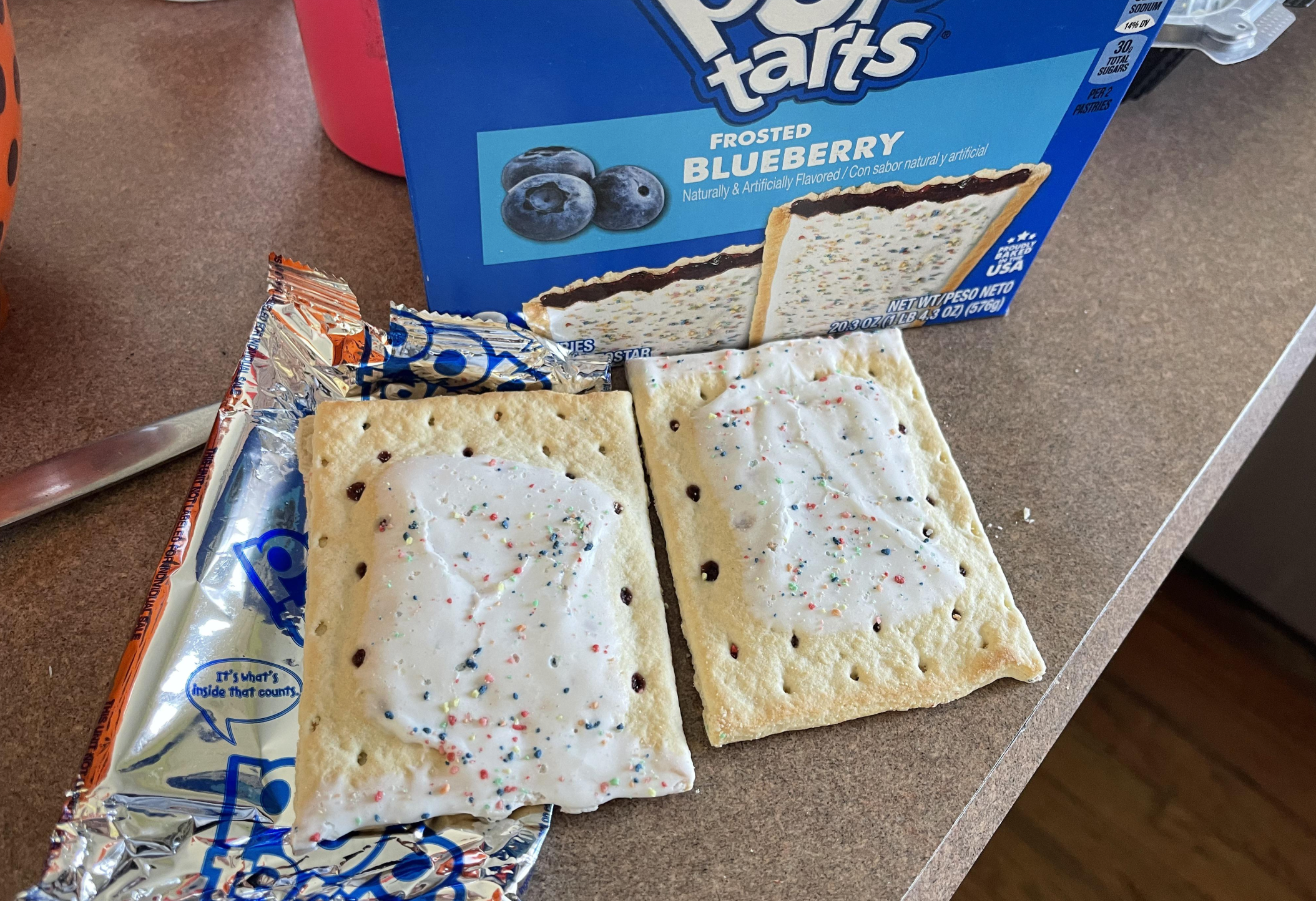
Pop-Tarts were born from a convenience food race. The goal was to create a shelf-stable toaster pastry that could be mass produced. Early versions weren’t perfect, and plenty of testing went into making the filling stay put without leaking or burning. What started as a manufacturing challenge turned into one of the most iconic breakfast foods ever.
Doritos

Doritos are one of the most famous accidental snack foods of all time. In the early 1960s, a Disneyland restaurant had leftover tortillas that were being thrown away. Instead, they were cut up, fried, and seasoned, and they became a hit. That happy accident led to Doritos, which launched nationally later in the decade and became a snack legend.
Instant Breakfast (Carnation Breakfast Essentials)
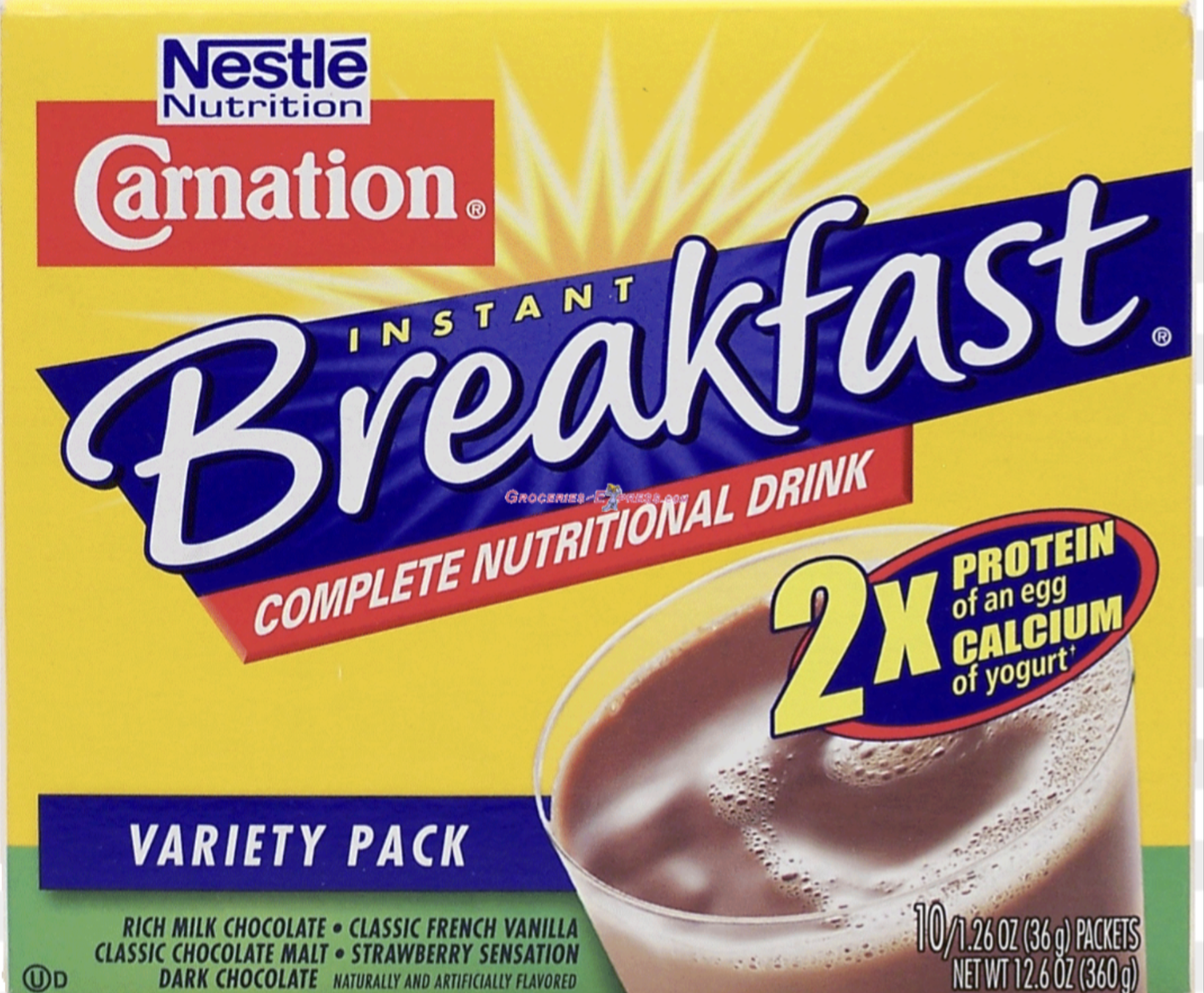
The 1960s were filled with “modern” food ideas, and meal replacement drinks fit perfectly. Carnation’s instant breakfast mix was designed for convenience, but it became popular for a different reason: it felt like a smart, easy way to start the day. It turned into a staple for busy families and eventually became a full product category.
Trending on The Scroller
Cool Whip
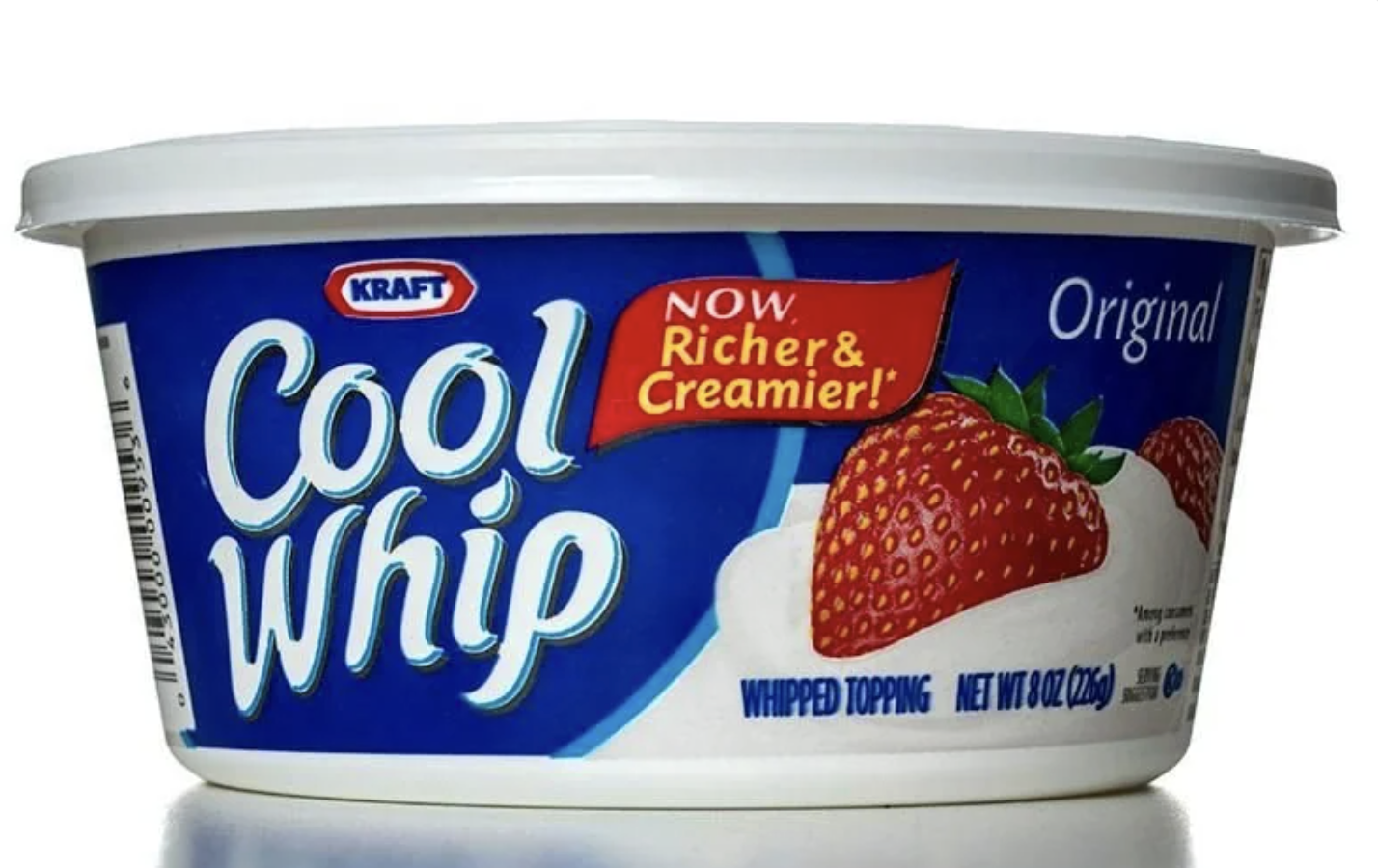
Cool Whip wasn’t exactly created from a kitchen slip-up, but it came from experimentation with whipped toppings that could last longer than traditional whipped cream. The accidental magic was in the formula: it was shelf-stable, fluffy, and convenient. It quickly became a dessert staple and a symbol of mid-century cooking.
Slushies

Slushies became popular after a happy accident involving a semi-frozen drink. A soda was accidentally left in a freezer and turned into a slushy texture that people loved. That “mistake” became the blueprint for the frozen drinks we now see everywhere, from convenience stores to movie theaters.
Spray Cheese
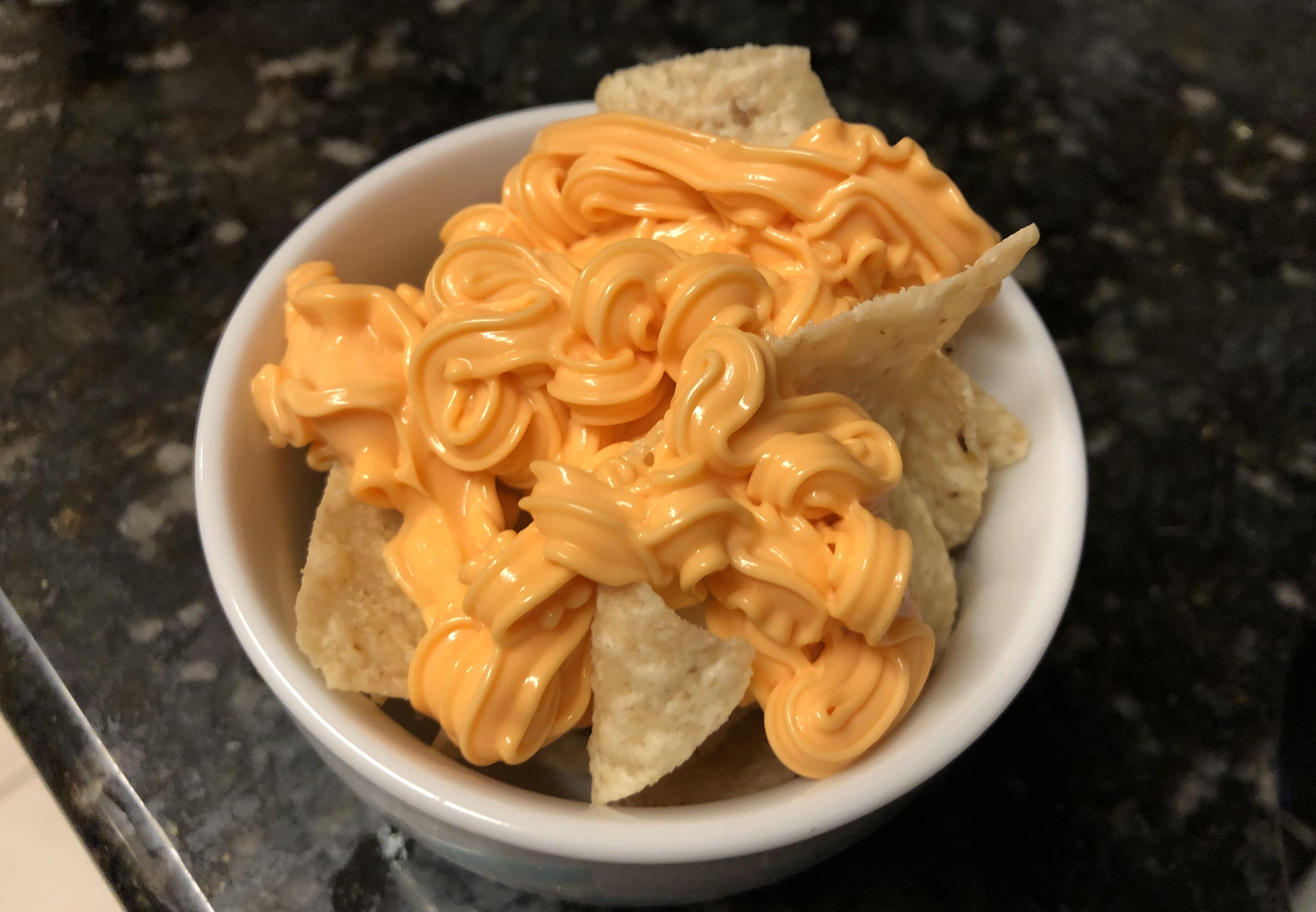
The 1960s were the golden age of novelty foods, and spray cheese fit right in. It was the result of experiments in food processing and packaging, trying to make cheese more portable and shelf-stable. What could have been seen as a bizarre gimmick turned into a lasting snack icon.
Sign up for our newsletter
Frozen Pizza

Frozen pizza became a mainstream staple in the 1960s, and much of its rise came from trial and error. Early frozen pizzas didn’t always bake evenly, crusts could get soggy, and toppings could taste off. But the experimentation paid off, and frozen pizza became one of the most popular convenience foods ever.
The McDonald’s Filet-O-Fish

The Filet-O-Fish was created out of necessity rather than careful planning. A McDonald’s franchise owner noticed sales dropped on Fridays due to religious practices that avoided meat. So he experimented with a fish sandwich. What began as a practical solution became a fast-food classic.
The Shamrock Shake
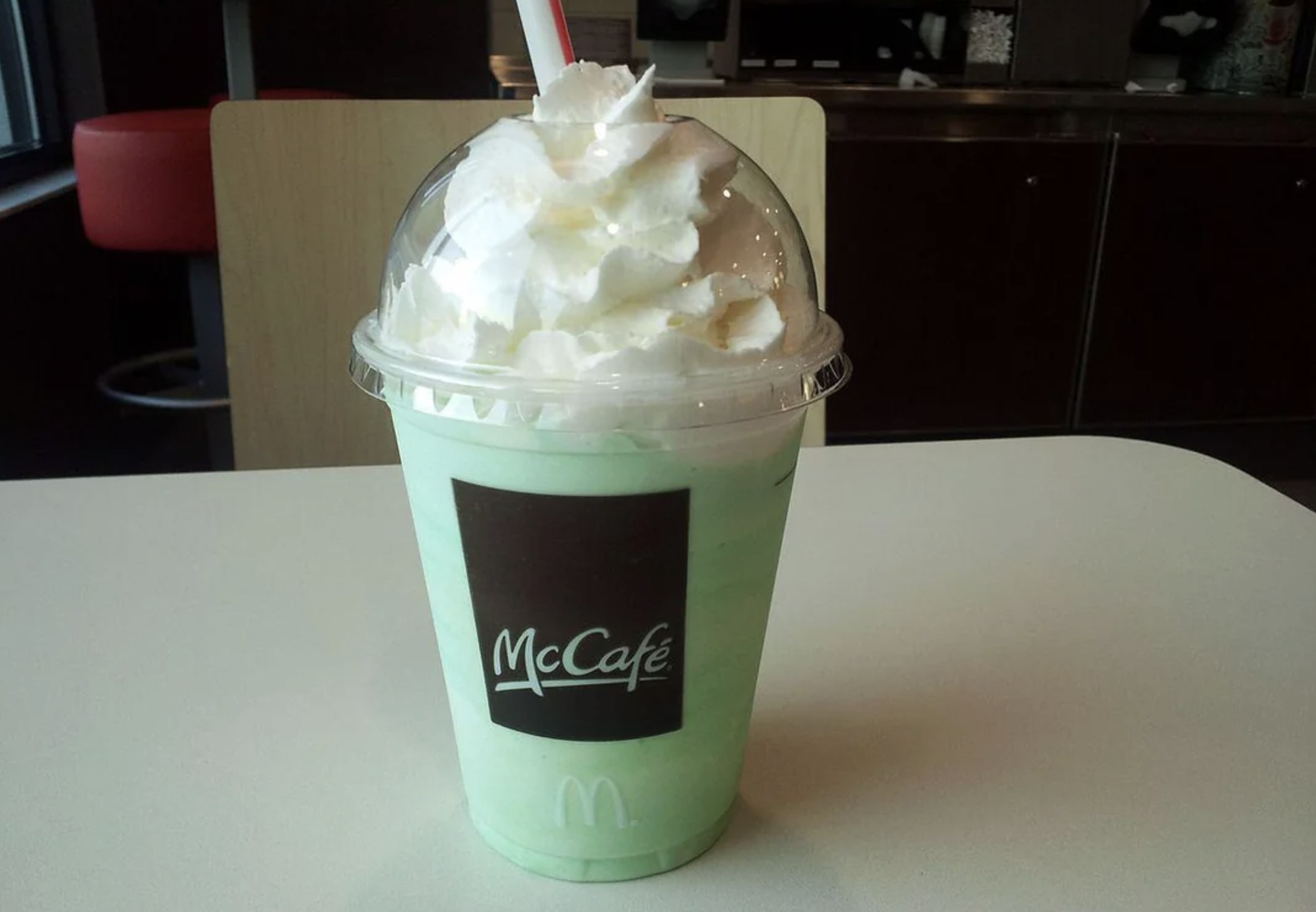
The Shamrock Shake became an accidental icon through seasonal experimentation. McDonald’s was testing limited-time offerings, and the minty green shake quickly became a beloved tradition. It wasn’t meant to become a cultural staple, but the novelty and timing turned it into a recurring favorite.
Bugles
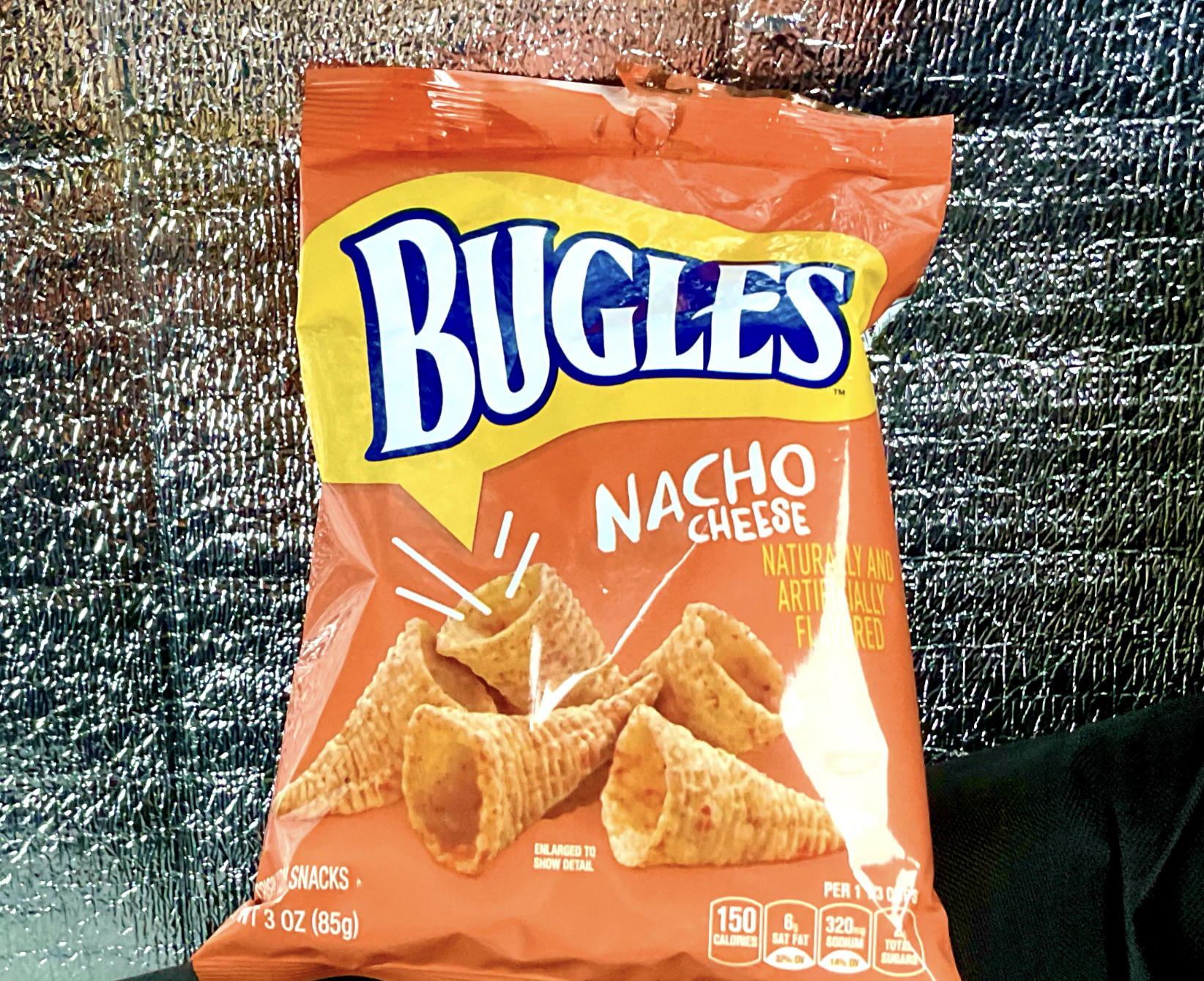
Bugles are another snack shaped by experimentation. Their signature cone shape came from manufacturing innovation, and likely plenty of “oops” moments during development. But that unusual shape made them stand out, and they became a uniquely recognizable snack that people still love today.
The California Roll

While the California Roll rose to fame later, its origins trace back to a very specific kind of accidental invention: adapting sushi to American tastes. In the 1960s, sushi chefs in the U.S. experimented with ingredients that would appeal to customers unfamiliar with raw fish. The result was a gateway roll that changed sushi culture forever.
Buffalo Wings
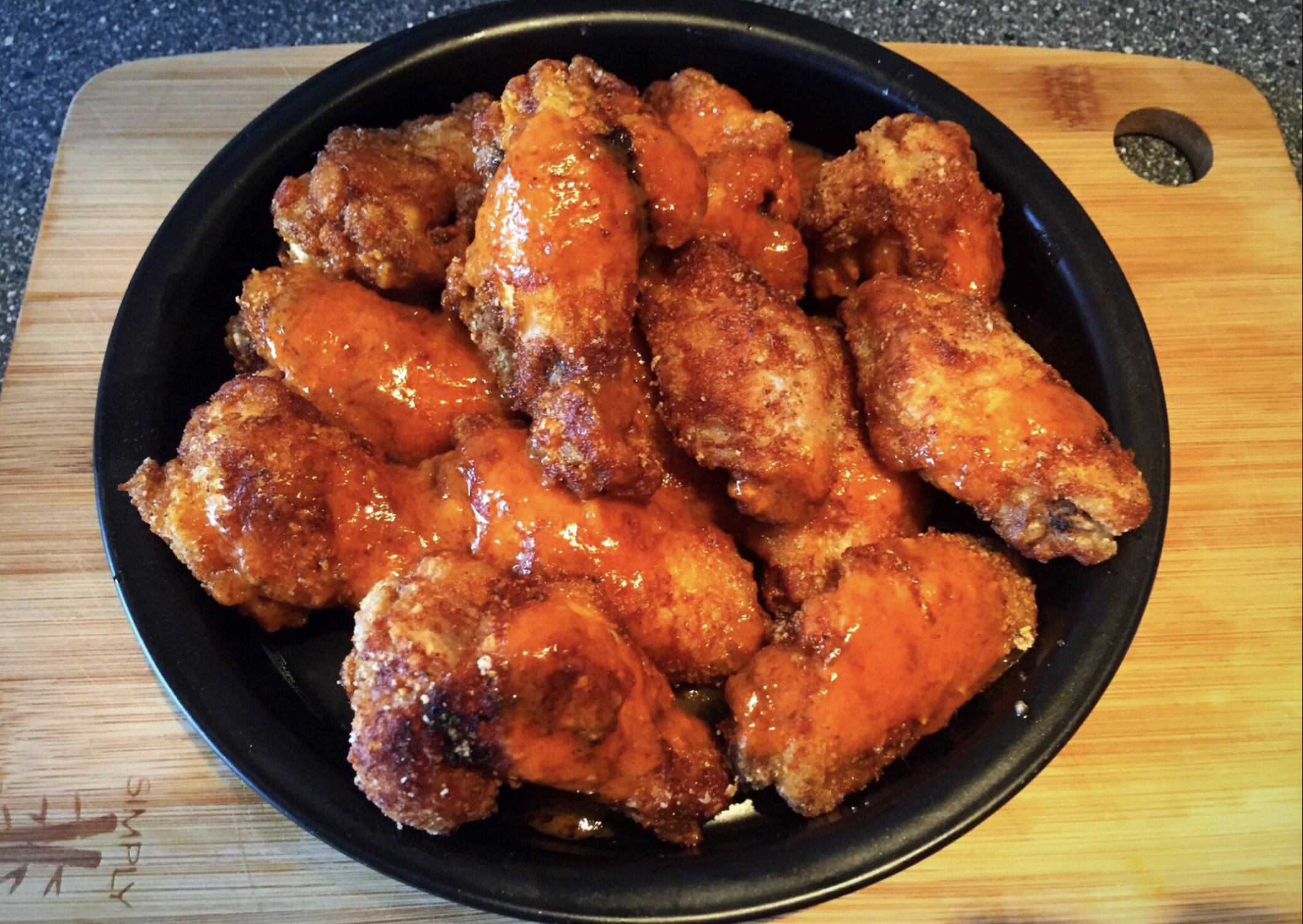
Buffalo wings were famously invented by accident in the 1960s when a bar needed a quick late-night snack and improvised with what they had, chicken wings, hot sauce, and butter. What started as a spur-of-the-moment solution became one of the most iconic bar foods in the world.
Chex Mix (Modern Party Mix)
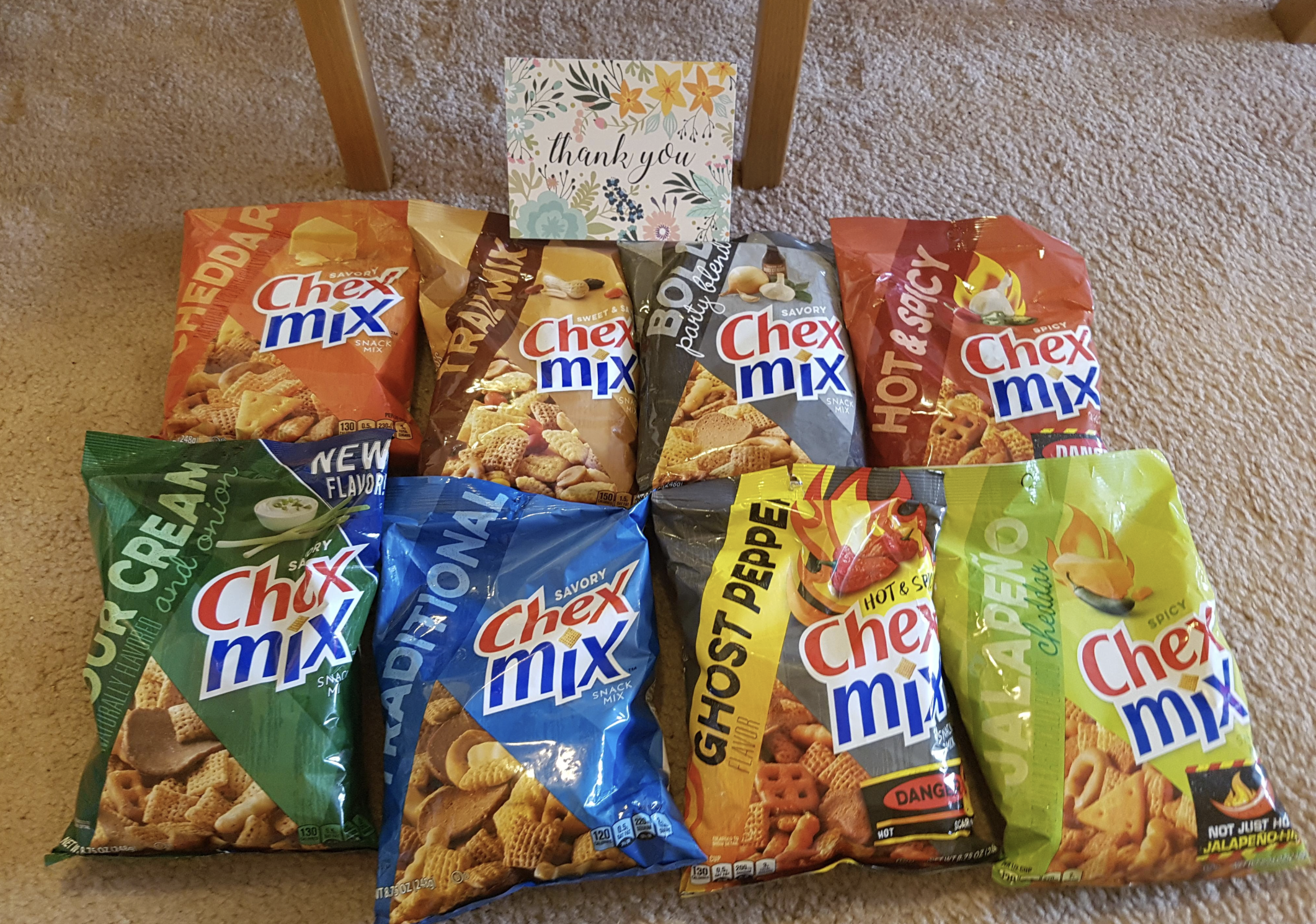
Chex Mix existed earlier, but it became a 1960s party staple thanks to recipe cards and the rise of “hostess culture.” People experimented with snack mixes using cereal, pretzels, nuts, and seasonings. A casual, make-it-with-what-you-have concept became a classic American snack tradition.
Explore more vintage content:
The 1960s were obsessed with newness. Convenience was king, advertising was booming, and food companies were experimenting with technology and flavor like never before. That environment made it easier for mistakes and unexpected successes to turn into household staples. A leftover tortilla became Doritos. A frozen soda became a slushy. A need for Friday sales created the Filet-O-Fish. In the 1960s, accidents didn’t just happen; they became brands. If you loved this content, check out 20 Off-Brand Fails That Deserve Their Own Court Case, or 15 Historic University Buildings That Are Still in Use.