When we stroll down the aisles of a modern supermarket, we tend to see our favorite snacks, beverages, and condiments strictly through the lens of culinary enjoyment. We reach for a cold soda, a sweet piece of candy, or a savory sauce simply to satisfy our cravings or elevate a weekend meal. However, the history of the modern pantry reveals that many of these comforting foods started their lives behind the pharmacy counter rather than on a kitchen table. In the 1800s, an era when medical science was still heavily experimental, pharmacists and doctors were constantly turning to intense botanical extracts and chemical mixtures to treat everything from chronic indigestion to nervous exhaustion.
During this fascinating period, a trip to the local apothecary looked quite similar to visiting a modern confectionery or juice bar. Patrons didn’t consume these innovative foods for their pleasant flavors; they choked them down as bitter, vital remedies designed to balance bodily fluids or boost physical energy. Over the decades, clever entrepreneurs realized that by adding a bit of sugar, carbonation, or aromatic spices, they could transform these medicinal tinctures into highly lucrative commercial treats. Looking back at these origins changes how we view our daily diet and reminds us that some of our favorite comfort items were once high-stakes health prescriptions. Let’s explore fifteen everyday staples that were originally bottled as 19th-century medicine.
1. Coca-Cola
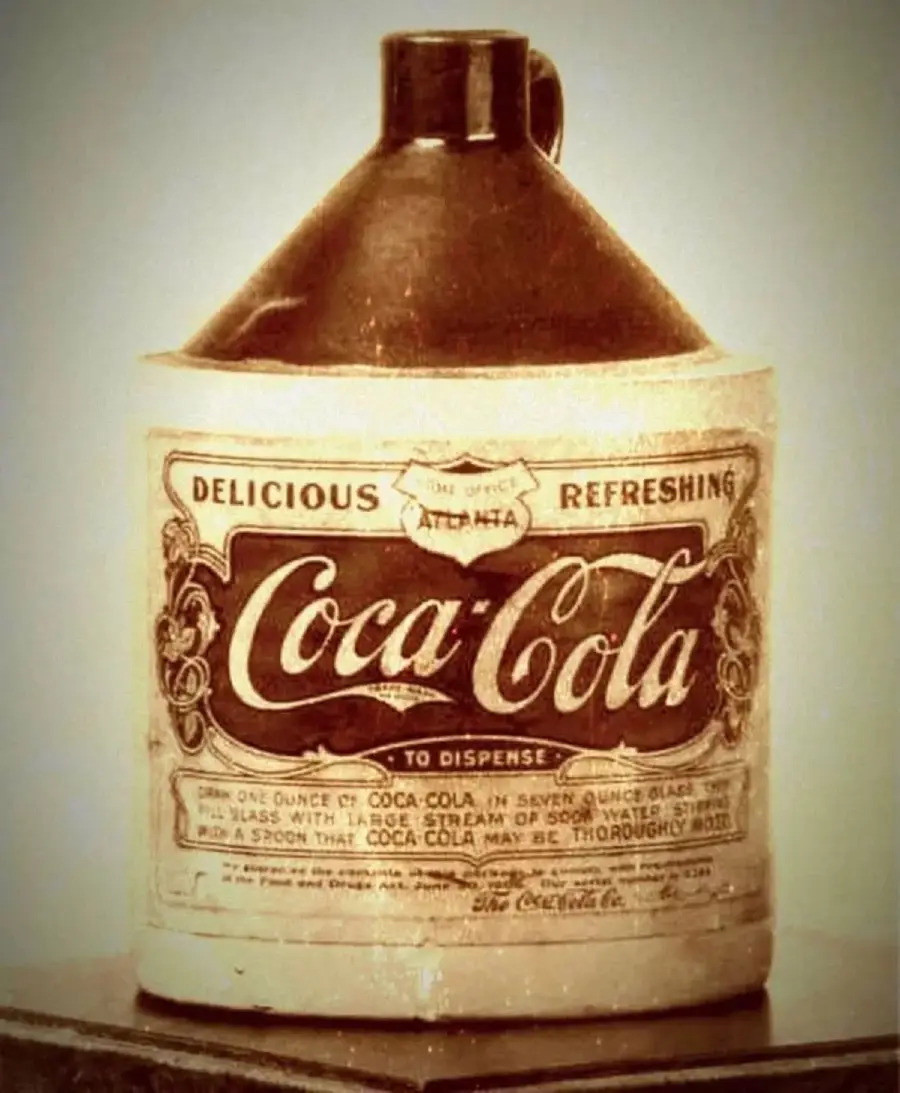
Invented by a wounded Confederate colonel and pharmacist named John Pemberton, this global beverage was originally formulated as a nerve tonic and a cure for chronic headaches. The initial recipe combined extracts from the South American coca leaf and the African kola nut to create a high-powered medicinal syrup. Pemberton marketed the concoction to intellectuals and businessmen who were suffering from the intense mental strain and physical exhaustion common during the Industrial Revolution. It was only when a soda fountain clerk accidentally mixed the syrup with carbonated water that the mixture transformed into a refreshing, celebratory fountain drink.
2. Graham Crackers
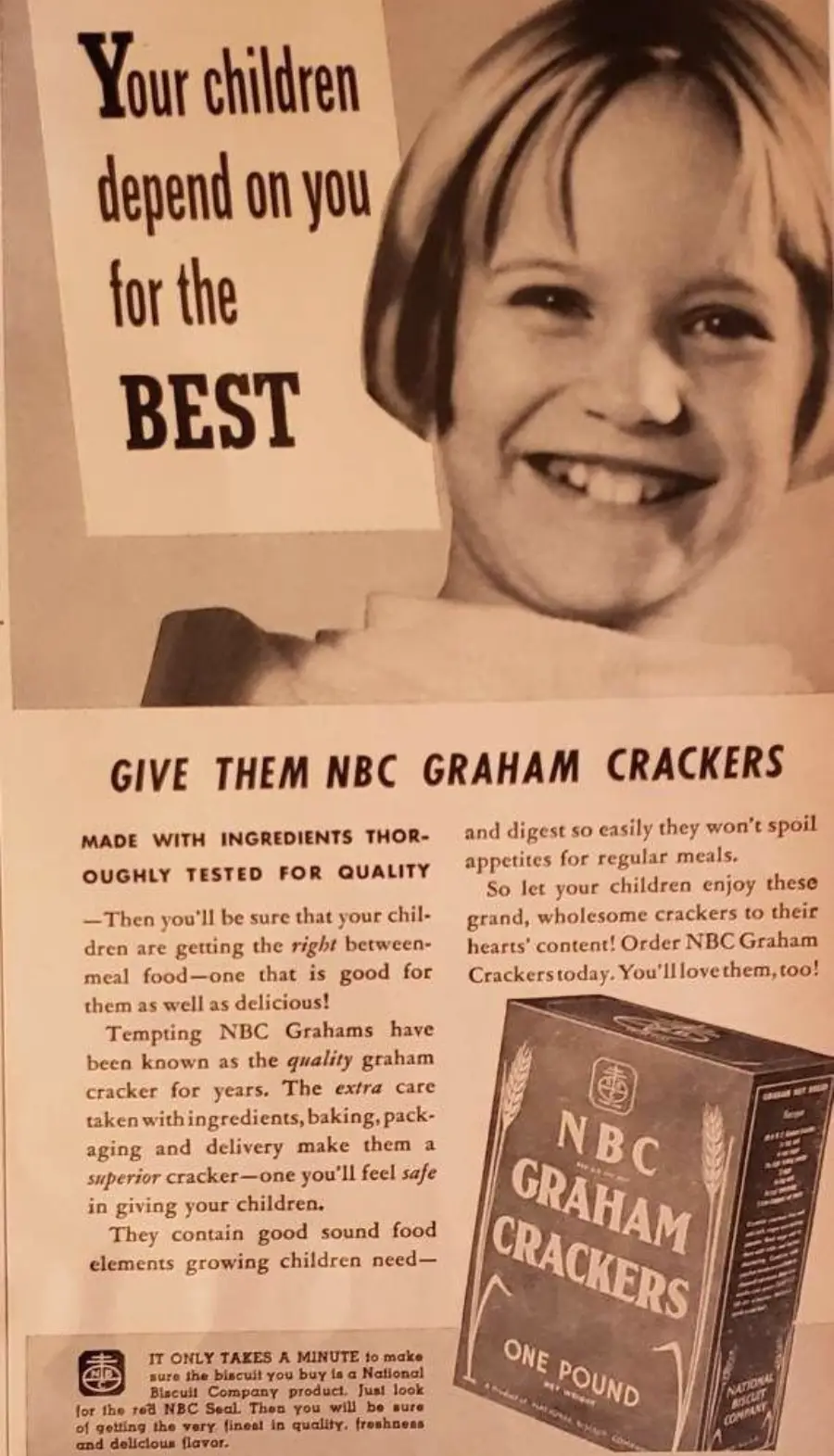
This popular campfire snack was invented by a Presbyterian minister named Sylvester Graham, who firmly believed that a bland, high-fiber diet could cure a variety of physical and spiritual ailments. Graham argued that white flour, meat, and refined spices caused severe digestive issues and led people toward immoral, reckless behaviors. He engineered a specific, unrefined whole-wheat flour to create a dry, completely unsweetened biscuit meant to calm the stomach and the human spirit. Decades after his passing, commercial bakeries added large amounts of honey, sugar, and molasses to his medicinal recipe, turning a strict dietary punishment into a beloved sweet treat.
3. Tomato Ketchup
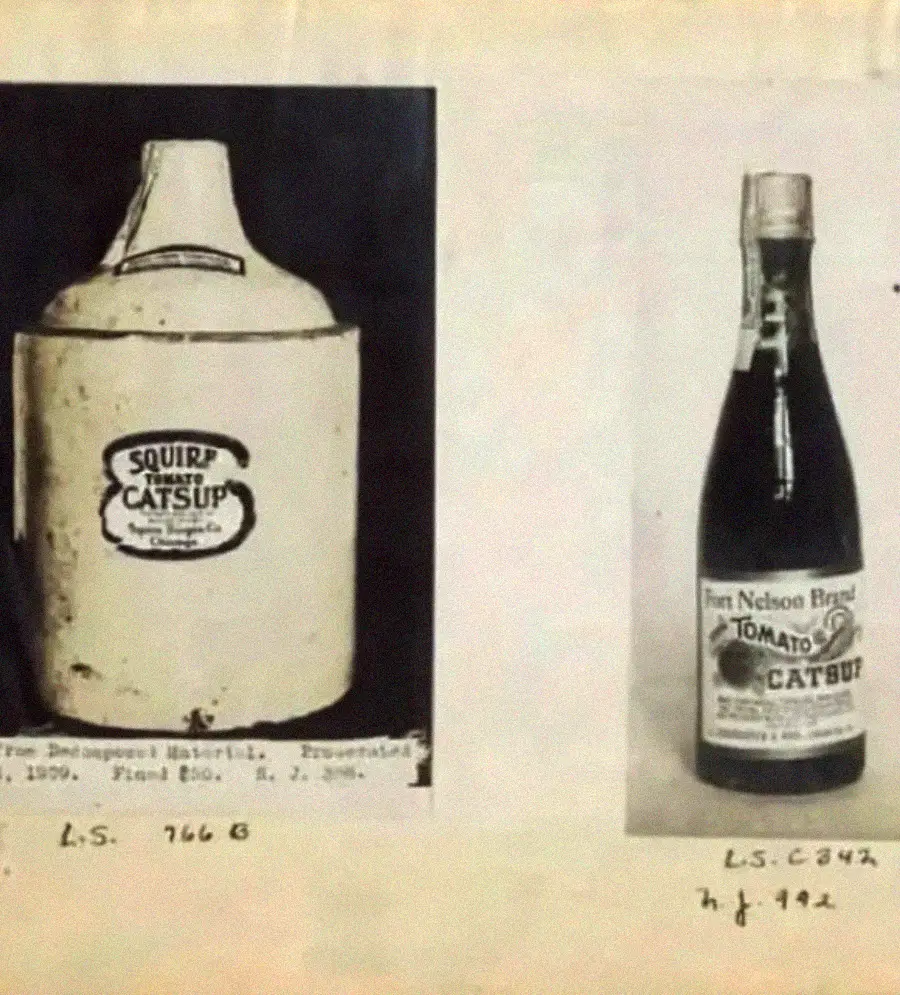
Long before it became the definitive American condiment for French fries and burgers, ketchup was actively sold across the United States as a patented pill for digestive disorders. In the 1830s, a prominent doctor named John Cook Bennett claimed that tomatoes possessed immense medicinal qualities that could successfully cure diarrhea, jaundice, and severe indigestion. He partnered with an entrepreneur to dehydrate the spiced tomato sauce into medicinal tablets that were distributed to pharmacies nationwide. The medical craze eventually faded when rival pill makers flooded the market with fraudulent versions, forcing producers to rebrand the savory sauce as a standard household condiment.
4. Tonic Water
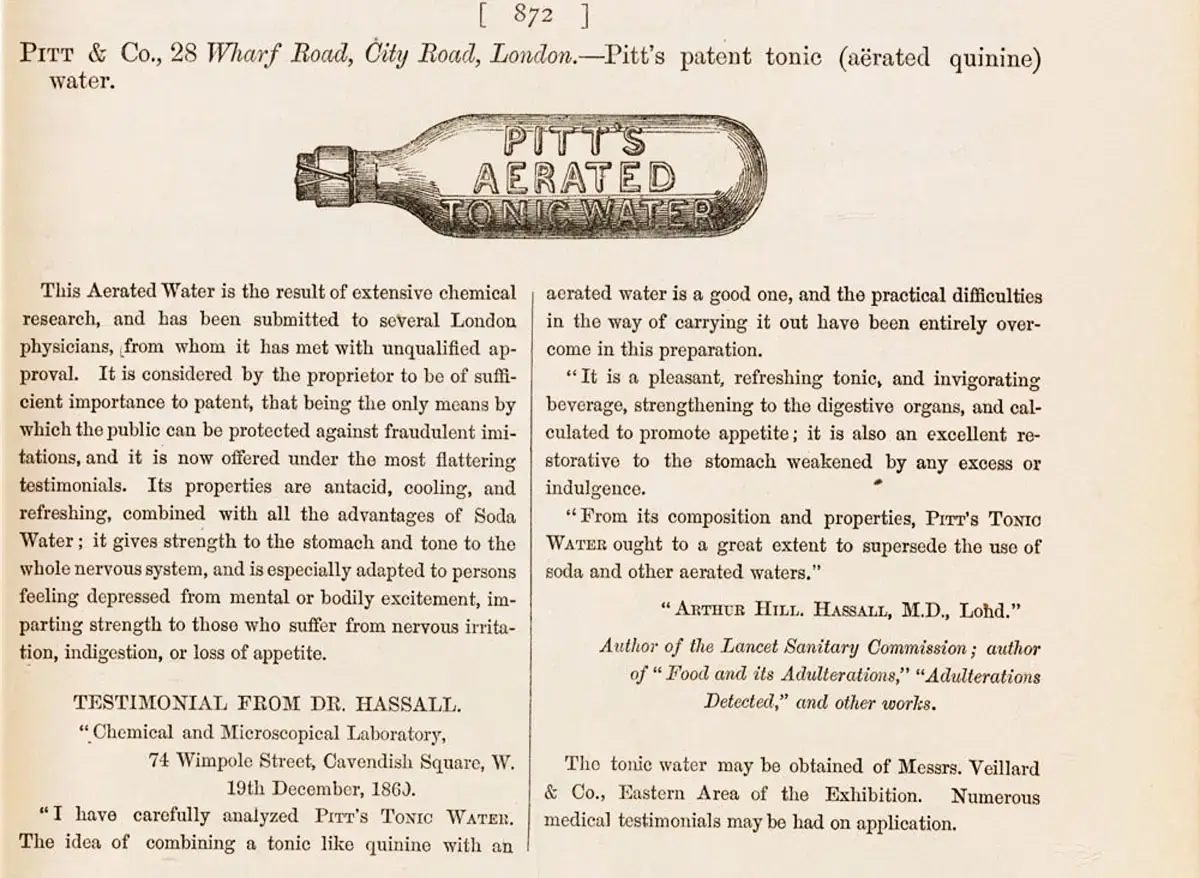
The crisp, bitter mixer that we pair with lime today was originally a life-saving prophylactic designed to protect European soldiers from contracting malaria in tropical climates. The key ingredient is quinine, a naturally occurring chemical compound extracted from the bark of the South American cinchona tree. Because the raw quinine powder was incredibly bitter and nearly impossible to swallow on its own, British officials in India began mixing it with sugar, water, and a splash of gin to make the daily dose tolerable. This functional daily routine eventually gave rise to the classic cocktail, transforming a harsh jungle medicine into a sophisticated lounge staple.
5. Dr. Pepper
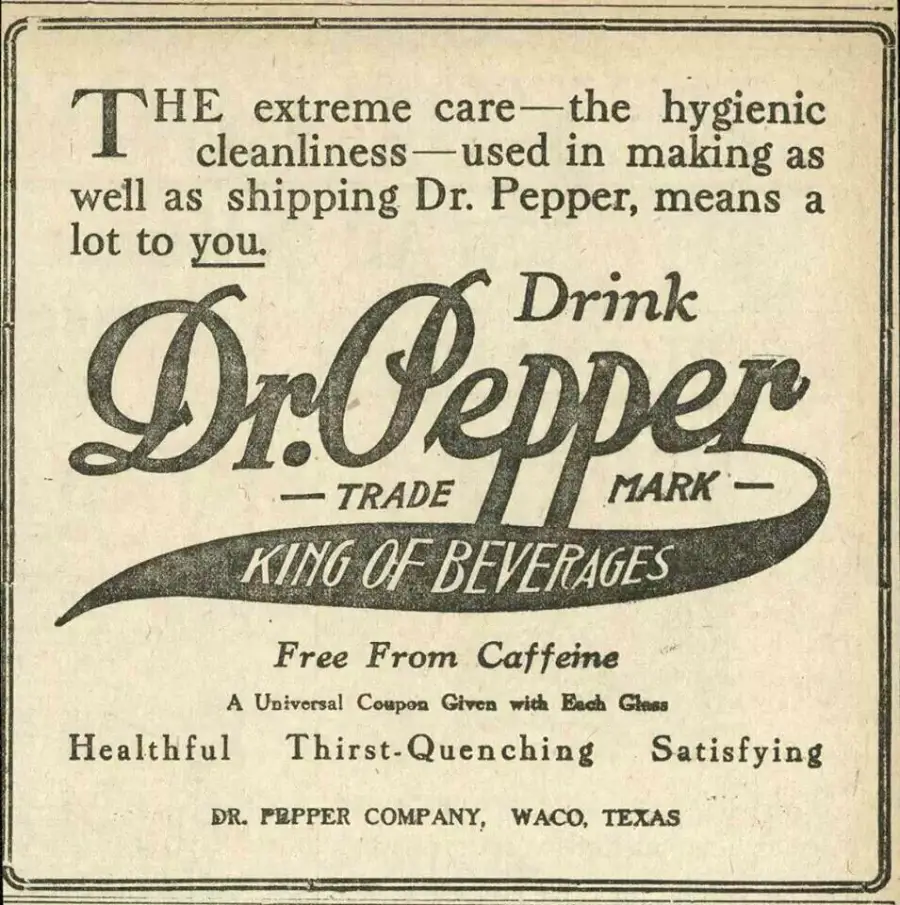
Formulated by a young pharmacist named Charles Alderton in Waco, Texas, this unique drink was first sold as a health tonic at Morrison’s Old Corner Drug Store soda fountain. Alderton spent months experimenting with different fruit extracts and medicinal syrups to capture the pleasant aroma of the pharmacy itself. Customers quickly noticed that the carbonated mixture served as an excellent digestive aid and a powerful brain booster during hot summer afternoons. The owner of the drug store named the beverage after a real-life physician, directly reinforcing its clinical credentials before it became a mainstream commercial franchise.
Trending on The Scroller


6. Corn Flakes
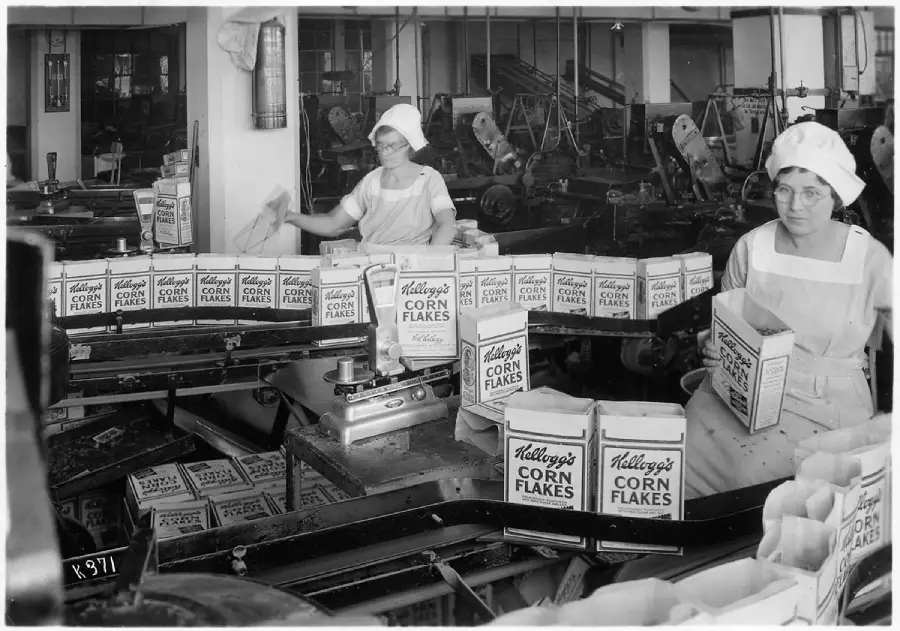
The definitive breakfast cereal was developed by Dr. John Harvey Kellogg at his famous Battle Creek Sanitarium as part of a strict health regimen for his wealthy patients. Kellogg believed that processed, heavily seasoned breakfast foods led to indigestion and a wide array of physical vices among the modern population. He accidentally left a batch of cooked wheat sitting out, which flaked when rolled, leading to the creation of a completely bland, toasted corn grain breakfast. His brother later suggested adding sugar to the recipe to appeal to the general public, a choice that horrified the doctor but created a multi-billion-dollar cereal industry.
7. Marshmallows
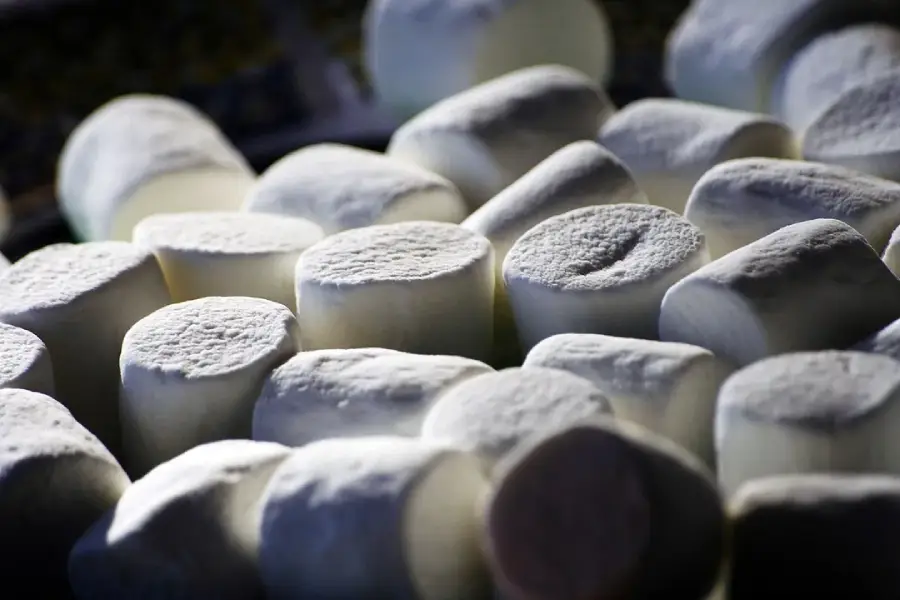
In the early 19th century, marshmallows were not soft, gelatinous cubes roasted over a campfire, but were rather a soothing herbal remedy used to treat sore throats and intense coughs. French pharmacists utilized the sticky, sap-like juice extracted from the root of the Althaea officinalis plant, commonly known as the marshmallow plant, to create a protective medicinal paste. They whipped the natural sap with sugar and egg whites to make the bitter medicine more palatable for young children suffering from respiratory illnesses. Eventually, candy makers replaced the expensive medicinal root with cheap gelatin, completely severing the sweet confection from its pharmaceutical roots.
8. Ginger Ale
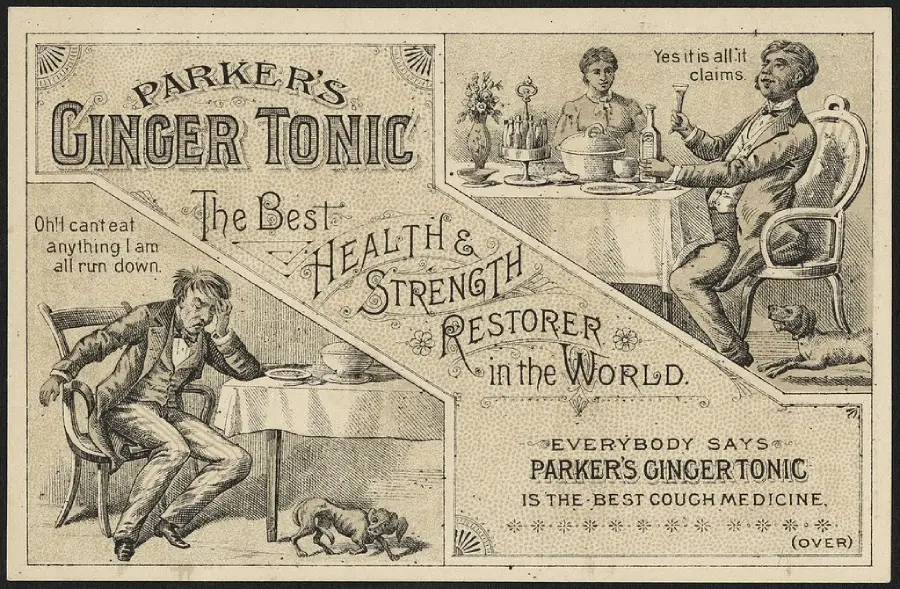
Irish apothecary Thomas Joseph Cantrell invented this carbonated beverage as a functional tonic to soothe nausea, bloating, and various forms of motion sickness. He utilized the natural anti-inflammatory qualities of ginger root and combined them with carbonated water to create a high-frequency carbonated remedy. The fizzy liquid became an immediate staple in 19th-century hospitals, where doctors prescribed it to patients recovering from intense stomach flus or surgical procedures. The refreshing, spicy kick proved so popular with healthy citizens that it rapidly transitioned out of the medical ward and into the standard commercial marketplace.
Sign up for our newsletter
9. Cranberry sauce
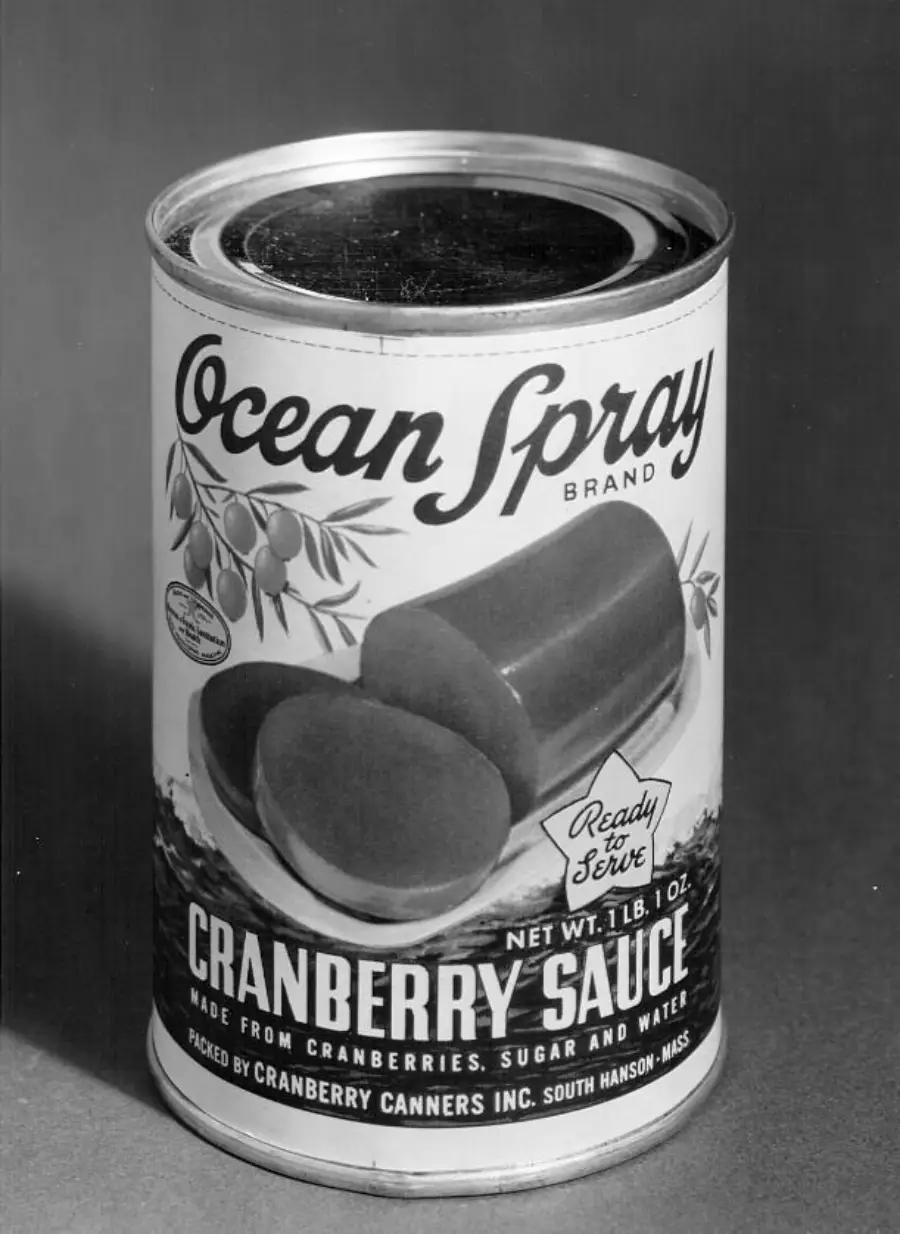
During the 1800s, New England mariners and coastal physicians viewed the bitter, red cranberry as a vital medical shield rather than a festive side dish for a holiday feast. Sailors carried large barrels of the vitamin-packed fruit on extended ocean voyages because its high acid content prevented the development of scurvy on long trips. Doctors also utilized crushed cranberry poultices to treat deep wounds, draw out infections, and soothe painful skin conditions for their local patients. As domestic sugar production increased throughout the century, home cooks began boiling the berries with sweeteners, turning an astringent medical barrier into a comforting holiday tradition.
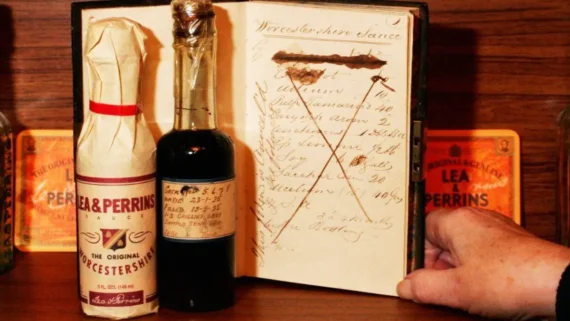
10. Worcestershire sauce
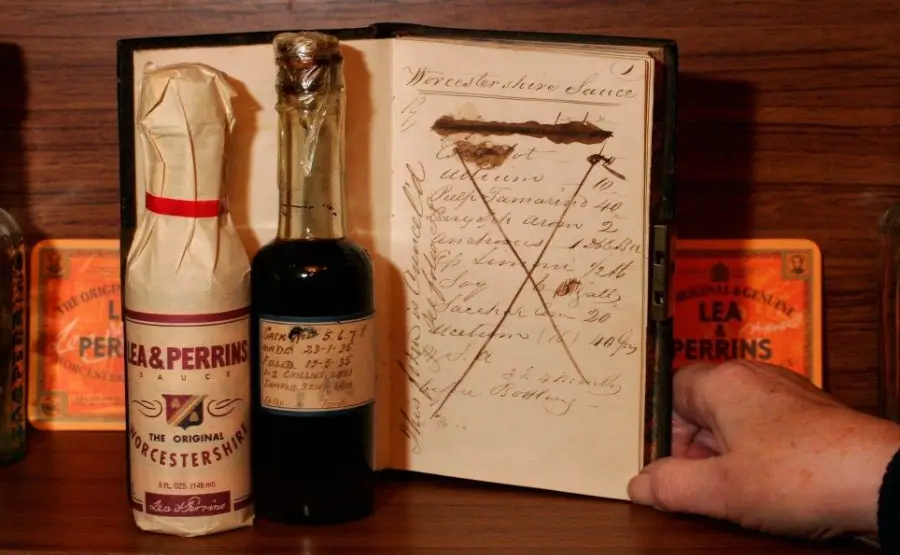
This complex, savory liquid was originally commissioned by a wealthy nobleman who requested two chemists, John Lea and William Perrins, to replicate a recipe he encountered in India. The initial batch was so incredibly pungent and foul-smelling that the chemists abandoned the barrel in their pharmacy basement, forgetting about it for several years. When they rediscovered the container, they found that the fermentation process had transformed the liquid into a rich, digestion-boosting tonic that was excellent for sluggish stomachs. They began bottling the aged liquid as a proprietary medicine before home cooks discovered it was the perfect flavor enhancer for roasted meats.
11. Peppermint candy
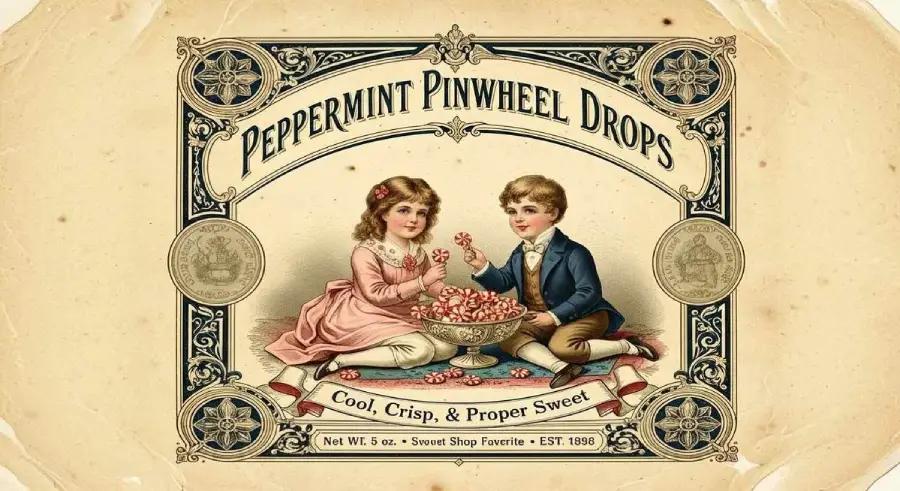
The classic red-and-white striped mints started their journey as specialized lozenges crafted by apothecaries to deliver concentrated peppermint oil to patients suffering from severe gas and stomach cramps. Peppermint contains high levels of menthol, a natural compound that relaxes the muscles of the digestive tract and provides instant physical relief. Pharmacists boiled sugar into a hard structure to trap the medicinal oil, creating a slow-dissolving delivery system that patients could carry in their pockets. As industrial manufacturing made sugar incredibly inexpensive, confectioners adopted the recipe, shifting the mint from a medical treatment to a routine breath freshener.
12. Root beer
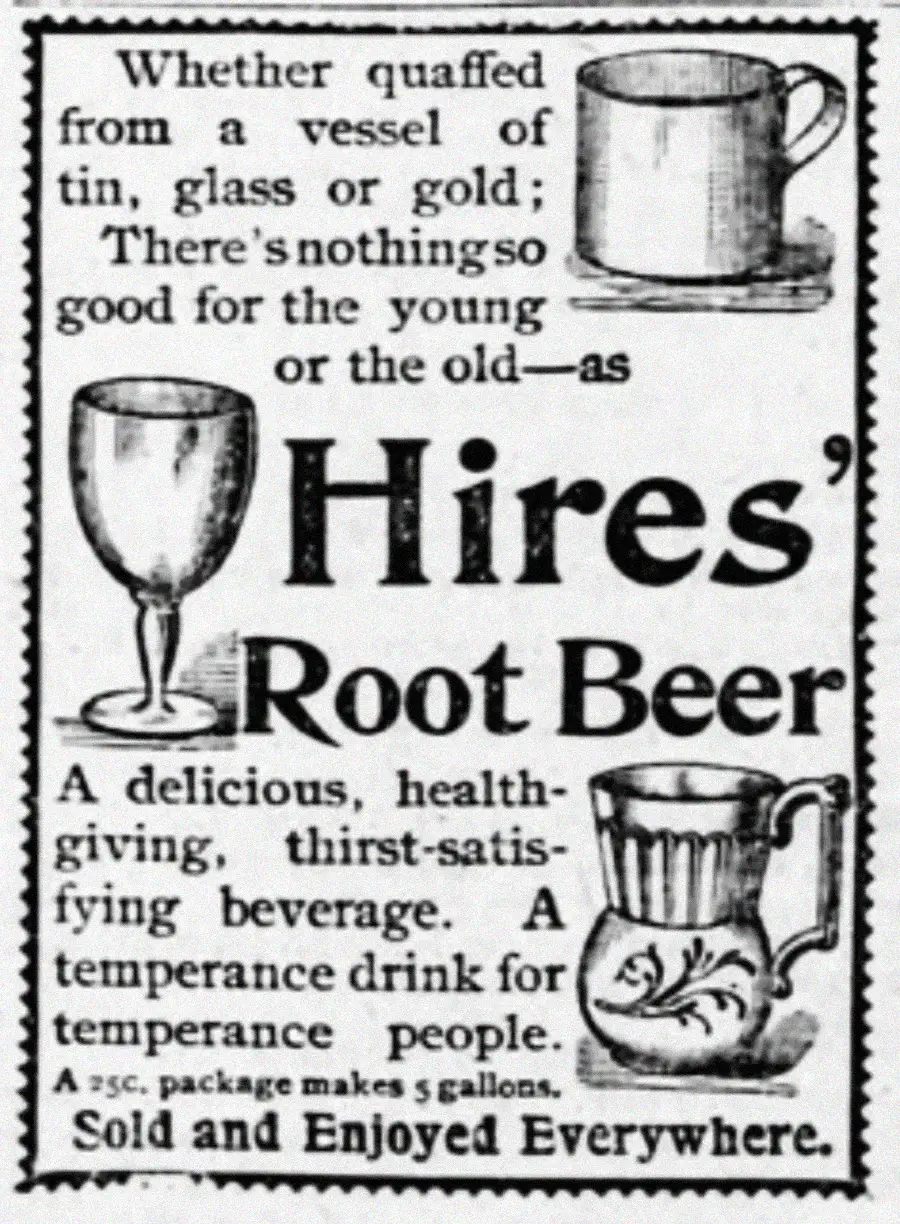
Long before it became the base for a vanilla ice cream float, this distinct beverage was a traditional spring tonic crafted by herbalists to purify the blood and improve kidney function. The original recipes utilized a complex blend of sassafras bark, sarsaparilla root, and wild herbs boiled into a dark, medicinal tea. A pharmacist named Charles Hires officially standardized the recipe for the public, marketing a dry mix of the roots as a healthy alternative to alcohol for working-class families. He eventually added carbonation and sugar to the commercial version, creating a bubbly beverage that retained the aroma of the old apothecary woods.
13. Oatmeal
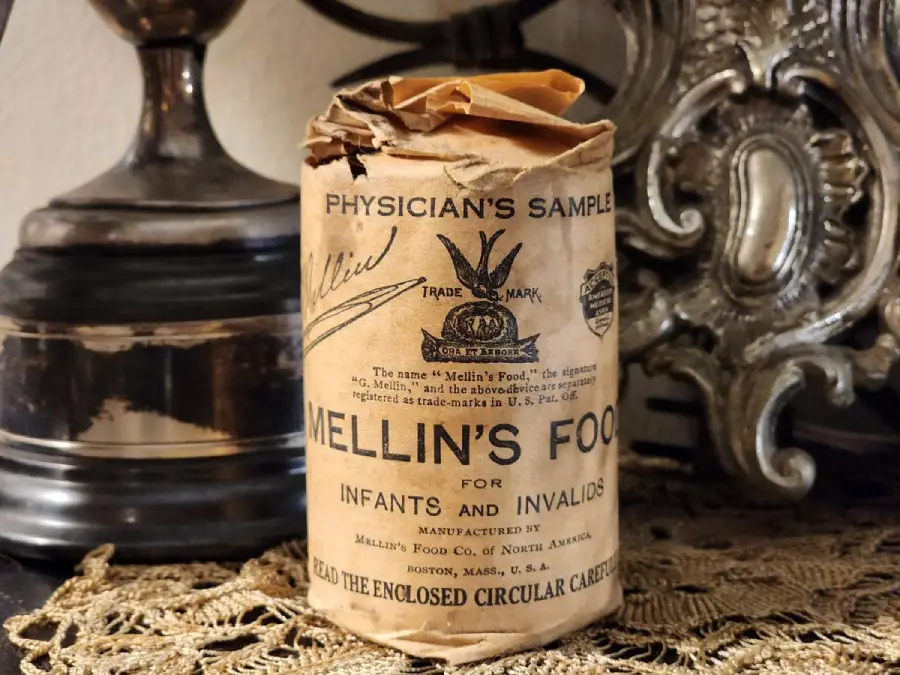
If you lived in England or America during the early part of the 19th century, oatmeal was strictly viewed as a specialized food for invalids, prisoners, and the extremely poor. Doctors prescribed a thin, watery version of the grain called gruel to patients suffering from severe fevers or intestinal blockages because it was incredibly easy for a weakened body to digest. The general public considered oats to be a basic animal feed rather than a proper human breakfast option. The perception shifted completely when enterprise companies began milling uniform rolled oats and launched massive advertising campaigns detailing the nutritional benefits of a warm morning bowl.
14. Horehound drops
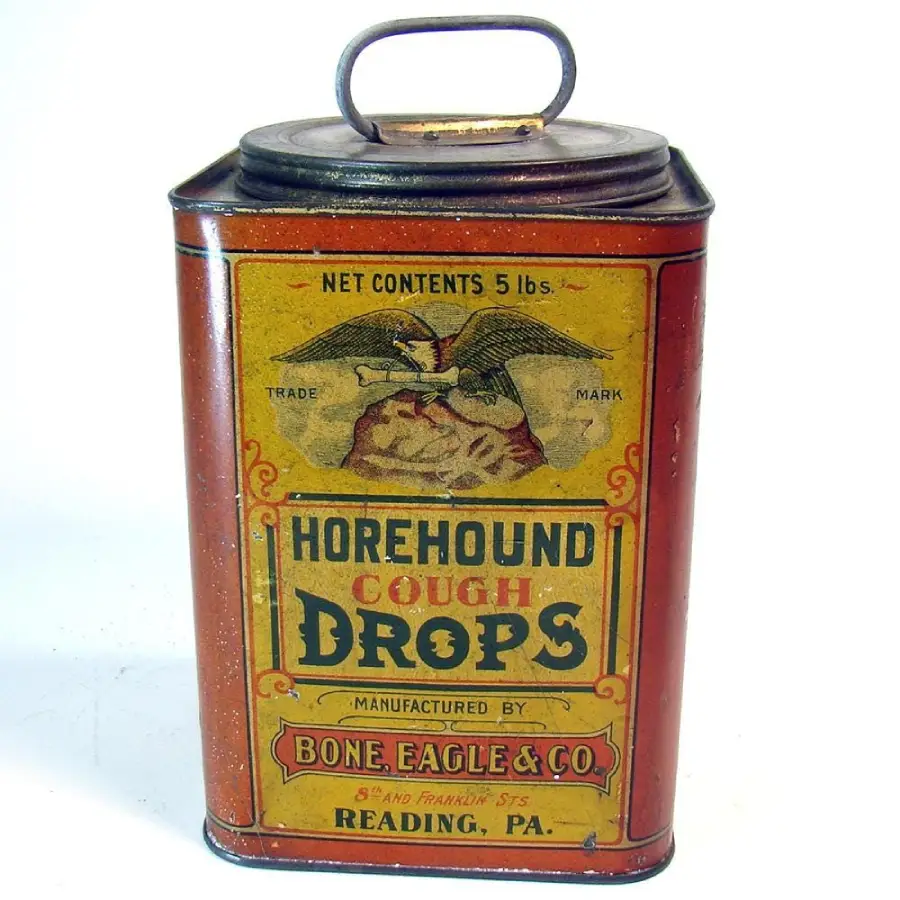
These dark, bitter candies were a staple of the 19th-century medicine cabinet, explicitly formulated to soothe severe cases of croup, whooping cough, and respiratory congestion. The lozenges were made using an intense extract from the Marrubium vulgare plant, a hardy herb belonging to the mint family that acts as a natural expectorant. Grandparents would routinely force children to dissolve the intensely bitter drops in their mouths to break up chest cold symptoms during harsh winter months. Today, while you can still find them in specialty stores as a vintage treat, their role as a primary medical defense has been completely replaced by modern cough syrups.
15. Fig Newtons
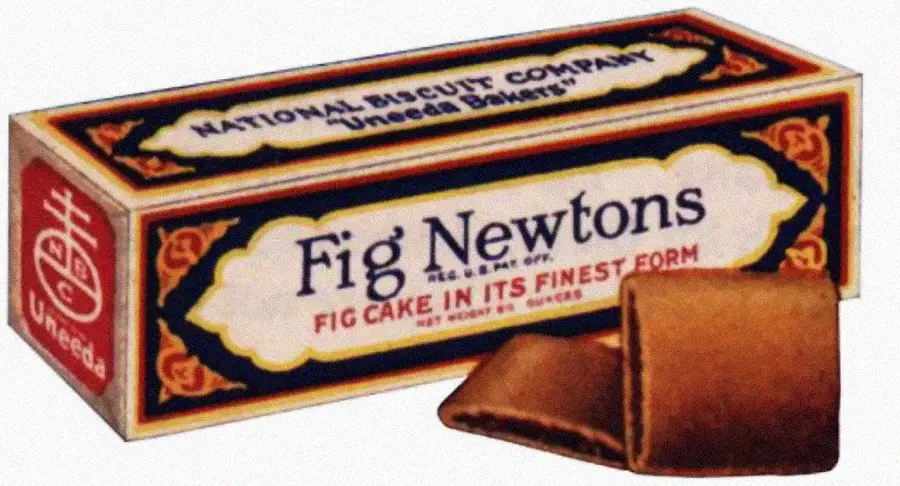
The creation of this distinct pastry was a direct response to the late 19th-century medical obsession with digestive regularity and the physical dangers of chronic constipation. Doctors of the era frequently warned the public that a lack of daily fiber would lead to a buildup of dangerous toxins inside the human body. An inventor created a specialized machine that could simultaneously extrude a soft cookie dough tube filled with a dense, fiber-rich fig paste. The product was explicitly marketed as a functional, daily health biscuit meant to keep the human digestive tract moving efficiently, a legacy that modern snackers still quietly appreciate today.
In the mood for more facts about food?
Discovering the hidden pharmaceutical past of our favorite foods serves as a fascinating reminder that human taste and medical science are constantly evolving alongside each other. It is incredibly satisfying to realize that the treats we now consume for pure joy were once the very things our ancestors choked down to preserve their physical health. If you enjoyed this illuminating journey into the secret origins of your food, make sure to explore these 15 Famous Foods That Were Invented by Accident in the 1960s, or 18 Shocking Food Traditions That Defy All Logic. You can also check out these 20 Foods from the ’70s That Are Completely Extinct.