Have you ever noticed that your favorite snack tastes like a completely different product when you’re on vacation or 30,000 feet in the air? This isn’t just a trick of the mind; the way we experience food is a complex chemical dance influenced by everything from local humidity to the mineral content of the soil. Even a mass-produced item made by a global brand can undergo a flavor transformation based on the atmospheric pressure of the region where it’s served. It turns out that our taste buds are surprisingly sensitive to the environment, making every meal a unique geographical event.
The science behind these flavor shifts reveals that the “perfect” recipe is often at the mercy of local variables we rarely consider. Whether it’s the specific mineral profile of city water affecting a dough’s rise or the way dry cabin air numbs our perception of salt and sugar, the world is constantly altering our food in real-time. Understanding these bizarre factors helps explain why some dishes simply cannot be replicated at home, no matter how closely you follow the instructions. Let’s explore fifteen strange reasons why the exact same meal can taste like a world of difference depending on where you are standing.
1. The airplane effect

When you are flying at high altitudes, the extremely dry air and changes in cabin pressure reduce your taste bud sensitivity by nearly 30 percent. This environmental shift specifically dulls your perception of salt and sugar, which is why airline food is often heavily seasoned to compensate for the blandness. Interestingly, tomato juice actually tastes much better in the air because the altitude enhances its “umami” or savory notes, making it the most popular drink on flights. This is why that mid-flight meal feels so satisfying in the clouds but might seem overwhelming on the ground.
2. New York City water and pizza crust
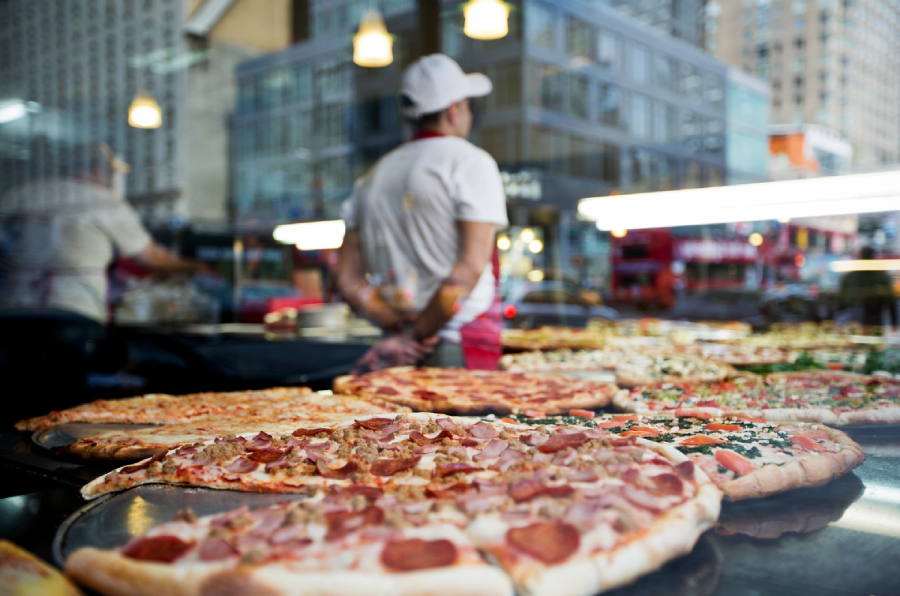
Legend has it that the secret to a “true” New York pizza lies entirely in the city’s tap water, which travels through a specific system of ancient pipes and reservoirs. Scientists have found that the water in NYC has a very low concentration of calcium and magnesium, making it “soft” water that allows the gluten in the dough to become more elastic. This creates that iconic chewy-yet-crisp texture that pizzerias in other states struggle to mimic, even with the same flour. Some shops in Florida and California go as far as “importing” New York water or using specialized filtration systems just to recreate that specific mouthfeel.
3. Humidity and the crispness of fried snacks
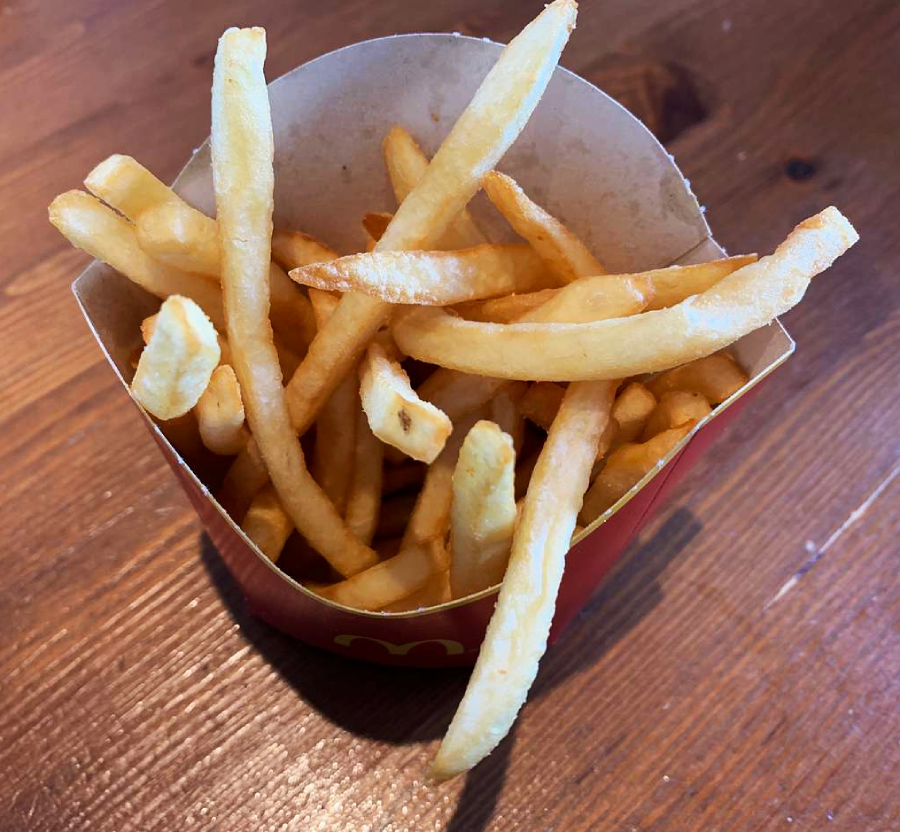
In tropical regions with high humidity, fried food and crispy snacks undergo a rapid textural change as soon as they hit the air. The moisture in the environment causes the starch molecules to absorb water almost instantly, leading to a “soggy” sensation even if the item was just cooked. This is why street food vendors in humid climates often use specialized heated glass cases to keep the air dry around their products. A potato chip that stays crunchy for hours in the desert might lose its snap in less than ten minutes in a coastal city.
4. Soil mineral content

The flavor of basic vegetables like carrots or tomatoes is heavily dictated by the “terroir,” or the specific mineral makeup of the soil they grew in. Volcanic soil, for example, is rich in sulfur and potassium, which can give produce a much more intense, earthy, and sweet flavor profile. This is why a tomato grown in the shadows of Mount Vesuvius in Italy tastes radically different from one grown in a standard backyard in the Midwest. Even the same seed will produce a different taste depending on the geological history of the land it calls home.
5. The Coke recipe regional variations
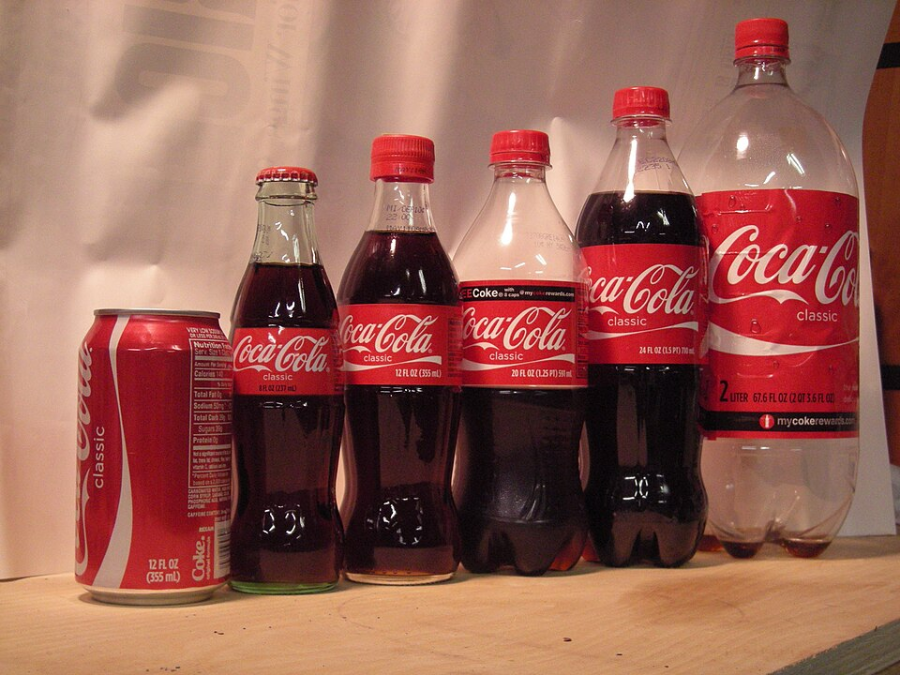
While the secret formula for Coca-Cola is famous, the sweetener used in the drink varies significantly from country to country. In the United States, the brand primarily uses High Fructose Corn Syrup, whereas in Mexico and many parts of Europe, they use pure cane sugar. This results in “Mexican Coke” having a cleaner, more floral sweetness that many enthusiasts swear is superior to the American version. Additionally, the type of container (glass, aluminum, or plastic) chemically reacts with the liquid differently, subtly changing the flavor before it even reaches your lips.
Trending on The Scroller

6. Atmospheric pressure and boiling points
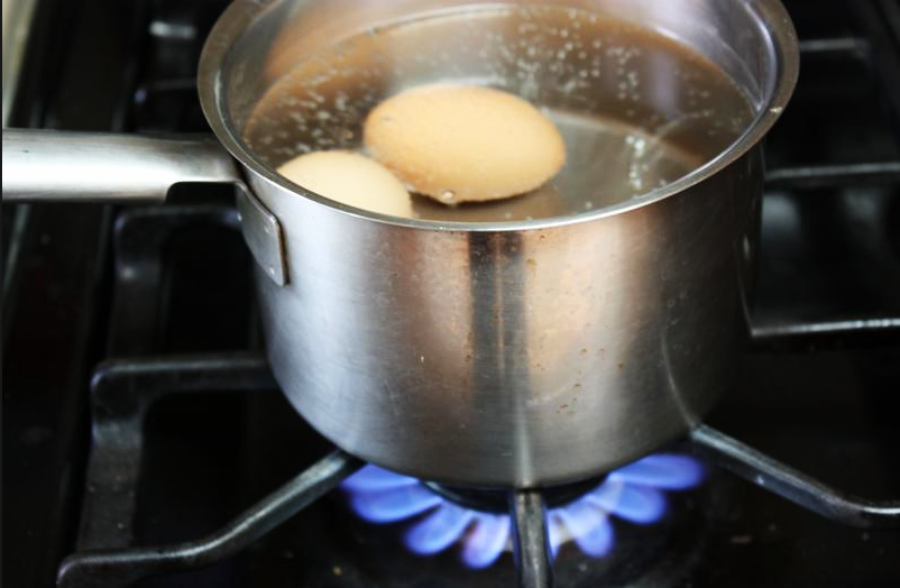
If you’ve ever tried to boil an egg in a mountain town, you know that physics is not on your side. At higher altitudes, atmospheric pressure is lower, which means water boils at a much lower temperature than the standard 212ºF (100ºC). This results in food taking significantly longer to cook, often leading to textures that are either too tough or unexpectedly mushy. Professional chefs in places like Denver or the Swiss Alps have to completely recalibrate their recipes to account for the fact that their water just isn’t as “hot” as it is at sea level.
7. Local micro-organisms in sourdough bread
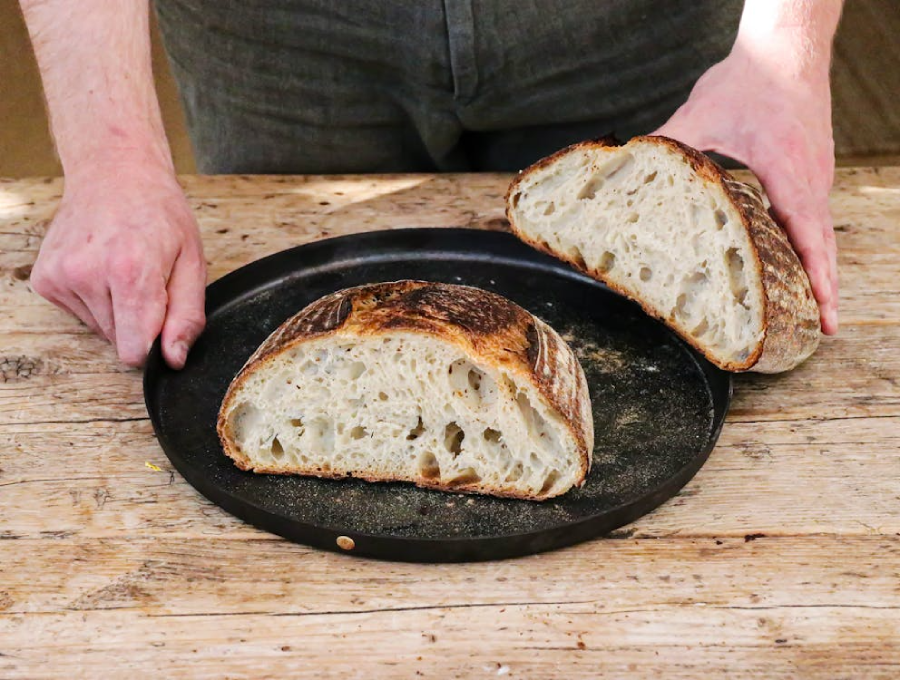
Sourdough is the ultimate local food because its flavor is quite literally dictated by the invisible bacteria floating in the regional air. Each city has its own unique “microbiome” of wild yeast, which is why a San Francisco sourdough has a tangy, sharp bite that is impossible to replicate in Paris or Tokyo. When bakers move their “starter” to a new city, the local bacteria eventually take over, slowly changing the bread’s flavor until it matches its new home. It’s a living, breathing example of how a city’s very atmosphere can be tasted in every slice.
8. The type of salt used in coastal vs. inland regions
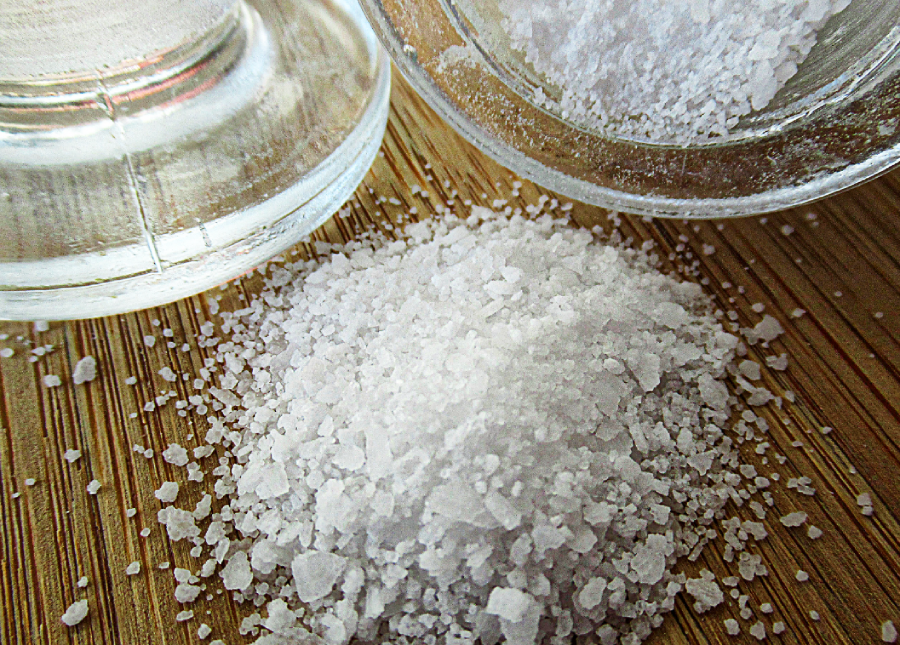
While we often think of salt as just “salt,” the mineral profile of local sea salt vs. mined rock salt changes the “sharpness” of the flavor. Coastal regions that harvest their salt from the ocean often have higher levels of magnesium and potassium, which can add a subtle, briny bitterness to the food. Inland regions often rely on ancient underground salt deposits that are purer in sodium chloride, resulting in a “cleaner” but flatter salty taste. This is why a simple grilled fish in Greece tastes more complex than the same dish prepared with standard table salt in a landlocked state.
Sign up for our newsletter
9. Noise levels and the perception os sweetness
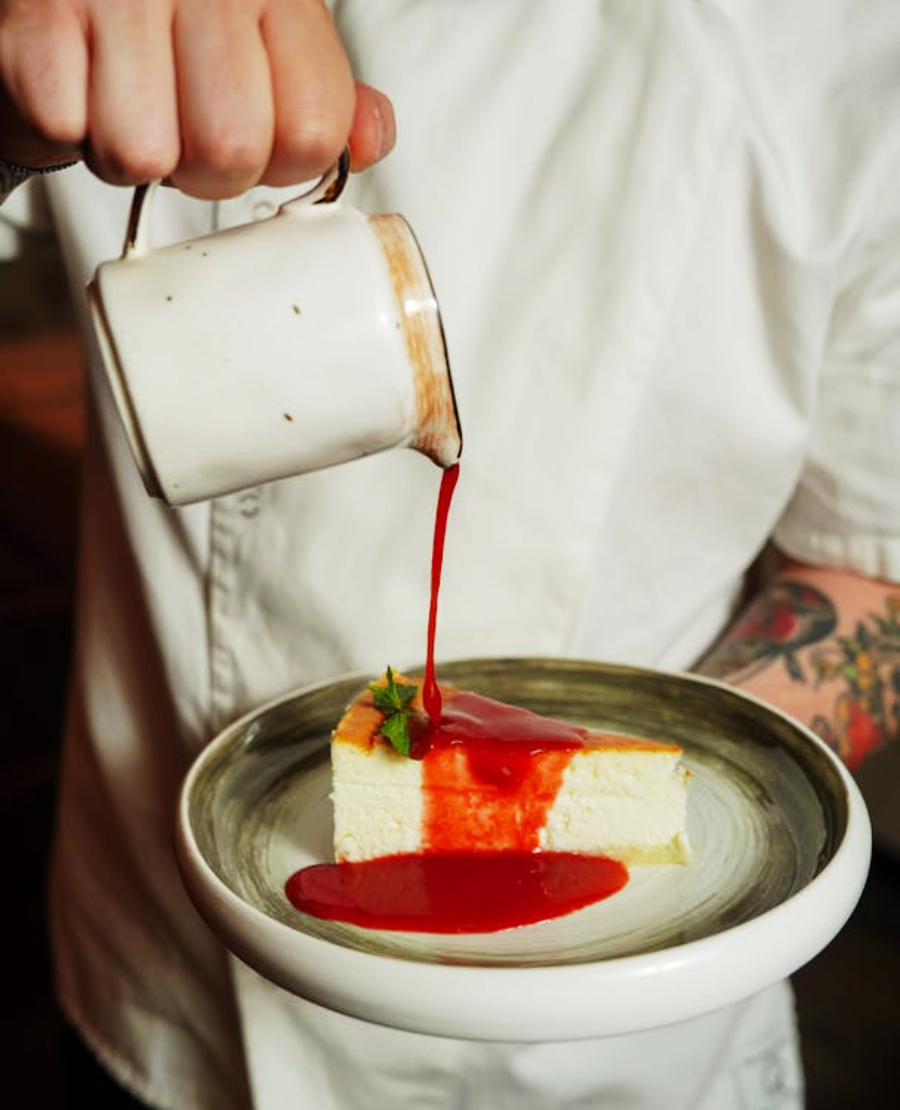
It sounds like science fiction, but the volume of the room you’re eating in can actually change how sweet your dessert tastes. Studies have shown that loud, “white noise” environments, like a crowded food court or a busy airplane cabin, actually suppress our ability to perceive sweetness. Conversely, background music with high-pitched notes has been shown to enhance the perception of sugar, making your food taste sweeter without adding a single calorie. This is why many high-end restaurants carefully curate their playlists to complement the specific flavor profiles of their tasting menus.
10. The lighting and color of the restaurant decor

The human eye plays a massive role in how the brain interprets flavor, and the color of your surroundings can trick your taste buds. Red and orange lighting are known to stimulate the appetite and make food seem more savory and intense, which is why many fast-food chains use these colors in their branding. On the other hand, blue lighting has been shown to act as an appetite suppressant, making food appear less appealing and even slightly “off.” If you’ve ever felt like a meal was bland in a poorly lit room, it might have been the decor, not the chef, that was at fault.
11. Regional dairy: what the cows are eating

The flavor of milk, butter, and cheese is a direct reflection of the “pasture” the cow grazed on throughout the season. In the spring, when cows eat fresh green grass and wildflowers, the butter takes on a natural yellow tint and a sweet, floral aroma that is highly prized by pastry chefs. In the winter, when the diet shifts to hay and grain, the dairy becomes paler and develops a more neutral, nutty flavor. This is why French butter from Normandy tastes so vastly different from a standard block of supermarket butter in the U.S.; it’s all about the local diet of the livestock.
12. Traditional copper vs. stainless steel cookware
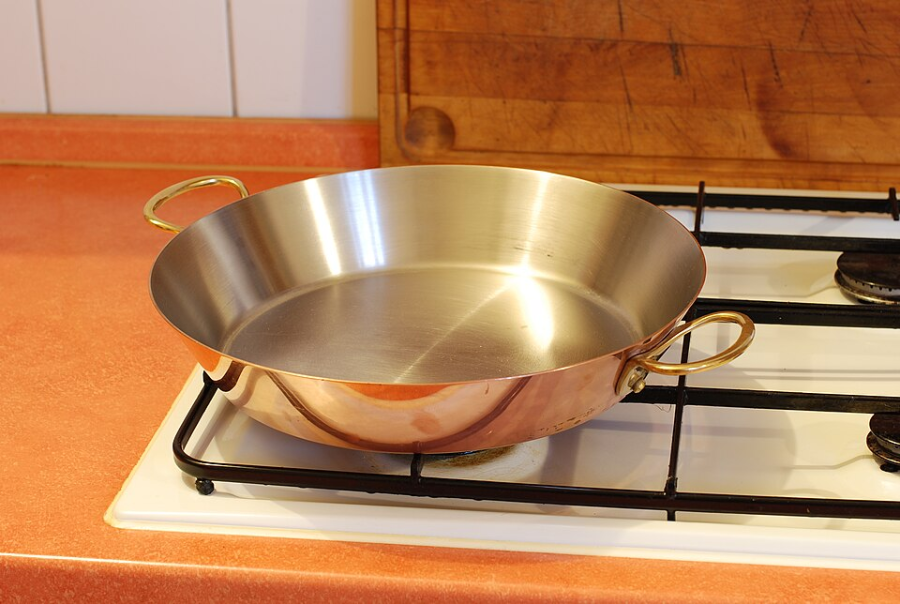
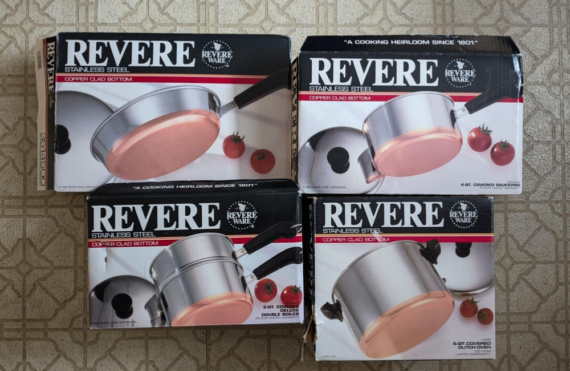
The material of the pot or pan used to cook your food can subtly leach ions into the meal, changing the chemical structure of the ingredients. In many parts of the world, traditional copper pots are used for sugar work and sauces because they provide a specific “snap” to the texture that stainless steel cannot achieve. Copper reacts with egg whites to make them more stable and fluffy, while cast iron can add a subtle, metallic earthiness to slow-cooked stews. The vessel is just as much an ingredient as the salt or the spices, contributing to a “hometown” flavor that modern pans often lack.
13. The ripening process during long-distance shipping
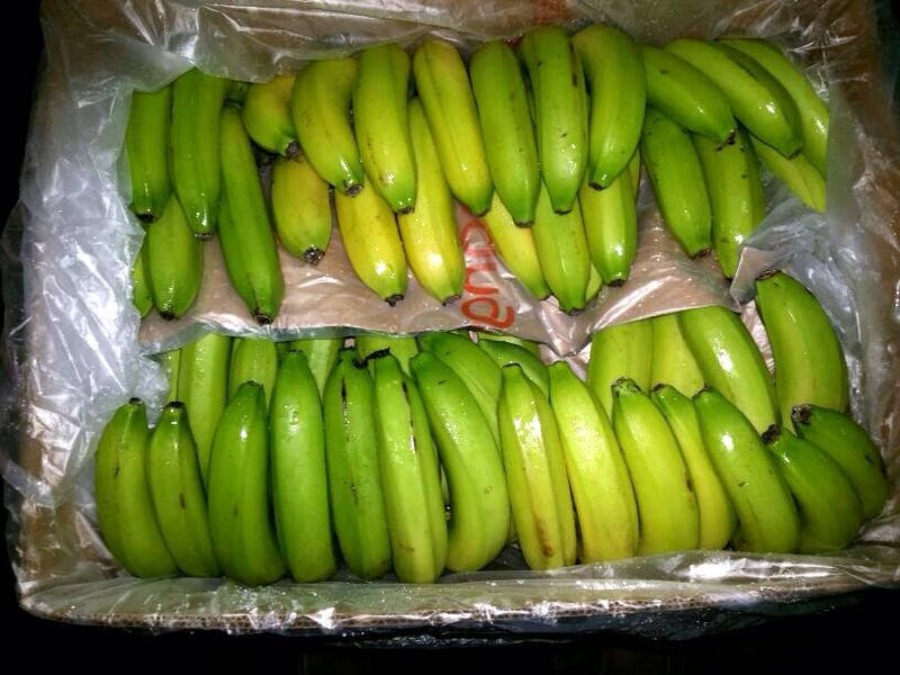
Most of the produce we find in big-city supermarkets has been picked “green” and ripened using ethylene gas inside a shipping container. This artificial ripening process allows the fruit to survive the journey, but it prevents the natural sugars and aromatic compounds from fully developing on the vine. This is why a peach picked from a tree in Georgia tastes like a completely different species than one purchased at a grocery store in London. You aren’t just tasting the fruit; you’re tasting the lack of sun-drenched development that only happens in the field.
14. Genetic differences in taste receptors: the cilantro factor
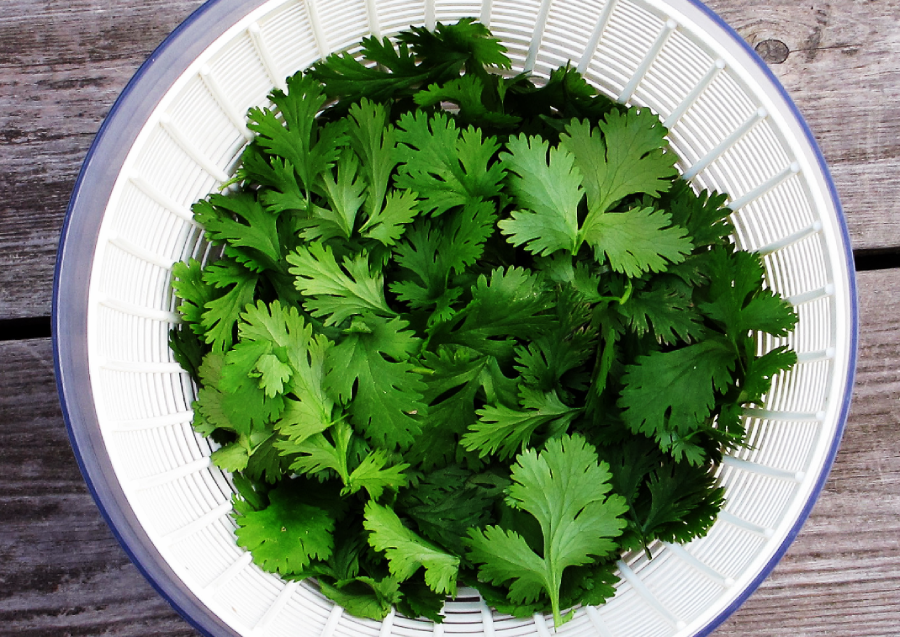
Sometimes food tastes different depending on where you are, simply because of the genetic makeup of the local population. For example, a significant percentage of people carry a specific gene that makes cilantro taste like soap, a trait that is less common in regions where the herb is a staple, like Mexico or Southeast Asia. Our “taste maps” are partially inherited, meaning a spice that tastes “warm” to one culture might taste “medicinal” or “bitter” to another. This is why international menus are often tweaked to suit the local “genetic palate” of the country they are serving.
15. The vacation glow

Scientists call this “contextual flavoring,” and it’s the reason that cheap wine in a plastic cup tastes like nectar when you’re watching a sunset in Italy. When we are relaxed and happy, our brains release dopamine, which actually heightens our sensory perception and makes flavors feel more vivid and memorable. Once you bring that same bottle of wine home and drink it on a Tuesday night while doing chores, the “magic” disappears because the environmental cues are gone. It’s a powerful reminder that our emotions are the most important seasoning in any dish.
Want more fun facts?
It is truly mind-bending to realize that a meal isn’t just a recipe, but a snapshot of the environment in which it was created. These bizarre variables remind us that our relationship with food is an ever-changing journey dictated by the world around us. If you’re hungry for more surprising truths about the things we eat, don’t miss these 18 Shocking Food Traditions That Defy All Logic, or these 15 Famous Foods That Were Invented by Accident in The 1960s. You can also enjoy these 20 Surprisingly Common Foods That Used to Be Considered “Luxury” in the 80s.