
Though it seems like water is just water, not all bottled water is created equal, and some brands have earned a reputation for being far from pure. What should be a simple, refreshing staple can sometimes be full of chemicals and misleading marketing. Knowing which options to avoid can make all the difference and offer some peace of mind.
From hidden contaminants to production errors that should make consumers think twice, these examples serve as a reminder that even something as basic as water deserves a close look before you take a sip. Let’s take a look at 15 water brands that people should avoid.
1. Fiji Water
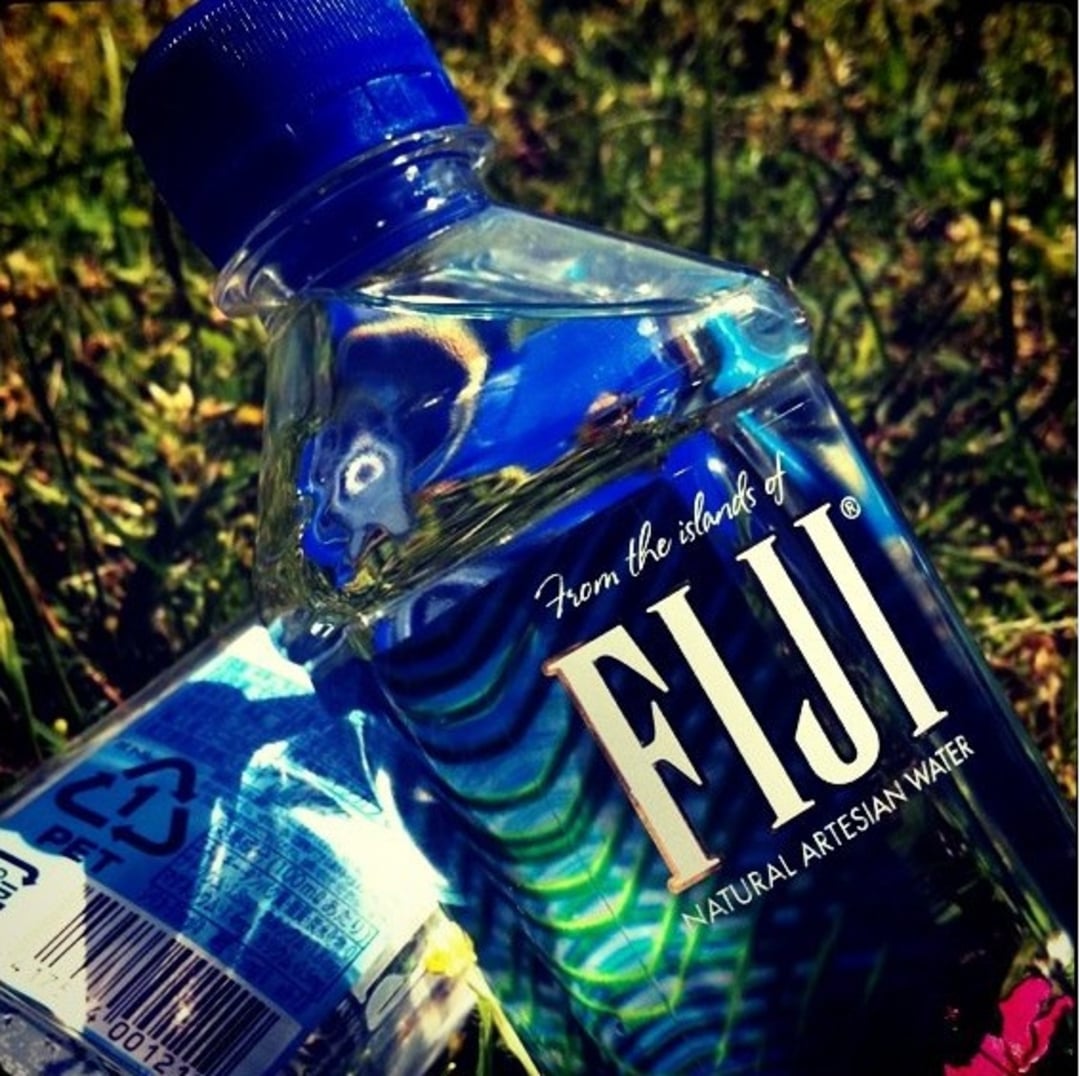
Water Score– 25%
Contaminants- 8
Fiji water is promoted as a pristine and untouched product, protected from external elements. However, the presence of microplastics and BPAs contradicts these claims. Oh, and one study also found that there were 6.3 micrograms of arsenic per liter in a Fiji bottle. While slightly alkaline, it doesn’t contain many natural minerals, and the long storage and transport process may also affect water chemistry.
2. Dasani
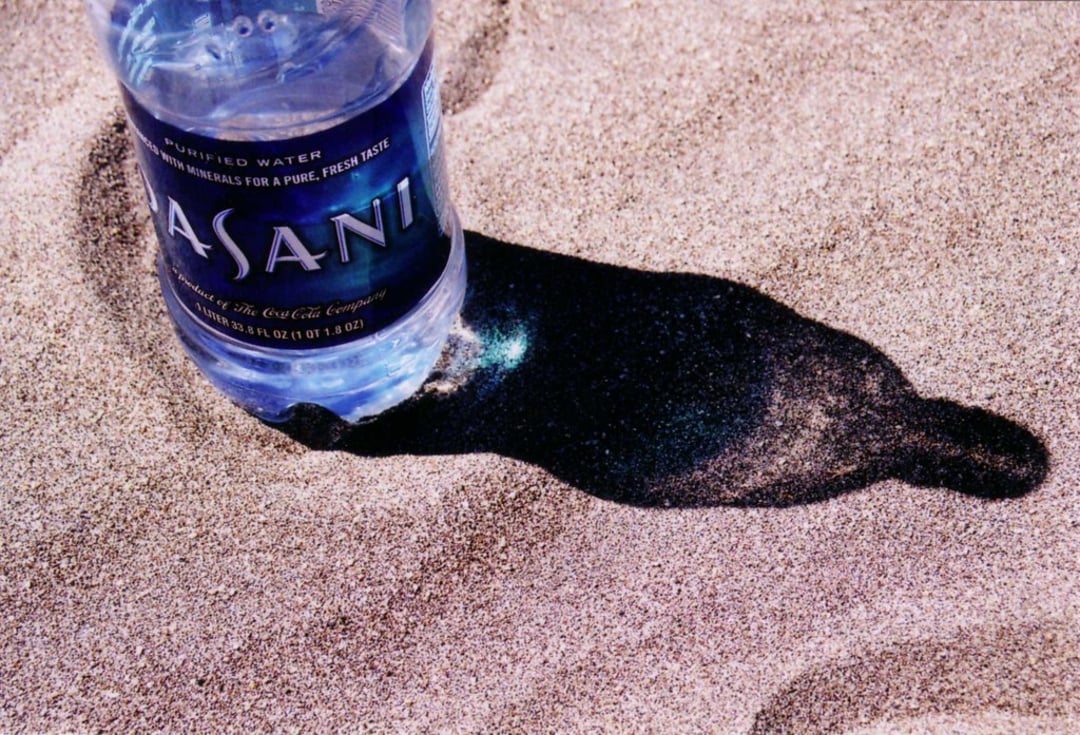
Water Score– 45%
Contaminants- 1
Dasani has a pH ranging from 4.7 to 5.6, making it more acidic than most other bottled waters. This is awful for dental health and can lead to enamel erosion over time. Its reverse osmosis purification removes natural minerals, resulting in low mineral content in the water. Studies also detect tons of microplastic particles in Dasani water, making it far from chemically pristine.
3. Aquafina
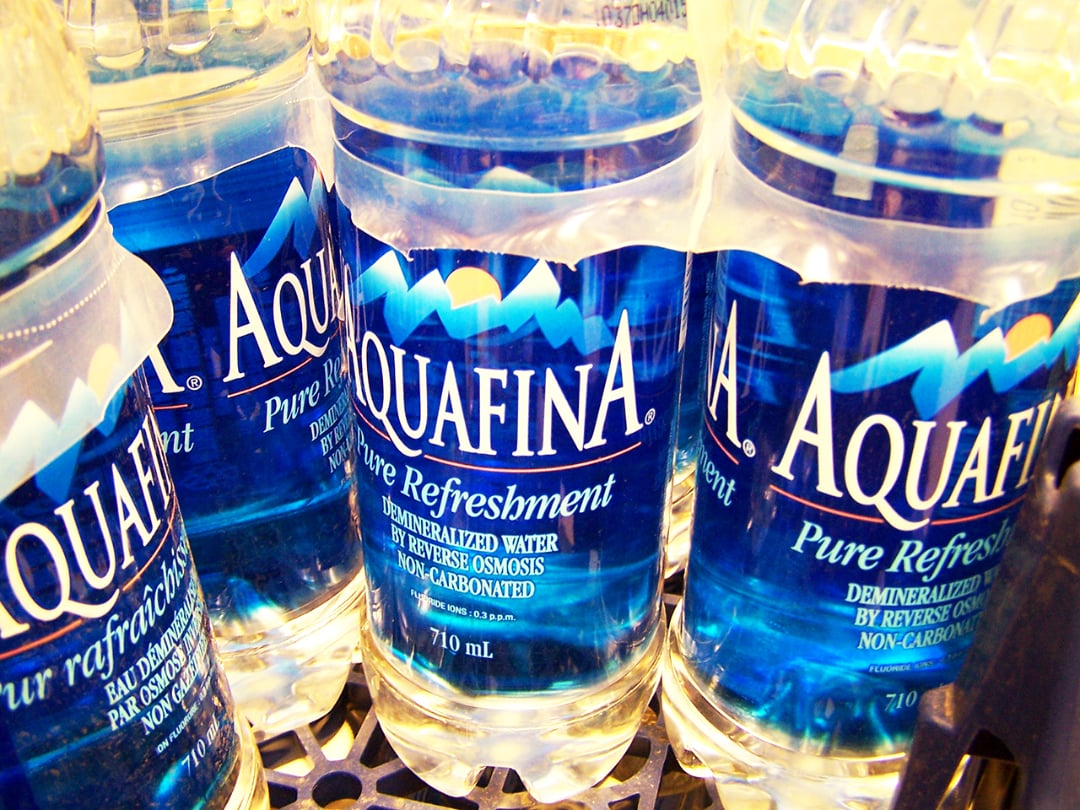
Water Score– 10%
Contaminants- 2
Aquafina undergoes heavy purification, stripping it of most natural minerals. This results in a very low total dissolved solids content. Its pH has also been found to be slightly acidic, depending on the batch, and microplastics have been found in the bottles as well. While safe to drink, it offers minimal nutritional benefits beyond basic hydration.
4. Smartwater
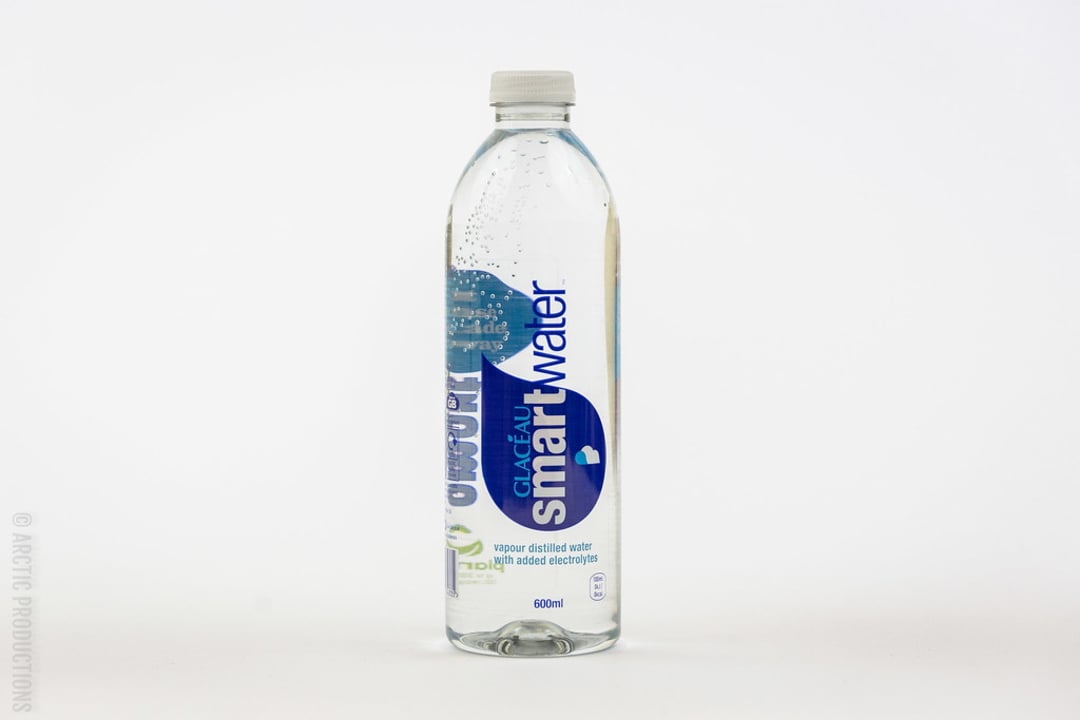
Water Score– 5%
Contaminants- 0
Smartwater is vapor-distilled and stripped of natural minerals, then it’s enhanced with electrolytes for flavor. Its chemically engineered nature means it has limited buffering ability (the ability of water to resist changes in pH when acid is added to the water), and microplastic contamination is a concern in the brands’ bottles. The water is overall safe, but its purity claims are overstated.
5. Voss
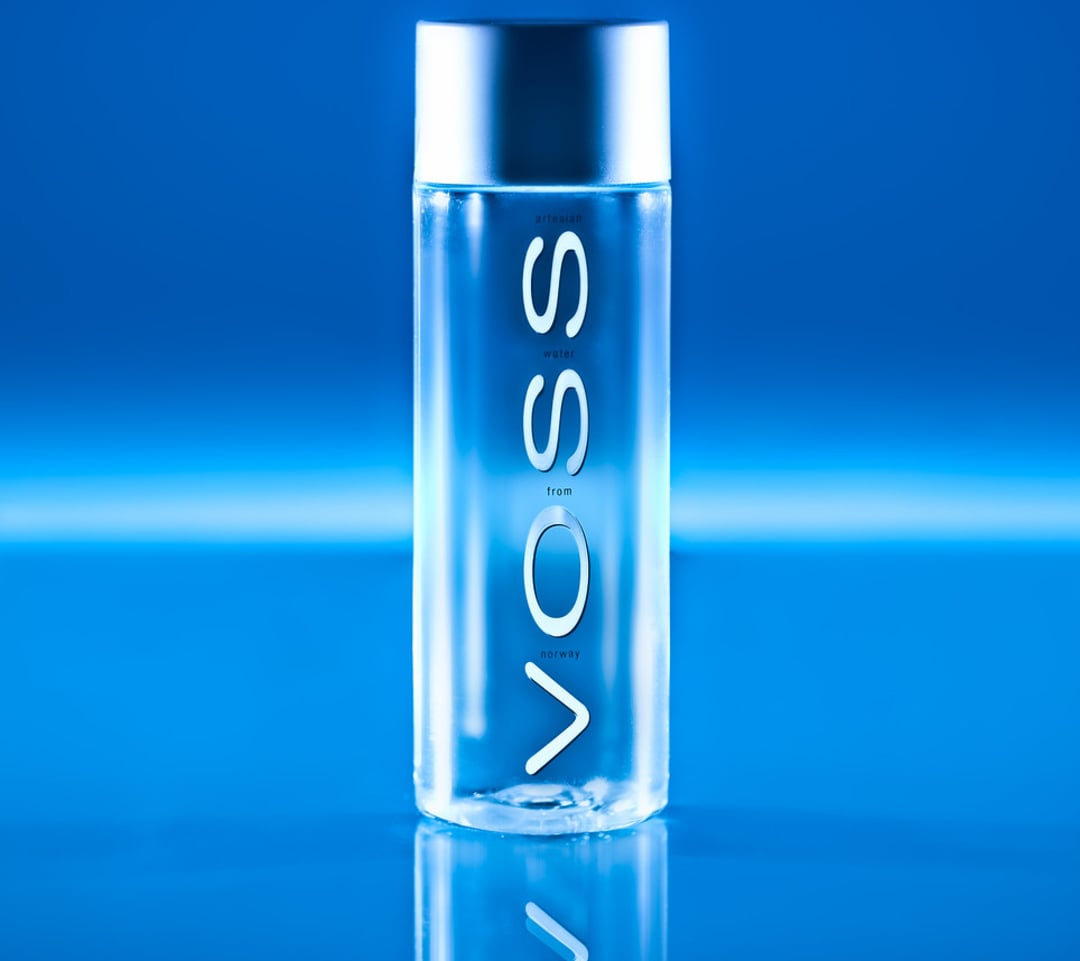
Water Score– 45%
Contaminants- 4
Voss water is lightly acidic, with an average pH of 5.9, and it contains minimal natural minerals. While it looks sleek and tastes clean, the water itself is chemically similar to many other processed bottled waters.
Trending on The Scroller


6. Arrowhead

Water Score– 32%
Contaminants- 5
Arrowhead offers water that is generally near neutral pH, but it’s low in natural minerals due to its choice of filtration. Microplastic particles can leach from PET bottles over time, which makes chemical contamination a concern.
7. Ice Mountain
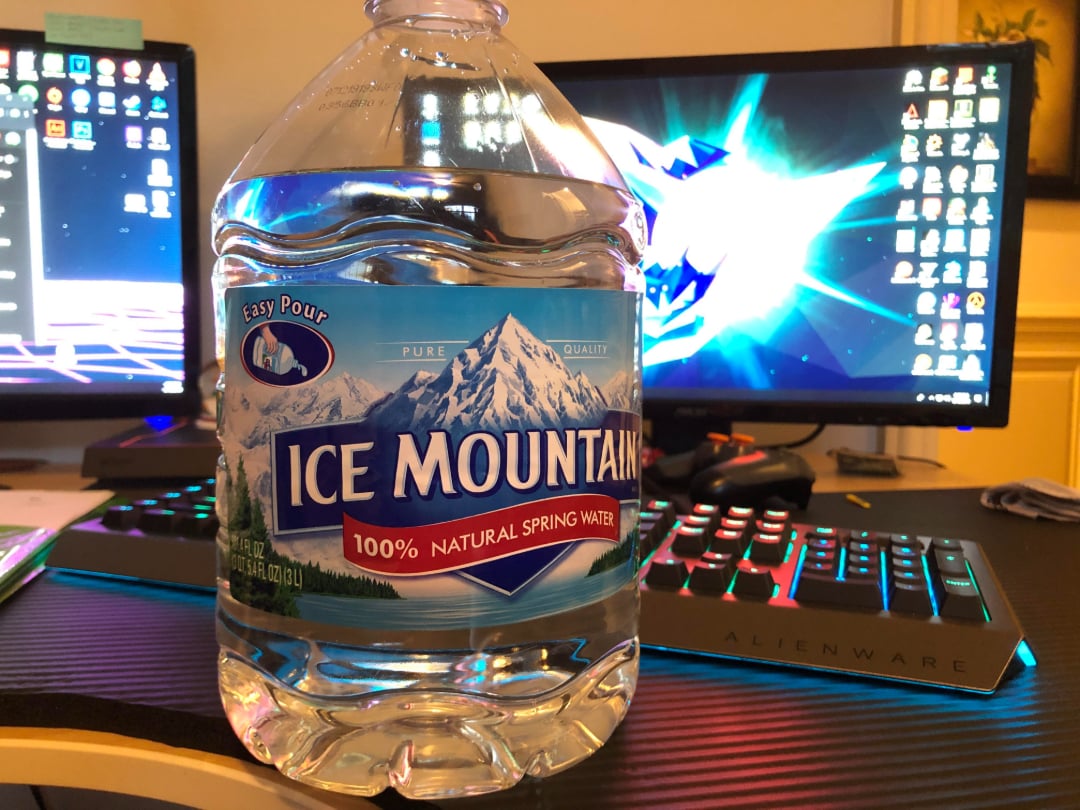
Water Score– 30%
Contaminants- 3
Ice Mountain’s mineral composition fluctuates between batches, and its pH can drop below acceptable levels for enamel erosion. Like other bottled waters on this list, microplastics are also present due to packaging and bottling processes. It hydrates you, but it offers little in natural minerals.
8. Deer Park
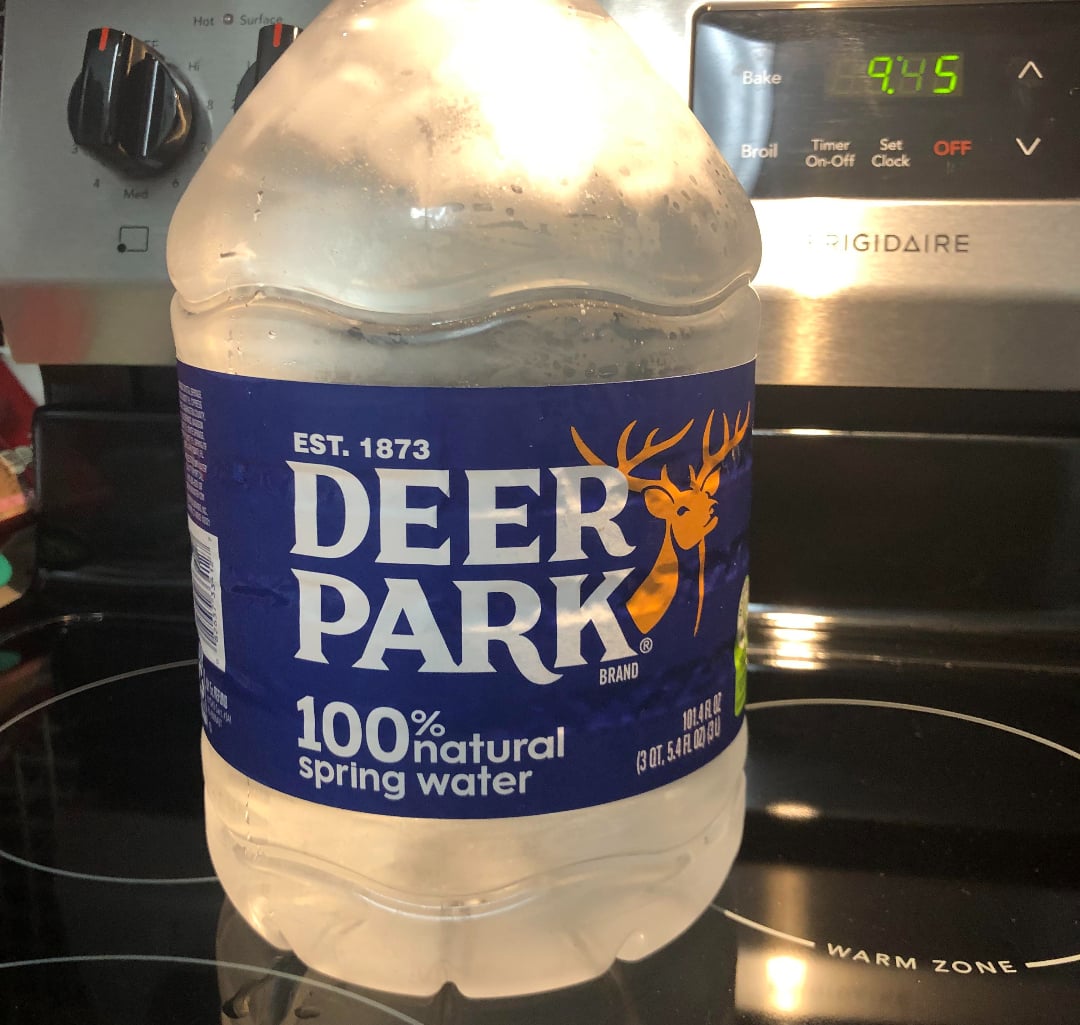
Water Score– 30%
Contaminants- 10
Deer Park has been recorded with pH levels as low as 4.9, which is extremely acidic and definitely impacts tooth enamel if it’s your favorite water. Its mineral content is limited, and microplastics are a known concern in its bottles.
Sign up for our newsletter
9. Ozarka
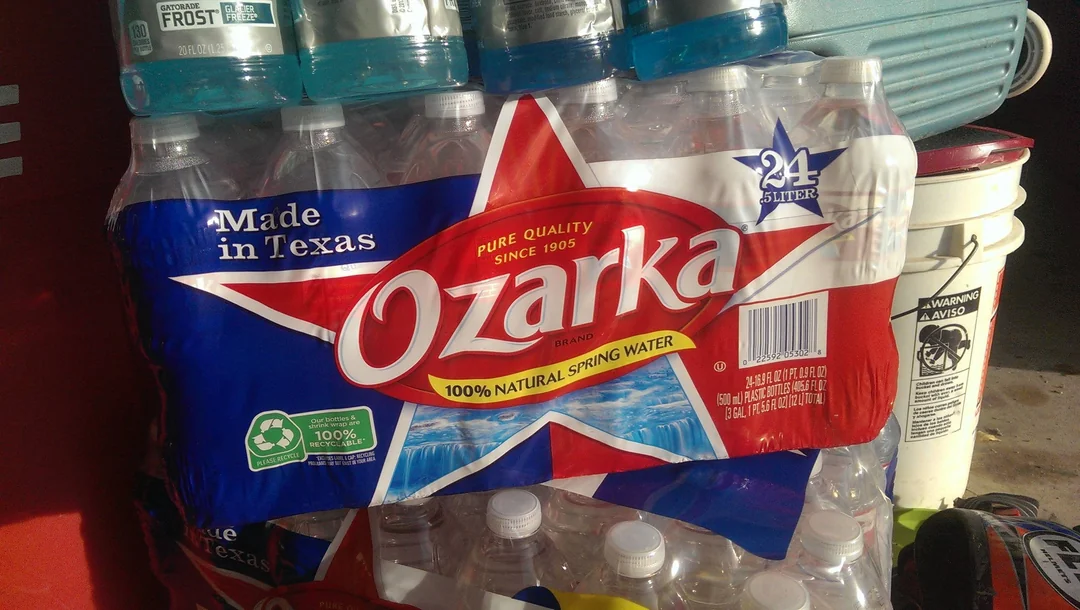
Water Score– 1%
Contaminants- 7
Ozarka’s filtration process removes many of its natural minerals, leaving low buffering capacity. Its pH can be slightly acidic, and studies suggest this water specifically has lots of microplastics.
10. Perrier
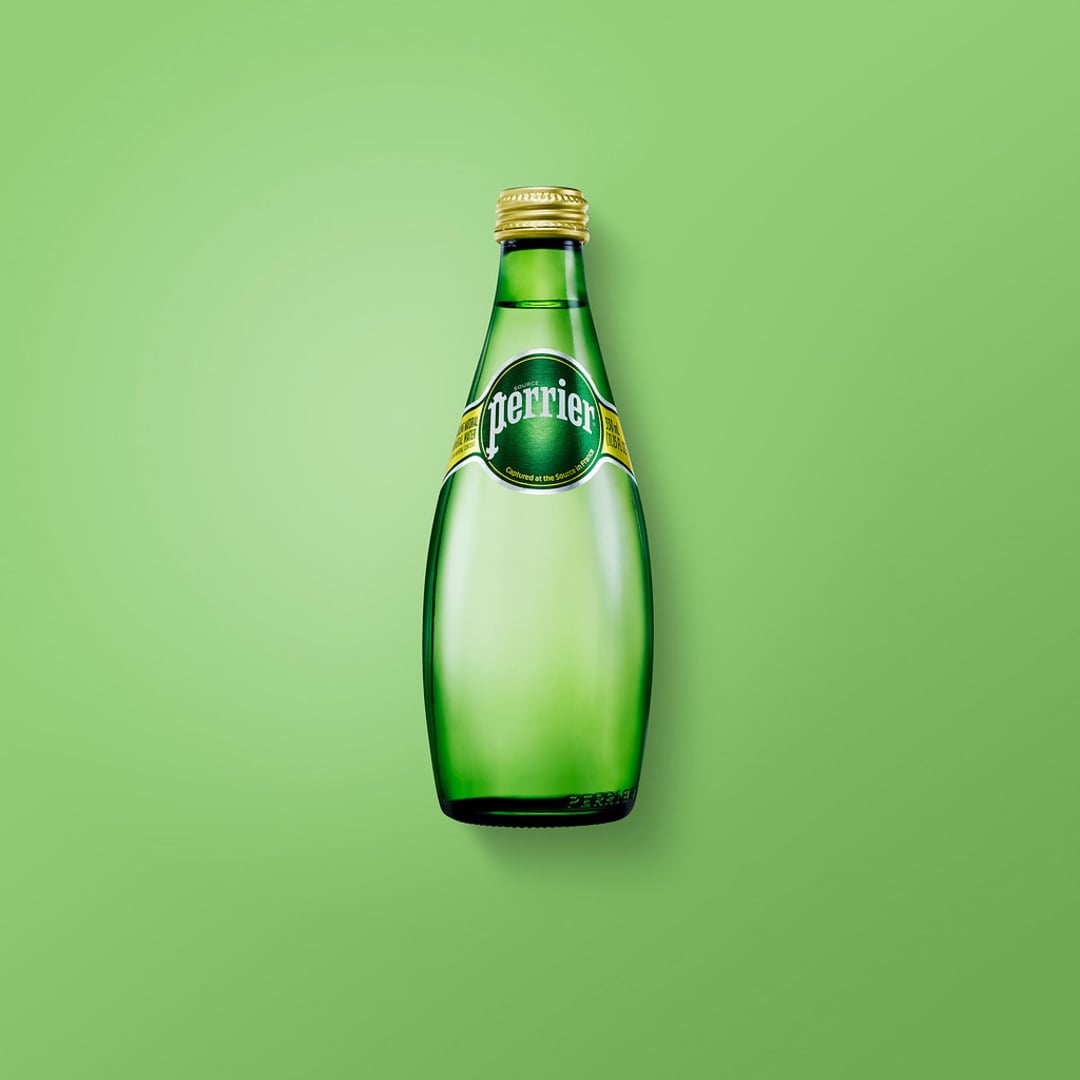
Water Score– 32%
Contaminants- 6
Perrier’s carbonation makes it more acidic, which can erode enamel over time. Microplastics and PFAS have also been detected in Perrier, and its mineral content is modest despite its natural spring source. Perrier is reliable for hydration, but chemical purity is not guaranteed.
11. Kirkland Signature Bottled Water

Water Score– 32%
Contaminants- 2
Kirkland’s private-label water is heavily purified, stripping minerals and reducing its buffering capacity. Secondly, tests have found that Kirkland water has nine times the health guideline of trihalomethanes. Trihalomethanes are endocrine disruptors that can damage the reproductive system. Microplastics have also been found in its bottles, and the pH can be slightly acidic.
12. Nestlé Pure Life
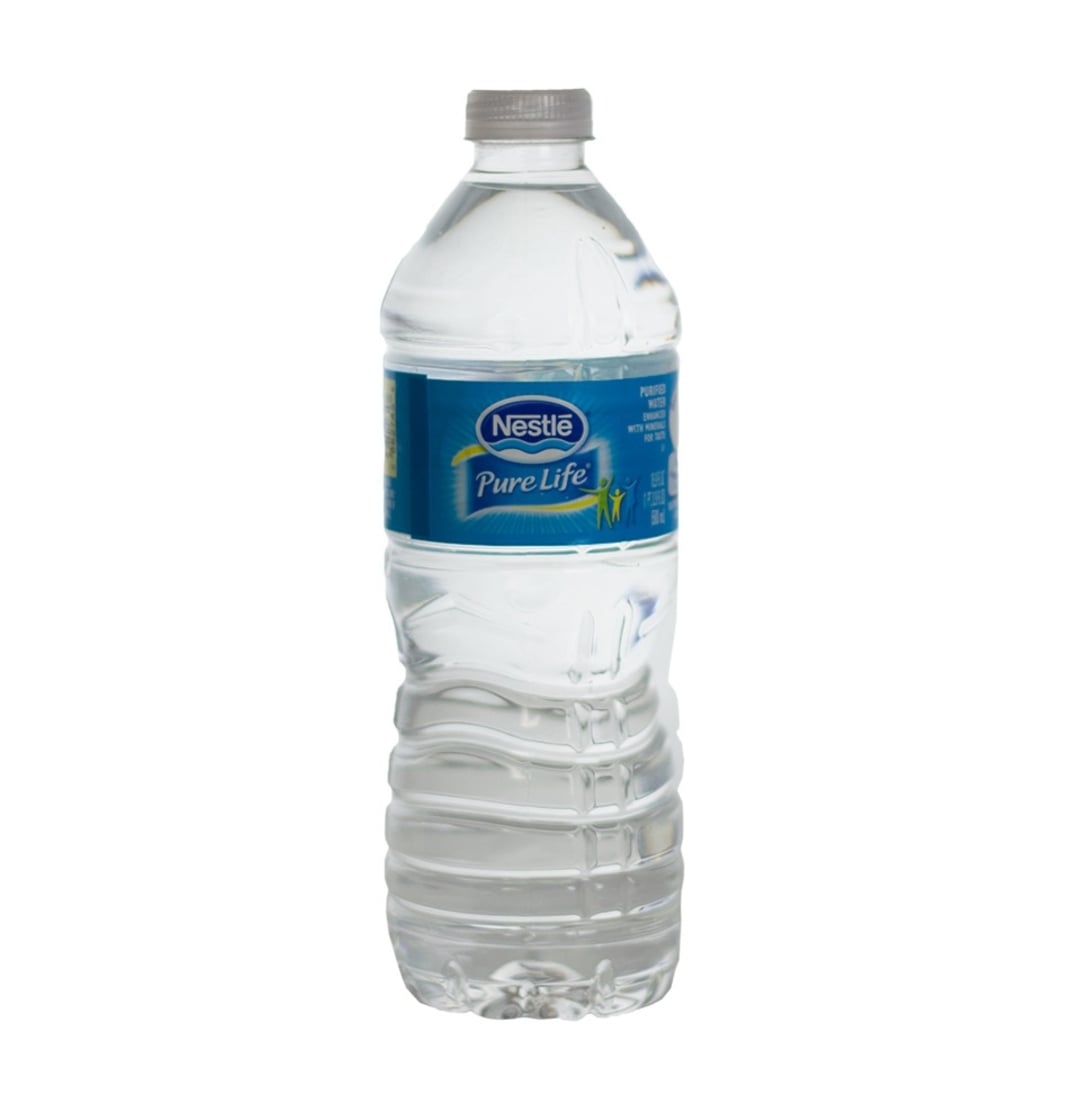
Water Score– 1%
Contaminants- At least 1
Nestlé Pure Life is heavily filtered, reducing its natural minerals and leaving it with an empty taste. Extremely high levels of microplastics have been found in Nestlé’s bottles, and acidity can fluctuate depending on storage. It hydrates, but doesn’t provide the mineral balance that natural spring water typically would.
13. Zephyrhills
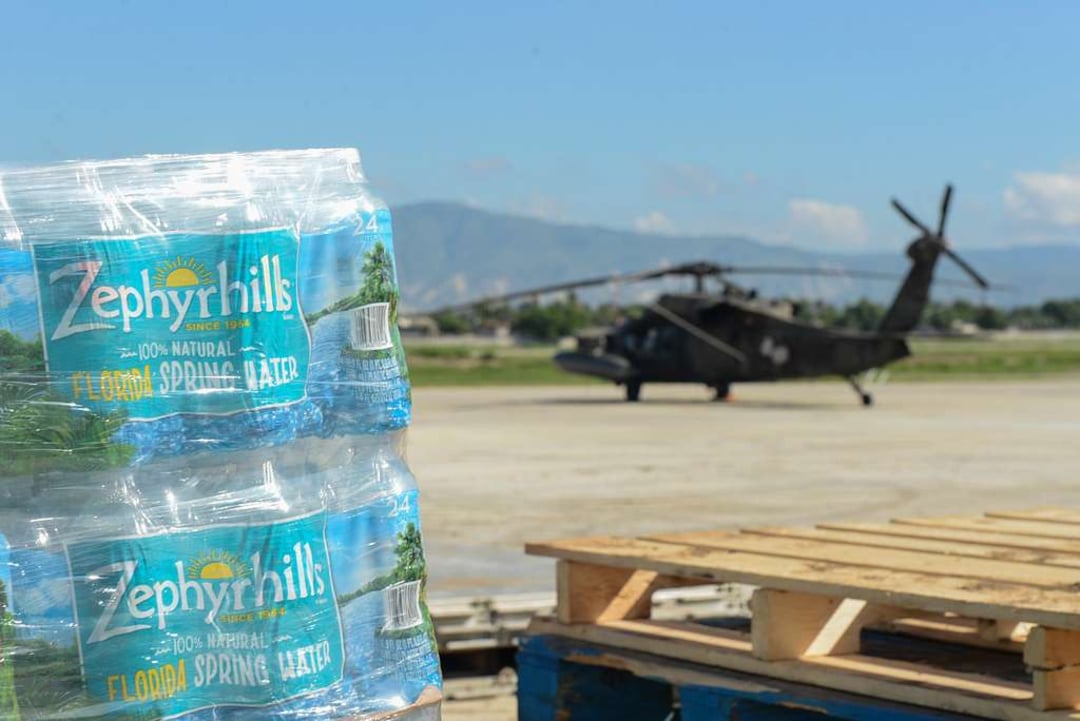
Water Score– 51%
Contaminants- 6
Zephyrhills has low mineral content and often falls on the acidic side. Like other bottled waters on this list, microplastics are detectable in global testing, and fluoride levels are minimal.
14. LaCroix
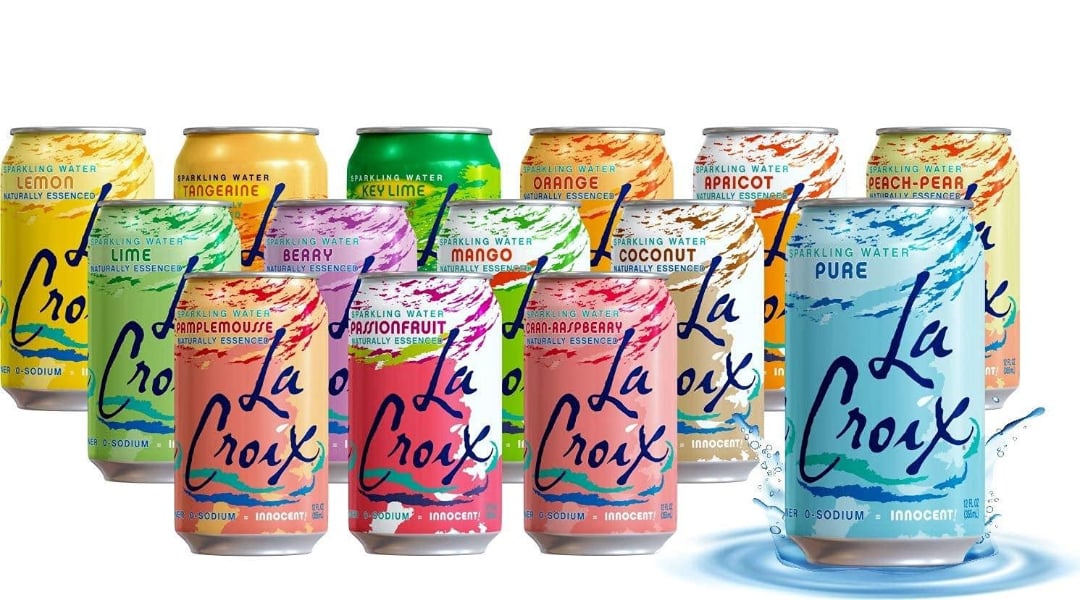
Water Score– 1%
Contaminants- 2
LaCroix’s sparkling water formula includes “natural flavors” that can carry trace contaminants, and studies have flagged PFAS in the beverage. Its acidity is higher (due to the carbonation), and the minerals included are minimal. While LaCroix is refreshing, it shouldn’t be considered chemically pristine.
15. Core Hydration
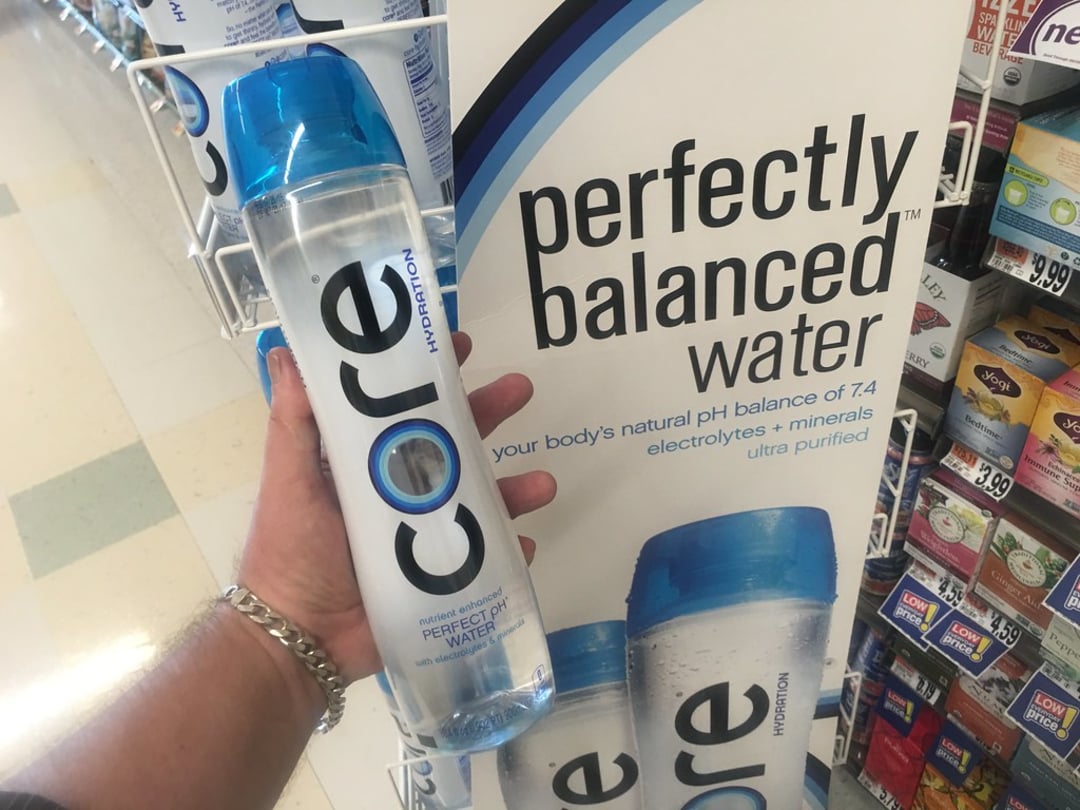
Water Score– 10%
Contaminants- 2
Core Hydration is filtered to near neutral pH, but the cost is being stripped of minerals. This makes it chemically engineered rather than naturally balanced. It’s clean and safe, but offers minimal addition to our health.
Want to see more food and drink content?
Check out 20 Foods That Shouldn’t Exist (But Do), or take a look at 15 Healthy Foods That Have Turned Into Processed Garbage. Finally, if you want to see fast food fails, check out 20 Fast Food Fails That Are Too Horrible To Ignore.