

Have you ever been asked a simple question by your kid, just to realize you don’t even know the answer yourself? You’re not alone, and some of life’s easiest questions are actually a lot more complicated than you may think. Children are full of questions, and the world around them is bursting with mysteries just waiting to be explored. Every day brings new curiosity, whether it’s about the sky, the creatures around us, or the surprising things our bodies can do. Their questions are honest and funny, but each one comes from a genuine desire to understand life.
The explanations are simple enough to understand, yet full of meaning, helping people explain the simple questions their kids have. Each one offers the chance to learn something new, so when your child has a moment of curiosity, you’ll be able to share it with them. After all, the more we explore together, the more exciting and connected we all become. Let’s take a look at 15 questions kids have all the time, and their answers.
1. Why is the sky blue?

Kids notice the color of the sky long before they understand how light works. Sunlight looks white, but it’s actually many colors mixed together. When this light enters our atmosphere, the tiny particles in the air scatter the colors in a bunch of different ways. Blue light scatters the most, so our eyes see the sky filled with that soft blue shade.
2. Why do we sleep?

The cool answer to tell a child is that your brain is cleaning itself while you sleep, because it’s technically true. Sleep is something every person needs, and during sleep, the brain sorts memories, stores information, and clears out toxic waste it can’t remove while we’re awake. The body also repairs muscles and strengthens the immune system. So, without enough rest, we struggle to focus, control emotions, and stay healthy.
3. Why do leaves change color?

Leaves look green in warm seasons because they contain chlorophyll, a pigment we all know helps plants gather sunlight. When the weather cools and days grow shorter, a tree stops producing as much chlorophyll. As the green fades, other pigments that were hidden become visible, and these pigments create the bright reds, yellows, and oranges that fill the trees till Autumn.
4. Why do we dream?
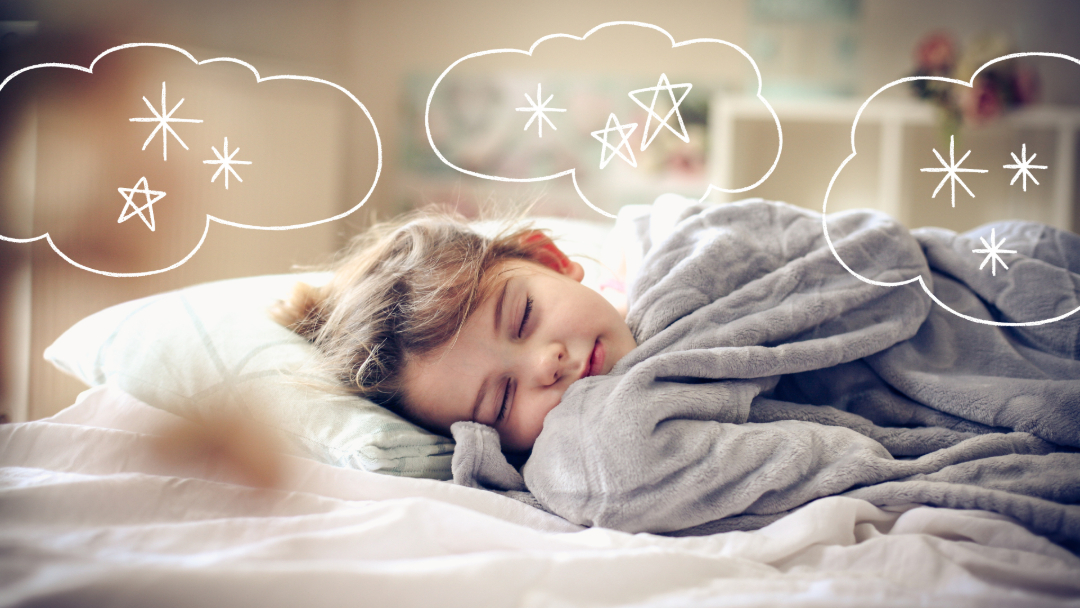
Dreams appear like spontaneous stories, but they are connected to what the brain is doing during sleep. As we rest, the brain processes memories, emotions, and information gathered during the day. It sometimes mixes these pieces into images and scenes that feel like real events, but overall, dreams help us understand feelings and prepare for future situations.
5. Why does time feel slow sometimes and fast other times?

Our brains measure time based on how much we notice in each moment. When we’re bored, we focus on every small detail, which makes seconds seem long. When we’re busy or excited, the brain pays less attention to the minutes that pass. This change in awareness creates the feeling that time speeds up or slows down. “Time flies when you’re having fun.”
Trending on The Scroller

6. Why do we get hungry?

Food is energy. Hunger is a signal from the body telling us that we need more energy. Food breaks down into nutrients that power our brain, muscles, and organs. When the body runs low on these nutrients, hormones send messages that create the feeling of hunger. Eating restores the energy we need to stay active and healthy.
7. Why does it rain?
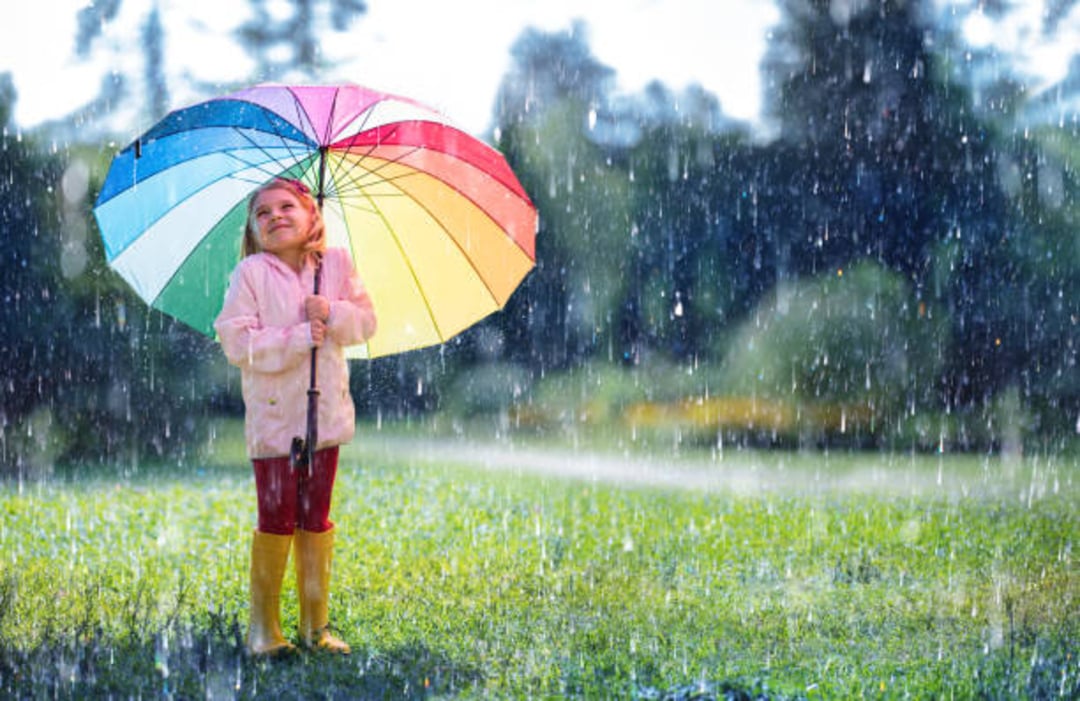
Rain begins when warm air rises and carries water vapor with it. As the air reaches cooler heights, the vapor turns into tiny droplets that gather into clouds. When the droplets grow too heavy to remain in the air, they fall to the ground as rain. The water cycle fills lakes, rivers, and soil with water that all living things need.
8. Why do we have seasons?

Earth is tilted as it orbits the sun, so different parts of the planet receive sunlight at different angles throughout the year. When a region tilts toward the sun, it experiences warmer temperatures, which is summer. When it tilts away, sunlight arrives weaker, which is winter. The changing amount of direct sunlight is what creates spring, summer, autumn, and winter across the globe.
Sign up for our newsletter
9. Why do we laugh?

Laughter is the brain’s way of releasing built-up tension when something feels surprising or amusing. When we laugh, our muscles relax, our breathing changes, and chemicals that make us feel good are released. Laughing with others strengthens social bonds because it shows we share joy or understand the same situation. It’s a natural human reaction that helps us cope with stress and connect emotionally.
10. Why do we itch?

An itch is a message from the skin to the brain that something might be irritating the surface. It can be triggered by dryness, a bug, or even dust. When we scratch, we interrupt the itch signal and replace it with a pressure signal, which feels more soothing. Although annoying, itching helps protect us and remove things that might harm our skin.
11. How do babies learn to talk?

Babies begin learning language long before they can speak, simply by listening to voices around them. They start with coos and babbles, which help them practice controlling their mouth and tongue. As they hear words repeated, they connect sounds with meaning. Over time, they learn grammar, vocabulary, and conversation skills by interacting with family and observing how we communicate.
12. Why do we get sick?

Sickness occurs when germs enter the body and start to multiply. The immune system recognizes these germs and sends out special cells to fight them off. The body’s defense process can cause fever, tiredness, or coughing as it tries to remove the tiny invaders. Getting over an illness helps the immune system learn and become stronger for future challenges.
13. Why do we blink?

Blinking happens so quickly that kids barely notice it, yet it serves an important purpose. Each blink spreads a thin layer of tears across the eyes, keeping them moist and clean. This layer washes away dust and tiny particles that could irritate the surface of your eye. Blinking also gives the eyes a brief rest, which helps them stay healthy and focused.
14. How does a rainbow form?

Rainbows appear when sunlight passes through raindrops in the air. The raindrops act like tiny prisms, bending and separating the light into different colors. Each color bends at a slightly different angle, creating the curved arc in the sky. A rainbow only shows up when the sun is behind you, and rain is falling in front of you.
15. Why do we sweat?
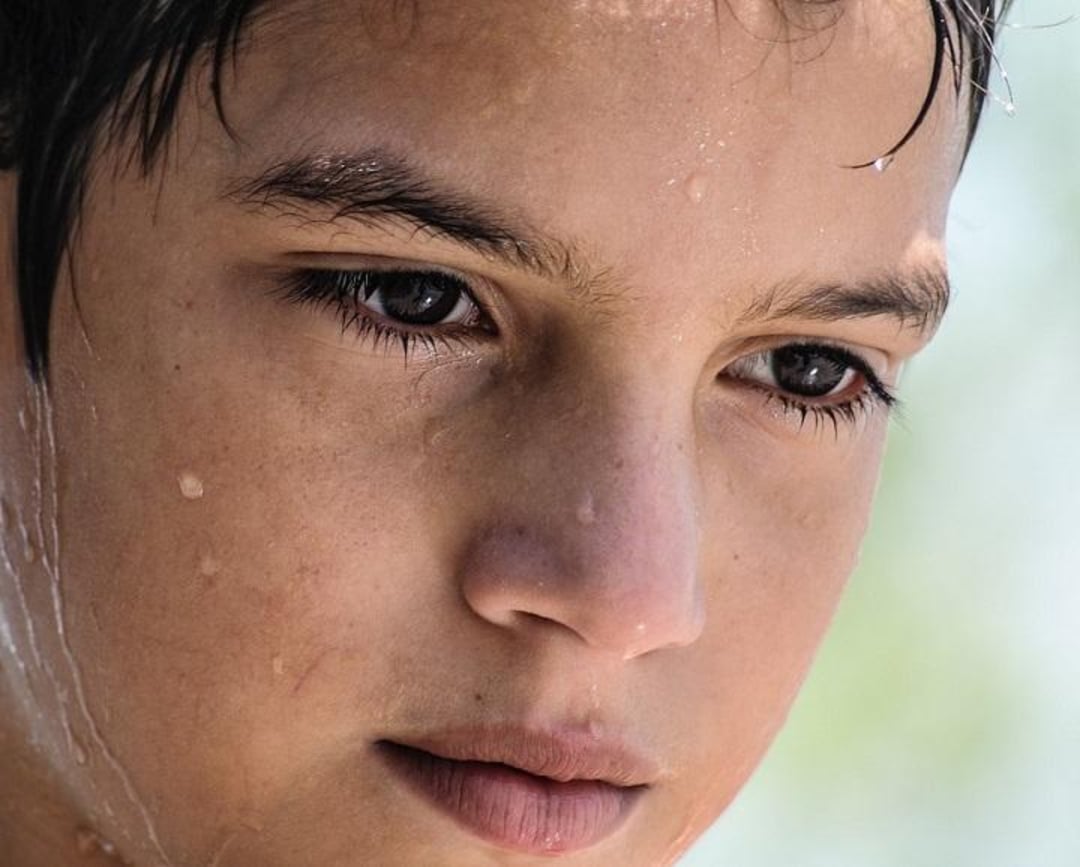
Sweating helps the body stay cool when it starts to get warm. Sweat glands release liquid onto the skin, and when the liquid evaporates, it lowers body temperature. This process protects us from overheating during exercise or hot weather. Sweat also carries away small waste products the body doesn’t need.
Want to see more fun facts?
Check out 15 Fun Facts About Dogs, or take a look at 18 Fun Facts on How to Avoid Stress. Finally, if you want to see eerie fun facts, check out 20 Eerie Yet Fun Facts That Most People Don’t Know.