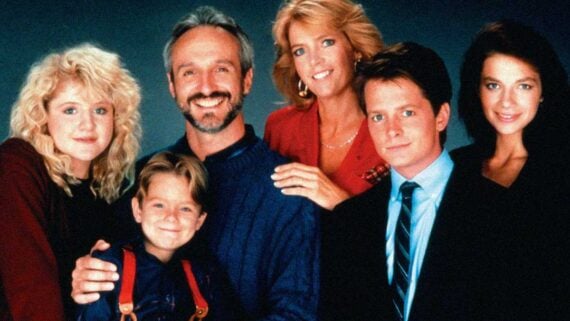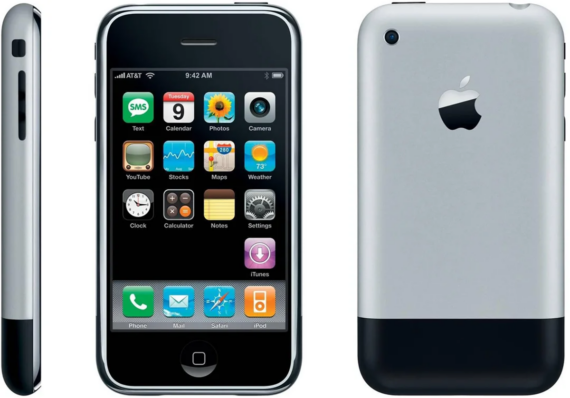

The world has changed a lot since the 1970s, and nowhere is that more obvious than in the lives of kids. From screen time to school rules, the daily routines and habits of today’s children would leave most ’70s kids scratching their heads in disbelief. Back then, freedom meant being outside until the streetlights came on, and the idea of carrying a phone in your pocket felt like science fiction.
Today’s youth are growing up in a world of instant access, digital everything, and a whole new set of social norms. Here are 20 things kids do today that would’ve been downright unthinkable to a child growing up in the groovy ’70s.
1. Spending all day inside
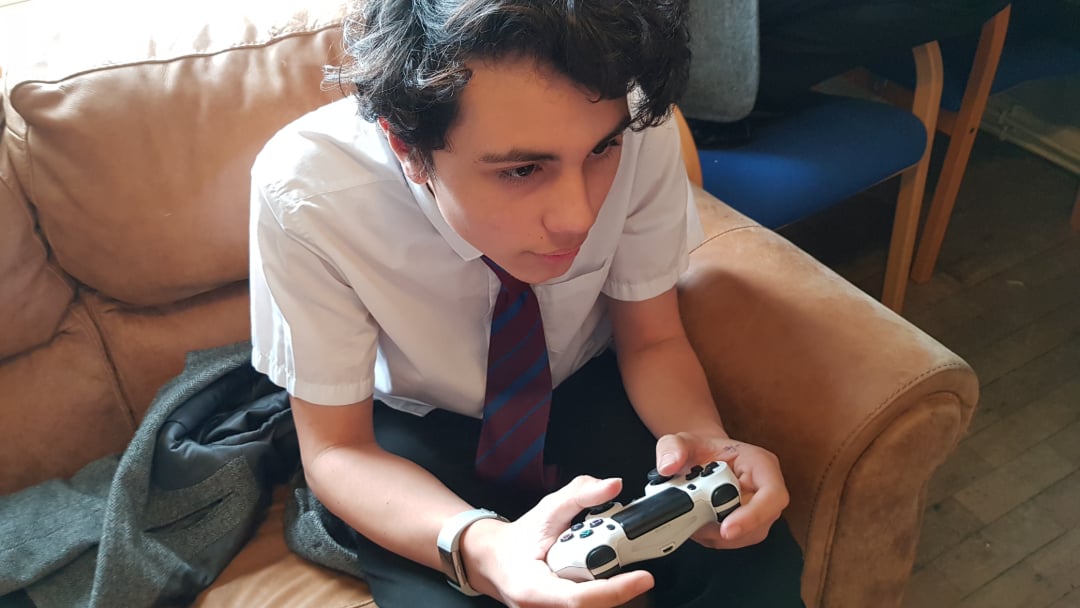
Back in the ’70s, being indoors for too long usually meant you were either grounded or sick. The idea of choosing to stay inside all day was pretty foreign to most kids. Now, with endless streaming, video games, and apps, many kids barely step outside unless it’s for something scheduled. The backyard has been traded for a screen.
2. Talking back to mom

In the ’70s, mouthing off to your mom wasn’t just a bad idea; it was a bold move with serious consequences. There was a deep-rooted respect for parents, and “because I said so” was the end of the discussion. These days, some kids push boundaries and argue their case like little trial lawyers. It’s a whole new dynamic in the modern household.
3. Wearing headphones at the dinner table
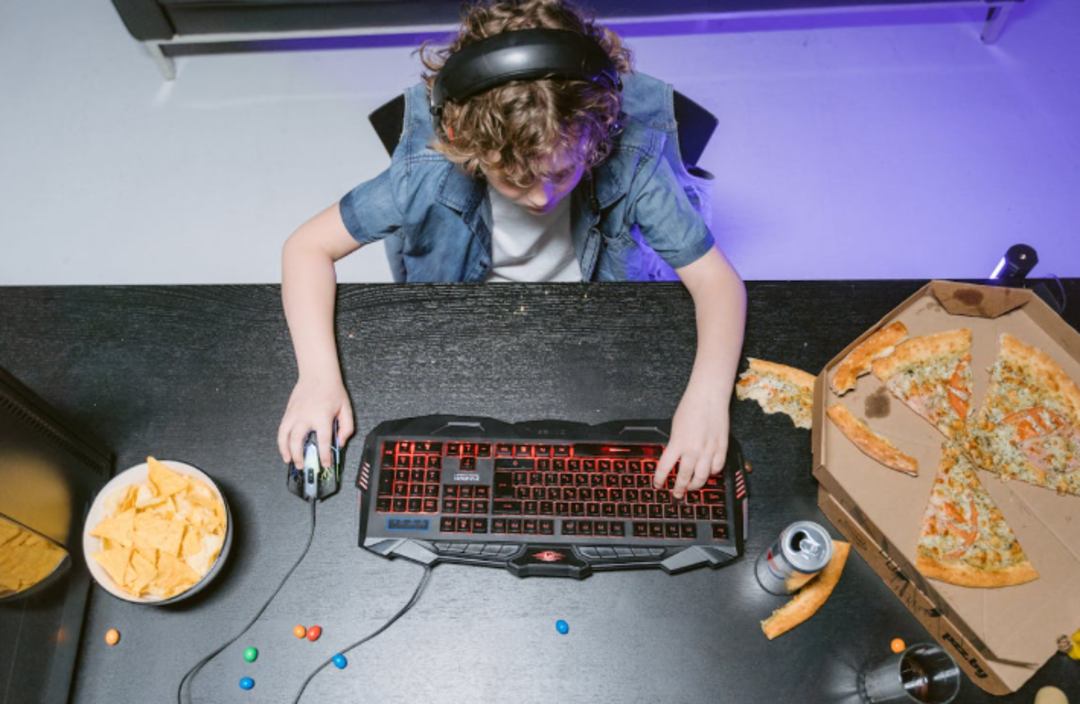
Family meals used to be a time for catching up, not tuning out. In the ’70s, if you had headphones in at the dinner table, you probably weren’t sitting at the table anymore. Today, it’s not unusual to see kids scrolling or streaming while everyone’s eating. Conversations have unfortunately been replaced by background noise and screen glow.
4. Calling adults by their first names

There was a certain formality in the way kids addressed adults back in the ’70s. It was always “Mr. Johnson” or “Mrs. Smith,” no exceptions. These days, it’s not uncommon for kids to call adults by their first names, even teachers in some cases. To a ’70s kid, that would’ve felt like crossing a serious line.
5. Wearing pajamas in public

In the past, going out meant getting dressed, no questions asked. You didn’t dare show up in public looking like you just rolled out of bed. Now, pajama pants at the grocery store are practically a uniform. Comfort has taken the place of formality in ways older generations still find shocking.
Trending on The Scroller

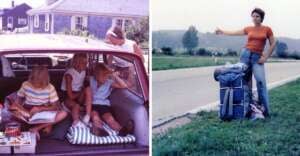
6. Texting instead of talking
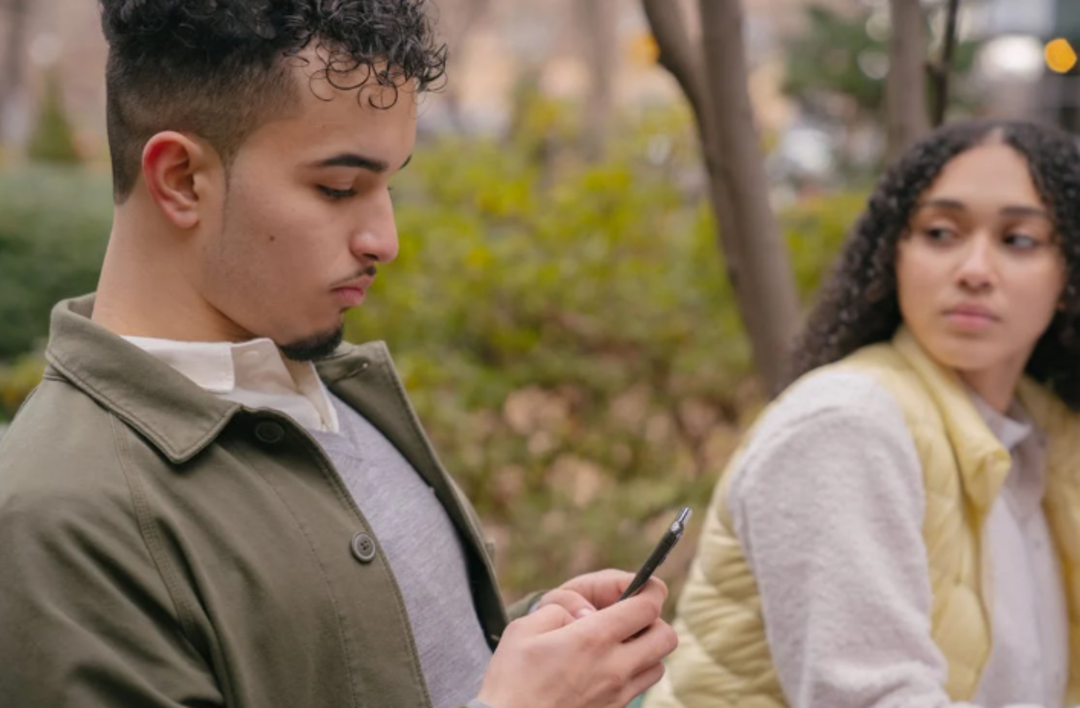
Calling someone on the phone used to be exciting. You’d stretch the cord as far as it would go for a little privacy. Now, many kids dread actual phone calls. Texting has become the default way to communicate, even with people just a few feet away. For a ’70s kid, that kind of silence would’ve felt isolating.
7. Getting a trophy just for participating

Trophies used to seriously mean you won something. It meant you were the best, or at least near the top. These days, showing up is often enough to earn some sort of prize. While it’s meant to encourage, it’s a far cry from the “no pain, no gain” mindset many kids from the ’70s grew up with.
8. Being driven everywhere by parents
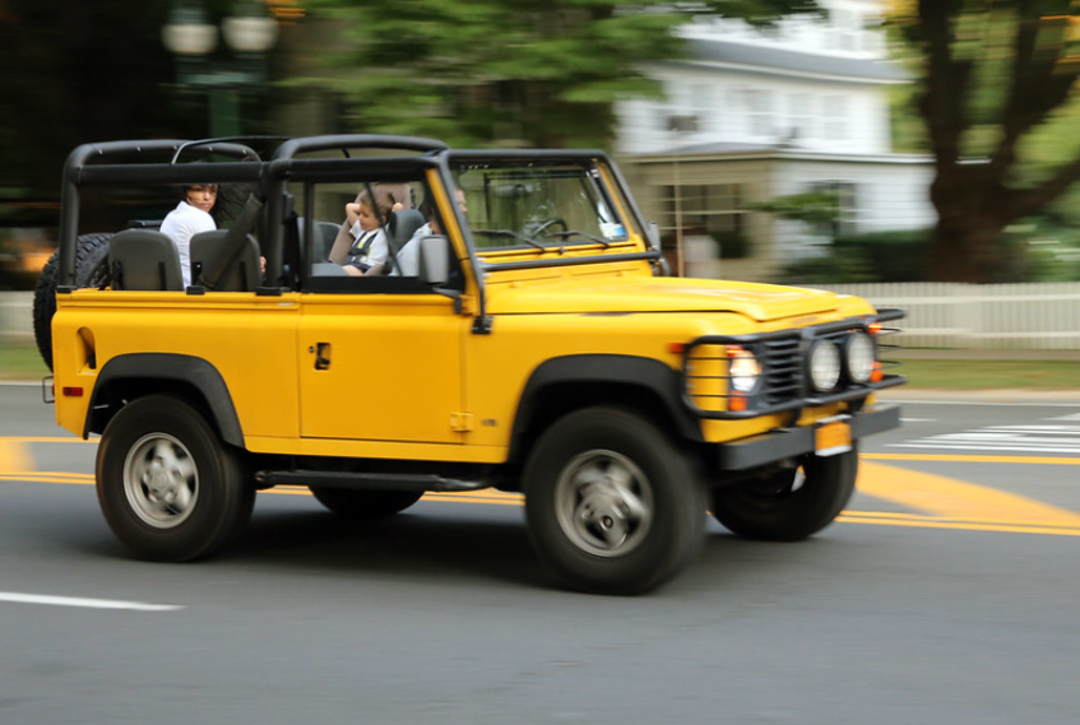
In the ’70s, you walked, biked, or caught the bus. Parents weren’t expected to chauffeur their kids from one event to the next. These days, many kids get door-to-door service for everything from school to hanging with friends. Independence has taken a backseat to convenience and safety concerns.
Sign up for our newsletter
9. Choosing what’s for dinner

Dinner wasn’t a democracy back in the day. Your parents made it, you ate it, and that was that. Today, kids are often consulted about meal plans, given multiple options, or even have separate meals prepared just for them. That kind of choice at the dinner table would’ve been unheard of in the ’70s.
10. Having their own tablets
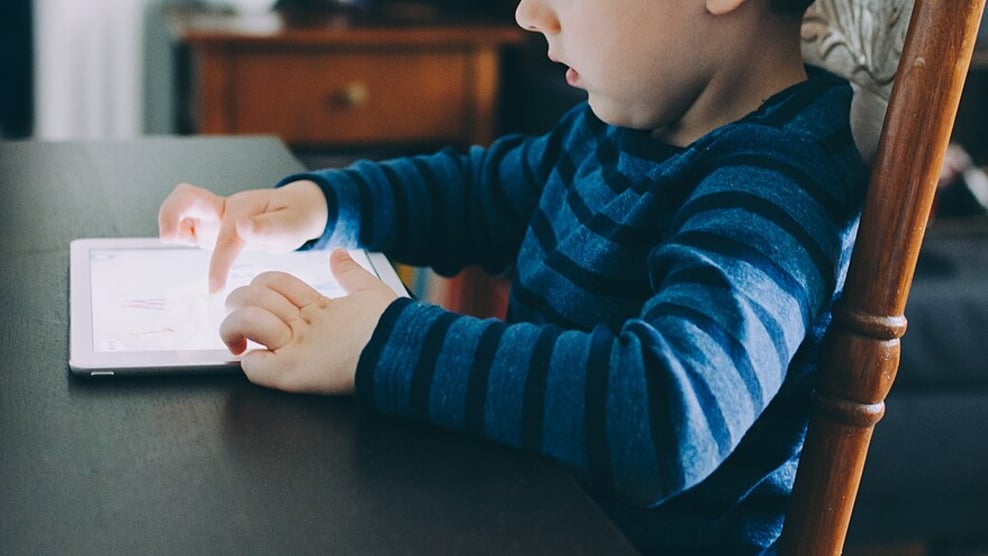
A tablet in the ’70s meant paper and pencil. Now, many kids have their own touchscreen device before they can write their full name. These devices are used for learning, games, and everything in between, sometimes before the kid even learns to tie their shoes.
11. Playing video games with strangers online
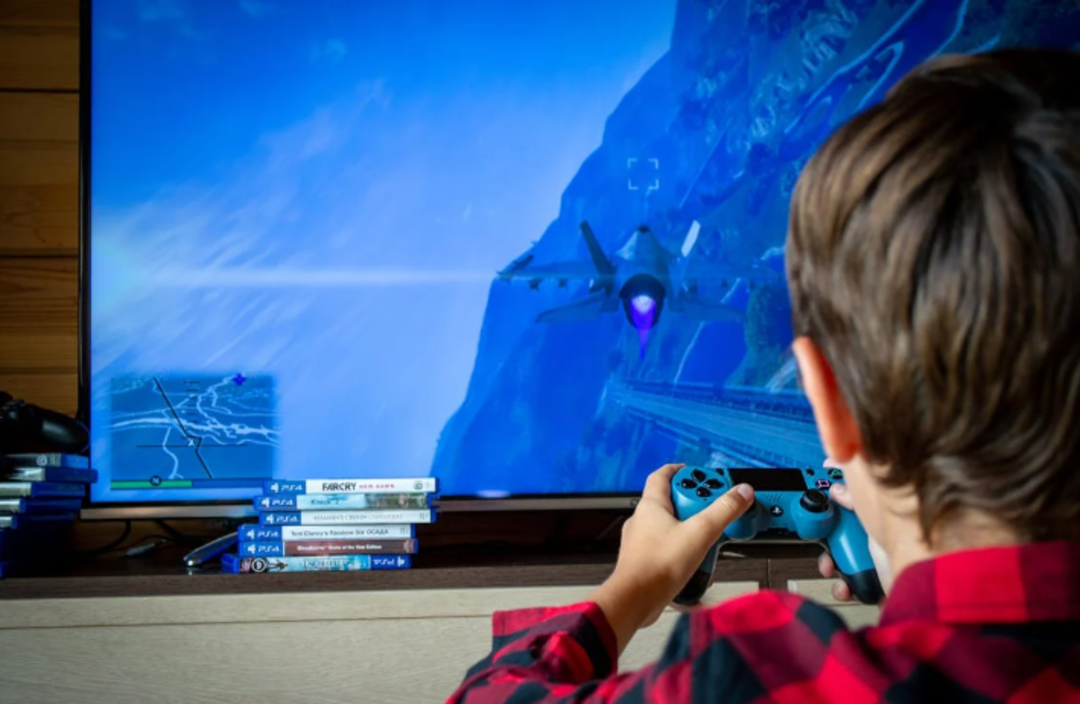
Gaming in the ’70s meant playing Pong with your sibling or maybe a friend from down the street. Now, kids can log on and play in real time with people across the globe. It’s exciting, but also a little bizarre to think about how normalized it’s become to compete with total strangers.
12. Using AI to do homework

In the past, if you didn’t know the answer, you had to look it up in a book or ask your friend and hope they were right. Now, some kids use AI to generate essays, solve math problems, or even write poetry. It’s convenient, sure, but it raises a lot of questions about learning versus just finishing the assignment.
13. Customizing avatars instead of dolls

Playtime used to mean dressing up dolls or staging epic action figure battles. Today, it’s all about customizing digital avatars, from outfits to emotes. Physical toys still exist, but many kids spend more time designing their digital selves.
14. Having a smartphone in elementary school

In the ’70s, phones were stuck to the wall, and the idea of carrying one in your pocket was pure sci-fi weirdness. Now, some kids are texting and scrolling before they lose their baby teeth. The modern phone is more than a gadget; it’s a lifeline, entertainment hub, and social connector. It’s wild to think how early screen time starts now.
15. Snacking all day
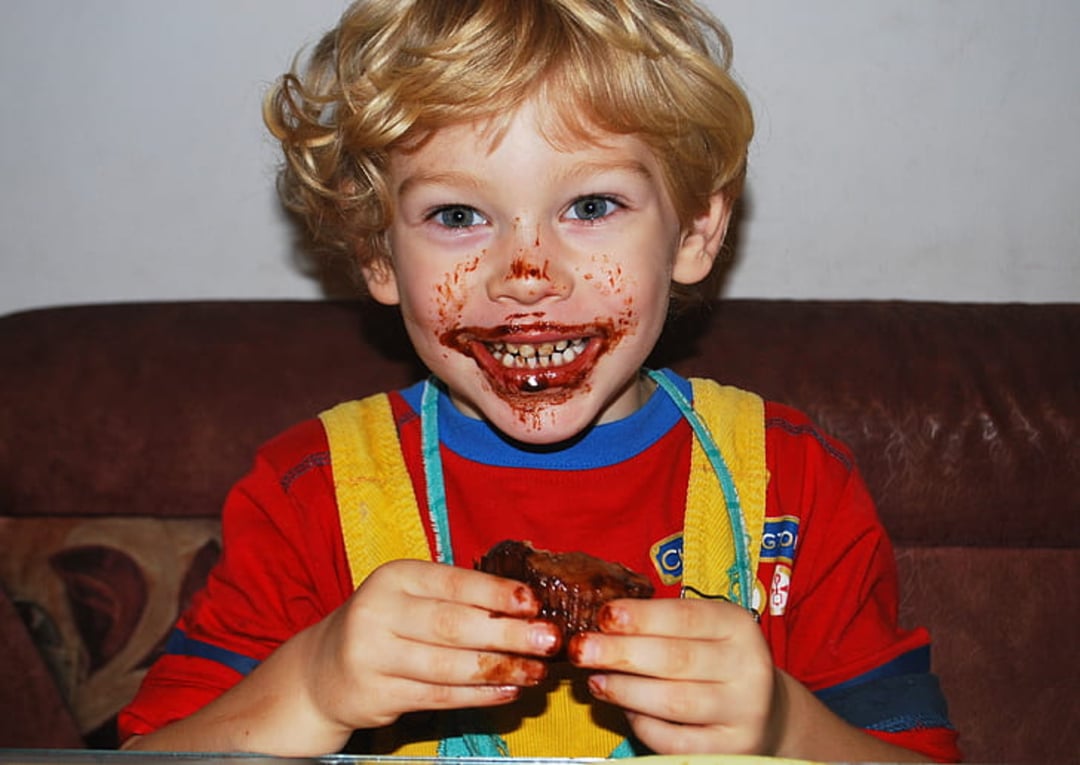
Parents in the 1970s would never have dreamed of spending money on unnecessary snacks. Back then, snacks were reserved for after school or special occasions. Today, snacking has become a full-time habit. Lunchboxes are packed with so-called “healthy” options, and the variety of choices is endless. Some kids snack so frequently that they barely eat actual meals.
16. Being in constant contact with parents
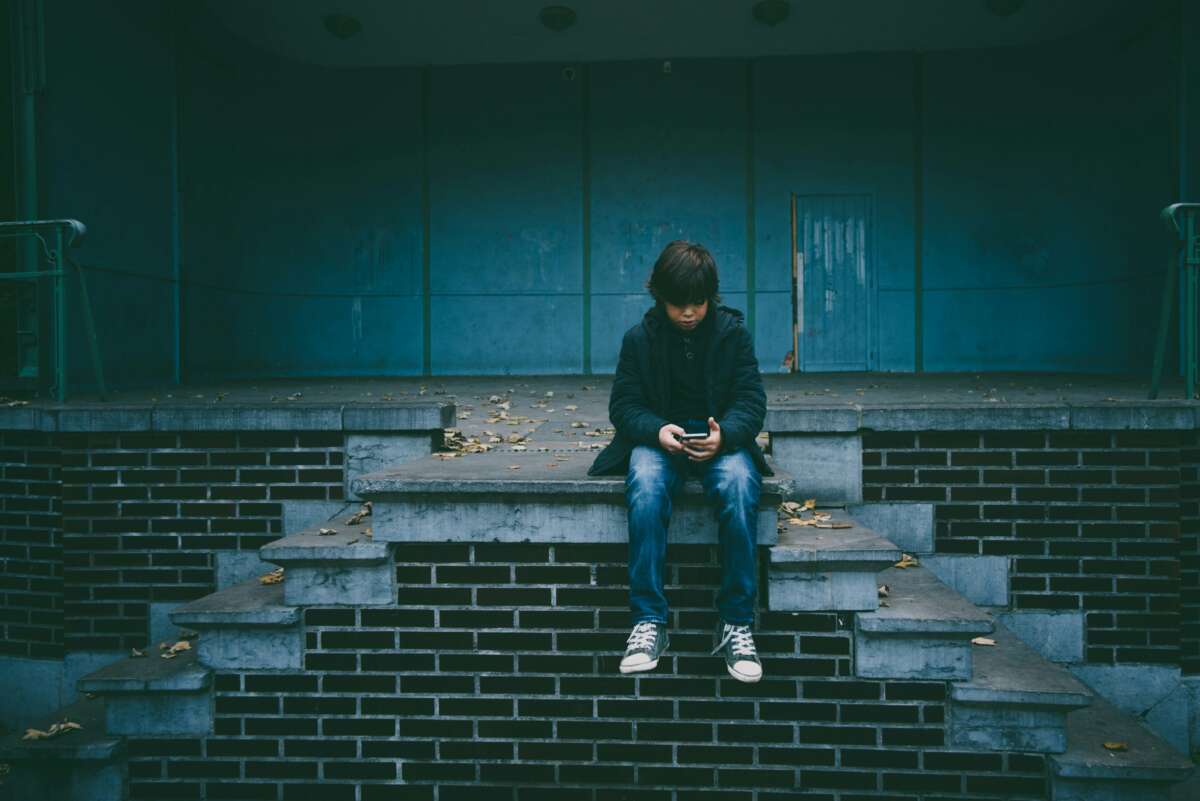
When you left the house in the ’70s, you were off the grid until you came home. Now, kids can text, call, or even share their location in real time. It offers peace of mind, sure, but also takes away a bit of that old-school freedom.
17. Attending virtual birthday parties
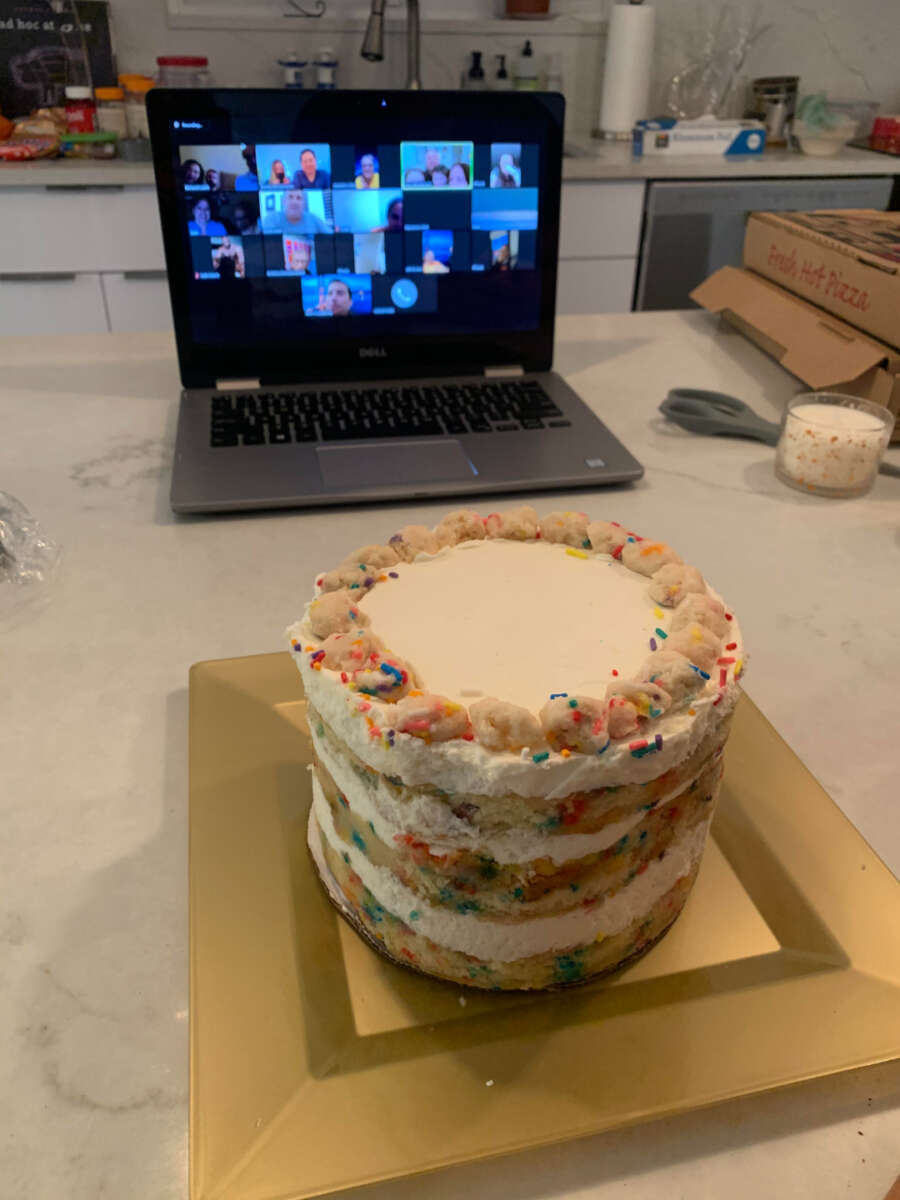
Birthday parties used to mean cake, balloons, and a backyard full of loud kids. Now, some celebrations happen entirely over Zoom, especially when friends live far away. It’s convenient in some ways, but definitely lacks the sugar-fueled chaos of in-person parties.
18. Using GPS to get around
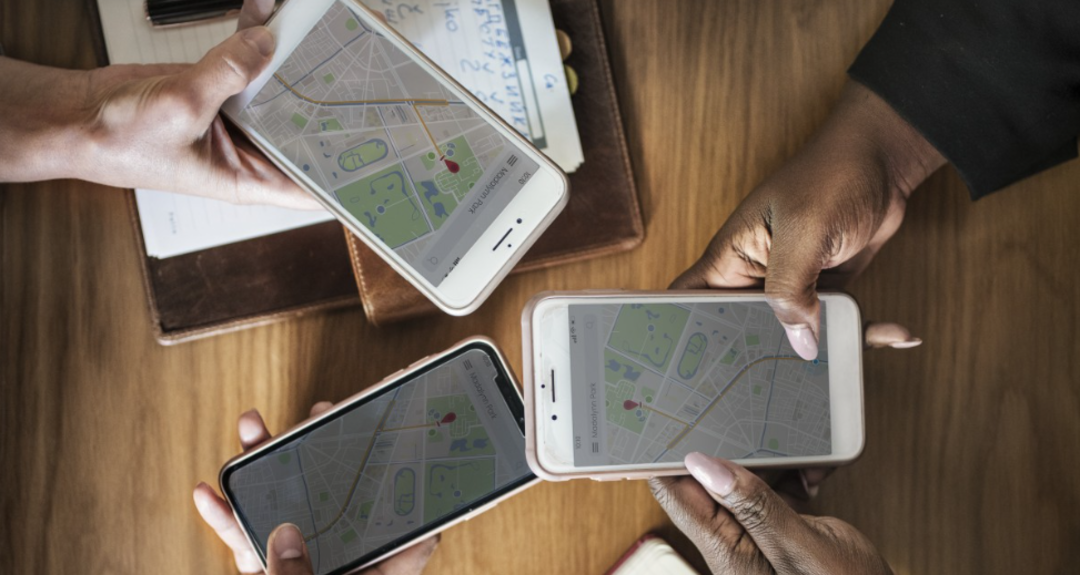
In the ’70s, you learned directions by memory or followed someone who knew the way. Kids today rely on voice-guided navigation even when walking a few blocks. The idea of not needing to know where you’re going is both helpful, fun, and a little unsettling.
19. Using acronyms in real-life speech

Text slang like “OMG,” “LOL,” or “BRB” used to live online or in chat rooms. Now, kids say them out loud in everyday conversation. It’s shorthand for a generation that’s grown up typing more than talking.
20. Making money online as kids

In the ’70s, your first job was mowing lawns or babysitting for the neighbors. Now, loads of kids make money through gaming, videos, or small online businesses. It’s empowering, but also a lot of responsibility at a young age.
Want to see more content from the 1970s?
Check out 15 Vintage Photos of the 1970s Oil Crisis, or take a look at 20 Lost Rituals of American Family Life in the 1970s. Finally, if you want to see the best muscle cars from the ’70s, check out 20 Muscle Cars From The 1970s.