Think about how much our daily routines are governed by climate-controlled offices, predictable nine-to-five schedules, and year-round digital connectivity. We live in an incredibly streamlined world where supermarkets stay stocked with tropical fruits in the dead of winter, and automated factories hum at the exact same pace from January to December. But if you were to look back just a few decades, you would find that the economic survival of thousands of small towns across the globe was completely dictated by the natural calendar. These tight-knit communities did not rely on steady corporate jobs; instead, their entire local financial fortunes pulsed in perfect harmony with the arrival of summer tourists, freezing winter frosts, or high-stakes autumn harvests.
During these frantic windows of natural abundance, sleepy rural outposts would undergo massive, overnight demographic shifts as thousands of temporary workers flooded in to secure high-energy seasonal jobs. These short-term trades did far more than just inject vital cash into the local economy; they built legendary playground subcultures, established unique civic traditions, and left an indelible stamp on generations of working-class families. Before automated harvesting machinery and global shipping pipelines standardized our daily logistics, communities relied on sheer human grit to capture the bounty of each passing season. Let’s take a look at fourteen classic seasonal occupations that defined the unique identities and legendary histories of small towns for decades.
1. Cranberry bog harvester
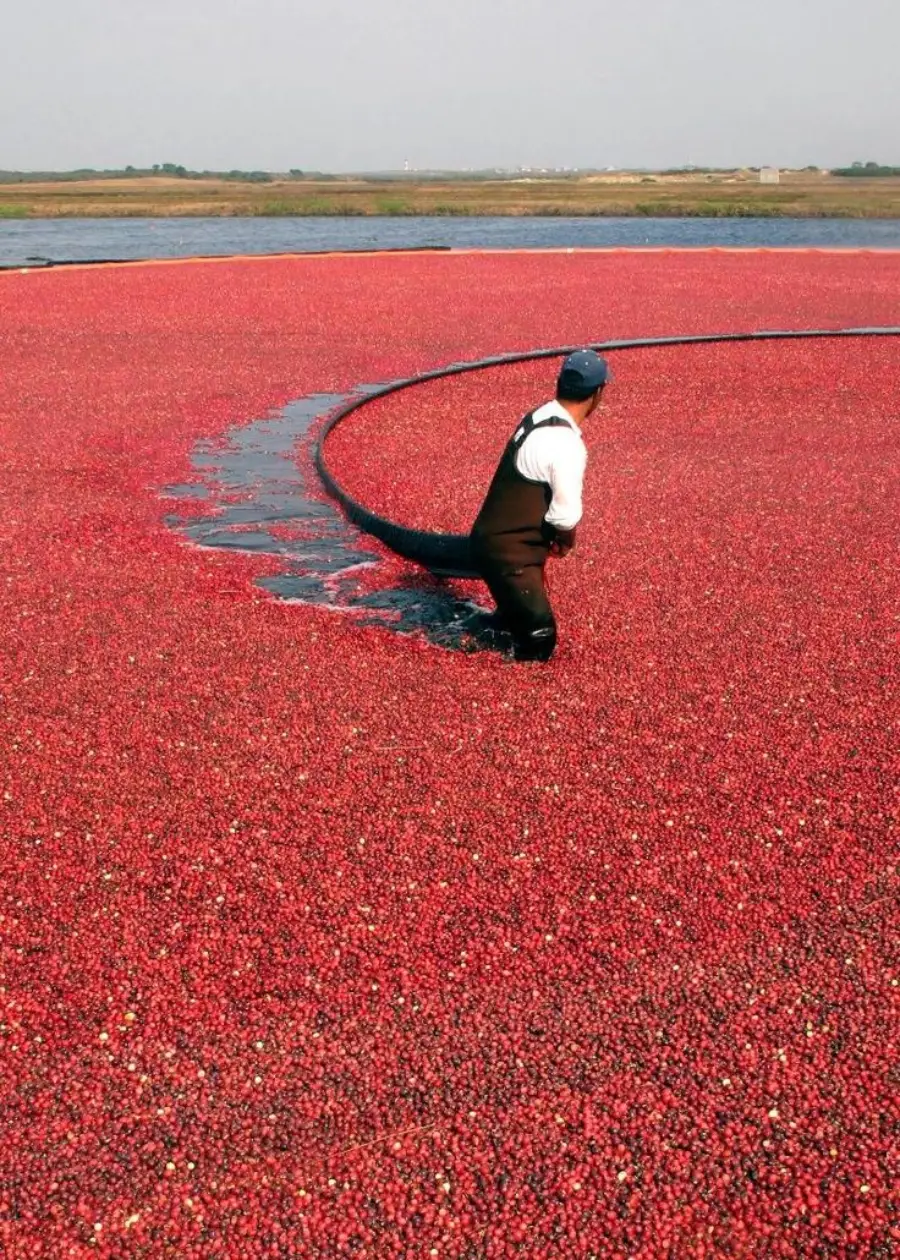
During the crisp autumn harvest, these dedicated workers flooded marshy bogs to collect the floating crimson berries that defined the economies of coastal Massachusetts and Wisconsin. A fascinating piece of harvest lore is that ripe cranberries actually bounce, which inspired early agricultural engineers to build wooden “bounce board” separators to naturally weed out the bruised fruit.
2. Hop picker
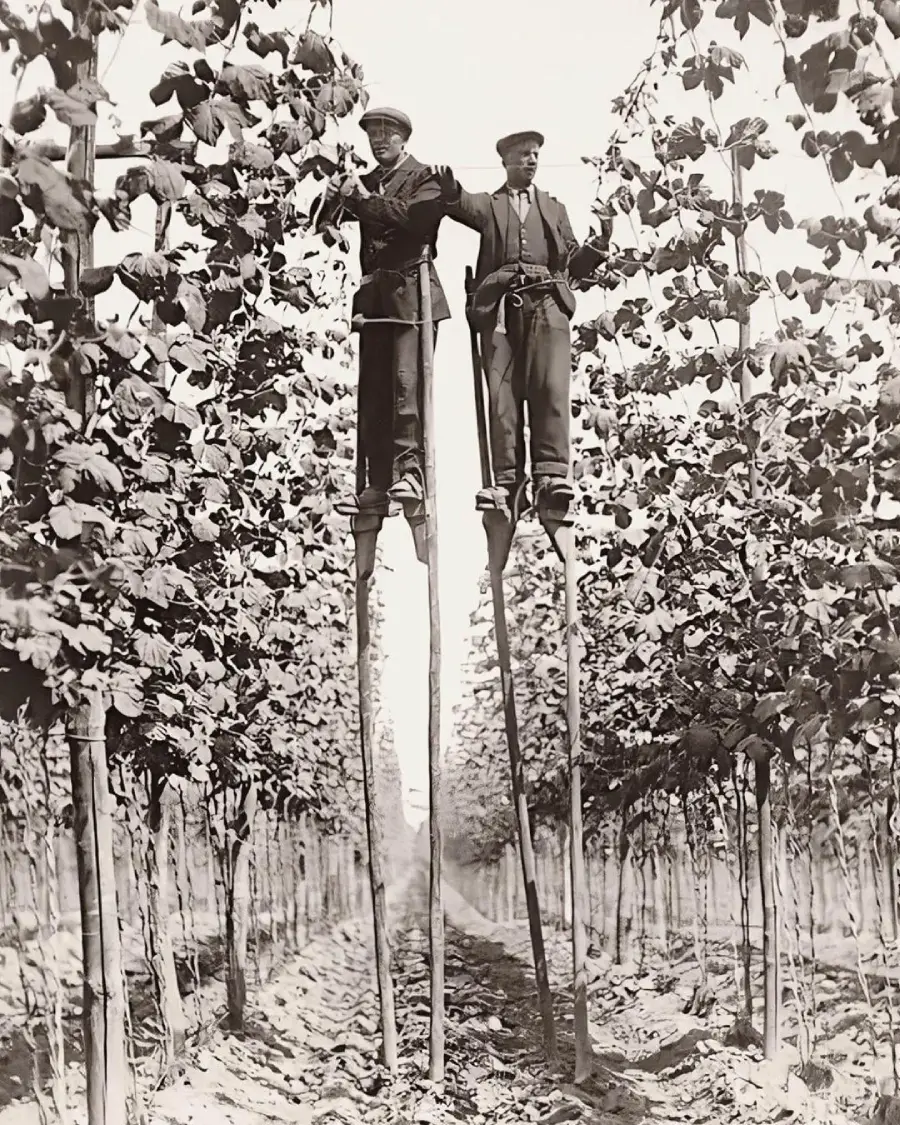
Every September, entire working-class families from East London would migrate to the rolling countryside of Kent to pick hops for the brewing industry, turning grueling manual labor into a traditional family holiday. This seasonal migration was so massive that British railways ran special “Hop Pickers’ Specials” trains to transport up to two hundred fifty thousand workers to the fields annually.
3. Maple syrup tapper
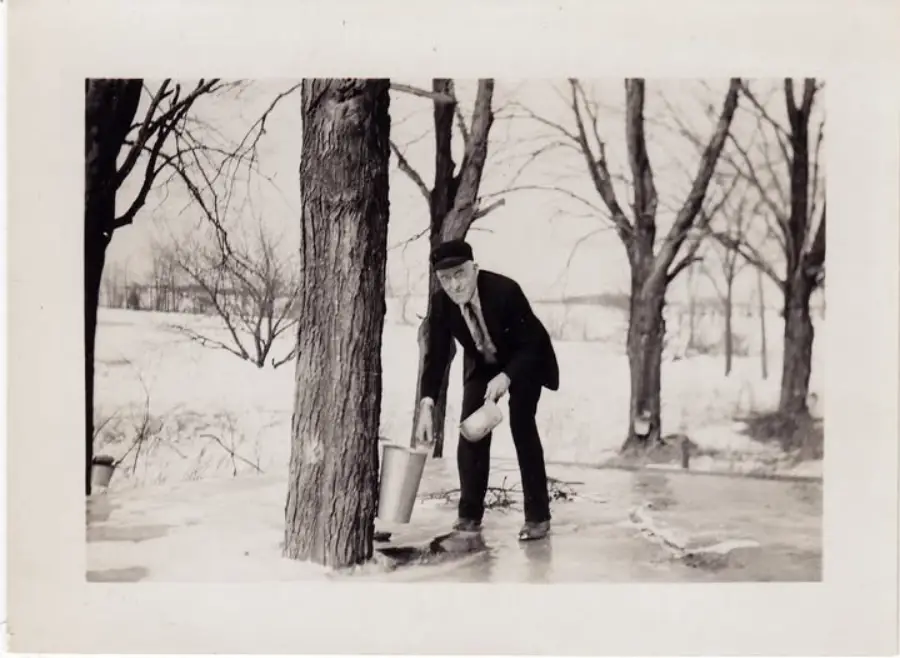
As freezing winter temperatures transitioned to spring thaw, foresters in Vermont and Quebec spent weeks trekking through deep snow to hammer metal spiles into sugar maple trees. It takes an incredible forty gallons of raw, watery maple sap, slowly boiled over wood-fired evaporators, to produce just a single gallon of pure, golden syrup.
4. Tobacco harvester
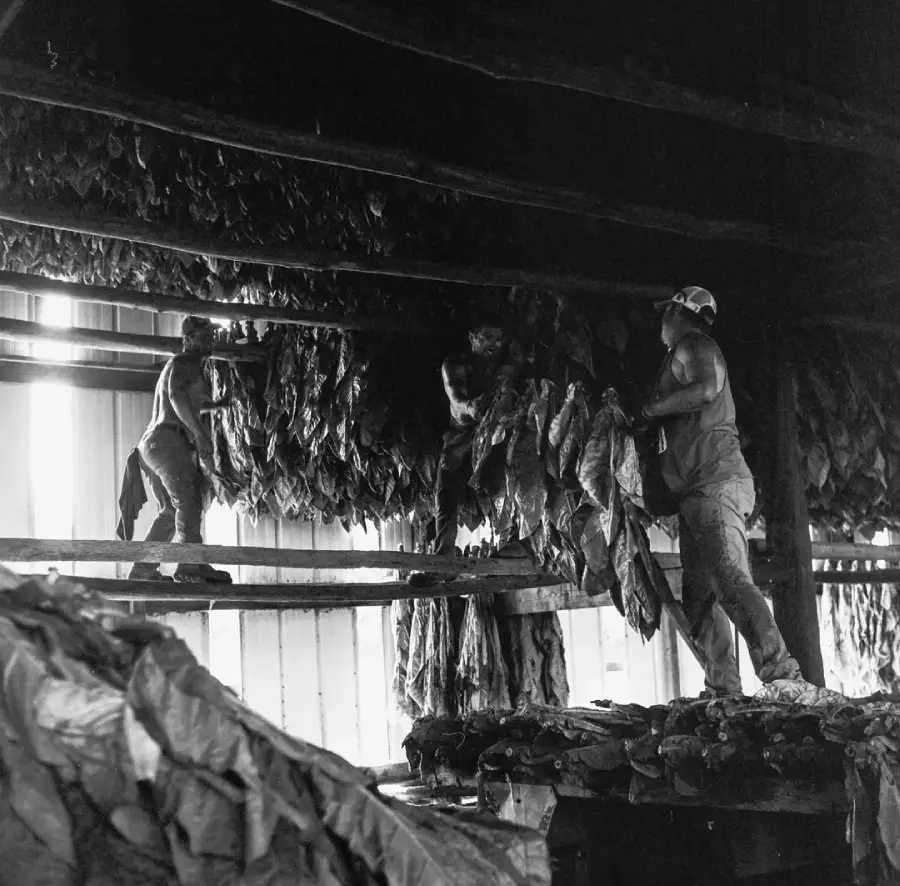
The agricultural fortunes of the American South and Southern Ontario once relied on teams of young laborers who spent humid summers manually breaking sticky tobacco leaves from the stalks. These workers frequently contracted “green tobacco sickness,” a painful form of nicotine poisoning caused by the skin absorbing wet, dew-covered chemical residue directly from the leaves.
5. Christmas tree cutter
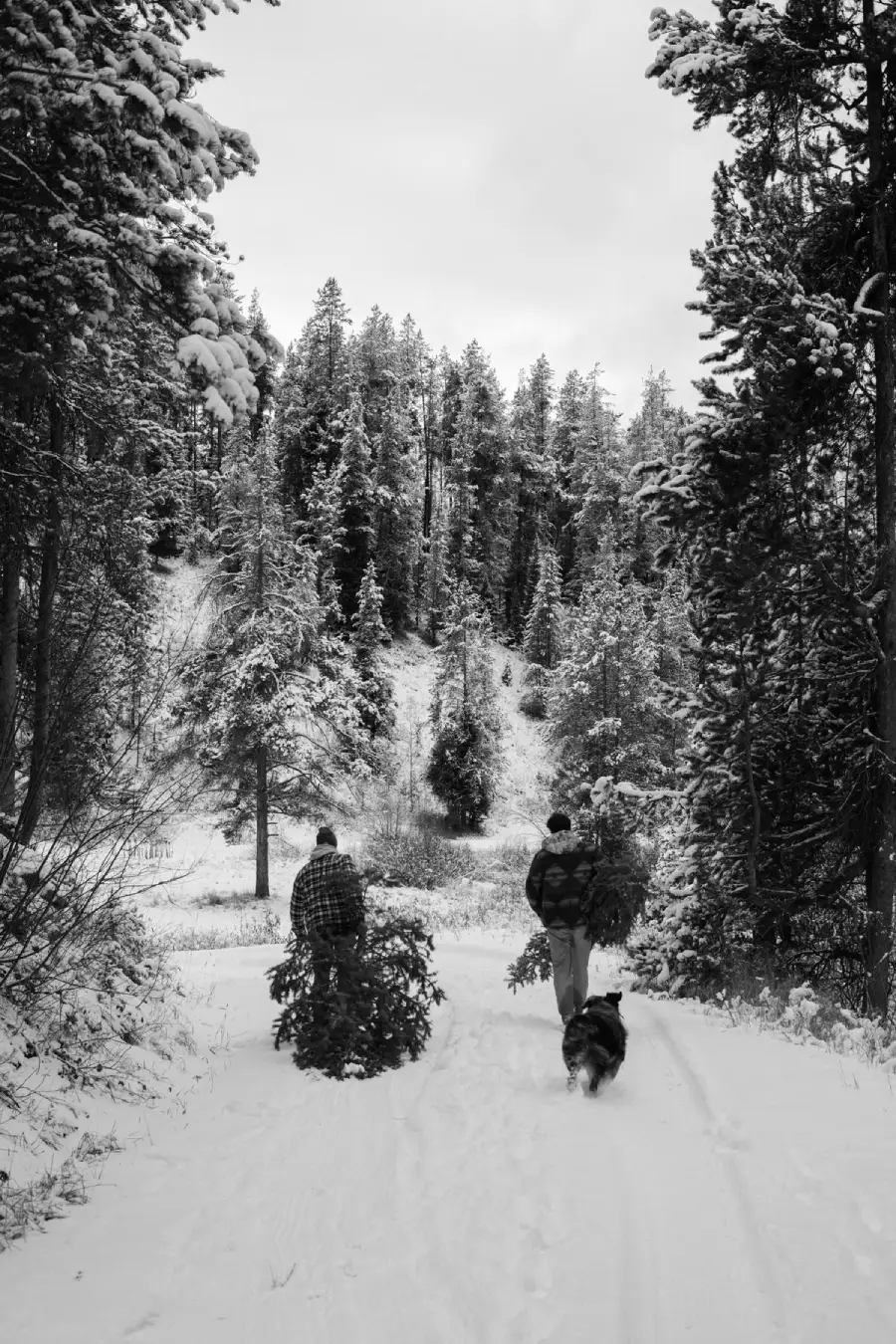
Highland towns in Oregon and North Carolina became bustling hives of commercial activity in late autumn as crews gathered to harvest millions of pine and fir trees. To get that perfect, festive conical shape, workers spend up to ten years manicuring each individual tree by hand using giant, razor-sharp machete knives.
Trending on The Scroller

6. Alaskan salmon canner

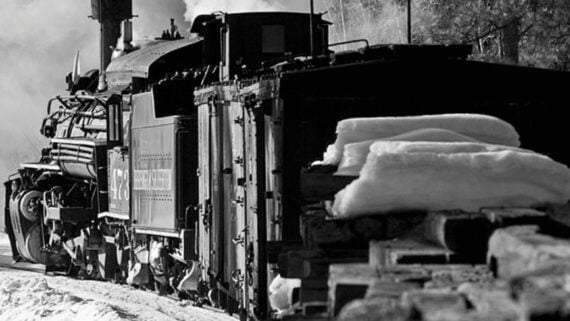
During the summer salmon runs, remote coastal outposts in Alaska transformed into completely self-contained industrial cities populated by thousands of seasonal workers. These historic canneries were so isolated that they operated on their own private company currency, known as scrip, which was only redeemable at the cannery’s own general store.
7. Sugar beet campaign worker
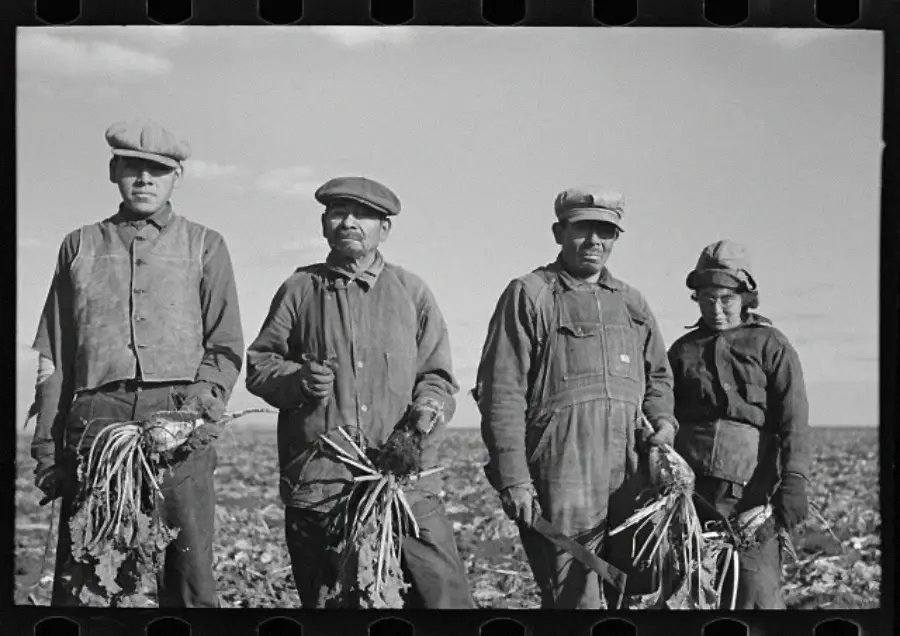
Every October, the great sugar beet harvest in North Dakota and Idaho brings a unique wave of mobile retirees who park their RVs at local processing hubs to work the 24/7 piling sites. These workers help manage mountains of beets that are piled several stories high before being processed into table sugar.
8. Ski lift operator
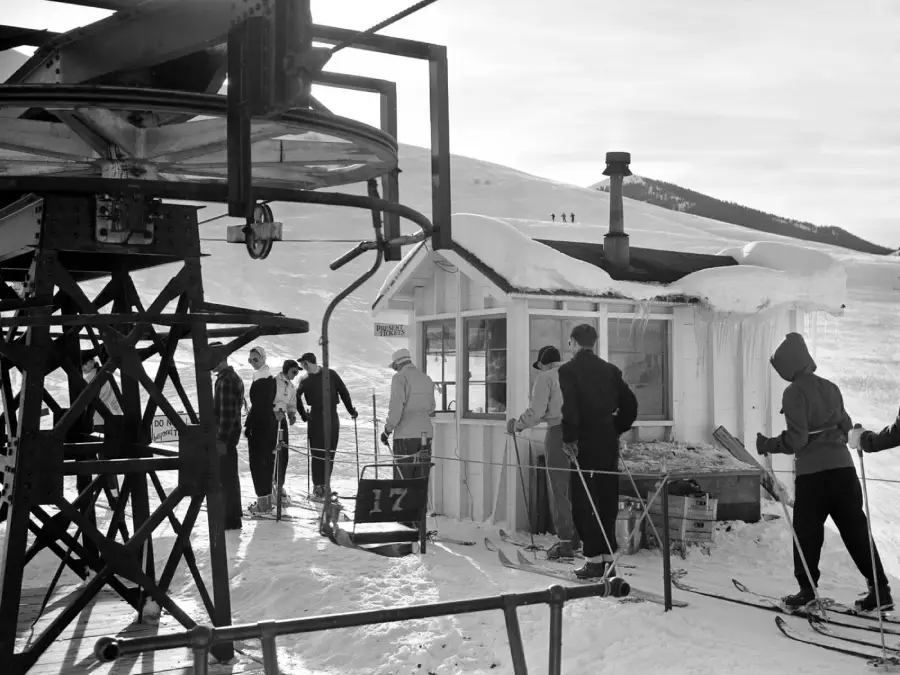
Snowy mountain communities in New England and the Rockies historically relied on “lifties” to keep early ski hills running safely throughout the freezing winter months. The very first rope tows in the 1930s were powered by old, stationary automobile engines, which routinely tore up the heavy wool mittens of eager skiers.
Sign up for our newsletter
9. Wild blueberry raker
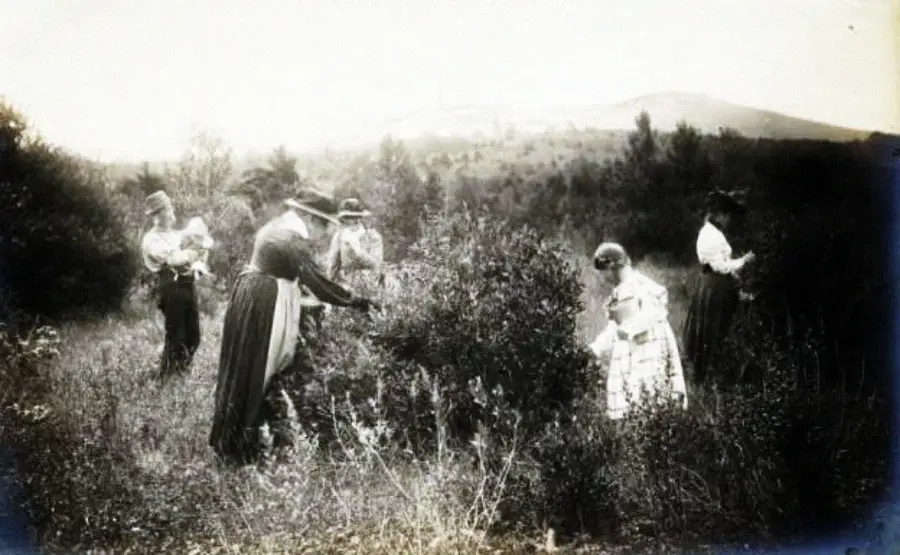
The barren fields of Down East Maine and Nova Scotia became active workspaces in August as crews gathered to harvest sweet wild blueberries. To this day, professional rakers still rely on hand-held metal tined rakes, a traditional design that has remained virtually unchanged since the late 1800s.
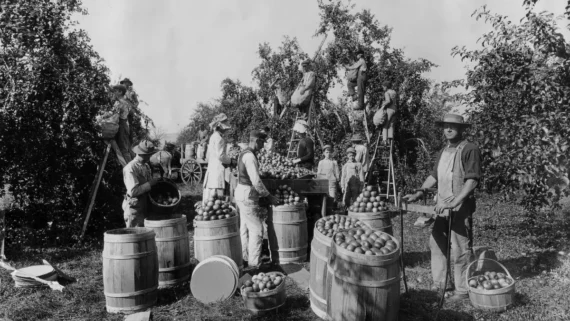
10. Apple orchard picker
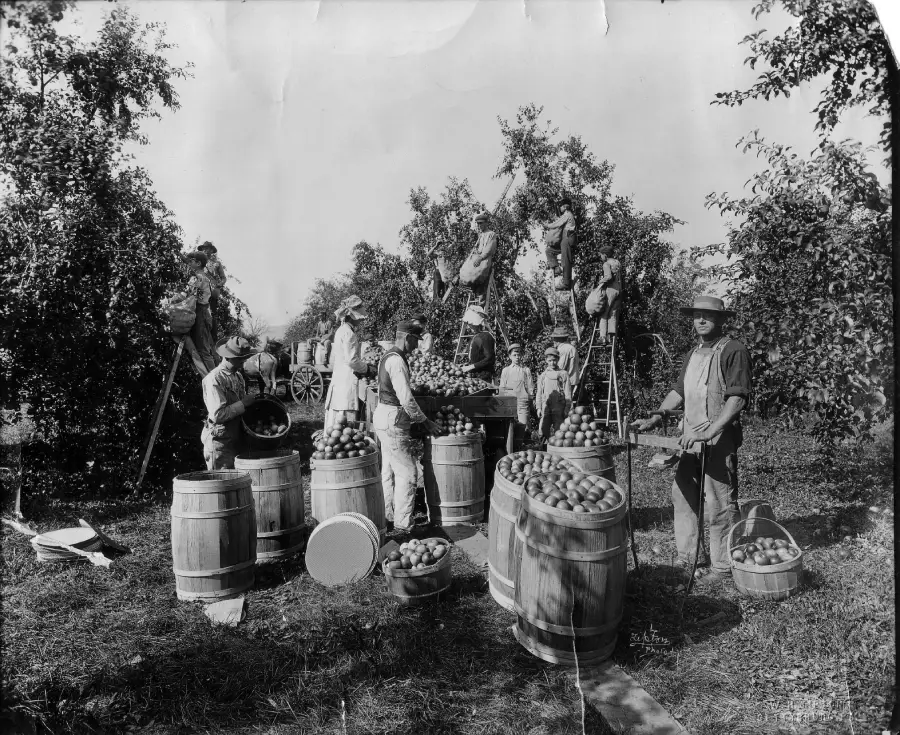
In autumn, rural valley towns in Washington State and Upstate New York swarmed with skilled pickers who balanced on specialized tall ladders to harvest delicate fruit. These workers carried heavy canvas-front buckets that held up to forty pounds of apples, carefully dumping them into bins to avoid bruising.
11. Peat cutter
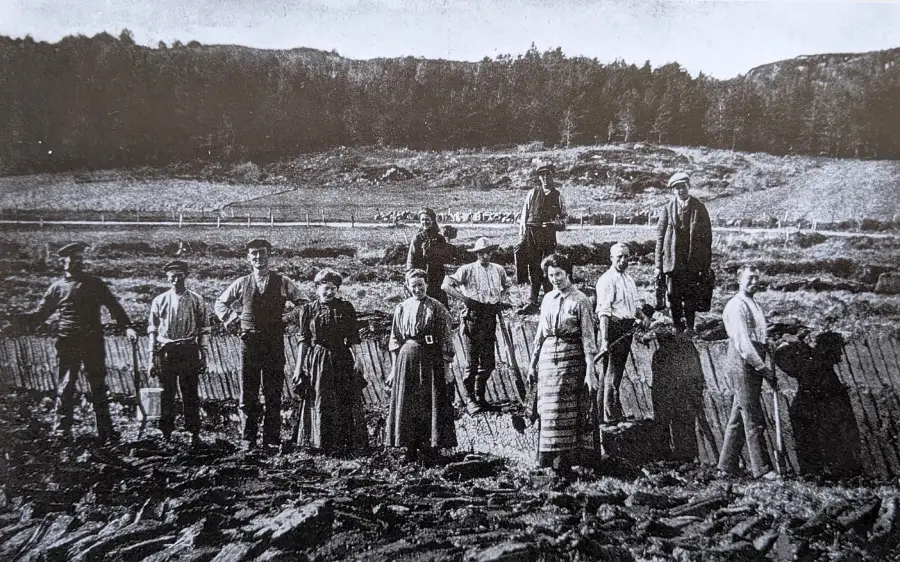
Throughout rural Ireland and Scotland, spring meant heading into the soggy peat bogs to manually slice wet turf bricks with specialized iron spades called slanes. The heavy sods had to be meticulously stacked into small, pyramid-like structures to dry in the wind for months before they could be burned for fuel.
12. Salt marsh hay harvester
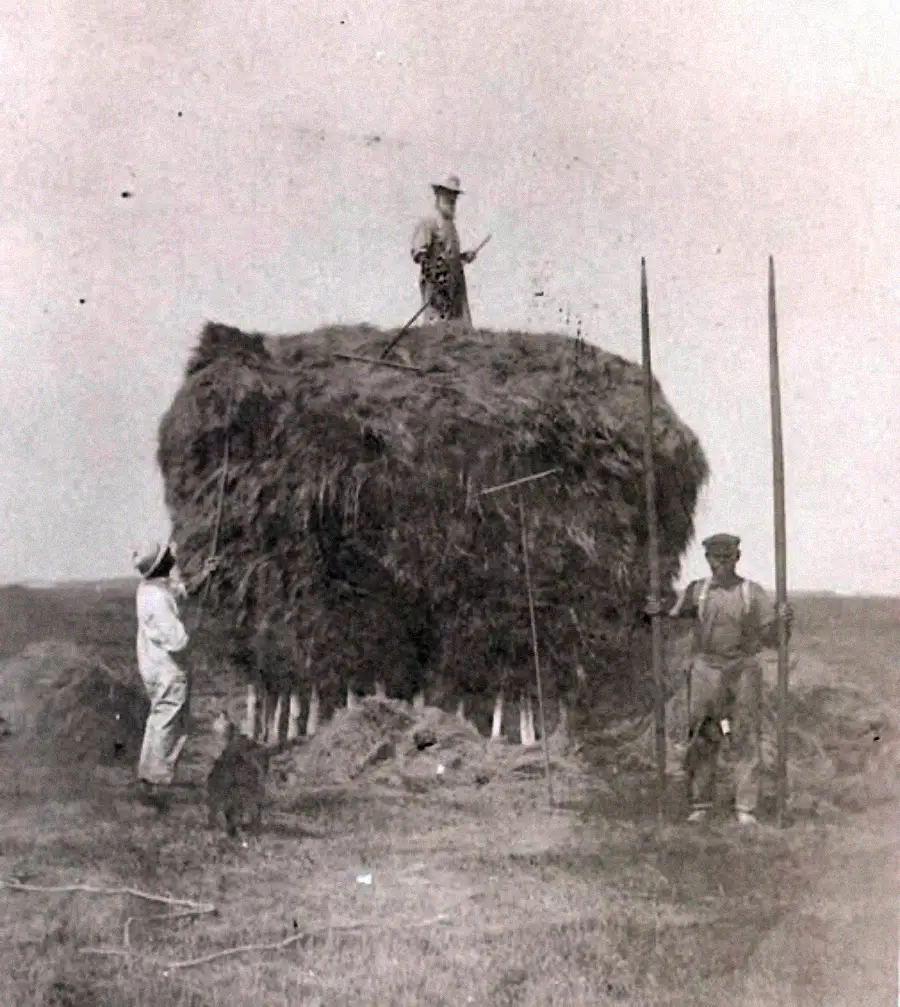
Coastal New England farmers spent late summer cutting nutrient-rich hay from muddy coastal marshes, a grueling task that required unique livestock equipment. To keep their heavy draft horses from sinking into the deep coastal muck, farmers fitted the animals with oversized, flat wooden snowshoe-like plates called mud pattens.
13. Retro boardwalk lifeguard
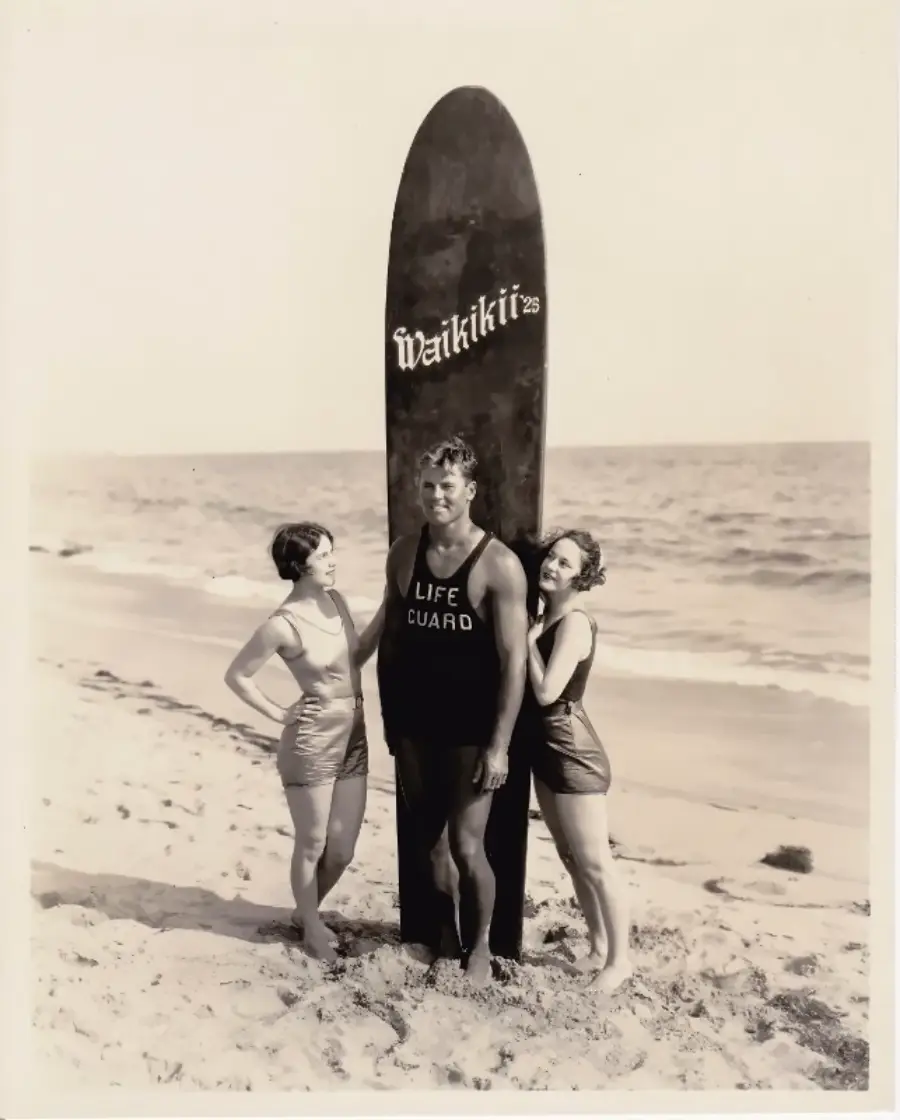
Sleepy coastal towns along the Jersey Shore and Southern California came alive in the summer heat, hiring athletic local youths to patrol the crowded ocean waters. During the golden age of beach tourism, these guards had to execute ocean rescues using massive, hollow wooden paddleboards that weighed over eighty pounds.
14. Summer camp counselor

Sleeping mountain regions like the Catskills and the Adirondacks experienced a massive economic boom in the mid-twentieth century as hundreds of lakeside youth camps opened for the season. This youth camp phenomenon created a massive local market for teenagers, who managed everything from archery ranges to wilderness hikes.
In the mood for more interesting job stories?
Taking a look back at these fascinating old-school trades shows us just how deeply our communities were once anchored to the shifting rhythms of the natural world. While modern supply chains and automated harvesting equipment have quieted many of these bustling seasonal rushes, the nostalgic memories and unique local identities they forged remain a proud part of small-town history. If you love discovering the hidden stories, quirky habits, and unique lifestyle trends of past generations, you will definitely want to dive into these 14 Summer Jobs That Defined Teenagers in the 80s and 90s or 15 High-Paying Jobs from 1975 That No Longer Exist. You may also like these Odd Jobs of the Early 1900s You Probably Haven’t Heard Of.